
Unlocking Potential: Transform Your Space, Save Time And Money
By Tom Seest
At RackingWorld, we help guide you through selecting warehouse storage systems and racking.
Be sure to read our other related stories at RackingWorld to learn more about warehouse storage systems.
The Cost Of Inefficient Storage Layouts
In the world of warehousing and distribution, inefficient storage layouts can feel like a slow leak in a tire—gradually draining away your resources before you even realize it. You walk into a facility with racking systems that are poorly organized, and it hits you: time is being wasted, costs are climbing, and frustration is building. The emotional toll of watching good products gather dust while your team scrambles through disarray is hard to ignore. Every minute lost is a dollar missed.
Think about it. A warehouse is like a well-oiled machine. Each part needs to fit together to make the whole work smoothly. When your storage layout is inefficient, it doesn’t just affect inventory flow; it erodes morale. Workers who spend their days battling with confusion and clutter don’t just feel pressure; they feel undervalued. Empowering your team with thoughtful, logical layouts can make their jobs easier and boost their confidence. It’s a simple yet powerful change that leads to better productivity.
The ethical implications are clear. When you don’t optimize your space, you’re not just throwing money away; you’re potentially putting customers at risk of delays. Quick delivery and accurate inventory can make or break trust with your clientele. You’re accountable for the promises you make. A well-structured system doesn’t just keep things organized; it showcases a commitment to excellence that speaks volumes about your business ethos.
Drawing from years of experience, I’ve seen firsthand the transformative power of an effective storage layout. I recall a time when a company revamped their racking systems based on flow and accessibility. The leap in efficiency was palpable—what once took hours of searching was turned into a streamlined process, often accomplished in minutes. The ripple effect was profound: happier employees, happier customers, and ultimately, better profits.
Socially, we operate in a competitive environment where word of mouth matters more than flashy ads. A business that prioritizes systematic organization becomes a beacon in the community. People talk about reliability. They share stories of ease and satisfaction, and that garners loyalty.
Addressing inefficient storage layouts isn’t merely about the physical space—it’s about valuing the potential of every square foot, every worker, and every customer relationship. Make that change. Showcase what’s possible. The returns are not just financial; they’re foundational.
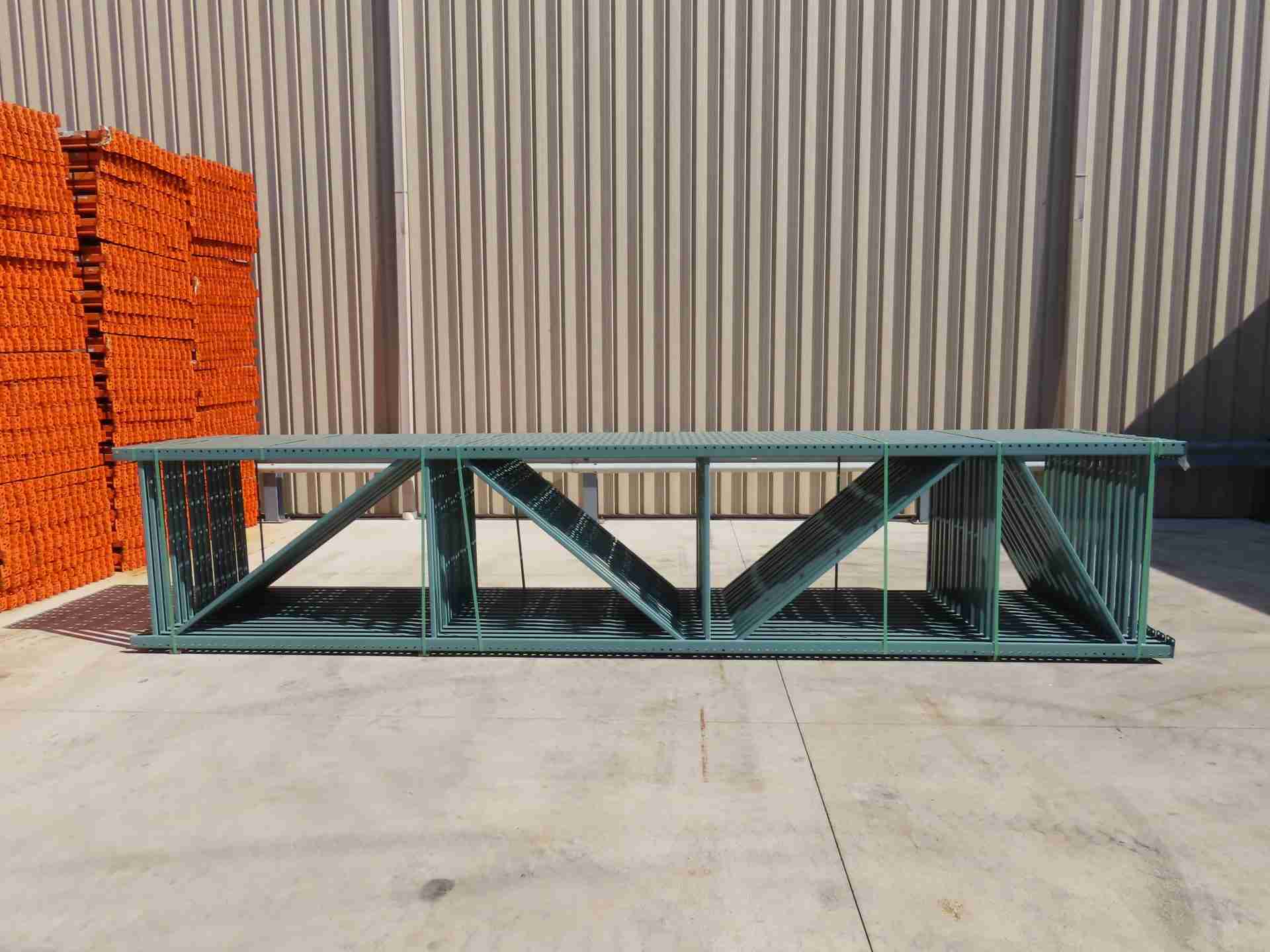
The Cost Of Inefficient Storage Layouts
The Cost Of Inefficient Storage Layouts
- Inefficient storage layouts in warehouses waste time and increase costs.
- Disorganization leads to employee frustration and decreased morale.
- A logical storage layout empowers workers, enhancing productivity and confidence.
- Not optimizing space risks delays and damages customer trust.
- A well-structured system reflects a commitment to excellence in business.
- Transformative storage layouts improve efficiency, employee satisfaction, and profitability.
- Effective organization fosters community trust and loyalty through word of mouth.
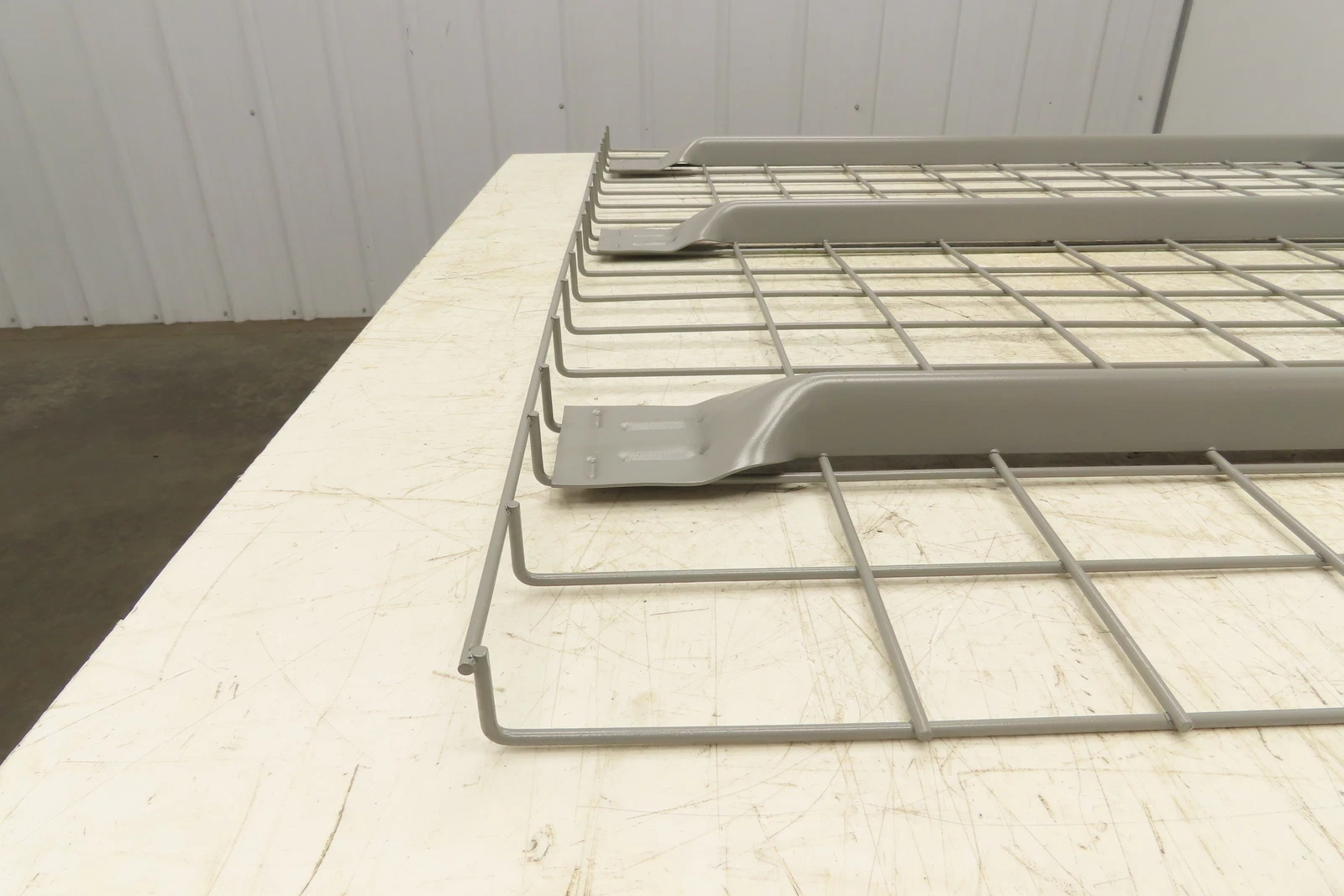
The Cost Of Inefficient Storage Layouts
Table Of Contents
- The Cost Of Inefficient Storage Layouts
- What Impact Does Poor Storage Layout Have on Business Revenue?
- How Can an Inefficient Layout Affect Employee Productivity?
- Are You Losing Time Due to Disorganized Storage?
- What Emotional Toll Does Cluttered Storage Take on Your Team?
- How Can Optimized Layouts Improve Customer Satisfaction?
- Is Your Current Storage System Costing You Money?
- Conclusion
- Other Resources
- Glossary Of Terms
- Other Questions
- Checklist
What Impact Does Poor Storage Layout Have on Business Revenue?
When you step into a warehouse with a cluttered, chaotic storage layout, it feels like stepping into a storm—everything’s a mess, and you’re left wondering where to find what you need. Poor storage layout impacts not just the efficiency of operations but also the lifeblood of any business: revenue. When inventory isn’t organized properly, racking systems become a tangled web of frustration. Workers waste precious time searching for products instead of fulfilling orders. Think about it—every minute lost is money wasted. This isn’t just about figures on a spreadsheet; it’s about real livelihoods hanging in the balance.
Imagine a dedicated team hitting the ground every day, fueled by passion and hard work, only to be thwarted by poor storage. The morale dips when workers feel overwhelmed. A simple fix—investing in a logical, intuitive racking system—could turn that frown upside down. It’s an ethical choice too; a well-organized layout not only respects the time and effort of employees but supports their well-being, turning a job into a place where people want to be.
From a rational standpoint, a clear and efficient layout means faster retrieval times. When your team knows exactly where to find products, you can deliver on promises to customers, turning inquiries into sales—an undeniable pathway to growth. This isn’t pie-in-the-sky thinking; it’s grounded in common sense. When people can find what they need, they can work quicker and serve customers better.
Now, let’s spice it up with a story. Meet Joe, a warehouse manager who faced a mountain of challenges due to a convoluted storage layout. Misplaced boxes and piles of wasted space led to missed shipments and frustrated clients. After shifting to a streamlined racking system, Joe not only saw a 20% rise in productivity but also noticed a profound change in his team’s energy. Their confidence grew, and pride swelled as they transformed the chaos into an organized operation.
What started as a daunting task turned into a team victory, reinforcing the idea that a little organization goes a long way. Each section of a racking system tells a story, connecting the dots between order fulfillment and customer satisfaction. This narrative isn’t singular; it’s shared across warehouses where changing the layout can lead to groundbreaking improvements.
Investing in a better storage layout isn’t just a smart business decision; it’s a commitment to your team, to efficiency, and ultimately, to your bottom line. When every item has its place, and every worker knows just what to do, that’s when you truly unlock the potential for increased revenue.
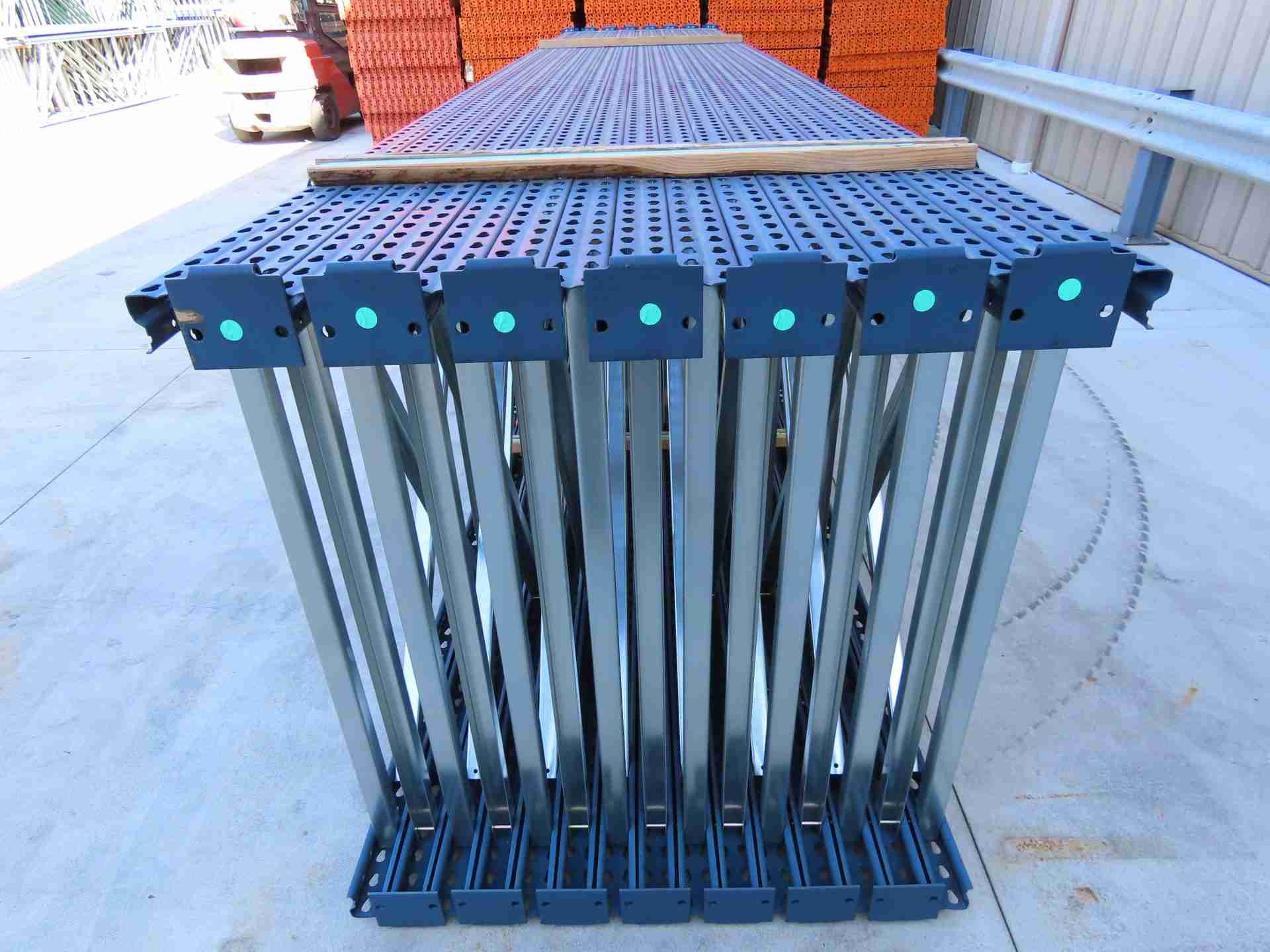
What Impact Does Poor Storage Layout Have on Business Revenue?
What Impact Does Poor Storage Layout Have on Business Revenue?
- A cluttered warehouse storage layout creates chaos, impacting operational efficiency and revenue.
- Disorganized inventory leads to wasted time as workers search for products instead of fulfilling orders.
- A logical racking system enhances employee morale and supports their well-being, improving workplace satisfaction.
- An efficient layout results in faster retrieval times, boosting customer service and sales potential.
- Joe, a warehouse manager, boosted productivity by 20% after implementing a streamlined racking system.
- Transforming storage organization can foster team confidence and create a positive workplace environment.
- Investing in storage layout is crucial for business efficiency and unlocking revenue potential.

What Impact Does Poor Storage Layout Have on Business Revenue?
How Can an Inefficient Layout Affect Employee Productivity?
An inefficient layout within the workplace can feel like a heavy weight dragging down productivity, often in ways that aren’t immediately obvious. Picture this: employees arriving each day to a chaotic, disorganized space where their tools and resources are strewn around. This isn’t just about misplaced items; it’s about the emotional toll that such environments take. Frustration builds, motivation plummets, and the energy of the team wanes. In a world where we spend a large part of our lives at work, feeling supported and valued is crucial. An efficient layout fosters a sense of belonging, urging employees to invest their best efforts.
Racking systems represent more than just storage; they’re a lifeline in a busy workspace. When these systems are thoughtfully designed and strategically placed, they streamline operations and enhance workflow. Employees can access what they need quickly, cutting down on unnecessary downtime. Rationally speaking, less time spent searching for tools translates directly to more time spent on meaningful tasks. A workplace where every piece of equipment is accessible and every area is optimized sends a clear message: “We care about your time and your contributions.”
From an ethical standpoint, employers have a responsibility to provide a conducive environment. It’s not just about profits; it’s recognizing that people are at the heart of any successful operation. When management invests in smart layouts that incorporate efficient racking systems, they are actively working to support their team’s well-being. Statistics show that employees are more engaged and productive in organized spaces, reinforcing the argument that layout isn’t just a matter of aesthetics but foundational to operational success.
Think of a time when you walked into a workspace that felt alive, where everything was in its place, and the task at hand was clear. This isn’t just a dream; it’s achievable. Stories abound of companies taking simple steps—like rearranging furniture or investing in better racking systems—and witnessing a dramatic shift in morale and productivity. When employees feel empowered by their environment, they’re more likely to collaborate and innovate, sharing ideas and solutions that uplift the whole team.
Creating an efficient layout is about building trust in the workspace. It shows employees that their needs are recognized and their roles are valued. In a world that can often feel bustling and overwhelming, a well-organized layout stands as a beacon of clarity, urging every worker to step up, succeed, and take pride in what they do.

How Can an Inefficient Layout Affect Employee Productivity?
How Can an Inefficient Layout Affect Employee Productivity?
- An inefficient workplace layout hampers productivity and can create emotional distress among employees.
- A chaotic environment leads to frustration, decreased motivation, and overall team energy loss.
- An efficient layout promotes a sense of belonging and encourages employees to contribute their best efforts.
- Well-designed racking systems streamline operations, allowing quick access to tools and reducing downtime.
- Employers have an ethical duty to provide organized spaces that enhance employee well-being and productivity.
- Improved layouts can significantly boost morale, collaboration, and innovation within teams.
- A well-organized workspace fosters trust and shows employees their roles and needs are valued.
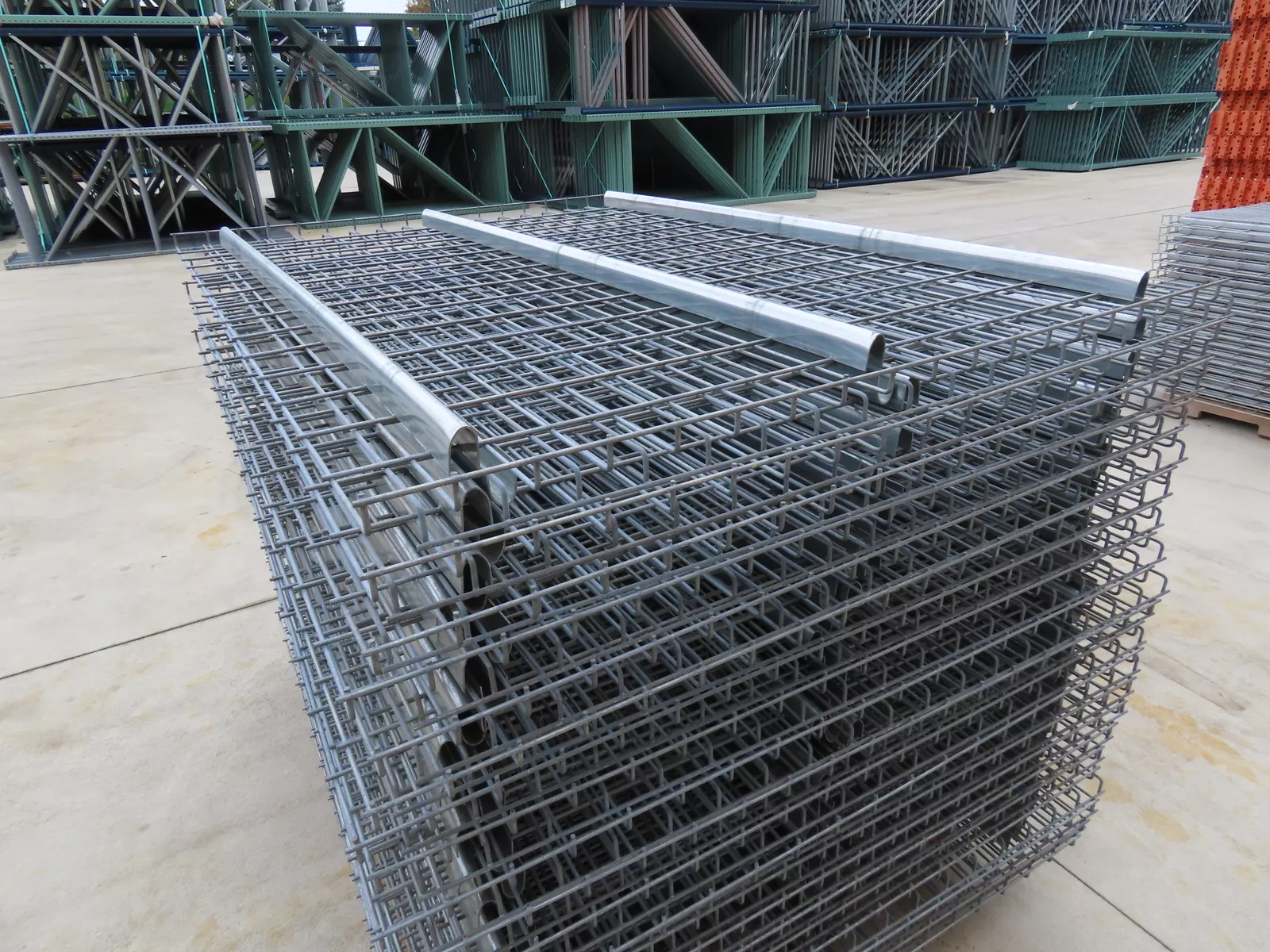
How Can an Inefficient Layout Affect Employee Productivity?
Are You Losing Time Due to Disorganized Storage?
If you’ve ever rummaged through a cluttered garage or a chaotic storage room, you know the frustration that comes with it. You’re not just wasting time looking for a tool or a box of holiday decorations; you’re losing precious moments that could be spent on things that really matter. Disorganized storage doesn’t just slow you down—it adds stress to your day-to-day life.
Think about it: every minute you spend searching for that one item could have been used to tackle a project, spend time with family, or even just relax. Racking systems can provide a simple solution to a complex problem. By elevating your storage game, you’ll not only clear the clutter but also reclaim your time. It’s like getting a second chance—not purchasing anything new but finding what you already have.
Embracing organization can spark a sense of control over your environment, enhancing your productivity and peace of mind. When the tools are easily accessible and the space is tidy, you work more efficiently. You’ll feel that surge of satisfaction when you know exactly where everything is, which can lead to a more focused and fulfilling workday.
Let’s face it: we’ve all been there, standing in a sea of boxes and bins, battling the urge to just give up and walk away. But you’re not alone. Many hardworking folks face the same battle. It’s not just about cleaning up; it’s about setting yourself up for success. Organizing your storage isn’t just a mundane chore; it’s a step towards reclaiming your time and enhancing your life.
Your friends and family will notice the difference too. When you invite them over, there’s a certain pride in showing off your well-organized space. It’s an act that resonates on a deeper level, creating connections over shared experiences—everyone has that one closet that’s a disaster zone.
Investing in racking systems and getting organized is not just about tidiness; it’s about creating an environment where you can thrive. You’ll find yourself wasting less time, feeling less stressed, and, ultimately, living more fully. Take that leap of faith; tackle the chaos and rediscover the joy of a well-ordered life.
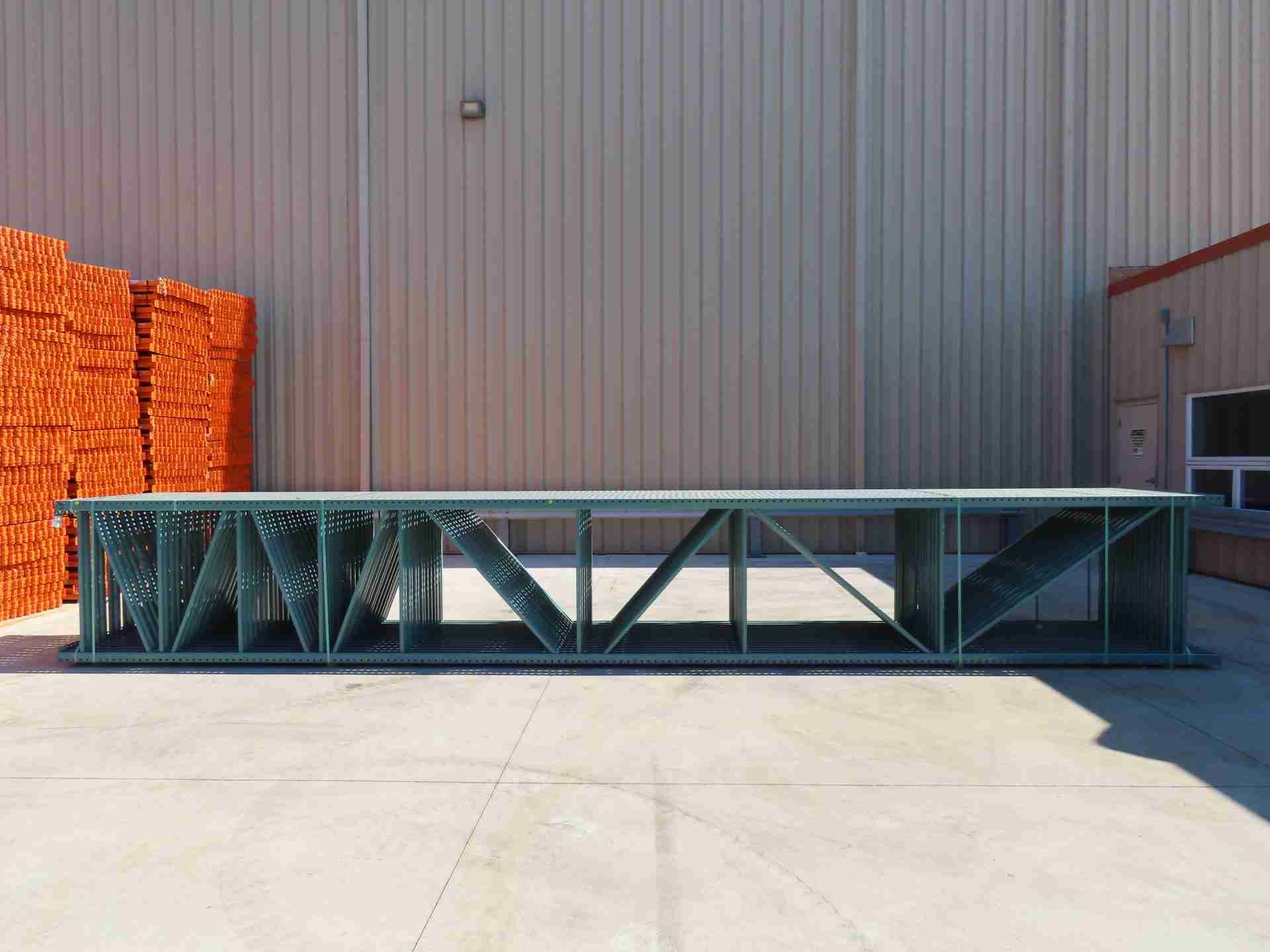
Are You Losing Time Due to Disorganized Storage?
Are You Losing Time Due to Disorganized Storage?
- Rummaging through cluttered storage causes frustration and wasted time.
- Disorganized spaces increase stress and hinder productivity.
- Racking systems offer a simple solution for better storage organization.
- Embracing organization helps reclaim time and fosters a sense of control.
- A tidy space enhances efficiency and satisfaction during work.
- Organized storage boosts pride and social connections with friends and family.
- Investing in organization leads to reduced stress and a more fulfilling life.

Are You Losing Time Due to Disorganized Storage?
What Emotional Toll Does Cluttered Storage Take on Your Team?
Cluttered storage can take a significant emotional toll on your team. Each day, workers enter a space overtaken by mess — overwhelmed by items piled high and memories of better organization haunting them like shadows. This isn’t just about disorganization; it’s a source of stress that seeps into their productivity and relationships.
Picture this: a team member searches for crucial tools or materials amidst the chaos of racking systems buckling under the weight of forgotten supplies. Frustration mounts, and what should be a straightforward task becomes a scavenger hunt. The cognitive load increases, leading to mistakes that can cost time and money. But the damage runs deeper. When people feel helpless in their environment, motivation dwindles, sparking a ripple effect that can tarnish the spirit of your entire team.
From a rational standpoint, consider the impact on efficiency. A cluttered storage area means more time wasted searching for items, leading to missed deadlines and unmet goals. Imagine explaining to a client why your team couldn’t deliver on time because they were lost in the mess. It’s an avoidable situation that undermines trust, both in the team and in the larger organization.
Ethically, it matters how your team feels coming to work each day. Everyone deserves an environment that fosters success and well-being. When clutter chokes the space, it signals a lack of respect for your workers’ time and effort. This truth is hard to swallow, but it is the reality; a well-organized, clean workspace portrays that you value your team. You model responsibility and care, which can foster a thriving workplace culture.
The narrative of a cluttered workspace is familiar. Many have been there, witnessing how disarray stifles creativity and teamwork. Instead of collaboration, you find grumbles and missed connections, the collective energy drained by an unmanageable environment.
Lastly, there’s a social dimension. Teams thrive in spaces where they’re encouraged to work together cohesively. Clutter breeds isolation, pushing individuals into their own corners, preoccupied with searching for what they need, rather than leaning on each other. Bringing order to storage and clarity to the workspace isn’t just a logistical improvement; it’s an emotional investment in the team’s morale and cohesion.
It’s easy to overlook, but the cleanup is a call to action — a chance to reclaim not just physical space, but the spirit and productivity of your team. When each item has its place, so too does the heart and mind of your workforce.
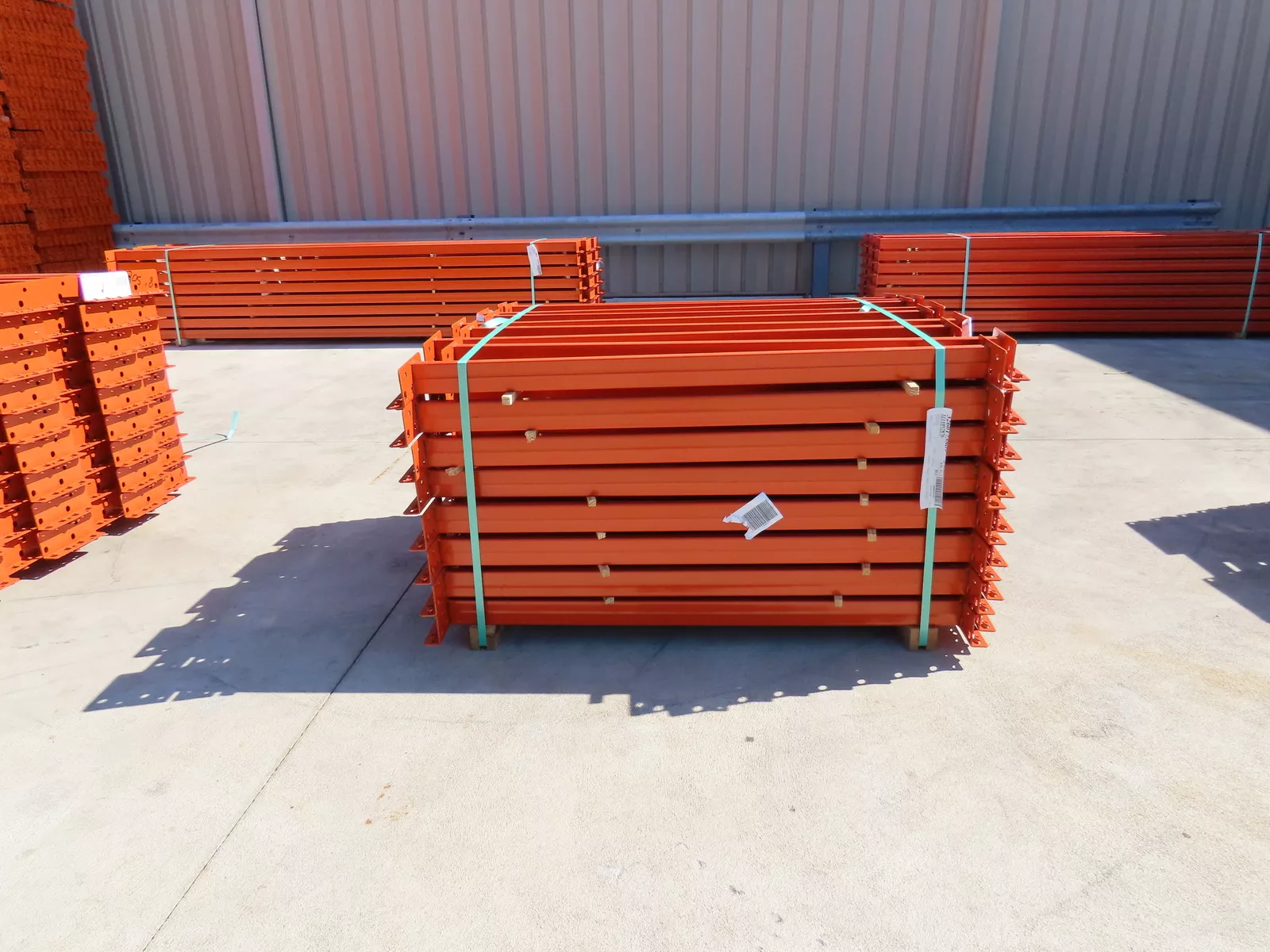
What Emotional Toll Does Cluttered Storage Take on Your Team?
What Emotional Toll Does Cluttered Storage Take on Your Team?
- Cluttered storage negatively impacts team morale and emotional well-being.
- The chaos causes frustration, leading to decreased productivity and increased mistakes.
- Efficiency suffers as more time is wasted searching for items, risking missed deadlines.
- A cluttered environment undermines trust within the team and the organization.
- A clean workspace signals respect for employees’ time and effort, fostering a positive culture.
- Disarray stifles creativity and collaboration, hindering teamwork and connection.
- Organizing the space is a crucial investment in the team’s morale and overall productivity.
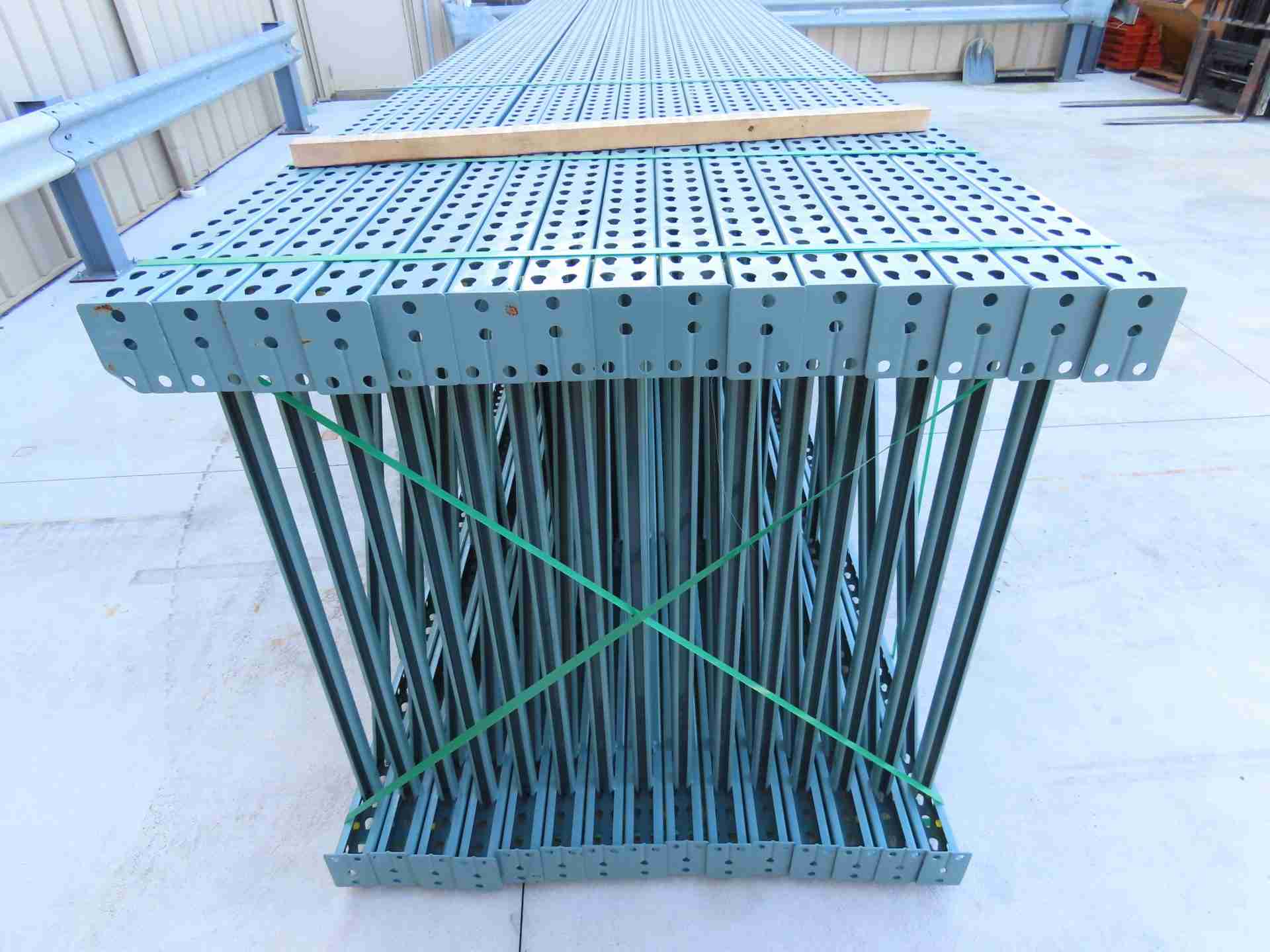
What Emotional Toll Does Cluttered Storage Take on Your Team?
How Can Optimized Layouts Improve Customer Satisfaction?
Optimized layouts can make a world of difference in customer satisfaction, and it all starts with the basics. Picture walking into a store or warehouse that feels chaotic and cluttered; it’s enough to make anyone want to turn right around and leave. On the flip side, think of a place where everything’s clearly laid out: products are easy to find, pathways are clear, and there’s a natural flow to how customers move through the space. This isn’t just about aesthetics; it’s about respect for the customer’s time and experience.
When racking systems are optimized, they do more than just hold inventory; they create an environment that invites exploration. Customers can quickly locate what they need, and that sense of ease translates into a positive impression of the business. This kind of layout not only saves time but also creates a sense of freedom. The less time folks spend searching for items, the more time they have to discover new products or engage with employees. That’s where connection happens. People aren’t just in a store; they’re having an experience that leaves them feeling valued.
But there’s also a logical side to the argument. Studies show that efficiency in layout can lead to increased sales. When customers can find what they’re looking for without a hassle, they tend to make larger purchases. A well-organized system not only boosts sales but also fosters a sense of loyalty. Customers appreciate when businesses take the time to think about their needs, and they’re likely to return when they feel that their time and presence are honored.
Ethically, businesses have a responsibility to create environments that foster positive interactions. A cluttered space can lead to frustration, and nobody wants to deal with that when they’re just trying to make a simple purchase. Moreover, when customers are met with a clean, organized space, it sends a message: this establishment values quality, not just in products but in the overall experience.
The strength of a well-optimized layout also resonates socially. Customers talk, and word-of-mouth spreads like wildfire when someone has a good experience. They’ll share their stories about how easy it was to find what they wanted and how pleasant the shopping environment was. In a world where choices abound, these stories can build trust, encouraging new customers to step through the door and discover what’s inside.
Optimizing layouts isn’t just a logistical task; it’s a way to foster community and connection through simple, effective design. It’s about creating spaces that resonate with customers, making them feel at home every time they visit.

How Can Optimized Layouts Improve Customer Satisfaction?
How Can Optimized Layouts Improve Customer Satisfaction?
- Optimized layouts enhance customer satisfaction by creating organized, clear spaces.
- Effective layouts respect customers’ time and improve the shopping experience.
- Well-optimized racking systems facilitate easy product location, inviting exploration.
- Efficiency in layout can lead to increased sales and larger purchases.
- A clean and organized space fosters customer loyalty and positive interactions.
- Good shopping experiences generate positive word-of-mouth, enhancing trust in the business.
- Optimizing layouts promotes community and connection, making customers feel valued.
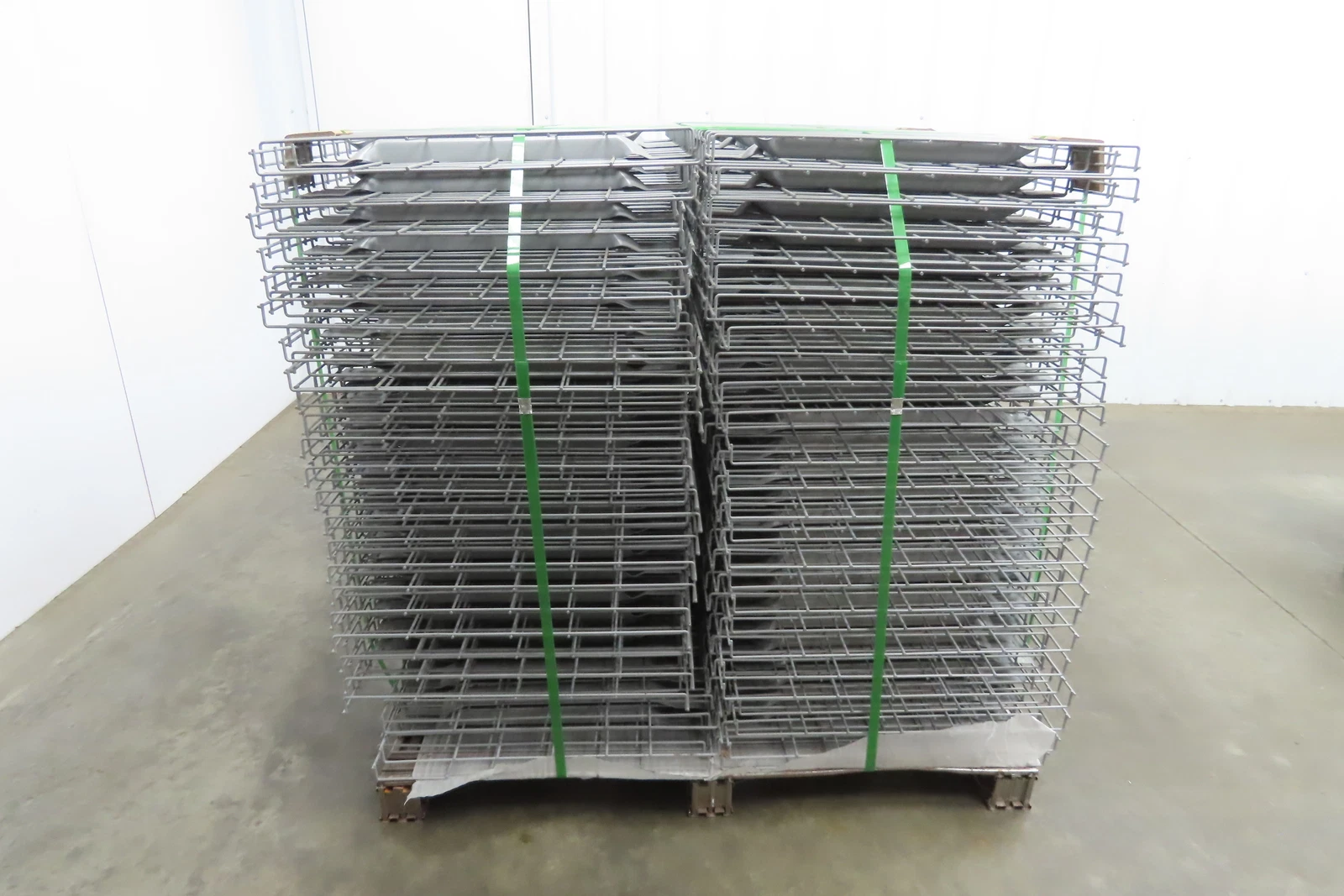
How Can Optimized Layouts Improve Customer Satisfaction?
Is Your Current Storage System Costing You Money?
Every dollar counts in the world of business. Picture yourself walking through your facility, stepping over boxes that should have a home and dodging piles of inventory that seem to multiply overnight. If your current storage system feels more like a burden than a blessing, it’s time to examine whether it’s costing you money.
Take a look at those racking systems sitting in your warehouse. Sure, they looked great on paper, but are they actually working for you? Inefficient shelving can lead to lost products, wasted man-hours, and slow order fulfillment. Think about the time spent searching for items that could be snagged in seconds. Every minute your team spends rummaging through cluttered aisles adds up to lost revenue. This isn’t just about organization; it’s about optimization.
Now, let’s get practical. Investing in the right racking systems can streamline operations like you wouldn’t believe. It’s not just an expense; it’s a stepping stone towards more efficient workflows. Consider this: a proper storage system means fewer errors, faster processing times, and ultimately, happier customers. Your employees deserve a workspace that allows them to shine, and an ideal storage solution makes that possible.
Ethically, you owe it to your team and your bottom line to ensure your resources are used wisely. Choosing affordable yet effective storage options is a way to demonstrate respect for your employees and their time. When they’re able to do their jobs with ease, trust in your leadership grows.
And let’s not overlook the social aspect. When your warehouse runs smoothly, word gets around. Your reputation as an organized and reliable business can lead to more partnerships and opportunities. People want to work with companies that value efficiency and care about their operations, and a spruced-up storage system reflects just that.
So, as you consider the state of your storage, remember that investing in better racking systems doesn’t just improve your space—it enhances your entire operation. Don’t wait until the clutter overwhelms you. It’s time to reclaim your space, boost your morale, and most importantly, save your hard-earned dollars. Taking action now will set the stage for future success.
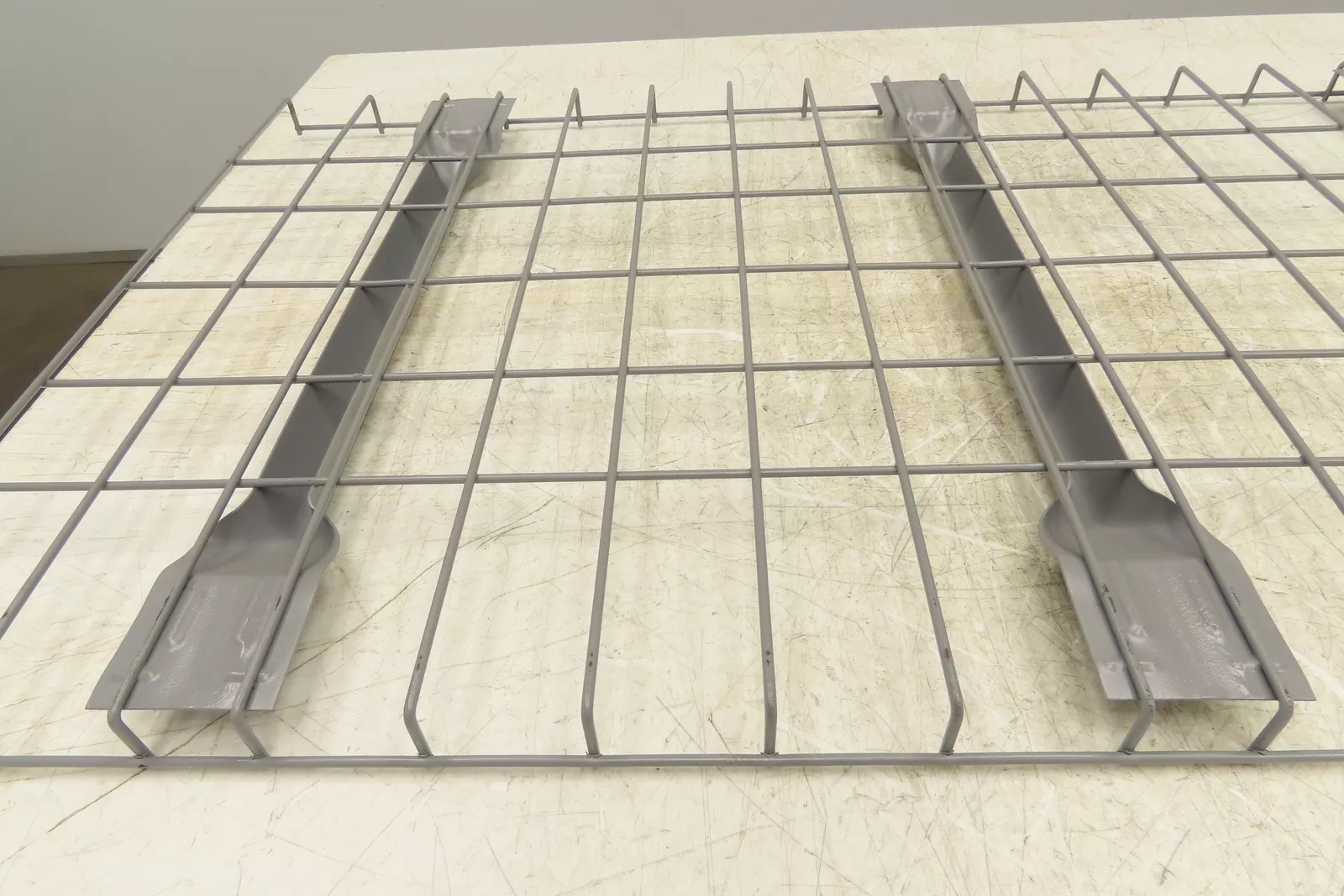
Is Your Current Storage System Costing You Money?
Is Your Current Storage System Costing You Money?
- Every dollar counts in business; a cluttered storage system can impact financial performance.
- Inefficient racking systems may lead to lost products and wasted time, affecting productivity.
- Investing in effective storage solutions can enhance operational efficiency and reduce errors.
- A well-organized workspace improves employee morale and customer satisfaction.
- Choosing affordable storage options shows respect for employees and optimizes resource use.
- A reputation for organization and reliability attracts partnerships and business opportunities.
- Taking action to improve storage leads to future success and cost savings.
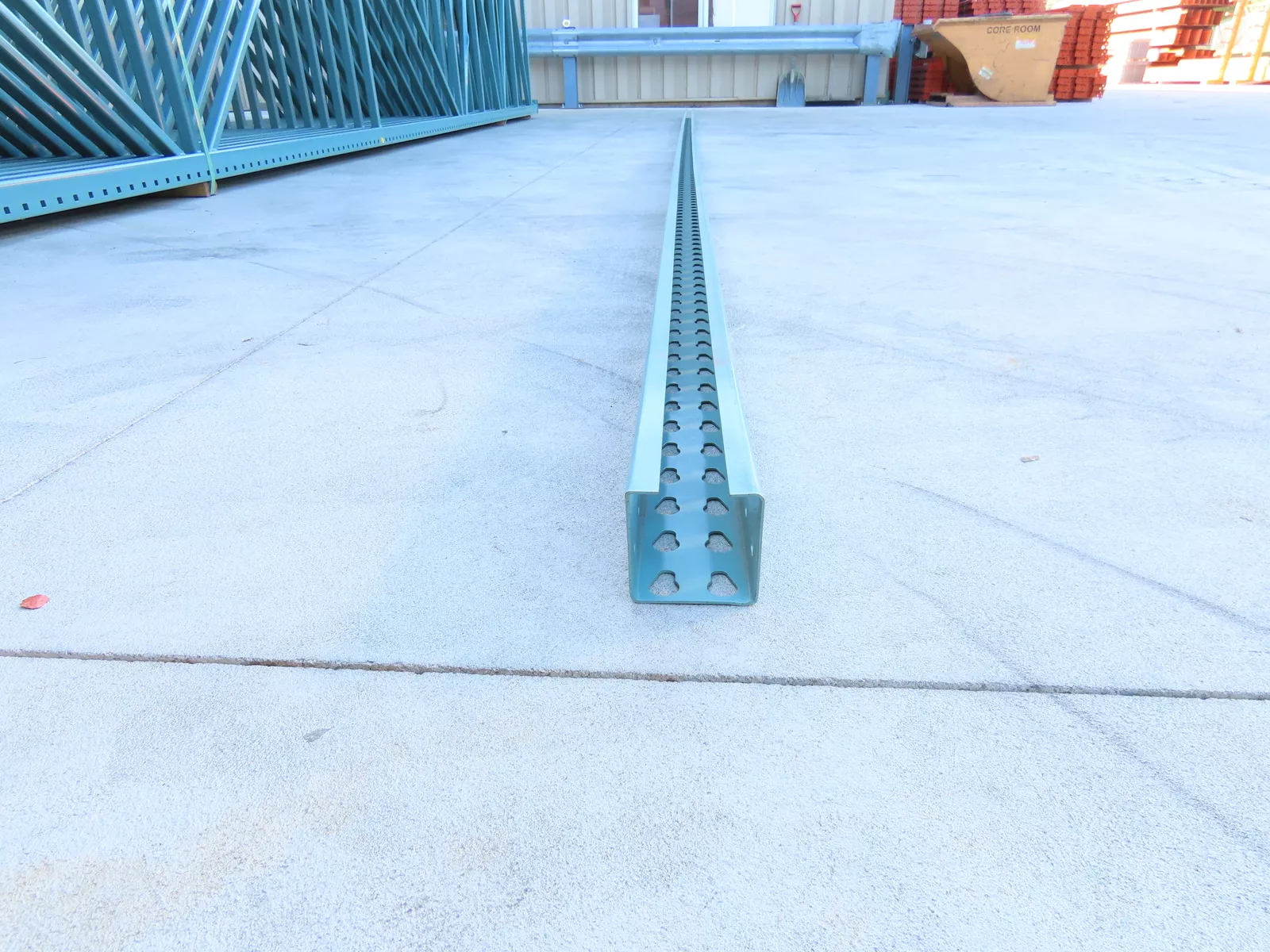
Is Your Current Storage System Costing You Money?
Conclusion
Inefficient storage layouts drain resources, erode morale, and impact customer satisfaction. Walking into a warehouse filled with chaotic racking systems feels akin to stepping into a storm—stress and frustration are palpable. This disarray results in wasted time and missed opportunities, costing money and undermining employee motivation. A cluttered space not only hinders productivity but also sends a message that employees and their efforts aren’t valued.
Optimizing storage layouts isn’t merely a practical choice; it’s a commitment to ethical responsibility. When businesses invest in logical, intuitive systems, they demonstrate respect for their team and their customers. An organized space fosters efficiency, allowing workers to locate products easily and fulfill orders promptly, thus meeting customer expectations and building trust.
Shared stories illustrate the transformative power of well-structured layouts. Consider Joe, a warehouse manager whose team once struggled with a convoluted system. After revamping their storage to prioritize flow and accessibility, productivity soared, bringing newfound confidence and pride among staff. Such improvements ripple outward, lifting employee spirits, enhancing customer experiences, and ultimately driving profit.
Socially, an organized workspace builds community connections. Word spreads when businesses prioritize efficiency, leading to customer loyalty and stronger reputations. A well-maintained storage system speaks to more than just functionality; it reflects a company’s dedication to quality service and care for its clientele.
The emotional toll of clutter shouldn’t be ignored. Employees work better in spaces designed for success, where every tool and resource is readily accessible. Disorganization breeds frustration, stifling creativity and collaboration. By investing in effective racking systems, employers show they care for their team’s well-being, reaping benefits in productivity and morale.
Ultimately, the call to action is clear: assess your storage solutions now. The costs of inefficiency are far-reaching—not just financial but fundamentally tied to the fabric of workplace culture and customer relations. Create a space where every square foot is respected, every employee feels empowered, and customer satisfaction thrives. Investing in optimized layouts is about unlocking potential, spurring growth, and reclaiming not just time and money, but the pride that comes from a job well done.
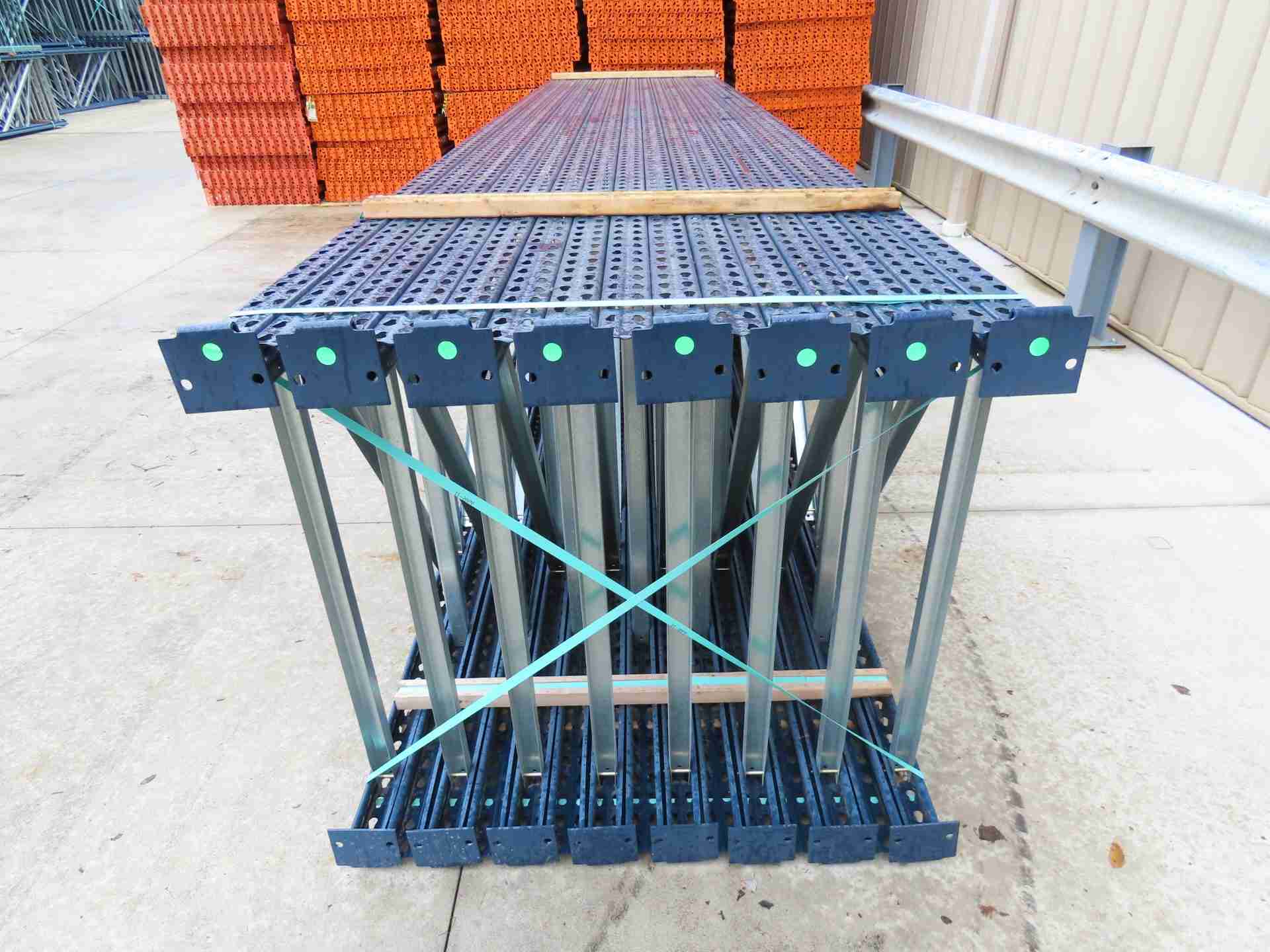
Conclusion
Conclusion:
- Inefficient storage layouts lead to resource drain, low morale, and customer dissatisfaction.
- Chaotic warehousing causes stress and wasted time, undermining employee motivation and opportunities.
- Optimizing layouts shows ethical responsibility and respect for employees and customers.
- An organized space increases efficiency in locating products and fulfilling orders, enhancing customer trust.
- Successful storage revamps boost employee confidence, morale, and enhance overall customer experiences.
- Well-structured spaces foster community, loyalty, and reflect a company’s dedication to quality service.
- Investing in effective racking systems improves workplace culture and drives productivity and satisfaction.

Conclusion
Other Resources
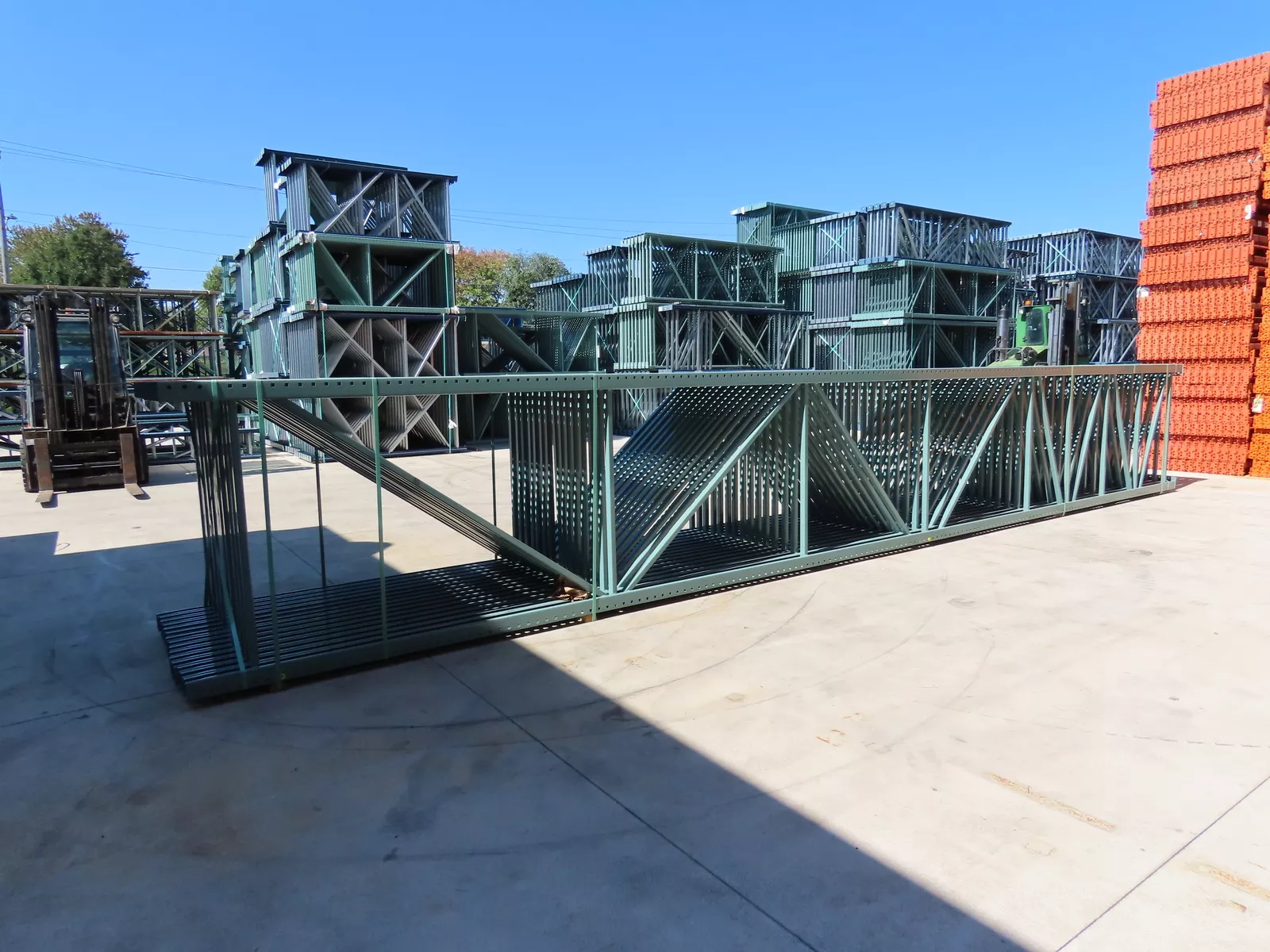
Other Resources
Here is a list of other resources you can review online to learn more:
- Mustang Material Handling
- Warehousing Education and Research Council: https://www.werc.org/
- RMI
- Overhead Lifting
- Teardrop Industrial Shelving Rack
- Warehouse Automation
- Iowa Illinois Warehouse Racking
- Pallet Racks, Pallet Racking, Pallet Shelves in Stock – ULINE
- Used Teardrop Pallet Rack – American Surplus
- Teardrop Racks – Pallet Rack World
- Chicago Pallet Racking
- International Warehouse Logistics Association
- Bradford Systems
- Selective Pallet Racking Systems – Container Systems
- IIWS Inc. Rack Installation Illinois & Rack Repairs Illinois
- Storage Equipment Manufacturers’ Association
- Cantilever Racking Specialists – Get the Right Racks
- Teardrop Industrial Shelving Rack
- American Society of Safety Professionals
- Selective Pallet Racking Systems
Use This Prompt To Get More Resources With Your Favorite Online AI Tool: Please provide me with a list of online articles with their URLs in a bulleted list that I can read regarding The Cost Of Inefficient Storage Layouts

Other Resources
Glossary Terms
The Cost Of Inefficient Storage Layouts – Glossary Of Terms
1. Access Efficiency: The ease with which items in storage can be retrieved or accessed.
2. Inventory Turnover: The rate at which inventory is sold and replaced over a specific period.
3. Space Utilization: The effective use of available space within storage areas.
4. Obsolescence: The state of being out of date or no longer used, leading to wasted storage.
5. Lead Time: The period between initiating a process and its completion, affecting storage needs.
6. Overhead Costs: Ongoing expenses associated with maintaining storage, not directly tied to inventory.
7. Retrieval Time: The time it takes to locate and obtain an item from storage.
8. Storage Density: The amount of product stored per unit of space, influencing efficiency.
9. Stock Keeping Unit (SKU): A unique identifier for each distinct product or item in inventory.
10. FIFO (First In, First Out): An inventory management method ensuring older stock is used first.
11. LIFO (Last In, First Out): An inventory method where the most recently acquired items are sold first.
12. Palletization: The practice of storing goods on pallets for better organization and retrieval.
13. Layout Optimization: The process of organizing storage space for maximum efficiency.
14. Capacity Planning: The process of determining storage space requirements based on demand.
15. Obsolete Inventory: Items that are no longer sellable or useful, taking up space unnecessarily.
16. Inventory Management: The supervision of non-capitalized assets and stock items.
17. Warehouse Management System (WMS): Software that helps manage warehouse operations efficiently.
18. Picking Accuracy: The degree to which the correct items are selected during the picking process.
19. Cycle Counting: An inventory auditing procedure where a portion of inventory is counted on a scheduled basis.
20. Demand Forecasting: The process of predicting future customer demand to optimize inventory levels.
21. Layout Design: The arrangement of items in a storage area to maximize efficiency and accessibility.
22. Cross-Docking: A logistics practice where incoming goods are directly transferred to outbound shipping, reducing storage time.
23. Supply Chain Management: The management of the flow of goods and services from origin to consumption.
24. Material Handling: The movement, protection, and control of materials throughout the manufacturing and warehousing process.
25. Automation: The use of technology to perform tasks with minimal human intervention, improving efficiency.
26. Batch Picking: A method of picking where multiple orders are fulfilled simultaneously to save time.
27. Inventory Valuation: The method of determining the worth of unsold inventory at the end of a period.
28. Storage Solutions: Various methods and technologies employed to optimize storage space and efficiency.
29. Return on Investment (ROI): A measure used to evaluate the profitability of an investment in storage solutions.
30. Lean Warehousing: A methodology focused on reducing waste and improving efficiency in warehouse operations.
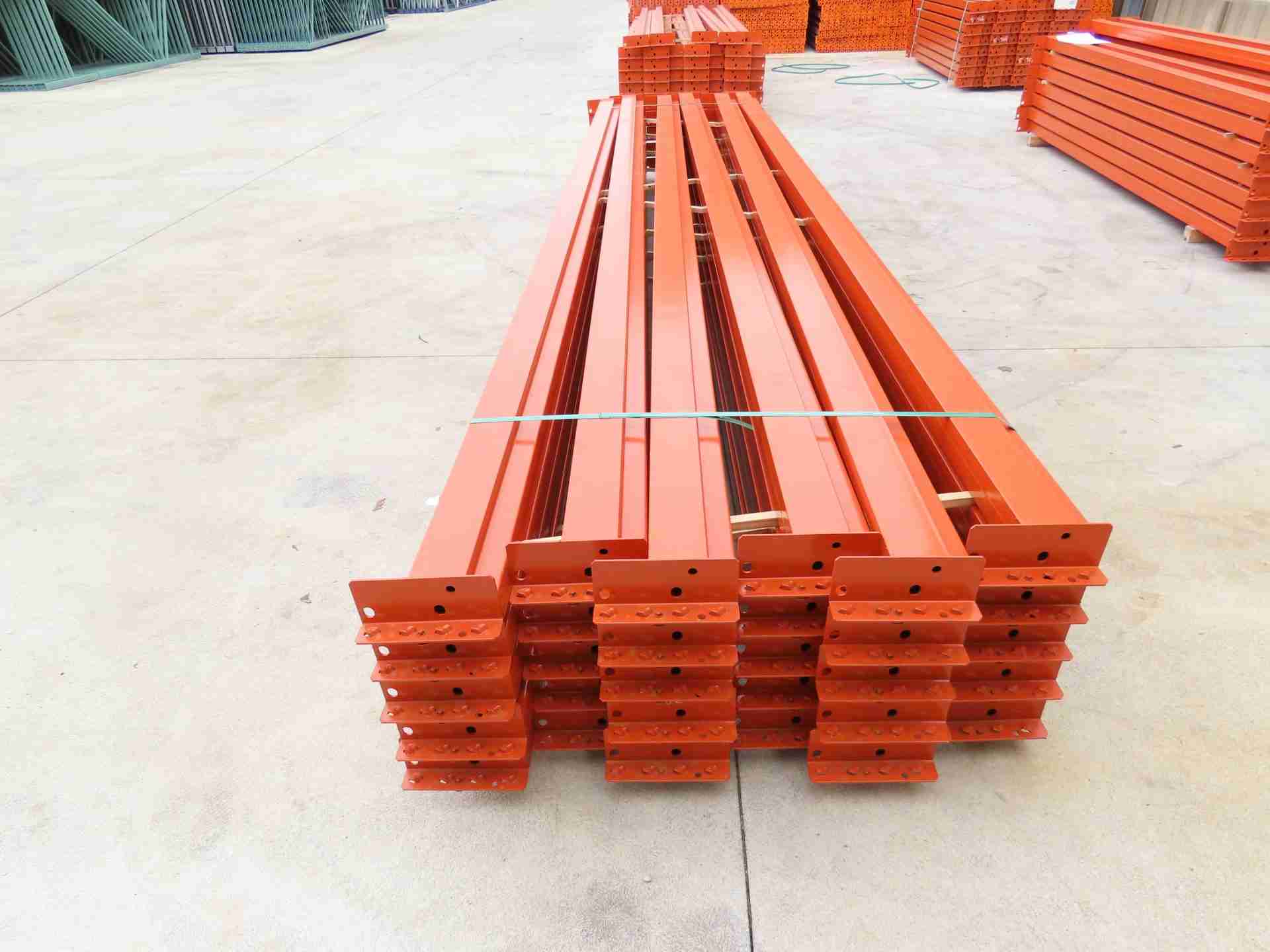
Glossary Of Terms
Other Questions
The Cost Of Inefficient Storage Layouts – Other Questions
If you wish to explore and discover more, consider looking for answers to these questions:
- How much can I expect to save by redesigning my storage layout?
- What is the typical ROI and payback period for new racking systems?
- How do I measure current storage inefficiencies and quantify losses?
- Which KPIs should I track to evaluate layout performance (e.g., pick rate, order cycle time, space utilization)?
- What layout designs work best for different facility types (distribution center, e-commerce, manufacturing, cold storage)?
- How do I choose the right type of racking (pallet, cantilever, shelving, mezzanine) for my inventory mix?
- What space-optimization techniques should I consider (vertical storage, narrow aisle, mezzanine, multi-tier racking)?
- How much operational disruption and downtime will a re-layout cause, and how can it be minimized?
- What are the costs of retrofitting existing racks versus purchasing new systems?
- How do optimized layouts integrate with warehouse management systems (WMS) and other software?
- What role can automation and robotics play in improving layout efficiency and throughput?
- How do I calculate expected labor savings from a more efficient layout?
- How should inventory be organized by velocity (ABC analysis) to inform layout decisions?
- What training will staff need after a layout change and how long does adoption typically take?
- How can layout changes improve safety, reduce accidents, and lower product damage?
- What regulatory, fire-code, or insurance requirements affect storage layout choices?
- How do I balance accessibility and storage density for peak-season surges versus steady-state operations?
- What common pitfalls or mistakes should I avoid when redesigning storage layouts?
- How can I phase implementation to spread cost and reduce operational impact?
- Are there financing, leasing, or vendor programs to help fund racking and equipment upgrades?
- How do layout improvements affect order accuracy, returns, and customer lead times?
- What maintenance and inspection regimes do racking systems require and what do they typically cost?
- How can layout improvements be shown to impact employee morale and retention?
- What metrics indicate a successful layout redesign after implementation?
- How do I future-proof a layout for growth, SKU proliferation, or changes in product dimensions?
- When is it worth engaging an external consultant or industrial engineer for layout design?
- Can optimized layouts reduce energy use, waste, or other environmental impacts?
- Are there industry case studies or benchmarks I can use to compare my facility?
- What software tools or simulation platforms can model and test layout scenarios before implementation?
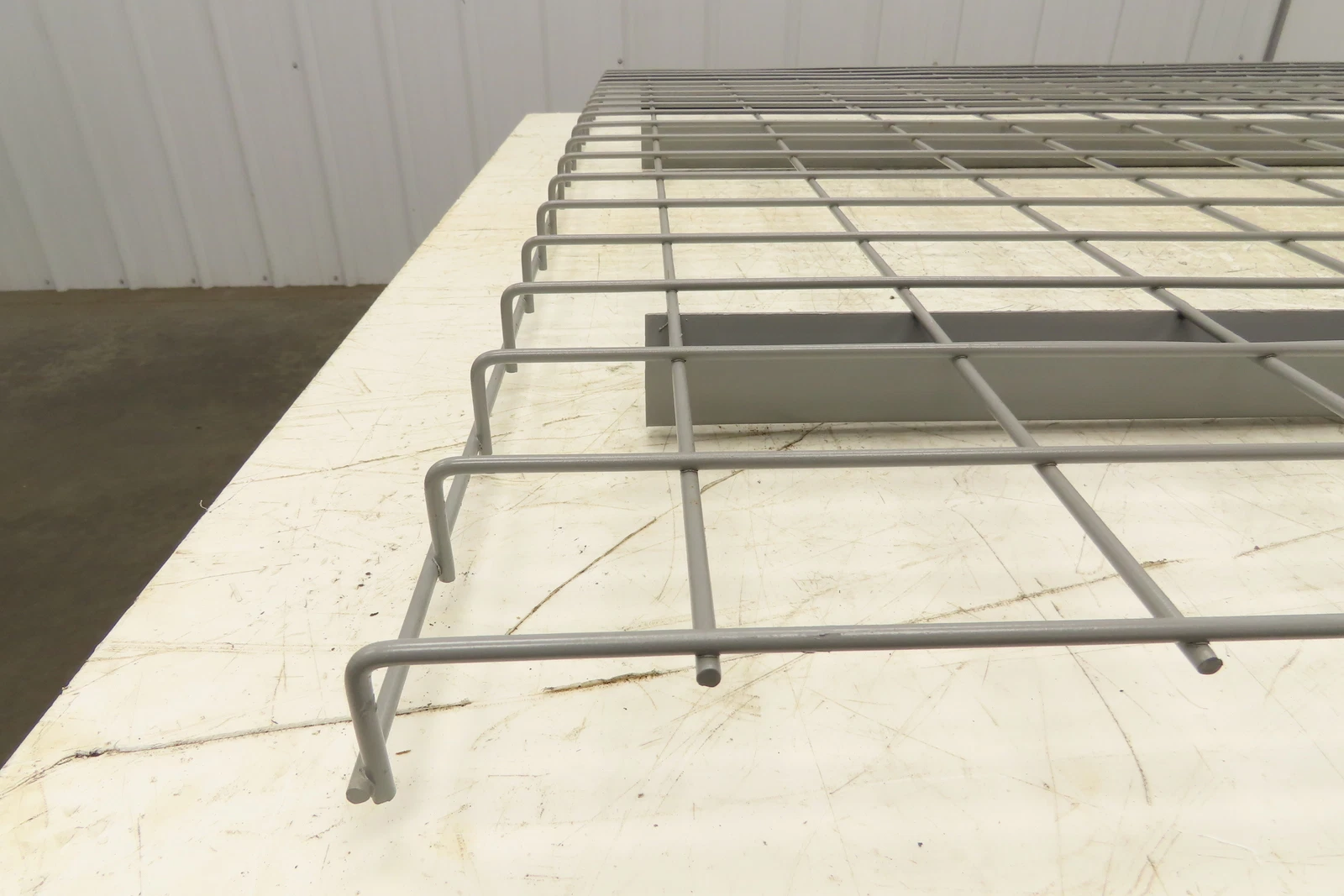
Other Questions
Checklist
The Cost Of Inefficient Storage Layouts – A Checklist
Header
✅______ Facility/Area
✅______ Auditor
✅______ Date
✅______ Next Review Date
Layout and Flow
✅______ Clear, direct travel paths from receiving to storage to picking to shipping
✅______ Aisle widths matched to equipment and traffic patterns
✅______ High-velocity items placed in golden zones (waist-to-shoulder, near pick/pack)
✅______ Slotting organized by demand/velocity (ABC) and product family
✅______ Minimal cross-traffic, dead ends, and backtracking
✅______ Dedicated staging zones for inbound, returns, and outbound
✅______ Visual wayfinding and zone markings are obvious and consistent
Racking and Space Utilization
✅______ Racking types match SKU profile (pallet, carton, bin, cantilever, etc.)
✅______ Vertical space utilized safely and efficiently
✅______ Weight capacities posted and observed
✅______ Location IDs logical and standardized (aisle-bay-level-position)
✅______ Fasteners, beams, and uprights inspected and in good repair
✅______ Seasonal or slow movers consolidated to remote or upper locations
✅______ Clear pick faces with sufficient replenishment space
Inventory Control and Visibility
✅______ Every location labeled and scannable
✅______ Barcode/RFID used at receiving, moves, and shipping
✅______ Cycle counting program meets target accuracy
✅______ Putaway rules keep like items together and minimize ambiguity
✅______ Real-time inventory visibility for pickers and planners
✅______ Obsolete or damaged inventory identified and quarantined
People and Productivity
✅______ Standard work defined for receiving, putaway, picking, and packing
✅______ Pick paths optimized and documented
✅______ Tools and supplies positioned at point of use
✅______ Training completed for layout, slotting, and SOPs
✅______ Morale pulse-check: team reports low frustration finding items
✅______ Cross-training in place to flex labor to demand
Safety and Housekeeping
✅______ 5S implemented (Sort, Set in Order, Shine, Standardize, Sustain)
✅______ Housekeeping schedule adhered to; aisles free of debris
✅______ Pedestrian and equipment lanes marked and respected
✅______ Lighting adequate for all pick and storage areas
✅______ Emergency access and fire protection unobstructed
✅______ Incident logs reviewed; corrective actions closed
Customer Impact
✅______ On-time, in-full (OTIF) performance meets target
✅______ Mis-picks and returns due to location errors below threshold
✅______ Expedited orders reduced due to improved retrieval times
✅______ Clear substitutions and escalation process when items are not found
Time and Cost Metrics
✅______ Dock-to-stock time within target
✅______ Pick rate (lines or units per hour) meets target by zone
✅______ Order cycle time within SLA
✅______ Labor cost per order or line tracked and trending down
✅______ Space utilization (%) monitored and optimized
✅______ Inventory accuracy ≥ target (e.g., 98–99%+)
✅______ Shrink and damage rate below threshold
Technology and Data
✅______ WMS or system supports slotting logic and location control
✅______ Scanning devices reliable; battery and maintenance plan in place
✅______ Real-time dashboards for key KPIs
✅______ Data used to re-slot high-velocity SKUs regularly
Ethics, Trust, and Reputation
✅______ Commitments to customers reflected in layout and staffing
✅______ Transparent metrics shared with the team to build ownership
✅______ Vendor and partner visits reflect a well-organized operation
Continuous Improvement
✅______ Monthly re-slotting cadence based on demand changes
✅______ Kaizen events scheduled and documented
✅______ Feedback loop from pickers and receivers acted upon
✅______ Post-implementation reviews quantify time and cost savings
Quick Diagnostic Flags
✅______ Frequent searching or asking “Where is it?”
✅______ Bottlenecks at receiving or packing
✅______ Repeated touches or re-handling of the same items
✅______ Overtime driven by layout inefficiencies
✅______ Customer complaints about delays or mis-shipments
Action Plan (30–60 Days)
✅______ Top five high-velocity SKUs re-slotted to golden zones
✅______ Labeling and location ID refresh completed
✅______ Aisle and zone markings repainted and standardized
✅______ 5S blitz in worst-performing zones
✅______ KPI baseline captured and weekly review cadence set
Baseline and Targets
✅______ Current pick rate
✅______ Target pick rate
✅______ Current dock-to-stock time
✅______ Target dock-to-stock time
✅______ Current inventory accuracy
✅______ Target inventory accuracy
✅______ Current OTIF
✅______ Target OTIF
✅______ Estimated savings from re-layout (time, labor, space)

Checklist
At RackingWorld, we help guide you through selecting warehouse storage systems and racking.
Be sure to read our other related stories at RackingWorld to learn more about warehouse storage systems.
0 Comments