
Safeguarding Lives: Smart Solutions For Safe Material Storage
By Tom Seest
At RackingWorld, we help guide you through selecting warehouse storage systems and racking.
Be sure to read our other related stories at RackingWorld to learn more about warehouse storage systems.
Designing for Hazardous Material Storage Compliance
When it comes to storing hazardous materials, the stakes are high. Every day, thousands of workers rely on safe environments, and that starts with how we design storage systems. Picture a bustling warehouse where every racking system is not just a metal shelf, but a sturdy guardian of safety. Each beam, each support brace holds the weight of compliance, ensuring materials are stored securely and correctly.
The heart of this matter lies in the human element. Imagine a scenario where a simple oversight—a neglected safety protocol—could lead to accidents that impact not just the business but also the lives of coworkers and families. No one wants to go home from work with the burden of knowing they were part of a preventable mishap. By investing in compliant storage solutions, we show our commitment to our colleagues, fostering a culture of care and responsibility that we can all stand behind.
Rationally, safety isn’t just about compliance; it’s about efficiency. When materials are stored properly in well-designed racking systems, it allows for easier access and organization. No longer will workers waste time searching through disorganized heaps. Instead, they can focus on their tasks, boosting productivity and morale. It’s a straightforward equation: when you’re not worrying about safety hazards, you can be your best self on the job.
Ethically, the responsibility falls on us to protect those we work alongside. It’s about doing right by the workforce that keeps the wheels of industry turning. A well-designed hazardous material storage area isn’t just a regulatory checkbox—it’s an investment in human life and well-being. We owe it to ourselves and to each other to adhere to safety standards and make sure every action we take echoes a commitment to our collective health.
Furthermore, using trusted suppliers who specialize in racking systems reinforces our commitment to quality and safety. These experts bring experience and knowledge that can help us navigate compliance like a seasoned mechanic knows their tools. They’re not just selling shelves; they’re partnering with us to ensure every piece is in place and every regulation is met.
So let’s build these systems not just for compliance, but for the lives that depend on them. When we prioritize safe storage, we’re taking a stand for our teams, cultivating environments where everyone feels secure and valued. Together, let’s turn those regulations into real-world solutions, ensuring that safety is not just a goal but a way of working.

Designing for Hazardous Material Storage Compliance
Designing for Hazardous Material Storage Compliance
- Storing hazardous materials is crucial for ensuring worker safety in various environments.
- Storage systems must be designed not just for compliance but also for the protection of workers and their families.
- Properly designed racking systems enhance efficiency, allowing workers to access materials easily.
- Investing in compliant storage solutions fosters a culture of care and responsibility among colleagues.
- Safety impacts productivity and morale; reducing hazards allows workers to focus on their tasks.
- Choosing trusted suppliers for racking systems ensures adherence to safety standards and regulations.
- Prioritizing safe storage systems reflects a commitment to employee well-being and collective health.

Designing for Hazardous Material Storage Compliance
Table Of Contents
- Designing for Hazardous Material Storage Compliance
- What Emotional Fears Linger When Storing Hazardous Materials?
- How Can Compliance Save Lives and Protect the Environment?
- What Ethical Responsibilities Do We Have In Hazardous Storage?
- How Can We Ensure the Safety Of Our Community with Effective Design?
- What Regulations Must We Understand for Compliance?
- How Do We Address the Environmental Impact Of Hazardous Materials?
- Conclusion
- Other Resources
- Glossary Of Terms
- Other Questions
- Checklist
What Emotional Fears Linger When Storing Hazardous Materials?
The act of storing hazardous materials isn’t just a technical task; it’s a weighty responsibility that can stir a pot of emotional fears. Picture a modest warehouse filled with racking systems, each unit housing substances that could cause harm if mishandled. The thought alone tugs at your gut, raising concern for safety—not just for yourself, but for your coworkers, your community, and future generations.
There’s a fear of negligence, where one slip or misstep could lead to dire consequences. The responsibility feels like a heavy backpack filled with rocks, each representing the risks tied to chemical spills or exposure. This burden isn’t just about adhering to regulations; it involves the ethical weight of protecting lives. When you think about it, those racking systems aren’t just metal frames—they embody the trust placed in you by everyone who relies on them being managed correctly. The stakes are high, and that knowledge sits heavy, fostering a sense of urgency.
In this business, clear protocols and best practices exist, framed by guidelines and the authority of safety standards. But it’s not just the rules that guide us; it’s the stories we carry as workers. Stories of near-misses and lessons learned through hard experience create a narrative that’s both cautionary and motivational. You know firsthand the chaos that can ensue from a minor oversight. These tales of real-life consequences anchor our emotional fears in reality, making the stakes all the more tangible.
The social aspect lingers as well. Just think about the camaraderie formed among your team. Shared experiences create bonds, but they also deepen the collective anxiety when dealing with hazardous materials. It’s not uncommon to exchange worried glances during safety briefings or to pause in the break room while discussing a recent incident that made the news. Every conversation reinforces the need for vigilance and personal accountability, fostering an environment that thrives on mutual support while nurturing a sense of shared fear.
Yet, it’s this very fear that can lead to action. By acknowledging the emotional weight of storing hazardous materials, we not only inspire confidence in our processes but also reaffirm our commitment to safety. When we face these fears openly, discussing them among our peers, we cultivate a culture of trust and vigilance—a community ready to tackle the challenges ahead. Each racking system becomes less of a source of anxiety and more of a testament to our dedication to doing it right.

What Emotional Fears Linger When Storing Hazardous Materials?
What Emotional Fears Linger When Storing Hazardous Materials?
- Storing hazardous materials is both a technical task and a significant emotional responsibility.
- Concerns for safety extend to oneself, coworkers, community, and future generations.
- There is a fear of negligence, where a minor misstep could lead to severe consequences.
- Clear protocols and best practices exist, guided by safety standards and personal experiences.
- Shared stories of near-misses create a cautionary and motivational narrative among workers.
- Camaraderie among teams fosters mutual support while also heightening collective anxiety.
- Acknowledging these emotional fears can inspire confidence and reinforce a commitment to safety.

What Emotional Fears Linger When Storing Hazardous Materials?
How Can Compliance Save Lives and Protect the Environment?
Compliance in industries like manufacturing and construction isn’t just about ticking boxes; it’s about safeguarding lives and preserving our environment for future generations. Picture a bustling warehouse with racking systems stacked high, every shelf holding materials vital for everyday life. When these systems are compliant with safety standards, they don’t just support the load of products; they support the lives of the workers and the community around them.
Imagine a hard-working team, sweat on their brows, efficiently moving goods in a well-organized space. Each racking system, installed and maintained according to regulations, reduces the risk of accidents, preventing injuries and, in some cases, fatalities. Compliance transforms fear into confidence. It assures families that their loved ones will come home safe after a long day’s work, a sentiment that resonates deeply with anyone who’s ever waited for a partner or parent to return from a job.
Beyond the workplace, compliance plays a crucial role in environmental protection. Think of the waste generated by non-compliance: spills, pollutants, and unsafe disposal practices that lead to contaminated land and waterways. By adhering to standards, industries can significantly reduce their ecological footprint. This isn’t just a feel-good notion; it’s an ethical obligation. Each time safety protocols are followed, the surrounding ecosystems get a fighting chance, from the tiniest stream to expansive forests. Our shared responsibility to the Earth requires all of us to take compliance seriously.
The authority of safety regulations isn’t just bureaucratic jargon; it’s grounded in years of research, trial, and error. Industry experts and seasoned workers alike have witnessed the consequences of neglect—stories etched into the fabric of community history. When compliance becomes second nature, it fosters a culture of safety that ripples through families, neighborhoods, and beyond.
When you think about it, compliance is about connection. It’s the understanding that each worker, each family, and the community at large is strengthened by shared safety obligations. It’s not merely a set of rules; it’s a framework for nurturing the fabric of our society, ensuring that we thrive together, not in isolation. By making compliance a priority, we’re choosing to protect lives and honor the planet, fostering an environment where all can flourish. Each racking system, secured and compliant, stands as a testament to that commitment.

How Can Compliance Save Lives and Protect the Environment?
How Can Compliance Save Lives and Protect the Environment?
- Compliance in manufacturing and construction is vital for protecting lives and the environment.
- Compliant racking systems support both products and the safety of workers and communities.
- Adherence to safety standards reduces the risk of workplace accidents, injuries, and fatalities.
- Compliance instills confidence in workers’ families about their loved ones’ safety.
- Environmental protection is enhanced by compliance, reducing waste and pollution.
- Safety regulations are based on extensive research and have historical significance for communities.
- Compliance fosters a culture of connection and shared responsibility within society.

How Can Compliance Save Lives and Protect the Environment?
What Ethical Responsibilities Do We Have In Hazardous Storage?
When it comes to hazardous storage, the stakes are high. Think about it: one misplaced canister or poorly organized racking system can spell disaster, not just for a business, but for the communities surrounding it. We have an ethical responsibility to ensure that everyone—workers, families, and even the environment—are safe from harm. This isn’t just about regulations; it’s about doing what’s right. It’s about recognizing the impact our actions can have on the people we care about and the world we live in.
Imagine a warehouse filled with flammable substances. Workers bustle about, focusing on their tasks, but if those chemicals aren’t stored properly, lives could be at risk. Proper racking systems aren’t just a set of steel shelves; they’re a lifeline. Each shelf is designed to hold specific loads, organized to minimize risks. When we neglect proper storage, we risk not just fines, but the health and well-being of everyone who steps into that space.
Rationally speaking, maintaining ethical standards in hazardous storage protects our investments. A spill or incident could lead to costly shutdowns, lawsuits, or worse, injuries or fatalities. It’s common sense that the time and resources spent ensuring compliance are far less than the potential fallout of negligence. This is where duty blends with practicality. We owe it to ourselves and those we work with to implement effective systems, communicate clearly about potential hazards, and practice vigilant oversight.
Ethically, we’re tasked with leading by example. When front-line workers see managers prioritize safety and ethical storage practices, it fosters a culture of care and accountability. Open discussions about safety and how to better organize hazardous materials can create a sense of unity. Sharing experiences—whether a near-miss or a successful safety measure—can resonate on a personal level, reminding everyone that we’re in this together, with each person playing a vital role.
At the heart of it all, it’s about trust. Workers should feel secure in their environments, knowing that their safety is prioritized. Communities should deserve the same assurance. When we approach hazardous storage with a grounded attitude rich in humility, we honor our ethical commitments—transforming simple compliance into a broader mission of responsibility and care. It’s not just about managing risk; it’s about cultivating a culture where everyone can thrive, both in the workplace and in the world beyond.

What Ethical Responsibilities Do We Have In Hazardous Storage?
What Ethical Responsibilities Do We Have In Hazardous Storage?
- Improper hazardous storage can lead to disasters for businesses and surrounding communities.
- There is an ethical responsibility to protect workers, families, and the environment from harm.
- Proper racking systems minimize risks and are essential for safe storage of hazardous materials.
- Neglecting storage practices can result in fines, health issues, and costly incidents.
- Maintaining ethical standards is crucial for protecting investments and ensuring workplace safety.
- Leading by example fosters a culture of accountability and encourages open discussions about safety.
- Trust is foundational; workers and communities deserve assurance that their safety is prioritized.

What Ethical Responsibilities Do We Have In Hazardous Storage?
How Can We Ensure the Safety Of Our Community with Effective Design?
In our communities, the notion of safety often dances hand-in-hand with design. Consider how we shape our spaces and infrastructure; it’s not just about aesthetics—it’s about ensuring every individual feels secure. Effective design starts with the basics: racking systems in schools can hold not just books, but the promise of a brighter future. When we think about safety, we imagine children playing freely in parks, knowing that the design keeps them out of harm’s way, whether it’s sturdy playground equipment or thoughtful landscaping that keeps sightlines clear.
Then there’s the idea of trust. You walk into a neighborhood, and you can immediately sense whether it feels safe. A well-lit street, the gentle curve of a pathway, these elements work together to invite folks to relax. Good design doesn’t just stop fires or prevent accidents; it fosters connections among people. When homes are set up to encourage interaction, neighbors become more than just faces passing by; they become a tight-knit community, looking out for each other, sharing responsibility for the collective safety.
Let’s get real: success hinges on using common sense. Want to keep the bad guys out? Make it harder for them. Solid fencing, community watch programs, and yes—even more brilliant design choices like secure entrances—work wonders. Each of these elements play into an overarching theme: when people know they’re being cared for, they respond positively. We’re not just securing our spaces; we’re building the kind of community where people want to live and thrive.
And let’s not overlook ethics. There’s a responsibility that comes with design, to not only think about structures but the people who become a part of them. It’s about the choices we make: prioritizing inclusivity, considering those with disabilities, ensuring accessibility for everyone. Each choice reflects a commitment to the well-being of our communities.
At the end of the day, it’s about creating a sense of belonging where each person feels valued. Whether it’s the layout of a local business or the thoughtful placement of a park bench, every decision impacts the safety net we weave as a community. We’re in this together; our designs tell the stories of who we are and what matters to us. That’s where safety begins, with intention and a bit of good old-fashioned common sense, turning our shared spaces into havens for all.

How Can We Ensure the Safety Of Our Community with Effective Design?
How Can We Ensure the Safety Of Our Community with Effective Design?
- Safety and design are interconnected in community spaces and infrastructure.
- Effective design promotes security, as seen in functional spaces like schools and parks.
- Trust is fostered through design elements such as well-lit streets and inviting pathways.
- Good design encourages community interactions and collective safety among neighbors.
- Common sense strategies, like secure entrances and community watch programs, enhance safety.
- Ethical design considers inclusivity and accessibility for all community members.
- Each design choice contributes to a sense of belonging and community identity.
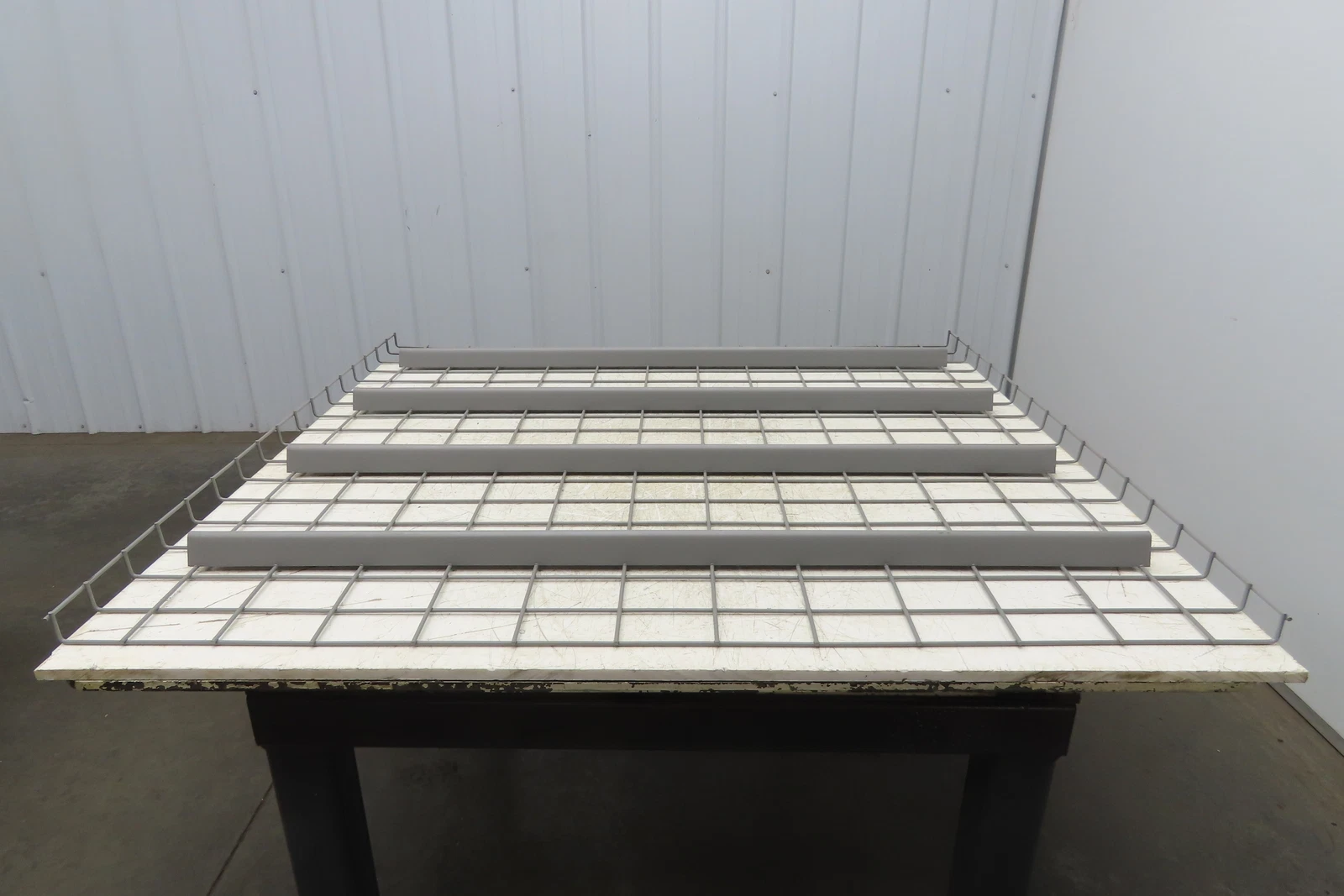
How Can We Ensure the Safety Of Our Community with Effective Design?
What Regulations Must We Understand for Compliance?
When it comes to racking systems, understanding the regulations is not just a box to check off—it’s about safeguarding lives and ensuring our workplaces are safe and efficient. Imagine walking into a warehouse where racks are teetering dangerously, with heavy loads piled up high. It’s a heart-stopping thought, right? Compliance with regulations transforms that anxiety into confidence. You’re not just protecting your employees; you’re also ensuring your business runs smoothly and efficiently.
The law mandates that racking systems must meet specific safety standards to prevent accidents and injuries. These regulations are rooted in a deep-seated responsibility to protect workers. Regulatory bodies provide guidelines on installation, use, and maintenance. Ignoring these rules isn’t merely a risk; it jeopardizes livelihoods and creates a culture of negligence. Knowing the regulations isn’t just for legal peace of mind; it’s about building a workplace where people feel valued and safe.
From a rational perspective, the cost of compliance is far less than the consequences of failure. Accidents lead to downtime, potential lawsuits, and damage to your reputation. It doesn’t take an expert to see that investing in solid racking systems and following the guidelines pays off in the long run. Think about the story of a warehouse that neglected these regulations. One heavy box fell, causing an injury that shut down operations for weeks. The loss? Incalculable.
Ethically, it’s about doing the right thing. Every business has a moral obligation to protect its workers. When you integrate regulations into your operations, you’re saying that your people’s safety matters more than shortcuts or saving a few bucks. This builds a culture of trust; your employees will know you value their well-being.
Finally, let’s talk connections. People want to work for companies that care. By engaging with those regulations, you send a clear message: we’re in this together. Workers feel a sense of ownership in a safe environment, encouraging them to contribute to the team’s success.
To create a thriving business, understanding and implementing compliance regulations for racking systems is essential. It’s about more than just rules; it’s a commitment to safety, respect, and shared success. Embrace these regulations, and foster an environment where everyone can work with confidence.

What Regulations Must We Understand for Compliance?
What Regulations Must We Understand for Compliance?
- Understanding racking system regulations safeguards lives and ensures workplace safety.
- Compliance transforms anxiety into confidence, protecting employees and promoting business efficiency.
- Regulatory compliance is necessary to prevent accidents and injuries, emphasizing the responsibility to protect workers.
- Ignoring regulations can jeopardize livelihoods and foster a culture of negligence.
- The cost of compliance is significantly lower than the potential consequences of non-compliance, such as lawsuits and operational downtime.
- Ethical responsibility mandates that businesses prioritize worker safety over cost-cutting measures.
- Engaging with regulations fosters a culture of trust and encourages employee ownership in a safe work environment.

What Regulations Must We Understand for Compliance?
How Do We Address the Environmental Impact Of Hazardous Materials?
Addressing the environmental impact of hazardous materials starts right in our backyards, where real folks face the realities of pollution and waste. Picture a racking system in a warehouse, teeming with products for our daily lives—everything from cleaning supplies to electronics. Now, envision those same materials spilling, leaking, or being improperly disposed of, seeping into the soil and waterways. It hits home when you realize these substances are not just numbers on a report; they’re the potential poison in playgrounds where our kids play or the water we drink.
We’ve all seen the headlines about environmental disasters, and it can feel overwhelming. But we can’t afford to sit back and wait for someone in a suit to make the call. It’s time for each of us to engage actively in solutions. Communities can rally to educate on safe storage practices, ensuring racking systems are designed not just for efficiency but for safety. Hazardous materials can be managed responsibly, and this begins with being informed.
It’s also about ethics. When we choose a product, we vote with our dollars—opting for those that are responsibly packaged and made with safer materials. There’s a strong ripple effect here; when businesses see consumers demanding change, they have to listen or risk losing their customer base. The collective voice of the community can drive significant change.
Think about the neighbors who have turned their yards into gardens, cleaning up once-polluted spaces and creating havens for wildlife. These stories inspire us all to act. It’s not just about the big companies and regulations; it’s about the little victories. Your actions, however small, can start a wave of positive change, showing others that addressing hazardous materials isn’t just an obligation but a shared responsibility.
Additionally, bringing in local experts to help set guidelines for storing hazardous materials safely can foster trust and confidence in our community’s ability to tackle these issues. By forming local groups focused on contamination cleanup or proper disposal methods, we build a network of support where everyone is invested in a healthier environment. The heart of these efforts lies in a simple truth: taking care of our surroundings is inherently tied to taking care of each other. When we tackle hazardous waste together, we create not only cleaner spaces but stronger community bonds. This is our chance to act—not just for ourselves but for future generations.

How Do We Address the Environmental Impact Of Hazardous Materials?
How Do We Address the Environmental Impact Of Hazardous Materials?
- Addressing hazardous material pollution begins in local communities and impacts daily life.
- Improper disposal of hazardous materials risks contamination of soil and water sources.
- Community engagement is crucial for promoting safe storage practices and management of hazardous materials.
- Consumer choices influence businesses to adopt safer, responsibly packaged products.
- Local success stories, such as turning yards into gardens, inspire collective action.
- Collaboration with local experts can enhance community understanding and guidelines for safe material handling.
- Tackling hazardous waste fosters stronger community bonds and ensures a healthier environment for future generations.

How Do We Address the Environmental Impact Of Hazardous Materials?
Conclusion
Designing systems for hazardous material storage compliance is not just procedural; it’s a profound responsibility that touches lives. Every worker deserves a safe place, and that means designing racking systems that not only comply with legal standards but also uphold the moral duty we have toward our colleagues and communities. Imagine the weight of a careless mistake—a spilled substance wreaking havoc on a person’s life or the environment. Each shelf we install represents a commitment to preventing such disasters, to ensuring everyone gets home safely at the end of the day.
Safety can also boost morale and productivity. When materials are stored efficiently and safely, workers can focus on their tasks rather than worry about potential hazards. A well-organized workplace fosters a sense of pride and ownership, where individuals feel empowered to perform their best. Each day spent in a compliant storage area isn’t just about avoiding risks; it’s about nurturing an environment that uplifts everyone, allowing people to thrive both personally and professionally.
Ethically, we bear the weight of decisions that impact not just individuals but entire communities. This isn’t merely about dodging regulations; it’s about building a culture of safeguarding everyone’s health. By choosing trusted suppliers and adhering to safety protocols, we weave a network of accountability and trust that extends beyond the warehouse walls, ensuring we look out for the well-being of our neighbors and future generations.
Moreover, addressing the emotional fears surrounding hazardous materials storage fosters a culture of vigilance and camaraderie. A shared understanding of the stakes involved links us together as a community. By openly discussing fears and challenges, we strengthen our commitment to safety and encourage a proactive approach. Every worker’s contribution is vital in creating a safe, compliant environment; individual actions resonate through the entire organization and community.
As we navigate the complexities of hazardous storage, let’s approach it with grounded common sense, turning regulatory challenges into opportunities for improvement. The commitment to compliance isn’t just a corporate obligation; it’s a community promise. When we design with heart, head, and gut, we’re leading the way toward a future where safety is entrenched in our everyday practices, reaffirming that the systems we put in place are not just about compliance but about caring for one another.

Conclusion
Conclusion:
- Designing hazardous material storage systems is a profound responsibility that affects lives.
- Each racking system should comply with legal standards while upholding moral duties to colleagues and communities.
- A safe work environment boosts morale, allowing workers to focus on tasks without fear of hazards.
- Storing materials efficiently fosters a culture of pride and ownership among workers.
- Ethical decisions in storage practices impact individual and community health, creating a network of accountability.
- Open discussions around emotional fears related to hazardous materials strengthen community vigilance and safety commitment.
- The approach to hazardous storage should turn regulatory challenges into opportunities for improvement, prioritizing care for one another.

Conclusion
Other Resources

Other Resources
Here is a list of other resources you can review online to learn more:
- BMH Equipment LLC
- Cantilever Rack Guide: Ordering Cantilever Racking
- Warehouse Automation
- National Safety Council
- Warehouse Racking Systems: Beginner’s Guide to Rack Systems
- Teardrop Racks – Pallet Rack World
- Illinois
- Warehouse Racks, Warehouse Racking in Stock – ULINE
- Selective Racking
- Pallet Racking 101: A Comprehensive Guide & Options Explained
- Warehouse Racking Layout: The Ultimate Guide – Conger
- The Ultimate Pallet Racking Guide – Speedrack West
- Heavy-Duty Cantilever Storage Racks
- Illinois Pallet Racking – Storage Solutions
- IWLA
- Used Teardrop Pallet Rack – American Surplus
- What is Selective Pallet Racking
- Chicago Pallet Racking
- Warehouse Racking System: Powerful Guide to Optimise, 2024
Use This Prompt To Get More Resources With Your Favorite Online AI Tool: Please provide me with a list of online articles with their URLs in a bulleted list that I can read regarding Designing for Hazardous Material Storage Compliance

Other Resources
Glossary Terms
Designing for Hazardous Material Storage Compliance – Glossary Of Terms
1. Hazardous Material: Any substance that poses a risk to health, safety, or the environment due to its chemical nature.
2. Storage Compliance: Adherence to regulations and guidelines governing the safe storage of hazardous materials.
3. MSDS: Material Safety Data Sheet; a document providing information on the properties of hazardous materials.
4. Labeling: The practice of marking storage containers with relevant information about the hazardous material they contain.
5. PPE: Personal Protective Equipment; gear worn to minimize exposure to hazards.
6. Containment: Measures taken to prevent the release of hazardous materials into the environment.
7. Segregation: The practice of storing incompatible hazardous materials separately to prevent reactions.
8. SDS: Safety Data Sheet; similar to MSDS, providing crucial safety information about hazardous materials.
9. Ventilation: The process of supplying fresh air to a space to reduce the concentration of hazardous airborne substances.
10. Regulatory Agency: An organization that enforces laws and regulations concerning hazardous material storage and safety.
11. Emergency Response Plan: A strategy for addressing incidents involving hazardous materials to ensure safety and compliance.
12. Compatibility: The ability of different hazardous materials to be stored together without risk of reaction or release.
13. Secondary Containment: Additional barriers designed to catch leaks or spills from primary storage containers.
14. Hazard Assessment: The process of evaluating potential risks associated with storing and handling hazardous materials.
15. Storage Cabinet: Specialized furniture designed for the safe storage of hazardous materials in accordance with regulations.
16. Fire Code: Regulations governing the storage of combustible and flammable materials to prevent fire hazards.
17. Inspection: Routine checks performed to ensure compliance with hazardous material storage regulations.
18. Labeling Standards: Industry-established guidelines for the proper labeling of hazardous materials.
19. Material Compatibility Chart: A reference tool used to determine the safe combination of different hazardous materials.
20. Fluid Management: The practice of overseeing the storage and handling of liquid hazardous materials.
21. Disposal Procedures: Guidelines for the safe and compliant removal of hazardous materials that are no longer needed.
22. Training Requirements: Mandatory educational programs for personnel handling or storing hazardous materials.
23. Chemical Spill Kit: Equipment used to respond to and clean up hazardous material spills effectively.
24. Safety Signage: Visual cues and alerts indicating hazards associated with the storage of materials.
25. Risk Management: Strategies to identify, assess, and mitigate risks related to hazardous material storage.
26. Environmental Impact: The effect that hazardous material storage practices can have on the surrounding ecosystem.
27. Storage Capacity: The maximum volume of hazardous materials that can be safely stored in a designated area.
28. Inspection Checklist: A tool used to systematically evaluate compliance with hazardous material storage regulations.
29. Emergency Shutdown Procedure: Steps taken to safely halt operations involving hazardous materials in the case of an emergency.
30. Chemical Inventory: A detailed list of all hazardous materials stored on-site, including quantities and locations.

Glossary Of Terms
Other Questions
Designing for Hazardous Material Storage Compliance – Other Questions
If you wish to explore and discover more, consider looking for answers to these questions:
- What specific classes of hazardous materials will be stored?
- Which federal, state, and local regulations apply to our storage facility?
- What industry standards (e.g., OSHA, NFPA, EPA) must our racking systems meet?
- How do we determine the load rating and capacity requirements for each rack?
- What compatibility and segregation rules apply for storing different chemicals together?
- What secondary containment measures are required for liquid or corrosive materials?
- What are the required clearances and aisle widths for safe handling and emergency access?
- How should shelving and racking be anchored for seismic or wind loads?
- What ventilation or air-handling systems are necessary for volatile or toxic substances?
- What fire detection, suppression, and alarm systems are appropriate for stored materials?
- How often must racking inspections and maintenance be performed, and by whom?
- What training and certification do workers need for handling and storing hazardous materials?
- What personal protective equipment (PPE) is required for workers accessing storage areas?
- What emergency response and spill-containment procedures should be in place?
- How do we create and communicate effective signage, labeling, and safety data sheet (SDS) access?
- What documentation and recordkeeping are required for compliance audits?
- How should waste and expired hazardous materials be stored and disposed of properly?
- What monitoring systems (leak sensors, temperature, VOC detectors) are recommended?
- How do we design storage to minimize human error and ergonomic risks during handling?
- What inspection checklists and audit schedules should we adopt?
- How can remote or automated inventory systems improve safety and compliance?
- What are the financial costs of compliant racking systems versus potential incident costs?
- How do we qualify and vet suppliers and installers of racking systems?
- What warranties, certifications, and maintenance agreements should we require from vendors?
- How do we retrofit or upgrade existing racking to meet current regulations?
- What are common failure modes for racking systems and how are they prevented?
- How does insurance coverage interact with storage design and compliance practices?
- What liability and legal exposures arise from improper hazardous material storage?
- How should incident and near-miss reporting be structured to improve safety culture?
- What community notification or permitting obligations exist for hazardous storage facilities?
- How do we conduct a site-specific risk assessment for storage areas?
- What procedures govern transportation and internal movement of hazardous materials?
- How long can certain hazardous materials be stored safely, and what are shelf‑life considerations?
- What decommissioning and long-term closure requirements apply to storage areas?
- How can sustainable and low-impact packaging reduce environmental risk?
- What remediation steps are required following a contamination event?
- How can community engagement and transparency improve trust around hazardous storage?
- What case studies or incident histories should inform our design decisions?
- How do we coordinate with local emergency services and first responders?
- What performance metrics should we track to measure safety and compliance effectiveness?
- Which permits and inspections must be obtained before operations begin?

Other Questions
Checklist
Designing for Hazardous Material Storage Compliance – A Checklist
Planning and Risk Assessment
✅______ Complete inventory of all hazardous materials with quantities and locations.
✅______ Verify hazard classification for each material (flammable, corrosive, oxidizer, toxic, reactive, compressed gas).
✅______ Current Safety Data Sheets (SDS) accessible to all personnel.
✅______ Documented risk assessment covering spills, fire, reactivity, and exposure.
✅______ Storage design capacity calculated and documented (per shelf, beam, bay, and floor).
✅______ Clear material flow plan for receiving, storage, handling, and disposal.
Regulatory and Standards Alignment
✅______ Applicable federal, state/provincial, and local regulations identified and documented.
✅______ Relevant standards referenced (e.g., OSHA/WHS, NFPA/IFC/IBC, EPA/RCRA, DOT/GHS).
✅______ Authority Having Jurisdiction (AHJ) consulted; permits and approvals on file.
✅______ Maximum Allowable Quantities (MAQs) and control areas verified.
✅______ Hazard communication program implemented and current.
Storage System Design and Engineering
✅______ Racking engineered, rated, and labeled for intended loads; load plaques posted.
✅______ Anchoring, bracing, and seismic requirements met; impact protection installed.
✅______ Corrosion-resistant materials/coatings used where needed.
✅______ Adequate flue spaces and clearances maintained for fire protection.
✅______ Compatible shelving for drums, totes, and cylinders; cylinder restraints installed.
✅______ Secondary containment provided for liquids; sump capacity sized for worst case.
✅______ Drainage and spill control prevent migration to exits or drains.
✅______ Ventilation, temperature, and humidity controls meet material limits.
✅______ Electrical classified where required; ignition sources controlled.
Segregation, Compatibility, and Labeling
✅______ Incompatibles segregated (e.g., acids vs. bases, oxidizers vs. organics, flammables vs. oxidizers; water-reactives isolated).
✅______ Food/consumables stored separately from hazardous materials.
✅______ Flammable/combustible liquids in approved cabinets/rooms as required.
✅______ Containers intact, closed, and compatible with contents.
✅______ Labels compliant (GHS and DOT), oriented for visibility, and shelf/bay identification in place.
✅______ FIFO/FEFO inventory rotation applied; expiry dates tracked.
Supplier, Installation, and Commissioning
✅______ Qualified supplier selected; specifications and certifications retained.
✅______ Professional installation by certified personnel; torque and anchor checks documented.
✅______ As-built drawings, PE/engineer stamps, and manuals on file.
✅______ Pre-use inspection and commissioning sign-off completed.
Operations and Training
✅______ Written SOPs for receiving, storage, transfer, spill response, and waste handling.
✅______ Training completed for all affected employees; refresher schedule maintained.
✅______ Powered industrial truck and handling equipment training current.
✅______ Access control to hazardous areas; signage posted at entries.
✅______ Housekeeping standards defined; aisles, egress, and eyewash/shower paths clear.
✅______ PPE requirements defined, available, and enforced.
Monitoring, Inspection, and Maintenance
✅______ Routine area checks (daily/weekly) for leaks, damage, and labeling.
✅______ Periodic racking inspections (at least annually) by a competent person.
✅______ Damaged racking components tagged out and replaced per manufacturer guidance.
✅______ Spill kits stocked, accessible, and compatible with hazards.
✅______ Fire protection systems (sprinklers, detection, alarms) inspected and tested.
✅______ Ventilation systems and gas sensors (LEL and toxic) calibrated on schedule.
✅______ Preventive maintenance program documented and executed.
Emergency Preparedness
✅______ Site-specific emergency action plan with roles and contact lists.
✅______ Evacuation routes and assembly points posted and unobstructed.
✅______ Spill response procedures practiced; drills conducted and recorded.
✅______ Appropriate fire extinguishers available; staff trained in use.
✅______ Eyewash/showers within required distance; tested weekly.
✅______ Incident and near-miss reporting and investigation process active.
Environmental Protection and Waste
✅______ Waste streams identified and classified; containers labeled “hazardous waste” as applicable.
✅______ Satellite accumulation areas compliant; time limits tracked.
✅______ Secondary containment integrity inspected and documented.
✅______ Stormwater/wastewater protections in place; drains controlled or protected.
✅______ Approved transporters and disposal vendors used; manifests retained.
✅______ Pollution prevention measures and reduction goals established.
Community, Ethics, and Culture
✅______ Safety expectations communicated regularly; leadership visibly supports compliance.
✅______ Near-miss sharing and learning culture encouraged; no-blame reporting.
✅______ Accessibility and inclusive design considered (signage, reach ranges, lighting).
✅______ Community risk communication plan maintained where relevant.
Documentation and Continuous Improvement
✅______ Centralized records for training, inspections, maintenance, permits, SDS, and incidents.
✅______ KPIs tracked (injuries, near-misses, audit findings, response times).
✅______ Corrective and preventive actions assigned, tracked, and verified complete.
✅______ Annual compliance audit performed; gaps closed on a defined timeline.

Checklist
At RackingWorld, we help guide you through selecting warehouse storage systems and racking.
Be sure to read our other related stories at RackingWorld to learn more about warehouse storage systems.
0 Comments