
Unlocking Profit: The Emotional And Rational Benefits Of Smart Storage
By Tom Seest
At RackingWorld, we help guide you through selecting warehouse storage systems and racking.
Be sure to read our other related stories at RackingWorld to learn more about warehouse storage systems.
How Storage Impacts Ebitda
How Storage Impacts EBITDA
When you think of a warehouse, consider it a heartbeat of the operation. It’s not just tall racks and shelves; it’s where the magic happens. Smart storage solutions like well-designed racking systems can directly bolster a company’s EBITDA, that all-important measure of profitability. Now, let’s break it down.
The importance of efficient storage cannot be overstated. Picture a warehouse crammed to the brim with disorganized pallets. It’s like trying to find a needle in a haystack, causing delays, wasted labor, and potentially angry customers. Every minute spent searching for a product translates to lost revenue. On the flip side, a thoughtfully organized racking system minimizes downtime, helping workers grab items quickly and efficiently. Less clutter means more space for inventory, leading to improved stock turnover and, ultimately, healthier EBITDA margins.
Now let’s take a moment to consider the human aspect. Workers appreciate an organized space; it boosts morale and fosters trust within the workforce. When your team sees you investing in racking systems that streamline their workflow, it sends a message: you care about their success and well-being. This builds a culture of dedication, where employees feel valued and motivated to contribute more. That sense of belonging translates into better productivity, improving both the emotional landscape and the bottom line.
Let’s be real: decision-makers are always crunching numbers, but they also need to feel confident in their choices. Investing in quality storage solutions isn’t just a wise move financially; it’s an ethical one, too. Companies can’t afford to ignore the long-term effects of inefficient storage. Embracing better systems reflects a commitment to sustainability and responsible management, aligning profits with principles.
Moreover, the narrative here is all about progress. Think of the local businesses that have transformed their operations by adopting modern racking systems. They’ve shared stories of overcoming challenges and watching their EBITDA grow in tandem with their capabilities. These tales aren’t just numbers on a spreadsheet; they resonate with the broader community, demonstrating that smart storage isn’t merely a financial strategy but a pathway to growth that can inspire others.
Investing in effective racking systems is more than a tactical move for business owners; it’s a commitment to their workforce and community. The payoff is clear: higher EBITDA, satisfied employees, and a reputation built on dependability and innovation. The road to success is paved with the right storage solutions, and embracing them can yield results far beyond the balance sheet.

How Storage Impacts Ebitda
How Storage Impacts Ebitda
- Warehouses are critical to operations, serving as a hub for efficiency and profitability.
- Efficient storage systems, like organized racking, enhance EBITDA by minimizing downtime and reducing search times.
- A clutter-free environment allows for improved inventory turnover and healthier profit margins.
- Organized spaces boost employee morale and foster a culture of trust, leading to higher productivity.
- Investing in quality storage is both a financial and ethical necessity for long-term sustainability.
- Local businesses have improved their operations and EBITDA by adopting modern storage solutions.
- Effective racking systems contribute to employee satisfaction and build a reputation for innovation and dependability.

How Storage Impacts Ebitda
Table Of Contents
- How Storage Impacts Ebitda
- How Can Effective Storage Strategies Enhance Profitability?
- What Storage Solutions Align with Our Financial Goals?
- Does Optimizing Inventory Affect Our Ebitda Positively?
- How Does Storage Efficiency Contribute to Our Bottom Line?
- What Are the Risks Of Inadequate Storage on Cash Flow?
- How Can We Measure Storage Impacts on Overall Financial Health?
- Conclusion
- Other Resources
- Glossary Of Terms
- Other Questions
- Checklist
How Can Effective Storage Strategies Enhance Profitability?
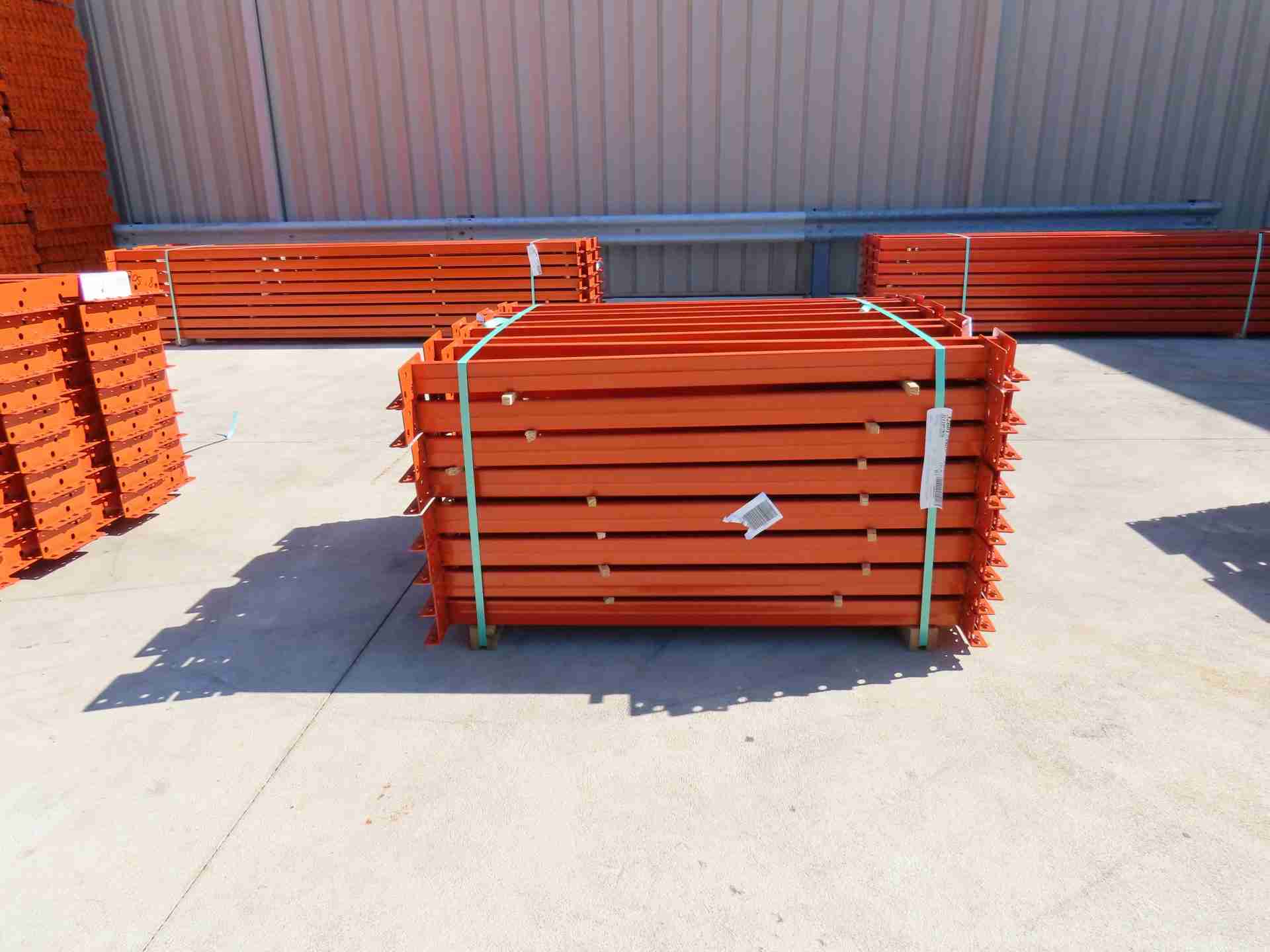
In the bustling world of warehousing and logistics, effective storage strategies aren’t just a luxury—they’re a lifeline for profitability. Picture a warehouse filled to the brim with products, chaotic and disorganized. It’s not just frustrating; it’s costing your business money. That’s where smart racking systems come into play. These aren’t just metal frames; they’re the backbone of an efficient operation, transforming chaos into order, and ultimately driving profits.
Imagine the sense of relief that washes over a warehouse manager when everything has its place. Racking systems can maximize vertical space and streamline processes, allowing for quicker access to inventory. This isn’t just about saving time; it’s about saving money. Each minute saved on picking and packing translates into dollars back in your pocket. When goods are organized, it fosters an environment where employees feel empowered rather than overwhelmed, leading to higher morale and productivity. And let’s be honest, a happier workforce is a more productive workforce.
Rationally, the numbers speak for themselves. By investing in effective racking systems, businesses can drastically reduce their operational costs. Good storage solutions minimize the risk of damage to goods and reduce losses from misplacement. They increase capacity without the need for extensive expansion, which means you can do more with less—a fundamental principle that fuels successful businesses. Consider the stories of small enterprises that transformed their fortunes by implementing straightforward yet effective storage solutions, turning clutter into a well-oiled machine.
Ethically, embracing these strategies shows a commitment to sustainability and efficiency. Cutting down on waste and optimizing storage means using resources wisely, which not only benefits the bottom line but also contributes to a healthier planet. Customers today appreciate brands that prioritize ethical practices, fostering loyalty and respect.
Connecting with others in this field, sharing stories of trial and error, further solidifies the importance of these strategies. Joining industry groups or forums can provide invaluable insights and support, turning lonely struggles into collective victories. When businesses openly share their experiences and strategies, it cultivates a community grounded in mutual respect and growth.
Implementing effective storage strategies with robust racking systems isn’t just a smart move; it’s essential for building a thriving, profitable operation. Embrace the challenge, make the investment, and watch as your profitability soars.
How Can Effective Storage Strategies Enhance Profitability?
How Can Effective Storage Strategies Enhance Profitability?
- Effective storage strategies are crucial for profitability in warehousing and logistics.
- Smart racking systems transform disorganization into order, driving profits.
- Maximizing vertical space allows for quicker access to inventory, saving time and money.
- Organized goods enhance employee morale and productivity.
- Investing in racking systems reduces operational costs and minimizes damage to goods.
- Embracing storage solutions reflects a commitment to sustainability and efficiency.
- Networking in industry groups fosters community support and shared strategies.

How Can Effective Storage Strategies Enhance Profitability?
What Storage Solutions Align with Our Financial Goals?
When it comes to storage solutions, it’s not just about where to stash your gear; it’s about making smart decisions that align with your financial goals. Every dollar counts, and finding efficient ways to store your tools, inventory, or personal belongings can directly impact your bottom line.
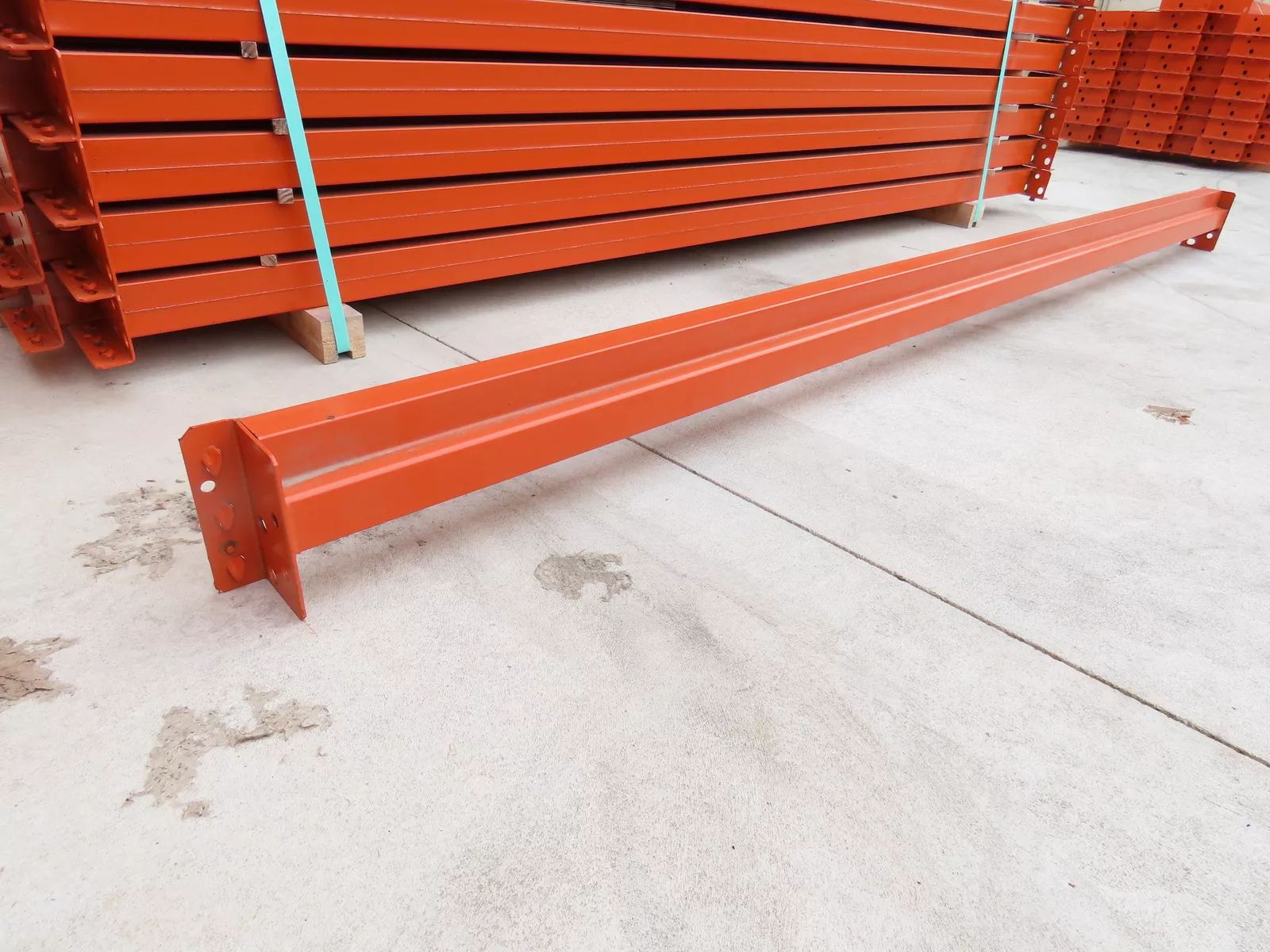
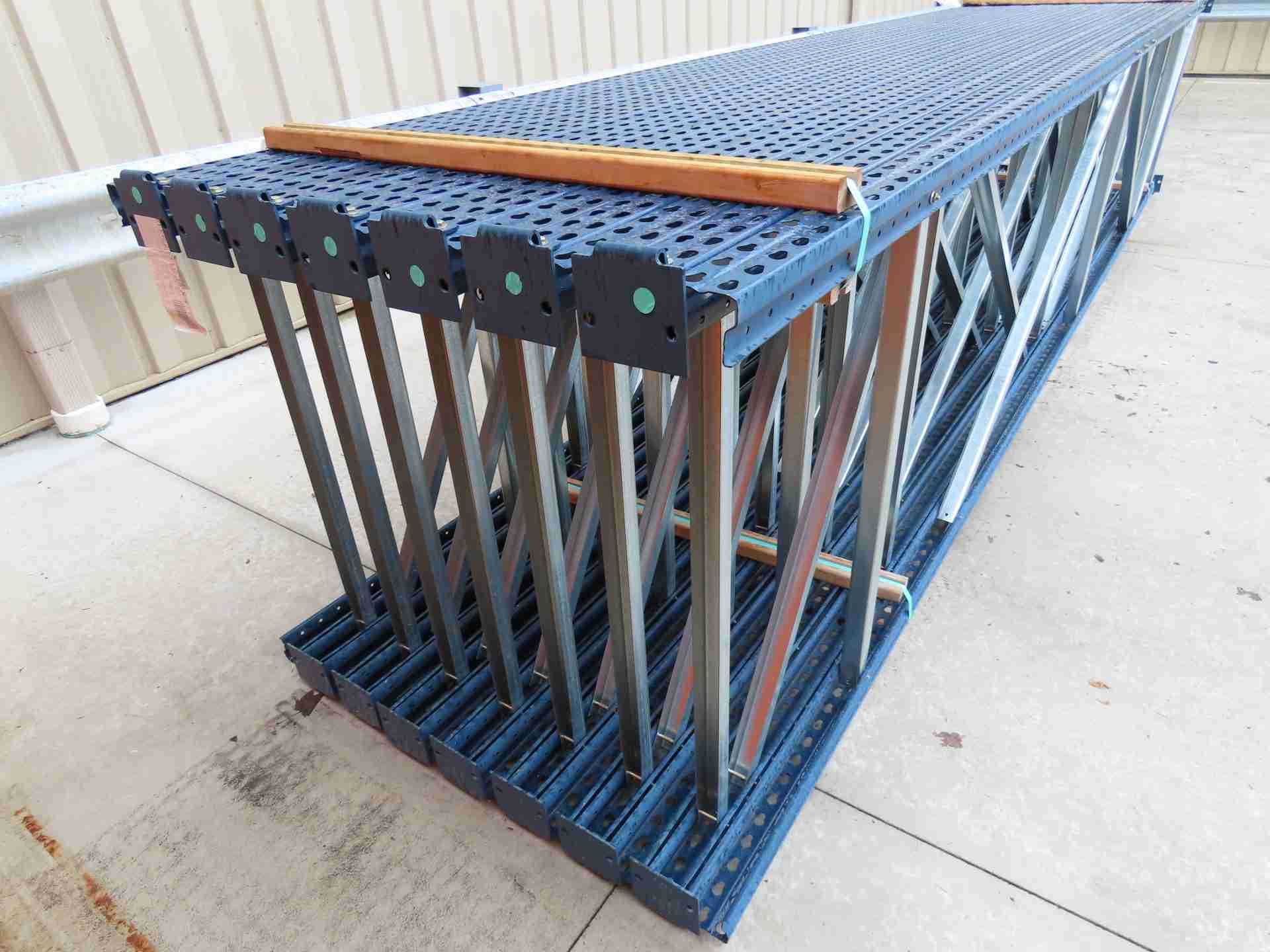
Think about the racking systems you’ve seen at warehouses or garages. Those sturdy structures don’t just hold stuff; they maximize space and enhance efficiency. They can be a game-changer for a small business or a DIY enthusiast who needs to keep everything organized without breaking the bank. Racking systems let you stack high instead of spreading out, allowing you to utilize vertical space like a pro and freeing up room to maneuver or expand.
From an emotional standpoint, there’s peace of mind in knowing your items are secure and easily accessible. Nothing feels worse than rummaging through clutter when you need something fast. A well-organized space fosters not only efficiency but also reduces stress, letting you focus on what truly matters—whether that’s finishing a project, meeting client deadlines, or simply enjoying your downtime without chaos in the background.
Rationally, investing in good storage solutions means lower operational costs in the long run. Think about it: when you know where everything is, you waste less time searching and can fulfill customer orders quicker. This efficiency can translate directly to higher profits and customer satisfaction—two key financial goals for any business owner.
Ethically, there’s value in responsible storage. Choosing durable, sustainable materials for your racking systems not only benefits your pocket but also the environment. It’s a step toward running a business or home that respects its footprint and promotes a sense of community and responsibility.
Socially, consider how a clean, organized space affects your interactions with others. A tidy workspace invites collaboration and shows you take your projects seriously. It builds trust with clients and partners, signaling that you’re not just another face in the crowd, but someone who values their investments and is capable of handling their expectations.
Engage in storytelling within your space. Each item on a rack has a story, a purpose. Share those stories with others, showing how you’ve curated your storage solutions to reflect your personal or business journey. It fosters connection and makes your approach to storage relatable to everyone, from the neighbor with a cluttered garage to the entrepreneur shaping their own path.
Ultimately, every racking system you invest in should reflect not just a necessity but a strategic choice that aligns closely with your financial dreams and objectives. Make your decisions count, both for today and for the future.
What Storage Solutions Align with Our Financial Goals?
What Storage Solutions Align with Our Financial Goals?
- Storage solutions should align with financial goals, maximizing efficiency and reducing costs.
- Racking systems optimize space by allowing vertical stacking, beneficial for small businesses and DIY enthusiasts.
- An organized space provides peace of mind and reduces stress, enhancing focus on important tasks.
- Investing in effective storage improves operational efficiency, leading to quicker fulfillment of customer orders and higher profits.
- Choosing sustainable materials for storage promotes environmental responsibility and community awareness.
- A clean workspace facilitates collaboration and builds trust with clients, reflecting professionalism.
- Each storage item tells a story, fostering connections and making the approach to organization relatable.
What Storage Solutions Align with Our Financial Goals?
Does Optimizing Inventory Affect Our Ebitda Positively?
Optimizing inventory is like tuning a well-oiled machine. It’s the difference between a business that merely survives and one that thrives. Picture a warehouse filled with Racking Systems. Each shelf holds potential – potential to drive revenue, to minimize waste, and to ensure that your operations run smoother than a freshly resurfaced road. When you optimize inventory, you’re not just moving boxes around; you’re strategically placing assets to maximize efficiency and profits, which can directly affect your EBITDA in a positive way.
Consider the gut feeling you get when a customer walks away empty-handed. We’ve all been there, seeing a product out of stock, knowing it could have been a sale if only we had managed inventory a little better. That discontent reverberates through not just the sales figures but the very morale of the team. When you keep your shelves stocked right and your holding costs low, it fosters a sense of trust between your business and your customer. They know you’re reliable, that you’ll have what they need when they need it.
On a rational level, think about the hard numbers. Analyzing inventory turnover ratios, reducing holding costs, and avoiding overstock situations can all positively impact your financial statements. Every item that sits unsold is money that’s tied up, draining your business a little more each day. By fine-tuning your inventory practices, you aren’t just hoping for better financial health; you are actively making it happen. You’re driving down costs and lifting EBITDA.
Ethically, responsible inventory management plays into the broader narrative of sustainability. Make sure you’re not just dumping excess products that might end up in a landfill. Instead, smart inventory practices can lead to better resource management, reducing waste, and promoting a sense of social responsibility within your community. This ethical stance can resonate with customers, enhancing brand loyalty.
Moreover, when the warehouse team sees the value of streamlined processes through optimized Racking Systems, they feel empowered and engaged. They become a part of a narrative that’s bigger than day-to-day tasks; they play a crucial role in achieving a common goal.
Striving for efficiency in inventory doesn’t just affect the bottom line; it influences the very culture of your business. You foster a sense of purpose and connection that drives everyone forward, building a robust foundation for sustained success.

Does Optimizing Inventory Affect Our Ebitda Positively?
Does Optimizing Inventory Affect Our Ebitda Positively?
- Optimizing inventory transforms a business from merely surviving to thriving.
- Effective inventory management maximizes efficiency and profits, positively impacting EBITDA.
- Adequate stock levels build customer trust and avoid lost sales opportunities.
- Analyzing inventory turnover and reducing holding costs improve financial health.
- Responsible inventory practices contribute to sustainability and reduce waste.
- Empowered teams engaged in streamlined processes enhance company culture and morale.
- Striving for inventory efficiency fosters a sense of purpose and drives sustained success.

Does Optimizing Inventory Affect Our Ebitda Positively?
How Does Storage Efficiency Contribute to Our Bottom Line?
When you think about the hustle and bustle of a warehouse, you can’t help but notice the vast expanse of racking systems that hold everything together. Those steel giants standing tall are more than just shelves; they are the backbone of storage efficiency. Imagine every inch of those racking systems as a potential dollar sign. When products are stored properly, space transforms into an asset rather than a liability. For a business, that translates directly into savings.
Consider a truck rolling into the loading dock, filled to the brim with goods. If the storage isn’t optimized, time is wasted, frustration mounts, and delivery schedules slip. Workers are left scrambling, making the process feel like trying to fit a square peg in a round hole. On the flip side, when each item has its own designated slot in a well-planned racking system, retrieval becomes a smooth operation. This efficiency means less time hunting down misplaced items, resulting in more satisfied customers and improved cash flow.
Now, let’s think about the ethics of storage. Every business has a responsibility not just to its bottom line but also to its people. Efficient storage means less strain on workers. It’s easier on the back when they aren’t lifting heavy loads repeatedly or searching endlessly for that one box that seems to always disappear. Valuing your employees’ time and health fosters loyalty and morale, which can be just as important as profits. Happy employees amp up productivity, creating a ripple effect that boosts the bottom line further.
There’s also a narrative to be told about community. A well-run warehouse doesn’t just benefit the company; it touches the lives of vendors, delivery drivers, and even the customers at the other end of the supply chain. When folks see a business running efficiently, they trust it more; they know they’ll get their goods on time, every time. That trust can mean the difference between retaining loyal customers and losing them to competitors.
Weaving all these threads together—reduced waste, employee well-being, and customer trust—shows how storage efficiency does more than just keep a warehouse tidy. It cultivates an environment where businesses can thrive, ultimately making every dollar spent on racking systems an investment that pays dividends far beyond the bottom line.

How Does Storage Efficiency Contribute to Our Bottom Line?
How Does Storage Efficiency Contribute to Our Bottom Line?
- Racking systems in warehouses are essential for storage efficiency and represent potential savings for businesses.
- Optimized storage reduces wasted time and frustration, ensuring smooth retrieval of items.
- Efficient storage improves customer satisfaction and enhances cash flow.
- Businesses have a responsibility to their employees, promoting health and reducing physical strain.
- Valuing employee well-being fosters loyalty and boosts productivity.
- A well-organized warehouse benefits vendors, delivery drivers, and customers, building trust in the supply chain.
- Investing in racking systems leads to overall business success by minimizing waste and enhancing community relations.

How Does Storage Efficiency Contribute to Our Bottom Line?
What Are the Risks Of Inadequate Storage on Cash Flow?
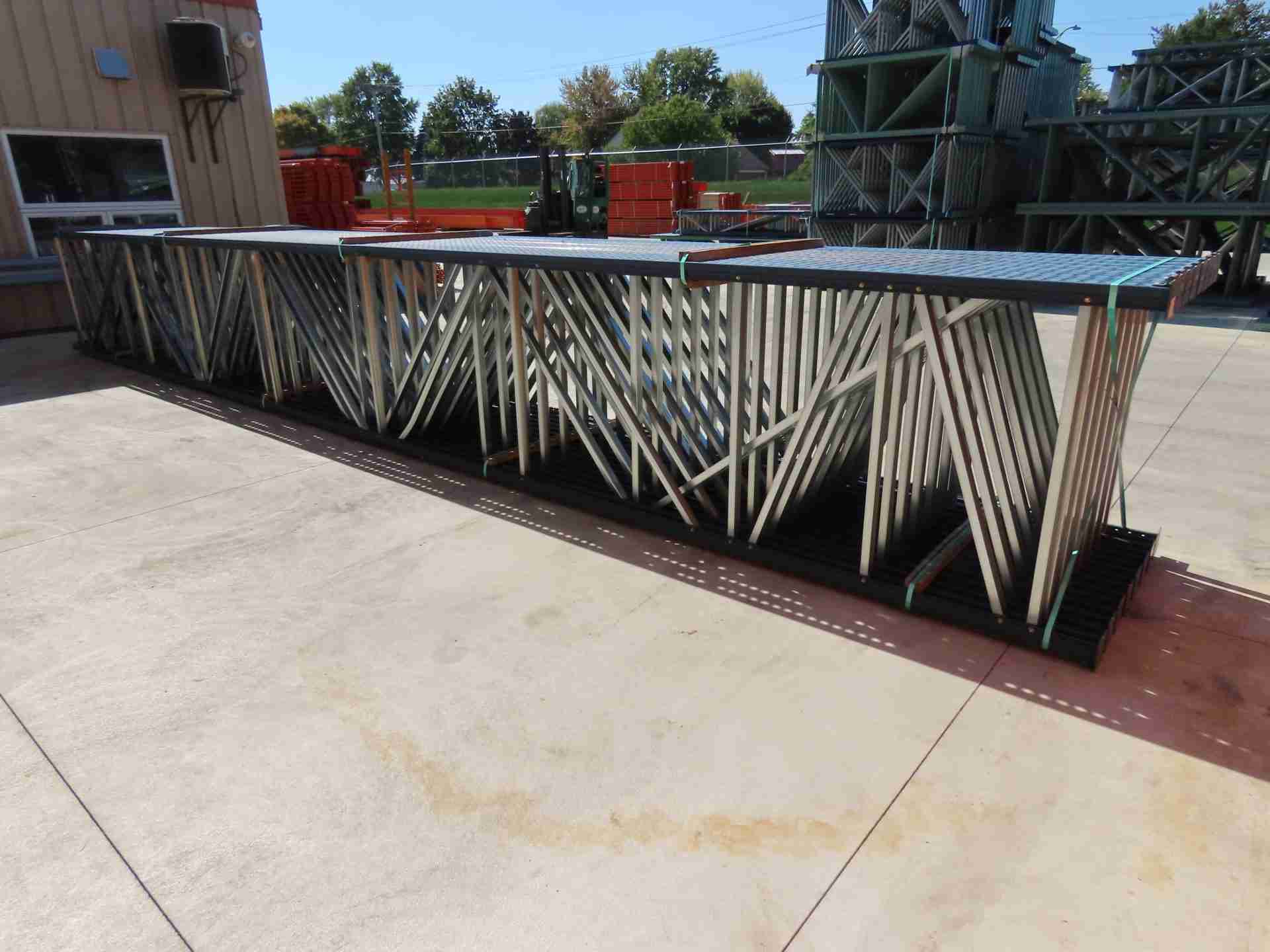
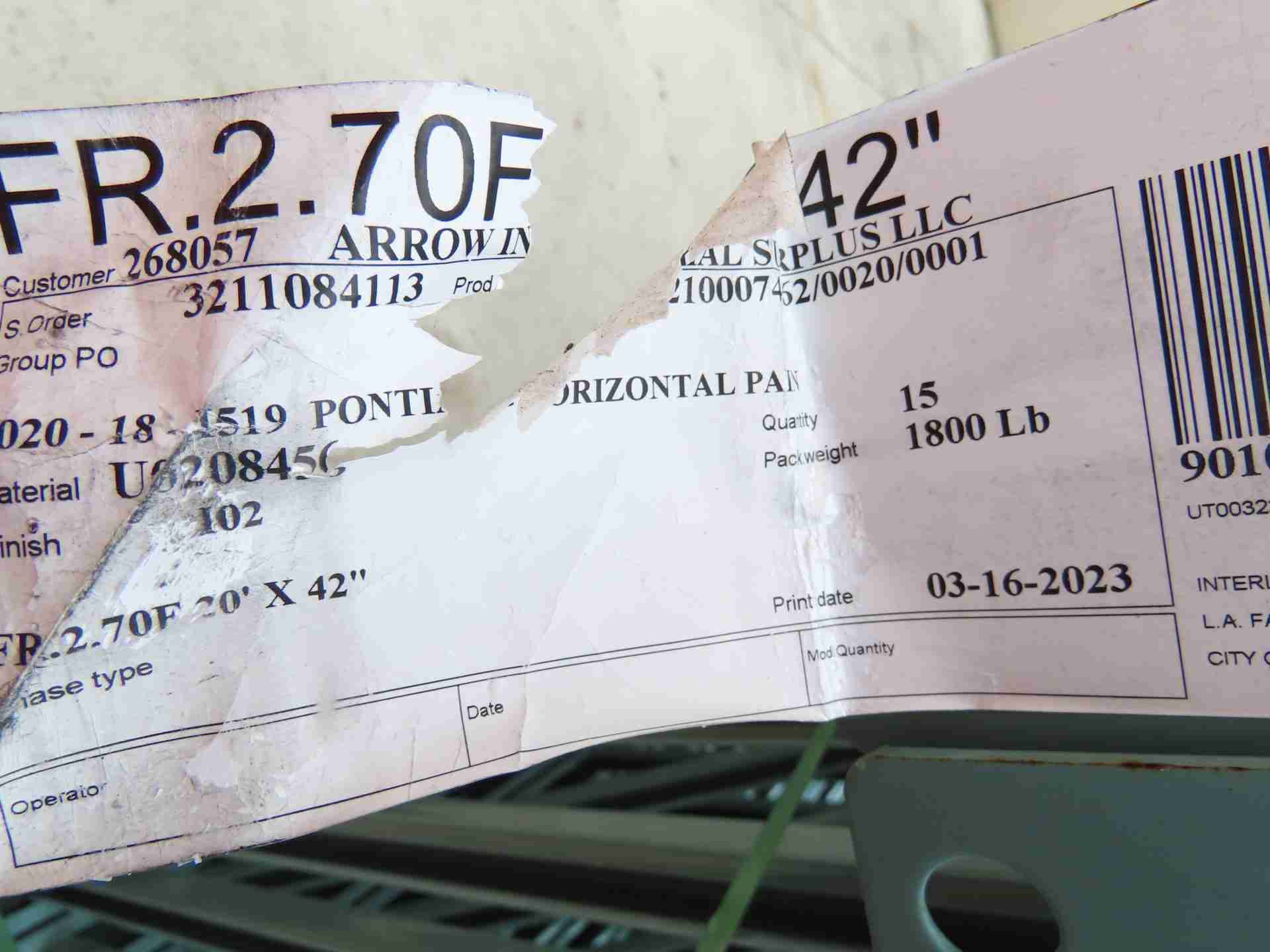
In every business, cash flow acts as the lifeblood, pumping energy into daily operations and long-term growth. But what happens when storage is inadequate? Picture a bustling warehouse full of products, but there’s chaos in how they’re stored. Racking systems that aren’t optimized lead to a mess. You may have items piled up, lost in the shuffle, and you’re bleeding money faster than you can sell.
When inventory isn’t organized, it’s not just an inconvenience; it’s a recipe for disaster. Emotionally, it’s tough to watch hard-earned money sit dormant because the team can’t find that one crucial part or product. It’s frustrating to know you have the inventory to meet demand but just can’t access it in time due to improper storage solutions, leaving customers waiting and your reputation on the line. It’s like having gold buried in your backyard but being unable to dig it up.
Rationally, the costs stack up. Increasing warehouse space, hiring additional staff, and losing sales due to stockouts? It’s a slippery slope. That leads to decreased profits, which impacts your ability to reinvest. Buyers don’t just want what you have—they want it now. If you can’t deliver quickly, they’ll turn to competitors who can. The logical conclusion here? A good racking system isn’t just necessary; it’s vital—like having a solid foundation for your house.
Ethically, consider your team. Stressed workers can lead to mistakes and accidents, creating a cycle of disarray. Everyone deserves the right tools to perform their jobs effectively, both for their sake and the business’s success.
Narratively, think of a time you’ve been in a bind. Maybe it was waiting for a part to fix that broken-down truck, desperately knowing it had to be somewhere in the mess. That waiting felt like hours, impacting your job and your pay. The same principle applies in any business: inefficient storage hampers productivity and morale, which trickles down to your cash flow.
Socially, a thriving business fosters community, providing jobs and stability. When cash flow suffers due to poor storage practices, the ripple effect touches everyone. It’s not just about profits; it’s about livelihood. Investing in effective racking systems, therefore, isn’t just smart business; it’s a commitment to supporting both your team and the community. Make the change; reclaim that cash flow.
What Are the Risks Of Inadequate Storage on Cash Flow?
What Are the Risks Of Inadequate Storage on Cash Flow?
- Cash flow is essential for daily operations and long-term growth.
- Poor storage practices lead to chaos, causing financial loss and inefficiency.
- Organized inventory prevents customer dissatisfaction and maintains reputation.
- Costs increase with inadequate storage, affecting profits and reinvestment potential.
- A good racking system is crucial for quick delivery and competitiveness.
- Stressed workers due to poor organization may lead to mistakes and accidents.
- Investing in effective storage solutions benefits both the business and the community.
What Are the Risks Of Inadequate Storage on Cash Flow?
How Can We Measure Storage Impacts on Overall Financial Health?
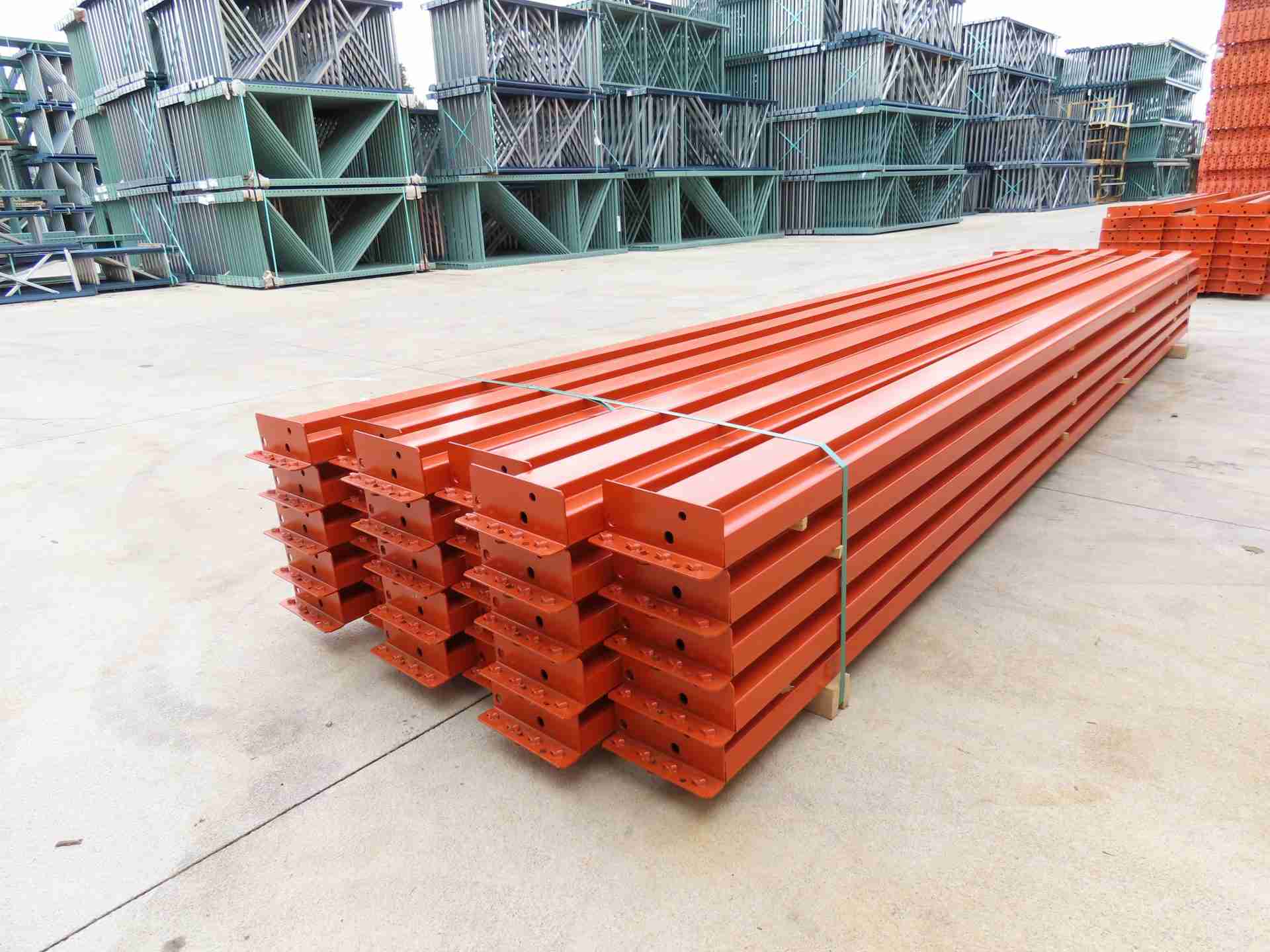
Measuring the impact of storage on overall financial health isn’t just an exercise in number-crunching; it’s about understanding the lifeblood of a business and what keeps it ticking. When you think about it, every square foot of storage represents an investment. This raises the question: How can those racking systems, those towering structures holding the weight of your inventory, either bolster or drain your financial stability?
Picture those racking systems in a bustling warehouse. They aren’t just metal frameworks; they’re the backbone of efficiency. When organized well, they can transform chaos into order, increasing productivity and reducing the time workers spend searching for products. This boost in efficiency directly translates to savings. When staff can find what they need right when they need it, it cuts down on wasted hours—time that could be spent serving customers or developing new strategies for growth. It’s about being smart with your resources, knowing that a well-curated storage solution is like hitting the gas pedal on your profitability.
Then there’s the ethical angle. Responsible management of your inventory means less waste and a more sustainable operation. Keeping your stock neatly organized not only enhances financial performance but also strengthens your reputation in the marketplace. Customers appreciate when businesses operate with integrity, and being known for efficiency can lead to more loyal clientele.
Engagement also means connecting on a social level. A well-maintained storage space allows teams to collaborate effectively, leading to higher morale and a culture of mutual support. It’s fulfilling to see people working together, navigating the aisles with purpose. When employees feel good about where they work, it spills over into their interactions with customers and stakeholders, painting your business in a positive light.
Finally, there’s a sense of trust built around solid financial practices. Measuring the impact of storage isn’t a mark of a number-focused accountant; it’s a commitment to ensuring every dollar spent adds value. By investing in efficient racking systems, you aren’t just throwing money at a problem—you’re crafting a strategy that leads to better margins, improved cash flow, and ultimately, a stronger organization.
So, take a long, hard look at those racking systems. They might just hold the key to unlocking the full potential of your financial health. The right approach to storage could propel your business forward, motivating action and instilling a sense of pride in doing things right.

How Can We Measure Storage Impacts on Overall Financial Health?
How Can We Measure Storage Impacts on Overall Financial Health?
- Understanding the impact of storage on financial health is crucial for business sustainability.
- Every square foot of storage represents an investment that can influence financial stability.
- Well-organized racking systems boost efficiency, reduce search time, and increase productivity.
- Improved efficiency translates to cost savings and better resource utilization.
- Responsible inventory management enhances reputation and fosters customer loyalty.
- A well-maintained storage space promotes teamwork, boosts morale, and positively affects customer interactions.
- Investing in efficient storage solutions leads to better margins and a stronger organization.
How Can We Measure Storage Impacts on Overall Financial Health?
Conclusion
Storage is much more than a place to keep inventory; it’s the engine that drives a business’s profitability and culture. An efficient storage system—like a well-organized racking system—does wonders for both the bottom line and the people involved. When we think about the chaos of a disorganized warehouse, it’s easy to see how wasted time and resources lead to frustrated employees and customers alike. A disarrayed space not only hinders productivity but also strains relationships with clients who expect prompt service.
Investing in smart storage solutions isn’t just a wise decision; it’s an ethical commitment to efficiency and well-being. When a business prioritizes organization, it conveys to its employees that their time and effort matter. This boosts morale, fosters a culture of trust, and ultimately increases productivity. A happy workforce is a productive one, which leads to better service and improved EBITDA.
From a rational standpoint, effective storage strategies reduce operational costs while enhancing capacity. By optimizing racking systems, businesses ensure minimal inventory loss and streamline their processes—each improvement is a step toward greater profitability. Customers value companies that manage their resources responsibly, enhancing brand loyalty and encouraging long-term relationships.
There’s also a compelling narrative here: many local businesses have transformed their operations by embracing better storage practices. These stories highlight resilience and growth, showcasing how smart decisions can uplift not just individual companies but entire communities. Engaging with this narrative reinforces a sense of shared purpose, where the success of one often translates into the success of many.
Moreover, the societal impact of efficient storage affects all stakeholders. A well-maintained environment provides stability for employees, vendors, and customers, creating a ripple effect through the community. When a business thrives, it ensures job security and contributes to the local economy.
In conclusion, embracing effective storage solutions isn’t just about optimized space; it’s about strengthening the entire framework of a business. It’s an investment in people, processes, and principles that resonate through every interaction and transaction. The potential gains are substantial: higher profitability, a committed workforce, and a reputable brand that customers can trust. Make that investment, and you’re not just setting shelves; you’re building a foundation for enduring success.

Conclusion
Conclusion:
- Storage is essential for business profitability and culture, not just a place for inventory.
- An efficient storage system boosts both the bottom line and employee morale.
- Disorganization leads to wasted time, frustrated employees, and strained client relationships.
- Investing in storage solutions is a commitment to efficiency and employee well-being.
- Effective storage strategies reduce operational costs while enhancing capacity and minimizing inventory loss.
- Successful storage practices can uplift not just individual businesses but entire communities.
- Embracing efficient storage solutions strengthens a business’s framework and supports local economies.

Conclusion
Other Resources
Other Resources
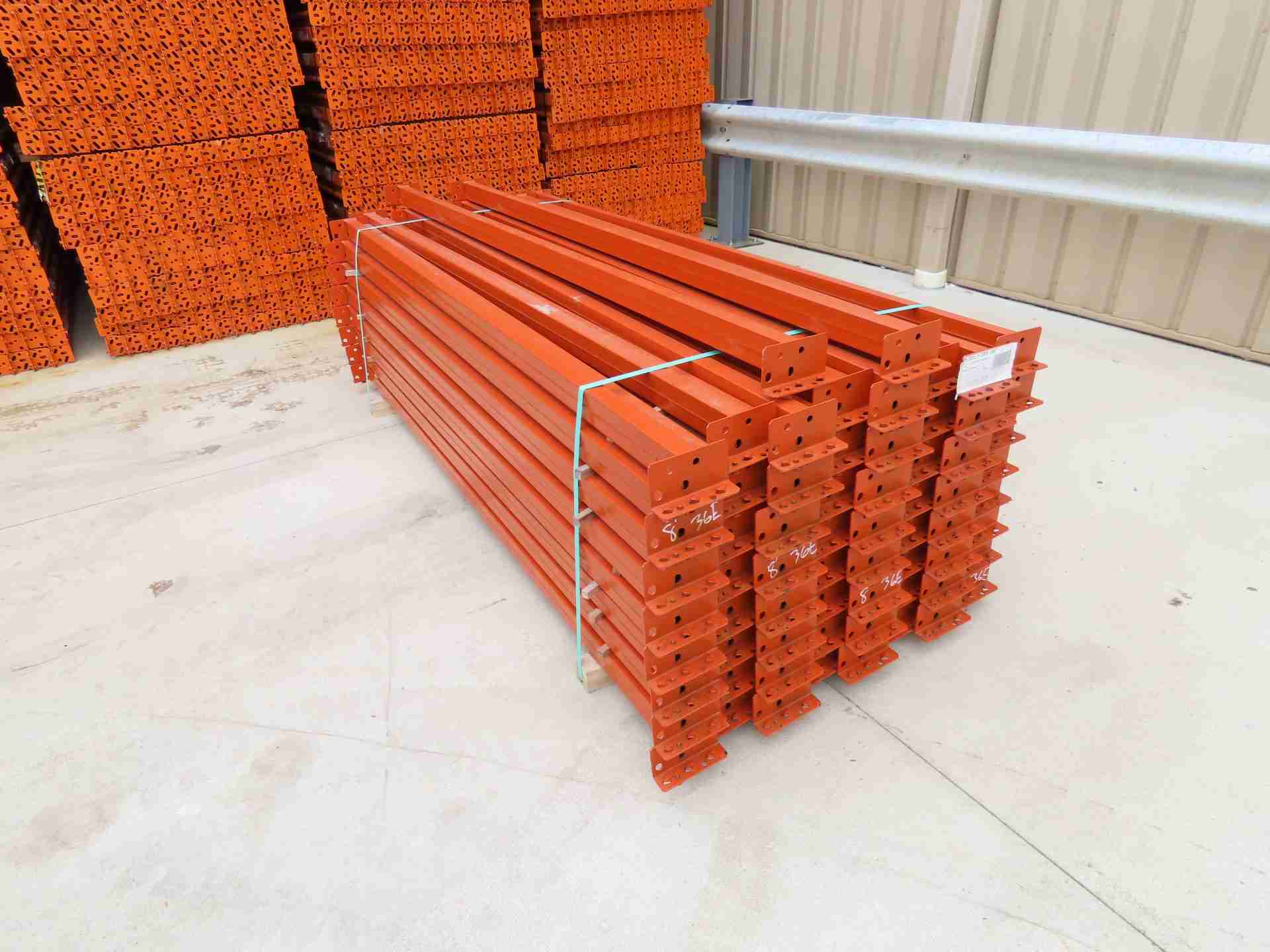
Here is a list of other resources you can review online to learn more:
- Interlake Mecalux
- IWLA
- American Society of Safety Professionals
- Warehouse Racking Layout: The Ultimate Guide – Conger
- IIWS Inc. Rack Installation Illinois & Rack Repairs Illinois
- Selective Racking
- Material Handling Safety
- International Warehouse Logistics Association
- BMH
- What is Selective Pallet Racking
- RMI
- Shipping Boxes, Packaging Materials, Pallet Racking
- What is Selective Racking: Understanding Benefits & Options
- Illinois
- Warehouse Racking System: Powerful Guide to Optimise, 2024
- Pallet Racking systems in Illinois and Great Lakes
- Selective Pallet Racking Systems – Container Systems
- Mustang Material Handling
- Cantilever Rack Guide: Ordering Cantilever Racking
- Illinois Pallet Racking – Storage Solutions
Use This Prompt To Get More Resources With Your Favorite Online AI Tool: Please provide me with a list of online articles with their URLs in a bulleted list that I can read regarding How Storage Impacts Ebitda

Other Resources
Glossary Terms
How Storage Impacts Ebitda – Glossary Of Terms
1. EBITDA: Earnings Before Interest, Taxes, Depreciation, and Amortization; a measure of a company’s overall financial performance.
2. Storage Costs: Expenses incurred for the maintenance and management of inventory.
3. Inventory: Goods and materials a business holds for the purpose of resale or production.
4. Capital Expenditure: Funds used to acquire or upgrade physical assets like storage facilities.
5. Working Capital: The funds available for day-to-day operations, impacted by storage levels.
6. Supply Chain: The entire system of production, processing, and distribution of goods.
7. Gross Margin: The difference between revenue and cost of goods sold, influenced by storage efficiency.
8. Depreciation: The allocation of the cost of a tangible asset over its useful life, affecting EBITDA calculations.
9. Amortization: The gradual reduction of debt over time, related to financing storage solutions.
10. Asset Management: The systematic approach of managing a company’s assets, including storage facilities.
11. Cost of Goods Sold (COGS): Direct costs attributable to the production of goods sold, heavily influenced by inventory storage.
12. Efficiency Ratio: A financial metric that evaluates how well a company utilizes its assets, including storage.
13. Working Capital Ratio: A liquidity ratio that measures a company’s ability to cover its short-term liabilities with its assets.
14. Demand Forecasting: Predicting future customer demand to optimize storage and inventory levels.
15. Just-In-Time (JIT): An inventory strategy to decrease waste by receiving goods only as needed.
16. Warehouse Management: The process of managing warehouse operations, crucial for controlling storage costs.
17. Fulfillment Costs: Expenses associated with processing and delivering orders from storage.
18. Overhead: Ongoing expenses of operating a business not directly tied to production, including storage costs.
19. Carrying Costs: The total cost of holding inventory, including storage, taxes, and insurance.
20. Break-Even Point: The sales level at which total revenues equal total costs, relevant to storage decisions.
21. Tax Implications: The effects of tax laws on financial metrics, including how storage choices may impact taxable income.
22. Lean Inventory: A strategy to minimize inventory levels to reduce storage costs and improve cash flow.
23. Return on Investment (ROI): A measure of the profitability of an investment, including storage facilities or systems.
24. Physical Inventory: The actual count of items in storage, affecting financial reporting and EBITDA.
25. Bulk Purchasing: Buying large quantities of goods to reduce per-unit costs, influencing inventory and storage needs.
26. Risk Management: The identification and assessment of risks associated with storage and inventory management.
27. Logistics: The detailed coordination of complex operations involving people, facilities, and supplies in storage.
28. Cash Flow: The total amount of money being transferred into and out of a business, impacted by storage costs.
29. Price Elasticity: The responsiveness of demand for a product to changes in price, affecting storage requirements.
30. Strategic Planning: A long-term approach to business goals, including storage and inventory management to enhance EBITDA.

Glossary Of Terms
Other Questions
How Storage Impacts Ebitda – Other Questions
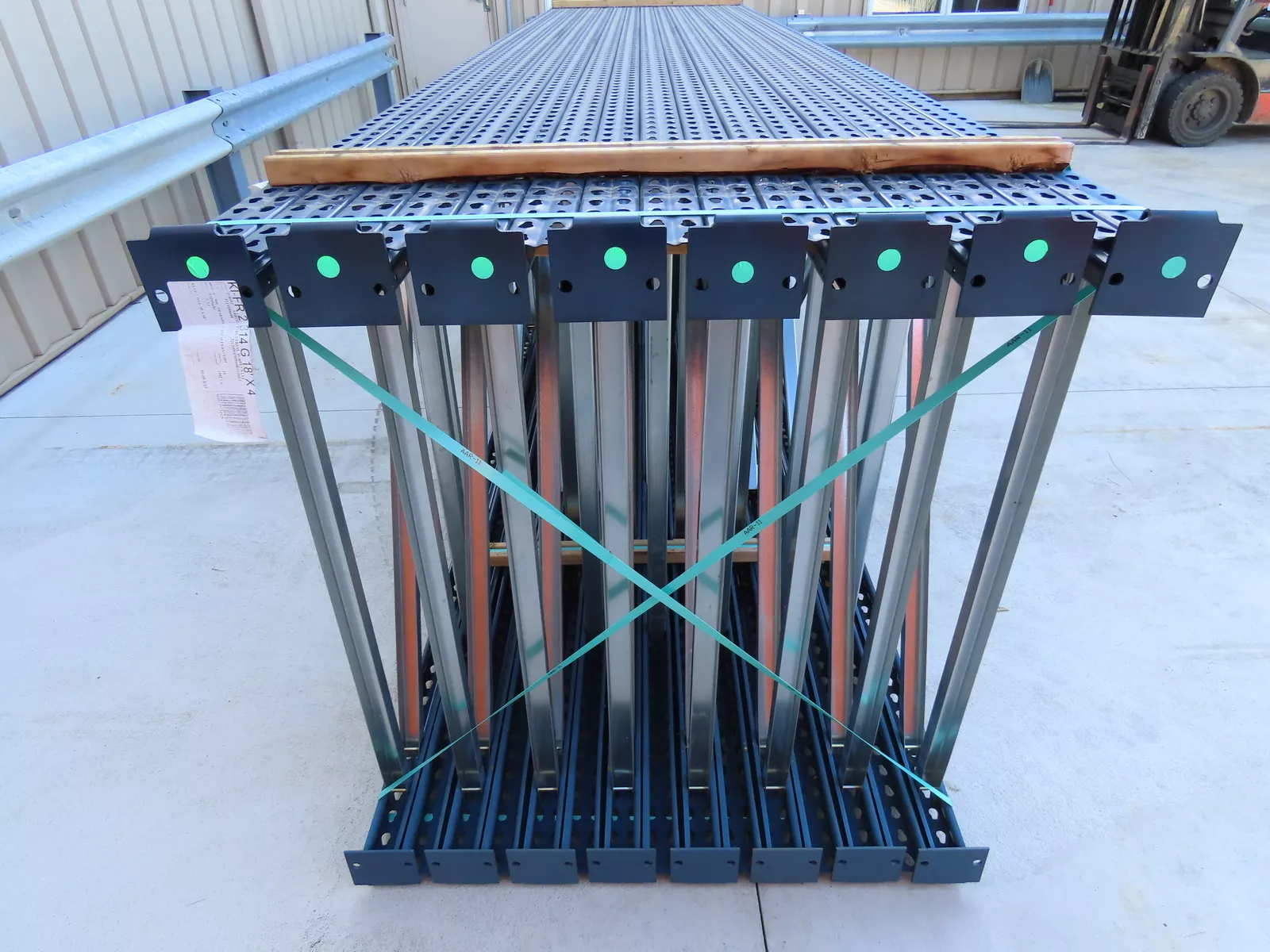
If you wish to explore and discover more, consider looking for answers to these questions:
- How much can improved racking systems increase EBITDA in percentage terms?
- What is the typical ROI and payback period for different storage investments?
- Which KPIs best measure the financial impact of storage improvements?
- How do storage upgrades affect carrying costs and inventory turnover?
- How should a company calculate the total cost of ownership for racking systems?
- What are the upfront capital costs versus ongoing operating costs for storage solutions?
- How do storage decisions influence cash flow and working capital needs?
- What financing or leasing options exist for funding racking and storage upgrades?
- How do storage changes affect tax treatment and depreciation schedules?
- Which storage configurations (pallet racking, drive-in, mezzanine, narrow aisle) best align with specific financial goals?
- How do you quantify labor savings from more efficient storage and picking?
- What technology integrations (WMS, ERP, barcode/RFID) are required to maximize storage benefits?
- How do automation and robotics compare to manual racking improvements in cost-effectiveness?
- What are the most common operational risks of implementing new racking systems?
- How do storage layouts impact order lead time and on-time delivery rates?
- What are the effects of improved storage on order accuracy and return rates?
- How should inventory safety stocks and reorder points be adjusted after storage optimization?
- How do changes in storage capacity affect supplier relationships and purchasing strategies?
- What metrics should be tracked pre- and post-implementation to demonstrate EBITDA impact?
- How do you model scenarios to predict the financial benefits of storage upgrades?
- What are the hidden costs (installation, downtime, training, maintenance) of new storage systems?
- How does optimizing storage reduce inventory obsolescence and shrinkage?
- What safety and regulatory standards must be met when installing new racking systems?
- How do floor loading, building structure, and fire suppression constraints influence racking choices?
- What insurance implications and potential premium changes accompany storage improvements?
- How do ergonomic and workplace-safety improvements from better storage translate into productivity gains?
- How should staff be trained and change-managed during a storage system rollout?
- What are best practices for phased implementation to minimize operational disruption?
- How scalable are different racking solutions for future growth or seasonal peaks?
- What role does sustainability (material choice, energy use, waste reduction) play in selecting storage systems?
- How can storage optimization support broader ESG or corporate responsibility goals?
- Are there case studies or benchmarks from similar companies showing measurable EBITDA improvements?
- When is it better to outsource warehousing (3PL) versus investing in in-house storage upgrades?
- How do pick-path design and slotting strategies interact with racking to improve efficiency?
- What are the implications of storage changes for reverse logistics and returns processing?
- How do seasonal demand patterns influence the choice of racking and layout?
- What monitoring and maintenance programs are needed to preserve storage performance over time?
- How should management prioritize storage investments against other operational projects?
- What quick-win storage improvements can deliver immediate cash-flow or productivity benefits?
Other Questions
Checklist
How Storage Impacts Ebitda – A Checklist
Set Objectives and Baseline
✅______ Define target EBITDA improvement (%) attributable to storage upgrades
✅______ Capture baseline KPIs: pick lines per hour, inventory accuracy %, damage rate %, stockouts %, OTIF %, space utilization %, order cycle time, inventory turns, carrying cost %, labor cost per order, EBITDA margin
✅______ Map the cash conversion cycle (CCC) and days inventory outstanding (DIO)
✅______ Build a simple P&L bridge linking storage changes to revenue uplift and cost reduction
Space and Racking Design
✅______ Measure cubic utilization and rackable height; confirm vertical clearance
✅______ Select racking types to match SKU mix and velocity (selective, double-deep, push-back, pallet flow, carton flow, cantilever, mezzanine)
✅______ Validate aisle widths, pick and put-away travel paths, and pick-face density
✅______ Engineer load ratings and anchoring; ensure seismic and fire compliance; post load signage
✅______ Install protection (upright guards, end-of-aisle barriers, rack netting and backs)
Inventory Optimization
✅______ Run ABC/XYZ analysis; slot by velocity, size, and affinity
✅______ Set min/max or reorder points; align safety stock to lead-time variability
✅______ Launch cycle counting with root-cause analysis on variances
✅______ Remove dead or obsolete stock; set a DIO reduction target
✅______ Standardize location IDs, labeling, and barcode quality
Process and Productivity
✅______ Implement 5S in all storage and staging areas
✅______ Define efficient pick paths; use batching, zone, or wave picking as suited
✅______ Place high-velocity SKUs in golden zones; right-size pick faces
✅______ Reduce dock-to-stock and put-away times; measure and improve
✅______ Use a WMS with location control or disciplined bin management
People, Safety, and Morale
✅______ Train operators on racking use, load limits, and material handling
✅______ Conduct ergonomic assessments; keep heavy or frequent items waist to shoulder
✅______ Schedule rack inspections and MHE preventive maintenance
✅______ Track near misses and incidents; close corrective actions
✅______ Pulse-check morale and engagement after changes and act on feedback
Quality, Loss, and Customer Experience
✅______ Set damage-rate targets; protect corners and fragile SKUs
✅______ Monitor OTIF and order accuracy; tie improvements to storage and process changes
✅______ Create fast lanes or dedicated zones for top SKUs
✅______ Escalate stockout risks proactively; define substitution and expedite rules
Sustainability and Ethics
✅______ Specify durable or recycled rack materials when feasible
✅______ Optimize layout to reduce travel distance, energy use, and waste
✅______ Create responsible disposition paths (reuse, resale, donate, recycle)
✅______ Track waste diversion and energy savings from storage improvements
Cash Flow and Cost
✅______ Quantify inventory carrying cost per year (%) and set a reduction goal
✅______ Compare expansion cost versus capacity gained from re-layout and vertical use
✅______ Track labor cost per order and cost per line before and after changes
✅______ Monitor freight, detention, and demurrage impacts from dock flow
Risk and Compliance
✅______ Verify fire code, egress, sprinkler clearance, and commodity classification
✅______ Confirm rack load plaques, seismic anchors, and floor capacity
✅______ Build surge and seasonal capacity and overflow plans
✅______ Maintain inspection logs, vendor warranties, and compliance records
Measurement and Governance
✅______ Publish a weekly dashboard: space use %, pick rate, accuracy %, OTIF %, damage rate %, inventory turns, DIO, CCC, labor cost per order, and EBITDA bridge
✅______ Hold a fixed-cadence review to address gaps and prioritize improvements
✅______ Run 30/60/90-day post-implementation audits; adjust slotting and layout
✅______ Document a short case study; recognize team contributions and share wins
Checklist
At RackingWorld, we help guide you through selecting warehouse storage systems and racking.
Be sure to read our other related stories at RackingWorld to learn more about warehouse storage systems.
0 Comments