
Unseen Dangers: The Hidden Costs Of Floor Stacking On Safety
By Tom Seest
At RackingWorld, we help guide you through selecting warehouse storage systems and racking.
Be sure to read our other related stories at RackingWorld to learn more about warehouse storage systems.
How Floor Stacking Increases Injury Risk
Floor stacking has become a common practice in warehouses and storage facilities, but it’s essential to recognize how it can significantly increase the risk of injury. Picture this: workers hustling about, navigating racking systems stacked high with products precariously piled on each other. The sight might seem efficient, but every extra foot of height introduces a new layer of risk.
Consider the human element. Every time an employee stretches to reach a box perched too high or balances on a less-than-stable ladder, their safety hangs in the balance. It’s not just about numbers and productivity; it’s about people—mothers, fathers, friends—doing their best to provide for their families. When floor stacking leads to accidents, it’s not merely an injury; it’s a disruption of lives, a ripple effect that can impact entire households.
From a rational standpoint, the statistics speak for themselves. Studies reveal that stores using effective racking systems can reduce injuries drastically. When goods are stored safely and within reach, employees are more focused on their tasks instead of worrying about falling objects or losing their footing. Why risk injury when a few simple adjustments can protect a workforce and ensure a safe environment?
Ethically, businesses must prioritize the well-being of their employees. Companies that overlook safety measures in favor of quick profits are not only jeopardizing their workers but also harming their bottom line. Injuries lead to higher workers’ compensation claims, loss of productivity, and a tarnished reputation. Those who take the time to invest in safe practices are viewed not just as employers but as guardians of their workforce.
Sharing stories about close calls can also compel change. Every seasoned worker knows a tale of a near-miss; these narratives can be powerful motivators for making adjustments. It’s relatable and reminds us that safety is a shared responsibility. Leaders in the industry who advocate for proper storage techniques and employee training show they’re not just running a business. They’re creating a culture where safety comes first, and everyone goes home in one piece.
Fostering a mindset that values safety and common sense benefits everyone. From the warehouse floor to the executive office, understanding the implications of floor stacking can lead us to a more secure working environment, ensuring that we don’t just stack products high but also protect the lives of those who make it all possible.

How Floor Stacking Increases Injury Risk
How Floor Stacking Increases Injury Risk
- Floor stacking in warehouses increases the risk of injury for workers.
- Every extra foot of height adds risk, affecting employee safety when reaching for high boxes.
- Injuries from accidents disrupt lives, impacting workers’ families beyond the workplace.
- Effective racking systems can drastically reduce injury rates by keeping goods safely stored and within reach.
- Businesses must prioritize employee safety to avoid increased workers’ compensation claims and a tarnished reputation.
- Sharing near-miss stories can motivate safety improvements and foster a shared responsibility for safety.
- A safety-focused culture benefits everyone, leading to a more secure working environment.

How Floor Stacking Increases Injury Risk
Table Of Contents
- How Floor Stacking Increases Injury Risk
- What Are Common Injuries Related to Floor Stacking?
- How Does Improper Stacking Affect Safety?
- What Policies Should Be In Place for Stacking?
- How Can Employees Identify Unsafe Stacking Practices?
- What Training Is Necessary for Safe Stacking?
- How Does Floor Stacking Impact Workplace Efficiency?
- Conclusion
- Other Resources
- Glossary Of Terms
- Other Questions
- Checklist
What Are Common Injuries Related to Floor Stacking?
When it comes to floor stacking, the physical toll it takes on workers shouldn’t be underestimated. Every day, in warehouses and loading docks, employees maneuver heavy loads around racking systems, often with little thought to their own safety. Yet, the injuries that can arise from these routines can be both debilitating and life-changing.
Lifting techniques may seem straightforward, but the reality is that improper handling of loads can lead to serious back injuries. Twisting while lifting or trying to carry items that are simply too heavy can push spinal health to the limits, leaving many workers grappling with chronic pain. Many of us know someone—maybe even yourself—who’s had to struggle through the everyday pain that stems from a moment of carelessness. It’s heartbreaking to watch your colleagues who once thrived in their roles now face limitations that a few missteps could have avoided.
Then there are slips and falls, another common danger lurking in the chaotic environment of floor stacking. A wet surface or scattered debris can send even the most seasoned workers tumbling, leading to sprains and fractures that can ground them for weeks. Imagine the frustration: one moment you’re orchestrating a well-choreographed dance with your stacks, and the next you’re sidelined, watching from the sidelines as others continue on without you.
Moreover, the high-stress environment of meeting quotas and deadlines can lead to injuries caused by haste. Rushing through tasks turns safety protocols from essentials into mere suggestions, a gamble no one should be forced to take. Workers have a natural desire to give their best, but when that drive collides with safety neglect, it’s often the body that pays the price.
Then there’s the mental toll. Each injury not only impacts physical health but can also create a cloud of anxiety. Colleagues might find themselves second-guessing every lift, every turn, and that can sap the joy out of a job that should be rewarding.
As we engage in the daily grind of floor stacking within our racking systems, let’s recognize the importance of safety and our responsibility to one another. Rather than standing by, we can advocate for better training, proper equipment, and a culture that prioritizes health over haste. By sharing stories and experiences, we not only raise awareness but also build a supportive community that understands the stakes involved in every action taken on the floor. Everyone deserves to walk away from work at the end of the day, unscathed and proud of what they accomplished.

What Are Common Injuries Related to Floor Stacking?
What Are Common Injuries Related to Floor Stacking?
- The physical toll of floor stacking on workers should not be underestimated.
- Improper lifting techniques can lead to serious back injuries and chronic pain.
- Slips and falls due to wet surfaces or debris are common hazards that can cause significant injuries.
- High-stress environments and rushing can compromise safety protocols.
- Injuries create mental health challenges, leading to anxiety and decreased job satisfaction.
- Advocating for better training and equipment is crucial for workplace safety.
- Creating a supportive community can enhance awareness of safety stakes and promote a culture of health.

What Are Common Injuries Related to Floor Stacking?
How Does Improper Stacking Affect Safety?
Improper stacking in warehouses can lead to serious consequences, and it’s not just about aesthetics. Imagine a busy warehouse, where workers move quickly, balancing efficiency with safety. Picture pallets stacked haphazardly, teetering on one another like a game of Jenga. What happens when that precarious load topples? It’s not just a mess to clean up; it’s a risk that could harm the very individuals working hard to keep the operation running smoothly.
Racking systems are designed to hold products securely, but when not utilized correctly, they can become a ticking time bomb. Each worker has a role in maintaining that order, and any slip can lead to severe injuries or worse. The emotional weight of an accident reverberates through the tight-knit community in these settings. Families depend on these jobs, and one incident can change lives forever, adding a heavy layer of responsibility to the daily tasks.
On a rational level, think about the cost of improper stacking. Aside from the immediate physical harm, there are financial ramifications. Injuries lead to lost time, increased insurance premiums, and potential fines. It’s an expense that could have been avoided with a little attention and adherence to safety protocols. The logic is simple: a well-structured racking system minimizes risks. When products are stacked according to guidelines, everyone—employers, employees, and their families—benefits.
From an ethical standpoint, every worker deserves a safe environment. It’s about respect for those who show up day after day, putting in the hard work. Leaders in the industry must take responsibility and prioritize training on proper stacking methods. Demonstrating a commitment to safety fosters trust among the workforce, solidifying a culture that values each person’s wellbeing.
Stories circulate in warehouses of near misses and accidents that leave lasting scars, both physically and mentally. It’s the uncle who strained his back or the co-worker who was out for weeks after a heavy load fell. These narratives highlight the importance of vigilance. They remind everyone that safety isn’t just a checkbox on a to-do list; it’s a shared commitment.
Ultimately, taking the time to stack properly isn’t just a matter of procedure—it’s a testament to our collective dedication to safety. It’s about looking out for each other and knowing that when we adhere to the standards set by racking systems, we’re not just protecting products; we’re protecting lives.

How Does Improper Stacking Affect Safety?
How Does Improper Stacking Affect Safety?
- Improper stacking in warehouses poses serious risks beyond aesthetics, affecting worker safety.
- Haphazardly stacked pallets can lead to accidents, harming workers and disrupting operations.
- Correct use of racking systems is crucial; improper stacking can result in injuries and emotional consequences.
- The financial impact of poor stacking includes lost time, increased insurance costs, and potential fines.
- Every worker deserves a safe environment, highlighting the need for proper stacking training.
- Near misses and accidents create lasting physical and mental scars among workers, emphasizing the importance of vigilance.
- Adhering to stacking standards protects both products and lives, reflecting a commitment to safety and community well-being.

How Does Improper Stacking Affect Safety?
What Policies Should Be In Place for Stacking?
When it comes to stacking, establishing solid policies is as essential as the racking systems we rely on to hold our goods. Picture a warehouse filled with pallets, stacked high, securing the lifeblood of a business. If those stacks aren’t managed correctly, you’re not just risking product damage; you’re endangering your workers and your bottom line. A clear policy framework allows teams to understand not just the hows, but the whys behind safety protocols.
First off, safety guidelines are paramount. Workers need assurance that the racking systems in place are designed to handle the load. Each stack should have specified weight limits—everyone from the newest hand on the floor to the seasoned veteran should be aware of these limits. Think about it: a little clarity can prevent accidents and save lives. It builds a culture of care, where people look out for one another because, at the end of the day, we’re all in this together.
Next, establish policies that encourage regular audits of the racking systems. It’s not just about maintenance; it’s about fostering an environment where everyone feels responsible for what they’re working around. Those daily checks can unearth potential issues before they become disasters. If something feels off, workers should be empowered to speak up without fear of reprimand. Trust grows in a workplace where feedback is welcomed—after all, experience teaches us that the best ideas often come from the ground up.
Training is another crucial piece of the puzzle. Regular workshops on stacking methods not only strengthen skills; they build confidence. Workers who understand the principles behind stacking are more likely to adhere to safety measures, and that breeds a workforce that feels valued and engaged. Make these sessions relatable—share stories of near-misses or successes. Those narratives resonate and remind us all of the importance of doing things right.
Lastly, consider the social aspect of stacking policies. Create an environment where teamwork is encouraged. Implement buddy systems during heavy lifting or awkward stacks; it’s about looking out for one another. Instead of a lone wolf mentality, foster camaraderie where sharing personal experiences helps everyone grow.
These policies create a culture grounded in trust, enhancing productivity and morale. Think about it—the less time you spend worrying about accidents and errors, the more energy you can focus on what truly matters: delivering excellence. Well-thought-out stacking policies do more than protect; they build a foundation for success that resonates through every level of the operation.

What Policies Should Be In Place for Stacking?
What Policies Should Be In Place for Stacking?
- Establishing solid stacking policies is essential for warehouse safety and efficiency.
- Safety guidelines ensure workers are aware of racking system weight limits to prevent accidents.
- Regular audits of racking systems promote responsibility and identify potential issues early.
- Encouraging open feedback cultivates trust and empowers workers to voice concerns.
- Training workshops on stacking methods enhance skills and build worker confidence.
- Teamwork is fostered through buddy systems during heavy lifting, promoting camaraderie.
- Well-developed policies create a culture of trust, boosting productivity and morale.

What Policies Should Be In Place for Stacking?
How Can Employees Identify Unsafe Stacking Practices?
When you’re working in a warehouse or on the shop floor, it’s easy to get caught up in the hustle and bustle, but keeping an eye on how things are stacked is crucial. Unsafe stacking practices can turn a routine day into a catastrophe. Identifying these practices isn’t just about rules on a piece of paper; it’s about ensuring everyone goes home safe at the end of the day.
First, look at the racking systems in place. Are they designed for the load being stacked? Every racking system has its limits, and ignoring those can lead to disaster. If boxes are teetering, or you see heavy items piled high without sound support, you’re witnessing a potential danger zone. Trust your gut; if something feels off, it probably is.
Next, pay attention to the way items are arranged. Are they stable? If you notice irregular shapes or sizes being stacked together, that’s a red flag. Remember, it’s not just about getting the most out of your space; it’s also about finding the safest way to store goods. Think of your co-workers and the consequences of a stack collapsing – a serious injury can turn a simple day into a life-altering event.
Consider the ethical responsibility we have to each other. We all want to make it through our shift without a scrape or bruise. If you spot someone using unsafe stacking techniques, whether it’s climbing too high or reaching for a box in a precarious position, speak up. Don’t stay silent. By stepping in, you could very well prevent an accident that might affect lives. It’s about looking out for one another in a tough line of work, fostering a community where safety is the priority.
Engage with the norms of your workplace. If safety training hasn’t been revisited in a while, propose a refresher. Knowledge is power, and being on the same page with your crew can lead to better practices and an accident-free environment. Share your own experiences. Sometimes, storytelling about near misses can resonate more than any safety manual.
It’s about confidence. You and your team rely on one another to do your jobs well. Let that trust extend to safety. Identifying unsafe stacking practices means you’re taking a stand – not just for yourself but for everyone around you. Together, let’s ensure that every box is stacked just right, and every shift ends with everyone heading home safe.

How Can Employees Identify Unsafe Stacking Practices?
How Can Employees Identify Unsafe Stacking Practices?
- Being aware of stacking practices in warehouses is crucial for safety.
- Racking systems must be suitable for the weight and type of loads being stacked.
- Instability in stacking, such as irregular shapes or sizes, poses significant risks.
- Everyone shares an ethical responsibility to ensure safe working conditions.
- Speak up about unsafe practices to prevent potential injuries.
- Propose refresher safety training if it’s been a while since the last session.
- Building trust in safety practices enhances team confidence and promotes a safer work environment.

How Can Employees Identify Unsafe Stacking Practices?
What Training Is Necessary for Safe Stacking?
When it comes to safe stacking, proper training is the backbone of any operation. It’s not just about following rules; it’s about building a culture of safety that protects everyone involved. The first step is understanding the importance of racking systems. These systems are the framework that allows us to efficiently store and retrieve goods, but they only work effectively when we know how to use them properly. Each racking system has its own set of quirks and capabilities, and training gives workers the knowledge to navigate these complexities.
Think about it: no one wants to see a stack of pallets come crashing down because someone wasn’t trained to load them correctly. That moment can be not only costly but dangerous. Training provides the hands-on experience needed to confidently stack items, ensuring every piece is in the right place. Workers learn to assess the load capacity of racking systems and understand weight distribution—critical knowledge that guards against accidents.
Training also addresses the ethical responsibility we have to look after our colleagues. When everyone is trained to stack safely, we’re not just protecting ourselves; we’re creating an environment where everyone can do their jobs without fear. It fosters camaraderie and a sense of shared responsibility. Each team member is empowered, knowing they play a part in maintaining safety standards that benefit the entire workforce.
Beyond the ethical aspect, there’s the rational side—reduced costs. Accidents lead to downtime, injuries, and damage to inventory, which can hurt the bottom line. Investing in thorough training is a no-brainer when it means avoiding these costly pitfalls. Workers become more efficient as they understand the best practices for handling materials, saving time and resources.
Additionally, the impact of proper training ripples out into the community. Companies known for their safe stacking practices build reputations that attract clients and top talent. People want to work where they feel secure, and safety records can set a company apart.
Ultimately, the heart of safe stacking lies in a commitment to training. It’s not just about following guidelines; it’s about instilling a mindset that prioritizes safety in every stack placed and load managed. A well-trained team can confidently handle any racking system, creating a workplace where safety is second nature and trust is ingrained in the culture.

What Training Is Necessary for Safe Stacking?
What Training Is Necessary for Safe Stacking?
- Proper training is essential for safe stacking and builds a culture of safety.
- Understanding racking systems is crucial for efficient storage and retrieval of goods.
- Training helps workers navigate the complexities of different racking systems.
- Hands-on experience ensures safe loading and stacking, preventing accidents.
- Training fosters a sense of shared responsibility and camaraderie among team members.
- Investing in training reduces costs associated with accidents, downtime, and inventory damage.
- Companies with strong safety training reputations attract clients and top talent.

What Training Is Necessary for Safe Stacking?
How Does Floor Stacking Impact Workplace Efficiency?
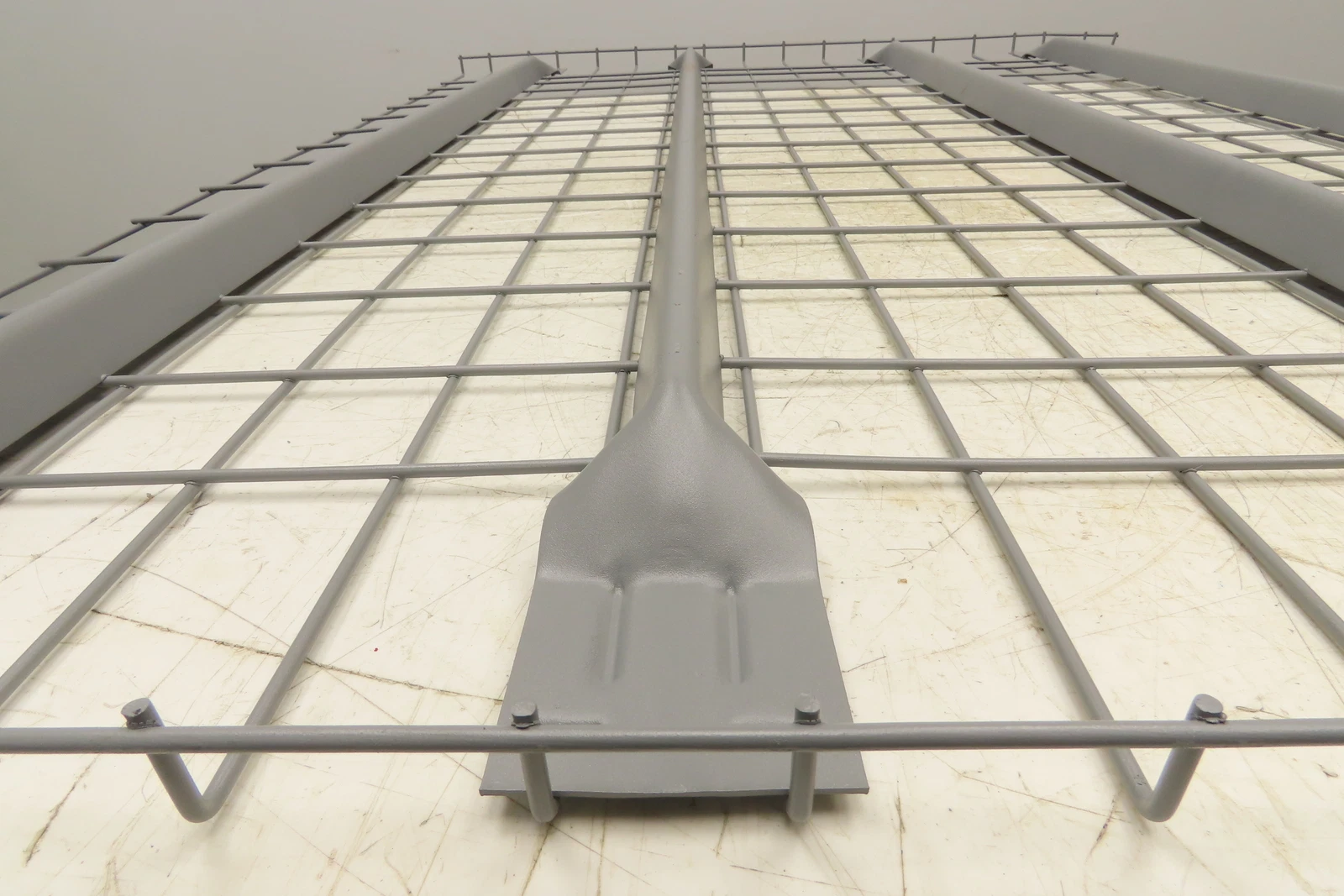
When it comes to workplace organization, the way we stack and store items can make or break our efficiency. Think of it like a well-oiled machine. When all the gears mesh perfectly, everything runs smoothly. But when something’s out of place, it can grind productivity to a halt. Racking systems play a crucial role here, not just as metal frames but as the backbone of a streamlined operation.
Imagine walking into a warehouse where everything is piled up haphazardly. The confusion is palpable. Time is wasted searching for that one box, and frustration simmers underneath the surface. Now, flip that scene. We enter a space with neatly arranged shelving, where every item has its place. Employees find what they need quickly, and the air is filled with a sense of calm and purpose. That’s the heart of floor stacking; it transforms chaos into order, boosting morale along the way.
On a deeper level, effective stacking influences the bottom line. Rationally speaking, proper use of racking systems maximizes available space, allowing for more products to be stored efficiently. It reduces the risk of accidents; fewer misplaced items mean fewer potential injuries. This kind of setup doesn’t just protect employees; it inspires trust in a company’s commitment to safety. When workers feel secure and valued, their productivity naturally soars.
Ethically, we ought to think about our surroundings. A cluttered floor isn’t just inconvenient; it reflects a lack of respect for the workers who navigate it daily. Companies that invest in smart racking solutions send a message: they prioritize their team’s well-being and the integrity of their workspace.
Consider the stories of people who’ve thrived in well-organized environments. A seasoned warehouse manager recalls the transformation in her team once they implemented a new racking system. There were smiles where frustration once reigned, and productivity soared. Her narrative highlights something simple yet profound: efficiency isn’t just about numbers; it’s about people.
In sharing this, we bring a sense of community to our workspaces, reinforcing that we’re all in this together. Embracing organized floor stacking marries practicality with empathy. When we nurture our workspaces, we foster a culture of respect, trust, and shared success. Making the switch to effective racking systems isn’t just a choice; it’s a commitment to a better, more efficient workplace.
How Does Floor Stacking Impact Workplace Efficiency?
How Does Floor Stacking Impact Workplace Efficiency?
- Effective workplace organization is crucial for efficiency, akin to a well-oiled machine.
- Racking systems serve as the backbone of streamlined operations, reducing chaos and boosting morale.
- Proper stacking maximizes space and enhances productivity while minimizing the risk of accidents.
- A well-organized workspace reflects respect for employees and ensures their safety and well-being.
- Investing in racking solutions demonstrates a company’s commitment to worker safety and workspace integrity.
- Personal stories highlight that organizational improvements positively impact morale and efficiency.
- Embracing organized floor stacking promotes a culture of respect, trust, and community within the workplace.

How Does Floor Stacking Impact Workplace Efficiency?
Conclusion
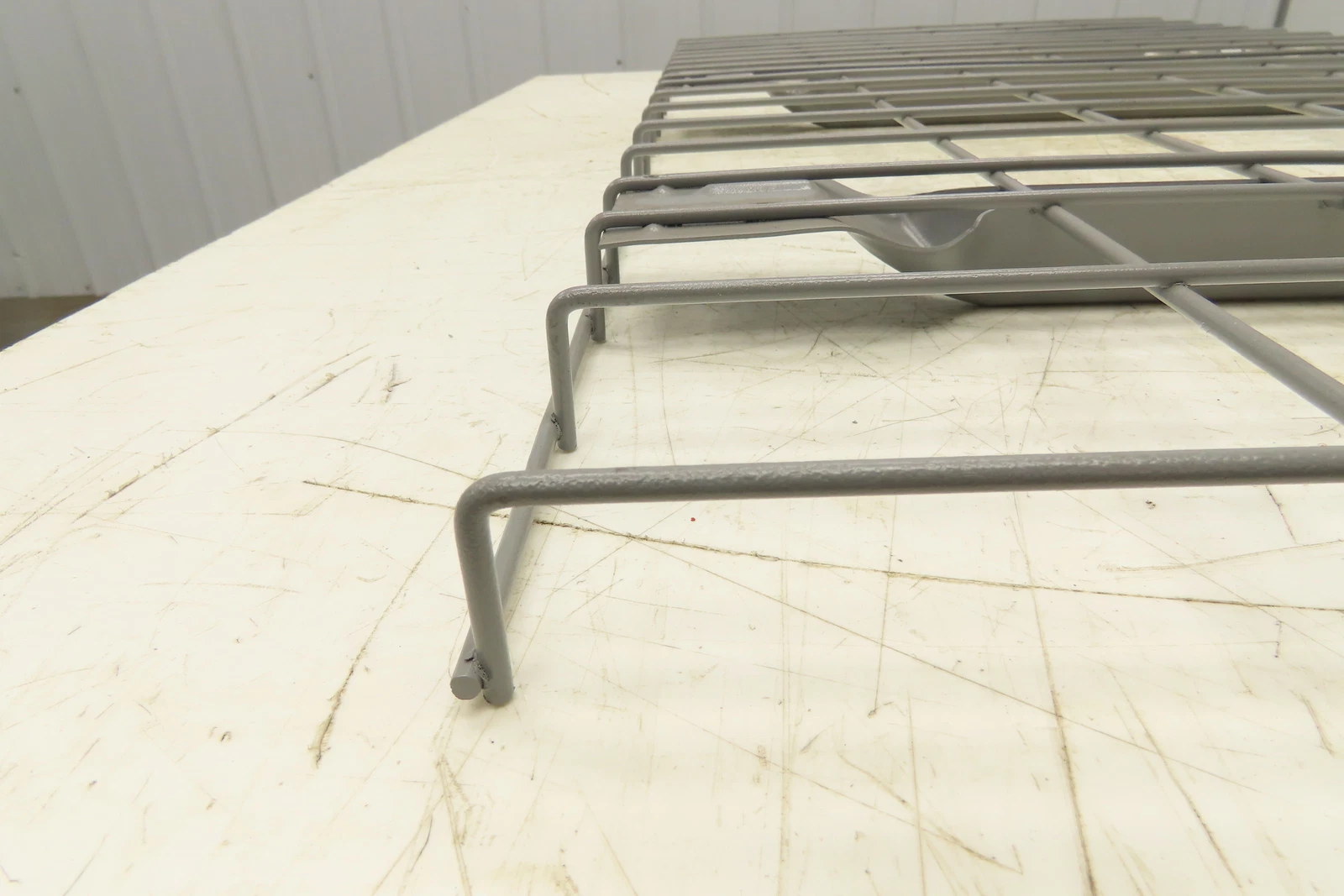
Floor stacking may seem like a practical solution for maximizing storage in warehouses, yet the hidden risks it carries are substantial. Workers navigate a labyrinth of towering stacks, with the potential for tragedy lurking at every height. Each stretch to reach a box or precarious climb onto an unstable ladder can lead to serious injuries that disrupt not just individual lives but entire families. These aren’t just statistics; they represent real people—mothers, fathers—whose livelihoods depend on their safety at work.
From a rational viewpoint, it’s clear that effective racking systems can drastically reduce injury rates. By storing items within safe reach, workers can focus better on their tasks without the looming fear of falling objects or accidents. Ignoring safety for profit only turns into greater costs down the line—injuries mean higher workers’ compensation claims and diminished productivity. Companies investing in safe practices build a reputation as protectors of their workforce, creating trust and loyalty among employees.
Narratives from the floor tell powerful stories of near-misses, which emphasize the urgency of prioritizing safety. Veteran workers often have tales of close calls that resonate deeply and highlight common experiences, reinforcing the idea that safety is a shared responsibility. Leaders advocating for proper stacking methods and thorough training demonstrate their commitment to a culture that values life over mere profit margins.
The physical toll of improper stacking cannot be overlooked. Workers face chronic injuries from improper lifting techniques, slips, and falls—all too common in high-pressure environments where haste jeopardizes safety. Mental health is on the line too, as the anxiety stemming from potential injuries can cloud the minds of those on the floor. Stress undermines morale and productivity, creating a cycle that benefits no one.
Policies are vital for ensuring safe stacking practices. Clear guidelines on weight limits and regular audits help maintain a system of accountability. Training sessions reinforce the importance of following safety measures, nurturing camaraderie and mutual respect among team members. Sharing experiences can further cultivate a supportive environment that prevents accidents.
In sum, the way we approach floor stacking carries profound implications for workplace safety and efficiency. It is essential to foster a culture rooted in safety and vigilance—one where every team member looks out for one another. Together, this commitment can transform not just how we stack our products but how we protect our colleagues and enhance the quality of our working lives.

Conclusion
Conclusion:
- Floor stacking poses significant safety risks for warehouse workers.
- Accessing items stored at height can lead to serious injuries affecting individuals and families.
- Implementing effective racking systems reduces injury rates and enhances worker focus.
- Ignoring safety increases long-term costs due to injuries and decreased productivity.
- Narratives from veteran workers highlight the shared responsibility for safety within the workplace.
- Regular policies, training, and clear guidelines are essential for maintaining safe stacking practices.
- Fostering a culture of safety and vigilance can improve both employee protection and overall workplace quality.
Conclusion
Other Resources

Other Resources
Here is a list of other resources you can review online to learn more:
- CMMA
- Illinois Pallet Racking – WPRP
- IWLA
- Used Teardrop Pallet Rack – American Surplus
- Warehouse Racks, Warehouse Racking in Stock – ULINE
- Selective Rack – Raymond West
- Interlake
- The Complete Pallet Rack Guide – Simply Rack
- Rack Manufacturers Institute
- Material Handling Industry
- Teardrop Uprights
- Intro to Warehouse Racks & Warehouse Racking Systems – ShipBob
- IIWS Inc. Rack Installation Illinois & Rack Repairs Illinois
- Cantilever Rack Configuration & Installation: A Comprehensive Guide – BMH
- Logic Material Handling
- Shipping Boxes, Packaging Materials, Pallet Racking
- Warehousing Education and Research Council: https://www.werc.org/
- Chicago Pallet Racking
- Warehousing and Fulfillment
Use This Prompt To Get More Resources With Your Favorite Online AI Tool: Please provide me with a list of online articles with their URLs in a bulleted list that I can read regarding How Floor Stacking Increases Injury Risk

Other Resources
Glossary Terms
How Floor Stacking Increases Injury Risk – Glossary Of Terms
1. Floor Stacking: The practice of placing items on the floor in stacked configurations, often leading to clutter and risk of injury.
2. Hazard: A potential source of harm or adverse effect in the workplace.
3. Ergonomics: The study of people’s efficiency in their working environment, focusing on minimizing injury risks.
4. Trip Hazard: An obstruction on the floor that can cause individuals to stumble or fall.
5. Visual Obstruction: An item that blocks a person’s line of sight, increasing the risk of accidents.
6. Load Bearing: The capacity of a floor or structure to support weight, which can be compromised when stacking is improper.
7. Safety Procedure: A set of guidelines aimed at minimizing risks and promoting safety in various environments.
8. Workplace Safety: The regulations and practices designed to protect the health and well-being of employees.
9. Incident: An unexpected event that results in harm or injury.
10. Risk Assessment: The process of identifying and analyzing potential hazards to determine the appropriate safety measures.
11. Clearance: The amount of unobstructed space required for safe movement in an area.
12. Storage Solution: Methods or systems used to organize and store items to prevent hazards.
13. Slips: Loss of traction on a surface that can lead to falls and injuries.
14. Falls: Sudden descents to the ground, often resulting from losing balance, which can cause serious injury.
15. Personal Protective Equipment (PPE): Gear worn to minimize exposure to hazards that can cause injuries.
16. Proximity: The closeness of items to walkways or work areas that can affect safety.
17. Human Factors: Psychological and physical characteristics of individuals that can impact interactions with their environment.
18. Stacking Techniques: Strategies used to effectively pile items without compromising safety.
19. Compliance: Adherence to safety regulations and standards within the workplace.
20. Injury Prevention: Measures implemented to reduce the likelihood of workplace injuries.
21. Spaces: Areas within a workplace that require careful organization to ensure safety.
22. Accountability: Responsibility for following safety procedures to mitigate injury risks.
23. Traffic Flow: The movement patterns of individuals within a workspace, which can be hindered by improper stacking.
24. Organizational Culture: The values and practices within a workplace that influence safety behaviors.
25. Training: Programs designed to educate workers about safety protocols and the risks associated with floor stacking.
26. Maintenance: Regular checks and repairs of equipment and environment to ensure safety standards are met.
27. Emergency Procedures: Established protocols to follow in the event of an injury or incident.
28. Awareness: Recognition of potential hazards and understanding of safe practices among employees.
29. Reporting: The process of documenting incidents or hazards to improve workplace safety.
30. Prevention Strategies: Actions taken to proactively reduce the likelihood of accidents or injuries associated with floor stacking.

Glossary Of Terms
Other Questions
How Floor Stacking Increases Injury Risk – Other Questions
If you wish to explore and discover more, consider looking for answers to these questions:
- What specific injury types and body parts are most commonly harmed by floor stacking?
- What are the industry statistics on injuries directly attributable to floor stacking?
- How do injury rates compare between facilities that use floor stacking and those that use racking systems?
- What are legally mandated stacking and storage standards (OSHA or local equivalents) that employers must follow?
- What are recommended maximum stacking heights for different product types and pallet conditions?
- How should weight limits be calculated and displayed for each rack and stack?
- What inspection and maintenance schedules should be in place for racking systems and stacked goods?
- What are the best practices for safe stacking of irregularly shaped or unstable items?
- How should mixed-size loads be organized to maintain stability and safety?
- What personal protective equipment (PPE) is recommended when handling stacked loads?
- What training curriculum and competencies should be required for employees who stack and retrieve items?
- How often should stacking safety training and refreshers be provided?
- What practical lifting techniques and ergonomic practices reduce strain during stacking?
- When should mechanical aids (e.g., forklifts, pallet jacks, lifts) be used instead of manual lifting?
- What are the risks and safe practices for ladder use and working at height when retrieving items?
- How should near-misses and incidents related to stacking be reported, investigated, and tracked?
- What are effective audit checklists for identifying unsafe stacking practices during routine inspections?
- How can employees be empowered to report unsafe stacking without fear of retaliation?
- What engineering controls or retrofits (shelf lips, load backstops, safety netting) can prevent falls and collapses?
- How do floor stacking practices influence warehouse layout and traffic flow for forklifts and pedestrians?
- What signage, labeling, and visual controls best communicate stacking limits and hazards?
- What are the direct and indirect financial costs of injuries, damaged inventory, and regulatory fines from poor stacking?
- How should companies calculate ROI for investing in racking systems versus continuing floor stacking?
- Which racking system types are best suited for different product categories and turnover rates?
- How do seasonal peaks and temporary storage needs affect safe stacking strategies?
- What role can automation, sensors, and monitoring (weight sensors, tilt alarms, CCTV) play in preventing stack failures?
- How should load distribution and center-of-gravity be assessed for palletized goods?
- What are the inspection criteria for pallets and containers before they are stacked?
- What emergency procedures and first-aid responses should be in place for stacking-related incidents?
- How should companies integrate stacking safety into broader safety management systems and KPIs?
- What contractual or insurance implications arise from recurring stacking-related injuries or damages?
- How can leadership foster a safety-first culture that reduces risky stacking behaviors driven by productivity pressure?
- What incentive programs or behavior-based safety initiatives effectively encourage safe stacking?
- How should third-party contractors and temporary staff be trained and monitored for safe stacking practices?
- What are real-world case studies of stacking failures, their causes, and implemented corrective actions?
- How can facilities design layouts to minimize the need for floor stacking while maximizing storage density?
- What metrics should be tracked to measure the effectiveness of stacking policies and training (e.g., incident rate, near-miss reports, audit compliance)?
- Where can managers find sample stacking policies, checklists, and training materials to adapt for their sites?

Other Questions
Checklist
How Floor Stacking Increases Injury Risk – A Checklist
Before You Stack (Area and Equipment)
✅______ Aisles and exits clear; floor clean, dry, and free of debris
✅______ Adequate lighting in stacking and travel paths
✅______ Stacking zone marked with footprint and site-specific maximum height and weight signage
✅______ Pallets and dunnage in good condition (no cracks, broken boards, or protruding nails)
✅______ Verify site limits for load weight, stack height, aisle width, and sprinkler and ceiling clearance
✅______ Material-handling equipment inspected and fit for use (forklifts, pallet jacks, stretch wrappers)
✅______ PPE available and in good condition as required by policy
Build the Stack (Stability and Load Control)
✅______ Level, solid base; use intact pallets or dunnage to create a flat foundation
✅______ Place the heaviest, largest, and most stable items on the bottom layers
✅______ Distribute weight evenly; keep the center of gravity over the base
✅______ Use an interlocking (brick) pattern where appropriate; avoid tall column stacks of unstable cartons
✅______ No overhang beyond the pallet or marked footprint; avoid gaps and voids
✅______ Separate mixed sizes and irregular shapes with slip sheets, corner boards, or separators
✅______ Do not exceed site-specific height or layer limits
✅______ Protect crush-prone or fragile items; place on top layers only
✅______ Secure the stack as needed (stretch wrap, strapping, corner protection) without deforming the product
✅______ Labels and barcodes facing outward; maintain line of sight to identification
Handling and Movement
✅______ Use team lift or mechanical assist per policy weight and size thresholds
✅______ Keep the load close to the body; lift with legs; avoid twisting while carrying
✅______ Maintain a clear travel path; do not move loads that block forward visibility without a spotter
✅______ Drive at safe speeds; avoid sudden stops or sharp turns with high or unstable stacks
✅______ Never climb on stacks or use makeshift ladders; use approved access equipment only
✅______ Stop work and restack if any instability is observed
Red Flags (Identify Unsafe Stacking)
✅______ Leaning, bulging, or teetering stacks; torn or loose wrap or straps
✅______ Damaged pallets, crushed cartons, or compromised containers
✅______ Overhanging product, uneven layers, or bowing sides
✅______ Mixed irregular items stacked without separators or containment
✅______ Height exceeds policy or encroaches on sprinklers, signage, or lighting
✅______ Aisles narrowed below policy or blocked emergency routes
✅______ Evidence of near-misses (fallen items, broken wrap, impact marks)
After You Stack (Verification and Housekeeping)
✅______ Tag or record stack location, contents, count, and any special handling limits
✅______ Confirm final stability with a light push test; rewrap or adjust if movement occurs
✅______ Remove debris, broken pallets, and wrap tails from the area
✅______ Schedule and perform periodic rechecks (for example, at shift change)
✅______ Report hazards, damage, and near-misses immediately
Training and Culture
✅______ Current training confirmed for stacking methods, load limits, and equipment use
✅______ Toolbox talks or refreshers conducted regularly with recent lessons learned
✅______ Buddy system used for awkward or oversized items
✅______ Stop-work authority understood and exercised without retaliation
✅______ Audits and inspections completed and logged; corrective actions tracked
Policy Essentials (For Supervisors and Managers)
✅______ Written standards for floor stacking (weight, height, footprint, aisle, and sprinkler clearances)
✅______ Approved equipment list with maintenance schedule and pre-use checklists
✅______ Clear procedures for incident and near-miss reporting and follow-up
✅______ Point-of-use signage posted for limits and safe methods
✅______ Refresher training and competency checks scheduled
✅______ Review and improve storage strategy; migrate to racking where floor stacking is unsuitable

Checklist
At RackingWorld, we help guide you through selecting warehouse storage systems and racking.
Be sure to read our other related stories at RackingWorld to learn more about warehouse storage systems.
0 Comments