
Boosting Picking Efficiency with Smart Pallet Racking Layout
By Tom Seest
At RackingWorld, we help guide you through selecting warehouse storage systems and racking.
Be sure to read our other related stories at RackingWorld to learn more about warehouse storage systems.
Can You Improve Picking Efficiency Through Pallet Racking Layout Design?
When it comes to maximizing efficiency in your warehouse operations, the layout of your pallet racking system plays a crucial role. A well-designed pallet racking layout can not only optimize your storage space but also enhance picking efficiency, ultimately leading to significant cost savings and increased productivity.
One key aspect to consider when designing your pallet racking layout is the flow of materials and products. By strategically placing your racks in a way that minimizes the distance traveled by your employees during the picking process, you can dramatically increase efficiency. For example, organizing your racks in a way that allows for easy access to high-demand items can greatly reduce picking time and improve overall productivity.
Furthermore, incorporating technologies such as automated picking systems or RFID tracking can further enhance efficiency by streamlining the picking process and reducing human error. These technologies can help ensure that items are picked and shipped accurately and in a timely manner, ultimately improving customer satisfaction and reducing costly returns.
In addition to optimizing the flow of materials, it is also important to consider the ergonomics of your pallet racking layout. By designing your racks in a way that minimizes physical strain on your employees, you can help prevent injuries and reduce downtime. For instance, ensuring that heavy items are stored at waist level and that aisles are clear of obstructions can greatly improve worker safety and efficiency.
Recent events, such as the rise of e-commerce and the increasing demands for faster shipping times, have further emphasized the importance of efficient warehouse operations. With more and more consumers turning to online shopping, businesses are under increasing pressure to fulfill orders quickly and accurately. By investing in a well-designed pallet racking layout, companies can not only improve picking efficiency but also meet the growing demands of the market.
The layout of your pallet racking system can have a significant impact on your warehouse operations. By optimizing the flow of materials, incorporating technologies, and prioritizing ergonomics, businesses can greatly improve picking efficiency and ultimately drive bottom-line results. In today’s fast-paced and competitive environment, investing in a well-designed pallet racking layout is essential for staying ahead of the competition.
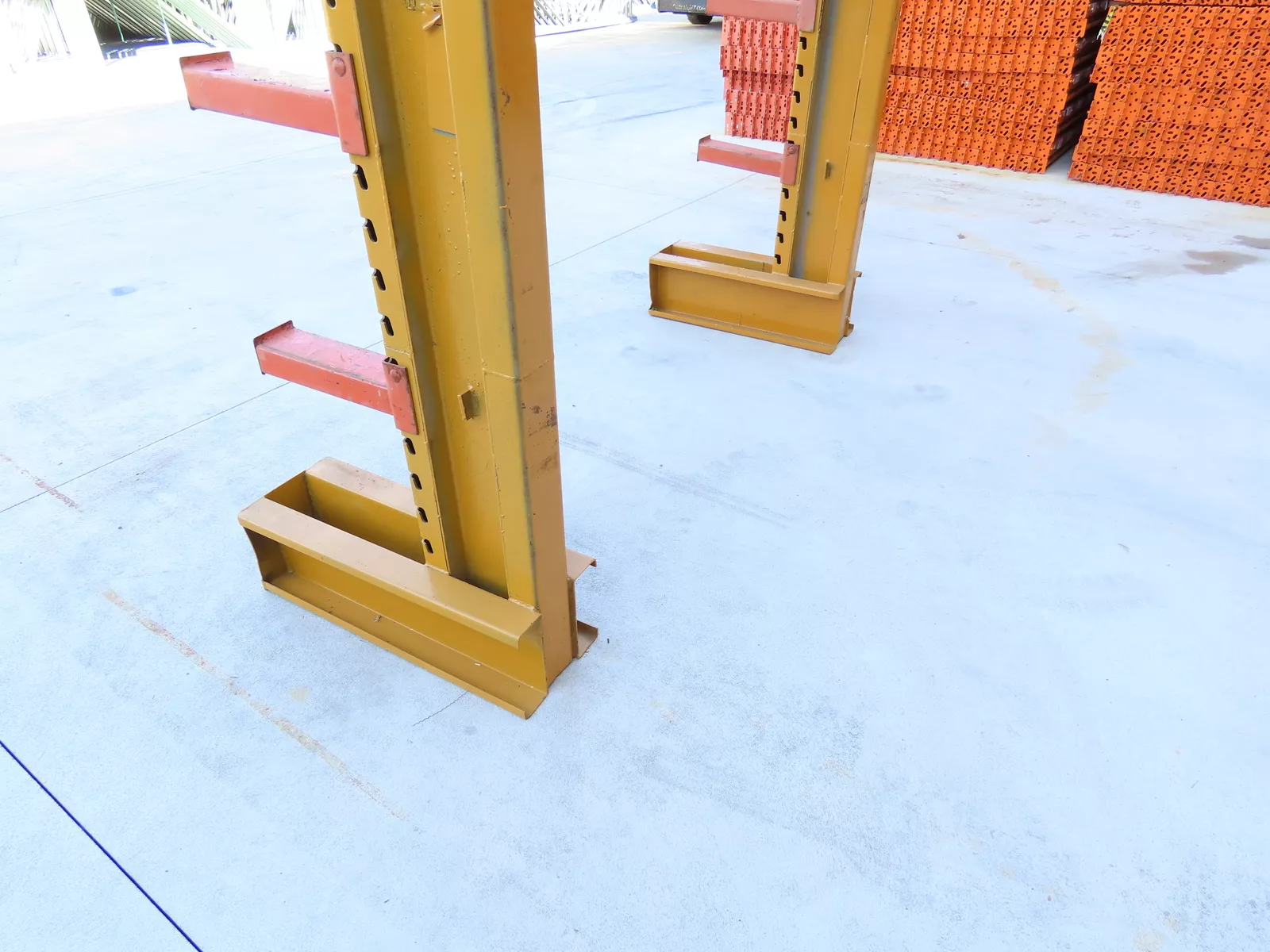
Can You Improve Picking Efficiency Through Pallet Racking Layout Design?
Can You Improve Picking Efficiency Through Pallet Racking Layout Design?
- A well-designed pallet racking layout can optimize storage space and enhance picking efficiency.
- Strategically placing racks can minimize employee travel distance and increase efficiency.
- Incorporating technologies like automated picking systems can streamline processes and reduce errors.
- Consider ergonomics to prevent injuries and improve worker safety.
- Efficient warehouse operations are crucial in the face of rising e-commerce demands.
- Investing in a well-designed pallet racking layout can improve picking efficiency and meet market demands.
- Optimizing the flow of materials and prioritizing ergonomics can drive bottom-line results.
Can You Improve Picking Efficiency Through Pallet Racking Layout Design?
Table Of Contents
- Can You Improve Picking Efficiency Through Pallet Racking Layout Design?
- How Can Pallet Racking Layout Design Enhance Picking Efficiency?
- Are There Pallet Racking Layouts That Optimize Picking Productivity?
- What Role Does Ergonomics Play In Pallet Racking Layout Design?
- What Are The Key Benefits Of Implementing an Efficient Racking Layout?
- Can a Customized Layout Cater to Unique Warehouse Needs?
- Conclusion
- Other Resources
- Glossary Of Terms
- Other Questions
- Checklist
How Can Pallet Racking Layout Design Enhance Picking Efficiency?
When it comes to optimizing warehouse operations, one crucial aspect that businesses often overlook is the design of their pallet racking layout. A well-thought-out pallet racking layout can significantly enhance picking efficiency, leading to faster order fulfillment and increased productivity.
One key way in which pallet racking layout design can enhance picking efficiency is by reducing the distance traveled by warehouse staff. By strategically placing high-demand items closer to the picking area and organizing products in a logical sequence, employees can minimize the time spent moving between aisles and picking locations. This not only speeds up the picking process but also reduces the risk of errors and accidents.
For example, by utilizing a Material Handling Solutions categorization system, where the most frequently picked items are located closest to the picking area, warehouse staff can spend less time searching for products and more time fulfilling orders. This can lead to a significant improvement in overall picking efficiency and ultimately, customer satisfaction.
Furthermore, an efficient pallet racking layout can also help businesses adapt to changes in demand and seasonal fluctuations. For instance, during peak seasons or promotional events, businesses can easily adjust their pallet racking layout to accommodate higher volumes of certain products. This flexibility ensures that warehouse operations remain efficient and cost-effective, even during periods of increased demand.
In addition, recent advancements in technology, such as automated guided vehicles (AGVs) and warehouse management systems (WMS), have further enhanced the efficiency of pallet racking layouts. These systems can optimize picking routes, automate inventory tracking, and provide real-time data on warehouse performance. By integrating these technologies into their pallet racking layout design, businesses can streamline their operations and improve overall picking efficiency.
The design of a pallet racking layout plays a crucial role in enhancing picking efficiency and overall warehouse productivity. By strategically organizing products, minimizing travel distances, and leveraging technology, businesses can improve order fulfillment times, reduce labor costs, and stay competitive in today’s fast-paced market. Investing in a well-designed pallet racking layout is not just a smart business decision – it is essential for long-term success in the ever-evolving world of warehouse management.

How Can Pallet Racking Layout Design Enhance Picking Efficiency?
How Can Pallet Racking Layout Design Enhance Picking Efficiency?
- A well-thought-out pallet racking layout can enhance picking efficiency and productivity.
- Reducing the distance traveled by warehouse staff can speed up the picking process and minimize errors.
- Utilizing an Material Handling Solutions categorization system can improve overall picking efficiency and customer satisfaction.
- An efficient pallet racking layout can help businesses adapt to changes in demand and seasonal fluctuations.
- Advancements in technology such as AGVs and WMS have enhanced the efficiency of pallet racking layouts.
- Optimizing picking routes and using real-time data can streamline operations and improve efficiency.
- Investing in a well-designed pallet racking layout is essential for long-term success in warehouse management.
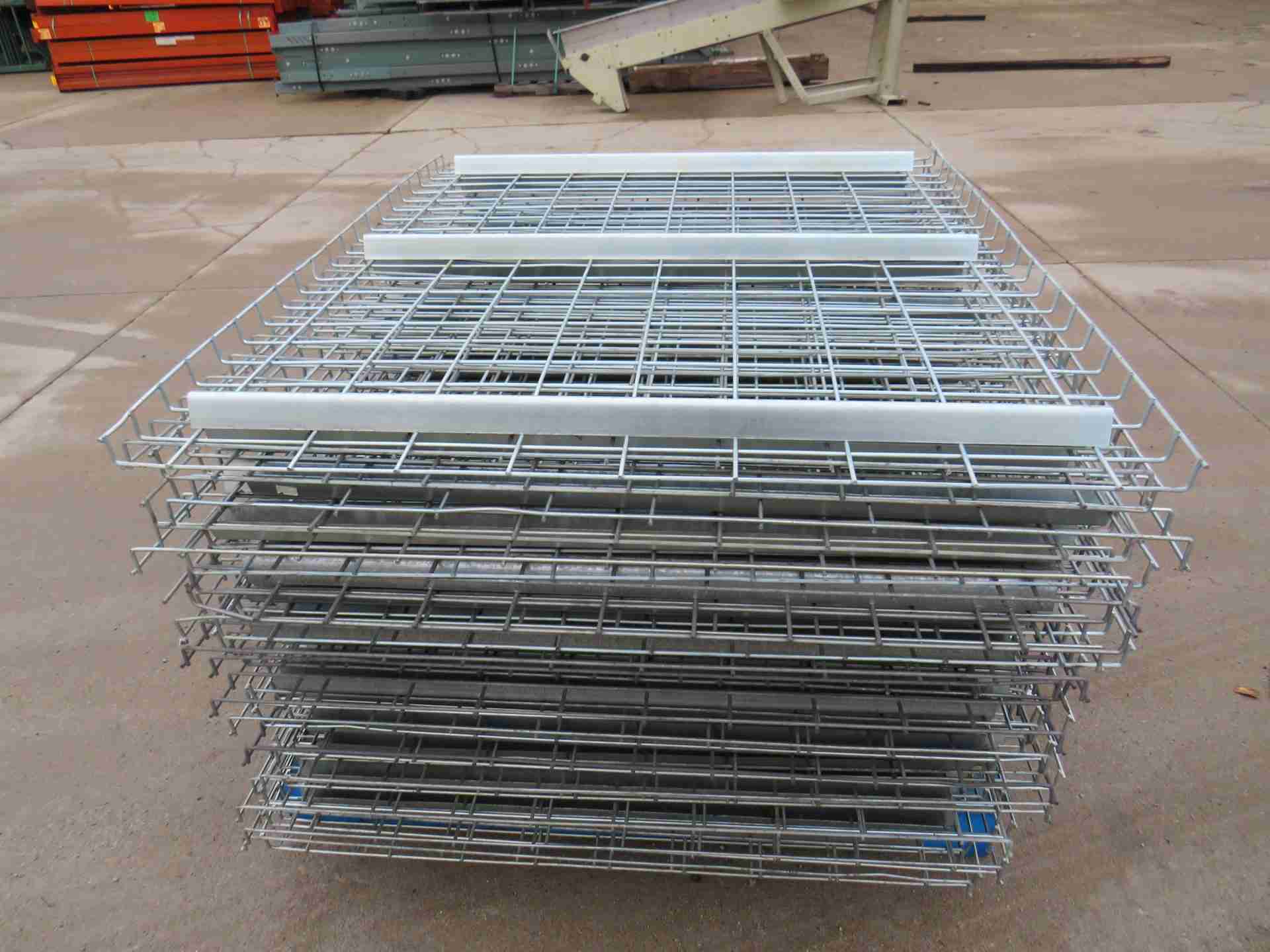
How Can Pallet Racking Layout Design Enhance Picking Efficiency?
Are There Pallet Racking Layouts That Optimize Picking Productivity?
When it comes to maximizing picking productivity in your warehouse, the layout of your pallet racking system plays a crucial role. By strategically designing your warehouse layout, you can streamline the picking process and increase efficiency.
One popular layout that has been proven to optimize picking productivity is the flow racking system. This system arranges the pallet racks in a way that allows products to flow smoothly from one end to the other. This eliminates the need for workers to constantly move around the warehouse to retrieve items, saving valuable time and reducing the risk of errors. For example, a company like Amazon uses flow racking in its fulfillment centers to handle the high volume of orders efficiently and accurately.
Another layout that can enhance picking productivity is the pick module system. This system combines different types of storage systems, such as pallet racking, shelving, and conveyor belts, to create a seamless order fulfillment process. By grouping similar products together and organizing them in a logical sequence, pick modules can reduce the time it takes for workers to pick and pack orders. This layout is especially useful for e-commerce companies that deal with a wide variety of products and need to fulfill orders quickly.
In today’s fast-paced business environment, where customers expect quick delivery times and seamless ordering processes, optimizing picking productivity is key to staying competitive. With the rise of e-commerce giants like Amazon setting the bar high for fast and efficient order fulfillment, companies of all sizes need to invest in smart warehouse layouts that prioritize picking productivity.
By implementing flow racking systems, pick module layouts, and other innovative storage solutions, businesses can improve their picking processes and meet the demands of today’s consumers. In a time where same-day delivery and instant gratification are the norm, companies that prioritize efficiency in their warehouse layouts will have a competitive edge in the market.
Choosing the right pallet racking layout can significantly impact picking productivity in your warehouse. By adopting innovative layouts that prioritize efficiency and streamline the order fulfillment process, businesses can improve their overall operational efficiency and meet the demands of today’s fast-paced market. Make sure to evaluate your current warehouse layout and consider adopting new strategies to optimize picking productivity and stay ahead of the competition.
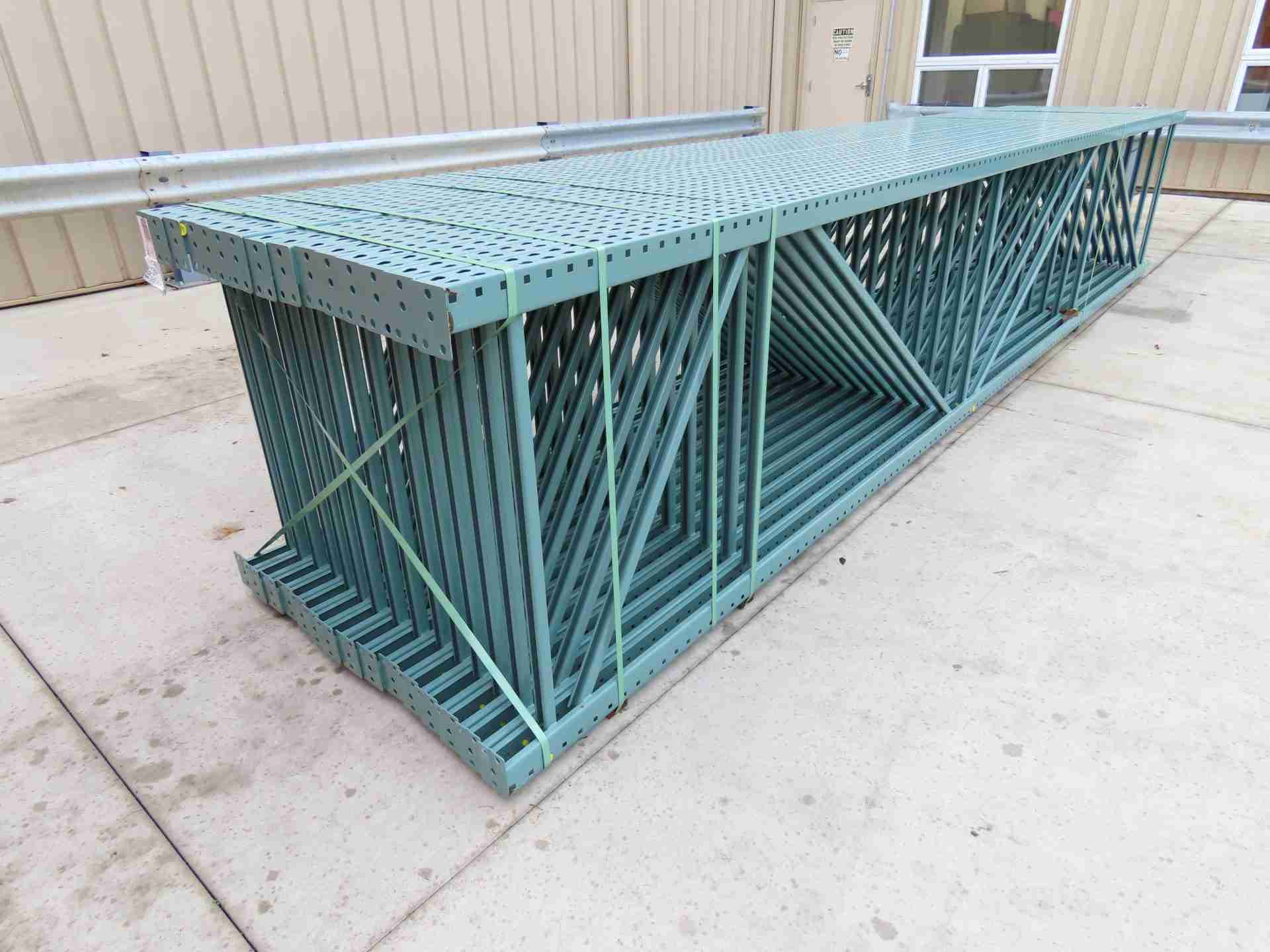
Are There Pallet Racking Layouts That Optimize Picking Productivity?
Are There Pallet Racking Layouts That Optimize Picking Productivity?
- Maximizing picking productivity in your warehouse requires strategic layout design.
- Flow racking system allows products to flow smoothly, saving time and reducing errors.
- Pick module system combines different storage systems for seamless order fulfillment.
- Optimizing picking productivity is essential in today’s fast-paced business environment.
- Implementing innovative storage solutions can improve picking processes.
- Choosing the right pallet racking layout can significantly impact picking productivity.
- Evaluating current warehouse layout and adopting new strategies is important to stay competitive.
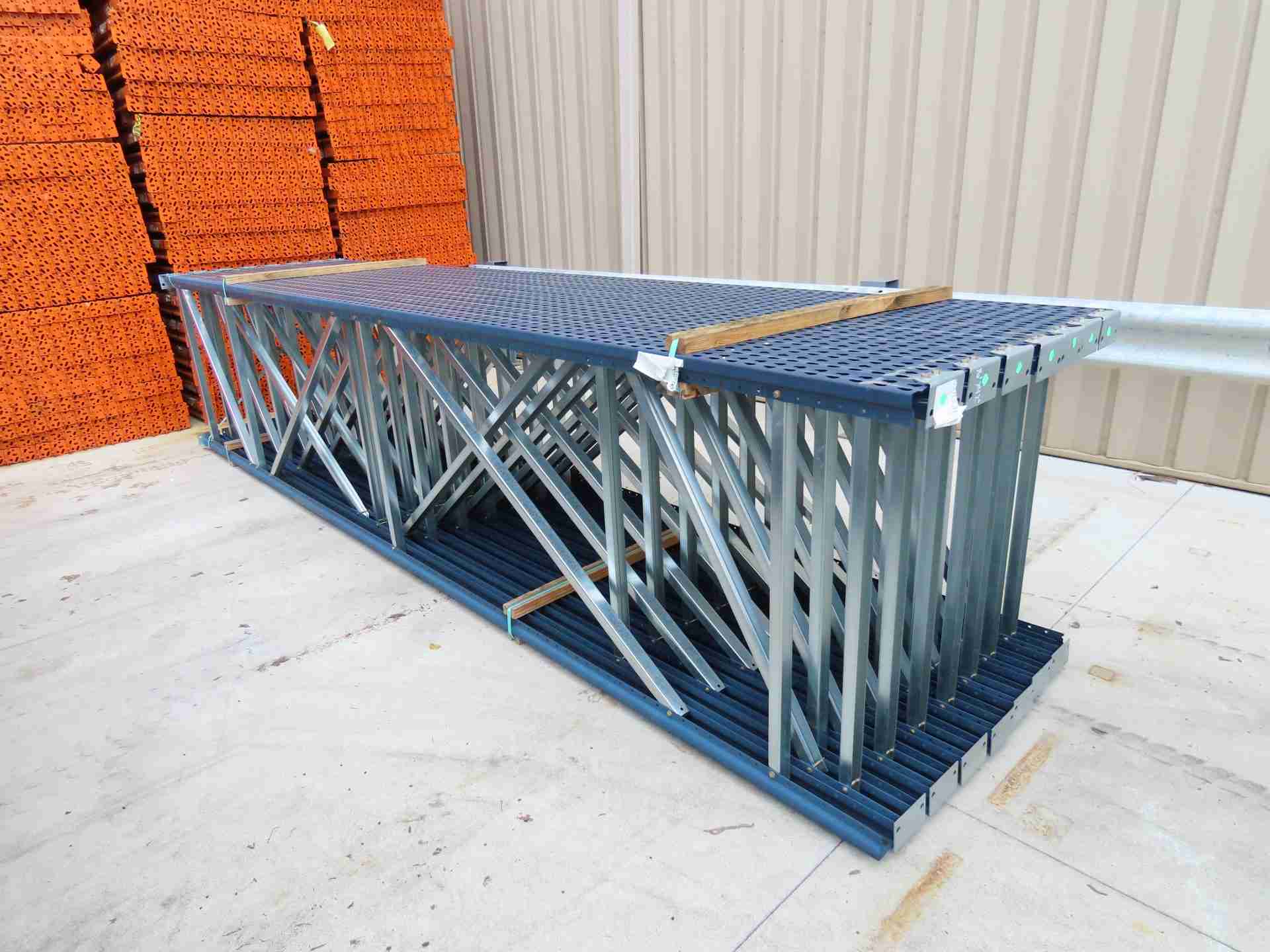
Are There Pallet Racking Layouts That Optimize Picking Productivity?
What Role Does Ergonomics Play In Pallet Racking Layout Design?
When it comes to designing and optimizing a pallet racking layout, ergonomics plays a crucial role in ensuring the safety and efficiency of your warehouse operations. By incorporating ergonomic principles into your pallet racking design, you can minimize the risk of workplace injuries, improve productivity, and create a more comfortable working environment for your employees.
One of the key aspects of ergonomics in pallet racking layout design is the placement of shelves and storage levels. By organizing your pallet racking system in a way that minimizes the need for workers to bend, stretch, or lift heavy objects at awkward angles, you can help reduce the risk of musculoskeletal injuries such as back strains and sprains. For example, positioning frequently used items at waist level can help employees access them more easily and reduce the strain on their bodies.
Additionally, incorporating ergonomic features such as adjustable shelving heights, anti-fatigue mats, and proper lighting can further enhance the comfort and safety of your warehouse environment. By investing in ergonomic design elements, you can create a workspace that promotes employee well-being and reduces the likelihood of work-related injuries.
Incorporating ergonomics into pallet racking layout design is not only beneficial for employees’ health and safety but can also have a positive impact on your bottom line. By optimizing your warehouse layout to minimize the risk of workplace injuries, you can reduce absenteeism, worker’s compensation claims, and turnover rates. This can result in cost savings for your business and improve overall employee morale and productivity.
In today’s fast-paced and competitive business environment, prioritizing ergonomics in pallet racking layout design is more important than ever. With the rise of e-commerce and the increasing demand for quick order fulfillment, warehouses are under pressure to operate efficiently and effectively. By integrating ergonomic principles into your pallet racking design, you can create a more ergonomic and productive workspace that meets the needs of your employees and your business.
Ergonomics plays a critical role in pallet racking layout design by promoting safety, efficiency, and employee well-being. By incorporating ergonomic features into your warehouse design, you can create a workspace that supports the health and productivity of your workers while also driving business success. Prioritizing ergonomics in pallet racking layout design is not just a smart business decision – it’s a strategic investment in the future of your company.
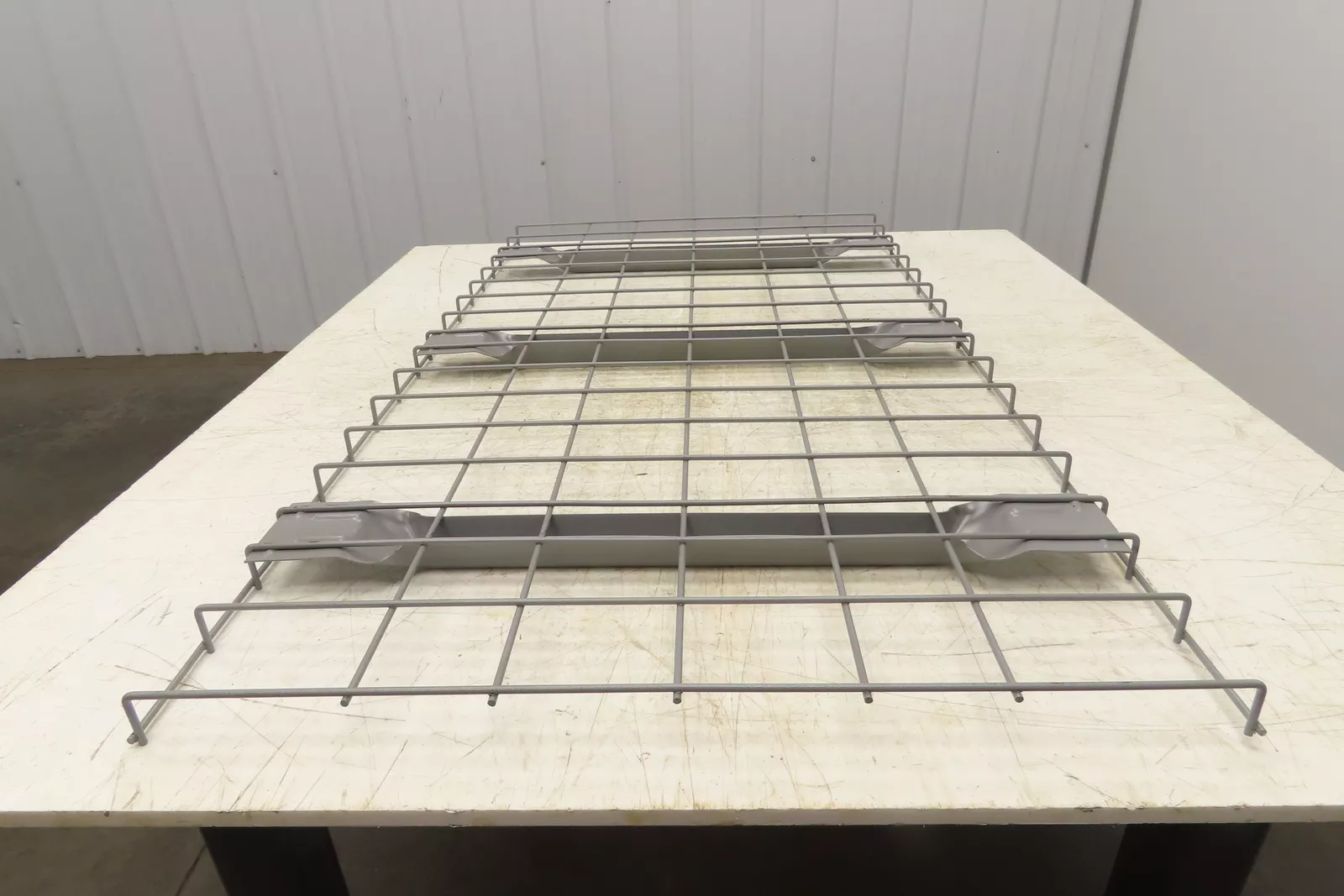
What Role Does Ergonomics Play In Pallet Racking Layout Design?
What Role Does Ergonomics Play In Pallet Racking Layout Design?
- Designing and optimizing pallet racking layout with ergonomics is crucial for safety and efficiency in warehouse operations.
- Organizing shelves and storage levels to minimize bending, stretching, and lifting can reduce the risk of musculoskeletal injuries.
- Positioning frequently used items at waist level can make it easier for employees to access them and reduce strain on their bodies.
- Incorporating ergonomic features like adjustable shelving heights, anti-fatigue mats, and proper lighting can enhance comfort and safety.
- Optimizing warehouse layout to minimize workplace injuries can lead to cost savings from reduced absenteeism, worker’s compensation claims, and turnover rates.
- Prioritizing ergonomics in pallet racking layout design is essential in today’s fast-paced business environment with the rise of e-commerce and demand for quick order fulfillment.
- By promoting safety, efficiency, and employee well-being, incorporating ergonomic principles into warehouse design can drive business success and employee productivity.
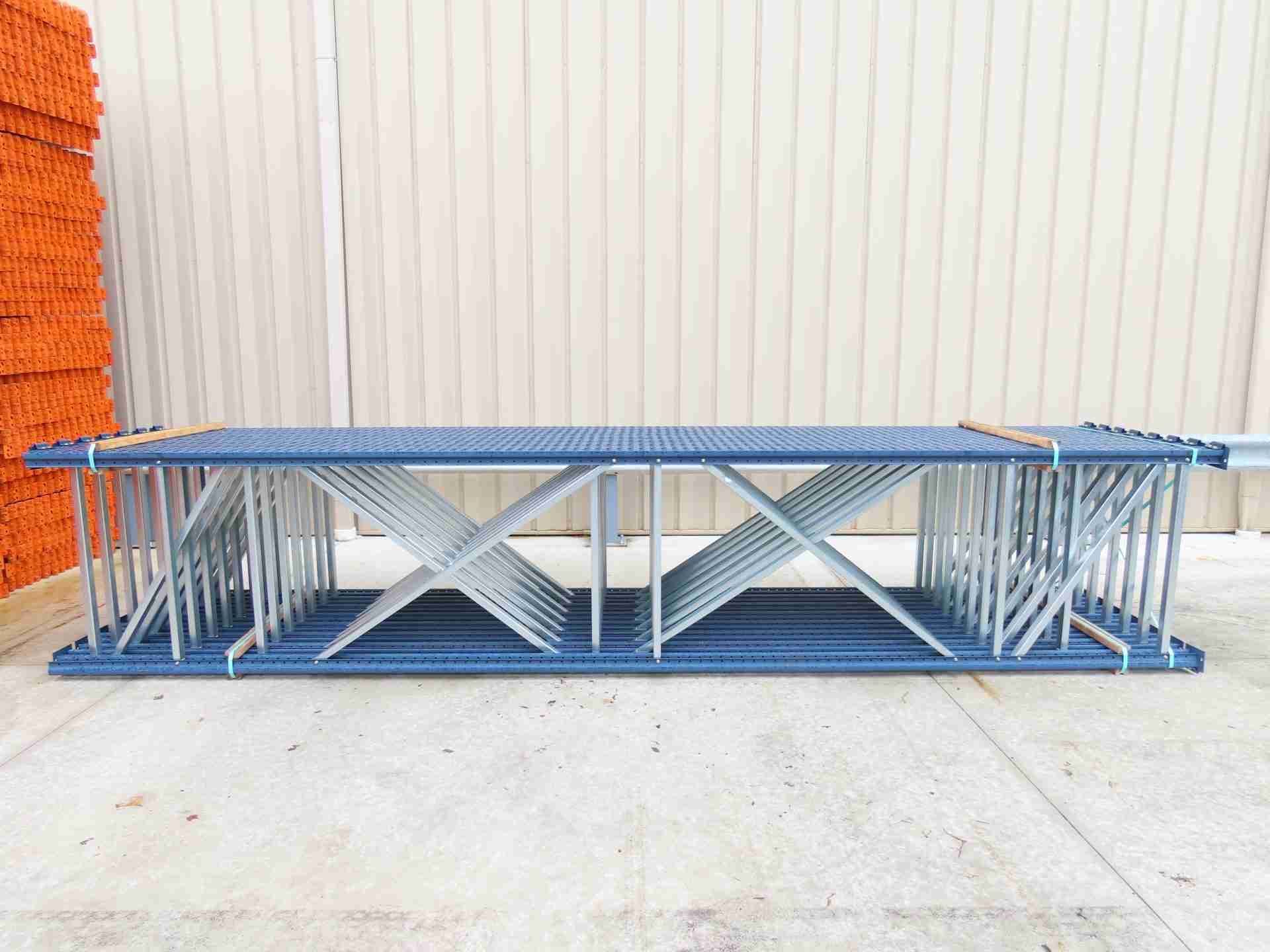
What Role Does Ergonomics Play In Pallet Racking Layout Design?
What Are The Key Benefits Of Implementing an Efficient Racking Layout?
Implementing an efficient racking layout within your warehouse or distribution center can provide a wide range of benefits that can positively impact your business operations. By maximizing the use of available space and optimizing the flow of goods, you can improve efficiency, productivity, and ultimately, profitability.
One key benefit of implementing an efficient racking layout is increased storage capacity. By utilizing vertical space more effectively, you can store a larger quantity of goods within the same footprint. This can be particularly beneficial in high-demand industries, such as e-commerce or retail, where inventory turnover is rapid and space is at a premium. For example, implementing narrow aisle racking systems can significantly increase the number of pallet positions available, allowing you to store more products within a smaller area.
Another advantage of an efficient racking layout is improved inventory management. By organizing products in a logical and systematic manner, you can easily locate and access items when needed. This can help reduce picking errors, minimize order fulfillment times, and enhance overall operational efficiency. For instance, implementing a FIFO (first in, first out) system can ensure that older inventory is used before newer stock, reducing the risk of obsolescence and waste.
Furthermore, optimizing your racking layout can enhance workplace safety and reduce the risk of accidents. By creating designated aisles for forklifts and other equipment, you can minimize the likelihood of collisions and injuries. Additionally, properly securing racks and using appropriate load bearing capacities can prevent collapses and protect both employees and inventory. Recent events, such as the increase in online shopping during the COVID-19 pandemic, have highlighted the importance of maintaining a safe and efficient warehouse environment to meet rising demand and ensure timely deliveries.
In addition to these benefits, an efficient racking layout can also support sustainability initiatives and environmental goals. By maximizing space utilization and reducing unnecessary movements, you can lower energy consumption and minimize carbon emissions. This can not only reduce your company’s environmental footprint but also potentially lead to cost savings in the long run.
Overall, the benefits of implementing an efficient racking layout are clear. From increasing storage capacity and improving inventory management to enhancing workplace safety and supporting sustainability efforts, a well-designed racking system can provide a competitive advantage and contribute to long-term business success.
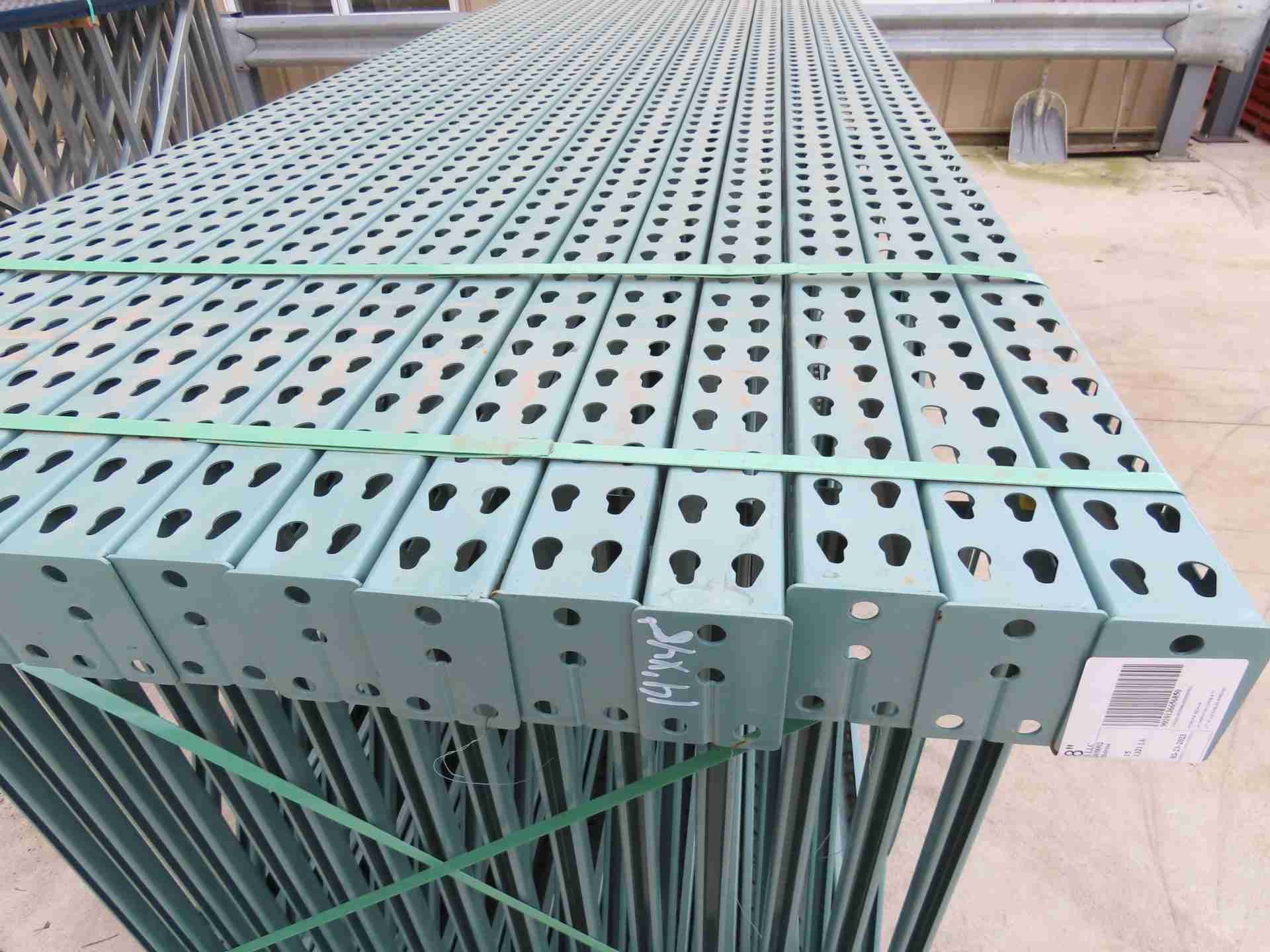
What Are The Key Benefits Of Implementing an Efficient Racking Layout?
What Are The Key Benefits Of Implementing an Efficient Racking Layout?
- Increased storage capacity.
- Improved inventory management.
- Enhanced workplace safety.
- Support sustainability initiatives.
- Reduce energy consumption.
- Minimize carbon emissions.
- Provide competitive advantage.

What Are The Key Benefits Of Implementing an Efficient Racking Layout?
Can a Customized Layout Cater to Unique Warehouse Needs?
Are you tired of trying to fit your unique warehouse needs into a one-size-fits-all layout? Do you find yourself struggling to optimize your storage and workflow because your current layout just isn’t cutting it? It may be time to consider a customized layout that is specifically tailored to your warehouse requirements.
A customized layout can provide numerous benefits for your warehouse operation. By taking into account the specific dimensions, product sizes, and workflow processes of your warehouse, a customized layout can maximize efficiency and productivity. For example, if you have irregularly shaped products that don’t fit well on standard shelving units, a customized layout can include specially designed racks or shelving units to accommodate these items. This can prevent damage to your products and make it easier for your employees to access and pick items quickly.
In addition, a customized layout can also help improve safety in your warehouse. By designing the layout with safety in mind, including clear aisles, proper lighting, and designated areas for heavy machinery, you can reduce the risk of accidents and injuries. This not only protects your employees but also saves you money on workers’ compensation claims and lost productivity due to accidents.
Moreover, a customized layout can adapt to changes in your business over time. With a flexible layout, you can easily reconfigure your storage and workflow to accommodate new product lines, increased order volume, or changes in distribution channels. This adaptability is crucial in today’s fast-paced business environment, where companies need to be agile and responsive to market demands.
A customized layout can cater to your unique warehouse needs in a way that a standard layout simply cannot. By optimizing your storage and workflow, improving safety, and providing flexibility for future growth, a customized layout can significantly improve the efficiency and productivity of your warehouse operation. Don’t settle for a one-size-fits-all solution – invest in a customized layout that is tailored to your specific requirements.

Can a Customized Layout Cater to Unique Warehouse Needs?
Can a Customized Layout Cater to Unique Warehouse Needs?
- Customized layout tailored to warehouse requirements.
- Maximizes efficiency and productivity.
- Includes specially designed racks for irregularly shaped products.
- Improves safety with clear aisles, proper lighting, and designated areas.
- Adapts to changes in business over time.
- Optimizes storage and workflow.
- Increases efficiency and productivity.
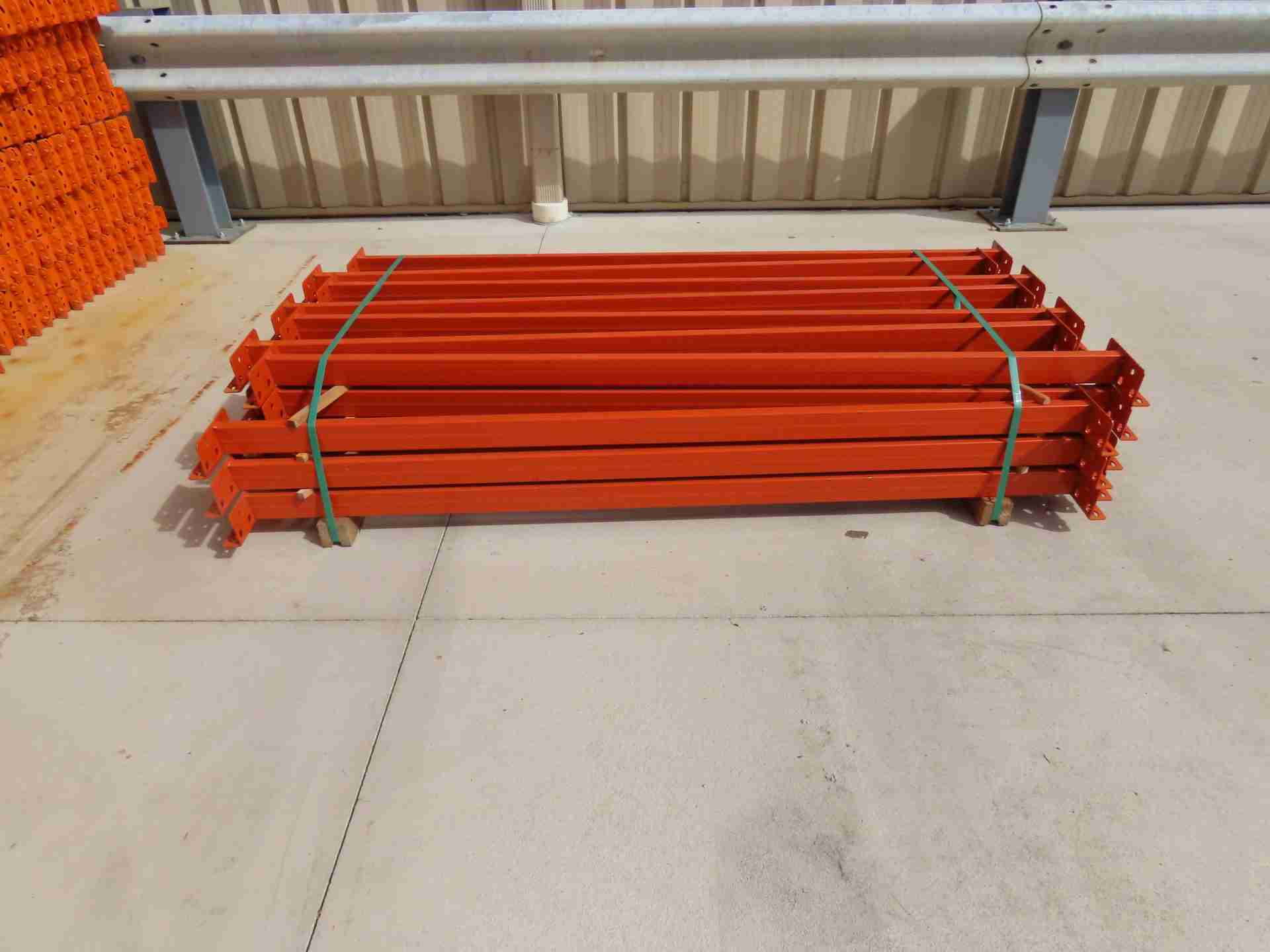
Can a Customized Layout Cater to Unique Warehouse Needs?
Conclusion
Tired of struggling to maximize efficiency in your warehouse operations? Looking to enhance picking efficiency and optimize your storage space? Look no further! The key to boosting productivity lies in the design of your pallet racking layout.
By strategically organizing your racks to minimize the distance traveled by your employees during the picking process, you can significantly increase efficiency and save costs. Incorporating technologies like automated picking systems and RFID tracking can further streamline the process and reduce errors.
But that’s not all – prioritizing ergonomics in your layout design can prevent injuries and reduce downtime, ultimately improving worker safety and efficiency. In today’s competitive market, where quick order fulfillment is essential, investing in a well-designed pallet racking layout is a must.
With the rise of e-commerce and increasing demands for faster shipping times, efficient warehouse operations are critical for success. By optimizing the flow of materials, leveraging technology, and ensuring ergonomic design, your business can stay ahead of the competition and meet customer demands.
Don’t wait – take action now to enhance picking efficiency and drive bottom-line results. Call Arrow Industrial Sales at (574) 349-6575 to get the information you need to transform your warehouse operations today. Make the smart choice for your business and invest in a pallet racking layout that will set you apart from the competition. Don’t miss out – call now!
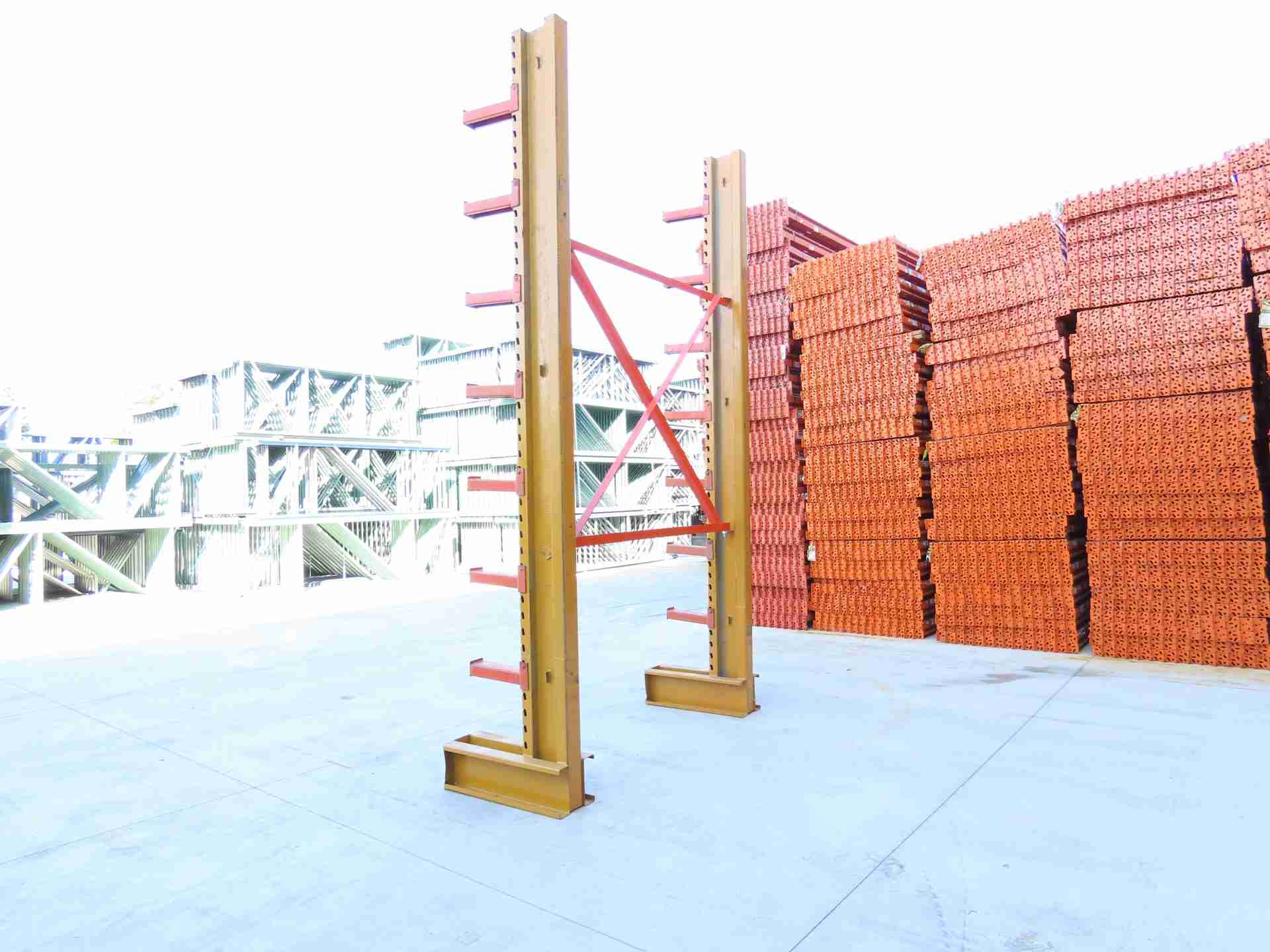
Conclusion
Conclusion:
- Tired of struggling to maximize efficiency in your warehouse operations?.
- Enhance picking efficiency and optimize storage space with pallet racking layout.
- Organize racks strategically to minimize employee travel distance.
- Incorporate technologies like automated picking systems and RFID tracking.
- Prioritize ergonomics in layout design to improve safety and efficiency.
- Efficient warehouse operations are critical for success in today’s competitive market.
- Call Arrow Industrial Sales at (574) 349-6575 to transform your warehouse operations today.

Conclusion
Other Resources
Other Resources
Here is a list of other resources you can review online to learn more:
- “Automated Wafer Warehouse Management due to RFID …”
- “New Automated Guided Vehicle System Using Real-Time …”
- “TECHNOLOGY AT WORK v3.0: Automating e-Commerce …”
- “Automatic Guided Vehicles: come avviene l’integrazione …”
- “(PDF) Application of Automated Guided Vehicles in Smart …”
- “Automated guided vehicles warehouse: the need for speed”
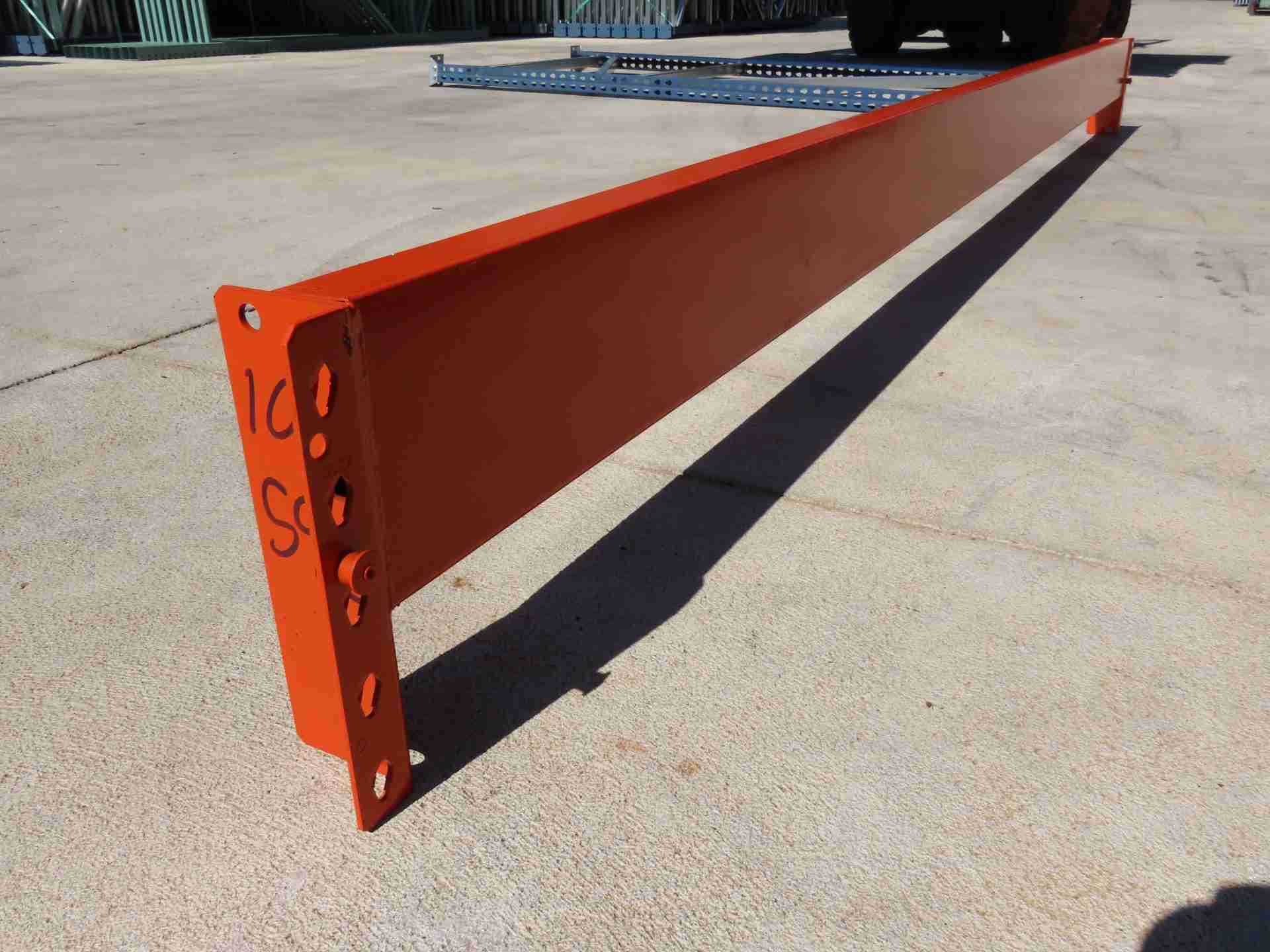
Other Resources
Glossary Terms
Can You Improve Picking Efficiency Through Pallet Racking Layout Design? – Glossary Of Terms
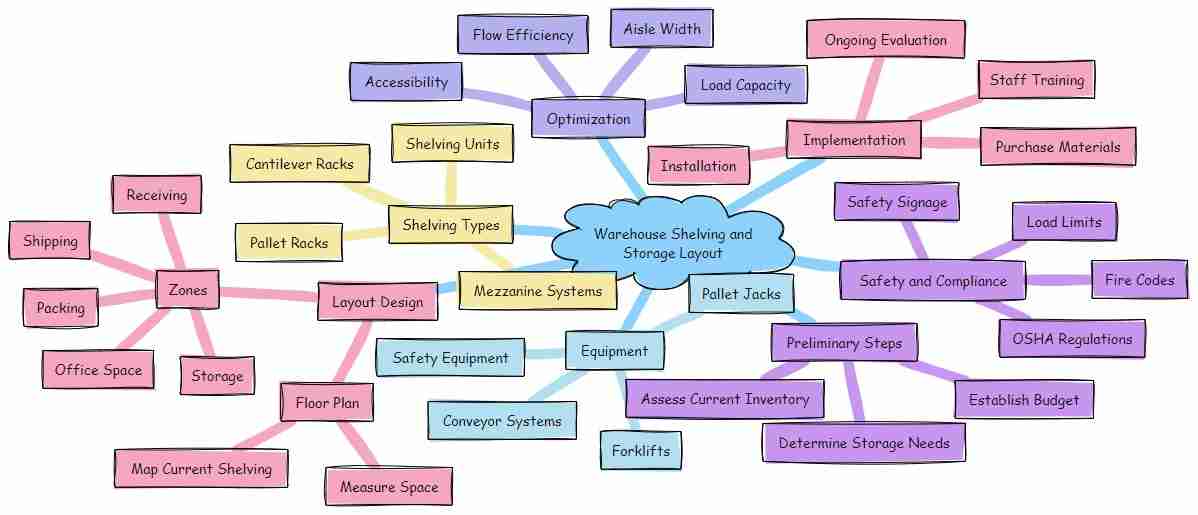
1. Aisle: The space between rows of pallet racking where forklifts and workers move to access products. Width and organization of aisles can impact picking efficiency.
2. Honeycombing: The practice of leaving empty spaces within a racking system. This can lead to inefficient use of space but may sometimes be necessary for better access.
3. Pallet Racking: A storage system designed to hold multiple levels of pallets. Important for organizing and optimizing warehouse space.
4. FIFO (First In, First Out): Inventory management system where the oldest stock is picked first. Helps in keeping products fresh and reducing obsolescence.
5. LIFO (Last In, First Out): Inventory system where the most recently added stock is picked first. Less common in pallet racking but applicable in certain scenarios.
6. Slotting Optimization: The process of strategically placing products within a pallet racking system to maximize picking speed and efficiency.
7. Picker Productivity: A measure of how many picks a worker completes within a given timeframe. Improving layout can enhance picker productivity.
8. Cross-Docking: A practice where incoming shipments are directly transferred to outgoing shipments with minimal storage time. Efficient layout design can facilitate this process.
9. Throughput: The rate at which products pass through the warehouse. A critical measure of efficiency in warehouse operations.
10. Dynamic Storage: Systems that allow pallets to move, such as push-back racks or pallet flow racks. These can improve picking efficiency by reducing travel time.
11. Static Storage: Traditional pallet racking where pallets remain stationary. Useful for storing large quantities of a few items.
12. Zone Picking: A method where the warehouse is divided into zones and each picker is responsible for a particular zone. Can improve efficiency by reducing picker travel.
13. Batch Picking: The practice of picking multiple orders simultaneously to reduce travel time. More effective with efficient pallet racking design.
14. Material Handling Solutions Analysis: A technique for categorizing inventory into three categories (A, B, and C) based on importance. Helps in effective slotting and layout planning.
15. Picking Path: The route a picker takes to collect items. Optimized paths are crucial for improving efficiency.
16. Turnover Rate: The frequency at which inventory is cycled through the warehouse. High turnover rates can stress picking operations but also indicate high efficiency.
17. SKU (Stock Keeping Unit): Unique identifiers for each product. Proper management and placement improve picking speed.
18. Pallet Jack: A tool used to lift and move pallets within the warehouse. Needs to be maneuvered efficiently through strategically designed aisles.
19. Forklift: Larger than a pallet jack, a forklift can reach higher shelves. Aisle width and layout influence forklift efficiency.
20. Order Accuracy: The rate at which orders are picked correctly. Improved layout can reduce errors.
21. Ergonomics: Designing the workspace to maximize comfort and efficiency for warehouse workers. Important for reducing fatigue and injury.
22. Modular Racking: Racking systems that can be adjusted or expanded. Allows for flexible responses to changes in inventory.
23. Pallet Flow Racking: Allows continuous movement of pallets, often via gravity. Enhances picking efficiency by always presenting the next pallet.
24. Push-Back Racking: A type of dynamic racking where pallets are loaded from the front and pushed back. Increases storage density.
25. Selective Racking: Traditional racking system offering direct access to each pallet. Essential for high SKU variety.
26. Double-Deep Racking: Racking system where pallets are stored two deep. Maximizes space but requires specialized equipment.
27. Cantilever Racking: Ideal for long or irregularly shaped items. Its layout impacts overall warehouse space and picking routes.
28. Pick-to-Light: System that uses lights to indicate picking locations. Can improve speed and accuracy.
29. Warehouse Management System (WMS): Software that helps in the management of warehouse functionality and processes, improving layout design effectiveness.
30. Load Capacity: The maximum weight that can be safely stored on racking. Overloading can lead to inefficiency and safety hazards.
Understanding and optimizing each of these terms and their applications can significantly impact the efficiency of picking processes in a warehouse environment.
Glossary Of Terms
Other Questions
Can You Improve Picking Efficiency Through Pallet Racking Layout Design? – Other Questions
If you wish to explore and discover more, consider looking for answers to these questions:
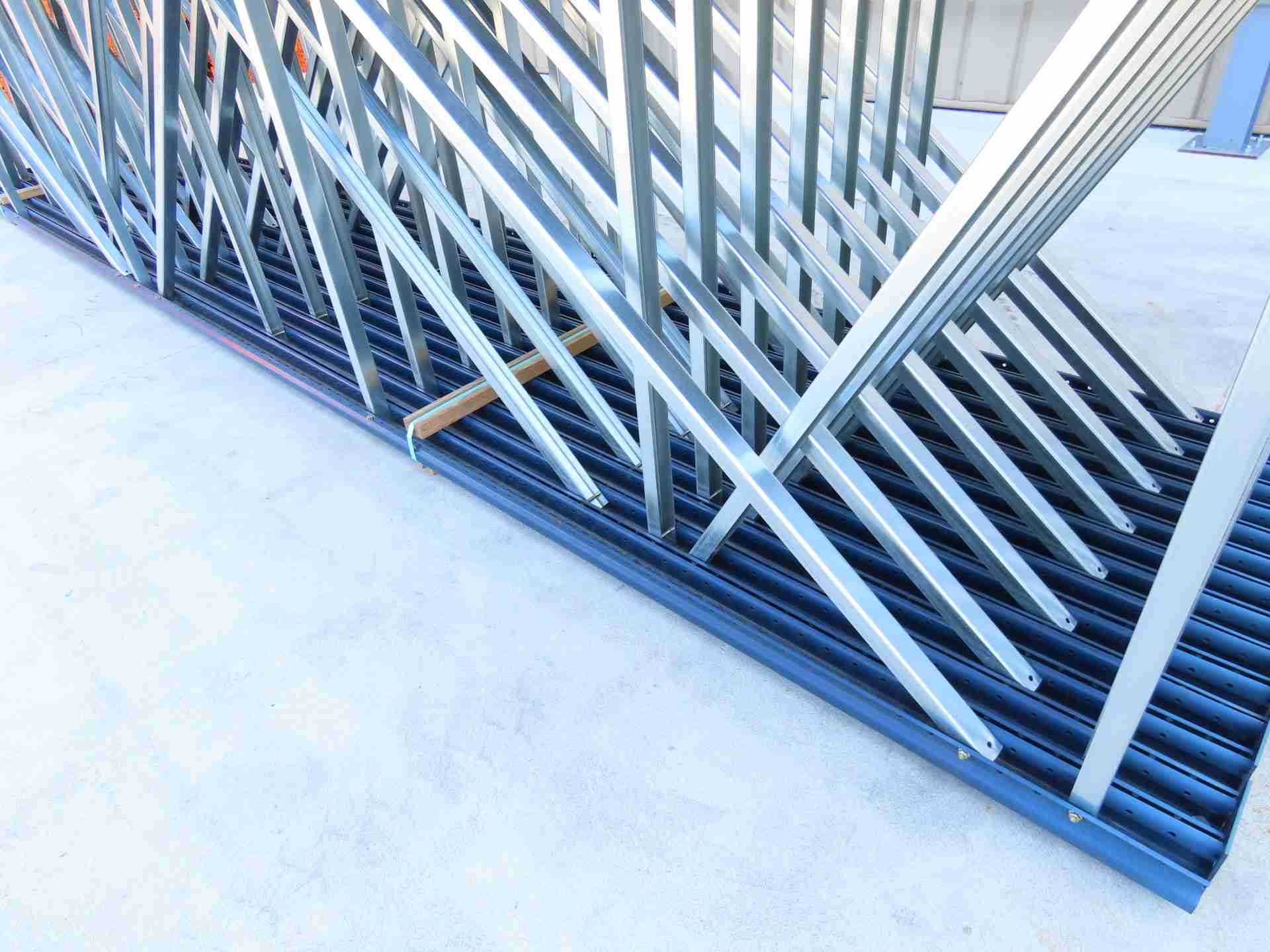
- What specific strategies can be used to minimize the distance traveled by employees in a pallet racking layout?
- How does incorporating technology like RFID or automated picking systems improve picking efficiency?
- What are the common mistakes to avoid when designing a pallet racking layout?
- How can businesses measure the effectiveness of their pallet racking layout?
- What are the cost implications of redesigning a pallet racking layout for improved efficiency?
- How do seasonal fluctuations in demand influence pallet racking layout design?
- Can you provide examples of companies that have successfully improved picking efficiency through smart pallet racking layout?
- What role does employee training play in optimizing picking efficiency within a well-designed pallet racking system?
- How can businesses ensure that their pallet racking layout remains adaptable to future changes?
- What are some ergonomic best practices for designing a pallet racking layout?
- How can businesses balance the need for storage space with the need for efficient picking?
- What are the environmental benefits of an efficient pallet racking layout?
- Are there industry-specific considerations when designing a pallet racking layout?
- How can integrating warehouse management systems (WMS) with pallet racking layout designs improve inventory control?
- What are the pros and cons of different pallet racking systems, like flow racking or pick modules?
- How do changes in e-commerce and consumer behavior influence pallet racking layout requirements?
- What safety regulations should be considered when designing a pallet racking layout?
- How can businesses quantify the return on investment (ROI) from redesigning their pallet racking layout?
Other Questions
Checklist
Can You Improve Picking Efficiency Through Pallet Racking Layout Design? – A Checklist
1. Optimize Material and Product Flow:
_____ ☐ Strategically place high-demand items for easy access.
_____ ☐ Minimize travel distance during the picking process.
2. Incorporate Advanced Technologies:
_____ ☐ Use automated picking systems.
_____ ☐ Implement RFID tracking for accurate and timely picks.
3. Focus on Ergonomics:
_____ ☐ Store heavy items at waist level.
_____ ☐ Keep aisles clear of obstructions.
_____ ☐ Incorporate adjustable shelving heights.
_____ ☐ Utilize anti-fatigue mats and proper lighting.
4. Adapt to Market Demands:
_____ ☐ Modify layout during peak seasons or promotions.
_____ ☐ Ensure flexibility to accommodate changes in demand.
5. Embrace Technological Advancements:
_____ ☐ Employ Automated Guided Vehicles (AGVs).
_____ ☐ Utilize Warehouse Management Systems (WMS).
_____ ☐ Optimize picking routes and automate inventory tracking.
6. Implement Efficient Racking Layouts:
_____ ☐ Use flow racking systems for a seamless flow of products.
_____ ☐ Adopt the pick module system for diverse product storage.
7. Enhance Storage Capacity:
_____ ☐ Maximize vertical space.
_____ ☐ Implement narrow aisle racking systems if needed.
8. Improve Inventory Management:
_____ ☐ Organize products logically for easy access.
_____ ☐ Implement a FIFO (First In, First Out) system.
9. Enhance Workplace Safety:
_____ ☐ Designate clear aisles for equipment.
_____ ☐ Secure racks and ensure proper load bearing.
10. Support Sustainability:
_____ ☐ Reduce unnecessary movements to lower energy consumption.
_____ ☐ Aim to minimize carbon emissions.
11. Consider a Customized Layout for Unique Needs:
_____ ☐ Design specific racks and shelving units for irregularly shaped products.
_____ ☐ Ensure layout flexibility for future growth and business changes.
12. Stay Competitive:
_____ ☐ Regularly evaluate and update the pallet racking layout.
_____ ☐ Stay agile and responsive to market demands.
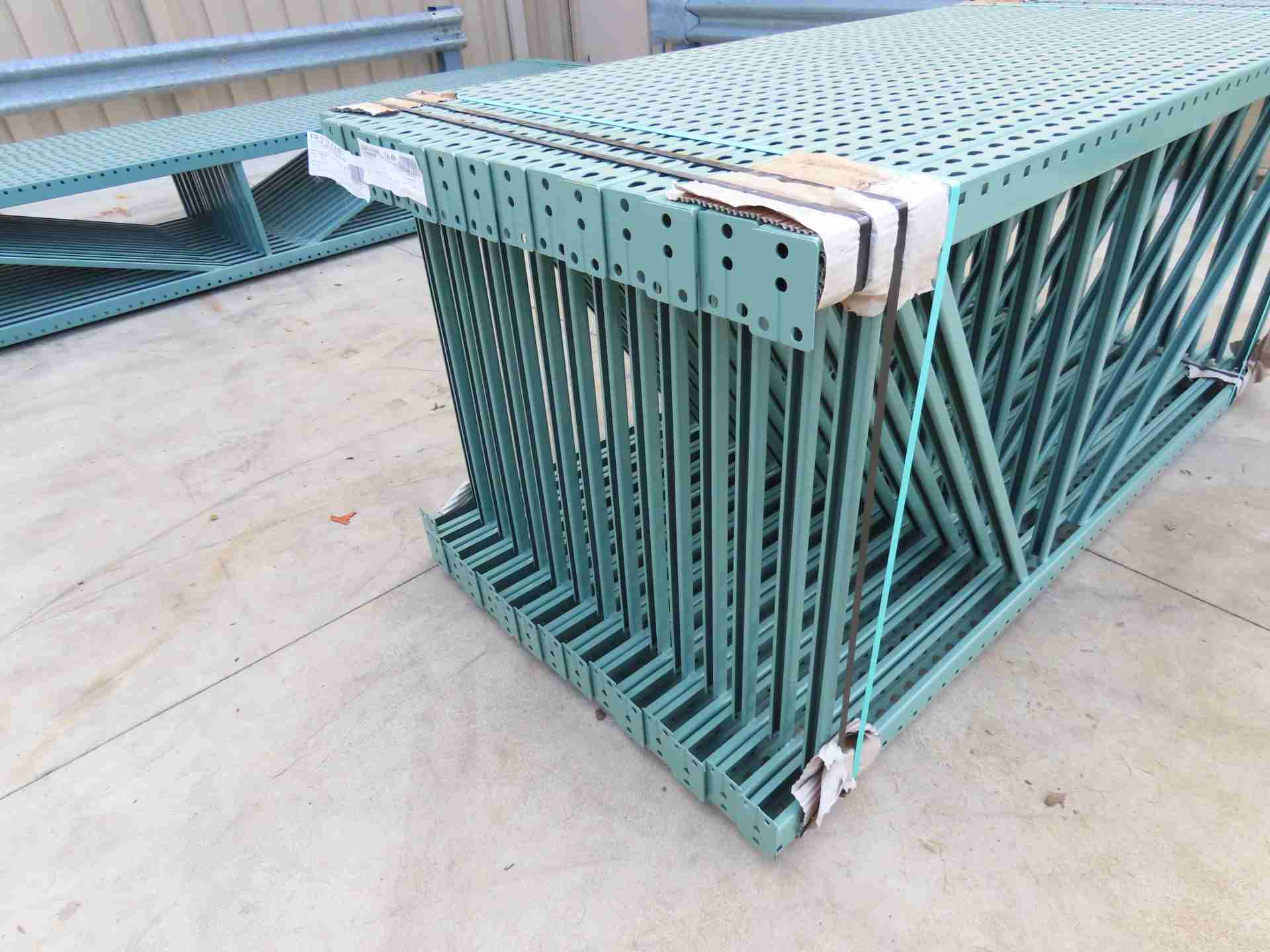
By following this checklist, you can significantly enhance the picking efficiency in your warehouse and boost overall productivity.
Checklist
At RackingWorld, we help guide you through selecting warehouse storage systems and racking.
Be sure to read our other related stories at RackingWorld to learn more about warehouse storage systems.
0 Comments