
Optimizing Warehouse Storage In Changing Environments
By Tom Seest
At RackingWorld, we help guide you through selecting warehouse storage systems and racking.
Be sure to read our other related stories at RackingWorld to learn more about warehouse storage systems.
How Do Environmental Factors Affect The Choice Of Pallet Racks?
When it comes to choosing the right pallet racks for your warehouse, there are a multitude of factors to consider. One often overlooked aspect is how environmental factors can greatly impact the effectiveness and longevity of your racks.
First and foremost, the material of your pallet racks plays a crucial role in how they will stand up to different environmental conditions. For example, in a humid environment, steel racks may be prone to rust and corrosion over time. In this case, opting for a material like galvanized steel can help prevent these issues and prolong the lifespan of your racks.
Similarly, if your warehouse is located in an area prone to extreme temperatures, such as intense heat or cold, you’ll want to choose pallet racks that are able to withstand these conditions. High temperatures can cause certain materials to warp or become brittle, while extreme cold can weaken the structural integrity of the racks. It’s important to take these factors into account when selecting your pallet racks to ensure they will hold up in the long run.
Another important environmental factor to consider is the presence of moisture or water in your warehouse. If your racks are at risk of coming into contact with water on a regular basis, such as in a facility with high humidity or frequent spills, it’s crucial to choose racks that are resistant to water damage. This can help prevent issues like mold or rot from developing, which could compromise the safety and stability of your racks.
Additionally, if your warehouse is located in an area prone to seismic activity, it’s essential to select pallet racks that are designed to withstand these forces. Racks that are not properly engineered to handle seismic loads can pose a serious safety risk to both employees and inventory in the event of an earthquake. By choosing racks that are specifically designed to meet seismic requirements, you can ensure the safety of your warehouse in the face of natural disasters.
When choosing pallet racks for your warehouse, it’s important to consider how environmental factors can impact their performance. By selecting racks that are suited to your specific environmental conditions, you can ensure the longevity and safety of your warehouse storage system. Remember, a little foresight and planning now can save you a lot of headache and expense down the road.
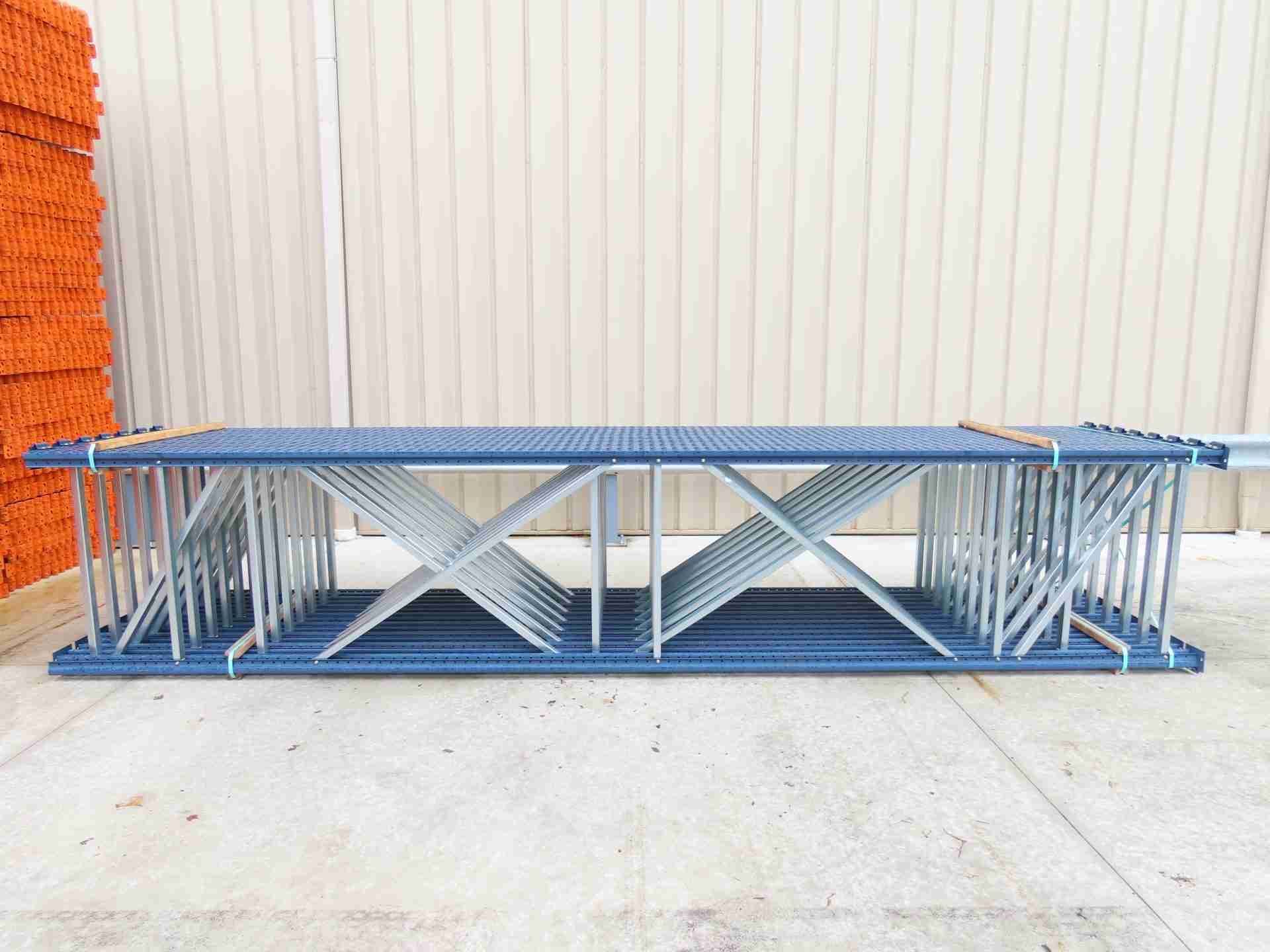
How Do Environmental Factors Affect The Choice Of Pallet Racks?
How Do Environmental Factors Affect The Choice Of Pallet Racks?
- The material of your pallet racks is crucial for withstanding different environmental conditions.
- Galvanized steel can prevent rust and corrosion in humid environments.
- Extreme temperatures can warp or weaken racks, so choose materials accordingly.
- Water-resistant racks are important for warehouses at risk of moisture exposure.
- Pallet racks in seismic areas should be engineered to withstand earthquakes.
- Choose racks suited to your environmental conditions for longevity and safety.
- Proper planning now can prevent future issues and expenses.
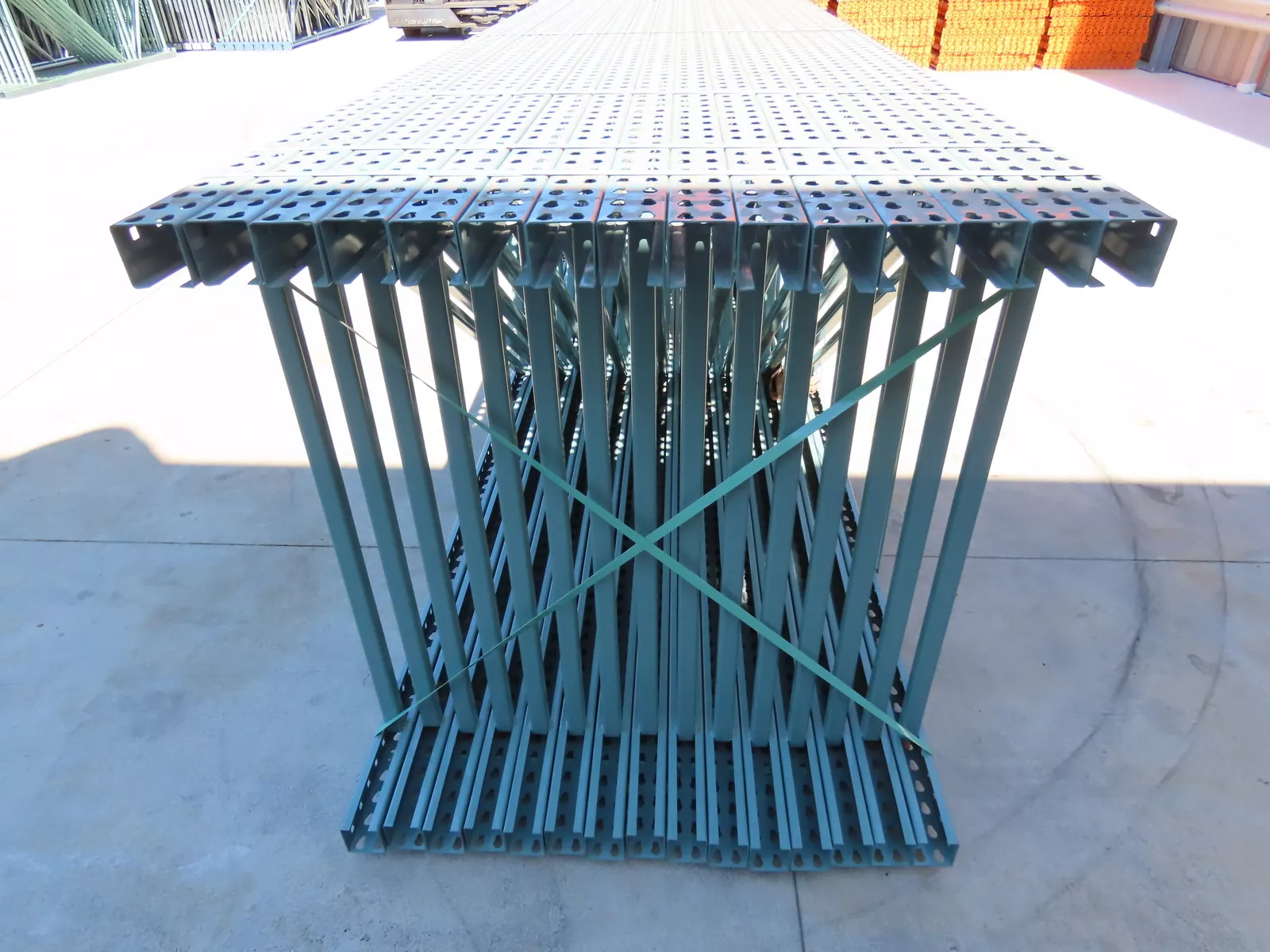
How Do Environmental Factors Affect The Choice Of Pallet Racks?
Table Of Contents
- How Do Environmental Factors Affect The Choice Of Pallet Racks?
- How Do Temperature Fluctuations Impact The Durability Of Pallet Racks?
- What Role Does Humidity Play In The Selection Of Pallet Racks?
- What Are The Key Environmental Factors To Consider?
- What Impact Does Humidity Have On Pallet Racks?
- How Does Temperature Affect The Durability Of Pallet Racks?
- Are There Specific Materials That Are Better For Certain Environments?
- What Role Does Ventilation Play In Pallet Rack Selection?
- Can Exposure To Sunlight Impact The Longevity Of Pallet Racks?
- How Can Regular Maintenance Help Mitigate Environmental Damage?
- Conclusion
- Other Resources
- Glossary Of Terms
- Other Questions
- Checklist
How Do Temperature Fluctuations Impact The Durability Of Pallet Racks?
When it comes to the durability of pallet racks, temperature fluctuations can play a significant role in their overall lifespan. Whether the racks are located in a climate-controlled warehouse or an outdoor storage facility, extreme changes in temperature can have a direct impact on their structural integrity.
One of the primary factors that can affect the durability of pallet racks is the expansion and contraction of metal components due to temperature fluctuations. As temperatures rise and fall, the metal used in the construction of the racks can expand and contract, potentially leading to warping or cracking. This can compromise the strength of the racks and make them more susceptible to damage or collapse.
In addition to the physical changes that can occur in the metal itself, temperature fluctuations can also impact the overall stability of the racks. For example, in extreme heat, the metal components of the racks can become weakened, making them more prone to bending or breaking under heavy loads. Conversely, in cold temperatures, the metal may become more rigid and brittle, increasing the risk of structural failure.
Furthermore, temperature fluctuations can also affect the safety of the racks by causing issues such as condensation. When warm air meets a cold surface, condensation can form, leading to moisture buildup on the metal components. This moisture can accelerate corrosion and rust, weakening the integrity of the racks over time. In addition, excess moisture can also promote the growth of mold and mildew, creating a potential health hazard for employees working around the racks.
To mitigate the impact of temperature fluctuations on the durability of pallet racks, it is important to take proactive measures to protect the racks from extreme temperature changes. This can include implementing proper ventilation systems to regulate the temperature and humidity levels in the storage facility, as well as utilizing insulation to help maintain a more consistent temperature.
Regular inspections and maintenance of the racks are also crucial to identify any potential issues early on and address them before they escalate. This can include checking for signs of warping, cracking, or rust, as well as ensuring that the racks are properly aligned and secured.
Temperature fluctuations can have a significant impact on the durability of pallet racks. By understanding the potential risks and taking proactive measures to address them, businesses can help ensure that their racks remain safe and reliable for years to come.
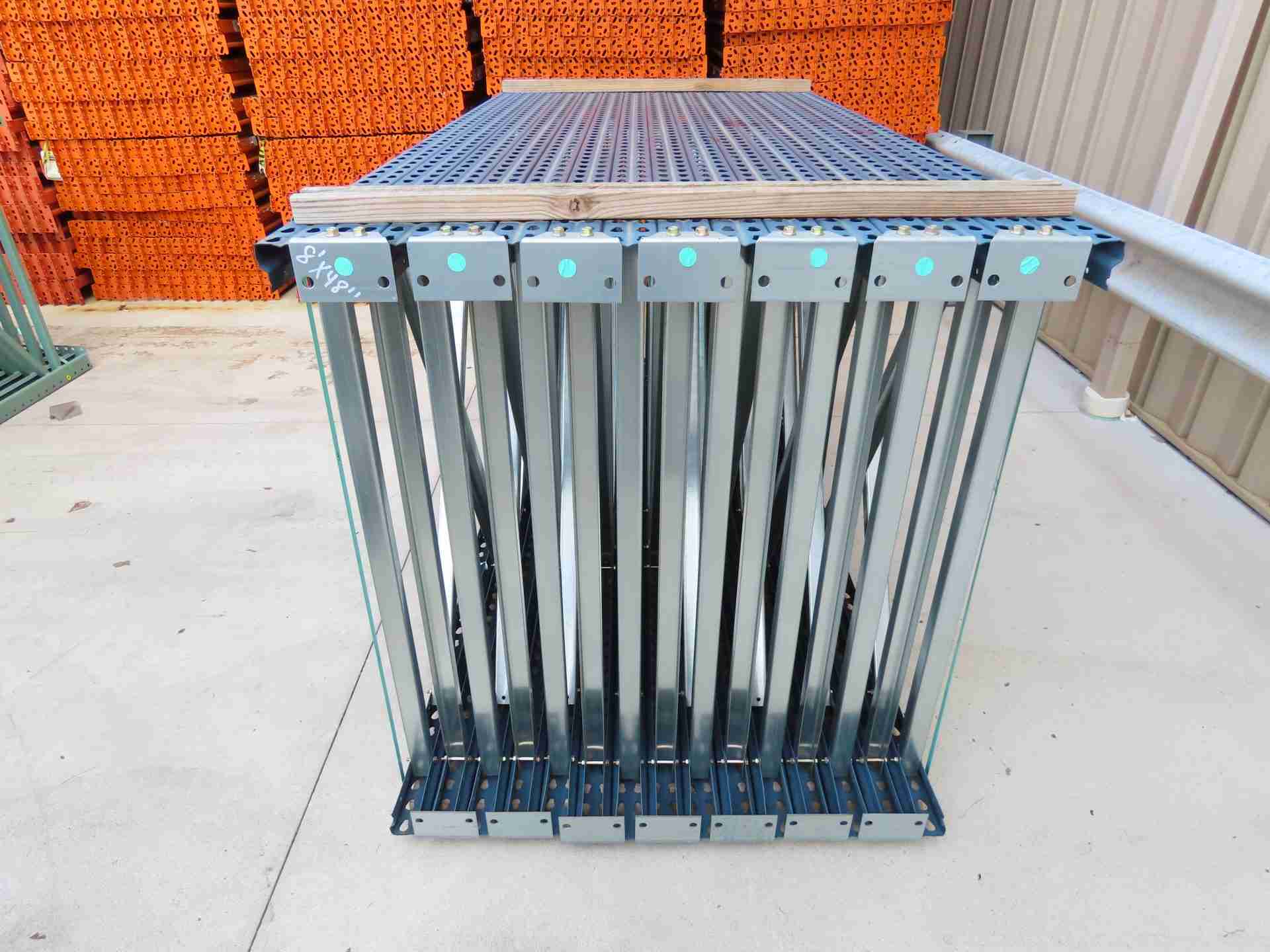
How Do Temperature Fluctuations Impact The Durability Of Pallet Racks?
How Do Temperature Fluctuations Impact The Durability Of Pallet Racks?
- Temperature fluctuations can affect the durability of pallet racks.
- Metal components may expand and contract, leading to warping or cracking.
- Stability of racks can be compromised in extreme temperatures.
- Condensation from temperature changes can accelerate corrosion and rust.
- Proactive measures such as ventilation and insulation can help protect racks.
- Regular inspections and maintenance are essential to address issues early on.
- Understanding and addressing risks can ensure the safety and reliability of pallet racks.
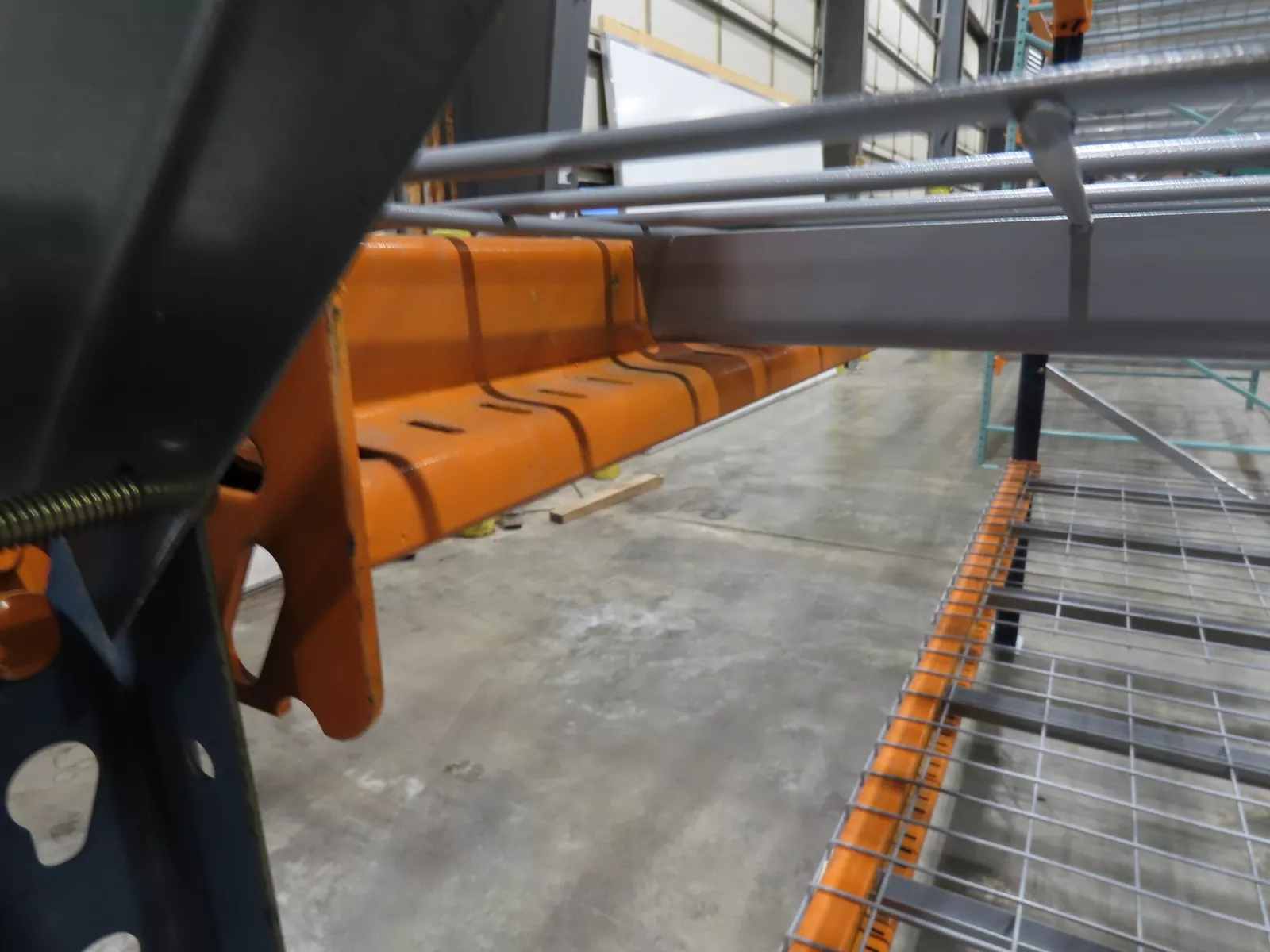
How Do Temperature Fluctuations Impact The Durability Of Pallet Racks?
What Role Does Humidity Play In The Selection Of Pallet Racks?
When it comes to choosing the right pallet racks for your warehouse, many factors must be taken into consideration. One often overlooked factor is the role that humidity plays in the decision-making process.
Humidity levels in a warehouse can vary depending on the geographic location, the season, and the type of products being stored. High humidity can cause metal pallet racks to rust and corrode, leading to structural weaknesses and safety hazards. Additionally, humid conditions can also promote the growth of mold and mildew, which can damage products and compromise the cleanliness of the warehouse.
In environments with high humidity, it is crucial to select pallet racks that are resistant to rust and corrosion. This might mean choosing racks made from stainless steel or galvanized steel, which have a protective coating that prevents moisture from penetrating the metal. These types of racks are more expensive upfront, but they can save you money in the long run by avoiding costly repairs or replacements due to corrosion.
Another consideration is the spacing between pallet racks. In humid environments, it is essential to leave enough room between racks to allow for airflow and prevent condensation from building up. This can help to reduce the risk of rust and mold growth, as well as improve the overall air quality in the warehouse.
Choosing the right materials for your pallet racks is also important in humid conditions. Wood pallet racks are more susceptible to moisture damage than metal racks, as they can warp, crack, and attract insects and mold. If you decide to use wood pallet racks in a humid environment, be sure to treat them with a waterproof sealant or paint to help protect them from moisture.
In addition to selecting the right type of pallet racks, it is essential to regularly inspect and maintain them to ensure they are functioning properly. This includes checking for signs of rust or corrosion, making necessary repairs, and keeping the racks clean and free of debris.
Humidity can have a significant impact on the selection of pallet racks for your warehouse. By choosing racks that are resistant to rust and corrosion, providing adequate spacing between racks, and properly maintaining the racks, you can ensure that your warehouse remains safe, clean, and efficient, no matter the humidity levels.
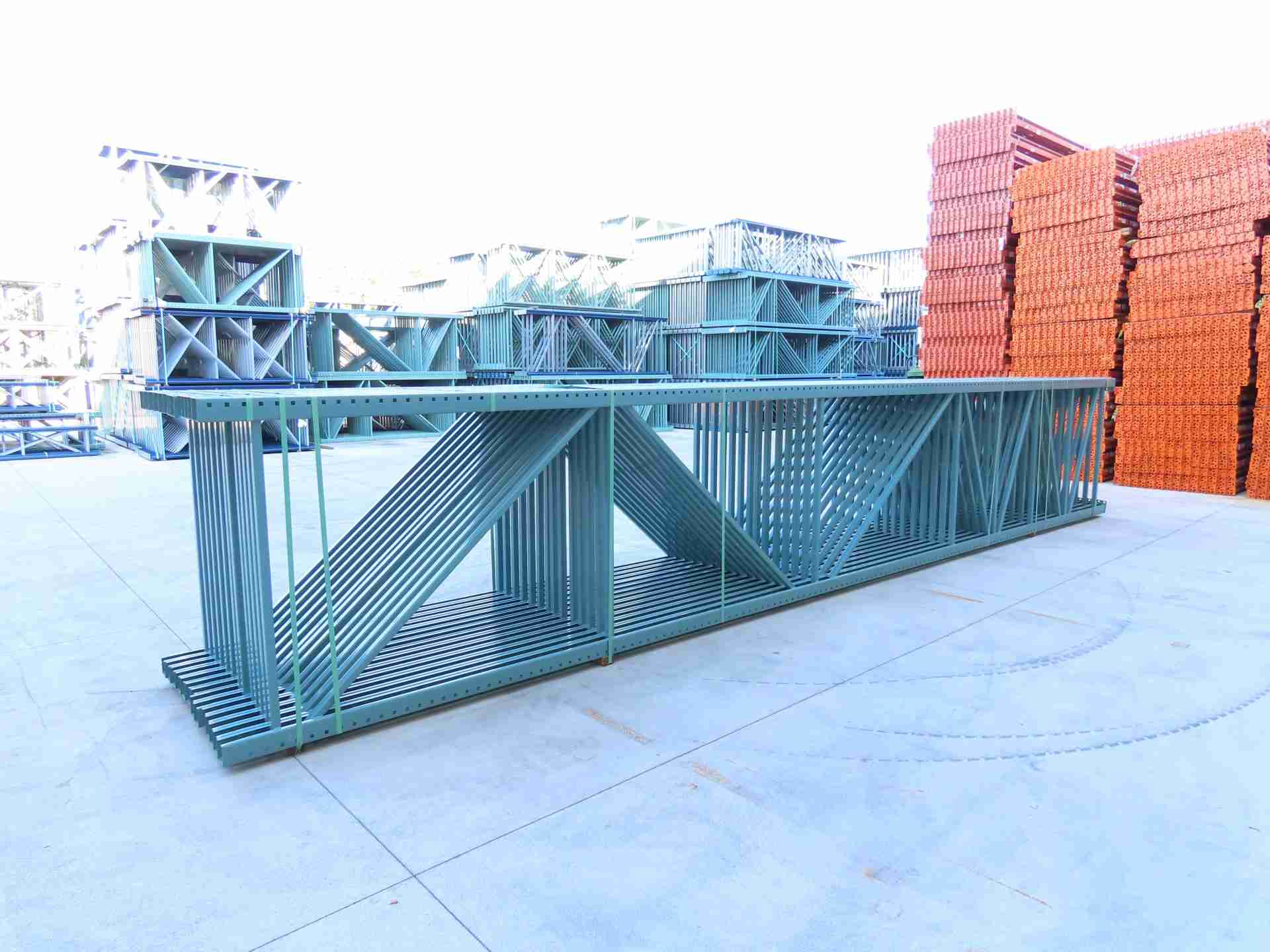
What Role Does Humidity Play In The Selection Of Pallet Racks?
What Role Does Humidity Play In The Selection Of Pallet Racks?
- Humidity levels in a warehouse can affect the choice of pallet racks.
- High humidity can cause metal pallet racks to rust and corrode.
- Choose racks made from stainless steel or galvanized steel for humid environments.
- Leave enough space between racks for airflow and to prevent condensation.
- Wood pallet racks are more susceptible to moisture damage in humid conditions.
- Regularly inspect and maintain pallet racks to ensure proper functioning.
- Choosing the right pallet racks can help maintain a safe, clean, and efficient warehouse.
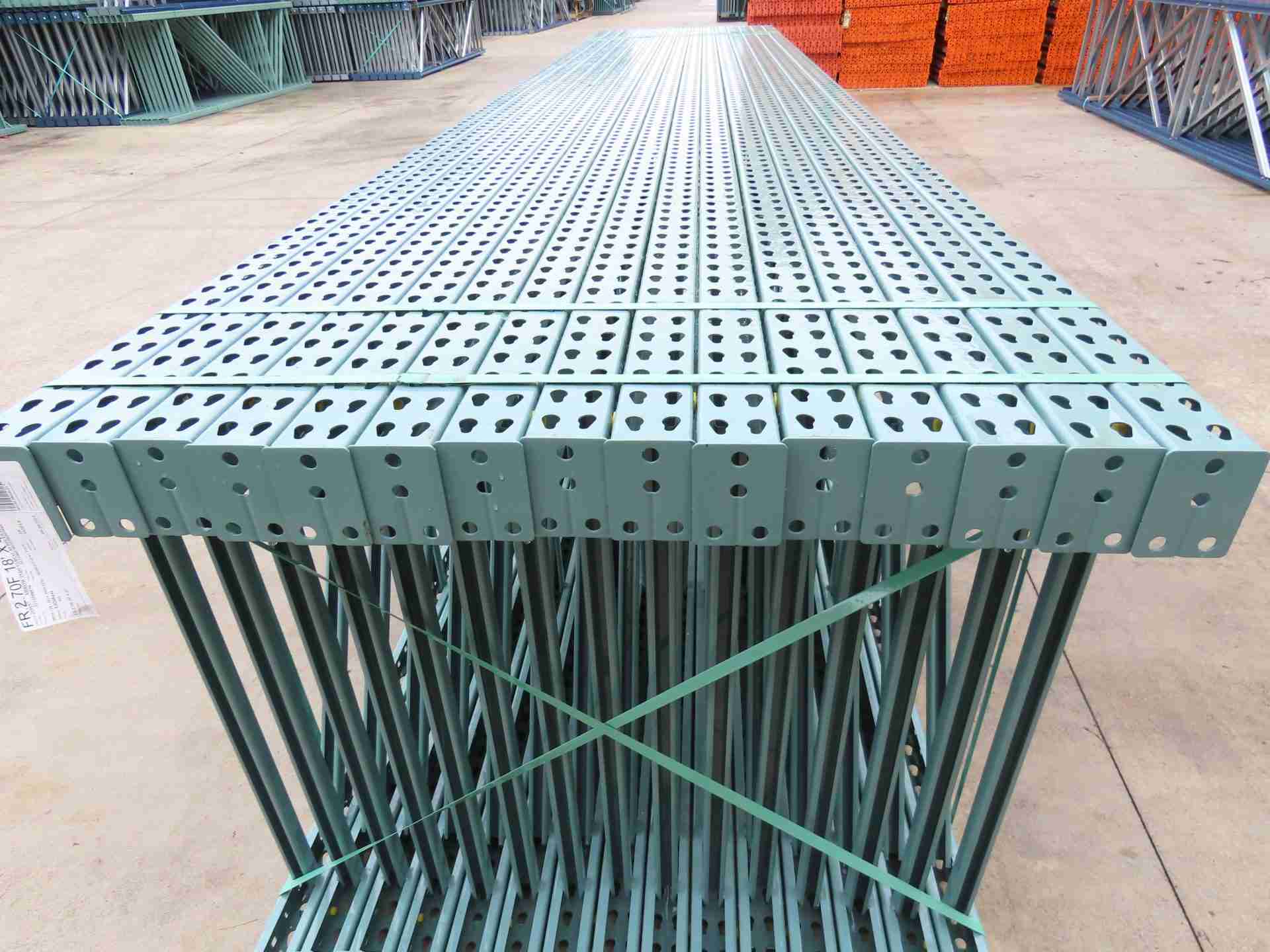
What Role Does Humidity Play In The Selection Of Pallet Racks?
What Are The Key Environmental Factors To Consider?
When it comes to considering the key environmental factors in any situation, it’s vital to take a step back and look at the big picture. From the air we breathe to the water we drink, our environment plays a crucial role in our health and well-being.
One key factor to consider is air quality. Poor air quality can have a range of negative effects on our health, from respiratory issues to cardiovascular problems. It’s important to monitor air pollution levels and take steps to reduce emissions from sources such as vehicles and factories.
Another important environmental factor to consider is water quality. Clean drinking water is essential for maintaining our health, but many water sources are contaminated with pollutants such as pesticides and heavy metals. It’s important to monitor water quality and take steps to prevent contamination through proper waste disposal and agricultural practices.
The impact of climate change is also a key environmental factor to consider. Rising temperatures, changing weather patterns, and extreme weather events are all signs of a changing climate that can have serious consequences for our environment and our communities. It’s important to take action to reduce our carbon footprint and mitigate the effects of climate change.
Biodiversity is another key environmental factor to consider. A diverse range of plant and animal species is essential for maintaining healthy ecosystems and sustaining our food supply. It’s important to protect and conserve biodiversity through measures such as habitat preservation and sustainable agriculture.
Ultimately, considering the key environmental factors in any situation requires a thoughtful and holistic approach. By understanding the interconnected nature of our environment and taking action to protect and preserve it, we can ensure a healthier and more sustainable future for ourselves and future generations.
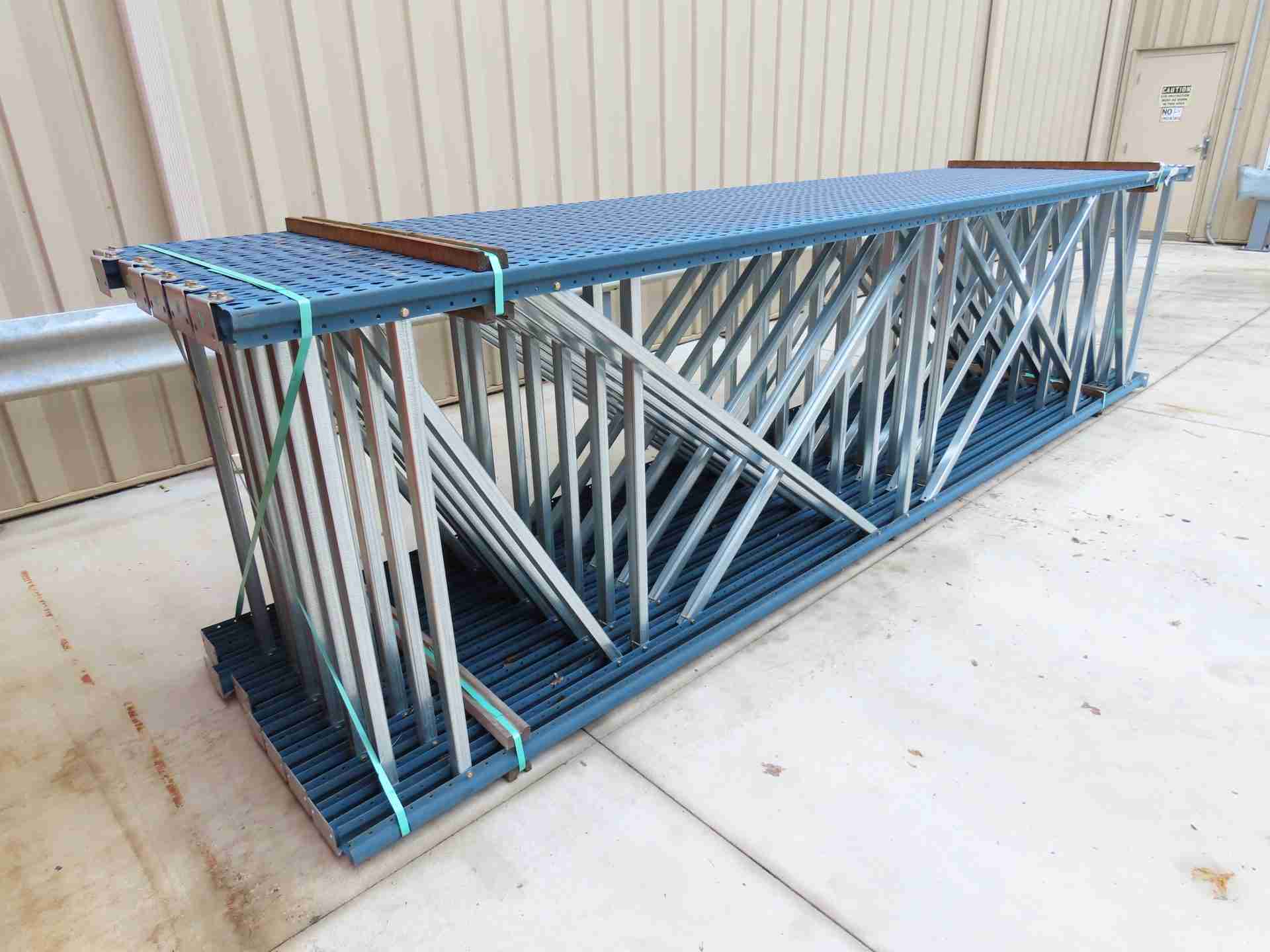
What Are The Key Environmental Factors To Consider?
What Are The Key Environmental Factors To Consider?
- When it comes to considering the key environmental factors in any situation, it’s vital to take a step back and look at the big picture.
- Air quality is a key factor to consider, as poor air quality can have negative effects on health such as respiratory and cardiovascular problems.
- Monitoring air pollution levels and reducing emissions from sources like vehicles and factories are important steps to take.
- Water quality is another important environmental factor to consider, as clean drinking water is essential for maintaining health.
- Contamination of water sources with pollutants like pesticides and heavy metals can be prevented through proper waste disposal and agricultural practices.
- The impact of climate change, including rising temperatures and extreme weather events, is a key factor to consider and requires action to reduce carbon footprint and mitigate effects.
- Biodiversity is also crucial, as diverse plant and animal species are essential for healthy ecosystems and sustaining our food supply.
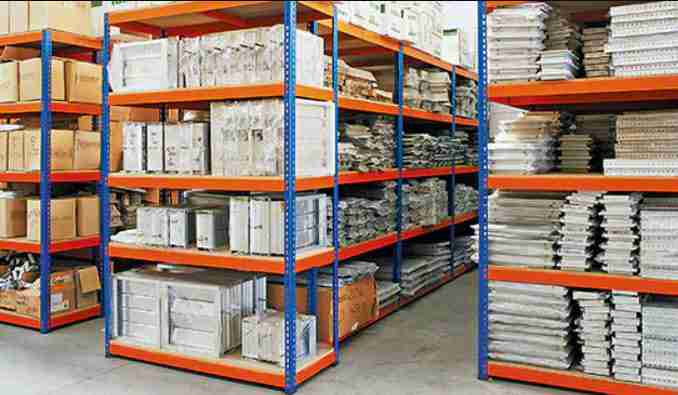
What Are The Key Environmental Factors To Consider?
What Impact Does Humidity Have On Pallet Racks?
When it comes to pallet racks, many factors can influence their performance and longevity. One often overlooked factor is humidity. Humidity levels can have a significant impact on the stability and durability of pallet racks in a warehouse setting.
High humidity levels can lead to rust on metal pallet racks, weakening the structure and reducing its load-bearing capacity. This can pose a serious safety risk, as compromised pallet racks are more likely to collapse under the weight of stored items. In addition to rust, high humidity levels can also cause mold and mildew to grow on wooden pallet racks, further compromising their structural integrity.
On the flip side, low humidity levels can also be problematic for pallet racks. Dry conditions can cause wooden pallet racks to shrink and crack, leading to issues with stability and load-bearing capacity. Metal pallet racks in low humidity environments are also at risk of corrosion, albeit at a slower pace than in high humidity conditions.
To combat the negative effects of humidity on pallet racks, warehouse managers should implement proper moisture control measures. This can include using dehumidifiers or humidifiers to regulate humidity levels, as well as applying rust-resistant coatings to metal pallet racks. Additionally, regularly inspecting pallet racks for signs of rust, mold, or mildew can help catch any issues early on and prevent further damage.
It’s important to remember that pallet racks are a crucial component of warehouse operations, responsible for storing and organizing products efficiently. Neglecting the impact of humidity on pallet racks can result in costly repairs, downtime, and even worker injuries in the long run.
Warehouse managers must consider the effects of humidity on pallet racks and take proactive steps to mitigate any potential risks. By implementing proper moisture control measures and conducting regular inspections, warehouse operators can ensure the safety and longevity of their pallet racks, ultimately improving the efficiency and effectiveness of their operations.
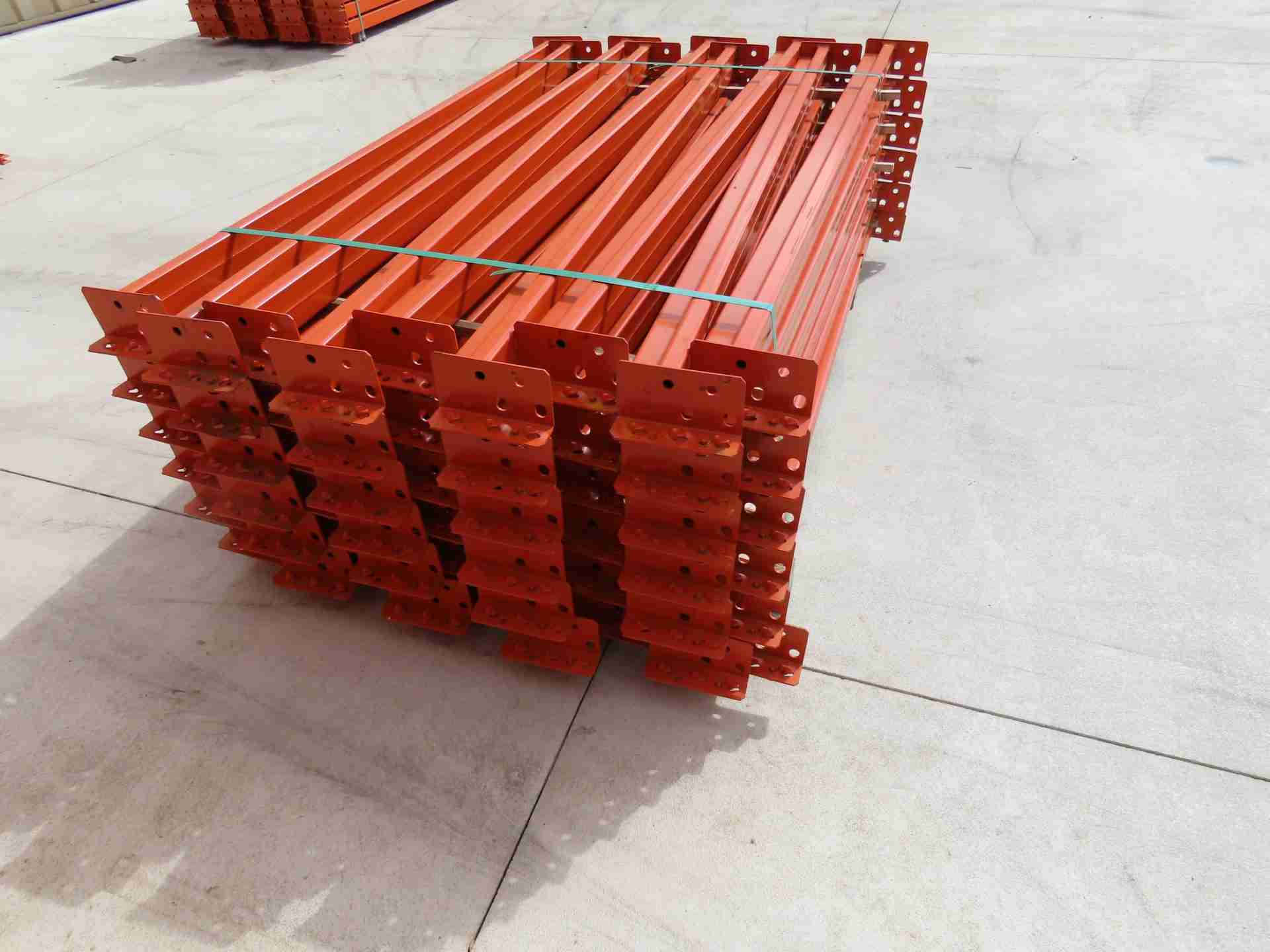
What Impact Does Humidity Have On Pallet Racks?
What Impact Does Humidity Have On Pallet Racks?
- Humidity levels can impact stability and durability of pallet racks.
- High humidity can lead to rust on metal racks, posing safety risks.
- Mold and mildew can grow on wooden racks in high humidity.
- Low humidity can cause issues like shrinking and cracking of wooden racks.
- Proper moisture control measures are essential to combat humidity effects.
- Regular inspections can help prevent damage to pallet racks.
- Warehouse managers should take proactive steps to ensure safety and longevity of pallet racks.
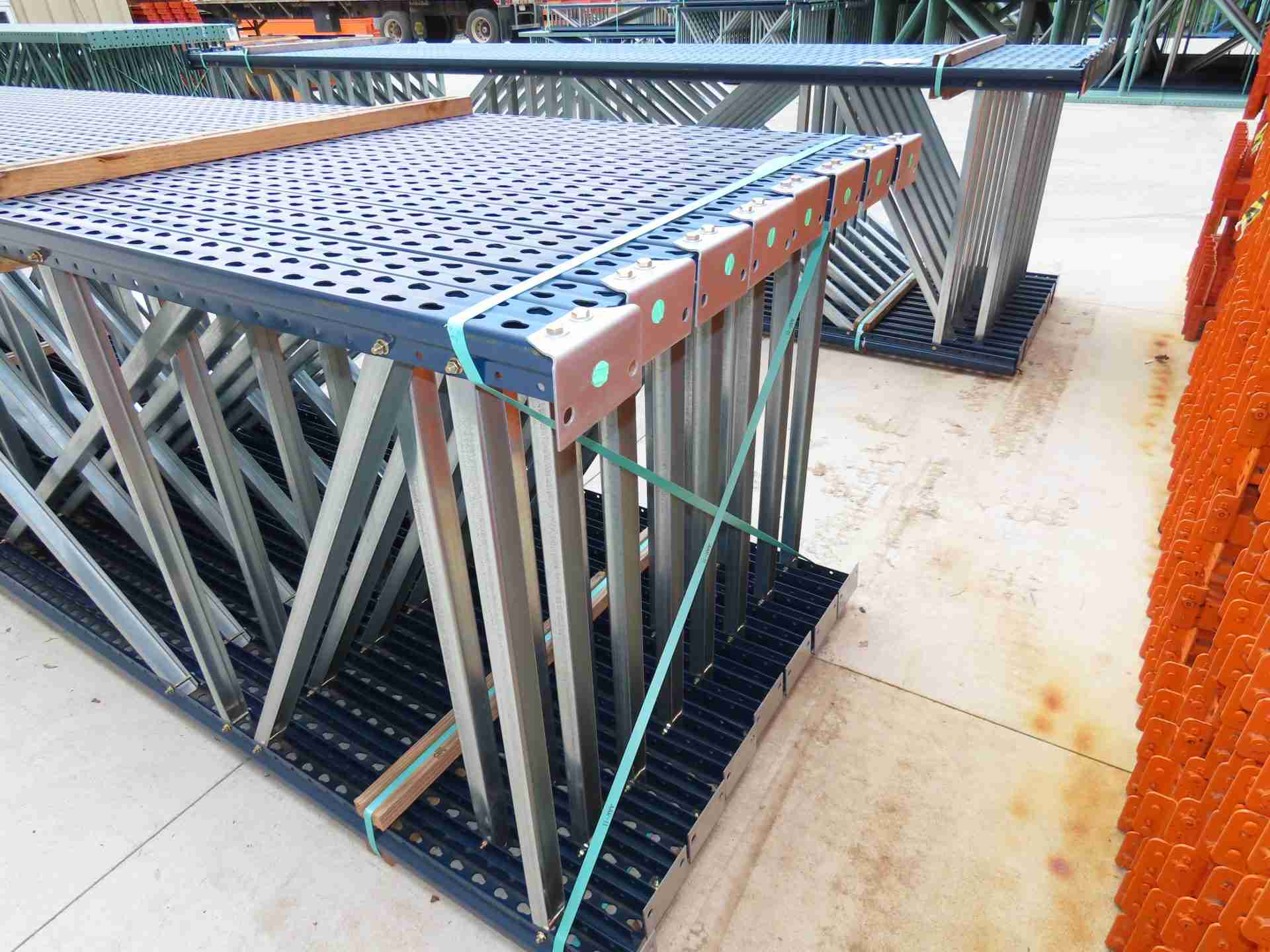
What Impact Does Humidity Have On Pallet Racks?
How Does Temperature Affect The Durability Of Pallet Racks?
You might not think that the temperature in your warehouse plays a significant role in the durability of your pallet racks, but let me tell you, my friend, it does. Think about it – these racks are made of metal, and metal is known to expand and contract with changes in temperature. So, when the mercury rises or falls, your pallet racks are going to feel it.
When it comes to extreme heat, like the scorching temperatures you might find in a poorly ventilated warehouse in the middle of summer, your pallet racks could be in trouble. As the metal heats up, it expands, putting more stress on the joints and welds holding everything together. This increased stress can lead to warping, bending, or even structural failure if the racks aren’t built to withstand the heat.
On the flip side, extreme cold can also have a negative impact on the durability of your pallet racks. When metal gets cold, it contracts, which can cause joints to weaken and become brittle. If a forklift accidentally bumps into a rack in a cold warehouse, the impact that might have been no big deal in warmer temperatures could now cause significant damage.
But it’s not just the extreme temperatures you need to worry about – even small fluctuations in temperature can affect the durability of your pallet racks over time. The constant expansion and contraction that comes with changes in temperature can eventually weaken the metal, leading to premature wear and tear.
So, what can you do to protect your pallet racks from the temperature fluctuations in your warehouse? Well, for starters, make sure you’re investing in high-quality racks that are designed to withstand the conditions in your facility. Look for racks made of durable materials like steel, and pay attention to details like welding quality and joint connections.
It’s also important to keep an eye on the temperature in your warehouse and take steps to regulate it as much as possible. Proper insulation, ventilation, and temperature control systems can help to minimize the impact of extreme temperatures on your pallet racks.
Don’t underestimate the effects that temperature can have on the durability of your pallet racks. By choosing quality racks and taking steps to regulate the temperature in your warehouse, you can help ensure that your racks stay strong and reliable for years to come.
How Does Temperature Affect The Durability Of Pallet Racks?
How Does Temperature Affect The Durability Of Pallet Racks?
- Temperature fluctuations impact metal pallet racks’ durability.
- Extreme heat causes expansion, stress on joints, potential structural failure.
- Extreme cold causes contraction, weakens joints, increases vulnerability to damage.
- Small temperature changes over time can lead to premature wear and tear.
- Invest in high-quality racks made of durable materials like steel.
- Regulate warehouse temperature with insulation, ventilation, and control systems.
- Choose quality racks and regulate temperature to ensure long-term strength.

How Does Temperature Affect The Durability Of Pallet Racks?
Are There Specific Materials That Are Better For Certain Environments?
When it comes to selecting materials for various environments, there are definitely some factors to consider. Certain materials are better suited for specific conditions, whether it be extreme temperatures, moisture levels, or exposure to harsh chemicals.
In environments with high humidity or moisture levels, materials that are resistant to water damage such as stainless steel, marine-grade aluminum, or treated wood are often recommended. These materials are less likely to warp, corrode, or degrade when exposed to moisture, making them ideal for areas like bathrooms, kitchens, or outdoor spaces.
For environments with extreme temperatures, such as desert climates or locations with harsh winters, materials that can withstand temperature fluctuations are key. Metals like steel or aluminum are known for their durability in varying temperatures, while materials like vinyl or fiberglass can better withstand extreme heat or cold without warping or cracking.
In environments where exposure to chemicals is a concern, materials that are resistant to corrosion or damage from chemicals are typically recommended. This includes materials like stainless steel, plastic, or ceramic, which are less likely to deteriorate when exposed to harsh chemicals or cleaning agents.
In outdoor environments, materials that are resistant to UV radiation, moisture, and temperature fluctuations are important. Materials like fiberglass, aluminum, or composites are often used for outdoor furniture, decking, or siding due to their durability and longevity in outdoor conditions.
In industrial environments, materials that can withstand heavy use, high temperatures, or exposure to chemicals are essential. Metals like stainless steel, carbon steel, or aluminum are commonly used in industrial settings for their strength and resistance to wear and tear.
Ultimately, the best materials for a specific environment will depend on the unique conditions present. It’s important to consider factors like humidity levels, temperature fluctuations, exposure to chemicals, and the intended use of the material when selecting the right option for a particular environment. By choosing materials that are well-suited to the conditions they will be exposed to, you can ensure durability, longevity, and optimal performance in any environment.
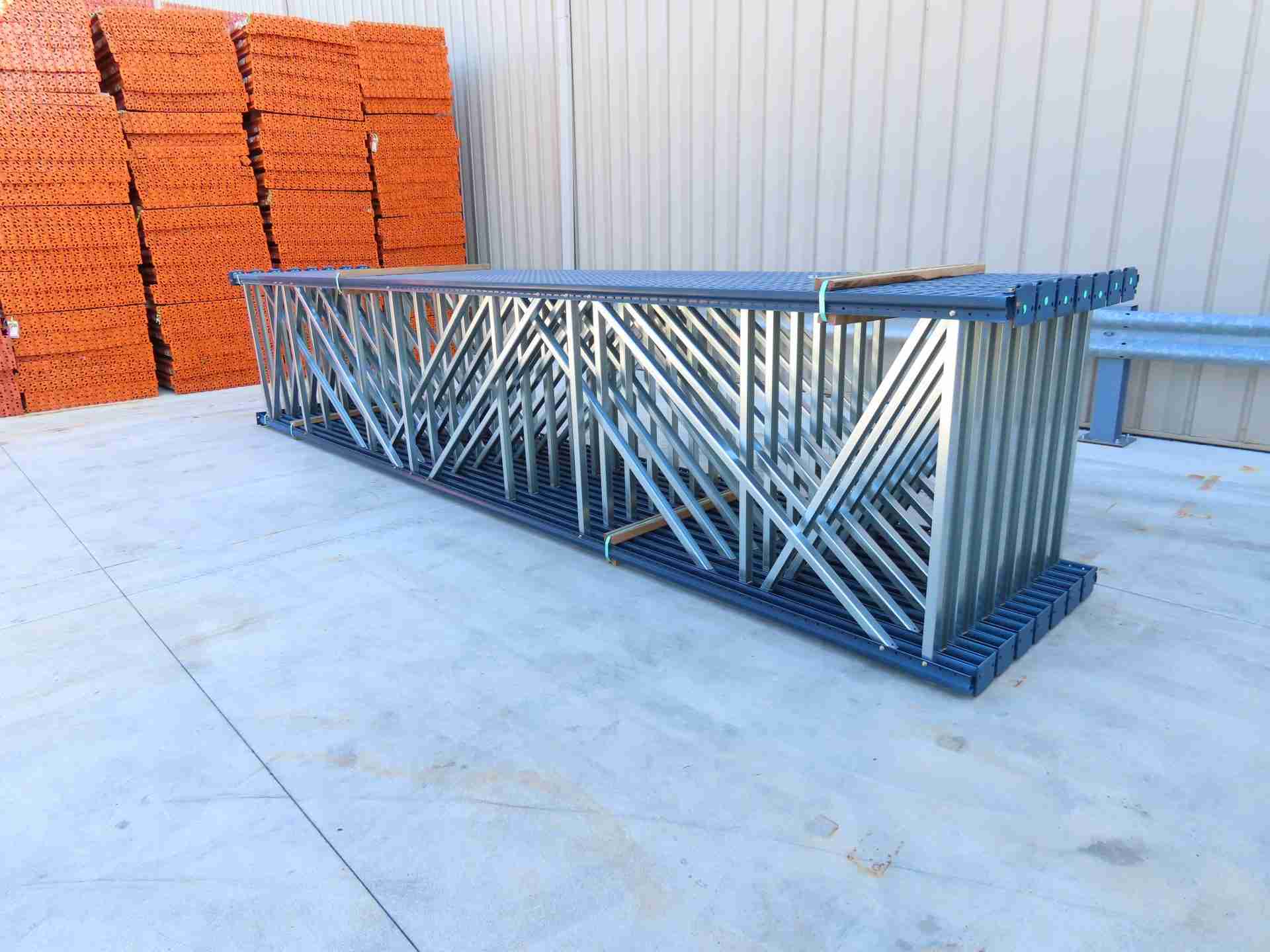
Are There Specific Materials That Are Better For Certain Environments?
Are There Specific Materials That Are Better For Certain Environments?
- In high humidity or moisture environments, stainless steel, marine-grade aluminum, or treated wood are recommended to resist water damage.
- For extreme temperatures, materials like steel or aluminum can withstand temperature fluctuations.
- Materials like vinyl or fiberglass are suitable for locations with harsh winters or extreme heat.
- For environments exposed to chemicals, stainless steel, plastic, or ceramic are recommended for resistance to corrosion.
- Outdoor spaces benefit from UV-resistant materials like fiberglass, aluminum, or composites.
- In industrial settings, stainless steel, carbon steel, or aluminum are preferred for heavy use and exposure to chemicals.
- Selection of materials should be based on unique conditions such as humidity levels, temperature fluctuations, exposure to chemicals, and intended use.
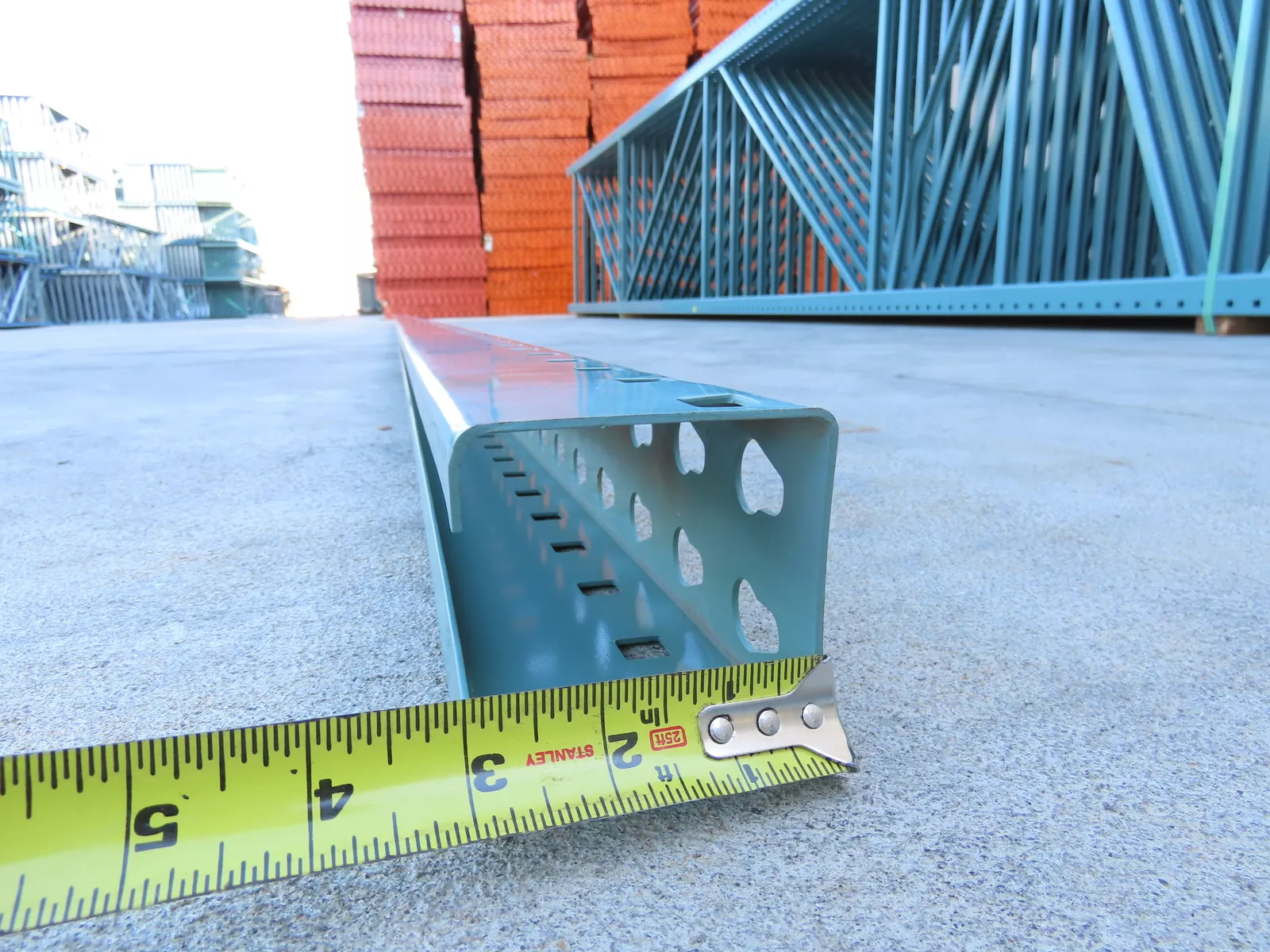
Are There Specific Materials That Are Better For Certain Environments?
What Role Does Ventilation Play In Pallet Rack Selection?
When it comes to selecting the right pallet rack for your warehouse or storage facility, many factors come into play. One often overlooked aspect is the importance of proper ventilation in the design and layout of your racking system.
Ventilation plays a crucial role in maintaining the integrity and safety of your stored goods. Without adequate airflow, conditions can become stagnant and humid, leading to moisture buildup and potential damage to your inventory. This can result in mold, mildew, and other environmental hazards that can compromise the quality of your products.
Proper ventilation also helps to regulate temperature within your storage space, preventing overheating or excessive cold that could affect the condition of your goods. In extreme cases, inadequate ventilation can even lead to a fire hazard if combustible materials are not stored properly.
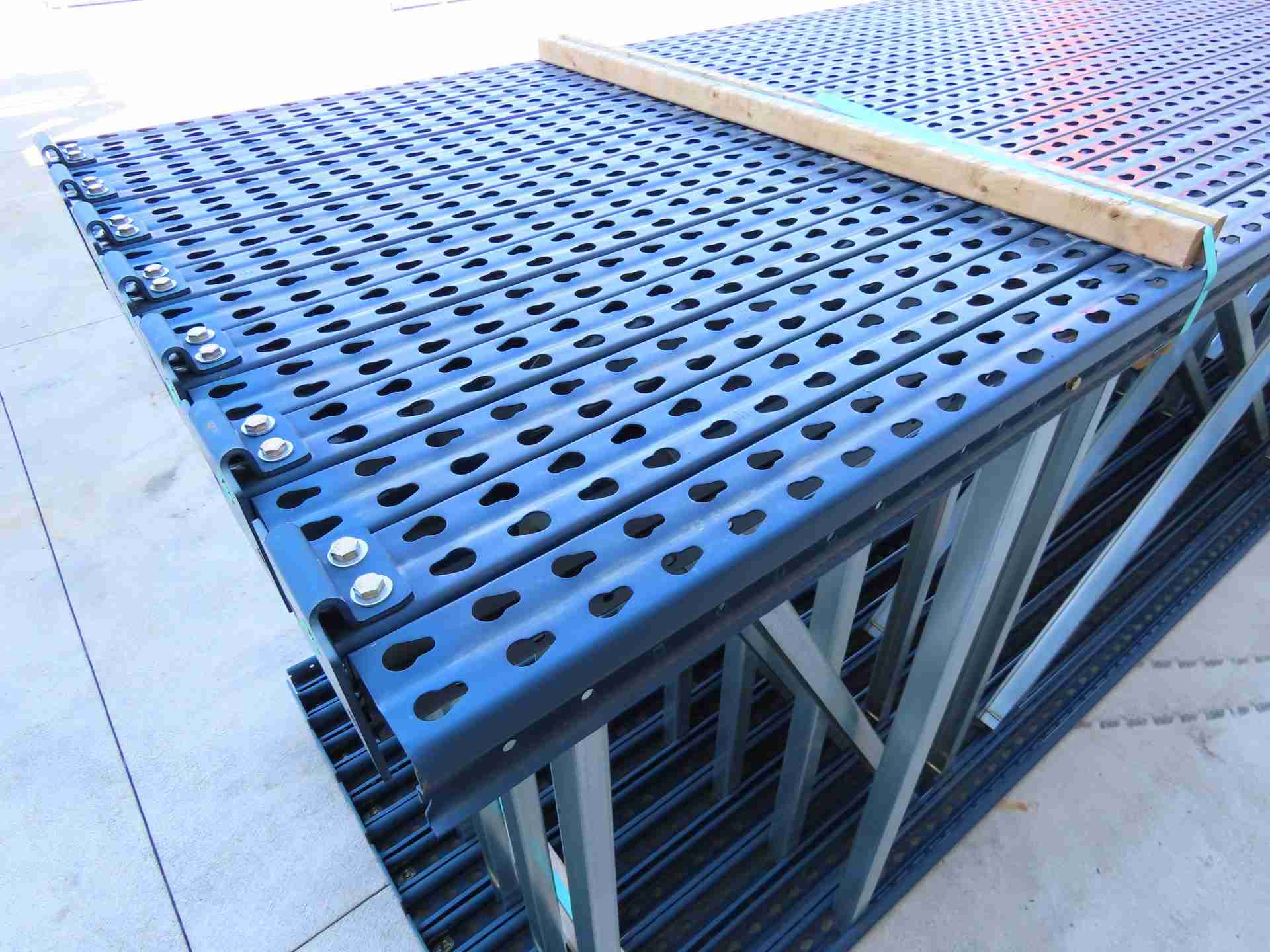
When selecting a pallet rack system, it is important to consider the airflow patterns in your warehouse and how the design of the racks will impact ventilation. Open-style racks, with slotted or wire decking, allow for better air circulation compared to closed-back racks. This design not only improves ventilation but also allows for better visibility and accessibility to your stored goods.
In addition to the design of the racks themselves, the layout and spacing between racks also play a crucial role in ventilation. Ensuring there is enough space between racks to allow for air flow can help prevent heat buildup and maintain optimal conditions for your inventory.
Furthermore, it is important to consider the type of goods you will be storing and their specific ventilation requirements. Some products, such as perishable items or chemicals, may require specialized storage conditions to ensure their quality and safety.
Ultimately, proper ventilation should be a top priority when selecting a pallet rack system for your warehouse. By considering airflow patterns, rack design, spacing, and the specific needs of your inventory, you can create a storage solution that not only maximizes space but also protects the integrity of your goods.
Don’t overlook the importance of ventilation when choosing a pallet rack system. A well-ventilated storage space not only ensures the safety and quality of your inventory but also creates a more efficient and productive work environment for your team. So, take the time to properly assess your ventilation needs and select a pallet rack system that meets those requirements. Your goods – and your bottom line – will thank you.
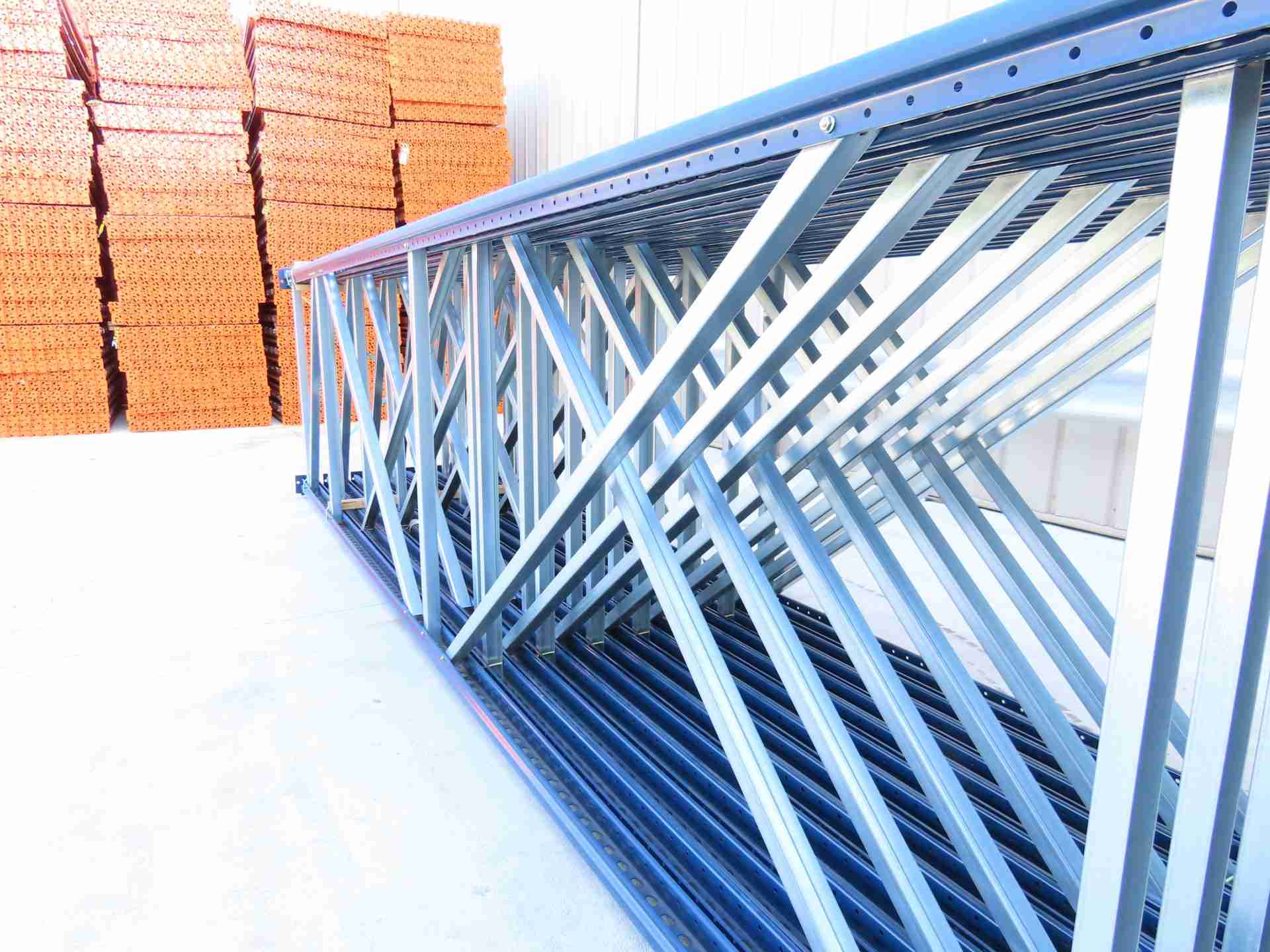
What Role Does Ventilation Play In Pallet Rack Selection?
What Role Does Ventilation Play In Pallet Rack Selection?
- Proper ventilation is crucial for maintaining the integrity and safety of stored goods in a warehouse or storage facility.
- Inadequate airflow can lead to moisture buildup, mold, mildew, and other environmental hazards that can damage products.
- Proper ventilation helps regulate temperature, preventing overheating or excessive cold that could affect goods.
- Consider airflow patterns, rack design, spacing, and specific needs of inventory when selecting a pallet rack system.
- Open-style racks with slotted or wire decking allow for better air circulation and visibility of stored goods.
- Spacing between racks is important for air flow to prevent heat buildup and maintain optimal conditions for inventory.
- Ventilation should be a top priority when choosing a pallet rack system to protect the integrity of goods and create a productive work environment.
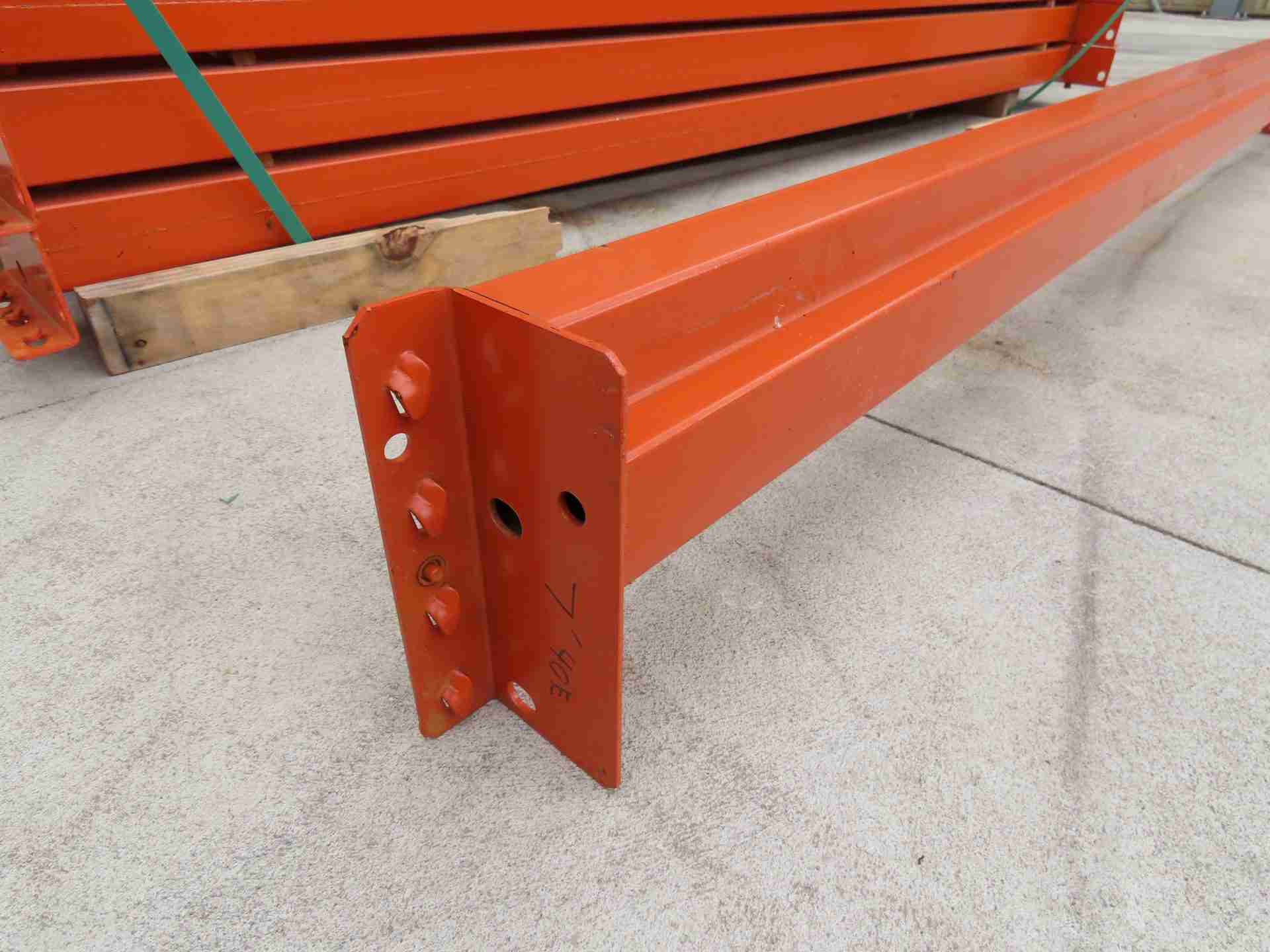
What Role Does Ventilation Play In Pallet Rack Selection?
Can Exposure To Sunlight Impact The Longevity Of Pallet Racks?
Have you ever considered the impact that sunlight can have on the lifespan of your pallet racks? It may not be the first thing that comes to mind when thinking about the durability of your warehouse equipment, but exposure to sunlight can actually play a significant role in how long your pallet racks last.
When pallet racks are continuously exposed to sunlight, the ultraviolet (UV) rays can cause the steel to deteriorate over time. This is because UV rays can break down the molecular structure of the steel, leading to corrosion and weakening of the metal. In addition, sunlight can also cause the paint or powder coating on the racks to fade and chip, leaving the steel more vulnerable to rust and other forms of damage.
So, how can you protect your pallet racks from the harmful effects of sunlight? One simple solution is to install shade structures or awnings over the racks to provide them with some protection from direct sunlight. This can help to extend the lifespan of the racks and prevent them from deteriorating prematurely.
Another option is to regularly inspect the racks for signs of damage or corrosion and address any issues promptly. By catching and repairing damage early on, you can prevent it from spreading and causing more extensive damage to the racks.
It’s also important to regularly clean and maintain the racks to remove any dirt, debris, or moisture that could contribute to corrosion. This can help to prolong the lifespan of the racks and keep them in good working condition for longer.
Exposure to sunlight can indeed impact the longevity of pallet racks. By taking proactive measures to protect your racks from sunlight and regularly inspecting and maintaining them, you can help to extend their lifespan and ensure that they continue to perform effectively in your warehouse.
Remember, taking care of your pallet racks is not just about ensuring the safety of your employees and inventory – it’s also about protecting your investment and maximizing the lifespan of your equipment. So, next time you’re in your warehouse, take a moment to consider how sunlight might be affecting your pallet racks, and take steps to protect them from potential damage. Your future self will thank you for it.
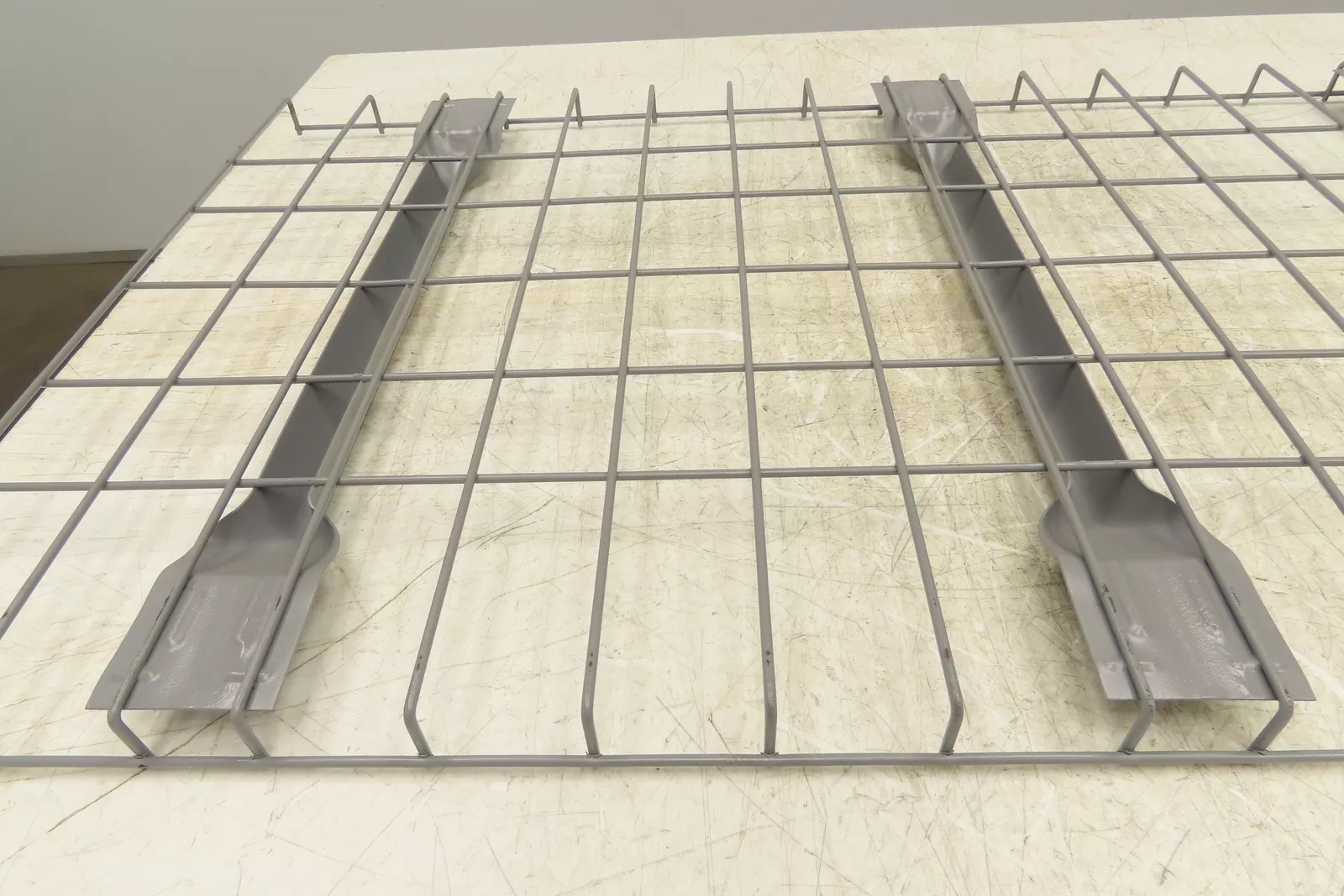
Can Exposure To Sunlight Impact The Longevity Of Pallet Racks?
Can Exposure To Sunlight Impact The Longevity Of Pallet Racks?
- Sunlight can impact the lifespan of pallet racks.
- UV rays can cause steel deterioration and weaken the metal.
- Sunlight can fade paint or powder coating on racks.
- Install shade structures or awnings to protect racks from direct sunlight.
- Regularly inspect racks for damage and address issues promptly.
- Clean and maintain racks to prevent corrosion and prolong lifespan.
- Protecting pallet racks from sunlight can maximize their lifespan and ensure effective performance.
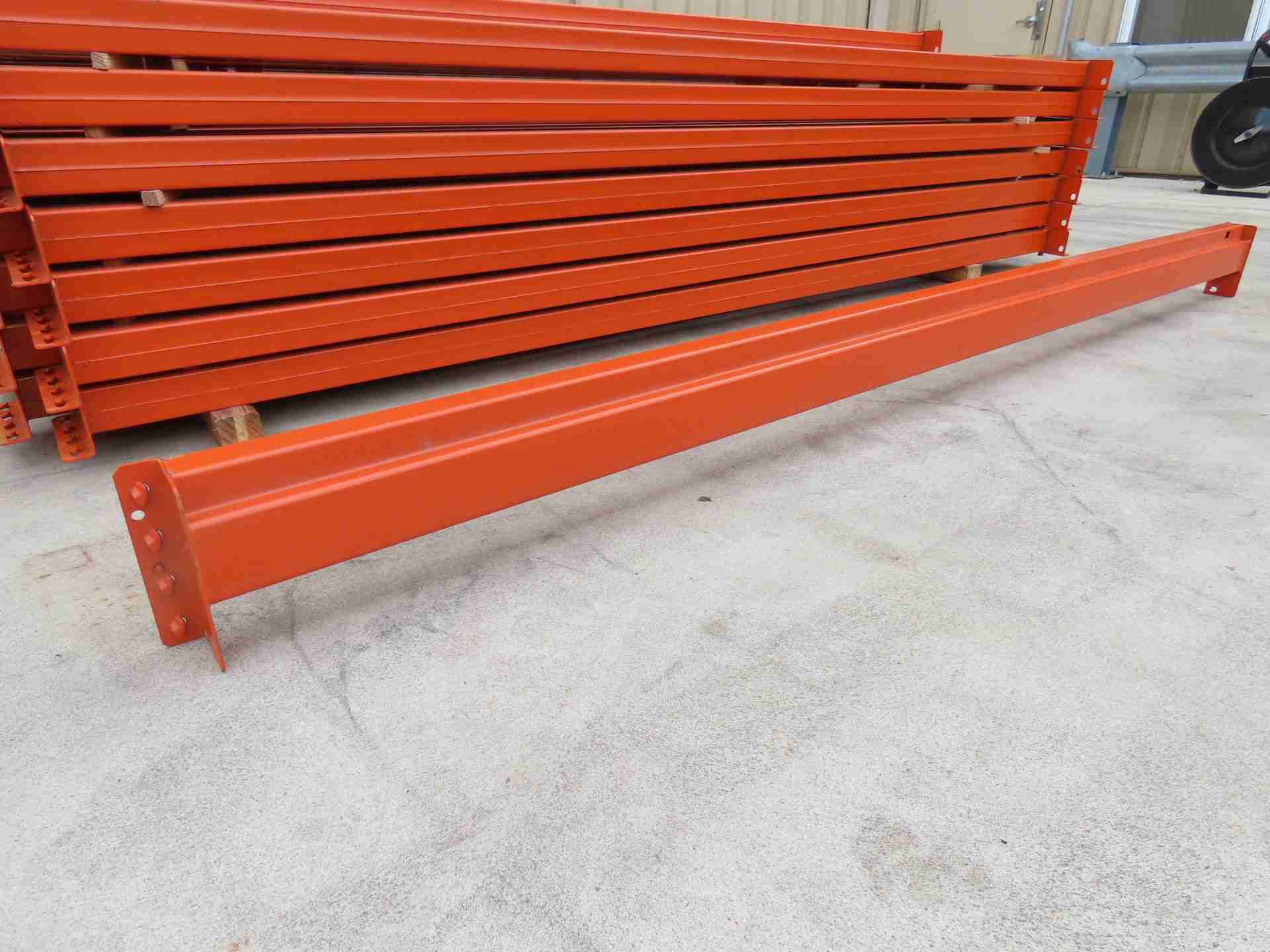
Can Exposure To Sunlight Impact The Longevity Of Pallet Racks?
How Can Regular Maintenance Help Mitigate Environmental Damage?
Regular maintenance is often seen as a chore – something to be checked off the to-do list so we can get back to more pressing matters. But what if I told you that regular maintenance is actually a crucial step in protecting our environment and mitigating damage to our planet?
Let’s break it down. When we neglect basic maintenance tasks, like changing the oil in our cars, cleaning out our air filters, or recycling our old appliances, we are contributing to a cycle of waste and pollution that ultimately harms the environment. By taking the time to properly maintain our vehicles, appliances, and other machines, we can not only extend their lifespan and save money in the long run, but we can also reduce the amount of greenhouse gases and other harmful emissions that are released into the atmosphere.
Think about it – when your car is running smoothly and efficiently, it’s not belching out clouds of noxious fumes that contribute to air pollution and smog. When your appliances are energy-efficient and well-maintained, they’re not sucking up unnecessary amounts of electricity and driving up your carbon footprint. And when your home is properly insulated and sealed, you’re not wasting precious resources like water and energy.
Regular maintenance can also help prevent costly and damaging environmental disasters. For example, by keeping our plumbing systems in good working order, we can avoid leaks and water damage that can contaminate our water supply and harm local ecosystems. By maintaining our fire safety equipment, we can prevent devastating wildfires that destroy countless acres of land and wildlife. And by properly storing and disposing of hazardous materials, we can prevent dangerous chemicals from leaching into the soil and contaminating our food supply.
In short, regular maintenance is not just about keeping things running smoothly – it’s about taking responsibility for our impact on the world around us. It’s about being mindful of the resources we consume and the waste we produce. It’s about making small, everyday choices that add up to big differences in the health and well-being of our planet.
So the next time you’re tempted to put off that oil change, skip that appliance tune-up, or ignore that leaky faucet, think about the impact your actions – or inactions – are having on the environment. Take the time to do the little things that can make a big difference. The planet will thank you for it.
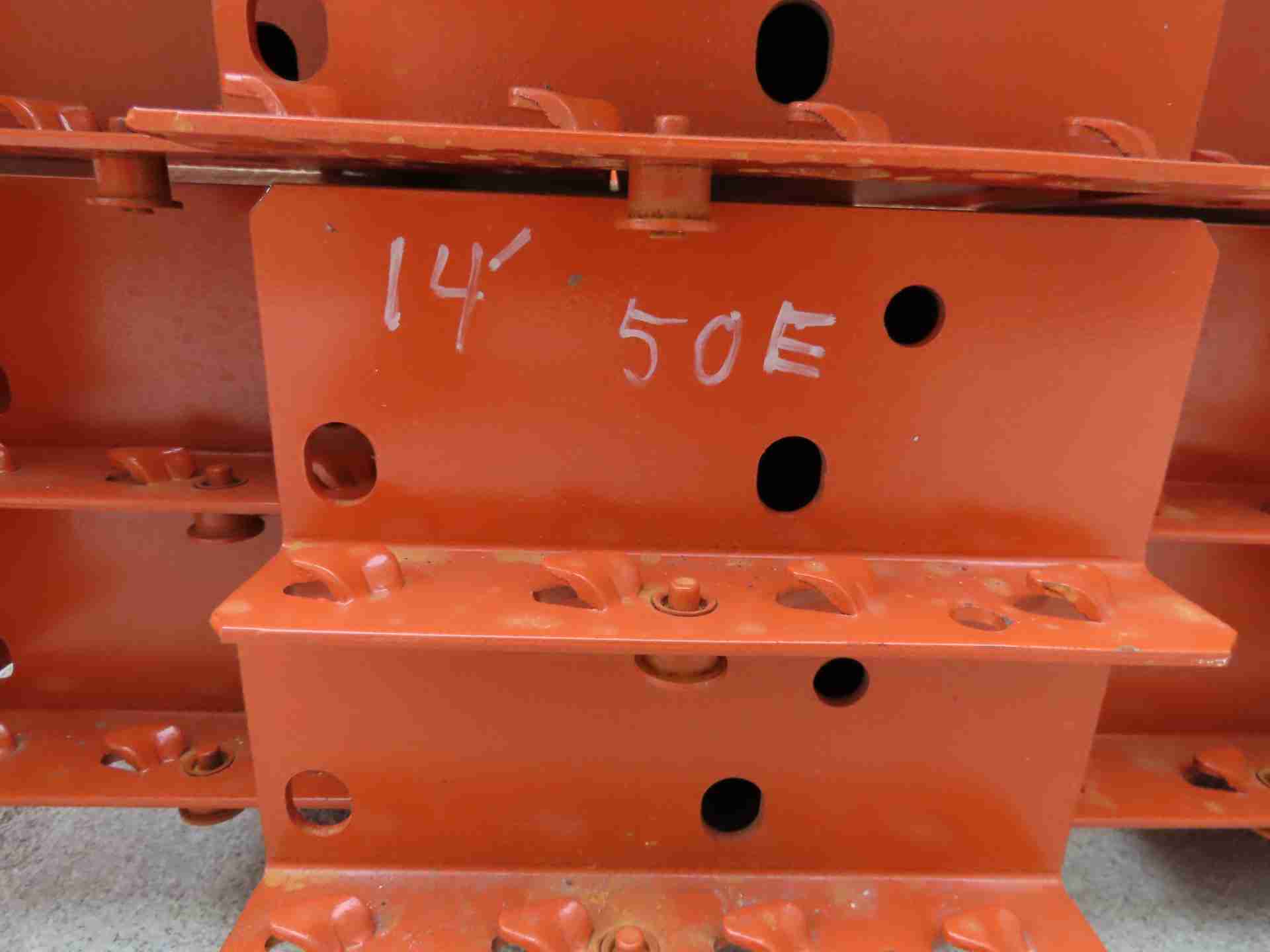
How Can Regular Maintenance Help Mitigate Environmental Damage?
How Can Regular Maintenance Help Mitigate Environmental Damage?
- Regular maintenance is crucial for protecting the environment and mitigating damage to the planet.
- Neglecting maintenance tasks contributes to waste and pollution that harms the environment.
- Proper maintenance can extend lifespan of vehicles, appliances, and machines while reducing harmful emissions.
- Efficiently running vehicles and appliances help reduce air pollution and energy consumption.
- Maintaining plumbing, fire safety equipment, and hazardous materials storage can prevent environmental disasters.
- Regular maintenance is about taking responsibility for our impact on the world and making small everyday choices that benefit the planet.
- Doing the little things like oil changes, appliance tune-ups, and fixing leaks can make a big difference in the health of the planet.
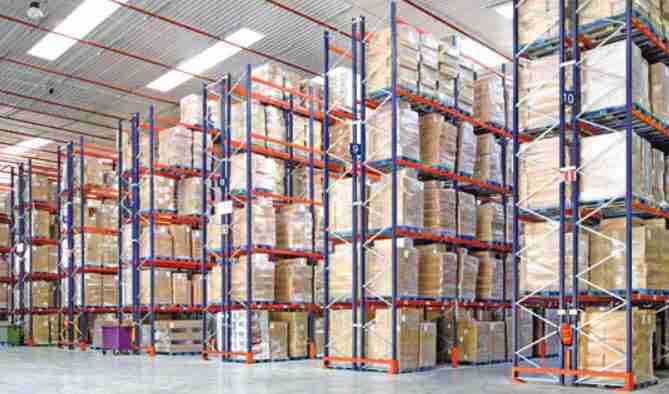
How Can Regular Maintenance Help Mitigate Environmental Damage?
Conclusion
In conclusion, when it comes to optimizing warehouse storage in changing environments, you can’t overlook the impact of environmental factors on the choice of pallet racks. Factors like temperature, humidity, and exposure to sunlight can all play a significant role in the durability and longevity of your racks. For example, high humidity can lead to rust and corrosion in steel racks, while extreme temperatures can cause warping and brittleness. To combat these issues, selecting the right materials, maintaining proper ventilation, and implementing regular maintenance are crucial steps in ensuring your racks stand up to the challenges of their environment.
By considering the unique conditions of your warehouse and choosing pallet racks that are tailored to your specific needs, you can protect your investment, maximize the lifespan of your equipment, and ensure the safety of your employees and inventory. Remember, a little foresight and planning now can save you a lot of headache and expense down the road. So, take the time to assess your environmental factors, make informed decisions, and invest in the longevity of your pallet racks. Your warehouse and your bottom line will thank you.
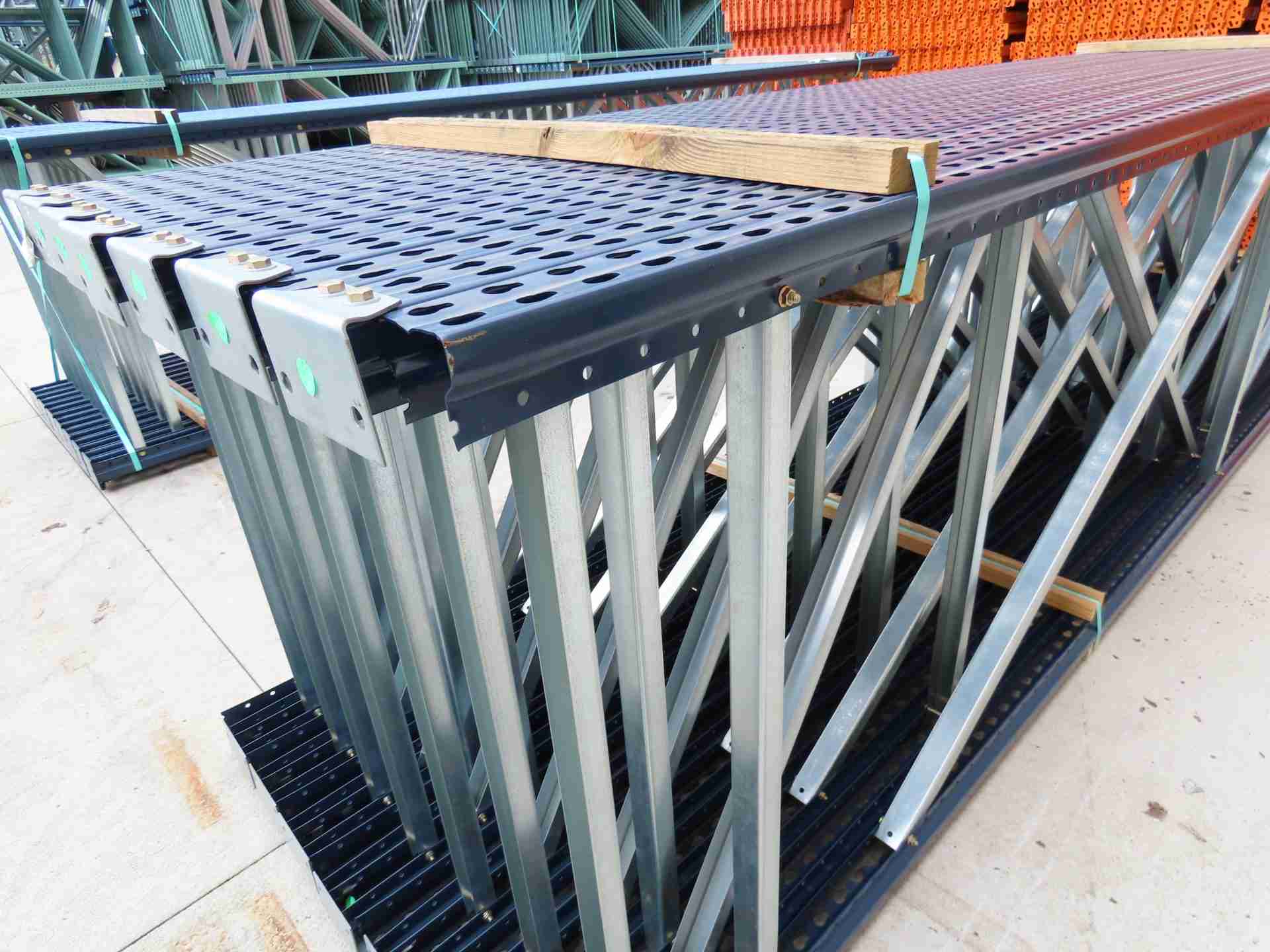
Conclusion
Conclusion:
- Environmental factors impact choice of pallet racks.
- Temperature, humidity, and exposure affect durability.
- High humidity leads to rust in steel racks.
- Extreme temperatures cause warping and brittleness.
- Select right materials, maintain ventilation for longevity.
- Choose racks tailored to warehouse conditions.
- Invest in longevity to protect investment and ensure safety.
Conclusion
Other Resources
Other Resources
Here is a list of other resources you can review online to learn more:
Other Resources
Glossary Terms
How Do Environmental Factors Affect The Choice Of Pallet Racks? – Glossary Of Terms
1. Pallet Racks: A type of storage system designed to store materials on pallets in horizontal rows with multiple levels.
2. Climate Control: Maintaining consistent temperature and humidity levels in a warehouse to protect sensitive goods and ensure the structural integrity of pallet racks.
3. Temperature Extremes: High or low temperatures that can affect the materials used in pallet racks, such as causing metal fatigue or warping in plastic components.
4. Humidity: The amount of moisture in the air, which can lead to rusting of metal racks or deterioration of certain goods stored on the racks.
5. Corrosion Resistance: The ability of pallet rack materials to resist degradation caused by environmental exposure to moisture, salt, and other corrosive elements.
6. Load Capacity: The maximum weight that a pallet rack can safely support, which can be affected by environmental factors like humidity and temperature.
7. Seismic Activity: Ground movements caused by earthquakes requiring pallet racks that are designed to meet seismic safety standards.
8. Thermal Expansion: The tendency of materials (like steel in pallet racks) to expand when heated and contract when cooled, which can impact the stability and safety of the racks.
9. UV Resistance: The ability of pallet rack materials to withstand degradation from exposure to ultraviolet light, which is important for racks used in outdoor or sun-lit environments.
10. Chemical Exposure: The presence of chemicals in the storage area that can affect the integrity of pallet racks, leading to the need for racks made from chemically resistant materials.
11. Fire Resistance: The capability of pallet racks to withstand fire exposure, critical for the safety and regulation compliance in certain environments.
12. Dust Levels: High levels of dust can cause operational issues and require racks that are easy to clean to prevent the accumulation of dust.
13. Ventilation: The exchange of air within a space to control temperature, humidity, and air quality, influencing the choice of pallet rack materials to prevent corrosion and other issues.
14. Ambient Temperature: The surrounding temperature in the warehouse, which can affect the performance of pallet racks and the goods stored on them.
15. Hygroscopic Goods: Materials that absorb moisture from the air, necessitating climate-controlled environments and specific types of pallet racks.
16. Durability: The ability of pallet racks to withstand wear and tear over time, especially under varying environmental conditions.
17. Impact Resistance: The capacity of pallet racks to endure hits or collisions, which might be more frequent in dynamic or demanding work environments.
18. Compliance Regulations: Legal standards that pallet racks must meet, which can be influenced by environmental factors such as temperature, humidity, and seismic activity.
19. Cold Storage: Facilities that keep temperatures at or below freezing, requiring pallet racks designed to perform under such extreme conditions.
20. Outdoor Storage: Use of pallet racks in outside environments, necessitating racks that can withstand weather-related elements like rain, wind, and sunlight.
21. Moisture Barriers: Protective layers or coatings applied to pallet racks to prevent moisture ingress and subsequent rusting or other damage.
22. Load Distribution: Even distribution of weight across pallet racks to prevent overloading and ensure stability, which can be influenced by changes in the environment.
23. Material Handling: The moving, protecting, storing, and controlling of materials throughout manufacturing, warehousing, distribution, and disposal.
24. Vertical Space Utilization: Effective use of the vertical height of a warehouse to maximize storage capacity with the use of pallet racks.
25. Air Quality: The level of pollutants in the air that can affect both the goods stored and the integrity of the pallet racks over time.
26. Customizability: The ability to tailor pallet racks to meet specific needs, which may be influenced by environmental factors unique to a particular setting.
27. Safety Inspections: Regular checks to ensure pallet racks remain safe and effective, with environmental conditions considered during evaluations.
28. Shrinkage and Swelling: Changes in the size of materials (like wood) due to varying humidity levels, which can affect the structural integrity of certain types of pallet racks.
29. Maintenance Requirements: The need for ongoing care and upkeep of pallet racks, which can increase in harsh environmental conditions.
30. Sustainability Practices: Implementing eco-friendly approaches to managing warehouse environments, including choosing materials for pallet racks that are sustainable and have minimal environmental impact.
These terms outline the various ways environmental factors can impact the choice and maintenance of pallet racks in storage and warehouse facilities. Understanding these terms will help in selecting the right pallet racks to ensure safety, efficiency, and durability in different environments.
Glossary Of Terms
Other Questions
How Do Environmental Factors Affect The Choice Of Pallet Racks? – Other Questions
If you wish to explore and discover more, consider looking for answers to these questions:
- What types of materials are best suited for pallet racks in humid environments?
- How can businesses mitigate the impact of extreme temperatures on metal pallet racks?
- What are the specific challenges for pallet racks in environments prone to seismic activity?
- How does the presence of moisture in a warehouse affect the safety and effectiveness of pallet racks?
- What proactive measures can be taken to prevent rust and corrosion in pallet racks?
- What are the benefits of using galvanized steel for pallet racks in moist environments?
- How can condensation and moisture buildup be controlled in warehouses with temperature fluctuations?
- What ventilation strategies are effective for preventing heat buildup in warehouse pallet racks?
- How does UV exposure impact the durability and maintenance needs of pallet racks?
- What role does regular maintenance play in extending the lifespan of pallet racks in various environmental conditions?
- Are there any specific guidelines for inspecting and maintaining pallet racks in high-humidity environments?
- How can proper spacing between pallet racks improve airflow and reduce humidity-related issues?
- How do extreme temperature fluctuations specifically affect the structural integrity of steel vs. aluminum pallet racks?
- What are some of the safety risks associated with improperly engineered racks in seismic zones?
- How can businesses implement effective temperature and humidity control systems in their warehouses?
- What industry standards and regulations should be followed for pallet rack safety in diverse environmental conditions?
Other Questions
Checklist
How Do Environmental Factors Affect The Choice Of Pallet Racks? – A Checklist
General Considerations:
_____ Consider the material of pallet racks (e. g. , steel, galvanized steel, stainless steel, wood).
_____ Determine the environmental conditions of the warehouse (humidity, temperature, seismic activity).
Material Selection:
_____ In high humidity environments:
_____ Choose materials resistant to rust and corrosion (e. g. , galvanized steel, stainless steel).
_____ Avoid wood unless treated with waterproof sealants.
_____ In areas with extreme temperatures:
_____ Use materials that can withstand expansion/contraction (e. g. , steel, aluminum).
_____ Consider insulation to regulate temperature.
Temperature Fluctuations:
_____ Implement ventilation systems to manage temperature and humidity.
_____ Use insulation to maintain consistent temperatures.
_____ Regularly inspect racks for signs of warping, cracking, or rust.
Humidity:
_____ Choose rust and corrosion-resistant materials.
_____ Ensure adequate spacing between racks for airflow.
_____ Regularly inspect for signs of mold, mildew, or rust.
_____ Use dehumidifiers or humidifiers as necessary to control moisture levels.
Seismic Activity:
_____ Select racks designed to meet seismic requirements.
_____ Ensure racks can handle seismic loads to ensure safety.
Ventilation:
_____ Use open-style racks (slotted or wire decking) for better airflow.
_____ Ensure adequate spacing between racks to allow for air circulation.
_____ Consider the specific ventilation needs of stored goods (e. g. , perishables, chemicals).
Sunlight Exposure:
_____ Install shade structures or awnings to protect racks from direct sunlight.
_____ Regularly inspect and maintain racks for signs of UV damage.
_____ Clean racks to remove dirt and debris that could exacerbate damage.
Regular Maintenance:
_____ Regularly check for and address signs of damage (rust, warping, cracking).
_____ Clean and maintain racks to remove moisture and debris.
_____ Regularly cycle and rotate inventory to ensure even wear on racks.
By following this checklist, you can optimize your warehouse storage system to ensure durability and safety in varying environmental conditions.
Checklist
At RackingWorld, we help guide you through selecting warehouse storage systems and racking.
Be sure to read our other related stories at RackingWorld to learn more about warehouse storage systems.
0 Comments