
Upgrade With Confidence: Retrofitting For A Sustainable Future
By Tom Seest
At RackingWorld, we help guide you through selecting warehouse storage systems and racking.
Be sure to read our other related stories at RackingWorld to learn more about warehouse storage systems.
Retrofit Considerations When Replacing Old Racks
When it comes to replacing old racking, it’s not merely a task of swapping one set of beams for another—it’s an opportunity to breathe new life into your operation. The racking system is the backbone of your warehouse, a pivotal component that can either support or strangle the efficiency of the entire operation. It’s vital not just to think about the specs on paper, but to connect on a deeper level with what those racks represent—people’s livelihoods, safety, and the health of your business.
Start with the heart. Each beam and shelf you choose affects your team. Imagine the weight of those steel structures; they’re not just metal but trust. They need to hold not only products but the dreams and aspirations of the employees working beneath them. When you choose to upgrade, consider their safety and comfort first; it’s about providing a workspace that empowers them to perform their best.
Next, engage the head. Performing a retrofit isn’t just an emotional decision; it requires meticulous planning and strategic thinking. Evaluate the space you have, assess the load capacities, and consider your future growth. You have the opportunity to implement cutting-edge designs that minimize waste and maximize storage efficiency. A well-thought-out racking system can save time, reduce inventory shrinkage, and ultimately boost your bottom line.
Now, let’s hit the gut: what’s at stake? Unsafe or outdated racks pose risks. They can lead to accidents, injuries, or loss of product—and that puts a knot in your stomach. That’s not just a liability; it’s a moral responsibility. When choosing a racking solution, consider companies that prioritize ethics and safety, as building a culture of safety is something you simply cannot measure in dollars and cents.
Finally, we can’t overlook the social aspect. The consultations, the reviews, the team dynamics—all become part of the fabric of your workspace. When you engage your people in the decision-making process, you build a community. Their input fosters ownership, camaraderie, and trust.
Retrofitting isn’t just about new racks; it’s about creating an environment where people feel valued and empowered, all while safeguarding the future of your business. Embrace it as not just a choice, but a commitment to excellence.

Retrofit Considerations When Replacing Old Racks
Retrofit Considerations When Replacing Old Racks
- Replacing old racking is an opportunity to enhance warehouse efficiency, not just a simple swap.
- Racking systems are essential for supporting the performance, safety, and livelihoods of employees.
- Prioritize employee safety and comfort when selecting racks to empower optimal performance.
- Retrofitting requires careful planning, including assessing space, load capacities, and potential growth.
- Implementing modern designs can improve storage efficiency, reduce inventory losses, and enhance profitability.
- Unsafe or outdated racks can lead to serious risks, highlighting the importance of ethical choices in racking systems.
- Engaging employees in the decision-making fosters a sense of community and trust within the workplace.

Retrofit Considerations When Replacing Old Racks
Table Of Contents
- Retrofit Considerations When Replacing Old Racks
- What Are the Safety Risks Of Not Upgrading Old Racks?
- How Does an Old Rack Compromise Efficiency?
- What Are the Financial Benefits Of Retrofitting My Racks Now?
- How Do Outdated Racks Affect Employee Morale and Safety?
- What Ethical Responsibilities Do We Have to Ensure Workplace Safety?
- Conclusion
- Other Resources
- Glossary Of Terms
- Other Questions
- Checklist
What Are the Safety Risks Of Not Upgrading Old Racks?
When we think about the places where we work—warehouses, distribution centers, and stockrooms—the racking plays a pivotal role, almost like the silent backbone of those operations. Old racking may seem innocuous, but there’s a ticking time bomb lurking within its corroded metal and worn-out joints. Not upgrading aging racks is more than a budgetary oversight; it’s a gamble with safety, and it’s one that could have grave consequences.
Imagine a scenario where an employee, perhaps a single parent putting in overtime to make ends meet, is tasked with stocking shelves. They reach for a box perched precariously on a high shelf supported by decades-old racking. Suddenly, metal groans and creaks pierce the air, and before anyone can react, the entire structure collapses. This isn’t just a story; it’s a reality that plays out too often in facilities across the globe. The emotional weight of an injury or, worse, a fatality ripples through families and communities, causing anguish that lingers far longer than the moment of collapse.
Furthermore, let’s think about the rationale here. Old racking compromises the entire ecosystem of safety protocols and procedures you’ve established over the years. Investing in modern, robust racking systems means ensuring that your workers can focus on their tasks without the gnawing anxiety of what might happen next. When businesses choose to upgrade, they’re not just safeguarding their assets; they’re prioritizing the well-being of their most valuable resource—the people who keep the wheels turning.
The ethical imperative is equally compelling. As employers, we have a responsibility to ensure our workplaces foster not just productivity but safety and well-being. Every decision counts, and when something as fundamental as racking systems is ignored, it says that the lives of employees are less important than cost savings.
Let’s not forget the authority that comes from choosing safety. Industries thrive on trust, and when a facility emphasizes the importance of modern infrastructure, it builds confidence among clients, suppliers, and the workforce alike.
In today’s fast-paced world, an ounce of prevention is worth a pound of cure. Upgrading old racks is not just a safety measure; it’s an investment in the heart of your operation, nurturing a culture that values people over profit. Let’s put safety front and center, demonstrating that we care for our teams and our communities every day.

What Are the Safety Risks Of Not Upgrading Old Racks?
What Are the Safety Risks Of Not Upgrading Old Racks?
- Racking serves as the backbone of operations in warehouses and distribution centers.
- Old racking poses serious safety risks and can lead to grave consequences if not upgraded.
- An accident involving collapsing racks can emotionally impact families and communities.
- Outdated racking undermines established safety protocols, increasing anxiety among workers.
- Upgrading racking systems prioritizes employee well-being and safeguards company assets.
- Employers have an ethical responsibility to ensure workplaces are safe and promote productivity.
- Investing in safety builds trust with clients and fosters a culture that values people over profit.
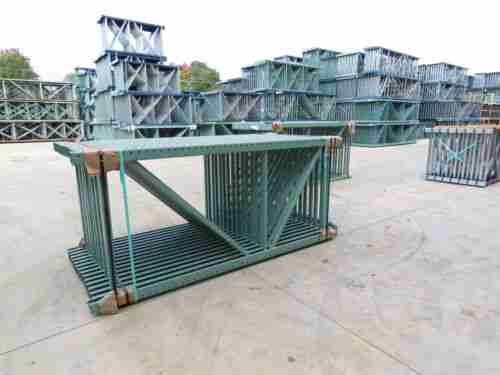
What Are the Safety Risks Of Not Upgrading Old Racks?
How Does an Old Rack Compromise Efficiency?
Imagine for a moment the lifeblood of your operation—the systems and processes that keep everything running smoothly. Now, picture an old, worn-out rack standing in the corner, struggling under the weight of outdated equipment. That wooden relic, faded and chipped, may not seem like much, but it harbors consequences far beyond appearances. Efficiency is not just a buzzword; it’s the engine that drives productivity, and an aging rack can stifle its very pulse.
An old racking system doesn’t just compromise functionality; it breeds inefficiencies that ripple through your organization. In the heat of the moment, when deadlines loom and every second counts, that creaky setup might stall processes, causing delays and frustration. It’s like trying to run a marathon with an anchor tied to your leg—each step feels heavier than the last. This isn’t merely annoying; it holds your team back, lowering morale and fostering a culture of defeat. In the fast-paced world we live in, every moment counts, and time lost to inefficiency is a luxury no business can afford.
Beyond operational snags, consider the ethical implications. Are you entrusting your team to a relic that doesn’t reflect your commitment to excellence? Employees thrive in environments where they feel supported, and nothing chips away at confidence like outdated equipment. Just as we wouldn’t send a soldier into battle with rusted weapons, we shouldn’t expect our teams to perform miracles with dilapidated racks. Show them that you care about their success and wellbeing.
Let’s not forget the social fabric that binds teams together. An aging racking system hinders collaboration, leading to frustration and disengagement among team members. Providing your workforce with reliable, modern solutions fosters a sense of pride and camaraderie. They can lean on each other, share successes, and tackle challenges head-on, igniting passion and innovation in ways that stretch far beyond productivity.
The authority of your operations is a reflection of your values. When you invest in robust and efficient racking, you signal to your team and your customers that you’re not just in it for the short haul. You’re committed, not only to your processes but to a vision of excellence. So, take a moment to examine your racks. Are they aiding or shackling your efficiency? Choose wisely, because in this arena, the stakes are high, and every detail matters.

How Does an Old Rack Compromise Efficiency?
How Does an Old Rack Compromise Efficiency?
- The operational success depends on effective systems and processes.
- An aging rack can hinder efficiency and stifle productivity.
- Old equipment causes delays, frustration, and lowered team morale.
- Outdated racks can impact employee confidence and commitment to excellence.
- Modern solutions improve collaboration and foster a sense of camaraderie.
- Investment in robust racking systems reflects a long-term commitment to quality.
- Assessing the condition of racking systems is crucial for operational efficiency.

How Does an Old Rack Compromise Efficiency?
What Are the Financial Benefits Of Retrofitting My Racks Now?
When it comes to racking systems, it’s easy to overlook the opportunity for retrofitting. However, transforming your existing racks into smarter, more efficient structures can bring a wave of financial benefits that resonate with both your bottom line and your conscience. Imagine walking into your warehouse and seeing not just rows of shelves, but a streamlined operation that maximizes space, improves safety, and boosts productivity. This isn’t just wishful thinking; it’s reality for those who’ve taken the leap.
From an emotional standpoint, consider what it means to work in an environment that not only feels safe but also empowers your workforce. A well-retrofitted racking system can reduce the risk of accidents, protecting both your employees and your investment. This commitment to safety fosters morale, inspires loyalty, and creates a culture where people feel valued—something that no budget can quantify but which translates directly to higher productivity and, ultimately, greater profit.
Rationally, think of the numbers. By enhancing the efficiency of your racking, you’re not just improving aesthetic layout; you’re optimizing your storage capacity. It’s about getting more out of what you already have. Less wasted space means more room for inventory, leading to increased sales opportunities. The upfront cost of retrofitting may seem daunting, but when you weigh it against the potential increase in revenue and the cost savings from reduced damage and downtime, it becomes clear this is a smart investment.
Ethically, there’s a responsibility to both your workforce and the environment. An upgraded racking system can often reduce energy consumption through better organization and accessibility, minimizing your operational footprint. This is a win-win—for you and for the planet.
And don’t forget the power of community. When others see you making thoughtful improvements, it can inspire them to follow suit. It positions your business as a leader, demonstrating a commitment not just to profit, but to innovation and responsibility.
In this world of constant change, retrofitting your racks isn’t just a business decision; it’s a statement about who you are and where you’re headed. Dive into the prospect of retrofitting, and you’ll not only witness unparalleled financial gains—you’ll cultivate a thriving ecosystem that benefits everyone involved. Now is the moment to act. Embrace the future with confidence, and let your racking tell a story of progress.

What Are the Financial Benefits Of Retrofitting My Racks Now?
What Are the Financial Benefits Of Retrofitting My Racks Now?
- Retrofitting existing racking systems can enhance financial benefits, efficiency, safety, and productivity.
- A well-designed racking system improves workplace safety, fostering employee morale and loyalty.
- Improved racking efficiency optimizes storage capacity, leading to more inventory and sales opportunities.
- The initial cost of retrofitting is outweighed by potential revenue increases and savings from reduced damage.
- Upgraded racking systems can lower energy consumption, promoting environmental responsibility.
- Making thoughtful improvements can inspire community leadership, showing commitment to innovation and responsibility.
- Retrofitting is not just a business decision; it’s a statement of progress and a proactive approach to future challenges.

What Are the Financial Benefits Of Retrofitting My Racks Now?
How Do Outdated Racks Affect Employee Morale and Safety?
Outdated racking systems are more than mere steel beams and shelves; they represent the backbone of any productive workplace. When these bones start to creak and groan, it creates a ripple effect that reaches deep into the heart of a company’s culture. Employees don’t just see racking as a functional necessity; they perceive it as a reflection of how much a company values their safety and well-being. In a world where people crave connection and purpose, poorly designed storage can communicate a terrifying message: “You don’t matter.”
Let’s talk about safety. Every time an employee reaches for a heavy box precariously perched on an outdated rack, it’s not just an exercise in dexterity; it’s a moment cloaked in anxiety. They know that the racking may not possess the structural integrity to support their efforts. The fear of falling objects or collapsed shelves doesn’t just scare; it paralyzes them. Each hesitant move chips away at their confidence, breeding stress that seeps into everything they do—productivity plummets and creativity stifles when people are looking over their shoulders instead of at the job at hand.
Now consider the ethical implications. A company that neglects its racking systems is essentially sending a message that profit trumps people. Ethical business practices begin with the basics: a safe, reliable environment. When employees feel their safety is secondary, they’re less likely to pour their hearts into their work. It’s an emotional reality, and it creates an unsettling divide between the employer and the workforce. Trust erodes as fast as it’s built.
The authority of the management team rests on their ability to ensure a safe workplace. Investing in modern racking not only shields employees from potential hazards but also affirms that their well-being is paramount. Just as a good coach leads from the front, showing that they care for their players, leadership should exemplify a commitment to safety and support.
As issues that can seem mundane are looked at more deeply, we can uncover how intimately tied together employee morale, safety, and productivity truly are. Each time a worker steps into a warehouse, they carry expectations; they deserve a space that empowers them, nurtures their talents, and keeps them safe. Modernizing outdated racking isn’t just a logistical choice; it’s a cultural imperative that encourages each individual to thrive—an action based in a deep understanding of what it means to be human in a space that we all share.

How Do Outdated Racks Affect Employee Morale and Safety?
How Do Outdated Racks Affect Employee Morale and Safety?
- Outdated racking systems are vital to workplace productivity, affecting both employees’ safety and company culture.
- Poorly designed storage can send negative signals about employee value and safety, leading to psychological impacts.
- Employees face anxiety when using unsafe racking, distracting them from their tasks and reducing productivity.
- Neglecting racking systems reflects a prioritization of profit over employee well-being, harming trust between employers and staff.
- Management is accountable for creating a safe environment, and investing in modern racking supports this responsibility.
- Employee morale, safety, and productivity are closely interconnected; a safe workspace enhances overall performance.
- Modernizing racking is essential not just for logistics, but also as a cultural imperative that promotes employee empowerment and safety.

How Do Outdated Racks Affect Employee Morale and Safety?
What Ethical Responsibilities Do We Have to Ensure Workplace Safety?
When we talk about workplace safety, we’re not just tossing around legal jargon or compliance checklists—we’re diving into the very essence of what it means to care for one another in a place where we spend the bulk of our waking hours. Think about it: every time we walk into that building or step onto that site, we’re entering a community of people. These are folks with families, aspirations, and yes, lives that matter. When we skimp on safety, we aren’t just cutting corners; we’re putting those lives at risk.
It makes sense, right? The foundation of any thriving workplace is built on trust. We trust one another to carry out our duties and ensure that no one goes home with an injury that could have been prevented. It’s not just ethical; it’s a moral obligation. If we have any authority over how things operate, we must prioritize the safety of our team members. Looking out for each other fosters a culture where everyone feels valued—not just for their skills, but for their humanity.
Consider a simple act like racking equipment properly. It sounds mundane, but the ripple effect of that single decision can reverberate throughout the workplace. Proper racking reduces clutter, minimizes hazards, and sets a standard for how we treat one another’s safety. One poorly racked shelf can lead to an accident that alters lives forever. When safety principles are integrated into daily operations, they send a clear message: “We care.”
Now, let’s draw on a story—imagine a construction site buzzing with energy. There’s laughter, hard work, and the camaraderie of people united for a common goal. But, along with that energy, there’s always the potential for danger lurking in the background. As a foreman, you notice a colleague ignoring the safety protocols. In a split second, you have a choice: ignore it, or step in. What seems like a minor decision could change the texture of that day. If you choose to intervene, you’re not just protecting your coworker; you’re creating an environment where safety is part of the job, a badge of honor worn by everyone involved.
The truth is, workplace safety isn’t just the responsibility of management. It’s a collective duty, woven into the very fabric of our professional lives. When we take off our blinders, we open the door to accountability—not just for ourselves but for each other as well. Let’s commit to fostering a culture that holds safety as sacred, one where no one walks away from work feeling uncertain about their well-being. After all, when we put safety first, we’re not just protecting bodies; we’re preserving futures.

What Ethical Responsibilities Do We Have to Ensure Workplace Safety?
What Ethical Responsibilities Do We Have to Ensure Workplace Safety?
- Workplace safety is about caring for one another, not just legalities or compliance.
- Entering a workplace is joining a community of individuals with lives and families that matter.
- Neglecting safety compromises lives and undermines trust in the workplace.
- Prioritizing safety fosters a culture of valuing each other’s humanity and contributions.
- Simple actions, like properly racking equipment, can significantly impact workplace safety.
- Safety is a collective responsibility, requiring accountability from everyone, not just management.
- Putting safety first preserves not only physical health but also the futures of team members.

What Ethical Responsibilities Do We Have to Ensure Workplace Safety?
Conclusion
Upgrading your racking systems isn’t just a logistical necessity; it’s a pivotal opportunity to revolutionize your workplace and embody the very ethos of what your operation stands for. Picture this: each beam and shelf is not merely a hunk of steel but a tangible representation of trust between management and employees. When old racks crumble under the weight of time, they symbolize the neglect of those who toil beneath them—your colleagues, your friends. The heart of a successful operation beats strongest when it takes every worker’s safety and comfort into account. Empowering your team with solid, modern racking systems sends an unmistakable message: you care, and you’re committed to their success.
Now, let’s not ignore the reality check—those aging racks can wreak havoc, undermining productivity and stability while putting lives at risk. When every creak and groan echoes through the warehouse, it sows seeds of anxiety among your workers. Safety isn’t just about compliance; it’s a moral imperative. The stakes are high, and overlooking maintenance isn’t just penny-wise, it’s pound-foolish. A single collapse could not only lead to injury but could fracture the entire culture of trust and reliability you’ve spent years building.
On the financial front, retrofitting your racks can be a game-changer. This investment doesn’t solely boost storage capacity and efficiency; it fosters a robust environment where employees flourish. Real financial gains come from a workforce that feels valued and supported, creating a cycle of loyalty and enhanced productivity. Think of it: improved efficiency today leads to better profits tomorrow.
Moreover, engaging your team in this upgrade is crucial; it transforms your workplace into a community. Their involvement creates a sense of ownership, sparking innovation and camaraderie. Trust flourishes when people feel they have a stake in the process, and that cultivates a vibrant workplace culture.
This is more than about racks or beams; it’s about setting a standard for excellence and safety. Take that crucial step forward and make the choice to prioritize your team, your operation, and the community at large. Embrace this retrofitting journey as a commitment to a future where both people and processes thrive together. So, as you look around your warehouse, ask yourself: Is this a place where aspirations grow, or do the shadows of neglect loom larger than they should? Upgrade not only with confidence but with conviction, knowing you’re crafting an environment where everyone can truly succeed.

Conclusion
Conclusion:
- Upgrading racking systems is a pivotal opportunity to enhance workplace ethos and safety.
- Old racks symbolize neglect, impacting employee trust and morale in the workplace.
- Unsafe racking undermines productivity and can create anxiety among workers.
- Neglecting maintenance can lead to injuries and damage workplace culture.
- Retrofitting racks boosts storage efficiency and helps foster a supportive environment for employees.
- Engaging employees in upgrades creates ownership, innovation, and camaraderie.
- Prioritizing safety and modern systems contributes to both individual and operational success.

Conclusion
Other Resources

Other Resources
Here is a list of other resources you can review online to learn more:
- Warehouse Racks, Warehouse Racking in Stock – ULINE
- Warehouse Automation
- Intro to Warehouse Racks & Warehouse Racking Systems – ShipBob
- CA Wire
- Total Warehouse
- Warehousing Education and Research Council: https://www.werc.org/
- MHI
- IWLA
- RMI
- Shipping Boxes, Packaging Materials, Pallet Racking
- Logic Material Handling
- What is Selective Pallet Racking
- Warehouse Racking System: Powerful Guide to Optimise, 2024
- Mustang Material Handling
- Interlake Mecalux
- Cantilever Rack Guide: Ordering Cantilever Racking
- SEMA
- CMMA
- Rack Manufacturers Institute
Use This Prompt To Get More Resources With Your Favorite Online AI Tool: Please provide me with a list of online articles with their URLs in a bulleted list that I can read regarding Retrofit Considerations When Replacing Old Racks

Other Resources
Glossary Terms
Retrofit Considerations When Replacing Old Racks – Glossary Of Terms
1. Retrofit: The process of adding new technology or features to older systems or equipment, often to improve functionality or efficiency.
2. Racking System: A framework or structure used for storing goods, commonly used in warehouses and distribution centers.
3. Load Capacity: The maximum weight that a racking system can safely hold, crucial for determining rack suitability for specific items.
4. Compliance: Adherence to safety standards and industry regulations when replacing or upgrading racking systems.
5. Installation: The process of assembling and securing the racking system in its intended location, vital for safety and operational efficiency.
6. Material Handling: Refers to the movement, protection, storage, and control of materials throughout the manufacturing and distribution process.
7. Warehouse Space Optimization: The practice of maximizing space utilization to improve productivity and efficiency in storage and retrieval.
8. System Design: The planning process used to determine the layout and specifications of the racking system based on operational needs.
9. Inventory Management: The process of overseeing the flow of goods into and out of a storage facility, often affected by the type of racking used.
10. Safety Standards: Established guidelines and protocols to ensure the safety of workers and materials in warehouse environments.
11. Forklift Compatibility: The ability of a racking system to accommodate various forklift types and sizes for efficient access.
12. Accessibility: The ease with which products stored on racks can be reached and retrieved, influencing efficiency in operations.
13. Aisle Width: The spacing between racks that affects storage density and equipment maneuverability.
14. Cross-aisle: A passageway between rows of racks, important for access and logistics within storage facilities.
15. Beam: A horizontal component of a racking system that supports the weight of the stored items.
16. Post: A vertical support structure in a rack system that holds up beams and shelves.
17. Adjustability: The feature that allows for modification of shelf heights within the racking system, enhancing flexibility.
18. Vertical Space Utilization: The effective use of height in a warehouse to maximize storage capacity.
19. Structural Integrity: A measure of the robustness of the racking system against loads and forces, essential for longevity and safety.
20. Pallet Rack: A specific type of racking designed to store palletized goods, optimizing space and efficiency.
21. Weight Distribution: The way weight is allocated across the racking system, influencing stability and safety.
22. Reconfiguration: The process of rearranging or modifying existing racking setups to meet changing operational needs.
23. Maintenance: Regular checks and repairs of racking systems to ensure safety and functionality.
24. Dunnage: Material used to protect products during storage and transport, playing a role in rack optimization.
25. Dynamic Storage: A storage method that allows for the automatic retrieval and placement of goods, enhancing efficiency.
26. Static Storage: Traditional storage method where goods are placed and retrieved manually from stationary racks.
27. Rack Inspection: The systematic evaluation of racking systems to identify damage or wear, crucial for safety compliance.
28. Durability: The ability of racks to withstand daily wear and tear while maintaining performance standards.
29. Cost-Benefit Analysis: Evaluating the financial feasibility of retrofitting versus replacing racks, considering long-term savings.
30. Ergonomics: The study of how workers interact with racking systems, aiming to reduce strain and improve safety during operations.

Glossary Of Terms
Other Questions
Retrofit Considerations When Replacing Old Racks – Other Questions
If you wish to explore and discover more, consider looking for answers to these questions:
- What are the key factors to consider when evaluating new racking systems?
- How can I assess the load capacity of my current racking?
- What are the most common types of racking systems available today?
- How do retrofit options differ from completely replacing racking systems?
- What steps can I take to involve employees in the retrofitting decision-making process?
- What are the specific financial metrics to measure after a retrofit?
- How often should racking systems be evaluated for safety and efficiency?
- What are the legal requirements regarding workplace safety and racking systems?
- Can retrofitting old racks contribute to sustainability goals?
- What are some examples of successful retrofitting projects in warehouses?
- How does racking system design impact inventory management processes?
- What maintenance practices should be implemented post-retrofit?
- How can outdated racking systems affect supply chain efficiency?
- What training should be provided to employees during the retrofitting phase?
- What role does technology play in modern racking systems?

Other Questions
Checklist
Retrofit Considerations When Replacing Old Racks – A Checklist
Retrofit Considerations Checklist: Heart, Head, and Gut
Heart Appeals
_____ Safety First: Ensure that racking systems prioritize employee safety to foster trust and empowerment.
_____ Employee Engagement: Involve your team in the decision-making process to create a sense of ownership and community.
_____ Values Alignment: Reflect on how your racking choices represent the care and respect for your workforce.
Head Appeals
_____ Space Assessment: Evaluate your available space and current racking utilization to plan for future growth.
_____ Efficiency Evaluation: Analyze how upgraded racks can minimize waste, streamline operations, and enhance productivity.
_____ Cost-Benefit Analysis: Weigh the initial investment in retrofitting against long-term savings and potential revenue increases.
Gut Appeals
_____ Risk Awareness: Acknowledge the potential dangers of outdated racking systems and the liability they pose to both employees and the business.
_____ Moral Responsibility: Reflect on the ethical obligations to provide a safe working environment for all employees.
_____ Cultural Impact: Consider how modern, functional racking can inspire a culture of excellence and a commitment to safety.
Ethical Appeals
_____ Commitment to Safety: Make a conscious effort to prioritize workplace safety over short-term costs or conveniences.
_____ Sustainable Solutions: Explore environmentally friendly materials and designs in the retrofitting process.
Authority Appeals
_____ Industry Standards: Stay informed about the latest safety and operational standards relevant to racking systems.
_____ Expert Consultations: Seek guidance from industry leaders or professionals when selecting racking systems to ensure best practices.
Narrative Appeals
_____ Storytelling: Share real-life examples from companies that successfully upgraded their racking systems and the positive outcomes that followed.
_____ Future Vision: Paint a picture of what an improved workplace looks like and how it contributes to overall business success.
Social Appeals
_____ Team Collaboration: Encourage teamwork in evaluating and discussing new racking options to strengthen relationships and morale.
_____ Community Responsibility: Consider how your decisions affect not just your employees but also the wider community, garnering support and goodwill.
By engaging with each of these elements, ensure that your racking upgrade is a holistic decision that resonates on an emotional, rational, ethical, and social level.

Checklist
At RackingWorld, we help guide you through selecting warehouse storage systems and racking.
Be sure to read our other related stories at RackingWorld to learn more about warehouse storage systems.
0 Comments