
Maximizing Warehouse Efficiency Through Data-Driven Storage Solutions
By Tom Seest
At RackingWorld, we help guide you through selecting warehouse storage systems and racking.
Be sure to read our other related stories at RackingWorld to learn more about warehouse storage systems.
Are You Leveraging Data to Enhance Your Warehouse Storage Solutions?
In today’s fast-paced logistics landscape, relying solely on intuition is no longer enough. The world of warehousing is rapidly evolving, and data-driven decision-making is at the forefront of this transformation. If you’re not utilizing data to refine your storage solutions, including key systems like pallet racking, you’re missing out on a goldmine of opportunity to boost efficiency and profitability.
Imagine this: You walk into your warehouse and you see rows of pallet racking, a system designed to maximize space and streamline operations. But what if I told you that with the right data insights, you could revolutionize that very system? By analyzing inventory levels, turnover rates, and even seasonal fluctuations, you can tailor your pallet racking to not just meet, but exceed your operational needs. This isn’t just about fitting things in; it’s about creating a well-oiled machine where every inch of space is optimized for productivity.
Have you ever participated in a performance review? Consider it. Companies that employ data analytics in their storage strategies are akin to athletes analyzing their performance metrics—they identify strengths, pinpoint weaknesses, and make strides toward improvement. They know that every product counts and that every second saved in picking processes or inventory management directly translates to the bottom line. With the right data, you can streamline your processes, reducing costs while enhancing service delivery, all thanks to optimized pallet racking configurations.
And let’s talk about agility. The market is ever-changing, and so are your customers’ demands. What if you could anticipate fluctuations in demand based on historical data? You wouldn’t just react—you’d be proactive. Your warehouse would not only keep pace but be several steps ahead of the competition. By implementing a culture of data utilization, you’ll foster an environment of continuous improvement that builds trust with your customers, as they come to rely on your efficiency and responsiveness.
Now is the time to embrace the myriad of tools and technologies at your disposal. Invest in a data analysis system and watch as your storage solutions transform. Equip your team with the knowledge and insights garnered from data analytics and empower them to make informed decisions about your pallet racking and beyond. The path to optimized warehouse solutions is clear—take action today and unlock the full potential of your operations!

Are You Leveraging Data to Enhance Your Warehouse Storage Solutions?
Are You Leveraging Data to Enhance Your Warehouse Storage Solutions?
- The logistics landscape is evolving, requiring data-driven decision-making for effective warehousing.
- Utilizing data insights can enhance storage solutions like pallet racking, maximizing efficiency and profitability.
- Analyzing inventory levels and turnover rates allows for tailored pallet racking systems that meet operational needs.
- Companies using data analytics improve their processes similarly to athletes analyzing performance metrics.
- Data utilization streamlines operations, reduces costs, and enhances service delivery through optimized configurations.
- Proactive demand anticipation based on historical data keeps warehouses ahead of competition and boosts customer trust.
- Investing in data analysis technologies empowers teams to make informed decisions, unlocking the full potential of warehouse operations.
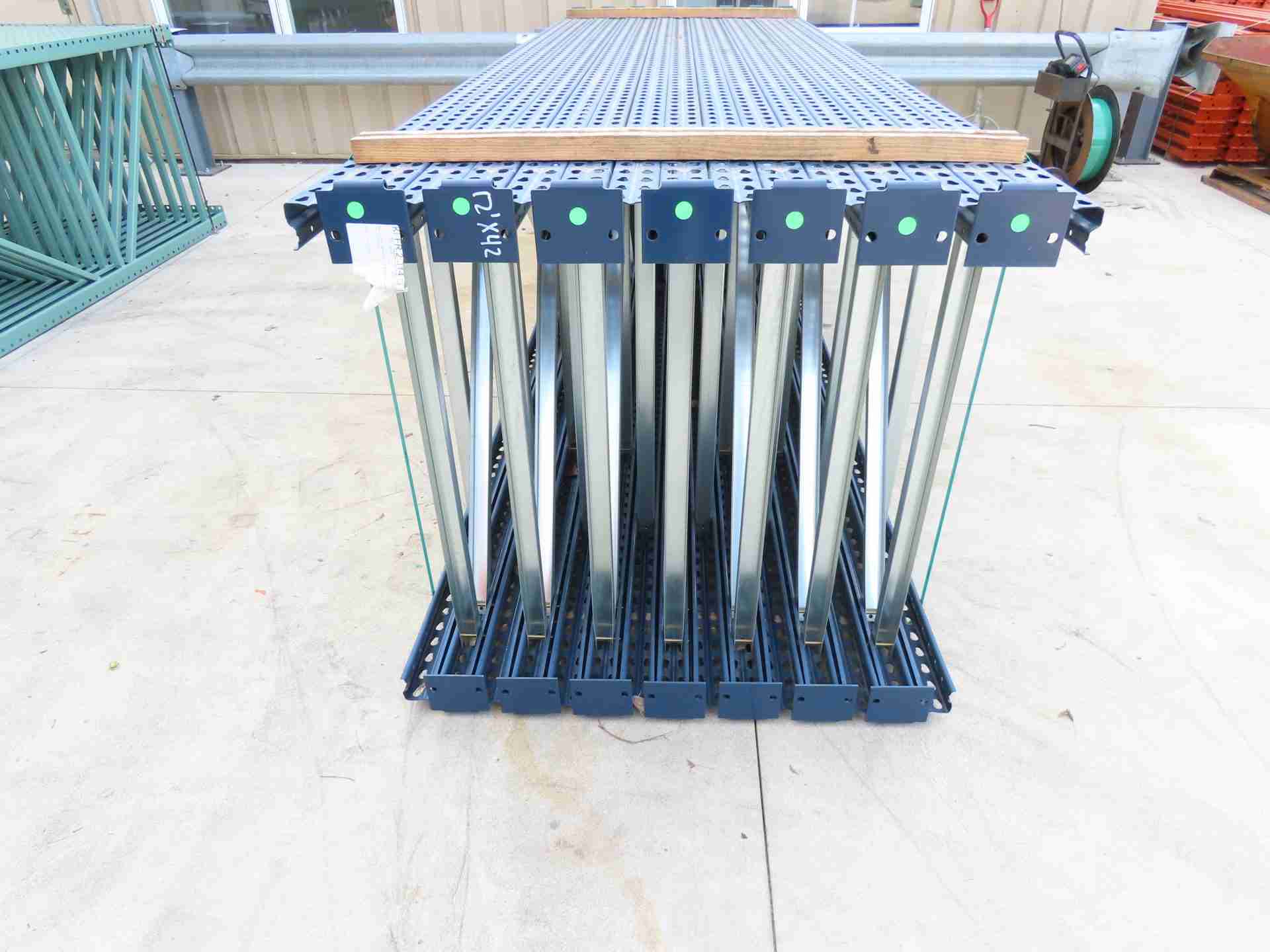
Are You Leveraging Data to Enhance Your Warehouse Storage Solutions?
Table Of Contents
- Are You Leveraging Data to Enhance Your Warehouse Storage Solutions?
- Are Your Storage Solutions Optimized For Efficiency?
- How Is Data Impacting Your Storage Capacity?
- What Metrics Should You Track For Better Storage Decisions?
- Are You Using Data Analytics To Forecast Inventory Needs?
- How Can Data Improve Your Supply Chain Management?
- What Technologies Support Data-Driven Storage Solutions?
- Conclusion
- Other Resources
- Glossary Of Terms
- Other Questions
- Checklist
Are Your Storage Solutions Optimized For Efficiency?
When it comes to running a successful business, the little things often have the biggest impact. Picture this: your warehouse is cluttered, items are misplaced, and your team spends hours searching for that one crucial product. Frustrating, right? What if I told you that optimizing your storage solutions could not only eliminate this chaos but also propel your business toward greater productivity and profitability?
Enter the world of Pallet Racking. Imagine elegant rows of harmoniously stacked goods flowing seamlessly throughout your space, each item easily accessible at a moment’s notice. This isn’t just about aesthetics; it’s about transforming your operational efficiency. With the right pallet racking system, you can maximize your vertical space, ensuring that every inch of your storage area works as hard as you do.
But let’s zoom in a bit. Do you currently have designated zones for different categories of products? Are your fast-moving items located in prime locations? If your answer is no, you may be missing out on a significant opportunity to streamline your operations. Audit your storage setup regularly—much like a classic business evaluation—to uncover hidden inefficiencies and waste that could be costing you time and money.
Now, think about your team’s morale. A disorganized storage area can create frustration and sluggishness. By implementing a well-thought-out pallet racking system, you’re not just investing in your infrastructure; you’re boosting your employees’ productivity. When your staff can retrieve items quickly and easily, they can focus on what truly matters—driving your business forward.
Wondering how to begin? Start simple. Assess your current stock levels, flow of goods, and the dimensions of your storage space. Perhaps reach out for a professional consultation. Trust me; this is not just an expense; it’s an investment that will pay dividends in efficiency, time savings, and profit margins.
Your storage solutions are more than just shelves – they are the backbone of your operation. Optimize with pallet racking and watch as every facet of your business flourishes. There’s never been a better time to create an organized, efficient space that inspires your team and delights your customers. Remember, a well-designed storage solution is a decisive step toward achieving an operation that not only works but thrives. Make the jump today!
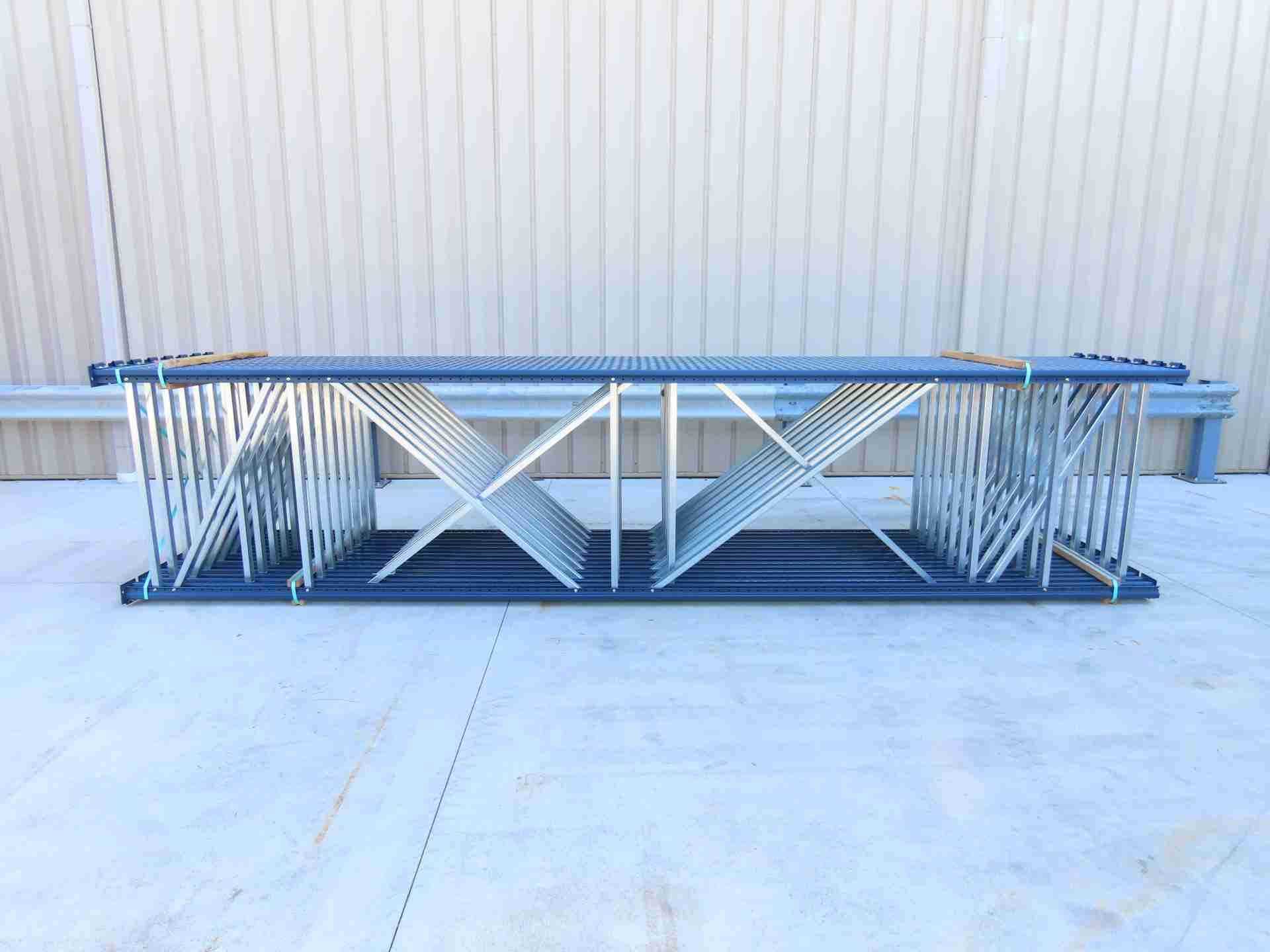
Are Your Storage Solutions Optimized For Efficiency?
Are Your Storage Solutions Optimized For Efficiency?
- Optimizing storage solutions can significantly enhance business productivity and profitability.
- Pallet racking systems allow for efficient vertical space utilization and easy access to goods.
- Regularly audit storage setups to identify inefficiencies and streamline operations.
- Organizing storage areas can improve team morale and boost employee productivity.
- Assess current stock levels and consult professionals for storage optimization.
- Well-designed storage solutions are vital for operational success and employee satisfaction.
- Invest in efficient storage to create an inspiring workspace for your team and customers.
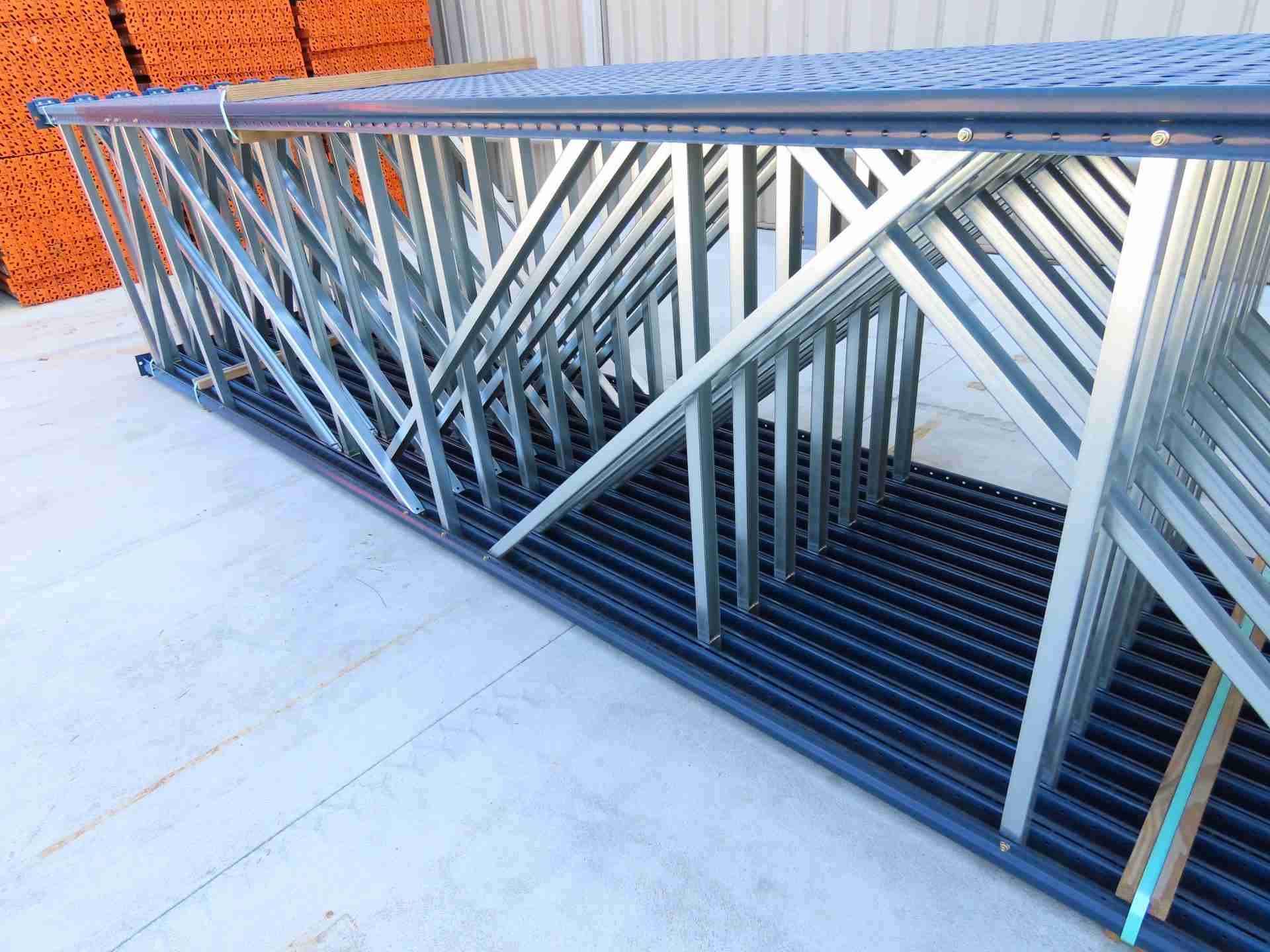
Are Your Storage Solutions Optimized For Efficiency?
How Is Data Impacting Your Storage Capacity?
In today’s fast-paced world, the sheer volume of data generated every second is mind-boggling. This data explosion doesn’t just reside in the cloud; it often finds its way into your business’s physical storage space—impacting your storage capacity more than you might realize. You may think of storage as just shelves or warehousing solutions, but let’s take a moment to consider the profound influence of data on these physical assets.
Imagine your inventory as a well-orchestrated business symphony. Each product on the shelf plays a unique note. But what happens when the music gets chaotic? Overwhelmed with a barrage of data, many businesses struggle to maintain order, leading to disorganized inventory and inefficient use of valuable space. This is where strategic solutions like pallet racking come into play.
Pallet racking is not just a physical structure; it’s a strategic solution that maximizes your storage potential. With each shelf aligning perfectly to accommodate your needs, it allows you to navigate the maze of data and inventory with ease. Think of it as a roadmap—one that guides you through the labyrinth of data-driven demands and helps you make informed decisions about your inventory levels, replenishment cycles, and product placements.
Now, you might be wondering: how can data improve my pallet racking strategy? The answer is simple—and quite compelling. By analyzing data related to your inventory turnover, seasonal trends, and product performance, you can optimize your pallet racking layout. You’ll create a system that not only maximizes vertical space but also ensures that high-demand items are easily accessible, reducing time wasted on picking and packing.
But this isn’t just about increasing storage capacity; it’s about creating a reliable system that inspires confidence among your team. When your storage solution aligns seamlessly with your data insights, it fosters a culture of efficiency. Every member of your team can trust that what’s on the shelf is exactly what they need—no excess, no shortages.
Embrace the power of data and elevate your storage capacity today. Make pallet racking the cornerstone of your operational strategy and watch as you transform chaos into harmony. The advantage is clear: in a world driven by data, you can stand out by staying organized, efficient, and responsive. You’ve got this—now it’s time to take action!
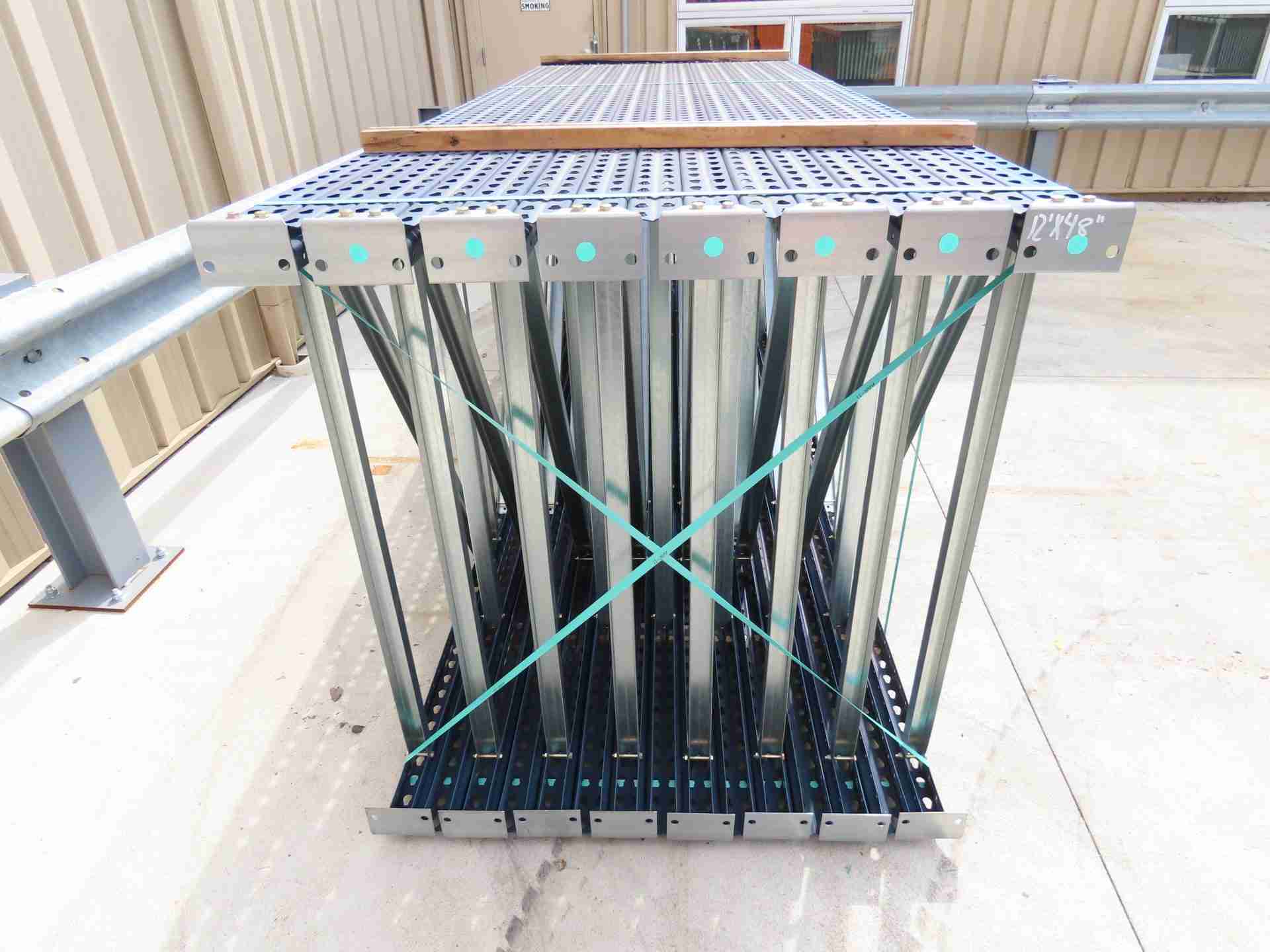
How Is Data Impacting Your Storage Capacity?
How Is Data Impacting Your Storage Capacity?
- The volume of data generated each second is vast, impacting physical storage in businesses.
- Data overload can lead to disorganized inventory and inefficient space usage.
- Pallet racking serves as a strategic solution to maximize storage potential.
- Analyzing data on inventory turnover and product performance enhances pallet racking strategies.
- A well-organized storage solution fosters team confidence and operational efficiency.
- Integrating data insights with storage systems can reduce picking and packing time.
- Embracing data-driven strategies can transform chaos into harmony in inventory management.
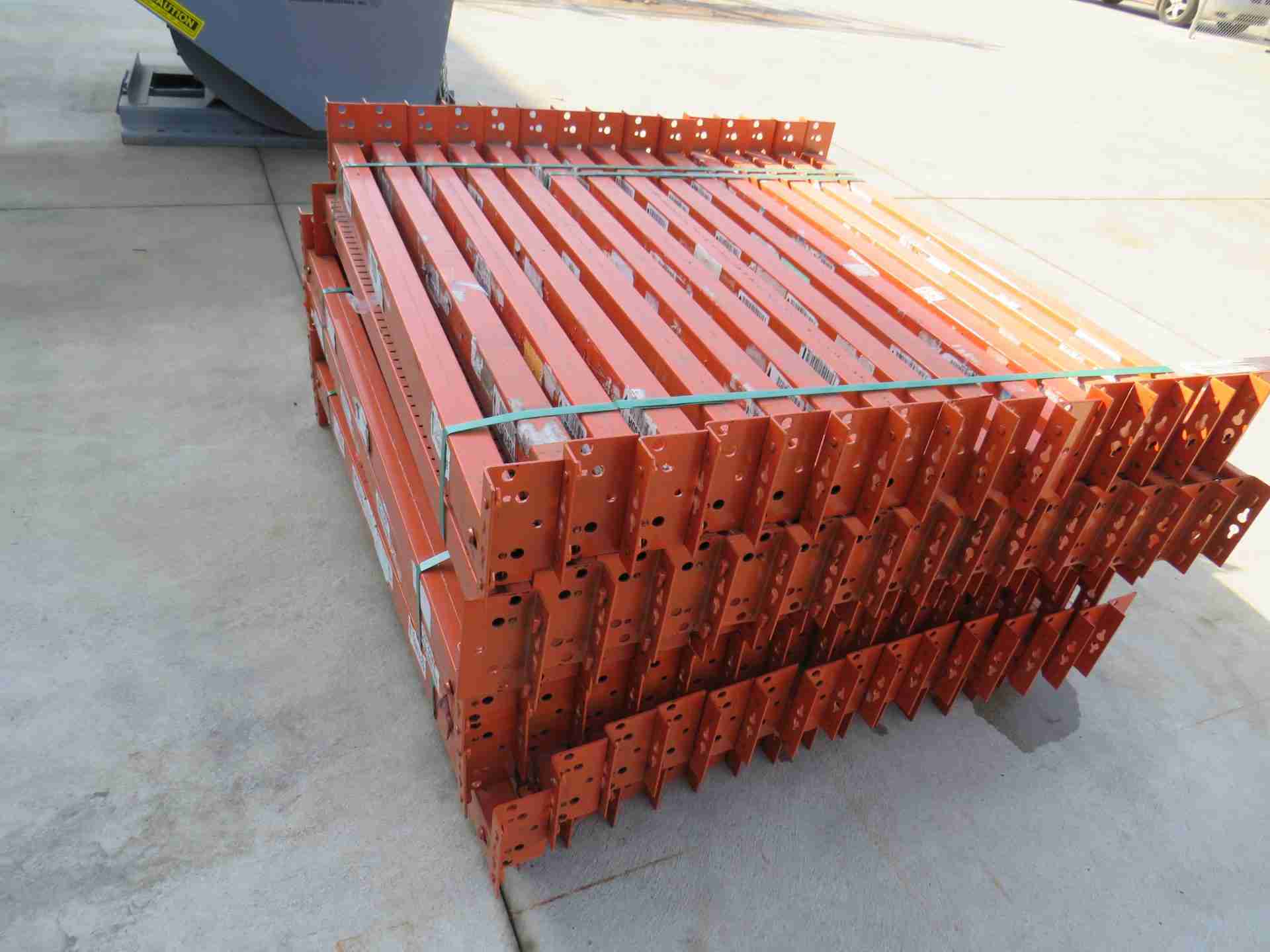
How Is Data Impacting Your Storage Capacity?
What Metrics Should You Track For Better Storage Decisions?
When it comes to optimizing your warehouse space, keeping an eye on the right metrics can make all the difference. After all, your storage decisions should be as strategic as a chess game, and understanding the fundamentals is crucial. Whether you’re working with pallet racking systems or other storage solutions, tracking specific metrics will empower you to make decisions that elevate your operations to a whole new level.
First and foremost, consider storage density. This metric calculates how effectively you are utilizing your pallet racking systems. By analyzing how many products you fit within a given space, you can make informed decisions about reorganizing or changing your racking system altogether. High storage density often translates to reduced operational costs and increased efficiency. It’s simple math: the more you can store effectively, the less you spend on extra space that doesn’t serve you.
Next, assess your inventory turnover. Are products flying off the shelves or hanging around longer than expected? Keeping tabs on this metric helps you understand demand and manage stock levels effectively. A high turnover means your inventory is fresh and relevant, while a low turnover could indicate a need to reassess product selections or even pricing strategies. Remember, a thriving warehouse is one where items are consistently moving, making way for new products.
Don’t overlook order accuracy! Mistakes with picking and packing can lead to unhappy customers and can incur additional costs that eat away at your profits. By tracking how often your fulfillment process hits the mark, you can pinpoint issues within your team or system. Streamlining this aspect not only minimizes errors but enhances customer satisfaction—a win-win!
Lastly, you can’t dismiss space utilization. Are you maximizing every square inch of your pallet racking? Analyze how efficiently your layout supports the flow of goods. A well-planned layout can improve workflow and decrease pick times, all while ensuring you’re not leaving valuable space on the table. Consider metrics like aisle width, reach, and access points to create a smarter storage setup.
By diligently tracking these metrics, you will discover insights that elevate your storage strategies beyond guesswork. You’ll find yourself making data-driven decisions that nurture growth, instill confidence within your team, and better serve your customers. In the world of storage, knowledge is not just power—it is your pathway to success. Reassess your strategies today and watch how informed choices transform your warehousing operations.
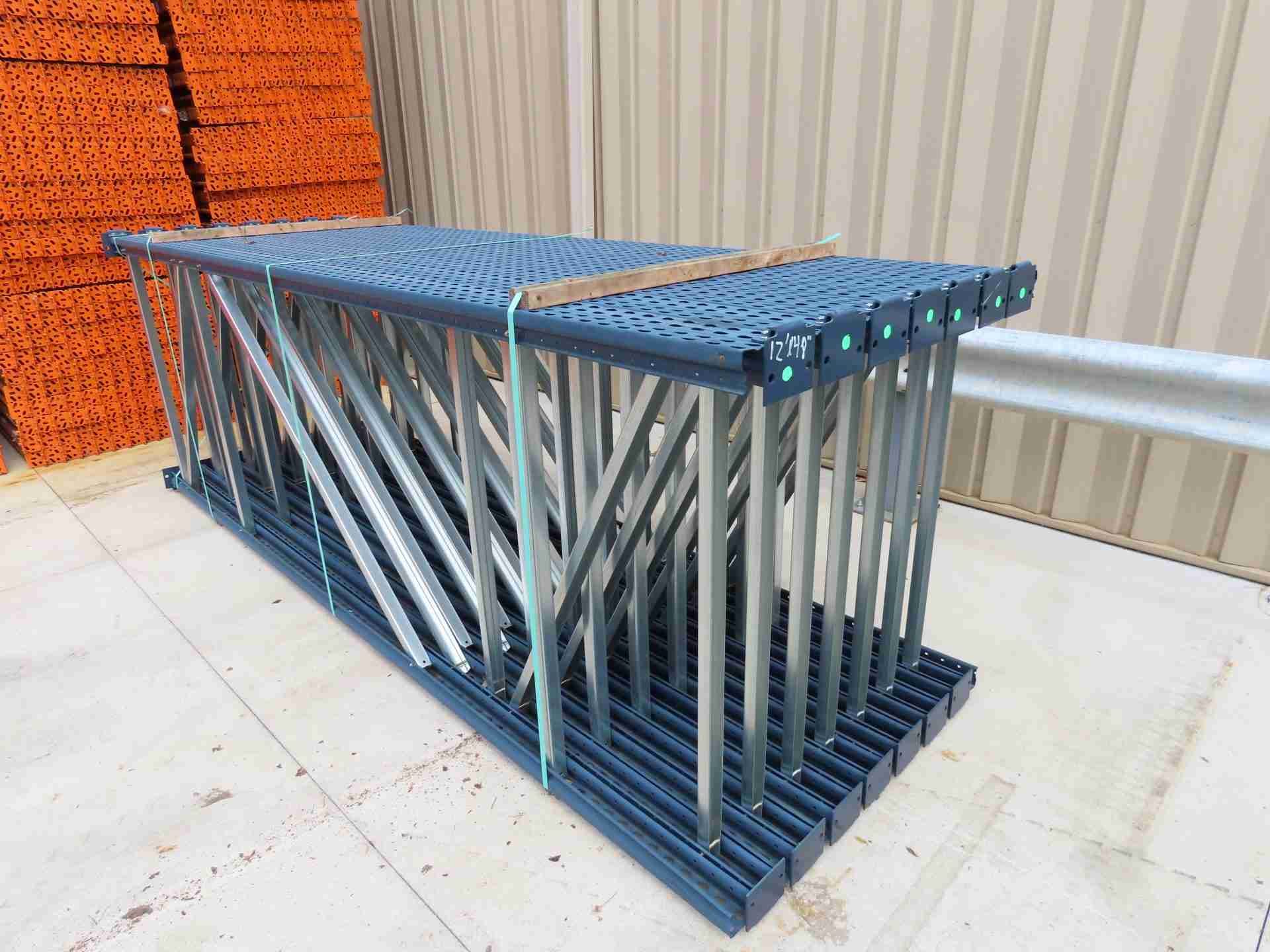
What Metrics Should You Track For Better Storage Decisions?
What Metrics Should You Track For Better Storage Decisions?
- Track key metrics to optimize warehouse space effectively.
- Storage density indicates effective utilization of pallet racking systems.
- A high storage density can lead to lower operational costs and increased efficiency.
- Monitor inventory turnover to manage stock levels and assess product demand.
- Order accuracy is crucial for customer satisfaction and minimizing costs.
- Space utilization should ensure every square inch of racking is maximized.
- Data-driven decisions based on metrics foster growth and enhance warehousing operations.

What Metrics Should You Track For Better Storage Decisions?
Are You Using Data Analytics To Forecast Inventory Needs?
In today’s rapidly changing marketplace, the need for precise inventory management has never been more crucial. If you’re still relying on guesswork or outdated methods to predict your inventory needs, it’s time for a reality check. Enter data analytics, your best ally in navigating the complexities of inventory forecasting.
Imagine this scenario: You’re managing a warehouse packed with pallet racking, each space meticulously organized to maximize efficiency. Yet, despite your best efforts, stockouts and overages seem to plague your operations. It’s frustrating, isn’t it? Yet, what if you held the key to transforming this chaos into a well-oiled machine? With data analytics, you can.
By harnessing the power of data, you can gain insights that allow you to predict which products will fly off the shelves and which ones will linger in limbo. This isn’t just about crunching numbers; it’s about understanding your customers, identifying trends, and aligning your inventory with demand. Imagine how confident you’ll feel knowing your pallet racking is always optimally stocked, freeing you from the fear of lost sales or wasted resources.
Let’s break this down into something relatable. Picture yourself at a family gathering, preparing a feast. Do you throw caution to the wind and just hope that you’ve bought enough? Or do you take a moment to consider how many guests are attending? You count heads, know their preferences, and adjust your buying accordingly. That’s data analytics in a nutshell for your inventory; it’s informed planning rather than random guessing.
The benefits are transformative. With advanced analytics, you’ll not only reduce the chances of running out of stock but also mitigate the risk of overstocking – saving you precious space on your pallet racking and keeping your operational costs in check. You’ll build a responsive system that adapts to changes in consumer behavior and market trends, enabling you to stay one step ahead.
So, take that leap. Embrace data-driven forecasting, and watch as your efficiency skyrockets and your stress melts away. Your future self will thank you for making that shift today, giving you more time to focus on growing your business while ensuring your customers are always satisfied. Start harnessing the power of data analytics and let your inventory management reach new heights!
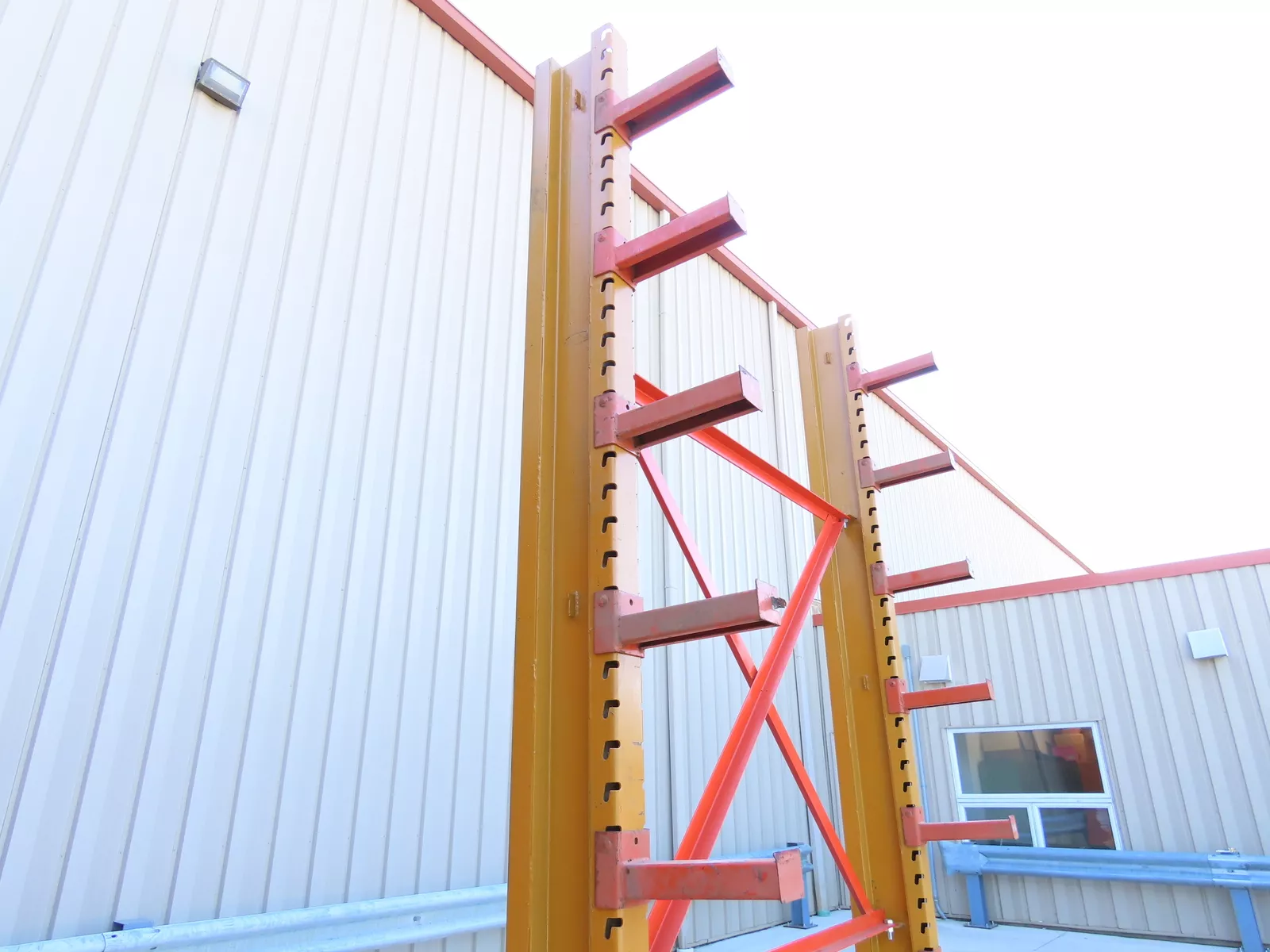
Are You Using Data Analytics To Forecast Inventory Needs?
Are You Using Data Analytics To Forecast Inventory Needs?
- Precise inventory management is essential in today’s rapidly changing marketplace.
- Data analytics can replace outdated methods and enhance inventory forecasting.
- Understanding customer behavior and trends is key for aligning inventory with demand.
- Effective inventory management can prevent stockouts and overages, improving operational efficiency.
- Data analytics facilitates informed planning, akin to preparing for a family gathering.
- Advanced analytics help reduce stockouts and overstocking, lowering operational costs.
- Embracing data-driven forecasting improves efficiency and allows businesses to focus on growth.
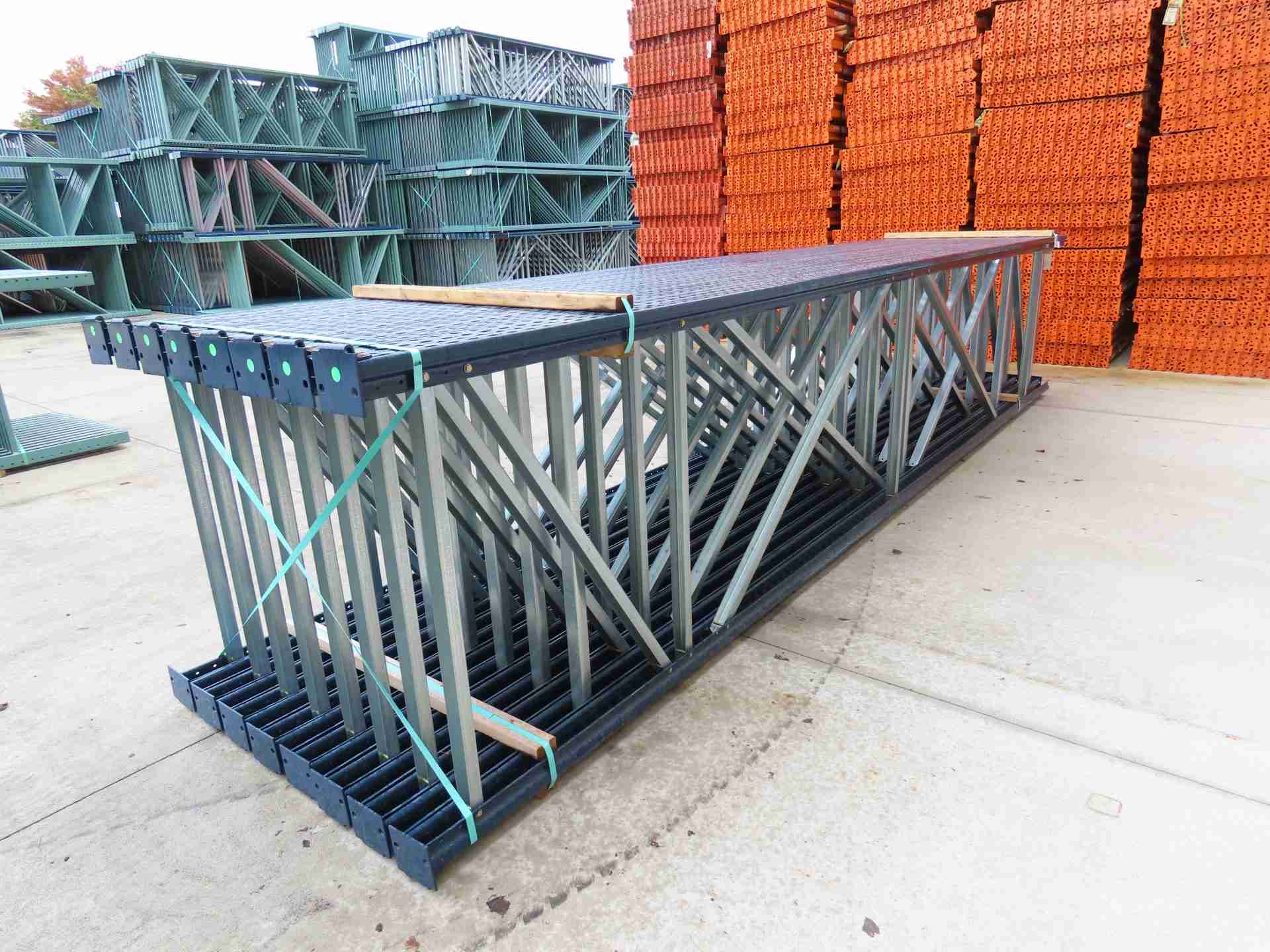
Are You Using Data Analytics To Forecast Inventory Needs?
How Can Data Improve Your Supply Chain Management?
Imagine walking through a well-organized warehouse, where every item is accounted for and every pallet racking system is optimized to its fullest potential. This isn’t merely a vision; it’s the power of data transforming your supply chain management. When leveraged effectively, data acts like a lighthouse, guiding businesses through the turbulent seas of supply chain complexities, ensuring smooth sailing toward efficiency and profitability.
Let’s talk numbers. When you collect and analyze data pertinent to your supply chain, you gain invaluable insights into inventory trends, supplier performance, and customer demand. This isn’t just about crunching digits—it’s about storytelling with your data. For instance, are you consistently stocking more products than necessary? Data reveals patterns that can pinpoint overstocking, helping you fine-tune your pallet racking system for maximum storage efficiency. Imagine reducing your storage costs while simultaneously ensuring that every product is easy to locate. That’s not just smart; that’s a game-changer!
Now, consider your suppliers. By monitoring and analyzing their performance through data, you can uncover vulnerabilities and spot opportunities for negotiation. Are there suppliers that are consistently late with deliveries? Data-driven insights enable you to address issues head-on, enhancing collaboration, and fostering stronger partnerships. With trustworthy data backing your decisions, you can pivot and adapt swiftly, keeping your supply chain agile and responsive.
Customers crave reliability, and data empowers you to meet their expectations with confidence. With precise demand forecasting, you can align your inventory in sync with market trends, reducing stockouts and ensuring customer satisfaction. Picture a scenario where your customers receive their orders on time, every time, thanks to your data-driven strategy. That builds loyalty, and loyalty is the bedrock of thriving business.
Embrace the power of data not just as an operational tool but as a cornerstone of your supply chain strategy. By understanding your data landscape, from warehouse layouts with optimal pallet racking to customer buying patterns, you’ll build a robust, responsive supply chain that is not only efficient but also scales with your vision.
So, step into the future and let data take the driver’s seat. Trust in your insights, act decisively, and watch how your supply chain evolves from a challenge into your greatest competitive advantage.

How Can Data Improve Your Supply Chain Management?
How Can Data Improve Your Supply Chain Management?
- Data transforms supply chain management by optimizing inventory and pallet racking systems.
- Analyzing data provides insights into inventory trends, supplier performance, and customer demand.
- Identifying overstocking through data helps fine-tune storage efficiency and reduce costs.
- Monitoring supplier performance reveals vulnerabilities and opportunities for negotiation.
- Data-driven insights enhance supplier collaboration and strengthen partnerships.
- Precise demand forecasting aligned with market trends improves customer satisfaction and loyalty.
- Utilizing data as a foundational aspect of supply chain strategy builds a scalable and responsive system.
How Can Data Improve Your Supply Chain Management?
What Technologies Support Data-Driven Storage Solutions?
In today’s fast-paced world, businesses are increasingly embracing data-driven storage solutions to streamline operations and enhance efficiency. But what does this really mean for you? Imagine walking into a warehouse that seamlessly adapts to your inventory needs, where every pallet and product location is precisely mapped out and accessible at the touch of a button. That’s the magic of technology in modern storage solutions!
Pallet racking systems have become the backbone of warehouses that thrive on data integration. These robust structures don’t just hold your goods; they act as the first touchpoint for a technology-driven strategy. With intelligent pallet racking systems, you can gain real-time visibility into your inventory, ensuring that you know exactly what’s where, when, and how much. The confidence this affords your operations cannot be overstated. Gone are the days of manual counts and fuzzy inventory records. The efficiency and accuracy of data-driven systems empower you to make informed decisions at a moment’s notice.
But let’s talk tech. Today, cutting-edge software tools and IoT devices work in harmony with your pallet racking solutions. Imagine sensors that track the weight and movement of products, sending alerts for restocking or identifying slow-moving items that need repositioning. This kind of insight allows for dynamic adjustments in your storage and distribution systems—every square foot of your warehouse is optimized to its fullest potential.
You might be wondering, “Can my business implement such advanced systems?” Absolutely! Whether you run a small retail operation or a large-scale distribution center, data-driven storage solutions are scalable and customizable. They foster not just efficiency but also a deeper connection with your customers. The more you know about your inventory, the better you can serve your clientele by fulfilling orders promptly and accurately.
And let’s not forget about integration. Data-driven storage technologies easily mesh with existing ERP and inventory management systems, consolidating all your operations into a central hub of knowledge. This holistic approach not only ensures accuracy but cultivates an atmosphere of trust and reliability—key qualities that cement customer loyalty.
So, what are you waiting for? The future of your business relies on the technologies that support data-driven storage solutions. Start exploring how to maximize your pallet racking and integrate technology today. The first step towards optimizing your space—and your success—is just around the corner. Don’t just keep up with the competition; rise above it!
What Technologies Support Data-Driven Storage Solutions?
What Technologies Support Data-Driven Storage Solutions?
- Businesses are increasingly adopting data-driven storage solutions to enhance operations and efficiency.
- Pallet racking systems serve as the foundation for data integration, providing real-time visibility into inventory.
- Modern technology eliminates the need for manual inventory counts, allowing informed decision-making.
- Cutting-edge software and IoT devices enhance pallet racking solutions, optimizing warehouse space and operational efficiency.
- Data-driven storage solutions are scalable and customizable for businesses of all sizes, improving customer service.
- Integration with existing ERP and inventory management systems creates a reliable central hub for operations.
- Exploring data-driven storage solutions is essential for future business success and staying ahead of competition.
What Technologies Support Data-Driven Storage Solutions?
Conclusion
Harnessing the power of data in warehouse management is not just a trend; it’s an absolute necessity for businesses aiming to thrive in a fast-paced logistics environment. If you’ve been relying on gut instinct and outdated methods, it’s time to pivot towards data-driven decisions that can drastically reshape your operational efficiencies. The days of disorganized chaos within warehouse walls are over. Imagine a well-orchestrated system where every product is strategically placed, every inch of pallet racking utilized, and not a second wasted in fulfillment. That’s the future you can build with Arrow Industrial Sales.
By integrating data analytics into your storage solutions, you can accurately assess inventory turnover, optimize space utilization, and forecast needs with precision, elevating your operations beyond mere functionality to a streamlined, responsive machine that adapts to market demands. It’s about creating a culture of continuous improvement where your team is empowered with insights that drive decisions, reduce costs, and foster a productive work environment.
Moreover, your investment in data-driven technologies is not merely a cost; it’s an investment that pays dividends. Enhanced visibility in inventory management minimizes stockouts and overages, ensuring that your racking systems are aligned with real-time demand. This adaptability gives you a competitive edge, allowing you to anticipate customer needs and fulfill orders with impressive accuracy—ensuring loyalty that is invaluable in today’s market.
But don’t let this potential slip through your fingers. The window for transformation is now. By calling Arrow Industrial Sales at (574) 349-6575, you can unlock insights into your storage solutions, move towards optimizing your warehouse layout, and ultimately, ensure that your operations are not only effective but also resilient against future challenges.
The urgency of leveraging data can’t be understated. Businesses that act swiftly will be the ones to reap the rewards of greater efficiency, higher profitability, and a more satisfied customer base. The future of your warehouse optimization starts today—take that leap and make the call that could change everything. Don’t wait; the competition isn’t. Transform your operations with Arrow Industrial Sales and set your business on the path to success!
Conclusion
Conclusion:
- Data-driven warehouse management is essential for success in fast-paced logistics.
- Outdated methods should be replaced with data analytics for enhanced operational efficiency.
- Proper data integration allows for accurate inventory assessment and space optimization.
- Investing in data technologies reduces costs and fosters a productive environment.
- Enhanced visibility minimizes stockouts and ensures alignment with real-time demand.
- Immediate action is crucial to realize benefits such as efficiency and profitability.
- Contact Arrow Industrial Sales at (574) 349-6575 to start transforming your warehouse.
Conclusion
Other Resources
Other Resources
Here is a list of other resources you can review online to learn more:
- Iowa Illinois Warehouse Racking
- Bradford Systems
- Illinois Pallet Racking – WPRP
- New Cantilever Racks and Racking Kits
- Material Handling Safety
- Warehouse Racking Layout: The Ultimate Guide – Conger
- Mustang Material Handling
- Arrow Industrial Sales
- Rack Manufacturers Institute
Use This Prompt To Get More Resources With Your Favorite Online AI Tool: Please provide me with a list of online articles with their URLs in a bulleted list that I can read regarding Are You Leveraging Data to Enhance Your Warehouse Storage Solutions?

Other Resources
Glossary Terms
Are You Leveraging Data to Enhance Your Warehouse Storage Solutions? – Glossary Of Terms
1. Warehouse Management System (WMS): A software application designed to optimize warehouse functionality and distribution center management.
2. Inventory Management: The supervision of non-capitalized assets, including storage, handling, and stock levels.
3. Data Analytics: The process of systematically applying statistical and logical techniques to describe and evaluate data.
4. Automation: The use of technology to perform tasks with minimal human intervention, increasing efficiency in warehouse operations.
5. Real-time Data: Information that is delivered immediately after collection, providing up-to-date insights for decision-making.
6. Key Performance Indicators (KPIs): Metrics that are used to measure the success of an organization in achieving its objectives.
7. Supply Chain Optimization: The process of making the supply chain more efficient and effective through data analysis and strategic planning.
8. Inventory Turnover Rate: A measure of how many times inventory is sold and replaced over a specific period, indicating inventory efficiency.
9. Data Visualization: The graphical representation of information and data, making complex datasets easier to understand.
10. Demand Forecasting: The process of estimating future customer demand using historical data, which can inform inventory and storage strategies.
11. Cross-Docking: A practice where incoming goods are directly transferred to outbound shipments with minimal storage time, improving efficiency.
12. Lean Warehousing: An approach to maximize value by minimizing waste, often enhanced through data analysis.
13. Barcoding/RFID: Technologies used for automatic identification and data capture, enhancing inventory tracking and management.
14. Cycle Counting: An inventory auditing procedure where a subset of inventory is counted on a specific day to ensure accuracy.
15. 3PL (Third-Party Logistics): A service that allows businesses to outsource logistics and warehousing functions, often supported by data-driven insights.
16. SKU (Stock Keeping Unit): A unique identifier for each distinct product and service that can be purchased, crucial for inventory management.
17. Data-Driven Decision Making: The practice of basing decisions on data analysis and interpretation rather than intuition.
18. Storage Optimization: Strategies designed to maximize the use of storage space and enhance accessibility for inventory.
19. Fulfillment Center: A specialized warehouse that specializes in storing and shipping products directly to customers.
20. Order Picking: The process of selecting and gathering products from storage to fulfill customer orders.
21. Capacity Planning: The process of determining the production capacity needed by an organization to meet changing demands for its products.
22. Warehouse Layout Design: The strategic arrangement of inputs, outputs, equipment, and storage to optimize an operation’s efficiency.
23. Material Handling Systems: Systems used to move goods within a warehouse, encompassing equipment like conveyors and forklifts.
24. Cloud Computing: Internet-based computing that provides shared processing resources and data storage, facilitating data access and collaboration.
25. Performance Benchmarking: Comparing operational performance against industry standards to identify areas for improvement and best practices.
26. Heat Maps: Visual representations of data that use color coding to represent different values, often used for tracking inventory movement.
27. Predictive Analytics: The use of statistical algorithms and machine learning techniques to identify the likelihood of future outcomes based on historical data.
28. Warehouse Safety Compliance: Adhering to regulations and best practices to ensure a safe working environment in warehouse settings.
29. Inventory Aging: The analysis of how long inventory items have been held in storage, crucial for identifying slow-moving stock.
30. Digital Twin: A virtual representation of a physical warehouse, used for simulation and analysis to improve operations and decision-making.
Glossary Of Terms
Other Questions
Are You Leveraging Data to Enhance Your Warehouse Storage Solutions? – Other Questions
If you wish to explore and discover more, consider looking for answers to these questions:
- What specific data points should I track to optimize pallet racking?
- How can I implement data analytics in my current storage systems?
- What are the benefits of using data to predict inventory needs?
- How can I assess the effectiveness of my current storage layout?
- What software tools are best for data-driven warehouse management?
- How do I integrate data analytics with my existing ERP system?
- What are common mistakes to avoid when optimizing warehouse storage solutions?
- How can I train my staff to leverage data in their daily operations?
- What role does IoT play in enhancing warehouse storage strategies?
- How can I measure the impact of data analytics on my supply chain performance?

Other Questions
Checklist
Are You Leveraging Data to Enhance Your Warehouse Storage Solutions? – A Checklist
1. Evaluate Current Practices
✅ _____ Assess your reliance on intuition versus data for decision-making.
✅ _____ Identify key areas where data insights are lacking.
2. Analyze Inventory Data
✅ _____ Regularly monitor inventory levels and turnover rates.
✅ _____ Utilize seasonal trend data to forecast inventory needs.
3. Optimize Pallet Racking Systems
✅ _____ Review your pallet racking configuration for space efficiency.
✅ _____ Ensure high-demand items are easily accessible.
✅ _____ Implement a designated zoning system for different product categories.
4. Conduct Regular Audits
✅ _____ Perform periodic audits of your storage setup to find inefficiencies.
✅ _____ Regularly revisit and adjust your storage solutions based on audit findings.
5. Track Key Metrics
✅ _____ Monitor storage density, inventory turnover, order accuracy, and space utilization.
✅ _____ Analyze these metrics to make informed storage decisions.
6. Embrace Technology
✅ _____ Explore data integration technologies like IoT devices and inventory management software.
✅ _____ Investigate intelligent pallet racking systems for real-time inventory visibility.
7. Implement Data-Driven Forecasting
✅ _____ Utilize data analytics to predict inventory needs accurately.
✅ _____ Adapt inventory stock levels based on customer demand and market trends.
8. Foster a Culture of Data Utilization
✅ _____ Encourage team members to leverage data insights for daily operations.
✅ _____ Provide training or resources to improve data literacy among staff.
9. Measure Success
✅ _____ Establish benchmarks for measuring efficiency improvements after implementing new data strategies.
✅ _____ Regularly review performance metrics against these benchmarks.
10. Continuous Improvement
✅ _____ Stay agile and be willing to adjust storage strategies as new data insights are revealed.
✅ _____ Commit to ongoing learning and adaptation in data-driven practices.
By following this checklist, you can ensure that your warehouse storage solutions are optimized for efficiency, leveraging data to propel your operations forward.

Checklist
At RackingWorld, we help guide you through selecting warehouse storage systems and racking.
Be sure to read our other related stories at RackingWorld to learn more about warehouse storage systems.
0 Comments