
Uncover The Impact Of Outdated Warehouse Systems
By Tom Seest
At RackingWorld, we help guide you through selecting warehouse storage systems and racking.
Be sure to read our other related stories at RackingWorld to learn more about warehouse storage systems.
Is Your Outdated Warehouse System Contributing to Significant Errors?
Imagine walking into your warehouse, where rows of pallet racking stretch endlessly, yet something feels off. Perhaps it’s the nagging thought that despite your best efforts, errors are creeping into your operations. Orders are delayed, inventory counts are unreliable, and worst of all, your customers are feeling the brunt of it. While you may be aware that technology has evolved, you might still be clinging to an outdated warehouse system that’s built more for yesterday’s needs than today’s challenges.
Let’s face it: in today’s fast-paced landscape, efficiency isn’t just an ambition; it’s a necessity. You might be thinking, “We’ve managed this way for years,” but just think about how many potential errors are lurking in the shadows of those aging processes. Misplaced pallets on your racking, delayed shipments, and lost inventory—it all adds up, impacting your bottom line and customer trust. Each of these missteps not only costs you time and money but threatens the very foundation of your business’s reputation.
Now, consider the advantages of a modern warehouse system. Reliability means having real-time visibility; imagine knowing exactly what’s in your pallet racking at any moment. Picture scanning a barcode and instantly pulling up every detail about that inventory piece—its location, its sales history, and how quickly it moves. Imagine empowering your team to do their jobs with accuracy, reducing the stress that comes from constant error corrections.
Transitioning to a cutting-edge warehouse management system isn’t just an upgrade; it’s an investment in peace of mind. It’s about streamlining operations, reclaiming lost profits, and restoring customer confidence. When shoppers feel valued and orders arrive punctually, customer loyalty blossoms, leading to repeat business, referrals, and glowing reviews.
Remember, a modernized warehouse can be your competitive edge. It’s time to take a hard look at your current processes. Are they holding you back? Are you ready to break free from the chains of inefficiency? Embrace the change that technology brings and transform your warehouse. Your business deserves tools that cater to today’s demands, and more importantly, your customers deserve to receive what they ordered without the headache of error. It’s time to turn that outdated system into an efficient powerhouse. Don’t let errors define your warehouse; let action lead the way to success.

Is Your Outdated Warehouse System Contributing to Significant Errors?
Is Your Outdated Warehouse System Contributing to Significant Errors?
- Current warehouse systems may be outdated, leading to operational errors and inefficiencies.
- Common issues include delayed orders, unreliable inventory counts, and diminished customer trust.
- Neglecting technological advancements can result in costly missteps, affecting both time and finances.
- A modern warehouse management system enables real-time visibility and accurate inventory tracking.
- Upgrading to new technology is an investment that can enhance operational efficiency and customer satisfaction.
- Improved processes lead to stronger customer loyalty, resulting in repeat business and positive reviews.
- Embracing technological change can transform your warehouse into a highly efficient powerhouse.

Is Your Outdated Warehouse System Contributing to Significant Errors?
Table Of Contents
- Is Your Outdated Warehouse System Contributing to Significant Errors?
- What Are The Common Signs Of An Outdated Warehouse System?
- How Can An Outdated System Lead To Inventory Inaccuracies?
- What Role Does Technology Play In Modern Warehouse Management?
- How Do Manual Processes Increase Errors In Warehouse Operations?
- What Are The Potential Costs Of Sticking With An Outdated System?
- How Can Outdated Warehouse Systems Affect Customer Satisfaction?
- Conclusion
- Other Resources
- Glossary Of Terms
- Other Questions
- Checklist
What Are The Common Signs Of An Outdated Warehouse System?
Have you ever walked into your warehouse and felt a wave of frustration wash over you? The shelves are disorganized, orders are delayed, and your trusty pallet racking looks more like a Jenga tower than a well-organized inventory system. An outdated warehouse system can significantly hamper your operation’s efficiency and profitability, but how do you recognize the signs? Let’s explore some common indicators that it’s time for a change.
1. Inefficient Workflow:
One of the clearest signs your warehouse system is outdated is the chaos in the workflow. If employees are constantly retracing their steps, searching for items, or navigating through cluttered aisles, it’s a surefire sign that your layout isn’t doing its job. An effective warehouse should flow like a well-oiled machine, enabling workers to pick, pack, and ship with ease. If you find your team spending more time hunting for products than actually fulfilling orders, it’s time to take a closer look.
2. High Error Rates:
Another glaring indicator is the increase in order errors. If your team frequently mispicks items or if customers are returning products due to errors, your warehouse system may be in dire need of an upgrade. An outdated inventory management system can lead to confusion and misunderstandings. Take a moment to assess how often these errors occur — if it’s more times than you’d like to admit, it’s time to act.
3. Underutilized Space:
Take a good look at your pallet racking system. Is it underutilized or outdated? Your warehouse should maximize every inch of available space, facilitating quick access to stock and allowing for growth. An inefficient racking system not only wastes valuable square footage but could also indicate that your inventory process isn’t streamlined. Investing in upgraded racking solutions can not only save space but also increase productivity.
4. Lack of Real-Time Data:
Finally, consider whether you have access to real-time data on your inventory. An outdated system may rely on manual entries or even the dreaded pen and paper, making it nearly impossible to track stock levels efficiently. In today’s fast-paced market, having real-time visibility is essential for making informed business decisions. If you’re still operating with outdated technology, it’s time to reconsider.
Recognizing these signs is the first step toward transformation. Don’t let an outdated warehouse system hold your business back. Embrace change, invest in effective solutions, and watch your efficiency soar!

What Are The Common Signs Of An Outdated Warehouse System?
What Are The Common Signs Of An Outdated Warehouse System?
- Feelings of frustration may arise in disorganized warehouses with delayed orders.
- Inefficient workflows indicate a need for improvement; cluttered aisles hinder productivity.
- High error rates in order fulfillment suggest an outdated inventory management system.
- Underutilized pallet racking can waste space and signal inefficiencies.
- Lack of real-time data hampers inventory tracking and decision-making.
- Recognizing these signs can prompt necessary changes for improved efficiency.
- Investing in effective solutions can significantly enhance operational performance.

What Are The Common Signs Of An Outdated Warehouse System?
How Can An Outdated System Lead To Inventory Inaccuracies?
Picture this: a bustling warehouse filled with neat rows of pallet racking, each shelf ready to support the weight of your carefully curated inventory. It’s a scene that evokes pride and confidence in your operations. But what happens when the systems managing that inventory are stuck in the past? If your processes are outdated, you’re setting yourself up for a disaster that can spiral quickly out of control.
An outdated inventory management system can create a chain reaction of inaccuracies. First, consider the error-prone manual data entry that often plagues older systems. When employees are juggling numerous tasks and trying to input data into a clunky, outdated software, it’s almost inevitable that mistakes will occur. A simple transposition of numbers can lead to excess stock in one area and a critical shortage in another, leaving your pallet racking filled with items that no one needs, while customers wait impatiently for what they do.
Next, think about how outdated systems often lack real-time tracking capabilities. When you can’t see your inventory status immediately, you risk running into stock discrepancies that disrupt every aspect of your business—from order fulfillment to customer satisfaction. Imagine a customer placing an order for a hot-selling item, only to discover it’s been miscounted and isn’t available. Translation? A potential loyal customer lost, and a hit to your bottom line.
Moreover, let’s not forget about integration with newer technologies. An outdated system may not play nicely with modern tools designed to streamline operations, like cloud-based inventory management or advanced analytics. Without accurate data flowing seamlessly between systems, your ability to make informed decisions plummets. You’ll find yourself stuck in a fog, unable to see patterns, trends, or stock levels that could inform your purchasing and sales strategies.
But here’s the good news: you don’t have to stay in that fog. Upgrading to a modern inventory management system can eradicate these issues and produce a future filled with accuracy and confidence. Imagine a world where you can trust your inventory counts, seamlessly integrate with other platforms, and make data-driven decisions that bolster your business’s growth.
Don’t let the shackles of an outdated system hold you back. Embrace change and transform your operations, ensuring your pallet racking is filled with the right products, ready to fulfill customer needs without a hitch. The path forward is bright, and it begins with taking action today.

How Can An Outdated System Lead To Inventory Inaccuracies?
How Can An Outdated System Lead To Inventory Inaccuracies?
- Bustling warehouses evoke pride but can lead to chaos with outdated inventory management systems.
- Error-prone manual data entry in older systems increases the likelihood of inaccuracies.
- Lack of real-time tracking in outdated systems causes stock discrepancies affecting order fulfillment.
- Miscounted inventory can lead to lost customers and negatively impact revenue.
- Older systems struggle to integrate with modern technologies, limiting operational efficiency.
- Upgrading to a modern inventory management system improves accuracy and decision-making capabilities.
- Embracing change can enhance operations, ensuring inventory is aligned with customer needs.

How Can An Outdated System Lead To Inventory Inaccuracies?
What Role Does Technology Play In Modern Warehouse Management?
In today’s fast-paced world, technology isn’t just a luxury; it’s a necessity for any modern warehouse striving to stay competitive. Gone are the days of relying solely on manual processes and outdated systems. The warehouse of the future is sleek, efficient, and powered by innovations that bring real results—and it starts with understanding how to embrace these tools to optimize your operations.
Take pallet racking, for instance. This essential component of warehouse management has evolved significantly with technology. Traditional pallet racking systems are now enhanced by smart inventory management solutions that not only track items but also predict demand. Imagine having the capability to automate the replenishment of stock, ensuring that your innovative racking systems are never empty. By integrating smart technology, you can reduce the risk of overstocking or understocking, leading to improved efficiency and cost savings.
But let’s not stop there. Technology enhances visibility in your operations like never before. With the rise of RFID tags and barcode scanners, warehouse personnel can effortlessly locate items, drastically reducing search times. This means your workers spend less time wandering around and more time maximizing productivity. Plus, with real-time data analytics, decision-makers are equipped with the insights they need to adapt quickly to changing market conditions, driving greater profitability.
Yet, it’s not just about the tools; it’s about building a culture that embraces change. When employees understand the value of technology, they become not just workers, but empowered contributors to the overall success of the warehouse. Training programs that focus on leveraging these tools ensure that everyone feels confident in their role. In turn, an engaged workforce can lead to diminished errors and improved job satisfaction.
As you consider the role of technology in modern warehouse management, think of it as the backbone of your operation. It’s an avenue to streamline processes, boost accuracy, and foster a dynamic environment that adapts to the ever-evolving demands of the market. So, prospect to invest in the right technology solutions—ones that can scale with your business and elevate your warehouse from mediocrity to excellence. Take that step, and watch as your warehouse transforms into a powerhouse of efficiency and productivity. The future waits for no one; don’t let your operation get left behind!

What Role Does Technology Play In Modern Warehouse Management?
What Role Does Technology Play In Modern Warehouse Management?
- Technology is essential for modern warehouses to remain competitive and efficient.
- Traditional pallet racking has evolved with smart inventory management solutions for better tracking and demand prediction.
- Automation of stock replenishment reduces the risk of overstocking and understocking.
- RFID tags and barcode scanners enhance visibility, drastically reducing search times for items.
- Real-time data analytics provide valuable insights for quick decision-making and increased profitability.
- Building a culture that embraces technology empowers employees and improves job satisfaction.
- Investing in scalable technology solutions can transform a warehouse into a powerhouse of efficiency and productivity.

What Role Does Technology Play In Modern Warehouse Management?
How Do Manual Processes Increase Errors In Warehouse Operations?
In a world where efficiency and accuracy reign supreme, the importance of streamlined warehouse operations cannot be overstated. Yet, many facilities still rely on manual processes that can be fraught with inaccuracies—errors that not only affect logistics but can disrupt entire supply chains. The truth is, the potential for human error is amplified when we depend on hands-on methods for tasks that could easily be automated. When employees manually handle tasks like organizing products on pallet racking or inventory management, mistakes begin to pile up, much like a chaotic warehouse floor.
Imagine this scenario: Your team is attempting to find the right product in a labyrinth of pallet racking systems. They fumble with handwritten labels, misread product codes, or misplace items altogether. Every misstep leads to delays, confused customers, and ultimately, lost revenue. When workers are bogged down by manual inputting and tracking, they are far more likely to overlook vital details. The result? An increased margin for error that no business can afford, especially in today’s hyper-competitive market.
Moreover, the human factor is unpredictable. Staff may tire, lose focus, or be temporarily distracted—all of which opens the door to errors. Picture a seasoned employee making a simple mistake in counting items destined for shipping. That’s right; what could have been a seamless fulfillment process devolves into a nightmare of returns, replacements, and confused clients. These mistakes create a cycle of frustration that spirals out of control. Each error not only erodes trust with customers but can ripple through your operations, affecting everything from employee morale to bottom-line profits.
To combat these issues, it’s vital to shift towards automated solutions that streamline processes and reduce dependence on human input. Utilizing technology in inventory management and load optimization can significantly decrease the likelihood of errors in warehouse operations. Empirical evidence shows that these enhancements not only simplify managing your pallet racking systems but also foster an environment where trust, efficiency, and accuracy reign.
By taking the initiative to modernize your processes, you’re not just soothing immediate pain points; you’re investing in the future of your operations. Say goodbye to cumbersome manual routines and hello to a brighter, more reliable way of doing business. The path to fewer errors is clear—take action now and watch your warehouse transform into a model of precision and productivity.

How Do Manual Processes Increase Errors In Warehouse Operations?
How Do Manual Processes Increase Errors In Warehouse Operations?
- Streamlined warehouse operations are essential for efficiency and accuracy.
- Many facilities still rely on manual processes, leading to increased human errors.
- Manual tasks, such as inventory management, contribute to mistakes and logistical disruptions.
- Human unpredictability can exacerbate errors, affecting shipping and fulfillment processes.
- Errors can damage customer trust and impact employee morale and profits.
- Automating processes can greatly reduce the likelihood of operational errors.
- Investing in technology modernizes operations and enhances accuracy and productivity.

How Do Manual Processes Increase Errors In Warehouse Operations?
What Are The Potential Costs Of Sticking With An Outdated System?
Picture this: your warehouse is filled with Pallet Racking that once served your operation well, but now it’s squeezing your efficiency like a vice. You might think, “If it ain’t broke, why fix it?” However, in the fast-paced world of business, clinging to outdated systems can cost you more than you realize.
Consider the real financial implications. Every inch of that Pallet Racking could be optimized, yet the inefficiencies compound over time—delays in order fulfillment, increased labor costs, and mistakes that lead to returns. An outdated system may save you a few bucks in the short term, but as order volume climbs and customer expectations escalate, all those nickels and dimes add up to a substantial loss. Look at it this way: a dated system may keep your mind at ease, but it’s draining your profits while competitors zip past you like a well-oiled machine.
Think about the dingy corners of your operations—a once-upon-a-time cutting-edge setup may now look like a relic from a bygone era. Inefficiencies build anxiety; your team spends more time troubleshooting than they do driving results. Morale dips as everyone juggles outdated workflows, and when that happens, you can bet your best talent will start looking for greener pastures. You can’t underestimate the cost of losing your A-players due to operational headaches that could be resolved with a streamlined system!
Also, let’s not ignore the strategic side of things. Imagine needing to pivot quickly to meet market demands or customer needs, only to find your outdated system can’t accommodate? Your competitors who have upgraded their systems can pivot effortlessly, grabbing market share while your business stagnates. Staying relevant in an ever-evolving environment is non-negotiable.
Now, think about this: Would you continue driving a car that’s constantly breaking down? Likely not. So why put your operations through the wringer? Upgrading to an efficient, modern system might seem like an inconvenience now, but it’s a proactive investment in your business’s future.
Trust in the power of advancement—choose an innovative path that streamlines efficiency, enhances team morale, and fosters customer satisfaction. Remember, the risk of stagnating with an outdated system is far greater than the temporary challenges of change. The future is bright, but only if you’re willing to take that leap!

What Are The Potential Costs Of Sticking With An Outdated System?
What Are The Potential Costs Of Sticking With An Outdated System?
- Outdated pallet racking systems can hinder operational efficiency and incur hidden costs.
- Inefficiencies lead to delays in order fulfillment, increased labor costs, and higher mistake rates.
- Short-term savings may result in long-term losses as customer expectations and order volumes rise.
- Operational anxiety increases as employees struggle with outdated workflows, resulting in lower morale.
- Loss of top talent occurs when operational headaches drive employees to seek better opportunities.
- An outdated system can hinder quick pivots to market demands, allowing competitors to gain an advantage.
- Investing in a modern system enhances efficiency, team morale, and customer satisfaction, ultimately securing a brighter future.

What Are The Potential Costs Of Sticking With An Outdated System?
How Can Outdated Warehouse Systems Affect Customer Satisfaction?
In today’s fast-paced market, customer satisfaction isn’t just a bonus; it’s a necessity. We often overlook one critical element that can make or break those positive customer experiences: your warehouse systems. When your warehouse operates with outdated practices and technologies, it’s like trying to navigate a ship with a compass from the 1800s. You might think that it’s working just fine, but your crew—your customers—will find themselves lost at sea.
Let’s paint this picture: Imagine ordering a product online, eagerly awaiting its arrival, only to find that it was out of stock due to poor inventory management. Maybe the item’s been misplaced on an overcrowded pallet racking system, or perhaps the outdated software that was supposed to update stock levels is malfunctioning. The result? Frustration.
Customers demand efficiency and reliability now more than ever. If your warehouse lagging behind in technology means longer lead times and inaccurate inventory counts, you can bet that the fallout will ripple through your entire business—from negative reviews to diminished customer loyalty.
Think of your warehouse as the backbone of your operation. If that backbone is frail and struggling under the weight of inefficiency, then it’s time to take action. Upgrading your warehouse systems doesn’t mean overhauling everything overnight. It can start with simple adjustments. For instance, an optimized pallet racking system not only increases storage capacity but also improves accessibility. This means your team can quickly locate and fulfill orders, reducing the chances of delays.
Adopting smarter inventory management systems will provide real-time inventory tracking, making stock discrepancies a thing of the past. Imagine your customers receiving the right products at the right time—every time. It’s not just a dream; it’s a feasible outcome with the right tools in place.
Consumer trust hinges on their shopping experience. If they know they can count on you to deliver quickly and accurately, they’ll return, again and again. You become a trusted partner in their daily lives rather than just another vendor. So let’s face this head-on: Are you ready to transform your outdated warehouse systems into a well-oiled machine that fuels customer satisfaction? Take the first step; your customers will thank you.
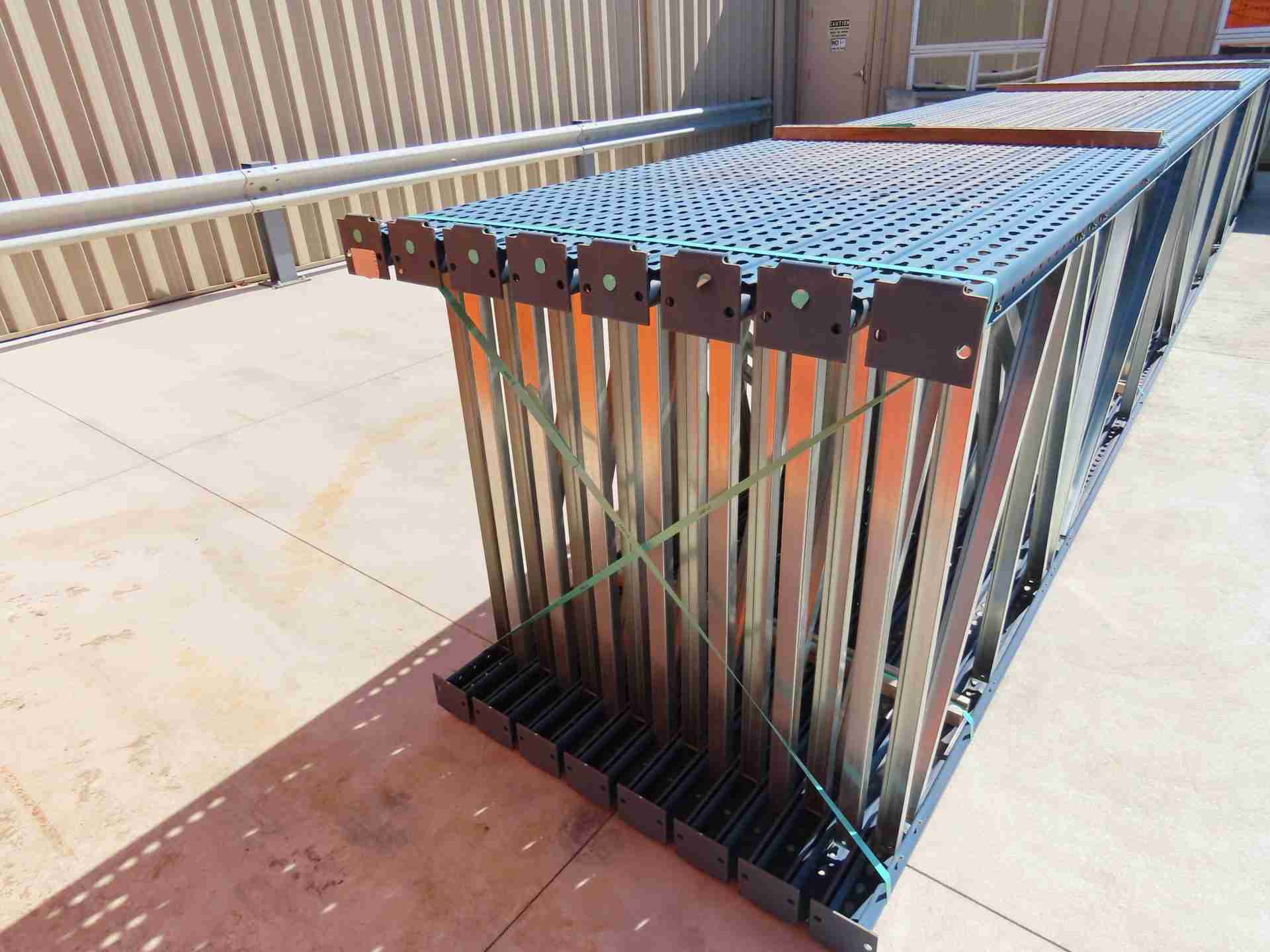
How Can Outdated Warehouse Systems Affect Customer Satisfaction?
How Can Outdated Warehouse Systems Affect Customer Satisfaction?
- Customer satisfaction is essential in today’s market, heavily influenced by warehouse systems.
- Outdated warehouse practices can lead to significant customer frustration, exemplified by order fulfillment issues.
- Efficiency and reliability are critical, as delays and inaccuracies can damage customer loyalty and reputation.
- Improving warehouse systems can begin with simple upgrades rather than a complete overhaul.
- Implementing optimized pallet racking and smarter inventory management can enhance accessibility and tracking.
- Reliable delivery and accurate orders foster consumer trust, encouraging repeat business.
- Transforming warehouse operations is crucial for maintaining and boosting customer satisfaction.

How Can Outdated Warehouse Systems Affect Customer Satisfaction?
Conclusion
Conclusion: Unlocking Your Warehouse’s True Potential with Arrow Industrial Sales
At RackingWorld.com, we understand the pulse of modern warehousing—it thrives on efficiency, accuracy, and customer satisfaction. As outlined in this article, clinging to outdated systems is not merely a hindrance; it’s a ticking time bomb that jeopardizes your business’s success and reputation. If you see signs of inefficiency—such as delayed orders, high error rates, or underutilized space—you are facing the immediate need for change. These are not just minor inconveniences; they translate into lost revenue, declining customer loyalty, and a tarnished brand image.
The path forward lies in embracing modern warehouse management technologies that streamline operations, minimize errors, and enhance your ability to respond to customer demands. Imagine a future where every item in your pallet racking system is accurately tracked, where manual errors become a thing of the past, and where your thrilling customer experience fosters lasting loyalty. This does not have to be a dream; it is very much achievable with the right strategic steps and solutions.
Arrow Industrial Sales is here to empower your transition with tailored solutions designed for today’s challenges, ensuring your warehouse becomes a competitive asset rather than a liability. By leveraging cutting-edge technology in warehouse management, you don’t just improve your operations; you reinvest into your business’s core. The urgency of this situation is clear—every moment spent with outdated practices is a moment where you risk losing business to more agile competitors.
So ask yourself: Are you ready to step into the future and reclaim your warehouse’s true potential? Your customers are waiting for that seamless experience and reliability that only a modernized system can deliver. Make the wise choice today and avoid the pitfalls of delay that could cost you dearly tomorrow.
Now is the time to take action. Don’t wait until it’s too late; call Arrow Industrial Sales at (574) 349-6575 to explore how our innovative warehouse solutions can transform your operations. Together, we can ensure that your business not only survives but thrives, positioning you successfully for the future. Embrace change today, and watch your warehouse transform into the efficient powerhouse it was meant to be!

Conclusion
Conclusion:
- Modern warehousing relies on efficiency, accuracy, and customer satisfaction.
- Outdated systems lead to inefficiencies that threaten business success and reputation.
- Signs of need for change include delayed orders, high error rates, and underutilized space.
- Embracing modern warehouse management technologies can streamline operations and enhance customer response.
- Arrow Industrial Sales provides tailored solutions to turn warehouses into competitive assets.
- Timely action is essential to avoid losing business to more agile competitors.
- Contact Arrow Industrial Sales at (574) 349-6575 to transform your warehouse operations.

Conclusion
Other Resources

Other Resources
Here is a list of other resources you can review online to learn more:
- Selective Pallet Racking Systems – Container Systems
- Illinois Pallet Racking – Storage Solutions
- Cantilever Rack Guide: Ordering Cantilever Racking
- Illinois Pallet Racking – WPRP
- Bradford Systems
- What is Cantilever Racking? – AK Material Handling Systems
- Rack Manufacturers Institute
- NSC
- Material Handling Safety
- BMH
Use This Prompt To Get More Resources With Your Favorite Online AI Tool: Please provide me with a list of online articles with their URLs in a bulleted list that I can read regarding Is Your Outdated Warehouse System Contributing to Significant Errors?

Other Resources
Glossary Terms
Is Your Outdated Warehouse System Contributing to Significant Errors? – Glossary Of Terms
1. Automation: The use of technology to perform tasks with minimal human intervention, enhancing efficiency and reducing errors.
2. Barcode Scanning: The process of reading barcodes to track inventory more accurately and reduce miscounts.
3. Data Integrity: The accuracy and consistency of stored data, crucial for reliable inventory management.
4. Inventory Management: The supervision of supplies and stock levels to ensure availability while minimizing excess inventory.
5. Inventory Turnover: A measure of how often inventory is sold and replaced over a period, indicating efficiency in using stock.
6. Logistics: The detailed organization and implementation of complex operations involving the movement of goods.
7. Manual Processes: Tasks performed by human effort rather than automated systems, often leading to increased errors.
8. Order Fulfillment: The complete process of receiving, processing, and delivering an order to the customer.
9. Picking Accuracy: The precision with which items are chosen from inventory for orders; crucial for customer satisfaction.
10. Performance Metrics: Standards used to measure the effectiveness and efficiency of warehouse operations.
11. RFID (Radio Frequency Identification): A technology that uses electromagnetic fields to automatically identify and track tags attached to objects.
12. Stockouts: Situations where items are out of stock, often leading to lost sales and customer dissatisfaction.
13. Supply Chain Management: The handling of the entire production flow of a good or service, from raw materials to delivery.
14. Technology Upgrade: The process of replacing outdated systems with newer, more efficient technology to improve performance.
15. Throughput: The amount of materials or items being processed in the warehouse within a given period.
16. Warehouse Management System (WMS): A software application designed to support warehouse operations and optimize inventory management.
17. Workforce Training: Programs aimed at educating employees on new systems and processes to improve efficiency and accuracy.
18. Cycle Counting: An inventory auditing procedure where a subset of inventory is counted on a specific day to ensure accuracy.
19. SKU (Stock Keeping Unit): A unique identifier for each distinct product in inventory, essential for tracking and management.
20. Excess Inventory: Surplus stock that exceeds demand, often resulting in increased holding costs and wasted resources.
21. Error Rate: The frequency at which mistakes occur in inventory handling, often a key performance indicator of system effectiveness.
22. Cloud Computing: The delivery of computing services over the internet, allowing for real-time data access and scalability.
23. User Interface (UI): The space where user interactions with the warehouse system occur, crucial for ease of use and reducing errors.
24. Omni-channel Fulfillment: The integration of various sales channels to provide a seamless customer experience in order processing.
25. Lead Time: The total time taken from placing an order to delivery, essential for inventory planning.
26. Backorder: A situation where a product is out of stock and must be ordered from the supplier, impacting customer satisfaction.
27. Inventory Accuracy: The measure of how closely inventory records match physical inventory, essential for effective management.
28. Return on Investment (ROI): A financial metric used to evaluate the profitability of investments in new warehouse technologies.
29. Data Analytics: The process of analyzing data to extract meaningful insights, facilitating better decision-making in warehouse management.
30. Distribution Center: A specialized building designed for the storage of goods, particularly for fast distribution to customers.

Glossary Of Terms
Other Questions
Is Your Outdated Warehouse System Contributing to Significant Errors? – Other Questions
If you wish to explore and discover more, consider looking for answers to these questions:
- What specific technologies can modernize my warehouse system?
- How much does upgrading a warehouse system typically cost?
- What are the long-term benefits of investing in a modern warehouse management system?
- Can I integrate a new warehouse system with my existing processes?
- What are the best practices for transitioning from an outdated to a modern system?
- How can I measure the efficiency of my current warehouse operations?
- What training will my employees need when upgrading to a new system?
- What type of performance metrics should I track post-upgrade?
- Are there certain industries that benefit more from modern warehouse systems?
- What role does employee engagement play in implementing new technology?
- How can I demonstrate the need for an upgrade to my stakeholders?
- What are the risks of not upgrading my outdated warehouse system?
- Can I expect immediate improvements after upgrading my warehouse system?

Other Questions
Checklist
Is Your Outdated Warehouse System Contributing to Significant Errors? – A Checklist
Checklist: Are You Ready to Upgrade Your Warehouse System?
Evaluate Your Current Warehouse System
1. Assess Workflow Efficiency:
_____ Are employees retracing steps or searching for items frequently?
_____ Is the warehouse layout organized for smooth operations?
2. Check Error Rates:
_____ How often do order errors occur (mis-picks, returns, etc. )?
_____ Are there consistent trends in errors that indicate systemic issues?
3. Examine Space Utilization:
_____ Is the pallet racking system optimized for maximum storage and accessibility?
_____ Are there areas of the warehouse that are underutilized or cluttered?
4. Evaluate Data Access:
_____ Do you have real-time visibility into your inventory?
_____ Are you relying on manual data entry methods (such as pen and paper)?
Identify Technology Needs
5. Determine Technological Integration:
_____ Is your current system compatible with modern tools and technologies?
_____ Are there delays caused by your existing inventory management software?
6. Investigate Automated Solutions:
_____ Are there repetitive manual tasks that could be automated to reduce errors?
_____ What specific technologies (like RFID, barcode scanners) can enhance operations?
Calculate the Costs of Inaction
7. Analyze Financial Implications:
_____ How much are order delays and errors costing your business?
_____ Are labor costs increasing due to inefficiencies in your processes?
8. Consider Impact on Team Morale:
_____ Are team members frustrated with outdated processes?
_____ How could modernizing your system improve employee satisfaction and productivity?
9. Evaluate Customer Satisfaction:
_____ Are customers experiencing delays or inaccuracies with their orders?
_____ What is the feedback from customers about your delivery and accuracy?
Plan for Action
10. Set Goals for Improvement:
_____ What specific improvements do you want to achieve with a new system?
_____ How will you measure the success of your upgraded warehouse system?
11. Create a Transformation Roadmap:
_____ What are the first steps to implement new technologies and processes?
_____ Who will be responsible for overseeing this transition?
12. Educate and Engage Employees:
_____ What training will be necessary to help your team adapt to new systems?
_____ How will you build a culture that embraces efficiency and technology?
By using this checklist, you can take actionable steps towards assessing and upgrading your warehouse system, ultimately leading to increased efficiency, reduced errors, and enhanced customer satisfaction.

Checklist
At RackingWorld, we help guide you through selecting warehouse storage systems and racking.
Be sure to read our other related stories at RackingWorld to learn more about warehouse storage systems.
0 Comments