
Uncovering The Hidden Pitfalls Of Warehouse Management Software
By Tom Seest
At RackingWorld, we help guide you through selecting warehouse storage systems and racking.
Be sure to read our other related stories at RackingWorld to learn more about warehouse storage systems.
Is Warehouse Management Software Making You Less Organized?
Picture this: You’re standing in your warehouse, surrounded by towering shelves of pallet racking, each brimming with inventory that should be as organized as your meticulous plans. The software you invested in glittered with the promise of streamlined operations, precise tracking, and unprecedented control. Yet, instead of clarity and efficiency, you feel like you’ve entered a maze of confusion. Sound familiar?
Believe it or not, you’re not alone in this struggle. Many business owners invest in complex warehouse management software, only to find themselves lost in a whirlwind of tech jargon and endless features. Instead of enhancing productivity, the software becomes a source of stress. It’s like having a sophisticated GPS that constantly recalibrates but never gets you to your destination. If you’ve ever grappled with layered interfaces, lacking guidance, or ambiguous data, it’s time to reassess what you’re using.
Let’s face it: The goal is simple – to efficiently manage your inventory, minimize losses, and maximize space. That pallet racking system took time and money to implement, and you deserve to see its full potential realized. Yet, if your software isn’t complementing your existing warehouse layout or processes, it’s merely an anchor weighing you down. What you need is a solution that syncs seamlessly with every level of your operation.
This is why finding the right balance is essential. Instead of being dazzled by flashy features, consider whether your chosen software is genuinely simplifying your workflow. Does it provide clear visibility into your stock levels? Can you easily locate that elusive item tucked away in a corner of your pallet racking? Remember, simplicity can often lead to clarity.
Engage with your software like a trusted advisor rather than just another tool. Make sure it understands your unique operation, just as your team does. Don’t shy away from reevaluating what serves you best—whether it’s refining the software you use or investing in training to ensure that your team can harness its capabilities without succumbing to frustration.
Prioritize practicality and flexibility, and watch as you regain control over your organization, transforming that chaotic space into a symphony of efficiency. Your warehouse is the heart of your operations; it deserves solutions that empower you, not hinder you. Embrace a new perspective and harness the true power of automation, ensuring that your software brings out the best in your operations, paving the way to increased productivity and peace of mind.
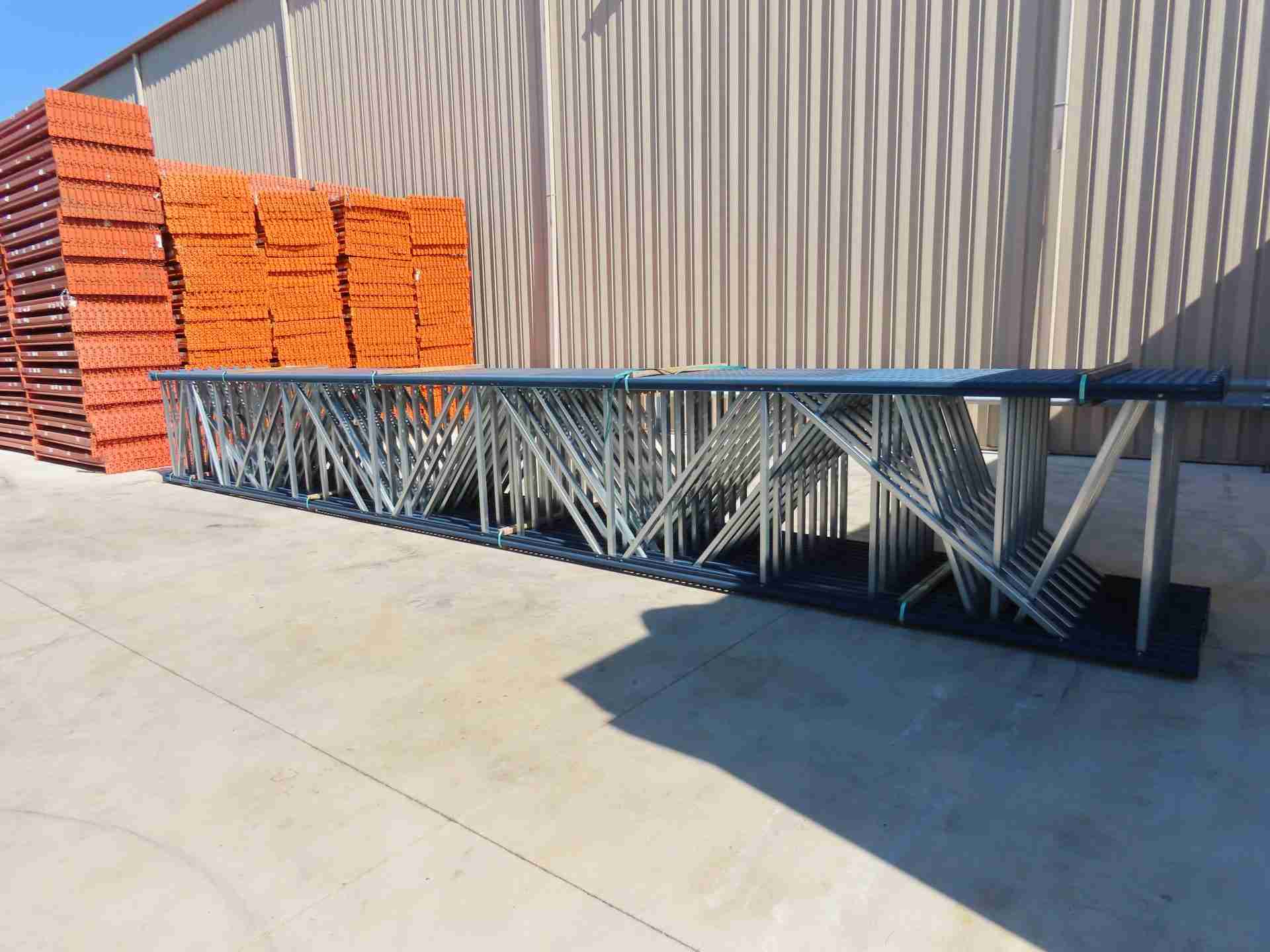
Is Warehouse Management Software Making You Less Organized?
Is Warehouse Management Software Making You Less Organized?
- Many business owners feel overwhelmed by complex warehouse management software, which often adds stress instead of enhancing productivity.
- The goal of warehouse management is to efficiently manage inventory, minimize losses, and maximize space, but ineffective software can hinder these objectives.
- It’s important to choose software that complements your existing warehouse layout and processes rather than complicating them.
- Instead of focusing on flashy features, ensure the software simplifies workflows and provides clear visibility of stock levels.
- Engage with your software as a trusted advisor, making sure it aligns with your unique operational needs.
- Be open to reevaluating your software or investing in team training to better utilize capabilities and reduce frustration.
- Prioritize practical and flexible solutions to regain control over your warehouse operations and foster increased productivity.

Is Warehouse Management Software Making You Less Organized?
Table Of Contents
- Is Warehouse Management Software Making You Less Organized?
- Is Warehouse Management Software Causing Confusion In Your Processes?
- Are You Struggling To Integrate Software With Existing Systems?
- How Can You Ensure Accuracy In Inventory Tracking With Software?
- Is The Software Creating More Work For Your Team Than It Saves?
- Are You Overwhelmed By The Features Offered In Warehouse Software?
- Are You Experiencing Issues With Software Scalability As You Grow?
- Conclusion
- Other Resources
- Glossary Of Terms
- Other Questions
- Checklist
Is Warehouse Management Software Causing Confusion In Your Processes?
In today’s fast-paced supply chain landscape, the introduction of Warehouse Management Software (WMS) should be a game-changer, not a source of frustration. Have you ever stopped to think that instead of simplifying your operations, your WMS might be adding layers of confusion? If your team is struggling with software that’s more complex than your inventory, you’re not alone. Many warehouses are caught in a cycle of inefficiency, spinning their wheels without making real progress.
Picture your warehouse. You have rows of pallet racking stretching out before you, organized yet chaotic—sounds familiar, right? Just like that racking, your processes should stand tall, proud, and visibly efficient. Your WMS should enhance that vision, allowing for clear tracking of inventory, fast picking processes, and seamless order fulfillment. But what happens when the very tool designed to organize your operations becomes a barrier?
Many businesses find themselves entangled in a web of features they don’t need or understand. The software becomes a maze instead of a roadmap, leading to employee frustration and costly mistakes. If your team spends more time learning how to use the software than actually handling the inventory on those pallets, it’s time for a rethink.
Reassure your team. Bring back clarity and control. Your WMS should empower them, not overwhelm them. Ask yourself: Is your current solution inflexible? Are you forced to stick rigidly to its terms while your unique warehousing needs go unmet? Taking the time to evaluate what works—and what doesn’t—can dramatically improve not just productivity, but also morale.
The answer might lie in investing in a system that’s adaptable and intuitive, designed with your specific operations in mind. This isn’t just about technology; it’s about building trust with your employees and giving them the tools they need to succeed. An efficient WMS transforms your warehouse from a confusing maze into an orchestrated symphony of streamlined processes.
So if you’re experiencing confusion in your processes, don’t dismiss it as just the growing pains of technology. Embrace it as an opportunity for improvement. Explore solutions that elevate your operations, bringing clarity to your warehouse filled with pallet racking and ensuring your team feels empowered, competent, and confident in their work. The right software can turn confusion into clarity, and that’s the pathway to true operational excellence. Take the leap today—your future self will thank you.
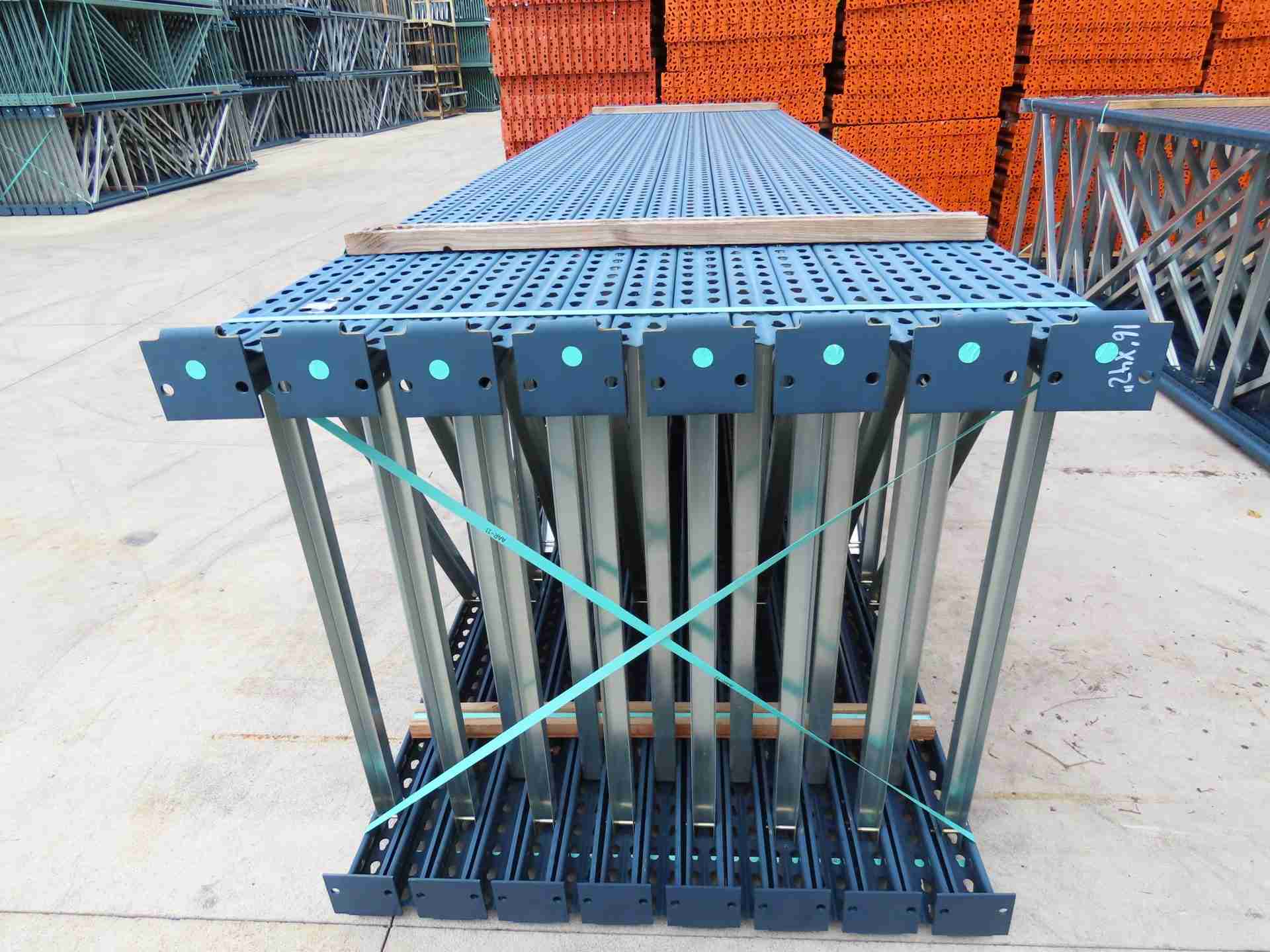
Is Warehouse Management Software Causing Confusion In Your Processes?
Is Warehouse Management Software Causing Confusion In Your Processes?
- The introduction of Warehouse Management Software (WMS) should enhance operations, not complicate them.
- Many warehouses experience inefficiency due to complex software that adds confusion instead of simplifying processes.
- WMS should facilitate clear tracking of inventory, quick picking, and seamless order fulfillment.
- Common issues include entanglement in unnecessary features, leading to employee frustration and costly mistakes.
- A reevaluation of the current WMS can improve productivity and boost employee morale.
- Investing in an adaptable and intuitive system can empower employees and build trust within the team.
- Addressing confusion in processes presents an opportunity for improvement and operational excellence.
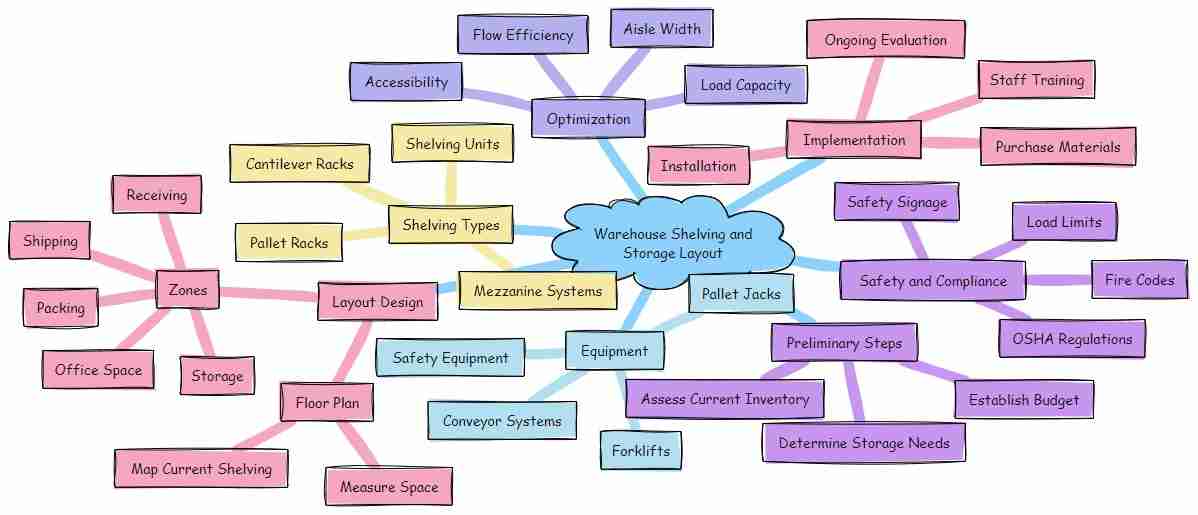
Is Warehouse Management Software Causing Confusion In Your Processes?
Are You Struggling To Integrate Software With Existing Systems?
In the fast-moving world of business, you often find that the software solutions you choose don’t easily mesh with your existing systems. It’s not just an inconvenience; it’s a painful roadblock that can stall your progress and frustrate your team. Picture this: You’ve invested in a cutting-edge software that promises to revolutionize your processes, yet you’re staring at a digital puzzle that just won’t fit. Sound familiar?
You’re not alone. Many organizations face the daunting task of integrating new software without disrupting their existing ecosystems. Complexities arise, and the resulting tension can lead to inefficiencies that drain resources, weaken morale, and ultimately cost you time and money. Just like a warehouse that requires proper organization to maximize efficiency—think of the critical role of pallet racking—your digital framework needs a structured and strategic approach.
The challenge is that without seamless integration, your team is left juggling systems, duplicating efforts, and experiencing endless headaches. It’s like trying to fit a square peg in a round hole: frustrating, time-consuming, and ultimately unproductive. The good news? You can overcome these integration challenges.
Imagine a cohesive system where software flows effortlessly with your current operations, enhancing productivity instead of hindering it. By investing your time and effort into a strategic plan for integration, you are setting the stage for success. Interface smoothly, just as a well-organized warehouse utilizes pallet racking to optimize its space. Each piece working together in harmony toward a common goal.
Trust is paramount in this journey. Partnering with experts who understand not just the technicalities of integration, but also your unique business needs, can make all the difference. Look for professionals who don’t just sell you a one-size-fits-all solution. They must act as partners, guiding you through the maze and standing by your side every step of the way.
Don’t let integration struggles hold back your growth. It’s time to take action and free your team from the shackles of inefficient software systems. Imagine the relief of streamlined operations, the confidence that comes from knowing your tools work in harmony, and the results that follow. Step forward and embrace the path to efficient software integration today!

Are You Struggling To Integrate Software With Existing Systems?
Are You Struggling To Integrate Software With Existing Systems?
- Many organizations struggle with integrating new software into their existing systems, leading to inefficiencies.
- Incompatible software can stall progress, frustrate teams, and drain resources.
- Without seamless integration, teams face duplicating efforts and increased frustrations.
- A strategic approach to integration can enhance productivity and streamline operations.
- Partnering with experts who understand both technical and business needs is crucial for success.
- Avoid one-size-fits-all solutions; focus on customized integration that meets unique organizational needs.
- Taking action on integration challenges can lead to a cohesive system and improved operational efficiency.
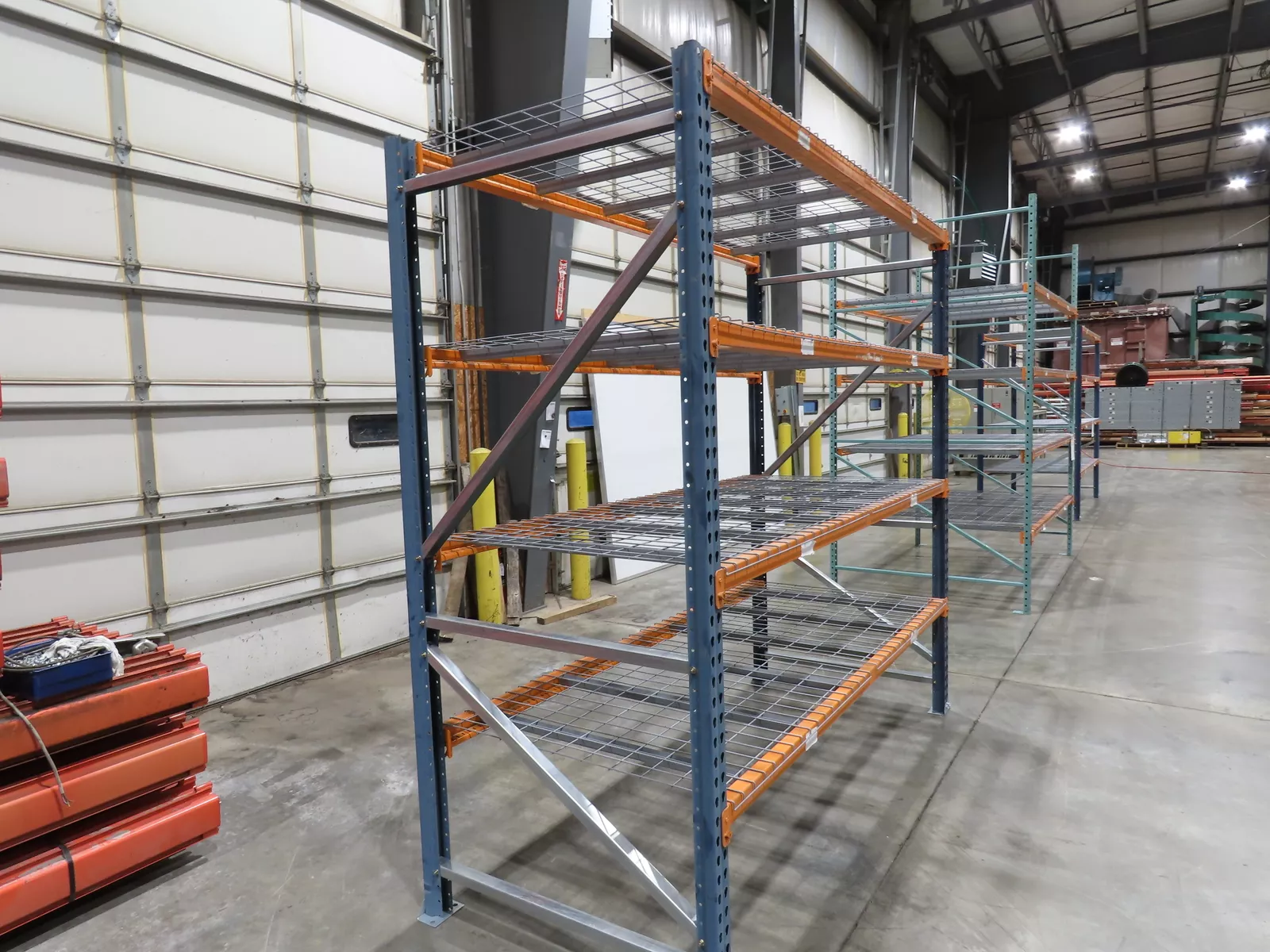
Are You Struggling To Integrate Software With Existing Systems?
How Can You Ensure Accuracy In Inventory Tracking With Software?
In the fast-paced world of inventory management, ensuring accuracy isn’t just a luxury—it’s a necessity. When it comes to your inventory, every misplaced pallet or incorrect count can mean lost sales, unhappy customers, or worse. So, how do you harness the power of software to keep everything on track? Let’s break it down into actionable steps you can make work for you today.
First off, centralization is key. If your inventory data is scattered across multiple systems, you’re inviting chaos. Instead, consider a robust software platform that focuses on integrating all aspects of your inventory in one place. This means you’ll have real-time visibility into your stock levels, making it easy to monitor everything from an order received to a pallet racking update. Imagine a single dashboard that gives you full control over your inventory status!
Next, let’s talk about your processes. Ensuring accuracy starts with establishing clear protocols. Train your team on how to input data correctly into the system, whether they’re scanning barcodes or making adjustments after a count. Making it a routine process will eliminate human error and make sure no pallets go unaccounted for.
Another way to inspire confidence in your system is by using cycle counting rather than static inventory checks. Cycle counting allows you to monitor a subset of your inventory continuously, ensuring that discrepancies are caught immediately, rather than waiting for that annual audit to disclose hidden issues. Regular checks help keep everyone on their toes and affirm your commitment to accuracy.
Lastly, incorporate data analytics into your software journey. By leveraging historical data, you can identify trends and patterns in your sales and inventory turnover. This foresight allows you to better manage your pallet racking configuration to optimize storage efficiency and prevent overcrowding. After all, understanding your inventory flow isn’t just about what you have; it’s about knowing what you need.
Implementing these practices will give you not only accuracy in inventory tracking but also peace of mind. When your customers see that you’re consistently meeting their demands, you build their trust—and that is invaluable. Start applying these tips with your tracking software today to create an inventory management system that not only works but excels. Remember, excellence is a journey, and it starts with taking that first step toward more accurate inventory tracking.

How Can You Ensure Accuracy In Inventory Tracking With Software?
How Can You Ensure Accuracy In Inventory Tracking With Software?
- Accuracy in inventory management is essential to prevent lost sales and unhappy customers.
- Centralization of inventory data through a robust software platform is crucial for maintaining order.
- Implementing clear protocols and training your team on data input can reduce human error.
- Using cycle counting instead of static inventory checks helps to immediately catch discrepancies.
- Incorporating data analytics allows for better trend identification and inventory management.
- Accurate inventory tracking builds customer trust and ensures consistent fulfillment of their demands.
- Applying these practices will enhance your inventory management system and lead to excellence over time.

How Can You Ensure Accuracy In Inventory Tracking With Software?
Is The Software Creating More Work For Your Team Than It Saves?
In this age where technology promises to streamline operations and boost efficiency, it’s easy to fall into the trap of believing that every new software tool is a blessing. But hold on just a moment—let’s take a step back and assess the situation. Are you drowning in extra work instead of reaping the benefits you envisioned?
Think about it: how often have you implemented a shiny new software solution only to find your team spending countless hours navigating its maze of features? It can feel like you’ve traded in your old pallet racking solution—the reliable, straightforward approach for something that looks impressive on paper but quickly becomes a source of frustration. You wouldn’t load up an entire warehouse with confusing systems that hinder efficiency; so why should you do so with software?
When assessing whether a new tool is genuinely valuable, ask yourself these critical questions: Is your team actually saving time, or are they merely shifting gears to learn an unyielding system? Are tasks that should be straightforward becoming convoluted? Sometimes, technology, while promising myriad efficiencies, brings with it additional complexities that can stymie productivity instead of fostering growth.
Picture your team: they are professionals eager to leverage technology in their day-to-day tasks for better outcomes. Now, if they’re saddled with unnecessary complications and lack the support to integrate new systems seamlessly, it’s no wonder performance suffers. Just like effective pallet racking optimizes warehouse space, the right software should be a catalyst for maximizing your team’s capabilities. If it isn’t, it may be time for a reevaluation.
Take a moment to gather feedback from your team. They’re the ones using the software day in and day out, and their insights can provide clarity on whether the tool is a trusty ally or a burden. Consider documenting these experiences, creating a solid foundation for future choices, and ensuring that your software investments yield real benefits.
Before you dive headfirst into your next software acquisition, take these steps to ensure you’re not unintentionally heavy-lifting a solution that complicates rather than simplifies. Trust your instincts; a tool should empower your team—not leave them scrambling amidst unnecessary chaos. After all, your goal is to create an environment where success flourishes, not one that’s cluttered with problems masked as solutions.
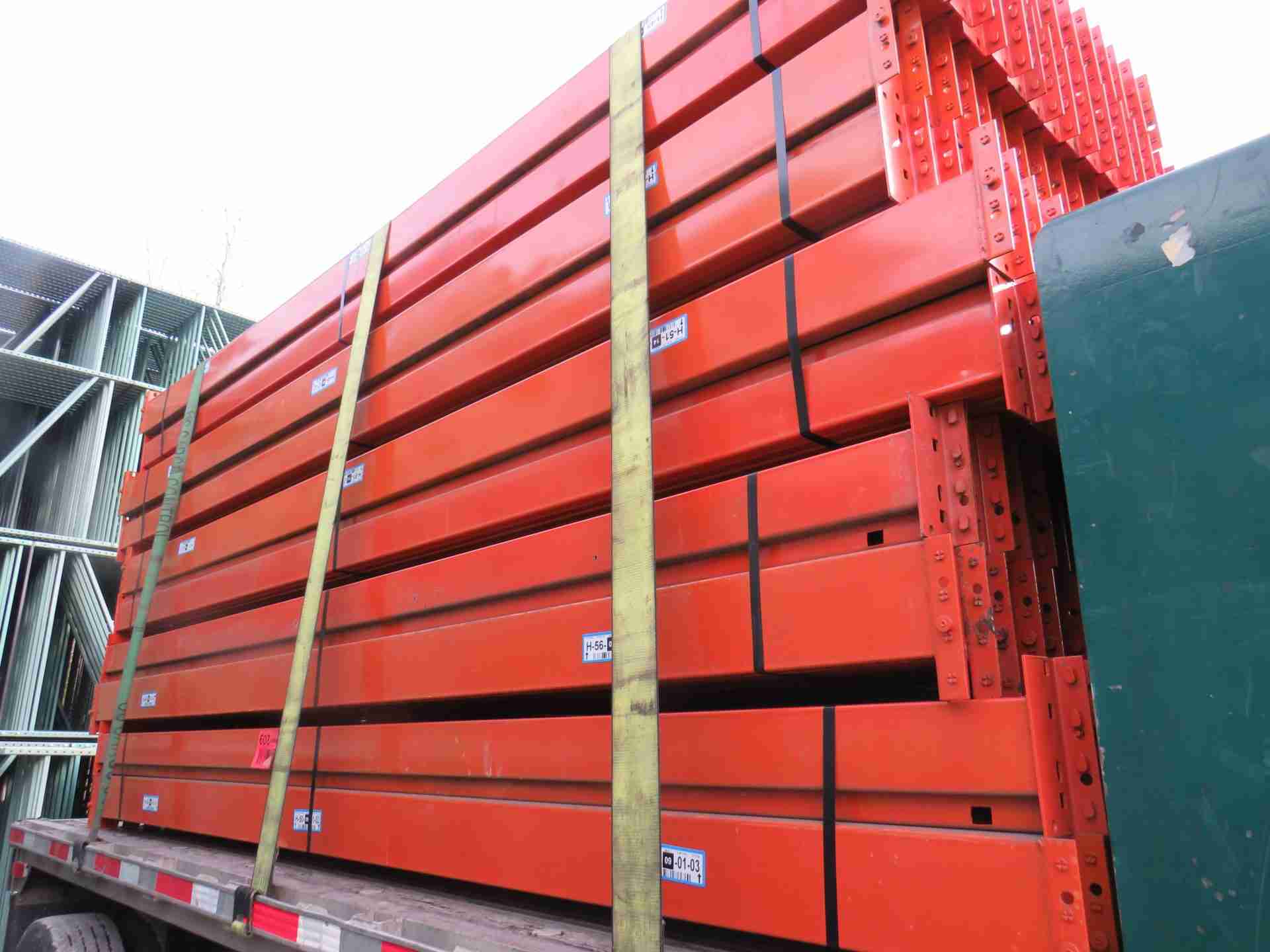
Is The Software Creating More Work For Your Team Than It Saves?
Is The Software Creating More Work For Your Team Than It Saves?
- Technology promises efficiency but can lead to overwhelming complexities.
- New software may require significant time for teams to learn, detracting from productivity.
- Important to evaluate whether the new tool actually saves time or complicates tasks.
- Software should enhance team capabilities, not hinder their performance.
- Seek feedback from team members who use the software regularly to assess its effectiveness.
- Document experiences with tools to inform future software decisions.
- Ensure software solutions empower teams instead of creating unnecessary chaos.
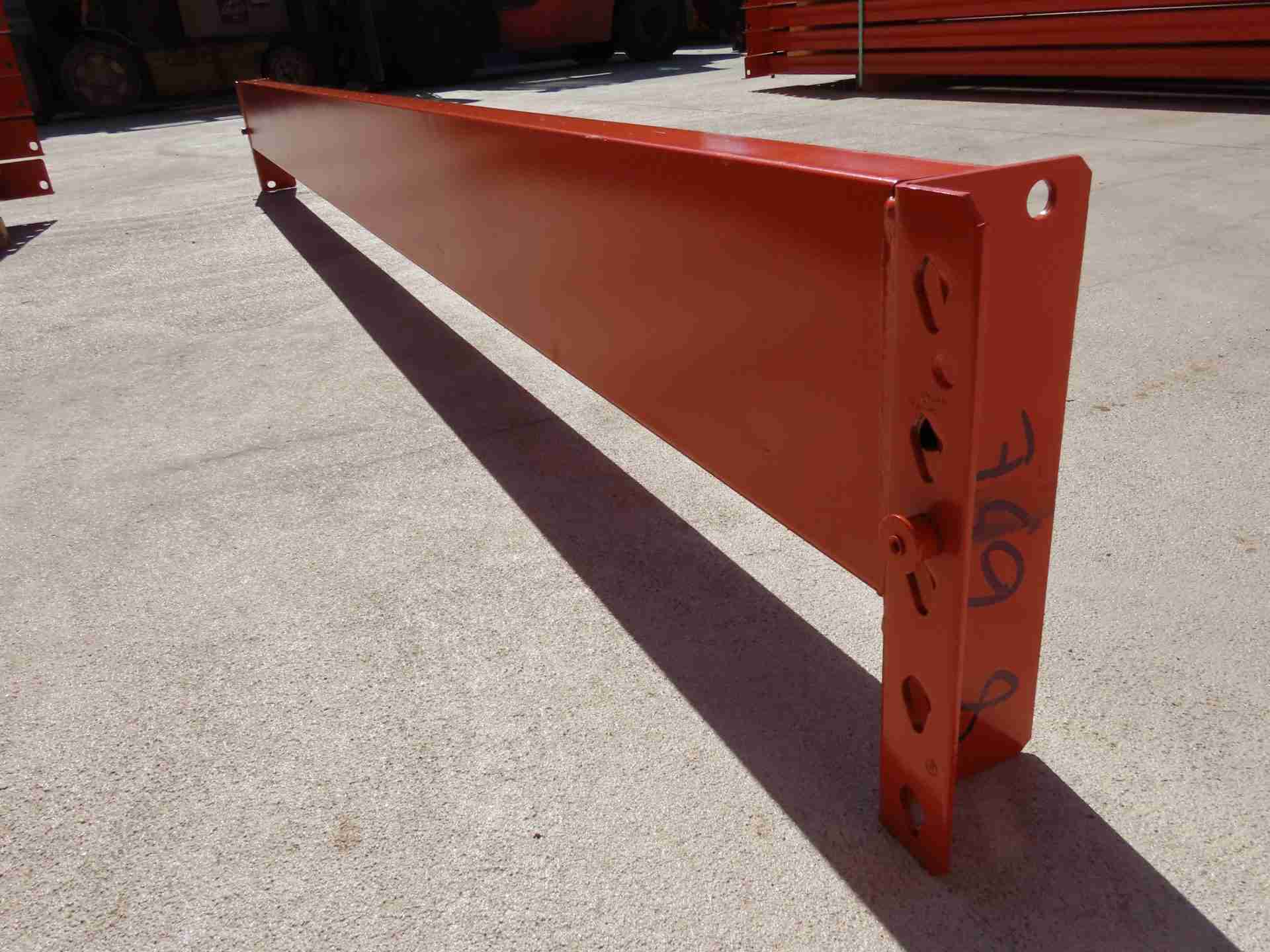
Is The Software Creating More Work For Your Team Than It Saves?
Are You Overwhelmed By The Features Offered In Warehouse Software?
In today’s fast-paced logistics landscape, you might find yourself drowning in a sea of complex features that warehouse software promises to deliver. The truth is, while these advanced tools can transform the way you manage your operations, they can also leave you feeling confused and overwhelmed. Let’s take a collective deep breath and unpack this.
Imagine for a moment staring at the dizzying array of features in a software package. From inventory management to shipping logistics, each function is showcased like a shiny new toy. But hold on—do you really need all that? When you’re trying to optimize processes like Pallet Racking within your warehouse, simplicity and clarity are your best friends. Your soulmate in overcoming documentation chaos isn’t ten complex features; it’s one reliable solution tailored to your operational needs.
So, why do so many vendors bombard you with bells, whistles, and obscure jargon? It’s understandable—they want to sell you on the promise of cutting-edge technology that can revolutionize your warehouse. But let’s face it: You need a tool that works for you, not a contraption that requires an engineering degree to understand. It’s crucial to identify what truly matters in your daily operations. Do you handle high volumes of shipments? Focus on a software that integrates shipping and real-time tracking. Is your primary concern managing storage space effectively? Seek solutions that excel in optimizing Pallet Racking.
Embrace the reality that you don’t need every feature under the sun; you need the right features. Picture yourself confidently navigating through your tasks, knowing that your warehouse software is an ally, not a hurdle. Approach this journey with a sense of purpose: outline your specific needs, consult industry experts, and prioritize solutions that speak to your unique requirements.
Think of this as a personal investment in your peace of mind. You deserve software that not only streamlines your operations but also aligns seamlessly with your vision for growth and efficiency. By taking control and focusing on what truly adds value, you’ll regain confidence—transforming that overwhelming experience into a powerful tool that enhances your operations.
In a world flooded with options, your clarity will set you apart. Take the first step today. Simplify, identify, and choose wisely. Your warehouse deserves it!

Are You Overwhelmed By The Features Offered In Warehouse Software?
Are You Overwhelmed By The Features Offered In Warehouse Software?
- Today’s logistics landscape features complex warehouse software with numerous functions.
- While advanced tools can enhance operations, they can also cause confusion and overwhelm.
- Simplicity and clarity are crucial when optimizing processes like Pallet Racking.
- Vendors often focus on selling cutting-edge technology, but the right tool should fit your actual needs.
- Concentrate on essential features that address your daily operations, like shipping integration or storage optimization.
- Invest in software that aligns with your growth vision and streamlines operations for peace of mind.
- Emphasize clarity by simplifying choices, identifying priorities, and making informed decisions for your warehouse.
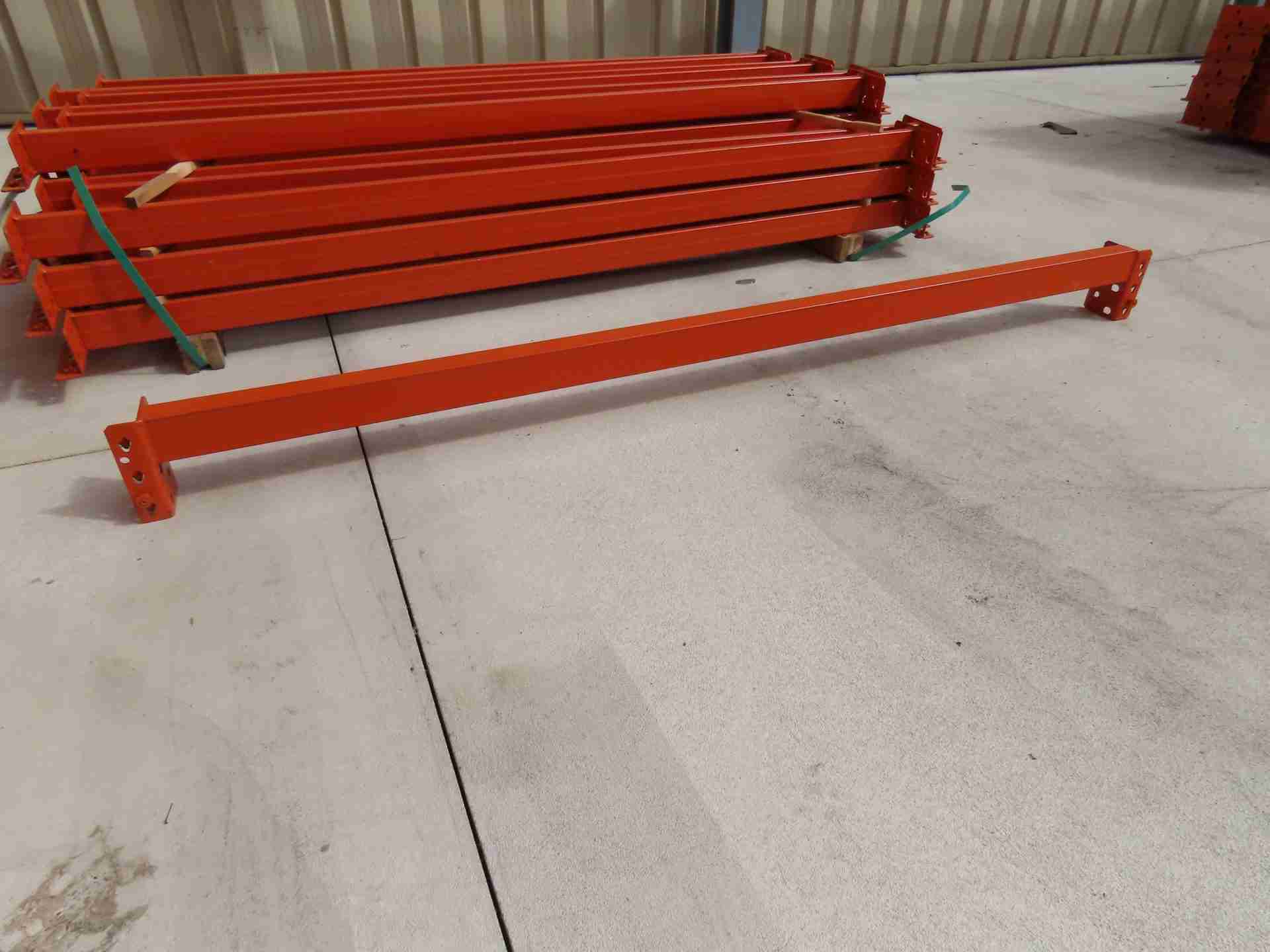
Are You Overwhelmed By The Features Offered In Warehouse Software?
Are You Experiencing Issues With Software Scalability As You Grow?
Imagine your business as a well-organized warehouse packed to the brim with potential. Each software system you’re using is like a section of pallet racking—designed to hold valuable inventory. Now, think about what happens when demand spikes, and every inch of that racking is full. Your current solutions might have worked beautifully in the early days, but as your business expands, you begin to notice the limitations of your software. The bottlenecks surface, and what once felt like an efficient operation now resembles an overwhelming clutter.
Perhaps it’s the clunky user interface that leaves your team frustrated, or data discrepancies that keep you up at night. Maybe your applications simply can’t keep pace with your growth. You’re not alone. Many businesses face these issues, and the frustration can feel all-consuming. The last thing you want is for your software to hold you back from reaching your true potential.
Here’s the good news: recognizing these issues is the first step towards a solution. Just as you would redesign your pallet racking for optimal space utilization, it might be time to rethink your software architecture. Imagine a system that scales effortlessly, adapting to your ever-growing needs, just like a flexible warehouse layout.
Investing in scalable solutions isn’t just a matter of keeping up; it’s about setting yourself up for success. Look for platforms that not only accommodate growth but also streamline your operations. Whether it’s cloud-based infrastructures that expand alongside your business or customizable modules that fit like a finely-tuned engine, your software should work for you—not the other way around.
Before making any decision, seek guidance. Talk to other business leaders who’ve faced the same growing pains or consult with experts who can provide insights tailored to your situation. Building the right foundation with scalable tools will empower your business, allowing you to seize opportunities that come your way without the fear of infrastructure limitations holding you back.
Remember, growth is a journey, not a destination. If your software isn’t able to grow with you, it’s time to explore alternatives that will. With the right solutions in place, you’ll not only overcome scalability issues but also regain that exhilarating sense of control over your business. Let’s transform your organizational landscape into a thriving operation one solution at a time.

Are You Experiencing Issues With Software Scalability As You Grow?
Are You Experiencing Issues With Software Scalability As You Grow?
- Business operations likened to an organized warehouse with software systems as sections of pallet racking.
- As demand spikes, businesses may encounter limitations with their current software solutions.
- Issues such as clunky interfaces and data discrepancies can lead to frustration and operational clutter.
- Recognizing these limitations is the first step toward finding a suitable solution.
- Investing in scalable solutions is essential for accommodating growth and streamlining operations.
- Seek guidance from experienced business leaders or experts before making software decisions.
- With the right scalable tools, businesses can regain control and seize opportunities without infrastructure limitations.

Are You Experiencing Issues With Software Scalability As You Grow?
Conclusion
Conclusion: Unlocking the True Potential of Your Warehouse Operations with Arrow Industrial Sales
In the constantly evolving landscape of warehouse management, it’s easy to feel overwhelmed by the very technologies designed to enhance your operations. So many businesses fall into the trap of overcomplicated software that fails to integrate seamlessly or meet their unique needs. If your warehouse management software has turned from a useful tool into a costly frustration, the time to act is now. At RackingWorld.com, we understand the pivotal role a well-organized warehouse plays in your bottom line. You deserve solutions that empower, not hinder your operations.
Don’t let confusion and frustration dictate your workflow. The key lies in simplicity, clarity, and proactive decision-making. Your warehouse should echo efficiency—from the layout of your pallet racking to the software that facilitates your inventory management. Instead of succumbing to a situation where software complicates tasks, evaluate options designed for clarity and ease of use. Are you drowning in a sea of features that don’t align with your actual needs? This is not about being dazzled by flashy capabilities, but about leveraging the right functionalities that drive productivity and streamline your operations.
Consider this a call to action. Get in touch with Arrow Industrial Sales at (574) 349-6575. Our expertise lies in refining your warehouse processes, ensuring your software supports your framework, drives productivity, and adapts as your business grows. We specialize in offering tailored solutions that transform chaotic environments into highly functioning centers of efficiency, helping you unlock the full potential of your investment.
Remember, time is of the essence. With logistics having peaked in today’s demanding market, any moment spent navigating ineffective software or inefficient system integration translates to lost resources and opportunities. Don’t delay in exploring avenues to enhance accuracy in inventory tracking, reduce complexities, and regain control. Your future self will be grateful for the steps you take today to simplify your operation.
So why wait? Embrace this opportunity to reevaluate your current systems. Trust in Arrow Industrial Sales to partner with you, paving the path towards an organized, efficient, and successful warehouse operation. Reassess your software solutions, bring clarity to your processes, and witness your business thrive. Call us now and let’s get you on the path to operational excellence.
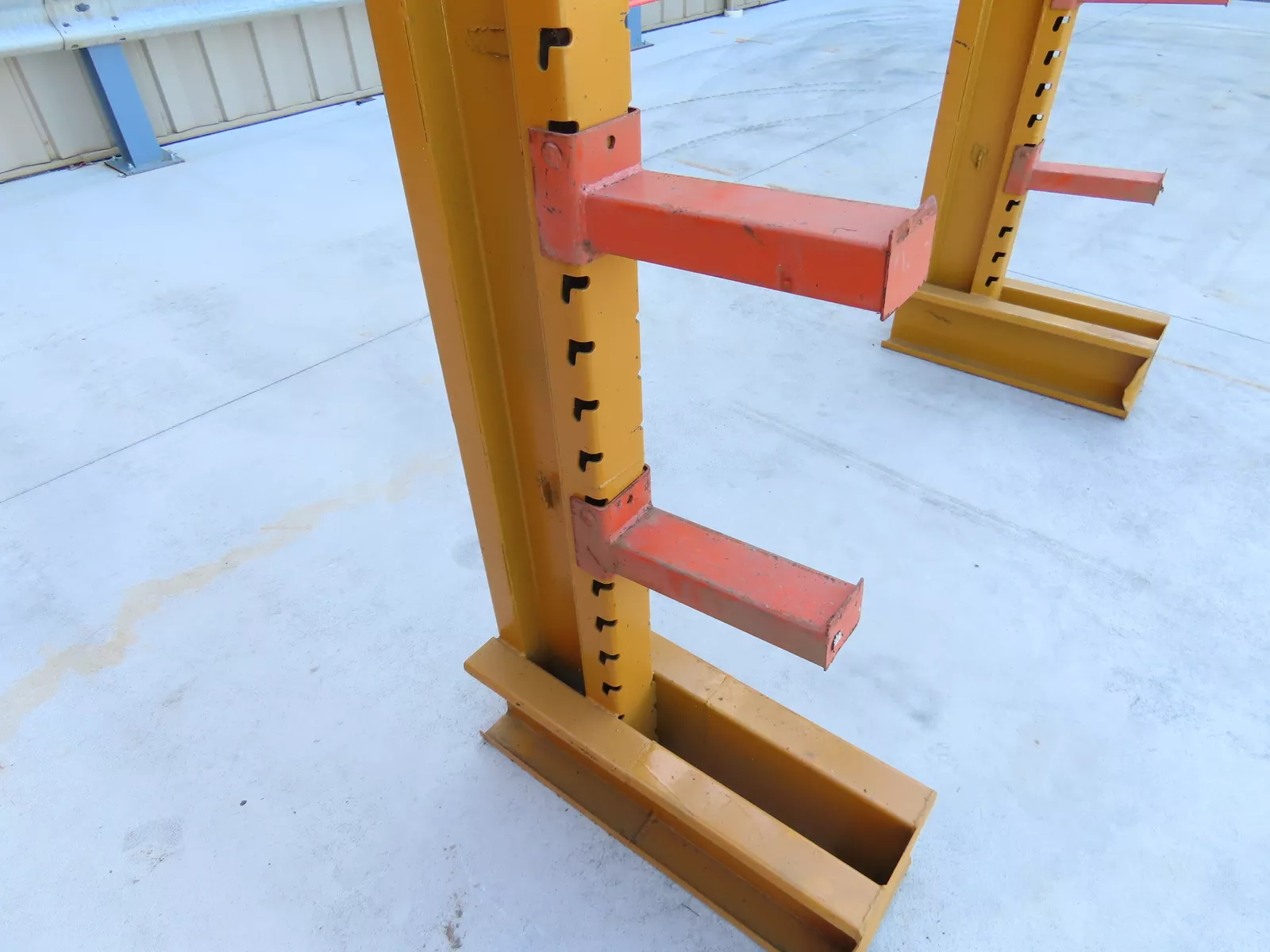
Conclusion
Conclusion:
- Warehouse management technology can often become overwhelming and complex.
- Many businesses experience frustration with software that fails to integrate or meet specific needs.
- A well-organized warehouse is crucial for enhancing your bottom line.
- Simplicity, clarity, and proactive decision-making are key to achieving warehouse efficiency.
- Rely on tailored solutions from Arrow Industrial Sales to improve operations.
- Timely action is needed to prevent resource loss from ineffective software and systems.
- Contact Arrow Industrial Sales to simplify your processes and boost productivity for future success.

Conclusion
Other Resources

Other Resources
Here is a list of other resources you can review online to learn more:
- Rack Manufacturers Institute
- Warehouse Racking Systems: Beginner’s Guide to Rack Systems
- MHI
- Overhead Lifting
- WERC
- Pallet Racks, Pallet Racking, Pallet Shelves in Stock – ULINE
- CA Wire
- American Surplus
- SEMA
Use This Prompt To Get More Resources With Your Favorite Online AI Tool: Please provide me with a list of online articles with their URLs in a bulleted list that I can read regarding Is Warehouse Management Software Making You Less Organized?
Other Resources
Glossary Terms
Is Warehouse Management Software Making You Less Organized? – Glossary Of Terms
1. Warehouse Management Software (WMS): A digital solution designed to improve warehouse operations, including inventory management, order fulfillment, and shipping scheduling.
2. Inventory Control: The process of managing stock levels to ensure that there is enough inventory to meet demands without overstocking.
3. Disorganization: A state where inventory and processes lack order, leading to inefficiencies and potential errors in managing goods.
4. Automation: The use of technology to perform tasks without human intervention, which can be beneficial or detrimental if not properly managed.
5. Data Overload: An overwhelming amount of information that can make it difficult for warehouse staff to make informed decisions.
6. User Interface (UI): The visual elements of software that a user interacts with; a poorly designed UI can lead to confusion and errors.
7. User Experience (UX): The overall experience of a person using a software system, particularly in terms of how easy and intuitive it is to use.
8. SKU (Stock Keeping Unit): A unique identifier for each distinct product stored in a warehouse, essential for inventory tracking.
9. Fulfillment Center: A specialized warehouse designed for efficiently processing and shipping customer orders.
10. Cycle Counting: A process of auditing inventory by regularly counting a portion of stock rather than conducting a full inventory count.
11. Lean Warehousing: An approach that aims to reduce waste and increase efficiency in warehouse operations.
12. Real-Time Data: Information that is available immediately as it is generated, enabling better decision-making and responsiveness.
13. Integration: The process of connecting different software systems to work together seamlessly, which can enhance or complicate warehouse operations.
14. Error Rate: The frequency of mistakes in inventory management processes, often exacerbated by complex WMS.
15. Training: The education and skill development provided to employees on how to use WMS effectively.
16. Task Management: The process of organizing and prioritizing tasks within the warehouse, which can be improved or hindered by WMS.
17. Scalability: The ability of a system to handle growing amounts of work or to be expanded to accommodate growth.
18. Cloud Computing: Accessing and storing data on the internet rather than on local servers, which can affect data security and accessibility.
19. Standard Operating Procedures (SOPs): Established guidelines for managing warehouse operations that help maintain organization and efficiency.
20. Inventory Shrinkage: The loss of inventory due to theft, damage, or mismanagement, which can be tracked using WMS.
21. Reporting: The process of generating summaries of warehouse performance data which can inform inventory decisions; however, excessive reporting can lead to overload.
22. Multi-Channel Fulfillment: Managing orders from various sales channels (online, in-store, etc. ), which can complicate inventory management.
23. Workforce Management: The process of optimizing staff scheduling and resource allocation within the warehouse.
24. Barcode Scanning: The use of handheld devices to read barcodes for faster inventory tracking and order processing.
25. Return Merchandise Authorization (RMA): The process of handling returns through a systematic approach, which can be complicated by WMS if not implemented effectively.
26. Order Picking: The process of retrieving products from inventory to fulfill customer orders, critical for operational efficiency.
27. Lead Time: The time taken from the initiation of an order to its fulfillment, which can be affected by WMS efficiency.
28. Comprehensive Setup: The depth and scope of a WMS configuration; too complex a setup can lead to confusion and inefficiency.
29. Customization: Tailoring software features to meet specific business needs, which might complicate the user experience if overdone.
30. Feedback Loop: A system where input from users is used to improve processes and systems, crucial for optimizing WMS effectiveness.
These terms reflect various aspects of warehouse management software and how its implementation can influence overall organization and efficiency.

Glossary Of Terms
Other Questions
Is Warehouse Management Software Making You Less Organized? – Other Questions
If you wish to explore and discover more, consider looking for answers to these questions:
- What are the key features to look for in effective Warehouse Management Software?
- How can I assess if my current warehouse management software is suitable for my business?
- What are the common mistakes businesses make when implementing WMS?
- How can I train my team effectively on new warehouse management software?
- What factors should I consider when selecting a warehouse management software vendor?
- How do I determine if a software solution is adaptable to my unique operations?
- What are the signs that indicate my warehouse management software requires an upgrade?
- How can I streamline inventory processes without expensive software solutions?
- What are the potential cost implications of choosing the wrong warehouse management software?
- In what ways can automation support my warehouse operations without adding complexity?
- What strategies can I use to simplify my warehouse operations amidst software confusion?
- How do I ensure that my software integrates well with existing logistics processes?

Other Questions
Checklist
Is Warehouse Management Software Making You Less Organized? – A Checklist
Checklist for Evaluating Warehouse Management Software
Are You Getting the Most Out of Your Warehouse Management Software?
1. Assess Clarity and Control
_____ Is the software user-friendly and intuitive for all team members?
_____ Are you experiencing confusion due to overly complex features?
_____ Does the software offer clear visibility into stock levels and locations?
2. Evaluate Integration with Existing Systems
_____ Does the software easily integrate with your current systems?
_____ Are processes streamlined, or is there duplication of efforts?
_____ Is the implementation causing disruptions in your operations?
3. Ensure Accuracy in Inventory Tracking
_____ Is all inventory data centralized in one platform?
_____ Are clear protocols in place for data input and updates?
_____ Are regular checks (like cycle counting) used to maintain accuracy?
4. Measure Time Savings vs. Additional Work
_____ Are team members saving time with this software, or feeling overwhelmed?
_____ Does the software create complicated workflows for simple tasks?
_____ Have you gathered team feedback on the software’s usability and efficiency?
5. Identify Necessary Features
_____ Have you considered only the features that directly relate to your operations?
_____ Are you prioritizing software that directly aligns with your needs?
_____ Are unnecessary or flashy features adding to confusion rather than value?
6. Consider Scalability
_____ Can the software accommodate your business as it grows?
_____ Is it adaptable to increasing demands without hindering performance?
_____ Are you ready to explore alternatives if the current software cannot scale?
7. Optimize Training and Support
_____ Is there adequate training available for your team to learn the software?
_____ Do you have resources or support to address issues as they arise?
_____ Have you invested in ongoing training to maximize the software’s capabilities?
8. Review Regularly
_____ Are you reviewing software performance and user feedback regularly?
_____ Do you have set intervals for assessing whether the software is still meeting your needs?
_____ Are you open to making changes based on assessments and feedback?
By using this checklist, you will gain insights into the strengths and weaknesses of your warehouse management software, helping you make informed decisions for improved organization and efficiency in your warehouse operations.
Checklist
At RackingWorld, we help guide you through selecting warehouse storage systems and racking.
Be sure to read our other related stories at RackingWorld to learn more about warehouse storage systems.
0 Comments