
Conquer Chaos And Streamline Your Warehouse
By Tom Seest
At RackingWorld, we help guide you through selecting warehouse storage systems and racking.
Be sure to read our other related stories at RackingWorld to learn more about warehouse storage systems.
Are You Still Battling Warehouse Clutter?
Every business faces the inevitable chaos of warehouse clutter, but here’s the thing: it doesn’t have to be this way. If you’re staring at a maze of boxes and products that seem to multiply overnight, you’re not alone. Countless others have experienced the same frustration, grappling with disorganization that drains productivity and profits faster than you can imagine.
Imagine stepping into your warehouse and feeling an immediate sense of order and control. Your products are easily accessible, your team is working efficiently, and the clutter that once loomed like a storm cloud has dissipated. That’s not just a dream—it’s an achievable reality, and it starts with a strategic approach to your storage solutions.
Let’s talk about Pallet Racking. It might sound like a simple concept, but the right racking system can be a game changer for your warehouse operations. This method of storage maximizes vertical space and organizes your inventory in a way that minimizes wasted time and movement. Instead of digging through piles of stock looking for that elusive item, you’ll have a streamlined process that enables your team to locate products quickly.
But don’t just take our word for it—think about the cost of inefficiency. Every wasted minute searching for a product is a minute lost in productivity, potentially impacting your bottom line. Consider how much more time your team could spend on value-add activities if they weren’t constantly battling clutter. Investing in a pallet racking system can lead to significant gains, both in time and revenue.
People often ask, “Where do I start?” The answer lies in crafting a clear plan tailored to your unique needs. Take a step back, assess your current layout and consider the flow of your operations. Identifying where the clogs occur will guide you to the right racking solution.
Yes, it might require an upfront investment, but think of it as planting seeds for the future. With a more organized warehouse, your operations will run smoother, your staff will be happier, and your customers will feel the benefits too. In today’s fast-paced market, efficiency isn’t just a nice-to-have; it’s a necessity.
Don’t let clutter hold you back any longer. Embrace the clarity and confidence that come from an organized space, and watch your business soar to new heights. After all, your success starts at the very foundation of your operations—your warehouse.

Are You Still Battling Warehouse Clutter?
Are You Still Battling Warehouse Clutter?
- Businesses often face challenges with warehouse clutter, impacting productivity and profits.
- A well-organized warehouse can enhance order, control, and efficiency for teams.
- Pallet racking systems can significantly improve warehouse operations by maximizing vertical space.
- An efficient racking system reduces wasted time and movement, allowing for quicker product retrieval.
- The cost of inefficiency directly affects productivity and the bottom line.
- Crafting a tailored plan by assessing current layouts can help identify the best racking solutions.
- Investing in organization leads to smoother operations, increased staff satisfaction, and improved customer experience.
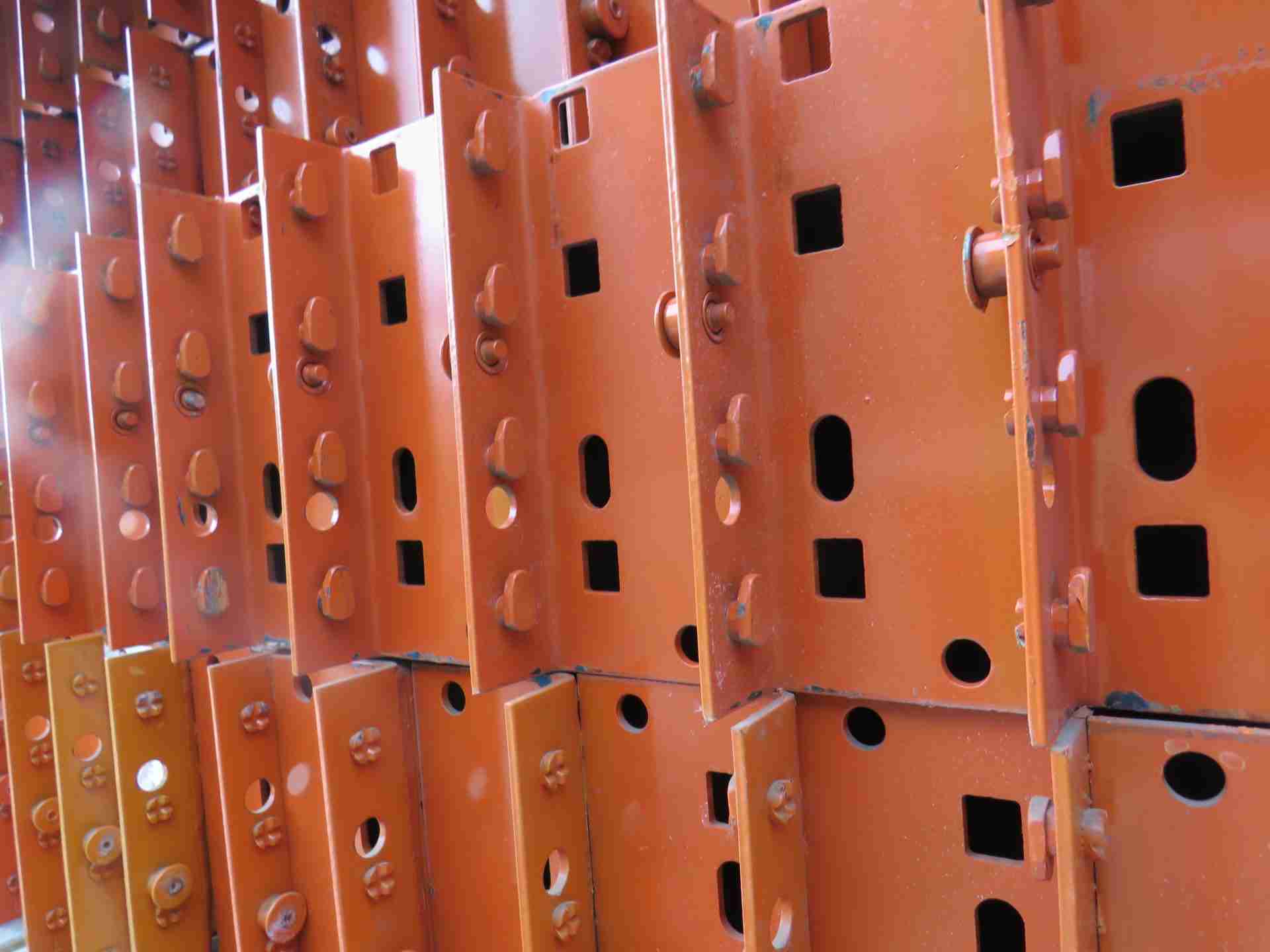
Are You Still Battling Warehouse Clutter?
Table Of Contents
- Are You Still Battling Warehouse Clutter?
- How Can I Assess My Warehouse Space?
- What Are Effective Methods To Declutter?
- How Can I Optimize Storage Solutions?
- Should I Consider A Digital Inventory System?
- How Can I Maintain Organization In My Warehouse?
- What Role Does Employee Training Play In Reducing Clutter?
- Conclusion
- Other Resources
- Glossary Of Terms
- Other Questions
- Checklist
How Can I Assess My Warehouse Space?
Assessing your warehouse space is not just a task; it’s an opportunity—a chance to breathe life into your operations and transform your bottom line. You wouldn’t build a house without understanding the land it sits upon, would you? The same principle applies to your warehouse. Embrace this assessment as a strategic investment in your business’s future.
Start by evaluating your current layout and inventory flow. Are your products stored efficiently, and can they be accessed swiftly when needed? This is where *pallet racking* comes into play. It’s not merely a means of storing goods; it’s an essential element of your workflow. Properly implemented pallet racking maximizes vertical space, allowing for better organization and quicker retrieval of items. Imagine the productivity boost when your staff can access goods without rummaging through clutter!
Next, analyze your storage capacity. Is your warehouse regularly bursting at the seams, or do you have room to spare? Conducting a thorough inventory count will help you understand your actual stock levels. This isn’t just about number-crunching; it’s about aligning your storage capabilities with real demand. Each square foot of space is a piece of your profitability puzzle, and optimizing it can lead to substantial cost savings.
Don’t forget to consider the future. If you’re planning to expand or diversify your inventory, your warehouse needs to adapt. Take stock of changing trends in your industry. Is there a potential for seasonal fluctuations or new product lines? Future-proofing your warehouse space means anticipating these shifts and designing your layout to accommodate them seamlessly.
Engaging with your team during this assessment is vital. Gather insights from the frontline staff who navigate the space daily. They can offer invaluable feedback on usability, accessibility, and potential bottlenecks. When employees feel heard, trust and morale soar, creating a culture of continuous improvement.
Finally, always remember: warehouse space analysis isn’t a one-time task; it’s an ongoing commitment. Regular assessments will keep your operations lean and facilitate growth. Incorporate this into your routine to ensure you’re not just meeting current demands but setting the stage for future success.
Take action today. Start envisioning your warehouse as more than just storage space. With keen assessments and the right systems in place, you’re not just optimizing space; you’re positioning your business for remarkable growth.

How Can I Assess My Warehouse Space?
How Can I Assess My Warehouse Space?
- Assessing warehouse space is an opportunity to enhance operations and profitability.
- Evaluate current layout and inventory flow for efficiency and swift access to products.
- Pallet racking maximizes vertical space, improving organization and retrieval speed.
- Conduct thorough inventory counts to align storage capabilities with actual demand.
- Consider future needs and industry trends to enable warehouse adaptability.
- Engage frontline staff for insights on usability and potential bottlenecks.
- Regular warehouse assessments help maintain operations and facilitate growth.
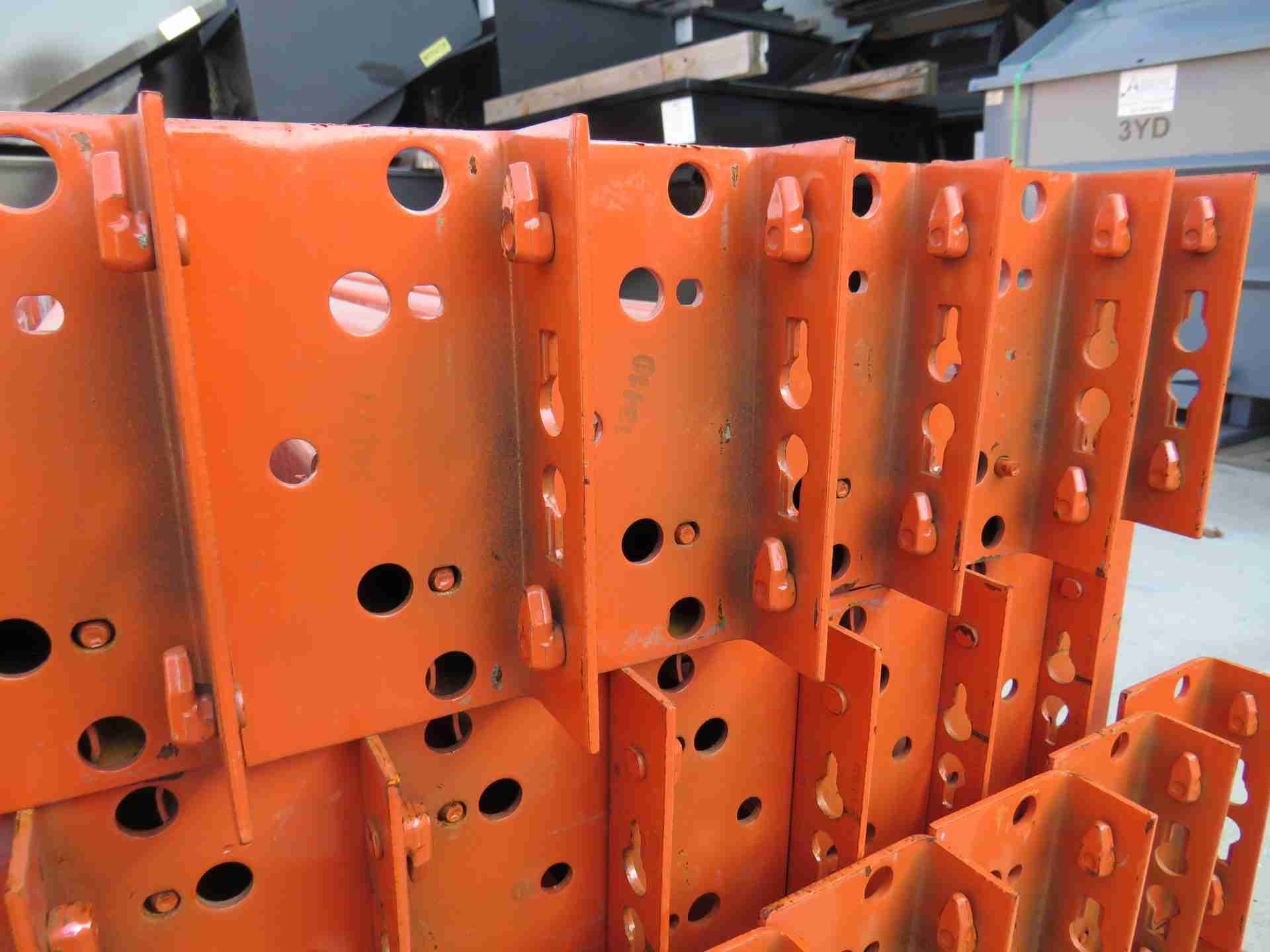
How Can I Assess My Warehouse Space?
What Are Effective Methods To Declutter?
What Are Effective Methods to Declutter?
Decluttering may feel like a daunting task—like trying to fit an elephant into a shoebox—but it doesn’t have to be. In fact, the act of decluttering can transform your space and your mindset, creating an environment that fosters creativity and productivity. Let’s explore some effective methods that not only simplify your space but also elevate your life, offering you a fresh perspective.
First, consider the invaluable “One-In, One-Out” rule. For every item you bring into your home or office, let go of one that you no longer need or cherish. This approach creates a balanced space, ensuring you avoid the accumulation of clutter. Feeling overwhelmed by the sheer volume of items? Try the “Four-Box Method”: label boxes as Keep, Donate, Trash, and Relocate. Walk through each room with that system in mind. You’ll be amazed at how quickly you can streamline your belongings when you have a clear plan.
Now, if you’re working with larger items or need to optimize your workspace, think about incorporating pallet racking. This ingenious storage solution takes advantage of vertical space and can accommodate anything from tools to inventory, allowing you to keep your floor areas clear. Not only does it maximize your storage, but it also organizes items in a way that makes them easily accessible, reducing stress and increasing efficiency.
For those sentimental items that tug at your heartstrings, establish a “Memory Box.” Choose a decorative box for keepsakes and limit what you store inside it to a certain size. This exercise cultivates mindfulness about what truly matters without drowning you in nostalgia and clutter.
Next, tackle one area at a time. Focus on a drawer, closet, or specific room instead of overwhelming yourself with the entire house. Celebrate small victories along the way to maintain your motivation. Snap before-and-after photos; noticing your progress can be incredibly rewarding and inspiring.
Lastly, embrace the principle of “less is more.” A minimalist approach not only simplifies your physical space but also paves the way for mental clarity. In a world that often feels chaotic, creating a serene space rooted in simplicity will stimulate your productivity, creativity, and peace of mind.
Take the first step today. Break free from the chains of clutter and embrace a lifestyle of intentional living. It’s time to reclaim your space and transform it into an oasis of order and inspiration. Your future self will thank you!

What Are Effective Methods To Declutter?
What Are Effective Methods To Declutter?
- Decluttering can enhance your space and mindset, promoting creativity and productivity.
- Apply the “One-In, One-Out” rule to maintain balance by letting go of an item for every new one brought in.
- Use the “Four-Box Method” (Keep, Donate, Trash, Relocate) to systematically sort through your belongings.
- Incorporate pallet racking for optimizing storage and organization of larger items, keeping floor areas clear.
- Create a “Memory Box” for sentimental keepsakes, limiting its size to cultivate mindfulness and prevent excessive clutter.
- Focus on decluttering one area at a time to avoid overwhelm, celebrating small victories with before-and-after photos.
- Embrace a minimalist approach to simplify your space, fostering mental clarity and increasing productivity.
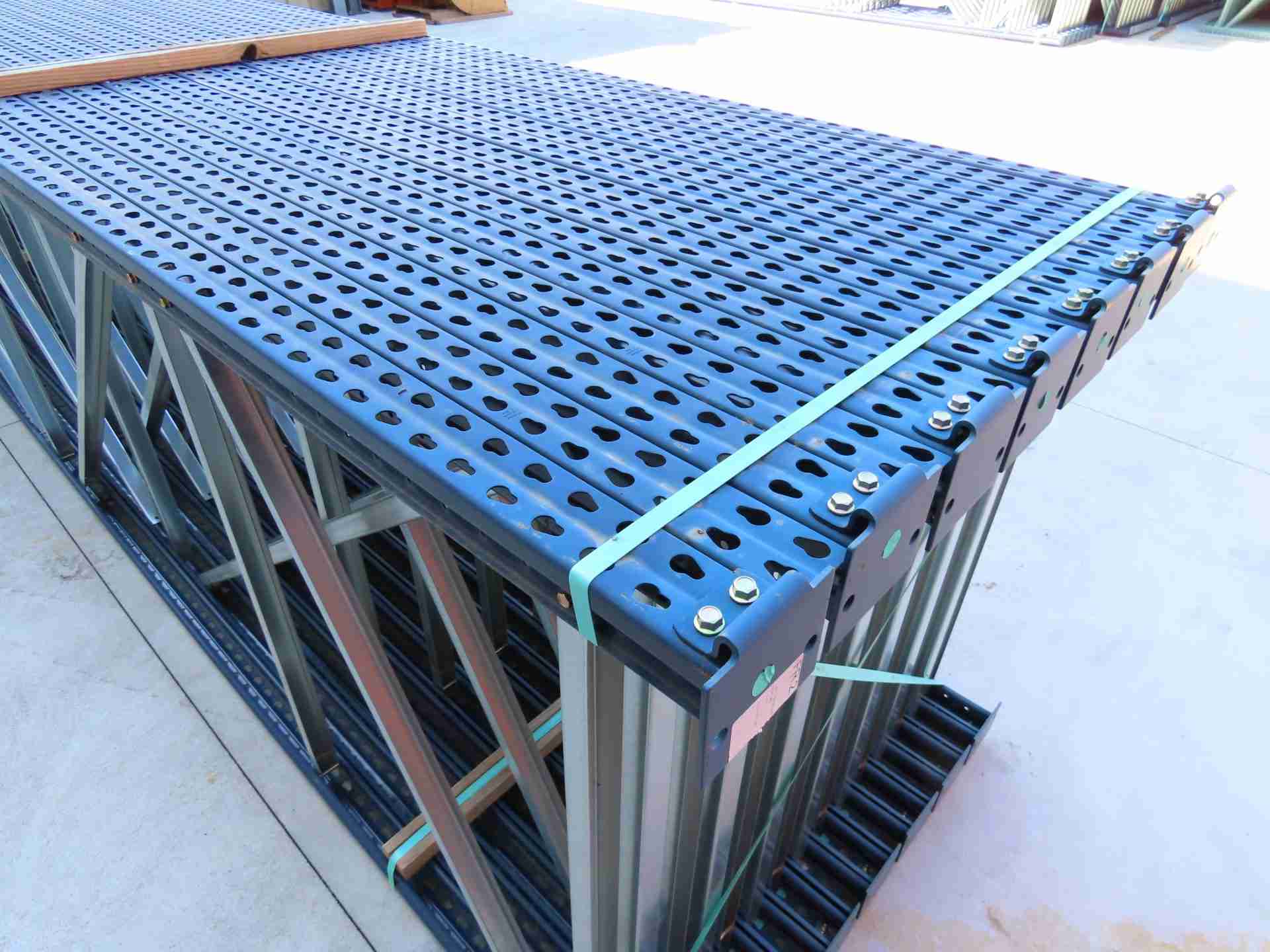
What Are Effective Methods To Declutter?
How Can I Optimize Storage Solutions?
Are you feeling overwhelmed by the clutter in your warehouse, office, or storage space? It’s a common problem many businesses face. But what if I told you there’s a way to turn that chaos into a well-organized, efficient haven that could enhance productivity and even save you money? Let’s dive into one of the most effective strategies for optimizing your storage solutions: pallet racking.
Pallet racking systems are the backbone of smart storage logistics. By using vertical space instead of sprawling out horizontally, you free up valuable square footage, making it easier to navigate your workspace. Imagine being able to locate that essential product without having to sift through a mountain of boxes, wasting precious time—time you could be spending on more strategic tasks. Feels good, doesn’t it?
Why is pallet racking such a game changer? First, it allows for a flexible storage solution that can be tailored to meet your specific needs. Whether you’re storing large merchandise, seasonal items, or everyday essentials, these systems provide a sturdy frame and smart design. With easy access to your inventory, you can ensure that the items you need are readily available, and that means faster turnover and increased customer satisfaction. Not to mention, that extra accessibility can often lead to improved safety by minimizing the risk of accidents associated with poorly organized storage.
Now, you might be thinking, “That all sounds good, but what about the cost?” Here’s the beautiful part: investing in pallet racking is not just spending money; it’s a strategic move. Think of it as an investment that pays dividends in organization, efficiency, and ultimately, profit. The return on this investment is immense when you consider how streamlined operations can enhance your bottom line.
Let’s make this relatable. Picture your favorite store. When you walk in, merchandise is displayed beautifully—items are easy to find, and you feel good about your shopping experience. Now, translate that to your own operation. When your storage is optimized, not only do your employees find their jobs easier, but your overall workflow improves. In this hyper-competitive environment, every advantage counts.
So, why wait? Start evaluating your storage solutions today, consider implementing pallet racking, and watch how your space transforms. It’s not about just storing items; it’s about creating a storage strategy that fuels your success. Don’t just manage your space—master it. Take action now, and your future self will thank you!

How Can I Optimize Storage Solutions?
How Can I Optimize Storage Solutions?
- Clutter in warehouses, offices, and storage spaces is a common challenge for many businesses.
- Pallet racking systems optimize storage by utilizing vertical space, freeing up valuable floor area.
- These systems enhance efficiency, allowing for easy access to inventory and better navigation.
- Pallet racking offers flexible, tailored storage solutions for various types of merchandise.
- Investing in pallet racking is a strategic move that can lead to significant improvements in organization and profitability.
- Optimized storage enhances employee productivity and overall workflow in a competitive market.
- Consider implementing pallet racking to transform your storage strategy and improve your business success.

How Can I Optimize Storage Solutions?
Should I Consider A Digital Inventory System?
Let’s face it: managing inventory can feel like herding cats. You’ve got stacks of pallets piled high, all neatly arranged on your pallet racking, but chaos often lurks just beneath the surface. One wrong item collected or order mismanaged, and suddenly, that impressive organization turns into a catastrophic mess. Sound familiar?
What if I told you there’s a better way? A digital inventory system isn’t just a luxury; it’s a game changer. Picture this: every single item—be it on the ground, on a shelf, or perched precariously on that high pallet racking—is tracked in real time. You know exactly what you have, where it is, and what needs to be reordered, all from the convenience of your laptop or mobile device. It’s like having a personal assistant whose sole mission is to keep your business running smoothly.
Think about the time and money you could save. Imagine no longer trudging through aisles, trying to recall where you last saw that elusive item. Instead, your digital inventory system can do the heavy lifting, giving you instant access to valuable information that helps you make informed decisions. Trust me, the days of inventory anxiety are over.
Did you know that businesses that adopt digital inventory solutions see significant improvements in efficiency? It’s not just the tech-savvy startups that are doing it either. Traditional businesses are transitioning, and those who cling to outdated methods are finding themselves left in the dust. The world is changing, and so should the way you think about managing your inventory.
And here’s the best part: with a solid digital inventory system, you’ll foster trust not only within yourself but also with your clients. When you know your numbers, you can provide accurate timelines and reliable service. Your customers will come to know you as a business that delivers, every single time.
So, should you consider a digital inventory system? Absolutely! Take the plunge into a world where organization reigns, efficiency is king, and your stress levels dip. Don’t let chaos hijack your success. Embrace the future—your business and your sanity will thank you. The journey starts with a single step, and that step is investing in a digital inventory system that suits your unique needs. Are you ready to take that step?

Should I Consider A Digital Inventory System?
Should I Consider A Digital Inventory System?
- Managing inventory can be chaotic and overwhelming, often leading to mistakes.
- A digital inventory system offers real-time tracking of items, improving organization and accessibility.
- This system enables easier management of items, saving time and helping make informed decisions.
- Businesses that adopt digital inventory solutions experience significant improvements in efficiency.
- Transitioning to digital inventory is essential for both tech-savvy startups and traditional businesses to stay competitive.
- A robust digital system builds trust with clients by ensuring accurate timelines and reliable service.
- Investing in a digital inventory system can reduce stress and enhance your business’s overall success.

Should I Consider A Digital Inventory System?
How Can I Maintain Organization In My Warehouse?
Imagine walking into your warehouse and feeling an immediate sense of control and efficiency. The aisles are clear, the products are easily accessible, and you know exactly where everything is located. This isn’t just a dream; it’s a reality that can be achieved with smart organization strategies.
One powerful way to create that organized environment is by investing in pallet racking. This strategic use of vertical space significantly enhances your storage capacity. Instead of letting valuable floor space go to waste, pallet racking allows you to stack products high, optimizing every inch of your warehouse. By adjusting the height and configuration of your racking system, you can tailor it precisely to fit your specific inventory needs. But remember, it’s not just about having pallet racking in place; it’s about making it work for you.
Next, embrace a systematic approach to inventory management. Utilizing a robust inventory management software can make a world of difference. These tools not only help track stock levels but also automate ordering processes and provide invaluable insights into your most popular products and inventory turnover rates. Integrating these practices with your pallet racking setup allows for a streamlined operation where finding the right product is always just a few clicks away.
And let’s not overlook the power of labels and signage. Clear labeling of shelves and products not only improves identification but also helps team members quickly locate what’s needed. This minor adjustment can result in significant time savings and a reduction in errors—fostering an environment where everyone knows their role and where everything belongs.
Don’t forget about regular audits. Establish a routine for assessing your organization strategy. A monthly or quarterly review can reveal any inefficiencies and allow you to make adjustments before they become larger problems. This commitment to continual improvement builds trust within your team, knowing they can depend on a structured system that supports their daily tasks.
Lastly, foster a culture of organization among your staff. Encourage everyone to take ownership of their workspace. When each team member contributes to maintaining order, you create a cohesive system that becomes second nature.
So, let’s turn that dream into reality. Start embracing these principles today, and watch your warehouse transform into a hub of productivity and efficiency. Remember: a well-organized warehouse is not just an asset but a commitment to excellence—and that’s something worth investing in!

How Can I Maintain Organization In My Warehouse?
How Can I Maintain Organization In My Warehouse?
- Achieve control and efficiency in your warehouse through smart organization strategies.
- Invest in pallet racking to maximize vertical space and enhance storage capacity.
- Utilize robust inventory management software for tracking stock levels and automating orders.
- Implement clear labeling and signage to improve product identification and reduce errors.
- Conduct regular audits to identify inefficiencies and make necessary adjustments.
- Foster a culture of organization among staff to maintain order and teamwork.
- Embrace these principles for a transformed, productive warehouse environment.

How Can I Maintain Organization In My Warehouse?
What Role Does Employee Training Play In Reducing Clutter?
In today’s fast-paced environment, clutter is not just a physical problem; it’s a drain on productivity and morale. Enter employee training—a powerful, often-overlooked tool that can radically transform your workplace by reducing clutter and boosting efficiency. Imagine walking into a well-organized space where everything has its place; that’s not just wishful thinking—it can be your reality with the right training initiatives.
So, how does training your team contribute to decluttering? First, consider the fundamentals. A trained employee understands the importance of maintaining organized systems. The concept of pallet racking, for example, becomes a key focus in your operations management training. When your staff feels confident in the proper use of pallet racking, they not only streamline storage but also enhance safety. No more struggling to find what’s buried under a mountain of boxes! Your employees will be empowered to maximize every inch of space thoughtfully and effectively.
But it goes beyond just the tools; it’s about fostering a culture of ownership. When employees are actively involved in decluttering processes, they take pride in their workspace. This sense of ownership encourages individuals to hold each other accountable, ensuring that the standards of organization are perpetually upheld. Regular training sessions can provide a platform for employees to share their experiences, exchange ideas, and discuss clutter-reduction strategies. This communal approach builds camaraderie and transforms clutter management into a team effort.
Furthermore, effective training incorporates practical strategies and techniques to not only tidy up but also maintain order long-term. Employees learn about the significance of regular clean-ups, how to dismantle outdated systems that no longer serve them, and the critical nature of routine checks. This proactive mindset is vital; it ensures that clutter doesn’t become an unwelcome guest again.
Investing in employee training to reduce clutter isn’t just a fleeting trend; it’s a meaningful strategy that lays the foundation for future success. When employees understand their roles and responsibilities in maintaining an organized environment, they are less likely to contribute to chaos. Trust me, when your business operates with clarity, your profits will reflect that commitment. So don’t just dabble in training—make it an integral part of your operational philosophy, and watch the transformation unfold!

What Role Does Employee Training Play In Reducing Clutter?
What Role Does Employee Training Play In Reducing Clutter?
- Clutter hampers productivity and morale in the workplace.
- Employee training is a powerful tool for reducing clutter and boosting efficiency.
- Trained employees understand how to maintain organized systems, such as pallet racking, enhancing storage and safety.
- Fostering a culture of ownership encourages employees to take pride in their workspace and hold each other accountable.
- Regular training sessions facilitate sharing experiences and strategies for clutter reduction among employees.
- Effective training includes practical strategies for long-term maintenance of organization, such as routine checks and clean-ups.
- Investing in employee training is a meaningful strategy that contributes to a clear and organized operational environment, positively impacting profits.

What Role Does Employee Training Play In Reducing Clutter?
Conclusion
Conclusion: Transforming Your Warehouse into a Model of Efficiency and Order
Are you ready to take a decisive stand against the chaos of warehouse clutter? At Arrow Industrial Sales, we understand the challenges that come with disorganization in your operations. Yet, this doesn’t have to be your reality. Imagine stepping into your workspace and feeling an immediate sense of relief as you see an organized, streamlined environment designed for efficiency.
We’ve explored the core issues that contribute to clutter and the tangible benefits that stem from a well-strategized approach to warehouse organization. The pivotal solution offered is pallet racking—an incredible system designed to optimize vertical space, making your products not only more accessible but also significantly improving workflow. Each moment wasted searching for items translates to lost productivity and revenue, and investing in an effective storage solution can dramatically alter your bottom line.
The journey doesn’t end with installing pallet racking. Assess your layout, engage your team, and implement an effective digital inventory system. These actionable steps will foster an environment primed for future growth. Regular assessments and a culture of continuous improvement are critical; they ensure that your organization doesn’t just happen but thrives.
Moreover, consider the often-overlooked aspect of employee training. This investment empowers your staff with the knowledge they need to maintain an organized workspace. When employees feel a sense of ownership over their environment, they contribute to a culture that values order, efficiency, and accountability. Together, through these practices, you’ll cultivate a business that not only meets the demands of today’s fast-paced market but sets the stage for success in the future.
But here’s the catch—time is of the essence. The longer you wait to tackle your clutter, the more daunting it becomes. Don’t let inefficiency dictate your success. Take action now! Call Arrow Industrial Sales at (574) 349-6575 to get tailored advice that aligns with your needs and a consultation that’ll put you on the fast track to a clean, effective, and profitable warehouse operation.
Your future hinges on the steps you take today. Let’s conquer that chaos together and transform your warehousing woes into triumphs!

Conclusion
Conclusion:
- Address the chaos of warehouse clutter with effective organizational strategies.
- Pallet racking is a key solution to optimize vertical space and improve workflow.
- Regular assessments and a focus on continuous improvement are crucial for long-term success.
- Employee training enhances staff ownership and accountability in maintaining an organized workspace.
- Investing in an effective storage solution positively impacts productivity and revenue.
- Act promptly to avoid further complications with warehouse disorganization.
- Contact Arrow Industrial Sales for tailored advice and consultations.

Conclusion
Other Resources

Other Resources
Here is a list of other resources you can review online to learn more:
- American Society of Safety Professionals
- Storage Equipment Manufacturers Association
- Interlake
- Cantilever Racking Specialists – Get the Right Racks
- Crane Manufacturers Association Of America Inc.
- Shipping Boxes, Packaging Materials, Pallet Racking
- Rack Manufacturers Institute
- Warehousing and Fulfillment
- Logic Material Handling
- Mustang Material Handling
Use This Prompt To Get More Resources With Your Favorite Online AI Tool: Please provide me with a list of online articles with their URLs in a bulleted list that I can read regarding Are You Still Battling Warehouse Clutter?

Other Resources
Glossary Terms
Are You Still Battling Warehouse Clutter? – Glossary Of Terms
1. Clutter: Excess items or materials in a warehouse that disrupt efficient operations.
2. Inventory Management: The process of tracking and controlling stock levels to minimize clutter and maximize space.
3. SKU (Stock Keeping Unit): A unique identifier for each product that helps in organizing and locating items in a warehouse.
4. Lean Warehousing: An approach focused on minimizing waste and maximizing efficiency in warehouse operations.
5. FIFO (First In, First Out): An inventory management principle where older stock is sold before newer stock to reduce clutter and spoilage.
6. Automated Storage and Retrieval Systems (AS/RS): Technology that automates inventory storage and retrieval, optimizing space and reducing clutter.
7. Cross-Docking: A logistics practice where products are directly transferred from incoming to outgoing shipments, minimizing storage time.
8. Space Optimization: Strategies aimed at utilizing warehouse space more effectively, reducing clutter and improving accessibility.
9. Overstock: Excess inventory that takes up space and contributes to clutter in a warehouse.
10. Batch Picking: A method where multiple orders are picked at once to streamline the process and reduce need for cluttered pathways.
11. Zoning: Organizing the warehouse into specific areas for different types of inventory, helping to minimize clutter.
12. Cycle Counting: A practice of regularly counting a portion of the inventory to maintain accuracy and reduce clutter.
13. Bulk Storage: A warehouse configuration that stores large quantities of products, which can contribute to clutter if not managed properly.
14. ABC Analysis: An inventory categorization method that divides items into three categories (A, B, C) based on importance, helping to prioritize organization.
15. Lean Six Sigma: A methodology that combines process improvement and waste reduction to enhance warehouse efficiency.
16. Flow Racks: Storage systems that allow stock to be accessed easily and quickly, helping to minimize clutter.
17. Vertical Storage: Utilizing vertical space in a warehouse with shelves or racks to free up floor space.
18. Picking Techniques: Strategies like single-order picking or zone picking used to efficiently retrieve items from storage and reduce clutter.
19. Warehouse Layout: The design of the warehouse structure, which can greatly impact clutter levels and efficiency.
20. Static Shelving: Fixed storage units that can help organize items but may contribute to clutter if not designed efficiently.
21. Pallet Racking: A common storage system for palletized inventory that can help reduce clutter when utilized properly.
22. Waste Reduction: Strategies aimed at minimizing excess or unnecessary items that contribute to clutter.
23. Inventory Turnover: A measure of how quickly inventory is sold and replaced, indicating the efficiency of warehouse operations and helping reduce clutter.
24. Barcoding: The use of barcodes for tracking inventory, aiding in organization and reducing clutter.
25. FIFO Racking: A racking system designed specifically for FIFO inventory management to decrease clutter and waste.
26. Workstations: Designated areas where tasks are performed, which if organized correctly can help minimize clutter.
27. Materials Handling Equipment: Tools like forklifts and pallet jacks that assist in moving items efficiently, preventing accumulation of clutter.
28. Consolidation: The practice of combining orders or items to reduce the number of small shipments, which can help decrease warehouse clutter.
29. Digital Inventory Systems: Software solutions for monitoring and managing inventory levels, which can reduce the chance of physical clutter.
30. Warehouse Audits: Regular assessments of inventory and layout to identify and address areas contributing to clutter.

Glossary Of Terms
Other Questions
Are You Still Battling Warehouse Clutter? – Other Questions
If you wish to explore and discover more, consider looking for answers to these questions:
- What are the common causes of warehouse clutter?
- How can I effectively measure productivity improvements after decluttering?
- Are there specific pallet racking systems recommended for different types of inventory?
- What are the costs associated with implementing a pallet racking system?
- How often should I reassess my warehouse organization and layout?
- What criteria should I consider when choosing a digital inventory system?
- What role does technology play in warehouse management and efficiency?
- How can I train my employees effectively on new organization systems?
- What are some real-world examples of businesses that successfully reduced warehouse clutter?
- What mistakes should I avoid when reorganizing my warehouse?
- How can I ensure that my team stays committed to maintaining an organized warehouse?
- What are the benefits of a well-organized warehouse beyond productivity?
- How can I adapt my storage solutions to seasonal changes in inventory?
- Where can I find resources or consultants to help with warehouse organization?

Other Questions
Checklist
Are You Still Battling Warehouse Clutter? – A Checklist
Checklist for Conquering Warehouse Clutter: A Guide to Streamlining Your Operations
1. Assess Your Current Warehouse Layout
_____ Evaluate the efficiency of your current storage setup.
_____ Identify areas that cause bottlenecks or slowdowns in operations.
_____ Gather team input on usability and accessibility.
2. Implement a Pallet Racking System
_____ Research different types of pallet racking that meet your inventory needs.
_____ Consider vertical space utilization to maximize storage capacity.
_____ Plan for accessibility to reduce time spent searching for items.
3. Establish Clear Inventory Management Practices
_____ Consider adopting a digital inventory management system.
_____ Use software to track stock levels, automate reordering, and assess inventory turnover.
_____ Regularly update inventory data to maintain accuracy.
4. Adopt Decluttering Methods
_____ Use the One-In, One-Out rule to manage new items entering your space.
_____ Implement the Four-Box Method (Keep, Donate, Trash, Relocate) for effective decluttering.
_____ Focus on decluttering one area at a time to avoid feeling overwhelmed.
5. Maintain a Routine for Organization
_____ Schedule regular audits of your warehouse organization and storage solutions.
_____ Use labels and signage for easy identification of items and sections.
_____ Promote a culture of ownership where employees take pride in maintaining organization.
6. Invest in Employee Training
_____ Provide training focused on the benefits of a clutter-free environment.
_____ Teach staff proper techniques for using pallet racking and maintaining order.
_____ Encourage team-building activities around organizing and decluttering.
7. Stay Predictive and Adaptive
_____ Anticipate future inventory changes or expansion needs.
_____ Regularly review trends in your industry to adjust storage solutions accordingly.
_____ Have a flexible organizational structure that can adapt to changing business demands.
8. Celebrate Small Wins
_____ Track progress and improvements in your warehouse organization.
_____ Share before-and-after photos or engage in team acknowledgment for accomplishments.
_____ Continue to motivate your team by recognizing their contributions to reducing clutter.
Begin Your Decluttering Journey Today!
Don’t let warehouse clutter hinder your productivity. Use this checklist to embark on the journey of creating an organized, efficient storage environment. A well-organized warehouse not only optimizes space but boosts team morale and operational productivity!

Checklist
At RackingWorld, we help guide you through selecting warehouse storage systems and racking.
Be sure to read our other related stories at RackingWorld to learn more about warehouse storage systems.
0 Comments