
Maximizing Warehouse Efficiency With Smart Strategies
By Tom Seest
At RackingWorld, we help guide you through selecting warehouse storage systems and racking.
Be sure to read our other related stories at RackingWorld to learn more about warehouse storage systems.
What Strategies Can Transform Your Warehouse Storage Efficiency?
Imagine walking into your warehouse and immediately seeing a symphony of organized chaos—a perfectly orchestrated arrangement where every product has its designated spot. That’s the power of effective warehouse storage strategies, and it can transform your operations from merely functional to astonishingly efficient. Let’s talk about how you can elevate your game.
One of the cornerstone strategies to consider is pallet racking. It’s like a game-changer for your storage solutions. Not only does it maximize vertical space, but it also ensures that products are easily accessible and neatly arranged. Think about it: a well-designed pallet racking system allows your team to pick and store items more swiftly. That means happier employees and faster order fulfillment, which translates to better customer satisfaction. When you deploy pallet racking effectively, you’re not just storing goods; you’re streamlining your entire workflow.
But don’t stop there. Embrace inventory management tools that help you track stock levels in real time. Coupled with your pallet racking systems, these tools enable you to identify fast-moving items and seasonal trends. You’ll no longer be searching for that elusive product or overstocking items that just sit there gathering dust. Visibility leads to smarter decisions, and smart decisions lead to increased profits.
Now, consider the power of regular audits and assessments. Schedule periodic evaluations of your storage layout and effectiveness. Are the aisle widths optimized for easy navigation? Are you using vertical space effectively? By continually reassessing, you keep your warehouse in peak condition, ready to meet customer demands seamlessly.
Lastly, foster a culture of continuous improvement within your team. Encourage employees to share their insights and suggestions on improving storage processes. Empower them to be part of the solution. Their hands-on experience can provide invaluable feedback that can further enhance your efficiency.
In summary, effective warehouse management hinges on a blend of innovative strategies. By investing in pallet racking, leveraging technology, conducting regular assessments, and encouraging team involvement, you’ll not only improve operational efficiency but also cultivate a workplace that thrives on productivity and success.
It’s time to elevate your warehouse storage strategies and reap the benefits. Don’t just settle for ordinary—strive for extraordinary! Your path to operational excellence awaits!

What Strategies Can Transform Your Warehouse Storage Efficiency?
What Strategies Can Transform Your Warehouse Storage Efficiency?
- Effective warehouse storage strategies transform operations from functional to efficient.
- Pallet racking maximizes vertical space and enhances accessibility, boosting employee satisfaction and order fulfillment.
- Implement inventory management tools for real-time stock tracking, identifying fast-moving items and trends.
- Regular audits and assessments optimize storage layout and enhance navigation within the warehouse.
- Foster a culture of continuous improvement by encouraging employee feedback and involvement in storage processes.
- Innovative strategies, including pallet racking and technology, improve operational efficiency.
- Strive for extraordinary results in warehouse management to achieve operational excellence.

What Strategies Can Transform Your Warehouse Storage Efficiency?
Table Of Contents
- What Strategies Can Transform Your Warehouse Storage Efficiency?
- What Are The Key Factors Affecting Warehouse Storage Efficiency?
- How Can The Layout Of A Warehouse Impact Storage Efficiency?
- What Role Does Technology Play In Optimizing Warehouse Storage?
- How Can Inventory Management Systems Improve Storage Solutions?
- What Are The Benefits Of Implementing An Rfid System In Warehouses?
- What Strategies Can Be Employed For Better Shelving Organization?
- Conclusion
- Other Resources
- Glossary Of Terms
- Other Questions
- Checklist
What Are The Key Factors Affecting Warehouse Storage Efficiency?
When it comes to maximizing warehouse storage efficiency, several key factors come into play, and understanding these can be the difference between a chaotic space and a streamlined, well-oiled machine. Take a moment to consider the very essence of your operation. You want to create an environment that not only optimizes space but also enhances productivity, reduces costs, and elevates customer satisfaction. Let’s dive into some fundamental elements that can transform your warehouse into a powerhouse of efficiency.
First and foremost, we cannot overlook the significance of pallet racking. This essential component serves as the backbone of any warehouse layout. Choosing the right pallet racking system tailored to your inventory types and throughput rates can amplify your storage capacity drastically. So, don’t just settle for standard solutions—evaluate your unique needs and explore dynamic options like selective, drive-in, or push-back racking. Each type has its strengths, and aligning your choice with your operational goals will propel you toward greater efficiency.
Next, we have layout design, which is often an underrated hero. A logical layout minimizes travel time, reduces labor costs, and enhances safety. Visualize your team moving through the space with ease, as systems flow smoothly from receiving to storage, and from picking to shipping. This means carefully mapping your warehouse to ensure that fast-moving items are easily accessible while slower-moving products are tucked away strategically. This active approach keeps things organized and saves time—an invaluable commodity in today’s fast-paced market.
Consider the power of technology. Today’s warehouses have more tools at their disposal than ever before. Implementing Warehouse Management Systems (WMS) can help track inventory in real time, manage stock levels, and even predict ordering needs. This not only fosters trust among your team but also ensures your operation runs like clockwork. Upgrading your storage solutions includes embracing technology—it’s a vital step toward optimal efficiency.
Finally, let’s not forget the human element. Training your staff on best practices and the importance of maintaining an organized workspace will yield significant returns on your investment. Cultivating a culture of efficiency where your employees are engaged and informed about their roles can foster teamwork and boost morale.
By honing in on these key factors—embracing robust pallet racking systems, designing a smart layout, leveraging technology, and investing in your workforce—you can turn your warehouse into an efficient, thriving operation. Take action now to unlock the potential of your storage space and watch your business flourish.

What Are The Key Factors Affecting Warehouse Storage Efficiency?
What Are The Key Factors Affecting Warehouse Storage Efficiency?
- Maximizing warehouse storage efficiency is crucial for productivity, cost reduction, and customer satisfaction.
- Pallet racking is essential; choose a system (selective, drive-in, or push-back) based on inventory and throughput needs.
- A logical warehouse layout helps minimize travel time, reduce labor costs, and increase safety.
- Fast-moving items should be easily accessible, while slower-moving products should be strategically stored.
- Embrace technology with Warehouse Management Systems (WMS) for real-time inventory tracking and stock management.
- Train staff on best practices to maintain an organized workspace and foster a culture of efficiency.
- Focus on these key elements to transform your warehouse into an efficient and thriving operation.

What Are The Key Factors Affecting Warehouse Storage Efficiency?
How Can The Layout Of A Warehouse Impact Storage Efficiency?
When it comes to maximizing storage efficiency in a warehouse, the layout isn’t just a detail; it’s a game-changer. Imagine this: a well-designed warehouse is like a finely tuned machine. Every component is in sync, and every square foot is utilized to its fullest potential. You can feel it—the energy, the productivity, and most importantly, the profits that result from a layout engineered for efficiency.
One of the essential elements of any warehouse configuration is pallet racking. Think of pallet racking as the backbone of your storage solution. Not only does it provide a sturdy platform for holding inventory, but it also dictates how quickly and easily your team can access those goods. An effective pallet racking system enhances vertical space utilization, meaning you can store more items without expanding your footprint, reducing costs associated with real estate and labor.
But let’s take a step back. What does your current warehouse layout say about your business? Is clutter and inefficiency affecting your team’s morale? A chaotic environment can lead to frustration and costly errors. Conversely, a streamlined layout—one that prioritizes accessibility, organization, and speed—fosters a culture of productivity, where employees feel empowered and equipped to get the job done.
Have you considered the flow of goods through your operations? A thoughtfully designed warehouse layout minimizes unnecessary travel time, allowing your staff to retrieve items quickly and redirect their energy towards what truly matters: delivering exceptional service to your customers. The smoother the process, the happier the team—and the more satisfied the customer.
Don’t just dream of an efficient warehouse; take action! Start by assessing your current layout through the lens of efficiency. Identify bottlenecks where items struggle to flow. Review your pallet racking system—could it be upgraded or reorganized to enhance accessibility? Perhaps it’s time to implement new technologies or strategies that can revolutionize your layout.
Your warehouse is a reflection of your operational capabilities. By investing in a strategic layout designed for efficiency, you show your commitment to excellence. You foster trust and confidence, not only within your team but also with your customers. Remember, every inch matters, and your layout has the power to transform your business from good to exceptional. Embrace this opportunity; you won’t just save space—you’ll elevate your entire operation!

How Can The Layout Of A Warehouse Impact Storage Efficiency?
How Can The Layout Of A Warehouse Impact Storage Efficiency?
- A well-designed warehouse layout maximizes storage efficiency and enhances productivity.
- Pallet racking is essential for utilizing vertical space and facilitating quick access to inventory.
- Cluttered warehouse environments can lead to low morale and costly errors among employees.
- A streamlined layout promotes organization, accessibility, and overall team productivity.
- Efficient flow of goods minimizes travel time, allowing staff to focus on customer service.
- Assessing your current warehouse layout can help identify bottlenecks and opportunities for improvement.
- Investing in an efficient warehouse layout reflects a commitment to operational excellence and customer satisfaction.

How Can The Layout Of A Warehouse Impact Storage Efficiency?
What Role Does Technology Play In Optimizing Warehouse Storage?
In today’s fast-paced market, one of the most pressing challenges for warehouse managers is ensuring that every square inch of their storage space is utilized efficiently. That’s where the magic of technology comes into play. Imagine walking into a warehouse where items are sorted, stored, and retrieved with the precision of a finely tuned orchestra. This is not just a dream—it’s a reality made possible by innovative solutions tailored for an ever-evolving space.
First off, let’s talk about pallet racking systems. In the old days, these towering grids of shelves would often be a haphazard jumble. Now, we have sophisticated software that analyzes inventory levels and flow, suggesting the best configuration for your pallet racking. With automated systems that track every item, the days of misplaced stock are over. You can trust that each pallet is where it’s supposed to be, ready for swift retrieval. This means quicker order fulfillment and ultimately happier customers.
But the fruits of this technology aren’t limited to just pallet racking or inventory management. Consider the rise of integrated warehouse management systems (WMS) which not only manage stock but also optimize labor productivity. These systems allow employees to access real-time data on inventory, enabling them to make informed decisions about storage and retrieval without running in circles. Think about it: when your team can swiftly navigate through a labyrinth of shelves and pallets, operational efficiency skyrockets.
Furthermore, let’s not overlook the power of data analytics. With technology painting a detailed picture of your warehouse operations, you can identify trends that unveil insights about storage patterns. Is your pallet racking effective, or is it time for an upgrade? What products are flying off the shelves, and which ones are collecting dust? By employing analytics, you empower yourself to make decisions that enhance space utilization and optimize your bottom line.
The world of warehouse storage is evolving, and embracing technology means keeping your competitive edge sharp. The beauty of these tools is that they are adaptable to your specific needs, scalable as your operation grows, and user-friendly enough to foster collaboration among your team.
So, let’s make that vision of an optimized warehouse more than just a goal. With technology by your side, transforming your storage and distribution processes into a seamless operation is not just achievable—it’s at your fingertips. Now is the time to harness these innovations and drive your business forward. Take that step into the future. Your warehouse—and your profits—will thank you.

What Role Does Technology Play In Optimizing Warehouse Storage?
What Role Does Technology Play In Optimizing Warehouse Storage?
- Efficient utilization of storage space is a major challenge for warehouse managers in today’s market.
- Advanced technology and innovative solutions are transforming warehouse operations.
- Sophisticated pallet racking systems optimize inventory management and ensure accurate stock placement.
- Integrated warehouse management systems (WMS) enhance labor productivity through real-time data access.
- Data analytics provides insights to identify storage trends and improve space utilization.
- Embracing technology keeps warehouses competitive, adaptable, and scalable as operations grow.
- Now is the ideal time to leverage these innovations for more efficient and profitable warehouse operations.

What Role Does Technology Play In Optimizing Warehouse Storage?
How Can Inventory Management Systems Improve Storage Solutions?
Imagine walking into your warehouse and seeing chaos. Boxes piled high, products scattered, and the constant risk of misplacing valuable inventory. It’s a scene that many business owners can relate to. However, envision a different scenario: a sleekly organized space with every product in its rightful place, thanks to a powerful inventory management system unlocking the secret to optimized storage solutions.
Let’s face it—efficient storage isn’t just about shelves and pallets anymore. It’s about maximizing every inch of your space with sophisticated strategies and tools that can enhance your entire operation. Enter inventory management systems. These systems do more than just track what you have; they convert an overcrowded storage nightmare into a streamlined, efficient masterpiece. Take pallet racking for example—it allows you to use vertical space effectively, yet it can feel daunting to manage without the right digital tools. Enter an inventory management system that integrates with your pallet racking setup, providing you the intelligence to know exactly where each item is located and how to manage it.
With a robust inventory management system, you gain real-time insights into your stock levels, helping you make educated decisions. No more guesswork or panic orders. You’ll be able to track your inventory and optimize your storage layout with precision. This is akin to having a personal coach who guides you towards best practices, making your storage solutions not just effective, but practically effortless.
Trust builds when you can confidently say that every product is accounted for, and it fosters efficiency across the board. You’ll notice less waste, reduced holding costs, and a happier team that no longer scrambles to find items. Plus, imagine how much trust you build with your customers when you can promise timely deliveries backed by accurate data.
But it doesn’t stop at the warehouse floor. By investing in an advanced inventory management system, you’re also investing in the future of your business. The structure you establish now paves the way for scalability. As your business grows, and you seek to introduce more products or even diversify, you’ll have a solid foundation that can adapt to the changes seamlessly.
Ready to transform your chaotic storage into a well-oiled machine? The answer lies in embracing innovative inventory management systems. The peace of mind, efficiency, and potential growth waiting for you are just a decision away. So why wait? It’s time to take action and reclaim your storage space today!

How Can Inventory Management Systems Improve Storage Solutions?
How Can Inventory Management Systems Improve Storage Solutions?
- Many business owners face chaotic warehouse situations with disorganized products and misplaced inventory.
- Efficient storage involves more than just basic shelving; it requires maximizing space using advanced strategies and inventory management systems.
- Inventory management systems help transform cluttered warehouses into streamlined operations by tracking stock and optimizing layouts.
- These systems provide real-time insights, reducing guesswork and enabling educated decisions regarding inventory management.
- Effective inventory management fosters trust among staff and customers by ensuring accurate product accountability and timely deliveries.
- Investing in an inventory management system lays a solid foundation for future growth and scalability as the business evolves.
- Embracing innovative inventory management solutions can enhance efficiency, provide peace of mind, and promote business growth.
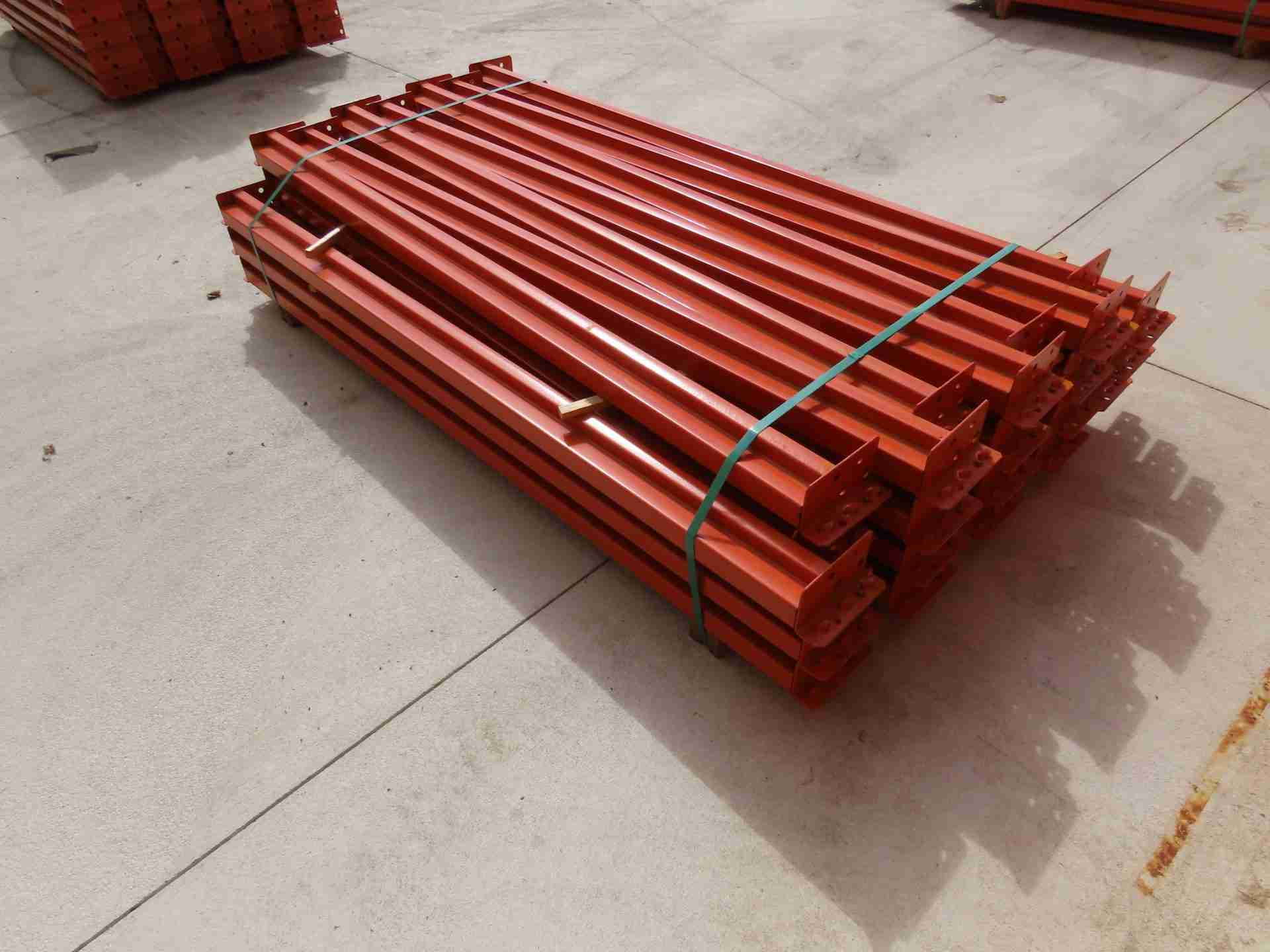
How Can Inventory Management Systems Improve Storage Solutions?
What Are The Benefits Of Implementing An Rfid System In Warehouses?
What Are The Benefits Of Implementing An RFID System In Warehouses?
In today’s fast-paced distribution landscape, efficiency isn’t just an advantage; it’s a necessity. Enter RFID technology—a game-changing ally for warehouses seeking to streamline operations and maximize return on investment. If you’ve ever stood among towering pallet racking, pondering how to improve your workflow, RFID could be the transformative solution you’ve been waiting for.
Imagine walking into your warehouse and knowing exactly where every item is located—no more chaotic searches through rows of pallet racking. With an RFID system, each item is equipped with a small tag that can be read without direct line-of-sight, saving you time and empowering your workforce. Think about the hours lost to manual inventory checks. RFID automates this process, updating your inventory in real-time, letting you know what stock you have, what needs reordering, and where everything is located instantly.
What’s even more impressive is the accuracy that RFID brings. Traditional inventory methods can be fraught with human error, leading to costly mistakes. When you implement an RFID system, you not only enhance accuracy but also provide a clearer picture of your inventory levels. This means no more out-of-stock merchandise impacting your orders or overstock sitting idle on your pallet racking. Instead, you’ll navigate your operations with confidence, basing your decisions on precise, up-to-date information.
Let’s not overlook the cost-saving potential. Streamlining your warehousing process with RFID technology can dramatically reduce labor costs. Your team can focus on high-value tasks instead of monotonous inventory counts and searching for misplaced stock. With this increase in efficiency, you enhance productivity, enabling your business to handle greater volumes without breaking a sweat.
Moreover, the data collected through RFID systems isn’t just numbers; it’s actionable intelligence. You’ll be able to identify trends in your inventory usage and refine your supply chain operations. This means making smarter purchasing decisions and creating a more responsive inventory management system that can adapt to market demands.
So, are you ready to elevate your warehouse operations? By investing in an RFID system, you’re not just adopting a technology; you’re embracing a solution that fosters trust, increase precision, and empowers your business to thrive in a competitive environment. Make that leap today—your warehouse deserves it!

What Are The Benefits Of Implementing An Rfid System In Warehouses?
What Are The Benefits Of Implementing An Rfid System In Warehouses?
- RFID technology enhances efficiency in warehouses, turning it into a necessity for modern distribution.
- Each item tagged with RFID provides real-time location tracking, eliminating the need for chaotic searches.
- Automation of inventory checks updates stock levels instantly, reducing time wasted on manual tasks.
- RFID systems improve accuracy, minimizing human error and ensuring precise inventory management.
- Cost savings are achieved through reduced labor hours, allowing staff to focus on higher-value tasks.
- The data from RFID systems offers actionable intelligence for smarter inventory and supply chain decisions.
- Investing in RFID systems empowers businesses to thrive and adapt in a competitive environment.
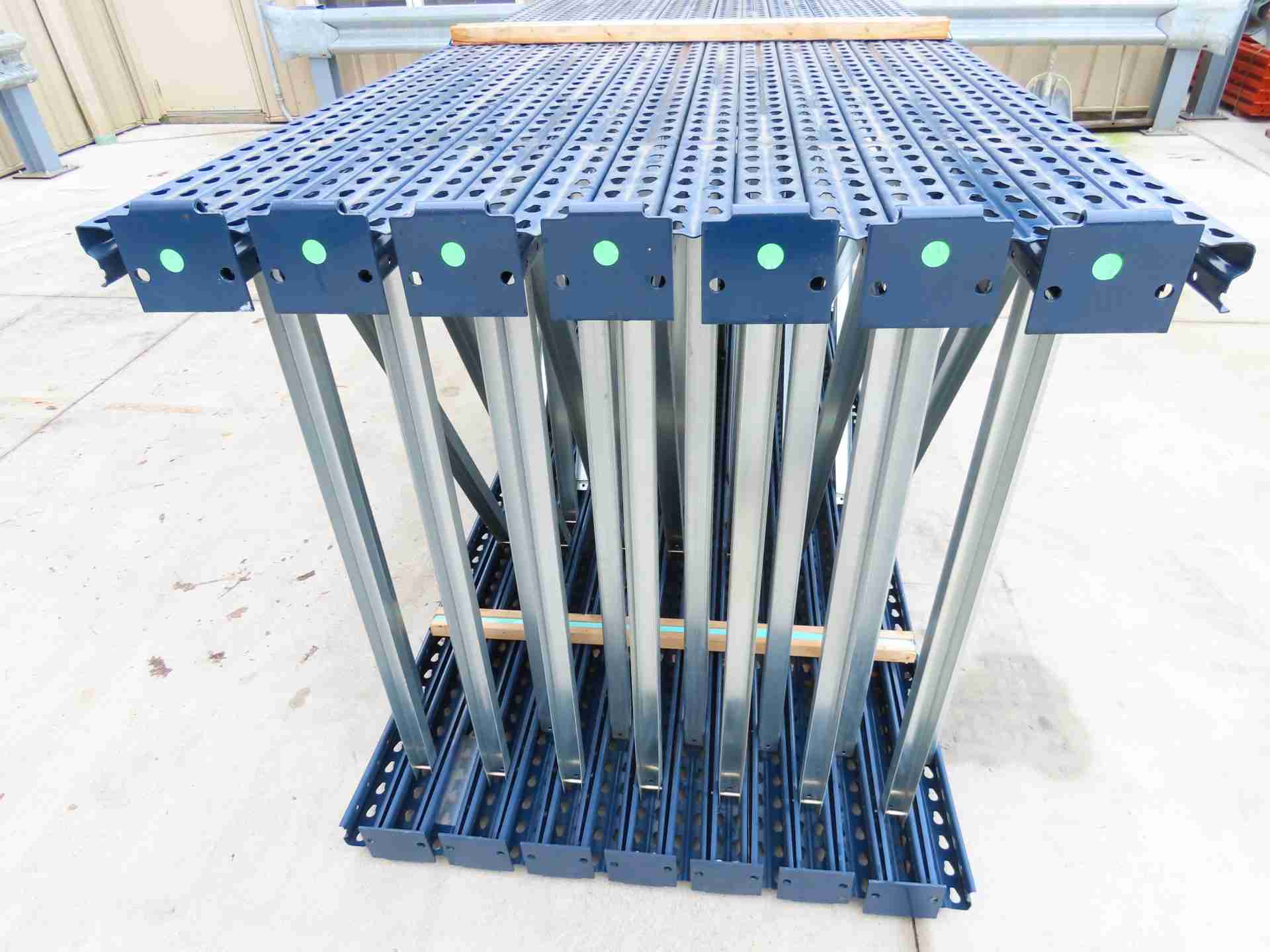
What Are The Benefits Of Implementing An Rfid System In Warehouses?
What Strategies Can Be Employed For Better Shelving Organization?
Are your shelves an organized utopia or a chaotic labyrinth? The way you display and store your products not only speaks volumes about your business acumen but also greatly affects your operational efficiency. It’s time to roll up your sleeves and delve into some practical strategies that will transform your shelving from disarray to dynamo!
1. Embrace the Power of Pallet Racking
Let’s start with a game changer—pallet racking. This versatile storage solution can help you maximize vertical space and keep your warehouse looking sharp. Imagine pulling a product down with ease instead of rummaging through piles of material. Pallet racking offers the flexibility to adjust shelves according to your inventory needs, allowing you to make updates as your business grows. Plus, it’s designed for heavy-duty use, which means less worry and more trust in your organization system.
2. Categorize, Prioritize, and Beautify!
Organizing is not just about putting things away; it’s an art form that can elevate your brand image. Start by categorizing items based on their frequency of use. Everyday items should be front and center, while seasonal or rarely used products can be shelved above or below eye level. Use clear labels and color coding for easy navigation, transforming your shelves into an aesthetically pleasing layout. When employees or customers can easily find what they’re looking for, trust in your brand grows effortlessly.
3. Implement First In, First Out (FIFO)
We all hate when products go stale or become obsolete—who needs that headache? Implement the FIFO method to ensure older products get sold first. This will not only streamline inventory management, but it will also create a reliable experience for your customers. No one likes to purchase an expired product. This simple strategy fosters trust and boosts customer satisfaction.
4. Regular Audits and Adjustments
Your organization plan shouldn’t be a set-it-and-forget-it scenario. Just as your business evolves, so should your shelving. Schedule regular audits to assess what’s working and what’s not. Are certain items consistently hard to find? Do you have too many empty shelves? Taking the time to review your organization keeps your operation efficient and responsive to changes.
The bottom line? Effective shelving organization is not just a necessity; it’s a powerful strategic tool that builds credibility and fosters success. Take these steps, invest in the right systems, and watch your business flourish!

What Strategies Can Be Employed For Better Shelving Organization?
What Strategies Can Be Employed For Better Shelving Organization?
- Effective shelving impacts both business image and operational efficiency.
- Pallet racking maximizes vertical space and offers adjustable shelves for inventory needs.
- Categorizing items enhances brand image and navigation with clear labels and color coding.
- Implementing the FIFO method prevents product obsolescence, ensuring customer satisfaction.
- Regular audits are essential for adapting shelving organization to business growth.
- Consider organization as a strategic tool that fosters credibility and success.
- Investing in effective shelving systems can significantly benefit your business.

What Strategies Can Be Employed For Better Shelving Organization?
Conclusion
Conclusion: Elevate Your Warehouse Efficiency Now!
Transforming your warehouse storage efficiency is not merely an ambition—it’s a necessity in today’s competitive landscape. With every passing moment, the demand for streamlined operations grows stronger. The truth is, an efficiently organized warehouse paves the way for greater productivity, reduced costs, and, ultimately, enhanced customer satisfaction. The powerful strategies shared throughout this article—between the pivotal role of pallet racking, the importance of layout design, the endless benefits of technology, and the game-changing impact of inventory management systems—are not just theoretical concepts; they are actionable solutions that can be implemented today.
Imagine stepping into a warehouse where every square foot is maximized, chaos is transformed into order, and your team navigates with the ease of a finely tuned orchestra. This vision is attainable when you leverage the right tools and strategies. The alignment of smart pallet racking with an intelligently designed layout sets the foundation, while the implementation of cutting-edge technology, such as Warehouse Management Systems (WMS) and RFID, can elevate those efforts to unprecedented heights. You’ll not only improve accessibility and efficiency but also build trust within your workforce and among your customers.
However, time waits for no one. The window of opportunity to enhance your warehouse operations is as fleeting as it is vital. The longer you delay, the farther behind you may fall, with competitors seizing the advantage. Your calls to action are clear: evaluate your current systems, embrace continuous improvement, and implement a culture of efficiency with your team.
At Arrow Industrial Sales, we have the expertise and solutions you need to take your warehouse efficiency to the next level. Don’t let inefficiency linger any longer! Call us today at (574) 349-6575 to speak with our experts and discover tailored strategies designed specifically for your unique needs. Let’s work together to transform your warehouse into an operational powerhouse. The time for action is now—don’t settle for ordinary when extraordinary is within reach! Your warehouse—and your bottom line—will thank you.

Conclusion
Conclusion:
- Enhancing warehouse storage efficiency is essential for staying competitive.
- Efficient organization leads to increased productivity, reduced costs, and improved customer satisfaction.
- Key strategies include pallet racking, layout design, technology integration, and inventory management systems.
- Optimizing your warehouse can create a well-structured and easily navigable workspace.
- Implementing advanced technologies like WMS and RFID significantly boosts efficiency.
- Prompt action is crucial; delays can result in losing competitive advantages.
- Arrow Industrial Sales offers expert consultation and tailored strategies to enhance warehouse operations.

Conclusion
Other Resources

Other Resources
Here is a list of other resources you can review online to learn more:
- What is Cantilever Racking? – AK Material Handling Systems
- Interlake
- Iowa Illinois Warehouse Racking
- BMH
- Teardrop Industrial Shelving Rack
- Total Warehouse
- Warehousing Education and Research Council: https://www.werc.org/
- What is Selective Pallet Racking
- Teardrop Racks – Pallet Rack World
- What is Selective Racking: Understanding Benefits & Options
Use This Prompt To Get More Resources With Your Favorite Online AI Tool: Please provide me with a list of online articles with their URLs in a bulleted list that I can read regarding What Strategies Can Transform Your Warehouse Storage Efficiency?

Other Resources
Glossary Terms
What Strategies Can Transform Your Warehouse Storage Efficiency? – Glossary Of Terms
1. Automation: The use of technology to perform tasks without human intervention, such as automated guided vehicles (AGVs) and robotic picking systems.
2. Inventory Management: The process of overseeing and controlling the ordering, storage, and use of inventory to maximize efficiency and minimize costs.
3. SKU (Stock Keeping Unit): A unique identifier for each distinct product and service that can be purchased, used to track inventory.
4. Lean Warehousing: A methodology that focuses on minimizing waste within a warehouse while maximizing productivity and value.
5. ABC Analysis: An inventory categorization method that divides items into three categories (A, B, and C) based on importance, helping prioritize management efforts.
6. Slotting: The strategic placement of products within a warehouse to optimize picking efficiency and maximize storage space.
7. Just-in-Time (JIT): An inventory strategy that aligns raw-material orders with production schedules to reduce holding costs and improve efficiency.
8. Cross-Docking: A practice where incoming shipments are directly transferred to outgoing shipments without being stored in the warehouse, reducing handling and storage time.
9. Warehouse Management System (WMS): A software solution that assists in managing and optimizing warehouse operations, including inventory tracking, order fulfillment, and shipping logistics.
10. Pallet Racking: A type of storage system designed to hold palletized goods, allowing for easy access and optimization of vertical space.
11. Cycle Counting: An inventory auditing procedure where a subset of inventory is counted on a specific day, improving accuracy without disrupting operations.
12. Inventory Turnover Ratio: A measure of how quickly inventory is sold and replaced over a period, indicating inventory efficiency.
13. Pick-to-Light: A technology that uses lights and displays to guide warehouse workers to the correct location for picking items, enhancing accuracy and speed.
14. Multi-Channel Fulfillment: A strategy that allows businesses to sell and distribute products across various channels, including retail, online, and wholesale.
15. Buffer Stock: Extra inventory kept on hand to prevent stockouts during fluctuations in demand, enhancing service levels and storage efficiency.
16. Consolidation: The practice of grouping similar products or orders to reduce handling and shipping costs, improving overall warehouse efficiency.
17. Return on Investment (ROI): A measure of the profitability of an investment, such as the implementation of new storage systems or technologies in a warehouse.
18. Vertical Storage: Utilizing height in warehouses by employing shelving, racks, and automated systems to maximize storage space.
19. Dynamic Slotting: An inventory management technique where product locations are adjusted based on demand patterns to optimize picking efficiency.
20. Inventory Accuracy: The degree to which the physical inventory matches the inventory records, critical for operational efficiency and decision-making.
21. Warehouse Layout: The design and arrangement of storage areas, workstations, and paths that impact workflow and storage efficiency.
22. FIFO (First In, First Out): An inventory management method where the oldest stock is sold or used first, reducing spoilage and obsolescence.
23. LIFO (Last In, First Out): An inventory management method where the most recently received items are sold or used first, which can help manage costs in certain environments.
24. Stockouts: Instances when inventory levels fall below required amounts, leading to unfulfilled orders and potential loss of sales.
25. Lean Six Sigma: A methodology that combines lean manufacturing principles with Six Sigma practices to improve efficiency and reduce defects.
26. Order Fulfillment: The complete process from receiving an order to delivering the product to the customer, encompassing inventory management, picking, packing, and shipping.
27. Temperature-Controlled Storage: Specialized storage areas designed to maintain specific temperatures for perishable goods, important for industries like food and pharmaceuticals.
28. Safety Stock: Extra inventory kept on hand to mitigate risk from uncertainties in supply and demand, ensuring smooth operations.
29. Inventory Optimization: A strategy that focuses on maintaining the right inventory levels to minimize costs while maximizing service levels.
30. Packaging Optimization: The process of designing and utilizing packaging that minimizes space and material, improving storage capacity and efficiency during transport.
These terms and their descriptions should provide a solid foundation for understanding strategies to enhance warehouse storage efficiency.

Glossary Of Terms
Other Questions
What Strategies Can Transform Your Warehouse Storage Efficiency? – Other Questions
If you wish to explore and discover more, consider looking for answers to these questions:
- What are the most common challenges faced in warehouse storage efficiency?
- How can businesses assess their current warehouse storage efficiency?
- What types of pallet racking systems are available, and how do I choose the best one for my needs?
- What tools can I use to measure warehouse efficiency over time?
- How can continuous improvement be implemented effectively in a warehouse setting?
- What are the best practices for setting up a new warehouse layout?
- How can employee training programs enhance warehouse storage efficiency?
- What are the costs associated with implementing advanced storage solutions like RFID?
- How can seasonal fluctuations in inventory levels be managed effectively?
- What role does ergonomics play in warehouse efficiency and employee well-being?
- How can businesses create a culture of collaboration and communication within warehouse teams?
- What are the key metrics to track for measuring the success of storage efficiency strategies?
- How can automation technologies complement traditional storage solutions?
- What impact does product placement within the warehouse have on retrieval times?

Other Questions
Checklist
What Strategies Can Transform Your Warehouse Storage Efficiency? – A Checklist
Warehouse Storage Efficiency Checklist
Transform Your Warehouse Storage Efficiency
Use this checklist to enhance your warehouse storage strategies and improve operational efficiency.
Pallet Racking
_____ Evaluate your current pallet racking system.
_____ Consider various types of pallet racking (selective, drive-in, push-back) based on your inventory needs.
_____ Ensure efficient vertical space utilization.
_____ Regularly assess conditions of the pallet racking (e. g. , inspections for damage).
Inventory Management
_____ Implement an inventory management system to track stock levels in real time.
_____ Use your inventory management tool to analyze fast-moving and slow-moving items.
_____ Establish standardized labeling for easy identification of items.
_____ Train staff on using the inventory system effectively.
Layout Design
_____ Assess the current warehouse layout for efficiency and effectiveness.
_____ Ensure aisle widths are adequate for easy navigation.
_____ Optimize the arrangement of frequently picked items for quick access.
_____ Regularly review and revise the layout based on operational needs.
Technology Integration
_____ Identify appropriate Warehouse Management Systems (WMS) for your operations.
_____ Use data analytics to gain insights into inventory usage and storage patterns.
_____ Evaluate the need for RFID technology to automate inventory processes.
_____ Ensure that technology solutions are user-friendly and align with staff capabilities.
Continuous Improvement Culture
_____ Foster a team environment where employees can share insights on storage processes.
_____ Schedule regular audits for assessing layout and storage effectiveness.
_____ Encourage feedback from employees about potential efficiency improvements.
_____ Implement regular training sessions on operational best practices.
Regular Audits and Assessments
_____ Set a schedule for periodic assessments of your warehouse’s layout and storage effectiveness.
_____ Create checklists for routine operational tasks to minimize errors.
_____ Review and adjust storage strategies based on audit findings.
Efficient Shelving Organization
_____ Categorize items based on usage frequency (e. g. , everyday items at eye level).
_____ Implement the First-In, First-Out (FIFO) method for product rotation.
_____ Regularly clean and organize storage areas to maintain an orderly workspace.
_____ Incorporate visual aids like color coding and clear labeling to improve navigation.
Team Empowerment
_____ Involve your team in decision making and process improvements.
_____ Set up a rewards system for employees who contribute to efficiency improvements.
_____ Communicate the importance of storage organization in relation to customer satisfaction.
Final Review
_____ Commit to implementing at least three new strategies from this checklist.
_____ Set measurable goals to track improvements in efficiency and operations.
_____ Monitor the outcomes of your changes and adjust as necessary for continual growth.
By following this checklist, you will be well on your way to transforming your warehouse storage efficiency and setting your operation up for success!

Checklist
At RackingWorld, we help guide you through selecting warehouse storage systems and racking.
Be sure to read our other related stories at RackingWorld to learn more about warehouse storage systems.
0 Comments