
Minimize Disruption: The Power Of Regular Equipment Checks
By Tom Seest
At RackingWorld, we help guide you through selecting warehouse storage systems and racking.
Be sure to read our other related stories at RackingWorld to learn more about warehouse storage systems.
Why Routine Inspections Reduce Downtime
When we think about the machinery that keeps our world turning—be it the racking systems in a warehouse, the engines of our cars, or the computers that power our lives—there’s a comforting truth nestled in the heart of industry: routine inspections are not just a good practice; they’re an insurance policy against downtime.
Imagine for a moment the bustling rhythm of a warehouse. Goods are moving, workers are hustling, and everything is running smoothly. Now, picture a sudden halt—an unexpected breakdown. Panic ensues as the clock ticks, and profits dwindle with every passing minute. This isn’t just the story of a business; it’s a portrait of human effort halted. But this scene doesn’t have to play out. Routine inspections act as the vigilant sentinels, quietly ensuring that racking systems and other critical assets are functioning optimally.
From an emotional perspective, consider the stress that unexpected failures can spark. Lives are impacted, not just in the workplace, but in every home connected to that business. Each worker is someone’s neighbor, spouse, or friend. By investing the time in inspections, we’re safeguarding our community and protecting the livelihoods that depend on these systems. It’s not merely about preventing downtime; it’s about nurturing a collective effort—an ethical commitment to our workforce and their families.
Rationally, the math is simple. The cost of routine inspections pales in comparison to the crippling expenses associated with an unplanned shutdown. It’s a no-brainer, really. We owe it to ourselves as caretakers of our industries to be proactive rather than reactive, to deploy resources thoughtfully rather than throwing money at a crisis when it arises. This approach builds a foundation of trust among stakeholders and inspires confidence in the leadership — because when teams see you taking action today, they’ll believe you’ll do the same when bigger storms hit.
Furthermore, there’s an element of authority in consistency. Regular inspections aren’t just a checkbox; they’re a symbol of a well-run operation. A team that follows through on scheduled checks establishes its credentials and showcases its dedication to excellence. Out in the field, this knowledge echoes—building a culture that values not just hard work, but smart work.
So let’s not wait for the engine to sputter or the racking to falter. Let’s embrace the power of routine inspections as a shared commitment to excellence, reliability, and, ultimately, one another. In the world of industry, this is the kind of stewardship that keeps the wheels turning and ensures we’re all moving forward together.

Why Routine Inspections Reduce Downtime
Why Routine Inspections Reduce Downtime
- Routine inspections are essential to prevent unexpected breakdowns in various industries.
- Breakdowns can halt productivity and negatively impact profits and community livelihoods.
- Inspections safeguard not just businesses but also the workers and their families connected to them.
- The cost of routine inspections is significantly lower than the financial impact of unplanned shutdowns.
- Proactive inspection practices build trust among stakeholders and reinforce leadership credibility.
- Consistent inspections embody a commitment to operational excellence and foster a culture of smart work.
- Embracing routine inspections is a collective commitment to reliability and shared success in industry.

Why Routine Inspections Reduce Downtime
Table Of Contents
- Why Routine Inspections Reduce Downtime
- How Can Routine Inspections Save Your Business Money Over Time?
- Can a Story Of Success From Routine Inspections Inspire Your Team?
- What Would Happen to Your Operations Without Regular Inspections?
- How Can Frequent Inspections Enhance Employee Satisfaction and Safety?
- How Do Industry Standards Dictate the Necessity Of Routine Checks?
- Conclusion
- Other Resources
- Glossary Of Terms
- Other Questions
- Checklist
How Can Routine Inspections Save Your Business Money Over Time?
When you think about routine inspections, you might picture a sterile boardroom filled with reports and clipboards. But let’s peel back that veneer and look at what inspections really mean to a business like yours. Imagine a seasoned mechanic checking under the hood before hitting the open road. Every inspection is the heart of your operation, a chance to catch the little things before they blossom into full-blown disasters—like that racking system in your warehouse, which could quietly rust away if left unchecked.
It’s not just about spotting potential issues; it’s about wrapping your arms around the future of your company. A thoughtful routine can save you buckets of cash in the long run. Think about it. When machinery malfunctions, the costs pile up like a stack of unsold product—lost time, lost revenue, and the real kicker: lost trust from your clients. This isn’t just business; it’s personal. Every dollar saved can be reinvested into your team, their training, or even that new idea you’ve had brewing in your mind.
Ethically speaking, there’s a moral responsibility to maintain a safe environment for your employees. Regular inspections serve as a commitment to their wellbeing, preventing accidents that could change lives forever. You’re not just saving money; you’re fostering a workplace that stands for something bigger—a space where people thrive, not just survive.
The authority of routine inspections stands tall. Businesses that carry out these checks not only gain an edge over competitors but also inspire confidence in their clientele. They showcase that your operations are streamlined, conscientious, and ready for anything. It’s a signal that your business is reliable, and that matters when clients are making choices.
Let’s bring this home with a relatable narrative: Picture a business owner, overwhelmed by unforeseen repairs, scrambling to make ends meet, while another entrepreneur calmly navigates the day, knowing their routine inspections have set up a solid defense against chaos. It’s as if one is walking through a storm without an umbrella, while the other struts confidently with a slick raincoat.
So, what’s stopping you? The more you embrace routine inspections, the more spaces you’ll create for growth, innovation, and resilience. Investing in this practice isn’t just wise; it’s a proactive leap toward a more prosperous future. Your business deserves that. You deserve that. Isn’t it time you took the plunge? The savings, safety, and peace of mind will follow.

How Can Routine Inspections Save Your Business Money Over Time?
How Can Routine Inspections Save Your Business Money Over Time?
- Routine inspections are crucial for identifying small issues before they escalate into major problems.
- Regular checks can save significant costs related to machinery malfunctions, lost revenue, and client trust.
- Maintaining a safe work environment demonstrates a commitment to employee wellbeing and fosters a thriving workplace.
- Businesses that conduct routine inspections gain a competitive edge and enhance client confidence.
- Investing in inspections helps prevent unexpected repairs and financial chaos for business owners.
- Embracing inspections creates opportunities for growth, innovation, and resilience within a company.
- Investing in routine inspections is a proactive step towards a more prosperous future for your business.
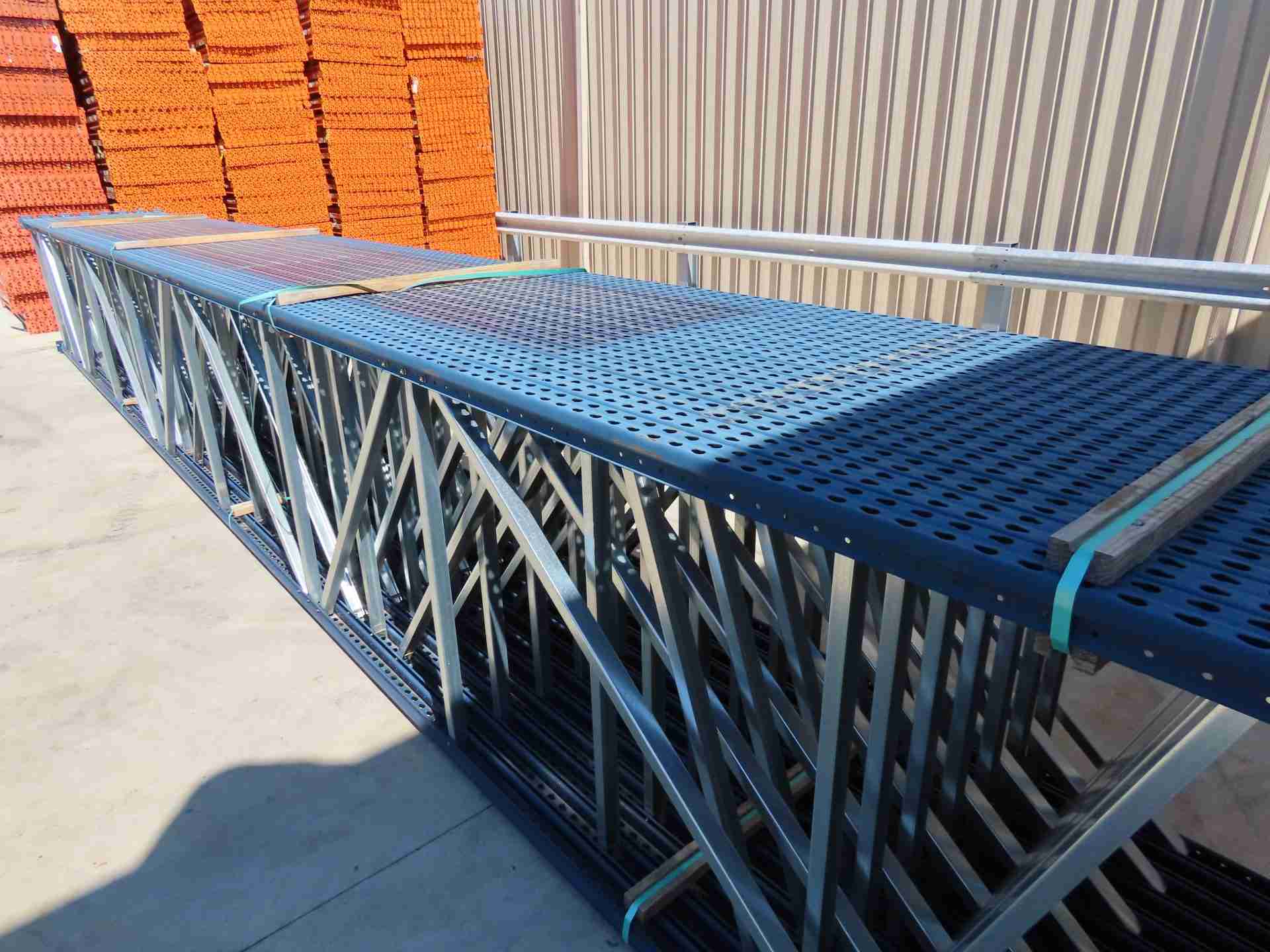
How Can Routine Inspections Save Your Business Money Over Time?
Can a Story Of Success From Routine Inspections Inspire Your Team?
In a world where we often celebrate the extraordinary—epic triumphs and grand victories—it’s easy to overlook the power of the everyday. Routine inspections may not seem glamorous, but let me tell you a story about a hardworking crew that transformed their perspective and, in turn, their fortunes.
Imagine a factory perpetually plagued by issues—machines breaking down, production schedules in disarray, and frustration brewing among the staff. The team was worn down, each day blending into the next like an endless loop of monotony. That was until one ambitious supervisor decided to scrap the old playbook and take a fresh approach to their routine inspections. Instead of viewing these necessary check-ins as mere formalities, they framed them as opportunities for growth and improvement. Suddenly, the inspections shifted from a task to a chance for collaboration, sparking conversations among team members who had previously stayed in their silos.
As the team began embracing this new mindset, they not only identified problems earlier but also celebrated their smaller successes together. Racking became more than just organizing tools; it morphed into a collective commitment to excellence. Gone were the days of merely checking boxes; they were now storytellers of progress, each inspection crafting a narrative of accomplishment, accountability, and camaraderie. The morale lifted, and the productivity soared—a testament to the idea that sometimes the most profound changes come from within.
Why does this matter? Because every team—yours included—possesses the potential to redefine their daily routines. It’s about creating a culture where everyone feels empowered to contribute. When your crew sees that these inspections matter—that they have the authority to turn questions into challenges and problems into solutions—they’ll begin to take ownership. You’ll foster an environment where every member feels they are part of something bigger, a shared mission united under a banner of excellence.
The story of that factory doesn’t just inspire; it serves as a call to action. It’s time to rethink how your team approaches their tasks, how they connect with one another, and ultimately, how they celebrate their victories—large and small. Let routine inspections become the rallying point for camaraderie, innovation, and relentless pursuit of excellence. The heart of any successful operation beats strongest when each member is actively engaged in the success of their collective journey.

Can a Story Of Success From Routine Inspections Inspire Your Team?
Can a Story Of Success From Routine Inspections Inspire Your Team?
- Routine inspections can transform from mundane tasks into opportunities for growth and collaboration.
- A factory team struggled with machine breakdowns, disarray in production, and low morale.
- An ambitious supervisor changed the perspective on inspections, promoting teamwork and open communication.
- The team began identifying problems earlier and celebrating smaller successes, boosting morale.
- Each inspection evolved into a narrative of progress, accountability, and camaraderie.
- Empowering team members to see inspections as important can foster a culture of ownership and excellence.
- The story serves as a call to action to redefine team routines and celebrate all victories.

Can a Story Of Success From Routine Inspections Inspire Your Team?
What Would Happen to Your Operations Without Regular Inspections?
Imagine running a bustling warehouse without a system of regular inspections. The sounds of machinery humming along, workers chatting as they navigate the aisles, and the faint smell of cardboard and coffee fill the air. It feels vibrant, alive. But lurking behind that façade might be a ticking time bomb.
Let’s talk about the racking systems—the backbone of your operations. These structures hold the weight of your inventory, supporting your business’s lifeblood. Without regular inspections, racking can become a silent threat. A small crack or a bent beam can easily translate into a catastrophic collapse, endangering lives and crippling the very essence of what you’ve worked so hard to build. Your heart races at the thought of one of your team members getting hurt or, worse, having to look their family in the eyes after a preventable accident.
From a rational standpoint, the numbers don’t lie. Regular inspections often cost less than the potential fallout caused by neglect. When you take time to examine your operations, you’re not just making sure everything is in place; you’re investing in your future. It’s about peace of mind—and let’s face it, the bottom line. A single mishap can lead to costly lawsuits, hefty fines, and damaged reputation, which can ripple through your community and beyond.
Ethically, you owe it to your employees to create a safe work environment. Your team entrusts you with their well-being every day; they deserve to know that you’re taking their safety seriously. It’s not just about compliance; it’s about doing what’s right. You become a leader who walks the talk, fostering loyalty and a sense of pride in your workforce—a culture built on trust strengthens your operations in ways that exceed any balance sheet.
Let’s not forget the stories that come out of a workplace that values careful and consistent maintenance. Picture the worker who felt reassured by a manager’s commitment to safety, leading to enhanced morale and productivity. That sense of community—where everyone looks out for each other—is the essence of what makes any operation thrive. So, as you look forward to rolling out that new initiative or product line, ask yourself: what would happen to the heart of your operations without regular inspections? The answer is simple and profound. Investing in that time today ensures that both your people and your bottom line can flourish tomorrow.

What Would Happen to Your Operations Without Regular Inspections?
What Would Happen to Your Operations Without Regular Inspections?
- A bustling warehouse operates amidst the sounds of machinery and worker interactions, but lacks regular inspections.
- Racking systems are crucial for inventory support, and without inspections, they pose silent risks that can lead to catastrophic failures.
- A preventable accident in the warehouse can endanger lives and hurt business operations.
- Regular inspections are cost-effective compared to the fallout from neglect, including lawsuits and reputational damage.
- Creating a safe work environment is an ethical responsibility that fosters loyalty and trust among employees.
- A strong safety culture enhances morale and productivity, benefiting the entire operation.
- Investing time in inspections today ensures both employee safety and business success in the future.

What Would Happen to Your Operations Without Regular Inspections?
How Can Frequent Inspections Enhance Employee Satisfaction and Safety?
Frequent inspections can seem like just another box to tick in the daily grind, but let’s take a moment to peel back the layers and see the heart of the matter. Picture this: a warehouse filled with towering rows of racking, the lifeblood of operations, with dedicated employees hustling to meet deadlines. Now imagine what happens when those racking systems are regularly inspected and maintained. It’s not merely about compliance; it’s about creating a culture of safety that wraps around each employee like a warm blanket on a cold day. When workers see tangible efforts made to secure their environment, it fosters a deep-seated trust that their well-being is not just an afterthought but a priority.
Head into the world of logic, and the benefits of regular inspections become clear as crystal. A safety audit isn’t just a mundane task; it’s a proactive measure that can avert accidents before they happen. Think of the costs associated with workplace injuries—not just in financial terms, but in the angst and unrest they sow among staff. Each thorough inspection acts as a guiding hand, steering your team away from harm. It’s smart business, plain and simple. You strengthen not only the physical integrity of the racking but also the mental well-being of every individual who relies on them for support.
Now bring the ethical angle into play; employees deserve to feel safe and valued in their workspaces. Regular inspections signal that an organization recognizes its moral duty to protect its workforce. We thrive in environments where we know our safety is enforced, and when organizations commit to this, they forge an unbreakable bond with their teams. When workers feel safe, they become invested, cultivating a deeper connection to their roles. Purpose and pride grow from this foundation, reverberating through the entire organization.
Consider the narrative woven through the stories of employees who have experienced both sides of this coin. Those who’ve worked in perilous environments, even if they loved their jobs, often experienced a sense of anxiety in the back of their minds. Contrast that with those who thrive in workplaces buzzing with vigilance and care. They not only perform better but inspire the next wave of excellence.
Let’s be honest: ask any employee, and they’ll tell you the same thing. When management prioritizes safety through frequent inspections, it sends a powerful message: “We care about you.” In a world where connections often feel fragile, this simple refrain resonates, inviting loyalty, trust, and a renewed commitment to the shared mission ahead.

How Can Frequent Inspections Enhance Employee Satisfaction and Safety?
How Can Frequent Inspections Enhance Employee Satisfaction and Safety?
- Frequent inspections are vital beyond mere compliance; they foster a culture of safety.
- Regular inspections create trust among employees by demonstrating that their well-being is a priority.
- Safety audits are proactive measures that help prevent accidents and minimize costs associated with workplace injuries.
- Thorough inspections enhance both the physical integrity of racking systems and the mental well-being of employees.
- Regular inspections reflect an organization’s ethical duty to protect its workforce, leading to a stronger bond with employees.
- Employees thrive in safe environments, leading to increased investment in their roles and overall organizational pride.
- Management’s commitment to safety through inspections promotes loyalty and a shared mission among employees.

How Can Frequent Inspections Enhance Employee Satisfaction and Safety?
How Do Industry Standards Dictate the Necessity Of Routine Checks?
Standards shape our industries like a well-worn path through the woods, guiding us through the dense underbrush of safety, quality, and efficiency. We all want to work in environments where risks are minimized, and the air is filled with the sound of machinery operating smoothly—yet, every day, far too many take shortcuts. Routine checks, which might seem like an onerous task, are the lifeblood of any operation. They’re not just bureaucratic red tape; they represent the commitment to excellence and accountability we owe to ourselves and those who rely on us.
Imagine the racking systems in a warehouse. Every shelf, every bracket, holding the weight of not just steel and boxes but dreams, livelihoods, and responsibilities. Now, picture a scenario where those systems are ignored, rusting quietly in the corner because the duties of checks fell by the wayside. The consequence? Catastrophic failures that could injure employees and hinder productivity, transforming a bustling environment into a chaotic scene of lawsuits and despair. This is where industry standards step in like a seasoned veteran teaching the ropes, reminding us why we can’t afford to overlook the small stuff.
From an emotional standpoint, what stirs us more than a shared belief in safety? Knowing that each routine check is one less accident waiting to happen brings a profound sense of peace. It’s not just about compliance; it’s about camaraderie and trust within teams. When everyone is on the same page, knowing that those checks are happening, you cultivate a workplace where each person feels valued and protected.
Rationally, the math speaks for itself. Routine checks cut costs associated with accidents, inefficiencies, and loss of productivity. Compliance with industry standards may seem like an added burden, but it translates to significant savings in the long run—both in finances and in the well-being of your workforce.
Ethically, there’s an undeniable responsibility we all share to safeguard one another. This isn’t merely about following the law; it’s about ensuring that everyone goes home safe every day. Authority figures—whether in manufacturing, healthcare, or any sector—know that to be true.
So, let’s take those standards and transform them from mere regulations into a culture that fosters trust, connection, and a profound respect for the work we do together. After all, in the grand tapestry of industry, it’s the threads of diligence and care that weave the strongest fabric.

How Do Industry Standards Dictate the Necessity Of Routine Checks?
How Do Industry Standards Dictate the Necessity Of Routine Checks?
- Standards guide industries, ensuring safety, quality, and efficiency.
- Routine checks are essential for operational excellence, not just bureaucratic necessities.
- Ignoring safety checks can lead to catastrophic failures, impacting employees and productivity.
- Routine checks foster a culture of safety, camaraderie, and trust among team members.
- Conducting regular checks helps reduce costs related to accidents and inefficiencies.
- Ethically, there is a shared responsibility to ensure the safety and well-being of all workers.
- Standards should cultivate a culture of respect and connection in the workplace.

How Do Industry Standards Dictate the Necessity Of Routine Checks?
Conclusion
Routine inspections stand as a crucial pillar in the symbiotic relationship between efficiency and safety within any operation, acting as the unsung heroes of the industrial landscape. When the machinery we rely on grinds to a halt, the reverberations hit hard—not just the bottom line, but the very pulse of the workforce. Imagine a bustling warehouse suddenly brought to its knees by a preventable breakdown. It’s not just lost time; it disrupts lives, relationships, and community wellbeing. This stark reality emphasizes that routine inspections aren’t just sound business practices; they’re a vital commitment to the people behind the machines.
Through a lens of compassion, we grasp the emotional weight of this responsibility. Every team member is someone’s neighbor or family member. By investing time and resources into regular checks, we proclaim that we value not only the functionality of our operations but also the safety and well-being of those who dedicate their skills to moving our businesses forward. The ethics of this investment are clear: it’s not merely compliance; it’s about cultivating a culture of care where every individual knows they matter, and their safety is paramount.
From a rational standpoint, the numbers speak volumes. The cost of preventive maintenance can seem like a burden, yet it pales in comparison to the steep expenses associated with downtime, accidents, and lost productivity. The logic is undeniable: a fraction of proactive effort ensures a robust defense against the chaos that unexpected failures can summon. It’s not just about optimizing resources—it’s about instilling confidence in our teams and stakeholders. Regular inspections signal that as leaders, we’re not just navigating through storms; we’re preparing for them.
Furthermore, the authority of routine checks fosters an environment of trust and reliability. It instills pride within teams that adopt this practice, positioning them to thrive in resilient, innovative ways. This doesn’t just prevent crises; it builds a narrative of progress and accountability, promoting an ethos of excellence that resonates deeply with everyone involved.
So here’s the bottom line: embracing routine inspections is about more than safeguarding equipment; it’s a heartfelt assurance to our communities, our teams, and ourselves. These checks are the threads stitching together our collective success and resilience, keeping our operations humming smoothly for generations to come. Investing in routine inspections is an investment in a brighter, safer future for all. The call to action is clear: let’s embrace this journey together.

Conclusion
Conclusion:
Here’s a bulleted summary of the provided text in HTML format:
- Routine inspections are vital for maintaining efficiency and safety in operations.
- Preventable machinery breakdowns can severely disrupt work and community wellbeing.
- Regular inspections emphasize a company’s commitment to its employees’ safety and welfare.
- Investing in preventative maintenance reduces costs associated with downtime and accidents.
- Routine checks foster trust, reliability, and a culture of care within teams.
- Embracing inspections contributes to ongoing progress and accountability in operations.
- Investing in routine inspections is a commitment to a safer future for everyone involved.

Conclusion
Other Resources

Other Resources
Here is a list of other resources you can review online to learn more:
- Overhead Lifting
- IWLA
- Chicago Pallet Racking
- Warehouse Racking Systems: Beginner’s Guide to Rack Systems
- American Society of Safety Professionals
- Pallet Racking systems in Illinois and Great Lakes
- Logic Material Handling
- Warehouse Racking Chicago, IL
- Pallet Racking systems in Illinois and Great Lakes
- Iowa Illinois Warehouse Racking
- RMI
- Material Handling Industry
- Interlake Mecalux
- Illinois Pallet Racking – Storage Solutions
- MHI
- Teardrop Racks – Pallet Rack World
- Teardrop Industrial Shelving Rack
- NSC
- Warehouse Racking System: Powerful Guide to Optimise, 2024
- Interlake
Use This Prompt To Get More Resources With Your Favorite Online AI Tool: Please provide me with a list of online articles with their URLs in a bulleted list that I can read regarding Why Routine Inspections Reduce Downtime

Other Resources
Glossary Terms
Why Routine Inspections Reduce Downtime – Glossary Of Terms
1. Downtime: Period during which a system or machinery is not operational, affecting productivity.
2. Routine Inspections: Regularly scheduled examinations of equipment to identify potential issues before they escalate.
3. Preventive Maintenance: Proactive measures taken to maintain equipment, reducing the likelihood of unexpected failures.
4. Operational Efficiency: The ability to deliver products or services effectively while minimizing waste and downtime.
5. Predictive Maintenance: Use of data and analytics to predict equipment failures before they happen, allowing for timely interventions.
6. Asset Management: Strategies for managing a company’s physical assets to maximize their operational lifespan and value.
7. Failure Analysis: The process of studying failures in equipment to understand their causes and improve future reliability.
8. Checklists: Organized lists used during inspections to ensure all relevant points are assessed systematically.
9. Wear and Tear: Gradual damage that occurs over time due to normal use, which can lead to failures if not addressed.
10. Maintenance Schedule: A planned timetable for routine inspections and maintenance activities to ensure equipment reliability.
11. Calibration: Adjusting equipment to ensure accurate measurements and functionality according to standards.
12. Documentation: Recording details of inspections and maintenance activities to track equipment health and compliance.
13. Operational Readiness: The state of being prepared for normal functioning, free from issues that could lead to downtime.
14. Safety Protocols: Procedures established to maintain a safe working environment, which are often evaluated during inspections.
15. Efficiency Metrics: Quantitative measures used to assess the effectiveness of operations and maintenance processes.
16. Non-Conformance: Instances where equipment or processes do not meet established standards, often identified during inspections.
17. Root Cause Analysis: A method for identifying the fundamental reasons for failures, aiding in effective resolution and prevention strategies.
18. Inspection Frequency: The regularity with which inspections are conducted, influencing the ability to catch issues early.
19. Fault Detection: The process of identifying and diagnosing faults in equipment to facilitate timely maintenance actions.
20. Asset Lifecycle: The stages an asset goes through from acquisition to disposal, impacting maintenance strategies.
21. Quality Assurance: Processes in place to ensure that equipment and production quality meets required standards.
22. Downtime Cost: The financial impact of equipment being out of service, including lost productivity and revenue.
23. Efficiency Improvements: Enhancements made to processes or equipment to boost performance and reduce downtime.
24. Visual Inspections: Observational checks that allow technicians to spot issues without disassembling equipment.
25. Service Intervals: Specified periods for servicing equipment as per manufacturer recommendations or operational needs.
26. Condition Monitoring: Techniques to continually assess the state of equipment to identify changes that may indicate future problems.
27. Resource Allocation: Managing personnel and materials to effectively implement routine inspections and maintenance.
28. Quality Control: Regular checks and tests conducted to ensure products meet established quality standards prior to delivery.
29. Supply Chain Disruption: Interruptions in the flow of goods due to equipment failures, leading to increased downtime.
30. Employee Training: Education provided to staff on proper inspection and maintenance techniques to enhance equipment reliability.

Glossary Of Terms
Other Questions
Why Routine Inspections Reduce Downtime – Other Questions
If you wish to explore and discover more, consider looking for answers to these questions:
- What specific types of equipment should be included in routine inspections?
- How often should routine inspections be conducted?
- What are the most common issues identified during routine inspections?
- How do routine inspections impact employee morale?
- What are the consequences of neglecting routine inspections?
- Can routine inspections lead to better compliance with industry regulations?
- What training is necessary for employees conducting inspections?
- How can businesses implement an effective routine inspection program?
- What role do industry standards play in shaping inspection protocols?
- How can success stories from routine inspections be communicated to the team?
- What technologies can assist in streamlining the inspection process?
- How can businesses measure the effectiveness of their routine inspections?

Other Questions
Checklist
Why Routine Inspections Reduce Downtime – A Checklist
Checklist for Embracing Routine Inspections
Emotional Appeals
_____ Connect with Your Team: Reflect on how routine inspections can safeguard not just assets, but the livelihoods of your workforce. How can these inspections resonate with your team’s sense of community?
_____ Share Success Stories: Encourage your team to share experiences where proactive checks prevented accidents or improved morale. Can you create a space for these discussions?
Rational Appeals
_____ Analyze Costs Versus Benefits: Calculate potential savings from regular inspections versus costs resulting from unplanned downtime. Have you documented these figures?
_____ Set Inspection Frequency: Determine an optimal schedule for routine equipment checks. Is this schedule realistic and integrated into your operations?
Ethical Appeals
_____ Commit to Safety: Assess how your inspections reflect a commitment to employee wellbeing. How can you communicate this dedication to your team?
_____ Foster a Just Culture: Encourage open discussions about safety and accountability. Are employees feeling empowered to voice concerns?
Authority Appeals
_____ Establish Best Practices: Research and adopt industry standards for equipment inspections. Are you compliant with these standards?
_____ Train Your Leaders: Ensure that supervisors and managers understand the importance of inspections. Have you equipped them to advocate for this practice effectively?
Narrative Appeals
_____ Craft Your Inspection Story: Create a narrative of why routine inspections are vital for your operation. Can you articulate this story to inspire and engage your team?
_____ Celebrate Small Wins: Share success stories resulting from inspections. How can these victories be recognized and celebrated in your workplace?
Social Appeals
_____ Create a Culture of Care: Promote a workplace ethos where routine checks are everyone’s responsibility. How can you unite your team around this goal?
_____ Benchmark Against Peers: Engage in discussions with other businesses or industry leaders about their inspection practices. Are there shared practices that could benefit your operation?

Checklist
At RackingWorld, we help guide you through selecting warehouse storage systems and racking.
Be sure to read our other related stories at RackingWorld to learn more about warehouse storage systems.
0 Comments