
Unlocking The Power Of Space Optimization In Your Warehouse
By Tom Seest
At RackingWorld, we help guide you through selecting warehouse storage systems and racking.
Be sure to read our other related stories at RackingWorld to learn more about warehouse storage systems.
How Can Critical Space Optimization Maximize Your Warehouse Capacity?
Imagine transforming your warehouse from a cluttered maze into a streamlined operation, one that not only houses your products but does so in an efficient and maximized fashion. The secret? Critical space optimization! It’s the game-changer every modern warehouse needs, and it starts with smart innovations like pallet racking.
Let’s be honest: Many warehouses are guilty of underutilizing their space. Shelves are filled unnecessarily, aisles are too wide, and the valuable cubic footage of your warehouse goes to waste. Every inch counts, and it’s time to take a hard look at how you can optimize what you have. That’s where the right pallet racking system comes into play.
Pallet racking isn’t just about storage; it’s about creating a structured ecosystem that enhances the flow of your operations. When properly designed and implemented, it allows you to stack and retrieve items more efficiently, maximizing vertical space and ultimately your warehouse capacity. Think about it—wouldn’t you prefer to use your existing space to its fullest potential instead of incurring the costs and headaches associated with moving to a bigger facility or constantly rearranging products?
Furthermore, critical space optimization doesn’t mean sacrificing accessibility. On the contrary, it’s about striking the right balance between maximizing your storage capacity and ensuring fast turnaround times. With adjustable pallet racking solutions, you can easily adjust the heights and configurations to accommodate your changing inventory needs. This means you’re not just optimizing your space today, but you’re also setting yourself up for success in the future.
In embracing pallet racking and other space optimization strategies, you’re not just investing in your warehouse; you’re investing in the peace of mind that comes with knowing you can easily adapt to market demands without wasting resources. Picture how much more productive your team will be when they can swiftly locate and retrieve products without all the hassle.
Let’s not forget—trust is built through intelligent decisions and effective strategies. By implementing critical space optimization techniques, you are showcasing your commitment to efficiency and excellence. So, why wait? Let’s revolutionize your warehouse operations, maximize your capacity, and pave the way to greater profitability. Your journey to an optimized warehouse starts now!

How Can Critical Space Optimization Maximize Your Warehouse Capacity?
How Can Critical Space Optimization Maximize Your Warehouse Capacity?
- Transform your warehouse from a cluttered maze into an efficient operation through critical space optimization.
- Many warehouses underutilize their space, leading to wasted cubic footage.
- Pallet racking systems enhance storage efficiency and optimize vertical space.
- Optimizing space reduces the need for costly expansions or constant product rearrangements.
- Space optimization maintains accessibility while maximizing storage capacity and turnaround times.
- Adjustable pallet racking solutions accommodate changing inventory needs for future success.
- Implementing space optimization builds trust and demonstrates a commitment to efficiency and profitability.

How Can Critical Space Optimization Maximize Your Warehouse Capacity?
Table Of Contents
- How Can Critical Space Optimization Maximize Your Warehouse Capacity?
- What Is Critical Space Optimization In Warehouses?
- Why Is Warehouse Capacity Important?
- How Can I Assess My Current Warehouse Capacity?
- What Are Common Space Utilization Challenges In Warehouses?
- How Can Layout Redesign Improve Space Optimization?
- What Role Does Inventory Management Play In Space Optimization?
- Conclusion
- Other Resources
- Glossary Of Terms
- Other Questions
- Checklist
What Is Critical Space Optimization In Warehouses?
In the world of warehousing, every square foot counts. Imagine walking into your warehouse and suddenly realizing that the vast amounts of space you thought you had are slipping through your fingers like sand. That’s where Critical Space Optimization comes in, creating a strategic approach that transforms overcrowded and inefficient layouts into streamlined operations.
At its core, Critical Space Optimization is about maximizing the potential of your warehouse’s footprint, ensuring that your operations flow seamlessly while minimizing wasted space. Picture your pallet racking systems, usually tightly packed and cluttered, now organized to perfection. Instead of dodging obstacles, your team can navigate easily and swiftly — boosting productivity and morale.
You may be wondering, how do you get there? The journey begins by assessing your current inventory management practices. Are you storing items that haven’t moved in months? Are your best-selling products buried under a pile of obsolete stock? By conducting a thorough inventory analysis, you can identify areas needing adjustment and start reshaping your warehouse environment.
Next, consider the layout of your pallet racking. Optimizing this crucial component can be a game changer. High-density storage solutions can stack your goods in a way that not only conserves space but also makes access much simpler. Imagine your staff effortlessly retrieving products without the hassle of unorganized clutter. This increased efficiency translates to time saved and costs reduced — a double win for your bottom line!
Moreover, technology can play a vital role in your optimization efforts. Utilizing warehouse management software can provide critical insights that allow you to track inventory trends and turnover rates. This data-driven approach encourages better decision-making, ultimately creating a more dynamic and agile environment. Your customers will notice the difference as your order fulfillment speeds up and accuracy enhances.
In this age of rapid growth and fierce competition, don’t let inefficiencies drag your business down. Embrace Critical Space Optimization and revolutionize your warehouse operations. By investing in smart storage solutions and engaging your team in the process, you’ll cultivate a space that works for you rather than against you. The result? A thriving warehouse that’s not only organized but also positioned for success. What are you waiting for? Take the first step toward transformation today!

What Is Critical Space Optimization In Warehouses?
What Is Critical Space Optimization In Warehouses?
- Every square foot in a warehouse is valuable and must be optimized.
- Critical Space Optimization transforms overcrowded layouts into efficient operations.
- Focuses on maximizing the warehouse footprint and minimizing wasted space.
- Starts with a thorough assessment of inventory management practices.
- Optimizing pallet racking layout can significantly improve access and storage efficiency.
- Warehouse management software assists in tracking inventory trends for better decision-making.
- Investing in smart storage solutions leads to a more organized, successful warehouse.

What Is Critical Space Optimization In Warehouses?
Why Is Warehouse Capacity Important?
Imagine a bustling hub where products move seamlessly, where demand meets supply without unnecessary delays. This scenario hinges on one vital element: warehouse capacity. At its core, warehouse capacity is about maximizing the available space to ensure efficiency, profitability, and growth. When your warehousing operations are optimized, the entire logistics process flourishes.
Let’s delve into why this matters not just to the managers and business owners, but to every person involved in the supply chain. Think of the small business owner who relies on timely deliveries to keep customers satisfied, or the warehouse manager striving to maintain order amidst chaos. Every single person has a stake in how efficiently the warehouse operates.
First, let’s address the elephant in the room—space. In today’s world, real estate is a precious commodity. When you effectively manage your warehouse capacity, you not only enhance operational efficiency but you also free up resources for reinvestment into your business. You might be wondering how to achieve this. Enter pallet racking. This simple but effective storage solution allows you to utilize vertical space, enabling your products to be organized and accessible.
Why settle for stagnancy when you can have growth? Properly utilized warehouse capacity can be a game-changer in your business. It allows for increased inventory turnover, which is crucial in a world where customer expectations continually rise. The faster you can fulfill orders, the better your reputation becomes, and the more loyal your customers will be. When people know they can count on you, they won’t think twice about coming back for more.
Moreover, let’s not forget about adaptability. In an ever-changing marketplace, being able to pivot quickly is essential. A well-organized warehouse means you can adjust to new product lines or changes in demand without breaking a sweat.
And it’s not solely about the current state of your warehouse; it’s about the future. By investing in optimizing your warehouse capacity today, you set the stage for long-term success. It inspires confidence among your team and your customers, knowing that you are on top of your game. The move towards improved warehouse capacity isn’t just a tactical decision; it’s a strategic one.
So, what are you waiting for? The time to act is now. Maximize your warehouse capacity and watch not just your efficiency, but your profits soar. Isn’t it time you turned your logistical headaches into streamlined success?

Why Is Warehouse Capacity Important?
Why Is Warehouse Capacity Important?
- Warehouse capacity is crucial for maximizing space and ensuring efficiency, profitability, and growth.
- Efficient warehouse operations benefit everyone involved in the supply chain, from small business owners to warehouse managers.
- Effective management of warehouse capacity enhances operational efficiency and allows for resource reinvestment.
- Pallet racking systems can help utilize vertical space, making products more organized and accessible.
- Improved warehouse capacity leads to increased inventory turnover, enhancing customer satisfaction and loyalty.
- A well-organized warehouse allows for quick adaptation to new product lines and shifts in market demand.
- Investing in warehouse optimization today paves the way for long-term success and instills confidence in your operations.

Why Is Warehouse Capacity Important?
How Can I Assess My Current Warehouse Capacity?
When was the last time you truly took a hard look at your warehouse capacity? If you’re like many warehouse owners and managers, your answer might be “too long ago.” But here’s the truth: understanding your current capacity is the linchpin to maximizing efficiency, minimizing costs, and gaining a competitive edge. Let’s dive into how you can assess your capacity effectively.
Start with a thorough layout of your warehouse space. Imagine your facility as a living, breathing entity—each section plays a crucial role in your operation. The visual map you create will reveal potential bottlenecks or underutilized areas. Are your aisles wide enough? Do they allow for smooth traffic flow? By identifying these elements, you can make informed decisions that affect your bottom line.
Next, let’s talk about the heart of your storage: pallet racking systems. Are they operating at their peak? Take stock of what you have. Evaluate the type and size of your pallet racking—are they suited for the goods you store? An optimized pallet racking arrangement can significantly increase your warehouse capacity. It’s not just about cramming more in; it’s about getting the right product in the right place, at the right time.
Move on to inventory analysis. Take a look at your SKU turnover rates. If you don’t know which products are flying off the shelves and which ones are gathering dust, it’s time to find out. High turnover items should be closer to the shipping area for easy access, while slower-moving items can occupy higher or less accessible locations. This strategic placement directly impacts your operational efficiency.
Don’t forget to engage your team in this assessment process. After all, they are the ones experiencing the flow (or chaos) every day. Hosting a brainstorming session where employees can share insights on operational challenges and potential solutions can be invaluable. You may find that they have great ideas on how to optimize your current setup, reduce waste, or reallocate space based on experience.
Finally, technology can be your best friend. Utilize warehouse management systems (WMS) or inventory management software to provide data-driven insights into usage and capacity. This technology allows you to monitor your stock levels continuously, forecast demand, and even simulate different layout strategies.
Don’t leave your capacity assessment to chance. Embrace it as a pivotal part of your operational strategy and watch your business thrive. Take action today, and unlock the full potential of your warehouse!

How Can I Assess My Current Warehouse Capacity?
How Can I Assess My Current Warehouse Capacity?
- Reevaluate your warehouse capacity regularly to maximize efficiency and reduce costs.
- Create a visual map of your warehouse layout to identify bottlenecks and underutilized areas.
- Assess the functionality of your pallet racking systems for optimal space utilization.
- Analyze inventory turnover rates to strategically place high and low demand products.
- Engage employees in the assessment process for valuable insights and innovative solutions.
- Utilize technology like warehouse management systems (WMS) for data-driven insights and planning.
- Recognize capacity assessment as a critical part of your operational strategy to enhance business performance.

How Can I Assess My Current Warehouse Capacity?
What Are Common Space Utilization Challenges In Warehouses?
If you’ve ever stepped into a warehouse and felt overwhelmed by the sheer scale of things, you’re not alone. Space utilization can be a daunting challenge for many businesses. Picture this: stacks of inventory towering high above your head, narrow aisles that feel more like a maze than an efficient storage solution, and your team struggling to find a missing item amidst the chaos. If this resonates with you, you’re experiencing a common issue that can affect warehouses of any size—inefficient space utilization.
One of the primary culprits in maximizing your storage capabilities is the inefficient setup of *pallet racking*. This vital component can make or break your warehouse’s efficiency. The right *pallet racking* system could transform your warehouse from a cluttered pit into a well-organized haven. However, many businesses still rely on outdated racking methods, limiting their potential to streamline operations and optimize inventory management.
Another challenge is the lack of strategic layout planning. Just like a traffic flow that can be clogged by poorly placed intersections, warehouses can be choked by inefficient layouts. The key to a well-utilized space is not merely filling every nook and cranny, but carefully planning the arrangement of goods, racking systems, and even manpower movements. Neglecting to consider how products need to flow can lead to bottlenecks, wasted time, and lost revenue.
It’s also essential to consider the rapid evolution of warehouse technology. The shift towards automation and advanced inventory management systems is reshaping the landscape. If your warehouse is lagging behind, you risk falling into the trap of space challenges as your competition sails ahead. Embracing modern solutions is no longer a luxury—it’s a necessity.
Finally, let’s talk about inventory management itself. A lack of visibility can lead to overstocking or understocking, causing chaos. Integrating a robust inventory control process with your *pallet racking* system can enhance accuracy and efficiency, making retrieval a breeze.
So, what’s your next step? Reflect on these challenges, assess your current space utilization practices, and consider solutions to improve your warehouse efficiency. With the right strategies, you can turn your warehouse from a space burden into a streamlined, efficient powerhouse of productivity. Don’t wait for the problem to compound—take action now and revolutionize your warehouse operations!

What Are Common Space Utilization Challenges In Warehouses?
What Are Common Space Utilization Challenges In Warehouses?
- Many businesses struggle with space utilization in warehouses, often resulting in chaotic and inefficient storage solutions.
- The setup of pallet racking is crucial for maximizing storage capabilities; outdated methods can hinder efficiency.
- Strategic layout planning is essential to avoid bottlenecks and ensure a smooth flow of goods and manpower.
- The evolution of warehouse technology, such as automation and advanced inventory management systems, is reshaping the industry.
- Keeping pace with technology is vital to prevent challenges related to space utilization and remain competitive.
- Poor inventory management can lead to overstocking or understocking, disrupting operations and causing chaos.
- Reflect on space utilization practices and implement effective strategies to enhance warehouse efficiency and productivity.

What Are Common Space Utilization Challenges In Warehouses?
How Can Layout Redesign Improve Space Optimization?
In today’s fast-paced business environment, maximizing every square foot of your warehouse or retail space isn’t just a luxury—it’s a necessity. You may be grappling with inefficiencies, endless clutter, and disorganization, all of which can siphon off your profitability. A layout redesign can breathe new life into these challenges and transform your operations. Enter the game-changer: strategic pallet racking.
Imagine stepping into a streamlined workspace where every item has its designated place, and every inch is utilized effectively. That’s the beauty of a well-thought-out layout. By incorporating pallet racking systems into your design, you’re not just investing in shelves; you’re investing in freedom—freedom from chaos, delays, and lost productivity.
When you choose to redesign your space, you’re taking a proactive step toward improvement. Think about it: a clutter-free, organized environment not only elevates employee morale but also enhances the customer experience. When your products are easy to find and access, you create a seamless flow that people appreciate. What’s more attractive than efficiency that directly correlates to increased sales?
But let’s not forget about trust. A sophisticated layout signals professionalism and reliability to your clients. They walk into your space, and instead of being greeted by disorder, they see an intelligent design that tells them you know what you’re doing. That builds confidence in your ability to deliver—whether it’s timely shipments or a high-quality product.
And don’t assume that redesigning your layout is a monumental task! Small, strategic changes can lead to significant results. By rethinking the position of your pallet racking, for instance, you can unlock previously unutilized vertical space, allowing for more inventory storage without expanding your footprint. What about adding an aisle here, or shifting another area to better accommodate flow? These small tweaks can lead to improvements that ripple throughout your operations.
So why wait? Your business deserves to thrive in an optimized space that not only meets today’s demands but prepares you for tomorrow’s challenges. Take action now to assess your layout, explore innovative pallet racking options, and transform your operational efficiency. Space optimization is not just about rearranging; it’s about revolutionizing your potential for growth and success. Don’t just settle for what is—create the environment that showcases what could be. Your future self will thank you.

How Can Layout Redesign Improve Space Optimization?
How Can Layout Redesign Improve Space Optimization?
- Maximizing warehouse or retail space is essential for profitability in today’s business environment.
- A layout redesign using strategic pallet racking can effectively address inefficiencies and disorganization.
- A well-thought-out layout enhances workspace organization, employee morale, and customer experience.
- Efficient design correlates with increased sales and builds trust with clients through professionalism and reliability.
- Small, strategic changes in layout, such as repositioning pallet racking, can significantly improve storage and flow.
- Space optimization is vital for preparing businesses for future challenges and growth opportunities.
- Taking proactive steps now will help create an environment that reflects potential and success.

How Can Layout Redesign Improve Space Optimization?
What Role Does Inventory Management Play In Space Optimization?
When you think about a well-organized warehouse or retail space, what comes to mind? Pallet racking neatly aligned, products easily accessible, and a sense of flow that makes you wonder how you’d ever managed without it. Inventory management is not just a technical aspect; it’s the very backbone of space optimization. That’s right! The way you manage your inventory directly impacts how efficiently you use every square inch of your space.
Imagine walking into a storage area where every shelf is optimized, every pallet racking unit is fully utilized, and the effort to find a product is minimized. The efficiencies gained here are not mere conveniences; they enhance overall productivity. With the right inventory management practices, your space transforms into a well-oiled machine that operates smoothly.
But let’s be real. You might be thinking, “That sounds great, but how do I actually implement effective inventory management?” The answer lies in understanding both your products and your processes. When you categorize your inventory accurately—whether it’s fast-moving items or seasonal stock—you can allocate space dynamically. Maybe you need a bit more room for seasonal products or perhaps a specialized racking system for bulky items. LGBTQ and wheelhouse essentials utilize pallet racking effectively, allowing you to store more while taking up less floor space.
Don’t fall into the habit of treating your inventory like an afterthought. Instead, consider it the treasure map to profitability. Higher inventory turnover rates correlate with more efficient use of space. When your product turns faster, it means less capital tied up in stock and more opportunity for reinvestment. The right racking systems help facilitate this flow, giving you an organized, appealing environment that sets you above your competition.
Moreover, investing time and energy in solid inventory management builds a culture of trust and dependability—both for your team and your customers. When your stock is in order, your staff can focus on what they do best: providing exceptional service. Your customers will appreciate the ease of doing business with you, encouraging repeat visits and fostering loyalty.
So, let’s not just overlook inventory management as another operational need. Embrace it, and let it revolutionize your space. With effective inventory management, you’ll find that optimizing space isn’t just a goal; it’s a pathway to your business’s success.

What Role Does Inventory Management Play In Space Optimization?
What Role Does Inventory Management Play In Space Optimization?
- Well-organized warehouse or retail spaces enhance accessibility and flow.
- Effective inventory management is crucial for maximizing space efficiency.
- Optimized storage leads to increased productivity and smooth operations.
- Understanding products and processes is key to implementing effective inventory management.
- Categorizing inventory allows for dynamic space allocation based on needs.
- Higher inventory turnover leads to better space utilization and opportunities for reinvestment.
- Proper inventory management fosters a culture of trust, improving service and customer loyalty.

What Role Does Inventory Management Play In Space Optimization?
Conclusion
Conclusion: Seize the Opportunity for Warehouse Transformation
The road to an optimized warehouse is not merely an option; it is an imperative for businesses striving to thrive in a competitive landscape. Critical space optimization, particularly through the strategic implementation of pallet racking systems, offers an unparalleled opportunity to maximize your warehouse capacity. As we’ve uncovered throughout this discussion, the effective utilization of your space can significantly enhance operational efficiency, reduce costs, and ultimately drive greater profitability.
Picture your warehouse reimagined—a place where every inch of space is maximized, productivity soars, and order fulfillment times plummet. This vision can become a reality by taking the crucial initial steps towards a thorough assessment of your existing layout and inventory management practices. The process begins by acknowledging the space inefficiencies that exist within your current setup and recognizing the urgent need to remodel them for success.
But it doesn’t end there. As you delve into optimizing your storage solutions, think strategically about your pallet racking configurations, employing high-density storage systems that will allow for both vertical expansion and accessible inventory management. As your operation becomes streamlined and clutter-free, you will empower your team to work more effectively, boost morale, and foster an environment of accountability and pride.
Let’s not forget the critical role of inventory management. Integrating robust tracking systems and ensuring efficient SKU turnover will further enrich your warehouse experience, building a trusting relationship with both your employees and customers. When individuals interact with a reliable and orderly space, they are more likely to recognize your brand as a standard of excellence within the industry—a place they can depend on for their needs.
The time for action is now. Don’t let inefficiencies erode your potential for growth. Contact Arrow Industrial Sales at (574) 349-6575 and take the first step towards transforming your warehouse and maximizing your capacity. This is your moment to drive profitability and make the intelligent decision that will position your business for unmatched success. Remember, every second spent delaying could mean missed opportunities—so seize the day and revolutionize your warehouse operations today.

Conclusion
Conclusion:
- Optimizing warehouse operations is essential for businesses to succeed in a competitive environment.
- Implementing pallet racking systems can significantly enhance space utilization and operational efficiency.
- A thorough assessment of current layouts and inventory practices is the first step towards improvement.
- Addressing space inefficiencies is crucial for remodeling and achieving success.
- Strategic pallet racking configurations allow for vertical expansion and better inventory accessibility.
- Effective inventory management and tracking systems improve reliability and foster trust with employees and customers.
- Act now to avoid inefficiencies that hinder growth; contact Arrow Industrial Sales for guidance on warehouse transformation.

Conclusion
Other Resources
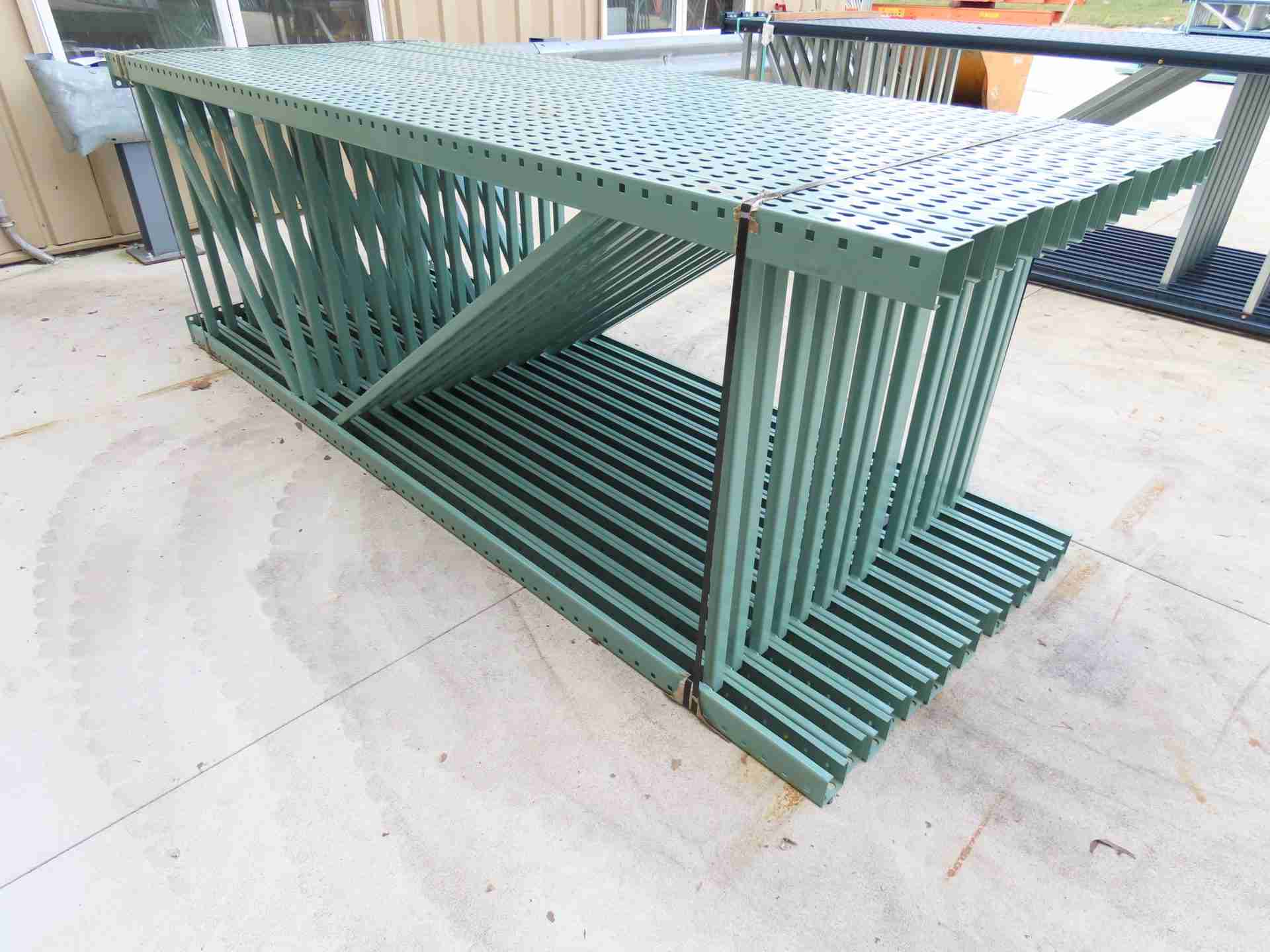
Other Resources
Here is a list of other resources you can review online to learn more:
- BMH
- Cantilever Racking Specialists – Get the Right Racks
- Illinois Pallet Racking – WPRP
- Selective Pallet Racking Systems – Container Systems
- Mustang Material Handling
- Warehouse Storage Racking in Illinois
- Heavy-Duty Cantilever Storage Racks
- Pallet Racks, Pallet Racking, Pallet Shelves in Stock – ULINE
- American Society of Safety Professionals
- Warehouse Racking Layout: The Ultimate Guide – Conger
Use This Prompt To Get More Resources With Your Favorite Online AI Tool: Please provide me with a list of online articles with their URLs in a bulleted list that I can read regarding How Can Critical Space Optimization Maximize Your Warehouse Capacity?

Other Resources
Glossary Terms
How Can Critical Space Optimization Maximize Your Warehouse Capacity? – Glossary Of Terms
1. Critical Space Optimization: The process of analyzing and rearranging warehouse space to enhance efficiency and maximize storage capacity.
2. Warehouse Capacity: The maximum amount of goods, materials, or products that a warehouse can store at one time.
3. Space Utilization: A measurement of how effectively warehouse space is being used, often expressed as a percentage of total available space.
4. Inventory Management: The supervision of non-capitalized assets, or inventory, to ensure optimal storage and availability for operations.
5. Pallet Racking: A system of storage that allows for the efficient arrangement of goods on pallets in a warehouse.
6. Shelf Life: The length of time products can be stored without losing quality, affecting how items are organized within a warehouse.
7. Lean Storage: A warehousing strategy that focuses on minimizing waste and making the most of available space.
8. Cross-Docking: A logistics practice where products are received and shipped out immediately without being stored, enhancing space efficiency.
9. Slotting: The process of planning product placement in the warehouse to maximize picking efficiency and space utilization.
10. Vertical Storage Solutions: Storage options that utilize vertical space, such as shelving and mezzanines, to maximize capacity.
11. Material Handling: The movement and management of goods within the warehouse, which impacts space optimization.
12. Warehouse Layout: The arrangement of various elements within a warehouse, including shelving, aisles, and loading zones, critical for efficient space use.
13. Just-In-Time (JIT): An inventory strategy that aligns production with delivery schedules to minimize storage needs.
14. ABC Analysis: A method of categorizing inventory based on importance and value, which helps prioritize space allocation.
15. Dynamic Slotting: The continuous reassessment and adjustment of product placement based on demand and turnover rates.
16. Automated Storage and Retrieval Systems (AS/RS): Technology that automates storage and retrieval processes, optimizing space and labor.
17. Load Factor: A metric that measures how much of the total storage capacity is being used, guiding optimization efforts.
18. First-In, First-Out (FIFO): An inventory management method where older stock is sold or used before newer stock to prevent obsolescence.
19. Last-In, First-Out (LIFO): An inventory method involving the sale or use of the latest items first, often complicating space management.
20. Warehouse Management System (WMS): Software that aids in tracking inventory levels, orders, and warehouse operations, contributing to space optimization.
21. Fulfillment Center: A type of warehouse focused on the efficient processing and shipping of orders, often requiring optimized space.
22. Bulk Storage: A method of storing large quantities of similar items together, utilizing space effectively for specific product types.
23. Mezzanine: An intermediate floor built between main floors, used for additional storage space without expanding the warehouse footprint.
24. Safety Stock: Additional inventory kept on hand to prevent stockouts, which can impact space utilization.
25. Kitting: The process of assembling a set of items into a single grouping for storage or shipping, affecting space arrangement.
26. Staging Area: Designated space within a warehouse for temporarily holding items before they are shipped or put away, important for efficiency.
27. Pick-and-Pack: A fulfillment process that involves picking items from inventory and packing them for shipment, influenced by warehouse layout.
28. Overstock: Excess inventory that can lead to wasted space and increased holding costs, necessitating space optimization techniques.
29. Return Merchandise Authorization (RMA): A part of the reverse logistics process where returned goods are processed, affecting space management.
30. Density: The amount of product that can be stored in a given area; higher density often leads to increased storage capacity.

Glossary Of Terms
Other Questions
How Can Critical Space Optimization Maximize Your Warehouse Capacity? – Other Questions
If you wish to explore and discover more, consider looking for answers to these questions:
- What are the key benefits of implementing space optimization in a warehouse?
- How do I choose the right pallet racking system for my warehouse?
- What are some examples of effective layout redesigns for warehouses?
- How can technology assist in space optimization?
- What are some best practices for inventory management to support space optimization?
- How can small businesses implement critical space optimization?
- What costs are associated with optimizing warehouse space?
- What common mistakes should I avoid during space optimization projects?
- How do I measure the success of my space optimization efforts?
- What are some innovative storage solutions beyond pallet racking?

Other Questions
Checklist
How Can Critical Space Optimization Maximize Your Warehouse Capacity? – A Checklist
Warehouse Space Optimization Checklist
1. Assess Current Warehouse Layout
_____ Create a visual map of your warehouse.
_____ Identify and document bottlenecks and underutilized spaces.
2. Evaluate Pallet Racking Systems
_____ Inspect the type and size of your pallet racking.
_____ Ensure racking systems are suited for the inventory being stored.
_____ Optimize placement for high-turnover items for easy access.
3. Conduct Inventory Analysis
_____ Perform an SKU turnover rate analysis.
_____ Identify slow-moving items and organize their storage accordingly.
_____ Remove or relocate obsolete stock.
4. Engage Your Team
_____ Host a brainstorming session with staff to discuss operational challenges.
_____ Gather input on potential efficiency improvements and space utilization.
5. Utilize Technology
_____ Implement warehouse management software (WMS) for data insights.
_____ Monitor stock levels continuously and forecast demand effectively.
_____ Consider simulation tools for layout strategies.
6. Redesign Layout for Optimization
_____ Rethink the positioning of pallet racking to maximize vertical space.
_____ Make small, strategic changes to create more efficient pathways and flow.
_____ Balance storage needs with accessibility.
7. Implement Smart Storage Solutions
_____ Invest in high-density storage options.
_____ Ensure racking systems are adjustable to accommodate changing inventory needs.
8. Monitor and Adjust Practices
_____ Regularly review warehouse capacity and efficiency metrics.
_____ Adjust operations based on changing demands and inventory trends.
_____ Keep staff trained and aware of best practices in space optimization.
9. Build a Culture of Continuous Improvement
_____ Foster an environment that encourages ongoing assessment and optimization.
_____ Reward team members for innovative ideas that enhance efficiency.
10. Prepare for Future Needs
_____ Plan for flexibility in your warehouse to adapt to new products and shifts in demand.
_____ Consider potential expansions or upgrades and strategize accordingly.
By utilizing this checklist, you can systematically assess and enhance the space optimization of your warehouse, leading to increased operational efficiency and profitability!

Checklist
At RackingWorld, we help guide you through selecting warehouse storage systems and racking.
Be sure to read our other related stories at RackingWorld to learn more about warehouse storage systems.
0 Comments