
Unlocking The Best Payment Plans From Local Rack Sellers
By Tom Seest
At RackingWorld, we help guide you through selecting warehouse storage systems and racking.
Be sure to read our other related stories at RackingWorld to learn more about warehouse storage systems.
Do Local Rack Sellers Offer Flexible Payment Options?
When considering the purchase of pallet racking systems for your business, one of the essential factors to evaluate is whether local rack sellers provide flexible payment options that align with your financial circumstances. This aspect is often overlooked, yet it can significantly impact your purchasing power and the operational flow of your business.
Local rack sellers understand that businesses today face fluctuating cash flow issues, especially in the aftermath of recent economic uncertainties brought about by global events. As companies strive to adapt, they are increasingly seeking ways to reduce upfront costs and alleviate financial strain. A savvy local rack seller will recognize this demand and cater to it by offering a range of flexible payment plans.
For example, consider a local racking company that offers installment payment plans. Instead of requiring the full payment upfront, they might allow businesses to spread the cost of their pallet racking over several months or even years. This approach not only maintains your cash reserves but also enables you to allocate funds toward other critical areas, such as marketing or enhancing inventory management systems.
Additionally, many local rack sellers are now adopting financing partnerships with banks or credit unions that provide low-interest loans specifically for the purchase of industrial equipment. This means that you can walk away with high-quality pallet racking today while paying manageable monthly installments that fit snugly within your budget.
Current trends show that an increasing number of businesses are moving toward financing options, motivated by economic recovery strategies that focus on optimizing working capital. Local rack vendors that recognize this trend are well-positioned for success, creating an opportunity for you to negotiate terms that benefit both you and the seller.
Moreover, some sellers are even embracing innovative solutions like lease-to-own agreements, where you can use the pallet racking for a set period, and then have the option to purchase it outright once your operations improve. This method is gaining traction, particularly among small business owners who are cautious about their expenditures.
Flexibility in payment options is not merely a luxury but a necessity for businesses looking to enhance their operational capacity without overstretching their financial resources. When choosing a local rack seller, don’t hesitate to ask about the payment plans and financing options available. After all, investing in pallet racking is not just a transaction; it’s a strategic move toward future growth.

Do Local Rack Sellers Offer Flexible Payment Options?
Do Local Rack Sellers Offer Flexible Payment Options?
- Evaluate local rack sellers’ flexible payment options before purchasing pallet racking systems.
- Flexible payment options can significantly impact purchasing power and business operations.
- Local sellers understand the cash flow issues businesses face, especially post-economic uncertainties.
- Some local racking companies offer installment plans to ease upfront costs and maintain cash reserves.
- Many rack sellers partner with banks for low-interest loans tailored for purchasing industrial equipment.
- Businesses are increasingly opting for financing options to optimize working capital amid economic recovery.
- Consider lease-to-own agreements for greater flexibility in managing expenditures and future investments.

Do Local Rack Sellers Offer Flexible Payment Options?
Table Of Contents
- Do Local Rack Sellers Offer Flexible Payment Options?
- What Payment Methods Do Local Rack Sellers Accept?
- Are Payment Plans Available From Local Rack Sellers?
- Do Local Rack Sellers Offer Financing Options?
- Can I Negotiate Payment Terms With Local Rack Sellers?
- What Are The Benefits Of Using Flexible Payment Options?
- How Do Local Rack Sellers Handle Returns With Payment Plans?
- Are There Any Hidden Fees With Flexible Payment Options?
- Conclusion
- Other Resources
- Glossary Of Terms
- Other Questions
- Checklist
What Payment Methods Do Local Rack Sellers Accept?
When it comes to investing in pallet racking systems, understanding payment methods accepted by local rack sellers can make a world of difference in your purchasing experience. As these systems are crucial for organizing warehouses, retail spaces, and manufacturing facilities, business owners need to be aware of the financial options at their disposal. Let’s dive into the common payment methods offered by these vendors and how to choose what’s best for your situation.
1. Cash Payments
Cash is still king, especially for smaller purchases or transactions where immediate ownership is crucial. Local rack sellers may offer discounts for cash payments, reducing the overall cost of your pallet racking. With less reliance on banking institutions, cash transactions can expedite the buying process, ensuring that you walk away with your items on the same day. Plus, during the COVID-19 pandemic and the ongoing shifts in economic policy, many buyers have returned to cash to avoid interest rates tied to credit agreements.
2. Credit Cards
While cash remains a favored option, credit cards have become increasingly popular. Most local rack sellers accept major credit cards like Visa, MasterCard, or American Express. This payment method provides buyers convenience and the ability to manage cash flow more effectively. Many credit cards also offer rewards points or cash-back options, allowing you to turn a necessary expense into a rewarding experience. With interest rates rising, it’s often wise to pay off your balance swiftly to avoid debt accumulation.
3. Financing Options
For those looking to invest extensively in pallet racking systems, financing options can be a game-changer. Local sellers often partner with financing companies to provide flexible payment plans. This arrangement allows businesses to procure the necessary equipment without a substantial upfront investment while spreading the costs over several months. In today’s economy, where supply chain disruptions force businesses to pivot quickly, financing can enable organizations to adapt without sacrificing their cash reserves.
4. Purchase Orders and Business Accounts
For larger businesses or frequent buyers, purchase orders (POs) can streamline the buying process. Many rack sellers will accept POs, allowing companies to manage their expenditures while keeping their vendors paid on time. Establishing a business account with a local rack seller can also unlock benefits, such as bulk ordering discounts or exclusive pricing on new pallet racking installations.
As the landscape of retail and warehousing continues to evolve, knowing the payment methods accepted by local rack sellers helps you make that investment wisely and efficiently. Be informed, be strategic, and watch your operational efficiency soar as you optimize your space with the right pallet racking solutions.

What Payment Methods Do Local Rack Sellers Accept?
What Payment Methods Do Local Rack Sellers Accept?
- Understanding accepted payment methods is essential for a smooth purchasing experience of pallet racking systems.
- Cash payments can offer discounts and expedite the buying process, especially for smaller purchases.
- Credit cards provide convenience and cash flow management, often featuring rewards or cash-back options.
- Financing options enable businesses to invest in pallet racking without a large upfront cost, spreading payments over time.
- Purchase orders help larger businesses manage expenditures and payment timelines efficiently.
- Establishing a business account with local rack sellers may yield bulk order discounts and exclusive pricing.
- Being informed about payment methods contributes to making wise and efficient investments in pallet racking systems.
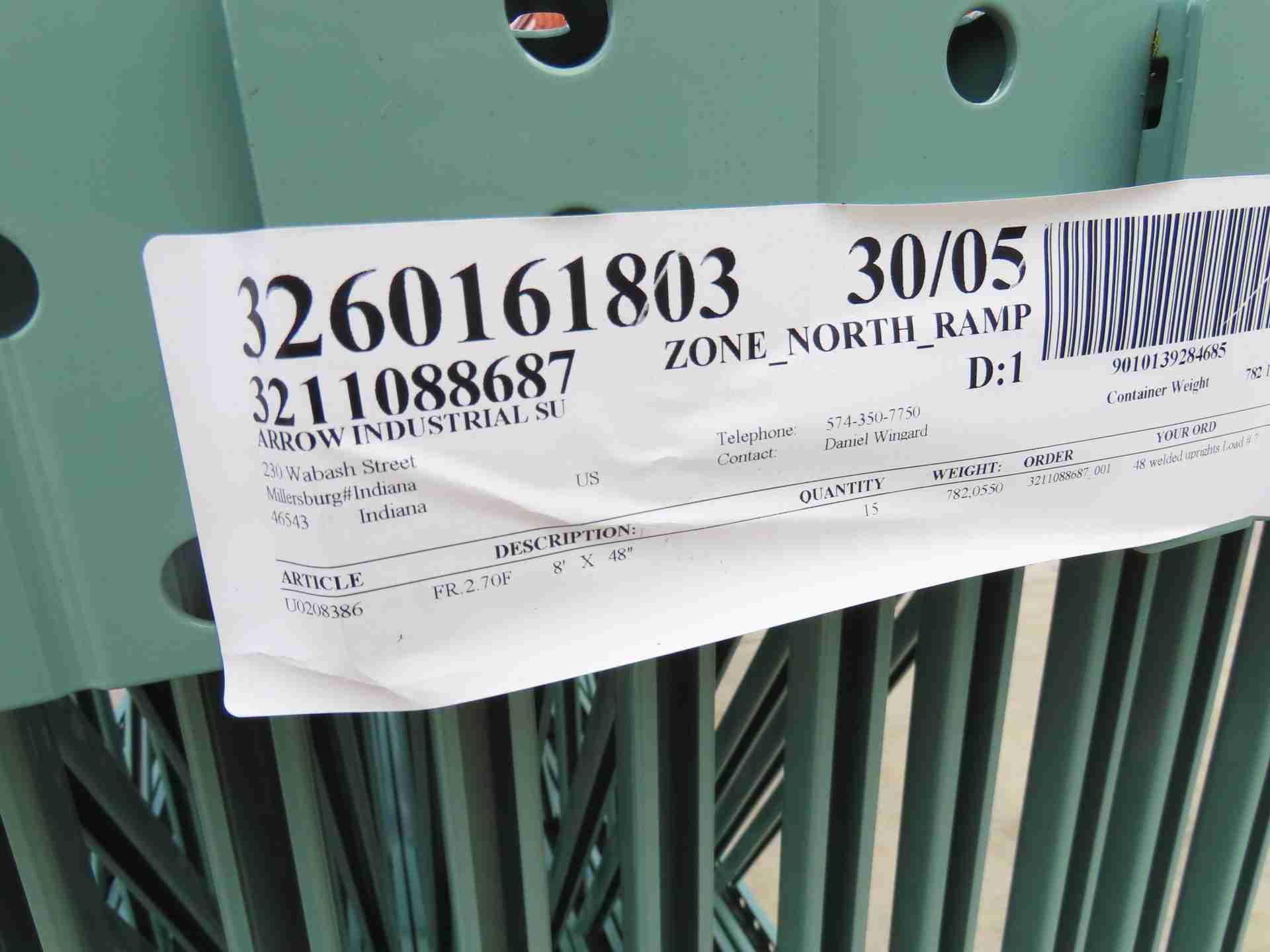
What Payment Methods Do Local Rack Sellers Accept?
Are Payment Plans Available From Local Rack Sellers?
In the shifting landscape of business operations, especially as we witness the resurgence of e-commerce and logistics due to supply chain adaptations and the surge in online shopping, the demand for efficient storage solutions like pallet racking has never been higher. Yet, as many local businesses look to enhance their warehousing capabilities, a common concern arises: the cost. Fortunately, many local rack sellers are stepping up to the plate, offering tailored payment plans that can help businesses acquire the pallet racking systems they need without the financial strain.
Imagine a local distributor providing a state-of-the-art pallet racking system that optimizes storage space while facilitating faster order fulfillment. Traditional payment methods could present a hurdle for many small to mid-sized enterprises aiming to make such an investment. Enter the innovative payment plans designed to ease this burden. By spreading the cost over manageable installments, businesses can keep their cash flow intact while still reaping the benefits of improved operations.
For instance, a local rack seller might offer a six-month no-interest payment plan on their popular heavy-duty pallet racking systems, allowing businesses to invest in quality infrastructure without immediate financial pressure. This approach not only empowers companies to upgrade their facilities but also showcases a seller’s commitment to supporting their community during trying financial times.
Moreover, with the economic challenges posed by inflation and the recent volatility in the job market, the appeal of payment plans is even more pronounced. When businesses have the opportunity to enhance their efficiency without the burden of a hefty upfront cost, they are more likely to take that plunge.
Consider a business owner trying to scale their warehouse operations during the holiday season. By choosing a payment plan for their new pallet racking, they can manage their expenses prudently, ensuring that they are equipped to handle the holiday rush without compromising their financial stability. This practical solution not only enhances operational capacity but also positions them favorably against competitors who may still be using outdated systems.
The bottom line is this: if you’re in the market for pallet racking and concerned about upfront costs, don’t hesitate to ask your local rack seller about the payment options they offer. These plans are not just financial tools; they represent a strategic opportunity to elevate your business while safeguarding its economic health. Embrace the flexibility, and watch your operational prowess soar!

Are Payment Plans Available From Local Rack Sellers?
Are Payment Plans Available From Local Rack Sellers?
- The resurgence of e-commerce and logistics has increased the demand for efficient storage solutions like pallet racking.
- Many local businesses face concerns about the cost of enhancing their warehousing capabilities.
- Local rack sellers are offering tailored payment plans to help businesses acquire pallet racking systems without financial strain.
- Innovative payment options allow companies to spread costs over manageable installments, preserving cash flow.
- Examples include six-month no-interest payment plans for heavy-duty pallet racking systems.
- Payment plans are especially appealing in light of economic challenges such as inflation and job market volatility.
- Business owners can optimize warehouse operations during peak times like the holiday season by utilizing these plans.

Are Payment Plans Available From Local Rack Sellers?
Do Local Rack Sellers Offer Financing Options?
As businesses continue to feel the squeeze of inflation and economic volatility, finding ways to manage capital expenditures without sacrificing growth becomes ever more critical. One essential consideration for companies looking to optimize their storage solutions is the investment in pallet racking systems. But this raises an important question: Do local rack sellers offer financing options that can ease the financial burden?
In the past year, many companies have faced budget constraints due to rising costs in materials and labor. To navigate these challenges, local rack sellers have emerged as pivotal players in the pallet racking marketplace. They’re not just providers of essential storage solutions; they are also becoming strategic partners that offer flexible financing options to meet the diverse needs of their customers.
Consider a small manufacturing firm that desperately needs to upgrade its pallet racking system to increase efficiency and capacity. Traditional purchasing methods may put a strain on cash flow, especially amidst today’s economic climate. However, many local rack sellers now provide financing plans that can transform this burden into manageable monthly payments. For example, a company may offer a 12-month financing plan on pallet racking purchases, enabling the business to allocate its capital towards production and other operational costs without sacrificing much-needed upgrades to storage solutions.
Moreover, leasing options are becoming increasingly popular in the pallet racking industry. This allows businesses to avoid hefty upfront costs and instead pay for the racking setups as they generate revenue. For instance, a local supplier might offer a lease-to-own program for pallet racking systems. This arrangement gives businesses the advantage of utilizing state-of-the-art equipment while keeping their cash flow intact.
In light of recent supply chain challenges impacting wide-ranging industries, having a reliable and adaptive storage solution is vital. To attract more customers, local rack sellers are responding to market demands by also providing tailored financing options that fit different business sizes and models.
So, if you’re in the market for pallet racking, don’t overlook the financing capabilities of local sellers. Whether you’re considering a long-term investment or looking for a short-term solution, remember that the right financing can lead to a smoother road towards enhanced operational efficiency. Always inquire about available financing options, because the right financing could be the key to unlocking your warehouse’s potential without breaking the bank.

Do Local Rack Sellers Offer Financing Options?
Do Local Rack Sellers Offer Financing Options?
- Businesses face challenges from inflation and economic volatility, impacting capital expenditures.
- Investment in pallet racking systems is crucial for optimizing storage solutions.
- Local rack sellers are increasingly offering flexible financing options to assist customers.
- Financing plans can transform substantial upfront costs into manageable monthly payments.
- Leasing options allow businesses to utilize equipment without heavy initial investments.
- Tailored financing solutions from local sellers meet diverse needs based on business size and model.
- Inquire about financing options to enhance operational efficiency without straining cash flow.

Do Local Rack Sellers Offer Financing Options?
Can I Negotiate Payment Terms With Local Rack Sellers?
In the fast-paced world of warehouse operations, every dollar counts. When it comes to investing in Pallet Racking, many businesses overlook a crucial, yet highly strategic opportunity: negotiating payment terms with local rack sellers. If you’re not already negotiating, you’re missing out on a chance to optimize your cash flow and bolster your bottom line.
Take a moment to consider your local rack seller’s perspective. They likely have a range of financing options they offer to customers – options that can be flexible depending on your purchasing capacity. Just last year, we saw a large spike in warehouse expansions fueled by e-commerce growth, leading many suppliers to enhance their financing strategies. This means they want to move Pallet Racking inventory quickly and keep their cash flowing. This trend presents a golden opportunity for savvy negotiators.
When you approach a local rack seller, your first pit stop should be to establish a rapport. Don’t just walk in with a purchase request; frame your conversation around mutual benefit. For instance, you might say, “I’m looking to significantly expand our storage capacity this quarter. If we can agree on favorable payment terms, I’d be willing to commit to a larger order.” This positions you not just as a buyer, but as a potential partner – a vital psychological leverage.
Next, consider specific terms that could be beneficial. You might ask for extended payment periods to allow your business to generate revenue from the new Pallet Racking before the bill comes due. Terms such as “Net 30” or “Net 60” can be a game-changer, giving you the operational liquidity to handle unforeseen expenses or seasonal fluctuations.
Additionally, if the local seller offers discounts for early payments or bulk purchases, it’s worth negotiating these aspects into your deal. A fictional yet plausible example: A local distributor might offer a 5% discount on a large order if you can pay upfront. Positioning an upfront payment as an advantage to them while negotiating your other terms can lead to a favorable compromise.
Lastly, don’t hesitate to explore alternative options. As recent supply chain disruptions have shown us, having flexible terms can also provide a valuable safety net. Consider proposing a combination of financing to buffer against fluctuations in demand for your warehouse operations.
In sum, the answer to whether you can negotiate payment terms with local rack sellers is a resounding yes! With some strategic communication and an understanding of your leverage, you can turn a standard purchase into a financially savvy move for your business. Grab your opportunity today; every saved dollar is a step closer to greater profitability!

Can I Negotiate Payment Terms With Local Rack Sellers?
Can I Negotiate Payment Terms With Local Rack Sellers?
- Negotiating payment terms with local rack sellers can optimize cash flow and improve profitability in warehouse operations.
- Local rack sellers often offer various financing options that can be flexible based on your purchasing capacity.
- Establish rapport with sellers by framing conversations around mutual benefits, positioning yourself as a potential partner.
- Consider requesting extended payment periods, such as “Net 30” or “Net 60,” to allow revenue generation before bills are due.
- Negotiate discounts for early payments or bulk purchases to further enhance financial advantages.
- Explore alternative financing options to create a safety net against demand fluctuations in warehouse operations.
- Strategic communication and understanding your leverage can convert a standard purchase into a financially beneficial decision.

Can I Negotiate Payment Terms With Local Rack Sellers?
What Are The Benefits Of Using Flexible Payment Options?
In today’s fast-paced business environment, flexibility isn’t just an option; it’s a necessity. The rise of ecommerce and shifts in consumer behavior have made it clear—offering flexible payment options is a game changer for businesses across all industries. Let’s delve into the benefits of implementing these strategies, and we’ll explore how they can directly impact your bottom line.
First and foremost, flexible payment options enhance customer satisfaction. By accommodating various payment methods—be it credit cards, digital wallets, or even installment payment plans—you create a seamless purchasing experience. For example, consider a company specializing in pallet racking systems for warehouses. When customers can choose a payment plan that allows them to pay over time, they’re more likely to make a purchase. Just as consumers flocked to companies like Peloton during the pandemic, businesses offering payment flexibility saw a surge in sales. Customers can focus on acquiring the best pallet racking solutions instead of stressing over upfront costs.
Moreover, flexible payment options can open doors to new markets. Businesses that offer alternative financing, such as “buy now, pay later” services, can attract customers who might otherwise hesitate due to budget constraints. This is particularly relevant in global markets. For instance, businesses expanding overseas need to account for different payment preferences and capabilities, ensuring they do not lose potential clients due to rigid payment structures.
Financial predictability is another key benefit. Offering installment payments can result in consistent cash flow, allowing businesses to plan, invest, and grow with confidence. A recent survey indicated that companies who embraced flexible payments reported a significant increase in recurring transactions. When pallet racking dealers implement payment schemes, it not only facilitates larger transactions but also builds loyalty as customers appreciate a partner who understands their financial landscape.
Furthermore, flexible payment options empower businesses to stand out in a crowded marketplace. In an era where differentiation is paramount, providing diverse payment solutions can be your calling card. Think about it: while competitors are stuck in traditional payment modes, you could be the go-to provider who meets customers exactly where they are, enhancing engagement and conversion rates.
The strategic deployment of flexible payment options can significantly elevate your business trajectory. From improving customer satisfaction and expanding market reach to fostering financial stability and differentiation, these options are a potent tool in today’s competitive landscape. Embrace flexibility, and watch as your business thrives amidst evolving consumer expectations.

What Are The Benefits Of Using Flexible Payment Options?
What Are The Benefits Of Using Flexible Payment Options?
- Flexibility in payment options is essential for modern businesses due to the rise of ecommerce and changing consumer behavior.
- Offering various payment methods, such as credit cards and installment plans, enhances customer satisfaction and facilitates purchases.
- Flexible payment options can attract new markets, particularly for customers hesitant due to budget constraints, including global markets.
- Implementing installment payments leads to consistent cash flow, allowing companies to plan and invest confidently.
- Businesses utilizing flexible payments report increased recurring transactions and enhanced customer loyalty.
- Diverse payment solutions help differentiate businesses in a competitive landscape and improve engagement and conversion rates.
- Embracing flexibility in payment options can significantly improve business performance and adaptability to consumer expectations.

What Are The Benefits Of Using Flexible Payment Options?
How Do Local Rack Sellers Handle Returns With Payment Plans?
In today’s competitive landscape, local rack sellers find themselves at a crossroads when it comes to customer satisfaction and return policies, particularly for goods sold under payment plans. The shift toward pallet racking solutions has seen a surge in demand, making it essential for these businesses to craft return strategies that not only safeguard their inventory but also enhance customer loyalty.
Consider a local seller who specializes in pallet racking systems tailored for small businesses and warehouses. When a client opts for a payment plan—a popular choice given its budget-friendly nature—the potential for returns or exchanges increases. Knowledgeable sellers institute flexible return policies that cater to the realities of their clientele. For instance, a use-case scenario: a small retailer might struggle with a specific pallet racking arrangement, realizing it doesn’t suit their space. Instead of a rigid return policy that can lead to frustration, a local rack seller could provide an adaptable return window, allowing customers to swap out the racks, fostering a relationship built on trust and support.
Cross-industry trends highlight the importance of customer experience, especially in the wake of recent supply chain disruptions. Businesses are now prioritizing systems that not only keep inventory flowing but also allow swift resolution of returns. Imagine a local rack seller launching an online tracking portal for customers on payment plans. This proactive measure not only streamlines communication regarding any potential returns but also arms the business with valuable data about customer preferences and pain points.
Furthermore, implementing automated return processing systems can minimize friction for both parties. For example, if a customer finds that their recently acquired pallet racking system doesn’t fit their needs due to changing business operations, the seller can enforce an easy-to-navigate return process: simply log into the portal, initiate a return, and schedule a pickup—all while balancing the remaining payment obligations seamlessly. This type of customer-centric approach becomes a distinct competitive advantage.
In dynamic markets, where customer expectations are higher than ever, local rack sellers who confidently handle returns with payment plans differentiate themselves. By embracing flexibility, leveraging technology, and maintaining open lines of communication, they not only protect their bottom line but also strengthen their brand loyalty. It’s about creating winning scenarios where customers feel valued, and sales soar, driven by satisfaction and repeat business in the vibrant world of pallet racking solutions.

How Do Local Rack Sellers Handle Returns With Payment Plans?
How Do Local Rack Sellers Handle Returns With Payment Plans?
- Local rack sellers are navigating customer satisfaction and return policies amidst a rising demand for pallet racking solutions.
- Flexible return policies are essential for businesses that offer payment plans, as they help to foster customer loyalty.
- Adopting adaptable return windows can enhance relationships with clients who may struggle with specific pallet racking arrangements.
- Cross-industry trends emphasize the importance of customer experience, especially following supply chain disruptions.
- Launching an online tracking portal for payment plan customers can streamline communication regarding returns and gather valuable customer data.
- Automated return processing systems can create frictionless return experiences, improving satisfaction for both sellers and customers.
- Embracing flexibility and technology in return handling allows local sellers to differentiate themselves and strengthen brand loyalty.

How Do Local Rack Sellers Handle Returns With Payment Plans?
Are There Any Hidden Fees With Flexible Payment Options?
In today’s fast-paced business environment, companies are constantly seeking ways to optimize cash flow and maintain competitive edges. Enter flexible payment options—a tempting solution that promises more manageable payments while relieving the burden of hefty upfront costs. However, just like a seemingly irresistible deal on pallet racking, there’s often more than meets the eye. It’s crucial for savvy business owners to dissect these payment programs thoroughly to avoid any unwelcome surprises that can eat into profits.
First off, let’s examine how hidden fees creep into the flexibility of payment plans. While a vendor may advertise a low monthly payment, it’s essential to read the fine print. Common pitfalls include initiation fees, processing costs, and interest rates that can transform a convenient arrangement into a financial sinkhole. For example, a company that offers pallet racking solutions with a 0% introductory rate might impose substantial fees after a few months, making what initially seemed like a great offer much less appealing.
Consider the case of a small business that opted for a flexible equipment payment plan. Initially, their decision seemed sound, with a quote for $500 monthly installments. However, they overlooked a 5% processing fee and an annual $100 account maintenance charge, which crept in right under the radar. This oversight meant they were ultimately paying $600 per month—a far cry from the expected commitment. Always ask about additional fees explicitly before signing on the dotted line.
As we navigate through the current economic landscape, marked by inflation and rising interest rates, understanding these intricate financial traps becomes even more critical. Reports indicate that many businesses are falling victim to seemingly alluring flexible payment options that don’t disclose all necessary details. CEOs and CFOs must arm themselves with the right questions: What is the total cost of the financing? What happens if a payment is missed? Are there penalties for early payment?
Moreover, as remote work and digital solutions become the norm, transparency in transactions must be paramount. Companies offering flexible payment options need to prioritize clarity—not only in advertisements but also in customer interactions. Otherwise, loyalty towards a provider can quickly erode due to frustration surrounded by unexpected expenses.
While flexible payment options can be an invaluable asset in your financial toolkit, beware of hidden fees lurking beneath the surface. Just as with pallet racking solutions, a thorough understanding and scrutiny of every aspect will ensure that your payment plan works to your advantage—keeping your business running smoothly without hidden costs stealing your profits.

Are There Any Hidden Fees With Flexible Payment Options?
Are There Any Hidden Fees With Flexible Payment Options?
- Flexible payment options can enhance cash flow management but may hide additional costs.
- Vendors may advertise low monthly payments, concealing initiation fees, processing costs, and interest rates.
- An example illustrates how a small business underestimated total costs due to overlooked fees, increasing payments significantly.
- Business leaders should ask critical questions: total financing cost, implications of missed payments, and early payment penalties.
- In an era of remote work, transparency in flexible payment transactions is essential for maintaining customer trust.
- Companies must communicate clearly to avoid frustrating customers with unexpected expenses.
- Understanding potential hidden fees is crucial to ensuring that flexible payment plans benefit your business.

Are There Any Hidden Fees With Flexible Payment Options?
Conclusion
In the landscape of preparedness and resilience, selecting the right pallet racking system can determine the trajectory of your business, but that decision doesn’t have to be financially daunting. At Arrow Industrial Sales, we champion the belief that flexible payment options are not just perks; they are critical solutions for companies navigating the turbulent waters of today’s economy. With cash flow concerns exacerbated by inflation and recent global events, businesses must prioritize financial flexibility like never before.
Local rack sellers increasingly recognize this imperative, offering a spectrum of payment plans tailored to the real-world needs of their clients. Imagine elevating your operational efficiency without sacrificing your capital reserves or draining your budget on upfront costs. From installment plans and financing through banks to innovative lease-to-own agreements, the options available today can seamlessly align with your financial capabilities while allowing you to invest in future growth.
As you contemplate your next investment, it’s worth emphasizing the importance of directly addressing payment terms with local rack sellers. Many are eager to accommodate your unique situations and may be open to negotiations that can optimize your cash flow. This isn’t merely about facilitating a purchase; it’s about forging a partnership that can support your business as you adapt to rapid changes in market demand and inventory management.
Moreover, in the hustle of managing day-to-day operations, don’t overlook the potential pitfalls that can accompany seemingly attractive flexible payment options. Hidden fees can lurk in the fine print, turning manageable installments into unexpected financial burdens. Empower yourself by asking the right questions and obtaining clarity before committing.
In a climate where agility is paramount, embracing flexible payment methods can serve as a strategic catalyst for elevating your warehouse operations without compromising financial health. Don’t just take another step—take a leap towards enhancing your operational capacity with ease. The time to act is now; call Arrow Industrial Sales at (574) 349-6575 to discover how we can assist you in implementing the most effective, budget-friendly solutions tailored to your business needs. Let’s seize this opportunity together before it slips away!

Conclusion
Conclusion:
- Selecting the right pallet racking system is crucial for business preparedness and resilience.
- Arrow Industrial Sales believes flexible payment options are essential for navigating economic challenges.
- Local rack sellers are offering various payment plans to address clients’ cash flow concerns.
- Options include installment plans, bank financing, and lease-to-own agreements.
- Engaging with local sellers about payment terms can optimize cash flow and support business growth.
- Be cautious of hidden fees in flexible payment options that could lead to unexpected financial burdens.
- Embracing flexible payment methods can enhance warehouse operations while maintaining financial health.

Conclusion
Other Resources

Other Resources
Here is a list of other resources you can review online to learn more:
- Shipping Boxes, Packaging Materials, Pallet Racking
- American Surplus
- Cantilever Rack Configuration & Installation: A Comprehensive Guide – BMH
- Teardrop Industrial Shelving Rack
- Selective Pallet Racking Systems
- What is Selective Racking: Understanding Benefits & Options
- Rack Manufacturers Institute
- Warehouse Racking Chicago, IL
- Warehouse Racking Systems: Beginner’s Guide to Rack Systems
- IWLA
Use This Prompt To Get More Resources With Your Favorite Online AI Tool: Please provide me with a list of online articles with their URLs in a bulleted list that I can read regarding Do Local Rack Sellers Offer Flexible Payment Options?

Other Resources
Glossary Terms
Do Local Rack Sellers Offer Flexible Payment Options? – Glossary Of Terms
1. Local Rack Sellers: Small businesses or vendors that sell various items, often in their local area, which can include clothing racks, display units, or equipment.
2. Flexible Payment Options: Various payment methods or plans that allow customers to pay for items in a way that fits their financial situation.
3. Installment Payments: A payment plan where the total cost of a product is divided into smaller, manageable amounts paid over a specified period.
4. Layaway: A purchasing agreement where the seller reserves an item for a buyer, who then pays for it in installments before taking possession.
5. Credit Card Payments: Transactions made using a credit card, allowing customers to defer payment and pay back the amount over time.
6. Buy Now, Pay Later (BNPL): A financing option that allows consumers to make purchases and pay for them over a set period, typically without interest if paid on time.
7. Discounts for Upfront Payments: Price reductions offered to customers who pay the total cost of a product at the time of purchase instead of in installments.
8. Payment Plans: Structured schedules that outline when and how much a customer will pay over time for a purchased item.
9. Interest-Free Financing: Payment terms that allow customers to pay over time without incurring interest charges.
10. Down Payment: An initial upfront payment made at the time of purchase, which reduces the total amount financed.
11. Promissory Note: A legal document in which one party agrees to pay another a specified amount of money on demand or at a set time.
12. Deferred Payment Plan: An arrangement where payment is postponed to a later date, allowing customers to purchase now and pay later.
13. Credit Checks: An assessment of a borrower’s credit history and creditworthiness, often required before offering financing options.
14. Late Fees: Charges applied when a customer fails to make a payment by the due date.
15. Trade-in Options: A program that allows customers to exchange old items for credit towards a new purchase, potentially reducing costs.
16. Payment Processing Fees: Charges incurred when a transaction is processed, often passed on to customers or absorbed by sellers.
17. Personal Loans: Unsecured loans offered by banks or financial institutions that can be used for various purchases, including payment for local racks.
18. Mobile Payment Solutions: Payment methods utilizing smartphones or mobile devices, such as digital wallets or apps, to facilitate transactions.
19. Transaction Limit: The maximum amount that can be charged or financed in a single transaction within a given payment option.
20. Recurring Payments: Automatic debits from a bank account or credit card for ongoing payments, such as those required in a subscription or payment plan.
21. Early Payment Incentives: Discounts or benefits offered to customers who pay off their purchases ahead of schedule.
22. E-commerce Integration: The inclusion of online payment options for local sellers that also sell goods through digital platforms.
23. Point of Sale (POS) Financing: Financing options provided at the checkout point, where customers can select payment plans on the spot.
24. Peer-to-Peer Payment Apps: Applications that facilitate direct transfers between individuals, often used for making immediate payments to sellers.
25. Financing Agreement: A contract outlining the terms and conditions of a financing arrangement between a seller and a buyer.
26. Consumer Credit: Borrowed funds that customers can use for purchasing goods or services, typically repaid in installments.
27. Payment Terms: The specific conditions under which a transaction is executed, including payment schedule, interest rate, and due dates.
28. Service Fees: Additional charges that may apply for structuring or managing payment plans.
29. Refund Policy: Guidelines that specify how customers can return purchased items and under what conditions they may receive a refund.
30. Customer Loyalty Programs: Incentives tailored for repeat customers, which may include exclusive financing options or discounts for future purchases.

Glossary Of Terms
Other Questions
Do Local Rack Sellers Offer Flexible Payment Options? – Other Questions
If you wish to explore and discover more, consider looking for answers to these questions:
- What are the most common flexible payment options offered by local rack sellers?
- How do I compare payment plans from different local rack sellers?
- Are there specific types of businesses that benefit more from flexible payment options?
- What factors should I consider when choosing a payment plan for pallet racking systems?
- How does credit history affect my eligibility for financing options from local rack sellers?
- Can I get a refund if I cancel a payment plan before it’s completed?
- Are there any penalties for late payments on financing options?
- What should I do if my business needs change after entering a payment plan?
- Is there a minimum order requirement to qualify for flexible payment options?
- How can I find local rack sellers that offer financing partnerships with banks or credit unions?
- What documentation do I need to provide to secure financing or a payment plan?
- Do local rack sellers perform credit checks before approving financing options?
- Are payment plans available for used pallet racking systems?
- How can I build a good relationship with local rack sellers to facilitate better negotiation on payment terms?
- What are the risks associated with choosing a lease-to-own agreement for pallet racking systems?

Other Questions
Checklist
Do Local Rack Sellers Offer Flexible Payment Options? – A Checklist
Flexible Payment Plans
_____ Ask About Payment Options: Do they offer installment plans, financing, or lease-to-own agreements?
_____ Evaluate Installment Periods: What are the length and structure of the installment plans? Are they monthly, quarterly, or annually?
_____ Check for Interest Rates: If financing is available, what are the associated interest rates? Are any plans interest-free?
_____ Inquire About Discounts: Are there discounts for cash payments or early settlements of accounts?
Accepted Payment Methods
_____ Identify Accepted Payment Methods: What payment methods are accepted (cash, credit cards, purchase orders)?
_____ Look for Loyalty Programs: Does the seller offer rewards or cash-back options for using certain payment methods?
Negotiation Opportunities
_____ Understand Negotiation Policies: Can you negotiate payment terms? What improvements can be made to the initial offer?
_____ Prepare for Conversations: Plan how to position yourself for potential discounts or extended repayment terms.
Hidden Costs
_____ Ask About Fees: Are there any initiation, processing, or maintenance fees associated with payment plans?
_____ Clarify Total Costs: Request a complete breakdown of costs associated with flexible payment options, including penalties for missed payments or early settlements.
Customer Support and Returns
_____ Evaluate Return Policies: What are the return policies for products purchased under a payment plan?
_____ Inquire About Support: How does the seller assist customers with managing payment plans and returns?
Financial Predictability
_____ Assess Cash Flow Impact: How do the proposed flexible payment options affect your overall cash flow and financial stability?
_____ Consider Operational Benefit: Can you use the new equipment to generate revenue before completing payments?
Transparency and Communication
_____ Ensure Clarity in Terms: Read all documentation thoroughly; make sure terms are transparent and understandable.
_____ Request Documentation: Get written confirmation of the payment agreement and any discussed terms to avoid misunderstandings later.
Vendor Reputation
_____ Research Seller Credentials: Look for reviews or testimonials about the seller’s reliability and responsiveness to payment inquiries.
Final Thoughts
_____ Be Prepared to Walk Away: If the terms do not meet your business needs, consider looking at alternative local rack sellers.
Using this checklist can significantly aid in making an informed decision about flexible payment options, helping you allocate your resources wisely while enhancing your operational capacity.

Checklist
At RackingWorld, we help guide you through selecting warehouse storage systems and racking.
Be sure to read our other related stories at RackingWorld to learn more about warehouse storage systems.
0 Comments