
Maximize Space, Cut Costs, And Elevate Efficiency With Expert Strategies
By Tom Seest
At RackingWorld, we help guide you through selecting warehouse storage systems and racking.
Be sure to read our other related stories at RackingWorld to learn more about warehouse storage systems.
Warehouse Cube Optimization: a Practical Guide
Warehouse Cube Optimization: A Practical Guide
When it comes to making the most of your warehouse space, the concept of cube optimization isn’t just a matter of fitting more boxes in. It’s about maximizing every square foot, creating an efficient workflow, and ultimately supporting the people behind the work. Think of your warehouse as a living entity; if you nurture it wisely, it will breathe life into your operations.
Racking systems serve as the backbone of any well-organized warehouse. They come in various types, from selective racks to drive-in systems, and choosing the right racking system is crucial. It’s like picking the right toolbox for a job—without the right tools, you’re only making things harder on yourself. This straightforward choice can lead to a dramatic increase in storage capacity and accessibility, turning a chaotic space into a well-oiled machine.
Picture this: a warehouse buzzing with energy, every worker knowing exactly where to find the items they need, when they need them. The sense of relief and camaraderie amongst the team is palpable. This isn’t just about efficiency; it’s about empowerment. Optimizing your warehouse layout fosters a sense of pride and ownership among staff. They become invested in the operation’s success, motivated to contribute their best. That connection can make all the difference.
But let’s not sugarcoat it—getting here requires honest conversations and real commitment. You may need to roll up your sleeves and engage your workforce in the optimization process. Their insights can provide invaluable perspectives; the folks on the ground have a keen sense of what works and what doesn’t. It builds trust and shows that you value their experience, forging a stronger team. This collaborative spirit is essential in overcoming the inevitable bumps in the road that come with restructuring.
Ethically, optimizing cube space means being responsible stewards of resources. Efficient inventory management reduces waste, minimizes costs, and lowers the environmental footprint of your operations. It’s smart business sense and aligns with the growing expectation of sustainability in today’s marketplace. You’re not just setting your warehouse up for success; you’re also contributing to a larger, ethical narrative in your industry.
Warehouse cube optimization is about more than just fitting items in tight spots. It’s a journey toward efficiency and effectiveness, a commitment to the people who keep the wheels turning, and a step toward building a legacy of sustainable practices. So, take a good hard look at your square footage, listen to your team, and invest in a strategy that works for everyone. Embrace cube optimization, and watch your warehouse transform into a beacon of productivity and community.

Warehouse Cube Optimization: a Practical Guide
Warehouse Cube Optimization: a Practical Guide
- Cube optimization maximizes warehouse space for efficient workflows and supports staff.
- Choosing the right racking systems increases storage capacity and accessibility.
- Efficient layouts empower workers and foster pride in operations.
- Engaging the workforce in the optimization process builds trust and improves teamwork.
- Responsible inventory management reduces waste and aligns with sustainability expectations.
- Warehouse optimization is a journey toward efficiency and effective practices.
- Investing in team-driven strategies transforms warehouses into productive environments.

Warehouse Cube Optimization: a Practical Guide
Table Of Contents
- Warehouse Cube Optimization: a Practical Guide
- What Are the Biggest Challenges In Warehouse Space Utilization?
- How Can Optimizing Cube Storage Reduce Operational Costs?
- What Technologies Enhance Warehouse Cube Optimization Efficiency?
- How Does Warehouse Layout Impact Overall Productivity Metrics?
- What Metrics Should Be Monitored for Effective Cube Utilization?
- How Can Employee Training Improve Warehouse Organization?
- Conclusion
- Other Resources
- Glossary Of Terms
- Other Questions
- Checklist
What Are the Biggest Challenges In Warehouse Space Utilization?
When it comes to warehouse space utilization, you might think it’s all about stacking boxes high and tight. But if it were that simple, we’d all be rich off cheap racking systems and warehouse layouts. The truth is, it’s a struggle that keeps managers up at night, and it’s not just about fitting things into a cramped space.
First off, let’s talk inefficiency. You may have a shiny warehouse with state-of-the-art racking systems, but if your pick paths are a jumbled mess, you’ll spend more time hunting for items than actually moving them. It’s not just the wasted hours; it’s the frustration that builds on the floor. If you’re part of a team, nothing is more demoralizing than running in circles when you know you could be getting orders out the door.
Then there’s the heart of the operation: the people. Warehouse workers are the backbone of the business. If they feel cramped and disorganized, morale takes a hit. A happy worker is a productive worker, and that’s the simple math of it. Trust is built on a foundation of respect for individuals who sweat it out daily. Let’s not forget the ethical dimension—building an environment where workers can thrive is just as important as hitting those quarterly numbers. After all, your success depends as much on their well-being as on the efficiency of your space.
Next, consider safety. Poor space utilization can lead to accidents, and nobody wants that kind of headache. Maintaining wide aisles and accessible emergency exits isn’t just about compliance; it’s about caring for your crew. An incident can cost you far more than just money—it chips away at the trust built with your team and can impact your bottom line in the long run.
In a world where everyone is looking for ways to do more with less, utilizing warehouse space effectively is key. Whether you’re a seasoned pro or just starting out, remember that it’s not just about fitting more into your warehouse; it’s about creating a space that works for everyone. It’s about fostering a culture where teamwork and efficiency coexist, giving both the space and the people room to breathe, adapt, and grow. When the floor is laid out thoughtfully, and those sturdy racking systems are in place, you build a fortress, not just a storage area. You create an operation that not only meets the demands of today but is also ready for tomorrow’s challenges.

What Are the Biggest Challenges In Warehouse Space Utilization?
What Are the Biggest Challenges In Warehouse Space Utilization?
- Warehouse space utilization involves more than just stacking boxes; it’s a complex issue facing managers.
- Inefficient pick paths can lead to wasted time and frustration among warehouse workers.
- Employee morale is crucial; a happy worker contributes to productivity and trust within the team.
- Creating an organized environment is as vital as achieving financial targets for overall success.
- Safety is paramount; poor space utilization increases the risk of accidents and impacts employee trust.
- Effective space utilization fosters teamwork and allows both the workspace and employees to thrive.
- A well-designed warehouse layout prepares the operation for current and future challenges.

What Are the Biggest Challenges In Warehouse Space Utilization?
How Can Optimizing Cube Storage Reduce Operational Costs?
Optimizing cube storage isn’t just about squeezing every last inch out of your warehouse; it’s about creating a space that works for you and your team. When racking systems are aligned to maximize storage efficiency, businesses can dramatically cut down on overhead costs. Imagine the savings when you can store more in less space, reducing the need for expansion or additional leasing fees. It’s not just a financial win—it frees up cash flow, allowing you to invest in your people or other critical areas.
Think of it this way: when you walk into a well-organized warehouse, there’s a sense of calm. Products are easy to find, and it feels like everything has its place. This not only boosts productivity but also improves morale. Workers who can swiftly grab what they need and don’t have to waste time hunting through disorganized piles are happier and more efficient. Operational costs shrink the moment your team feels empowered and valued, knowing they’re working in a streamlined environment that supports them.
On a deeper level, optimizing cube storage is an ethical choice. It reflects a commitment to sustainability. By utilizing every cubic foot, businesses are less likely to embark on new construction, thus reducing their carbon footprint. When companies take steps to be responsible stewards of their resources, they earn the trust and respect of their community. Your commitment to making wise use of materials inspires others to consider their own impact, fostering an environment of shared responsibility.
And let’s not forget the stories behind success. Every bustling warehouse starts with challenges—too much inventory, not enough space. But when you implement strategic racking systems, you’re telling a story of resilience. You’re proving that by paying attention to how you store goods, you can overcome what once seemed impossible.
This isn’t just theory; it’s practical work grounded in the blue-collar grit we all respect. People in warehouses know that every dollar saved is a better chance to keep the lights on and jobs secure. Your optimized space becomes a testament to hard work, a breathing symbol of what can be achieved through careful planning and effort. With every box neatly stacked and every path cleared, you’re not just storing products—you’re building a future where efficiency meets empathy, community thrives, and costs of operation don’t just disappear but transform into growth.

How Can Optimizing Cube Storage Reduce Operational Costs?
How Can Optimizing Cube Storage Reduce Operational Costs?
- Optimizing cube storage enhances warehouse efficiency beyond mere space utilization.
- Efficient racking systems reduce overhead costs, minimizing the need for expansion and leasing.
- A well-organized warehouse boosts productivity and employee morale.
- Streamlined environments empower workers, leading to happier and more efficient teams.
- Optimization supports sustainability by reducing the need for new construction and lowering carbon footprints.
- Strategic storage solutions illustrate resilience and effective resource management.
- Efficient operations foster community trust and shared responsibility among businesses.
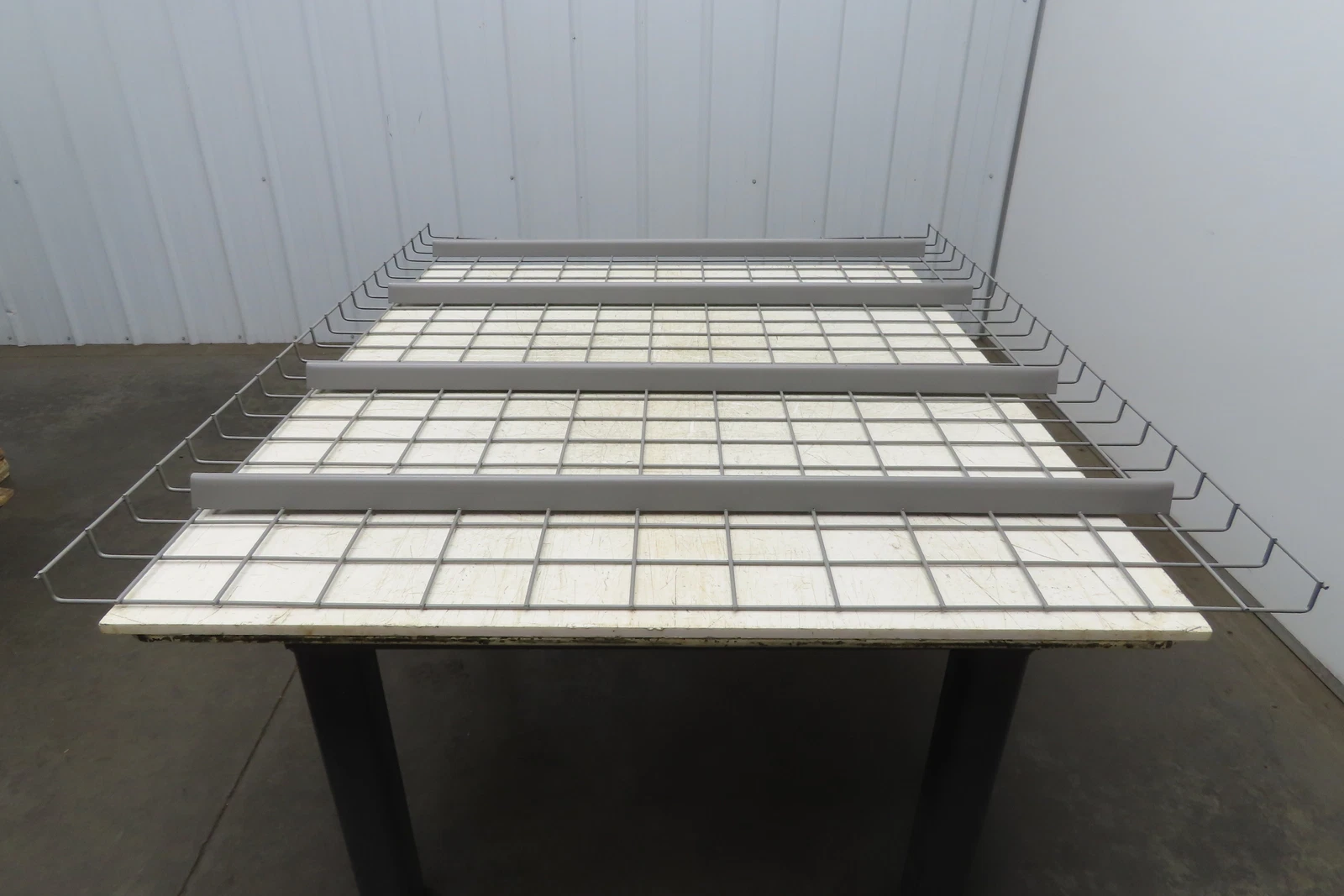
How Can Optimizing Cube Storage Reduce Operational Costs?
What Technologies Enhance Warehouse Cube Optimization Efficiency?
In the heart of every bustling warehouse, where productivity meets innovation, racking systems stand as the unsung heroes of cube optimization. These stalwart structures aren’t just metal frames; they’re the backbone of efficient space utilization, allowing warehouses to stretch every square foot and maximize storage capacity. Imagine walking into a warehouse where every box, pallet, and item has its place—neatly organized, easily accessed, and perfectly aligned. This isn’t just a dream; it’s achievable with the right technology and racking solutions.
As warehouses evolve, automation and data analytics come into play. Automated storage and retrieval systems (AS/RS) are game changers, dynamically adjusting to maximize cube space based on real-time inventory levels. Picture a robot gliding down aisles, pulling products with fluid precision, while your team focuses on higher-level tasks. This technology reduces errors, enhances speed, and transforms operations from mundane to mesmerizing. It’s not just about stacking; it’s about smart stacking that leads to fewer headaches and more profits.
Then there’s the power of data. Warehouse Management Systems (WMS) offer insights that fine-tune operations. With analytics in hand, you can pinpoint inefficiencies in your layout and adjust your racking systems accordingly. You’ll know which items sell fast and which gather dust, allowing you to arrange products in a way that echoes the rhythm of demand. This rational approach not only streamlines processes but builds a fortress of reliability around your operational strategy.
But it’s not all numbers and robots. The stories within a warehouse often ring true with the humanity of the workforce. When teams feel empowered by these advancements—working smarter, not harder—they develop a sense of pride in their environment. A well-organized warehouse isn’t just more efficient; it builds a community of workers who see themselves reflected in the operation’s success.
Ethics in warehouse management also shines through in sustainability efforts. Modern racking solutions utilize eco-friendly materials and designs that reduce waste. By making conscious choices, warehouses can minimize their environmental footprint while maximizing cube effectiveness. It’s a win-win that resonates with both the heart and the head.
In this world of logistics, the goal isn’t just efficiency; it’s about creating a space where technology meets tradition, where every inch matters, and every worker contributes. Embracing these advancements isn’t just an investment in infrastructure; it’s a commitment to fostering a thriving ecosystem that inspires trust, confidence, and action—ensuring your warehouse isn’t just functional, but a model of excellence in the industry.

What Technologies Enhance Warehouse Cube Optimization Efficiency?
What Technologies Enhance Warehouse Cube Optimization Efficiency?
- Racking systems optimize space utilization in warehouses, maximizing storage capacity.
- Automated storage and retrieval systems (AS/RS) enhance efficiency by adjusting to real-time inventory levels.
- Warehouse Management Systems (WMS) provide data insights to identify inefficiencies and improve layout.
- Smart stacking techniques reduce errors and improve operational speed, leading to increased profits.
- A well-organized warehouse fosters a sense of pride and community among workers.
- Modern racking solutions promote sustainability by using eco-friendly materials and reducing waste.
- Embracing technological advancements is vital for creating an efficient and reliable warehouse ecosystem.

What Technologies Enhance Warehouse Cube Optimization Efficiency?
How Does Warehouse Layout Impact Overall Productivity Metrics?
A well-thought-out warehouse layout isn’t just a pretty blueprint; it’s the backbone of efficient operations. Picture this: workers hustling through aisles, not dodging obstacles but moving with purpose, their paths clear and their goals in sight. That’s what happens when you pay attention to the design of racking systems and the overall flow of the space.
First things first, a logical arrangement of racking systems can transform the daily grind into a smooth-running machine. When products are stored in logical proximity—hot sellers near dispatch areas, for instance—employees spend less time walking. These saved minutes each day add up, turning into hours over weeks and months, ultimately boosting productivity metrics like order fulfillment rates and labor efficiency.
Now, let’s take a step back and think about the people doing the work. A chaotic workspace can lead to frustration. Workers thrive when they know where to find what they need, leading to greater satisfaction and reduced turnover. Connection is key; when employees feel supported by their environment, they’re more likely to take pride in their work. Loyalty grows when they see the investment in their space.
On the rational side, data backs this up. Research shows that a well-planned layout not only cuts down on unnecessary movement but also minimizes errors. The fewer the mishaps, the fewer the bottlenecks. It follows that an organized warehouse where items are easy to access means fewer dissatisfied customers. Happy customers are loyal customers, and that’s the goal here.
Ethically, there’s a responsibility to create a safe and inviting work environment. When you design a warehouse layout that considers ergonomics and accessibility, you’re sending a message: you value your workers.
Finally, think about the social aspect. A great layout fosters teamwork. When racking systems facilitate easy communication and collaboration, morale climbs. Employees lean on each other, share tips, and collectively drive productivity.
At the end of the day, a smart warehouse layout is not just about efficiency metrics—it’s about people. When everything clicks, productivity soars, and the workplace becomes a community, thriving together in a space designed to help everyone succeed. A well-planned layout reflects not just foresight but genuine care for the workforce that keeps the wheels turning.
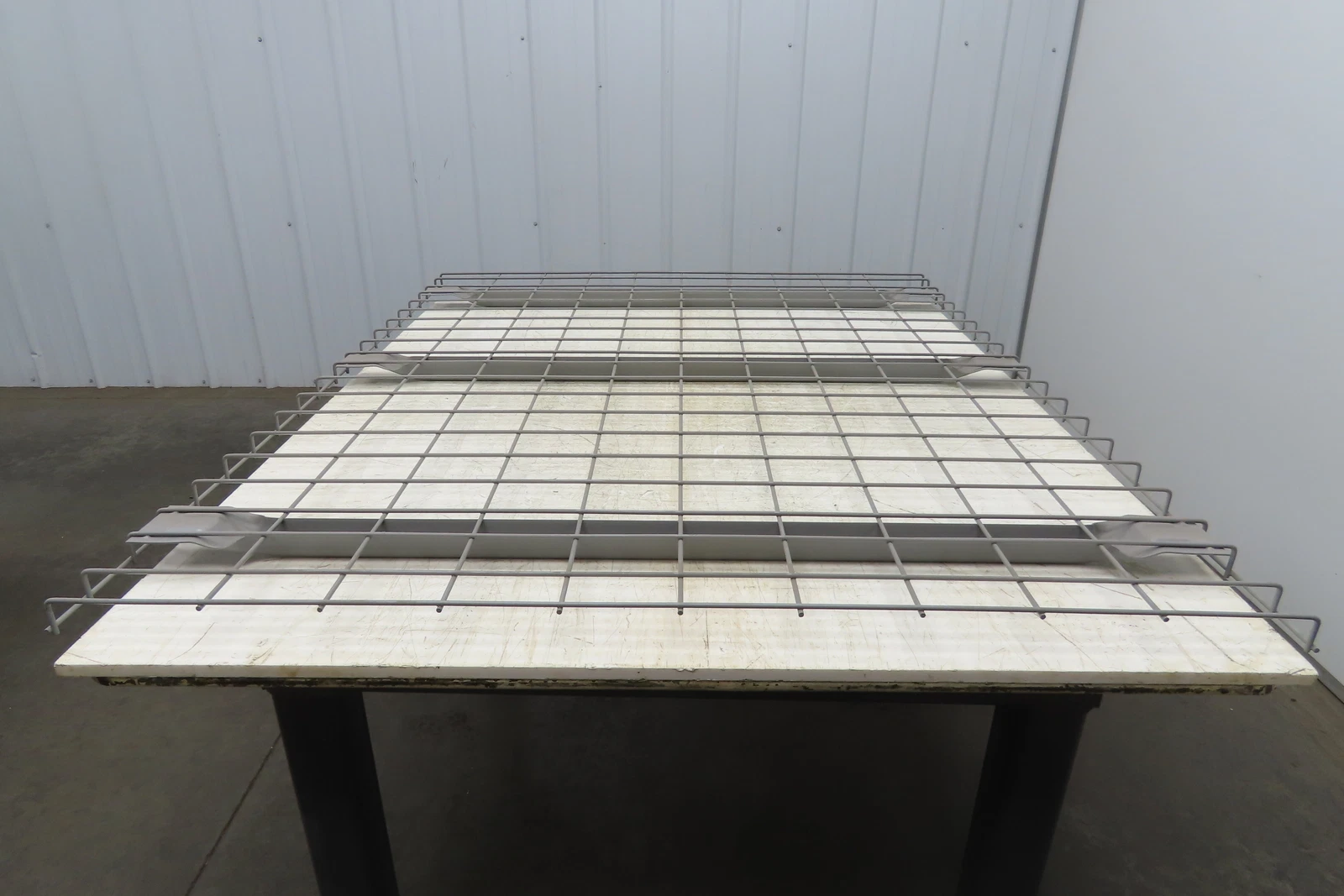
How Does Warehouse Layout Impact Overall Productivity Metrics?
How Does Warehouse Layout Impact Overall Productivity Metrics?
- A well-designed warehouse layout is essential for efficient operations.
- Logical arrangement of racking systems reduces employee walking time, boosting productivity.
- A chaotic workspace increases frustration; clarity enhances worker satisfaction and loyalty.
- Data supports that organized layouts minimize errors and improve customer satisfaction.
- Creating a safe and accessible layout shows value for employees and promotes well-being.
- A good layout encourages teamwork and collaboration, enhancing morale and productivity.
- A smart warehouse layout focuses on both efficiency and the well-being of the workforce.

How Does Warehouse Layout Impact Overall Productivity Metrics?
What Metrics Should Be Monitored for Effective Cube Utilization?
When it comes to maximizing cube utilization, there’s more at stake than just squeezing every last bit out of your storage space. It’s about finding that sweet spot where efficiency meets practicality, ensuring your operations run smoother and save money in the long run. Here’s where the rubber meets the road, so let’s cut to the chase.
First on the list is space utilization. Monitor how much of your total available space is actually being used. Picture your racking systems—how efficiently are they filled? If your warehouse is bursting at the seams but your racking systems aren’t loaded to capacity, that’s a clear sign something’s amiss. Knowing your space utilization percentage not only helps in planning, but it can also shine a light on potential cost cuts.
Next, think about inventory turnover. This metric is your bread and butter. It measures how quickly stock is sold and replenished. A slow turnover can clog up your racking systems, leading to inefficiencies. Nobody wants a jammed-up warehouse, right? Aim for a brisk turnover that keeps products flowing in and out, creating a rhythm that reflects a well-oiled machine.
Picking accuracy is another crucial metric. In the hustle and bustle of daily operations, mistakes can happen. But when it comes to the products making their way through your racking systems, accuracy isn’t just a nice-to-have—it’s a must. Each pick that’s off can ripple through the supply chain, wasting time and resources. Monitoring and improving picking accuracy not only saves you money but also builds trust with your customers.
Then there’s labor productivity. Measure how much time your team spends on tasks related to the racking systems versus their output. A high level of productivity doesn’t just reflect efficiency; it also showcases a committed workforce, proud to do their jobs right. Combine this with regular training and you’re building a culture that values both quality and efficiency, encouraging workers to take ownership of their roles.
Lastly, keep an eye on your carrying costs. This isn’t just about whatever’s sitting on your shelves; it includes the expenses for storing inventory, handling it, and even the opportunity costs for capital tied up in stock. It’s about knowing when to hold ’em and when to fold ’em, making sure your racking systems don’t become a financial burden.
Incorporate these metrics into your daily routine and you’ll foster a culture of efficiency and accountability that resonates throughout your operation, giving everyone a stake in the success of the whole enterprise. With the right approach, effective cube utilization isn’t just a metric; it’s a way to bring your team together, boost morale, and drive success.

What Metrics Should Be Monitored for Effective Cube Utilization?
What Metrics Should Be Monitored for Effective Cube Utilization?
- Maximizing cube utilization balances efficiency and practicality, improving operations and reducing long-term costs.
- Monitor space utilization to ensure racking systems are filled efficiently; highlights potential cost savings.
- Inventory turnover measures how quickly stock is sold and replenished to avoid inefficiencies.
- Maintaining picking accuracy is crucial to prevent errors that can disrupt the supply chain.
- Assess labor productivity by comparing time spent on tasks against output to gauge workforce efficiency.
- Watch carrying costs, which include storage, handling, and opportunity costs associated with inventory.
- Incorporate these metrics into daily routines to build a culture of efficiency and accountability across operations.

What Metrics Should Be Monitored for Effective Cube Utilization?
How Can Employee Training Improve Warehouse Organization?
Employee training plays a crucial role in enhancing warehouse organization, and it does so in ways that resonate on multiple levels. Picture this: a warehouse bustling with activity, but chaos reigns supreme. Forklifts zigzag through aisles, boxes teeter on precarious stacks, and workers scramble to find the right items. Now, imagine transforming that whirlwind into a well-oiled machine where every item has its place, thanks to effective training.
Training empowers employees with the knowledge they need to navigate complex racking systems efficiently. It’s not just about showing employees how to stack boxes; it’s about instilling a sense of pride in their work. When they understand the ‘why’ behind organized storage, they become invested in maintaining it. They learn that proper organization not only makes their jobs easier but also improves safety—fewer accidents, less chaos, and a smoother workflow. This understanding connects them emotionally to their environment, turning the warehouse from a place of frustration into one of pride.
On a rational level, well-trained employees reduce errors. Mistakes in inventory can lead to significant losses, both financially and in terms of time. Training provides workers with hands-on experience in using technology and methodologies that minimize these errors. When employees are trained to recognize even the smallest issues with racking systems—like identifying a mislabelled box or understanding weight limits—they feel empowered to take action. A well-trained workforce translates to increased efficiency and productivity, making it a no-brainer for any warehouse manager.
Ethically, investing in employee training promotes a culture of growth and development. When employees see that their employer is willing to invest in their skills, it fosters loyalty and motivation. They’re not just cogs in a machine; they become valued team members with a voice in improving workplace processes. This shift encourages collaboration and camaraderie, allowing workers to share tips and tricks they’ve learned, enhancing the overall warehouse organization.
Effective training transforms more than just the physical layout; it molds the entire atmosphere of a warehouse. Workers who feel competent and confident rarely dread going into work, which invites a whole new level of engagement. They take ownership of their roles, and that enthusiasm is contagious, creating a dynamic environment ripe for innovation and efficiency. The ripple effect from thoughtful training echoes through the entire operation, leading to smoother processes and a more organized warehouse.

How Can Employee Training Improve Warehouse Organization?
How Can Employee Training Improve Warehouse Organization?
- Employee training enhances warehouse organization by providing knowledge to navigate complex racking systems.
- It instills a sense of pride in workers, fostering investment in maintaining organized storage.
- Proper organization improves safety and reduces workplace chaos, leading to a smoother workflow.
- Well-trained employees make fewer errors, minimizing costly inventory mistakes.
- Training empowers workers to recognize and address issues within racking systems proactively.
- Investing in training fosters a culture of growth, loyalty, and collaboration among employees.
- A confident workforce creates a positive atmosphere, driving engagement and innovation.

How Can Employee Training Improve Warehouse Organization?
Conclusion
Optimizing warehouse cube utilization is more than just a storage strategy; it’s a vital process that can transform operations from chaotic to efficient. At the heart of it lies the idea of treating your warehouse as a living entity that thrives when nurtured properly. Choosing the right racking systems is akin to picking the right tool for a job—you need the right setup to make everything function seamlessly. The goal is to maximize every square foot, creating a workspace where employees can easily access the items they need, fostering not just efficiency but a team spirit.
A well-designed warehouse layout goes hand-in-hand with effective racking systems. When space is used wisely, it not only streamlines operations but boosts worker morale. Employees who can find things quickly and easily feel a sense of pride and ownership in their work, which directly impacts their productivity. Collaboration is key, and involving the workforce in optimization discussions cultivates trust and builds a robust team. This not only enhances morale but also helps mitigate the challenges that arise during transitions.
Ethically, warehouse optimization represents a commitment to responsible resource management. By utilizing space efficiently, companies can reduce waste and costs associated with excess storage, contributing positively to the environment. This alignment with sustainability efforts resonates both emotionally and rationally with today’s community expectations.
Adopting modern technologies further elevates cube optimization. Automated systems and data analytics provide powerful insights that help warehouses adapt to inventory demands, ensuring they operate as efficiently as possible. This technological edge not only simplifies processes but also empowers workers, allowing them to focus on more meaningful tasks instead of mundane routines.
In essence, successful warehouse cube optimization is about more than just squeezing products into tight spots; it’s about creating a thoughtful ecosystem that balances efficiency with care for the people who run it. It’s about building a future that respects the hard days spent stacking and organizing, ensuring that every decision made resonates with the values of teamwork, sustainability, and commitment to quality. When these elements are all in sync, warehouses become more than just storage spaces—they turn into thriving communities where every worker plays a vital role in the larger narrative of success. Embrace these strategies, and the transformation will speak for itself.

Conclusion
Conclusion:
- Optimizing warehouse cube utilization transforms operations from chaotic to efficient.
- Choosing the right racking systems is essential for seamless function and maximizing square footage.
- A well-designed layout streamlines operations and boosts worker morale, enhancing productivity.
- Involving employees in optimization fosters trust, collaboration, and a sense of ownership.
- Responsible resource management through efficient space usage reduces waste and aligns with sustainability efforts.
- Modern technologies like automated systems and data analytics facilitate adaptation to inventory demands.
- Successful optimization creates a thriving ecosystem balancing efficiency with care for employees.

Conclusion
Other Resources

Other Resources
Here is a list of other resources you can review online to learn more:
- Arrow Industrial Sales
- Teardrop Pallet Rack – Ridg-U-Rak
- Overhead Lifting
- Cantilever Rack Configuration & Installation: A Comprehensive Guide – BMH
- What is Cantilever Racking? – AK Material Handling Systems
- Teardrop Uprights
- IIWS Inc. Rack Installation Illinois & Rack Repairs Illinois
- Teardrop Racks – Pallet Rack World
- Chicago Pallet Racking
- Logic Material Handling
- Selective Pallet Racking Systems – Container Systems
- ASSP
- Rack Manufacturers Institute
- Interlake Mecalux
- New Cantilever Racks and Racking Kits
- The Ultimate Pallet Racking Guide – Speedrack West
- SEMA
- Warehouse Racking Systems: Beginner’s Guide to Rack Systems
- National Safety Council
- Bradford Systems
Use This Prompt To Get More Resources With Your Favorite Online AI Tool: Please provide me with a list of online articles with their URLs in a bulleted list that I can read regarding Warehouse Cube Optimization: a Practical Guide

Other Resources
Glossary Terms
Warehouse Cube Optimization: a Practical Guide – Glossary Of Terms
1. Allocation: The process of distributing resources, materials, or products in a warehouse to optimize space and efficiency.
2. Inventory Turnover: A ratio that shows how many times inventory is sold and replaced over a period.
3. Slotting: The strategic placement of products within a warehouse to enhance picking efficiency and reduce travel time.
4. Picking: The act of selecting and gathering items from inventory for order fulfillment.
5. Palletization: The practice of stacking goods on pallets to facilitate storage and transportation.
6. Overhead Space: The vertical space in a warehouse that can be utilized for storage or shelving.
7. Storage Density: The amount of product that can be stored in a given volume of warehouse space.
8. Cross-docking: A logistics strategy where incoming goods are directly transferred to outbound transportation with minimal storage time.
9. Flow Rack: A type of shelving designed to provide efficient access and storage for high-turnover products.
10. SKU (Stock Keeping Unit): A unique identifier for each distinct product and service that can be ordered.
11. Supply Chain: The entire network involved in producing, handling, and distributing a product.
12. Replenishment: The process of restocking inventory to maintain optimal levels.
13. Density-Based Storage: A method that maximizes vertical and horizontal space based on the type and volume of inventory.
14. ABC Analysis: A technique used to categorize inventory into three classes (A, B, and C) based on importance and turnover rate.
15. Vertical Lift Module (VLM): An automated storage system that uses vertical space to store products.
16. Mezzanine: An intermediate floor in a warehouse that increases available storage space.
17. Batch Picking: A picking method where multiple orders are picked simultaneously to increase efficiency.
18. FIFO (First In, First Out): A method of inventory rotation where the oldest stock is used first.
19. LIFO (Last In, First Out): An inventory method where the most recently stocked items are sold first.
20. Lean Warehousing: A philosophy that aims to minimize waste and optimize processes within warehouse operations.
21. Order Fulfillment: The complete process of receiving, processing, and delivering orders to customers.
22. Racking System: A structure designed to store goods in a warehouse to aid accessibility and organization.
23. Utilization Rate: A measurement of how much of the available space in a warehouse is being used effectively.
24. Shipping Dock: The area where goods are loaded and unloaded from transportation vehicles.
25. Temperature-Controlled Storage: Warehouse space designed to maintain specific environmental conditions for sensitive products.
26. Returnable Containers: Reusable containers used for storage, transportation, and handling of products.
27. Safety Stock: Extra inventory kept on hand to prevent stockouts due to demand fluctuations.
28. Demand Forecasting: The process of predicting future customer demand to optimize inventory levels and storage.
29. Workflow: The sequence of processes through which a piece of work passes from initiation to completion.
30. Automation: The use of technology and machinery to perform tasks with minimal human intervention in warehouse operations.

Glossary Of Terms
Other Questions
Warehouse Cube Optimization: a Practical Guide – Other Questions
If you wish to explore and discover more, consider looking for answers to these questions:
- How do I calculate current cube utilization for my warehouse?
- What is the ideal percentage of space utilization versus reserved aisle/operational space?
- Which racking systems are best for different product types and SKUs?
- How much does each racking system type cost to install and maintain?
- What is the expected ROI and payback period for racking or layout investments?
- How do I assess whether to expand my facility or optimize existing cube first?
- What safety standards and regulations apply to high-density racking and cube optimization?
- How can I balance maximizing storage density with worker safety and ergonomics?
- Which technologies (AS/RS, conveyors, robotics) provide the best cube returns for my operation size?
- How do I choose and implement a Warehouse Management System (WMS) to support cube optimization?
- What are the integration challenges and costs when adding automation to existing racking systems?
- How do I design an optimal pick path and slotting strategy to reduce travel time?
- What metrics should I track daily, weekly, and monthly to monitor cube utilization effectiveness?
- How do I segment SKUs (velocity profiling) to inform storage location and racking choices?
- What inventory control methods best support cube utilization (FIFO, LIFO, zone picking)?
- How can employee training programs be structured to improve and sustain organization?
- What are practical steps to involve frontline workers in layout redesign without disrupting operations?
- How do seasonal demand spikes affect cube optimization and how should I plan for overflow?
- What maintenance routines are required to keep racking systems safe and efficient?
- How do carrying costs change after optimizing cube, and how should I measure them?
- Which KPIs directly correlate to improved cube utilization (order cycle time, labor per order, fill rate)?
- How do changes in packaging or palletization affect cube efficiency and racking requirements?
- What are the environmental and sustainability benefits of cube optimization, and how to quantify them?
- How do I run a pilot project to test layout or racking changes before full rollout?
- What common mistakes do warehouses make when attempting to maximize cube, and how to avoid them?
- How should emergency access, fire suppression, and sprinkler systems be considered in high-density layouts?
- What financing or leasing options exist for costly racking and automation investments?
- How will optimizing cube impact order accuracy and customer service levels?
- What software or tools are available for 3D modeling and simulation of warehouse layouts?
- How do I measure and improve picking accuracy alongside cube optimization?
- What labor-management strategies help preserve morale while increasing density and throughput?
- How do regulatory requirements for hazardous materials influence racking and cube strategies?
- What are best practices for labeling, signage, and visual management to support optimized cube?
- How can small or growing businesses prioritize cube improvements with limited budgets?

Other Questions
Checklist
Warehouse Cube Optimization: a Practical Guide – A Checklist
Baseline and Goals
✅______ Capture current cube utilization (cubic feet used vs. available, by zone)
✅______ Map current process flow from receiving to shipping
✅______ Document baseline KPIs (space utilization, pick accuracy, travel time, labor productivity, inventory turnover, carrying costs, dock-to-stock)
✅______ Set specific targets and a timeline for improvement
Racking and Storage Design
✅______ Verify building clear height, sprinkler type, and code-driven clearance requirements
✅______ Standardize pallets and containers; confirm load dimensions and weights
✅______ Select rack types by SKU profile (selective, double-deep, pushback, pallet flow, drive-in/through, cantilever, carton flow, mezzanine, VLM/Carousel [vertical lift module or carousel])
✅______ Validate rack beam elevations to maximize vertical cube without violating flue spaces or clearances
✅______ Confirm rack load ratings, anchors, and seismic requirements
✅______ Plan reserve vs. pick-face ratios by velocity
✅______ Implement a location naming schema aligned to the WMS
Layout and Material Flow
✅______ Design aisle widths to match equipment (standard, narrow, very narrow; reach, turret, or forklift specifications)
✅______ Place high-velocity SKUs near shipping and at ergonomic pick zones (“golden zone”)
✅______ Optimize pick paths (zone, batch, wave, cluster) to minimize travel
✅______ Size receiving, staging, and shipping lanes for peak volumes
✅______ Separate pedestrian and vehicle traffic with marked walkways and barriers
✅______ Plan clear cross-aisles and maintain longitudinal and transverse flue spaces
Inventory and Slotting
✅______ Classify SKUs (ABC/XYZ/velocity; cube-per-order index)
✅______ Right-size pick faces (each/case/pallet) and replenishment frequencies
✅______ Eliminate obsolete or duplicate SKUs; set min/max and reorder parameters
✅______ Implement a cycle counting program prioritized by ABC class
✅______ Apply clear labeling, barcodes/RFID, and visual cues at all locations
Safety and Compliance
✅______ Maintain emergency egress widths and signage; keep exits unobstructed
✅______ Install rack protection (end guards, column protectors, row spacers)
✅______ Institute a rack inspection schedule and repair process
✅______ Post load plaques on racking; train staff on limits and safe stacking
✅______ Enforce battery charging and ventilation and hazmat storage rules
✅______ Provide PPE, ergonomic tools, and safe lifting aids
People and Training
✅______ Involve floor staff in redesign workshops and pilot tests
✅______ Train on new layouts, SOPs, equipment, and safety procedures
✅______ Cross-train roles to balance labor and cover peaks
✅______ Establish a feedback loop for continuous improvement ideas
✅______ Recognize performance and share KPI results with teams
Technology and Data
✅______ Validate WMS/WES slotting and replenishment rules
✅______ Enable real-time location and inventory accuracy (RF scanners; RFID where applicable)
✅______ Assess fit for AS/RS (automated storage and retrieval systems), AMRs/AGVs (autonomous mobile robots/automated guided vehicles), pick-to-light or voice, and vertical storage
✅______ Integrate labeling, scales, dimensioners, and conveyors where ROI-positive
✅______ Create dashboards for space, accuracy, productivity, and cost metrics
Sustainability
✅______ Maximize existing cube to defer expansion; document avoided footprint
✅______ Use energy-efficient lighting and smart charging schedules
✅______ Standardize reusable totes and dunnage; reduce packaging waste
✅______ Recycle damaged pallets and racks; source eco-friendly materials
✅______ Track energy and waste per order shipped
Maintenance and Housekeeping (5S)
✅______ Apply 5S (Sort, Set in Order, Shine, Standardize, Sustain) to all zones
✅______ Define daily and weekly audit checklists and ownership
✅______ Keep floors, aisles, and pick faces clear and clean
✅______ Calibrate and maintain equipment on schedule
Cost and ROI
✅______ Build the business case (CAPEX/OPEX; labor, space, accuracy, throughput benefits)
✅______ Prioritize quick wins and phased investments
✅______ Track payback and variance to plan post-implementation
Change Management and Governance
✅______ Document SOPs and version control for layout and slotting changes
✅______ Appoint process owners and change approvers
✅______ Communicate go-live plans, schedules, and impacts to all shifts
✅______ Pilot changes in a test zone; validate, then scale
Go-Live and Review Cadence
✅______ Execute phased rollouts with clear cutover criteria
✅______ Monitor KPIs daily for 30-90 days; correct deviations quickly
✅______ Conduct quarterly slotting and layout reviews
✅______ Refresh training and 5S audits regularly
✅______ Capture lessons learned and update the roadmap

Checklist
At RackingWorld, we help guide you through selecting warehouse storage systems and racking.
Be sure to read our other related stories at RackingWorld to learn more about warehouse storage systems.
0 Comments