
Maximize Efficiency And Space With The Right Racking System
By Tom Seest
At RackingWorld, we help guide you through selecting warehouse storage systems and racking.
Be sure to read our other related stories at RackingWorld to learn more about warehouse storage systems.
Selective Racking Vs. Drive-In Racking: a Side-By-Side Comparison
When it comes to maximizing warehouse efficiency, the choice between selective racking and drive-in racking goes deeper than just numbers; it taps into the very heartbeat of your operation. Picture a bustling warehouse where every square foot is alive with potential. Here lies the choice: do you want to organize your stock like a well-rehearsed symphony—or a chaotic mosh pit?
Let’s start with selective racking. It’s the classic choice—like your favorite pair of jeans. This system allows for easy access to individual pallets, making it the go-to for diverse inventories. With every SKU neatly lined up and ready for action, your team can quickly pick and choose what they need, fostering efficiency at every turn. It’s not just about speed; it’s about giving your workforce the confidence to navigate the aisles. There’s an ethical satisfaction in knowing that when orders come in, your team can meet the challenge head-on, never feeling overwhelmed by a disorganized mess.
On the other hand, drive-in racking offers a different kind of magic. This system is all about maximizing storage capacity by letting forklifts drive straight into the racking system. Think of it as the ultimate Tetris game—every pallet snugly tucked away, optimizing space and reducing your building’s footprint. It’s a head-turner for strategic planners who want to make the most of tight spaces while keeping costs in check. From a rational perspective, if you’re dealing with high-density storage needs and lower product variety, drive-in racking is a smart play. You gain not only storage but a kind of silent efficiency that hums in the background, quietly working for your operation.
But let’s not overlook the social aspect. Your choice in racking evokes a culture within your warehouse. Selective racking promotes a culture of accessibility and quick turnover, while drive-in racking fosters unity and planning, with team members supporting each other to optimize every inch of space. When your team feels confident in how the products are stored and retrieved, it transforms the atmosphere—turning work into purpose.
Choosing between these two systems isn’t just an investment in racking; it’s an investment in your people, your efficiency, and your ethos as a business. Your operation deserves that thoughtful decision. Embrace the system that aligns with your vision, and watch your warehouse evolve into a well-oiled machine.
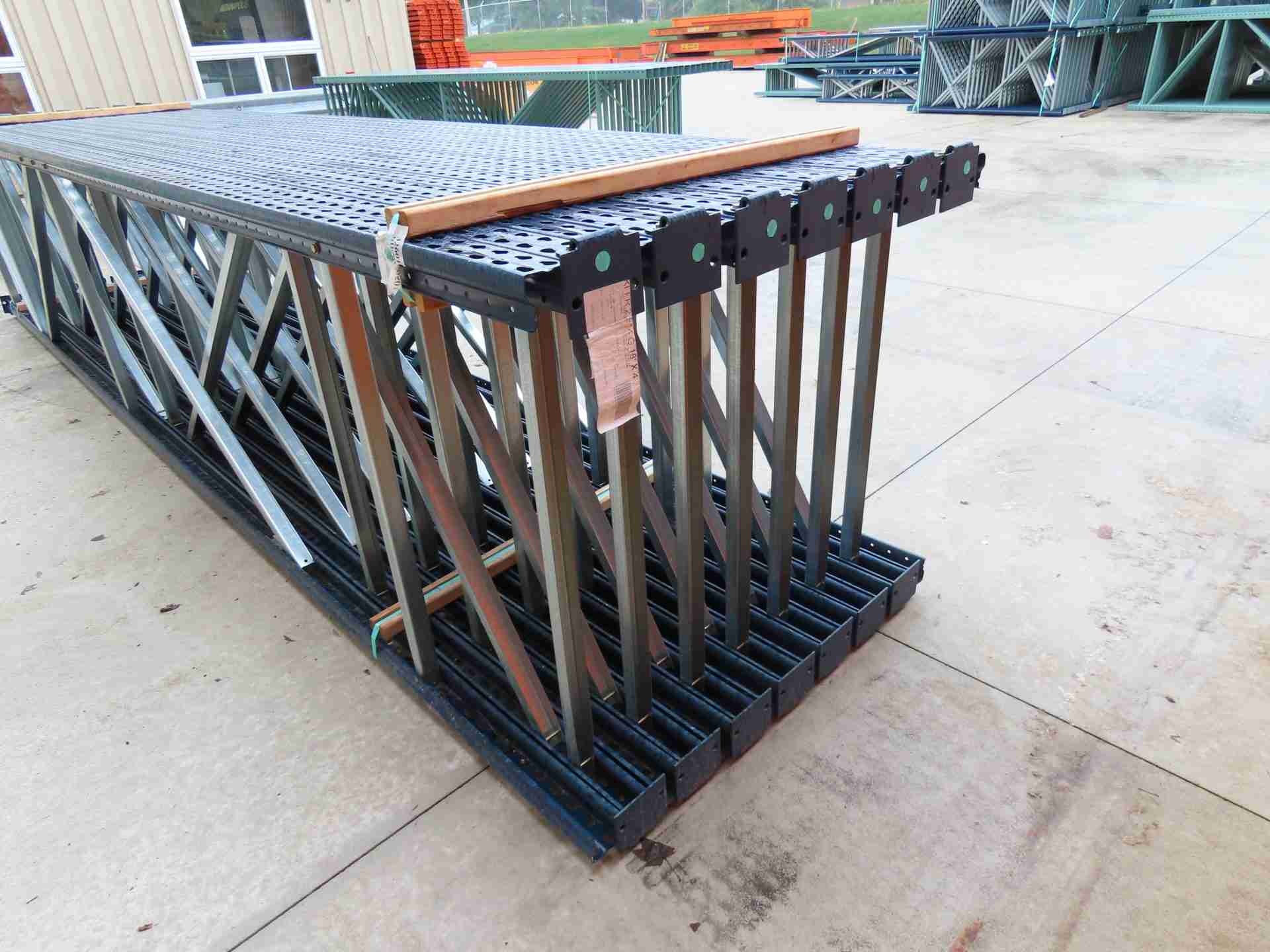
Selective Racking Vs. Drive-In Racking: a Side-By-Side Comparison
Selective Racking Vs. Drive-In Racking: a Side-By-Side Comparison
- The choice between selective racking and drive-in racking impacts warehouse efficiency significantly.
- Selective racking allows easy access to individual pallets, making it ideal for diverse inventories.
- This system promotes confidence in the workforce, fostering efficiency and quick response to orders.
- Drive-in racking maximizes storage capacity by allowing forklifts to drive straight into the racking system.
- It is suited for high-density storage needs with lower product variety, optimizing space and reducing costs.
- The choice of racking system shapes the warehouse culture, influencing accessibility, turnover, and team dynamics.
- Investing in the right racking system is crucial for enhancing operational efficiency and aligning with business ethos.
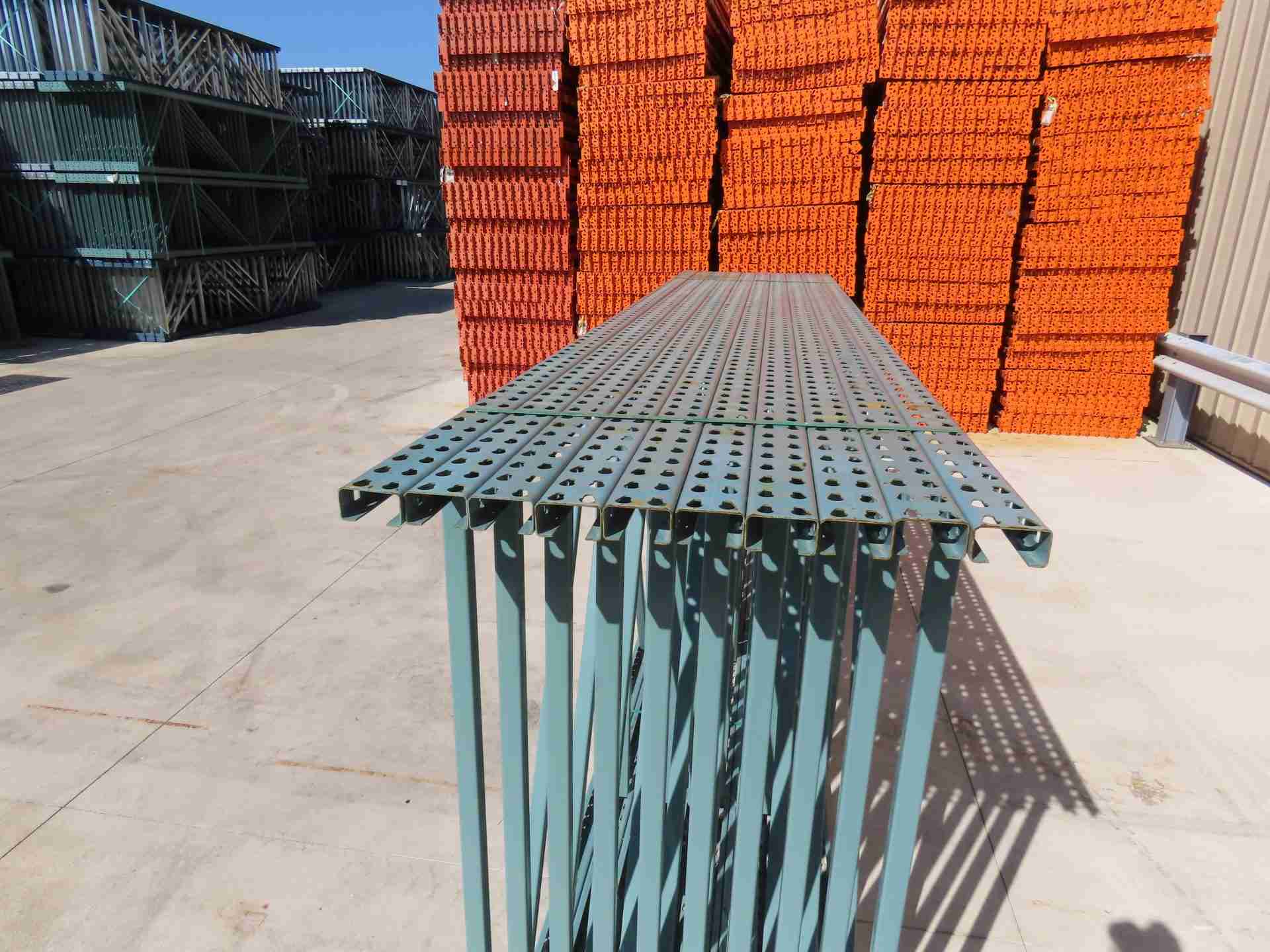
Selective Racking Vs. Drive-In Racking: a Side-By-Side Comparison
Table Of Contents
- Selective Racking Vs. Drive-In Racking: a Side-By-Side Comparison
- What Emotional Connection Do We Have with Our Storage Solutions?
- How Do We Prioritize Efficiency In Our Warehouse Design?
- Are We Making Ethical Choices In Our Material Handling Processes?
- Which Racking System Maximizes Our Storage Capacity Effectively?
- How Does Our Choice Impact Employee Safety and Wellbeing?
- Conclusion
- Other Resources
- Glossary Of Terms
- Other Questions
- Checklist
What Emotional Connection Do We Have with Our Storage Solutions?
When we think of our storage solutions, we often picture cold, metal racking or neatly stacked boxes in a corner, left to gather dust. But if you peel back that veneer, you’ll find something deeper: a tapestry of memories, aspirations, and the weight of our everyday lives. These aren’t just containers; they’re the guardians of our stories.
Consider the racking in your garage, holding the tools that have forged countless weekend projects. Each dent and scratch brushes against the past—times when you tinkered under the watchful gaze of a parent or moments you spent with friends, side by side, crafting something from nothing. These racking systems may seem purely functional, yet they echo your journey, reminding you that creativity often emerges from chaos.
Now, let’s take a step back and look at why we grieve the loss of clutter. It’s not merely about having an organized space; it’s about clearing a path to clarity. When we declutter, we’re not just tossing items into bins; we’re shedding burdens—both physical and emotional. We’re creating room for new experiences, opportunities, and connections. This is where our storage solutions bridge the emotional with the rational; they create order, empowering us to reclaim our lives.
But there’s more at stake than just sentiment. Our choices reflect who we are. When we invest in sustainable storage options, we’re making ethical decisions that resonate with a broader community. Choosing eco-friendly materials communicates a commitment to preserving the planet for future generations, forging connections with those who value the same principles.
Think about your social circle. How often do you share the triumphs of your organizational journey? When a friend admires that impeccably arranged closet, it’s not just about aesthetics; it’s an invitation for connection. Sharing tips on maximizing space or showcasing your latest DIY project builds camaraderie. It inspires others to take action, to transform their own lives, and that sparks joy in a way that goes far beyond mere organization.
So, as you stand before your storage solutions, ask yourself: what emotional connection do you have with them? Embrace the idea that these systems are monumental, influencing your life in tangible and intangible ways. They’re not just tools; they’re an invitation to foster memories, inspire change, and cultivate relationships. Let’s build meaningful connections, one shelf at a time.
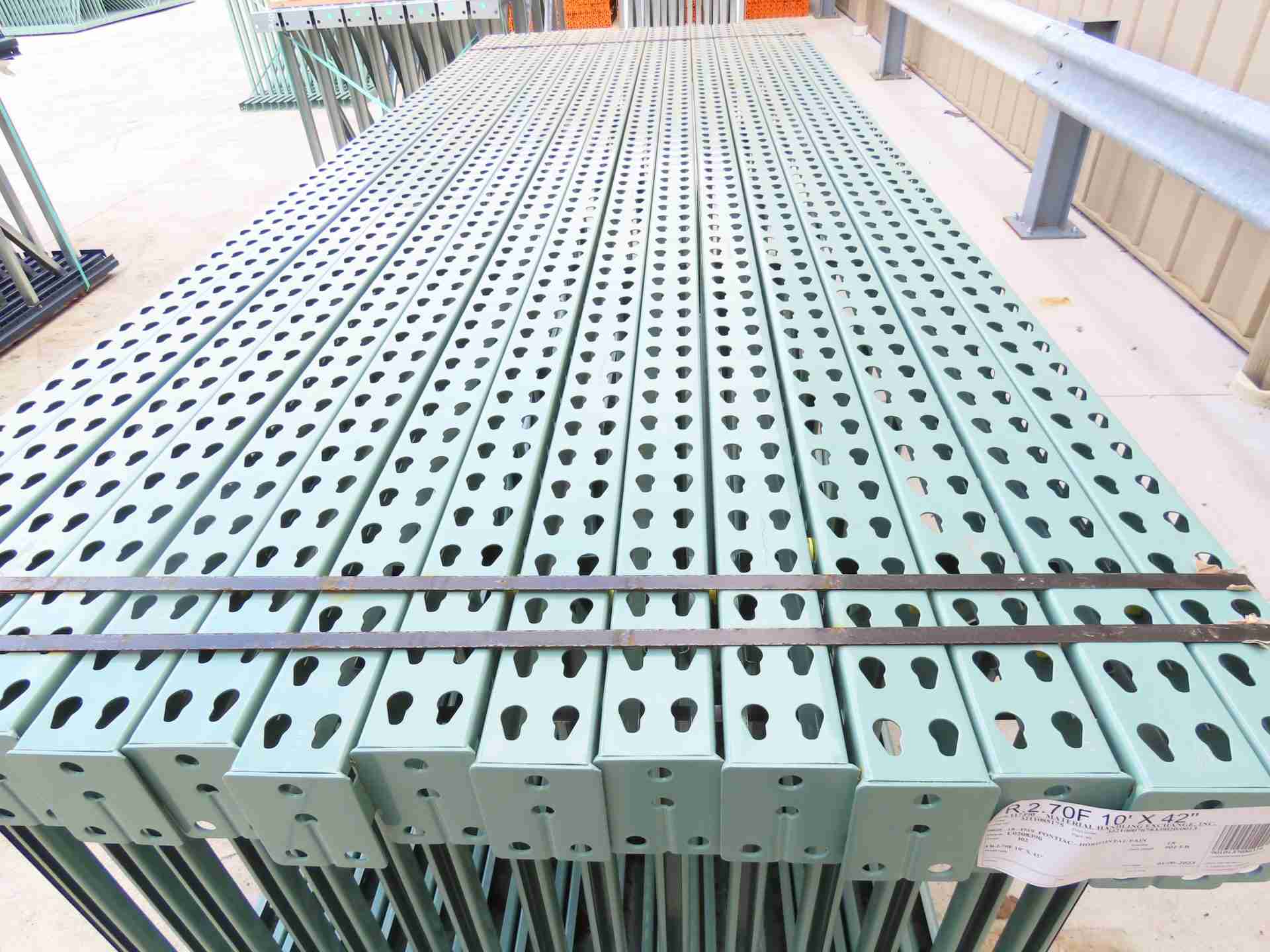
What Emotional Connection Do We Have with Our Storage Solutions?
What Emotional Connection Do We Have with Our Storage Solutions?
- Storage solutions are not just functional items; they hold memories and stories.
- Racking systems in spaces like garages reflect past experiences and creativity.
- Decluttering symbolizes shedding physical and emotional burdens, creating space for new opportunities.
- Investing in sustainable storage options represents ethical choices and commitment to preserving the environment.
- Sharing organizational triumphs with friends fosters connections and inspires positive change.
- Storage solutions encourage reflections on personal history and relationships.
- By valuing storage, we can build more meaningful connections in everyday life.
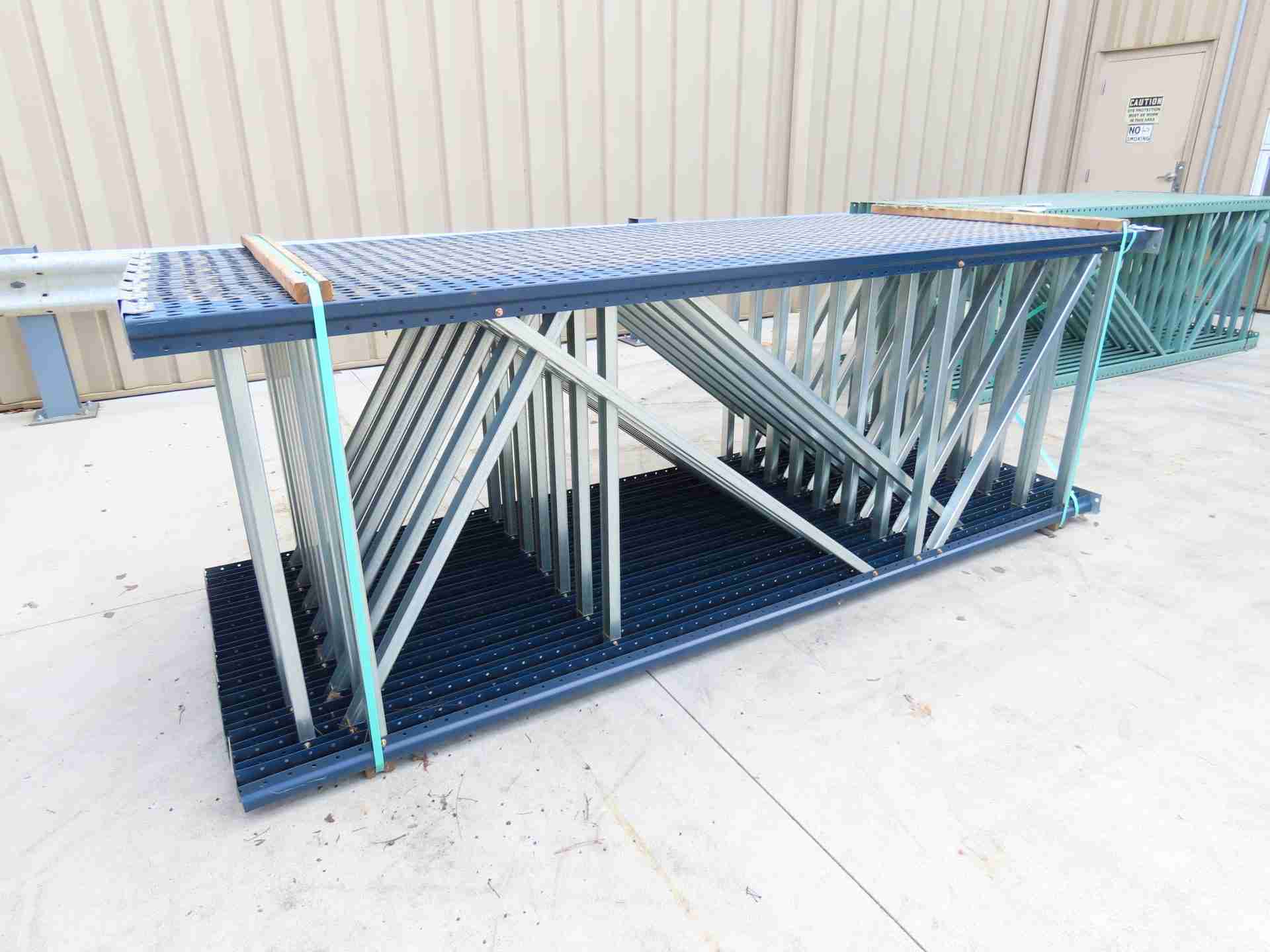
What Emotional Connection Do We Have with Our Storage Solutions?
How Do We Prioritize Efficiency In Our Warehouse Design?
When we think about warehouse design, it’s not just a matter of putting up steel beams and installing racking. It’s about creating a space that resonates with purpose and efficiency, transforming a cavernous room into a well-oiled machine. Imagine the hum of activity as employees move with purpose, efficiently retrieving items and processing orders, their hands deftly maneuvering tools that seem almost second nature to them. This isn’t merely a functional space—it’s a hub of potential, where every inch is utilized for maximum impact.
We start with the heart—the dedication to those who spend their days here. Every warehouse worker deserves an environment that fosters their best work. Picture the satisfaction on their faces when they can navigate the aisles with ease, racking filled to perfection, leaving no room for confusion or frustration. When we prioritize efficiency in design, we show respect for these individuals—not just as workers but as integral members of a larger family.
Next, we engage the head by focusing on strategic layout and technology integration. A well-designed warehouse isn’t a free-for-all; it’s a calculated system where each element, from racking to conveyor belts, works in tandem to reduce costs and time. Analytics come into play here, helping us understand traffic patterns and optimize storage. When we make decisions informed by data, we not only increase productivity but also instill confidence in our stakeholders. They see a facility that doesn’t just keep up with demand but anticipates it.
Then there’s the ethical angle—we have a responsibility to the planet and our community. By prioritizing efficiency, we also embrace sustainability. Smart warehouse designs minimize waste, using energy-efficient systems that lighten our carbon footprint. It’s about leaving a legacy worth standing behind, ensuring that our impact is as positive as possible.
Finally, let’s connect on a social level. Warehouse design impacts the broader community, influencing job creation and economic vitality. When we invest in efficient operating procedures, we’re paving the way for growth, ensuring that employees can thrive and families can depend on their livelihoods. The ripple effect of our choices resonates beyond the concrete walls, delivering hope and opportunity.
So, as we design our warehouses, let every beam, every racking system, whisper a commitment to efficiency, care, and community. In doing so, we create a space where everyone—from the worker to the customer—can feel valued and engaged. This is the essence of meaningful warehouse design, and it reflects the best of who we are.
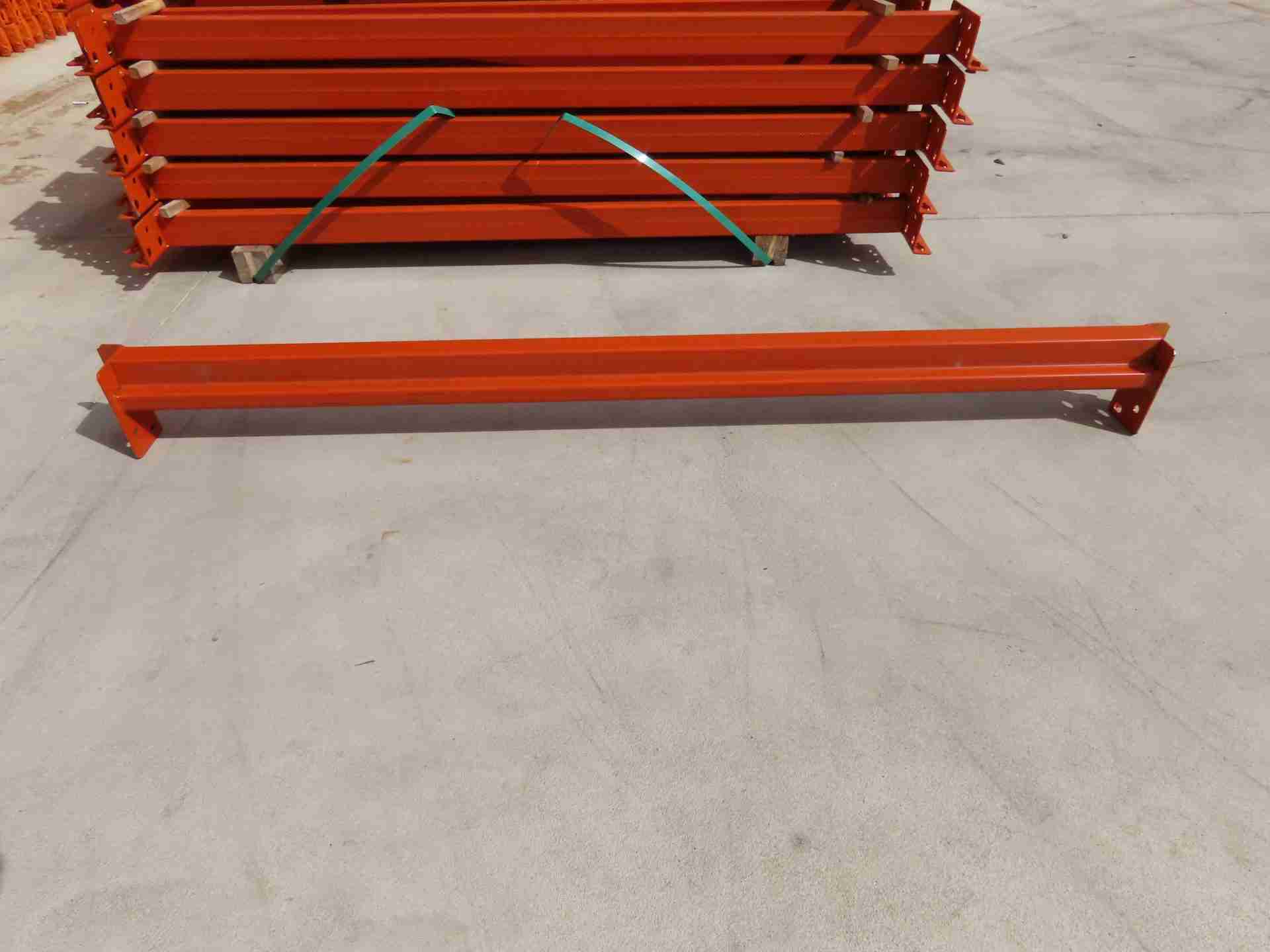
How Do We Prioritize Efficiency In Our Warehouse Design?
How Do We Prioritize Efficiency In Our Warehouse Design?
- Warehouse design goes beyond physical structure; it aims for efficiency and purpose.
- Employees deserve environments that promote productivity and satisfaction, reducing confusion in navigation.
- Strategic layout and technology integration are crucial for optimizing costs and time.
- Data analytics help improve decision-making, increase productivity, and build stakeholder confidence.
- Sustainability is key; efficient designs minimize waste and lower the carbon footprint.
- Warehouse design contributes to job creation and economic vitality, benefiting the broader community.
- A commitment to efficiency, care, and community enhances value for both workers and customers.
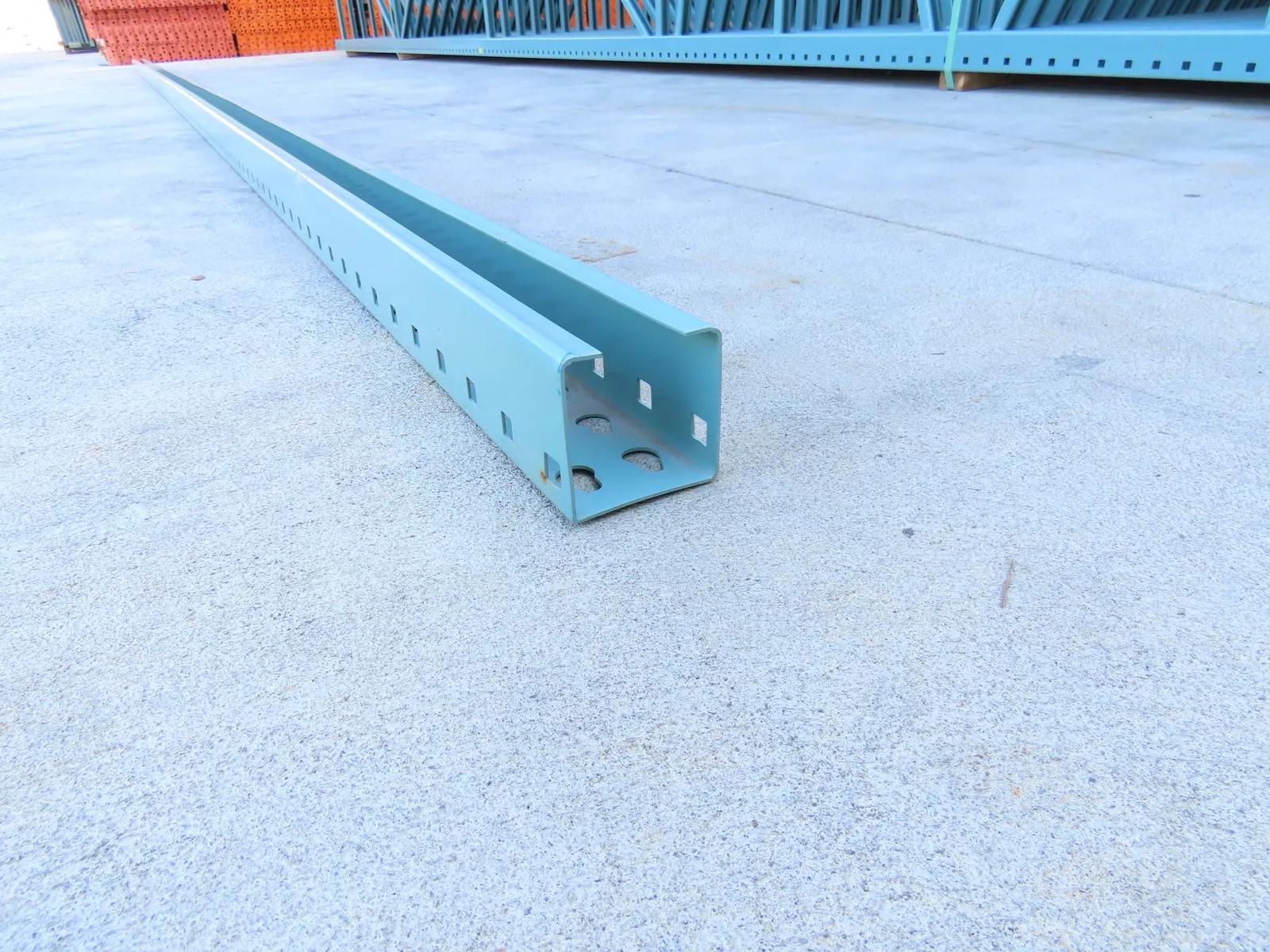
How Do We Prioritize Efficiency In Our Warehouse Design?
Are We Making Ethical Choices In Our Material Handling Processes?
When we walk into a warehouse, we’re often greeted by towering shelves—racking systems that stretch toward the ceiling like the ambitions of the people who fill these spaces. Each piece of equipment, each box stacked high, represents hard work and determination. But the question lingers: Are we making ethical choices in our material handling processes?
Picture a worker on the floor, maneuvering a forklift with precision, eyes bright with purpose. Yet, behind that commitment lies a system that can often prioritize efficiency over human welfare. We need to ask ourselves: what is the true cost of speeding up operations? Is it worth sacrificing safety or sustainability for a few extra dollars?
From a rational standpoint, tackling these questions isn’t just good ethics—it’s smart business. Companies that invest in ethical material handling processes often see long-term benefits that outweigh short-term gains. Reduced accidents mean lower insurance costs; sustainable practices can lead to higher customer loyalty. Consumers today are more informed than ever, and they’re making choices that resonate with their values. If our racking systems symbolize our aspirations, let’s ensure they also stand for responsible decision-making.
Now let’s talk ethics—this isn’t some abstract concept but rather a real, visceral issue that affects individuals and communities. Each worker is a human being, deserving not just of a paycheck but of dignity and respect. We can’t forget that behind every package handled is a story, a life. Foster a culture of care within your organization; it creates camaraderie that resonates throughout the supply chain.
Moreover, let’s not ignore the social angle. Companies are part of a larger community, and how we handle our materials reflects our ethical stance. What we prioritize sends a message: Are we custodians of our environment or mere extractors of profit? When we incorporate eco-friendly materials and sustainable practices into our racking solutions, we not only benefit ourselves but also nurture the planet for future generations.
So next time you step into a warehouse, ask yourself—what does that racking say about us? Let’s ensure it tells a story of responsibility, care, and integrity. Together, we can build a future where our material handling processes reflect not just what we do, but who we are. Let’s choose wisely; let’s choose ethically.
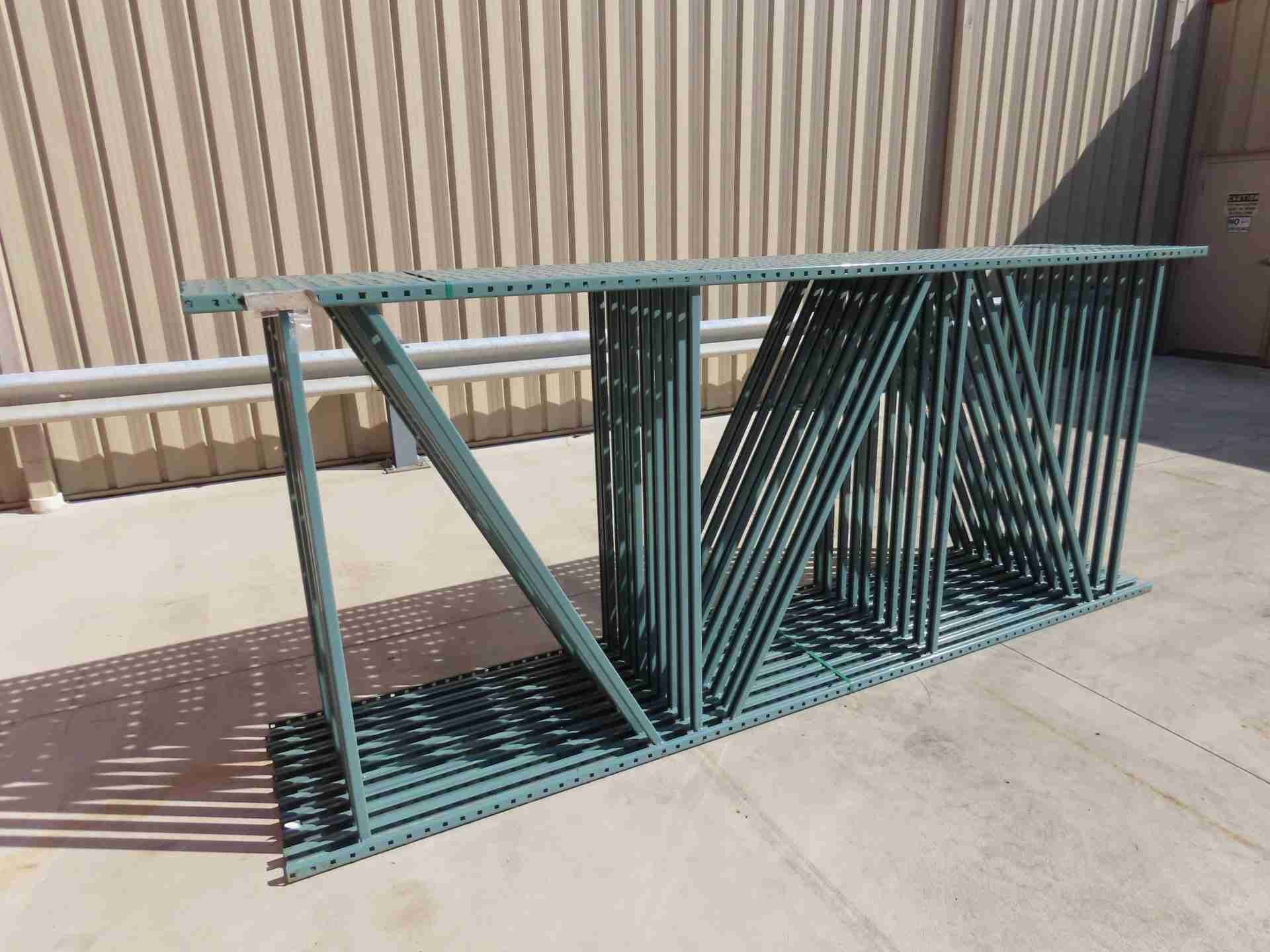
Are We Making Ethical Choices In Our Material Handling Processes?
Are We Making Ethical Choices In Our Material Handling Processes?
- Warehouse environments feature towering racking systems that symbolize ambition and hard work.
- There’s a concern about whether material handling processes prioritize efficiency over human welfare.
- Companies may achieve long-term benefits by investing in ethical material handling, such as reduced accidents and improved customer loyalty.
- Today’s consumers are driven by values and make informed choices based on ethical practices.
- Recognizing the humanity behind each worker is essential; they deserve dignity and respect.
- Companies should contribute positively to their communities and prioritize environmental sustainability over mere profit extraction.
- Racking systems can symbolize responsibility and integrity; it’s crucial to align operations with ethical choices.
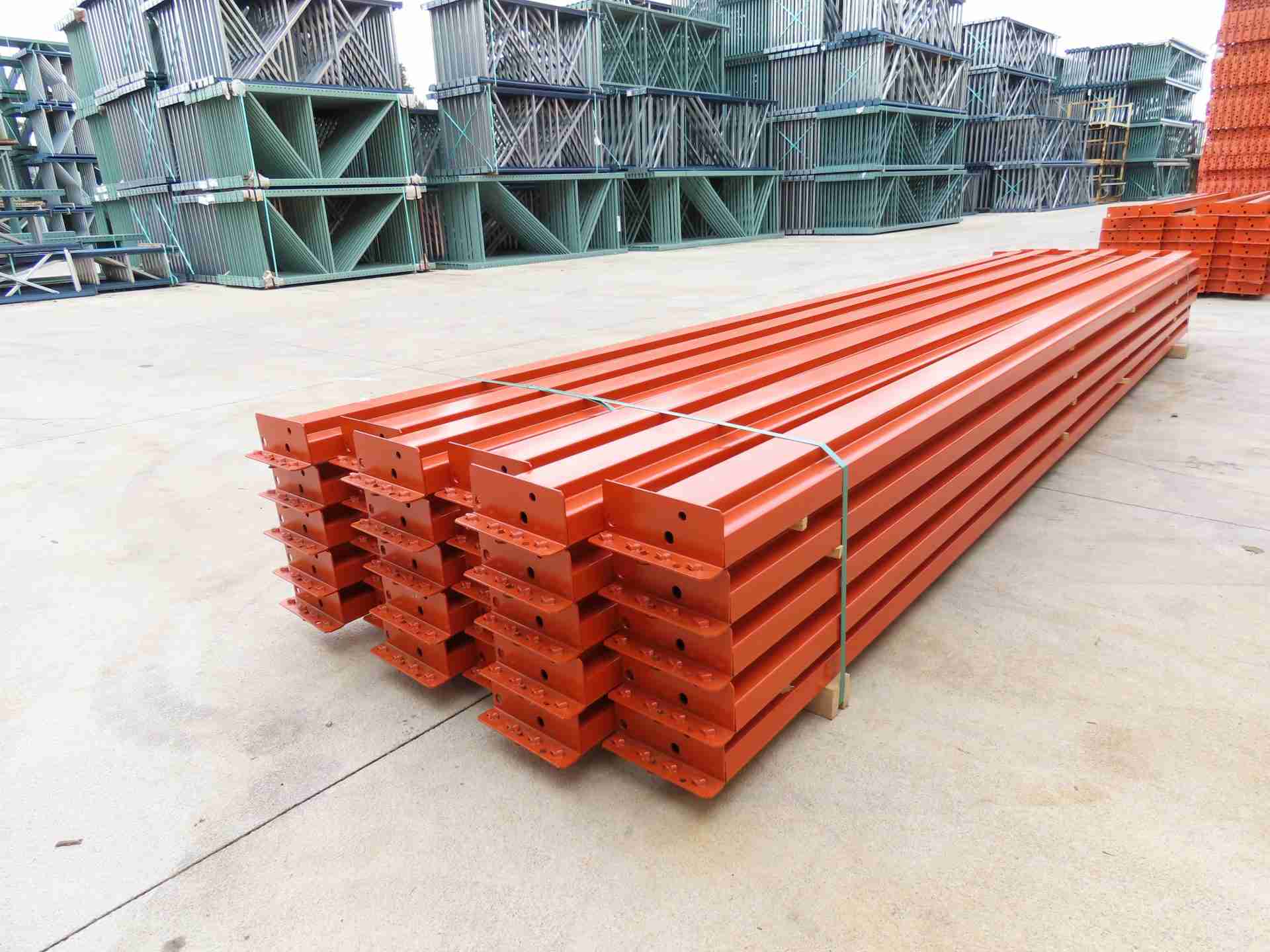
Are We Making Ethical Choices In Our Material Handling Processes?
Which Racking System Maximizes Our Storage Capacity Effectively?
Choosing the right racking system isn’t just about maximizing storage capacity; it’s about optimizing our work environment, lifting the weight off our shoulders, and creating a space that encourages efficiency and productivity. Picture this: a bustling warehouse, crucial operations unfolding smoothly, and every item positioned with purpose. It’s the kind of place where you walk in and feel an instant sense of order, a sense of calm amid the chaos. That’s the power of a well-chosen racking system.
When we talk about maximizing storage capacity effectively, we’re diving into an ocean of options. Drive-in, selective, cantilever—each has its place and benefit. But let’s not forget what these racks represent: a lifeline for our operations. Think of it as a well-choreographed dance where every piece of inventory, like dancers, has a role to play. Their placement isn’t random; it’s meticulously designed to ensure that you can reach your goods quickly, reducing time wasted on fruitless searching.
From a rational standpoint, the numbers speak for themselves. A proper racking system can increase your storage density by up to 50%. That’s not just a statistic; it’s the promise of growth for your business. Less square footage wasted means more opportunities to store or sell, which means more revenue in your pocket. Who can argue with that kind of return on investment?
Ethically, think about your team. A disorganized space can lead to frustration, accidents, and even high turnover. By investing in the right racking, you’re investing in your people, showing them that their time and safety matter. They deserve to work in an environment that empowers them, a place where they can thrive.
And let’s not forget the human connection here. Sharing stories of triumph over clutter, of victories won against inefficiency, can inspire others in your circle. When you choose the right racking system, you elevate not just your business but also your community, setting an example for others to follow.
In essence, this isn’t just about racks and shelves—it’s about creating a foundation of trust and confidence that galvanizes teams and leads to lasting success. So let’s roll up our sleeves and tackle this together—the right racking system is waiting to be discovered, ready to transform your workspace and, ultimately, your life.
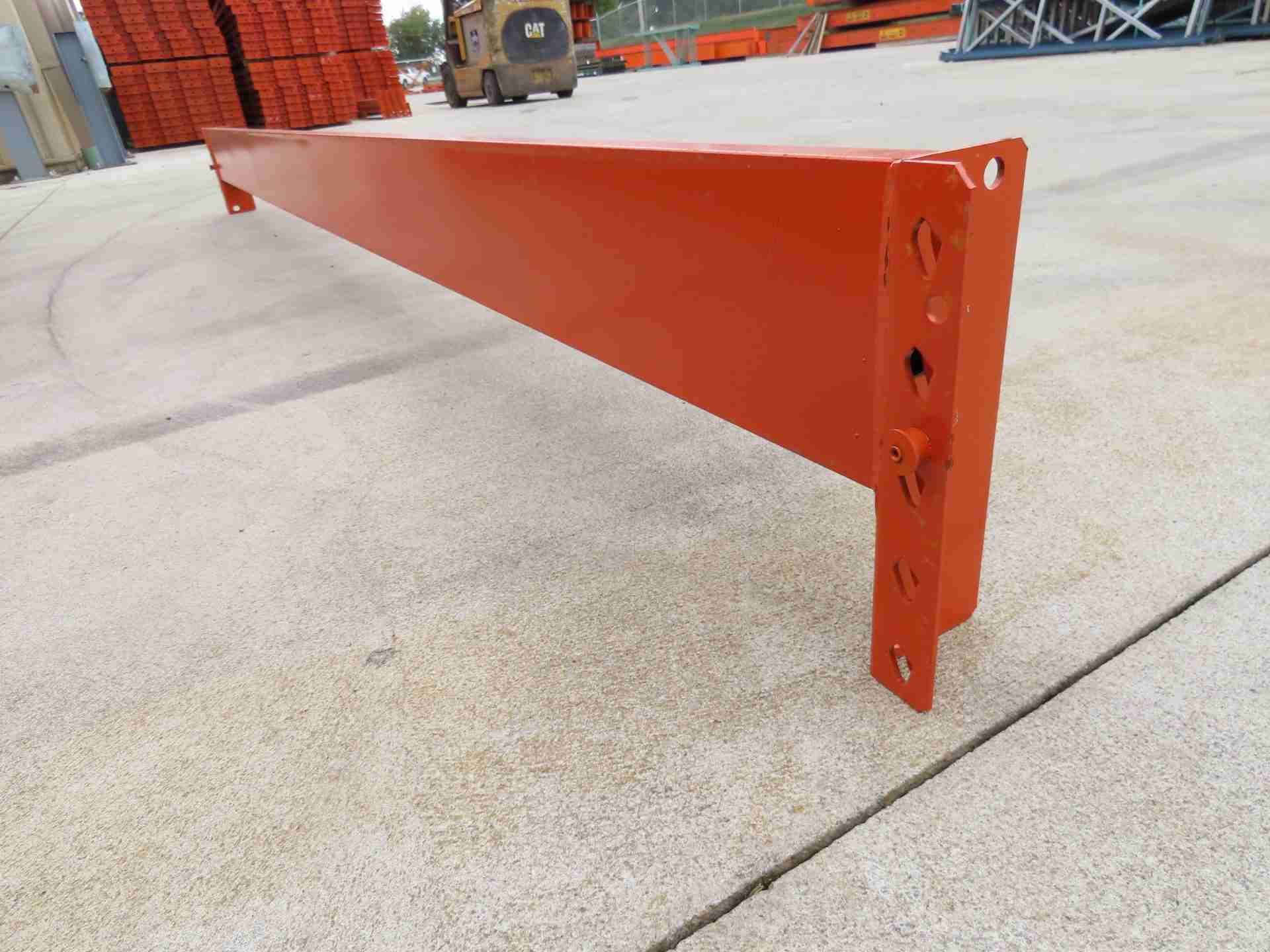
Which Racking System Maximizes Our Storage Capacity Effectively?
Which Racking System Maximizes Our Storage Capacity Effectively?
- Choosing the right racking system optimizes work environment and enhances productivity.
- Effective storage solutions provide order and efficiency in a busy warehouse setting.
- Various systems such as drive-in, selective, and cantilever offer unique benefits.
- A proper racking system can increase storage density by up to 50%, boosting business growth.
- Investing in racking systems improves employee safety and job satisfaction.
- Sharing success stories can inspire others and strengthen community connections.
- Implementing the right racking system builds trust and confidence within teams.
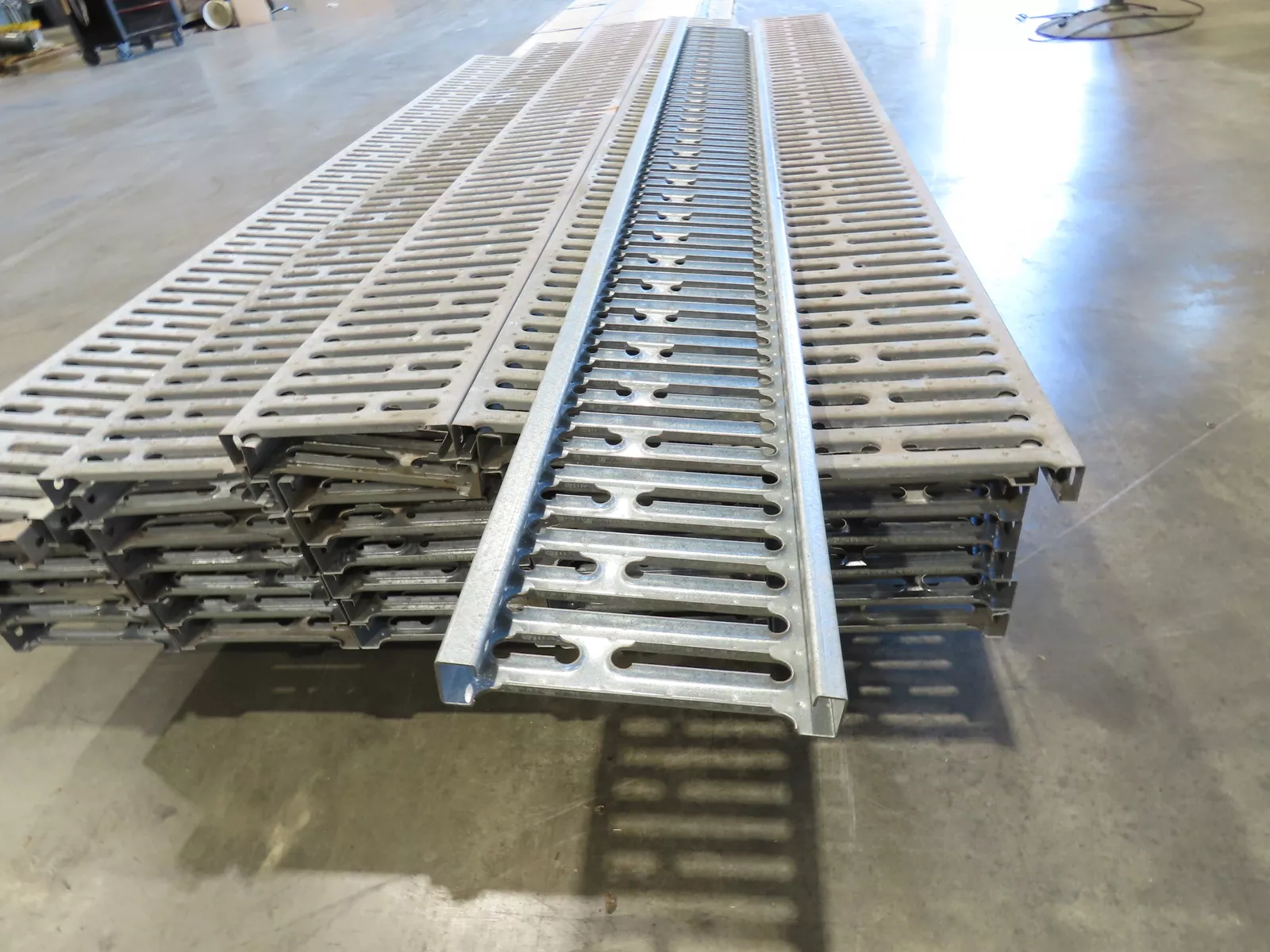
Which Racking System Maximizes Our Storage Capacity Effectively?
How Does Our Choice Impact Employee Safety and Wellbeing?
When we think about safety and wellbeing in the workplace, we often picture the big stuff: helmets, gloves, and safety signs. But at a deeper level, it’s our daily choices—the smaller decisions we make—that truly influence the environment we create for ourselves and our coworkers. Every time someone chooses to speak up about a potential hazard or take that extra moment to secure racking, they’re not just ticking off a safety checklist; they’re planting seeds of trust and accountability that nurture a culture of safety.
Imagine a scene where a team gathers around to review safety protocols. One employee, visibly shaken from a near miss, shares their experience. The room shifts; you can feel the gravity of the moment. This isn’t just about following guidelines but about lives, families, and futures. This is where the heart of safety lies: in our willingness to listen, share, and respond to each other’s stories. The emotional connection we forge through these conversations not only bolsters our safety procedures but transforms them into a shared commitment, reinforcing that ethical duty we all have to look out for one another.
On the rational side, think about the numbers. A workplace that prioritizes safety practices—like regular training sessions and team discussions—tends to result in lower injury rates and higher morale. It’s a no-brainer: make good choices and reap the rewards. The logic is crystal clear; a safe workplace leads to improved productivity, just as an engaged workforce creates a ripple effect of positivity across the entire organization.
From a social perspective, we’re influenced by the choices of those around us. When leaders actively demonstrate their commitment to safety—whether through hands-on involvement in safety meetings or making the tough calls on racking placements—the message is loud and clear: safety matters. It fosters a sense of belonging, where employees feel they’re part of something bigger than themselves, a cohesive unit dedicated to each other’s welfare.
Choosing safety is not a solitary act; it’s a collective journey. Each small decision cascades into something larger, cultivating an atmosphere of trust and respect. By committing to thoughtful choices, we not only safeguard ourselves but also uplift each other, creating a workplace where everyone has the opportunity to thrive. Let’s remember: our choices impact not just processes but the very heartbeats of our teams.

How Does Our Choice Impact Employee Safety and Wellbeing?
How Does Our Choice Impact Employee Safety and Wellbeing?
- Workplace safety often focuses on tangible items like helmets and safety signs, but daily choices are key.
- Speaking up about hazards and taking proactive measures fosters trust and accountability in a safe culture.
- Emotional connections through shared experiences enhance the significance of safety discussions.
- Prioritizing safety through training and discussions leads to lower injury rates and higher employee morale.
- Engaged workforces create a positive ripple effect throughout the organization.
- Leaders demonstrating commitment to safety positively influence employee attitudes and foster belonging.
- Collective choices in safety cultivate trust and respect, enhancing overall workplace wellbeing.

How Does Our Choice Impact Employee Safety and Wellbeing?
Conclusion
Deciding between selective racking and drive-in racking is like choosing the soul of your warehouse; it’s a pivotal decision that shapes not just operations but the very essence of your team. In the world of warehouses, every inch is precious, teeming with potential—a potential waiting to be unleashed through the right choice in racking systems.
Selective racking boasts immediate access to individual pallets, akin to your well-loved pair of jeans that fits just right—reliable and accessible. It fosters quick inventory turnover and boosts team confidence as workers navigate through a structured space. This system is not merely about physical efficiency; it speaks to the ethos of a workplace where chaos is kept at bay, empowering employees to tackle challenges head-on.
On the flip side, drive-in racking serves as a strategic powerhouse, maximizing storage density with a simple yet brilliant design. Picture forklifts skillfully maneuvering through tight spaces, echoing the principles of Tetris—every pallet snugly in place, optimizing not just space but resources. For operations prioritizing high-density storage with less variety, this system is a rational choice that enhances efficiency, helping to reduce costs while silently driving productivity.
Yet, beyond the heart-thumping hustle of workers and the strategic dance of pallets lies an emotional narrative. How we design our storage reflects who we are and what we value—order versus chaos, accessibility versus efficiency. This connection transforms every item stored into a guardian of memories and aspirations, bridging our past with our future. Investing in the right racking is not merely a choice of materials but an ethical commitment to the dignity of workers and community—a pledge to take care of the environment we operate within.
Think of the stories shared in break rooms—how the right racking system cultivates pride in the workplace, inspiring others in your network to elevate their own practices. This ripple effect can catalyze cultural shifts, turning simple storage solutions into sources of empowerment and connection.
Ultimately, choosing your racking system is more than just logistics. It’s a statement about your vision for efficiency, your ethical responsibility toward your workforce, and your commitment to fostering a harmonious work environment. So, whether you opt for selective or drive-in racking, remember: it’s about crafting a legacy of purpose, growth, and care—turning a warehouse from a cold storage facility into a warm, bustling heart of operations that beats for the future.
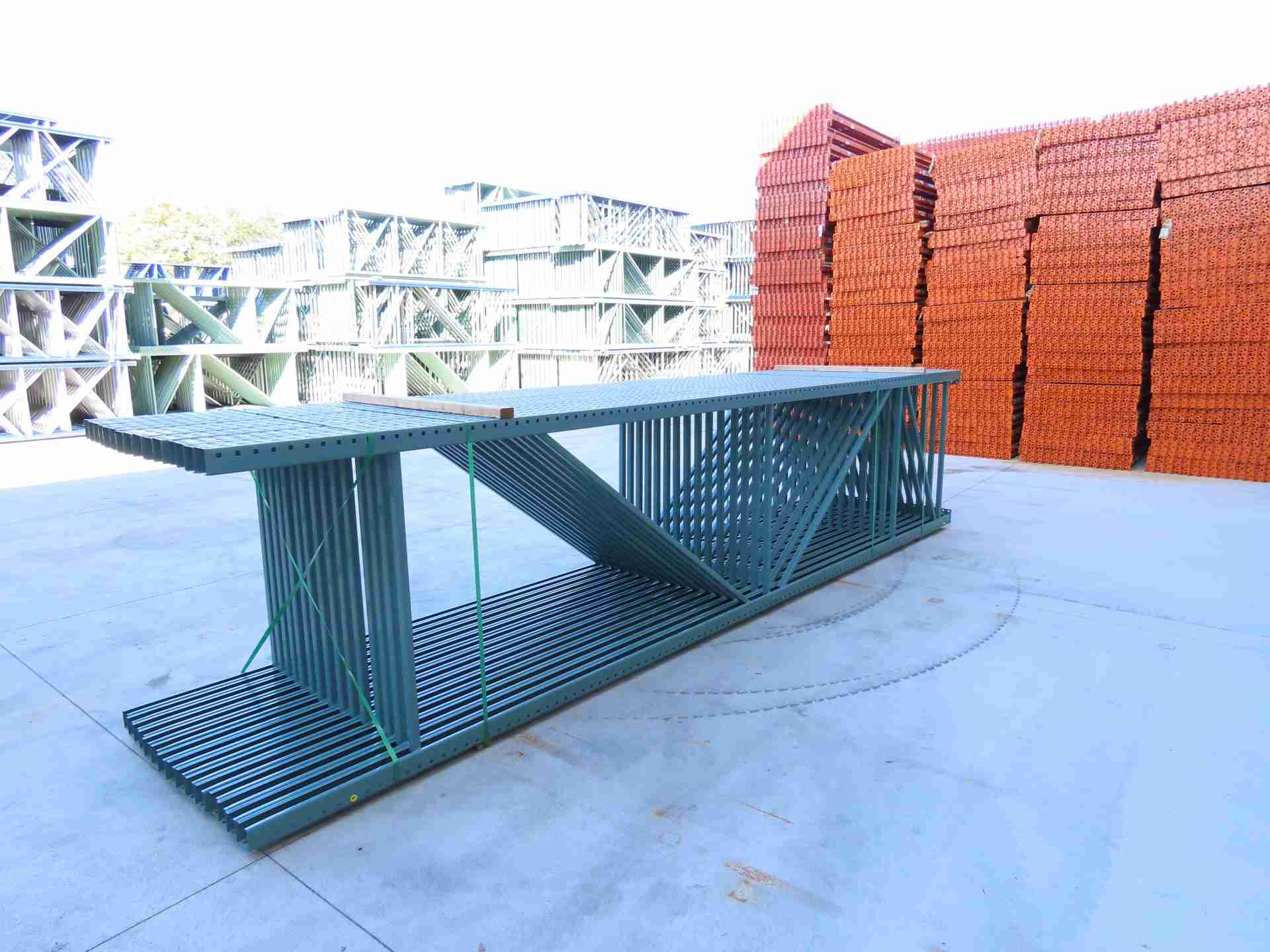
Conclusion
Conclusion:
- Choosing between selective racking and drive-in racking significantly impacts warehouse operations and team dynamics.
- Selective racking allows immediate access to individual pallets, promoting quick inventory turnover and employee confidence.
- This system enhances physical efficiency, creating a structured space that minimizes chaos.
- Drive-in racking maximizes storage density through a simple design, making it ideal for operations with high-density storage needs.
- This racking system helps optimize space and resources, reducing costs while improving productivity.
- The choice of racking reflects company values, balancing order with chaos and accessibility with efficiency.
- Ultimately, selecting a racking system is a commitment to ethical responsibility, worker dignity, and fostering a positive workplace culture.
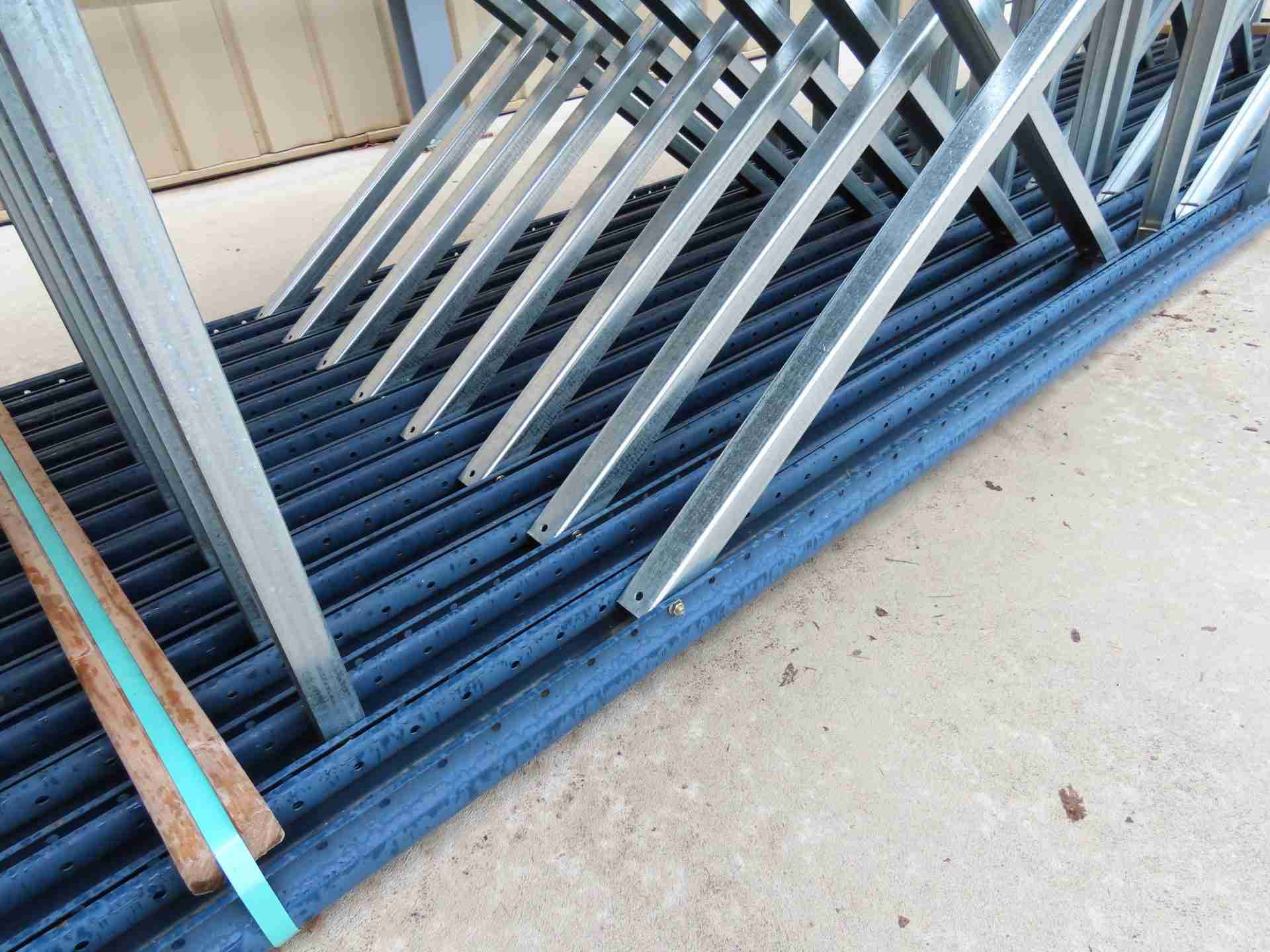
Conclusion
Other Resources
Other Resources
Here is a list of other resources you can review online to learn more:
- Cantilever Racks Chicago
- Pallet Rack Systems – New and Used Pallet Racking and Shelving Experts
- New Cantilever Racks and Racking Kits
- Rack Manufacturers Institute
- Interlake
- Interlake Mecalux
- RMI
- Warehouse Automation
- WERC
- CA Wire
- Pallet Racking systems in Illinois and Great Lakes
- Heavy-Duty Cantilever Storage Racks
- Total Warehouse
- Selective Racking
- Selective Racking
- What is Selective Pallet Racking
- Warehouse Storage Racking in Illinois
- Iowa Illinois Warehouse Racking
- Interlake Mecalux
- Material Handling Industry
Use This Prompt To Get More Resources With Your Favorite Online AI Tool: Please provide me with a list of online articles with their URLs in a bulleted list that I can read regarding Selective Racking Vs. Drive-In Racking: a Side-By-Side Comparison
Other Resources
Glossary Terms
Selective Racking Vs. Drive-In Racking: a Side-By-Side Comparison – Glossary Of Terms
1. Selective Racking: A storage system allowing direct access to each pallet, maximizing accessibility and inventory management.
2. Drive-In Racking: A high-density storage solution enabling forklifts to drive directly into the rack to access pallets.
3. PALLET: A flat transport structure used to support goods in a stable manner while being lifted by a forklift or other handling equipment.
4. FIFO (First In, First Out): A method of inventory management ensuring that the oldest stock is sold or used first, commonly employed in selective racking.
5. LIFO (Last In, First Out): An inventory management method where the most recently added items are the first to be sold or used, often associated with drive-in racking.
6. Aisle Width: The space between rows of racks; more critical in selective racking due to the need for easier access.
7. Density: Refers to the amount of storage space utilized; drive-in racking offers higher density compared to selective racking.
8. Accessibility: The ease with which items can be reached; selective racking provides better accessibility compared to drive-in racking.
9. Storage Capacity: The total amount of inventory a racking system can hold; drive-in racking generally has a higher capacity.
10. Safety Factors: Considerations to ensure the safety of workers and materials, crucial in the design of both racking systems.
11. Forklift Operations: The use of powered trucks for lifting and transporting goods, essential for both selective and drive-in racking systems.
12. SKU (Stock Keeping Unit): A unique identifier for each distinct product or service in inventory, impacting racking design.
13. Load Limit: The maximum weight each racking system can safely support, important when selecting racking types.
14. Beam: Horizontal components of racking that support the weight of stored items.
15. Upright Frame: The vertical structure of a racking system providing stability and support.
16. Rack Layout: The design and configuration of a racking system, influencing efficiency and space utilization.
17. Bulk Storage: A method of storing large quantities of a product, often utilized in drive-in racking systems.
18. Inventory Turnover: A measure of how frequently inventory is sold and replaced within a given period, affecting racking choice.
19. Temperature Control: Mechanisms to regulate temperature within a storage area, often important for certain products.
20. Pallet Positioning: The practice of placing pallets strategically in a racking system to optimize space and efficiency.
21. Material Handling: The movement, protection, and control of materials throughout the manufacturing and distribution process.
22. Warehouse Space: The physical area available for storage and processing of goods, influencing racking choices.
23. Stock Rotation: The practice of moving older stock to the front of storage areas to promote the use of older items first.
24. Access Clearance: The space required around racking units to facilitate operations, particularly for forklifts.
25. Customization: Tailoring racking systems to fit specific warehouse needs and inventory types.
26. Pallet Depth: The length of a pallet which dictates how many can fit per row in a racking system.
27. Capacitive Load: The maximum weight of pallets that can be safely stored on a rack, determined by design and materials.
28. End-of-Aisle Displays: Specialized setups at the end of racking aisles for promotional purposes, more common in selective racking.
29. Challenging Items: Products that require special handling or storage considerations, impacting racking decisions.
30. Efficiency: The effectiveness of a racking system in optimizing space usage and facilitating operations.
Glossary Of Terms
Other Questions
Selective Racking Vs. Drive-In Racking: a Side-By-Side Comparison – Other Questions
If you wish to explore and discover more, consider looking for answers to these questions:
- What are the main differences between selective racking and drive-in racking?
- What types of warehouses benefit most from each racking system?
- How do the costs of selective racking compare to those of drive-in racking?
- What factors should be considered when choosing a racking system?
- Can both racking systems be used together in a warehouse?
- What is the typical lead time for installing a racking system?
- What are the safety risks associated with each type of racking system?
- How can technology be integrated with racking systems to improve efficiency?
- What role does employee training play in maximizing the effectiveness of a racking system?
- What are the sustainability options available for warehouse racking systems?
- How do warehouse designs influence productivity beyond racking systems?
- What are some common misconceptions about warehouse racking systems?
- How does the choice of racking system affect inventory management?
- What are the best practices for maintaining and reviewing racking systems?
- How can warehouse layout impact the choice of racking system?
Other Questions
Checklist
Selective Racking Vs. Drive-In Racking: a Side-By-Side Comparison – A Checklist
Checklist: Making the Right Choice for Your Racking System
Emotional Appeal:
_____ Reflect on what memories and experiences your current storage solutions evoke.
_____ Consider how a well-organized warehouse can enhance team morale and foster a sense of community.
_____ Visualize the confidence your team will feel navigating an efficient space versus a chaotic one.
Rational Appeal:
_____ Assess your inventory diversity: would selective racking provide better access and efficiency for your needs?
_____ Analyze potential storage density gains: calculate how much space could be optimized with drive-in racking.
_____ Use data analytics to understand traffic patterns and optimize layout for maximum efficiency.
Ethical Appeal:
_____ Investigate the sustainability of materials used in your racking systems. Are they eco-friendly?
_____ Evaluate the impact of your choices on employee safety and wellbeing. Are you prioritizing their welfare?
_____ Commit to evaluating your suppliers: do they align with your ethical stance on environmental responsibility and social impact?
Authority Appeal:
_____ Research industry standards and expert recommendations for selecting the best racking system based on your operational needs.
_____ Consult with warehouse design professionals or logistics experts for tailored advice.
_____ Stay informed about advancements in racking technology that could enhance your efficiency.
Narrative Appeal:
_____ Share stories of how choosing the right racking system has transformed other organizations’ efficiency and culture.
_____ Use personal anecdotes to illustrate the impact of a well-designed warehouse on employee satisfaction and productivity.
_____ Develop case studies highlighting before-and-after scenarios regarding racking choices.
Social Appeal:
_____ Engage with peers or industry groups to exchange insights on racking systems and best practices.
_____ Create a platform for team discussions about the importance of efficient storage solutions and their impact on daily operations.
_____ Encourage your staff to share their organizational successes and challenges with racking systems to foster a collaborative improvement culture.
This checklist can serve as a guiding document to empower you in making informed and thoughtful decisions regarding your warehouse racking system, ensuring that the choices you make resonate with efficiency, employee wellbeing, and ethical responsibility.
Checklist
At RackingWorld, we help guide you through selecting warehouse storage systems and racking.
Be sure to read our other related stories at RackingWorld to learn more about warehouse storage systems.
0 Comments