
Maximizing Patient Care With Efficient Equipment Storage
By Tom Seest
At RackingWorld, we help guide you through selecting warehouse storage systems and racking.
Be sure to read our other related stories at RackingWorld to learn more about warehouse storage systems.
Medical Equipment Storage: Why Racking Matters
When you think about the world of medical equipment, it’s easy to overlook the unglamorous side—the racking. Yet, every single day, lives are saved not just by the technology we use, but by how well we organize it. Picture the frantic energy of a hospital room: doctors hustling, nurses darting in and out, and the soft beeping of vital machines. In those moments, having the right tools at your fingertips can make all the difference. Enter racking—the backbone of medical storage systems.
Racking might seem like a mere logistical detail, but it’s much more than that. It’s a commitment to accuracy and efficiency, ensuring that life-saving devices are not only stored but stored properly. The heart of the matter is this: when equipment is well-organized, it reduces the risk of errors and mixes-up. Nurses and doctors can find what they need in seconds instead of frantically searching through stacked boxes or crowded spaces. Imagine the gut-wrenching anxiety that comes with staring in the face of a medical emergency, knowing that a misplaced defibrillator could mean the difference between life and death. Racking systems alleviate that stress, allowing healthcare professionals to focus on what truly matters: patient care.
Let’s think about it rationally. A well-designed racking system optimizes space and improves workflow. It’s about more than just aesthetics; it’s about maximizing the capabilities of every square inch in a medical facility. This efficiency translates to cost savings for hospitals, which is vital in today’s healthcare landscape where funding is often limited. This means more resources can be redirected to actual patient care rather than wasted on inefficiencies.
Ethically speaking, every healthcare provider has a responsibility to ensure that their storage systems are both functional and safe. Racking systems help uphold these standards, reinforcing the integrity of the healthcare environment. This isn’t just about fitting equipment into a space; it’s about creating an atmosphere where trust is built, not just among the staff but among the patients they serve.
On a social level, racking fosters teamwork and collaboration. When medical staff can find items quickly without hassle, they can work together more effectively, building a culture of support—a network of care that extends to every patient. So, as we dive into the heart of healthcare, let’s not forget the seemingly simple but incredibly vital role of racking in medical equipment storage. Every time we invest in an effective racking system, we’re investing in lives.

Medical Equipment Storage: Why Racking Matters
Medical Equipment Storage: Why Racking Matters
- Racking is a crucial aspect of medical equipment storage that often goes unnoticed.
- Efficient racking allows healthcare professionals to quickly access life-saving tools during emergencies.
- Well-organized storage reduces errors and miscommunications in high-pressure medical environments.
- A good racking system optimizes space and enhances workflow in medical facilities.
- Efficient racking can lead to significant cost savings for hospitals by maximizing the use of resources.
- Proper racking supports ethical standards of safety and functionality in healthcare settings.
- Racking encourages teamwork and collaboration among medical staff, improving patient care quality.

Medical Equipment Storage: Why Racking Matters
Table Of Contents
- Medical Equipment Storage: Why Racking Matters
- How Does Poor Racking Affect Patient Safety In Hospitals?
- What Are the Financial Impacts Of Inefficient Storage Solutions?
- How Can Effective Racking Improve Medical Equipment Accessibility?
- How Do Industry Standards Guide the Design Of Medical Racking Systems?
- How Does the Layout Of Medical Facilities Influence Patient Outcomes?
- Conclusion
- Other Resources
- Glossary Of Terms
- Other Questions
- Checklist
How Does Poor Racking Affect Patient Safety In Hospitals?
In the world of healthcare, every detail matters, and often the smallest oversight can lead to significant consequences. Consider the implications of poor racking in hospitals. This isn’t just about misplaced supplies or disorganized inventory; it’s about lives hanging in the balance. Picture a nurse in a bustling emergency room, desperately searching for necessary equipment. The seconds tick away as she rummages through a chaotic storage area, a racking system that lacks order and efficiency. In that moment, her focus shifts from patient care to locating a vital tool. That split second can mean the difference between a life saved and a tragedy that could have been avoided.
Racking isn’t just the method of storing equipment; it’s the backbone of an effective healthcare system. Rationally, we know that when supplies are in disarray, it creates barriers to patient care. If vital medications or tools are misplaced, it wastes precious time—time that a patient may not have. Imagine a loved one, maybe a parent or child, in need of immediate medical attention. You’d want every resource available to be easily accessible, wouldn’t you? The fundamental ethical responsibility of hospitals is to ensure that every patient receives prompt and adequate care. Poor racking directly undermines that responsibility.
Moreover, when we step back and look at the broader picture, poor racking isn’t just an internal issue; it reverberates through our communities. It sends a message about the quality of care a hospital provides. Trust builds through consistency, and organization speaks volumes about the institution’s commitment to excellence.
Narratively, we can all relate to moments of frustration when we can’t find what we need. Now, imagine that feeling amplified in a high-stakes healthcare environment. It’s a shared human experience that binds us. Join the conversation about making our hospitals safer, more efficient, and more patient-centered by addressing something as fundamental as racking.
Let’s take action, advocate for better systems, and foster environments where healthcare professionals can focus solely on what matters most: their patients. The heart of medicine beats loudest when we prioritize organization alongside compassion. When we ensure every rack is in its place, we’re not just improving logistics; we’re affirming a commitment to the lives that depend on us.

How Does Poor Racking Affect Patient Safety In Hospitals?
How Does Poor Racking Affect Patient Safety In Hospitals?
- Every detail in healthcare is crucial; small oversights can lead to significant consequences.
- Poor racking systems in hospitals can result in misplaced supplies, affecting patient care.
- Nurses may waste precious time searching for equipment, jeopardizing patient lives.
- Effective racking is essential for prompt and adequate patient care.
- Disorganization undermines the ethical responsibility of hospitals to provide quality care.
- Poor racking communicates a lack of commitment to excellence and can erode community trust.
- Improving racking systems can enhance hospital efficiency and support healthcare professionals’ focus on patient care.

How Does Poor Racking Affect Patient Safety In Hospitals?
What Are the Financial Impacts Of Inefficient Storage Solutions?
In a world where every square foot of space counts, inefficient storage solutions are more than just a nuisance; they’re a hidden anchor weighing down our finances. Imagine walking into a warehouse cluttered with disorganized racking, where valuable goods sit collecting dust instead of being efficiently utilized. It’s not merely a matter of messy aisles and chaos; it’s a tangible loss of profit that resonates through every level of business.
The implications of poor storage extend beyond the walls of buildings. For the small business owner, every penny saved on operational costs contributes directly to bread on the table. There’s a heart-wrenching reality for entrepreneurs who pour their lives into their ventures, only to see their hard work stifled by inefficient storage. Picture that owner, long nights spent dreaming of better days while knowing that disorganized inventory suites only lead to lost sales. The emotional toll can be debilitating.
Rationally speaking, the numbers tell a compelling story. Every inch of wasted space translates to missed opportunities. Inventory that could have been sold sits idle, while the costs of inefficiency add up — labor hours become spiral paths of inefficiency, and capital is tied up in unnecessary stock. It’s a vicious cycle where the root causes of storage chaos often remain invisible until it’s too late. With a clearer, more systematic approach to storage, businesses can recover those lost profits and reallocate resources to growth rather than waste.
Ethically, embracing better storage practices speaks volumes about our respect for the resources we have. It illustrates a commitment to efficiency, sustainability, and accountability that should resonate with all stakeholders involved, from employees to customers. Imagine fostering a culture where each team member feels empowered to reclaim that wasted space, improving not only the bottom line but also morale.
On a societal level, consider the ripple effect. Efficient storage solutions don’t just benefit the individual; they unleash a wave of productivity and innovation across industries. As communities thrive, they foster economic growth, job creation, and a robust marketplace. Take action now and invest in storage solutions that work — because when we optimize our space, we also open doors we never knew existed. The financial impacts of inefficiency are real and pressing, but so are the rewards of making a change today.

What Are the Financial Impacts Of Inefficient Storage Solutions?
What Are the Financial Impacts Of Inefficient Storage Solutions?
- Inefficient storage solutions can harm finances and reduce profitability in businesses.
- Disorganized warehousing leads to wasted space and lost sales opportunities.
- Small business owners face emotional challenges with poor storage impacting their lives and investments.
- Every inch of wasted space results in higher operational costs and missed profit potential.
- Implementing systematic storage practices can improve efficiency and resource allocation.
- Better storage practices reflect a commitment to efficiency, sustainability, and morale improvement.
- Efficient storage solutions have a broader societal impact, fostering economic growth and innovation.

What Are the Financial Impacts Of Inefficient Storage Solutions?
How Can Effective Racking Improve Medical Equipment Accessibility?
When you step into a hospital, all around you are lifelines—sophisticated machines and equipment that hold the promise of healing. Yet, without effective racking, these miracles of modern medicine can become an obstacle course instead of a clear path to care. Imagine a nurse, fueled by adrenaline and compassion, frantically searching for a critical piece of equipment. Her heart races, each second feeling like an eternity. That profound urgency highlights the essential role of racking systems in medical environments—not just as a functional solution, but as a lifeline that enhances accessibility during life-or-death moments.
Effective racking systems do more than organize; they streamline the entire workflow. When medical tools are easily accessible and securely stored, it brings about a sense of order that everyone—from the doctors to the janitorial staff—can rally behind. Patients are not just numbers; they are individuals with stories, families, and dreams. The ethical responsibility of healthcare facilities goes beyond just treating illness—it extends to ensuring that caregivers have the tools they need at their fingertips when every moment counts.
Think about the last time you faced a dilemma—whether it was looking for a misplaced wallet or the perfect recipe in a cluttered kitchen. Frustrating, right? Now imagine that chaos amplified in a hospital during an emergency. Proper racking can make the difference between finding that crucial ventilator or fumbling in despair. This isn’t merely about efficiency; it’s about humanity. It’s about giving healthcare professionals the peace of mind that they’re equipped to do their best work when it matters most.
Let’s not forget the social responsibility we all share in supporting healthcare facilities to adopt smarter designs. By emphasizing these improvements, we foster a culture of excellence in patient care, where every worker feels valued and empowered. Hospitals investing in effective racking send a clear message that they care deeply about both their staff and their patients.
So let’s rally together for accessible, organized medical equipment. Think about it: for every meaningful moment saved, for every life transformed or even saved, there’s an unyielding foundation built upon the simple yet profound concept of effective racking. It’s time to advocate for this change because at the end of the day, it’s not just about equipment; it’s about the people who rely on it.

How Can Effective Racking Improve Medical Equipment Accessibility?
How Can Effective Racking Improve Medical Equipment Accessibility?
- Hospitals use sophisticated machines and equipment that promise healing.
- Effective racking is crucial to prevent medical equipment from becoming obstacles in patient care.
- Racking systems enhance accessibility during urgent situations, aiding healthcare providers in life-or-death moments.
- Well-organized medical tools streamline workflow and foster order among hospital staff.
- Healthcare facilities have an ethical responsibility to ensure caregivers have immediate access to necessary tools.
- Proper racking can greatly reduce chaos in emergency situations, offering peace of mind to healthcare professionals.
- Advocating for effective racking supports a culture of excellence in patient care and shows commitment to staff and patients.

How Can Effective Racking Improve Medical Equipment Accessibility?
How Do Industry Standards Guide the Design Of Medical Racking Systems?
In the world of healthcare, the design of medical racking systems isn’t simply a matter of functionality; it’s about saving lives, ensuring safety, and establishing an environment where care thrives. Think about it: every time a nurse reaches for a critical tool, or a doctor accesses a life-saving supply, they’re relying on a system that’s meticulously crafted to meet stringent industry standards. These standards are not just bureaucratic hurdles; they’re the frameworks built on decades of experience, research, and, most importantly, human compassion.
Imagine a bustling emergency room, a symphony of urgency and care. In this high-pressure environment, chaos can reign if the supplies and equipment aren’t organized properly. Medical racking systems designed with adherence to industry standards bring order where disorder often threatens to invade. They reduce risk—risk of delays, risk of errors, and risk of falling short when every second counts. By ensuring that these systems can withstand the rigors of use, healthcare professionals can focus on what they do best: providing care.
These standards don’t simply arise from a single source; they are shaped by experts who have spent years working alongside healthcare providers. Through their shared narratives, they’ve illuminated the impact of proper storage and accessibility. These authorities—not merely voices in the void—are the backbone of incredibly complex systems designed to ensure that medical professionals are empowered to take action swiftly and efficiently.
Now, let’s consider the ethical implications. Every time a rack is designed with safety and efficiency in mind, it’s a step towards fostering trust in the healthcare system. When patients see a well-organized supply room, it’s more than just neatness; it’s a signal that their well-being is prioritized. The connection between well-designed racking systems and patient confidence cannot be overstated.
Moreover, think of the social implications. Every healthcare worker who navigates an efficiently organized space feels that their efforts are validated. They’re not merely following procedures; they’re part of something larger—driven by a shared commitment to excellence in care. By adhering to industry standards, the design of medical racking systems becomes not just a practical necessity, but an embodiment of respect for the lives they touch.
Ultimately, when we talk about medical racking systems guiding healthcare practices, we’re discussing the heart, head, and gut of a thriving medical ecosystem—one that inspires confidence, spurs action, and reinforces the sacred trust between patient and caregiver.

How Do Industry Standards Guide the Design Of Medical Racking Systems?
How Do Industry Standards Guide the Design Of Medical Racking Systems?
- Medical racking systems are crucial for functionality, safety, and creating a supportive care environment in healthcare.
- Nurses and doctors rely on meticulously designed systems that adhere to stringent industry standards, built on experience and compassion.
- Proper organization in high-pressure environments, like emergency rooms, reduces risks of delays and errors, allowing healthcare providers to focus on patient care.
- Standards for medical racking systems are shaped by collaboration among experts and healthcare providers, emphasizing proper storage and accessibility.
- Well-organized supply spaces foster trust in the healthcare system, signaling a commitment to patient well-being.
- An efficiently organized workplace enhances the morale of healthcare workers, affirming their dedication to excellence in care.
- Medical racking systems are integral to inspiring confidence in healthcare, reinforcing the trust between patients and caregivers.

How Do Industry Standards Guide the Design Of Medical Racking Systems?
How Does the Layout Of Medical Facilities Influence Patient Outcomes?
When you walk into a hospital, the layout isn’t just about aesthetics—it’s a complex orchestration that can significantly impact patient outcomes. Picture this: a parent, worried and anxious, rushing to the emergency room with their child. The layout acts as a silent partner in this scenario, as clear signage, open spaces, and strategically placed waiting areas can ease those pangs of anxiety. A well-designed facility can make a difference as trivial as a well-placed chair for a loved one or a clear pathway to care. Each element speaks volumes about a hospital’s commitment to patient-centered care.
Now, let’s get to the heart of the matter. The architecture and flow of a medical facility have a profound effect on the emotional state of both patients and their families. Imagine the chaos of navigating a labyrinthine building while in distress. The layout shouldn’t just consider the medical staff’s efficiency; it should resonate with the human experience. Each hallway must beckon with the promise of compassionate care rather than induce the helplessness of being lost. Racking up emotional burdens can impede healing, while thoughtfully crafted spaces can nurture an atmosphere of hope and recovery.
But let’s not neglect the rational side. Studies back it up: layouts that reduce patient wait times and streamline operations correlate with improved recovery rates. When patients feel cared for, it fosters trust. This trust extends beyond walls and signs; it becomes a part of the care ethic that runs through every department, every nurse, and every doctor. It’s about holding the responsibility to ensure that the interaction with their space enhances the healing process, not detracts from it.
If we dig deeper into the ethical dimensions, we find a call to action. Designers, healthcare professionals, and policymakers share a duty to foster environments that protect dignity and promote wellbeing. It’s a communal effort that connects us all—patients, families, those who care, and those who design.
Ultimately, layout matters because it’s not merely a space; it’s the backdrop of life-changing experiences. Every corner, every room tells a story of care, resilience, and healing. When we align our physical spaces with the needs of patients, we nurture not just their bodies, but their spirits. In doing so, we foster a healthcare environment that values every breath, every heartbeat, turning mere facilities into sanctuaries of hope.
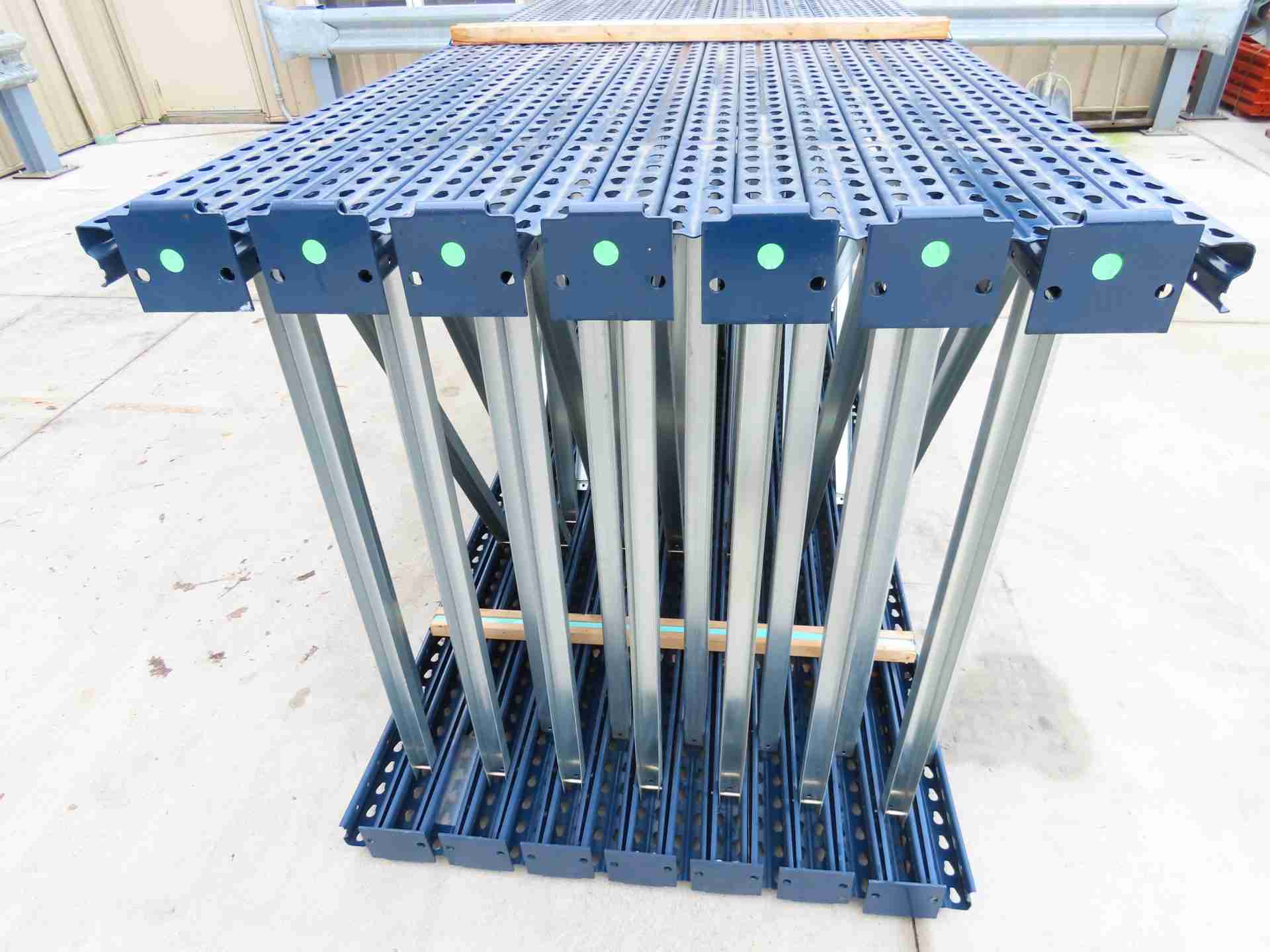
How Does the Layout Of Medical Facilities Influence Patient Outcomes?
How Does the Layout Of Medical Facilities Influence Patient Outcomes?
- Hospital layouts significantly impact patient outcomes, beyond just aesthetics.
- Clear signage and strategically placed areas can alleviate patient and family anxiety.
- A well-designed facility enhances the human experience, fostering compassionate care.
- Thoughtful architecture can create an atmosphere that nurtures hope and recovery.
- Efficient layouts can reduce wait times, correlating with improved recovery rates and patient trust.
- Designers and healthcare professionals share a responsibility to create dignified, supportive environments.
- Effective layouts transform healthcare spaces into sanctuaries, fostering both physical and emotional healing.

How Does the Layout Of Medical Facilities Influence Patient Outcomes?
Conclusion
When we peel back the layers of healthcare, it’s easy to get lost in technology, treatments, and procedures—but let’s not forget the unsung hero of patient care: effective medical equipment storage through racking systems. Think for a moment about the frantic tension in an emergency room, where every second counts. A nurse battling chaos in search of a vital tool can transform into a life-or-death situation. Racking might seem trivial, but it’s the backbone that keeps healthcare organized and efficient.
Rationally, an optimized racking system maximizes spatial use and streamlines workflows, translating to significant cost savings for hospitals, especially crucial when resources are tight. Every mismanaged moment can waste precious time during emergencies. From an ethical standpoint, every healthcare provider has a duty to safeguard the immediacy and accuracy of care. A well-organized racking system cultivates trust and fosters an environment where healthcare workers are empowered to perform their best when it matters most.
Beyond the walls of hospitals, the social implications of racking are profound. A coherent storage solution cultivates teamwork, allowing staff to collaborate seamlessly. Imagine a medical team working in concert, each member confident that they can quickly find what they need, creating a supportive network that cascades care to every patient.
The financial narrative of racking cannot be ignored either. Inefficient storage is a hidden burden, leading to wasted resources—unused inventory screams lost profits. For small business owners and healthcare facilities alike, reclaiming precious space can unleash innovation and productivity that benefits not only the business but the community at large. Better storage means better care, more jobs, and vibrant economic health.
Industry standards guide the design of these vital systems, reinforcing the message that organization in healthcare isn’t just best practice; it’s the right thing to do. Each racking system created with care reflects a commitment to safety, efficiency, and—perhaps most importantly—the lives that depend on it.
In the end, we must remember that every layer of healthcare, down to the most granular detail, impacts lives. By investing in effective racking, we’re more than just securing equipment—we’re building a foundation of trust, compassion, and care that not only saves lives but enriches them. It’s time we acknowledge that behind every medical miracle, there’s a simple truth: good racking matters, and advocating for it is advocating for every individual who walks through those hospital doors.

Conclusion
Conclusion:
- Effective medical equipment storage through racking systems is crucial for patient care.
- Optimized racking maximizes spatial use and streamlines workflows, leading to cost savings for hospitals.
- A well-organized racking system enhances the immediacy and accuracy of care in high-pressure environments.
- Coherent storage solutions foster teamwork among healthcare staff, improving collaboration and care delivery.
- Inefficient storage results in wasted resources and lost profits, affecting the financial health of healthcare facilities.
- Industry standards for racking design emphasize organization as a best practice and a moral obligation in healthcare.
- Investing in effective racking systems supports trust, compassion, and care, enriching the lives of patients.

Conclusion
Other Resources

Other Resources
Here is a list of other resources you can review online to learn more:
- Pallet Racking systems in Illinois and Great Lakes
- RMI
- Chicago Pallet Racking
- BMH
- Pallet Racking systems in Illinois and Great Lakes
- Illinois
- Material Handling Industry
- WERC
- Storage Equipment Manufacturers’ Association
- Crane Manufacturers Association Of America Inc.
- Rack Manufacturers Institute
- Warehouse Racking System: Powerful Guide to Optimise, 2024
- Selective Racking
- Wolter
- Selective Pallet Racking Systems – Container Systems
- Warehouse Racking Chicago, IL
- Pallet Racking systems in Illinois, Great Lakes
- Used Pallet Rack for Sale in Illinois – American Surplus
- Arrow Industrial Sales
- What is Selective Pallet Racking
Use This Prompt To Get More Resources With Your Favorite Online AI Tool: Please provide me with a list of online articles with their URLs in a bulleted list that I can read regarding Medical Equipment Storage: Why Racking Matters

Other Resources
Glossary Terms
Medical Equipment Storage: Why Racking Matters – Glossary Of Terms
1. Racking: A system of shelves and supports used for storing medical equipment efficiently in a controlled environment.
2. Storage Solutions: Various methods and systems implemented to organize and store medical equipment.
3. Inventory Management: The process of tracking and controlling medical equipment quantities, usage, and storage locations.
4. Accessibility: The ease with which stored medical equipment can be reached and retrieved by healthcare professionals.
5. Ergonomics: The study of designing equipment and systems that fit the human body, optimizing comfort and efficiency.
6. Space Optimization: Utilizing storage areas effectively to maximize available space for equipment and supplies.
7. Vertical Storage: A racking system that utilizes vertical space, allowing for higher storage capacity.
8. Durability: The ability of racking systems to withstand heavy use and support significant weight without failure.
9. Compliance: Adhering to regulatory standards and guidelines for storing medical equipment safely and hygienically.
10. Cleanroom Storage: Specialized storage solutions designed for environments requiring controlled contamination conditions.
11. Modular Racking: Flexible shelving systems that can be adjusted or reconfigured based on changing storage needs.
12. Maintenance: Routine checks and repairs of storage systems to ensure safety and functionality.
13. Safety Protocols: Established procedures aimed at ensuring safe storage and handling of medical equipment.
14. Temperature Control: Systems employed to maintain specific temperature ranges for sensitive medical equipment.
15. Organization: The methodical arrangement of medical equipment to facilitate quick identification and retrieval.
16. Labeling: Using tags or signs to identify stored equipment, improving tracking and accessibility.
17. Lifecycle Management: The process of managing the entire life cycle of medical equipment from acquisition to disposal.
18. Waste Management: Procedures for the disposal of outdated or unusable medical equipment in compliance with regulations.
19. Carts and Trolleys: Mobile storage solutions for transporting medical equipment within healthcare facilities.
20. Shelving Units: Horizontal surfaces or compartments used to hold medical equipment, often part of a racking system.
21. Load Capacity: The maximum weight a racking system can safely support without compromising its integrity.
22. Inventory Audits: Regular assessments conducted to verify the quantity and condition of stored medical equipment.
23. Accessibility Standards: Guidelines that dictate how accessible storage should be for staff, ensuring safety and efficiency.
24. Hazardous Material Storage: Specialized racking systems designed for the safe storage of hazardous medical supplies.
25. Operational Efficiency: The ability of a storage system to minimize waste and maximize productivity in a healthcare setting.
26. Shelving Configuration: The specific design and arrangement of shelves to suit different types of medical equipment.
27. Security Features: Mechanisms installed to protect medical equipment from theft or unauthorized access.
28. Cold Storage: Racking systems specifically designed for storing temperature-sensitive medical supplies.
29. Automated Storage: Computer-controlled systems for managing and retrieving medical equipment to enhance efficiency.
30. Cleansing Protocols: Procedures for disinfecting and maintaining the cleanliness of storage areas for medical equipment.

Glossary Of Terms
Other Questions
Medical Equipment Storage: Why Racking Matters – Other Questions
If you wish to explore and discover more, consider looking for answers to these questions:
- What are the best practices for designing medical racking systems?
- How can hospitals assess the effectiveness of their current racking systems?
- What types of racking systems are most commonly used in healthcare settings?
- How do different types of medical equipment affect racking design?
- What role does technology play in optimizing medical racking systems?
- How can hospitals train staff to use racking systems effectively?
- What are the long-term benefits of investing in quality racking systems?
- How do regulatory bodies influence medical equipment storage standards?
- What are the case studies or examples of hospitals that have improved patient care through better racking systems?
- How does poor racking affect other hospital operations, beyond patient care?

Other Questions
Checklist
Medical Equipment Storage: Why Racking Matters – A Checklist
Checklist for Effective Medical Equipment Storage Racking
Heart: Emotional Appeals
_____ Consider the emotional impact of disorganized storage on healthcare professionals. Reflect on how having access to equipment quickly can alleviate anxiety in emergency situations.
_____ Think about the stories of patients and families. How does efficient racking enhance their experience and care quality?
_____ Visualize the shared commitment among medical staff to create a supportive and collaborative environment when equipment is easily accessible.
Head: Rational Appeals
_____ Evaluate current racking systems. Are they optimized for space and workflow efficiency?
_____ Analyze the cost implications of inefficient storage solutions. How does poor organization affect the overall budget and resource allocation?
_____ Scan for industry standards in medical racking. Are current practices meeting established guidelines and best practices?
Gut: Ethical Appeals
_____ Assess the ethical responsibility of healthcare providers to ensure the safety and accessibility of medical equipment.
_____ Think critically about how well-organized storage reflects a hospital’s commitment to patient care and trustworthiness.
_____ Consider the broader societal impact of efficient racking systems on community health and well-being.
Authority: Expertise and Standards
_____ Research best practices in medical racking from authoritative sources in healthcare and logistics.
_____ Consult with experts in hospital design and equipment management to identify potential areas for improvement in existing systems.
Narrative: Storytelling and Personalization
_____ Create a narrative around the importance of racking systems in real healthcare scenarios. Share stories of success and failures tied to storage effectiveness.
_____ Encourage sharing personal experiences related to finding equipment in a rush. How did it affect the outcome for patients?
Social: Community Engagement
_____ Foster dialogue among healthcare professionals about the importance of efficient racking systems. What improvements do team members suggest?
_____ Promote initiatives within the healthcare community focused on fundraising or investing in better storage solutions.
This checklist is designed to engage various aspects of decision-making regarding medical equipment storage, aiming for improvements that affect emotional well-being, operational efficiency, ethical practices, and team collaboration.

Checklist
At RackingWorld, we help guide you through selecting warehouse storage systems and racking.
Be sure to read our other related stories at RackingWorld to learn more about warehouse storage systems.
0 Comments