
Maximizing Efficiency With Warehouse Inventory Tools
By Tom Seest
At RackingWorld, we help guide you through selecting warehouse storage systems and racking.
Be sure to read our other related stories at RackingWorld to learn more about warehouse storage systems.
What Tools Help Streamline Your Warehouse Inventory Management?
In today’s fast-paced business environment, effective warehouse inventory management is non-negotiable. It’s not just about having the right items on hand; it’s about operating at peak efficiency to satisfy customer demands. So, what tools can help you achieve this goal? Let’s dive in and explore some game-changing options that will transform your warehouse from a chaotic storage space into a well-oiled machine.
One of the most essential components for maximizing your warehouse space is Pallet Racking. Imagine taking your cluttered aisles and turning them into organized, easily navigable areas that allow for quick access to inventory. Pallet racking systems provide the sturdy framework for your products while enabling you to stack items vertically, freeing up valuable floor space. It’s a simple but powerful tool that not only improves organization but positively impacts your operational efficiency.
Next, consider incorporating a robust Warehouse Management System (WMS). This technology acts as the brain of your operations, offering real-time insights into your inventory levels, order statuses, and shipping schedules. A great WMS does more than just keep track of your inventory; it cultivates a smooth workflow that reduces errors and accelerates turnaround times. This not only builds customer trust but also allows your team to focus on more strategic tasks rather than being bogged down in the details.
Speaking of details, don’t overlook the value of Barcode Scanning. By integrating barcode technology, you create a connection between your physical products and digital data, streamlining the tracking process. This innovation cuts down on manual entry errors and saves time, allowing your team to quickly locate and manage inventory items. As a result, you can boost productivity while ensuring that the correct items are delivered promptly.
Finally, let’s not forget the power of Data Analytics Tools. With the market constantly changing, understanding inventory trends and customer behavior is vital for proactive decision-making. Leveraging data analytics provides deep insights that inform your inventory purchasing strategies, helping you stay ahead of demand fluctuations. Imagine being able to anticipate inventory needs before they become urgent!
Transforming your warehouse inventory management isn’t just a pipe dream; it’s achievable. By integrating tools like pallet racking, a powerful WMS, barcode scanning technology, and effective data analytics, you can cultivate an efficient, streamlined operation that meets the needs of your customers and grows your bottom line. It’s time to take action and invest in the tools that will set your business apart in a competitive landscape. Your streamlined future is waiting!
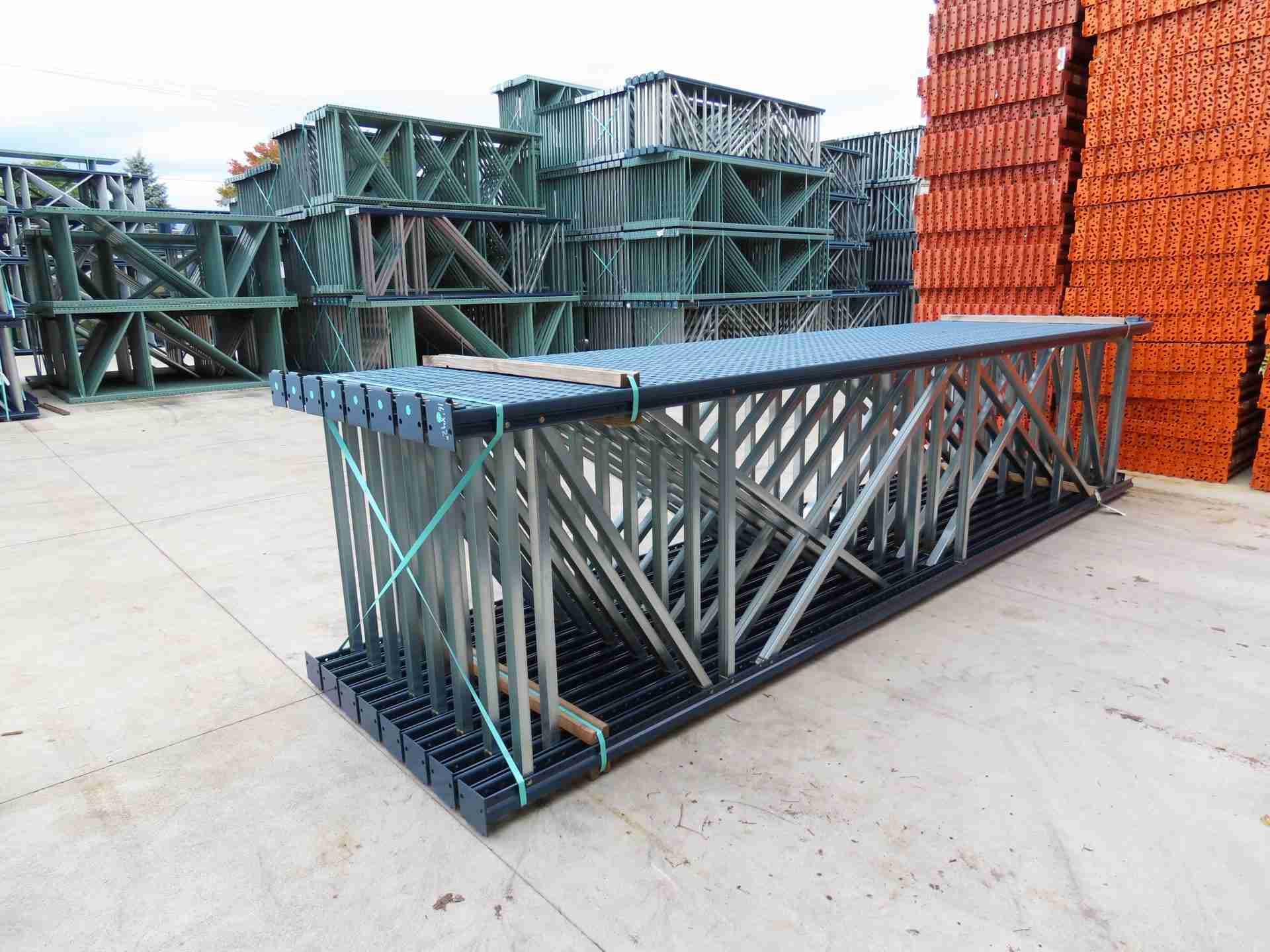
What Tools Help Streamline Your Warehouse Inventory Management?
What Tools Help Streamline Your Warehouse Inventory Management?
- Effective warehouse inventory management is essential for satisfying customer demands in a fast-paced business environment.
- Pallet racking systems help maximize warehouse space by allowing vertical stacking and improving organization.
- A robust Warehouse Management System (WMS) offers real-time insights that enhance workflow, reduce errors, and accelerate turnaround times.
- Integrating barcode scanning technology streamlines product tracking and reduces manual entry errors, boosting productivity.
- Data analytics tools provide insights into inventory trends and customer behavior, aiding in proactive decision-making.
- Combining these tools can transform your warehouse into an efficient operation that meets customer needs and enhances profitability.
- Investing in these technologies is crucial for staying ahead in a competitive market and ensuring a streamlined future.
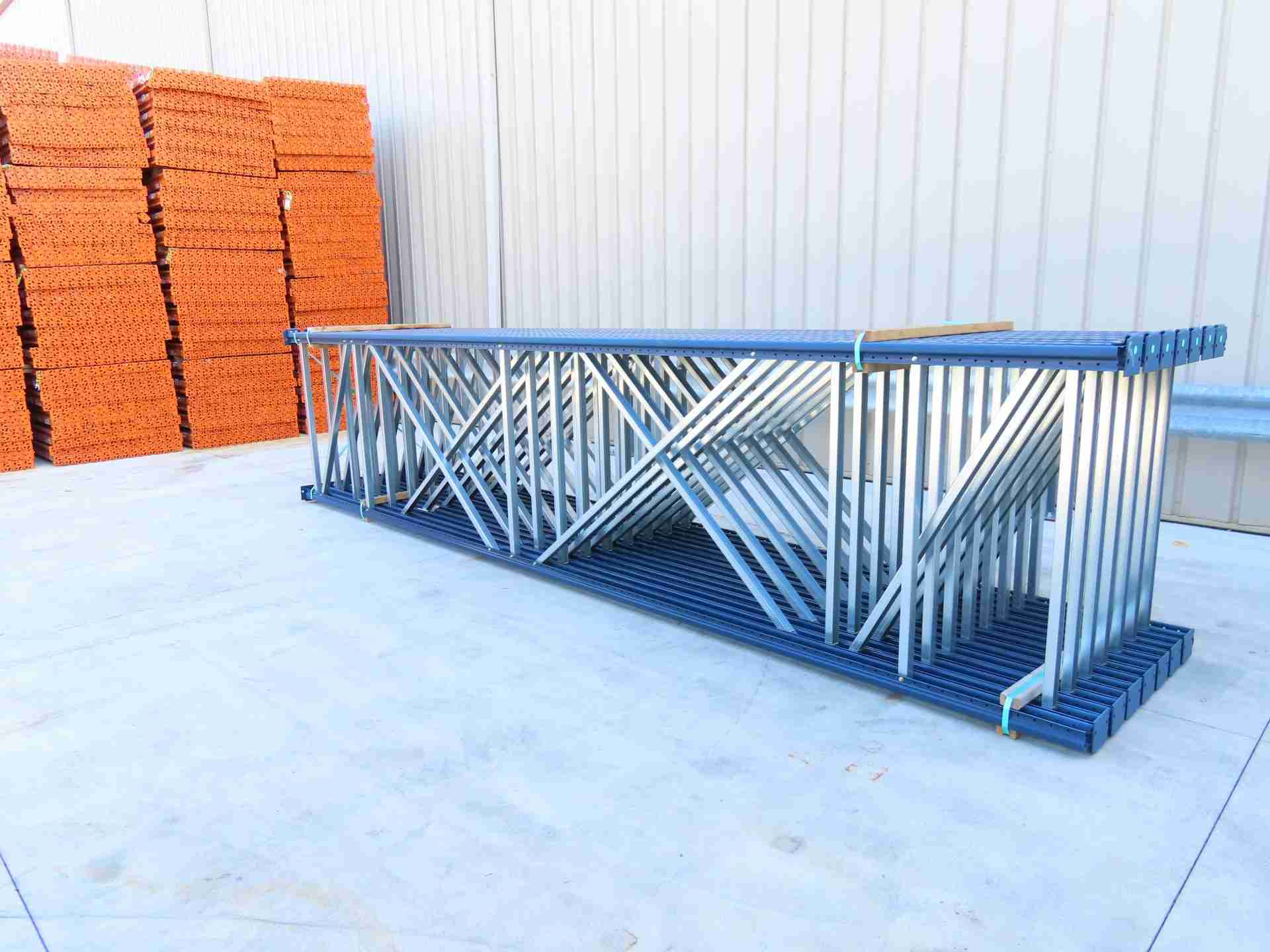
What Tools Help Streamline Your Warehouse Inventory Management?
Table Of Contents
- What Tools Help Streamline Your Warehouse Inventory Management?
- What Are The Key Features To Look For In Inventory Management Tools?
- How Can Software Optimize Warehouse Space And Inventory Flow?
- What Role Does Barcode Technology Play In Inventory Management?
- How Can Real-Time Tracking Improve Accuracy In Inventory Systems?
- What Are The Benefits Of Using Mobile Apps For Inventory Control?
- How Does Automation Reduce Human Error In Inventory Management?
- Conclusion
- Other Resources
- Glossary Of Terms
- Other Questions
- Checklist
What Are The Key Features To Look For In Inventory Management Tools?
When it comes to effectively managing your inventory, the right tools can be the difference between chaos and seamless operations. Imagine your warehouse filled with pallet racking, each unit holding the potential for profit or loss. Selecting inventory management software tailored to your needs is not just a smart move; it’s a vital strategy to maximize your business’s potential.
Real-Time Tracking
First and foremost, you need a system that offers real-time tracking. Life moves fast in today’s market, and you can’t afford to wait for outdated reports when you could be making decisions based on current data. A robust inventory management tool will enable you to monitor stock levels, sales, and orders on the fly, ensuring that you’re always a step ahead. You’ll be amazed at how much trust this fosters, both with your team and your customers, who increasingly demand efficiency.
User-Friendly Interface
Next, look for a user-friendly interface. A complex system can lead to frustration and errors, impacting your overall productivity. Remember the last time you stared blankly at software that seemed designed for engineers? You deserve a tool that is intuitive, so your team can easily navigate through their daily tasks—saving precious time and minimizing mistakes.
Integration Capabilities
In today’s interconnected world, your inventory management tool must be versatile enough to integrate seamlessly with other software. Whether it’s your eCommerce platform, accounting software, or CRM, interoperability can elevate your operations to new heights. This connectivity fosters confidence, knowing that all parts of your business communicate effectively, keeping everyone informed and on the same page.
Scalability
You should never outgrow your tools. Look for a solution that scales with your business. Whether you’re managing a single location or multiple warehouses with intricate pallet racking systems, your inventory management software should adaptize to your expanding needs. This scalability keeps you agile—a crucial quality in an ever-evolving marketplace.
Reporting and Analytics
Last but not least, invest in a tool that offers powerful reporting and analytics features. Knowing the ins and outs of your inventory will give you insights into trends, customer preferences, and stock turnover rates. You’ll not only make smarter decisions, but you’ll also inspire confidence within your organization, as data-driven strategies often outperform gut instincts.
So, as you evaluate potential inventory management tools, keep these essential features in mind. They don’t just streamline operations; they transform your business into a well-oiled machine capable of seizing opportunities at every turn. Isn’t it time you took that step? Choose wisely, and watch your business thrive like never before.
What Are The Key Features To Look For In Inventory Management Tools?
What Are The Key Features To Look For In Inventory Management Tools?
- Effective inventory management relies on the right tools to ensure seamless operations.
- Real-time tracking is essential for making informed decisions based on current data.
- A user-friendly interface helps prevent frustration and errors, boosting overall productivity.
- Integration capabilities with other software (eCommerce, accounting, CRM) enhance operational connectivity.
- Scalability is crucial, allowing the software to adapt as your business grows.
- Powerful reporting and analytics provide insights into inventory trends and customer preferences.
- Choosing the right inventory management tool can transform your business operations and spur growth.
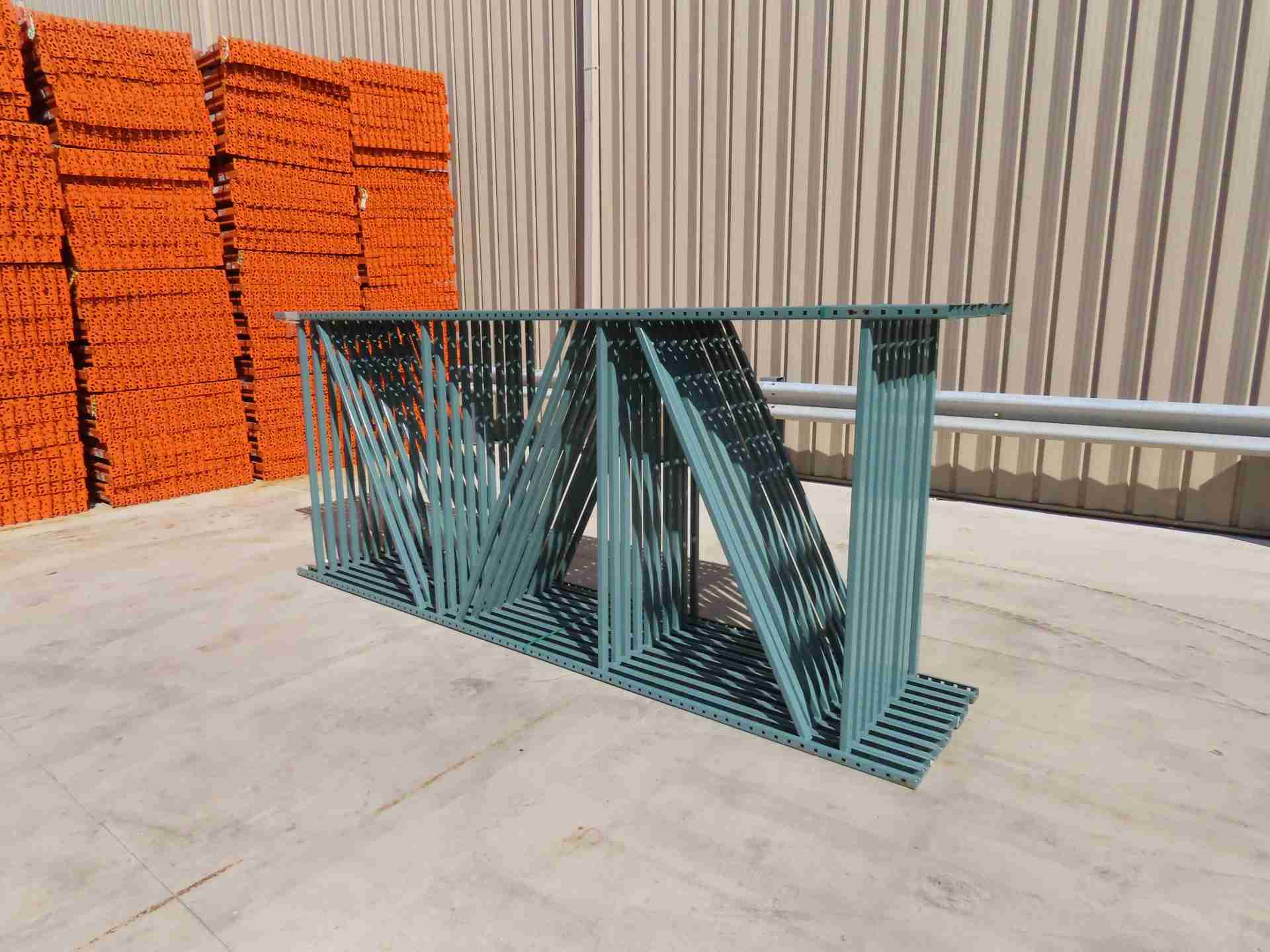
What Are The Key Features To Look For In Inventory Management Tools?
How Can Software Optimize Warehouse Space And Inventory Flow?
Imagine walking into a warehouse that buzzes with activity, where every square foot is used wisely, and the flow of inventory is as smooth as a well-oiled machine. Sounds like a dream, right? Well, it doesn’t have to be! With the right software solutions, you can transform this dream into a vibrant reality.
At the heart of this transformation lies the power of data. Modern warehouse management software harnesses advanced algorithms to map out your space efficiently. Consider your pallet racking—those towering structures designed to hold your goods. A well-organized pallet racking system can significantly enhance storage capacity, but it’s far too easy to let disorganization creep in. By utilizing software that optimizes your racking arrangement, you can ensure every pallet is accessible—no more digging through piles, no more wasted time.
But optimization doesn’t stop at just maximizing storage. Smart software empowers you to streamline inventory flow as well. It provides real-time visibility of stock levels, enabling you to manage reordering effortlessly. No longer will you scramble to fulfill a last-minute order because your shelf life has run out or, worse yet, lose sales to stockouts. Instead, with data-driven alerts and automated reordering processes, your shelves will always be stocked with the right products at the right time.
Picture this: Each day, your team spends less time searching for items and more time focusing on what truly matters—growing your business. Every corner of your warehouse pulsates with efficiency, creating an environment that fosters productivity and boosts morale. And when morale is high, your staff is more likely to go above and beyond, enhancing customer satisfaction.
On top of that, the implementation of robust software solutions means that you’ll have a direct line of visibility into your operations. You’ll be able to track inventory trends, adjust procurement strategies, and foresee potential issues before they can hinder your flow. This foresight inspires confidence; your clients will notice the consistency and reliability, building trust that your brand can deliver.
Investing in warehouse optimization software isn’t just a smart move; it’s a crucial step toward achieving your operational dreams. Don’t settle for chaos and clutter in your warehouse; embrace the power of technology that brings order, efficiency, and success to your business. With the right software, the sky’s the limit!

How Can Software Optimize Warehouse Space And Inventory Flow?
How Can Software Optimize Warehouse Space And Inventory Flow?
- Modern warehouse management software transforms operational dreams into realities.
- Advanced algorithms enhance space efficiency, especially in pallet racking systems.
- Optimized racking arrangements improve storage capacity and accessibility.
- Real-time visibility of stock levels streamlines inventory flow and reordering processes.
- Reduced time searching for items allows teams to focus on business growth.
- Robust software solutions provide insights into inventory trends and procurement strategies.
- Investing in warehouse optimization software fosters order, efficiency, and success.
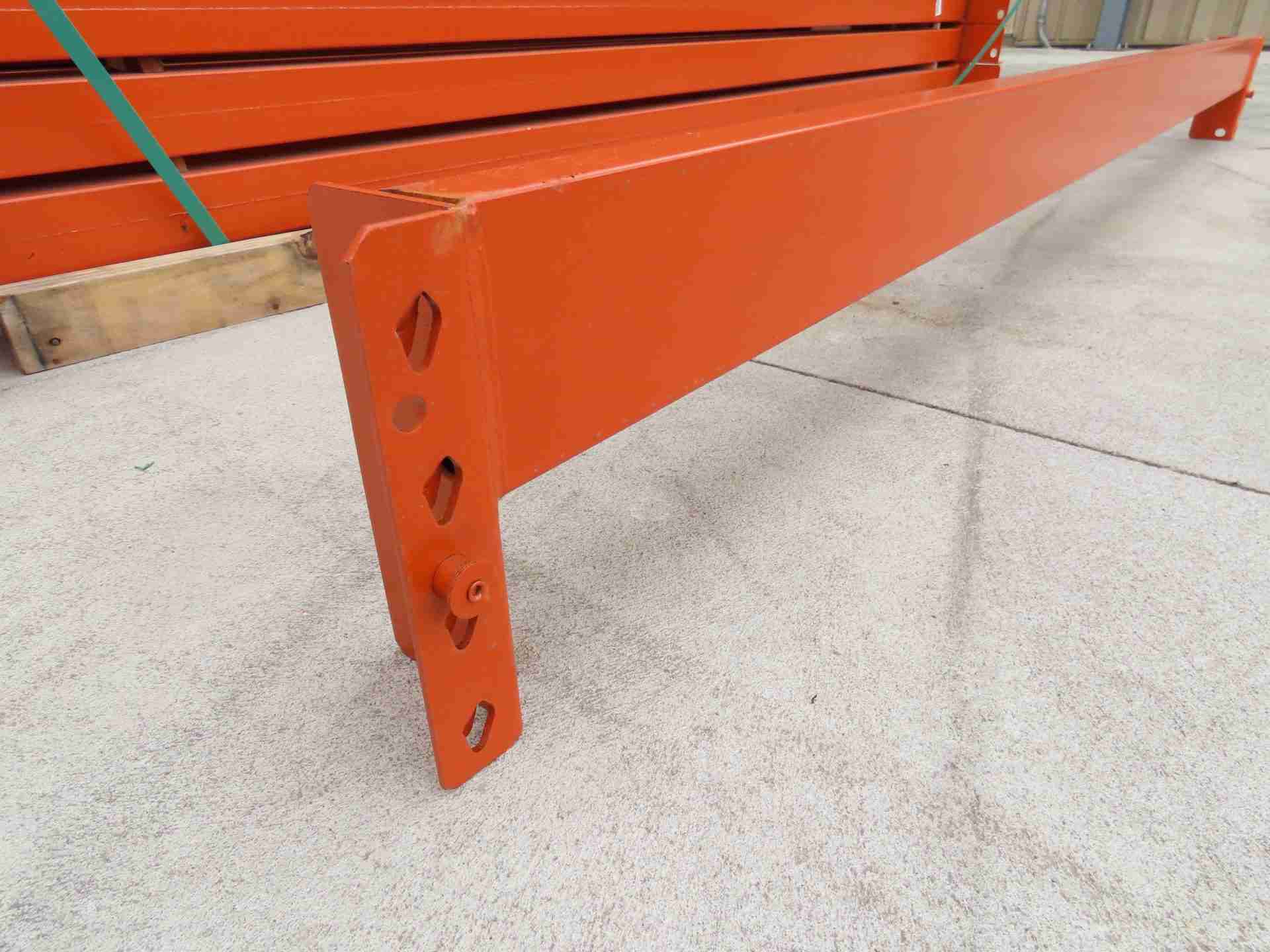
How Can Software Optimize Warehouse Space And Inventory Flow?
What Role Does Barcode Technology Play In Inventory Management?
In the bustling world of inventory management, efficiency is the name of the game. Imagine a scenario where your stockroom is a chaotic whirlwind of products, and despite having the best pallet racking systems, you’re still struggling to keep track of your inventory. Frustrating, right? This is where barcode technology swoops in like a superhero, showcasing its remarkable capabilities.
Barcode technology transforms the cumbersome task of inventory tracking into a seamless, streamlined process. Picture this: each item in your warehouse is assigned a unique barcode, meticulously scanned using handheld devices or fixed scanners. This seemingly simple system opens up a world of efficiency. No more manual entries or endless paperwork—you can check in and out items with the swift motion of a scanner, drastically reducing human error and saving precious time.
But let’s take it a step further. Adopting barcode technology helps establish a robust digital backbone for your inventory management system. With sophisticated software integrated with your barcode scanning, you can instantly update inventory levels, track product movement, and generate detailed reports. Need to know which items are in stock or which are selling like hotcakes? A quick scan provides all the insights you need, allowing you to make informed decisions that can propel your business forward.
Now, consider your pallet racking systems—the very frameworks that hold your inventory. When paired with barcode technology, these systems become far more than just storage spaces. They serve as smart inventory hubs, where each barcode ensure that the goods are in their rightful place. The days of misplacing products or losing valuable time searching for items are long gone. In fact, you’ll likely find that your team begins to appreciate their work environment more, as they’re freed from the frustration of disorganization.
Investing in barcode technology means investing in confidence. You’re not just implementing a tool; you’re embedding a culture of precision and accountability into your operations. As your team gains access to real-time data, they can react quicker to stock discrepancies or sudden fluctuations in demand.
So, if you’re still on the fence about barcode technology, take a moment to envision the benefits. It’s more than a trend; it’s an essential evolution. Embrace the change, streamline your processes, and watch your inventory management capabilities transform into a well-oiled machine that sets your business apart from the competition.
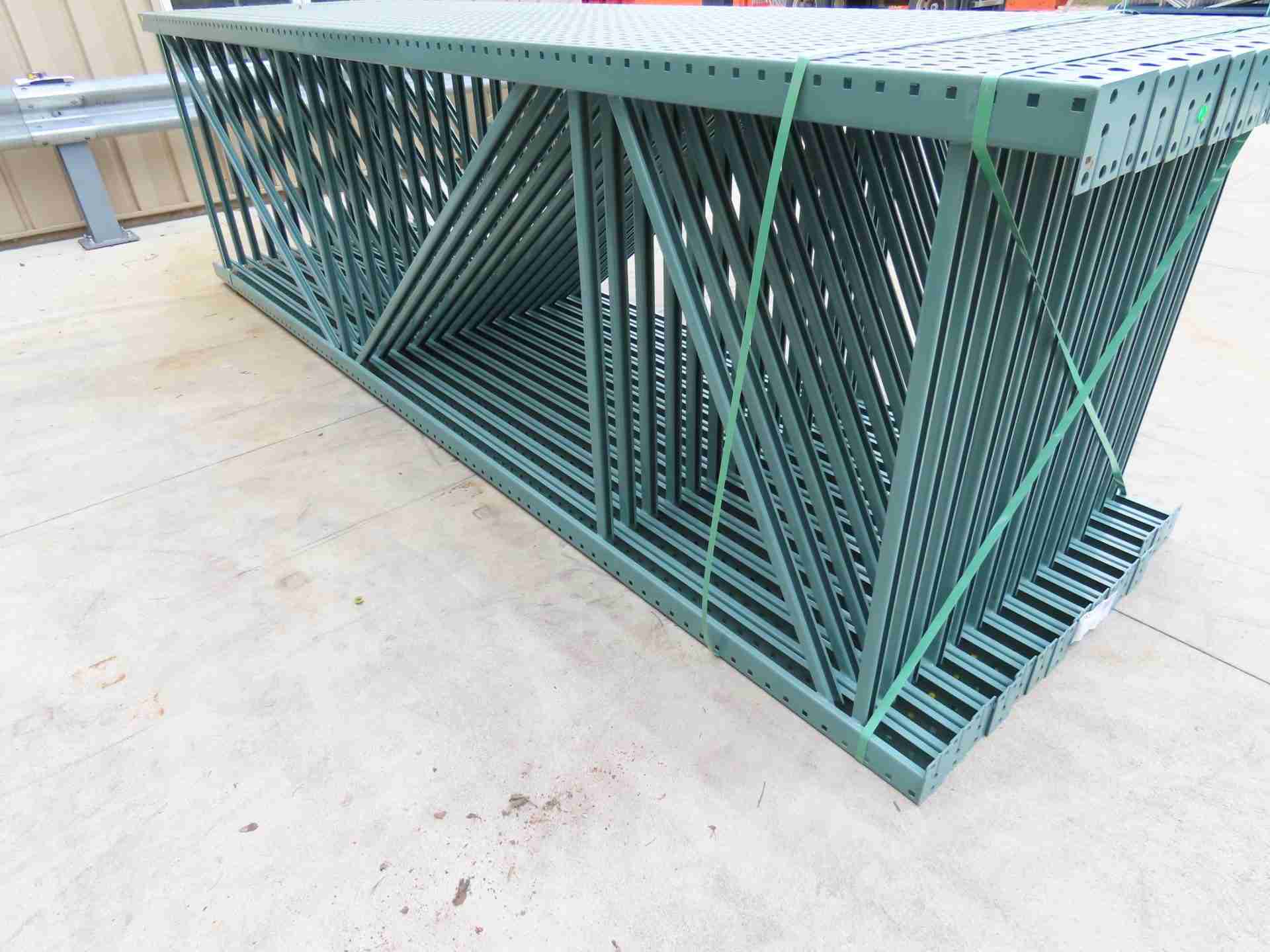
What Role Does Barcode Technology Play In Inventory Management?
What Role Does Barcode Technology Play In Inventory Management?
- Efficiency is crucial in inventory management, which can be chaotic without proper systems.
- Barcode technology simplifies inventory tracking by assigning unique barcodes to each item.
- Scanning items reduces manual entries and paperwork, minimizing human error and saving time.
- Integrated software with barcode scanning allows for real-time updates, tracking, and reporting.
- Barcode technology enhances pallet racking systems, turning them into smart inventory hubs.
- Investing in barcode technology fosters a culture of precision and accountability in operations.
- Embracing barcode technology transforms inventory management into an efficient, competitive advantage.

What Role Does Barcode Technology Play In Inventory Management?
How Can Real-Time Tracking Improve Accuracy In Inventory Systems?
Imagine stepping into a warehouse filled with towers of well-organizedpallet racking. Each shelf brimming with products neatly sorted and accounted for. Sounds ideal, doesn’t it? But in reality, how often have you found yourself losing precious hours counting inventory, sifting through outdated records, or worse—losing sales because your stock counts don’t match your actual on-hand inventory? Fear not, for real-time tracking technology is here to revolutionize your inventory management and restore order in the chaos.
Picture this: With real-time tracking, every item that rolls in or out of your warehouse is instantly updated in your inventory system. It’s like having a bird’s-eye view of your entire operation, 24/7. You can precisely monitor the flow of goods across your pallet racking and adjacent shelving, ensuring you know exactly how much stock you have at any given moment. This level of accuracy not only prevents overstocking or stockouts but also builds trust with your customers who expect timely deliveries and accurate order fulfillment.
But it doesn’t stop there. One of the most gratifying benefits of real-time tracking is its ability to empower your workforce. Your team no longer struggles with guesswork or outdated information; instead, they confidently make informed decisions. Employees can efficiently locate products on your pallet racking by scanning barcodes or using handheld devices that guide them right to the correct location. This empowers your operation, reducing wasted time and eliminating frustration. Your team becomes not just more productive, but also more engaged—after all, who doesn’t love working in a streamlined system that reduces headaches?
Moreover, inventory accuracy leads to enhanced profitability. With precise tracking, you can analyze your sales patterns and adjust your orders accordingly. You eliminate unnecessary costs of excess inventory while ensuring popular items are always available. This means more satisfied customers, increased sales, and a stronger bottom line.
Finally, consider the competitive edge. In today’s fast-paced market, businesses that harness technology like real-time tracking stand out. You effectively position yourself as a brand that prioritizes efficiency and reliability.
So, if you’re still relying on traditional inventory methods, it’s time to rethink your strategy. Embrace real-time tracking and watch as it transforms not just your accuracy, but the overall efficiency of your inventory system. The future is bright, and it starts with real-time tracking!

How Can Real-Time Tracking Improve Accuracy In Inventory Systems?
How Can Real-Time Tracking Improve Accuracy In Inventory Systems?
- Real-time tracking technology improves inventory management and reduces chaos.
- Inventory updates occur instantly with every item movement, ensuring accurate stock levels.
- Enhanced accuracy prevents overstocking, stockouts, and builds customer trust through timely deliveries.
- Empowers workforce by providing accurate information, leading to informed decision-making.
- Employees can efficiently locate products using barcode scanning and handheld devices.
- Accurate inventory tracking enhances profitability through better analysis of sales patterns.
- Embracing real-time tracking offers a competitive edge by promoting efficiency and reliability.
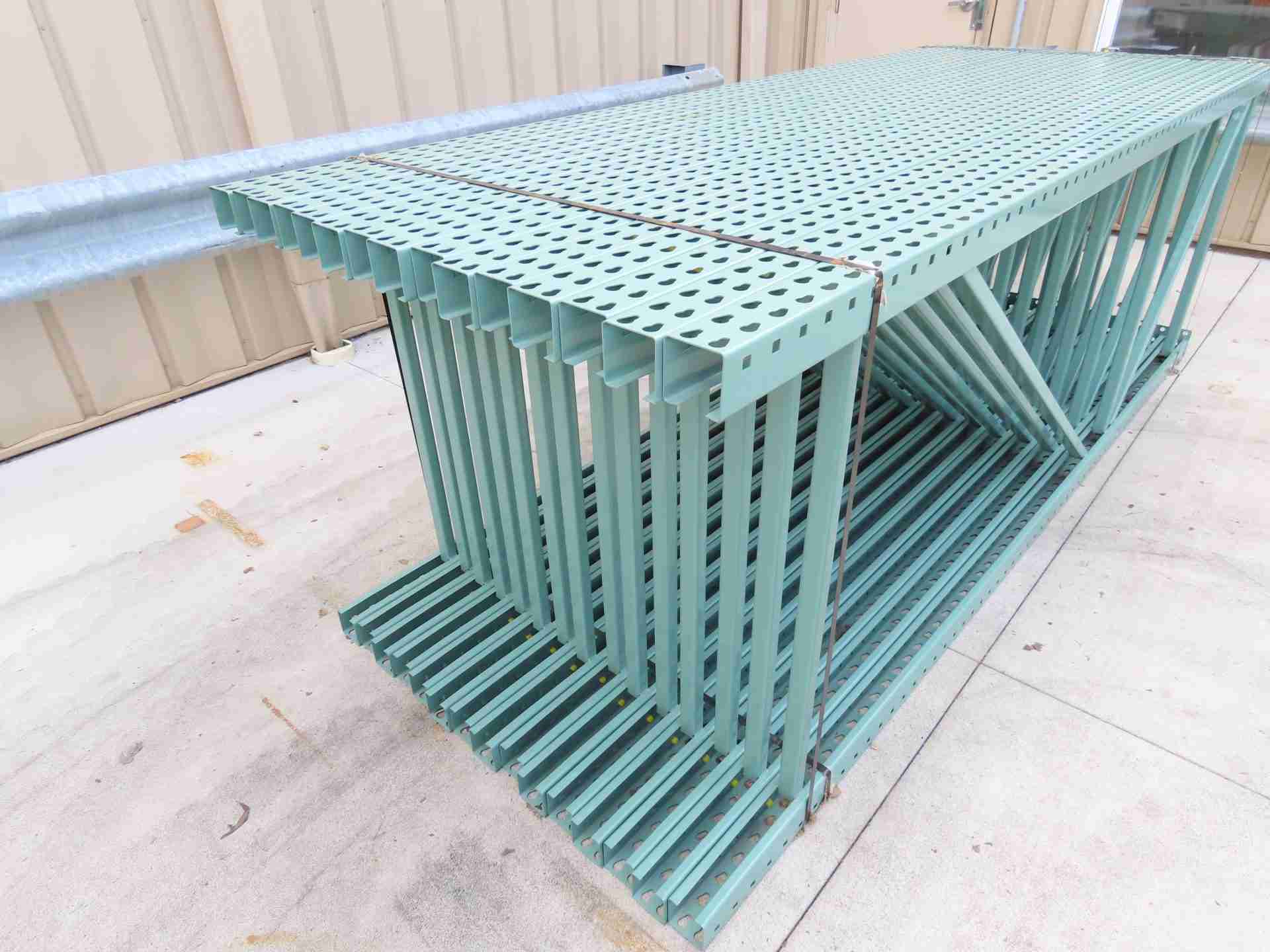
How Can Real-Time Tracking Improve Accuracy In Inventory Systems?
What Are The Benefits Of Using Mobile Apps For Inventory Control?
In today’s fast-paced business environment, effective inventory control is no longer a luxury; it’s a necessity. Enter mobile apps – the transformative tools that not only streamline operations but also empower you to gain control over your assets. Imagine standing in your warehouse, surrounded by rows of pallet racking, and feeling confident that every item is catalogued and tracked in real-time. This isn’t a distant dream; it’s the reality offered by mobile inventory apps.
First, let’s talk about visibility. One of the biggest challenges businesses face is keeping track of what’s in stock, what’s on the way, and what’s been sold. Mobile apps provide you with an up-to-the-minute view of your inventory, reducing the chances of stockouts and overages. When you’re managing multiple locations or dealing with complex logistics, having that comprehensive perspective is invaluable. You’re not just guessing; you’re making informed decisions based on concrete data.
Next, consider the time saved. Traditional inventory methods are often manual and labor-intensive, leaving staff bogged down with paperwork and confusing spreadsheets. With mobile apps, processes become automated, cutting down the time spent on inventory counts and data entry. Imagine scanning a barcode as you stock an item on your pallet racking, instantly updating your inventory levels. Every scan translates into hours saved, allowing your team to focus on more impactful tasks.
Additionally, let’s not forget about accuracy. Human error is inevitable when it comes to manual counting and inputting data. Mobile apps lessen this risk, providing features that ensure the data entered is accurate and up-to-date. With clear alerts and reminders for stock levels or overdue items, you’re less likely to face the dreaded surprise audit or stock discrepancy.
Finally, consider the flexibility and convenience of mobile solutions. In our mobile-centric world, being able to manage your inventory on-the-go is a game changer. Whether you’re meeting with suppliers, visiting another facility, or even at home, you have critical data at your fingertips. This level of accessibility fosters not just efficiency but also peace of mind, allowing you to handle your inventory like the pro you are.
In sum, leveraging mobile apps for inventory control opens the door to enhanced visibility, time savings, accuracy, and flexibility. When you embrace this technology, you equip yourself with the tools necessary to thrive in a competitive landscape. Are you ready to take control of your inventory like never before? The future of your business depends on it.

What Are The Benefits Of Using Mobile Apps For Inventory Control?
What Are The Benefits Of Using Mobile Apps For Inventory Control?
- Effective inventory control is essential in today’s fast-paced business environment.
- Mobile inventory apps improve operational efficiency and provide real-time tracking of assets.
- They enhance visibility of stock levels and logistics, helping to avoid stockouts and overages.
- Mobile solutions save time by automating processes, reducing reliance on manual counting and paperwork.
- These apps improve accuracy by minimizing human errors in data entry and offering timely alerts.
- Mobile inventory management allows for flexibility and convenience, providing access to critical data on-the-go.
- Embracing mobile apps for inventory control fosters a competitive edge and equips businesses for success.
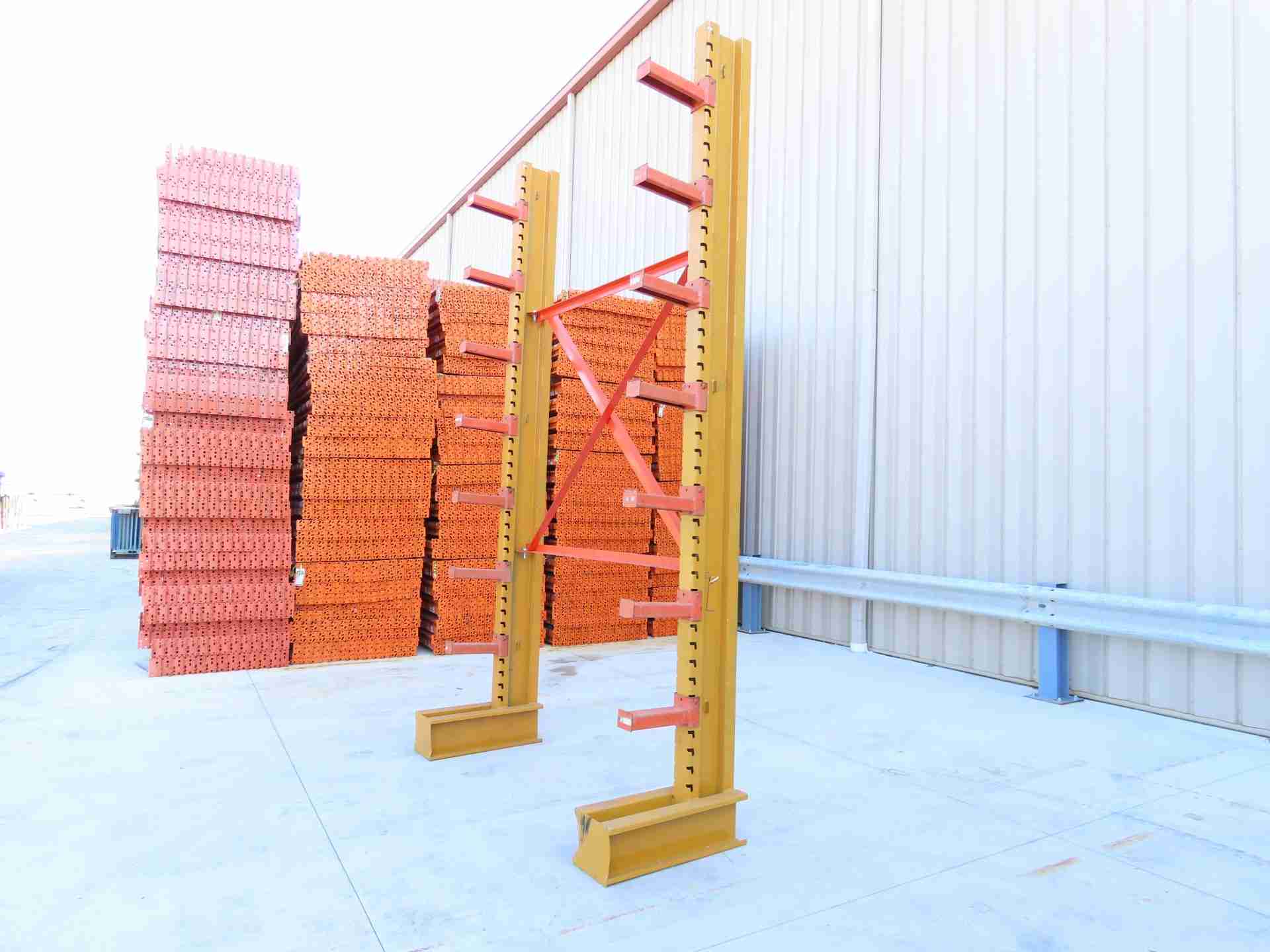
What Are The Benefits Of Using Mobile Apps For Inventory Control?
How Does Automation Reduce Human Error In Inventory Management?
Imagine a bustling warehouse filled with pallets stacked high, each representing the lifeblood of your business. Now picture the chaos that can ensue when human error comes into play. Lost stock, misplaced items, incorrect counts—these are challenges no manager wants to face. But with the power of automation, we can transform that chaotic scene into a well-oiled machine.
Think about it: your team is navigating aisles lined with pallet racking, frantically trying to keep tabs on what’s in and what’s out. Juggling spreadsheets, manually updating inventory levels, and deciphering handwritten notes can create a perfect storm of costly mistakes. But here’s where automation steps in like a trusty sidekick. By digitizing your inventory management, you eliminate the reliance on human memory and the susceptibility to fatigue. Automation systems can track every item in real time, ensuring that each pallet’s journey from receiving to shipping is documented without error.
Picture a scenario where each item entering your inventory is scanned—the moment it hits your pallet racking. The automated system updates your database instantly, providing you with accurate information at your fingertips. No more guessing or assuming what’s on the shelves; everything is tracked with pinpoint accuracy. This isn’t just about convenience; it’s about building a structure where trust and confidence reign supreme.
Now, let’s talk about consequences. A single error can lead to stockouts or overstocks, derailing your operational flow and causing customer dissatisfaction. Automation acts as a safeguard against such pitfalls. By utilizing advanced algorithms and machine learning, your inventory can be optimized, forecasting needs with astounding precision. The research shows that businesses embracing automation can see significant reductions in errors, leading to enhanced customer loyalty and increased profits.
But don’t just take our word for it. Consider the success stories of businesses that have embraced automation. Their warehouses are streamlined, their pallet racking is utilized to its fullest potential, and human error has plummeted. These profits don’t happen by accident; they’re the result of a strategic investment in automation.
So, as you reflect on your inventory management strategy, ask yourself: are you ready to minimize human error and elevate your business to new heights? Embracing automation could be the game-changer you’re looking for. It’s time to take action, inspire trust, and watch your business thrive.
How Does Automation Reduce Human Error In Inventory Management?
How Does Automation Reduce Human Error In Inventory Management?
- Warehouse chaos can arise from human error, leading to lost stock, misplaced items, and incorrect counts.
- Manual processes like juggling spreadsheets and handwritten notes increase the risk of costly mistakes.
- Automation can transform inventory management by digitizing processes and reducing reliance on human memory.
- Real-time tracking of items using automation ensures accurate inventory updates and documentation.
- Automation helps prevent stockouts and overstocks, safeguarding operational flow and enhancing customer satisfaction.
- Businesses adopting automation experience significant reductions in errors, leading to greater customer loyalty and profits.
- Embracing automation is a strategic investment that can streamline operations and minimize human error, allowing businesses to thrive.
How Does Automation Reduce Human Error In Inventory Management?
Conclusion
Conclusion: Elevate Your Warehouse Management with Cutting-Edge Tools
In a world where efficiency and organization directly impact your bottom line, the importance of streamlined warehouse inventory management cannot be overstated. As we have explored throughout this article, transitioning from a chaotic storage space to a highly efficient operation is not merely a goal; it’s a necessity. By integrating top-tier tools, such as pallet racking systems, robust Warehouse Management Systems (WMS), barcode scanning, and data analytics, you are setting the stage for remarkable transformation.
Imagine the ease of navigating your warehouse with organized pallet racking that maximizes every square inch of space, paired with real-time access to inventory data that empowers your team to make informed decisions with speed and accuracy. These tools do more than just improve processes; they dramatically enhance customer satisfaction and drive profitability, fostering trust and loyalty among your clientele. A well-oiled warehouse operation, backed by technology, can be the differentiator your business needs in this competitive landscape.
Equipping your team with user-friendly inventory management software supports their productivity while reducing the potential for errors traditionally associated with manual entries. Consider the scalability of these solutions, ensuring they can grow alongside your business without hindrances. The integration of automated systems like barcode scanning technology not only alleviates the headaches of traditional inventory management but also fortifies accountability within your operations.
However, the time to act is now. The modern market demands swift action, and businesses that delay in adopting these essential tools risk falling behind. Don’t let disorganization and inefficiency impede your success. With the stakes raised and your competition ever-present, seize this moment to invest in transformative tools that can elevate your operations.
Take the first step toward streamlined inventory management by calling Arrow Industrial Sales at (574) 349-6575. Let us guide you in selecting the right equipment that fits your unique needs and will propel your business to new heights. Remember, a more efficient future starts with a single call. Don’t let this opportunity slip away; your organized and productive warehouse awaits!
Conclusion
Conclusion:
- Streamlined warehouse inventory management is essential for improving efficiency and organization.
- Utilizing tools like pallet racking systems, Warehouse Management Systems (WMS), barcode scanning, and data analytics fosters operational transformation.
- Organized pallet racking maximizes space and provides real-time inventory data for informed decision-making.
- Enhanced tools improve processes, increase customer satisfaction, and drive profitability.
- User-friendly inventory management software boosts productivity and reduces errors from manual entries.
- Automated systems like barcode scanning improve accountability and simplify inventory management.
- Act quickly to adopt these essential tools to stay competitive and avoid falling behind in the market.

Conclusion
Other Resources

Other Resources
Here is a list of other resources you can review online to learn more:
- IIWS Inc. Rack Installation Illinois & Rack Repairs Illinois
- CMMA
- Selective Racking
- Selective Pallet Racking Systems – Container Systems
- What is Selective Racking: Understanding Benefits & Options
- Logic Material Handling
- Warehousing and Fulfillment
- The Complete Pallet Rack Guide – Simply Rack
- Used Teardrop Pallet Rack – American Surplus
Use This Prompt To Get More Resources With Your Favorite Online AI Tool: Please provide me with a list of online articles with their URLs in a bulleted list that I can read regarding What Tools Help Streamline Your Warehouse Inventory Management?
Other Resources
Glossary Terms
What Tools Help Streamline Your Warehouse Inventory Management? – Glossary Of Terms
1. Inventory Management System (IMS): Software that helps businesses track inventory levels, orders, sales, and deliveries.
2. Barcode Scanner: A device that reads barcodes to quickly track inventory movement and facilitate data entry.
3. RFID (Radio Frequency Identification): Technology that uses radio waves to automatically identify and track tags attached to objects, improving inventory accuracy.
4. Warehouse Management System (WMS): A software solution designed to optimize warehouse functionality, including inventory control, order fulfillment, and shipping.
5. Inventory Auditing: The process of verifying and counting items in stock to ensure records match physical inventory levels.
6. Cycle Counting: A method of regularly counting a subset of inventory to maintain accuracy without shutting down operations.
7. Automated Storage and Retrieval Systems (AS/RS): Systems that automatically store and retrieve products in a warehouse, enhancing efficiency.
8. Inventory Forecasting: The use of historical data to predict future inventory requirements, helping prevent stockouts and overstocking.
9. Just-In-Time (JIT) Inventory: An inventory strategy where materials are only ordered and received as they are needed, minimizing storage costs.
10. Software Integration: The process of connecting different software applications to improve communication and data sharing within inventory management.
11. Order Management System (OMS): A system that helps businesses track sales, inventory levels, and order fulfillment processes.
12. Supply Chain Management (SCM): The handling of the entire production flow from raw materials to delivering the final product to the consumer.
13. Inventory Turnover Ratio: A metric that measures how many times inventory is sold and replaced over a period, indicating the efficiency of inventory management.
14. Cloud-Based Solutions: Software platforms hosted in the cloud, allowing for real-time access to inventory data from any location.
15. Shrinkage: The loss of inventory due to theft, damage, or administrative errors, which can significantly impact profitability.
16. Inventory Replenishment: The process of restocking inventory items to maintain optimal levels and prevent stockouts.
17. Multi-Channel Inventory Management: The practice of managing inventory across various sales channels, such as online and physical stores.
18. Picking and Packing: The process of selecting items from inventory and preparing them for shipment to customers.
19. Collaborative Planning, Forecasting, and Replenishment (CPFR): A business practice that combines the intelligence of multiple trading partners to improve supply chain efficiency.
20. Batch Tracking: The ability to track groups of products produced or received during a specific time frame, facilitating recalls or inventory identifications.
21. FIFO (First In, First Out): An inventory management technique where the oldest stock is sold or used first to minimize spoilage or obsolescence.
22. LIFO (Last In, First Out): An inventory management method where the most recently produced items are sold first, often used for tax advantages.
23. Stock Keeping Unit (SKU): A unique identifier assigned to a product to track inventory levels and manage stock more efficiently.
24. Inventory Management KPIs: Key performance indicators used to measure the effectiveness of inventory management processes and systems.
25. Drop Shipping: A retail fulfillment method where a store doesn’t keep products in stock but instead transfers customer orders directly to the manufacturer or supplier.
26. E-commerce Inventory Management: The specific practice of managing inventory for online retail, including tracking sales, stock levels, and logistics.
27. Mobile Inventory Management: The use of mobile devices to manage inventory, enabling real-time updates and tracking while on the go.
28. Damaged Goods Management: Procedures for handling inventory that is damaged or defective to minimize losses and properly account for them.
29. Data Analytics: The process of examining data to identify trends, patterns, and insights that can improve inventory management and decision-making.
30. Lean Inventory Management: A methodology focused on minimizing waste and maximizing value, ensuring that inventory levels are kept as low as possible while meeting customer demand.
Glossary Of Terms
Other Questions
What Tools Help Streamline Your Warehouse Inventory Management? – Other Questions
If you wish to explore and discover more, consider looking for answers to these questions:
- What are the costs associated with implementing warehouse inventory management tools?
- How do I choose the right Warehouse Management System for my business?
- What are the best practices for maintaining a pallet racking system?
- Can barcode technology be integrated with existing inventory systems?
- What training is required for staff to effectively use these inventory management tools?
- What are the potential downsides or challenges of using inventory management software?
- How do I ensure data accuracy when using mobile apps for inventory management?
- What metrics should be monitored to evaluate inventory management efficiency?
- How can I optimize my warehouse layout to work in conjunction with inventory management tools?
- What are the latest trends in warehouse inventory management technology?
Other Questions
Checklist
What Tools Help Streamline Your Warehouse Inventory Management? – A Checklist
Checklist for Streamlining Warehouse Inventory Management
Ensure Your Warehouse is Efficient and Organized with These Essential Tools and Techniques
1. Assess Your Current Inventory Management System
_____ Evaluate existing processes and identify areas for improvement.
_____ Determine if your current system allows for real-time tracking and visibility.
2. Implement Pallet Racking Solutions
_____ Choose the right pallet racking systems based on your inventory type.
_____ Organize aisles to ensure easy access and navigation.
3. Invest in a Warehouse Management System (WMS)
_____ Look for a WMS that provides real-time insights into inventory, orders, and shipping.
_____ Ensure it has a user-friendly interface for ease of use by all team members.
4. Integrate Barcode Scanning Technology
_____ Equip your warehouse with barcode scanners (handheld or fixed).
_____ Train employees on how to efficiently use barcode scanning to update inventory levels.
5. Utilize Data Analytics Tools
_____ Implement data analytics to track inventory trends and customer behavior.
_____ Analyze data for proactive decision-making in inventory purchasing and management.
6. Prioritize Real-Time Tracking
_____ Ensure your inventory management tool allows for real-time updates of stock levels and orders.
_____ Use mobile apps or handheld devices for immediate access to inventory information.
7. Enhance Visibility with Mobile Inventory Apps
_____ Encourage the use of mobile apps to manage inventory on-the-go.
_____ Provide training on app functionalities to maximize effectiveness.
8. Maintain Integration Capabilities
_____ Choose tools that can integrate with other systems (e. g. , eCommerce platforms, accounting software).
_____ Ensure your entire operation communicates effectively for streamlined processes.
9. Focus on Automation
_____ Explore automation options that can reduce manual data entry and human error.
_____ Automate reordering processes to avoid stockouts and maintain optimal inventory levels.
10. Establish Scalability
_____ Choose solutions that can grow with your business.
_____ Ensure tools can adapt to changes in inventory size and complexity.
11. Ensure Employee Training
_____ Provide comprehensive training on new tools and systems for all team members.
_____ Establish a culture of accountability and precision within your team.
12. Monitor and Adjust Performance
_____ Regularly review inventory management performance metrics.
_____ Make adjustments based on data insights and employee feedback.
Utilizing this checklist will help you adopt the necessary tools and practices to streamline your warehouse inventory management, maximizing efficiency and enhancing customer satisfaction. Are you ready to transform your inventory management process?
Checklist
At RackingWorld, we help guide you through selecting warehouse storage systems and racking.
Be sure to read our other related stories at RackingWorld to learn more about warehouse storage systems.
0 Comments