
Escape The Inventory Management Trap
By Tom Seest
At RackingWorld, we help guide you through selecting warehouse storage systems and racking.
Act now! Call Arrow Industrial Sales at (574) 349-6575 for tailored solutions that can take your business to heights you never imagined possible. Don’t let inefficiencies linger and costs mount. Embrace change, invest in better systems, and watch your business flourish. Time waits for no one—take the proactive step today! Your future of enhanced efficiency and profitability is just a phone call away.
Be sure to read our other related stories at RackingWorld to learn more about warehouse storage systems.
Are You Mourning The Consequences Of Poor Inventory Management?
Picture this: it’s a Thursday morning, and you’re standing in your warehouse, surrounded by stacks of mismanaged inventory. Pallet racking towers loom overhead, but instead of being organized and efficient, they serve as a reminder of what could have been. The disarray leads to frustration among your staff, lost sales opportunities, and the ever-looming specter of dissatisfied customers.
You might be thinking, “How did we get here?” A poorly streamlined inventory system doesn’t just happen overnight; it breeds over time, often ignited by neglect and a false sense of security in an outdated system. It’s time to face the music: your mixed strategies and lack of proactive planning are inviting unnecessary chaos.
But here’s the good news. Acknowledging the issue is the first step toward unleashing the full potential of your warehouse space and inventory efficiency. Effective inventory management is not just a luxury—it’s an absolute necessity in today’s fast-paced business landscape. Picture how transforming your approach to inventory could not only eliminate headaches but also boost your bottom line.
Now, think about the power of a well-organized pallet racking system. These aren’t just structures; they are the backbone of your inventory management strategy. Imagine shelves filled with products that are easy to access and track, where every item has a designated home, and items flow seamlessly in and out with minimal friction. Customers delight in faster order fulfillment, your team finds joy in their streamlined processes, and you see fewer dollars wasted on lost products and excess storage.
You deserve better than the grief of poor inventory management. Instead of mourning your mistakes, take action. Start by conducting a thorough audit of your current inventory practices. Identify bottlenecks and wasteful habits. Consider investing in modern pallet racking systems that optimize space and enhance access.
The moment to act is now. Embrace transparency, accountability, and forward-thinking strategies in your inventory process. Turn those sighs of regret into breaths of relief as you cultivate a robust system that bolsters your business for the long haul. It’s time to reclaim control and watch your warehouse—and your business—thrive. Lean into effective inventory management, and let your success story unfold.
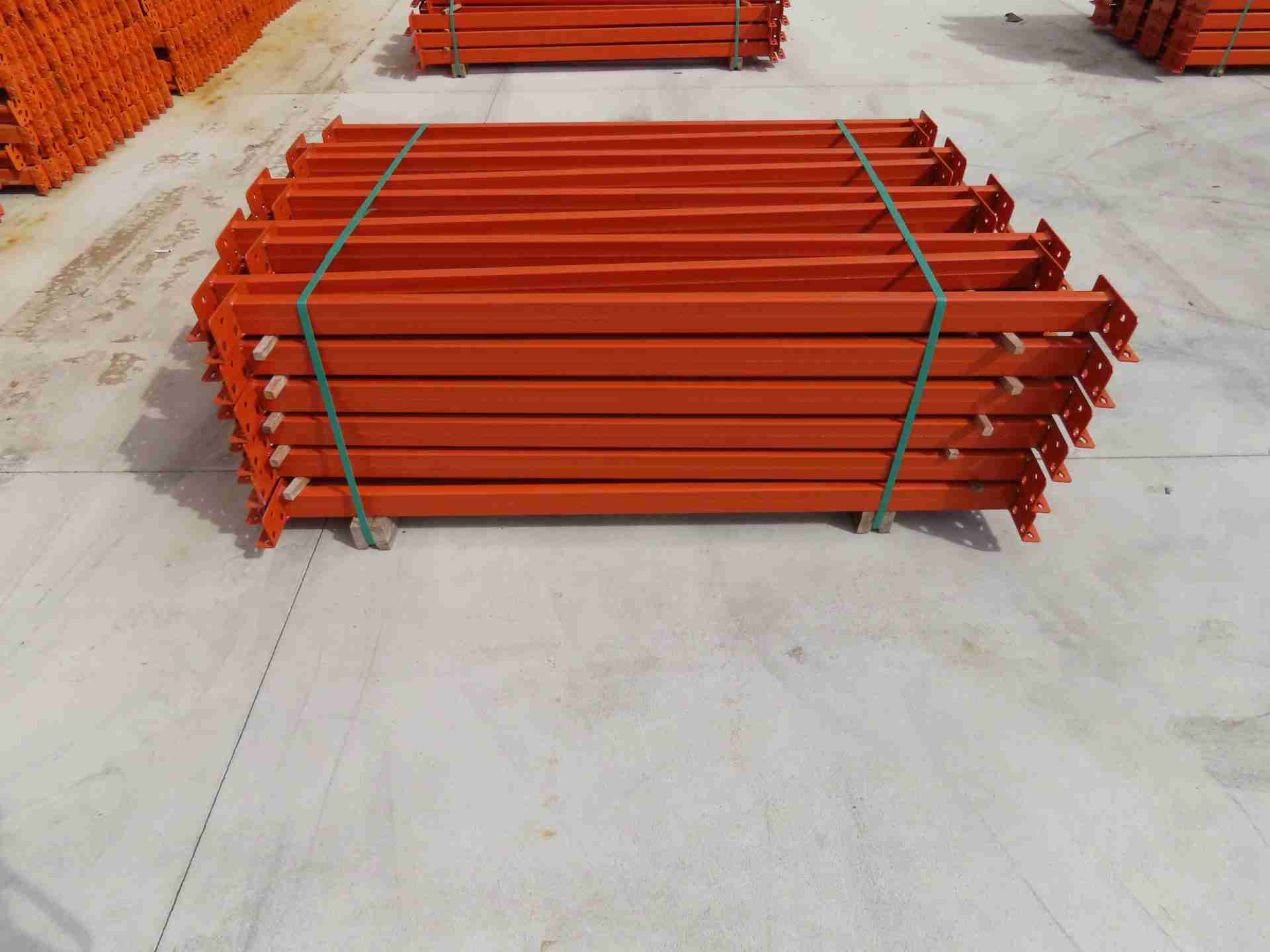
Are You Mourning The Consequences Of Poor Inventory Management?
Are You Mourning The Consequences Of Poor Inventory Management?
- Current disorganization in the warehouse leads to staff frustration and lost sales opportunities.
- The root cause of inefficiency stems from a poorly streamlined inventory system.
- Acknowledging inventory management issues is the first step toward improvement.
- Effective inventory management is essential in today’s fast-paced business environment.
- A well-organized pallet racking system enhances access and tracking of products.
- Conduct a thorough audit of current inventory practices to identify and address inefficiencies.
- Embrace modern strategies and tools to improve transparency, accountability, and overall inventory effectiveness.
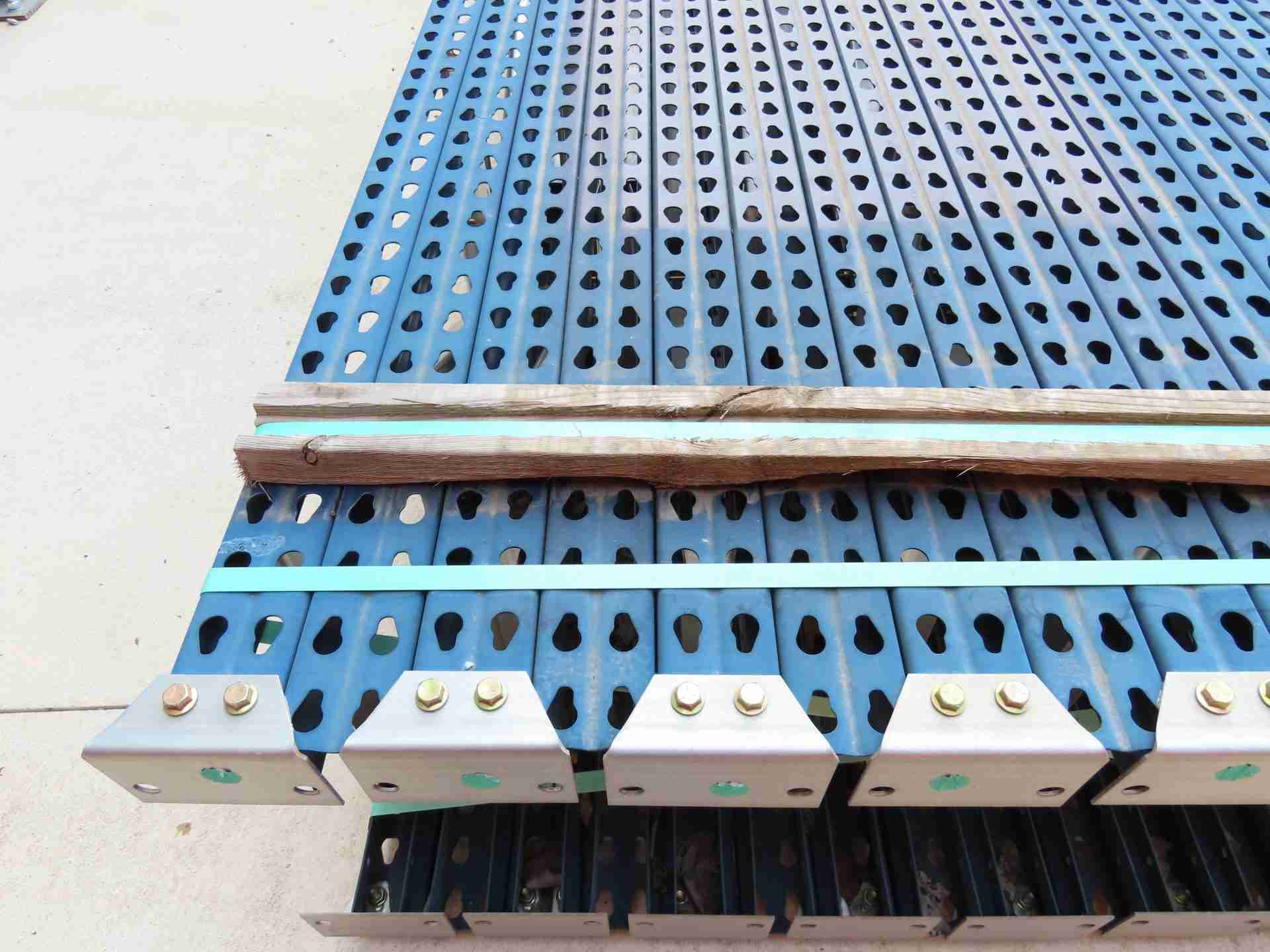
Are You Mourning The Consequences Of Poor Inventory Management?
Table Of Contents
- Are You Mourning The Consequences Of Poor Inventory Management?
- Are You Struggling With Excess Inventory Costs?
- How Can You Reduce Stockouts?
- Is Your Inventory Turnover Rate Too Low?
- What Are The Signs Of Obsolete Inventory?
- How Do You Forecast Demand More Accurately?
- Are You Losing Sales Due To Poor Inventory Visibility?
- Conclusion
- Other Resources
- Glossary Of Terms
- Other Questions
- Checklist
Are You Struggling With Excess Inventory Costs?
Are you feeling the pressure of excess inventory costs? You’re not alone. Many businesses find themselves trapped in a cycle of overstock—a cycle that drains cash flow and crowd their warehouses. You might be wondering if there’s a way out, a glimmer of hope amidst the towering stacks of unsold products. Well, there is!
Let’s talk about something that could transform your inventory woes: Pallet Racking. This isn’t just storage; it’s a strategic solution designed to optimize your space effectively. When you invest in high-quality pallet racking, you’re doing more than just organizing your products; you’re maximizing your warehouse’s potential, making your operations leaner and more efficient. Imagine walking into a neatly arranged space where you can easily access what you need, when you need it. Your team can spend less time searching and more time selling, helping you turn that overstock into revenue.
But it’s not just about space; it’s about strategy. With the right pallet racking in place, you can clearly see what’s accumulating dust and what’s flying off the shelves. This visibility allows you to make informed decisions—decisions that can reduce the costs of holding excess inventory. When you can track your stock levels with precision, you can avoid the heartaches of markdowns and obsolescence.
Think of your inventory as an asset, not a liability. The moment all that stock starts to sit and gather dust, it turns from a potential profit into a weight that drags your business down. It’s time to reclaim your cash flow and invest in solutions that give you peace of mind.
Imagine walking into your warehouse with not just hope but confidence. Confidence that your inventory levels are healthy, that you’re prepared for the peak seasons, and that you won’t be caught off-guard with excess products. You can avoid the struggle by taking action today.
As an insightful business owner, you have the power to tackle excess inventory costs head-on. Invest in pallet racking and watch as your operation becomes streamlined, efficient, and ready to seize opportunities that come your way. Don’t let excess inventory keep you up at night—take charge, and make your warehouse work for you!
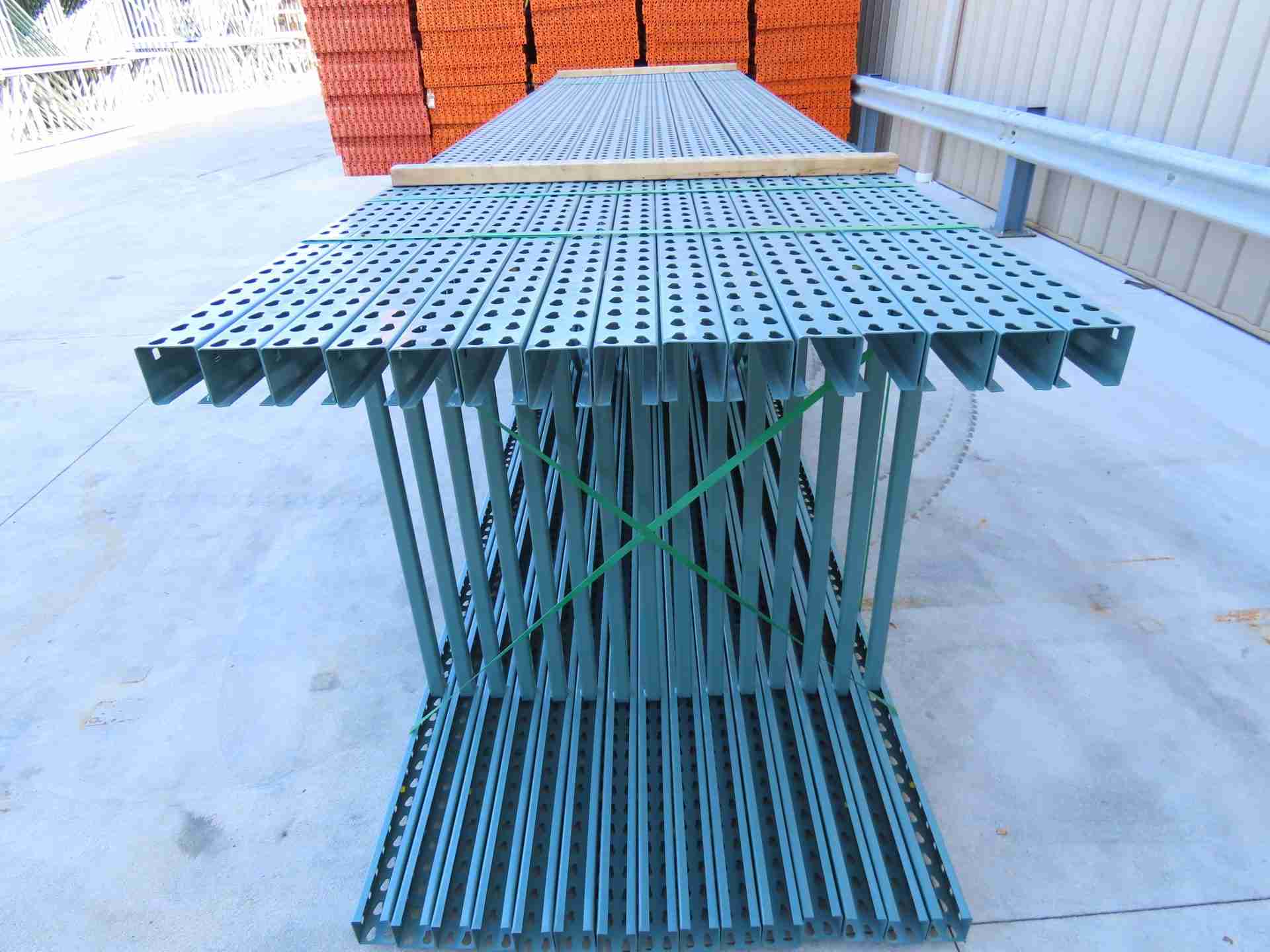
Are You Struggling With Excess Inventory Costs?
Are You Struggling With Excess Inventory Costs?
- Excess inventory costs can drain cash flow and crowd warehouses, affecting many businesses.
- Pallet racking serves as a strategic solution to optimize warehouse space effectively.
- Investing in high-quality pallet racking improves organization, making operations more efficient.
- Proper pallet racking provides visibility into stock levels, helping to identify slow-moving products.
- Tracking stock levels helps avoid markdowns and obsolescence, turning inventory into an asset.
- Confidence in inventory levels prepares businesses for peak seasons and reduces excess products.
- Taking action by investing in pallet racking can streamline operations and enhance business opportunities.

Are You Struggling With Excess Inventory Costs?
How Can You Reduce Stockouts?
Picture this: It’s the middle of a bustling sales day, and customers are clamoring for your products. Yet, frustration simmers as shelves sit bare, leaving your customers empty-handed. Stockouts can cripple your sales, tarnish your brand reputation, and send customers racing to your competitors. But don’t fret; you can turn this around with some strategic moves that can lead to a more streamlined operation.
First, let’s talk about Pallet Racking. This vital element of your inventory management directly impacts how you access and account for items. Investing in high-quality pallet racking systems not only maximizes your storage capacity but also enhances your picking efficiency. When products are organized and easily accessible, it reduces the likelihood of running out. Organize your products based on their turnover rates; faster-moving items should be front and center, while slower-moving stock can be relegated to the back. Simple, right?
Next, embrace the power of technology. Implement an inventory management system that provides real-time tracking of your stock levels. When you have accurate, up-to-the-minute data at your fingertips, you can anticipate when stockouts are likely to occur, enabling you to take action before they become a reality. This real-time insight builds confidence in your operations, ensuring your business stays agile and responsive to demand fluctuations.
Moreover, establish strong relationships with your suppliers. A solid partnership with your vendors can give you the upper hand when it comes to replenishing your inventory. Regularly communicate your needs and demands with them, and ensure your reorder points are aligned with your expected sales cycles.
Also, let’s not overlook the role of customer feedback. Keep an ear to the ground and actively solicit input from your customers. If you notice a spike in inquiries about a particular product, it’s a clear indication that your stock levels need recalibrating. Responding to demand signals demonstrates that you value your customers’ input and fosters loyalty.
Finally, conduct routine inventory audits. The more regularly you evaluate what’s available, the better prepared you are to avert potential stockouts. Understanding your stock dynamics not only prevents frustration for you and your customers but also builds trust in your brand.
A proactive approach to managing your inventory will not only keep your shelves stocked but also bolster your brand’s credibility. Make these changes, and watch your sales soar while your customers smile. After all, a well-stocked store is a thriving store!
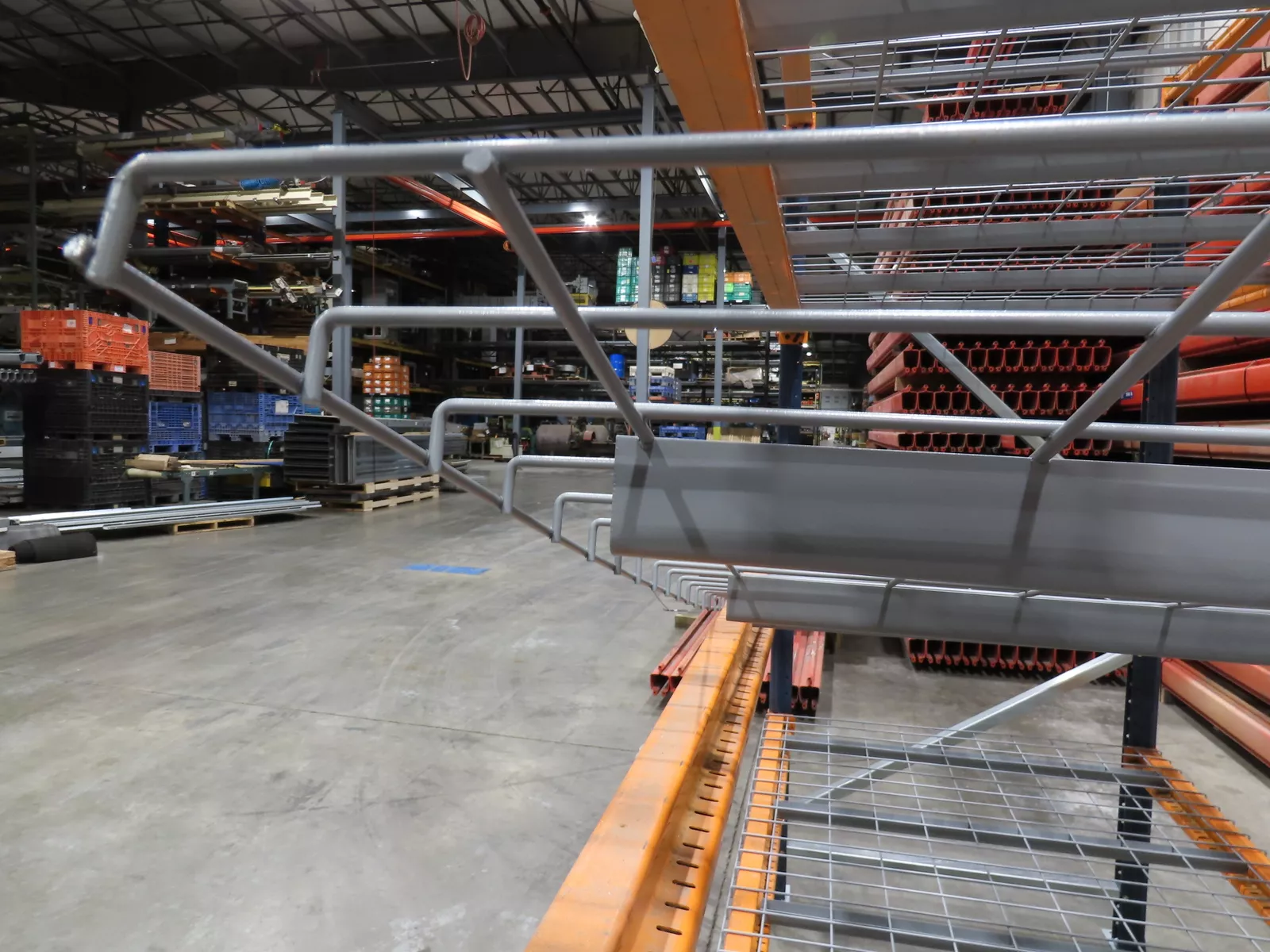
How Can You Reduce Stockouts?
How Can You Reduce Stockouts?
- Stockouts can severely impact sales and damage brand reputation, pushing customers to competitors.
- Invest in high-quality pallet racking systems to maximize storage and improve picking efficiency.
- Organize inventory based on turnover rates, placing fast-moving items at the front.
- Implement an inventory management system for real-time tracking of stock levels.
- Establish strong supplier relationships for timely inventory replenishment.
- Solicit customer feedback to gauge demand and adjust stock levels accordingly.
- Conduct routine inventory audits to prevent stockouts and build brand trust.

How Can You Reduce Stockouts?
Is Your Inventory Turnover Rate Too Low?
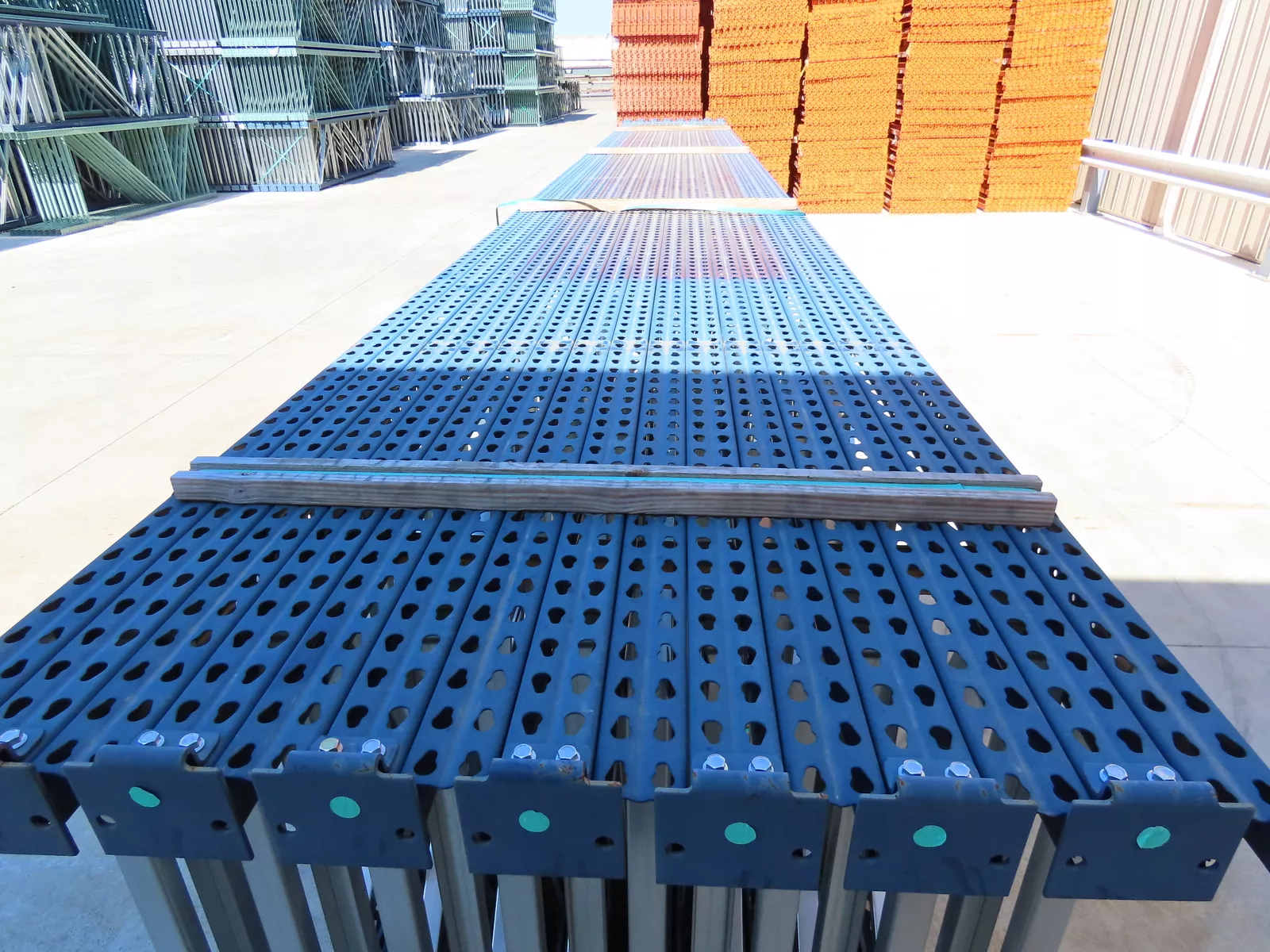
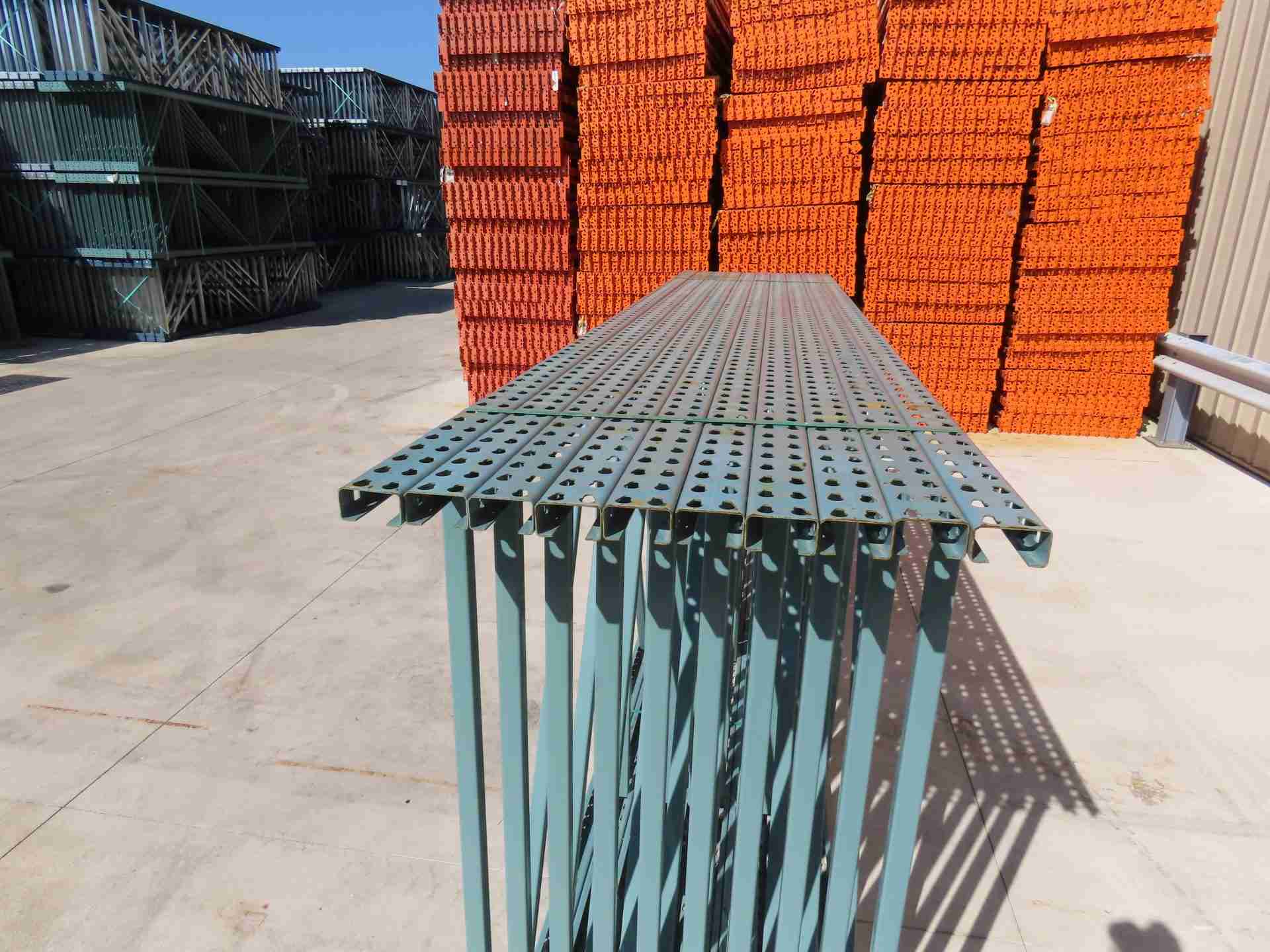
Imagine walking through your warehouse, surrounded by rows of neatly organized pallet racking, but instead of feeling a sense of accomplishment, you’re struck by a nagging doubt. Why is it that your inventory never seems to leave the shelves? You’ve invested in high-quality products, streamlined your ordering processes, and ensured that your displays shine. But here’s the hard truth: an inventory turnover rate that’s too low is like having a treasure chest locked away in your basement. It’s killing your cash flow and stifling your potential for growth.
When we talk about low inventory turnover, we’re not just talking numbers; we’re talking about opportunity cost. Every item that sits stagnant in your pallet racking represents capital that’s tied up and not working for you. What could you do with that cash if it freed itself from those shelves? Imagine reinvesting it into marketing, upgrading your product line, or offering promotions that draw customers in like moths to a flame.
Now, I can hear the excuses brewing already: “But my products are unique,” or “I have a niche audience.” Both valid claims but let’s get real—every business has competitors, and if you’re sitting still, they aren’t. Your customers expect more. They want to see fresh offerings, and they want a reason to choose you over the competition. Can you afford not to optimize your turnover?
Think of your inventory as a living, breathing entity—something that should flow smoothly in and out. Your goal is to create a dynamic environment where your pallet racking isn’t just a storage solution but a strategic tool for growth. Get proactive: reassess your purchasing strategy, push seasonal items, and assess what’s working and what’s not.
There’s no shame in belonging to the club of business owners whose turnover isn’t ideal; it happens to the best of us. What separates those who thrive from those who merely survive is the willingness to act. Don’t let fear hold you back. Educate yourself on effective inventory management strategies and seek the guidance you need. Talk to experts, connect with fellow entrepreneurs, and most importantly, take the plunge.
You’ll discover that the road to increased inventory turnover isn’t just about selling—it’s about unlocking the potential within your business and stepping boldly into a future where your cash is flowing, your pallet racking is dynamic, and your family of products finds new homes quickly. Embrace the journey and watch your efforts pay off in ways you never imagined.
Is Your Inventory Turnover Rate Too Low?
Is Your Inventory Turnover Rate Too Low?
- Low inventory turnover indicates a problem with cash flow and growth potential.
- Every unsold item ties up capital that could be reinvested in marketing or product upgrades.
- Unique products and niche markets are no excuse to remain stagnant; competition is always present.
- View inventory as a dynamic asset that should flow in and out smoothly.
- Proactively reassess purchasing strategies, focus on seasonal items, and analyze performance.
- Acting on turnover issues separates successful businesses from those that struggle.
- Improving inventory turnover opens up financial opportunities and enhances overall business performance.
Is Your Inventory Turnover Rate Too Low?
What Are The Signs Of Obsolete Inventory?
In the ever-evolving landscape of retail and manufacturing, keeping a watchful eye on your inventory isn’t just good practice—it’s vital for your business’s success. So, how can you determine if you’re housing obsolete inventory, just waiting to gather dust in that pallet racking? Let’s dive into the telltale signs that your stock might be past its prime.
1. Dust Bunnies and Crusty Shelves: When your products sit stagnant on the pallet racking for too long, they may start to collect dust, both literally and metaphorically. If you’re scratching your head over how long that box has been there, it’s time for a deep inventory assessment. Remember, what was once trendy may now be yesterday’s news.
2. Declining Sales Trends: A soaring sales graph is the lifeblood of any business, while a flat or declining trajectory can signify deeper issues. Have you noticed a consistent downturn in sales for certain items? This might indicate that your inventory no longer meets customer needs or that rivals have outpaced you with newer offerings.
3. Excessive Discounts: If you find yourself slashing prices day in and day out to clear space in your warehouse, it’s a clear warning sign. While discounting can be a useful strategy, relying on it too heavily might mean your products are perceived as less desirable—an indication that they’re on the verge of obsolescence.
4. Customer Feedback: Sometimes, the loudest voice in the room is your customer. Pay attention to their feedback and trends; if they’re consistently asking for features your inventory lacks, or worse, giving you the cold shoulder, it might be time to retire those products quietly.
5. Seasonal Stock Still on the Shelves: If you’re still showcasing last holiday’s merchandise in your pallet racking, it’s time for a wake-up call. Seasonal items that linger beyond their prime have proven their impotency and should prompt immediate action to refresh your offerings.
By identifying these signs of obsolete inventory, you can take proactive steps to overhaul your stock, reduce waste, and ultimately boost your bottom line. The journey to a streamlined and profitable inventory doesn’t have to feel overwhelming. Take charge of your inventory strategy, and you’ll not only safeguard your assets but also position your business for growth and success. Trust in your instincts, and take action now. Your future self will thank you.

What Are The Signs Of Obsolete Inventory?
What Are The Signs Of Obsolete Inventory?
- Monitoring inventory is essential for success in retail and manufacturing.
- Signs of obsolete inventory include dust accumulation, indicating stagnation.
- Declining sales trends may suggest inventory no longer meets customer needs.
- Frequent excessive discounts can signal products are perceived as undesirable.
- Customer feedback is crucial; lack of desired features may indicate obsolescence.
- Seasonal stock remaining on shelves signals it’s time to refresh offerings.
- Identifying these signs allows for proactive inventory management to enhance profitability.

What Are The Signs Of Obsolete Inventory?
How Do You Forecast Demand More Accurately?
When it comes to forecasting demand, businesses often find themselves on a tightrope, teetering between excess inventory and stockouts. But what if I told you that with the right strategies, you can balance that fine line like a seasoned acrobat? Accurate demand forecasting is not merely a function of luck or intuition; it’s a well-crafted combination of data analysis, market insight, and strategic planning, crafted to keep your business moving smoothly.
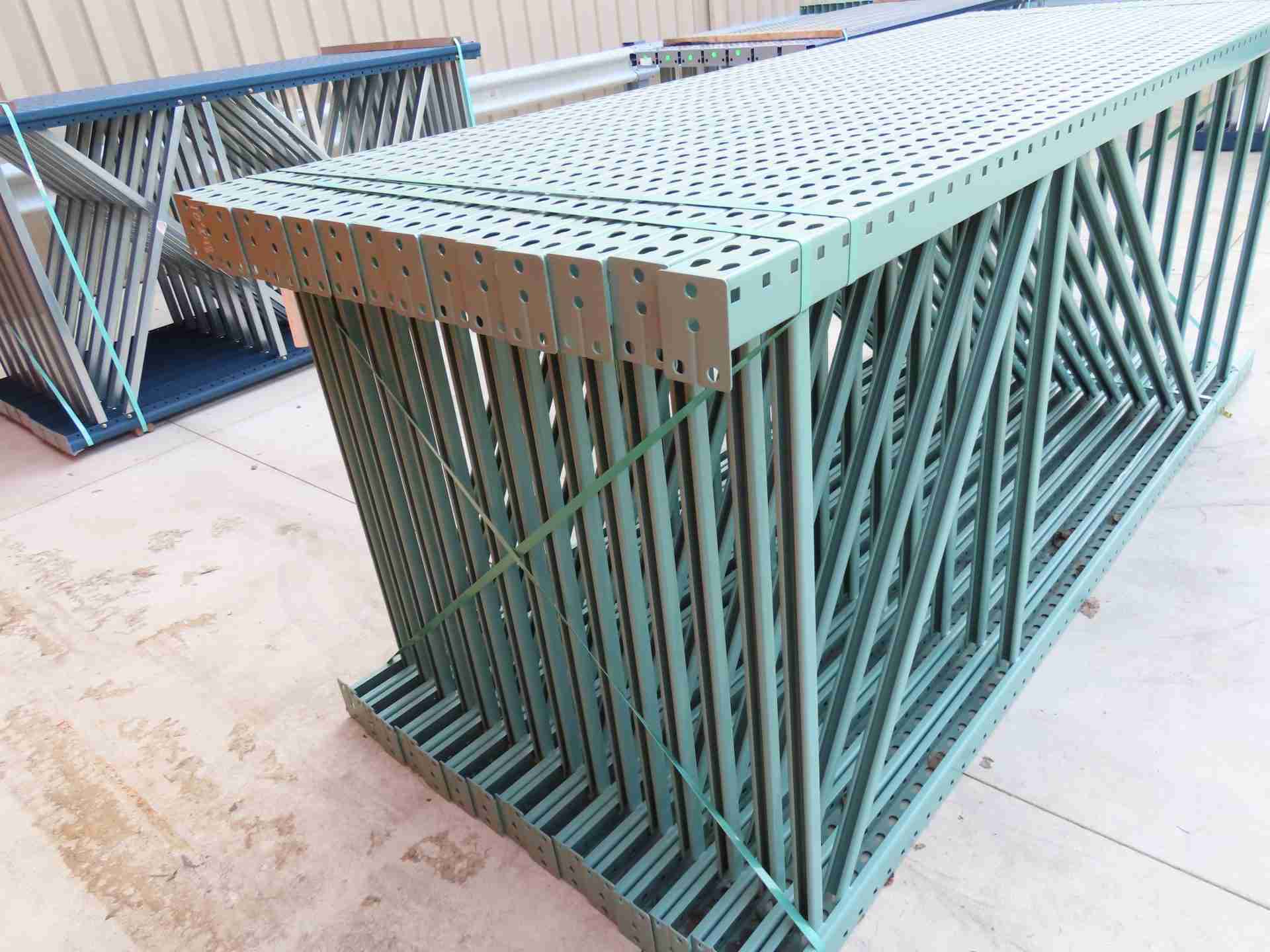
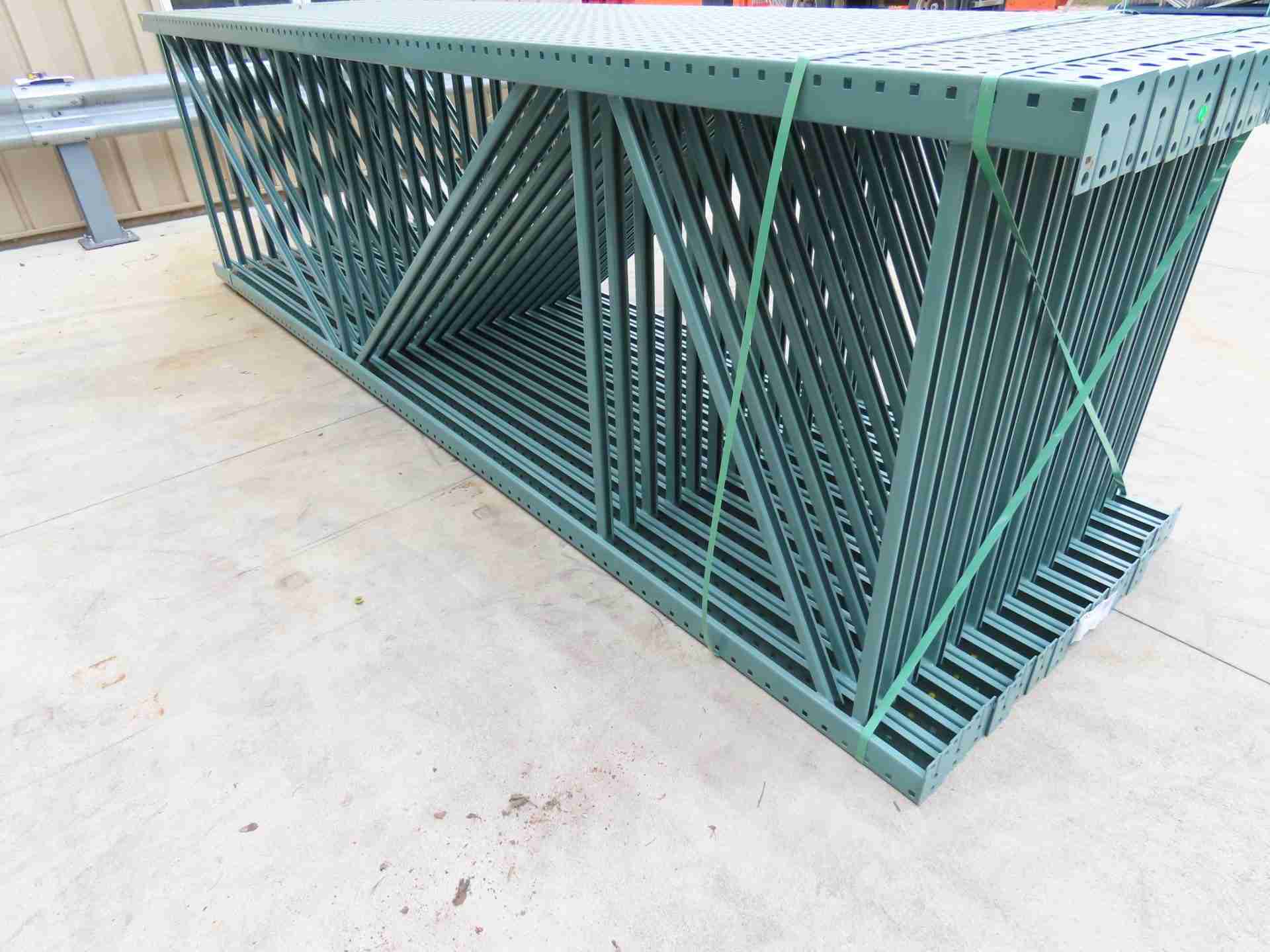
First, let’s talk about your tools. Have you ever considered the role of pallet racking in your inventory management? Efficient pallet racking systems streamline how products are stored and accessed, allowing you to see, monitor, and respond to changes in demand more effectively. When your warehouse is organized, it empowers you to make informed decisions quickly. Imagine walking through a perfectly organized pallet racking layout where every item has its designated spot. This visual clarity can inspire confidence, enabling you to spot trends and anomalies in real-time.
Leveraging technology is another cornerstone of accurate forecasting. Modern analytics tools harness the power of big data, tracking everything from seasonality to customer behavior. By analyzing patterns over time—like those pesky holiday spikes or summer slowdowns—you can predict demand with laser-like precision. Remember, you are not just making guesses; you are employing science to elevate your business strategy.
Furthermore, involve your team in this process. Diverse perspectives can unearth insights that might remain hidden in data alone. Engage your sales team, customer service representatives, and even a select group of loyal customers. Their experiences can provide invaluable context, giving you a well-rounded view of potential demand changes.
Finally, don’t underestimate the importance of flexibility. Demand forecasting isn’t a “set it and forget it” endeavor. Conduct regular reviews of your forecasts, staying nimble enough to adapt to market shifts. By fostering a culture where change is expected, your organization can react rapidly, embracing new opportunities as they arise instead of being mired in outdated assumptions.
In summary, forecasting demand more accurately is not just about crunching numbers; it’s about creating a holistic system that incorporates technology, organization, teamwork, and adaptability. By elevating your forecasting game, you’ll not only enhance operational efficiency but also foster trust with your customers who can rely on you for timely deliveries and consistent product availability. Let’s start transforming your demand forecasting today!
How Do You Forecast Demand More Accurately?
How Do You Forecast Demand More Accurately?
- Accurate demand forecasting balances excess inventory and stockouts through data analysis, market insight, and strategic planning.
- Efficient pallet racking systems streamline inventory management, allowing better visibility and responsiveness to demand changes.
- Modern analytics tools leverage big data to identify patterns in demand, such as seasonal spikes and trends.
- Involving diverse team members provides valuable context and insights that enhance demand forecasting.
- Flexibility is crucial; regular reviews and adaptations to forecasts keep organizations agile in response to market shifts.
- A holistic forecasting system improves operational efficiency and builds customer trust through reliable deliveries.
- Transforming demand forecasting is essential for better business performance and adaptability to changing markets.
How Do You Forecast Demand More Accurately?
Are You Losing Sales Due To Poor Inventory Visibility?
Imagine walking into a well-oiled machine—every product aligned, every pallet racking unit precisely stocked, and every item just waiting for a grateful customer to make a purchase. Now, picture the opposite: chaos, confusion, and customers slipping away with empty hands and dissatisfaction in their hearts. This isn’t just a logistical nightmare; it’s a sales disaster waiting to happen.
In today’s competitive marketplace, where every moment counts, poor inventory visibility can be the silent killer of your sales. When you lack clarity on what products are available and where they are located, you stand on shaky ground. Customers don’t want to hear “We’ll order it” or “We’re out of stock.” They want their products now! And if you can’t provide them, someone else will—with a smile, with confidence, and with a complete inventory that’s easily accessible.
Think about the last time you had to wait for that perfect item to come back in stock. It was frustrating, wasn’t it? You might have even ended up purchasing a substitute or, worse yet, not buying anything at all. This is precisely what your potential customers are experiencing when they encounter poorly managed inventory—hasty departures and lost sales that should have been yours.
Effective inventory management isn’t just about keeping track of numbers and boxes. It’s about creating an experience that brings customers back for more. A streamlined system, perhaps enhanced by proper pallet racking to keep products organized and visible, allows you to see at a glance what you have on hand. This transparency builds trust with your customers—trust that you’ll always deliver what they need when they need it.
So, let’s cut to the chase. Are you ready to take your inventory visibility from murky to crystal clear? Imagine walking onto your sales floor, confident in the knowledge that every product is ready for action, every pallet racking unit optimized, and your customers are leaving satisfied. There’s no time to waste! It’s time to roll up your sleeves, look at your inventory strategy, and transform it into a robust powerhouse that drives sales and satisfaction.
Don’t let uncertainty hold you back. Take action now, and watch your sales soar as your visibility improves. It’s not just inventory; it’s your lifeline to a thriving business.

Are You Losing Sales Due To Poor Inventory Visibility?
Are You Losing Sales Due To Poor Inventory Visibility?
- Well-organized inventory leads to satisfied customers, while disorganization results in chaos and lost sales.
- Poor inventory visibility can harm sales and customer satisfaction in a competitive marketplace.
- Customers prefer immediate availability over backorders or out-of-stock notifications.
- Frustration from inventory issues can lead customers to purchase substitutes or not buy at all.
- Effective inventory management enhances customer experience and builds trust.
- Streamlined systems and proper pallet racking improve inventory organization and visibility.
- Taking action to improve inventory visibility can significantly boost sales and business growth.
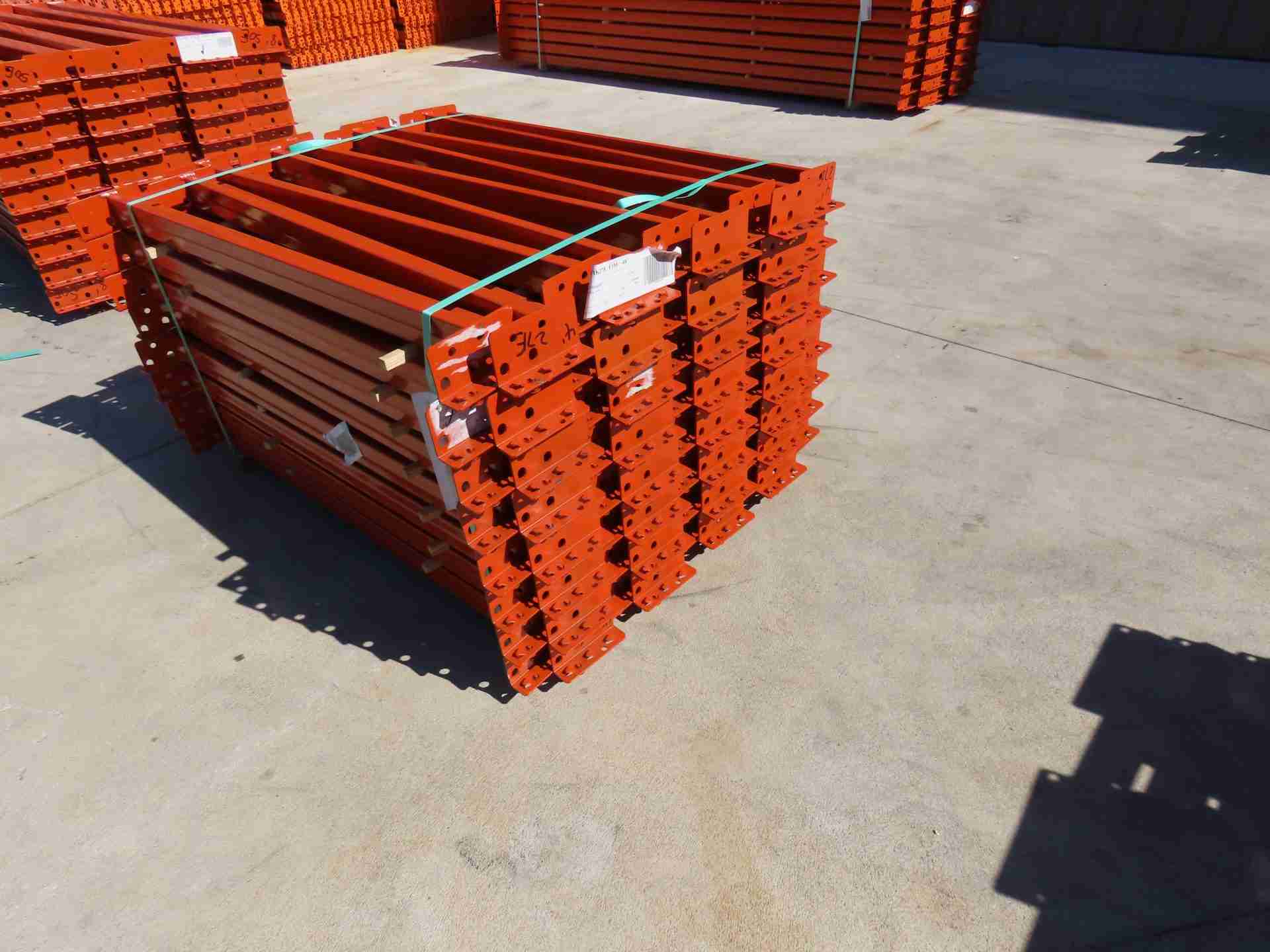
Are You Losing Sales Due To Poor Inventory Visibility?
Conclusion
Are you tired of feeling the weight of poor inventory management stifling your business’s potential? It’s time to turn that frustration into an empowered strategy. At Arrow Industrial Sales, we understand the intricacies of effective inventory control, and we’re here to guide you out of the chaos.
Imagine a warehouse where every product has a designated home, items flow effortlessly, and your team operates like a well-oiled machine. This vision isn’t just a dream—it’s achievable with the right tools and mindset. Your inventory system is your foundation; when it’s poorly managed, it leads to lost sales, increased operational costs, and a tarnished brand reputation. But you don’t have to navigate this storm alone.
Start by conducting a thorough audit of your current practices. Identify bottlenecks, eliminate wasteful habits, and embrace modern pallet racking systems that can revolutionize your storage capabilities. These aren’t just racks; they’re integral to creating an organized, efficient, and profit-driven environment. By investing in high-quality pallet racking, you’re not merely upgrading your storage—you’re unlocking the true potential of your operations.
Moreover, consider the significance of accurate demand forecasting. Utilize data-driven approaches and engage your team in identifying trends to help forecast demand more precisely. This insight allows you to keep shelves stocked while avoiding the pitfalls of excess inventory. Remember, it’s about transforming your inventory from a liability into a strategic asset that fuels profit.
Be proactive in addressing signs of obsolete inventory, and build transparent relationships with suppliers to ensure seamless replenishment. Leverage technology for real-time visibility, enhancing your ability to satisfy customers and boost brand loyalty. Addressing these issues head-on will not only mitigate losses but set your business up for sustainable growth.
Act now! Don’t let another day slip by in disorganization. The time to reclaim control over your inventory is here. Call Arrow Industrial Sales at (574) 349-6575 for expert advice and tailored solutions that can redefine your inventory management. You have the power to transform your warehouse and your business. Don’t wait—take the first step towards a more organized, efficient, and profitable future today!
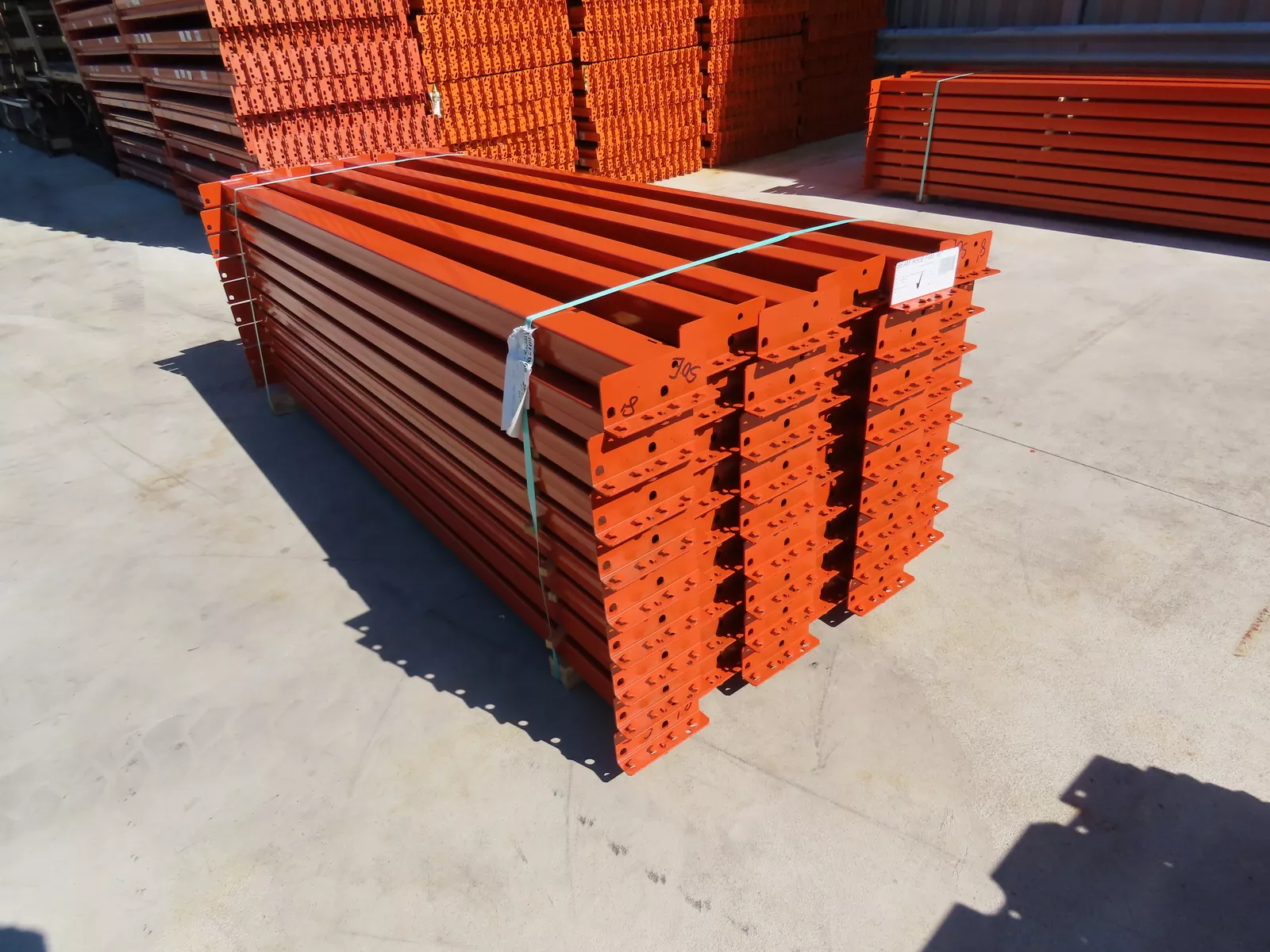
Conclusion
Conclusion:
- Effective inventory management is essential for maximizing business potential.
- Conduct a thorough audit of current practices to identify bottlenecks and eliminate waste.
- Invest in modern pallet racking systems to enhance organization and efficiency.
- Utilize data-driven demand forecasting to maintain optimal stock levels and avoid excess inventory.
- Address obsolete inventory proactively and strengthen relationships with suppliers for seamless replenishment.
- Leverage technology for real-time visibility to improve customer satisfaction and brand loyalty.
- Contact Arrow Industrial Sales for expert advice on transforming your inventory management.
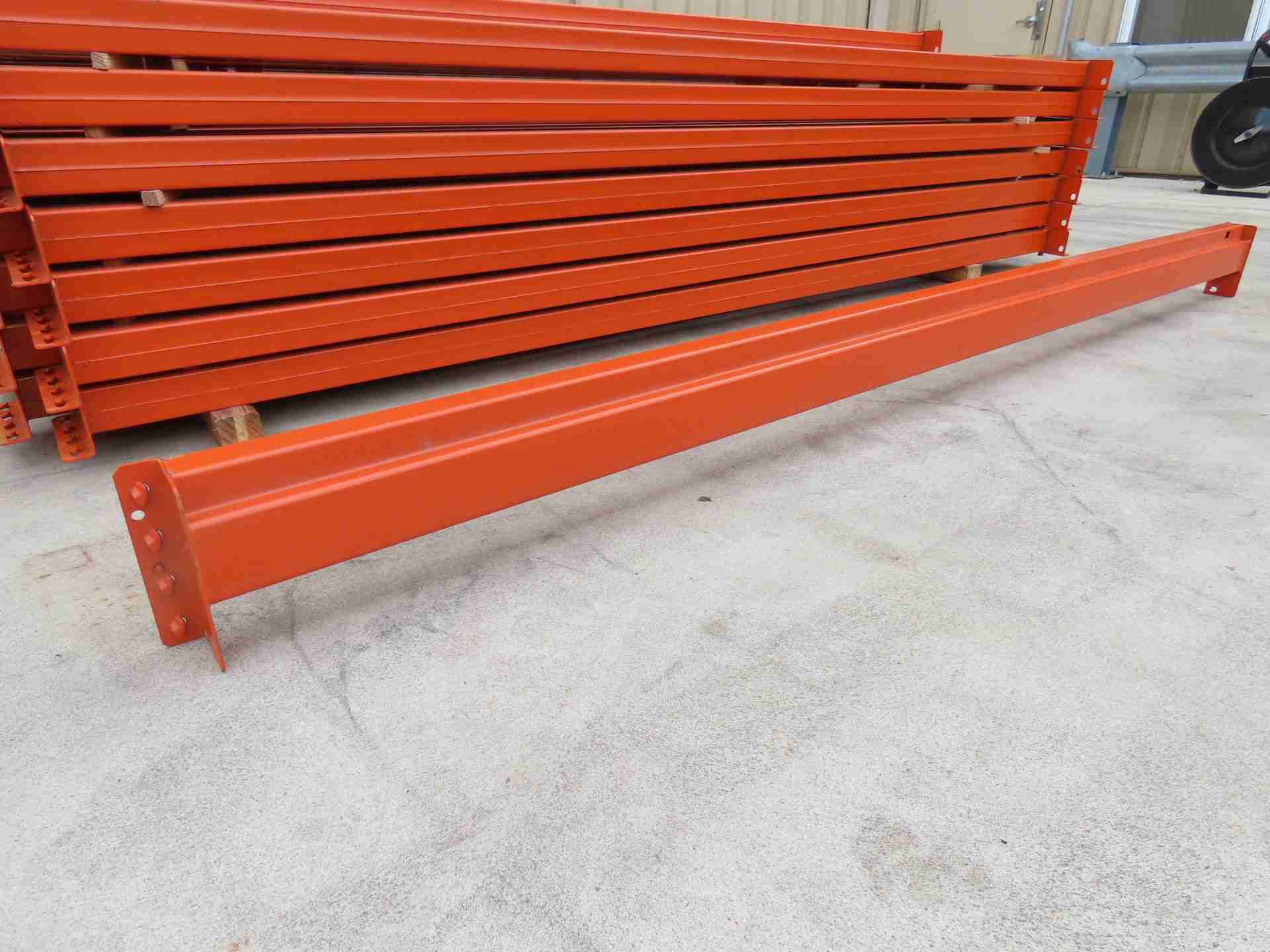
Conclusion
Other Resources

Other Resources
Here is a list of other resources you can review online to learn more:
- Chicago Pallet Racking
- Material Handling Industry
- Mustang Material Handling
- Bradford Systems
- Warehousing Education and Research Council: https://www.werc.org/
- IIWS Inc. Rack Installation Illinois & Rack Repairs Illinois
- Warehouse Storage Racking in Illinois
- RMI
- Cantilever Rack Configuration & Installation: A Comprehensive Guide – BMH
- Storage Equipment Manufacturers’ Association
Use This Prompt To Get More Resources With Your Favorite Online AI Tool: Please provide me with a list of online articles with their URLs in a bulleted list that I can read regarding Are You Mourning The Consequences Of Poor Inventory Management?

Other Resources
Glossary Terms
Are You Mourning The Consequences Of Poor Inventory Management? – Glossary Of Terms
1. Inventory Management: The process of ordering, storing, tracking, and controlling inventory to meet customer demand efficiently.
2. Stockout: A situation where inventory is depleted, leading to inability to fulfill orders, resulting in lost sales and dissatisfied customers.
3. Overstock: Excess inventory that exceeds projected demand, leading to increased holding costs and potential waste.
4. Lead Time: The amount of time from placing an order for inventory to the delivery of that inventory, critical for maintaining adequate stock levels.
5. Carrying Costs: Expenses associated with storing unsold goods, including warehousing, insurance, and depreciation.
6. Demand Forecasting: The process of estimating future customer demand to ensure the right amount of inventory is available at the right time.
7. Just-in-Time (JIT): An inventory strategy that minimizes holding costs by ordering inventory only as it is needed in the production process.
8. Aging Inventory: Inventory that has not been sold for a lengthy period, often requiring discounts or disposal strategies to mitigate losses.
9. Stock Keeping Unit (SKU): A unique identifier for each distinct product and service that can be purchased, crucial for tracking inventory levels.
10. Inventory Turnover: A ratio showing how many times inventory is sold and replaced over a period, indicating inventory management efficiency.
11. Cycle Counting: An inventory auditing process where a subset of inventory is counted on a scheduled basis to maintain accuracy.
12. Supplier Relationship Management: Strategies for managing relationships with suppliers to ensure reliable stock replenishment and favorable terms.
13. Economic Order Quantity (EOQ): A formula used to determine the optimal order quantity that minimizes total inventory costs, including ordering and carrying costs.
14. Minimum Order Quantity (MOQ): The smallest amount of inventory that a supplier is willing to sell, which can affect purchasing strategies.
15. Inventory Shrinkage: The loss of inventory due to factors like theft, damage, or miscounting, leading to discrepancies in inventory levels.
16. Reorder Point: The inventory level at which a new order should be placed to replenish stock before it runs out.
17. Consignment Inventory: Inventory owned by a supplier but held by a retailer, where payments are made only when the goods are sold.
18. Variance Analysis: The quantitative investigation of the difference between actual and expected inventory levels, used to identify issues.
19. Multi-Channel Selling: The practice of selling products across multiple platforms (e. g. , in-store, online, marketplaces) to expand reach.
20. Obsolescence: When inventory becomes outdated or irrelevant, usually due to changing trends or technological advances, resulting in potential write-offs.
21. Buffer Stock: Extra inventory held to mitigate the risk of stockouts due to unexpected demand surges or supply chain issues.
22. Warehouse Management System (WMS): Software designed to support warehouse functionality and distribution center management by tracking inventory.
23. Stock Rotation: A system for managing inventory that prioritizes the sale of older items first to prevent obsolescence.
24. Physical Inventory: The process of counting and verifying actual inventory levels, usually conducted at specific intervals.
25. Net Realizable Value (NRV): The estimated selling price of inventory minus the costs of completion, disposal, and transportation, used for valuation.
26. Inventory Policy: Guidelines for how inventory is managed, including ordering, holding, and stock replenishment strategies.
27. Sales Forecasting: Estimation of future sales to adjust inventory levels accordingly, critical for avoiding stockouts and overstocks.
28. E-commerce Inventory Management: The specific strategies and systems used to manage inventory in online retail environments.
29. Supplier Performance Evaluation: The assessment of supplier effectiveness, including delivery accuracy and quality of goods, impacting inventory management.
30. Data Analytics: The use of statistical methods and tools to analyze inventory data and improve decision-making processes in inventory management.
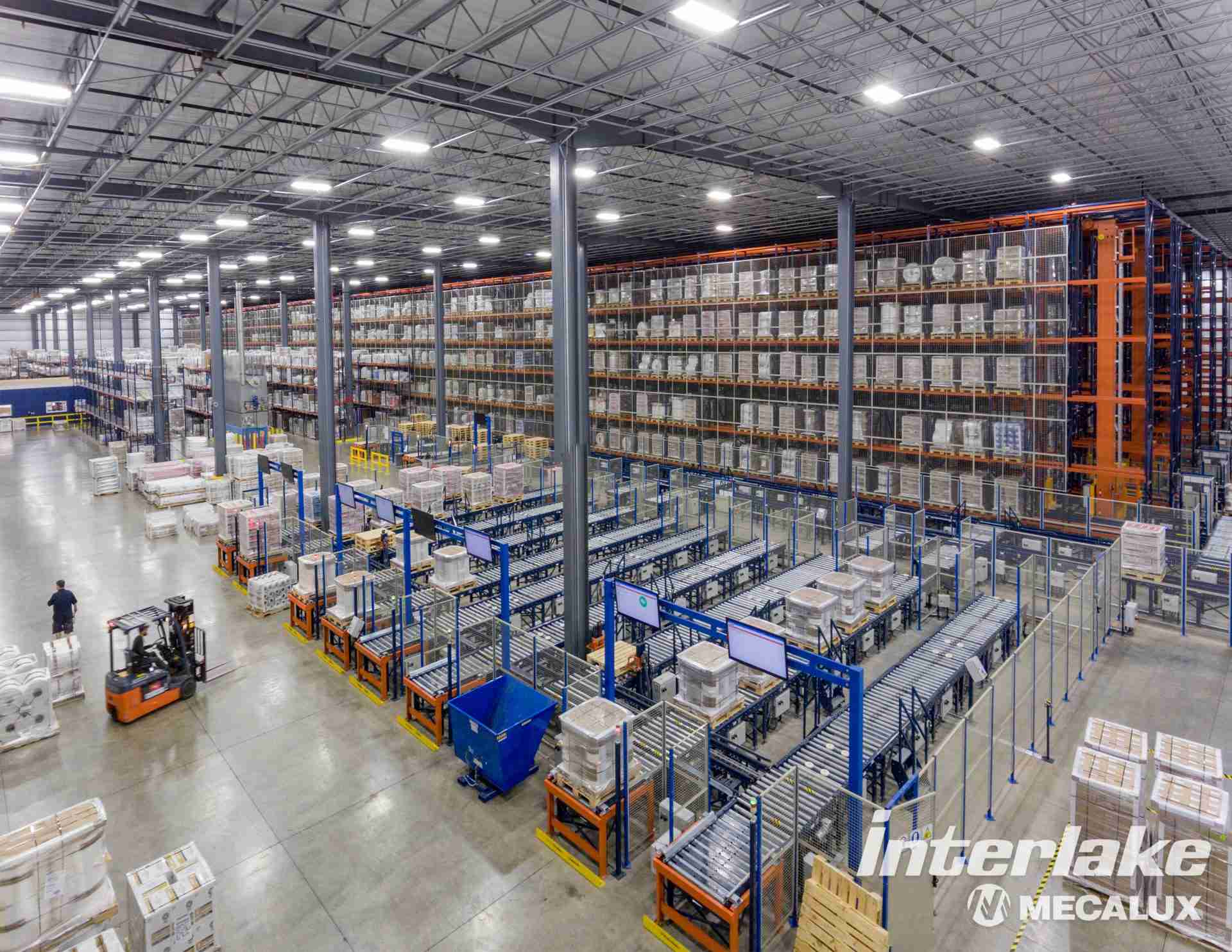
Glossary Of Terms
Other Questions
Are You Mourning The Consequences Of Poor Inventory Management? – Other Questions
If you wish to explore and discover more, consider looking for answers to these questions:
- What are the consequences of poor inventory management?
- How can I improve my inventory management system?
- What are the best practices for effective inventory audits?
- How does pallet racking enhance inventory management?
- What technology can assist in effective inventory management?
- How can I identify and eliminate bottlenecks in my inventory process?
- What are the key indicators of excess inventory?
- How can I manage inventory during peak seasons?
- What steps should I take to handle stockouts effectively?
- How can I develop a relationship with suppliers for better inventory management?
- What strategies can help in reducing obsolete inventory?
- How often should I review my inventory turnover rate?
- What tools are available for demand forecasting?
- How does customer feedback influence inventory management?
- What are the common mistakes made in inventory management?
- How can my inventory visibility impact customer satisfaction?
- What action steps can I implement to reclaim control of my inventory?
- How do I align my inventory strategy with my business goals?
Other Questions
Checklist
Are You Mourning The Consequences Of Poor Inventory Management? – A Checklist
1. Conduct an Inventory Audit
✅ _____ Identify Bottlenecks: Review processes to locate inefficiencies.
✅ _____ Assess Product Movement: Determine which items are slow-moving or stagnant.
✅ _____ Evaluate Storage Conditions: Check if current storage is meeting your needs.
2. Strategize Improvements
✅ _____ Invest in Pallet Racking: Evaluate and select modern pallet racking solutions.
✅ _____ Organize Inventory by Turnover Rate: Arrange faster-moving items for easier access.
✅ _____ Implement Clear Labeling Systems: Use labels for quick identification on shelves.
3. Embrace Technology
✅ _____ Implement an Inventory Management System: Choose software for real-time tracking of stock levels.
✅ _____ Utilize Analytics Tools: Analyze historical data for demand forecasting.
✅ _____ Enable Mobile Access: Make data accessible via mobile devices for real-time updates.
4. Foster Supplier Relationships
✅ _____ Establish Open Communication: Discuss needs and reorder strategies with suppliers.
✅ _____ Align Reorder Points: Ensure supplier timelines match your sales cycles.
5. Monitor Customer Feedback
✅ _____ Solicit Customer Input: Engage customers about their product preferences and experiences.
✅ _____ Review Sales Trends: Assess which products are consistently popular or declining.
6. Regular Inventory Reviews
✅ _____ Conduct Routine Audits: Schedule regular checks to keep inventory fresh.
✅ _____ Evaluate Obsolete Inventory: Identify signs of obsolete stock and take action.
✅ _____ Adjust Forecasts Regularly: Revise your demand forecasts based on recent sales data.
7. Promote a Culture of Team Involvement
✅ _____ Engage Your Team: Involve employees in inventory management discussions and strategy.
✅ _____ Offer Training Sessions: Provide education on effective inventory practices.
8. Review & Adjust Policies
✅ _____ Develop Clear Inventory Policies: Create guidelines for stock management procedures.
✅ _____ Regularly Assess Procedures: Ensure policies keep pace with business changes and market conditions.
9. Build Routines for Inventory Management
✅ _____ Schedule Regular Clean-ups: Plan for periodic tidying of warehouse space.
✅ _____ Create a Visually Organized Environment: Ensure everything has its place in the warehouse to enhance visibility.
10. Set Goals for Improvement
✅ _____ Define Inventory KPIs: Establish key performance indicators for measuring inventory success.
✅ _____ Set Objectives for Reducing Overstock: Create specific targets for improving turnover rates.
11. Create a Feedback Loop
✅ _____ Solicit Feedback Post-Implementation: After changes are made, gather feedback from staff and customers.
✅ _____ Periodically Update Practices: Adjust your inventory practices based on insights and changing conditions in the market.
By following this checklist, you’ll take significant steps towards optimizing your inventory management, improving operational efficiency, and enhancing customer satisfaction. Don’t let poor inventory practices hold your business back!
Checklist
At RackingWorld, we help guide you through selecting warehouse storage systems and racking.
Be sure to read our other related stories at RackingWorld to learn more about warehouse storage systems.
0 Comments