
Maximizing Efficiency In Evolving Warehouse Storage
By Tom Seest
At RackingWorld, we help guide you through selecting warehouse storage systems and racking.
Be sure to read our other related stories at RackingWorld to learn more about warehouse storage systems.
What Strategies Can Help You Adapt to Changing Warehouse Storage Needs?
In today’s fast-paced marketplace, adaptability is the name of the game, especially when it comes to warehouse storage solutions. As businesses grow, so do their storage needs. Here’s how you can confidently navigate these changes and ensure your warehouse setup keeps pace with your evolving demands.
First and foremost, consider the versatility of pallet racking systems. These solutions can dramatically increase your storage capacity without requiring more square footage. By installing adjustable pallet racking, you not only maximize vertical space but also create a flexible environment that grows with your inventory. Think about it: adapting your racking system isn’t just a practical decision; it’s a symbol of your commitment to remaining agile in a competitive landscape.
Next, embrace technology. Modern warehouse management systems (WMS) and inventory control software are indispensable tools that empower you to monitor your storage efficiency. These platforms offer insights into your stock levels and storage patterns, allowing you to make informed decisions. Imagine walking into your warehouse and having precise data at your fingertips; the ability to tailor your storage tactics accordingly ensures you’re always one step ahead.
Don’t forget about employee training. Your team is the backbone of your warehouse operations. Equip them with the knowledge and skills they need to maximize the efficiency of your new storage strategies. Regular training sessions on the proper use of pallet racking and other storage solutions can create a culture of continuous improvement. Plus, when your team feels skilled and engaged, the entire operation benefits—resulting in higher productivity and improved morale.
Lastly, consider your layout and flow. A well-thought-out warehouse design is crucial for facilitating easy access to products and efficient use of space. Regularly assess your layout to identify potential inefficiencies and reconfigure as needed. Whether it’s adjusting the positioning of your pallet racking or redesigning your picking pathways, small changes can yield significant improvements in operations.
Adapting to changing warehouse storage needs requires a strategic approach that includes versatile systems like pallet racking, embracing technology, investing in your team’s development, and continuously optimizing your layout. By implementing these strategies, you not only enhance your current operations but position your business for future growth. There’s always room to evolve—make the choice to adapt today, and watch your warehouse thrive.

What Strategies Can Help You Adapt to Changing Warehouse Storage Needs?
What Strategies Can Help You Adapt to Changing Warehouse Storage Needs?
- Adaptability is essential in modern warehouse storage solutions due to changing business needs.
- Utilizing adjustable pallet racking increases storage capacity without expanding square footage.
- Embrace technology with warehouse management systems (WMS) to enhance storage efficiency and gain insights into stock levels.
- Regular employee training on new storage strategies fosters a culture of continuous improvement and boosts morale.
- Assess and optimize your warehouse layout to ensure efficient access to products and effective use of space.
- Implement a strategic approach combining versatile systems, technology, team development, and layout optimization for growth.
- Commit to adaptability today to enhance operations and position your business for future success.

What Strategies Can Help You Adapt to Changing Warehouse Storage Needs?
Table Of Contents
- What Strategies Can Help You Adapt to Changing Warehouse Storage Needs?
- What Are The Key Factors Driving Changes In Warehouse Storage Needs?
- How Can Inventory Management Systems Improve Storage Efficiency?
- What Role Does Technology Play In Adapting Warehouse Storage?
- How Can Flexible Shelving Solutions Benefit Changing Storage Demands?
- What Strategies Enhance The Use Of Vertical Space In Warehouses?
- How Can Employee Training Impact Warehouse Storage Adaptability?
- Conclusion
- Other Resources
- Glossary Of Terms
- Other Questions
- Checklist
What Are The Key Factors Driving Changes In Warehouse Storage Needs?
In today’s fast-paced world, the landscape of supply chain and logistics is evolving at breakneck speed. If you’re a warehouse operator or business owner, understanding the shifting dynamics in warehouse storage needs is vital not just for survival but for thriving in a competitive market.
One of the most significant factors reshaping our warehouses is the surge in e-commerce. As more consumers choose the convenience of online shopping, warehouses are being compelled to adapt swiftly. The demand for rapid order fulfillment has skyrocketed, making it essential for facilities to leverage efficient storage methods. Here’s where Pallet Racking becomes a game-changer. Investing in the right pallet racking systems can make your warehouse more adaptable, enabling you to store a diverse range of products tidily and accessibly, thus reducing pick times and increasing productivity.
Furthermore, changes in consumer preferences are directing warehouses to rethink their storage strategies. Customization and personalization have become the norm, leading to the need for varied inventory types and an agile approach to storage. This shift underscores the importance of versatile storage solutions such as modular pallet racking, which can easily be adjusted to accommodate changing inventory needs without extensive downtime.
Another critical factor is technology integration. The ongoing advancements in automation and IoT are making sophisticated warehouse management systems a reality. Implementing smart technologies allows for real-time inventory tracking, optimizing the use of space, and reducing errors in stock management. When paired with an efficient pallet racking system, these technologies can transform your warehouse from merely a storage space to a well-oiled machine that responds to the market’s demands.
Lastly, the sustainability movement cannot be ignored. Today’s consumers are increasingly interested in how businesses impact the environment. Adopting eco-friendly practices in your warehouse, including efficient storage solutions that minimize waste, can enhance your brand reputation while aligning with consumer values. Pallet racking systems made from sustainable materials or designed to maximize energy efficiency speak to a commitment to a greener planet.
Understanding these factors can empower you to make informed decisions about your warehouse storage needs. Embrace the change, invest in the right solutions, and watch your operational efficiency soar. Your warehouse doesn’t just store products; it’s the heartbeat of your business. Make it count.

What Are The Key Factors Driving Changes In Warehouse Storage Needs?
What Are The Key Factors Driving Changes In Warehouse Storage Needs?
- The landscape of supply chain and logistics is rapidly evolving due to increasing demand and competition.
- E-commerce growth necessitates swift warehouse adaptation for efficient order fulfillment.
- Investing in effective pallet racking systems enhances storage adaptability and increases productivity.
- Consumer preferences for customization are driving a need for diverse inventory types and agile storage strategies.
- Technology integration, including automation and IoT, enables real-time inventory tracking and optimized space use.
- Sustainability is crucial; eco-friendly practices in warehouses can improve brand reputation and align with consumer values.
- Proactive understanding of these factors can enhance operational efficiency and transform warehouses into vital business assets.

What Are The Key Factors Driving Changes In Warehouse Storage Needs?
How Can Inventory Management Systems Improve Storage Efficiency?
When it comes to inventory, many businesses grapple with one burning question: How can we maximize our storage efficiency while minimizing costs? The answer lies in implementing a robust Inventory Management System (IMS) that transforms the art of storage into a strategic advantage.
Imagine walking into your warehouse, greeted by a well-organized environment where every product has its place. With pallet racking systems strategically deployed, you can optimize vertical space, ensuring that every inch of your facility serves a purpose. An effective IMS enables you to track inventory with precision, leaving behind the chaos of misplaced items and inefficient layouts. You’re not just storing items; you’re setting the stage for a well-oiled operation that runs like a fine-tuned machine.
But let’s be real—it’s not just about the equipment or software. It’s about creating a culture of efficiency that resonates throughout your organization. When your team understands the power of effective inventory management, they become more engaged and competent in their roles. They’re not just moving boxes; they’re playing a pivotal role in enhancing your company’s profitability. An IMS empowers your staff by providing them with accurate, real-time data, allowing for quicker decision-making and the ability to foresee and respond to changing demands.
With an Inventory Management System, you can also streamline your storage processes. Say goodbye to double-checking stock levels or stumbling through manual counts. With intelligent tracking and automated reorder functions, you’ll always know what you have on hand and what needs replenishing—before you run out! This minimizes the risk of stockouts and overstock situations, both of which can strain your cash flow.
Moreover, think about the time savings. By freeing your team from the mundane chores of inventory tracking, they can focus on more strategic tasks—like enhancing customer relations or innovating your product offerings. When your operations are efficient, the positive ripple effects extend to customer satisfaction, making your business a go-to option in a competitive market.
In a world where every second counts, the question isn’t whether you can afford an Inventory Management System; it’s whether you can afford not to have one. Embrace the power of efficient storage and watch your bottom line thrive as you take your business to new heights. Efficiency isn’t a luxury; it’s your new reality. Start transforming today!

How Can Inventory Management Systems Improve Storage Efficiency?
How Can Inventory Management Systems Improve Storage Efficiency?
- Businesses aim to maximize storage efficiency while minimizing costs through an Inventory Management System (IMS).
- An effective IMS organizes the warehouse, optimizing vertical space with pallet racking systems, resulting in improved operations.
- Creating a culture of efficiency among staff enhances engagement and improves profitability through better inventory management.
- IMS provides accurate, real-time data, enabling quicker decision-making and responsiveness to changing demands.
- Streamlining storage processes reduces reliance on manual counts and minimizes risks of stockouts and overstocks.
- Time savings from automated tracking allow staff to focus on strategic tasks, improving customer relations and innovation.
- Implementing an IMS is essential in today’s fast-paced environment, leading to a thriving business and heightened efficiency.

How Can Inventory Management Systems Improve Storage Efficiency?
What Role Does Technology Play In Adapting Warehouse Storage?
In the fast-paced world of logistics and fulfillment, warehouse storage is evolving, and technology is leading the charge. Every day, businesses face the crucial task of maximizing their operations to meet rising consumer expectations. Enter the hero of our story: technology—specifically, in the form of innovative storage solutions like pallet racking.
Imagine stepping into a warehouse where every inch of space is utilized flawlessly. With advanced pallet racking systems, this dream can become a reality. These adaptable racks allow you to customize storage heights and widths, ensuring your products are stored efficiently and accessible at the same time. When every pallet is organized, not only does it save time, but it also instills a sense of order and control. Think about it: when your products are easily retrievable, your team operates like a well-oiled machine, and your customers receive their orders faster than the speed of light!
But it doesn’t just stop at physical storage. Technology has transformed the traditional notion of inventory management with sophisticated software solutions that seamlessly integrate with your pallet racking systems. Real-time data analytics provide invaluable insights into stock levels, turnover rates, and even seasonal demand fluctuations. By harnessing this technology, you can make informed decisions that will significantly boost your profitability. Gone are the days of guessing what’s on the shelves or rushing to reorder when stock runs low.
Now, let’s talk about safety. With efficient pallet racking and state-of-the-art tracking systems, your warehouse doesn’t just become a storage powerhouse; it becomes a safer environment for your employees. Properly organized racking reduces the risks associated with clutter and confusion, leading to fewer accidents and higher morale among your workforce. And when your team feels safe and valued, their productivity skyrockets, translating into better service for your customers.
Adapting your warehouse storage isn’t just an operational necessity; it’s an opportunity to streamline your entire business. By embracing technology, especially through solutions like pallet racking, you empower yourself to outpace the competition. You demonstrate to your clients that you’re not only prepared for today’s demands but also poised for tomorrow’s challenges. So take the leap—invest in technology, optimize your space, and watch your business transform right before your eyes! The time for action is now; don’t let opportunities slip through the cracks of inefficient storage solutions.

What Role Does Technology Play In Adapting Warehouse Storage?
What Role Does Technology Play In Adapting Warehouse Storage?
- Warehouse storage is evolving due to technology, particularly innovative solutions like pallet racking.
- Adaptive pallet racking systems allow for customization of storage heights and widths, improving efficiency and accessibility.
- Organized pallets save time and enhance order, leading to faster order fulfillment for customers.
- Advanced inventory management software integrates with pallet racking systems, providing real-time data analytics on stock levels and demand fluctuations.
- Efficient racking systems contribute to a safer warehouse environment, reducing clutter and the potential for accidents.
- Investing in technology and optimized storage solutions helps businesses remain competitive and ready for future challenges.
- Embracing technology in warehouse storage is essential to streamline operations and enhance overall productivity.

What Role Does Technology Play In Adapting Warehouse Storage?
How Can Flexible Shelving Solutions Benefit Changing Storage Demands?
In an age where adaptability is key to success, businesses of all sizes face unique storage challenges that require smarter solutions. Enter flexible shelving systems—your secret weapon against the clutter and chaos that can stifle growth. Whether you’re managing an expansive warehouse or a compact retail space, these versatile shelving solutions are designed to evolve with your changing storage demands.
Imagine, for a moment, your current storage setup: static, rigid, struggling to accommodate new products, or even seasonal inventory fluctuations. It tends to feel like a game of Tetris gone wrong, doesn’t it? Rather than becoming a bottleneck, your storage space should enhance your operations, allowing you to focus on what you do best—serving customers and driving success. That’s where flexible shelving comes into play.
Think of pallet racking as the backbone of your storage this system is classic for a reason. It’s robust, reliable, and has stood the test of time. But there’s more than just traditional pallet racking at your disposal; imagine a dynamic shelving solution that can be reconfigured or expanded as your needs change. It’s the ultimate in operational agility.
With flexible shelving, adaptability becomes second nature. Need to make room for an exciting new product line? No problem—you can easily adjust the height and spacing of your shelves, efficiently maximizing every square foot of your space. Seasonal changes? Your flexible shelving solution can shift gears as quickly as your inventory needs demand. This versatility translates directly into increased productivity; your staff can work more efficiently, accessing and organizing items with ease.
But there’s more to this story than just convenience. By investing in flexible shelving solutions, you’re putting trust in your own operations. You’re not just setting up a storage space; you’re creating a foundation for growth. It instills confidence among your team and builds a culture of adaptability, ensuring that everyone is on the same page when challenges arise.
So, don’t let your storage solutions limit your potential. Embrace the power of flexibility and watch your business flourish. Transform your storage area into an asset rather than an afterthought. Trust us, when you choose flexible shelving, you’re not just organizing; you’re empowering your business to be future-ready. Take that leap today—your future self will thank you!

How Can Flexible Shelving Solutions Benefit Changing Storage Demands?
How Can Flexible Shelving Solutions Benefit Changing Storage Demands?
- Businesses face unique storage challenges that require innovative solutions.
- Flexible shelving systems help reduce clutter and enhance growth.
- These shelving solutions can adapt to evolving storage demands.
- Traditional pallet racking remains a reliable backbone for storage.
- Flexible shelving allows easy adjustments for new products and seasonal changes.
- Investing in flexible shelving supports operational agility and team confidence.
- Embracing flexible shelving transforms storage into an asset for future success.

How Can Flexible Shelving Solutions Benefit Changing Storage Demands?
What Strategies Enhance The Use Of Vertical Space In Warehouses?
In the world of warehousing, the mantra is all about maximizing efficiency and minimizing wasted space. One powerful strategy that has emerged as a game-changer in this arena is effective use of vertical space. Think about it: the ceiling of your warehouse is an untapped resource just waiting to be put to work. By embracing innovative solutions, you can turn what was once a mere overhead area into a thriving storage opportunity.
First and foremost, consider pallet racking systems. By implementing these structured frameworks, you can elevate your goods, stacking them vertically and creating significant additional storage capacity without altering the footprint of your operations. Picture your warehouse transformed into a well-organized vertical library of inventory, where every item is easily accessible, and clutter becomes a thing of the past. It’s not just an aesthetic upgrade; it’s a strategic move that can enhance productivity and streamline your operations.
But let’s dig deeper. Vertical storage solutions also include automated storage and retrieval systems (AS/RS). These high-tech marvels efficiently manage inventory by utilizing both vertical and horizontal space. Imagine a fleet of autonomous robots working tirelessly, navigating through rows of pallet racking to deliver products to your workers. Congestion is eliminated, workflows are expedited, and you save precious time—time that can be reinvested in creating customer value.
Additionally, explore the wonders of mezzanine flooring. This clever use of raised platforms allows you to double up your storage capacity without sacrificing floor space. It’s like adding a second story to your warehouse without the hefty construction costs. Picture how you could implement picking stations, resting areas, or even additional inventory spaces up top, providing a more streamlined process for your staff and elevating the overall warehouse experience.
Space-saving strategies don’t stop with physical structures. Consider implementing a slotting analysis to maximize product arrangement on your pallet racking. By analyzing patterns and frequency of access, you can ensure that your fastest-moving items are easily reachable, making your pick-and-pack process more efficient.
As you look to elevate your warehousing operations, remember that every inch of vertical space presents an opportunity for growth and efficiency. Embrace these strategies, and watch magic happen—your warehouse will not just store but will become a well-oiled machine that drives your business forward. Engage with a trusted logistics partner today to explore how you can maximize every square foot of your vertical space, turning overhead opportunities into profits.
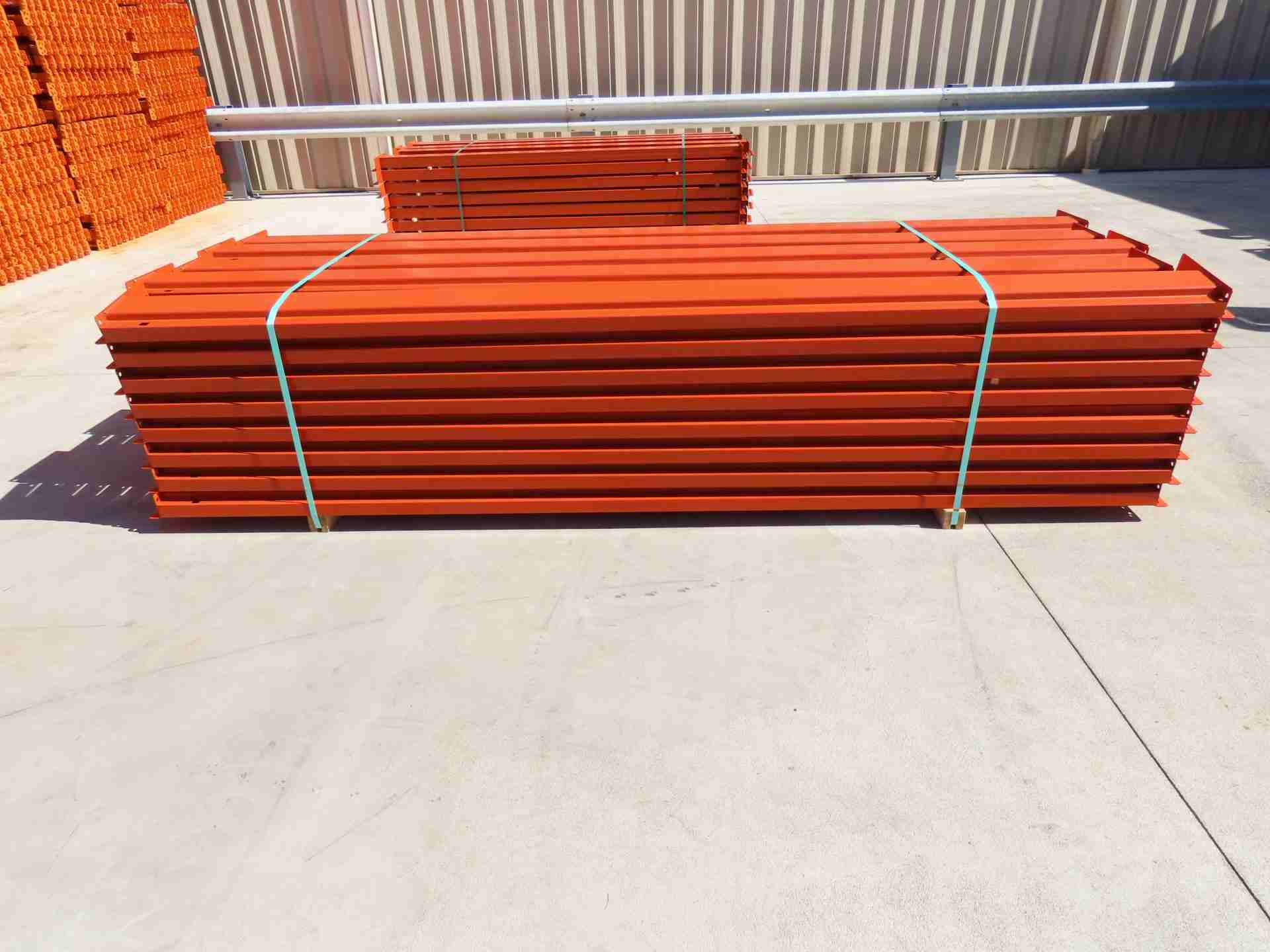
What Strategies Enhance The Use Of Vertical Space In Warehouses?
What Strategies Enhance The Use Of Vertical Space In Warehouses?
- Maximizing efficiency and minimizing wasted space is crucial in warehousing.
- Effective use of vertical space can transform overhead areas into valuable storage opportunities.
- Pallet racking systems enable stacking of goods vertically, significantly increasing storage capacity.
- Automated storage and retrieval systems (AS/RS) optimize inventory management through automation and spatial efficiency.
- Mezzanine flooring allows for additional storage capacity without compromising floor space.
- Implementing slotting analysis can maximize product arrangement and improve pick-and-pack efficiency.
- Engaging with a logistics partner can help in fully utilizing vertical space for enhanced operational efficiency.

What Strategies Enhance The Use Of Vertical Space In Warehouses?
How Can Employee Training Impact Warehouse Storage Adaptability?
Picture this: a bustling warehouse filled with rows of pallet racking, each shelf perfectly stocked and every product in its place. Now imagine that same warehouse, but with disorganization, clutter, and inefficiency. What makes the difference? The answer lies in effective employee training.
Training your staff is more than just a checkbox on your operational to-do list; it’s an investment in the adaptability and efficiency of your entire warehouse. When employees are equipped with the right knowledge and skills, they dramatically improve your warehouse’s ability to adapt to changes in demand—whether it’s seasonal spikes, brand-new inventory lines, or unforeseen disruptions.
Proper training ensures that your team understands the critical nuances of pallet racking systems. For instance, they learn not only how to store products but also how to maximize space utilization effectively. Imagine your warehouse operating like a well-oiled machine—team members intuitively know how to arrange and retrieve items quickly, ensuring smooth operations that ultimately lead to increased productivity. This kind of efficiency is vital in today’s fast-paced market, where consumer expectations are continuously evolving.
Moreover, well-trained employees become your finest advocates for safety and best practices. When your team knows the ins and outs of pallet racking usage, they’re less likely to make errors that could lead to accidents or product misplacements, which can spiral into significant financial losses. The ripple effect of this knowledge also fosters an environment of trust and reliability—your staff will feel empowered, leading to greater retention and job satisfaction.
Don’t underestimate the power of tailored training programs. Imagine your training sessions engaging, informative, and directly aligned with your unique warehouse needs. Incorporating hands-on experiences with pallet racking can make a world of difference as employees won’t just understand the ‘why’ but also the ‘how.’ This kind of relatable training creates a workforce that is responsive, engaged, and united in the shared goal of adaptability.
Ready to transform your warehouse storage adaptability? Don’t wait—invest in comprehensive employee training today. The returns won’t just be seen in efficiency; they’ll echo in the durability of your operations and the satisfaction of your customers. Make the leap and witness a shift toward optimal adaptability, where challenges become opportunities and your team’s potential knows no bounds.

How Can Employee Training Impact Warehouse Storage Adaptability?
How Can Employee Training Impact Warehouse Storage Adaptability?
- Effective employee training transforms warehouse operations from disorganized to efficient.
- Investing in training enhances adaptability and efficiency in response to changing demands.
- Proper training helps employees maximize space utilization and improve product arrangement.
- Well-trained staff advocate for safety and best practices, reducing errors and accidents.
- Empowered employees contribute to a culture of trust, leading to improved retention and job satisfaction.
- Tailored training programs that incorporate hands-on experiences yield significant engagement and understanding.
- Investing in employee training results in long-term operational durability and increased customer satisfaction.

How Can Employee Training Impact Warehouse Storage Adaptability?
Conclusion
Conclusion: Adapting Your Warehouse Storage to Thrive in Today’s Marketplace
In the dynamic world of warehousing, adaptability isn’t just a luxury—it’s a necessity for survival. As market demands evolve, so do your storage needs. The strategies laid out in this article highlight essential actions you can take to ensure your warehouse operates at maximum efficiency, ultimately paving the way for future growth.
At the heart of these strategies is the implementation of versatile pallet racking systems. By utilizing adjustable racking, you harness vertical space, allowing for increased storage capacity without expanding your warehouse footprint. This enables you to respond quickly to fluctuating inventory demands. Additionally, integrating modern warehouse management systems (WMS) equips you with precise data insights, fostering informed decision-making that keeps you ahead of the competition.
Your workforce plays a pivotal role in successfully executing these strategies. Investing in effective employee training creates a skilled team that can efficiently manage new storage solutions, fostering a culture of continuous improvement. Not only does this lead to heightened productivity, but it also enhances employee satisfaction, driving your warehouse towards operational excellence.
A seamless warehouse layout further enhances your capabilities—ensuring that products are easily accessible and workflows are efficient. Regularly re-evaluating your layout facilitates adjustments that can significantly improve your storage outcomes.
Additionally, technology integration is no longer optional. Automated systems and inventory tracking optimize operations and keep your products moving, while eco-friendly storage solutions resonate with today’s sustainability-conscious consumers—bolstering your brand’s reputation.
All these elements come together to create an agile warehouse, capable of evolving alongside your business. The demand for responsiveness has never been higher, and seizing this opportunity is paramount. With the pressing need for efficient storage systems, now is the ideal time to make transformative choices.
Don’t let your warehouse simply be a place to house products; instead, let it be the backbone of your business strategy. Connect with Arrow Industrial Sales at (574) 349-6575 today. Our team is ready to assist you in determining the ideal storage solutions tailored to your needs—which can mean the difference between thriving and merely surviving in this competitive landscape. Remember, the time to act is now. Your warehouse’s next chapter of efficiency and growth awaits!

Conclusion
Conclusion:
- Adaptability in warehousing is essential for survival in a changing marketplace.
- Implement versatile pallet racking systems to maximize storage capacity and respond to inventory demands.
- Utilize modern warehouse management systems (WMS) for precise data insights and informed decision-making.
- Invest in employee training to build a skilled workforce that enhances productivity and satisfaction.
- Regularly re-evaluate warehouse layouts to improve accessibility and workflow efficiency.
- Integrate technology and eco-friendly solutions to optimize operations and enhance brand reputation.
- Transform your warehouse into a strategic asset rather than just a storage space for products.

Conclusion
Other Resources

Other Resources
Here is a list of other resources you can review online to learn more:
- Cantilever Rack Configuration & Installation: A Comprehensive Guide – BMH
- Teardrop Racks – Pallet Rack World
- The Complete Pallet Rack Guide – Simply Rack
- Interlake Mecalux
- Material Handling Industry
- IWLA
- WERC
- Interlake Mecalux
- Iowa Illinois Warehouse Racking
- RMI
Use This Prompt To Get More Resources With Your Favorite Online AI Tool: Please provide me with a list of online articles with their URLs in a bulleted list that I can read regarding What Strategies Can Help You Adapt to Changing Warehouse Storage Needs?

Other Resources
Glossary Terms
What Strategies Can Help You Adapt to Changing Warehouse Storage Needs? – Glossary Of Terms
1. Automation: The use of technology to perform tasks with minimal human intervention, improving efficiency in warehouse operations.
2. Just-in-Time (JIT): An inventory strategy aimed at reducing waste by receiving goods only as they are needed, minimizing storage needs.
3. Cross-docking: A practice where incoming goods are directly transferred to outgoing shipments without being stored, improving turnover and space utilization.
4. Slotting Optimization: The process of arranging products within a warehouse to maximize efficiency and space based on demand and size.
5. Dynamic Storage: A flexible storage system that adapts to fluctuating inventory levels and storage requirements, often using movable shelving or racks.
6. ABC Analysis: A technique for inventory categorization based on importance, allowing warehouses to focus resources on managing high-value items.
7. Lean Warehousing: A method that emphasizes efficiency and waste reduction by organizing operations and processes to meet just what is necessary.
8. Vertical Storage: Using vertical space to store goods, often with specialized shelving or racking systems to maximize available warehouse height.
9. Inventory Management Systems (IMS): Software solutions that assist in tracking inventory levels, orders, sales, and deliveries to streamline storage needs.
10. Mobile Racks: Shelving systems that can be reconfigured or moved to adapt quickly to changing storage requirements.
11. Warehouse Management System (WMS): A software application designed to optimize warehouse functionality by managing inventory, orders, and labor.
12. Pick-to-Light Systems: A technology that uses lights to guide warehouse workers to the correct product locations, increasing picking speed and accuracy.
13. Cold Storage: Specialized storage areas designed to keep products at low temperatures, often necessary for perishable goods.
14. Modular Storage: Flexible storage solutions that can be easily expanded or reconfigured as inventory needs change.
15. Reverse Logistics: The process of managing returned goods and their storage, often requiring flexible solutions to handle variability.
16. Space Utilization: The ratio of used storage space to total available space, an important metric for evaluating operational efficiency.
17. Inventory Turnover Ratio: A measure of how often inventory is sold and replaced in a given time period, highlighting demand adaptability.
18. Cycle Counting: A method of inventory auditing that takes place on a regular basis to ensure accuracy and adapt to changes in inventory.
19. FIFO (First In, First Out): An inventory valuation method that ensures older stock is sold first, aiding in inventory management for perishables.
20. Bulk Storage: A storage method that involves storing large quantities of items together, often requiring flexible configurations for changing needs.
21. Standard Operating Procedures (SOPs): Established processes and guidelines for warehouse operations, crucial for maintaining efficiency during changes.
22. Safety Stock: Extra inventory kept on hand to prevent stockouts during unexpected demand spikes or supply chain disruptions.
23. Shelf-life Management: Strategies to ensure products are sold or utilized within their usable timeframes, particularly important in food warehousing.
24. Data Analytics: The use of statistical analysis and algorithms to interpret warehouse performance data, aiding in decision-making and adaptation.
25. Risk Management: Identifying and mitigating risks associated with changing storage needs or inventory levels, ensuring smoother operations.
26. Supplier Collaboration: Working closely with suppliers to align production and inventory practices with the warehouse’s varying storage requirements.
27. Layout Design: The arrangement of warehouse space that influences efficiency; adaptable layouts can respond more quickly to changing needs.
28. Third-Party Logistics (3PL): Outsourcing logistics and storage functions to an external provider, often allowing flexibility in storage capacity.
29. Sustainability Practices: Implementing environmentally friendly practices in warehouse operations, including reducing waste and optimizing space usage.
30. Training and Development: Investing in the education and skill-building of warehouse staff to ensure adaptability to new technologies and inventory strategies.

Glossary Of Terms
Other Questions
What Strategies Can Help You Adapt to Changing Warehouse Storage Needs? – Other Questions
If you wish to explore and discover more, consider looking for answers to these questions:
- What are the benefits of adjustable pallet racking systems?
- How does e-commerce impact warehouse storage strategies?
- What tools are available for warehouse management systems?
- How can data analytics improve inventory management?
- What are the best practices for employee training in warehouse operations?
- How can technology enhance safety in warehouses?
- What are the latest trends in sustainable warehouse practices?
- How can seasonal inventory fluctuations be managed effectively?
- What are the key factors to consider when redesigning warehouse layouts?
- How do different types of shelving impact storage efficiency?
- What role does automation play in modern warehousing?
- How can traditional storage solutions be adapted for future growth?

Other Questions
Checklist
What Strategies Can Help You Adapt to Changing Warehouse Storage Needs? – A Checklist
Checklist: Strategies for Adapting to Changing Warehouse Storage Needs
Maximizing Efficiency in Evolving Warehouse Storage
1. Evaluate Your Pallet Racking Systems
_____ Assess if your current pallet racking can accommodate vertical expansion.
_____ Consider adjustable pallet racks to enhance flexibility and storage capacity.
2. Embrace Warehouse Management Technology
_____ Research and implement modern Warehouse Management Systems (WMS).
_____ Utilize inventory control software for real-time tracking and decision-making.
3. Invest in Employee Training
_____ Schedule regular training sessions focused on pallet racking usage and best practices.
_____ Foster a culture of continuous improvement by encouraging team engagement and skill development.
4. Optimize Warehouse Layout and Flow
_____ Conduct a layout assessment to identify inefficiencies in your current setup.
_____ Regularly reconfigure pallet placements and picking pathways as inventory needs change.
5. Explore Flexible Shelving Solutions
_____ Consider implementing modular shelving systems that can be adjusted based on inventory fluctuations.
_____ Evaluate how flexible solutions can enhance operational agility in your warehouse.
6. Leverage Vertical Space
_____ Implement strategies for utilizing vertical space, such as mezzanine flooring or automated storage.
_____ Conduct slotting analysis to improve the arrangement of products within your racking systems.
7. Integrate Smart Technologies
_____ Explore automated systems or IoT applications for inventory management and space optimization.
_____ Use data analytics for insights into inventory turnover and demand fluctuations.
8. Stay Informed on Market Changes
_____ Keep abreast of e-commerce trends and consumer preferences affecting warehouse demands.
_____ Regularly reassess your storage strategies to align with evolving market needs.
9. Prioritize Sustainability
_____ Consider eco-friendly storage solutions that align with consumer values on sustainability.
_____ Assess energy-efficient pallet racking systems made from sustainable materials.
10. Monitor and Review Storage Efficiency
_____ Regularly analyze storage patterns and efficiency metrics to inform future adaptations.
_____ Engage employees in discussions about improving storage practices and operational efficiency.
By following this checklist, you can ensure that your warehouse operations are adaptable, efficient, and positioned for future growth. Embrace these strategies to transform your storage challenges into opportunities for success!

Checklist
At RackingWorld, we help guide you through selecting warehouse storage systems and racking.
Be sure to read our other related stories at RackingWorld to learn more about warehouse storage systems.
0 Comments