
Overcoming Your Warehouse Storage Hurdles
By Tom Seest
At RackingWorld, we help guide you through selecting warehouse storage systems and racking.
Be sure to read our other related stories at RackingWorld to learn more about warehouse storage systems.
What Are Your Biggest Warehouse Storage Challenges Right Now?
Every day, warehouse managers like you face an undeniable reality: limited space, overflowing inventory, and the constant need for efficiency. If you’ve ever found yourself scrambling to find storage solutions amidst the chaos, you’re not alone. Let’s take a moment to reflect on those challenges and identify how we can tackle them together.
Are outdated storage systems constricting your operations? Perhaps your current pallet racking setup is not optimized for the diverse inventory you handle. The truth is, if your warehouse looks more like a game of Tetris than a streamlined operation, productivity is bound to suffer. Not only does inefficient storage cost you money, but it also increases the risk of inventory loss and employee frustration.
Consider the last time you had to dig through a maze of boxes to find a specific product? That’s not just inconvenient; it’s a drain on your time and resources. Now imagine if you could reduce that search time drastically. Wouldn’t it be great to walk into your warehouse and know exactly where everything is? You could spend your energy on more important tasks — like improving customer service, optimizing delivery times, or driving growth.
Let’s not forget about safety. A well-organized warehouse isn’t just about efficiency; it’s about creating a work environment that keeps everyone safe. Improperly stacked pallets can lead to accidents, and those accidents can lead to costly downtime. Trust me when I say that investing in proper pallet racking solutions can not only enhance organization but also significantly reduce the chance of injury.
But here’s the real question: What’s holding you back? Is it a fear of change? Or perhaps uncertainty about where to start? You don’t have to tackle this alone. Every challenge you have is an opportunity waiting to be seized. By collaborating with experts who understand the unique dynamics of your business, you can discover solutions tailored to your specific needs.
Join the growing number of savvy warehouse managers who are transforming their storage challenges into organized futures. Seize this moment, take stock of your current systems, and envision a more efficient, safe, and thriving operation. Remember, the right changes today can deliver immense returns tomorrow. Let’s unlock the potential of your warehouse storage together!
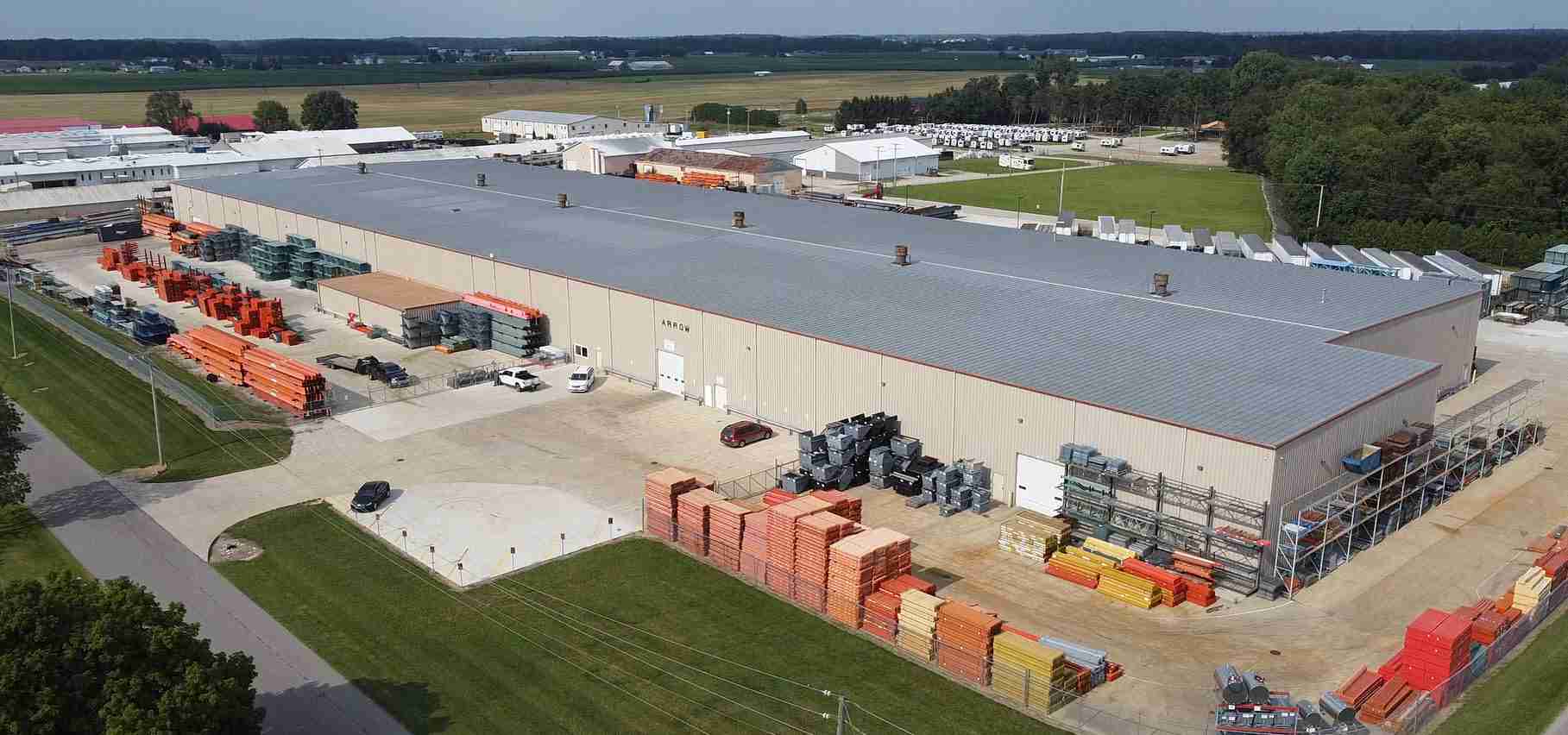
What Are Your Biggest Warehouse Storage Challenges Right Now?
What Are Your Biggest Warehouse Storage Challenges Right Now?
- Warehouse managers face challenges of limited space and overflowing inventory.
- Outdated storage systems may hinder operational efficiency and increase costs.
- An unorganized warehouse can lead to time wasted searching for products.
- A well-organized warehouse enhances safety and reduces accident risks.
- Investing in proper pallet racking solutions can improve organization and safety.
- Collaboration with experts can help address unique warehouse challenges.
- Making strategic changes can lead to a more efficient and thriving operation.

What Are Your Biggest Warehouse Storage Challenges Right Now?
Table Of Contents
- What Are Your Biggest Warehouse Storage Challenges Right Now?
- What Is Causing The Most Congestion In Your Warehouse?
- How Can You Optimize Space Utilization In Your Warehouse?
- Are You Struggling With Inventory Accuracy Issues?
- What Strategies Can Improve Warehouse Organization?
- How Do Seasonal Fluctuations Affect Your Storage Capabilities?
- What Tools Can Help Streamline Warehouse Operations?
- Conclusion
- Other Resources
- Glossary Of Terms
- Other Questions
- Checklist
What Is Causing The Most Congestion In Your Warehouse?
Every warehouse manager knows the sinking feeling that comes when you walk into your space and see chaos. Pallet racking, once a sleek solution, can become a maze that hampers productivity instead of enhancing it. Let’s unpack the root causes of congestion that might be stifling your operations.
First off, consider the layout of your pallet racking. Too often, it’s not optimized for flow. Imagine navigating a busy street during rush hour. If your aisles are too narrow or if racking is poorly positioned, your employees will be fighting a constant battle against congestion. Think about it: can your team easily access the products they need? If not, it’s time to rethink the design of your pallet racking system.
Now, let’s talk about inventory management. Do you know what’s in your warehouse? If your stock levels are not accurate, or if you’re holding on to obsolete items, you’ve created a ticking time bomb of confusion. You may have invested heavily in your pallet racking, but without smart inventory systems, it’s like buying a high-end sports car with no gas. Clear out the clutter and actively manage your stock to keep your operations as sleek and efficient as possible.
Another important piece of the puzzle is your team’s training. A well-trained staff can significantly reduce congestion. If your employees know how to properly store and retrieve items from pallet racking, they’ll work faster and more efficiently. Provide ongoing training to emphasize productivity, safety, and organization. This investment in human capital pays off tenfold.
Finally, let’s talk about technology. In this age of rapid advancement, not utilizing warehouse management systems is a grave error. Automated platforms integrated with your pallet racking help track inventory in real-time, enforcing organization and ensuring your warehouse flows like clockwork. Imagine knowing exactly where each item is located and having predictive analytics at your fingertips — that’s the future of warehouse management.
Being proactive about these issues can turn your congested warehouse into a well-oiled machine. Remember, chaos only breeds more chaos. So take a step back, analyze your current operations, and don’t hesitate to reach out for expert help. With the right changes, you can reclaim your warehouse space and boost your bottom line. Streamlined operations are not just a dream; they can be your new reality.
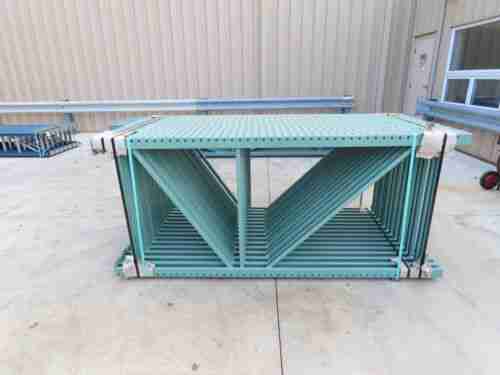
What Is Causing The Most Congestion In Your Warehouse?
What Is Causing The Most Congestion In Your Warehouse?
- Pallet racking can become chaotic, hindering productivity instead of enhancing it.
- The layout of pallet racking should be optimized for flow to minimize congestion.
- Accurate inventory management is essential to avoid confusion and maximize operational efficiency.
- Training employees on proper storage and retrieval methods can significantly reduce congestion.
- Investing in ongoing training emphasizes productivity, safety, and organization for the team.
- Utilizing warehouse management systems and technology is crucial for tracking inventory in real-time.
- Proactive analysis and expert assistance can help transform a congested warehouse into an efficient operation.
What Is Causing The Most Congestion In Your Warehouse?
How Can You Optimize Space Utilization In Your Warehouse?
Unlocking the Power of Pallet Racking for Ultimate Space Utilization
Every warehouse owner knows that space is an ever-vanishing commodity. The challenge isn’t just handling inventory—it’s managing it efficiently. How does one transform a seemingly chaotic space into a well-oiled machine? The answer lies in effective space utilization strategies, and one of the most impactful approaches is pallet racking.
Consider this: the average warehouse can waste up to 30% of its space due to inefficient layouts and poor practices. This isn’t just numbers on a spreadsheet; it represents lost profits, frustrated employees, and sleepless nights wondering how to squeeze more productivity from your operation. With the right pallet racking solution, you can not only reclaim that space but also maximize your warehouse’s earning potential.
Picture a setup where your stock is not just stored, but strategically placed—every square foot designed with purpose. Pallet racking systems get your products elevated off the ground, freeing up precious floor space for value-added activities. No longer will you stress over where to stash new products. With a well-designed racking system, your storage becomes a methodical layout that improves access and efficiency.
Trust is built on results, and results are driven by smart decisions. Investing in the right pallet racking system not only shows that you care about your warehouse’s operational efficiency, but it also reflects your commitment to meeting customer demands swiftly. Imagine walking into your warehouse and seeing every pallet in its designated spot—no more time wasted hunting down items or navigating around overcrowded aisles. Your team will operate with a newfound energy, knowing there’s a place for everything.
But let’s not just stop at installing racks. Continuous optimization of your pallet racking system will keep your operations in top gear. Periodically evaluate your inventory turnover, adjust for seasonal demands, and be agile enough to adapt the layout to your evolving needs. The warehouse world is fast-paced, but with a solid racking system as your backbone, you can pivot with ease.
So, are you ready to take the plunge? Optimizing space utilization through pallet racking isn’t just a cost—it’s a strategic investment in the future of your business. Take this leap of faith, and watch as your warehouse transforms into a hub of productivity and profitability. Now’s the time to act—your warehouse deserves it!

How Can You Optimize Space Utilization In Your Warehouse?
How Can You Optimize Space Utilization In Your Warehouse?
- Space is a critical and limited resource in warehouses, requiring efficient management.
- A significant portion of warehouse space (up to 30%) may be wasted due to inefficient layouts.
- Implementing pallet racking can reclaim space and enhance a warehouse’s earning potential.
- Pallet racking systems strategically store products, improving access and freeing floor space.
- Investing in an effective pallet racking solution signals a commitment to operational efficiency and customer satisfaction.
- Continuous optimization of the racking system is essential to adapt to changing inventory needs.
- Pallet racking is a strategic investment that transforms warehouses into productive, profitable environments.
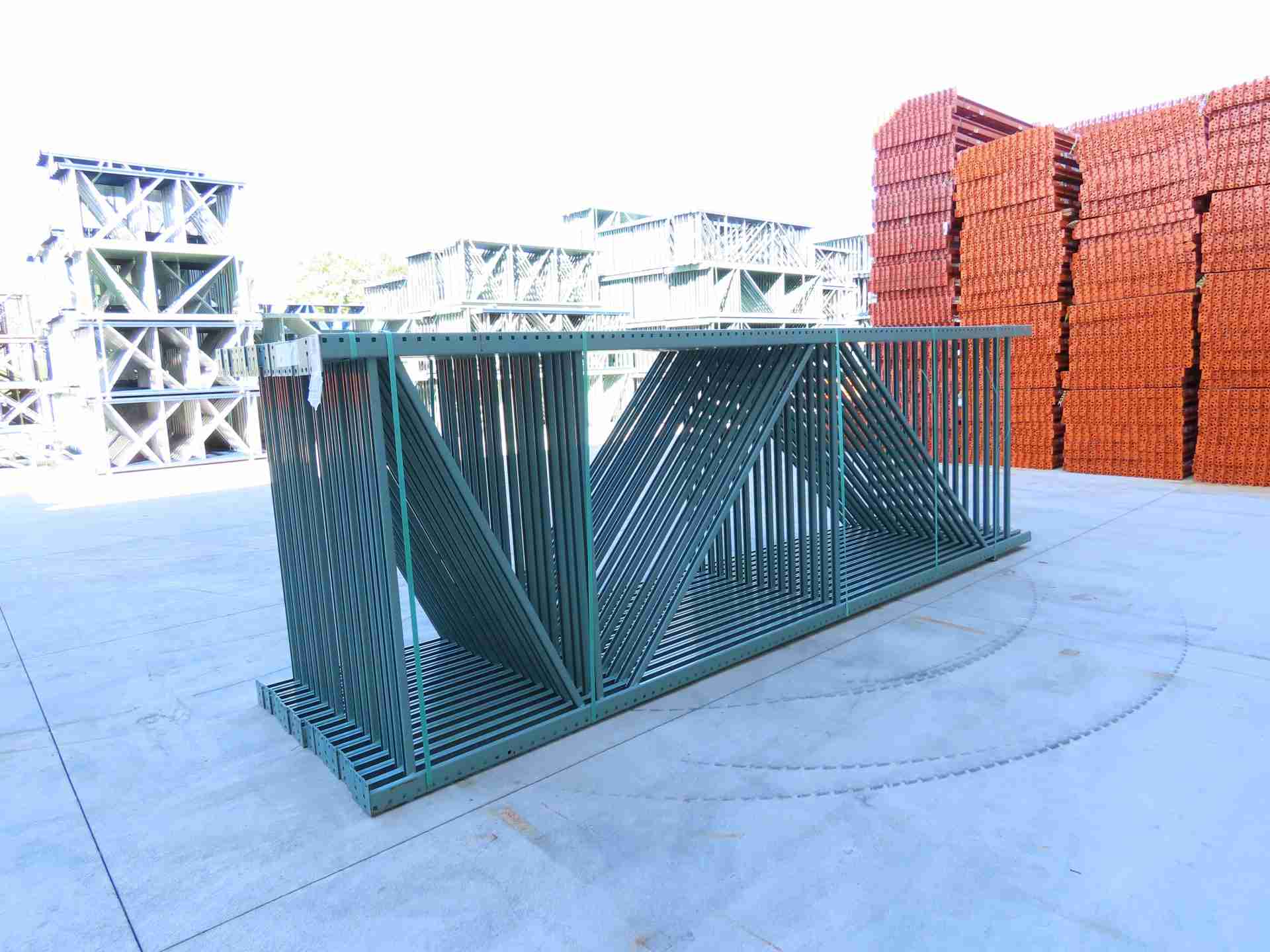
How Can You Optimize Space Utilization In Your Warehouse?
Are You Struggling With Inventory Accuracy Issues?
If you find yourself often double-checking your shelves, losing sleep over misplaced items, or struggling to provide your customers the products they want, you’re not alone. Inventory accuracy can feel like an elusive prize, constantly out of reach, yet it’s the cornerstone of your business success. But what if you could transform this daunting task into a streamlined process that bolsters your bottom line?
Imagine stepping into your warehouse, greeting rows of perfectly organized pallet racking that accommodates every item seamlessly. Picture a world where your inventory counts align flawlessly with your selling potential—no more excess stock gathering dust or the heart-stopping moment of running out of a best-seller. This isn’t just a wishful thought; it’s entirely possible with the right strategies in place.
First, let’s talk about the heart of your inventory system: the technology you use to track your stock. If outdated methods are holding you back, it’s time for an upgrade. Implement inventory management software that integrates effortlessly with your existing systems. One that provides real-time updates and insights, keeping your team informed and in-sync.
Next, consider the layout of your storage space. Effective pallet racking can be a game-changer, allowing for better organization and quick retrieval of items. By optimizing your warehouse layout, you’ll not only improve efficiency but also reduce the risk of errors that can derail inventory accuracy.
And let’s not forget about training. Every member of your team plays a pivotal role in maintaining accuracy. Invest time in comprehensive training that emphasizes the importance of following best practices—whether it’s conducting regular cycle counts or ensuring all products are scanned upon entry and exit.
Now, you may be asking yourself, “Will these changes really make a difference?” Here’s the truth: when you tackle inventory accuracy head-on with a proactive approach, you’ll build a solid foundation of trust with your customers. They’ll come to rely on your ability to fulfill orders promptly, return customers will spread positive word-of-mouth, and your profits will reflect your newfound stability.
So, stop letting inventory inaccuracies cloud your business vision. Take the first step towards a more organized, efficient operation, whether by investing in better technology, optimizing your pallet racking, or elevating your team’s training. The rewards of clarity and confidence in your inventory management await you. Don’t wait another moment—make the shift today and watch your business thrive.
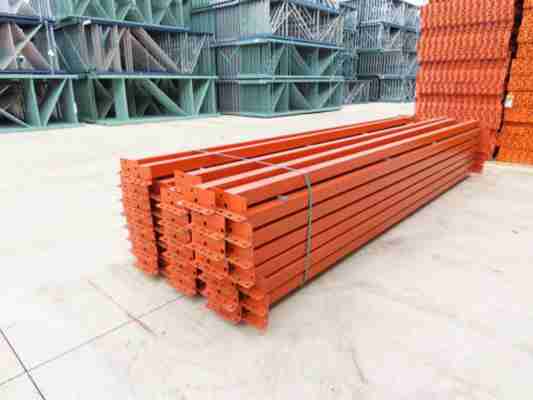
Are You Struggling With Inventory Accuracy Issues?
Are You Struggling With Inventory Accuracy Issues?
- Inventory accuracy is crucial for business success but can often feel elusive.
- A well-organized warehouse with effective pallet racking can enhance inventory management.
- Upgrading to modern inventory management software can streamline tracking and provide real-time updates.
- Optimizing your warehouse layout can improve efficiency and reduce errors.
- Comprehensive training for team members is essential for maintaining inventory accuracy.
- A proactive approach to inventory management builds customer trust and drives profits.
- Investing in technology, layout optimization, and team training leads to a more organized and efficient operation.
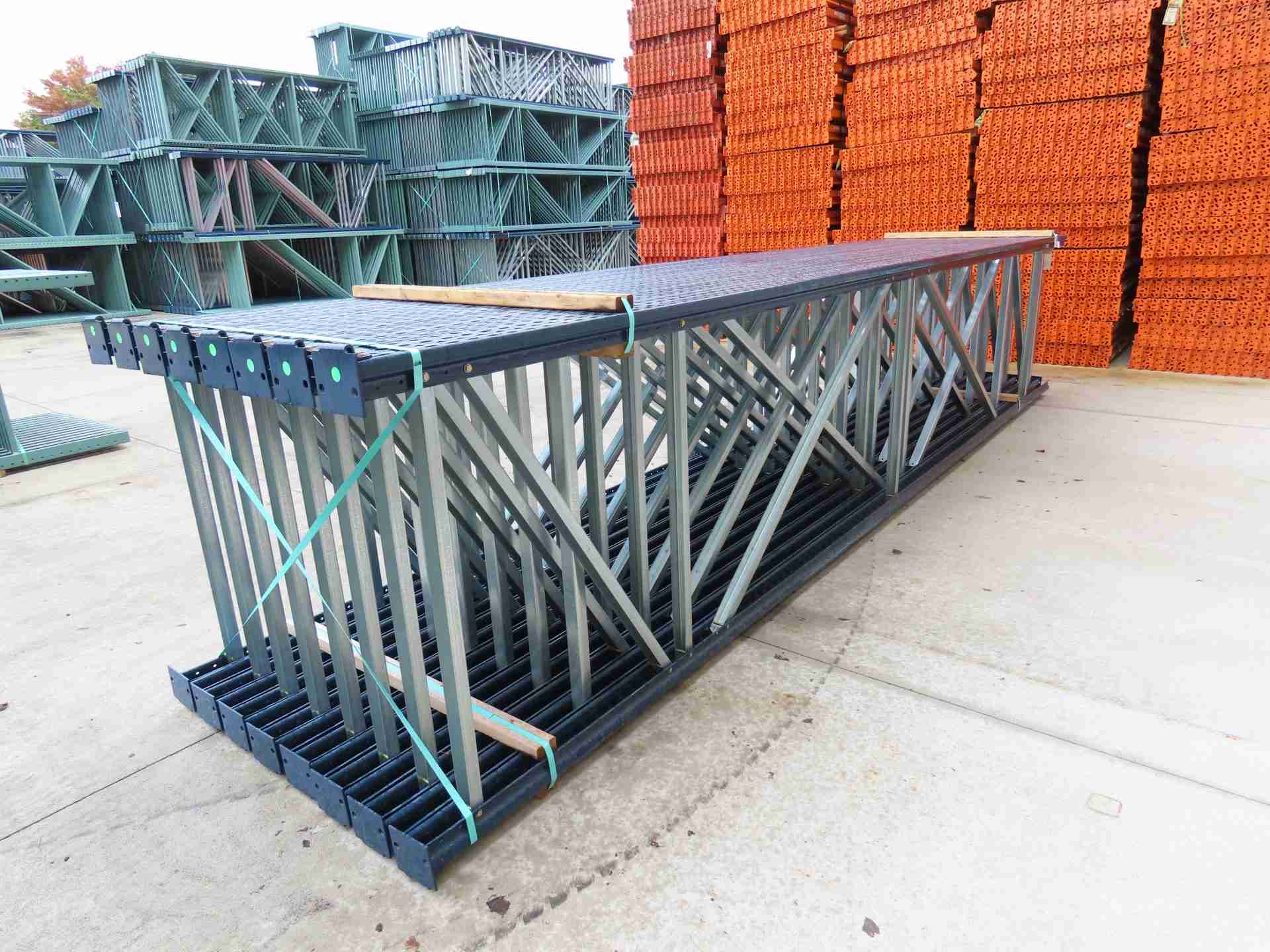
Are You Struggling With Inventory Accuracy Issues?
What Strategies Can Improve Warehouse Organization?
In the bustling world of logistics and inventory management, the efficiency of your warehouse can make or break your bottom line. If your operations feel chaotic, it’s time to embrace strategies that promise not just organization, but a streamlined flow that transforms the way you do business.
Let’s dive into the heart of warehouse organization: Pallet Racking. This storage solution is a game changer—it maximizes vertical space, organizes stock by size and weight, and dramatically improves accessibility. Imagine walking into a space where everything is distinctly arranged, easy to find, and perfectly labeled. You’re not just creating a pleasant work environment; you’re also driving productivity through the roof. When your team spends less time searching for items, they can focus on what really matters: serving your customers better and growing your business.
Another effective strategy is to implement a robust inventory management system. Today’s technology allows you to track items in real-time, ensuring that you always know what’s available at any given moment. By accurately monitoring stock levels, you can prevent overstocking or stockouts, reducing costs while enhancing service levels. It’s about working smarter, not harder—the cornerstone of a successful operation.
And let’s not forget the power of decluttering. A clean, organized warehouse isn’t just aesthetically pleasing; it reduces hazards and improves efficiency. Establish a regular cleaning and organization schedule that your team can adhere to. Encourage them to think of the warehouse as a shared space and promote a culture of accountability and team spirit. When employees feel ownership over their work environment, productivity will naturally soar.
Additionally, consider the importance of employee training. Make it a priority to educate your team on best practices for organizing, storing, and retrieving items effectively. Knowledge empowers your workforce, turning an average move into a seamless operation.
Lastly, performance metrics can serve as a path toward continuous improvement. Establish benchmarks to evaluate the effectiveness of your organization strategies—and don’t be afraid to adjust your approach. Data doesn’t lie, and being flexible enough to respond to it sets successful businesses apart.
Incorporating these strategies into your warehouse organization will not only enhance operational efficiency but also instill a sense of pride and teamwork in your workforce. Take the leap towards transformation—your future self will thank you!

What Strategies Can Improve Warehouse Organization?
What Strategies Can Improve Warehouse Organization?
- Efficiency in warehouse operations is crucial for maximizing profit margins.
- Pallet Racking optimizes vertical space, organizes inventory by size and weight, and enhances accessibility.
- An organized warehouse boosts productivity by reducing time spent searching for items, allowing teams to focus on customer service.
- Implementing a robust inventory management system enables real-time tracking of stock levels, preventing overstock and stockouts.
- Regular decluttering promotes a safer, more efficient workspace and builds a culture of accountability among employees.
- Employee training is essential for teaching best practices in organization, storage, and retrieval to improve operational efficiency.
- Using performance metrics facilitates continuous improvement and enables businesses to adapt their strategies effectively.
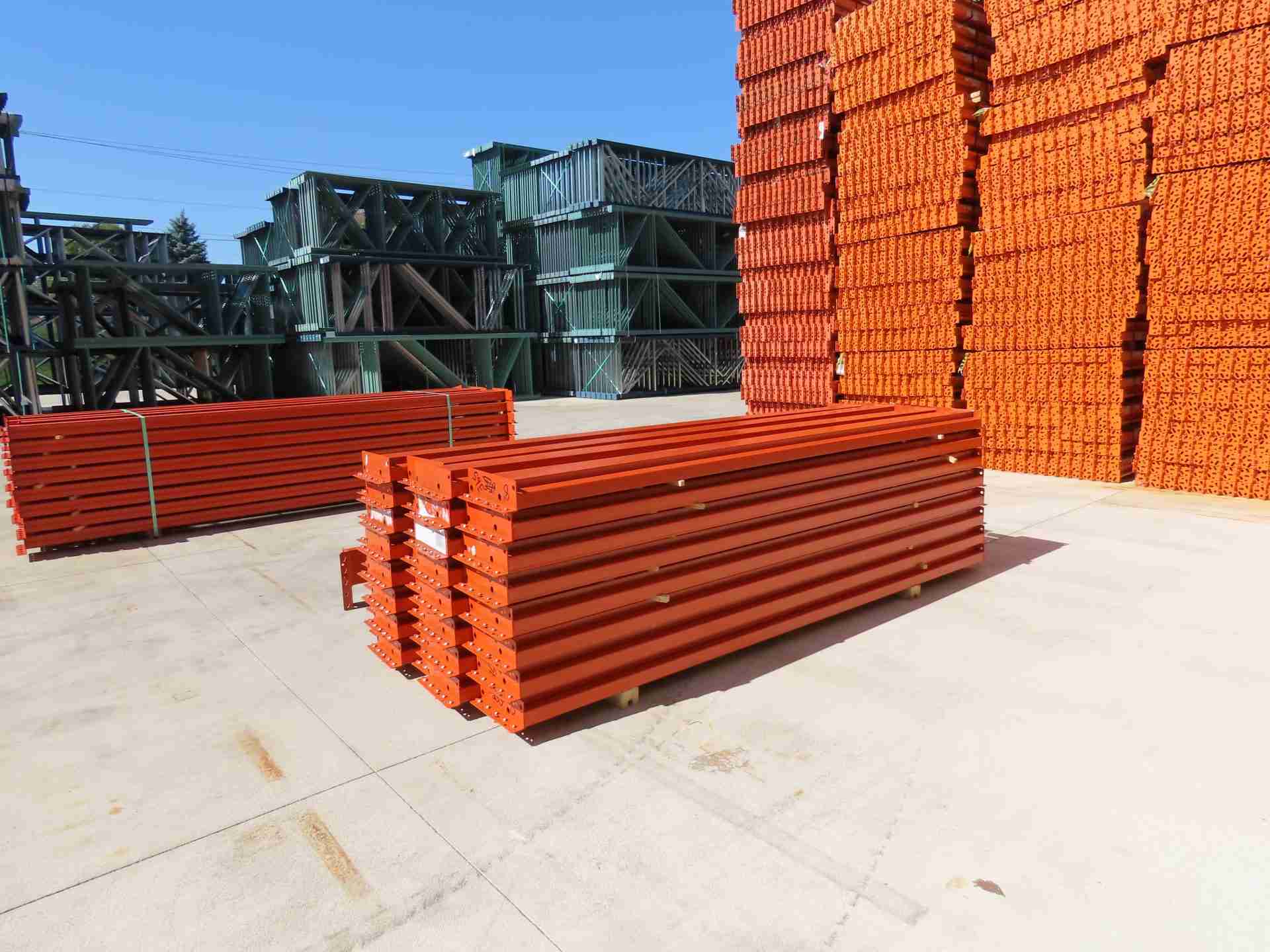
What Strategies Can Improve Warehouse Organization?
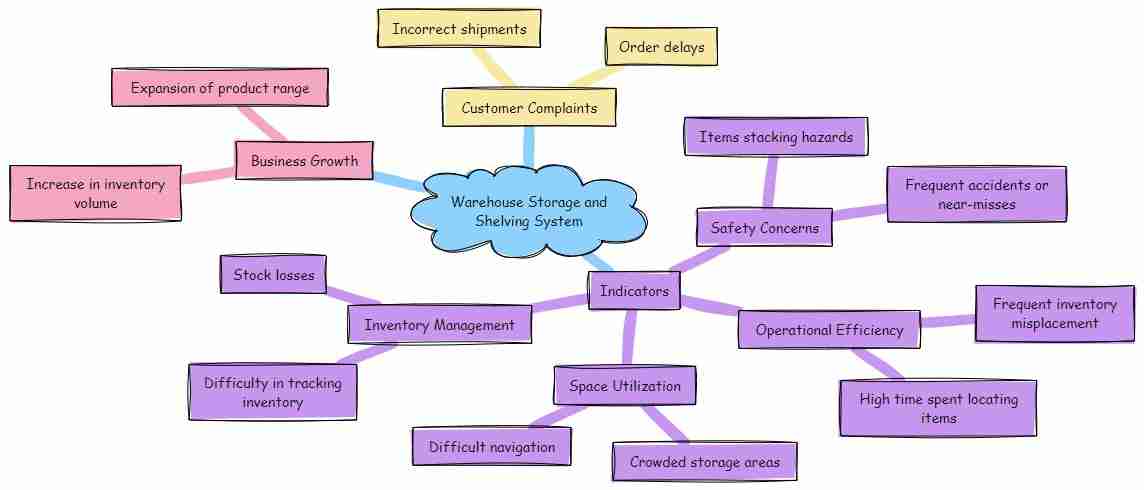
How Do Seasonal Fluctuations Affect Your Storage Capabilities?
As the seasons change, so do your storage needs. Whether it’s the bustling demands of the holiday season or the slower rhythm of a summer lull, understanding how these fluctuations play a pivotal role in your storage capabilities can transform your operations from chaotic to streamlined.
Imagine this: your warehouse is a well-oiled machine during peak season. Pallet racking systems are expertly organized, with products positioned for maximum accessibility. But as the seasons shift and orders dwindle, you might find yourself faced with a labyrinth of unused space and misplaced items. Not only can this lead to inefficiencies, but it can also result in wasted resources and frustrated employees.
So, how can you harness the power of seasonal fluctuations? It all starts with proactive planning. Assess your inventory patterns throughout the year. Identify the critical periods for your industry and prepare your pallet racking setup for those times. For instance, if you know that demand spikes in the fall, get ahead of the game by optimizing your space weeks or even months in advance. Create a dynamic storage strategy that allows you to easily adjust your pallet racks, making room for incoming products and clearing out the excess.
Communication is key! Keep your team informed about the changes in storage dynamics. By involving them in the process, you not only enhance engagement but also leverage their insights to optimize your pallet racking arrangement. After all, they are the ones on the front lines who experience the ebb and flow of daily operations.
Moreover, consider not just the physical space, but the rhythm of how you operate. Leverage technology to monitor inventory and forecast seasonal needs more accurately. This foresight will help you maintain a lean warehouse, where every square foot of pallet racking is working to its fullest potential, reminiscent of a finely tuned instrument playing a perfect melody.
So, as you navigate through the seasonal shifts that affect your storage capabilities, remember that adaptability is your greatest ally. Make informed decisions, involve your team, and embrace the cyclic nature of your industry. Equip your warehouse with the right pallet racking systems that not only meet today’s challenges but are also flexible enough to handle tomorrow’s uncertainties. Transform challenges into opportunities, and let each season be a chance for growth and efficiency!
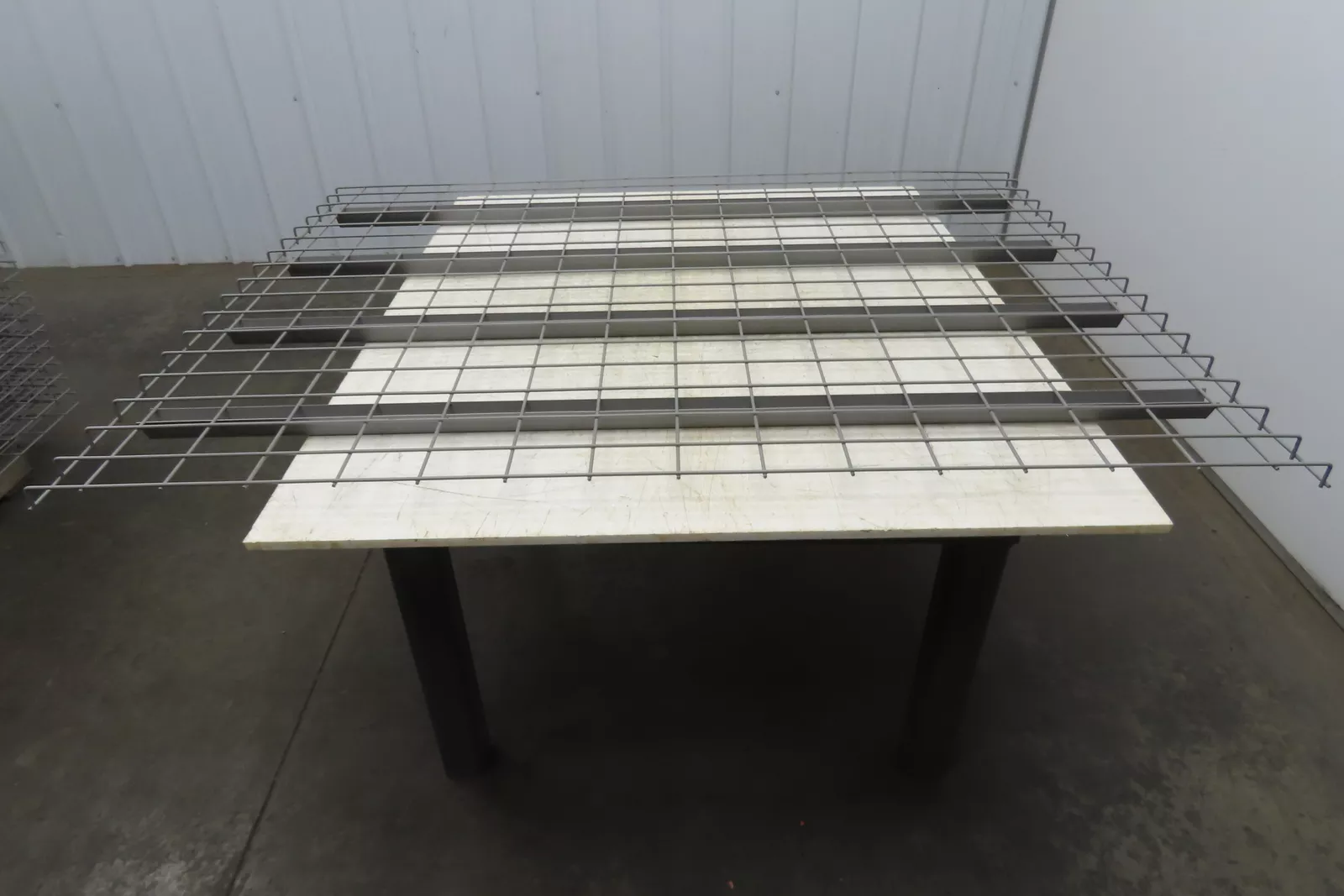
How Do Seasonal Fluctuations Affect Your Storage Capabilities?
How Do Seasonal Fluctuations Affect Your Storage Capabilities?
- Storage needs fluctuate with seasonal changes, impacting operational efficiency.
- Peak seasons require well-organized pallet racking for maximum accessibility.
- Seasonal shifts can lead to inefficiencies and wasted resources if not managed properly.
- Proactive planning is essential to assess inventory patterns and critical periods.
- Involve your team in the storage optimization process to enhance engagement and insights.
- Utilize technology to monitor inventory and forecast seasonal needs accurately.
- Adaptability is crucial; equip warehouses with flexible pallet racking systems for future uncertainties.
How Do Seasonal Fluctuations Affect Your Storage Capabilities?
What Tools Can Help Streamline Warehouse Operations?
Imagine a warehouse where everything runs like a well-oiled machine. The kind of place where every product is exactly where it should be, every employee knows their role, and every day brings a boost in efficiency. Sounds like a dream? Well, it doesn’t have to be! With the right tools, you can create a streamlined operation that enhances productivity and boosts your bottom line.
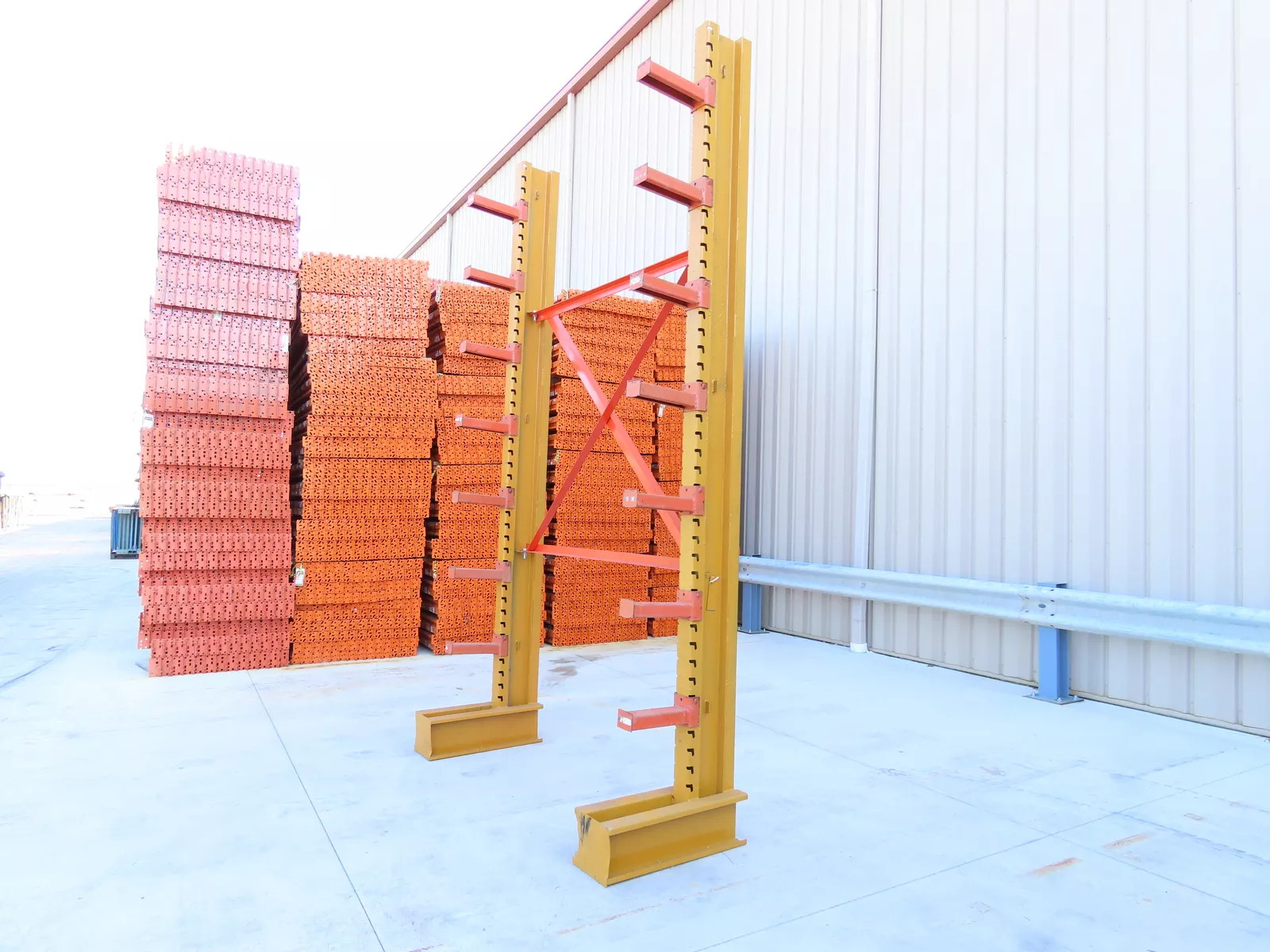
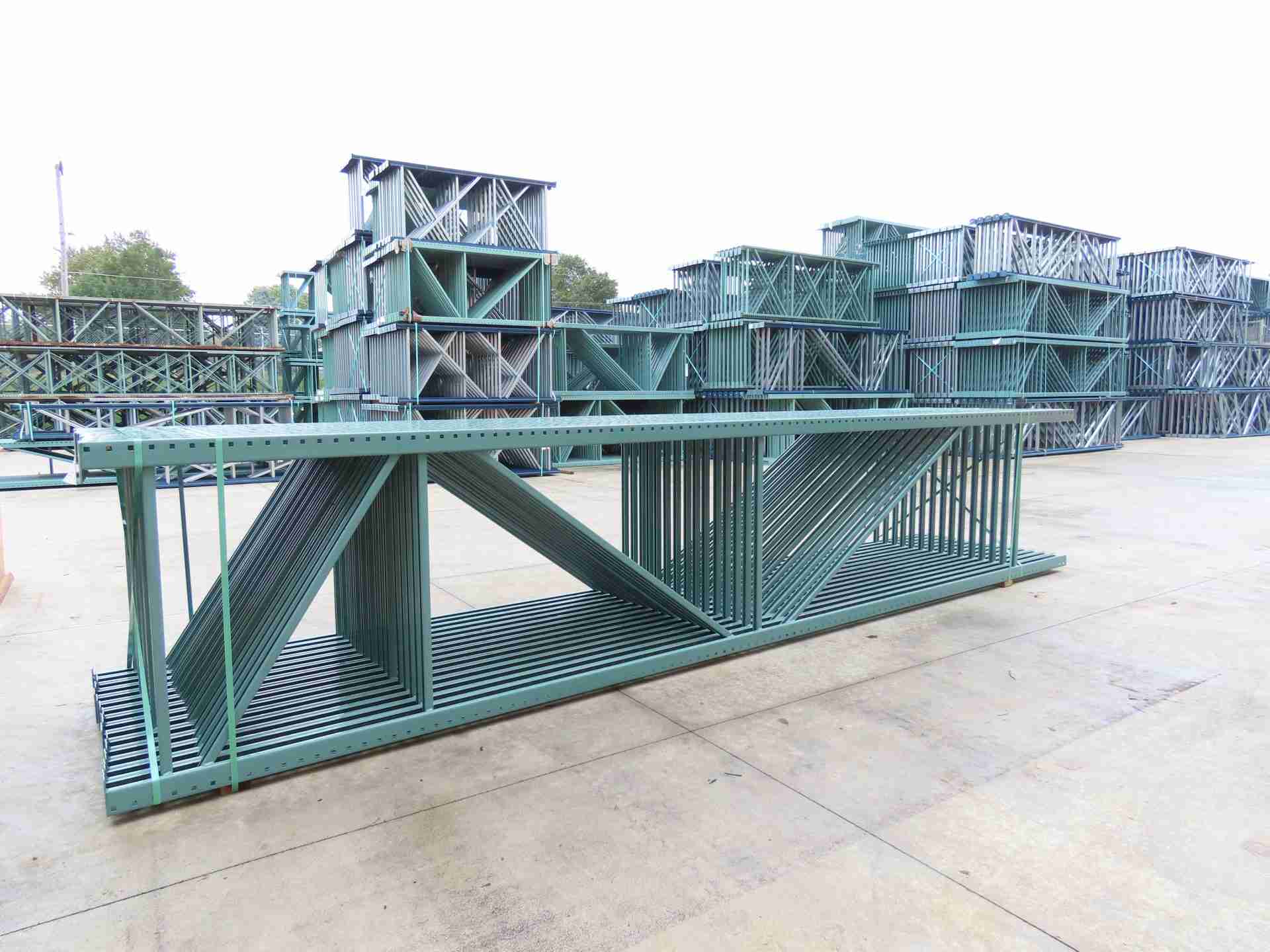
Pallet Racking systems are a pivotal part of this transformation. Think about it: when your space is optimized with an effective racking solution, each square foot of your warehouse becomes a valuable asset. Pallet racking not only maximizes storage capacity but also improves accessibility, ensuring that goods are easily locatable. By using adjustable racking methods, you can adapt your storage as your inventory changes—no more wasted space, and no more time searching for misplaced items!
In addition to racking, automation tools can elevate your workflow to new heights. Automated guided vehicles (AGVs) and conveyor systems can move products around the warehouse without any manual labor, saving your team time and energy. Imagine cutting down on the legwork your staff has to do—less foot traffic means fewer accidents and more time focused on what really matters: serving your customers.
Don’t overlook the impact of a robust Warehouse Management System (WMS). A comprehensive WMS serves as the nervous system of your operations. It manages inventory, tracks shipments, and even forecasts demand, allowing you to make informed decisions that propel your business forward. With real-time data at your fingertips, you reduce uncertainty and streamline your entire operation.
Training and ongoing education for your staff are also essential tools that often get forgotten. Ensure your team is well-versed in using these systems effectively. The more comfortable they are with technology, the more streamlined your processes will be.
Lastly, fostering a culture that embraces efficiency and adaptability can revolutionize the way your warehouse operates. Encourage feedback and continuous improvement from your team. When everyone feels invested in the process, you’ll see accountability soar.
In a world where every second—and every cent—counts, investing in the right tools and fostering a proactive culture can radically transform not just your warehouse, but your entire business. It’s time to take action, reimagine your operations, and watch your profits soar. Your warehouse is more than just a storage facility; it’s the heartbeat of your business. Give it the tools it deserves!
What Tools Can Help Streamline Warehouse Operations?
What Tools Can Help Streamline Warehouse Operations?
- A well-managed warehouse enhances productivity and efficiency.
- Pallet racking systems optimize storage space and improve product accessibility.
- Adjustable racking solutions adapt to changing inventory, reducing wasted space.
- Automation tools, like AGVs and conveyor systems, save time and reduce manual labor.
- A robust Warehouse Management System (WMS) helps manage inventory and track shipments effectively.
- Ongoing staff training is essential for maximizing the use of technological systems.
- Encouraging a culture of efficiency and adaptability leads to accountability and continuous improvement.
What Tools Can Help Streamline Warehouse Operations?
Conclusion
Conclusion: Transform Your Warehouse Challenges into Opportunities
In the fast-paced world of logistics, the potential of your warehouse is either a boon or a burden. If you’re grappling with limited storage, chaotic inventory management, or outdated systems, you’re not the only one. Many warehouse managers face the all-too-familiar struggles of poorly optimized pallet racking, inventory inaccuracy, and safety concerns. However, realizing that these challenges also present opportunities is key to turning your operations around.
Consider this a wake-up call: the state of your warehouse can either propel your business to new heights or drag it down. Inefficient practices not only cost you time and money—they can create hazardous environments and frustrate employees. But what if I told you that with the right strategies and solutions, you could reclaim control over your space, enhance your team’s productivity, and dramatically improve your service levels?
With effective pallet racking systems, you can maximize vertical space and streamline organization. Embracing technology, such as advanced inventory management systems, can lead to greater accuracy in stock levels and reduced waste. Training your team ensures that everyone is on the same page when it comes to operational best practices, mitigating the risk of costly errors.
Don’t forget the importance of agile adaptation in the face of seasonal fluctuations. By proactively adjusting your layout in anticipation of demand spikes, you can turn potential chaos into a smoothly running operation. Remember, each day presents a chance to implement small changes that yield enormous returns over time. Better layout planning, ongoing staff training, and smart integration of technology can mean the difference between a congested warehouse and a streamlined powerhouse.
Now is the time to act. It’s about more than just fixing immediate problems; it’s about setting the stage for sustained success. Take a moment to assess where you stand and what steps you need to take to optimize your warehouse. Call Arrow Industrial Sales at (574) 349-6575 for expert guidance tailored to your unique needs.
The urgency is real—don’t wait for another day of chaos to pass. The sooner you make smart changes, the sooner you’ll experience the benefits of a more organized, efficient, and profitable warehouse. Unlock the full potential of your operations today and transform challenges into a pathway to success! Remember, the power to elevate your warehouse ecosystem is within your grasp. Seize it!
Conclusion
Conclusion:
- The state of your warehouse is crucial; it can either enhance or hinder your business.
- Common challenges include limited storage, chaotic inventory management, and safety issues.
- Challenges can present opportunities to improve operations and enhance productivity.
- Implementing effective pallet racking systems maximizes space and improves organization.
- Utilizing advanced inventory management technologies increases accuracy and reduces waste.
- Regular staff training helps to mitigate costly errors and ensures operational best practices.
- Proactive layout adjustments for seasonal demand spikes can create a smoothly running operation.
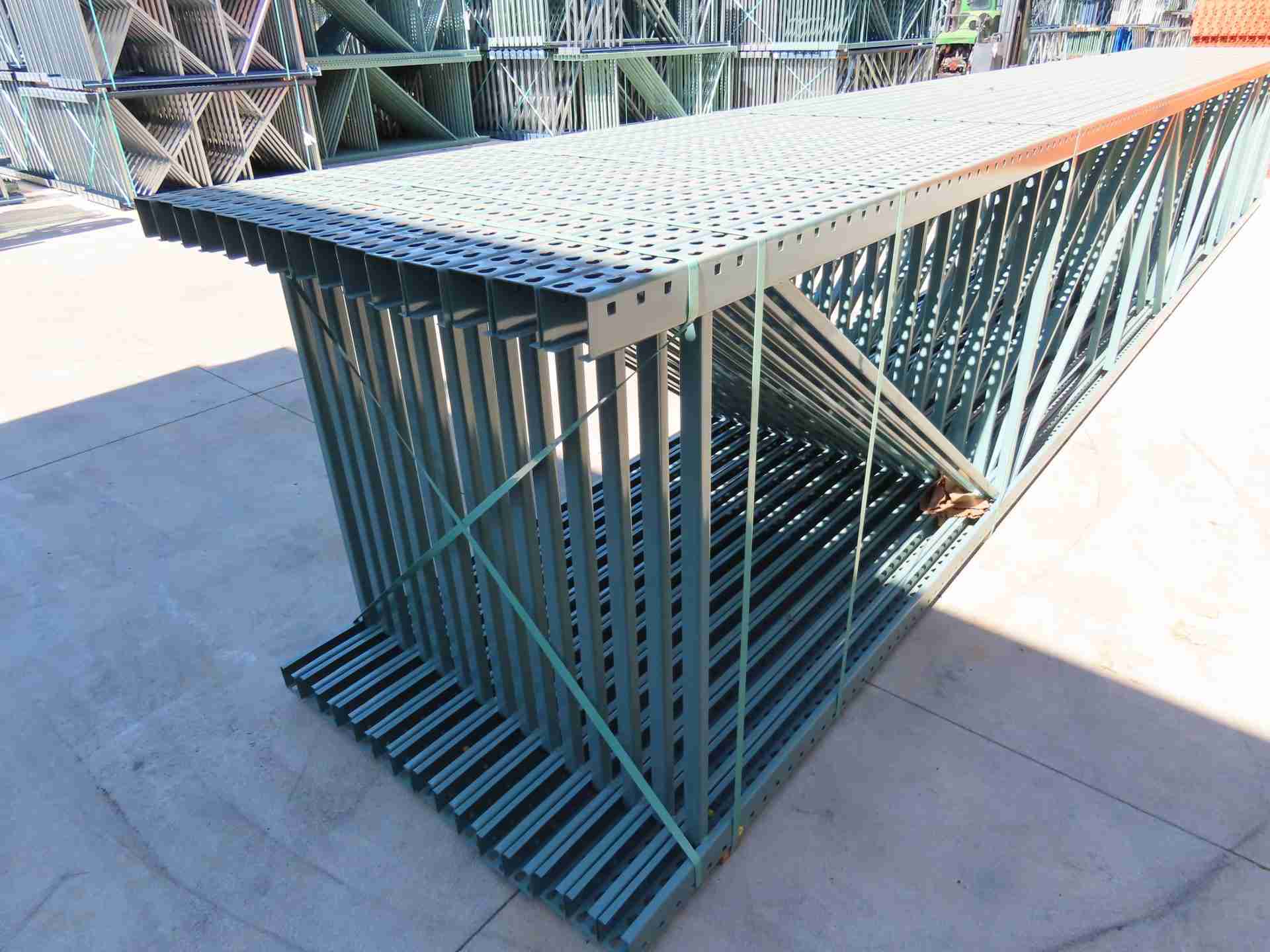
Conclusion
Other Resources

Other Resources
Here is a list of other resources you can review online to learn more:
- Teardrop Industrial Shelving Rack
- Warehouse Racks, Warehouse Racking in Stock – ULINE
- Teardrop Uprights
- Arrow Industrial Sales
- International Warehouse Logistics Association
- Selective Rack – Raymond West
- Storage Equipment Manufacturers Association
- Chicago Pallet Racking
- Teardrop Pallet Rack – Ridg-U-Rak
- NSC
Use This Prompt To Get More Resources With Your Favorite Online AI Tool: Please provide me with a list of online articles with their URLs in a bulleted list that I can read regarding What Are Your Biggest Warehouse Storage Challenges Right Now?

Other Resources
Glossary Terms
What Are Your Biggest Warehouse Storage Challenges Right Now? – Glossary Of Terms
1. Inventory Management: The process of overseeing and controlling inventory levels and storage locations to ensure optimal supply and minimize costs.
2. Space Utilization: The efficient use of available warehouse space to maximize storage capacity and accessibility of goods.
3. SKU (Stock Keeping Unit): A unique identifier for each distinct product and service that can be purchased, crucial for inventory tracking.
4. Picking Efficiency: A measure of how quickly and accurately items are picked from the warehouse for order fulfillment.
5. FIFO (First In, First Out): An inventory valuation method where the oldest inventory items are sold first to prevent obsolescence.
6. LIFO (Last In, First Out): An inventory valuation method that assumes the most recently added items are sold first, affecting inventory costs.
7. Batch Picking: A selection process where a picker gathers multiple orders simultaneously to improve efficiency.
8. Putaway: The process of storing incoming inventory in a designated location within the warehouse.
9. Cross-Docking: A logistics practice where incoming goods are directly transferred to outgoing shipments with minimal storage time.
10. Lead Time: The amount of time it takes from placing an order to receiving the inventory, which affects stock levels.
11. Cycle Counting: An inventory auditing procedure where a fraction of inventory is checked in cycles to ensure accuracy.
12. Automated Storage and Retrieval System (AS/RS): A technology that automates the storage and retrieval of goods to improve efficiency and reduce labor costs.
13. Safety Stock: Extra inventory kept on hand to prevent stockouts due to demand variability or supply chain disruptions.
14. Order Fulfillment: The complete process of receiving, processing, and delivering customer orders.
15. Warehouse Layout: The physical arrangement of storage space, equipment, and workflow in a warehouse to optimize efficiency.
16. Dock Efficiency: A measure of the effectiveness of loading and unloading goods at the warehouse dock to minimize turnaround time.
17. Returns Management: The process of handling returned goods, including processing, restocking, and disposal.
18. Warehouse Management System (WMS): Software designed to support and optimize warehouse functionality and distribution center management.
19. Picking Route Optimization: The strategy of planning the most efficient path for warehouse employees to follow when picking items.
20. Bulk Storage: A method of storing goods in large quantities, often used for raw materials or products that do not require individual handling.
21. Height Restrictions: Regulations or limitations on stacking items to ensure structural integrity and safety in a warehouse.
22. Temperature-Controlled Storage: A specialized storage area designed to maintain specific temperature ranges for sensitive goods.
23. Obsolescence: The state of products becoming outdated or no longer useful, which can lead to excess inventory.
24. Ergonomics: The study of how workers interact with their environment, aiming to improve comfort and reduce injury risk in warehouse operations.
25. Condensing Storage: A strategy to reduce empty space in the warehouse by storing more items in a compact area.
26. Last-Mile Logistics: The final step in the delivery process where goods are transported from a distribution center to the end customer.
27. Inventory Turnover Rate: A measure of how often inventory is sold and replaced over a period, indicating sales performance.
28. Supplier Lead Time: The time taken by suppliers to fulfill orders, which affects inventory replenishment strategies.
29. Team Collaboration: The process of facilitating teamwork among warehouse staff to enhance operational efficiency and productivity.
30. Technology Integration: The incorporation of digital solutions and systems into warehouse operations to streamline processes and improve accuracy.
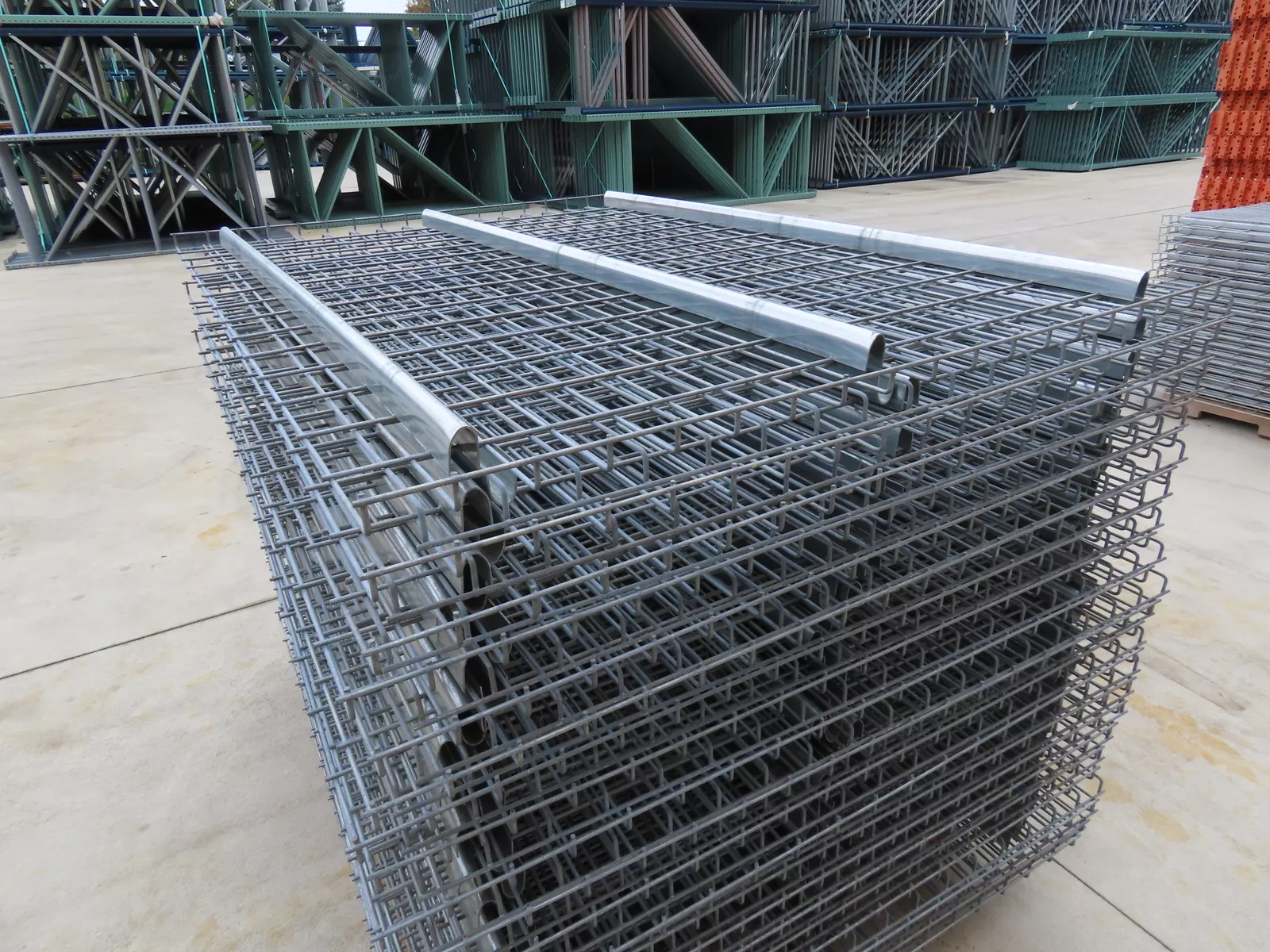
Glossary Of Terms
Other Questions
What Are Your Biggest Warehouse Storage Challenges Right Now? – Other Questions
If you wish to explore and discover more, consider looking for answers to these questions:
- What common mistakes do warehouse managers make when organizing their storage?
- How often should I evaluate my warehouse layout for efficiency?
- What are the best practices for inventory management in a warehouse?
- What types of pallet racking systems are available and their benefits?
- How can technology improve my warehouse operations?
- What training programs are essential for warehouse employees?
- How do I handle surplus inventory during slow seasons?
- What metrics should I track to measure warehouse efficiency?
- How can I ensure safety while optimizing space in the warehouse?
- What should I consider when choosing a warehouse management system?
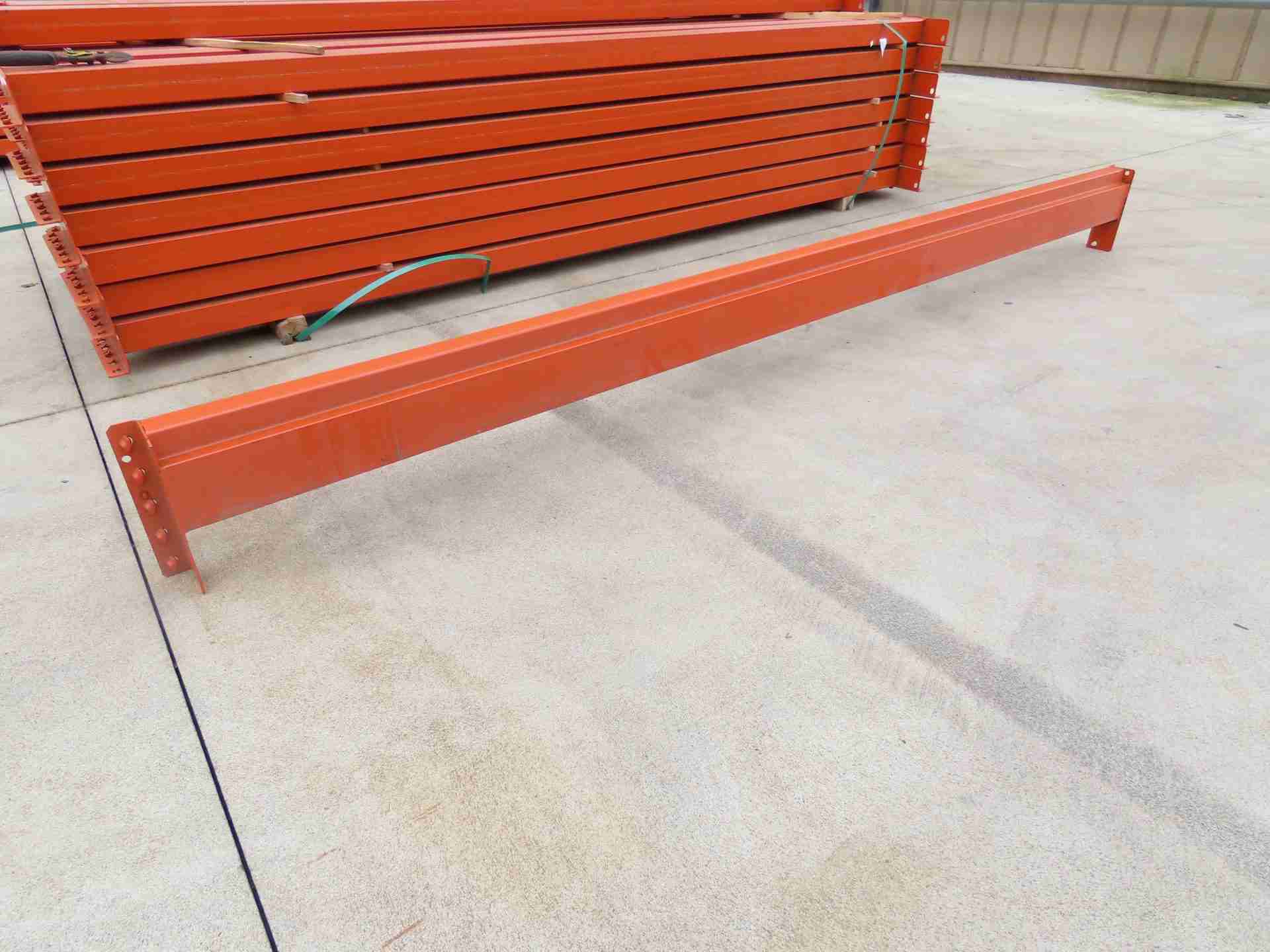
Other Questions
Checklist
What Are Your Biggest Warehouse Storage Challenges Right Now? – A Checklist
Checklist: Overcoming Warehouse Storage Challenges
1. Assess Your Current Storage Systems
_____ Evaluate the layout of your pallet racking for optimal flow and accessibility.
_____ Identify outdated storage systems that may be constricting operations.
_____ Consider the design and arrangement of pallets to reduce congestion.
2. Optimize Space Utilization
_____ Measure the current space usage to identify inefficiencies (Aim for reducing wasted space).
_____ Implement effective pallet racking solutions to maximize vertical space.
_____ Reorganize stock for strategic placement and easy retrieval.
3. Improve Inventory Management
_____ Invest in inventory management software for real-time tracking.
_____ Regularly conduct cycle counts to maintain inventory accuracy.
_____ Audit current stock for obsolete items that can be removed.
4. Enhance Safety Measures
_____ Review stacking methods to ensure they meet safety standards.
_____ Train employees on safety practices related to pallet racking.
_____ Create an emergency protocol for handling hazardous situations.
5. Foster Employee Training and Accountability
_____ Schedule ongoing training sessions focused on best practices for storing and retrieving items.
_____ Encourage a culture of accountability and team spirit to promote shared responsibility.
_____ Provide feedback mechanisms for employees to voice improvement suggestions.
6. Embrace Technology
_____ Research and implement warehouse management systems (WMS) for improved data tracking.
_____ Explore automation options such as automated guided vehicles (AGVs) to enhance workflow.
_____ Regularly assess and update software systems to stay aligned with modern technology.
7. Plan for Seasonal Fluctuations
_____ Analyze historical inventory trends to prepare for peak and low seasons.
_____ Create a flexible storage strategy that adapts to changing demands.
_____ Communicate with your team about seasonal changes and involve them in planning.
8. Set Performance Metrics
_____ Establish benchmarks for evaluating the effectiveness of storage systems and organization efforts.
_____ Regularly review performance data to identify areas for improvement.
_____ Be willing to change strategies based on data-driven insights.
9. Sustain Continuous Improvement
_____ Encourage a culture of feedback and continuous improvement within your team.
_____ Review and adjust storage strategies periodically based on operational changes.
_____ Stay updated on industry best practices for warehouse management.
10. Take Action
_____ Create a timeline for implementing the above strategies.
_____ Assign responsibilities to team members for each task on this checklist.
_____ Celebrate improvements and successes to motivate further enhancements.
Use this checklist as a guide to empower your warehouse operations, enhance efficiency, and improve your overall storage capability!
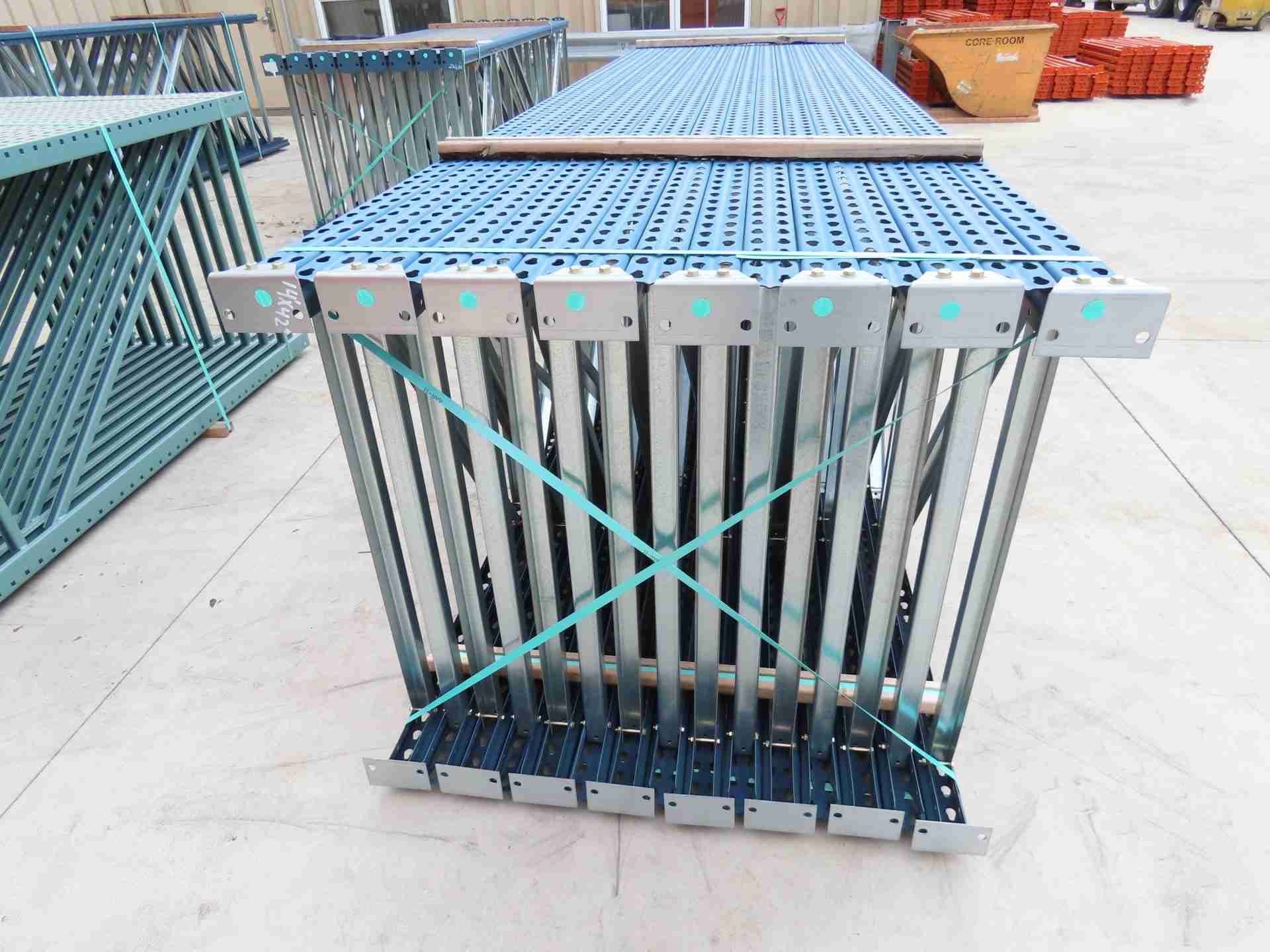
Checklist
At RackingWorld, we help guide you through selecting warehouse storage systems and racking.
Be sure to read our other related stories at RackingWorld to learn more about warehouse storage systems.
0 Comments