
Maximizing Efficiency, Safety, And Growth Through Smart Pallet Racking Solutions
By Tom Seest
At RackingWorld, we help guide you through selecting warehouse storage systems and racking.
Be sure to read our other related stories at RackingWorld to learn more about warehouse storage systems.
How Do E-Commerce Fulfillment Warehouses Leverage Pallet Racking?
When you step into an e-commerce fulfillment warehouse, what you’re really seeing is a symphony of order fighting against chaos. At the heart of that battle is pallet racking. It’s the unsung workhorse holding up the entire operation—and not just by stacking boxes. These racks are the framework that keeps goods moving, customers happy, and everyone’s paycheck secure.
Picture a mountain of products waiting to get shipped: without pallet racking, it’d be a jumble of chaos—boxes piled haphazardly, people scrambling to find the right item, time ticking away. Pallet racking turns that mountain into neat, manageable layers. It makes everything visible and accessible, like a map on a well-organized toolbench. This isn’t just about efficiency; it’s about respect—respect for the worker who needs to grab an order quickly, respect for the customer counting on that order to arrive on time, and respect for the business that’s keeping it all running.
Using pallet racking is smart business and common sense. It maximizes vertical space, freeing up floor room so forklifts and team members can move without bumping elbows. It cuts down on mistakes and delays because when you know where every box lives, you spend less time hunting and more time packing. The result? Faster fulfillment, fewer headaches, and customers who keep coming back because their orders show up how and when they want.
There’s also an ethical side here—keeping worker safety top of mind. Pallet racking systems aren’t a random hodgepodge; they’re built strong enough to hold tons of weight without risking a collapse that could hurt someone. Investing in good racking shows a company values its people, protecting the hands that make everything happen. It tells your team they’re not just cogs in the machine but part of a well-built, dependable system—and that matters.
In every busy fulfillment center, pallet racking is the silent partner turning chaos into order, sweat into success. It’s a no-nonsense tool that’s stood the test of time by doing the job right: holding up goods, saving space, speeding up work, and keeping everybody safe. Without pallet racking, the whole operation would be a lot messier—and fewer of us would enjoy the simple satisfaction of a job well done.

How Do E-Commerce Fulfillment Warehouses Leverage Pallet Racking?
How Do E-Commerce Fulfillment Warehouses Leverage Pallet Racking?
- Pallet racking is essential in e-commerce fulfillment warehouses, organizing goods to prevent chaos and maintain order.
- It transforms piles of products into accessible, visible layers, improving efficiency and respecting workers, customers, and businesses.
- Maximizes vertical space, freeing floor area for smooth movement of forklifts and staff, reducing clutter and collisions.
- Helps reduce errors and delays by clearly defining storage locations, speeding up picking and packing processes.
- Ensures worker safety by providing sturdy support capable of holding heavy loads without risk of collapse.
- Demonstrates a company’s commitment to employee well-being and operational reliability.
- Pallet racking is a proven, indispensable tool that sustains warehouse productivity and safety, turning chaos into efficient order.

How Do E-Commerce Fulfillment Warehouses Leverage Pallet Racking?
Table Of Contents
- How Do E-Commerce Fulfillment Warehouses Leverage Pallet Racking?
- How Does Pallet Racking Improve Order Fulfillment Speed?
- How Does Pallet Racking Reduce Warehouse Errors?
- Can Pallet Racking Enhance Worker Safety In Warehouses?
- What Cost Savings Come From Using Pallet Racking Systems?
- How Does Pallet Racking Maximize Limited Warehouse Space?
- Why Do Top E-Commerce Warehouses Choose Pallet Racking?
- Conclusion
- Other Resources
- Glossary Of Terms
- Other Questions
- Checklist
How Does Pallet Racking Improve Order Fulfillment Speed?
When the clock’s ticking and orders pile up, Pallet Racking ain’t just some fancy warehouse doodad—it’s the backbone that keeps everything moving. Think about those long days where you’re hustlin’ to get product out the door. Without a solid Pallet Racking setup, you’re wandering around, digging through stacks, wasting time and energy like you’re digging for gold in a haystack. But with the right racks, every pallet’s got a place, every item’s reachable, and every move counts. It’s like having a well-worn toolbox where every wrench and screwdriver lives exactly where you expect it—no fumbling, no guessing.
Pallet Racking speeds up order fulfillment by turning chaos into order. When you know where every SKU sits, picking becomes second nature, almost automatic. That’s a win for your head—less stress, fewer mistakes, smarter workflows. It strips out the guesswork; your team spends less energy chasing inventory and more time getting orders sealed and shipped. It’s common sense, really. Why waste precious minutes hunting down a single pallet when a clean, logical racking system puts it front and center?
There’s something about watching a crew work smooth and easy, their movements dialed in like a well-oiled machine. That feeling of flow—everyone’s got your back, the system’s your guide, and the orders keep rolling out. This isn’t just efficiency; it’s pride. Knowing your warehouse isn’t a jumble but a finely tuned operation builds a quiet confidence in your crew and yourself. It’s the kind of pride that sticks with you at the end of a long shift, knowing you got the job done right.
Pallet Racking also taps into a deeper sense of responsibility. When orders get fulfilled faster and more accurately, customers get what they expect—on time, no fuss. That’s ethical business in action: treating your clients with respect by valuing their time and trust. This honest, straightforward setup doesn’t just serve your bottom line; it serves your reputation.
PPallet Racking is more than metal beams and shelves. It’s the unsung hero that turns a wild warehouse into a well-ordered battlefield where speed wins. You get fewer headaches, faster turnaround, and a team that knows the grind is worth it. For anyone serious about moving product and making good on promises, Pallet Racking earns its keep every single day.

How Does Pallet Racking Improve Order Fulfillment Speed?
How Does Pallet Racking Improve Order Fulfillment Speed?
- Pallet Racking is essential for efficient warehouse operation, providing organized storage and easy access to every pallet.
- It speeds up order fulfillment by eliminating wasted time searching for items and enabling automatic, streamlined picking.
- A well-structured racking system reduces stress, mistakes, and energy spent by the team during order processing.
- It promotes smooth teamwork and operational flow, fostering pride and confidence in a well-run warehouse environment.
- Pallet Racking supports ethical business practices by ensuring orders are fulfilled accurately and on time, respecting customer trust.
- More than just metal shelves, it transforms chaotic warehouses into efficient “battlefields” where speed and organization prevail.
- It delivers fewer headaches, faster turnaround, and reinforces the value of hard work for teams serious about meeting commitments.

How Does Pallet Racking Improve Order Fulfillment Speed?
How Does Pallet Racking Reduce Warehouse Errors?
Look, running a warehouse without some kind of organization is like trying to find a needle in a haystack—except the haystack’s always moving and nobody wrote down where the needle landed last time. Pallet racking changes that game. It’s simple, sturdy, and built to keep things in their place. When everything has a spot, mistakes don’t sneak in as easily.
From the jump, pallet racking gives you a clear layout. Boxes aren’t just dumped on the floor or stacked haphazardly; they’re lined up on racks where you can see ‘em. This means folks aren’t wasting time hunting around or moving stuff twice because they put it in the wrong place. Everyone knows what goes where, making it easier to count inventory right, fulfill orders accurately, and get shipments out on time. The bottom line? Pallet racking turns chaotic storage into a streamlined system that works. That’s not just efficiency; that’s saving headaches, overtime, and customers losing faith because their orders showed up mangled or incomplete.
There’s also something about pallet racking that tells the crew you care. It’s a no-nonsense way to say, “We respect your work and want to make it easier.” When you give your people the right tools, it shows. They feel more confident, less rushed, and less prone to burning out. So, it’s not just about racks and pallets; it’s about building a place where everyone can do their best without fighting the mess. That trust? It pays off in fewer mistakes and a smoother flow every day.
Ethically, keeping your warehouse organized with pallet racking means safety, too. A clutter-free space isn’t just good for keeping order—it prevents accidents that happen when folks step around or over misplaced items. Fewer errors in stock handling also means less waste, fewer returns, and a leaner, cleaner operation. That’s smart business and good stewardship all rolled into one.
You’ve probably heard or seen warehouses where the lack of order causes chaos. Pallet racking stands as a practical fix—tested and proven on countless floors just like yours. It’s not just about fancy tech or complicated software; it’s about putting the basics right. When the basics are right, errors shrink, morale improves, and the whole place hums along like it’s supposed to. That’s the kind of reliability every warehouse deserves.

How Does Pallet Racking Reduce Warehouse Errors?
How Does Pallet Racking Reduce Warehouse Errors?
- Pallet racking provides simple, sturdy organization that prevents mistakes by giving everything a designated spot.
- It creates a clear layout, avoiding haphazard stacking and reducing time wasted searching for items.
- This system improves inventory accuracy, order fulfillment, and timely shipments, enhancing overall efficiency.
- Pallet racking shows respect for workers by making their tasks easier, boosting confidence and reducing burnout.
- Maintaining an organized, clutter-free warehouse promotes safety by preventing accidents and minimizing stock handling errors.
- Organized storage reduces waste and returns, supporting smarter, leaner, and cleaner operations.
- Pallet racking is a proven, practical solution that improves reliability, morale, and smooth warehouse functioning without relying on complex technology.

How Does Pallet Racking Reduce Warehouse Errors?
Can Pallet Racking Enhance Worker Safety In Warehouses?
When you’ve spent years on a warehouse floor, you quickly learn that safety isn’t just some checkbox or fancy training video—it’s about keeping folks whole at the end of the day. Pallet racking plays a bigger role in that than most realize. This isn’t about shiny gear or high-tech gadgets; it’s about putting stuff where it belongs, making sure people don’t have to dodge falling boxes or strain their backs hauling heavy loads because there’s no order or system in place.
Pallet racking organizes pallets off the ground and stacks them in sturdy, predictable rows. That means aisles stay clear, floors free from clutter, and forklift drivers get a straight shot without frantic guessing. This kind of structure cuts down on accidents that come from slipping on debris or tripping over misplaced items. It’s like giving everyone a clear path to do their job without playing warehouse roulette.
But it’s more than just cutting risks. It sends a message—that management gives a damn about the folks doing the heavy lifting. When you see solid pallet racking installed right, you know the company isn’t messing around with safety. It says, “We respect your work, and we’re investing to keep you safe.” That respect builds trust. And trust keeps people showing up, working hard, and watching each other’s backs. Because, honestly, nothing matters more than knowing your coworkers are looking out for you, and you’re looking out for them.
Ethically, it’s a no-brainer. Warehouses move tons of weight every day—pallet racking helps make sure that weight isn’t a slow-moving hazard. It’s about valuing human lives over shortcuts. It’s about taking the simple step of putting racks in that reduce chances for disaster. Every spot where a pallet racking system stands strong is one fewer injury, one less hospital visit, one family spared a tough day.
The proof is in the numbers and stories from experienced warehouse crews who’ve seen what a well-implemented pallet racking system can do. They’ve watched near-misses turn into smooth shifts and injuries turn into smiles at the end of a workday. That’s the kind of confidence that can change mindsets and raise standards across the whole industry. Pallet racking isn’t just a storage solution; it’s a foundation for respect, safety, and practicality on every warehouse floor.

Can Pallet Racking Enhance Worker Safety In Warehouses?
Can Pallet Racking Enhance Worker Safety In Warehouses?
- Safety in warehouses is about protecting workers, not just compliance or training.
- Pallet racking organizes pallets off the ground in stable rows, keeping aisles clear and floors clutter-free.
- This organization reduces accidents from slipping, tripping, and falling objects by providing clear pathways.
- Proper pallet racking signals management’s commitment to worker safety and respect.
- Trust built through safety investment encourages teamwork and consistent attendance.
- Ethically, pallet racking prioritizes human life by minimizing hazards from heavy loads.
- Experienced warehouse workers report that good pallet racking turns near-misses into safe, efficient shifts, raising industry standards.

Can Pallet Racking Enhance Worker Safety In Warehouses?
What Cost Savings Come From Using Pallet Racking Systems?
When you’ve been in the trenches of a warehouse or workshop, you know every inch of space counts. Pallet racking isn’t just some fancy setup—it’s the kind of straightforward solution that saves you real money where it hurts most. First off, think about how much chaos and wasted motion happens without it. You spend hours searching for materials jammed in a corner or stacked haphazardly. Pallet racking brings order, carving out space vertically so you’re not spreading out all over the floor like a storm hit. That means less time hunting, more time working, and less risk of accidents that slow you down even more.
Look at it from the numbers side. Installing pallet racking transforms your storage capacity without needing a bigger building. More storage in less space means fewer rental fees, fewer moves, and better control over your inventory. It’s like turning your cramped garage into a well-oiled machine—it just makes sense. Save floor space and you’re saving rent and labor costs, plain and simple. Plus, when inventory’s easier to see and grab, you keep better track and cut down on losses from misplaced items or damaged goods. That’s money back in your pocket.
There’s also something honest about doing things smarter, not harder. Pallet racking respects what you’ve built, aiming to protect your goods and your team. When you don’t have to wrestle with awkward piles stacked too high or improvise dangerous shelving, you’re honoring safety and common sense. It’s ethical to set people up with tools that cut down on injury risks and stress—because a safe job site isn’t just a nice bonus, it’s the right thing to do.
Over the years, stories come from every corner of the warehouse—how pallet racking turned a clutter nightmare into a system that hums like clockwork. It’s testimony from folks who’ve felt the difference in their day-to-day grind. When you invest in pallet racking, you’re stepping into a community that values efficiency without cutting corners. You’re making a choice that pays off in steady returns, safer workdays, and fewer headaches.
It’s about trust—the kind you build from the ground up with tools that simply work and stand the test of time. Pallet racking isn’t just gear; it’s grit meeting smart design. That’s the kind of cost savings that sticks with you—earned through sweat, reason, and respect for the work you do every day.

What Cost Savings Come From Using Pallet Racking Systems?
What Cost Savings Come From Using Pallet Racking Systems?
- Pallet racking maximizes vertical space, reducing clutter and wasted time spent searching for materials.
- It increases storage capacity without needing a larger facility, lowering rental and labor costs.
- Improved visibility and accessibility of inventory reduce losses from misplaced or damaged goods.
- Pallet racking enhances workplace safety by preventing hazardous stacking and reducing injury risks.
- It supports efficient workflows, turning disorganized spaces into streamlined, productive systems.
- Investing in pallet racking connects users to a community that values durable, effective solutions.
- The system combines practical design with cost savings, respecting the work and effort behind daily operations.

What Cost Savings Come From Using Pallet Racking Systems?
How Does Pallet Racking Maximize Limited Warehouse Space?
When you’re staring down a warehouse full of boxes, crates, and gear, the last thing you want is to be tripping over stuff or wasting precious square footage. That’s where pallet racking steps in like the no-nonsense workhorse it is. It’s not just metal beams bolted together—it’s the backbone of getting more done in less space, plain and simple.
Pallet racking maximizes limited warehouse space by stacking goods vertically, turning a cramped floor into a sky-high storage powerhouse. Instead of spreading out on the floor like an unruly mess, items sit neatly one over the other, making every inch count. It’s the kind of smart, practical solution that’s born from the rough-and-tumble reality of warehouses where every square foot fights to pull its weight. You see, it’s not just about squeezing stuff in; it’s about working smarter, not harder.
But beyond the nuts and bolts, pallet racking earns trust because it’s proven time and again in the nitty-gritty of day-to-day operations. When things need moving fast, and orders stack up, having a system that keeps everything organized, accessible, and safe is more than a convenience—it’s a lifesaver. You know the feeling: that grinding pressure to stay on top of inventory without the chaos. Pallet racking delivers on that promise, following simple yet rock-solid design principles that veterans of warehouse life respect. It’s reliable, sturdy, and built to take the knocks.
There’s also an ethical angle here that often gets overlooked. A cluttered, unsafe warehouse is a liability not just in dollars but in people’s well-being. Investing in pallet racking means prioritizing a safer workspace, reducing accidents, and showing respect for the folks running the floor every day. It’s a down-to-earth way of saying, “You matter. Your safety matters.” That kind of care isn’t just good business; it’s the right thing to do.
On a social level, a well-organized warehouse fosters pride and teamwork. When everyone knows where things belong and can find what they need without a scavenger hunt, it turns chaos into a shared win. Pallet racking doesn’t just store pallets; it builds order, trust, and a sense that the job, no matter how tough, is manageable and fair.
So, if you’re looking at a cluttered warehouse and wondering how to make it all fit, pallet racking isn’t just an option—it’s the salt-of-the-earth fix that turns a headache into a well-ordered, efficient space where every pallet has a place and every worker can get the job done without losing their cool.

How Does Pallet Racking Maximize Limited Warehouse Space?
How Does Pallet Racking Maximize Limited Warehouse Space?
- Pallet racking maximizes warehouse space by stacking goods vertically, turning limited floor area into efficient storage.
- It organizes items neatly, making every inch count and promoting smarter, more practical warehouse operations.
- Pallet racking is trusted for its reliability, sturdiness, and ability to handle the demands of daily warehouse activities.
- It enhances safety by reducing clutter and accidents, showing respect for workers’ well-being.
- A well-organized warehouse using pallet racking fosters teamwork, pride, and a sense of order among employees.
- Pallet racking simplifies inventory management and improves accessibility, reducing chaos during busy periods.
- It transforms cluttered, inefficient spaces into orderly, efficient environments where workers can perform effectively.
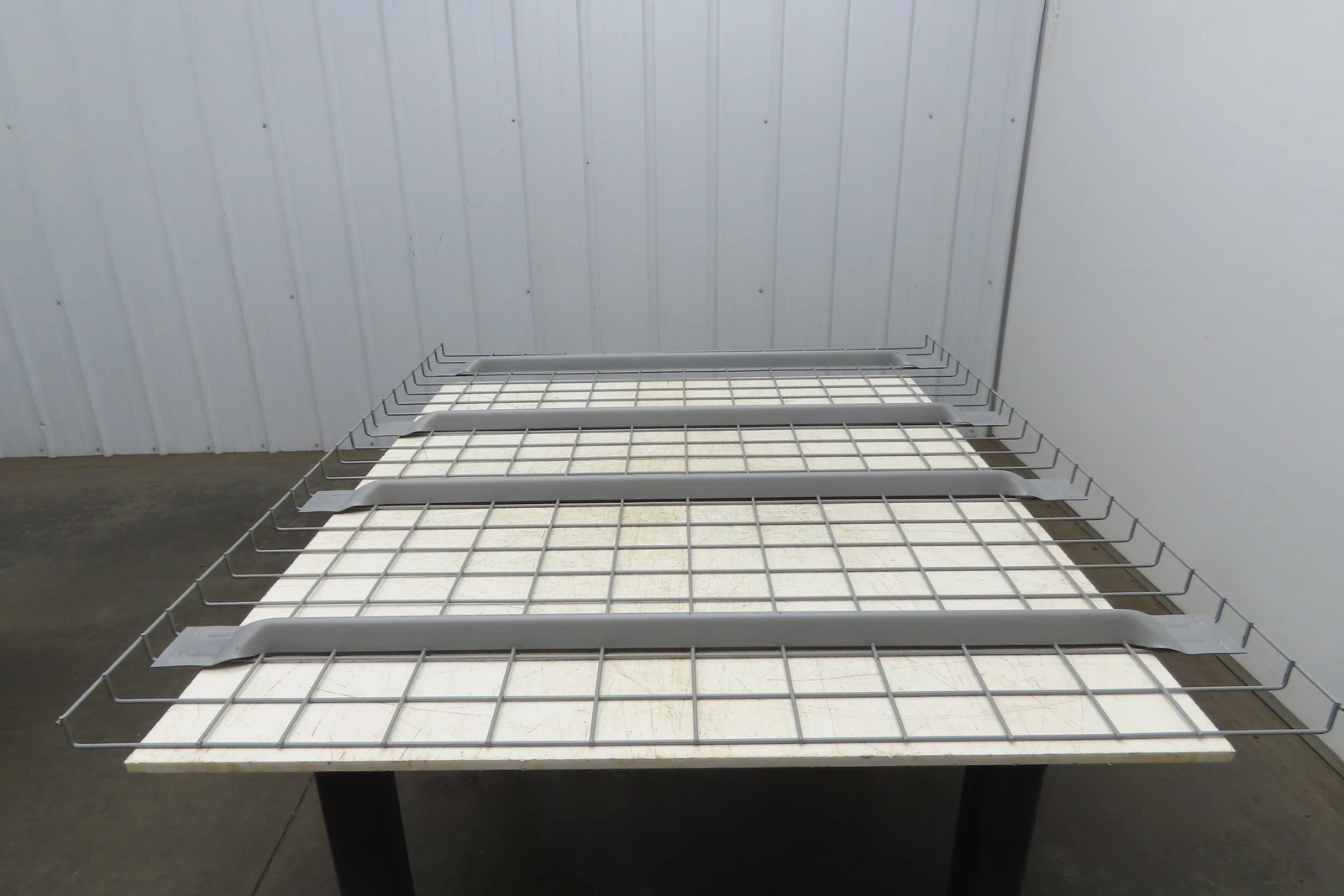
How Does Pallet Racking Maximize Limited Warehouse Space?
Why Do Top E-Commerce Warehouses Choose Pallet Racking?
When it comes to the tough job of running a top e-commerce warehouse, there’s no room for guesswork or fancy gimmicks. The backbone of these operations often boils down to one simple truth: pallet racking. Why? Because it works, plain and simple. You’re stacking goods by the thousands, racing against the clock every day, and the last thing you need is a system that can’t keep up or falls apart under pressure.
Pallet racking isn’t just metal bars bolted together; it’s the quiet hero of the warehouse world. These racks hold your inventory solid and secure, making sure every box, every crate, every last product isn’t just tossed around but cared for. There’s pride in knowing the gear you rely on won’t fail you when deadlines loom and shipping ships out. It speaks to the no-nonsense grind that e-commerce warehouses live by—a system built as tough as the people who stack those pallets morning through night.
Reason backs it up, too. Pallet racking maximizes space like nothing else. When your warehouse square footage counts by the inch and every aisle is a sprint, the ability to store vertically means turning a crammed room into a well-oiled machine. Less clutter, better flow, faster picks, no hunting for that one box stuck in some forgotten corner. It’s about making every inch work smarter, not harder—and that pays off in faster orders, fewer headaches, and a bottom line that soars.
There’s also an ethical angle, quietly woven in. Pallet racking supports safer workplaces. It reduces risk by keeping goods stable, preventing costly accidents or injuries down on the floor. When your team clocks in every day, you want them going home in one piece. This system respects the hands that keep the wheels turning and the backs that bear the load.
Trust grows here, too—trust from clients, suppliers, and your crew. Using proven, sturdy pallet racking sends a message: you mean business. You care about quality from the ground up. That helps build relationships that last because in this world, reputation moves merchandise almost as fast as the trucks at the dock.
Bottom line, pallet racking is the quiet workhorse behind e-commerce warehouses that don’t just promise to deliver, but actually do. It’s the trusted partner that turns chaos into order, stress into confidence, and piles of stock into profit. When you choose pallet racking, you’re not just picking storage—you’re backing a system that honors hard work, common sense, and getting the job done right every single day.

Why Do Top E-Commerce Warehouses Choose Pallet Racking?
Why Do Top E-Commerce Warehouses Choose Pallet Racking?
- Pallet racking is the essential, reliable backbone of top e-commerce warehouse operations, enabling efficient stacking of thousands of goods daily.
- These racks securely hold inventory, ensuring products are cared for and protected under constant pressure and tight deadlines.
- Pallet racking maximizes vertical space, transforming cramped warehouses into organized, efficient systems with faster picking and smoother workflow.
- It enhances workplace safety by stabilizing goods, reducing accidents, and protecting the well-being of warehouse workers.
- Using sturdy, proven pallet racking builds trust with clients, suppliers, and employees by demonstrating commitment to quality and reliability.
- The system converts warehouse chaos into order, improving confidence and boosting profitability through smarter space utilization.
- Choosing pallet racking supports a practical, hardworking approach to warehouse management, emphasizing durability and getting the job done correctly every day.

Why Do Top E-Commerce Warehouses Choose Pallet Racking?
Conclusion
At the end of the day, pallet racking in e-commerce fulfillment warehouses isn’t some fancy upgrade or a flashy gadget—it’s the steady backbone that keeps the whole operation from spiraling into chaos. It’s the common-sense solution born out of countless hours working the floor, where every inch of space, every second saved, and every prevented accident adds up to a smoother, safer grind. Picture a warehouse without these sturdy racks: a jumble of mismatched boxes, workers scrambling blindly, delays piling up, and safety tossed out the window. Pallet racking flips that on its head, turning piles of inventory into neat, accessible stacks that don’t just store products but respect the people handling them.
This system talks to the head and the gut alike. It maximizes vertical space, freeing up floor room for forklifts and crew to move without stepping on each other’s toes, cutting down on wasted motion and precious minutes chasing lost pallets. It sharpens workflows so picking orders becomes muscle memory, not a scavenger hunt, cutting errors that cost time and customer trust. Watching a well-run floor where everyone knows their place breeds a quiet pride—the kind that grips you tight after a long shift, a stake in something done right.
But pallet racking does more than just boost efficiency—it holds a deeper, ethical weight. It says, “We care about your safety.” These racks stand strong enough to handle tons of weight without risking collapse, clearing aisles and cutting trip hazards. That’s respect for the backs and hands doing the heavy lifting, and it builds trust—among workers watching out for each other and management investing in a safer reality. It’s simple, real-world stewardship: a safer workplace isn’t a bonus, it’s a lifeline.
Money talks too, and pallet racking answers loud and clear. By packing storage vertically, warehouses get more done without expanding footprints, chopping rent, trimming labor costs, and slashing losses from damaged or misplaced stock. It’s not just smart business; it’s savvy survival in a ruthless game where every dollar and every minute count.
At its core, pallet racking is the unsung workhorse that turns disorder into a well-oiled machine, sweat into success, and stress into quiet confidence. It’s built on grit, common sense, and respect—the kind of no-nonsense tool that doesn’t just store pallets, but holds up the people, the product, and the promise that those orders get out right and on time. That’s why any warehouse serious about doing good work and doing it safely places its faith—and future—on pallet racking.

Conclusion
Conclusion:
- Pallet racking is the essential backbone of e-commerce fulfillment warehouses, preventing chaos by organizing space efficiently and enhancing safety.
- It maximizes vertical storage, freeing up floor space for easier movement of forklifts and workers, reducing wasted time and effort.
- Improved workflows enable faster, more accurate order picking, increasing productivity and customer trust.
- Pallet racks provide a safer environment by handling heavy loads securely and minimizing trip hazards, showing respect for worker safety.
- The system fosters trust and pride among employees by creating a controlled, well-organized work environment.
- Vertical storage reduces costs by optimizing space, lowering rent, cutting labor expenses, and minimizing product damage and misplacement.
- Pallet racking transforms disorder into efficiency, supporting both the workforce and business goals to ensure timely, accurate order fulfillment.

Conclusion
Other Resources

Other Resources
Here is a list of other resources you can review online to learn more:
- Crane Manufacturers Association Of America Inc.
- Pallet Racking 101: A Comprehensive Guide & Options Explained
- Chicago Pallet Racking
- IIWS Inc. Rack Installation Illinois & Rack Repairs Illinois
- Cantilever Rack Guide: Ordering Cantilever Racking
- Rack Manufacturers Institute
- Teardrop Industrial Shelving Rack
- Interlake Mecalux
- Teardrop Racks – Pallet Rack World
- Shipping Boxes, Packaging Materials, Pallet Racking
- Storage Equipment Manufacturers’ Association
- Cantilever Rack Guide: Ordering Cantilever Racking
- Selective Racking
- Teardrop Pallet Rack – Ridg-U-Rak
- Cantilever Rack Configuration & Installation: A Comprehensive Guide – BMH
- The Ultimate Pallet Racking Guide – Speedrack West
- Warehouse Racking System: Powerful Guide to Optimise, 2024
- National Safety Council
- Warehouse Racks, Warehouse Racking in Stock – ULINE
- IWLA
Use This Prompt To Get More Resources With Your Favorite Online AI Tool: Please provide me with a list of online articles with their URLs in a bulleted list that I can read regarding How Do E-Commerce Fulfillment Warehouses Leverage Pallet Racking?
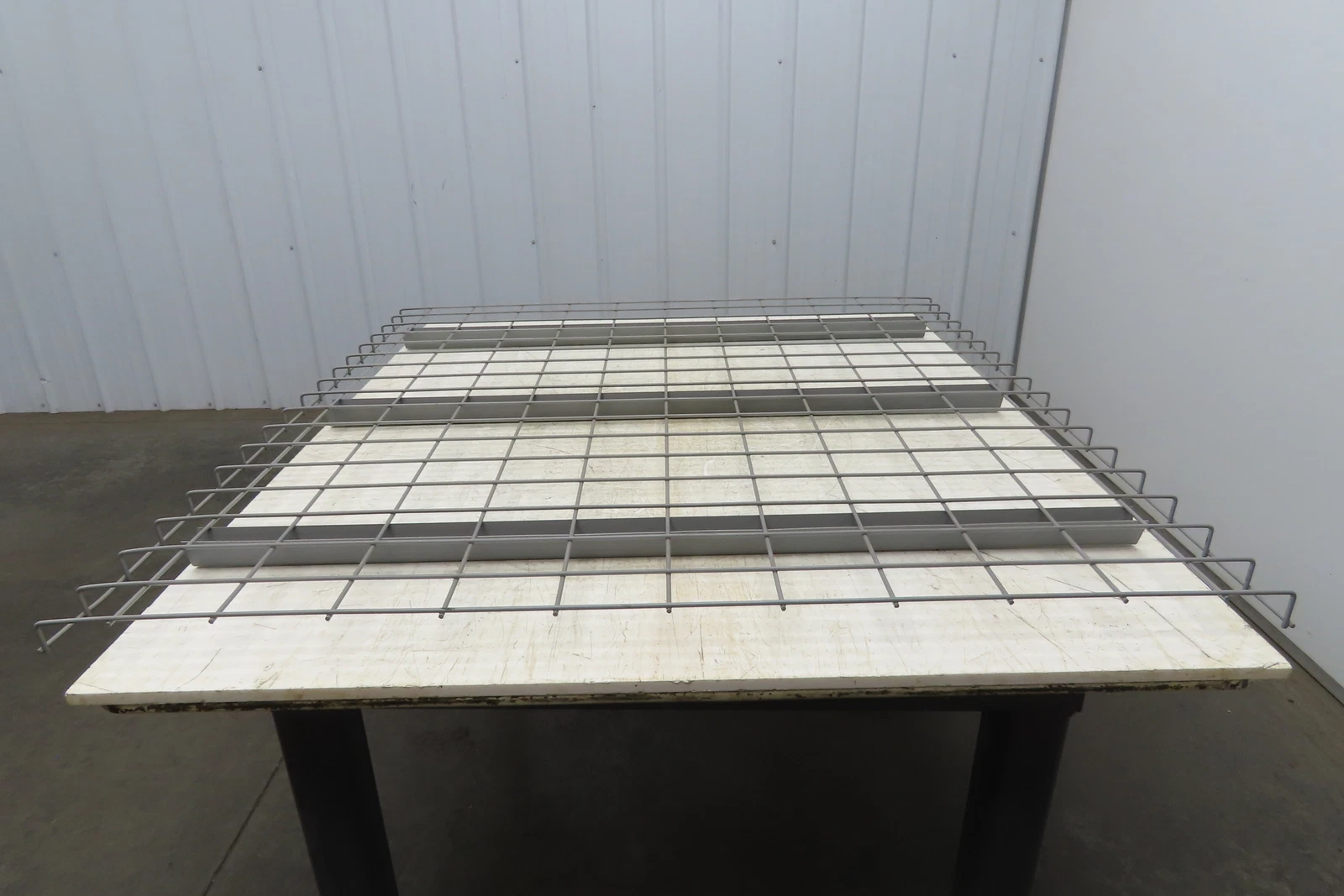
Other Resources
Glossary Terms
How Do E-Commerce Fulfillment Warehouses Leverage Pallet Racking? – Glossary Of Terms
1. Pallet Racking: A storage system designed to hold pallets and optimize warehouse space.
2. E-commerce Fulfillment: The process of receiving, processing, and delivering online orders.
3. Warehouse Efficiency: The ability to maximize output with minimal resources and time in a warehouse.
4. Inventory Management: The supervision of stock levels to meet demand without overstocking.
5. Storage Density: The amount of stored goods per unit of warehouse space.
6. Space Optimization: The effective use of physical space to maximize storage capacity.
7. Pick-and-Pack: The process of selecting items from inventory and packing them for shipment.
8. Order Accuracy: The correctness of fulfilling customer orders exactly as requested.
9. Load Capacity: The maximum weight a pallet rack can safely support.
10. Accessibility: Ease of reaching stored goods within the warehouse.
11. SKU (Stock Keeping Unit): A unique identifier for each distinct product or item.
12. FIFO (First In, First Out): An inventory method where older stock is used or shipped before newer stock.
13. LIFO (Last In, First Out): An inventory method where newer stock is used before older stock.
14. Rack Configuration: The specific design and layout of pallet racks within a warehouse.
15. Automation Integration: The use of automated systems and machinery with pallet racking.
16. Load Stability: Securing pallets safely on racks to prevent tipping or collapse.
17. Material Handling: The movement, protection, storage, and control of materials during warehousing.
18. Vertical Space Utilization: Using the height of a warehouse to store more goods.
19. Throughput: The volume of goods processed in the warehouse over a given time.
20. Cross-Docking: Transferring goods directly from inbound to outbound shipment with minimal storage.
21. Safety Compliance: Adherence to regulations ensuring safe storage and handling practices.
22. Pallet Jack: A manual tool used to lift and move pallets within the warehouse.
23. Forklift: A powered vehicle used for lifting and transporting pallets.
24. Order Fulfillment Speed: Time taken to process and ship an order from the warehouse.
25. Inventory Turnover: The rate at which inventory is sold and replaced over time.
26. Space Allocation: Assigning specific warehouse areas for particular products or tasks.
27. Racking Inspection: Regular checking of pallet racks for damage or safety concerns.
28. Modular Racking: Pallet racking systems designed for easy reconfiguration and scalability.
29. Multi-Tier Racking: Racking that uses vertical levels accessed by mezzanines or lifts.
30. Load Distribution: Evenly spreading the weight of palletized goods across the rack for safety.

Glossary Of Terms
Other Questions
How Do E-Commerce Fulfillment Warehouses Leverage Pallet Racking? – Other Questions
If you wish to explore and discover more, consider looking for answers to these questions:
- What types of pallet racking systems are available and which is best for different e-commerce needs?
- How do I calculate the ROI for installing pallet racking in my warehouse?
- What is the typical cost range for purchasing and installing pallet racking?
- How long does installation take and how much operational downtime should I expect?
- What are the required load capacities for various rack configurations and how are they determined?
- How do pallet racking systems affect floor loading and do I need to assess my concrete slab?
- What safety standards, building codes, and regulations apply to pallet racking (e.g., seismic, fire, OSHA)?
- How often should racking be inspected and what does a proper inspection checklist include?
- What are common causes of rack damage and how can I prevent or mitigate them?
- What maintenance and repair procedures are necessary to extend rack life?
- How do pallet racking and automated systems (ASRS, conveyors, robots) integrate effectively?
- What labeling, slotting, and inventory management practices work best with pallet racking?
- How should aisle widths be determined based on equipment (forklifts, reach trucks, pickers)?
- Which pallet sizes and pallet types are compatible with different racking systems?
- How can racking be designed to handle high-SKU, small-item picking vs. bulk pallet storage?
- What accessories (wire decking, backstops, row spacers, column protectors) are recommended?
- How do I choose between selective, drive-in, push-back, pallet flow, and cantilever racking?
- What steps are involved in retrofitting an existing warehouse with new racking?
- How scalable and modular are racking systems for future growth or seasonal peaks?
- What training do staff need for safe use and maintenance of pallet racking systems?
- Can pallet racking improve ergonomics and reduce worker strain during picking operations?
- How does pallet racking impact order accuracy and what metrics should be tracked?
- What insurance or liability implications come with different racking installations?
- How do I select a reputable racking vendor or installer and what questions should I ask them?
- What warranties and service contracts are typical for racking equipment?
- How can pallet racking support reverse logistics, returns processing, and cross-docking?
- What are best practices for protecting racking from forklift impacts and traffic damage?
- How do environmental factors (humidity, temperature, corrosive conditions) affect rack choice?
- Are there sustainable or recyclable racking options, and how do they compare cost-wise?
- What case studies or examples show measurable productivity improvements after racking installation?
- How should emergency procedures (fire evacuation, collapse scenarios) account for racking layout?
- What permits or local approvals are required before installing heavy racking systems?
- What are typical lead times for custom racking orders and how does procurement impact rollouts?
- How do I calculate optimal storage density versus throughput when designing racking layout?
- What KPIs should managers monitor to evaluate the impact of pallet racking on operations?

Other Questions
Checklist
How Do E-Commerce Fulfillment Warehouses Leverage Pallet Racking? – A Checklist
Strategy and Goals
✅______ Define target order cycle time, pick accuracy, and on-time ship goals
✅______ Set storage density targets (pallets per square foot and per cubic foot)
✅______ Identify SKUs by velocity (A/B/C) and handling unit (pallet, case, each)
✅______ Choose FIFO or LIFO flows by SKU family
Space and Layout
✅______ Measure building clear height; confirm sprinkler clearance (typically 18 inches below deflectors)
✅______ Map columns, doors, docks, and egress routes
✅______ Plan cross-aisles and staging zones to prevent congestion
✅______ Protect flue spaces (longitudinal and transverse) for fire performance
✅______ Reserve room for future growth or added aisles
Rack Selection and Design
✅______ Select rack types (selective, double-deep, push-back, pallet flow, drive-in/through, cantilever) as needed
✅______ Align rack type with SKU velocity and FIFO/LIFO requirements
✅______ Verify rack load ratings for beams, frames, and decking
✅______ Obtain engineered and stamped drawings; confirm seismic and local code compliance
✅______ Specify decking (wire deck or perforated) to meet load and fire code needs
✅______ Plan bay widths, beam elevations, and slot sizes for pallets used
Safety and Compliance
✅______ Install anchors on all posts; torque to spec; use beam locking pins/clips
✅______ Add end-of-aisle guards, column protectors, and rack end barriers
✅______ Install anti-collapse netting or backstops where pedestrians work behind racks
✅______ Post safe load notices at rack ends
✅______ Maintain clear egress, fire equipment access, and marked floor lines
✅______ Implement a damaged-rack tagout and isolation process
Equipment and Aisles
✅______ Match aisle widths to equipment (counterbalance, reach, order picker, turret)
✅______ Verify turning radii, lift heights, and mast clearances at top beam levels
✅______ Confirm floor flatness and capacity for equipment used
✅______ Provide sufficient charging and parking space for material handling equipment (MHE)
Inventory and Slotting
✅______ Build a location master (aisle-bay-level-position) with barcoded labels
✅______ Slot A-velocity SKUs in accessible pick faces at ergonomic heights
✅______ Separate reserve (pallet) storage from forward pick (case/each) locations
✅______ Define pallet quality and size standards; limit overhang per spec
✅______ Establish putaway and replenishment rules in the WMS
Workflow and Speed
✅______ Design pick paths to minimize travel and backtracking
✅______ Use batch or cluster picking for small orders; zone picking for high volume
✅______ Create fast lanes for hot SKUs and seasonal peaks
✅______ Allocate staging lanes by carrier and cutoff time
Error Reduction
✅______ Implement location scanning for putaway, picks, and moves
✅______ Use visual management (aisle signs, level markers, color coding)
✅______ Standardize labels and SKU naming conventions
✅______ Conduct root-cause reviews for mispicks and damages; update standards
Training and Culture
✅______ Train all staff on racking safety, load limits, and truck operation
✅______ Provide SOPs for putaway, picking, replenishment, and staging
✅______ Reinforce 5S housekeeping and daily aisle checks
✅______ Keep a near-miss and safety improvement log
Maintenance and Inspections
✅______ Perform daily operator walk-throughs to spot damage or obstructions
✅______ Schedule monthly in-house rack inspections with documented findings
✅______ Arrange annual third-party professional rack inspections
✅______ Keep spare beams and frames and repair kits on hand
✅______ Maintain decking, guards, anchors, and labels in good condition
Cost and ROI
✅______ Calculate cost per pallet position and utilization percentage
✅______ Compare racking upgrades versus building expansion or off-site storage
✅______ Track damage, returns, and labor savings post-implementation
✅______ Establish payback period and ongoing total cost of ownership
Scalability and Adaptability
✅______ Use modular bay designs and standardized components
✅______ Preplan power, lighting, and sprinklers for future levels and zones
✅______ Allow space for mezzanines, pick modules, or conveyors as needed
✅______ Create a peak-season reslotting and labor ramp strategy
KPIs and Continuous Improvement
✅______ Order cycle time (receipt to ship)
✅______ Lines picked per labor hour
✅______ Pick accuracy and return rate
✅______ Dock-to-stock time
✅______ Storage density (pallets per cubic foot utilized)
✅______ Incident rate (recordables, near misses)
✅______ Rack damage rate and downtime
Go-Live and Change Management
✅______ Validate layout with a pilot bay and mock picks
✅______ Conduct load testing on representative SKUs and pallets
✅______ Complete equipment and safety sign-off checklists
✅______ Train, certify, and document operator competencies
✅______ Run a phased cutover with contingency plans and on-floor support
Daily/Weekly Quick Checks
✅______ Aisles clear; flue spaces and egress maintained
✅______ No broken pallets or overhanging or unstable loads
✅______ Beam locks and clips in place; anchors intact
✅______ Labels readable; locations accurate in the WMS
✅______ Damage tagged and reported; repairs scheduled

Checklist
At RackingWorld, we help guide you through selecting warehouse storage systems and racking.
Be sure to read our other related stories at RackingWorld to learn more about warehouse storage systems.
0 Comments