
Protecting Your Investment: Maximizing Safety And…
By Tom Seest
At RackingWorld, we help guide you through selecting warehouse storage systems and racking.
Be sure to read our other related stories at RackingWorld to learn more about warehouse storage systems.
How Often Should You Inspect Warehouse Racks?
When it comes to warehouse racking, the heart of your operation isn’t simply the goods you store; it’s the people who rely on a safe working environment. Ignoring the need for regular inspections can lead to catastrophic outcomes, not just in terms of financial loss but for the lives and livelihoods of your employees. Inspecting your racking systems isn’t just a box to check off—it’s a fundamental part of ensuring safety and efficiency that resonates at a human level.
Let’s reason this out. Picture your bustling warehouse: the busy hum of machinery, the shouts of teamwork, and the click-clack of pallet jacks moving about. Every time you pack away products onto your racking, you’re placing trust—not just in that metal structure, but in every person working around it. Consistent inspections—ideally on a monthly basis—serve as a preventative measure. They are your first line of defense against potential hazards. They promote a strong safety culture and bolster the moral fabric of your team; when people see management taking safety seriously, they feel valued, respected, and ultimately more engaged in their work.
Ethically speaking, we owe it to our teams to foster an environment where everyone can do their jobs without fearing for their safety. This is not just a legal requirement; it’s a moral imperative. A simple inspection can prevent avoidable accidents and injuries, making your workplace a haven rather than a risk zone.
Authoritative voices in the industry suggest developing a thorough inspection protocol, including daily checks for visible damage, monthly evaluations for structural integrity, and comprehensive annual reviews. A little effort upfront pays dividends down the road, creating a culture of safety and responsibility that strengthens your workforce.
People talk; they share experiences and insights. If word spreads that your warehouse prioritizes safety, you’ll likely attract top talent and retain your seasoned employees. This isn’t just good for business; it’s good for morale. Inspecting your racking is like nurturing a garden. When you regularly check for weak spots and tend to issues before they blossom into bigger problems, you’re cultivating not just a secure environment but also trust among your team.
So, mark those inspection dates on your calendar, and remember that every careful glance at your racking is a commitment to quality, safety, and the hardworking individuals behind your operation.

How Often Should You Inspect Warehouse Racks?
How Often Should You Inspect Warehouse Racks?
- The safety of employees is paramount in warehouse operations, not just the goods stored.
- Regular inspections of racking systems are essential to prevent financial loss and safeguard lives.
- Consistent inspections promote a culture of safety and boost employee morale and engagement.
- It’s not only a legal responsibility but also a moral imperative to ensure a safe working environment.
- Industry experts recommend daily checks for visible damage, monthly structural evaluations, and comprehensive annual reviews.
- Prioritizing safety can attract top talent and enhance employee retention.
- Regular inspections nurture a culture of trust and safety, benefiting both the workplace and team cohesion.

How Often Should You Inspect Warehouse Racks?
Table Of Contents
- How Often Should You Inspect Warehouse Racks?
- What Safety Risks Could Arise From Infrequent Rack Inspections?
- How Can Regular Inspections Save Money In the Long Run?
- What Industry Standards Dictate Rack Inspection Frequency?
- What Impact Does Rack Failure Have on Employee Morale and Safety?
- How Can You Ensure That Your Inspection Process Is Ethically Sound?
- Conclusion
- Other Resources
- Glossary Of Terms
- Other Questions
- Checklist
What Safety Risks Could Arise From Infrequent Rack Inspections?
When we think about safety within the warehouse, we often picture hard hats, steel-toed boots, and the distant hum of machinery. Yet, tucked behind the scenes lies an unseen warrior in the battle for safety: the racking. This often-overlooked infrastructure holds not just our goods but our livelihoods. So, what happens when rack inspections are pushed aside, relegated to the “someday” category? The risks can be as insidious as they are undeniable.
A warehouse relies on its racking system—a steel backbone that literally holds everything together. When inspections become infrequent, tiny faults can evolve into catastrophic failures. Imagine the weight of a full pallet teetering on that once-sturdy rack. In an instant, what was once a meticulously organized space transforms into chaos, posing not just a physical danger but also a psychological one. An accident doesn’t just hurt; it fractures trust. Workers begin to feel vulnerable. Their focus is no longer on productivity but on the looming threat of the next mishap.
From a rational standpoint, regular inspections are an investment, not an expense. Think of each inspection as a check-up for the organization’s health. Skipping them might save time today, but it could cost dearly tomorrow—in damaged goods, disrupted operations, even lost lives. According to industry studies, nearly 20% of racking-related accidents occur in warehouses that conduct infrequent inspections. That statistic isn’t just a number; it’s a harbinger of lost potential.
Ethically, think about the responsibility to your employees. Each team member deserves a workplace that prioritizes their safety above all. By neglecting rack inspections, you send an unspoken message that their well-being is secondary to speed or savings. Would you be willing to gamble with your loved ones’ safety? It’s a question that tugs at the gut, the kind of question that deserves honest reflection and decisive action.
Moreover, we are social beings; our actions leave ripples. When one facility fails to prioritize safety, it affects the industry’s reputation, creating a chain reaction that can hinder business relationships and customer trust. Your commitment to regular inspections not only safeguards your team but reinforces the industry’s safety standards.
The stakes are high, and action is imperative. Make that commitment to routine rack inspections, fostering an environment where safety is celebrated, not sidelined. After all, every worker who steps onto that warehouse floor should know they’re supported by a strong, reliable system—one that keeps them safe as they carry the weight of hard work, one rack at a time.

What Safety Risks Could Arise From Infrequent Rack Inspections?
What Safety Risks Could Arise From Infrequent Rack Inspections?
- Warehouse safety often focuses on personal protective equipment, but the racking system is crucial for safety.
- Infrequent rack inspections can lead to small faults escalating into serious failures, risking worker safety.
- Accidents caused by racking failures can undermine worker trust, shifting focus from productivity to fear of mishaps.
- Regular rack inspections are an investment in organizational health, potentially preventing costly damages and accidents.
- Neglecting inspections sends a message that employee safety is less important than speed or savings.
- One facility’s safety failures can impact the entire industry’s reputation and harm business relationships.
- Committing to routine rack inspections promotes a culture of safety and support for all warehouse workers.

What Safety Risks Could Arise From Infrequent Rack Inspections?
How Can Regular Inspections Save Money In the Long Run?
Regular inspections can transform an ordinary maintenance routine into a powerful ally in the quest for savings. It’s like checking your racking system before it collapses. Imagine coming into your warehouse one morning, only to find that the racks—once sturdy and reliable—have started to buckle under their own weight. The sight of a shattered inventory, wasted time, and lost revenue hits hard. Yet, all of this could have been avoided with a simple inspection—a modest step that could save you a fortune.
Now, let’s get real. Every dollar you earn is hard-fought, and letting it slip away due to neglect feels like betrayal, not just to yourself but also to your employees who depend on that paycheck. When you schedule regular inspections, you’re not just being prudent; you’re taking control. You’re saying, “I care about my operation and those who rely on it.” This proactive approach fosters an environment of trust and respect among your team, as everyone feels valued and secure in their roles.
From a rational perspective, the math is simple. The cost of a thorough inspection is just a fraction of what it could cost to repair, replace, or mitigate damages from an unexpected failure. Investing a little upfront means preserving your bottom line in the long run. It’s not just about racking; it’s about creating a culture of long-term thinking instead of short-sighted expedience.
Emotionally, we all want to safeguard our livelihood. Each inspection becomes a ritual of reassurance, a moment where we acknowledge potential issues before they become costly catastrophes. Picture it: members of your team rallying together, conducting these inspections, sharing findings, and discussing improvements. This camaraderie not only strengthens your operation but also brews unity and pride.
Ethically, it’s your duty as a leader to protect your assets and your people. Neglect breeds carelessness, while diligence fosters responsibility. By committing to routine inspections, you’re setting a standard. You’re showing that thoughtful oversight is not just a policy but a principle.
So, take that leap. Embrace the inspections. Turn maintenance from mundane into meaningful. You’ll not only save money; you’ll cultivate an experience worth investing in, building a legacy grounded in resilience, teamwork, and profound respect for the work you do. After all, a well-maintained system today lays the foundation for tomorrow’s success.

How Can Regular Inspections Save Money In the Long Run?
How Can Regular Inspections Save Money In the Long Run?
- Regular inspections can significantly enhance maintenance routines, preventing costly issues.
- Neglecting inspections can lead to severe consequences, such as damaged inventory and lost revenue.
- Scheduling inspections demonstrates commitment to the operation and those who rely on it.
- The cost of inspections is minimal compared to potential expenses from unforeseen damages.
- Inspections foster team unity and pride through collaborative problem-solving and discussion.
- As a leader, committing to inspections sets a standard of responsibility and care for assets and employees.
- Embracing inspections builds a culture of resilience and proactive thinking for future success.

How Can Regular Inspections Save Money In the Long Run?
What Industry Standards Dictate Rack Inspection Frequency?
When it comes to ensuring safety in warehouses, the frequency of rack inspections isn’t just a matter of ticking boxes on a compliance checklist; it’s about protecting the very heart of your operation and the people who keep it running. Take a moment to picture the bustling activity in a busy warehouse: workers diligently maneuvering forklifts, stock flying off shelves, and crucial cargo being readied for shipment. Now imagine what would happen if a racking system, under stress and neglect, decided to falter. The effects would ripple through every corner of the operation, jeopardizing not only inventory but, more importantly, the lives of those on the floor.
Industry standards, such as those established by the Occupational Safety and Health Administration (OSHA) and the American National Standards Institute (ANSI), serve as the foundation for defining rack inspection frequency. Think of these standards as a guiding beacon, informing when you should pause the action and assess the integrity of your racking systems. They recommend that inspections occur at least once a year, but for high-traffic environments, quarterly checks—or even monthly—are often advised. This proactive approach not only reflects a commitment to safety but also a commitment to ethical stewardship of your workforce.
Racking systems don’t wear out in a linear fashion; wear and tear can be unpredictable, sometimes sneaking up when least expected. Ignoring these fluctuations can lead to catastrophic failure—a gut-wrenching reality faced by far too many organizations that underestimate the importance of diligent inspections. It’s not just about keeping the lights on; it’s about instilling a culture of safety that resonates deeply, where employees feel valued and protected.
Real-world examples abound. Consider the story of a warehouse that suffered a serious accident due to infrequent inspections. The emotional scars ran deep. Workers were injured; families were impacted. This made headlines—news that didn’t just affect one business, but cast a long shadow over the industry as a whole. This kind of incident is a clarion call for all of us: an invitation to understand that integrity within our operations isn’t a mere suggestion—it’s an imperative.
Building trust starts with recognizing the necessity of following established standards. So, whether you’re a seasoned manager or a fledgling owner, take that step. Performing regular inspections fosters not only a productive workspace but also a resilient community where employees, know they’re valued, and where safety reigns supreme.

What Industry Standards Dictate Rack Inspection Frequency?
What Industry Standards Dictate Rack Inspection Frequency?
- The frequency of rack inspections in warehouses is vital for safety and protecting lives, not just compliance.
- Industry standards like OSHA and ANSI guide the frequency of inspections, recommending at least annual checks, with more frequent inspections for high-traffic environments.
- Racking systems experience unpredictable wear and tear, leading to potential catastrophic failures if inspections are neglected.
- A culture of safety protects employees and fosters a sense of value and security in the workplace.
- Infrequent inspections can lead to serious accidents, affecting not only those involved but the industry as a whole.
- Establishing trust and safety requires adherence to recognized standards by both experienced managers and new owners.
- Regular inspections contribute to a resilient workplace community, reinforcing the importance of safety.

What Industry Standards Dictate Rack Inspection Frequency?
What Impact Does Rack Failure Have on Employee Morale and Safety?
When we talk about racking, we’re looking at more than just a once-over glance at storage solutions. These structures are the backbone of warehouses and distribution centers, literally holding the weight of our supply chains. Yet, when racking fails—whether due to poor maintenance, overload, or sudden impacts—the aftermath affects more than just the inventory. It sends ripples through employee morale and safety that can disrupt the delicate balance of a workspace.
Imagine a crew that relies on their environment to support them. When racks topple or collapse, it’s more than a physical inconvenience; it’s an emotional blow. Employees who once felt secure now face a nagging whisper of doubt. “Could this happen to me?” is a haunting question that lodges itself deep in the gut. Trust erodes, and the formerly vibrant pulse of productivity can grow faint. Every workplace story is built on camaraderie and collective effort. When that foundation crumbles, the fabric of teamwork starts to fray.
From a rational standpoint, the implications of rack failure extend to increased training costs, higher insurance premiums, and lost productivity. Major disruptions lead to delays, impacting not just the workers but everyone who counts on timely deliveries. Stakeholders start to question safety protocols, and the whole operation takes a hit. There’s a cascade of repercussions that transforms a simple failure into a company-wide conundrum that demands serious attention.
Ethically, one must ask: how can we stand by while the very frameworks of our work environments become a lurking danger? Leadership has a responsibility to foster safety as a core value, ensuring that every employee feels valued and protected in their roles. After all, it’s not only about the figures on a balance sheet; it’s about people, families, and the lives they lead outside the job.
But can we also find strength in vulnerability? Sharing these experiences, both successes and failures, can build a culture of openness. Workers are more likely to voice concerns if they know leadership truly listens and prioritizes safety over profits. It invites a collective responsibility, bridging the gap that often separates management from the team on the floor.
When we take racking seriously, we’re also uplifting the very spirit of our workforce. It’s an invitation to nurture a connected and engaged workplace, where everyone believes in the mission and upholds a standard of safety that echoes through every shelf and every aisle.

What Impact Does Rack Failure Have on Employee Morale and Safety?
What Impact Does Rack Failure Have on Employee Morale and Safety?
- Racking is crucial for the operation of warehouses and distribution centers, supporting supply chains.
- Failure of racking systems can damage employee morale and safety, disrupting workplace harmony.
- Collapsed racks create emotional distress, leading to doubts about safety and trust among employees.
- The consequences of rack failures include increased costs, delays, and disruptions that affect productivity.
- Stakeholders may question safety protocols, turning racking failures into company-wide issues.
- Leadership must prioritize safety to foster a protective and valued environment for employees.
- Encouraging open communication about safety can strengthen team dynamics and reinforce a collective responsibility.
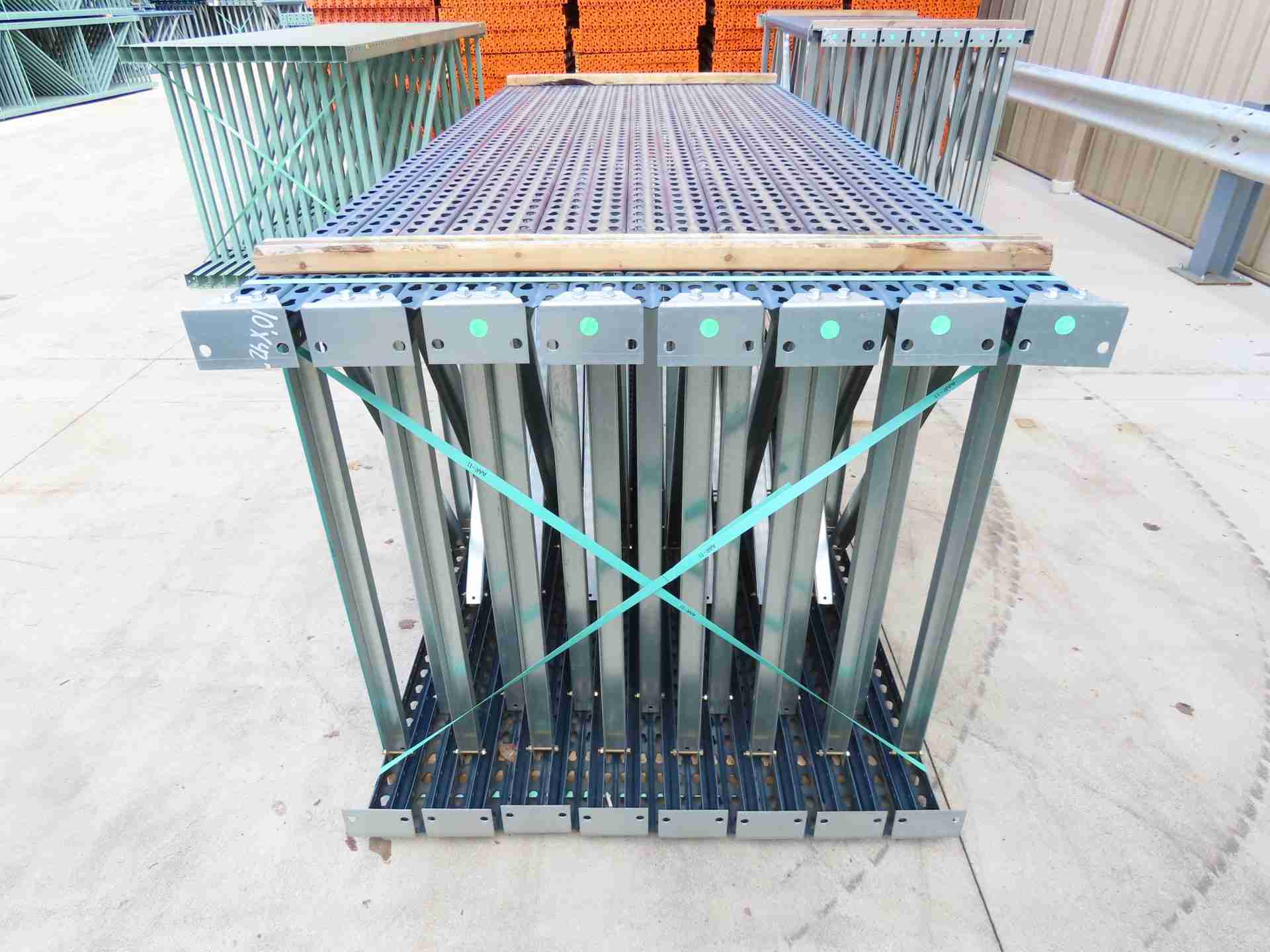
What Impact Does Rack Failure Have on Employee Morale and Safety?
How Can You Ensure That Your Inspection Process Is Ethically Sound?
When it comes to ensuring your inspection process is ethically sound, it all starts with understanding that inspections aren’t just about checking boxes; they’re about lives. Imagine a family moving into a home, believing it’s their sanctuary. If that inspector turns a blind eye to structural issues, that family is not just receiving poor service—they’re being betrayed. This is where the heart meets the head and the gut in this crucial job.
First, embrace the human element in your inspections. Take a moment to put yourself in the shoes of those you serve. Hear their aspirations, their dreams for a safe living environment, and their fears. Racking your mind to see issues through their eyes strengthens your resolve to conduct thorough and honest inspections. You’re not merely a gatekeeper; you’re a guardian of their hopes. This nurtures trust, showcasing your commitment to doing right by your community.
Secondly, establish a solid framework that guides your inspections. This is where the rational aspect comes into play. Educate yourself on the legal and ethical standards that govern your industry. Familiarize yourself with the regulations and best practices to create a foundation that upholds integrity at every level. Understanding what it means to be ethical isn’t just black and white; it’s a continuous journey of intellectual growth that infuses confidence into your processes.
Then, tap into the ethical philosophy that guides your actions. Ask yourself: Are you ensuring that your findings are accurate, truthful, and devoid of personal bias? Establish an airtight method for reporting issues, and maintain transparency, even when it might be uncomfortable. If you uncover discrepancies, don’t shy away; embrace them. This ability to confront challenges directly fosters confidence among your peers and clients.
Lastly, build a culture of accountability within your sphere of influence. Involve your team in discussions surrounding ethical practices, encouraging them to share experiences and insights. We are all in this together, and creating a community dedicated to ethical inspections keeps everyone aligned toward a common goal: protecting lives.
Your inspection process can be more than a series of tasks—it can be a lifeline. Every person who picks up that inspection report should feel reassured, knowing that someone out there put their heart, head, and gut into every recommendation. It’s time to not just do the job, but to do it right—with passion.
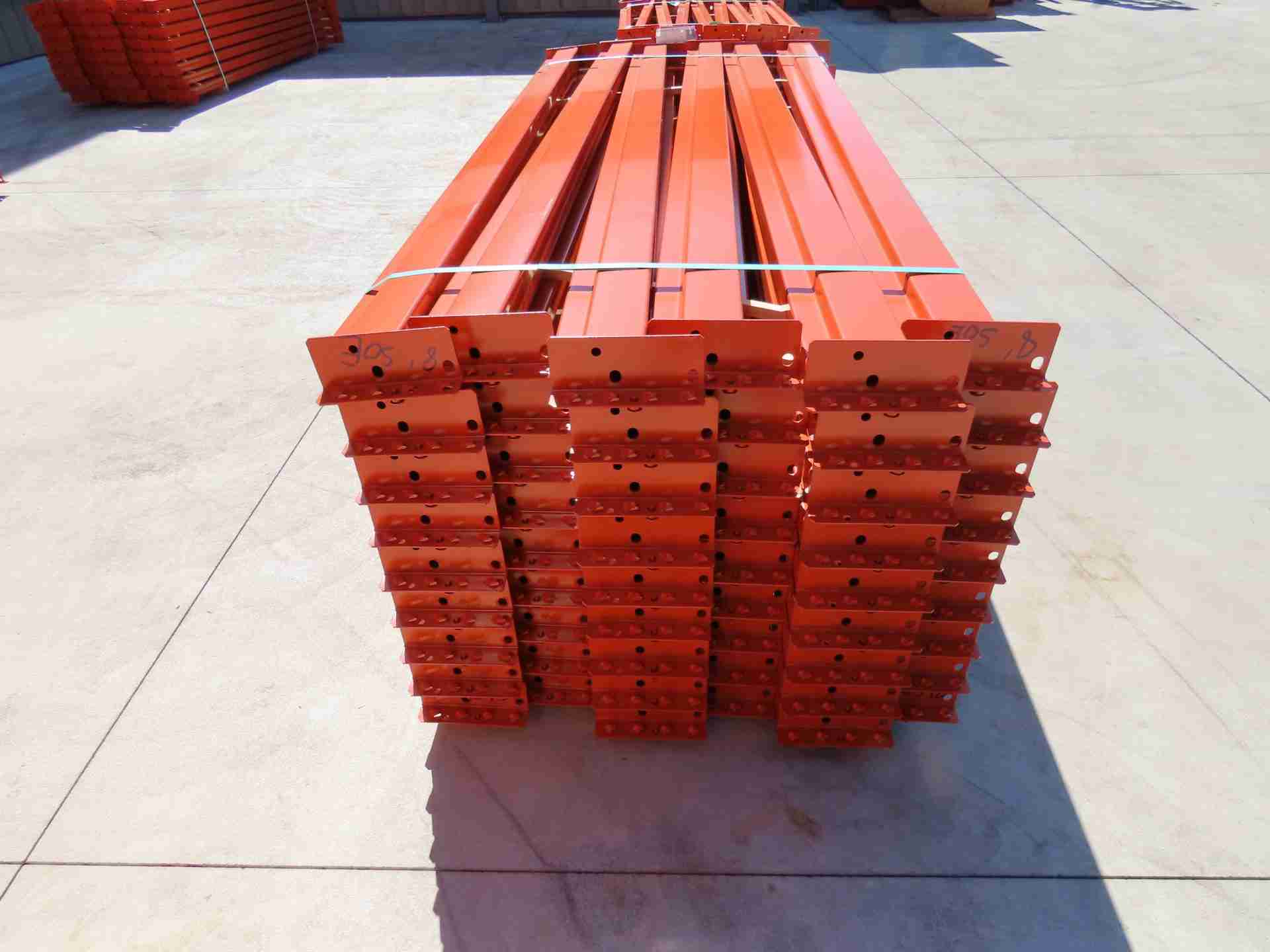
How Can You Ensure That Your Inspection Process Is Ethically Sound?
How Can You Ensure That Your Inspection Process Is Ethically Sound?
- Inspections are about protecting lives, not just completing tasks.
- Embrace the human element by understanding clients’ hopes and fears.
- Conduct thorough inspections to nurture trust within the community.
- Establish a framework grounded in legal and ethical standards for integrity.
- Ensure findings are accurate and transparent, addressing discrepancies openly.
- Foster a culture of accountability through team involvement in ethical discussions.
- Approach the inspection process with passion, treating it as a lifeline for clients.

How Can You Ensure That Your Inspection Process Is Ethically Sound?
Conclusion
In the world of warehousing, ensuring that racking systems are meticulously inspected isn’t just about compliance; it’s about safeguarding lives and creating a culture of respect and responsibility. Regular inspections transform mere metal frameworks into trusted allies, reassuring your team that their safety is paramount. Think about it: every time an employee places a pallet on a rack, they are entrusting that structure with more than just product—they’re entrusting it with their well-being. When inspections fall by the wayside, you’re not only risking structural integrity; you’re jeopardizing trust, morale, and the heart of your operations.
Picture a bustling warehouse; workers move with purpose, knowing their environment is secure. When a racking system fails, it doesn’t just cause chaos; it rips through the fabric of teamwork, leaving doubt and fear in its wake. Employees who once felt confident now question their safety, leading to diminished productivity and a tightening grip of anxiety. This is more than just a rational business concern; it’s about fostering an ethical workplace where people feel valued. We owe it to our teams to create an environment that prioritizes safety, making every inspection not a chore but a commitment—a ritual that honors their hard work and promises protection.
Industry experts advocate for regular inspections, and it’s wise to heed their advice. Establishing protocols for daily, monthly, and annual checks isn’t just a strategy; it’s an investment in your workforce’s peace of mind. With nearly 20% of accidents occurring in warehouses that neglect this duty, it is evident that the stakes are sky-high. But here’s the thing: regular inspections also pave the way for financial savings. Investing a little time and resources upfront can prevent knock-on effects that lead to significant losses down the line—from damaged inventory to elevated insurance premiums.
As you mark those inspection dates on your calendar, remember that each glance at your racking system is an affirmation of quality, safety, and respect for the individuals who work tirelessly to keep operations running smoothly. Share the story of commitment to safety within your ranks; it builds camaraderie and pride. And when that word spreads, it elevates your entire industry, inviting new talent and retaining seasoned professionals. Every inspection is a chance to cultivate not just a secure environment but a thriving community, underscoring the principle that our work stands on the shoulders of those who safety braces. Keep that heart, head, and gut in mind, because together, we can transform warehousing from a mere economic endeavor to a bastion of safety and teamwork.

Conclusion
Conclusion:
- Regular inspections of racking systems are essential for safety, compliance, and fostering a culture of responsibility.
- Employees trust racking systems with their safety when placing pallets, making inspections critical for morale.
- A failed racking system can damage teamwork and instill fear and anxiety among workers, leading to reduced productivity.
- Establishing inspection protocols (daily, monthly, annually) is a strategic investment in workforce peace of mind.
- Approximately 20% of warehouse accidents occur in environments that neglect regular inspections, highlighting high stakes.
- Regular inspections can lead to financial savings by preventing significant losses related to accidents or damaged inventory.
- Commitment to safety builds camaraderie and pride within teams and can attract new talent while retaining experienced workers.

Conclusion
Other Resources

Other Resources
Here is a list of other resources you can review online to learn more:
- Shipping Boxes, Packaging Materials, Pallet Racking
- WERC
- Bradford Systems
- Material Handling Safety
- Illinois Pallet Racking – Storage Solutions
- Pallet Racking 101: A Comprehensive Guide & Options Explained
- Cantilever Racking Specialists – Get the Right Racks
- Teardrop Racks – Pallet Rack World
- Selective Pallet Racking Systems
- SEMA
- Storage Equipment Manufacturers’ Association
- Wolter
- Warehouse Storage Racks
- National Safety Council
- The Complete Pallet Rack Guide – Simply Rack
- American Surplus
- Teardrop Uprights
- Pallet Racks, Pallet Racking, Pallet Shelves in Stock – ULINE
- Pallet Racking systems in Illinois and Great Lakes
- NSC
Use This Prompt To Get More Resources With Your Favorite Online AI Tool: Please provide me with a list of online articles with their URLs in a bulleted list that I can read regarding How Often Should You Inspect Warehouse Racks?

Other Resources
Glossary Terms
How Often Should You Inspect Warehouse Racks? – Glossary Of Terms
1. Inspection: The process of examining warehouse racks for safety and structural integrity.
2. Safety Regulations: Guidelines set by governing bodies to ensure the safe use of warehouse equipment.
3. Rack Systems: Structures designed to store goods in a warehouse in an organized manner.
4. Structural Integrity: The ability of warehouse racks to support weight and withstand forces without failure.
5. Load Capacity: The maximum weight that a rack can safely hold.
6. Visual Inspection: A preliminary check of racks for noticeable damage or wear.
7. Comprehensive Inspection: In-depth evaluation involving detailed analysis of rack structures, including measurements and testing.
8. Damage Assessment: Evaluation to determine the extent of any damage incurred by the racks.
9. Compliance: Adhering to safety standards and regulations relevant to warehouse operations.
10. Pendulum Test: A method used to evaluate the stability of a rack when subjected to lateral forces.
11. Forklift Impact: Damage resulting from collisions between forklifts and rack systems.
12. Regular Maintenance: Scheduled upkeep tasks to ensure racks remain in safe and functional condition.
13. Inspection Frequency: The schedule for how often inspections should be conducted, often based on regulatory guidelines.
14. Annual Inspections: Thorough evaluations performed once a year as mandated by safety standards.
15. Monthly Checks: Routine inspections carried out every month to monitor rack conditions.
16. Hazard Identification: The process of recognizing potential risks associated with rack usage.
17. Wear and Tear: Gradual deterioration of racks due to usage over time.
18. Regulatory Compliance: Meeting the requirements set by health and safety authorities regarding equipment safety.
19. Load Distribution: The method of organizing inventory on racks to maximize safety and stability.
20. Signage: Safety signs affixed to racks to communicate load limits and safety protocols.
21. Training: Instruction provided to employees on how to use and inspect warehouse racks safely.
22. Ultrasonic Testing: A non-destructive testing method to identify flaws in rack materials.
23. Preventive Maintenance: Proactive measures taken to prevent damage and ensure the longevity of racks.
24. Warehouse Safety Audit: A comprehensive review of safety protocols and equipment conditions in a warehouse.
25. Non-Destructive Testing (NDT): Techniques used to assess the integrity of rack materials without causing damage.
26. Incident Reporting: Documenting any accidents or damages involving warehouse racks to facilitate further action.
27. Defective Rack Removal: The process of safely dismantling and disposing of damaged or unsafe racks.
28. Rack Repair: Actions taken to fix or reinforce damaged rack systems.
29. Inspection Checklist: A detailed list outlining the specific areas to evaluate during rack inspections.
30. Adjustable Racking: A type of rack system that can be modified to accommodate different load sizes and shapes.

Glossary Of Terms
Other Questions
How Often Should You Inspect Warehouse Racks? – Other Questions
If you wish to explore and discover more, consider looking for answers to these questions:
- What specific guidelines should be followed during rack inspections?
- How can you train employees to conduct effective rack inspections?
- What signs indicate that a racking system needs immediate attention?
- What tools or resources are recommended for inspecting warehouse racks?
- What are the costs associated with frequent inspections versus potential losses from rack failures?
- How do different industries vary in their rack inspection protocols?
- What are the legal repercussions of neglecting rack inspections?
- How can technology assist in the inspection process?
- What should be included in a comprehensive inspection checklist?
- Are there specific case studies demonstrating the impact of regular rack inspections?
- How can employee feedback be incorporated into the inspection process?
- What steps can be taken if a potential hazard is identified during an inspection?

Other Questions
Checklist
How Often Should You Inspect Warehouse Racks? – A Checklist
Checklist for Maximizing Safety and Efficiency in Warehouse Racking
Heart (Emotional Appeals)
_____ Share stories with your team about the importance of safety, fostering a personal connection to inspections.
_____ Recognize team members who actively participate in safety inspections and improvements.
_____ Create a safety-first motto; display it prominently to remind everyone of shared values.
Head (Rational Appeals)
_____ Develop a detailed inspection protocol, including daily, monthly, and annual checks.
_____ Analyze past incidents to understand the risks of neglecting inspections.
_____ Calculate the cost of inspections versus potential losses from accidents or equipment failures.
Gut (Ethical Appeals)
_____ Reflect on your responsibility to protect employees—consider how you would feel if they were harmed due to negligence.
_____ Promote a culture of safety by allowing employees to voice concerns without fear of reprisal.
_____ Ensure everyone understands the legal and ethical standards guiding inspections; commit to adhering to them.
Authority (Industry Standards Appeals)
_____ Familiarize yourself with OSHA and ANSI standards related to racking systems.
_____ Stay updated on industry best practices regarding inspection frequency and protocols.
_____ Seek out expert advice when establishing or reviewing inspection procedures.
Narrative (Social Appeals)
_____ Encourage team discussions about recent safety successes or challenges to foster a sense of community.
_____ Organize team-building activities centered around safety culture.
_____ Share case studies or real-world stories about the impact of safety inspections on workforce morale and productivity.
Social (Community Appeals)
_____ Create an open forum for employees to share their thoughts and experiences regarding safety.
_____ Highlight the importance of safety inspections and their role in attracting and retaining talent.
_____ Celebrate safety milestones with the whole team to build a sense of unity and shared commitment.
Implement this checklist to cultivate a proactive safety culture within your warehouse, ensuring the well-being of your workers and the overall integrity of your operations.

Checklist
At RackingWorld, we help guide you through selecting warehouse storage systems and racking.
Be sure to read our other related stories at RackingWorld to learn more about warehouse storage systems.
0 Comments