
Revolutionize Your Cantilever: From Single-Sided To Double-Sided
By Tom Seest
At RackingWorld, we help guide you through selecting warehouse storage systems and racking.
Be sure to read our other related stories at RackingWorld to learn more about warehouse storage systems.
How to Convert a Single-Sided Cantilever to Double-Sided
Converting a single-sided cantilever to a double-sided setup isn’t just about maximizing space; it’s an opportunity to rethink how we utilize our environment. Think about the last time you found yourself wrestling with disorganized shelves, struggling to reach items buried in the back. Racking can often feel like a puzzle, but this transformation lets you unlock a world where efficiency meets accessibility.
First things first, take a moment to visualize what double-sided could mean for your workspace. Imagine having products right at your fingertips, no more awkward reaches or frustrating searches. It’s about creating an experience that resonates not just with practicality but with the calm that comes from order. We often underestimate how much clutter weighs on our minds; when you eliminate that chaos, you not only boost productivity but also breathe a sigh of relief.
Now let’s get intellectual for a moment. The economics of this conversion are impressive. With double-sided setups, you double your storage capacity without increasing your footprint. You enhance inventory management, reduce the time spent searching for items, and most importantly, create a safer workplace. An optimized environment fosters an ethical responsibility toward your team’s well-being—after all, safety and efficiency go hand in hand. By choosing to double your capabilities, you’re not just making a move for profit, but for the greater good of all who navigate that space.
This isn’t just about steel and bolts; it’s about people—and we can all relate to the struggle of fitting everything we need into a limited space. By sharing this journey with your team, you invite collaboration and conversation. Engage the crew in the planning stages, and suddenly the project isn’t just yours; it’s everyone’s. This unified approach nurtures trust and confidence as you embark on this transformation together.
Finally, look at it as a narrative for growth. Every bolt you tighten tells a story of progress, of embracing change, and of stepping into a brighter, more organized future. By converting your cantilever, you’re not just reworking a structure; you’re paving the way for a mindset shift that can ripple through every corner of your operation. It’s more than a task; it’s an investment in a stronger, more harmonious workspace. Taking this step could be the catalyst for change you didn’t even know you were looking for. So roll up your sleeves and get started—it’s time to elevate your space and, in turn, your life.

How to Convert a Single-Sided Cantilever to Double-Sided
How to Convert a Single-Sided Cantilever to Double-Sided
- Converting to a double-sided cantilever enhances space utilization and encourages a fresh approach to environment optimization.
- A double-sided setup facilitates easy access to products, eliminating awkward reaching and reducing clutter.
- Improved organization boosts productivity and contributes to a calmer, more ordered workspace.
- Economically, double-sided configurations double storage capacity without expanding the physical footprint.
- These setups enhance inventory management and safety, promoting a responsible work environment.
- Involving team members in the planning builds trust, fosters collaboration, and makes the project a collective effort.
- Transforming your cantilever not only improves functionality but also signals a mindset shift towards growth and harmony within the workspace.

How to Convert a Single-Sided Cantilever to Double-Sided
Table Of Contents
- How to Convert a Single-Sided Cantilever to Double-Sided
- What Materials Will Best Support a Double-Sided Cantilever?
- How Does a Double-Sided Cantilever Improve Structural Integrity?
- What Are the Safety Considerations When Converting to Double-Sided?
- What Are Common Mistakes to Avoid During the Conversion Process?
- What Tools and Techniques Are Necessary for This Project?
- Conclusion
- Other Resources
- Glossary Of Terms
- Other Questions
- Checklist
What Materials Will Best Support a Double-Sided Cantilever?
When it comes to choosing materials for a double-sided cantilever, the stakes are high. These structures, often seen holding up balconies or overhanging decks, need to be both resilient and reliable. You want your cantilever to support not just weight, but memories: lazy afternoons in the sun, laughter shared with friends, or quiet evenings under starlit skies. To achieve this, the materials you select must inspire confidence.
Steel is a go-to choice for a reason. Its strength-to-weight ratio is unmatched, providing the racking support that ensures your cantilever can bear the load while maintaining a sleek profile. Think of steel as the steadfast friend—reliable and tough, standing by your side no matter what. When designed well, a steel cantilever conveys elegance, marrying form and function. Using weather-resistant treatments or coatings means you’re investing in longevity, a choice that echoes your commitment to quality and safety.
On the other hand, timber offers warmth and aesthetic appeal. Picture a beautiful wooden cantilever crafted from a strong hardwood like oak or engineered options such as laminated veneer lumber (LVL). It’s as if you’re inviting nature into your home, creating a space that feels both grounded and alive. But, as anyone who’s worked with timber knows, it demands respect. Proper treatment, regular maintenance, and understanding its limits will ensure your beautiful design stands the test of time. Choosing wood speaks to an ethical responsibility, emphasizing sustainability and a connection to the environment around you—a story you can share proudly when company’s over.
Then there’s concrete, the unsung hero of construction. While it may not be the first thing that comes to mind for a double-sided cantilever, its versatility and durability are worth noting. Reinforced concrete, combined with steel rebar, provides a formidable partnership that can endure the most challenging conditions. It’s a reminder that sometimes, strength lies in the least glamorous places. When anchored properly, concrete can become part of the landscape—an everlasting monument to stability.
As you consider your options—steel, timber, concrete—remind yourself that your choice goes beyond aesthetics. Each material carries a story, a commitment to create safe and inviting spaces where lives unfold. So choose wisely, and build a cantilever that not only supports its own weight but fosters a sense of belonging, durability, and beauty for everyone who experiences it.

What Materials Will Best Support a Double-Sided Cantilever?
What Materials Will Best Support a Double-Sided Cantilever?
- Choosing materials for a double-sided cantilever is crucial for ensuring resilience and reliability.
- Steel offers an unmatched strength-to-weight ratio, providing necessary racking support while maintaining an elegant appearance.
- Weather-resistant treatments and coatings for steel enhance longevity, emphasizing a commitment to quality and safety.
- Timber, particularly strong hardwoods like oak or laminated veneer lumber (LVL), brings warmth and aesthetic appeal to the design.
- Proper treatment and maintenance of timber are essential for preserving its beauty and longevity, connecting to sustainability.
- Concrete, paired with steel rebar, provides durability and versatility, reminding us that strength can be found in unexpected materials.
- Ultimately, the choice of material should reflect a commitment to creating safe, inviting spaces that enhance experiences and foster a sense of belonging.

What Materials Will Best Support a Double-Sided Cantilever?
How Does a Double-Sided Cantilever Improve Structural Integrity?
When you think about a structure, whether it’s a towering bridge or a cozy porch, you might picture the beams and columns holding everything up. But what truly gives these creations their strength? Enter the double-sided cantilever, a clever engineering marvel that not only improves structural integrity but also breathes life into the very essence of design.
Imagine standing on a cantilevered balcony, the world stretching out beneath you. It’s an exhilarating experience that could rally the hearts of those who seek adventure. The beauty of a double-sided cantilever lies not just in its daring appearance but in its innovative approach to stability. Traditional structures can often succumb to racking, where the forces of nature cause them to sway and buckle. A double-sided cantilever counters this vulnerability with its dual support system, dispersing weight evenly and adding an impressive layer of resilience. This isn’t just an architect’s whim; it’s a calculated solution that marries aesthetics with functionality, making it not only an engineering triumph but also an ethical choice for builders and planners who prioritize safety.
Such ingenuity commands respect. Structural engineers are the unsung heroes behind beautiful skylines, yet their work often goes unnoticed until something goes wrong. By embracing double-sided cantilevers, they are not just fulfilling a functional role; they are also stepping into their authority as guardians of public safety. A strong foundation inspires confidence, assuring anyone who walks beneath that they are safe, secure, and supported.
Now, think about your own home. Whether it’s a quaint little abode or a bustling family gathering spot, the integrity of those walls matters greatly. We all want spaces that protect us and our loved ones. The concept of double-sided cantilevers can resonate deeply in our everyday decisions. It isn’t merely about engineering; it’s about investing in our future and the safety of generations to come. When we choose to support buildings that utilize these advanced techniques, we are collectively fostering a community that values innovation and safety.
So, the next time you admire a stunning structure, take a moment to think about the invisible forces at work, keeping it strong and steady. In doing so, you aren’t just observing; you’re connecting with a greater narrative—a commitment to quality, safety, and the enduring beauty of thoughtful design.

How Does a Double-Sided Cantilever Improve Structural Integrity?
How Does a Double-Sided Cantilever Improve Structural Integrity?
- The double-sided cantilever is an engineering marvel that enhances structural integrity and design aesthetics.
- It offers an exhilarating experience, especially when used in balconies and similar structures.
- This design counters traditional structural vulnerabilities like racking by evenly dispersing weight.
- Double-sided cantilevers combine aesthetics and functionality, ensuring safety for builders and planners.
- Structural engineers play a crucial role in maintaining public safety through innovative designs like cantilevers.
- The concept resonates with homeowners, emphasizing the importance of safe and sound living spaces.
- Supporting buildings with advanced techniques fosters a community valuing innovation and safety.
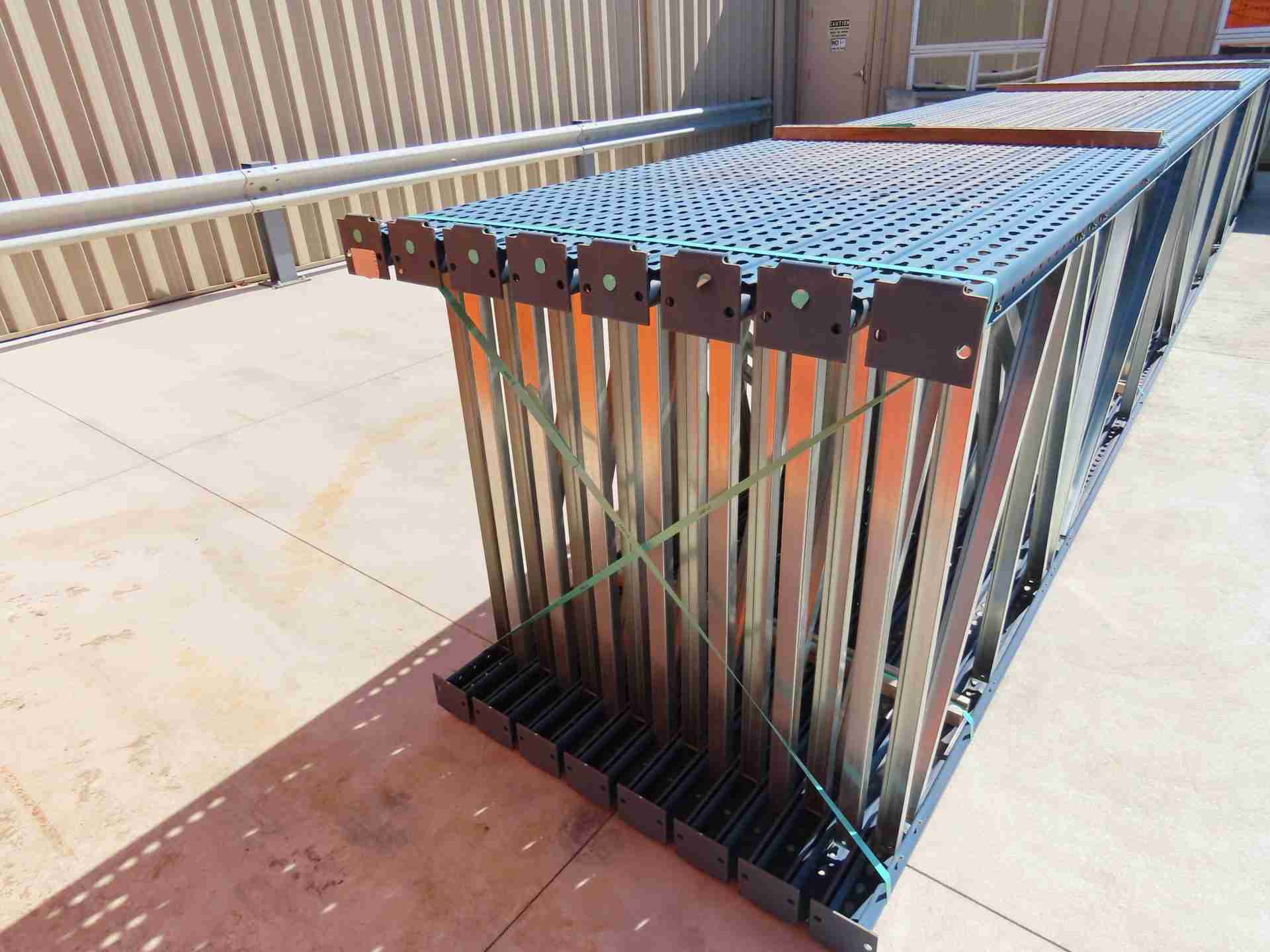
How Does a Double-Sided Cantilever Improve Structural Integrity?
What Are the Safety Considerations When Converting to Double-Sided?
When converting to double-sided printing, it’s easy to overlook the safety considerations that come along for the ride. Yet, before you make the leap, let’s take a moment to dig deep: safety is the backbone of any successful operation. Imagine a workplace buzzing with energy, where every piece of equipment, every roll of paper, and every person is accounted for. That’s the vision we should strive for, and it starts with understanding the potential risks associated with racking systems that support double-sided printing capabilities.
First, let’s talk about stability. These racking systems need to be well-designed and properly installed to avoid disastrous failures. Think of it as building a house: without a solid foundation, everything comes crashing down. An insecure racking system not only threatens the integrity of your equipment but endangers the folks working around it—the heart and soul of any operation. Safety cannot merely be an afterthought; it needs to be ingrained in the very fabric of your work culture.
Next up: the practical side of things. Double-sided printing can often mean more machinery, more paper, more everything. This increased volume can lead to congestion, which can result in accidents. It’s essential to ensure that pathways remain clear, equipment is placed for easy access, and that everyone is trained to navigate these changes. It’s not just about being efficient; it’s about being safe. A workspace should be as much about protecting livelihoods as it is about profiting from productivity.
Now, let’s bring in some ethics. As an organization, you have a responsibility to your employees. They place their trust in you every day when they step into your workplace. By actively prioritizing safety during this transition, you’re sending a powerful message that you care. It’s about more than just compliance; it’s about cultivating a culture where everyone feels valued and secure.
Finally, think about the community. When you adopt safety measures, you’re not just gathering people to work; you’re helping create a team. Friends, colleagues, and family—all united under the umbrella of a shared environment that cherishes well-being and security.
In embracing the shift to double-sided, don’t just evolve your printing; evolve your safety practices. Foster connection, build trust, and be the leader who prioritizes the people behind the process. Turn this transition into an opportunity to reflect on the values that really matter, ensuring that everyone leaves work the same way they arrived—safe and sound.

What Are the Safety Considerations When Converting to Double-Sided?
What Are the Safety Considerations When Converting to Double-Sided?
- Safety considerations are crucial when transitioning to double-sided printing.
- Well-designed and properly installed racking systems are essential for stability and safety.
- Increased volume from double-sided printing can lead to congestion, highlighting the need for clear pathways and accessible equipment.
- Training is important for employees to navigate changes safely and efficiently.
- Organizations have a responsibility to prioritize employee safety, fostering trust and a positive workplace culture.
- Implementing safety measures contributes to team cohesion and a sense of community among colleagues.
- The transition to double-sided printing should be an opportunity to reflect on and improve safety practices.

What Are the Safety Considerations When Converting to Double-Sided?
What Are Common Mistakes to Avoid During the Conversion Process?
When you’re navigating the choppy waters of a conversion process, it’s easy to lose sight of the shore. It’s like racking a line of pool balls; the intent is clear, but a careless tap could send everything spiraling in the wrong direction. So, let’s shine a light on some common missteps that can turn a promising journey into a series of missed opportunities.
First, let’s tackle the emotional aspect. A lot of folks dive headfirst into conversion without understanding their audience. Your customers are not just numbers; they’re people with hopes, dreams, and pain points. If your messaging doesn’t resonate emotionally, you may as well be speaking a foreign language. Take the time to connect with them. What keeps them up at night? Harnessing this emotional intelligence can be the difference between a heartfelt handshake and a dismissive shrug.
Now, let’s use our heads a bit. You wouldn’t drive a car without knowing how to steer, right? The same principle applies here. Too many businesses skim over the details, like user experience and site speed, thinking they can wing it. Analytics should be your compass, guiding your decisions. Study the metrics, understand user behavior, and adjust accordingly. You wouldn’t ignore the warning lights on your dashboard, so don’t overlook the signals from your data.
On the ethical side, transparency goes a long way. If there are hiccups during the conversion process, own them. People respect honesty. When customers feel treated fairly, they’re more likely to stay the course with you. It’s not just about making a sale; it’s about building a relationship rooted in trust. When they know they can rely on you, your conversion rates will bloom.
Finally, let’s not forget the strength of community. Engage with your audience on social platforms, invite feedback, and encourage conversations. Those connections not only foster loyalty but create a network of advocates who will shout your praises from the rooftops.
By being emotionally attuned, analytically savvy, ethically upright, and socially engaged, you’re not just increasing your conversion rates; you’re creating a legacy. A legacy where people remember the value you brought into their lives, not merely the transactions you made. So, as you embark on this conversion journey, commit to avoiding these common traps and watch how trust transforms your results.

What Are Common Mistakes to Avoid During the Conversion Process?
What Are Common Mistakes to Avoid During the Conversion Process?
- Conversion processes can be difficult; a careless mistake can lead to missed opportunities.
- Understanding your audience is crucial; connect emotionally to resonate with their hopes and pain points.
- Pay attention to user experience and site speed; use analytics to guide your decisions effectively.
- Be transparent about any challenges during the conversion process to build trust with customers.
- Focus on building long-term relationships rather than just making sales; honesty fosters loyalty.
- Engage with your audience on social platforms to encourage feedback and create a community.
- Avoid common pitfalls by being emotionally attuned, analytically savvy, ethically upright, and socially engaged.

What Are Common Mistakes to Avoid During the Conversion Process?
What Tools and Techniques Are Necessary for This Project?
In tackling any ambitious project, it’s crucial to equip yourself with the right tools and techniques. Think of these as the trusty companions that will be there to support you when the going gets tough. Whether you’re racking up experience in a workshop or strategizing behind a desk, the tools you choose can transform your journey from daunting to downright exhilarating.
First off, let’s talk about the essentials. The right tools are like the bread and butter of your daily grind; they’re non-negotiable. Whether it’s a simple wrench, a sophisticated computer, or sturdy safety gear, each item has a role that directly impacts your success. Picking the right equipment isn’t just about efficiency; it’s about trust, ensuring that when you go to work, you know the gear won’t let you down. This builds confidence, allowing you to push boundaries and trust your instincts when creativity strikes.
Now, let’s pivot to the techniques. Think of a master craftsman; they’ve honed their skills over countless hours, developing a rhythm and an intuition that comes only from experience. Techniques like project management methodologies or precise measurement strategies don’t just make life easier; they cultivate a mindset of discipline and creativity. These methods invite you to think critically—solving problems before they spark and turning potential roadblocks into stepping stones.
Imagine standing in the midst of a project, tools in hand, techniques swirling in your mind like an artist’s brush on canvas. That moment is where the heart of the work lies—a beautiful intersection of grit and grace. It’s a dance of purpose, connection, and clarity where every tool and technique has a meaning, aligning like stars in the night sky.
What’s more, this approach fosters a sense of community. In today’s world, sharing techniques and tips can feel like rekindling general camaraderie. We share knowledge, and it spreads like wildfire. Join forces with others; discover new perspectives.
So, when seeking out tools and techniques for your project, remember to choose wisely. They don’t just serve a functional purpose; they reflect who you are—a testament to your commitment to excellence. Equip yourself, and let the world see what you’re capable of achieving—one crafted masterpiece at a time.

What Tools and Techniques Are Necessary for This Project?
What Tools and Techniques Are Necessary for This Project?
- Equipping yourself with the right tools and techniques is essential for tackling ambitious projects.
- The right tools, whether simple or advanced, are critical for success and build confidence.
- Choosing efficient equipment ensures reliability and fosters trust in your work.
- Mastering techniques through experience develops discipline and creativity in problem-solving.
- Tools and techniques create an intersection of purpose, connection, and clarity in your projects.
- Sharing knowledge and techniques fosters a sense of community and sparks new ideas.
- Your choice of tools and techniques reflects your commitment to excellence and uniqueness in your craft.

What Tools and Techniques Are Necessary for This Project?
Conclusion
Embracing the shift from a single-sided cantilever to a double-sided structure isn’t merely about creating more space; it’s about transforming your workspace into a well-oiled machine that enhances life, safety, and productivity. Think for a moment about the chaos of disorganization—the items you can’t find, the frustration of maneuvering through clutter. This conversion represents an invitation to redesign not just your storage capabilities but your very approach to efficiency and serenity. It’s about crafting a space that allows you to focus, feel calm, and work harmoniously, where every item has its place and function.
From a practical standpoint, the economics of a double-sided cantilever are compelling. You effectively double your storage capacity without expanding your footprint. This strategic move optimizes inventory management, making your surroundings not only safer but also more efficient. It reflects an ethical commitment to your team’s well-being; when you invest in a functional environment, you’re investing in the people who operate within it. Structural integrity plays a critical role here, a double-sided cantilever enhances stability while marrying aesthetic appeal with functionality.
When it comes to materials, each choice—be it steel, timber, or concrete—tells a story of durability, skill, and responsibility. These materials symbolize a commitment to quality and safety, echoing the values that bind communities together. Safety must remain the cornerstone of this endeavor; it’s about creating pathways free of hazards, ensuring all hands know the ropes as you dive into this dual-sided journey.
Keep in mind, though, that the road to this transformation can be fraught with pitfalls. Engaging your team, fostering open communication, and avoiding common mistakes will ensure that everyone is on board, paving a smoother path toward success. This project isn’t solely yours; it becomes a shared journey, a testament to collaboration and trust.
It’s time to roll up those sleeves and make this transformation happen. A double-sided cantilever is not just a structural enhancement—it’s a commitment to a safer, more harmonious workspace. It’s an investment in the future, not just of an organization, but of every individual who walks through your doors. So let’s step forward together, creating not only a stronger infrastructure but a thriving community that values safety, efficiency, and above all, humanity. In doing so, we elevate not just our spaces but our lives.

Conclusion
Conclusion:
- Shifting to a double-sided cantilever enhances workspace efficiency and productivity.
- Redesigning storage capabilities improves organization and reduces clutter-related frustration.
- Doubling storage capacity without expanding footprint optimizes inventory management.
- Investing in functional environments supports team well-being and safety.
- Material choices like steel, timber, and concrete reflect commitment to quality and durability.
- Engaging teams and fostering communication are essential for a smooth transformation process.
- The transformation represents a commitment to a safer, harmonious community and workspace.

Conclusion
Other Resources
Other Resources
Here is a list of other resources you can review online to learn more:
- Warehouse Racking Systems: Beginner’s Guide to Rack Systems
- Warehouse Storage Racks
- Warehouse Storage Racking in Illinois
- Bradford Systems
- Pallet Racking 101: A Comprehensive Guide & Options Explained
- Cantilever Rack Guide: Ordering Cantilever Racking
- Illinois Pallet Racking – Storage Solutions
- Illinois
- International Warehouse Logistics Association
- Storage Equipment Manufacturers Association
- Racking World
- Teardrop Racks – Pallet Rack World
- Illinois Pallet Racking – WPRP
- Pallet Racking systems in Illinois and Great Lakes
- Material Handling Safety
- Overhead Lifting
- Teardrop Pallet Rack – Ridg-U-Rak
- American Surplus
- Logic Material Handling
- National Safety Council
Use This Prompt To Get More Resources With Your Favorite Online AI Tool: Please provide me with a list of online articles with their URLs in a bulleted list that I can read regarding How to Convert a Single-Sided Cantilever to Double-Sided

Other Resources
Glossary Terms
How to Convert a Single-Sided Cantilever to Double-Sided – Glossary Of Terms
1. Cantilever: A projecting beam or structure supported only at one end.
2. Single-Sided Cantilever: A cantilever that is anchored at one end and extends freely without support on the other side.
3. Double-Sided Cantilever: A cantilever system that has support at both ends, allowing it to extend on both sides.
4. Structural Reinforcement: The process of adding materials to enhance the strength or rigidity of a structure.
5. Load Capacity: The maximum weight or force a structure can support without failing.
6. Material Properties: Characteristics of materials, such as tensile strength and flexibility, that influence structural performance.
7. Shear Force: A force that causes parts of a material to slide past each other in opposite directions.
8. Bending Moment: The internal moment that induces bending in a structural element, due to applied loads.
9. Support Structure: Elements that provide stability and support to a cantilever, often including beams or columns.
10. Tension: The state of being stretched tight, often leading to forces acting to pull apart structural elements.
11. Compression: A force that acts to compress or shorten a material, resulting in a decrease in volume.
12. Stability: The ability of a structure to maintain equilibrium and resist forces that may cause it to collapse.
13. Beam Configuration: The arrangement and orientation of a structural beam in relation to loads and supports.
14. Connection Detailing: Specifications and drawings that describe how different structural components are joined together.
15. Load Distribution: The manner in which loads are spread across a structure, affecting its stability and performance.
16. Support Bearing: A component that transfers loads from the structure to the foundation or ground.
17. Structural Analysis: The evaluation of a structure’s ability to withstand loads and forces through calculations and modeling.
18. Reinforcement Bars (Rebar): Steel bars used to strengthen concrete structures and resist tension forces.
19. Foundation: The lower portion of a structure that supports and anchors it to the ground.
20. Deflection: The degree to which a structural element bends or moves under load.
21. Design Code: A set of standards used to ensure the structural integrity, safety, and performance of buildings.
22. Construction Materials: The substances used to build structures, including wood, steel, concrete, and composites.
23. Load-Bearing: A term describing parts of a structure that support imposed loads.
24. Cantilevered Decking: The extension of flooring beyond its support, often seen in balconies or bridges.
25. Moment of Inertia: A geometric property that measures an object’s resistance to bending or flexural deformation.
26. Bending Stress: The stress induced in a material when subjected to bending moments.
27. Eccentric Loading: A load that is applied away from the central axis of a structural element, affecting its performance.
28. Construction Plan: A detailed blueprint outlining the dimensions, materials, and methods for building a structure.
29. Safety Factor: A design principle that incorporates additional strength beyond the expected loads for safety.
30. Retrofitting: The modification or upgrading of existing structures to improve performance or adapt them to new standards.

Glossary Of Terms
Other Questions
How to Convert a Single-Sided Cantilever to Double-Sided – Other Questions
If you wish to explore and discover more, consider looking for answers to these questions:
- What are the benefits of a double-sided cantilever compared to a single-sided cantilever?
- How can I determine the right size for my double-sided cantilever?
- What are the environmental impacts of using different materials for cantilevers?
- How do I ensure the safety of my team during the conversion process?
- What are the cost implications of converting to a double-sided cantilever?
- How can I effectively engage my team in the planning and execution of the conversion?
- What maintenance is required for different types of materials used in cantilevers?
- Are there any regulations or codes I need to be aware of when converting to a double-sided cantilever?
- What are the potential challenges I might encounter during the conversion process?
- How do I properly assess the existing infrastructure before making the conversion?
Other Questions
Checklist
How to Convert a Single-Sided Cantilever to Double-Sided – A Checklist
Checklist for Converting a Single-Sided Cantilever to Double-Sided
Emotional Appeals
_____ Visualize Impact: Spend a moment imagining the improved accessibility and order that a double-sided cantilever can bring to your workspace.
_____ Recognize the Benefits: Reflect on the emotional relief of decluttering your environment and how it enhances focus and productivity.
Rational Appeals
_____ Evaluate Capacity: Assess your current storage needs and calculate how much space a double-sided cantilever can save.
_____ Cost-Effectiveness Analysis: Consider the financial benefits of improved inventory management and reduced search times.
Ethical Appeals
_____ Commit to Safety: Ensure that the design and installation prioritize the well-being of everyone interacting with the workspace.
_____ Choose Sustainable Materials: Select materials that align with environmental responsibility, such as sustainably sourced timber.
Authority Appeals
_____ Consult Experts: Engage structural engineers or professionals for input on design and safety considerations.
_____ Review Case Studies: Look at successful conversions from reputable sources to gain insight and inspiration.
Narrative Appeals
_____ Craft a Story: Document the journey of your conversion, focusing on challenges, solutions, and milestones achieved.
_____ Engage Team Participation: Share your vision with your team and create a collaborative narrative that empowers everyone involved.
Social Appeals
_____ Foster Team Cooperation: Encourage team members to be part of the planning and implementation process to build trust and camaraderie.
_____ Share Progress Updates: Regularly communicate with your team about developments and successes to maintain enthusiasm and support.
Use this checklist as a guide to approach your cantilever conversion comprehensively, ensuring that you consider emotional, financial, ethical, authoritative, narrative, and social dimensions throughout the process.

Checklist
At RackingWorld, we help guide you through selecting warehouse storage systems and racking.
Be sure to read our other related stories at RackingWorld to learn more about warehouse storage systems.
0 Comments