
Efficient Warehouse Layout For Maximum Productivity
By Tom Seest
At RackingWorld, we help guide you through selecting warehouse storage systems and racking.
Be sure to read our other related stories at RackingWorld to learn more about warehouse storage systems.
Zoning Your Warehouse for Faster Fulfillment
When you walk through a well-organized warehouse—a symphony of movement, each item in its place—you’re witnessing the heart of logistics. Racking systems stand tall, cradling products like treasured artifacts. Each shelf, every pallet, tells a story, not just of items waiting for shipment but of lives depending on efficiency and speed. Imagine families counting on that shipment to arrive on their doorstep, bringing joy and relief in equal measure. This is not just storage; it’s fulfillment at its most profound.
Zoning your warehouse wisely is more than a heady task of calculation—it’s a call to arms for betterment. Start with a blank slate, envisioning a map where the right product meets the right process. The beauty of zoning lies in its simplicity: grouping similar items together reduces the time spent running up and down aisles, leading to quicker pick times. It’s a move rooted in common sense, tapping into the innate desire to do things effectively, because let’s face it, nobody wants to waste time in a chaotic maze.
Ethically, a well-zoned warehouse promotes a culture of respect and professionalism. Workers thrive in an environment that values their time and energy, enabling them to contribute at their best. As they master their space, they gain confidence; experienced hands become efficient. This isn’t just good business; it’s good people management, recognizing that every team member plays a vital role in the fulfillment process.
Consider the narrative of your warehouse, the story it tells through each organized section. The journey from receiving to shipping isn’t just a logistical pathway; it’s a living, breathing narrative woven by the workers, the technology, and even the design itself. By zoning strategically, you foster a sense of pride. You’re not just fulfilling orders—you’re delivering promises.
Think of the collective impact—foster a community of trust, where customers know their orders will arrive promptly, and workers feel valued and energized in their roles. The chain reaction of efficiency inspires further commitment within your team and cultivates trust amongst customers. Each zone invites a connection to the greater mission: not just storing goods, but ensuring that those goods find their way home in record time. Take action, dive into the delicate dance of zoning, and witness fulfillment transformed into something extraordinary.
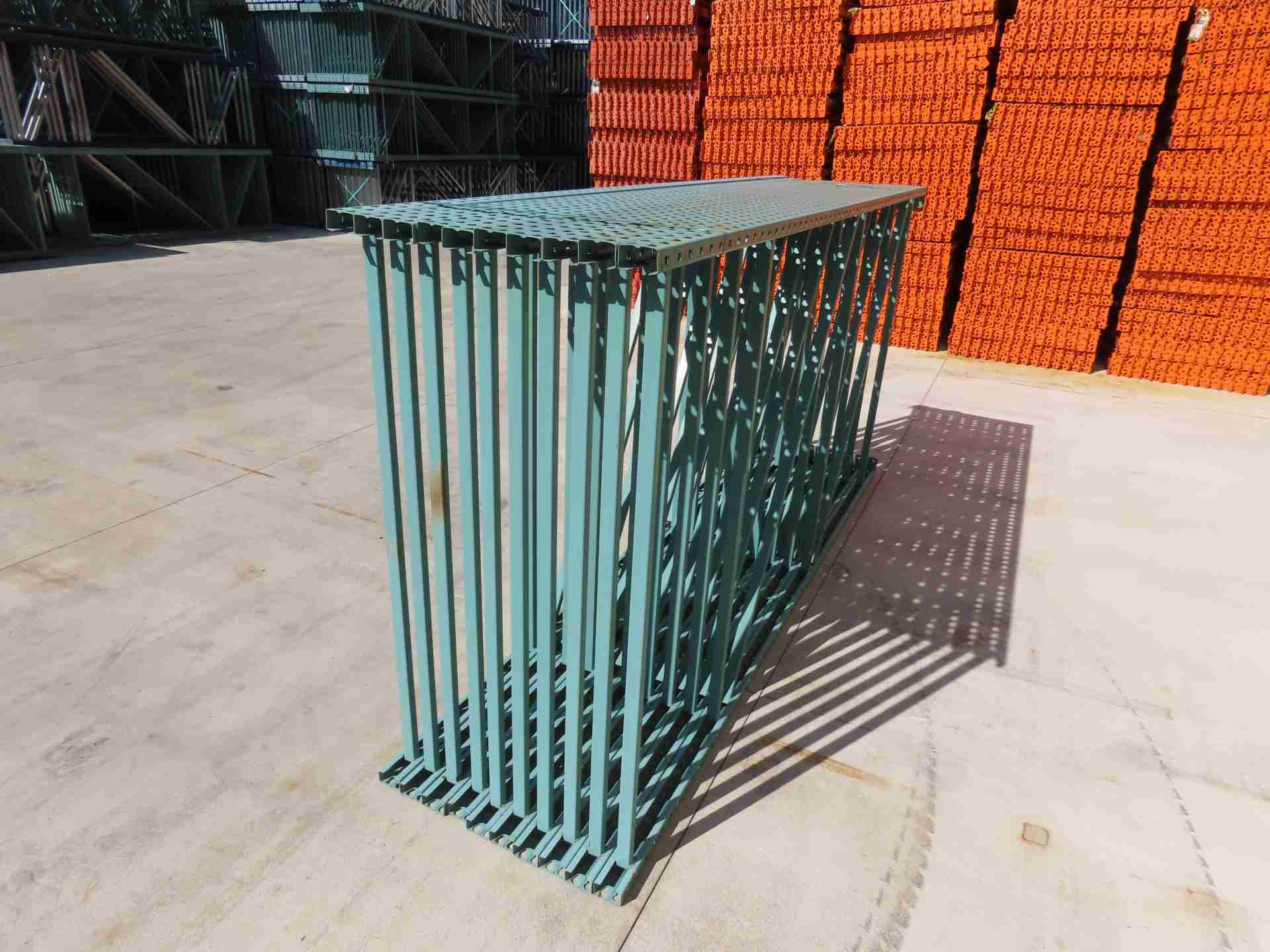
Zoning Your Warehouse for Faster Fulfillment
Zoning Your Warehouse for Faster Fulfillment
- A well-organized warehouse reflects the essence of logistics, showcasing the importance of efficiency and speed.
- Racking systems are essential for organization, allowing for easy access to products and contributing to fulfillment.
- Effective zoning reduces time spent navigating aisles by grouping similar items together, streamlining the picking process.
- A well-zoned environment promotes respect and professionalism, enhancing worker morale and productivity.
- Strategic zoning creates a narrative of the warehouse, illustrating the journey from receiving to shipping.
- Fostering a community of trust results in timely deliveries and empowered workers, strengthening customer relationships.
- Engaging in effective zoning transforms the fulfillment process, making logistics not just about storage but about delivering on promises.
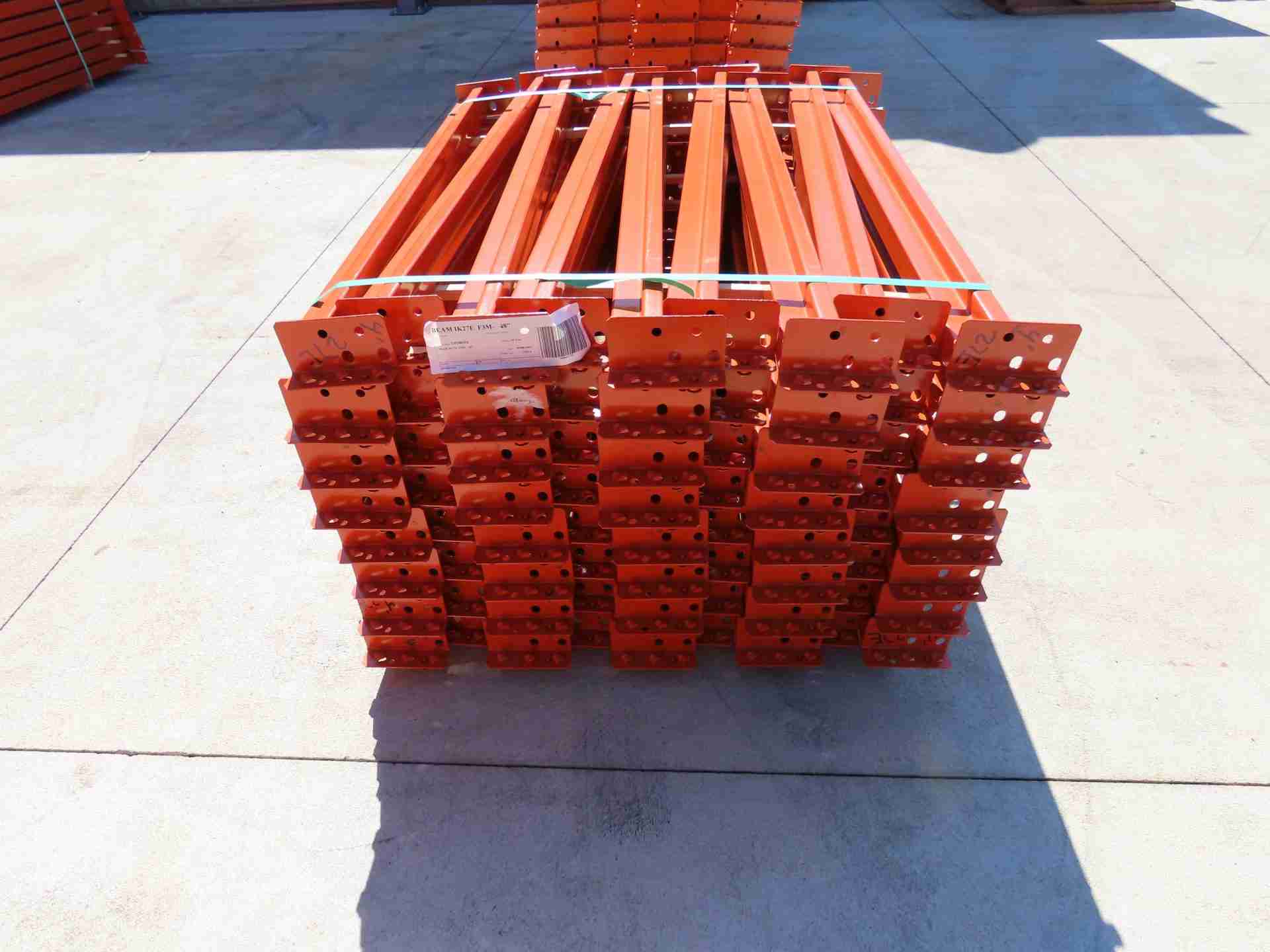
Zoning Your Warehouse for Faster Fulfillment
Table Of Contents
- Zoning Your Warehouse for Faster Fulfillment
- How Can Effective Zoning Transform Your Warehouse Operations?
- What Are the Emotional Benefits Of Quicker Fulfillment for Customers?
- Can Strategic Zoning Reduce Stress During Peak Order Seasons?
- How Can Data-Driven Decisions Improve Warehouse Efficiency?
- What Ethical Considerations Should Guide Your Zoning Strategy?
- Conclusion
- Other Resources
- Glossary Of Terms
- Other Questions
- Checklist
How Can Effective Zoning Transform Your Warehouse Operations?
When it comes to warehouse operations, the difference between an efficient, productive space and a chaotic, frustrating maze often lies in one key factor: zoning. Imagine stepping into a warehouse where every item has a designated home, where racking systems are meticulously planned, and where the flow of goods feels almost choreographed. This isn’t just wishful thinking; it’s a reality that effective zoning can create, turning your warehouse into a finely-tuned machine.
Let’s face it: navigating through a haphazardly organized warehouse is like trying to find a needle in a haystack. It’s not just inconvenient; it eats away at your bottom line. When products are stored wisely, it’s not just about saving time; it’s about giving your team the freedom to do their best work. Employees thrive in a well-organized environment. When they can easily locate items, the pride in their work surges, boosting morale and fostering a culture of efficiency. It’s about more than just numbers; it’s about creating a workplace where people can take ownership of their tasks and feel valued.
Now, think of the bigger picture. Effective zoning doesn’t just impact your operations; it enhances customer satisfaction. Speedy order fulfillment becomes the norm when racking is optimized, meaning you can promise deliveries that delight your customers. Imagine the stories you could tell clients about your commitment to excellence—about how your warehouse operates seamlessly, all because you took the time to implement a thoughtful zoning strategy. That’s the kind of authority that sets you apart in a competitive market.
Let’s also touch on ethics. A well-zoned warehouse reduces waste—time, space, and resources. You’re not just making smart operational choices; you’re making decisions that honor your team’s efforts and the environment. When everything has a designated place, you minimize the need for excess inventory and the waste that follows, telling a story of responsibility and conscious leadership.
It’s about connection. Every pallet and aisle has a story, an opportunity to make your warehouse a thriving hub of productivity. Embrace zoning, and watch as your operational chaos transforms into harmonious efficiency. This isn’t merely about logistics; it’s about empowering people and creating an environment where everyone can rise to the occasion. So, let’s get to work. The path to operational excellence starts here.

How Can Effective Zoning Transform Your Warehouse Operations?
How Can Effective Zoning Transform Your Warehouse Operations?
- Efficient warehouse operations hinge on effective zoning, creating a well-organized and productive environment.
- A chaotic warehouse impedes productivity and affects the bottom line, making it difficult to locate items.
- Well-planned zoning allows employees to thrive, boosting morale and fostering a culture of efficiency.
- Effective zoning enhances customer satisfaction through speedy order fulfillment and reliable deliveries.
- A thoughtfully implemented zoning strategy sets businesses apart in a competitive market.
- A well-zoned warehouse reduces waste of time, space, and resources, demonstrating responsibility towards the team and environment.
- Embracing zoning transforms operational chaos into productivity, empowering employees and paving the way to operational excellence.

How Can Effective Zoning Transform Your Warehouse Operations?
What Are the Emotional Benefits Of Quicker Fulfillment for Customers?
When customers experience quicker fulfillment, it’s more than just convenience; it’s an emotional journey that resonates with the heart, head, and gut. Picture this: after a long day of racking your brain over deadlines, the last thing anyone wants to feel is the weight of waiting. Quicker fulfillment swoops in like a hero, granting relief and gratitude that can uplift one’s spirits. Imagine the delight of receiving your favorite book or that shiny new gadget almost as fast as you can click “buy.” It’s not just about the item; it’s about the feeling, the immediacy, and the joy of instant gratification.
From a rational standpoint, faster service translates into more time for what truly matters—whether it’s family, hobbies, or self-care. When organizations meet customer needs swiftly, they eliminate stress, allowing individuals to recalibrate their focus. They can now redirect their energy toward other priorities, bolstering both productivity and well-being.
Yet, it’s the emotional connection that truly elevates quicker fulfillment. Think back to the last time you received something promptly—it wasn’t just the product arriving early; it was the feeling that someone cared enough to make it possible. Businesses that prioritize this quick turn-around communicate an ethical commitment to their customers. They recognize that in a world where time is often the enemy, delivering with speed and reliability earns trust.
Let’s not overlook the narrative that surrounds these interactions. In a moment of expedience, a shared story develops between the customer and the brand. Customers begin to view the company as not just a lifeless entity but as a partner in their daily lives, someone who understands the hustle and bustle of modern existence. This connection fosters a community where consumer experiences become shared victories, paving the way for brand loyalty.
Socially speaking, the ripple effect is profound. When quicker fulfillment becomes the norm, customers are likely to share their positive experiences with friends and family. Word of mouth spreads like wildfire, building a reputation that transcends traditional marketing. People seek out brands that move as swiftly as their lives do, establishing an environment where businesses build their authority through performance.
So, the next time you experience that delightful rush of fulfillment, remember: it’s not merely about receiving something faster; it’s about feeling understood, valued, and connected—an exhilarating reminder that in this frenetic world, a touch of speed can make all the difference.

What Are the Emotional Benefits Of Quicker Fulfillment for Customers?
What Are the Emotional Benefits Of Quicker Fulfillment for Customers?
- Quicker fulfillment provides an emotional journey, evoking feelings of relief and gratitude.
- It enhances customer experience by offering joy and immediacy in receiving products.
- Faster service allows customers to focus on what truly matters in their lives, eliminating stress.
- Emotional connections with businesses are strengthened through timely delivery, showing commitment to customer care.
- Interactions lead to shared narratives, transforming brands into partners in customers’ lives.
- Positive experiences create a ripple effect, encouraging customers to share their satisfaction and build brand reputation.
- Ultimately, faster fulfillment fosters a sense of understanding and connection in a fast-paced world.

What Are the Emotional Benefits Of Quicker Fulfillment for Customers?
Can Strategic Zoning Reduce Stress During Peak Order Seasons?
When those peak order seasons roll around, it’s like a tidal wave that sweeps over warehouses and distribution centers. It’s adrenaline-fueled chaos. Trucks are parked everywhere—Racking systems groan under the weight of product. Workers move with urgency, and yet, the pressure’s palpable. You can feel the tension in the air, a mix of excitement and anxiety that can turn a well-oiled machine into a frantic mess faster than you can say “order fulfillment.”
But what if I told you there’s a strategy—an approach that can alleviate some of that stress? Enter strategic zoning. Picture this: a thoughtfully designed space where every item has its place, where movement is fluid, and where bottlenecks are a thing of the past. It’s not just about efficiency; it’s about creating an environment that respects the people who are working hard, day in and day out. This isn’t just a warehouse; it’s a community, a collective striving toward a common goal.
Imagine walking into your workspace and feeling a sense of order rather than overwhelm. When each product is strategically zoned, workers spend less time searching for items and more time fulfilling orders. Morale lifts; frustration dips. You can see it on their faces—relief mixed with pride because they know they’re contributing to something bigger than just numbers on a screen. Ethically, it’s about providing employees with a setting that honors their hard work, keeping their well-being at the forefront.
Rationally, effective zoning leads to reduced labor costs and improved performance metrics. Time saved is money earned. It’s a clear-cut argument; owners and managers alike can see the benefits on their bottom line, while teams relish in their newfound efficiency. And let’s face it: no one wants to stand in the shoe of the stressed-out manager feeling the weight of oncoming orders plunging like an anchor.
Strategic zoning isn’t just a practical fix; it’s a call to action. It’s about cultivating a space where collaboration flourishes, where people can connect and thrive, and where each peg fits neatly into its designated hole. So, when you’re revamping your operation, think of zoning not just as a logistical idea but as a way to create a sustainable culture. Because ultimately, it’s the heart and soul of your team that drives success through even the busiest of seasons.

Can Strategic Zoning Reduce Stress During Peak Order Seasons?
Can Strategic Zoning Reduce Stress During Peak Order Seasons?
- Peak order seasons create overwhelming chaos in warehouses and distribution centers.
- Strategic zoning can help alleviate stress and improve organization within a workspace.
- A well-designed space ensures every item has a designated place, enhancing fluid movement.
- Effective zoning boosts worker morale and productivity, allowing more time for order fulfillment.
- Implementing strategic zoning can lead to reduced labor costs and improved performance metrics.
- Zoning promotes a collaborative and thriving work environment, benefiting both employees and management.
- Revamping operations with zoning creates a sustainable culture, essential for long-term success.

Can Strategic Zoning Reduce Stress During Peak Order Seasons?
How Can Data-Driven Decisions Improve Warehouse Efficiency?
Imagine walking into a warehouse, where the hum of productivity is almost a symphony, each note resonating with efficiency. It’s not just the sound of boxes being moved or pallets shifting; it’s the heartbeat of a well-oiled machine, a place that thrives on data-driven decisions. Embracing data isn’t just a modern trend; it’s a vital lifeline for businesses aiming to optimize their operations.
When you think about it, racking systems aren’t just structures holding inventory; they are reflections of a company’s strategic vision. A well-designed racking system, informed by data analytics, maximizes space and minimizes wasted time. When decisions are made based on hard data, managers can identify which products are flying off the shelves and which are gathering dust. This wisdom ensures that the right items are placed in the right spot, reducing retrieval time and boosting overall efficiency.
Let’s get a little personal. Picture a dedicated warehouse worker—let’s call her Sarah. Every day, she navigates the aisles, surrounded by towering shelves, chasing the goal of meeting shipment deadlines. But when Sarah has access to real-time data about inventory levels and order statuses, her job transforms. She’s not just an order picker; she becomes a vital part of a strategic initiative to enhance efficiency. The pride she feels, knowing her work directly contributes to the success of the operation, ignites a newfound passion in her daily grind.
From a rational standpoint, investing in data-driven decision-making systems can significantly cut operational costs. These savings can be reinvested into employee training or upgrading equipment—a win-win for everyone involved. Plus, embracing these methods attracts like-minded partners and clients who understand the value of progress and innovation.
Ethically, this approach ensures that businesses operate transparently, fostering trust with stakeholders. When everyone from the executives to the warehouse staff is aligned through shared insights, the culture shifts towards one of collaboration and shared goals.
In a larger societal context, embracing data-driven decisions resonates with a growing movement favoring responsible business practices. It encourages efficiency, ultimately leading to reduced waste and a smaller carbon footprint. When warehouse operations shine, not only do profits soar, but we also take a step toward more sustainable practices that benefit our communities.
So next time you step inside a warehouse, remember: each data-driven decision echoes beyond the concrete walls—and into the lives of every person working within them.

How Can Data-Driven Decisions Improve Warehouse Efficiency?
How Can Data-Driven Decisions Improve Warehouse Efficiency?
- Warehouse operations thrive on data-driven decisions, creating an environment of efficiency.
- Racking systems reflect a company’s strategic vision, maximizing space and minimizing wasted time.
- Data analytics help managers identify product demand, optimizing inventory placement and retrieval time.
- Real-time data transforms the role of warehouse workers, enhancing their contribution to operational success.
- Investing in data-driven systems can reduce operational costs and promote employee training and equipment upgrades.
- This approach fosters transparency and collaboration among staff and stakeholders, aligning everyone with shared goals.
- Embracing data-driven practices contributes to sustainable operations, reducing waste and benefiting communities.

How Can Data-Driven Decisions Improve Warehouse Efficiency?
What Ethical Considerations Should Guide Your Zoning Strategy?
When it comes to shaping the places we live, work, and play, zoning strategy isn’t just a plan—it’s an expression of our values. Imagine your community: schools that inspire our children, parks where families gather, and businesses that thrive, all nestled in a neighborhood that feels like home. But behind that picture-perfect vision lies a complex web of ethical considerations that should guide your decisions at every step.
Let’s start with the heart. Every zoning decision has a real-life human impact. What if the new development means displacing families who have lived in a community for generations? Those people aren’t just numbers on a report; they are our friends, our neighbors, and they deserve our empathy. Consider the stories that are woven into every street corner, every porch shared over cups of coffee. Ask yourself: Are we creating a place that fosters connection or one that breeds division? When zoning, we must prioritize community well-being above profit, ensuring that everyone has a stake in the future we’re building.
Next, let’s engage the head. A data-driven zoning strategy is not only smart; it’s essential. Analyze demographic trends, housing needs, and economic opportunities—maps and charts are your friends. The path forward will be clearer if you can back your decisions with solid evidence. This isn’t about playing God with a ruler; it’s about racking up the right information to inform choices that foster growth without sacrificing our ethical responsibility to the community.
And what about the gut feeling? Trust your instincts. Reflect on your values and those of the community. Are you prioritizing inclusivity, sustainability, and fairness? Whatever choices you make, lean towards those that empower residents and lessen harm.
Now, consider the narrative you’re shaping. The stories of a community are written every day, and your zoning strategy contributes to that script. Share your vision with residents, invite their stories into the conversation, and be open to feedback. After all, when neighbors feel they have a voice in shaping their environment, they invest in it—emotionally, socially, and economically.
Lastly, understand that ethical zoning isn’t just an individual effort; it’s a collective journey. Engage with local leaders, urban planners, and passionate residents. Collaborate openly, creating a social fabric that respects diverse needs and dreams. When we approach zoning with ethical considerations in mind, we don’t just create spaces—we cultivate thriving communities filled with heart.

What Ethical Considerations Should Guide Your Zoning Strategy?
What Ethical Considerations Should Guide Your Zoning Strategy?
- Zoning strategy reflects community values, shaping places where people live, work, and play.
- Every zoning decision impacts real people, requiring empathy and consideration of longtime residents.
- Prioritize community well-being over profit to foster connection instead of division.
- Utilize data-driven strategies by analyzing demographics, housing needs, and economic opportunities.
- Trust your instincts and align decisions with values of inclusivity, sustainability, and fairness.
- Engage residents in the zoning process to ensure their voices are heard and they feel invested in their community.
- Promote collaboration with local leaders and residents to create ethical zoning that meets diverse needs.

What Ethical Considerations Should Guide Your Zoning Strategy?
Conclusion
Navigating the world of warehouse logistics might seem like a choreographed ballet of boxes and pallets, but at its core, it’s about much more than mere efficiency. It’s a life-spanning commitment to punctuality, respect, and community. Imagine a warehouse transformed through strategic zoning, where every item has a designated space and every worker takes pride in their role. This is where the emotional connection between businesses and customers gets forged. It goes beyond just making quick deliveries; it’s about respecting the human experience and fulfilling promises. Everyone involved—managers, workers, customers—contributes to a larger narrative.
The very essence of what we do in logistics speaks to the heart of our operation. Each faster order fulfillment tells a tale of connection—when families eagerly await that shipment, it’s not merely a product arriving; it’s joy in transit and a promise delivered. Let’s face it: in a market crowded with options, the businesses that truly excel are those that understand the human element. By prioritizing effective zoning, offering a seamless workflow, and fostering an environment where everyone feels valued and empowered, companies can influence not just their efficiency ratings but the lives of those they serve.
From a rational standpoint, the argument is compelling. Data-driven decisions guide zoning efficacy, ensuring the right items are positioned to save time and reduce headaches. This logical approach doesn’t just clarify operations; it creates a proactive culture where empowerment thrives. Employees who can efficiently locate products experience increased job satisfaction, fostering loyalty and collaboration. Fulfilling not just orders but also employee needs builds a community anchored in trust.
Ethically, it’s essential to remember that every strategic decision in the logistics realm has moral ramifications. A well-organized space minimizes waste, not just in time and resources but also in the spirit of your team. When workers feel supported, morale pumps through every aisle of the warehouse, driving the shared mission of excellence. Implementing ethical practices lays the groundwork for a sustainable community—one that is conscious of its impact and recognizes that every shipment represents more than just products.
Ultimately, embracing efficient zoning transforms a mere warehouse into a thriving hub of connection, impact, and pride. This is the lifeblood of logistics, marrying heart, head, and gut to drive success in the most meaningful way. So, roll up those sleeves and dive into the extraordinary world of warehouse zoning, because the difference is not just in the products moved but in the lives changed.

Conclusion
Conclusion:
- Warehouse logistics is more than efficiency; it embodies punctuality, respect, and community.
- Strategic zoning transforms warehouses into spaces where every item and worker plays a vital role.
- The emotional connection between businesses and customers is forged through timely deliveries and human experience.
- Logistics is about making connections, fulfilling promises, and enhancing joy for families awaiting shipments.
- Data-driven decisions improve zoning efficacy, enhancing operations and fostering a proactive culture.
- Ethical practices in logistics minimize waste and support employee morale, fostering a trusting community.
- Efficient zoning transforms warehouses into hubs of connection and pride, impacting lives beyond products.

Conclusion
Other Resources

Other Resources
Here is a list of other resources you can review online to learn more:
- Mustang Material Handling
- IIWS Inc. Rack Installation Illinois & Rack Repairs Illinois
- The Ultimate Pallet Racking Guide – Speedrack West
- Warehouse Racking Chicago, IL
- Rack Manufacturers Institute
- Pallet Racking systems in Illinois, Great Lakes
- Cantilever Racking Specialists – Get the Right Racks
- Material Handling Safety
- Interlake Mecalux
- What is Selective Racking: Understanding Benefits & Options
- Selective Pallet Racking Systems – Container Systems
- Warehouse Racking Layout: The Ultimate Guide – Conger
- SEMA
- Total Warehouse
- Teardrop Racks – Pallet Rack World
- American Society of Safety Professionals
- Warehousing Education and Research Council: https://www.werc.org/
- Pallet Racking systems in Illinois and Great Lakes
- Warehouse Racks, Warehouse Racking in Stock – ULINE
Use This Prompt To Get More Resources With Your Favorite Online AI Tool: Please provide me with a list of online articles with their URLs in a bulleted list that I can read regarding Zoning Your Warehouse for Faster Fulfillment
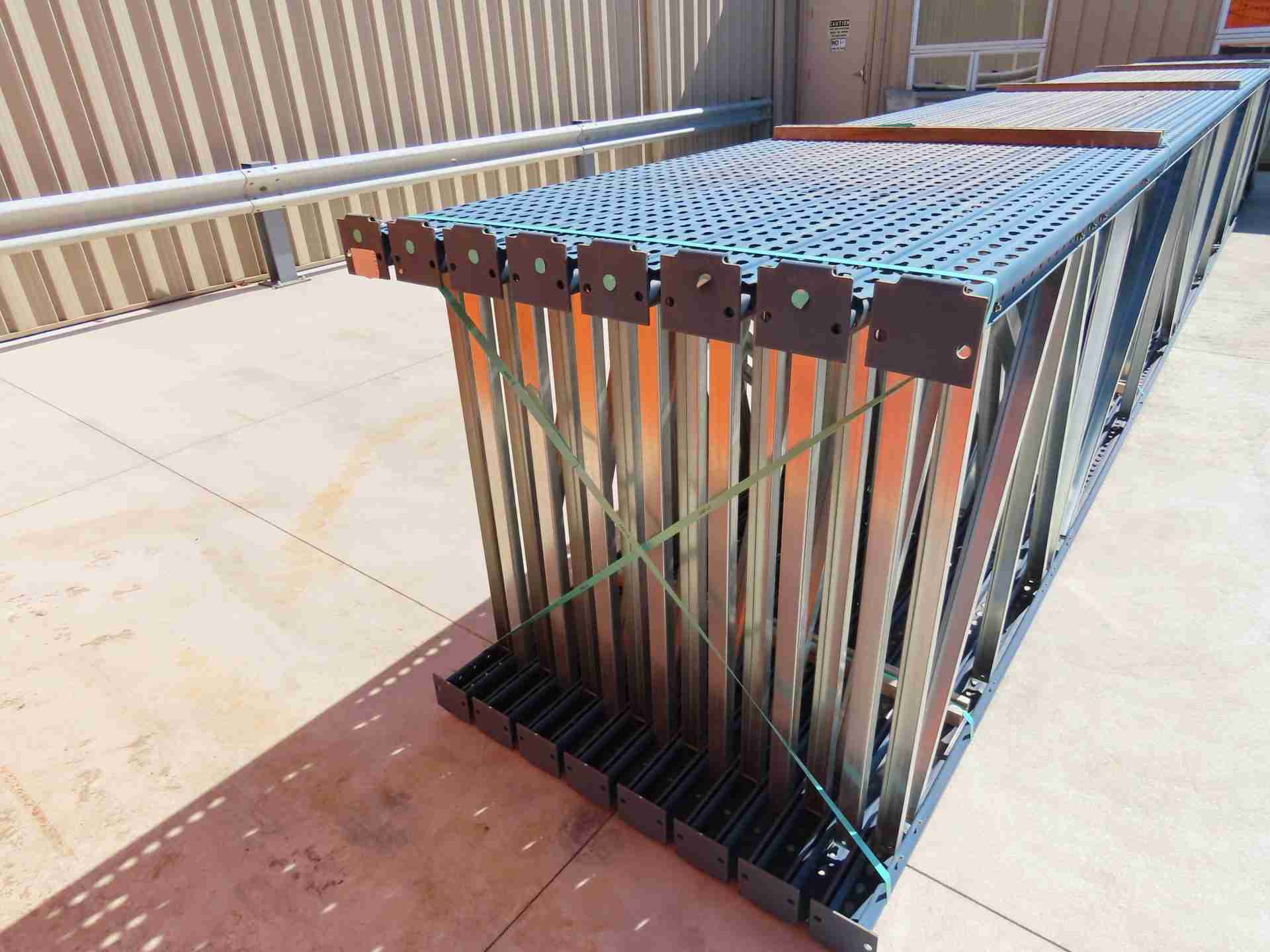
Other Resources
Glossary Terms
Zoning Your Warehouse for Faster Fulfillment – Glossary Of Terms
1. Zoning: The practice of dividing a warehouse into specific areas designated for particular functions or types of inventory.
2. Fulfillment: The process of receiving, processing, and delivering orders to customers.
3. Layout: The physical arrangement of storage areas, picking zones, packing stations, and shipping docks within the warehouse.
4. Picking: The act of selecting items from inventory to fulfill customer orders.
5. Inventory Management: The tracking and control of stock levels, orders, sales, and deliveries.
6. Receiving Area: The designated space in a warehouse where incoming shipments are received, inspected, and processed.
7. Packing Station: An area equipped for packing items for shipment, including work surfaces and materials like boxes and tape.
8. Shipping Dock: The loading area where packaged goods are transferred to delivery vehicles.
9. Flow Optimization: Techniques and strategies used to improve the efficiency of movement throughout the warehouse.
10. Cross-Docking: A logistics practice where incoming goods are directly transferred to outbound vehicles with minimal or no storage time.
11. Bulk Storage: A method of storing large quantities of goods in a consolidated manner, often using pallet racks or shelves.
12. Pick and Pack: A fulfillment process where items are picked from storage and packed for shipping as orders arise.
13. Cycle Counting: A method of inventory auditing where a portion of inventory is counted on a specific schedule to maintain accuracy.
14. Throughput: The amount of goods processed within a specific period, indicating the efficiency of warehouse operations.
15. Standard Operating Procedure (SOP): Documented instructions outlining the steps for routine tasks in the warehouse to ensure consistency and efficiency.
16. Lean Warehousing: A management approach focused on minimizing waste and maximizing productivity throughout warehouse operations.
17. Space Utilization: The effective use of available warehouse space to maximize storage capacity and facilitate operations.
18. Cold Storage: Specialized warehousing for temperature-sensitive products that require refrigeration or freezing.
19. Vertical Storage: The use of vertical space through tall shelving or racking systems to maximize storage capacity in a warehouse.
20. Automated Systems: Technology-driven solutions, such as robotics or conveyor belts, that streamline warehouse operations and improve efficiency.
21. Order Management System (OMS): Software used to process, track, and manage customer orders throughout the fulfillment cycle.
22. Material Handling Equipment: Tools and machines used for moving, storing, or controlling materials within a warehouse, such as forklifts and pallet jacks.
23. Safety Stock: Extra inventory kept on hand to prevent stockouts and ensure continuous fulfillment of customer orders.
24. Warehouse Management System (WMS): Software that helps manage warehouse operations, including inventory tracking, order management, and labor optimization.
25. FIFO (First In, First Out): An inventory management method where the oldest stock is sold or used first, helping to reduce spoilage.
26. LIFO (Last In, First Out): An inventory accounting method where the most recently received items are sold or used before older items.
27. Slotting: The strategic placement of products within the warehouse to minimize travel time and improve picking efficiency.
28. Lead Time: The amount of time taken from placing an order to its completion and delivery to the customer.
29. Barcode Scanning: The use of barcode technologies to track inventory movements, speed up the picking process, and enhance accuracy.
30. Returns Management: The process of handling products returned by customers, including inspection, restocking, and processing refunds or exchanges.

Glossary Of Terms
Other Questions
Zoning Your Warehouse for Faster Fulfillment – Other Questions
If you wish to explore and discover more, consider looking for answers to these questions:
- What are the specific steps to implement an effective zoning strategy in a warehouse?
- How can technology facilitate better zoning and organization in a warehouse?
- What common mistakes should be avoided when zoning a warehouse?
- How does employee training play a role in maximizing the benefits of a well-zoned warehouse?
- What metrics can be used to measure the success of a zoning strategy?
- How can feedback from workers be incorporated into zoning decisions?
- What are some examples of successful zoning strategies in various industries?
- How does zoning affect inventory management and control?
- What role does layout play in optimizing picking processes in a warehouse?
- How can environmental considerations be integrated into zoning strategies?

Other Questions
Checklist
Zoning Your Warehouse for Faster Fulfillment – A Checklist
Warehouse Zoning Checklist for Faster Fulfillment
Heart Appeal:
_____ Visualize the impact of your fulfillment on families and communities—remember the joy your deliveries bring.
_____ Foster a workplace culture that values employee contributions—how are you showing appreciation?
_____ Create a narrative within your warehouse—what story does your layout tell about efficiency and care?
Head Appeal:
_____ Assess the current layout—are products stored logically to minimize retrieval time?
_____ Utilize data analytics to inform zoning decisions—what insights can improve your racking systems?
_____ Plan for peak seasons—how can your zoning adapt to accommodate increased order volume without stress?
Gut Appeal:
_____ Trust your instincts about team dynamics—does the workspace feel empowering and supportive?
_____ Recognize the ethical responsibility of zoning—are you prioritizing efficiency over employee well-being?
_____ Reflect on your values—how does your zoning strategy align with sustainability and community impact?
Emotional Appeal:
_____ Think about the satisfaction of a well-organized environment—how will it uplift team morale?
_____ Remember the relief customers feel with speedy deliveries—how can you enhance this experience?
Rational Appeal:
_____ Calculate potential cost savings from improved efficiency—how does zoning directly impact your bottom line?
_____ Consider the implications of reduced waste—what’s the environmental impact of your warehousing decisions?
Ethical Appeal:
_____ Engage with your team—are you open to their feedback on the zoning process?
_____ Examine the social consequences of your layout choices—how do they affect local communities and workers?
Authority Appeal:
_____ Research successful zoning strategies from leading companies—what best practices can you implement?
_____ Stay informed on industry trends—how do data-driven decisions influence warehouse design?
Narrative Appeal:
_____ Share success stories from your operation—how has strategic zoning transformed your fulfillment process?
_____ Document the journey of your warehouse—what narratives can you create to inspire trust and loyalty from your customers?
Social Appeal:
_____ Encourage teamwork and collaboration—how does your layout promote interaction among employees?
_____ Build community engagement—what initiatives can you undertake to demonstrate your commitment to ethical zoning?

Checklist
At RackingWorld, we help guide you through selecting warehouse storage systems and racking.
Be sure to read our other related stories at RackingWorld to learn more about warehouse storage systems.
0 Comments