
Mastering Warehouse Inventory: Overcoming Common Challenges
By Tom Seest
At RackingWorld, we help guide you through selecting warehouse storage systems and racking.
Be sure to read our other related stories at RackingWorld to learn more about warehouse storage systems.
What Challenges Are You Facing with Warehouse Inventory Management?
In the fast-paced world of logistics and distribution, the challenges of warehouse inventory management can feel like navigating a maze blindfolded. Every business owner knows the pressure of maintaining optimal stock levels while juggling the constant ebb and flow of supply and demand. Are you currently grappling with outdated systems that slow you down instead of speeding you up? Or perhaps your warehouse looks more like an organized chaos than a streamlined operation? You’re not alone, and the good news is that solutions exist for your inventory woes.
One of the most significant hurdles is the effective utilization of your space. Take a moment to consider your pallet racking setup. Is it really maximizing every cubic foot of your warehouse? In an age where every dollar counts, a poorly configured racking system can lead to bottlenecks, wasted time, and ultimately, lost revenue. If you’ve found yourself scrambling to locate items or sacrificing efficiency in order to get products out the door, then it’s time for a strategic reevaluation.
Communication is another notable challenge. How often do you find that your team is on different pages regarding inventory levels or order priorities? No one likes to operate in a foggy environment, and the lack of real-time insights can turn a simple inventory count into a monumental task. The answer may lie in leveraging innovative technology that connects your team and provides clarity across the board. Investing in a reliable inventory management system not only promotes a culture of transparency but also inspires confidence among your employees to make informed decisions.
And let’s not forget the unpredictability that comes with managing a diverse inventory. One moment you’re well-stocked; the next, you’re facing backorders and dissatisfied customers. How do you maintain that balance? The key is not just in robust forecasting but also in agile operations that allow you to pivot and adapt to changing market conditions swiftly.
Your warehouse is more than just four walls filled with products; it’s the heartbeat of your operations. Embrace the opportunity to transform the way you manage inventory. By understanding these challenges and taking decisive action, you can cultivate a more efficient, reliable, and profitable warehouse environment. So, what are you waiting for? Let’s tackle these challenges together and turn your inventory management from a headache into your competitive advantage!

What Challenges Are You Facing with Warehouse Inventory Management?
What Challenges Are You Facing with Warehouse Inventory Management?
- Warehouse inventory management poses significant challenges in logistics and distribution.
- Maintaining optimal stock levels under fluctuating supply and demand is a common pressure for business owners.
- Poorly configured pallet racking systems can lead to inefficiencies, bottlenecks, and lost revenue.
- Effective communication is crucial; team members often operate with misaligned inventory knowledge.
- Investing in a reliable inventory management system enhances transparency and empowers decision-making.
- Agile operations and robust forecasting are essential to manage unpredictability in diverse inventory.
- Transforming inventory management can lead to a more efficient, reliable, and profitable warehouse environment.
What Challenges Are You Facing with Warehouse Inventory Management?
Table Of Contents
- What Challenges Are You Facing with Warehouse Inventory Management?
- What Are The Common Issues In Warehouse Inventory Management?
- How Can Technology Improve Inventory Tracking And Accuracy?
- What Strategies Help Reduce Inventory Holding Costs?
- How To Prevent Stockouts And Overstock Situations?
- What Role Does Employee Training Play In Inventory Management?
- How Can Data Analytics Enhance Inventory Decision-Making?
- Conclusion
- Other Resources
- Glossary Of Terms
- Other Questions
- Checklist
What Are The Common Issues In Warehouse Inventory Management?
When it comes to warehouse inventory management, smooth sailing often feels like a distant dream. You may find yourself grappling with a host of challenges that can throw a wrench in your operations, not to mention your profit margins. It’s essential to identify and address these common issues before they spiral into bigger problems.
One of the primary hurdles many operators face is poor organization, particularly with pallet racking systems. While these structures are designed to maximize space and boost efficiency, improper setup or maintenance can lead to chaos. Imagine searching for a crucial component, only to find it’s buried under a mountain of other items—frustrating, right? Ensuring that your pallet racking is systematically organized and routinely checked will not only save you time but also reduce errors that arise from misplaced items.
Inventory discrepancies are another rampant issue. It can be disheartening to conduct a stocktake and discover your actual inventory doesn’t align with your records. These discrepancies can stem from inefficiencies in tracking systems, mislabeling, or even human error. Every missing item is a lost opportunity. Implementing a robust system for tracking inventory movements—think barcode scanners or RFID technology—can significantly reduce these discrepancies.
Don’t overlook the significant role of communication between team members too. Everyone from warehouse workers to management should be on the same page. A breakdown in communication can lead to overstocking or stockouts, making it impossible to meet customer demands effectively. Encouraging a culture of open communication, coupled with regular training, can alleviate confusion and streamline operations.
Lastly, consider the dreaded issue of maintaining your inventory levels. Many businesses overestimate their capabilities, leading to overordering or stock that’s just sitting there gathering dust. By adopting a just-in-time inventory philosophy, you can better align your stock levels with actual demand, thereby freeing up cash flow and physical space.
Inventory management does not have to be a continual source of anxiety. By identifying these common issues and implementing effective strategies, you can create a harmonious warehouse environment. Trust that with the right system in place, you will not only keep your operations running smoothly but also impress your customers with your timely deliveries and exceptional service. Take action now—your future self will thank you.

What Are The Common Issues In Warehouse Inventory Management?
What Are The Common Issues In Warehouse Inventory Management?
- Warehouse inventory management faces several challenges affecting operations and profit margins.
- Poor organization, especially in pallet racking systems, can lead to chaos and inefficiencies.
- Inventory discrepancies arise from tracking inefficiencies, mislabeling, and human error.
- Implementing advanced tracking systems, such as barcode scanners or RFID, can reduce discrepancies.
- Effective communication among team members is crucial to avoid overstocking and stockouts.
- Adopting a just-in-time inventory approach can optimize stock levels and improve cash flow.
- Identifying and addressing these issues can lead to a smoother warehouse operation and enhanced customer satisfaction.

What Are The Common Issues In Warehouse Inventory Management?
How Can Technology Improve Inventory Tracking And Accuracy?
How Can Technology Improve Inventory Tracking and Accuracy?
Imagine walking into your warehouse and knowing exactly where every item is located, from the smallest bolt to the largest pallet racking unit. Sounds like a dream, right? But with today’s technology, it’s a reality waiting to happen for your business. Gone are the days of relying solely on manual counts and paper logs, which can lead to human errors and misplaced stock. Embracing modern technology can transform how you handle inventory, and the benefits are staggering.
First and foremost, think about the accuracy. Advanced inventory management software allows for real-time tracking, ensuring that your records reflect what’s actually on hand. Your team no longer needs to guess or rely on outdated logs; they can access live data from their devices, gaining instant insights into stock levels, turnover rates, and even trends that can inform purchasing decisions. This isn’t just about keeping track; it’s about making data-driven decisions that propel your business forward.
Now, let’s talk about efficiency. Using barcode scanners or RFID technology can streamline your operations significantly. When every item is tagged, transactions become lightning fast, reducing the time spent on stocktaking and minimizing the disruptions associated with inventory management. Imagine your staff efficiently moving through rows of pallet racking, scanning items in seconds and updating their locations automatically. This accelerated process frees up your team to focus on more crucial tasks, driving productivity to new heights.
Furthermore, technology empowers your company to respond quickly to demand fluctuations. With an integrated system, you’ll receive alerts when stock levels are low, allowing you to reorder proactively instead of waiting until shelves are bare. This foresight not only tidies up your workflow but also enhances customer satisfaction by ensuring product availability.
But why stop there? Technology provides visibility and transparency throughout the supply chain, fostering trust among your partners and stakeholders. An accurate inventory system means you can confidently assure clients about delivery times and stock availability—enhancing your reputation and building stronger relationships.
In a world where every second counts, embracing these technological advancements in inventory tracking not only boosts accuracy but also positions your business at the forefront of efficiency. Let technology be your ally in navigating the complexities of inventory management, and watch your operations thrive like never before. Embrace the future; your business deserves it!
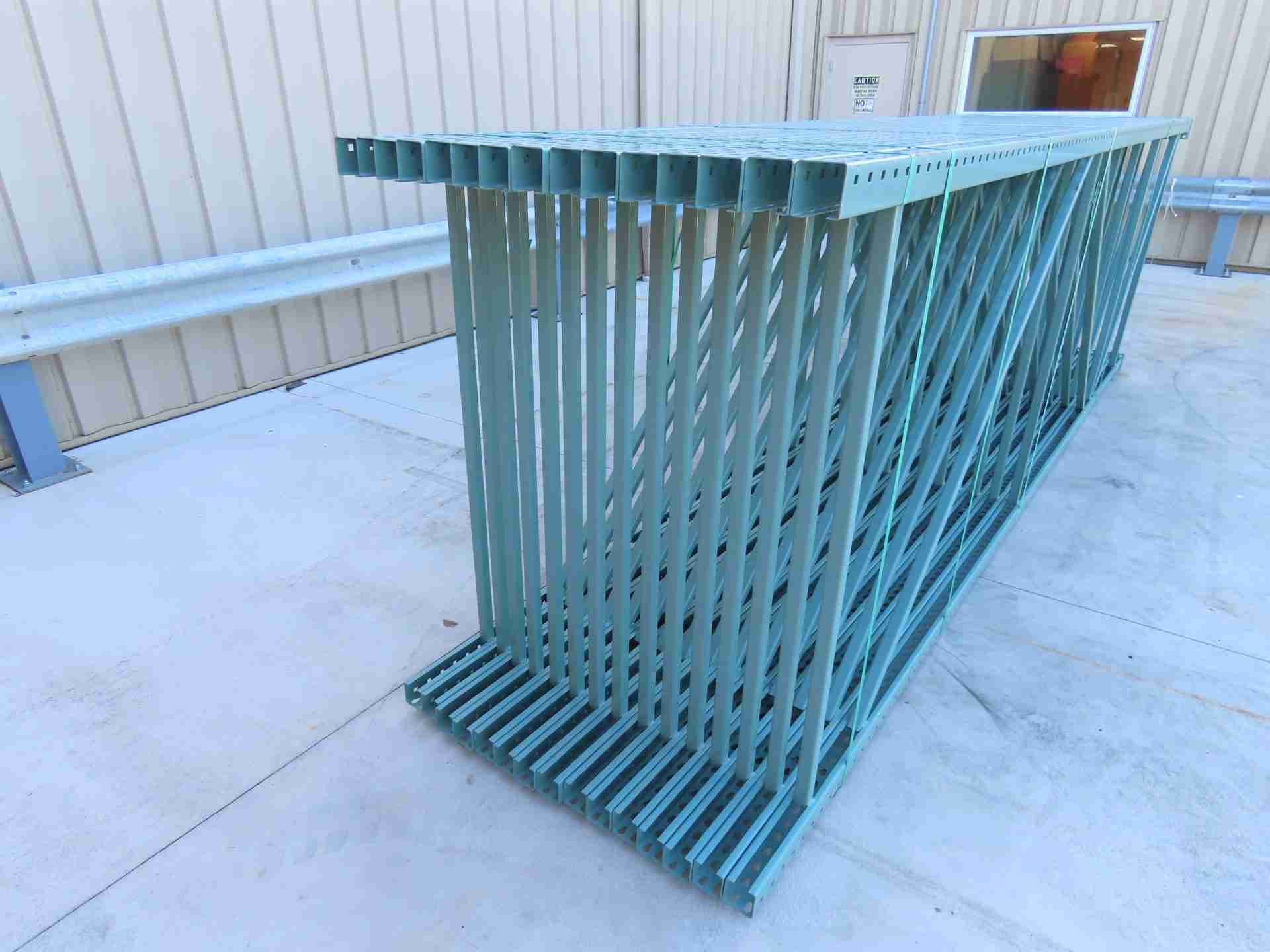
How Can Technology Improve Inventory Tracking And Accuracy?
How Can Technology Improve Inventory Tracking And Accuracy?
- Technology transforms inventory management, moving away from manual counts and paper logs.
- Advanced software allows real-time tracking, providing accurate insights into stock levels and trends.
- Barcode scanners and RFID technology streamline operations, speeding up transactions and stocktaking.
- Integrated systems notify when stock levels are low, enabling proactive reordering and improving workflow.
- Improved inventory accuracy enhances customer satisfaction by ensuring product availability.
- Visibility and transparency in the supply chain foster trust among partners and stakeholders.
- Embracing technology positions businesses at the forefront of efficiency and operational success.
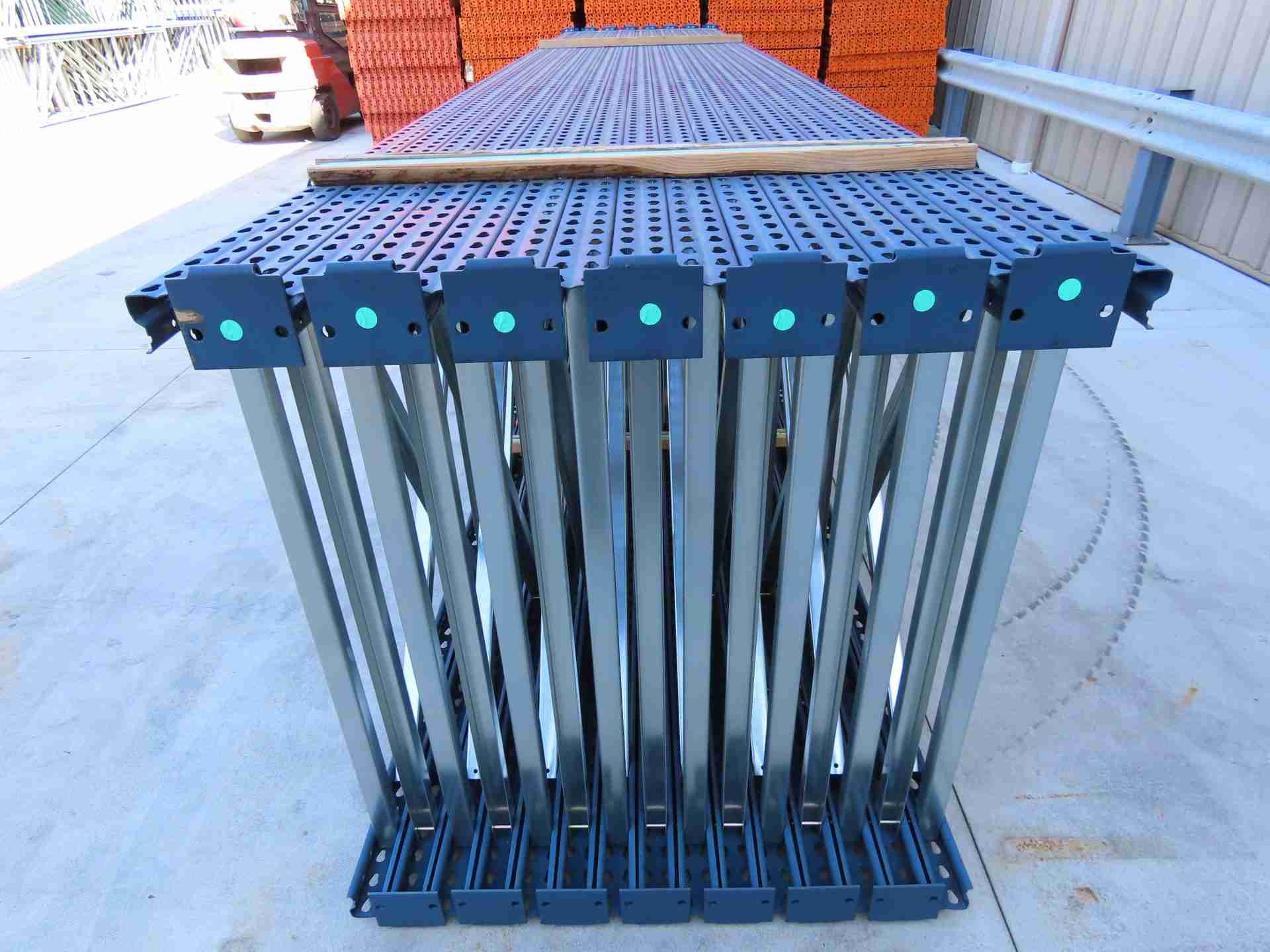
How Can Technology Improve Inventory Tracking And Accuracy?
What Strategies Help Reduce Inventory Holding Costs?
When it comes to maximizing profits, reducing inventory holding costs is as crucial as it gets. Think about it: every item on your shelf is money tied up in a warehouse. Those shelves can hold a lot of potential value, but if they’re full of slow-moving stock, you’re flirting with disaster. So what can you do? Let’s unpack some actionable strategies that could transform your approach to inventory management.
First, let’s chat about Pallet Racking. This isn’t just a buzzword—it’s a game changer. Utilizing optimal pallet racking systems can significantly increase your storage efficiency and allow for better organization. Picture this: a well-organized warehouse allows for quick access to inventory, reducing the time spent locating products and reducing labor costs. With the right pallet racking solution tailored to your needs, you can unlock warehouse space you didn’t even know you had!
Next up is honing your inventory tracking methods. In today’s digital age, tools like inventory management software can help you maintain precision in tracking stock levels. The more accurate your inventory data, the better your purchasing decisions. Want to avoid stockouts or excess inventory? A robust system can alert you before those issues arise, keeping your costs down and your warehouse humming.
Don’t forget about the power of just-in-time (JIT) inventory systems. This strategy is about receiving goods only as they are needed in the production process. Sounds straightforward? It is! But it takes diligent planning and solid supplier relationships to pull it off. By adopting JIT, you can minimize the inventory on hand while still meeting customer demands. The less you have sitting on your shelves, the less you pay for storage—it’s a win-win!
Lastly, let’s talk about assessing and optimizing product turnover. Evaluate which products are moving at a snail’s pace and which ones are flying off the shelves. Are those slow movers worth keeping on hand? If not, it’s time to consider promotions, discounts, or even clearing them out altogether. Active management of your product categories can drastically reduce holding costs and keep your inventory fresh.
Take these strategies to heart, and you have a concrete pathway to reducing your inventory holding costs. Not only will you see an impact on your bottom line, but you’ll also cultivate a leaner and more efficient operation that is ready to meet customer demands with confidence! Start implementing these tactics today and watch your profits soar!
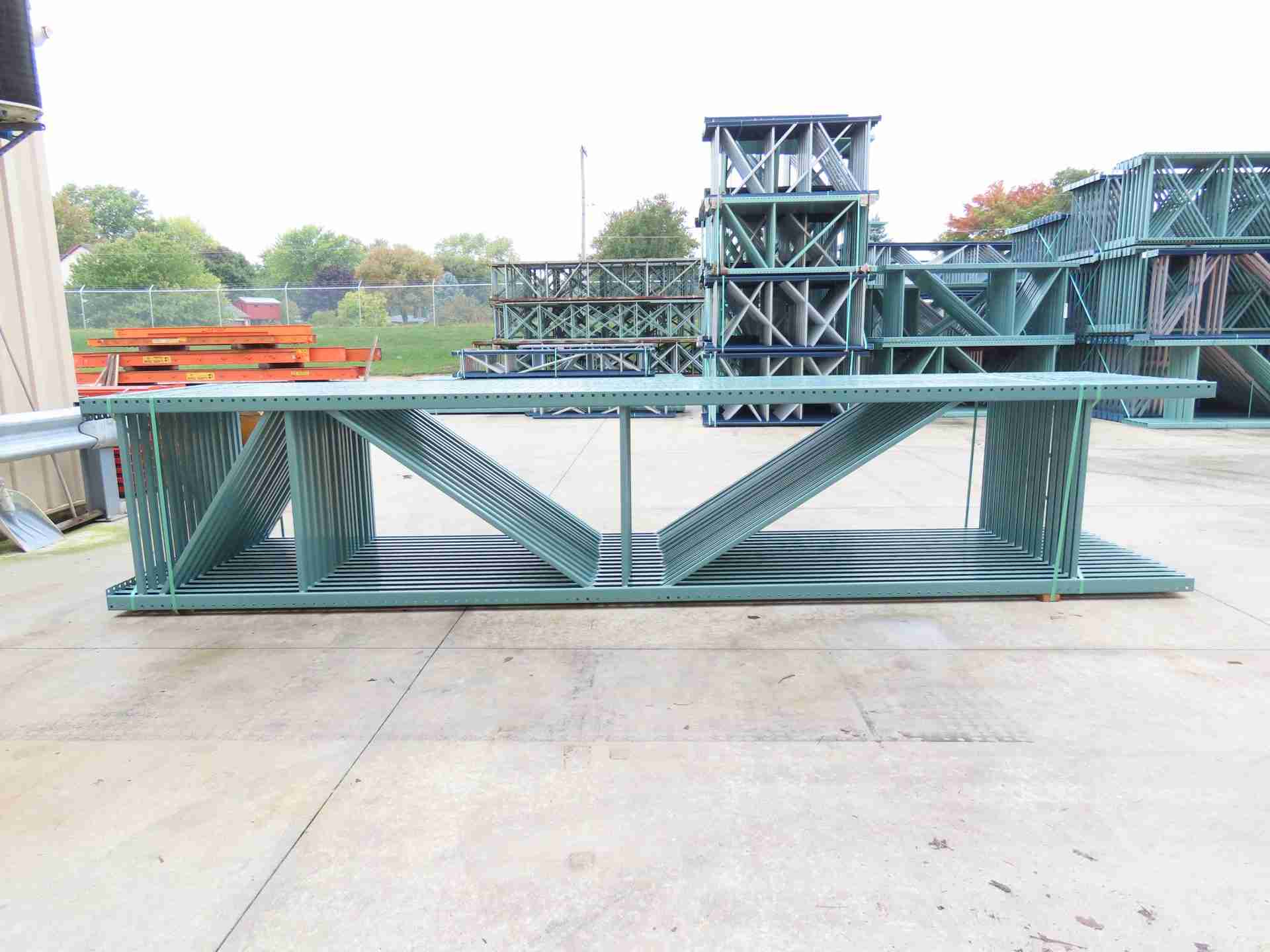
What Strategies Help Reduce Inventory Holding Costs?
What Strategies Help Reduce Inventory Holding Costs?
- Reducing inventory holding costs is essential for maximizing profits.
- Utilizing optimal pallet racking systems can enhance storage efficiency and organization.
- Accurate inventory tracking with software helps improve purchasing decisions and avoid stock issues.
- Just-in-time (JIT) inventory systems minimize on-hand inventory while meeting customer demands.
- Assess product turnover to decide on promotions or clearance for slow-moving items.
- Active management of inventory leads to reduced holding costs and fresher stock.
- Implementing these strategies can significantly impact profits and operational efficiency.
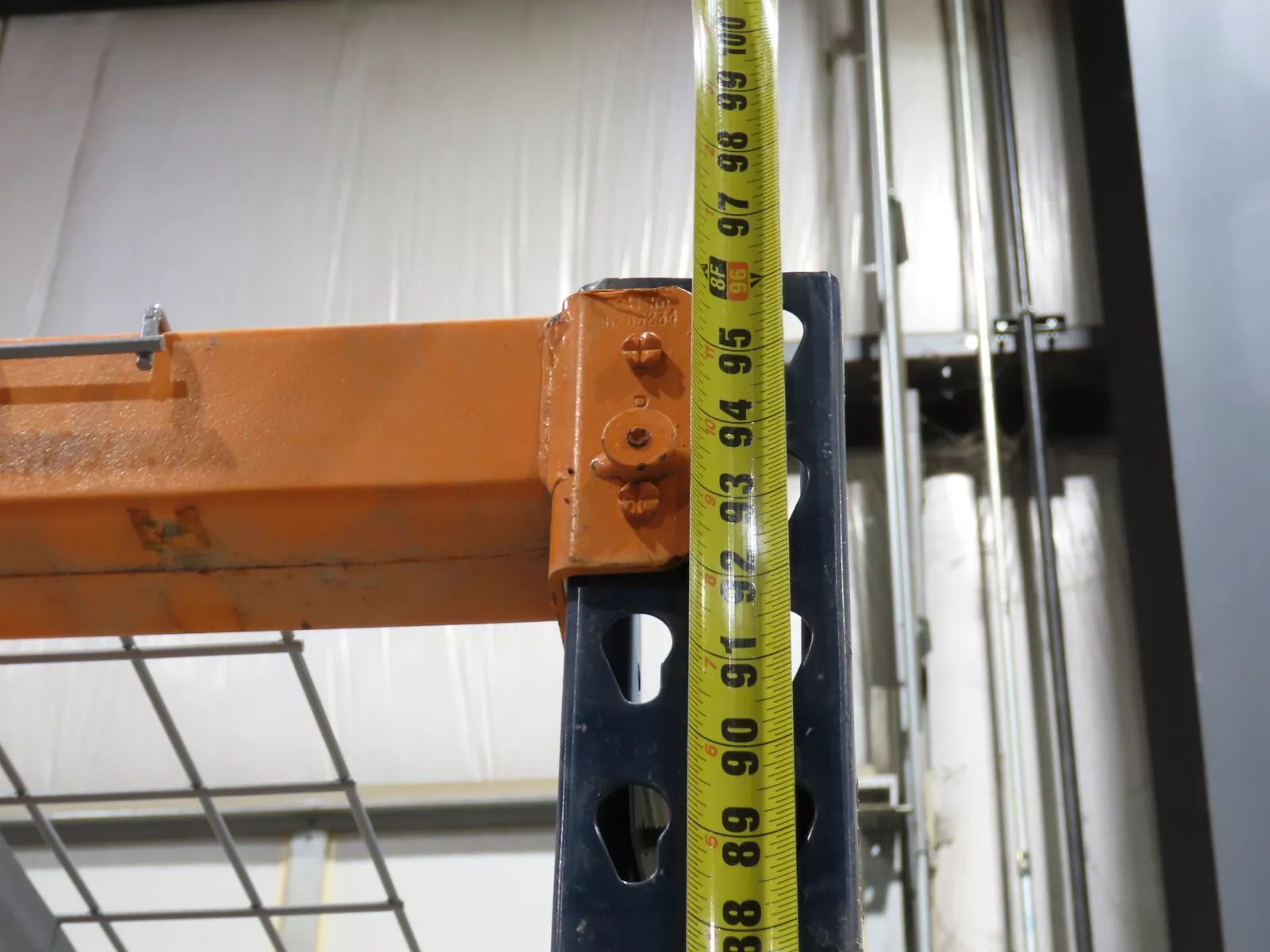
What Strategies Help Reduce Inventory Holding Costs?
How To Prevent Stockouts And Overstock Situations?
In the world of inventory management, the difference between success and failure can often hinge on a single word: balance. Keeping your stock levels just right is an art as much as it is a science. Let’s delve into actionable strategies to ensure you don’t fall victim to the all-too-common pitfalls of stockouts and overstock situations.
Know Your Numbers
First and foremost, you need to understand your sales patterns. Dive deep into your historical data. What products fly off the shelves and which ones linger like uninvited guests? By analyzing this data, you can forecast demand with greater accuracy. Use tools designed for forecasting to predict trends, seasonality, and even unforeseen spikes in demand. Remember, it’s not just about what you sold last month; it’s about what customers will want next!
Optimize Your Space
Next up, let’s talk about optimizing your physical space. Implementing effective pallet racking solutions can help you take advantage of vertical space while providing easy access to your inventory. Imagine a warehouse that is not just organized, but a well-tuned machine that accommodates fluctuations in stock without chaos. Strategic pallet racking means you can rotate stock with ease, ensuring that older items don’t collect dust while pushing new products to the forefront.
Embrace Technology
Using inventory management software can revolutionize your operations. In today’s digital age, integrating tech with your supply chain ensures real-time visibility of your stock levels. Automated alerts can notify you before you hit critical low levels, so you’re always a step ahead. This proactive approach not only prepares you for demand but also reduces the likelihood of over-purchasing—leading to that dreaded overflow of unsold inventory.
Foster Strong Supplier Relationships
Don’t underestimate the power of solid relationships with your suppliers. A dependable partnership means you can place orders more frequently without fear, allowing you to maintain leaner inventories. Open lines of communication can also give you insights into lead times and potential supply fluctuations—knowledge is power!
Iterate and Adapt
Lastly, don’t allow complacency to creep in. Regularly review your inventory processes. Are you still using strategies that worked in the past, but no longer fit your current environment? Adaptability is crucial. Whether it’s seasonal trends or unexpected market shifts, staying agile ensures you remain relevant and competitive.
There you have it—a roadmap to prevent stockouts and overstock situations. By blending analytics, optimization, technology, strong partnerships, and adaptability, you create a foundation of trust and confidence that will elevate your business to new heights. No more anxiety over empty shelves or overburdened warehouses—just a streamlined operation that meets customers’ needs perfectly, every time.
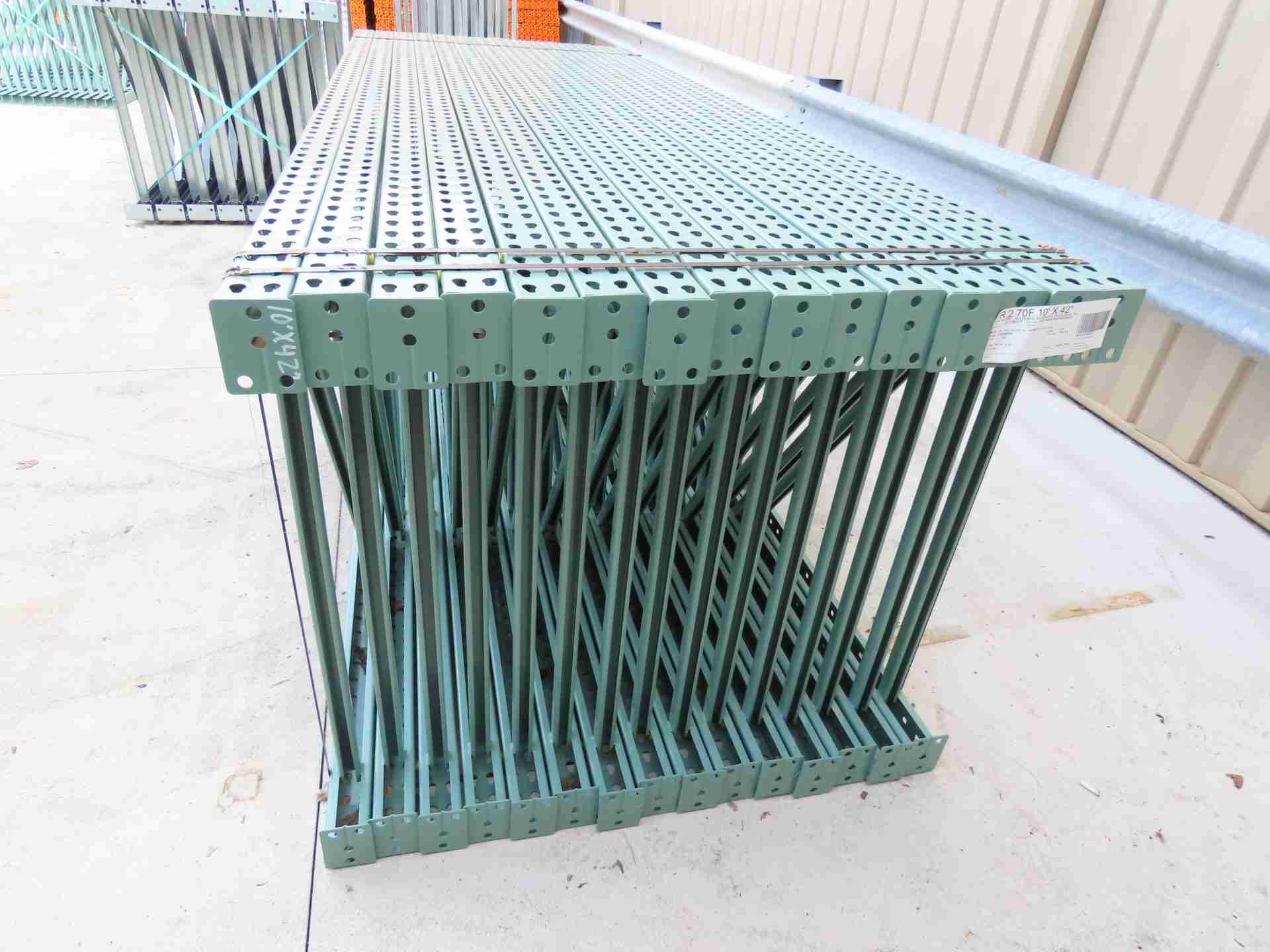
How To Prevent Stockouts And Overstock Situations?
How To Prevent Stockouts And Overstock Situations?
- Balance is Key: Success in inventory management relies on maintaining the right stock levels.
- Know Your Numbers: Analyze historical sales data to accurately forecast demand and trends.
- Optimize Your Space: Use effective pallet racking solutions to maximize vertical space and improve inventory access.
- Embrace Technology: Implement inventory management software for real-time visibility and automated alerts.
- Foster Strong Supplier Relationships: Build dependable partnerships to allow for frequent orders and leaner inventories.
- Iterate and Adapt: Regularly review and update inventory strategies to stay relevant and competitive.
- Streamlined Operations: Combining these strategies prevents stockouts and overstock, ensuring customer needs are met seamlessly.
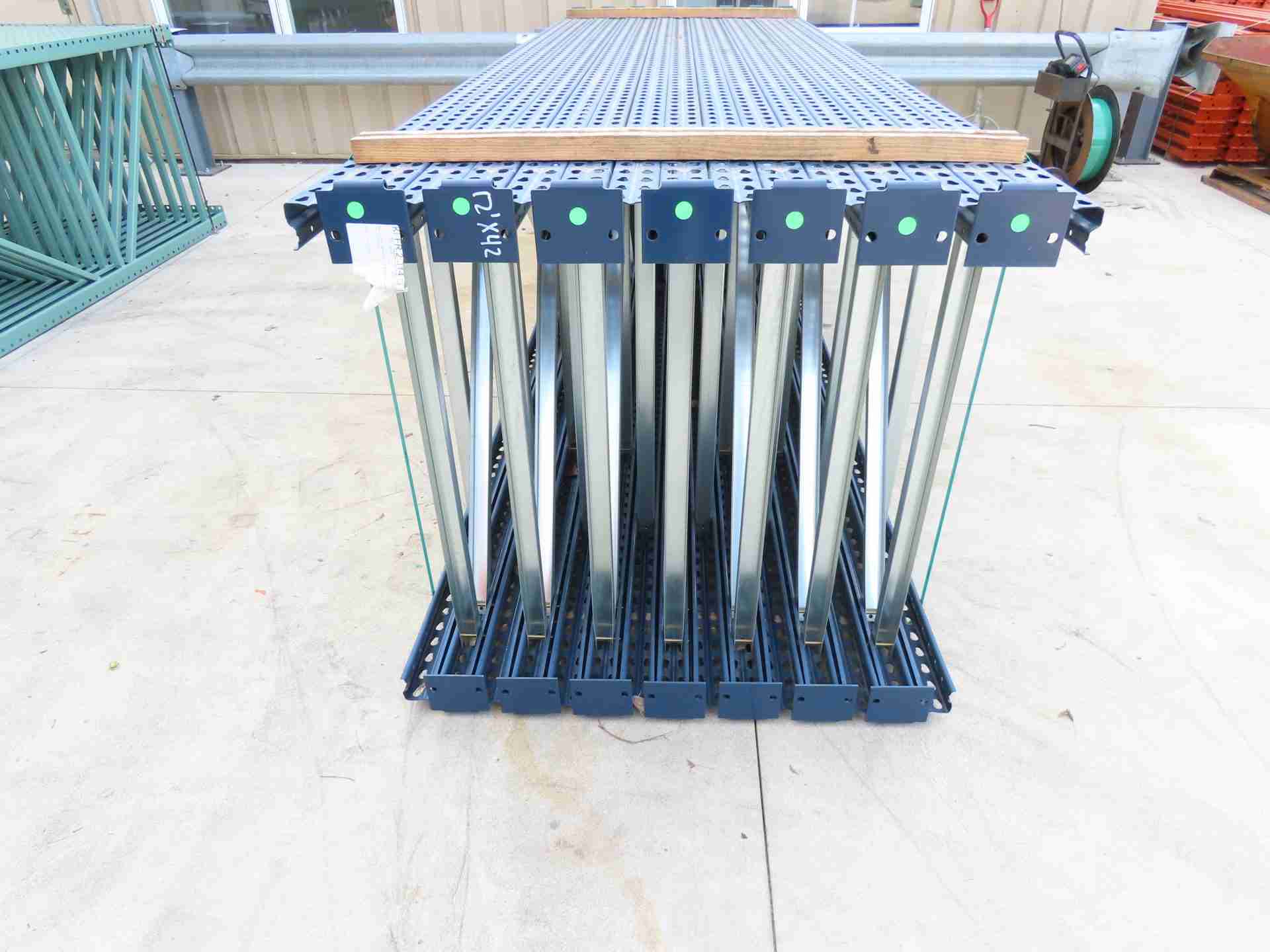
How To Prevent Stockouts And Overstock Situations?
What Role Does Employee Training Play In Inventory Management?
In the intricate world of inventory management, the glue that binds all processes together is not just the technology or systems in place—it’s the people behind them. When employees are adequately trained, every aspect of inventory, from pallet racking to stock rotation, becomes a well-oiled machine. But why does this matter? Let’s unpack it.
Imagine your warehouse. It’s buzzing with activity—forklifts moving swiftly, employees checking off shipping lists, and, of course, the carefully arranged pallet racking holding valuable stock. Now, picture those workers lacking the proper training. Chaos ensues. They misplace items, mishandle inventory, and fail to maximize the storage efficiency that a well-organized racking system can offer. This is not just a theory; it’s a situation many businesses tragically face.
When employees know how to navigate the ins and outs of inventory management, they become your biggest asset. Trained staff manage stock levels with precision, reduce waste, and ensure that every product is accounted for. Think about it: every minute they spend fumbling around is money lost. With effective training programs in place, like hands-on workshops and interactive seminars, businesses can transform average workers into inventory maestros.
Moreover, trained employees foster a culture of accountability and job satisfaction. They take ownership of their roles, ensuring that every item on that pallet rack serves a purpose and contributes to the overall efficiency of the warehouse. When people feel confident in their capabilities, they’re empowered to make decisions that enhance productivity, ultimately leading to a positive impact on your bottom line.
Chances are, you’ve invested in cutting-edge technology for tracking inventory. But without proper training, even the best systems will flounder. Just think of your technology as a sleek sports car—it’s powerful, but without a skilled driver, it can’t reach its full potential.
So, are you ready to take your inventory management to the next level? Prioritize employee training as a non-negotiable part of your operational strategy. Equip your team with the knowledge they need to handle pallet racking with finesse and make inventory mistakes a relic of the past. You’ll see streamlined operations, satisfied customers, and increased profitability as a result. The path to success isn’t just about tools; it’s about making sure your team knows how to wield them effectively. Take action now—and watch your inventory management transform.
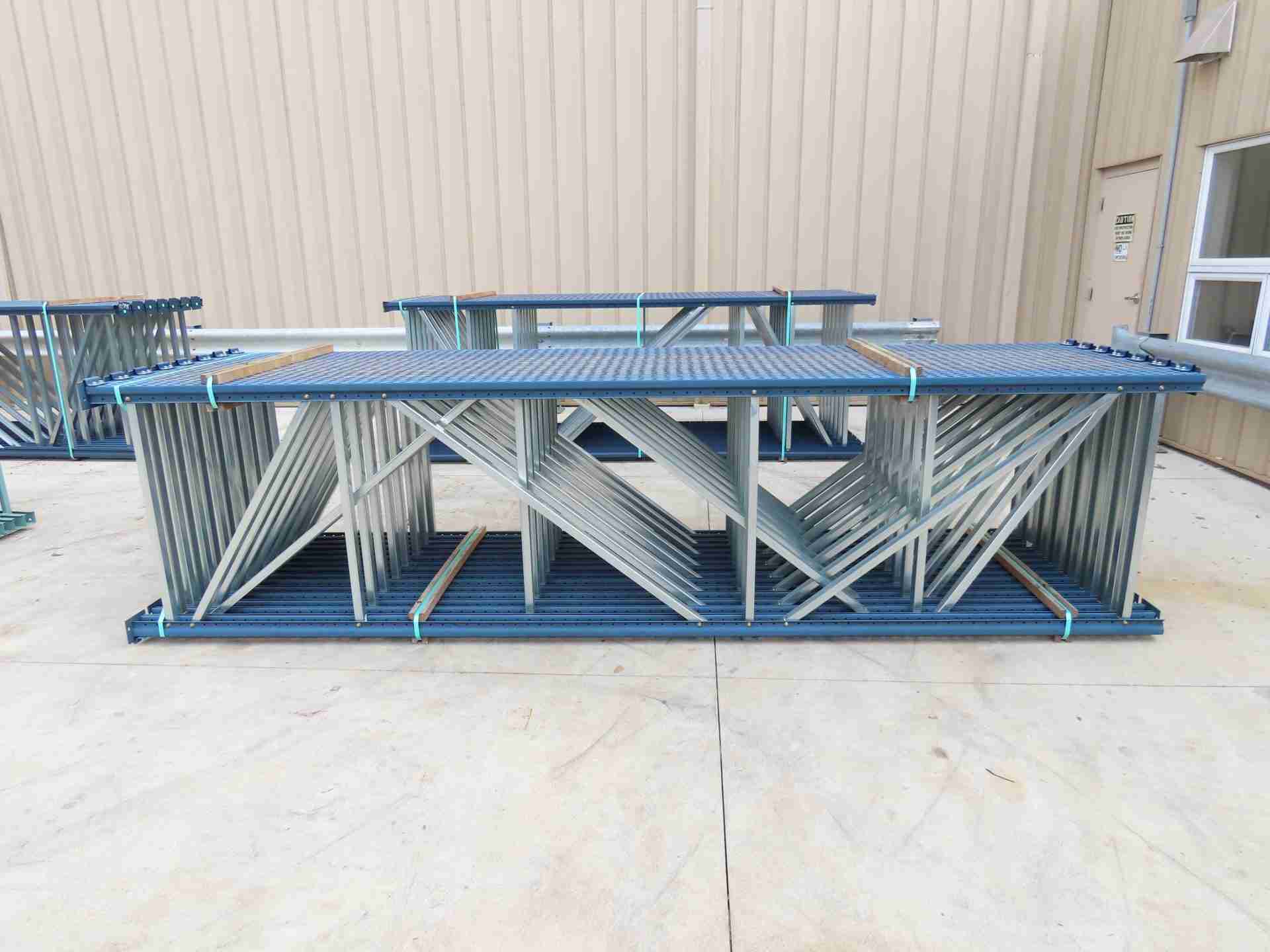
What Role Does Employee Training Play In Inventory Management?
What Role Does Employee Training Play In Inventory Management?
- Effective inventory management relies heavily on well-trained people, not just technology or systems.
- Inadequately trained employees can lead to chaos, misplacement of items, and inefficient storage.
- Trained staff enhance precision in managing stock levels, reducing waste and ensuring accountability.
- Proper training fosters job satisfaction, empowering employees to make decisions that boost productivity.
- Investing in cutting-edge technology is futile without skilled employees to operate it effectively.
- Prioritizing employee training is essential for streamlined operations and improved profitability.
- The key to transforming inventory management lies in equipping employees with the right knowledge and skills.
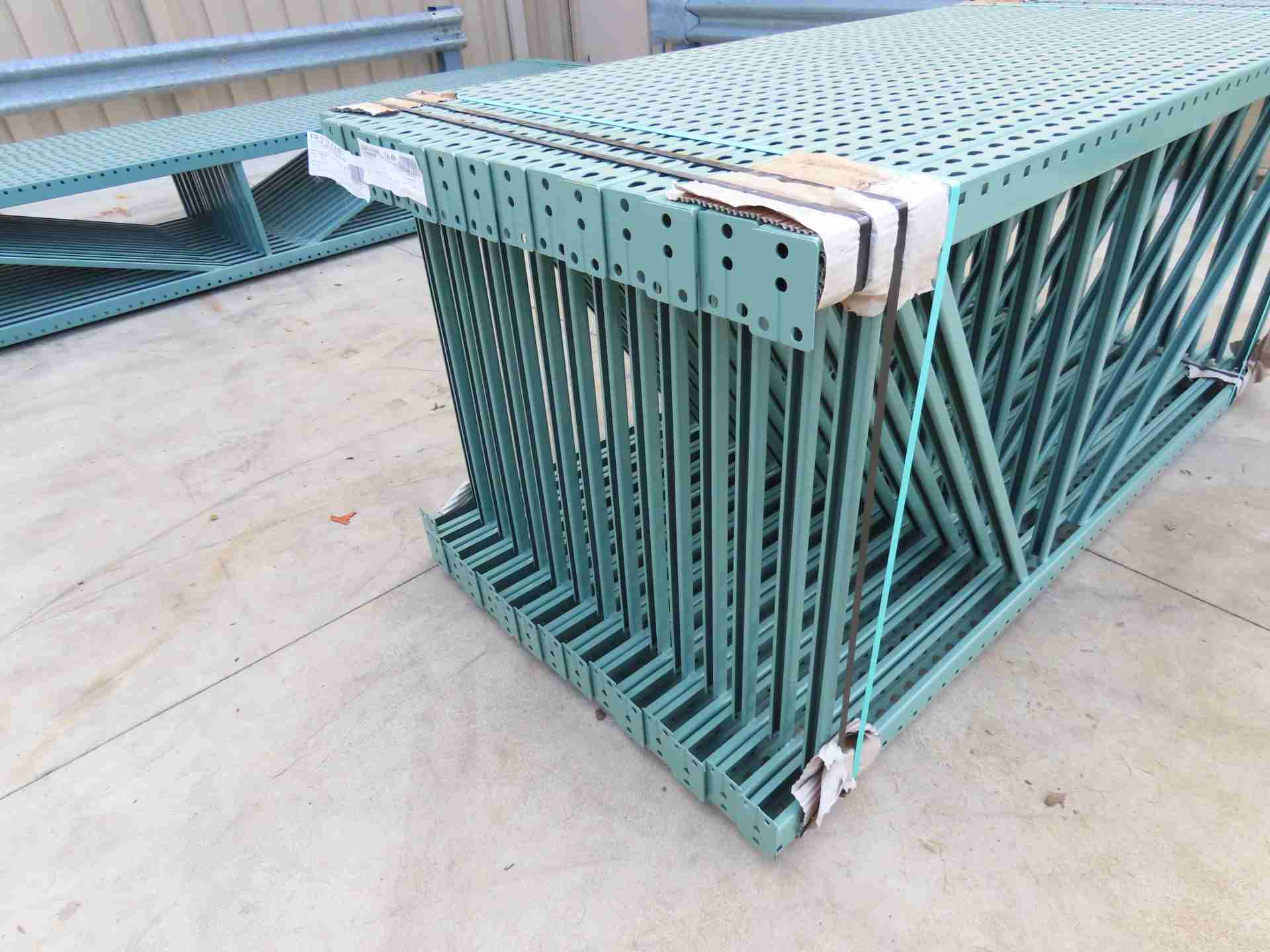
What Role Does Employee Training Play In Inventory Management?
How Can Data Analytics Enhance Inventory Decision-Making?
Imagine stepping into a warehouse with neatly organized rows of pallet racking, each shelf holding precisely what’s needed, when it’s needed. It sounds perfect, doesn’t it? But achieving that level of efficiency isn’t just a stroke of luck; it’s grounded in the power of data analytics. In today’s fast-paced market, where every decision can ripple through your bottom line, leveraging data analytics is no longer an option—it’s a necessity.
At the heart of exceptional inventory management lies a treasure trove of information just waiting to be harvested. Data analytics allows you to dissect your purchasing patterns, uncovering insights into what moves quickly off the shelves and what languishes in the warehouse. Rather than relying on the seat-of-your-pants guesses, armed with numbers and forecasts, you can predict demand with precision. This means saying goodbye to stockouts that frustrate customers and hello to a streamlined inventory that keeps profits soaring.
Take a moment to envision your team no longer bogged down with excess inventory, wasting valuable time and storage space. With analytics at your fingertips, you can optimize your pallet racking systems, ensuring that the right products are strategically placed for optimum access. Imagine your team moving seamlessly through the warehouse, guided not by instinct but by data-driven decisions that enhance efficiency and effectiveness. Picture customers’ smiles as they get what they ordered—on time, every time.
Furthermore, consider the days of endless manual stock takes and reconciliations. Data analytics automates these processes, allowing you to allocate your resources smarter. With real-time insights, inventory levels are continuously monitored, alerting you when it’s time to reorder, restock, or reallocate. This means you’re not sitting on cash tied up in dead inventory or scrambling to fulfill a surge in demand.
But it goes beyond just having the right products in place. By understanding your data, you can tailor promotional strategies that align with your customers’ patterns, driving sales and reducing wasted expenditure. It’s all about creating a cycle of continuous improvement, where informed decisions feed a thriving business ecosystem.
Incorporating data analytics into your inventory decision-making isn’t merely about efficiency; it’s about building a foundation of trust and reliability with your customers. When you commit to utilizing these insights, you’re not just enhancing operations—you’re paving the way for sustainable growth in a fiercely competitive marketplace. Are you ready to transform your inventory strategy and unlock the potential of data analytics?

How Can Data Analytics Enhance Inventory Decision-Making?
How Can Data Analytics Enhance Inventory Decision-Making?
- Efficient inventory management relies heavily on data analytics rather than luck.
- Data analytics reveals purchasing patterns, enabling precise demand forecasting.
- Reduces stockouts and optimizes inventory, enhancing customer satisfaction.
- Helps eliminate excess inventory, saving time and storage space.
- Automates stock takes and reconciliations, allowing smarter resource allocation.
- Facilitates tailored promotional strategies based on customer behavior.
- Builds customer trust and sustainable growth through informed decision-making.
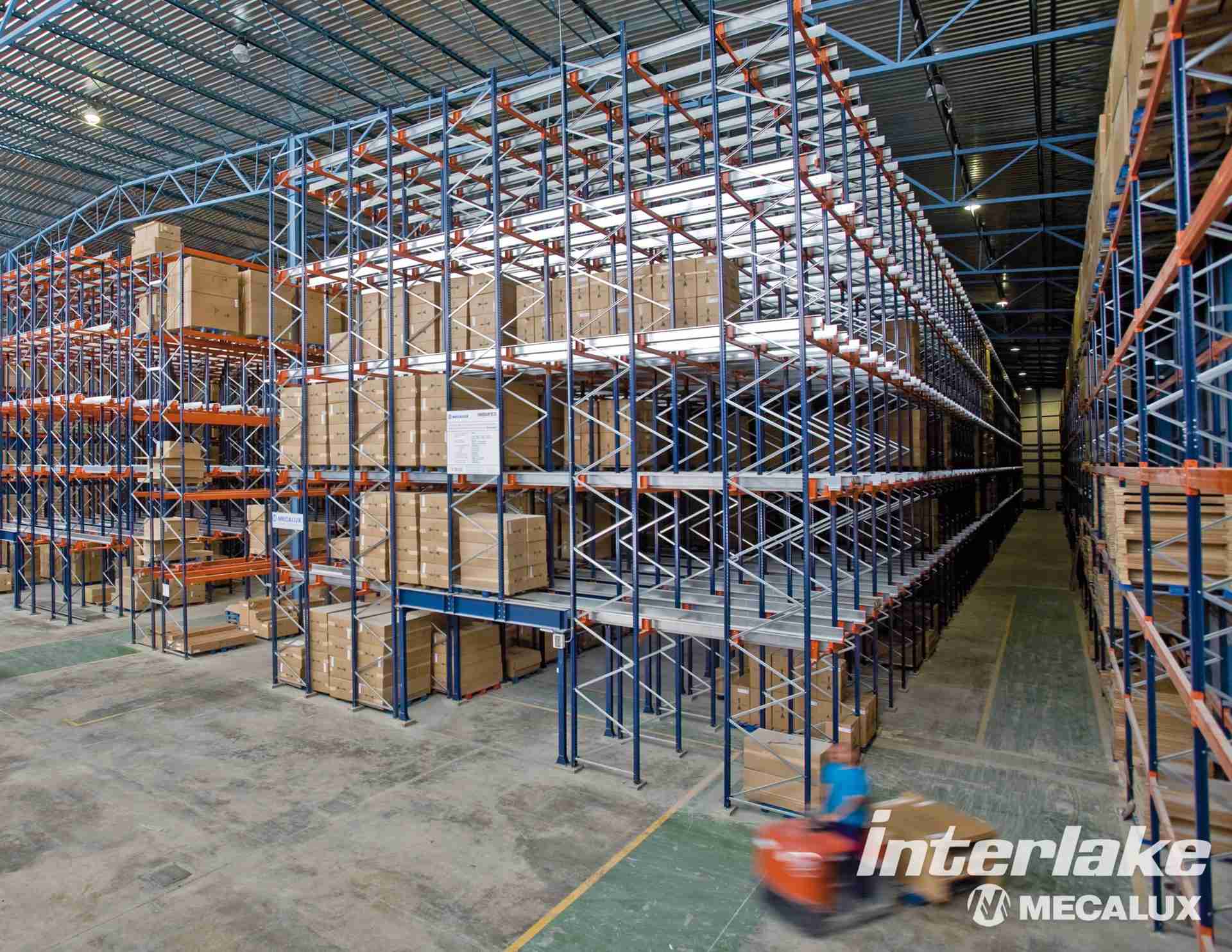
How Can Data Analytics Enhance Inventory Decision-Making?
Conclusion
Conclusion: Transforming Warehouse Inventory Management into Your Competitive Advantage
At RackingWorld.com and Arrow Industrial Sales, we understand that navigating the complexities of warehouse inventory management can often feel overwhelming—like trying to find your way through a dense fog. Challenges such as outdated systems, poor organization, and ineffective communication can hinder your efficiency, increase costs, and frustrate your customers. Yet, the path to improvement and profitability is clearer than you may think.
In this digital age, solutions are at your fingertips. By re-evaluating your pallet racking setup and harnessing modern technology, you can optimize your warehouse’s potential like never before. Imagine being equipped with real-time inventory tracking, improved communication protocols, and streamlined operations that allow everyone on your team to work in sync, minimizing discrepancies and maximizing productivity. Investing in innovative technology isn’t just about keeping up; it’s about outpacing your competition and transforming your warehouse into a robust operation equipped to handle the demands of the market.
It’s time to shift your focus from merely managing inventory to strategically controlling it. By implementing actionable steps—like optimizing your space with effective pallet racking, fostering solid supplier relationships, embracing data analytics, and prioritizing employee training—you pave the way to reduce holding costs, minimize stockouts, and drive customer satisfaction. Remember, your warehouse isn’t just a storage space; it’s the lifeline of your business.
But this transition cannot wait. The longer you endure the inefficiencies of outdated systems, the more revenue you risk losing. Every moment spent operating under the weight of inefficiencies is a moment your competitors are seizing. Don’t let your frustrations diminish your profits any longer. Calling Arrow Industrial Sales at (574) 349-6575 will open the door to personalized solutions tailored to your unique challenges.
Now is the time to act. Equip yourself with the tools and training necessary to revolutionize your warehouse operations, turning inventory management from a source of anxiety into a competitive advantage. Embrace the future with confidence, and let’s take this journey together—because command over your inventory means command over your success. Solutions are just a phone call away, so reach out today and begin carving out a more efficient, reliable, and profitable future. Your customers—and your bottom line—will thank you.
Conclusion
Conclusion:
- Warehouse inventory management can be challenging due to outdated systems, poor organization, and ineffective communication.
- Modern technology offers solutions for optimizing warehouse potential, such as real-time inventory tracking and improved communication protocols.
- Investing in innovative technology helps businesses outpace competitors and enhances operational efficiency.
- Shift focus from merely managing to strategically controlling inventory through effective pallet racking and supplier relationships.
- Implement data analytics and prioritize employee training to reduce costs, minimize stockouts, and improve customer satisfaction.
- Delaying the transition to better systems poses risks of revenue loss and operational inefficiencies.
- Contact Arrow Industrial Sales for personalized solutions to transform warehouse management into a competitive advantage.

Conclusion
Other Resources

Other Resources
Here is a list of other resources you can review online to learn more:
- Storage Equipment Manufacturers’ Association
- What is Selective Pallet Racking
- Warehousing Education and Research Council: https://www.werc.org/
- CA Wire
- Selective Racking
- Material Handling Safety
- Warehouse Racks, Warehouse Racking in Stock – ULINE
- Cantilever Rack Configuration & Installation: A Comprehensive Guide – BMH
- Selective Rack – Raymond West
- American Surplus
Use This Prompt To Get More Resources With Your Favorite Online AI Tool: Please provide me with a list of online articles with their URLs in a bulleted list that I can read regarding What Challenges Are You Facing with Warehouse Inventory Management?

Other Resources
Glossary Terms
What Challenges Are You Facing with Warehouse Inventory Management? – Glossary Of Terms
1. Inventory Control: The process of managing and overseeing the ordering, storage, and use of products and materials in a warehouse.
2. Stockouts: A situation where inventory levels are too low to fulfill customer orders, leading to loss of sales and customer dissatisfaction.
3. Overstock: The accumulation of excess inventory that exceeds demand, resulting in increased holding costs and potential waste.
4. Lead Time: The amount of time it takes from placing an order with a supplier to receiving the goods in inventory.
5. Demand Forecasting: The process of predicting future customer demand for products, which can be challenging due to market fluctuations.
6. Cycle Counting: A periodic audit of inventory levels, which can be labor-intensive but helps ensure accuracy and identify discrepancies.
7. ABC Analysis: A categorization technique that divides inventory into three classes (A, B, C) based on importance and value to help prioritize management efforts.
8. Shrinkage: The loss of inventory due to theft, damage, or mismanagement, leading to discrepancies in reported inventory levels.
9. Inventory Turnover: A measure of how often inventory is sold and replaced over a specific period, indicating efficiency in inventory management.
10. Stock Keeping Unit (SKU): A unique identifier assigned to each product or item in inventory, essential for tracking and management.
11. Warehouse Layout: The physical arrangement of storage units and pathways in a warehouse, which can impact efficiency and inventory accessibility.
12. Barcode Scanning: A technology used to track inventory levels and movements in warehouses, helping reduce errors and improve accuracy.
13. Fulfillment: The process of receiving, processing, and delivering customer orders, which can be complicated by inventory issues.
14. Cross-Inventory Management: The coordination of inventory across multiple warehouse locations, which presents challenges in stock levels and distribution.
15. Returns Processing: The management of returned products, which can complicate inventory and create additional workload in warehouses.
16. Demand Variability: Fluctuations in customer demand which can complicate inventory planning and management.
17. Just-in-Time (JIT) Inventory: An inventory strategy that strives to reduce holding costs by receiving goods only as they are needed, which can risk stockouts if not managed properly.
18. Warehouse Automation: The use of technology and robotics to streamline inventory handling and management, though it requires significant investment and training.
19. Obsolete Inventory: Products that are no longer sold or used, which take up valuable space and resources in a warehouse.
20. Inventory Valuation: The method by which a business determines the monetary value of its inventory, affecting financial reporting and decision-making.
21. Picking Accuracy: The degree to which the correct items are selected for orders, which is essential for customer satisfaction and efficient operations.
22. Physical Inventory: A periodic count of all inventory items on hand, which is essential for verifying records but can be time-consuming.
23. Safety Stock: Additional inventory kept on hand to mitigate the risk of stockouts caused by unforeseen demand or supply chain disruptions.
24. WMS (Warehouse Management System): Software solutions designed to optimize warehouse operations and track inventory levels, which can be complex to implement.
25. Stock Rotation: The practice of managing inventory to ensure that older stock is sold before newer stock, important for perishable goods.
26. Inventory Write-off: The accounting process of removing obsolete or unsellable inventory from financial records, impacting profitability.
27. Supplier Reliability: The consistency and dependability of suppliers in delivering goods on time and in required quantities, critical for maintaining inventory flow.
28. Capacity Management: The process of ensuring that the warehouse has enough space and resources to accommodate inventory levels and operational demands.
29. Batch Tracking: A method for monitoring inventory by groups or batches, especially important in industries with expiration dates or quality control.
30. Inventory Benchmarking: The practice of comparing inventory management performance against industry standards or competitors to identify areas for improvement.
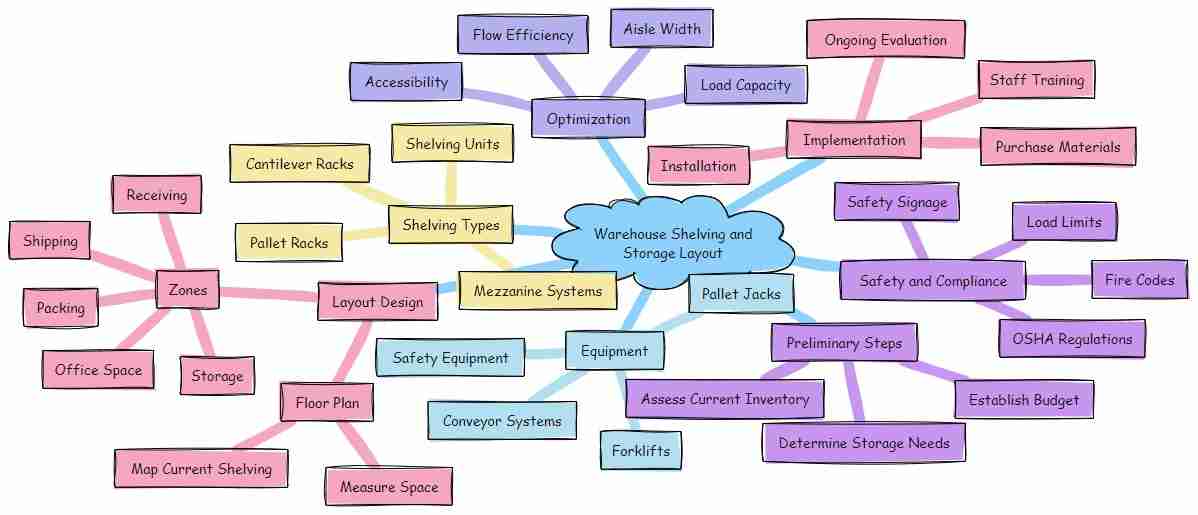
Glossary Of Terms
Other Questions
What Challenges Are You Facing with Warehouse Inventory Management? – Other Questions
If you wish to explore and discover more, consider looking for answers to these questions:
- What types of technology are best for warehouse inventory management?
- How can I improve communication between team members regarding inventory levels?
- What are the signs that I need to reevaluate my inventory management system?
- How do I choose the right inventory management software for my business?
- What are the benefits of using barcode scanning or RFID technology in inventory management?
- How can I better forecast demand for my products?
- What metrics should I track to measure inventory performance?
- How do I train my employees effectively on inventory management practices?
- What are the common pitfalls companies face in inventory management?
- How does just-in-time (JIT) inventory impact my operations?
- What strategies can I implement to maintain optimal stock levels?
- How can I build strong relationships with my suppliers?
- What role does data analytics play in improving inventory accuracy?
- What are the costs associated with holding excess inventory?
- How can I create a culture of accountability in my warehouse team?
Other Questions
Checklist
What Challenges Are You Facing with Warehouse Inventory Management? – A Checklist
Warehouse Inventory Management Checklist
Optimize Space and Racking Systems
_____ Assess current pallet racking setup for efficiency.
_____ Ensure systematic organization and regular maintenance of racking systems.
_____ Evaluate vertical storage options to maximize cubic space.
Enhance Communication
_____ Establish a communication protocol for inventory updates.
_____ Schedule regular team meetings to align on inventory status and priorities.
_____ Create a central platform for real-time inventory information accessible to all team members.
Implement Technology Solutions
_____ Invest in inventory management software for real-time tracking.
_____ Utilize barcode scanners or RFID for accurate inventory management.
_____ Automate alerts for low stock levels to avoid stockouts.
Improve Inventory Accuracy
_____ Regularly conduct physical stock counts and reconcile discrepancies.
_____ Implement a clear labeling system to minimize human error.
_____ Train employees on proper inventory handling procedures.
Adopt Agile Inventory Strategies
_____ Analyze sales patterns and implement demand forecasting tools.
_____ Explore just-in-time (JIT) inventory practices to minimize excess stock.
_____ Monitor product turnover rates and adjust inventory levels accordingly.
Strengthen Supplier Relationships
_____ Maintain open communication with suppliers for better lead time insights.
_____ Negotiate terms for more frequent, smaller deliveries to reduce holding costs.
_____ Evaluate supplier performance regularly to ensure reliability.
Provide Employee Training
_____ Develop comprehensive training programs for new hires on inventory management tools.
_____ Conduct ongoing training to refine skills and update processes.
_____ Encourage a culture of accountability and ownership among team members.
Leverage Data Analytics
_____ Collect and analyze inventory data for decision-making.
_____ Use data to identify slow-moving stock and implement clearance strategies.
_____ Create performance metrics to assess inventory management effectiveness.
Regularly Review Processes
_____ Set a schedule for periodic reviews of inventory management procedures.
_____ Adjust strategies based on market trends and operational feedback.
_____ Include employee feedback in process evaluations for improvement opportunities.
By following this checklist, you can address common inventory management challenges and create a more efficient and organized warehouse environment. Attract more customers and boost your profitability with these actionable strategies!
Checklist
At RackingWorld, we help guide you through selecting warehouse storage systems and racking.
Be sure to read our other related stories at RackingWorld to learn more about warehouse storage systems.
0 Comments