
Prepare For The Impact: Handling Supply Chain Surprises
By Tom Seest
At RackingWorld, we help guide you through selecting warehouse storage systems and racking.
Act now! Call Arrow Industrial Sales at (574) 349-6575 for tailored solutions that can take your business to heights you never imagined possible. Don’t let inefficiencies linger and costs mount. Embrace change, invest in better systems, and watch your business flourish. Time waits for no one—take the proactive step today! Your future of enhanced efficiency and profitability is just a phone call away.
Be sure to read our other related stories at RackingWorld to learn more about warehouse storage systems.
Are You Ready for The Shock Of Sudden Supply Chain Disruptions?
Imagine walking into your warehouse, only to be greeted by empty aisles and a sea of bare pallet racking. That sudden jolt—a stark reminder of the fragility of supply chains—could not only thwart your operations but also send ripples through your entire business model. It’s no longer a question of if but when supply chain disruptions will hit. The question you should be asking is, how ready are you to handle these shocks?
Every savvy business leader knows that preparedness is the new competitive advantage. The unpredictable nature of global supply chains means that having contingency plans in place can be the difference between staying afloat and sinking. Those empty pallet racking shelves won’t just represent lost products; they could signify lost revenue, missed opportunities, and anxious employees. The good news? You can turn potential crises into manageable situations if you choose to act now.
Start by examining your current supply chain in its entirety. Identify vulnerabilities that could lead to disruptions—are you overly reliant on a single supplier? Is your stock replenishment process robust enough to weather storms? Have you diversified your supplier base? By scrutinizing these elements, you’ll build resilience into your operations and arm yourself against that inevitable shock.
Next, think about your storage solutions: your pallet racking systems. Are they designed to accommodate quick changes in inventory levels? Their flexibility can be a game-changer when it comes to swiftly adapting to market demands and supply chain fluctuations. Consider investing in adjustable pallet racking systems that let you reconfigure your space as your needs shift. This approach not only maximizes storage efficiency but also ensures that you’re well-equipped to handle unexpected spikes or drops in inventory.
Lastly, remember this: the best time to prepare for a crisis is before it strikes. Engage your team in brainstorming sessions around resilience tactics and protocols. Involve them in creating a culture that embraces challenges and encourages proactivity rather than reactivity. That level of commitment fosters trust and confidence across your organization, paving the way for success even in adversity.
Don’t wait until the next supply chain shock catches you off guard. Equip yourself with the knowledge, systems, and mindset to not just survive, but thrive. After all, in this unpredictable world, it’s better to be a prepared leader than a frazzled follower. Embrace the challenge—your business will thank you.
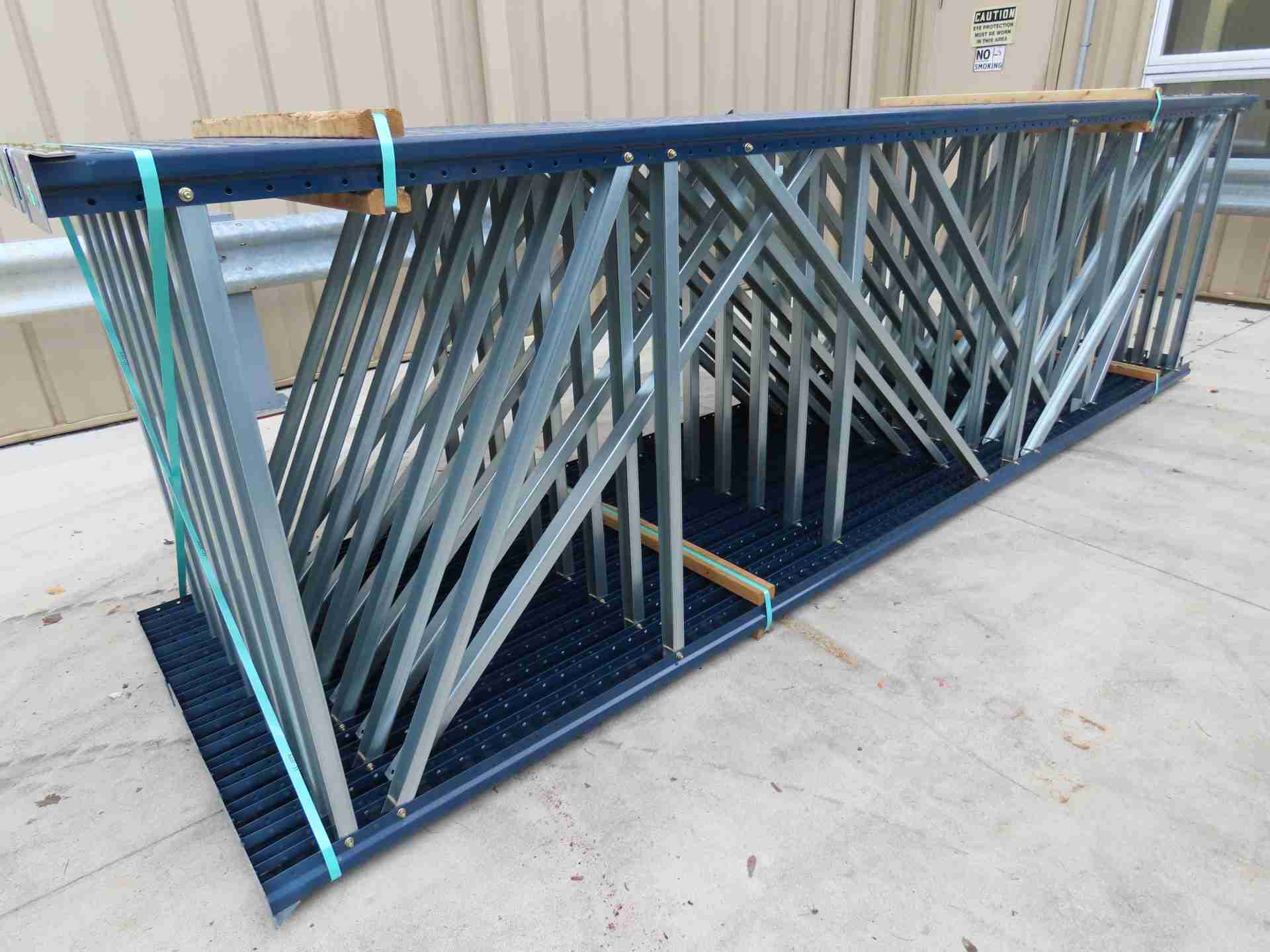
Are You Ready for The Shock Of Sudden Supply Chain Disruptions?
Are You Ready for The Shock Of Sudden Supply Chain Disruptions?
- Supply chain disruptions are inevitable and can severely impact operations and business models.
- Being prepared is essential for maintaining a competitive advantage in unpredictable situations.
- Identifying vulnerabilities in your supply chain is critical; over-reliance on a single supplier can be risky.
- Evaluate the robustness of your stock replenishment processes and consider diversifying your supplier base.
- Flexible storage solutions, like adjustable pallet racking systems, can help adapt to inventory changes.
- Engage your team in developing resilience tactics and a proactive company culture.
- Preparation before a crisis is key; it’s better to be a ready leader than to react in distress.

Are You Ready for The Shock Of Sudden Supply Chain Disruptions?
Table Of Contents
- Are You Ready for The Shock Of Sudden Supply Chain Disruptions?
- Are Supply Chain Disruptions Impacting Your Business Strategy?
- How Can You Identify Potential Supply Chain Risks?
- What Are The Signs Of A Looming Supply Chain Disruption?
- How Should You Prepare For Unexpected Supply Chain Changes?
- What Contingency Plans Work Best For Supply Chain Shocks?
- How Can Technology Help Mitigate Supply Chain Disruptions?
- Conclusion
- Other Resources
- Glossary Of Terms
- Other Questions
- Checklist
Are Supply Chain Disruptions Impacting Your Business Strategy?
In today’s fast-paced business landscape, disruption has become the new normal. If you run a business that relies on the intricate web of supply chains, you’ve likely felt the sting of delay, scarcity, and rising costs. What if I told you that recognizing these disruptions isn’t just crucial for survival but is also the key to revitalizing your overall business strategy? Let’s dive into it together.
Picture this: Your warehouse is bustling with activity, stacks of essential goods organized neatly on pallet racking systems, ready for distribution. Suddenly, what should have been a smooth operation turns chaotic. Deliveries are late, stock is dwindling, and the costs are spiraling. This is more than just a logistical headache—it’s a wake-up call. It’s time to rethink your approach.
Rather than viewing supply chain challenges as insurmountable obstacles, see them as opportunities for transformation. By critically assessing your current strategy, you can pivot to a more resilient model. Get curious! Ask yourself where your weak points lie and think creatively about solutions. Maybe it’s time to diversify your supplier base, or invest in technology that tracks inventory with laser precision.
Resilience is built through relationships. Solid communication with partners, suppliers, and even customers creates a support network that not only navigates disruptions effectively but also fosters trust. When your clients know you’re proactive, they’re more likely to stand by you, even in rocky waters.
Now, let’s talk strategy. The disruption doesn’t just mean rearranging your pallet racking or looking to other suppliers. It’s an opportunity to refine your unique selling proposition. What distinguishes your business? By reinforcing your value, you can enhance customer loyalty and drive sales. A well-thought-out strategy can turn uncertainty into a competitive advantage.
Remember, every challenge is a chance to innovate. Embrace flexibility in your operations and think outside the box. Sometimes, a bold move in your strategy can lead to unforeseen rewards. Take this moment to step back, reassess your processes, and realign your goals with this new reality.
So, don’t let supply chain disruptions dictate your fate. Instead, harness their energy to fuel a visionary business strategy that is resilient, adaptable, and ultimately successful. Now is the time to act!
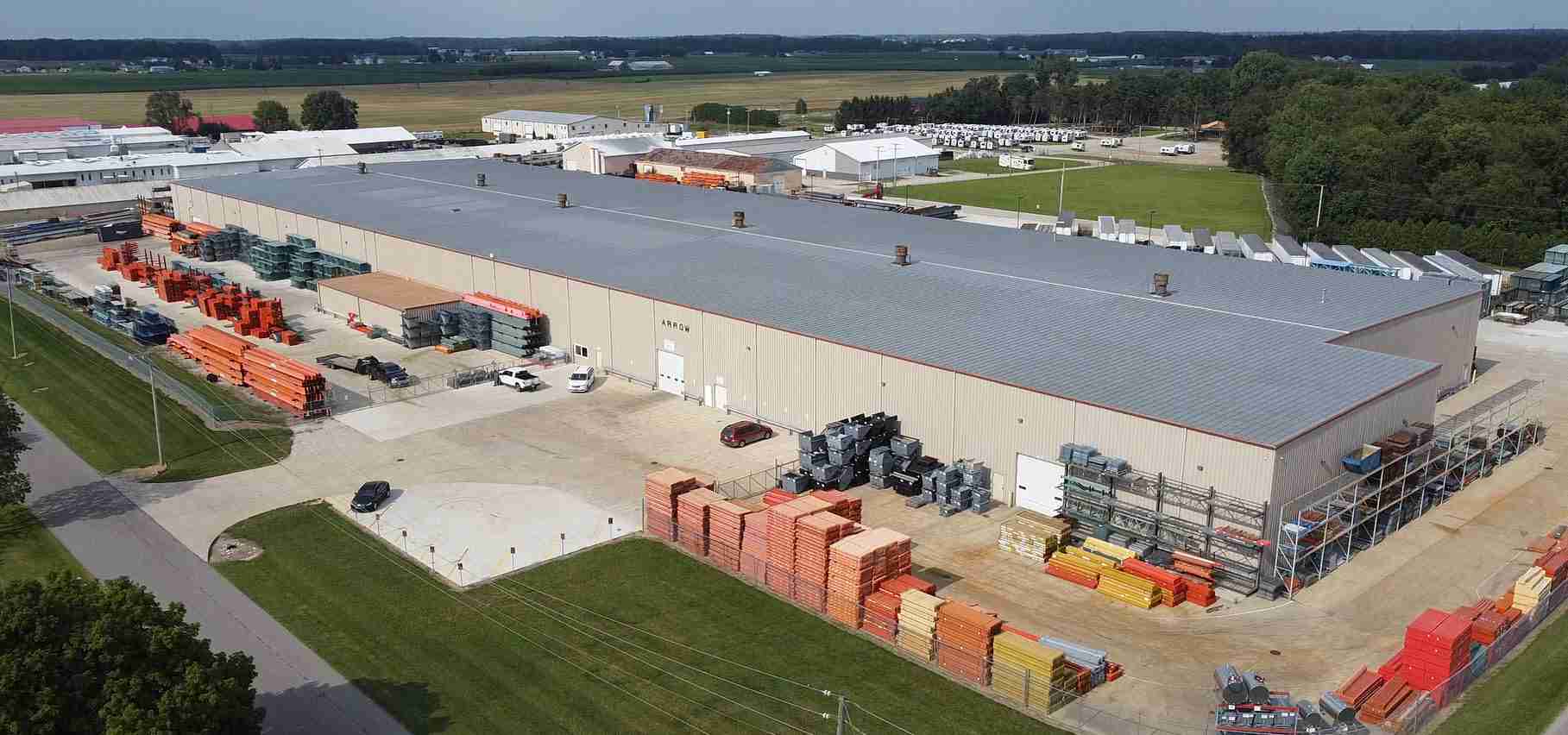
Are Supply Chain Disruptions Impacting Your Business Strategy?
Are Supply Chain Disruptions Impacting Your Business Strategy?
- Disruption has become normal in today’s fast-paced business landscape.
- Recognizing supply chain disruptions is crucial for survival and revitalizing business strategy.
- View supply chain challenges as opportunities for transformation rather than obstacles.
- Build resilience through strong relationships and solid communication with partners, suppliers, and customers.
- Refine your unique selling proposition to enhance customer loyalty and drive sales.
- Embrace flexibility and innovation in operations for unforeseen rewards.
- Act now to harness disruptions as energy for a resilient and successful business strategy.
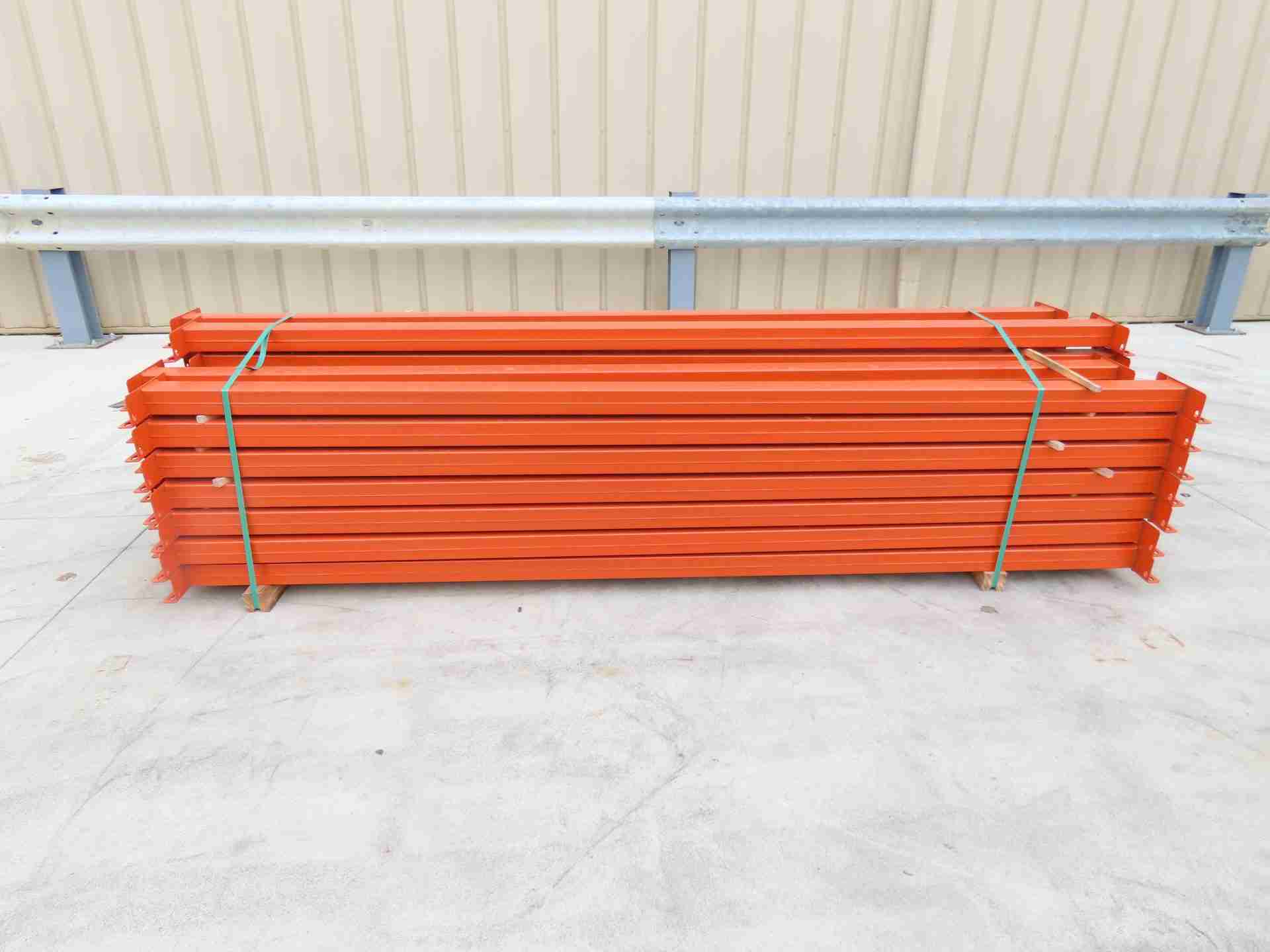
Are Supply Chain Disruptions Impacting Your Business Strategy?
How Can You Identify Potential Supply Chain Risks?
In today’s fast-paced business environment, supply chain risks are lurking around every corner, and identifying them early can make all the difference between success and costly setbacks. Whether you’re operating out of a sleek warehouse filled with Pallet Racking or sending products straight from your production floor, knowing how to spot potential disruptions is vital for keeping your operations running smoothly.
Think of your supply chain as a tightly-knit web. Each connection—suppliers, transportation methods, storage solutions—plays a crucial role in our overall stability. So, how do you begin to unravel this web and identify vulnerabilities? Start by scrutinizing the key components of your supply chain. Are there suppliers dependent on a single resource? What happens if that resource is interrupted? Consider not just the immediate players, but also the secondary and tertiary suppliers who feed into your operation.
Next, analyze your logistics. Here, think about everything from the Pallet Racking systems that corral your inventory to the routes taken for deliveries. Are there natural disasters waiting to strike in those regions? Is the infrastructure up to par? Investigate and ask questions; stay vigilant and proactive.
Don’t forget to tap into technology. Employ software tools that keep an eye on data trends and performance metrics. These tools can provide you with real-time insights about your suppliers and logistics, making it easier to identify fluctuations that could indicate a risk. When you can visualize these potential pitfalls clearly, you’ll inspire confidence not only in your operations but in your team and stakeholders too.
Beyond data, engage your employees. Foster an organizational culture that prioritizes risk identification and management. Encourage communication and reporting of any unusual signs. Remember, your frontline workers are often the first to notice inconsistencies. By creating an open dialogue, you’ll empower them to play an active role in the security of your supply chain.
As we embark on this journey of discovery, remember: identifying risks isn’t about fostering paranoia; it’s about preparation and empowerment. With each risk you uncover and address, you’ll pave the way for a more resilient, efficient supply chain, one that stands tall against the pressures of the market. So take the first step—look closely, ask questions, and fortify your operations today. Trust yourself; you’ve got this!
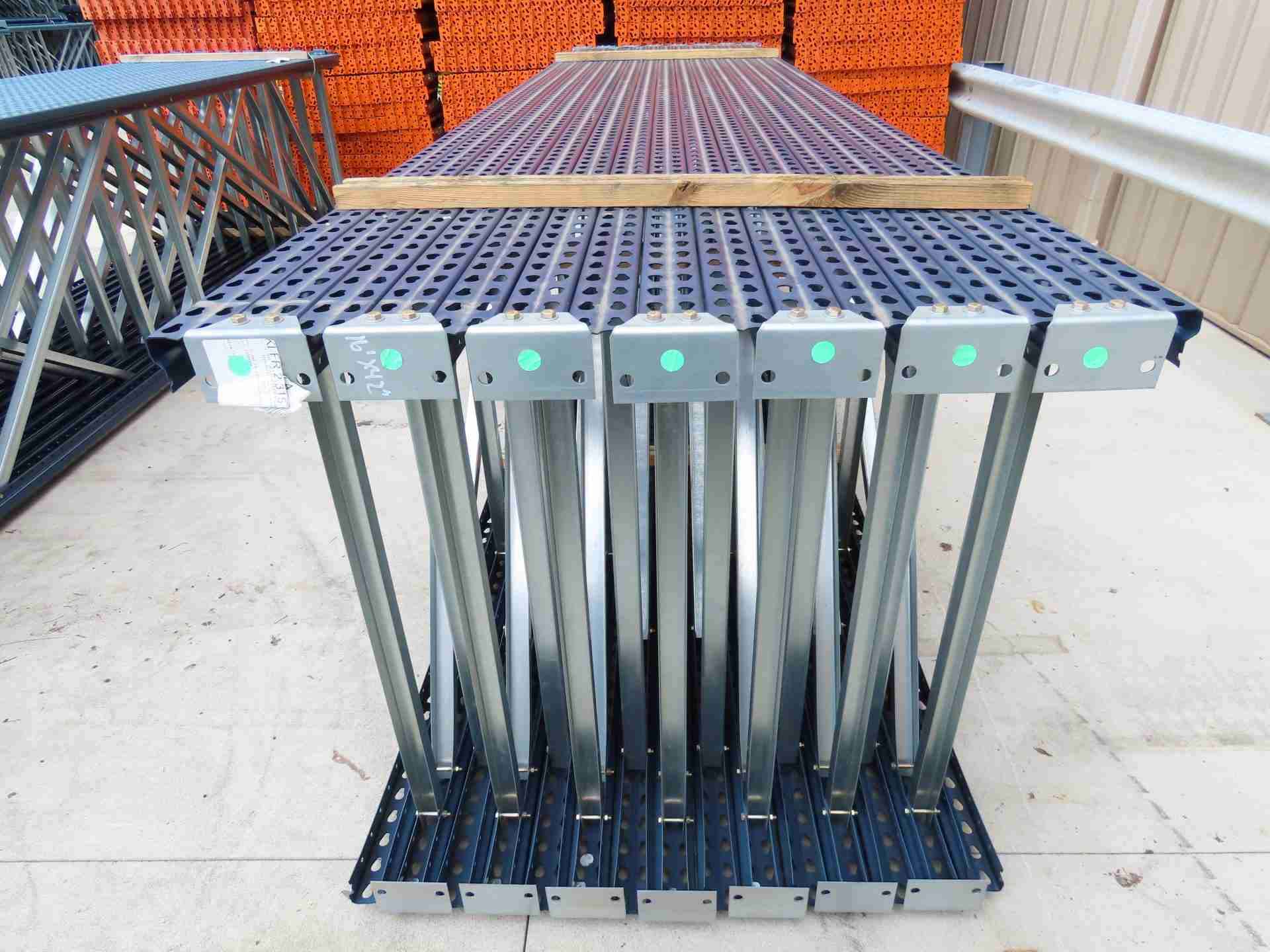
How Can You Identify Potential Supply Chain Risks?
How Can You Identify Potential Supply Chain Risks?
- Supply chain risks can significantly impact business success; early identification is crucial.
- A supply chain consists of interconnected components, including suppliers, transportation, and storage solutions.
- Scrutinize key supply chain components for vulnerabilities, such as supplier dependencies on single resources.
- Analyze logistics thoroughly, assessing potential risks from natural disasters and infrastructure issues.
- Utilize technology and software tools to monitor data trends and performance metrics for real-time insights.
- Engage employees and foster a culture of risk identification, encouraging open communication and reporting.
- Identifying risks is about preparation and empowerment, leading to a more resilient and efficient supply chain.
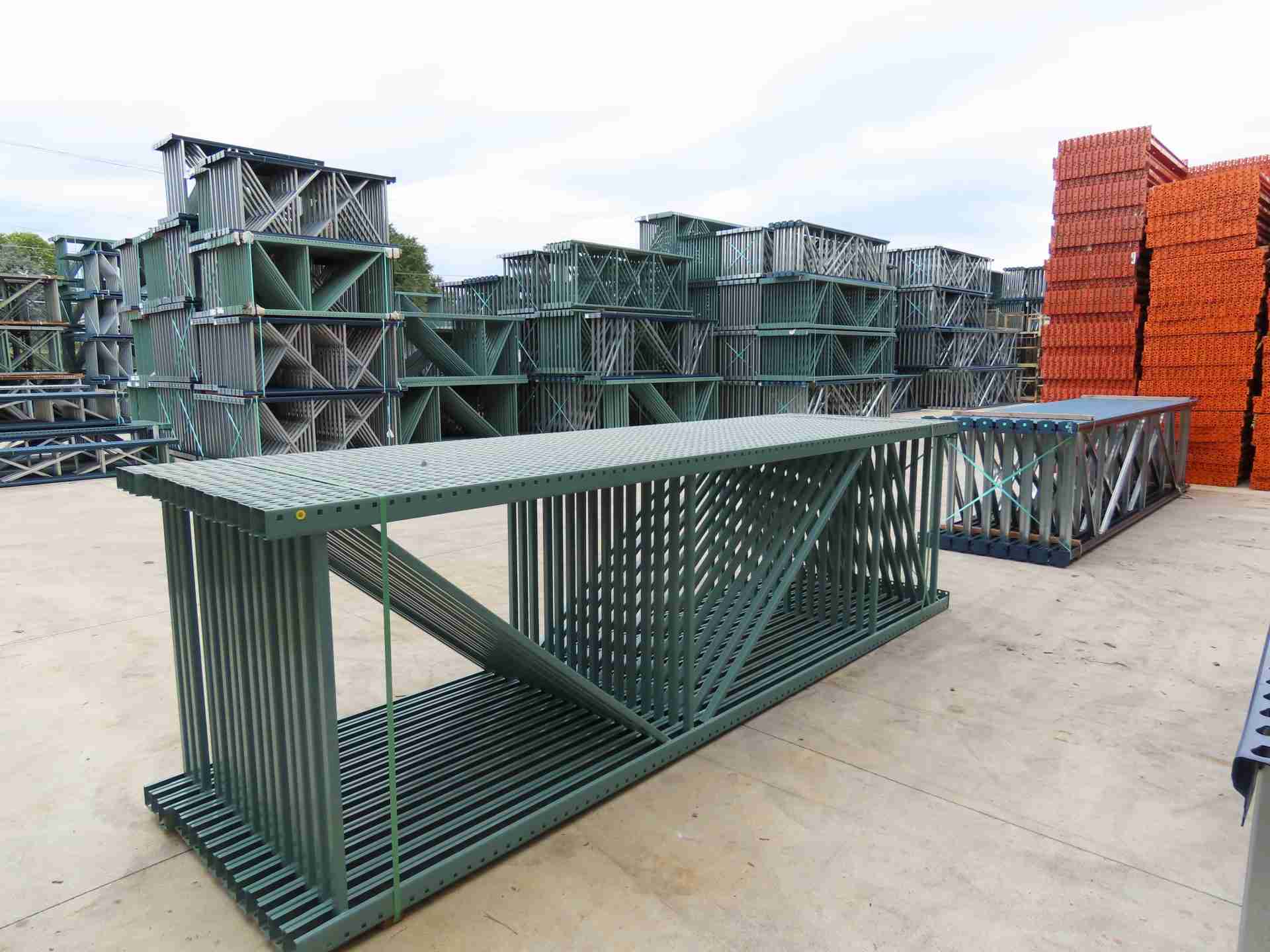
How Can You Identify Potential Supply Chain Risks?
What Are The Signs Of A Looming Supply Chain Disruption?
In today’s fast-paced business environment, the ability to predict and respond to supply chain disruptions is more crucial than ever. Whether you’re a seasoned executive or just starting out, recognizing the signs of an impending disruption can be your golden ticket to maintain efficiency and customer satisfaction. After all, when one link in the supply chain falters, it doesn’t just affect the warehouse—it impacts your entire operation.
1. Unusual Inventory Levels
Are you noticing the shelves lined with Pallet Racking starting to look emptier or fuller than usual? A drastic change in inventory can be an early warning signal. If you suddenly find yourself overstocked or struggling to replenish essential items, it’s time to reassess your current suppliers and shipping schedules. A proactive approach now can save you considerable headaches down the line.
2. Supplier Performance Issues
Are communication breakdowns or delays becoming a familiar frustration with your suppliers? If you’ve noticed a pattern of unmet deadlines or inconsistent product quality, don’t dismiss it lightly. These red flags are often harbingers of larger issues on the horizon. Understanding your suppliers’ challenges will give you the insights needed to pivot before a real crisis hits.
3. Transportation Problems
The logistics game is constantly changing. Keep an eye on shipping delays, fluctuating freight costs, or even news about capacity shortages. If you’re seeing inflated transport fees or long wait times, there’s a good chance that systemic issues are at play. Staying informed on the transportation landscape isn’t just smart—it’s essential.
4. Economic Signals
It’s essential to pay attention to economic indicators that might hint at upcoming disruptions. Inflation rates, trade tariffs, and geopolitical tensions can all have a ripple effect. The economy can be a crystal ball; if it’s trembling, so might your supply chain.
5. Customer Complaints
Ultimately, your customers’ voices are your best resource. Increased dissatisfaction or complaints about product availability should be viewed as a wake-up call. It means your supply chain might be on the brink of a break. Listening to your customers today will help you strategize for tomorrow.
By adopting a vigilant mindset and tapping into these signs early, you can fortify your supply chain against the unpredictable storms ahead. Embracing this proactive approach not only safeguards your business but strengthens the bond of trust with your customers—after all, they’re counting on you!
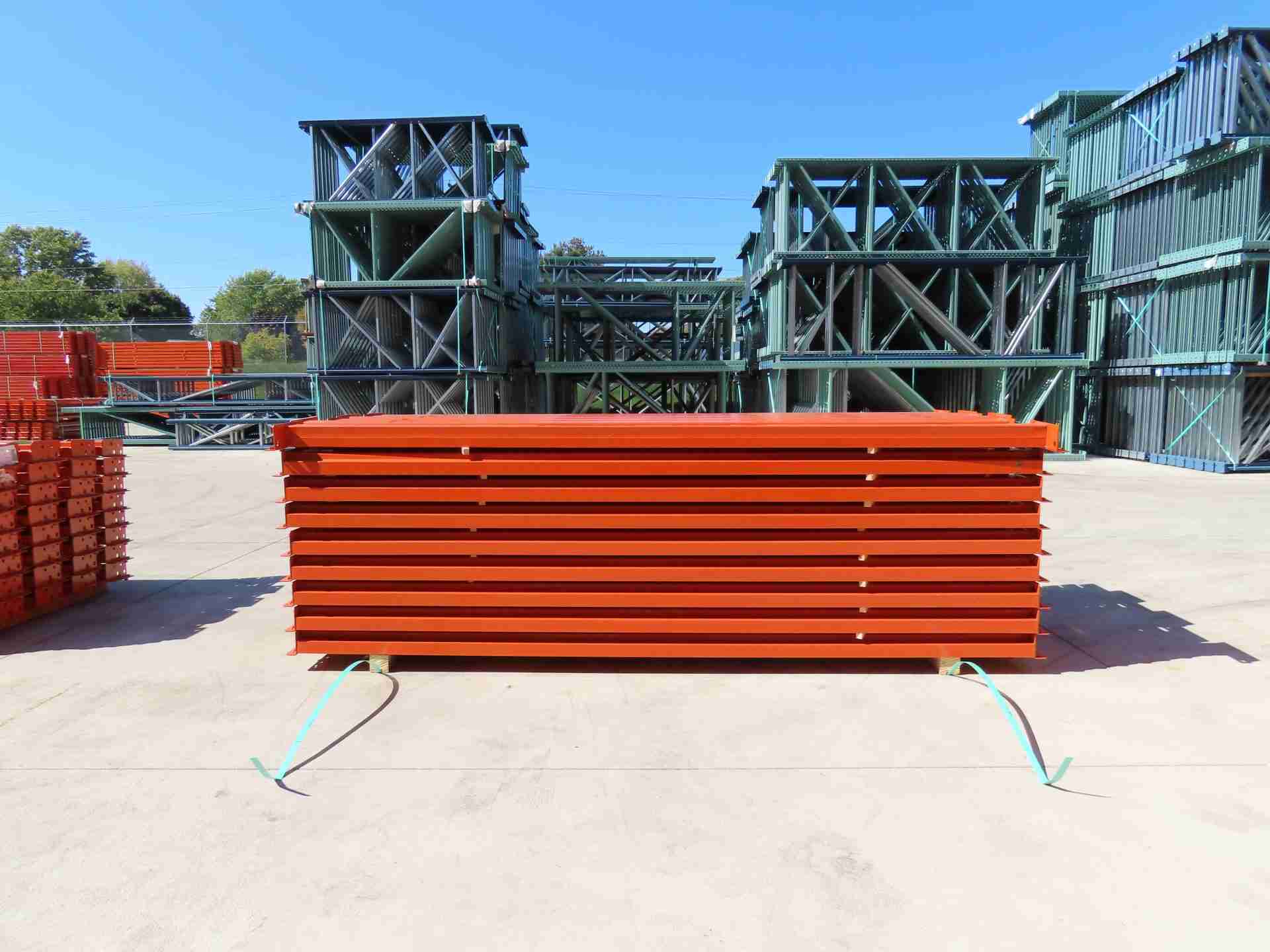
What Are The Signs Of A Looming Supply Chain Disruption?
What Are The Signs Of A Looming Supply Chain Disruption?
- Ability to predict and respond to supply chain disruptions is crucial for efficiency and customer satisfaction.
- Unusual inventory levels, either too low or too high, can signal the need to reassess suppliers and shipping schedules.
- Frequent supplier performance issues, like missed deadlines and inconsistent quality, may indicate larger upcoming problems.
- Monitoring transportation issues such as shipping delays and fluctuating costs is essential for anticipating disruptions.
- Economic signals, including inflation rates and geopolitical tensions, can hint at potential supply chain challenges.
- Customer complaints regarding product availability serve as critical indicators of supply chain health.
- Proactively addressing these signs can fortify the supply chain and enhance customer trust.
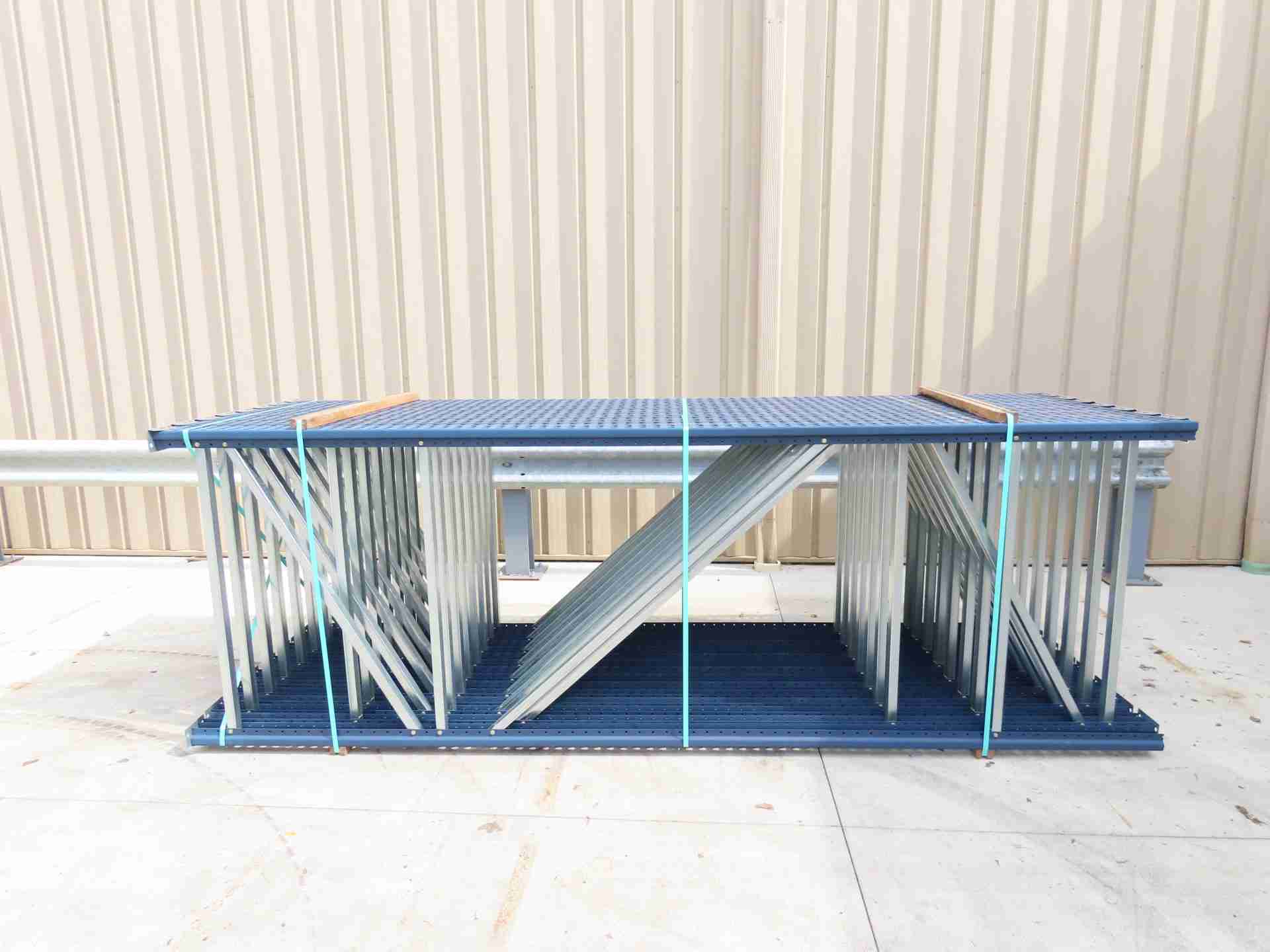
What Are The Signs Of A Looming Supply Chain Disruption?
How Should You Prepare For Unexpected Supply Chain Changes?
In the ever-evolving world of supply chain management, the unexpected is often just around the corner. Think about it: a sudden surge in demand, a natural disaster, or even a geopolitical event can throw everything off course. If your operations aren’t fortified against these surprises, you might find yourself scrambling to keep your business afloat. But fret not; preparation is the key to resilience, and it all starts with a proactive mindset.
First and foremost, conduct a thorough audit of your supply chain. Understand every link, from your suppliers down to your storage facilities. Are you utilizing your pallet racking systems to their full potential? A well-organized warehouse isn’t just about aesthetics; it’s about efficiency and speed. When your racking is optimized for space, you can pivot and adapt quickly when something goes awry.
Next, build strong relationships with multiple suppliers. Diversification isn’t merely a buzzword; it’s a lifeline. When you rely heavily on one supplier, you’re walking a tightrope. By developing a network of dependable vendors, you’re creating a safety net. If one chain snaps, the others can hold the weight.
Conversely, it’s essential to keep an eye on your inventory levels. Tools like Just-In-Time (JIT) inventory can save you money, but they can also leave you vulnerable if a sudden demand spike occurs. Regularly revisit your inventory management strategy and consider keeping a buffer stock of your high-demand items in those strategically placed pallet racking systems. This readiness can make all the difference when the unexpected happens.
Moreover, invest in technology. Predictive analytics, inventory management software, and even AI tools can provide valuable insights about trends, keeping you several steps ahead of the game. The more you know about potential challenges in your supply chain, the better equipped you’ll be to tackle them.
Lastly, create a responsive action plan. This isn’t just for show; it’s about having your team trained and ready to adapt. Run drills and scenarios that involve unexpected changes, from vendor shortages to logistic breakdowns. When your team knows how to respond swiftly, their confidence blossoms, and trust permeates the organization.
Remember, preparation isn’t just about avoiding disasters; it’s about seizing opportunities when they arise. So, roll up your sleeves, take decisive action, and cultivate a supply chain strategy that not only survives but thrives amid uncertainty. Your business depends on it!

How Should You Prepare For Unexpected Supply Chain Changes?
How Should You Prepare For Unexpected Supply Chain Changes?
- Supply chain management often faces unexpected challenges like demand surges or geopolitical events.
- Conduct a thorough audit of your supply chain, ensuring every link from suppliers to storage facilities is understood.
- Utilize pallet racking systems optimally to enhance warehouse efficiency and speed.
- Diversify your supplier base to build strong relationships and create a safety net against disruptions.
- Monitor inventory levels closely and consider maintaining buffer stock to counter sudden demand increases.
- Invest in technology such as predictive analytics and inventory management software to anticipate challenges.
- Create a responsive action plan and train your team to adapt quickly to unexpected changes in the supply chain.
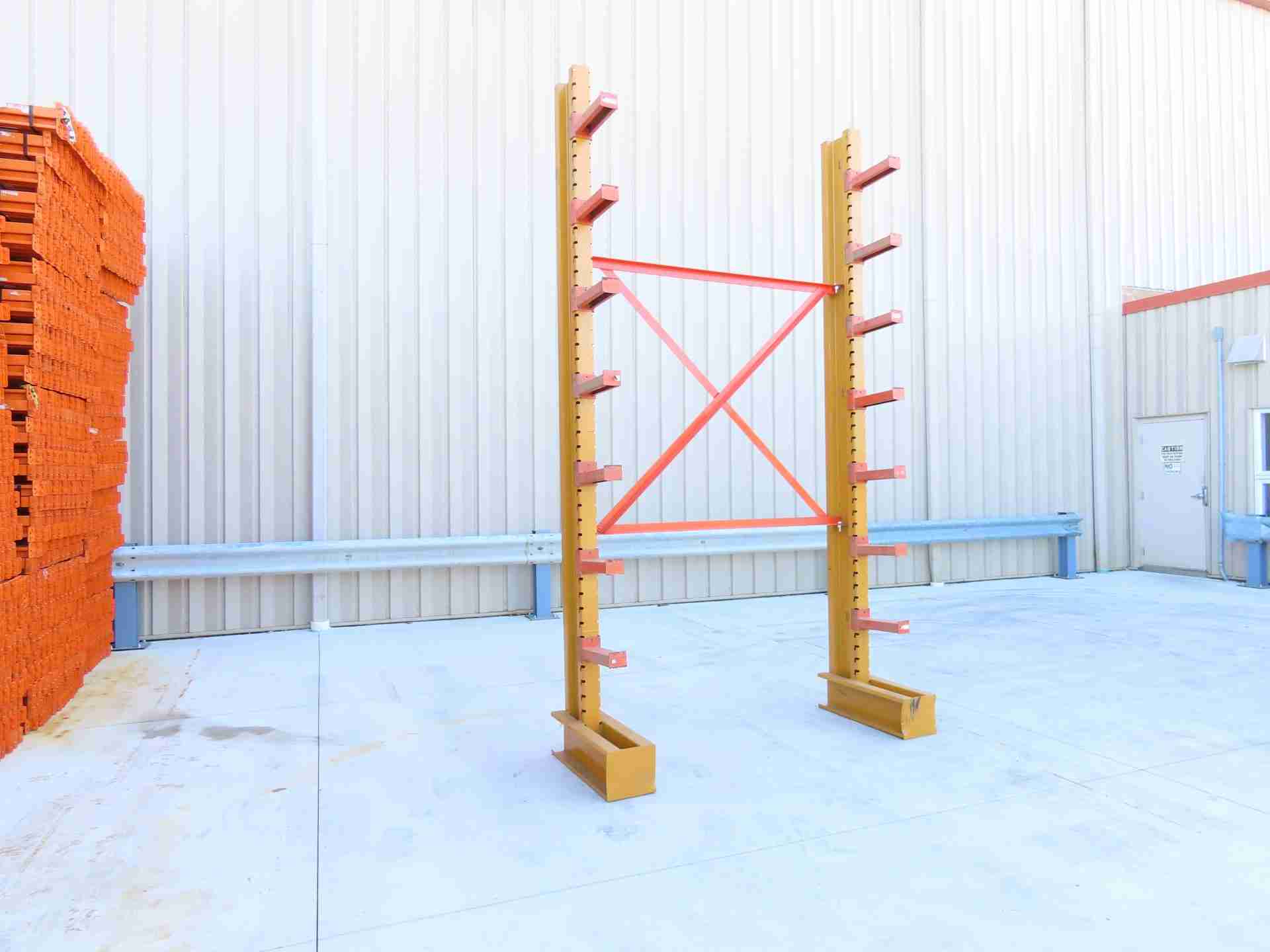
How Should You Prepare For Unexpected Supply Chain Changes?
What Contingency Plans Work Best For Supply Chain Shocks?
When it comes to supply chain management, anticipation is your best asset. A well-crafted contingency plan is not just a luxury; it’s a necessity. The reality is that supply chain shocks can strike at any moment, whether it’s due to natural disasters, geopolitical tension, or unexpected spikes in demand. The question isn’t if a setback will happen, but when. And that’s where your preparedness can shine.
Imagine your warehouse, organized with state-of-the-art pallet racking systems that maximize your space and efficiency. Each pallet, stacked neatly, represents not just goods but your commitment to serving your customers, no matter the challenges. Yet, what happens when an unforeseen disruption threatens to knock over that perfectly arranged system like a house of cards? That’s precisely why contingency plans must be at the forefront of your strategy.
Start by identifying your critical vulnerabilities. Are there specific suppliers or materials that you heavily rely on? Create relationships with secondary suppliers today. This way, should one supplier face a hiccup, you have a backup that can save the day. Remember, flexibility in your sourcing is like having a safety net; it provides peace of mind that you can pivot and adapt as circumstances change.
Next, consider diversifying your inventory across multiple locations. Relying on one central hub might look efficient on paper, but it’s a risky game during crises. If your primary warehouse experiences a shock, your entire operation could come to a screeching halt. Thus, adopting a multi-location strategy can mitigate risks and keep your goods flowing, even when one area faces a challenge.
Finally, don’t underestimate the power of technology. Implementing robust inventory management systems can give you real-time visibility into your stock levels and supply chain health. This foresight allows for faster reactions and better decisions when a crisis strikes. The last thing you want is to be scrambling for data while your competitors are moving forward.
Trust in your contingency plan comes from preparation and the capability to adapt. You want a system that not only withstands shocks but thrives in chaos. By laying the groundwork now—optimizing your pallet racking, diversifying suppliers, and investing in technology—you are setting the stage for resilience. So, take that first step. Your future self, and your customers, will be grateful.
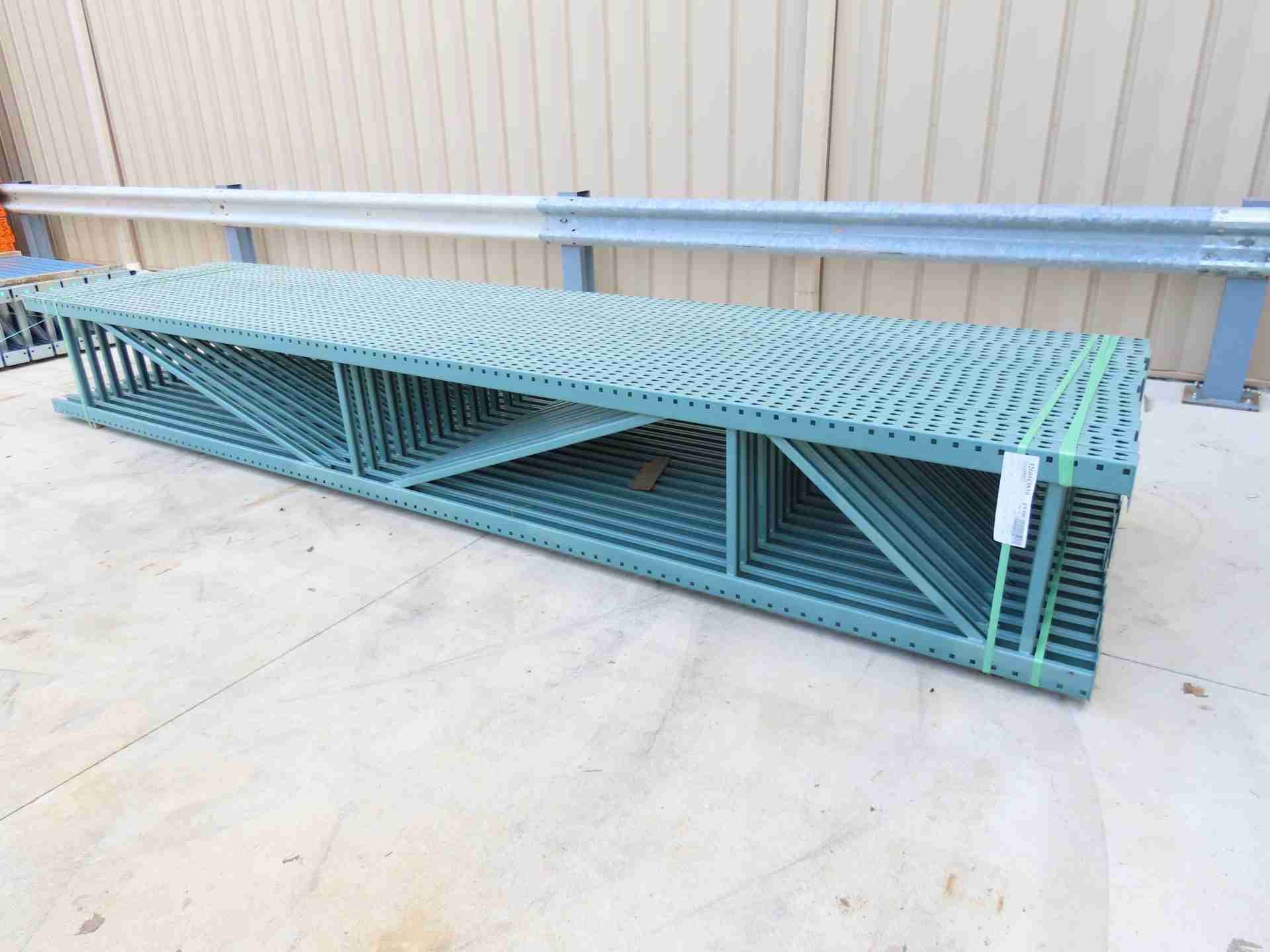
What Contingency Plans Work Best For Supply Chain Shocks?
What Contingency Plans Work Best For Supply Chain Shocks?
- Anticipation is crucial in supply chain management; having a contingency plan is essential.
- Supply chain shocks can occur unexpectedly due to various factors such as natural disasters and geopolitical issues.
- Organizing your warehouse with efficient pallet racking enhances operational readiness.
- Identify critical vulnerabilities and establish relationships with secondary suppliers for backup.
- Diversifying inventory across multiple locations reduces risk during crises.
- Implementing advanced inventory management systems enables real-time visibility and faster decision-making.
- Preparation and adaptability in your contingency plan will enhance resilience against disruptions.
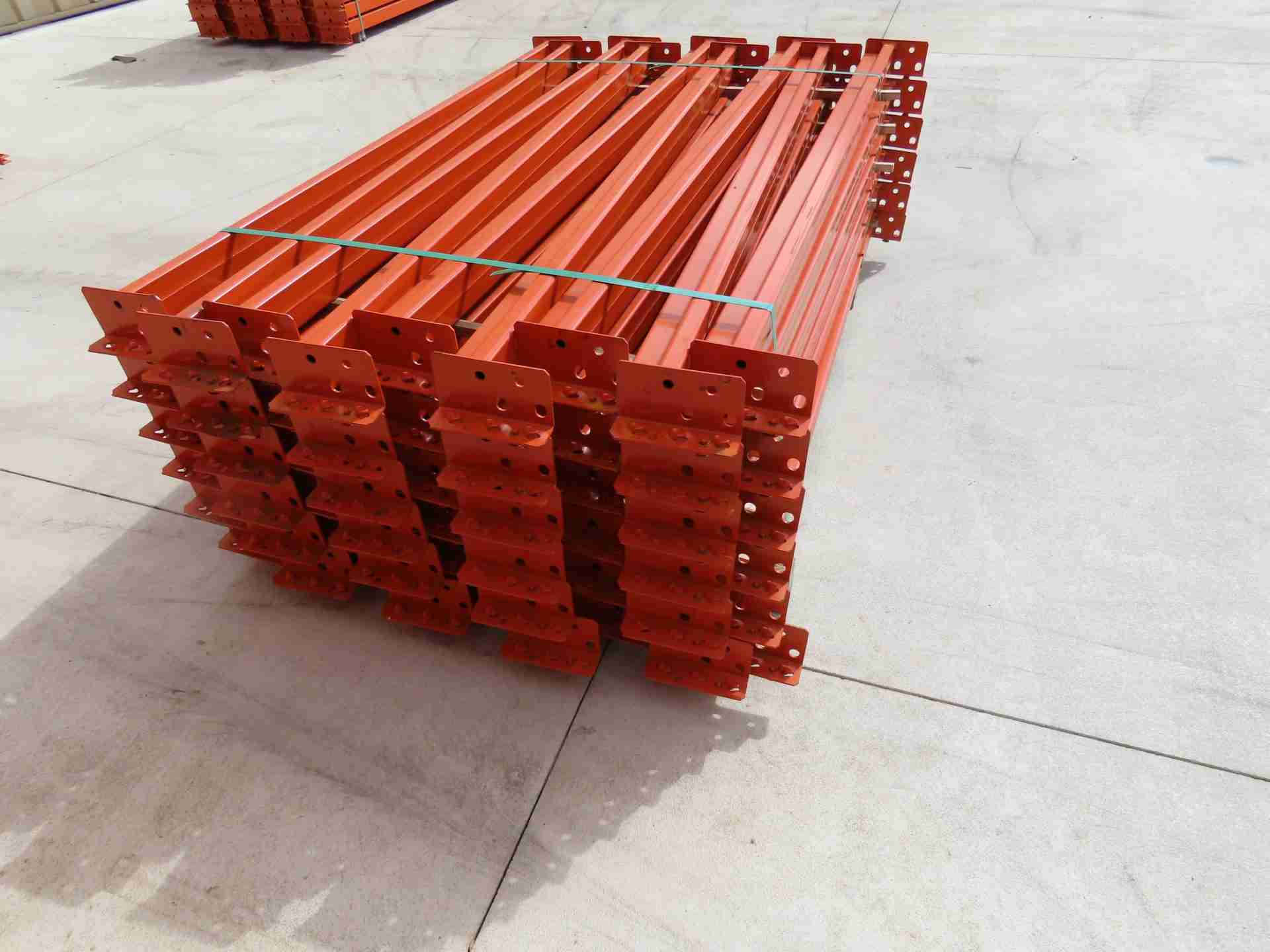
What Contingency Plans Work Best For Supply Chain Shocks?
How Can Technology Help Mitigate Supply Chain Disruptions?
Imagine a world where your supply chain runs as smoothly as a well-oiled machine, where disruptions are dealt with swiftly and efficiently. Sound too good to be true? It’s not. With the right technological tools, you can turn that dream into a daily reality. Let’s explore how innovation can be your savior in turbulent times, transforming how you manage logistics and inventory.
First up, consider the backbone of your warehouse: pallet racking. Traditional storage methods can lead to chaos and inefficiency. However, by integrating smart technologies with your pallet racking systems, you ensure that every inch of storage space is utilized optimally. Automated inventory management systems keep track of your products better than ever, reducing the risk of stockouts and overstock situations that can derail your operations. Imagine knowing exactly how much you have on hand and where it is at all times with just a few clicks. This isn’t a fantasy; it’s technology working for you.
But that’s just the beginning. Advanced analytics can provide unparalleled insights into your supply chain. Say goodbye to guesswork and hello to data-driven decisions. These analytics can identify trends, forecast demands, and highlight potential risks before they become full-blown problems. By harnessing these insights, you gain the agility to pivot, adapt, and overcome challenges quicker than your competitors.
Now let’s talk about communication. In the age of technology, seamless collaboration with suppliers, partners, and stakeholders is at your fingertips. Real-time tracking systems allow all parties to be in the loop at all times. Are there delays? You’ll know before your customers do. This transparency builds trust both within your team and with your clientele, enhancing relationships and loyalty.
Furthermore, utilizing cloud-based systems enables you to access your supply chain from anywhere, anytime. Whether you’re at the office, working remotely, or on the move, you’re always connected. This flexibility ensures that disruptions won’t knock you off your game. You can respond in real-time, making decisions that keep your business flowing.
In short, the integration of technology in your supply chain management isn’t just a smart move; it’s essential. As challenges arise, rest assured that technological solutions can help you rise above the chaos. Embrace the innovation—because when you do, you equip your business with the tools to thrive, no matter what storms may come.
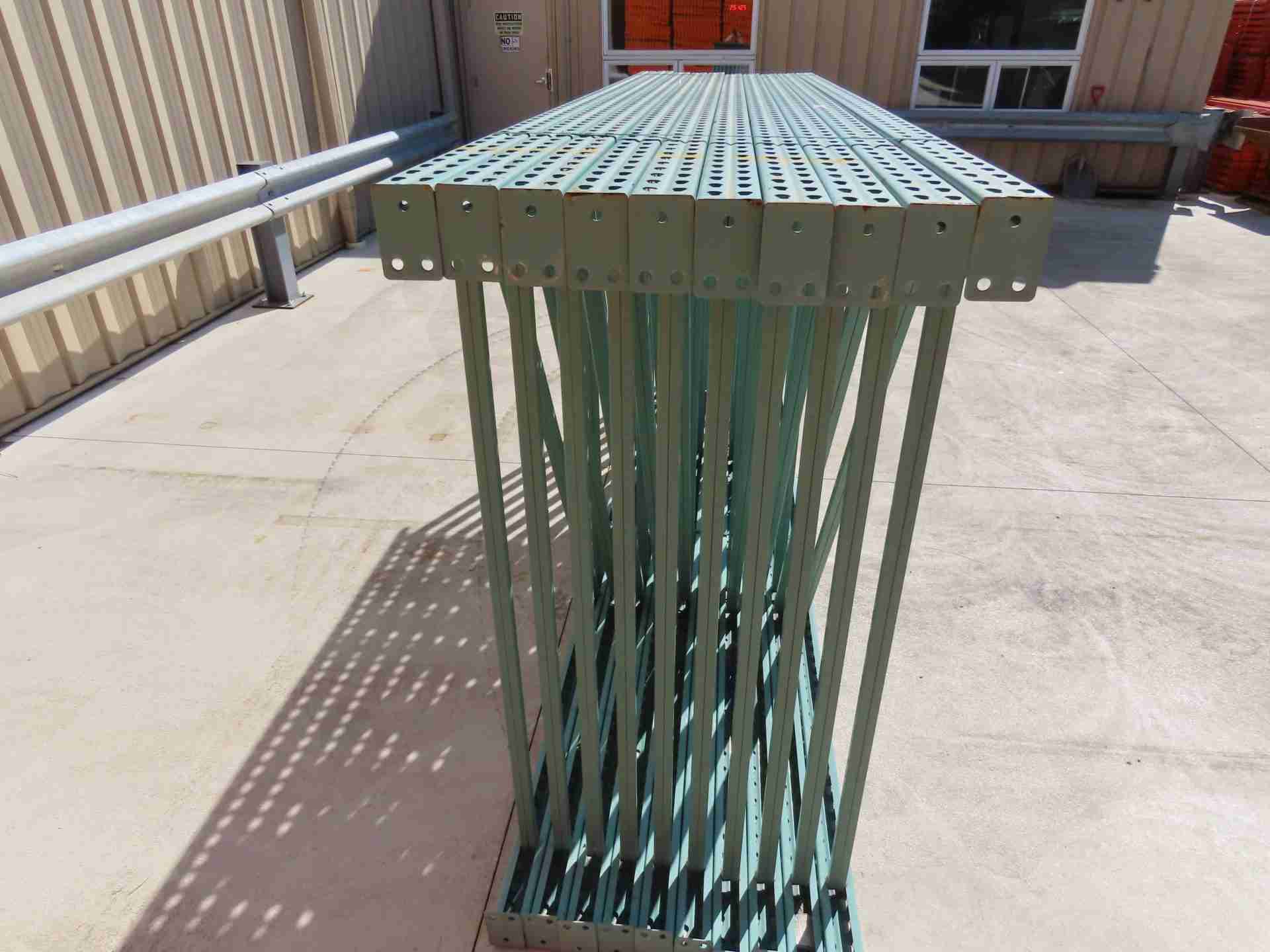
How Can Technology Help Mitigate Supply Chain Disruptions?
How Can Technology Help Mitigate Supply Chain Disruptions?
- A smooth supply chain can be achieved using the right technological tools.
- Integrating smart technologies with pallet racking optimizes storage space and efficiency.
- Automated inventory management systems enhance tracking and reduce stockouts and overstock situations.
- Advanced analytics provide insights that support data-driven decisions, forecasting demands, and identifying risks.
- Real-time tracking systems improve communication and transparency with suppliers and stakeholders.
- Cloud-based systems allow for flexible access to the supply chain from any location.
- Integrating technology in supply chain management is essential for business resilience and growth.
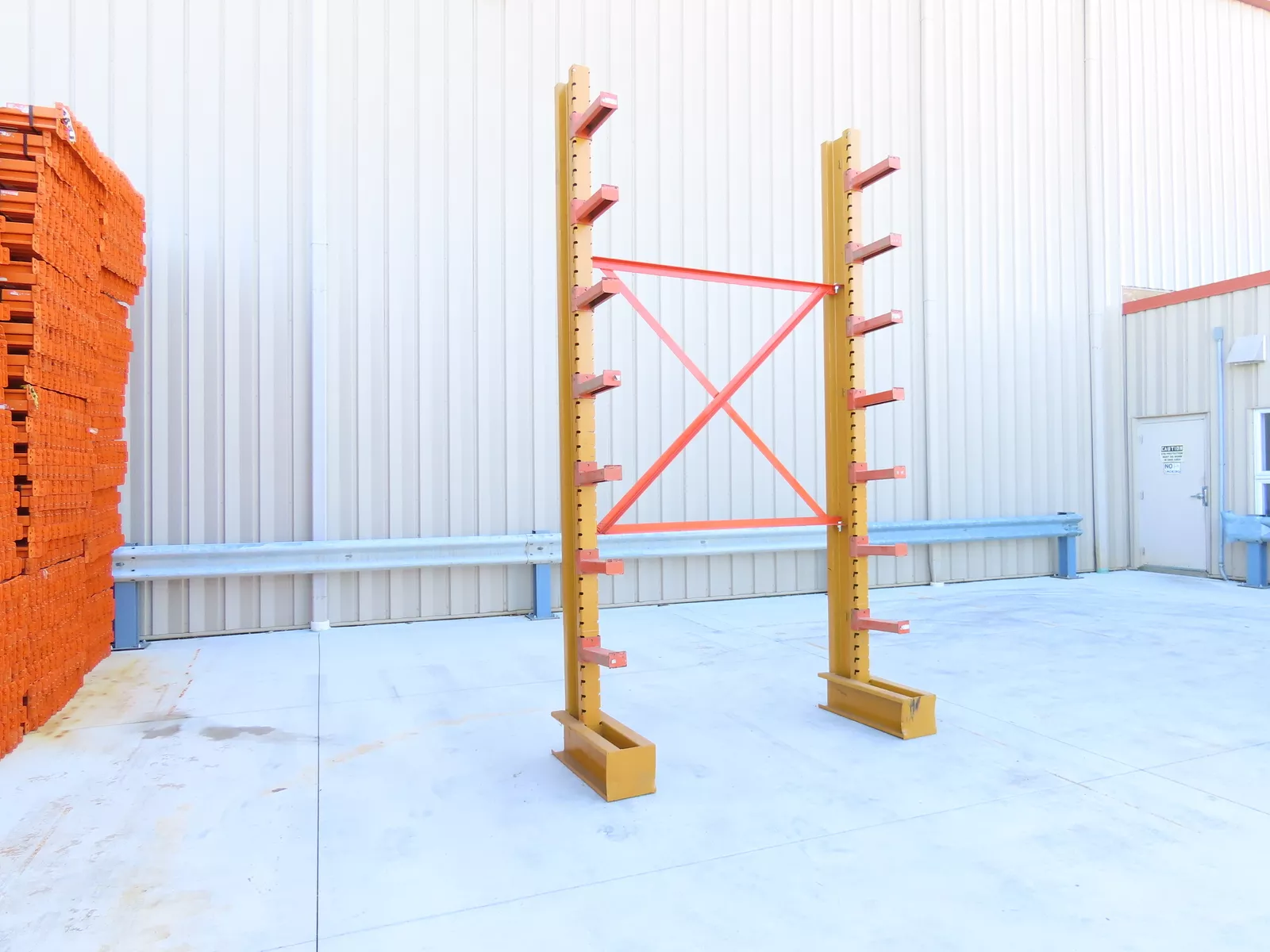
How Can Technology Help Mitigate Supply Chain Disruptions?
Conclusion
In today’s business landscape, supply chain disruptions are not just occasional annoyances—they’re a recurrent reality. At Arrow Industrial Sales, we know that success hinges on your ability to anticipate, adapt, and act decisively in the face of uncertainty. If your warehouse is punctuated by empty pallet racks, you’re not merely looking at reduced inventory; you’re staring down missed opportunities and potential losses. The critical question is: Are you prepared for the inevitable shocks?
Preparation is your best defense, and it can transform obstacles into stepping stones. Start by auditing your operations. Identify vulnerabilities within your supply chain, from suppliers to logistics. Are you overly reliant on a single source? Now is the time to diversify and reinforce your supply chain network. A flexible, adjustable pallet racking system can enhance your storage dynamics, accommodating unexpected changes in inventory levels while maximizing efficiency.
But it’s not just about the physical aspects; your mindset must shift. View each disruption as an opportunity. Foster a culture of resilience within your organization, encouraging your team to brainstorm and innovate instead of reactively scrambling to catch up. Equip your staff with the tools and knowledge necessary not only to weather storms but to emerge stronger.
Additionally, remember that visibility is power. Invest in technology that offers real-time insights into your inventory and supplier performance. Automated systems can prevent the chaos of overstocking or stockouts, while advanced analytics help you foresee trends and potential disruptions. When your team is proactive rather than reactive, you earn their trust and loyalty—and that of your customers.
The urgency to act is clear. Don’t wait for disaster to strike. Equip your organization with robust contingency plans that can adapt to shifting supply chain dynamics. Take actionable steps today: rethink your storage solutions, strengthen supplier relationships, harness technology, and cultivate resilience within your team.
The winds of change are unpredictable, but with Arrow Industrial Sales by your side, you won’t be caught off guard. Our expert team is ready to help you envision a supply chain strategy that thrives amidst uncertainty. Call us at (574) 349-6575 now to take the first step towards fortifying your operations. Prepare today, so you can succeed tomorrow—after all, the best time to plant a tree was 20 years ago; the second best time is now. Embrace change and transform challenges into your company’s competitive advantage. Your business deserves nothing less!
Conclusion
Conclusion:
- Supply chain disruptions are a recurring reality in today’s business environment.
- Success depends on your ability to anticipate, adapt, and act in response to uncertainty.
- Preparation can transform challenges into opportunities; start by auditing your operations.
- Diversify your supply chain to reduce reliance on a single source and improve flexibility.
- Foster a culture of resilience and innovation within your organization to navigate disruptions.
- Invest in technology for real-time insights into inventory and supplier performance to stay proactive.
- Develop robust contingency plans and take strategic actions to fortify your operations against future shocks.
Conclusion
Other Resources
Other Resources
Here is a list of other resources you can review online to learn more:
- Arrow Industrial Sales
- Iowa Illinois Warehouse Racking
- IIWS Inc. Rack Installation Illinois & Rack Repairs Illinois
- Selective Pallet Racking Systems – Container Systems
- Warehousing and Fulfillment
- Racking World
- Selective Rack – Raymond West
- The Complete Pallet Rack Guide – Simply Rack
- Mustang Material Handling
- What is Cantilever Racking? – AK Material Handling Systems
Use This Prompt To Get More Resources With Your Favorite Online AI Tool: Please provide me with a list of online articles with their URLs in a bulleted list that I can read regarding Are You Ready for The Shock Of Sudden Supply Chain Disruptions?
Other Resources
Glossary Terms
Are You Ready for The Shock Of Sudden Supply Chain Disruptions? – Glossary Of Terms
1. Supply Chain: A network of organizations, people, activities, information, and resources involved in supplying a product or service from supplier to customer.
2. Disruption: An unexpected event that interrupts the normal flow of goods and services in the supply chain, potentially causing delays or shortages.
3. Resilience: The ability of a supply chain to prepare for, respond to, and recover from disruptions effectively.
4. Just-in-Time (JIT): An inventory management strategy aiming to reduce carrying costs by receiving goods only as they are needed in the production process.
5. Risk Management: The process of identifying, assessing, and mitigating risks that could disrupt the supply chain.
6. Inventory: The stock of goods and materials that a company keeps on hand to fulfill customer orders.
7. Logistics: The coordination and management of the movement of goods, materials, and information throughout the supply chain.
8. Forecasting: The process of estimating future demand for products and services to optimize supply chain efficiency.
9. Supplier: An individual or organization that provides goods or services to another entity in the supply chain.
10. Lead Time: The time taken from the initiation of a process until its completion, crucial for planning production and deliveries.
11. Stockout: A situation where a company runs out of a product, often due to unanticipated demand or supply chain disruptions.
12. Contingency Plan: A strategy developed to address potential disruptions, ensuring operations can continue with minimal interruptions.
13. Visibility: The ability to track and monitor the flow of goods and information throughout the supply chain.
14. Sourcing: The process of selecting suppliers to provide the goods and services a company needs to carry out its operations.
15. Collaboration: Cooperative efforts and partnerships among supply chain stakeholders to improve efficiency and response to disruptions.
16. Demand Planning: The process of forecasting customer demand to ensure that businesses can meet that demand without excessive inventory.
17. Outsourcing: The practice of obtaining goods or services from external suppliers rather than producing them in-house.
18. Transportation: The movement of goods from one location to another, a critical component of supply chain logistics.
19. Agility: The ability of a supply chain to adapt quickly to changes in demand or supply, ensuring responsiveness to market conditions.
20. Bottleneck: A point in the supply chain where the flow of goods is impeded, leading to delays and inefficiencies.
21. Consumer Behavior: Patterns and trends in how consumers make purchasing decisions, essential for demand forecasting and inventory management.
22. Lean Manufacturing: A production methodology focused on minimizing waste and improving efficiency within the supply chain.
23. Supply Chain Analytics: The use of data analysis techniques to evaluate and improve supply chain performance.
24. Nearshoring: The practice of relocating production closer to the end consumer, reducing transportation costs and lead times.
25. E-commerce: The buying and selling of goods and services online, affecting supply chain dynamics.
26. Sustainability: Practices aimed at reducing environmental impact within the supply chain, often through efficient resource use and waste reduction.
27. Quality Control: The processes and procedures in place to ensure that products meet specified quality standards along the supply chain.
28. Blockchain: A technology used to improve transparency and traceability in supply chains by securely recording transactions across a network.
29. Capacity Planning: The process of determining the production capacity needed to meet changing demands for products.
30. Diversification: A strategy that involves sourcing from multiple suppliers or using various supply chain routes to reduce vulnerability to disruptions.

Glossary Of Terms
Other Questions
Are You Ready for The Shock Of Sudden Supply Chain Disruptions? – Other Questions
If you wish to explore and discover more, consider looking for answers to these questions:
- What specific types of supply chain disruptions are most common?
- How can I assess the current vulnerability of my supply chain?
- What role do geopolitical factors play in supply chain disruptions?
- What technologies are available for real-time tracking of supply chain health?
- How can employee training improve supply chain resilience?
- What are best practices for building contingency plans?
- How can I maintain effective communication with suppliers during disruptions?
- What metrics should I track to monitor supply chain performance?
- How can I involve my team in developing a supply chain resilience strategy?
- What are the long-term impacts of supply chain disruptions on a business?
- How can I balance cost management with supply chain resilience?
- What resources are available for further learning about supply chain management?
Other Questions
Checklist
Are You Ready for The Shock Of Sudden Supply Chain Disruptions? – A Checklist
1. Assess Vulnerabilities
✅ _____ Review your supply chain for points of weakness.
✅ _____ Identify single points of failure (e. g. , reliance on a single supplier).
✅ _____ Analyze your stock replenishment processes.
✅ _____ Diversify your supplier base to mitigate risks.
2. Optimize Storage Solutions
✅ _____ Evaluate the flexibility of your pallet racking systems.
✅ _____ Invest in adjustable pallet racking to accommodate changing inventory levels.
✅ _____ Ensure efficient use of space in your warehouse for quick adaptation.
3. Foster a Resilience Culture
✅ _____ Conduct regular brainstorming sessions with your team on risk management.
✅ _____ Create protocols for handling supply chain disruptions.
✅ _____ Encourage open communication within your organization about potential risks.
4. Implement Technology Solutions
✅ _____ Utilize automated inventory management systems for real-time tracking.
✅ _____ Employ advanced analytics for demand forecasting and trend identification.
✅ _____ Establish real-time communication tools with suppliers and partners.
✅ _____ Consider cloud-based systems for remote access to supply chain data.
5. Monitor Supply Chain Signals
✅ _____ Keep an eye on unusual inventory levels (overstocked or understocked).
✅ _____ Track supplier performance for consistency and reliability.
✅ _____ Stay informed of transportation issues that could impact deliveries.
✅ _____ Be aware of economic indicators that may signal disruptions.
6. Create a Contingency Plan
✅ _____ Identify critical suppliers and establish backup options.
✅ _____ Develop a multi-location inventory strategy to spread risk.
✅ _____ Train your team on responsive action plans for various disruption scenarios.
7. Engage Your Employees
✅ _____ Encourage team members to report potential disruptions or unusual signals.
✅ _____ Empower your staff to participate in resilience-building strategies.
✅ _____ Run drills to prepare your team for unexpected changes in the supply chain.
8. Regularly Reassess Strategies
✅ _____ Schedule periodic reviews of your supply chain strategy and procedures.
✅ _____ Keep track of changing market conditions and adapt your strategies accordingly.
✅ _____ Reinforce your unique selling proposition to maintain customer loyalty.
9. Build Relationships
✅ _____ Strengthen communication with suppliers and partners for better collaboration.
✅ _____ Develop trust with your clients by being proactive about potential issues.
✅ _____ Create a support network to share information and resources.
10. Stay Proactive
✅ _____ Don’t wait for disruptions to occur—take steps to prepare now.
✅ _____ Embrace challenges as opportunities for growth and innovation.
✅ _____ Maintain a proactive approach to supply chain management and adaptability.
By following this checklist, you can enhance your preparedness for sudden supply chain disruptions and turn potential crises into manageable situations.

Checklist
At RackingWorld, we help guide you through selecting warehouse storage systems and racking.
Be sure to read our other related stories at RackingWorld to learn more about warehouse storage systems.
0 Comments