
Boosting Warehouse Workflow For Efficiency
By Tom Seest
At RackingWorld, we help guide you through selecting warehouse storage systems and racking.
Be sure to read our other related stories at RackingWorld to learn more about warehouse storage systems.
How Can You Improve Your Warehouse Workflow Efficiency?
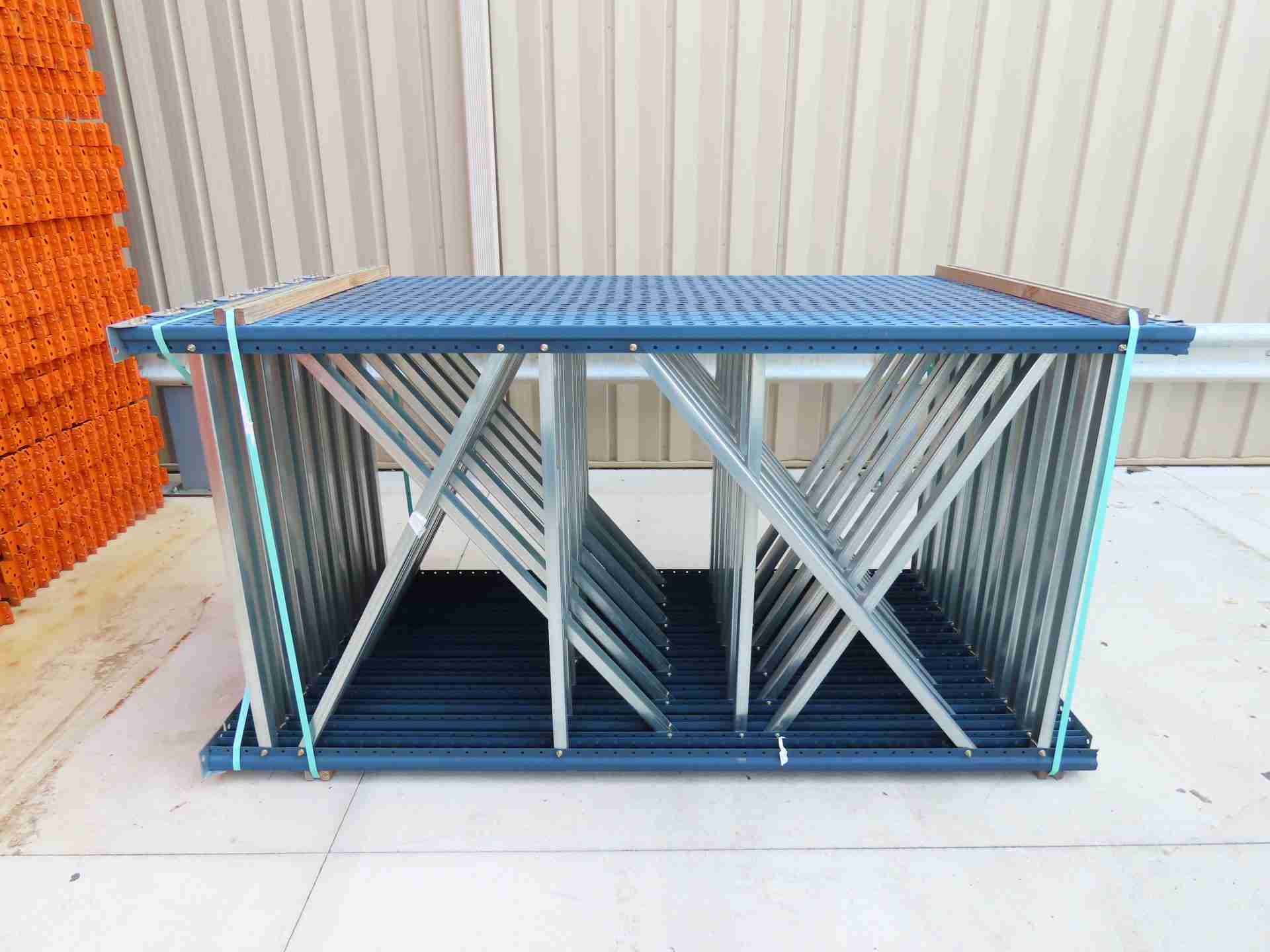
Picture this: your warehouse is a bustling hub of activity — but instead of flowing seamlessly, chaos reigns. The difference between an average warehouse and a highly efficient operation often boils down to a few simple changes that can yield remarkable results. One such area ripe for improvement is your pallet racking system.
Optimizing your pallet racking can unlock a world of benefits. Does your current setup allow for easy access to inventory? If your team is spending precious minutes digging through stacks or fumbling with unsafe, overly complex shelving, it’s time for a reassessment. A well-designed pallet racking system not only maximizes space but also enhances the speed of picking and replenishment processes. Imagine your staff moving with ease, quickly locating items without unnecessary delay. You’re not just increasing productivity; you’re enhancing morale. Who doesn’t love a smooth workflow?
Let’s talk numbers. According to industry research, warehouses that have optimized their pallet racking report up to a 25% increase in overall efficiency. When you streamline your workflow, you save not just time, but money too. It’s that classic synergy — when everything clicks into place, your operational costs can take a significant dip, leaving room for investment in other key areas.
Now, creating an efficient pallet racking system isn’t just about the racks themselves. It’s also about understanding your specific needs. Are you dealing with mixed inventory, or do you primarily store bulk goods? Tailoring your storage solutions to the types and volumes of products you handle can yield immediate improvements. For instance, using adjustable racking allows you to reposition shelves easily based on fluctuating inventory levels—resourcefulness at its finest.
But let’s not overlook the importance of training. Your team needs to be well-versed in how to utilize the pallet racking systems effectively. Regular training sessions and clear operational guidelines can significantly reduce mistakes and boost overall productivity. Take the time to invest in your people; they are the backbone of your operation.
In summary, improving your warehouse workflow efficiency doesn’t have to be an uphill battle. With an eye towards optimizing your pallet racking and giving your team the tools they need to succeed, you position your warehouse to thrive, not just survive. So, what are you waiting for? Let’s transform that chaos into a streamlined success story!

How Can You Improve Your Warehouse Workflow Efficiency?
How Can You Improve Your Warehouse Workflow Efficiency?
- Chaos often reigns in average warehouses, while efficiency stems from simple improvements, particularly in pallet racking systems.
- Optimizing pallet racking can improve inventory access, enhance picking speed, and boost staff morale.
- Research indicates that optimized pallet racking can lead to up to a 25% increase in overall efficiency.
- Streamlined workflows save time and reduce operational costs, allowing for reinvestment in other areas.
- Creating an efficient racking system requires understanding specific inventory needs, like mixed or bulk goods.
- Adjustable racking systems help adapt to fluctuating inventory levels, enhancing resourcefulness.
- Regular training and clear guidelines for staff are essential to maximize productivity and reduce mistakes.
How Can You Improve Your Warehouse Workflow Efficiency?
Table Of Contents
- How Can You Improve Your Warehouse Workflow Efficiency?
- How Can Technology Enhance Warehouse Workflow Efficiency?
- What Role Does Layout Play In Warehouse Efficiency?
- How Can Employee Training Boost Workflow In Warehouses?
- What Are The Best Practices For Inventory Management?
- How Can You Reduce Bottlenecks In Warehouse Processes?
- What Tools Help In Tracking Warehouse Performance Metrics?
- Conclusion
- Other Resources
- Glossary Of Terms
- Other Questions
- Checklist
How Can Technology Enhance Warehouse Workflow Efficiency?
Imagine walking into a warehouse where everything flows seamlessly, every item in its exact place. Whether you’re managing a small storage facility or a large-scale distribution center, the quest for efficiency is universal—and today, technology stands at the forefront, ready to revolutionize your warehouse workflow.
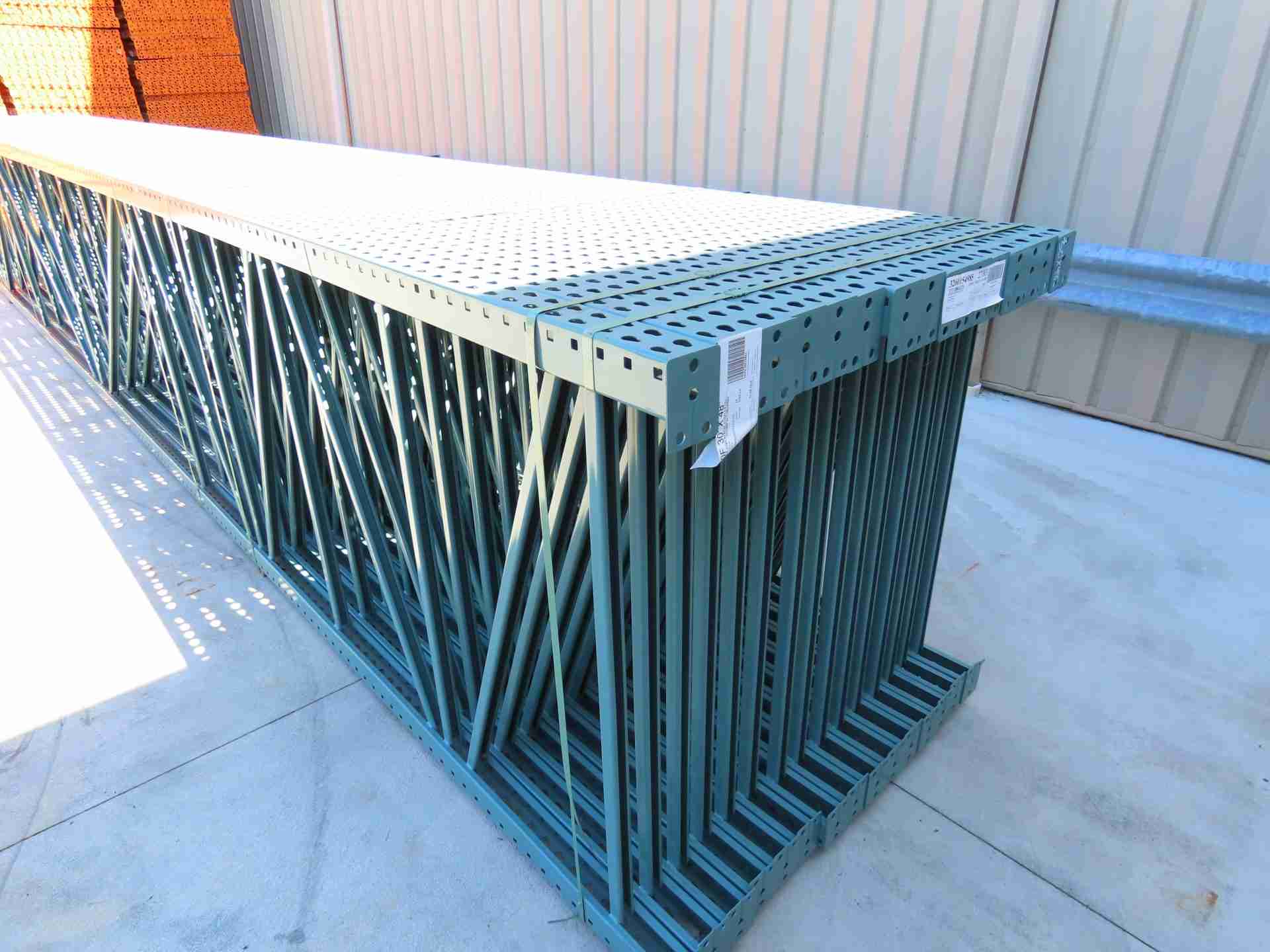
Consider the backbone of any efficient warehouse: pallet racking systems. A well-organized pallet racking layout not only maximizes vertical space but also reduces the time employees spend searching for products. Gone are the days of haphazard stacking and chaotic aisles. With modern inventory management systems integrated with smart pallet racking, you can see real-time data on stock levels, locations, and even which products are not moving as quickly as they should. By evaluating this information, you can make informed decisions about layout and restocking that enhance efficiency and minimize downtime.
Next on our tech-driven journey is automation. Robotic systems and automated guided vehicles (AGVs) are game-changers, handling repetitive tasks and heavy lifting with precision. Imagine a day where your team is freed from monotonous picking to focus on higher-value tasks, all while cutting down labor costs. Delve into the world of a fully automated warehouse and picture increased output, faster order fulfillment, and restful nights knowing that your operations are controlled by technology that doesn’t tire.
But let’s not overlook the human element. Engaging employees in adapting to these technologies fosters a culture of innovation and collaboration. Training programs that empower your team to use new tools will lead to higher morale and lower turnover rates. Besides, when staff feel confident using advanced systems, the entire organization benefits. They become not just workers but champions of efficiency.
As you explore how these advancements can elevate your business, remember—it’s not merely about implementing the latest technology. It’s about crafting an ecosystem where every tool, from smart inventory systems to advanced pallet racking, works harmoniously to support your objectives.
So, are you ready to step into a future where your warehouse operations are not only efficient but also ahead of the competition? Embrace technology today, and watch your workflow transform into a well-oiled machine that enhances productivity while empowering your team. Efficiency is not just a goal; it’s an achievable reality waiting for you to grasp.
How Can Technology Enhance Warehouse Workflow Efficiency?
How Can Technology Enhance Warehouse Workflow Efficiency?
- Efficient warehouse management relies on advanced technology for streamlined workflows.
- Pallet racking systems maximize vertical space and reduce search time for products.
- Modern inventory management provides real-time data on stock and product movement.
- Automation, including robotic systems and AGVs, enhances productivity and reduces labor costs.
- Engaging employees with training on new technologies fosters innovation and collaboration.
- Creating an ecosystem of harmonized tools enhances overall operational efficiency.
- Embracing technology can transform warehouse operations into a competitive advantage.
How Can Technology Enhance Warehouse Workflow Efficiency?
What Role Does Layout Play In Warehouse Efficiency?
What Role Does Layout Play in Warehouse Efficiency?
When it comes to peak performance in your warehouse, layout is the unsung hero. Imagine your warehouse as a finely tuned orchestra; every instrument has its place, ensuring a melody of efficiency that can resonate through your entire operation. A well-thought-out layout isn’t just about moving boxes from Point A to Point B; it’s about creating a seamless workflow that maximizes space, minimizes waste, and boosts productivity.
At the heart of an efficient layout often lies Pallet Racking. Think of pallet racking as the backbone of your storage solution. If configured correctly, it ensures that your high-traffic items are easily accessible while optimizing vertical space. It’s not just about storing goods; it’s about strategic placement. Every inch of your warehouse can be maximized to minimize retrieval time and enhance order fulfillment.
But what does that mean for your bottom line? Consider this: a disorganized warehouse costs you time—lots of it. Every minute your team spends searching for products or navigating clutter translates to lost revenue. By envisioning a strategic layout that incorporates effective pallet racking systems, you can create a space that allows your team to work smarter, not harder.
Picture this—your team moves through a well-organized maze where every pathway leads directly to essential items, empowered by a layout that mirrors intuition. With minimal obstacles and clear routes, they reclaim precious time that can be redirected toward service excellence and customer satisfaction. A streamlined environment fosters a sense of pride in your workforce, creating an atmosphere where excellence isn’t just a goal—it’s part of the culture.
The beauty of a purposeful layout goes beyond aesthetics. It instills trust—trust in your process, your team, and your ability to deliver. With heightened efficiency and clarity, you can respond to customer demands with speed and precision, transforming your warehouse into a competitive advantage.
Investing in a warehouse layout that prioritizes efficiency isn’t just a tactical decision; it’s a strategic game-changer. Start thinking about how you can enhance your operations by revisiting your layout today. Take action—your future profits will thank you for it.

What Role Does Layout Play In Warehouse Efficiency?
What Role Does Layout Play In Warehouse Efficiency?
- The layout of a warehouse plays a crucial role in enhancing overall efficiency.
- A well-thought-out layout promotes a seamless workflow, maximizing space, reducing waste, and increasing productivity.
- Pallet racking serves as the backbone of storage solutions, optimizing accessibility and vertical space.
- An organized layout minimizes retrieval time, improving order fulfillment and reducing operational costs.
- A clear and intuitive layout fosters a more effective work environment, boosting employee morale and service quality.
- Efficient warehouse design builds trust in processes and teams, enabling quick response to customer demands.
- Investing in a strategic layout can lead to significant competitive advantages and increased future profits.

What Role Does Layout Play In Warehouse Efficiency?
How Can Employee Training Boost Workflow In Warehouses?
How Employee Training Boosts Workflow in Warehouses
Picture this: you walk into a warehouse that’s humming with efficiency. Pallet racking systems are expertly organized, employees glide through their responsibilities with confidence, and productivity metrics are soaring. Now, imagine what it would be like to have your warehouse operate at its best—sounds like a dream, right? The truth is, this dream can become your reality with strategic employee training.
Training isn’t just about sending employees to a workshop or slapping together a quick PowerPoint presentation. It’s about weaving knowledge into the very fabric of your daily operations. Well-trained employees mean a workforce that knows how to handle pallet racking safely and efficiently. Think about it: when your team understands the nuances of proper racking techniques, they minimize the risk of accidents, maximize storage space, and can swiftly adapt to any changes in the workflow.
Moreover, the training process should be ongoing. Instead of a one-time session, think of it as nurturing a culture of continuous learning. When employees embrace this culture, they’re more likely to take ownership of their roles. They become invested in not just their performance, but in the overall success of the warehouse. It cultivates a sense of pride in knowing they are pivotal to the operation, boosting morale and engagement.
Every employee deserves to feel confident in their abilities. Investing in training equips them with the skills they need to navigate the complexities of warehouse operations, from managing inventory effectively to utilizing pallet racking systems with finesse. When your team is empowered with the right knowledge, mistakes diminish, processes improve, and your workflow accelerates.
But remember, it’s not just about the hard skills; soft skills matter too. Building a strong team dynamic through training can tremendously impact collaboration. Training can foster communication skills, problem-solving abilities, and enhance teamwork—ensuring everyone is on the same page. When employees communicate effectively, they streamline operations and improve coordination, which is crucial when managing logistics or addressing issues that arise on the floor.
Ultimately, when you invest in training your employees, you are fostering a culture of excellence. You are not just improving workflow; you are creating a work environment where safety, efficiency, and productivity become the norm. Imagine your warehouse operating at its peak—now that’s something worth striving for! So take action today: elevate your operations through ongoing employee training and watch your warehouse transform into a well-oiled machine.
How Can Employee Training Boost Workflow In Warehouses?
How Can Employee Training Boost Workflow In Warehouses?
- Strategic employee training enhances warehouse efficiency and productivity.
- Well-trained employees minimize accidents and maximize storage in pallet racking systems.
- Ongoing training fosters a culture of continuous learning, boosting employee ownership and engagement.
- Training equips employees with necessary hard and soft skills for complex warehouse operations.
- Effective communication and teamwork are improved through training, streamlining operations.
- Investing in training creates a work environment focused on safety, efficiency, and productivity.
- Ongoing employee training transforms warehouses into well-oiled machines.
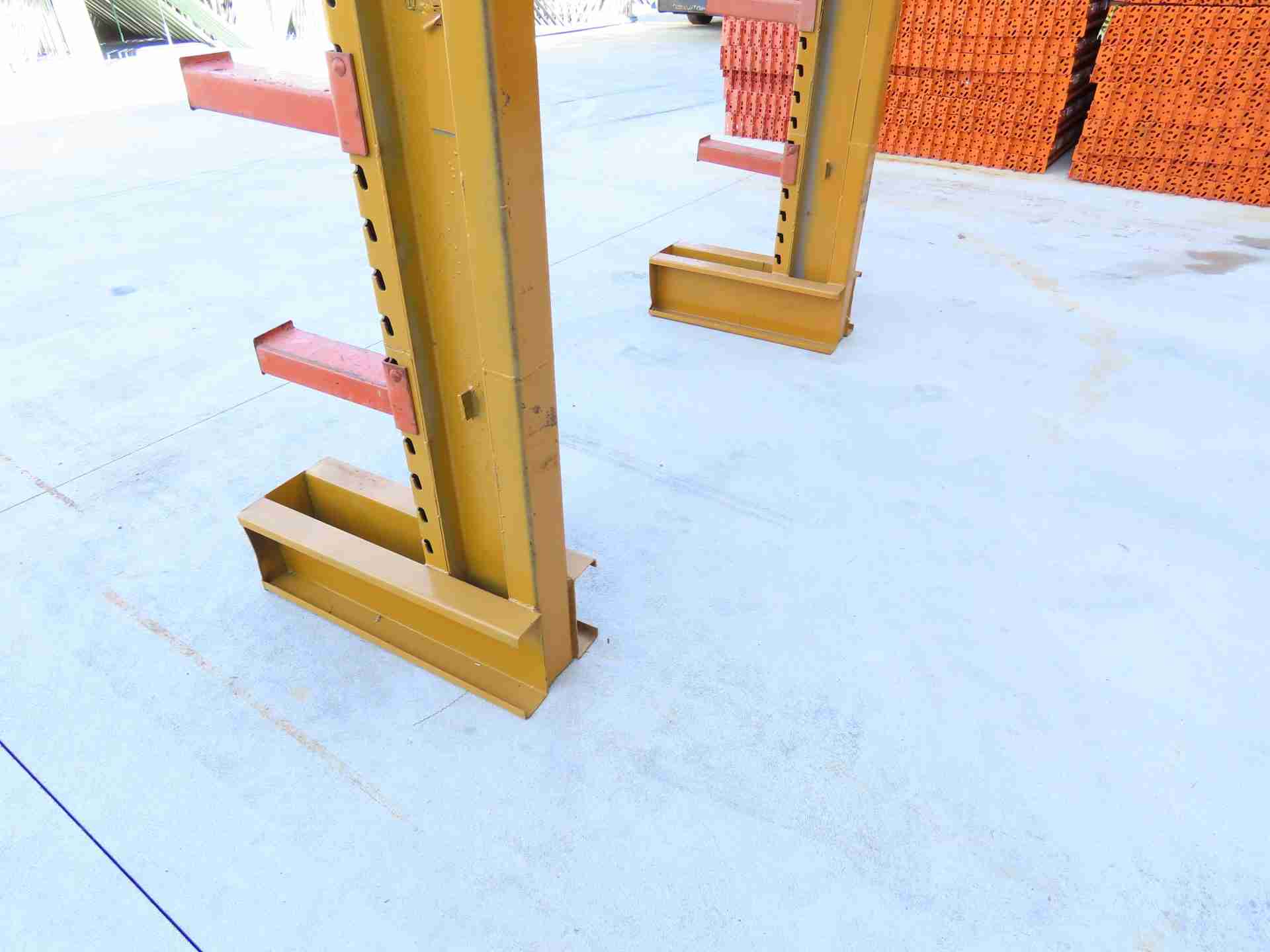
How Can Employee Training Boost Workflow In Warehouses?
What Are The Best Practices For Inventory Management?
Effective inventory management can feel like a juggling act; a misstep can throw everything off balance. Yet, the good news is that there are tried-and-true practices that can help you master this crucial aspect of your business. Let’s delve into a few of these best practices to elevate your operations and lay the groundwork for sustainable growth.
First and foremost, get familiar with your inventory. This means knowing exactly what you have, how much you have, and where it’s located. By implementing strong tracking systems, you can avoid the dreaded scenario of overstocking or running out of critical items. Consider the use of Software Solutions that integrate seamlessly with your operation, allowing you to clearly see your stock levels in real-time. Imagine the relief of instantly knowing exactly how many widgets you have left, empowering you to make informed purchasing decisions!
Next, let’s talk about your storage strategy. The right storage solution can significantly impact your efficiency. Enter pallet racking. This ingenious system allows you to maximize vertical space while keeping items easily accessible. Not only does this streamline the picking process, but it also enhances safety in your warehouse. With pallets organized and neatly stacked, your team can focus on processing orders rather than rummaging through clutter.
Another key practice is to adopt a just-in-time (JIT) inventory system. This method reduces excess stock by aligning your inventory purchases closely with your production schedules. You’ll see your costs drop as you minimize excess inventory and storage fees, while also maintaining the flexibility to respond swiftly to market demands. Clients love JIT because it leads to fresher products and more satisfied customers.
Don’t underestimate the power of regular audits. Think of it as a check-up for your inventory. These audits help identify discrepancies before they spiral into larger issues. They can uncover slow-moving products or highlight trends in customer behavior, allowing you to better tailor your stock and marketing.
In addition, foster a culture of communication within your team. Encourage open dialogue about inventory levels and challenges so that everyone is aligned and engaged. A united front against inventory issues ensures that your business not only survives but thrives.
By adopting these best practices, you’re laying a solid foundation for your inventory management strategy, enhancing efficiency and trust with your customers. Take action today to refine your processes, and watch your business flourish!
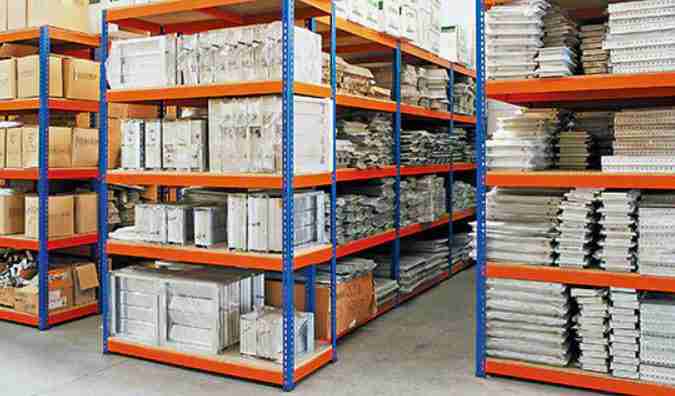
What Are The Best Practices For Inventory Management?
What Are The Best Practices For Inventory Management?
- Effective inventory management is essential for business success and requires careful practices to maintain balance.
- Familiarize yourself with your inventory by knowing what you have, how much, and where it’s located through strong tracking systems.
- Consider using software solutions for real-time visibility of stock levels to make informed purchasing decisions.
- Implement a proper storage strategy, such as pallet racking, to maximize vertical space and improve efficiency and safety.
- Adopt a just-in-time (JIT) inventory system to align inventory purchases with production schedules, reducing excess stock and costs.
- Conduct regular audits of your inventory to identify discrepancies, slow-moving products, and customer behavior trends.
- Encourage open communication within your team about inventory challenges to foster collaboration and improve management practices.
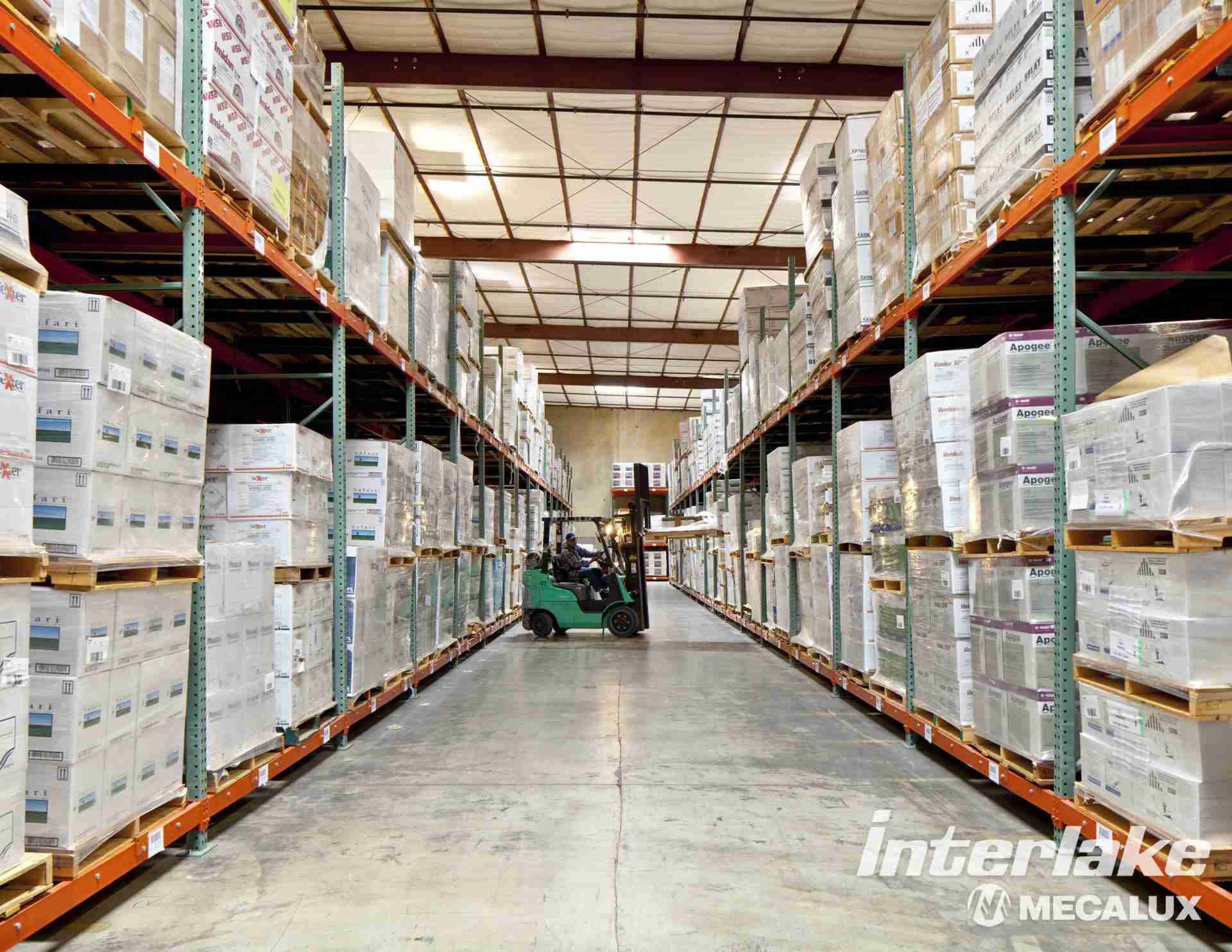
What Are The Best Practices For Inventory Management?
How Can You Reduce Bottlenecks In Warehouse Processes?
In the fast-paced world of logistics, the key to boosting your warehouse efficiency lies in recognizing and addressing bottlenecks. Imagine the sigh of relief as you watch smooth operations unfold, knowing that outdated processes are now a thing of the past. To turn that vision into reality, let’s explore some actionable strategies that not only enhance productivity but also spark a sense of teamwork across your warehouse floor.
First, Invest in Smart Pallet Racking Systems. You might be taking a hard look at your current setup and wondering if it’s time for an upgrade. Pallet racking solutions are not just about maximizing space; they’re about creating an organized flow that keeps inventory moving. When each lane has a designated purpose and every box has its rightful place, it eliminates the chaos that often leads to delays. Picture this: employees navigating a clean, structured space where every item is at their fingertips—this translates to speed and efficiency that directly impacts your bottom line.
Next, Optimize Your Inventory Management. A streamlined inventory process helps identify slow-moving items and keep high-demand products accessible. Regular audits will empower you to keep data fresh and actionable. Consider implementing inventory software that provides real-time tracking so that your team can respond to changes quickly, minimizing idle time and ensuring that stock levels don’t impede your operations.
Also, Foster a Culture of Continuous Improvement. Every team member has invaluable insights into their daily routines. Encourage open communication about potential bottlenecks and involve them in brainstorming solutions. Investing in training and cross-training staff provides them with the skills they need to adapt to changing processes and helps create a shared sense of responsibility for smooth operations.
Lastly, Lean on Technology. Automation tools can be game-changers in reducing manual errors and speeding up repetitive tasks. From barcode scanning to warehouse management systems, these solutions not only save time but also free up your workforce to focus on higher-value tasks.
By being proactive and implementing these strategies, you won’t just reduce bottlenecks; you’ll propel your entire warehouse operation forward with renewed energy. Picture your warehouse as a well-oiled machine, operating smoothly and efficiently—this isn’t just a dream; it’s within your reach. Take that first step today, and watch your productivity soar.

How Can You Reduce Bottlenecks In Warehouse Processes?
How Can You Reduce Bottlenecks In Warehouse Processes?
- Recognizing and addressing bottlenecks is essential for improving warehouse efficiency.
- Invest in smart pallet racking systems to create an organized and efficient inventory flow.
- Optimize inventory management by conducting regular audits and utilizing real-time tracking software.
- Foster a culture of continuous improvement by encouraging team communication and involvement in problem-solving.
- Provide training and cross-training to equip staff with the skills needed for evolving processes.
- Leverage technology and automation tools to reduce manual errors and enhance task efficiency.
- Implementing these strategies can significantly boost warehouse productivity and operational smoothness.
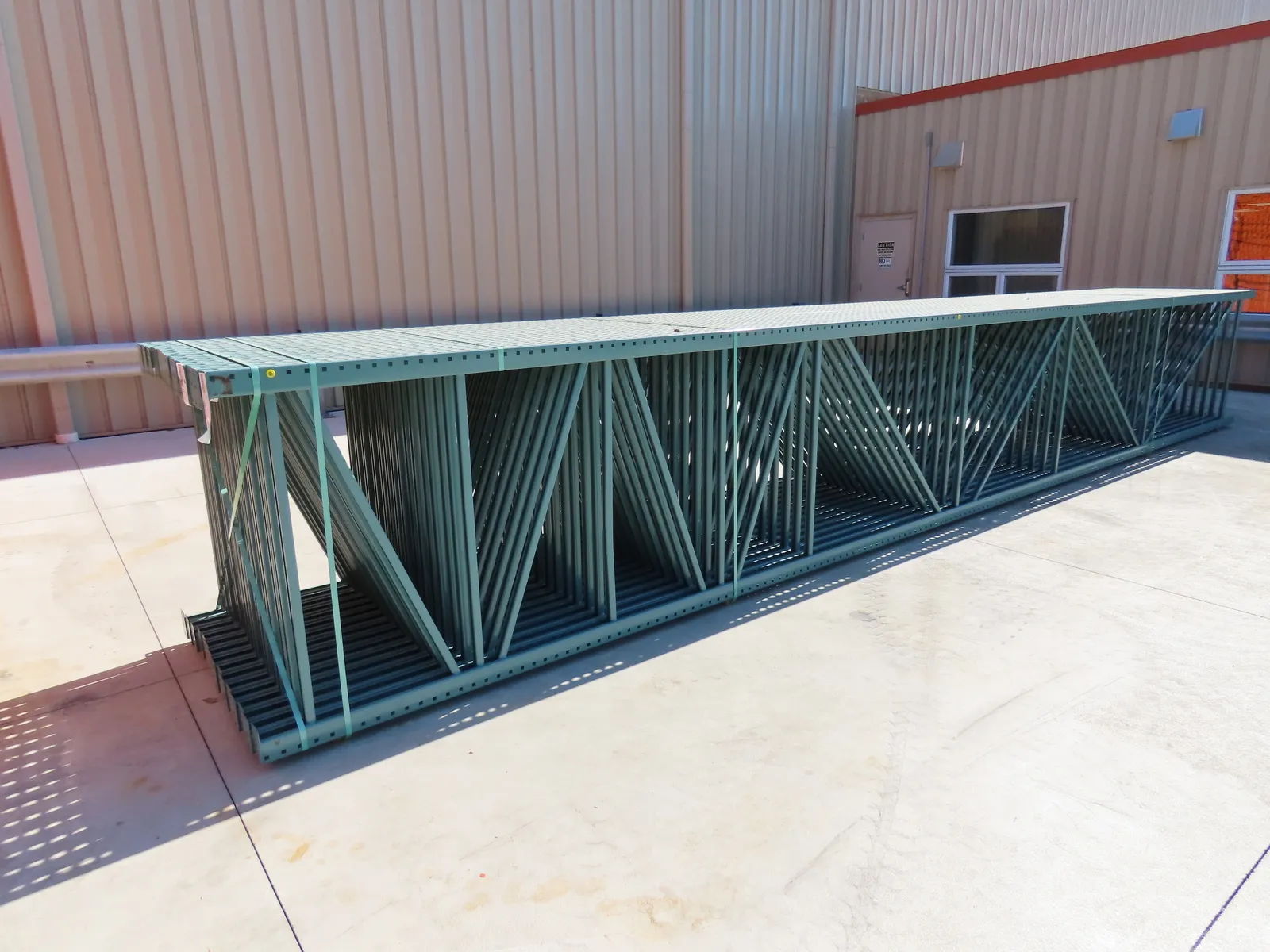
How Can You Reduce Bottlenecks In Warehouse Processes?
What Tools Help In Tracking Warehouse Performance Metrics?
When it comes to fine-tuning the performance of your warehouse, understanding the right metrics is just the beginning. What you truly need are the tools that seamlessly illuminate those metrics, propelling your operation to new heights. Imagine running a finely tuned orchestra where every note aligns to create a masterpiece. That’s exactly what effective warehouse management software does for your business.
First and foremost, consider integrating Warehouse Management Systems (WMS) into your daily operations. These powerhouses not only simplify the tracking of inventory but also offer insights into various performance metrics like order accuracy, picking efficiency, and even your Pallet Racking effectiveness. With real-time data at your fingertips, you can make instant decisions that boost productivity and reduce costs.
Another invaluable tool is the use of Key Performance Indicators (KPIs) dashboards. These visually engaging tools allow you to measure your warehousing success at a glance. Track metrics like inventory turnover and average order processing time within a single view, and you get a concrete sense of how your operation stands, alongside room for improvement. It’s like holding a mirror up to your business; it gives honest feedback, guiding you to remove bottlenecks and elevate efficiency.
Have you thought about implementing RFID technology? These tiny devices can transform your inventory management, offering precise tracking capabilities. Imagine walking through your warehouse, knowing exactly where every item is located within your racking systems. No more endless searches, lost items, or excess costs associated with overstocking. RFID can transform the way you handle warehouse logistics.
Last, but certainly not least, don’t underestimate the importance of training. The best tools in the world won’t yield results if your team is not equipped to use them effectively. Regular workshops and refresher courses can enhance your staff’s familiarity with the technology, leading to smoother operations and higher accuracy in tracking metrics. You’ll foster a culture of continuous learning and improvement—an irreplaceable asset in the fast-paced world of warehousing.
In a nutshell, investing in these tools arms you with the firepower needed to track your warehouse performance metrics like never before. Opt for solutions that offer transparency, enhance your workflow, and support your team’s growth. With the right infrastructure and a motivated team, your warehouse won’t merely function—you’ll watch it flourish. Embrace this journey, and see how high you can soar!
What Tools Help In Tracking Warehouse Performance Metrics?
What Tools Help In Tracking Warehouse Performance Metrics?
- Fine-tuning warehouse performance begins with understanding the right metrics and having the right tools.
- Integrate Warehouse Management Systems (WMS) for simplified inventory tracking and insights into performance metrics.
- Utilize Key Performance Indicators (KPIs) dashboards to gain a quick overview of warehouse success and areas for improvement.
- Implement RFID technology for precise inventory tracking and to eliminate the hassles of lost items and overstocking.
- Prioritize staff training to ensure effective use of tools and technologies, enhancing operations and accuracy.
- Invest in solutions that promote transparency, improve workflow, and support team growth.
- With the right infrastructure and motivated team, a warehouse can flourish and achieve new heights.

What Tools Help In Tracking Warehouse Performance Metrics?
Conclusion
Conclusion: Unlock the Full Potential of Your Warehouse Operations with Arrow Industrial Sales
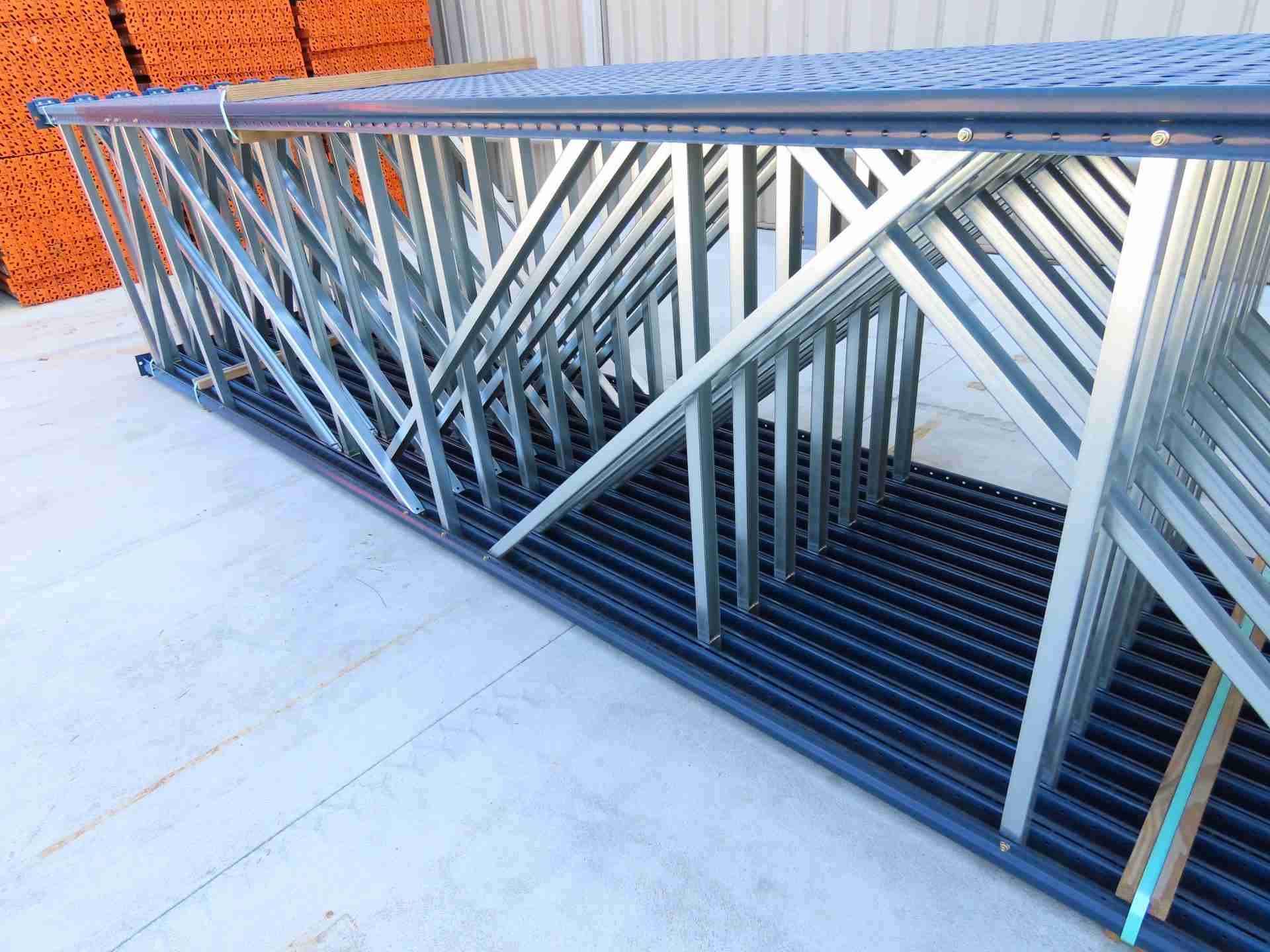
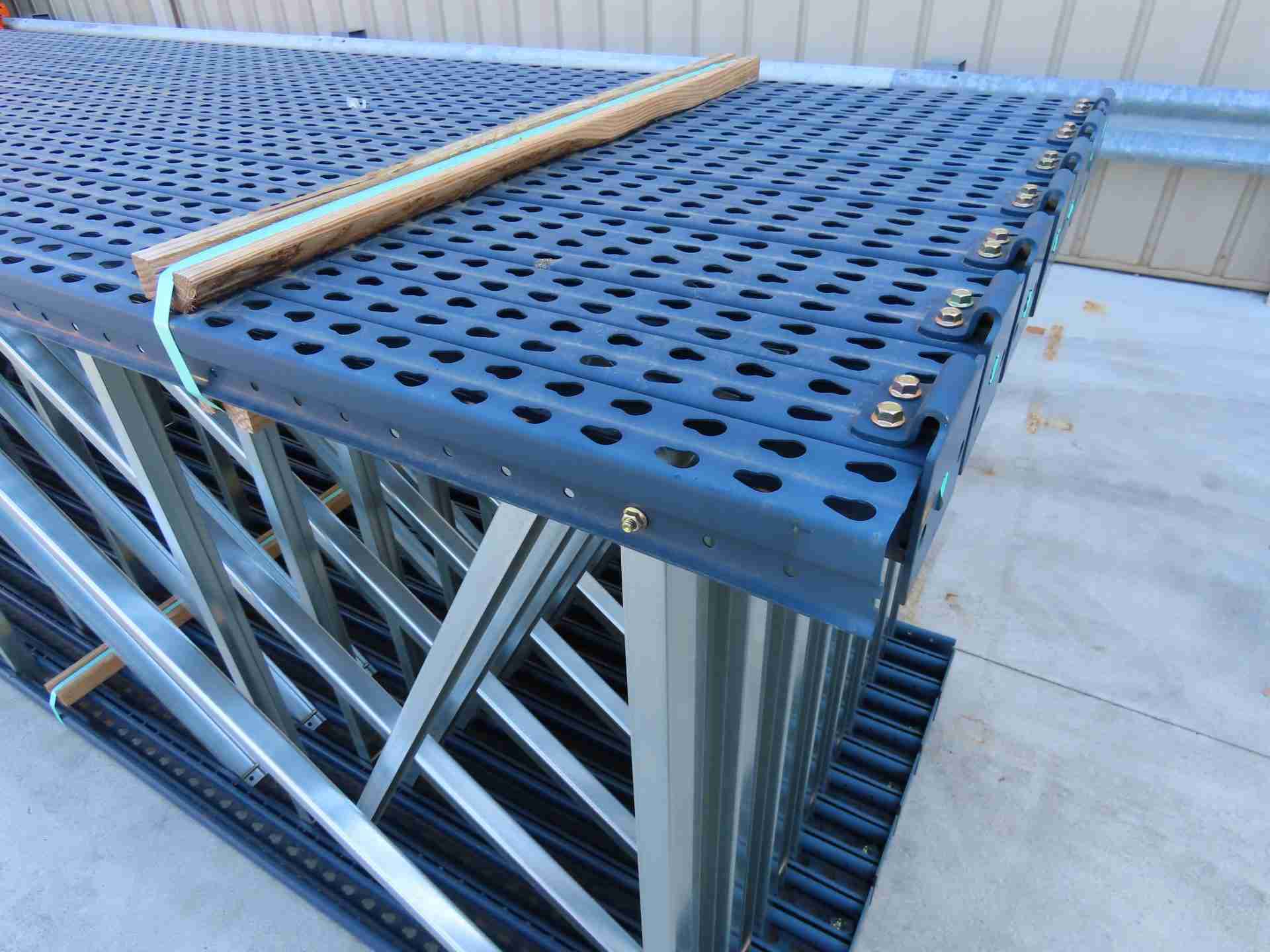
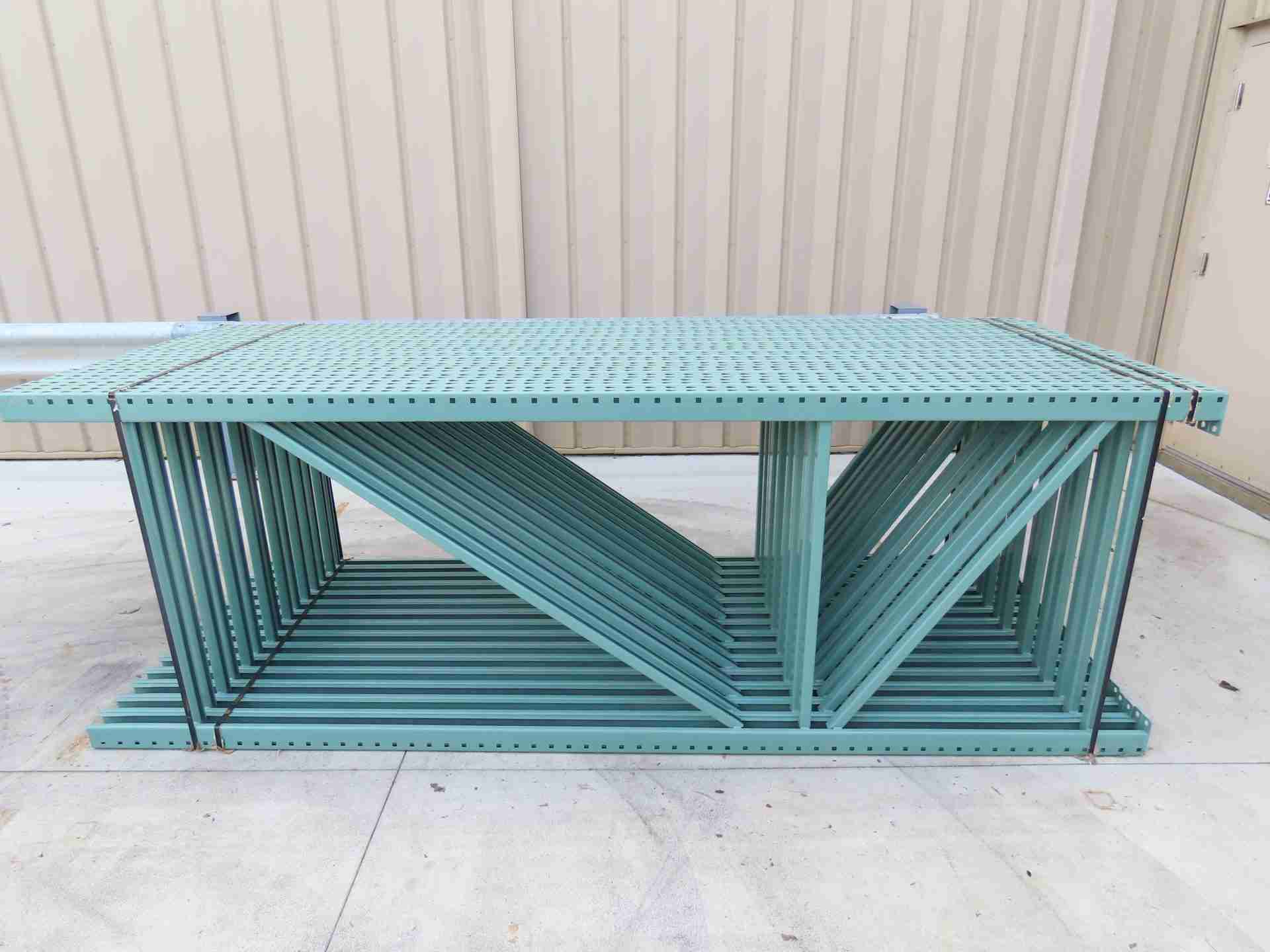
As you have explored, enhancing warehouse workflow efficiency is not merely a goal; it’s a transformative process that can significantly elevate your business operations. From the strategic optimization of your pallet racking systems to the seamless integration of technology, every element plays a pivotal role in streamlining processes. It’s essential to recognize that warehouse effectiveness hinges not just on physical space—it’s about creating an ecosystem where every tool and every person works harmoniously for maximum productivity.
Imagine a world where your warehouse is a well-oiled machine. This isn’t just a dream; it’s achievable. By investing in intelligent pallet racking systems, you can increase accessibility and speed, reducing time lost to confusion and disorganization. Plus, augmenting your operations with robust technology, such as warehouse management systems and real-time tracking, enables your team to make informed decisions that optimize inventory management. Think about the possibilities of improved accuracy and reduced costs as a result of real-time data insights.
Moreover, as much as technology is essential, don’t overlook the importance of your workforce. Empowering your employees through continuous training will not only enhance their understanding and use of technology but also foster a culture of collective success. When employees feel confident in their abilities and take ownership of their roles, it leads to higher morale and exceptional overall performance.
Additionally, revisiting your warehouse layout can unlock further efficiencies. A thoughtfully designed space enhances accessibility and reduces transit time, turning your warehouse into a competitive advantage rather than a logistical burden. Every minor adjustment can add up to significant gains—both in productivity and profitability.
However, time is of the essence. Each moment your operations remain in chaos is another opportunity lost. The marketplace doesn’t wait—transform your warehouse now to reap the benefits. The tools you need are at your fingertips. Arrow Industrial Sales is here to provide you with the insights, products, and tailored solutions necessary for a thorough overhaul of your warehousing processes.
Don’t sit idly by as inefficiencies drag you down. Call Arrow Industrial Sales at (574) 349-6575 today to explore how we can elevate your warehouse operations to new heights. Make that call now—your streamlined success story awaits!
Conclusion
Conclusion:
- Transforming warehouse workflow efficiency is a crucial process for enhancing business operations.
- Investing in intelligent pallet racking systems increases accessibility and speed, reducing confusion and disorganization.
- Utilizing robust technology like warehouse management systems and real-time tracking optimizes inventory management.
- Continuous training for employees fosters a culture of success and improves morale and performance.
- A well-designed warehouse layout enhances accessibility and minimizes transit time, leading to greater productivity and profitability.
- Time is critical; acting now can prevent further inefficiencies in operations.
- Arrow Industrial Sales offers tailored solutions and insights to transform your warehouse processes.
Conclusion
Other Resources
Other Resources
Here is a list of other resources you can review online to learn more:
- Pallet Racking systems in Illinois and Great Lakes
- BMH Equipment LLC
- Pallet Rack Systems – New and Used Pallet Racking and Shelving Experts
- Illinois Pallet Racking – WPRP
- Overhead Lifting
- Iowa Illinois Warehouse Racking
- Warehouse Racking Layout: The Ultimate Guide – Conger
- National Safety Council
- Material Handling Safety
- What is Selective Racking: Understanding Benefits & Options
Use This Prompt To Get More Resources With Your Favorite Online AI Tool: Please provide me with a list of online articles with their URLs in a bulleted list that I can read regarding How Can You Improve Your Warehouse Workflow Efficiency?
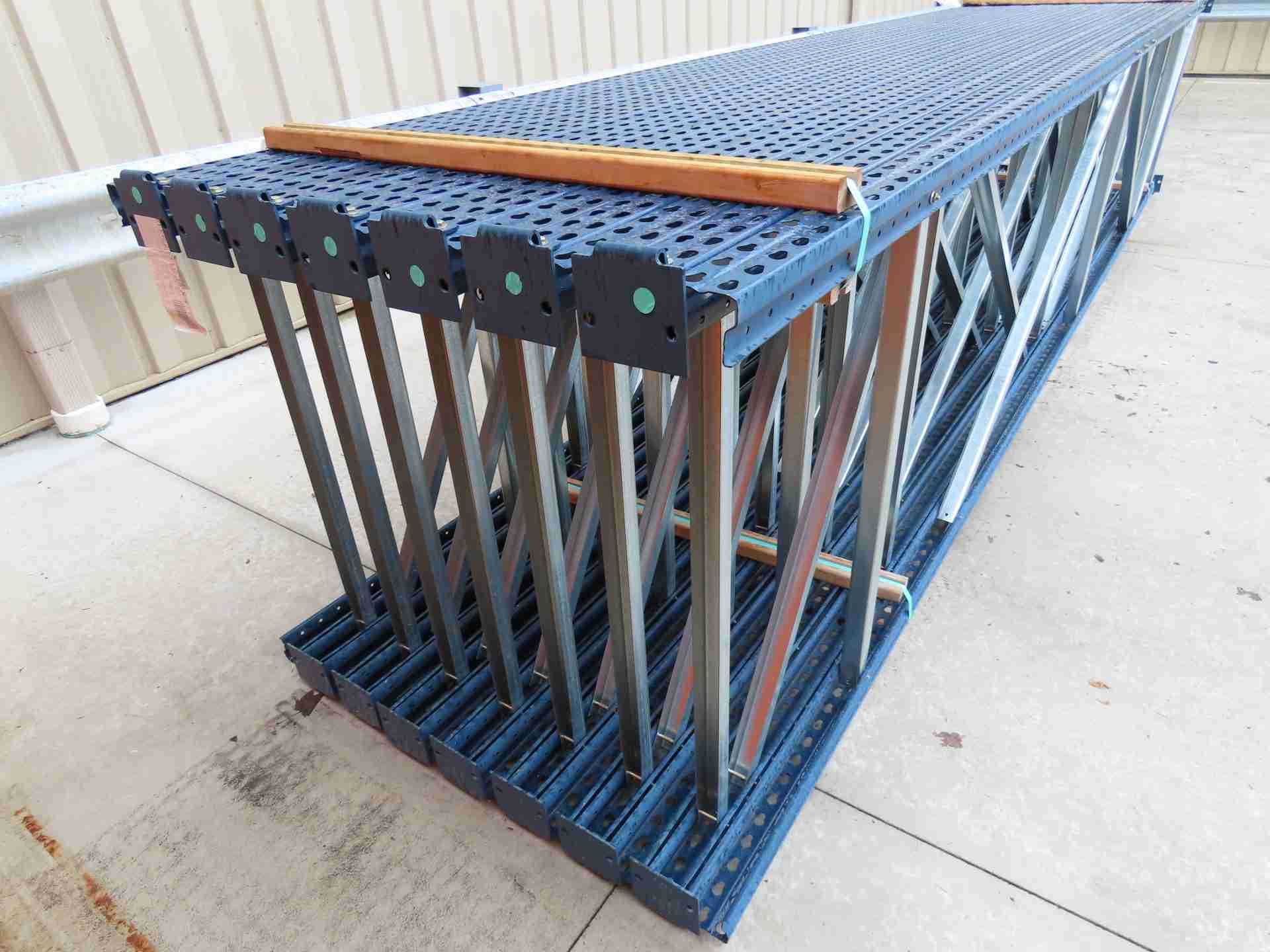
Other Resources
Glossary Terms
How Can You Improve Your Warehouse Workflow Efficiency? – Glossary Of Terms
1. Automation: The use of technology to perform tasks without human intervention, reducing errors and increasing speed.
2. Inventory Management: The process of tracking and controlling stock levels, orders, and deliveries to maintain optimal inventory.
3. Lean Warehousing: A methodology that focuses on minimizing waste while maximizing value in warehouse operations.
4. Pick and Pack: The process of selecting (picking) products from inventory and preparing (packing) them for shipment.
5. ERP (Enterprise Resource Planning): A type of software that integrates various business processes, including inventory and order management.
6. Cross-Docking: A logistics practice where incoming goods are directly transferred to outgoing shipments, minimizing storage time.
7. Warehouse Management System (WMS): Software designed to support and optimize warehouse functionality and distribution center management.
8. Cycle Counting: An inventory auditing procedure where a small subset of inventory is counted on a specific day.
9. SKU (Stock Keeping Unit): A unique identifier for each distinct product and service that can be purchased.
10. FIFO (First In, First Out): An inventory management technique where the oldest stock (first in) is sold first (first out).
11. LIFO (Last In, First Out): An inventory management method where the most recently added items are sold first.
12. Workflow Optimization: The process of adjusting and improving operational workflows for better efficiency and performance.
13. Lean Principles: Concepts that focus on reducing waste and improving quality and efficiency in warehouse operations.
14. Real-Time Tracking: The ability to monitor inventory, shipments, and other operations as they happen via technology.
15. Performance Metrics: Quantitative measurements used to evaluate the efficiency and effectiveness of warehouse operations.
16. Space Utilization: The effective use of physical space in a warehouse to maximize storage and workflow efficiency.
17. Barcode Scanning: The use of laser or imaging technology to read UPCs or QR codes for quick inventory tracking.
18. Safety Stock: Extra inventory kept on hand to prevent stockouts and ensure order fulfillment during unexpected demand.
19. Throughput: The amount of product that can be moved through the warehouse in a given time period.
20. Lead Time: The total time it takes to process an order from when it is placed until it is fulfilled.
21. Order Picking: The process of retrieving items from inventory to fulfill a customer order.
22. Binning: The practice of organizing inventory into designated locations or bins for easier access and identification.
23. Load Optimization: The strategy of maximizing storage capacity and transportation efficiency by effectively loading goods.
24. Carrier Management: Involves selecting, evaluating, and managing transport services to ensure efficient shipping and cost management.
25. Return Process: The procedures involved in handling returned products, including restocking and processing refunds.
26. Dock Management: The organization and scheduling of loading docks to streamline the arrival and departure of goods.
27. Supplier Relationship Management (SRM): The ongoing management of relationships with suppliers to enhance collaboration and efficiency.
28. Inventory Turnover: A measure of how often inventory is sold and replaced over a specific period, indicating efficiency.
29. Task Interleaving: The practice of combining different types of work tasks to optimize workforce utilization and reduce travel time.
30. Workforce Planning: The process of anticipating labor needs and optimizing resource allocation to improve overall efficiency.
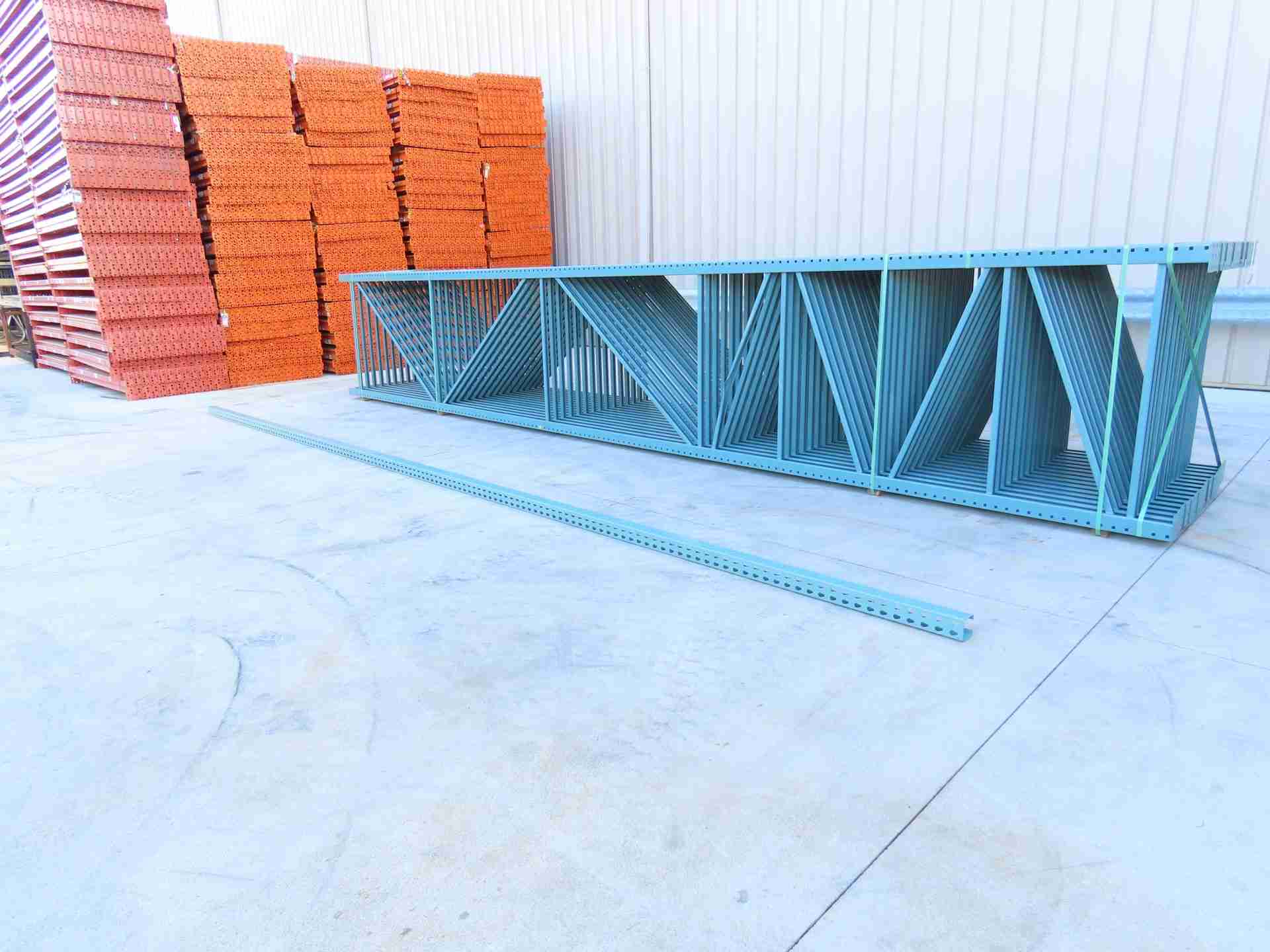
Glossary Of Terms
Other Questions
How Can You Improve Your Warehouse Workflow Efficiency? – Other Questions
If you wish to explore and discover more, consider looking for answers to these questions:
- What specific changes can we make to improve our pallet racking systems?
- How do we assess the current efficiency of our warehouse workflow?
- What technology options are available for warehouse management?
- What factors should we consider when designing a warehouse layout?
- How can we identify and eliminate workflow bottlenecks?
- What are the most common mistakes in warehouse inventory management?
- How can we effectively train employees on new systems and technologies?
- What are the benefits of automation in warehouse operations?
- How can we measure the impact of efficiency improvements?
- What role do employee morale and engagement play in warehouse efficiency?
- How often should we conduct audits of our inventory and processes?
- What are the costs associated with upgrading warehouse technology?
- How can we ensure proper communication among warehouse staff?
- What key performance indicators should we track to measure success?
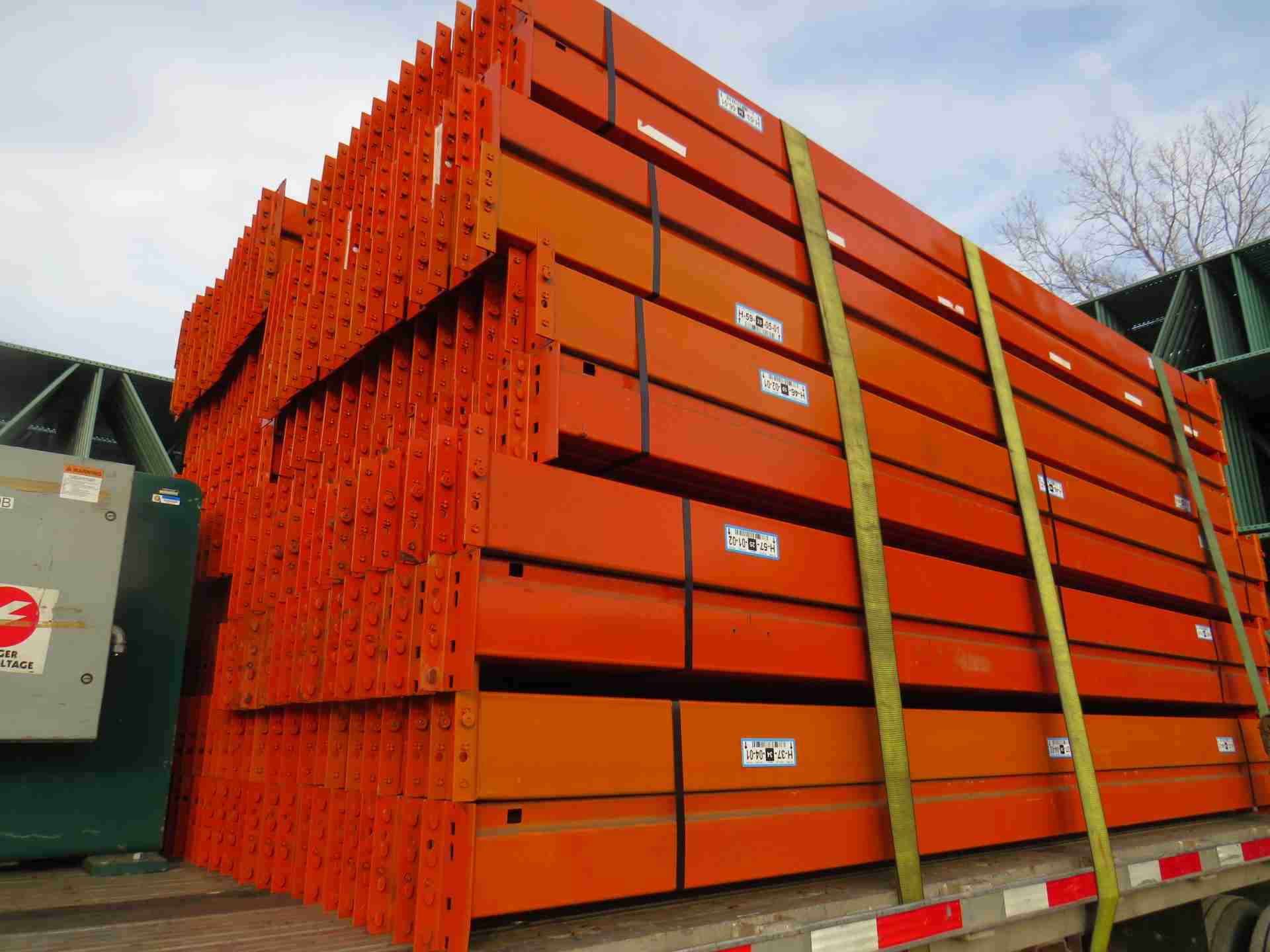
Other Questions
Checklist
How Can You Improve Your Warehouse Workflow Efficiency? – A Checklist
Warehouse Workflow Efficiency Improvement Checklist
1. Assess Your Pallet Racking System
_____ Evaluate current pallet racking setup for easy access to inventory
_____ Ensure racking maximizes vertical space and minimizes retrieval time
_____ Consider adjustable racking solutions for mixed inventory
2. Optimize Layout
_____ Create a strategic layout that minimizes wasted space and enhances flow
_____ Ensure high-traffic items are easily accessible
_____ Design clear pathways for efficient movement throughout the warehouse
3. Implement Technology
_____ Integrate Warehouse Management Systems (WMS) for real-time data tracking
_____ Consider using RFID technology for precise inventory tracking
_____ Explore automation tools to handle repetitive tasks
4. Enhance Inventory Management Practices
_____ Utilize inventory tracking software for accurate stock levels
_____ Implement a Just-in-Time (JIT) inventory system to reduce excess stock
_____ Conduct regular inventory audits to identify discrepancies and trends
5. Focus on Employee Training
_____ Provide regular training sessions on pallet racking and inventory management techniques
_____ Foster a culture of continuous learning and development
_____ Encourage communication about workflow challenges and potential bottlenecks
6. Identify and Reduce Bottlenecks
_____ Analyze current processes to identify common bottlenecks
_____ Involve team members in brainstorming sessions to develop solutions
_____ Adjust workflows to eliminate obstacles and improve efficiency
7. Track Performance Metrics
_____ Determine Key Performance Indicators (KPIs) relevant to your operations
_____ Utilize dashboards to visualize and assess performance metrics easily
_____ Regularly review performance data to identify areas for improvement
8. Create a Culture of Collaboration
_____ Encourage team members to share insights and feedback on operations
_____ Promote teamwork and communication among staff
_____ Recognize and reward contributions that enhance workflow efficiency
Take Action:
By following this checklist, you can systematically improve the efficiency of your warehouse operations, transforming it from chaos into a well-organized and productive environment. Start implementing these strategies today for a more streamlined future!
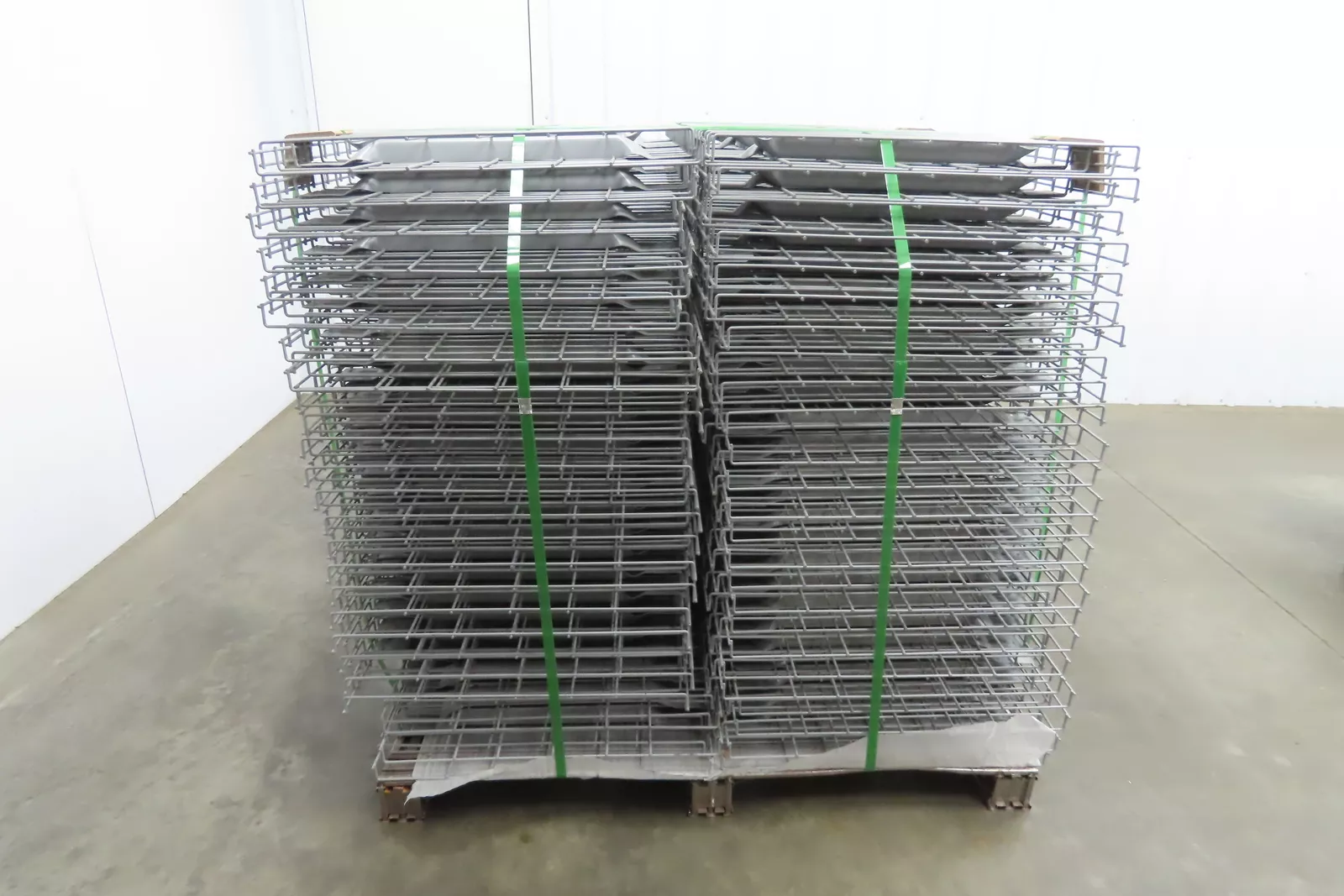
Checklist
At RackingWorld, we help guide you through selecting warehouse storage systems and racking.
Be sure to read our other related stories at RackingWorld to learn more about warehouse storage systems.
0 Comments