
Maximize Your Profit Potential With A Strategic Warehouse Layout
By Tom Seest
At RackingWorld, we help guide you through selecting warehouse storage systems and racking.
Don’t sit idly by while your competitors optimize their spaces—take action now! Call Arrow Industrial Sales at (574) 349-6575 to discuss your specific needs, and let our team of experts help you rediscover your warehouse’s true capabilities. But remember, the time to act is now; every day you delay is a day of lost revenue and untapped potential. Ignite efficiency, inspire your team, and pave the path for long-term success with smart racking solutions. Unlock your warehouse’s potential today!
Be sure to read our other related stories at RackingWorld to learn more about warehouse storage systems.
Are You Missing Out on Profits Due to Inefficient Warehouse Layout?
Imagine this: you have a thriving business with an increasing volume of products flowing in and out of your warehouse, yet, every day feels like a race against time. Orders are delayed, stock is misplaced, and those frustrating moments of searching for a product become all too common. This scenario isn’t just a minor hiccup; it’s a tangible impact on your profits and customer satisfaction. The culprit? An inefficient warehouse layout.
Efficient warehouse design is not merely a luxury; it’s a lifeline to profitability and growth. When your warehouse operates like a well-oiled machine, every inch of space counts and every second saved translates into dollars in your pocket. For instance, if you’re still using outdated shelving methods instead of investing in modern pallet racking systems, you’re quite literally leaving money on the table. Pallet racking allows for better organization and maximized storage capacity, making products more accessible for your team.
Think about the last time you heard an employee exclaim, “I can’t find it!” The anxiety in their voice as they frantically search through disorganized aisles is not just a minor inconvenience; it can snowball into costly errors and lost sales. An optimized warehouse layout reduces that chaos, enabling your team to work more efficiently, process orders faster, and improve overall service levels.
You might be wondering how to achieve this transformation. Start by conducting a thorough analysis of your current layout. Identify bottlenecks and areas where products languish unseen. Consult with experts who specialize in warehouse optimization and can guide you toward systems tailored to your specific operations.
But don’t stop there. Foster a culture of continuous improvement. Engage your team in conversations about what works and what doesn’t in the current setup. By involving the very people who navigate your warehouse daily, you gain valuable insights that could change the trajectory of your business.
It’s time to stop thinking of your warehouse as just storage space and start viewing it as an effective, revenue-generating asset. Every second your products sit unaccounted for is a lost opportunity. Embrace change, invest in solutions like pallet racking, and watch your efficiency soar, all while connecting with what really matters—serving your customers. The road to increased profits lies just beyond your warehouse doors; will you take the first step?

Are You Missing Out on Profits Due to Inefficient Warehouse Layout?
Are You Missing Out on Profits Due to Inefficient Warehouse Layout?
- A thriving business can face challenges due to an inefficient warehouse layout.
- Delays in orders and misplaced stock negatively impact profits and customer satisfaction.
- Efficient warehouse design is crucial for profitability and growth.
- Modern pallet racking systems enhance organization and maximize storage capacity.
- An optimized layout reduces chaos, allowing faster order processing and improved service levels.
- Conduct a thorough analysis of your current layout and consult with warehouse optimization experts.
- Foster a culture of continuous improvement by engaging your team for valuable insights.
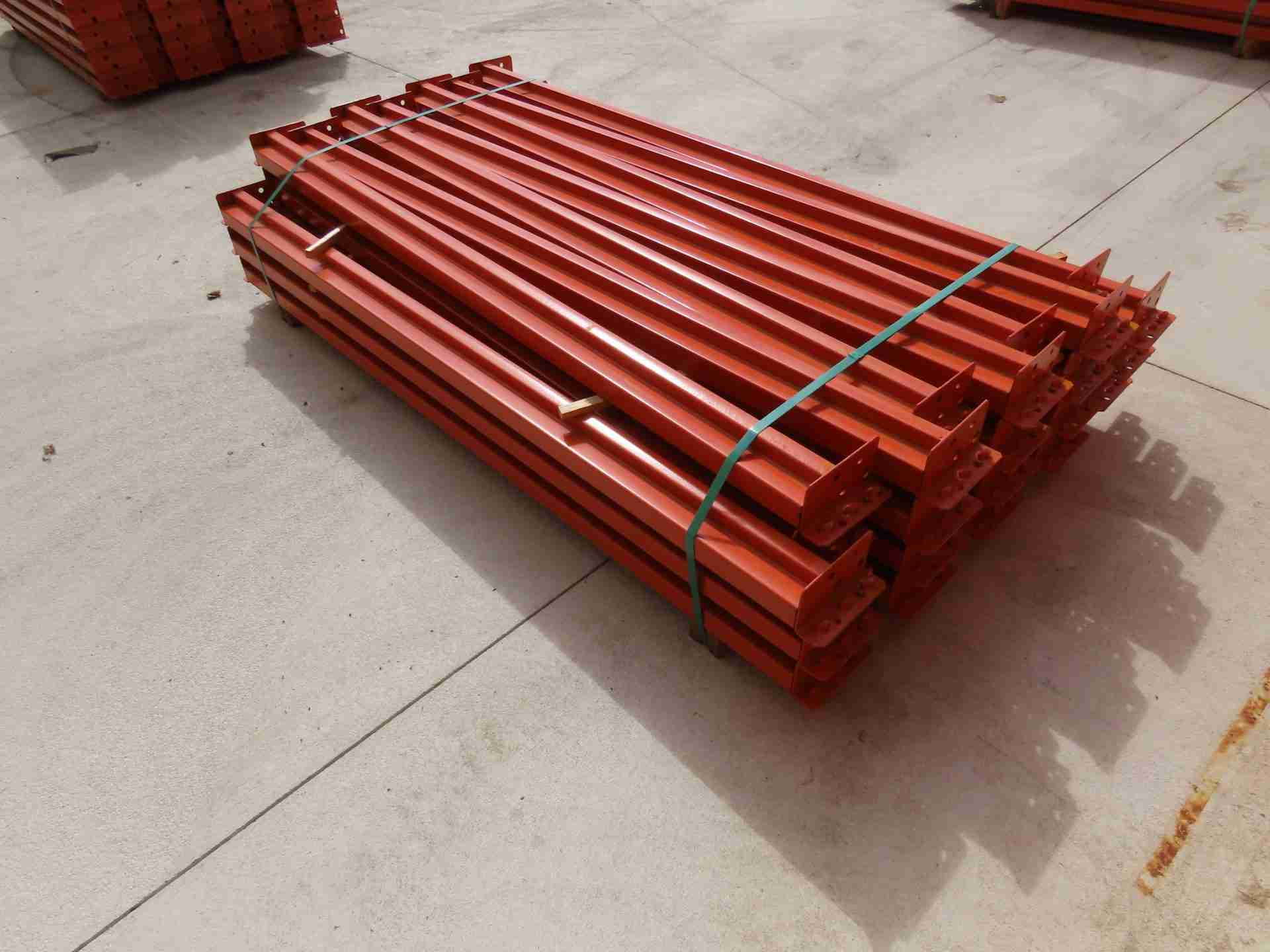
Are You Missing Out on Profits Due to Inefficient Warehouse Layout?
Table Of Contents
- Are You Missing Out on Profits Due to Inefficient Warehouse Layout?
- What Is The Impact Of Warehouse Layout On Profit Margins?
- How Can An Efficient Layout Improve Order Fulfillment Times?
- What Common Mistakes Lead To Inefficient Warehouse Layouts?
- How Do Inventory Management Practices Affect Warehouse Design?
- What Role Does Employee Workflow Play In Warehouse Layout Efficiency?
- How Can Technology Optimize Your Warehouse Layout?
- Conclusion
- Other Resources
- Glossary Of Terms
- Other Questions
- Checklist
What Is The Impact Of Warehouse Layout On Profit Margins?
If you think of your warehouse as just a mere storage space, it’s time to expand your horizons. Picture this: every square foot of that warehouse has the potential to either add to your bottom line or drain it. The layout of your warehouse is not just about aesthetics; it’s a strategic battleground where profit margins are won or lost.
Consider your pallet racking systems. The arrangement of these structures can either facilitate speed and efficiency in order fulfillment or turn your operations into a logistical nightmare. A thoughtfully planned layout allows for smooth workflows, reducing the time spent on each pick. Less time leads to happier customers, repeat sales, and ultimately, increased profitability.
Now, imagine navigating a maze of pallets, each corner presenting a new obstacle, each turn costing you precious minutes that add up to significant dollars over time. Every lost moment in your warehouse is a lost opportunity to serve a customer or fulfill an order. The better your layout—cleverly organizing pallet racking to streamline picking and packing—the more nimble and responsive your business becomes.
Take a moment to think of a time when you faced inefficiencies in your operations. Maybe it was locating merchandise buried under improperly placed stock, or perhaps it was handling excess inventory left in cramped, awkward spaces. These are not just minor inconveniences; they are the leeches of profit margins. A vital principle in business is understanding that every inefficiency translates into higher overhead costs, fewer sales, and diminished customer satisfaction.
Here’s the good news: you have the power to change this narrative. By investing time and resources into re-evaluating your warehouse layout, especially your pallet racking system, you are making a strategic choice that can have far-reaching effects. Redesigning your layout not only optimizes your operations but can also create a culture of efficiency that resonates throughout your entire organization.
So, ask yourself: are you ready to take control of your warehouse and, by extension, your profit margins? Dive into this endeavor with confidence. By optimizing your warehouse layout, you’re not just rearranging shelves or moving around pallets; you’re orchestrating a masterpiece that thrives on operational excellence. Trust in the process, execute with intent, and watch as your profit margins transform from a fluctuating figure into a sustainable advantage in your market. Your future profitability awaits—start laying the groundwork today!
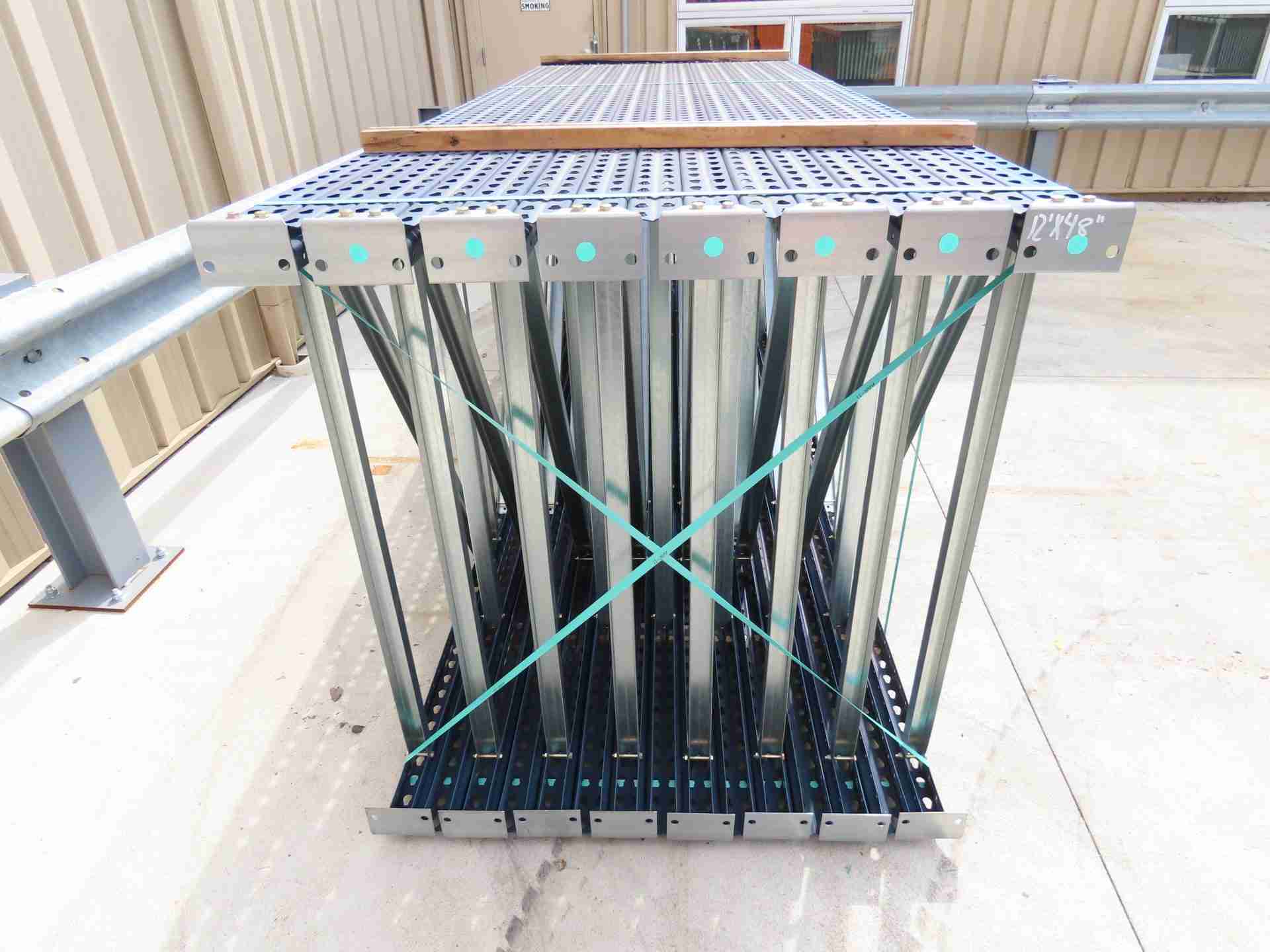
What Is The Impact Of Warehouse Layout On Profit Margins?
What Is The Impact Of Warehouse Layout On Profit Margins?
- View your warehouse as a strategic space with the potential to impact profit margins.
- The layout affects order fulfillment speed and operational efficiency.
- A well-planned layout enhances workflows, reducing pick times and increasing customer satisfaction.
- Inefficient layouts result in lost time and profit, while clever organization of pallet racking boosts responsiveness.
- Operational inefficiencies translate into higher costs and lower sales, damaging overall satisfaction.
- Investing in re-evaluating the warehouse layout can optimize operations and foster a culture of efficiency.
- Optimizing your warehouse is key to turning profit margins into a sustainable competitive advantage.
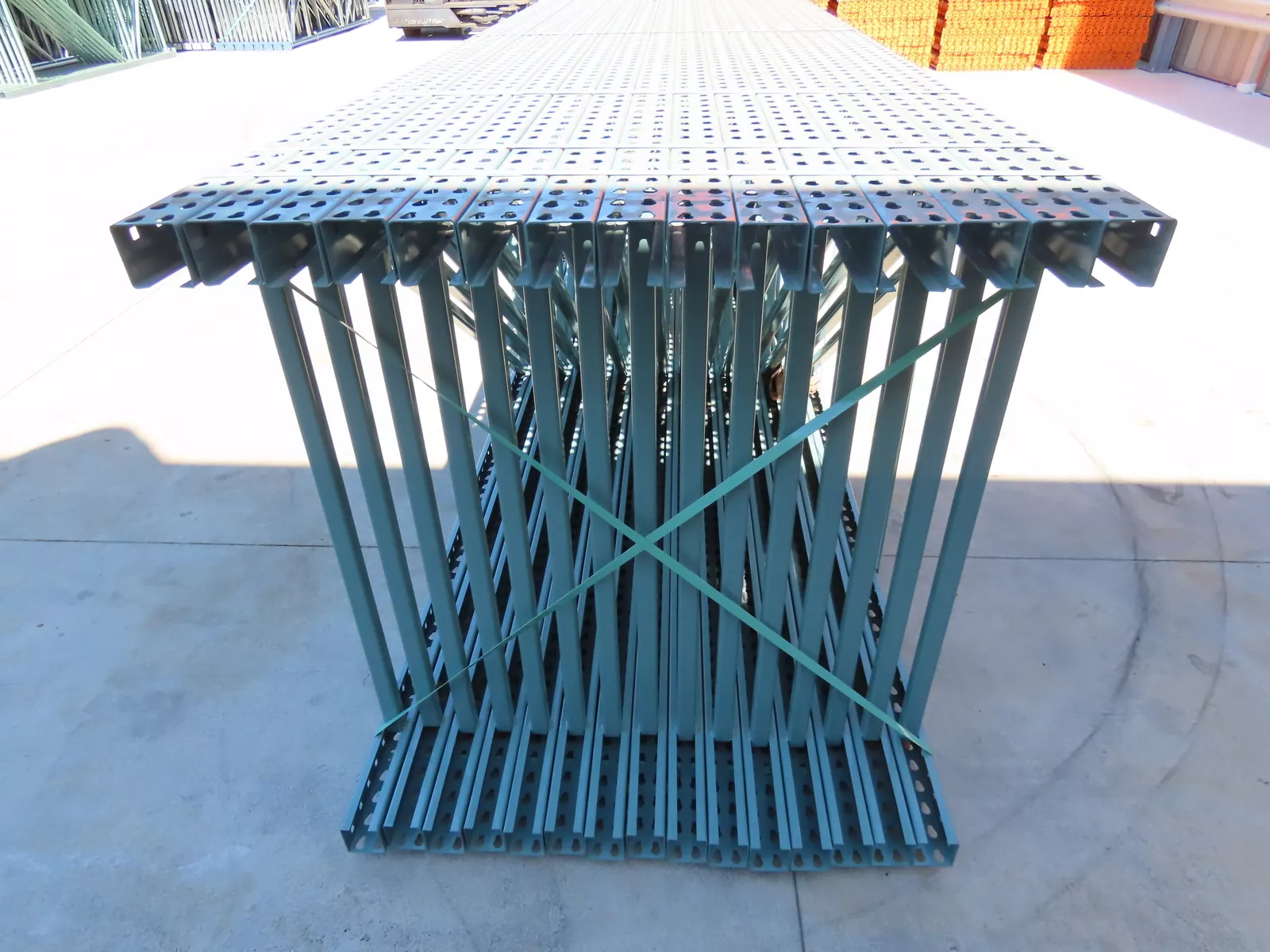
What Is The Impact Of Warehouse Layout On Profit Margins?
How Can An Efficient Layout Improve Order Fulfillment Times?
Picture this: A bustling warehouse, each section humming with purpose. Your team is zipping through aisles, picking products with pinpoint accuracy, and orders are flowing out the door faster than ever. Sounds like a dream, right? But here’s the secret sauce: it all comes down to an efficient layout.
Imagine you’re standing in your warehouse. If products are neatly organized, if your Pallet Racking is strategically placed, and every inch of space is optimized for speed, you’re golden. An efficient layout transforms chaos into clarity, allowing your employees to find items quickly and efficiently. Gone are the days when a misplaced item could send your fulfillment process into a tailspin.
Now, let’s explore how a smart layout can cut down fulfillment times. First, think about your flow. When items are laid out logically—frequently picked products near the packing station, bulk items in the back—time isn’t wasted with unnecessary movements. You create a streamlined pathway where picking, packing, and shipping happen in a dance that feels almost choreographed. This means orders are processed faster, ensuring happier customers who return again and again.
But efficiency goes beyond just placement; it’s about maximizing your resources. With Pallet Racking, for instance, you can utilize vertical space effectively. Every square foot matters. By designating specific areas for different types of inventory, your team can quickly adapt to changes in demand. This flexibility allows you to manage your stock proficiently, reducing the likelihood of backorders and inefficiencies.
Trust is built here, too. Your customers know they can count on you. They watch their orders come in as quickly as they click the “Buy” button, and that reliability fosters loyalty. In an age where impatience reigns supreme, being the business that delivers time and again garners a trust that few can rival.
So, the challenge is clear. Don’t let a haphazard layout sabotage your success. Invest time in analyzing and reconfiguring your warehouse. Every second counts in this fast-paced world. When order fulfillment is as smooth as a well-oiled machine, you’re not just fulfilling orders; you’re fulfilling expectations. And in the balance of business, that might just be your ticket to thriving.
Take action today—rethink your layout. Your fulfillment times—and customer satisfaction—will thank you!
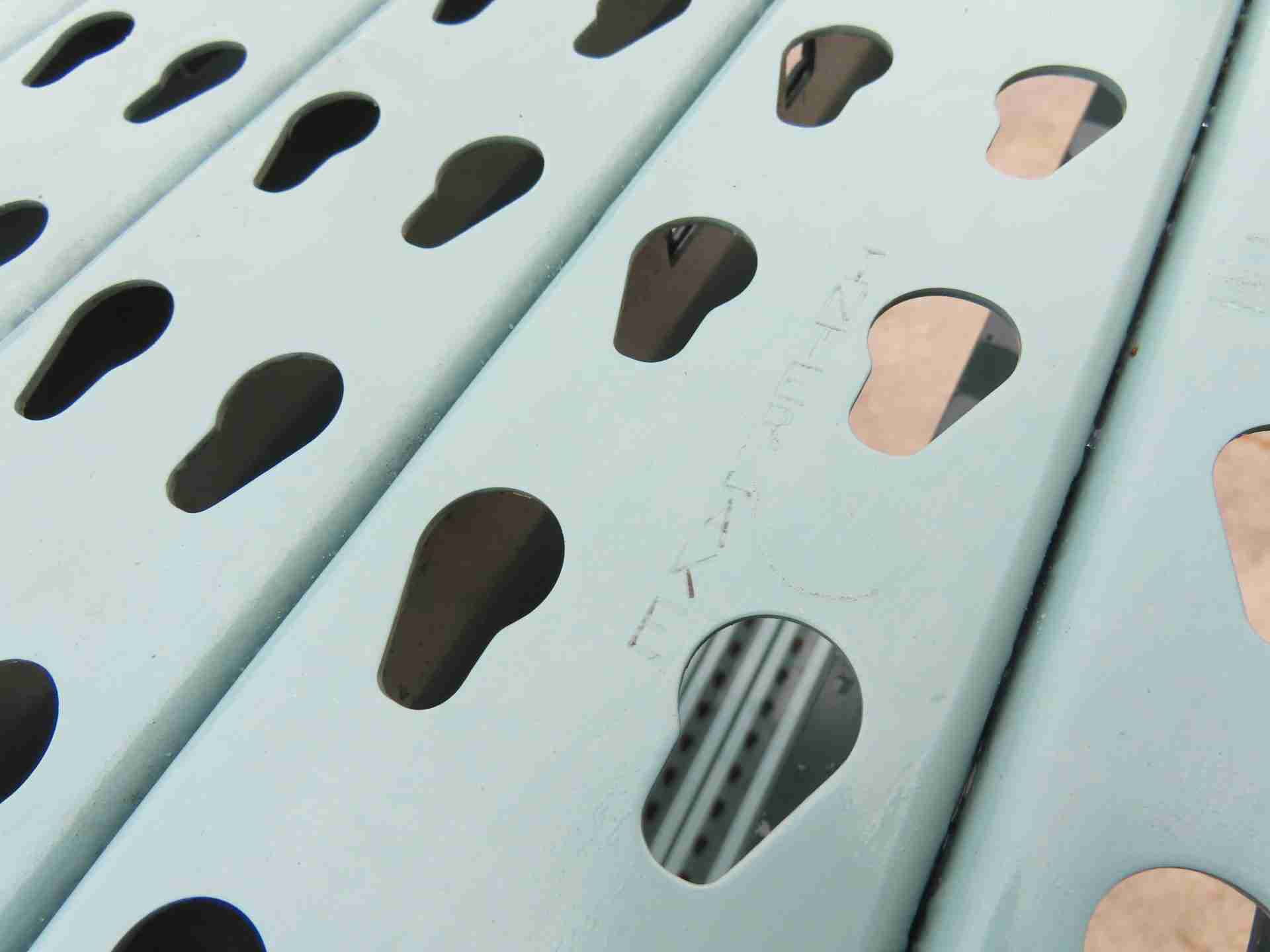
How Can An Efficient Layout Improve Order Fulfillment Times?
How Can An Efficient Layout Improve Order Fulfillment Times?
- A well-organized warehouse layout is crucial for efficient operations.
- Strategically placed Pallet Racking optimizes space, enhancing productivity.
- A logical flow of items minimizes unnecessary movements, speeding up order fulfillment.
- Designating specific inventory areas allows flexibility in managing stock and adapting to demand changes.
- Reliability in order processing fosters customer trust and encourages repeat business.
- Investing in layout analysis can significantly improve fulfillment times and customer satisfaction.
- Reconfiguring the warehouse layout is essential for thriving in a fast-paced market.
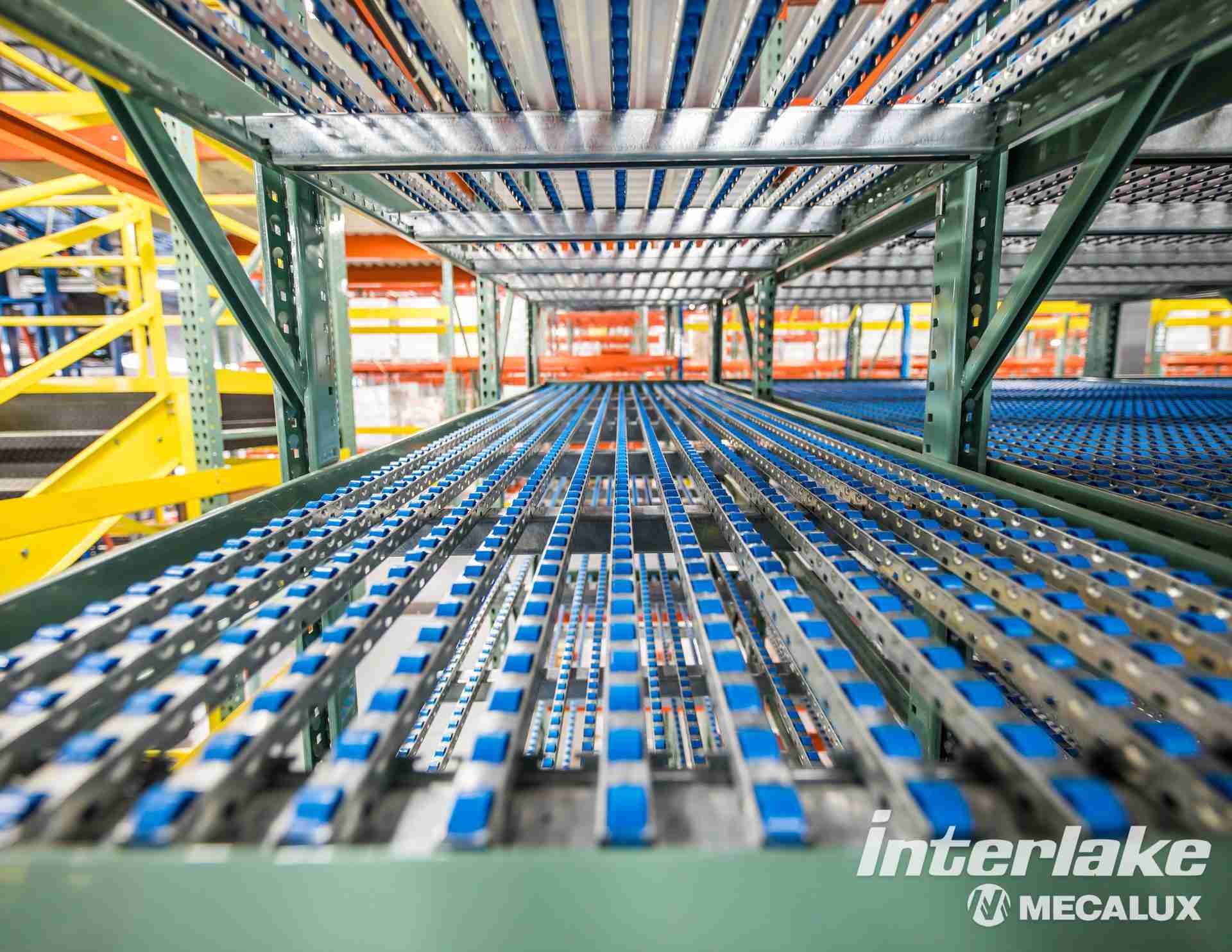
How Can An Efficient Layout Improve Order Fulfillment Times?
What Common Mistakes Lead To Inefficient Warehouse Layouts?
Imagine walking into your warehouse and feeling an overwhelming sense of chaos. Pallet racking towers askew, products jumbled together like a child’s toy chest, and employees wandering aimlessly in search of inventory. This isn’t just a scene from a poorly managed facility; it’s a recipe for disaster in efficiency and productivity. Understanding the common mistakes that lead to inefficient warehouse layouts can not only save you time but also significantly boost your bottom line.
First and foremost, neglecting to assess your inventory flow is like sailing a ship without a compass. Have you analyzed the frequency of item turnover? Items that fly off your shelves should be easily accessible, but too often, businesses place fast-moving products far from shipping areas, forcing employees to waste precious minutes retrieving them. Plan your space around flow—locate your high-velocity items near the dock where they get dispatched.
Another pitfall is underestimating the role of effective pallet racking. While it may seem straightforward, improper selection or placement of pallet racks can lead to clutter and restrict movement. Choosing the right type of racking—be it selective, drive-in, or push-back—is crucial for maximizing vertical space. Remember, warehouse real estate costs money, and underutilizing it is like throwing cash out the window. Design your layout with modularity in mind, allowing you to adapt as your business grows or changes.
Also, consider the human element. Are you allowing your employees to be efficient with their pathways, or are you forcing them into a series of unnecessary jogs and bends? Evaluate the route workers need to take. A layout that is intuitive and reduces travel time not only increases productivity but also enhances morale. Happy employees are efficient employees—a simple truth that often goes overlooked.
Lastly, don’t overlook the importance of regular reviews. The needs of your business will evolve, and your warehouse layout should evolve with it. Conduct regular assessments to identify bottlenecks, redundancies, and opportunities for improvement.
In a streamlined warehouse, everyone wins—from the employees who can work comfortably to the customers who receive their orders promptly. Take the time now to evaluate your layout and make the necessary adjustments. Your bottom line will thank you, and you’ll be well on your way to harnessing the full potential of your warehouse space.

What Common Mistakes Lead To Inefficient Warehouse Layouts?
What Common Mistakes Lead To Inefficient Warehouse Layouts?
- A cluttered warehouse leads to inefficiency and reduced productivity.
- Assessing inventory flow is crucial; high-velocity items should be near shipping areas.
- Proper selection and placement of pallet racks can maximize vertical space and movement.
- Design your warehouse layout with modularity for future adaptability and growth.
- Optimize employee pathways to reduce unnecessary movements and enhance morale.
- Conduct regular reviews of the warehouse layout to identify areas for improvement.
- A streamlined warehouse benefits employees and customers alike, boosting overall satisfaction.
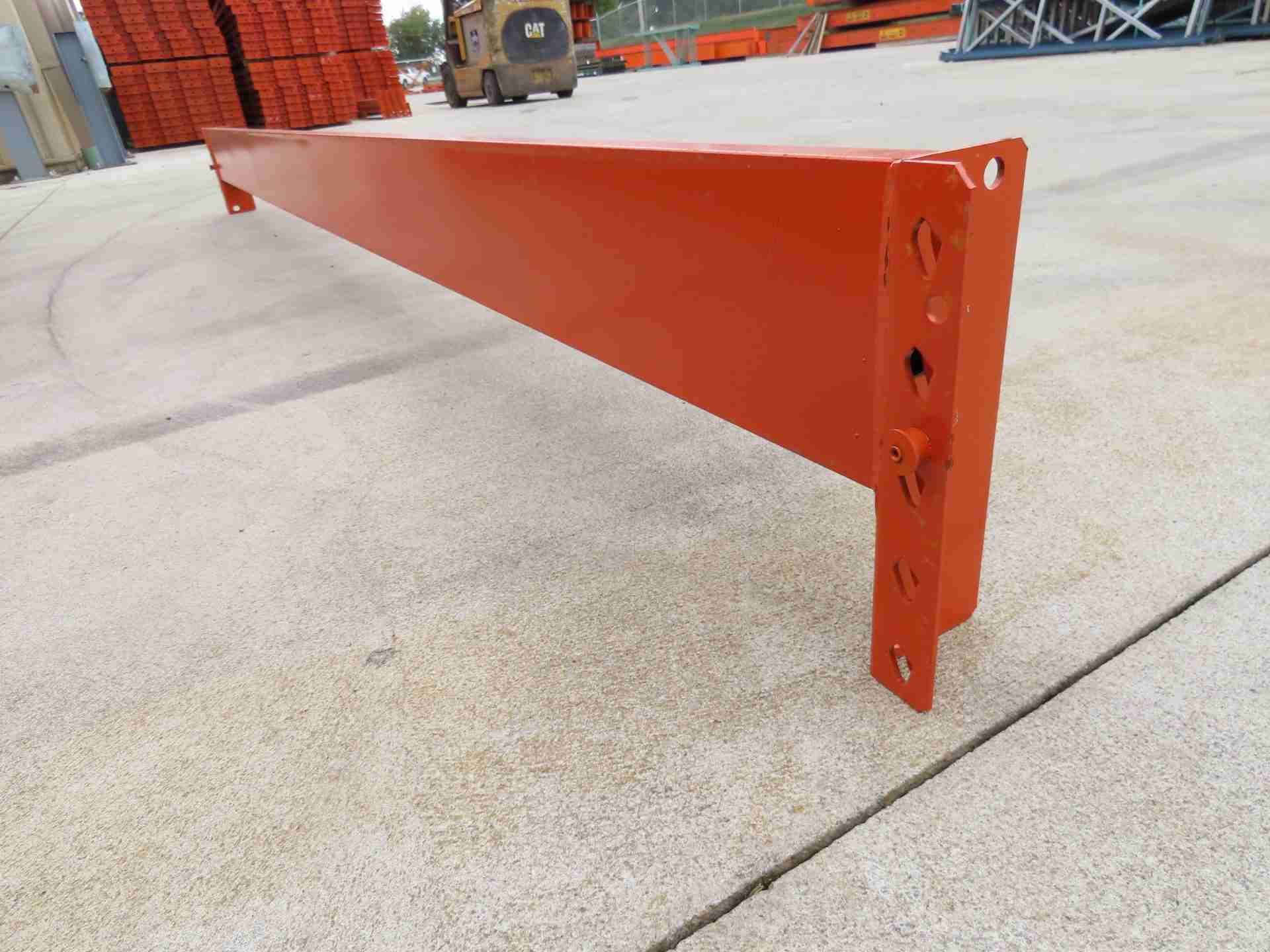
What Common Mistakes Lead To Inefficient Warehouse Layouts?
How Do Inventory Management Practices Affect Warehouse Design?
When it comes to running a successful warehouse, the adage “you can’t manage what you don’t measure” rings particularly true. Your inventory management strategies are the backbone of your warehouse’s design, dictating not only how space is utilized but also how efficiently products are accessed and shipped.
Imagine walking into your warehouse and seeing a bustling operation: the employees are busy, products are flowing seamlessly, and everything seems to be in its place. Now, let’s peel back the curtain—what does that look like behind the scenes? The answer largely lies within your inventory management practices.
Establishing a solid inventory framework allows you to optimize space. For instance, the effective use of Pallet Racking systems transforms how items are stored. These systems don’t just maximize vertical space; they create easy access pathways, allowing staff to quickly retrieve products and fulfill orders swiftly. When implemented correctly, pallet racking reduces the time spent searching for items, ensuring that your employees can focus more on productivity and less on navigating clutter.
But this isn’t all about the systems themselves; it’s also about understanding your specific needs. A well-thought-out inventory management system should influence every design choice in your warehouse. Are you working with large items or small? Seasonal stock or fast-moving consumer goods? The answers to these questions guide your decisions, selecting the right design elements that will nurture efficiency rather than chaos.
Let’s not forget the role of technology; integrating inventory management software with your warehouse layout can supercharge operations. Think about it: real-time data allows for accurate stock tracking, efficient order picking, and helps to prevent costly overstock and stockouts. This synergy between your management practices and physical design establishes a fluid operation that breeds confidence—not only in your processes but also in your ability to scale as your business grows.
Ultimately, improving the design of your warehouse through strategic inventory management not only boosts operational efficacy but also builds a foundation of trust with your customers. When they see that products are readily available and quickly shipped, customer loyalty deepens. In an age where efficiency and accuracy reign supreme, investing time into refining your inventory practices is less of a choice and more of a strategic imperative. Don’t just adapt; thrive. Your warehouse is more than just a storage facility; it’s your business’s heartbeat. Embrace these practices and watch your operations flourish.
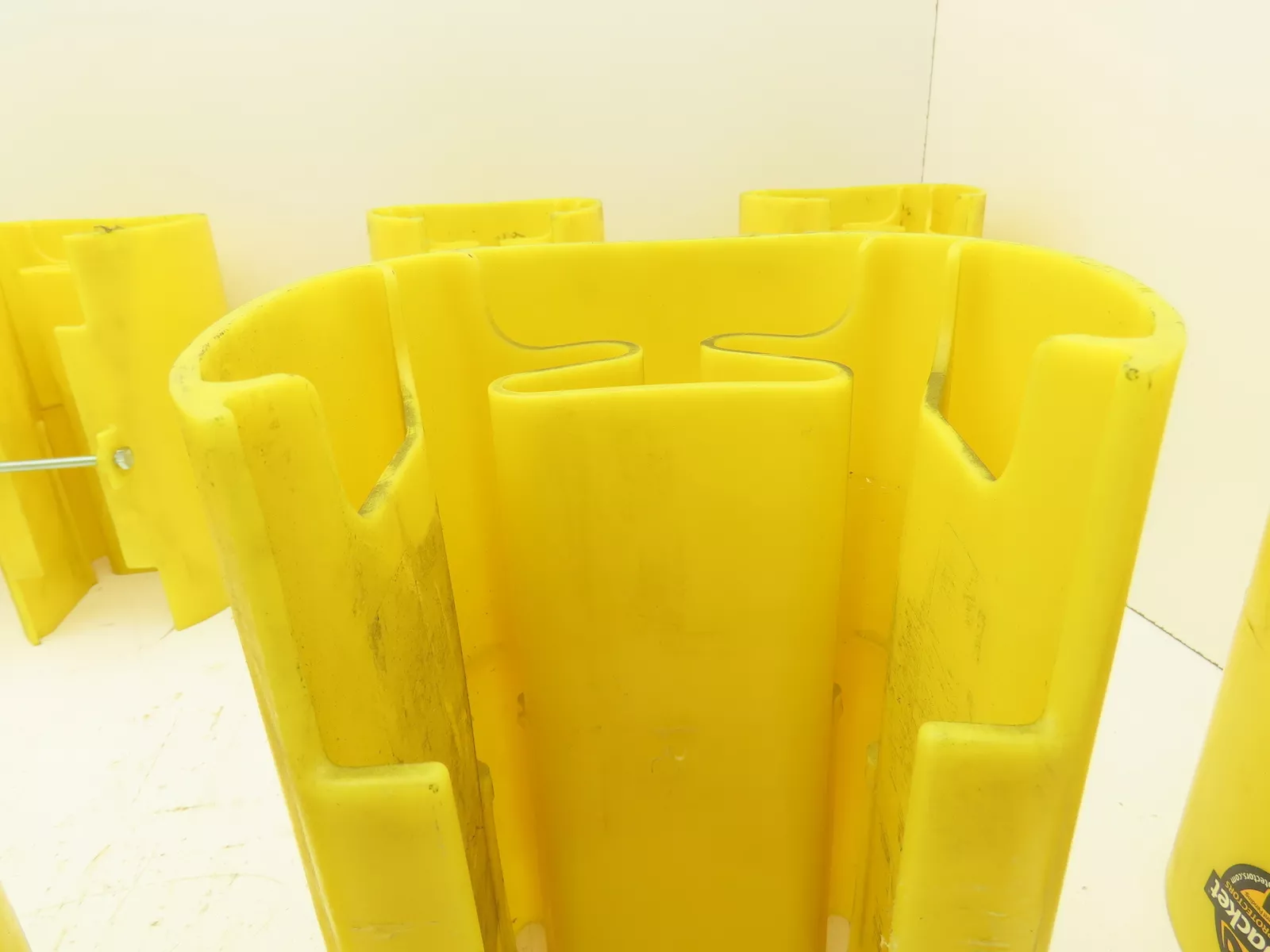
How Do Inventory Management Practices Affect Warehouse Design?
How Do Inventory Management Practices Affect Warehouse Design?
- Effective inventory management is crucial for successful warehouse operations.
- A solid inventory framework optimizes space and improves product accessibility.
- Pallet racking systems maximize vertical space and create easy access pathways.
- Understand your specific inventory needs to inform warehouse design choices.
- Integrating technology, like inventory management software, enhances operational efficiency.
- Strategic inventory management fosters customer trust through reliable product availability.
- Refining inventory practices is essential for thriving in today’s business environment.
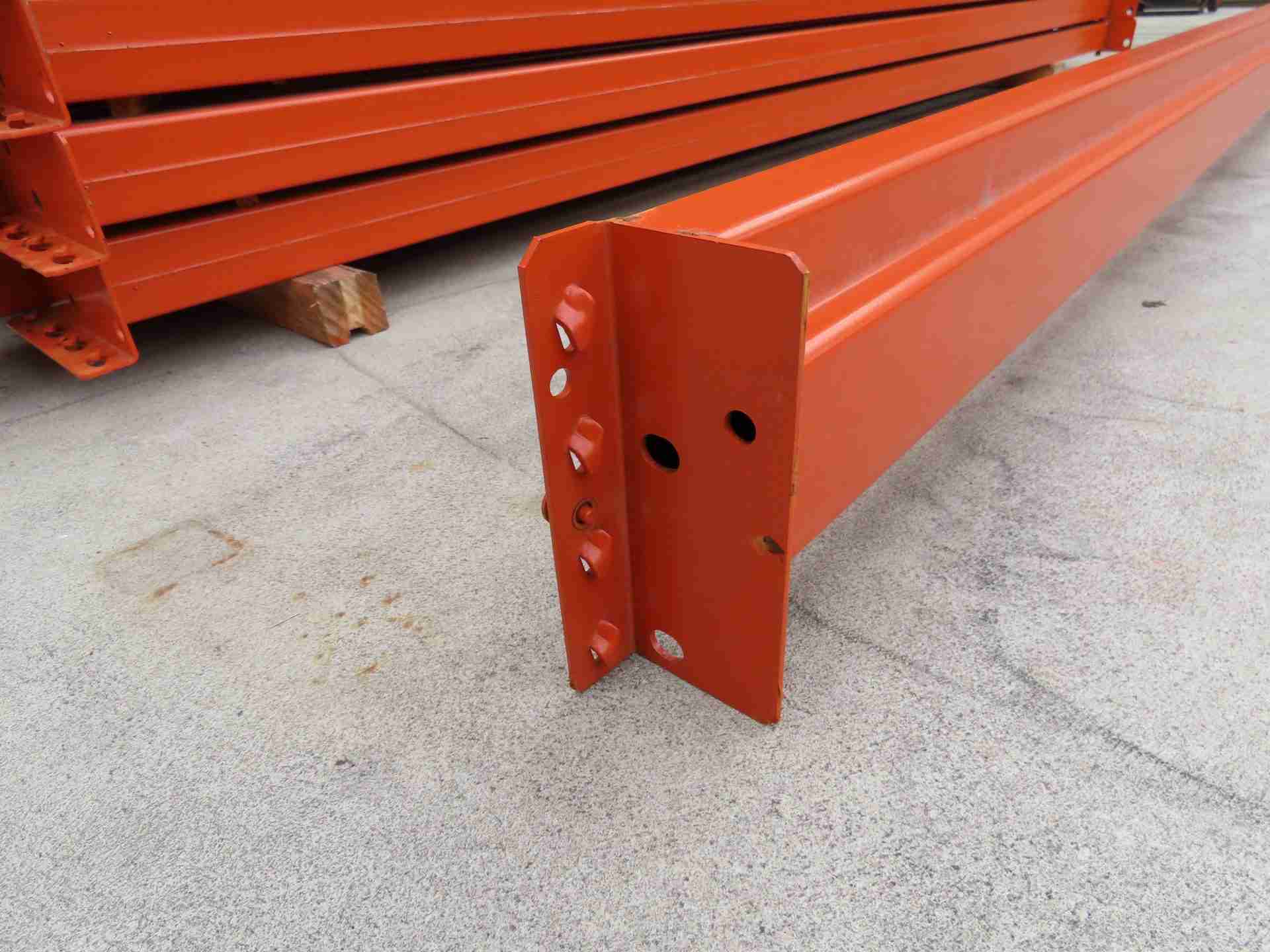
How Do Inventory Management Practices Affect Warehouse Design?
What Role Does Employee Workflow Play In Warehouse Layout Efficiency?
In the bustling world of warehousing, efficiency is king. Imagine your warehouse as a finely-tuned orchestra, where each instrument plays its part to perfection—every note and every beat aligned to create a harmonious flow. At the heart of this symphony lies the employee workflow, a critical factor in determining how well your warehouse layout performs.
Picture this: You have the latest in pallet racking technology designed to maximize storage space, yet chaos reigns as employees navigate a disorganized environment. You might be thinking, “How can this be?” The answer is simple—without a strategic workflow in mind, even the best pallet racking system will fall short. It’s not just about where things are stored; it’s about how your team interacts with those systems every day.
When you design a warehouse layout that prioritizes employee workflow, you unleash a wave of productivity. Consider the paths that employees take from receiving inventory to packing orders. Ensuring that these pathways are logical and direct minimizes time wasted on unnecessary movements. A well-structured flow reduces the number of steps an employee takes, leading to faster order fulfillment, lower operational costs, and higher employee satisfaction.
Moreover, the layout should accommodate team members working in tandem. When choosing the placement of your pallet racking, think about how items are picked and packed. Place high-demand items within easy reach to optimize retrieval times. When employees can access what they need without hindrance, morale boosts, and the work environment transforms into a landscape of motivation and accomplishment.
Collaboration is key. It’s important to involve your workforce in the design process. Ask for their input, their insights, and their experiences. They’re on the front lines, facing the challenges of day-to-day operations. Tapping into their knowledge can reveal pain points that may otherwise go unnoticed. When employees feel valued and heard, they become invested in the success of the warehouse, creating a cycle of improvement and innovation.
In an industry where every second counts, optimizing employee workflow is your ticket to a more efficient and productive warehouse layout. It’s time to harness the synergy between people and processes, using strategies that allow for seamless movement and flawless execution. Your warehouse can thrive—not just survive. So, let’s get started! The path to enhanced efficiency is waiting, and it begins with optimizing your most valuable asset: your team.
What Role Does Employee Workflow Play In Warehouse Layout Efficiency?
What Role Does Employee Workflow Play In Warehouse Layout Efficiency?
- Efficiency is crucial in warehousing, likened to a finely-tuned orchestra.
- Employee workflow is critical to the performance of warehouse layouts.
- Disorganized environments can undermine advanced pallet racking systems.
- Designing a strategic workflow minimizes unnecessary movement and enhances productivity.
- Optimal layout places high-demand items within easy reach for faster retrieval.
- Involving employees in the design process can reveal insights and pain points.
- Optimizing employee workflow leads to a more efficient and productive warehouse environment.
What Role Does Employee Workflow Play In Warehouse Layout Efficiency?
How Can Technology Optimize Your Warehouse Layout?
In the fast-paced world of warehousing and logistics, the difference between chaos and efficiency can often hinge on how well you utilize technology. Imagine walking into a warehouse that feels disorganized and chaotic, where your team members are frequently searching for products, wasting hours that could be spent fulfilling orders. Now, picture a streamlined operation where every second counts, every item is easy to locate, and productivity soars sky-high. This isn’t just a dream; it’s an attainable reality with the right tools and strategies in place.
One powerful way to optimize your warehouse layout is through advanced pallet racking systems. No longer are you confined to traditional methods of stacking boxes and pallets haphazardly; technology has revolutionized how we store and retrieve inventory. With innovative pallet racking solutions, you can maximize vertical space and create easy access aisles, transforming your entire storage system into a well-oiled machine. Imagine how quickly your team could process orders if every pallet was easily accessible and clearly organized.
By investing in a sophisticated warehouse management system (WMS), you can track inventory levels, analyze picking patterns, and fine-tune your layout in real time. This data-driven approach allows you to respond to changes in demand swiftly and effectively. You’ll not only enhance the efficiency of your warehouse but also empower your team to focus on what really matters – providing excellent customer service.
Moreover, technology enhances safety, ensuring that your warehouse operates smoothly and securely. Smart pallet racking systems come equipped with safety features, reducing the likelihood of accidents and injuries. When your employees feel safe and confident in their environment, productivity naturally increases, and turnover decreases.
But the advantages don’t stop there. By utilizing automation technologies such as RFID tracking and barcode scanning, you can further streamline operations. No more manual inventory checks or misplacing important items. You’ll always know where your products are, which means faster order fulfillment and happier customers.
In essence, embracing technology for your warehouse layout is the key to unlocking unprecedented levels of efficiency, safety, and customer satisfaction. By taking steps to integrate these advancements, you’re not just optimizing your space – you’re future-proofing your business. Don’t let outdated practices hold you back; leverage technology to build the warehouse of tomorrow today.
How Can Technology Optimize Your Warehouse Layout?
How Can Technology Optimize Your Warehouse Layout?
- The utilization of technology significantly impacts efficiency in warehousing and logistics.
- Advanced pallet racking systems optimize warehouse layout, maximizing vertical space and accessibility.
- Investing in a sophisticated warehouse management system (WMS) allows real-time inventory tracking and layout adjustments.
- Data-driven approaches improve responsiveness to demand changes and enhance overall warehouse efficiency.
- Technology enhances safety in warehouses, reducing accidents and increasing employee confidence.
- Automation technologies like RFID tracking and barcode scanning streamline operations and improve order fulfillment speed.
- Embracing technological advancements future-proofs businesses by enhancing efficiency, safety, and customer satisfaction.
How Can Technology Optimize Your Warehouse Layout?
Conclusion
If your warehouse feels more like a chaotic maze than a profit-generating powerhouse, it’s time for a transformative change. As we’ve explored throughout this article, an inefficient warehouse layout is not just a nuisance; it’s a silent profit killer. Imagine the lost sales from delayed orders, misplaced stock, and frustrated employees. It doesn’t have to be this way! By rethinking your warehouse design, particularly through the use of modern pallet racking systems, you can unlock a wealth of untapped profits.
Embracing a strategic layout means every square inch of your space is put to work, optimizing workflows and enhancing order fulfillment times. The days of inefficiency and chaos must come to an end. Instead, envision a well-organized environment where your employees can effortlessly navigate, orders are processed swiftly, and customers leave satisfied—guaranteeing their return.
Action is essential. Start by assessing your current layout, identifying bottlenecks and inefficiencies. Consult with experts who can help you strategize and implement solutions tailored to your unique challenges. It’s not merely about rearranging pallets; it’s about reshaping your entire operation. An efficient layout not only enhances productivity but also cultivates a culture of continuous improvement. Engage your team in the process, fostering invaluable insights that pave the way for innovation and growth.
Remember, change is not a luxury but a necessity in the competitive world of warehousing. Every moment you delay could be costing you money. Your warehouse should not conform to a subpar standard; it should shine as a beacon of efficiency, ready to serve your customers like never before. Through the integration of advanced technologies—like Warehouse Management Systems and automated tracking—you’ll not only improve your layout but also future-proof your business against emerging challenges in the industry.
The message is clear: the cost of inaction is steep, while the rewards for optimizing your warehouse layout are monumental. Call Arrow Industrial Sales at (574) 349-6575 today for expert guidance and to discover customized pallet racking solutions that can elevate your warehouse from a storage facility to a profit-generating asset. Time is of the essence, and every second you wait is another opportunity slipping through your fingers. Take the first step towards maximizing your profit potential—your bottom line will thank you!
Conclusion
Conclusion:
- Transform your chaotic warehouse into a profit-generating powerhouse.
- An inefficient warehouse layout can lead to lost sales and employee frustration.
- Modern pallet racking systems can help unlock untapped profits.
- Implementing a strategic layout optimizes workflows and enhances order fulfillment.
- Engage your team in assessing the current layout and identifying inefficiencies.
- Incorporate advanced technologies to future-proof your business.
- Contact Arrow Industrial Sales for expert guidance on customized solutions.
Conclusion
Other Resources
Other Resources
Here is a list of other resources you can review online to learn more:
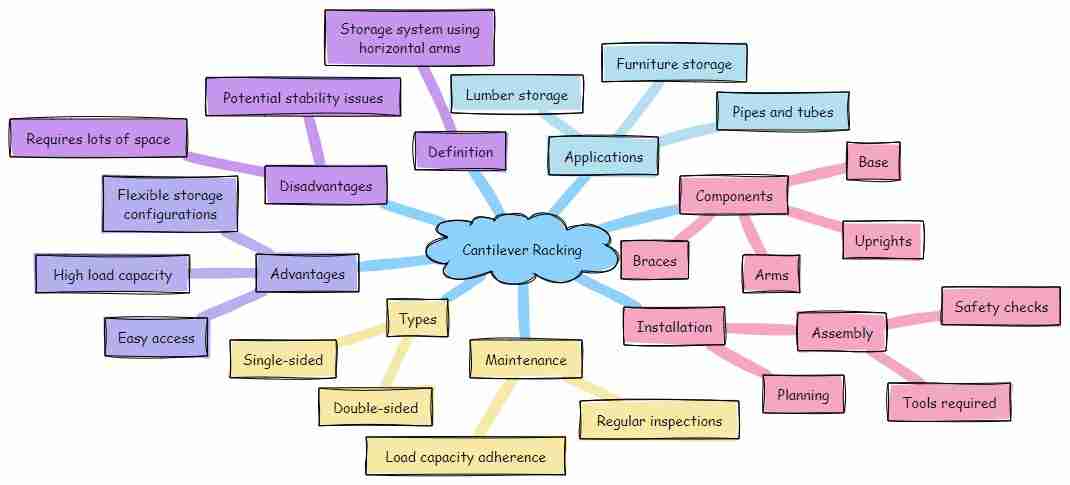
- Cantilever Rack Guide: Ordering Cantilever Racking
- Pallet Racks, Pallet Racking, Pallet Shelves in Stock – ULINE
- Racking World
- Interlake Mecalux
- Pallet Racking systems in Illinois and Great Lakes
- What is Selective Pallet Racking
- Warehouse Racking Chicago, IL
- Warehouse Racking Layout: The Ultimate Guide – Conger
- Cantilever Rack Guide: Ordering Cantilever Racking
- Selective Rack – Raymond West
Use This Prompt To Get More Resources With Your Favorite Online AI Tool: Please provide me with a list of online articles with their URLs in a bulleted list that I can read regarding Are You Missing Out on Profits Due to Inefficient Warehouse Layout?
Other Resources
Glossary Terms
Are You Missing Out on Profits Due to Inefficient Warehouse Layout? – Glossary Of Terms
1. Layout Design: The arrangement of different sections and elements within a warehouse to maximize efficiency and productivity.
2. Space Utilization: The effective use of available space in a warehouse to store goods, minimizing wasted areas.
3. Picking Route: The path taken by warehouse staff to collect items for orders, aimed at reducing time and effort.
4. Storage Systems: Various methods and structures used to store products in a warehouse, including pallets, shelves, and racks.
5. Inventory Management: The process of overseeing and controlling stocked items, ensuring optimal levels are maintained.
6. Throughput: The rate at which products are processed through a warehouse, often measured in units per hour.
7. FIFO (First In, First Out): An inventory management strategy where the oldest stock is sold first to minimize spoilage or obsolescence.
8. LIFO (Last In, First Out): An inventory management strategy where the most recently acquired items are sold before older stock.
9. Cross-Docking: A logistics practice where incoming goods are directly transferred to outbound shipping without long-term storage.
10. Aisle Width: The distance between storage racks in a warehouse, which affects accessibility and the efficiency of moving goods.
11. Lean Warehousing: A methodology that aims to reduce waste and improve efficiency in warehouse operations.
12. Flow Racking: A storage system that uses inclined shelves, allowing items to flow from one end to another, improving picking efficiency.
13. Cycle Counting: A periodic audit method where a portion of inventory is counted on a rotating schedule, ensuring accuracy.
14. Slotting Optimization: The process of determining the most efficient placement of products within a warehouse based on demand and size.
15. Automation: The use of technology and machinery to streamline warehouse operations, reducing the need for manual labor.
16. Warehouse Management System (WMS): Software designed to optimize warehouse operations, facilitating inventory control and order fulfillment.
17. Dynamic Storage: Flexible storage systems that can change to meet varying inventory levels and sizes, improving efficiency.
18. Receiving Area: The section of a warehouse designated for accepting and processing incoming shipments.
19. Shipping Area: The designated space for packaging and preparing outgoing orders for delivery.
20. Lead Time: The total time it takes from placing an order to receiving it, including warehousing and delivery.
21. Return Processing: The procedure for handling returned items, including inspection, restocking, and repackaging.
22. Ergonomics: The study of designing warehouses and workflows to promote safety, comfort, and efficiency for workers.
23. Material Handling: The movement, protection, and storage of products throughout the warehousing process.
24. Order Fulfillment: The complete process of receiving, processing, and delivering orders to customers.
25. Safety Stock: Additional inventory held to prevent stockouts during unexpected demand spikes or delays.
26. Barcode System: A method of tracking products using barcodes, improving accuracy in inventory management and order picking.
27. Transport Equipment: Tools such as forklifts, pallet jacks, and conveyor belts used to move items within the warehouse.
28. Workstation Design: The configuration of work areas for order picking, packing, and processing, tailored for maximum efficiency.
29. Performance Metrics: Quantitative measures used to assess the effectiveness of warehouse operations, such as order accuracy and turnaround time.
30. Bottleneck: A point in the warehouse process where the flow of operations slows down, often leading to delays and inefficiencies.
Glossary Of Terms
Other Questions
Are You Missing Out on Profits Due to Inefficient Warehouse Layout? – Other Questions
If you wish to explore and discover more, consider looking for answers to these questions:
- What are the key elements of an efficient warehouse layout?
- How do I assess the current efficiency of my warehouse layout?
- What types of pallet racking systems are available and how do I choose one?
- What metrics should I track to measure warehouse efficiency?
- How can I engage my employees in the layout redesign process?
- What are the cost implications of redesigning a warehouse layout?
- How do technology solutions integrate with warehouse design?
- What role does training play in implementing a new warehouse layout?
- How can I maintain flexibility in my warehouse layout as my business grows?
- What are some best practices for maximizing vertical space in a warehouse?
- How does inventory management software impact warehouse layout?
- What are the signs that my warehouse layout is inefficient?
- How frequently should I re-evaluate my warehouse layout?
- What safety considerations should I prioritize in warehouse design?
Other Questions
Checklist
Are You Missing Out on Profits Due to Inefficient Warehouse Layout? – A Checklist
1. Assess Current Warehouse Layout
✅ _____ Conduct a thorough analysis of your existing warehouse layout.
✅ _____ Identify bottlenecks and areas that cause delays.
2. Implement Efficient Pallet Racking Systems
✅ _____ Replace outdated shelving methods with modern pallet racking systems.
✅ _____ Ensure pallet racks are strategically placed for easy access.
3. Optimize Inventory Flow
✅ _____ Analyze the turnover rate of your inventory and position high-demand items nearby.
✅ _____ Design pathways that reduce unnecessary movement for employees.
4. Foster Continuous Improvement
✅ _____ Involve your team in discussions about the current layout effectiveness.
✅ _____ Encourage suggestions for improvements from employees working directly in the warehouse.
5. Conduct Regular Reviews
✅ _____ Schedule periodic assessments of the warehouse layout to identify inefficiencies.
✅ _____ Adjust the layout as your inventory and order volumes change.
6. Enhance Employee Workflow
✅ _____ Map out the workflow of employees to ensure efficient movement through the warehouse.
✅ _____ Create logical paths that minimize travel time and physical effort for employees.
7. Incorporate Technology
✅ _____ Invest in a Warehouse Management System (WMS) to track inventory and optimize layout.
✅ _____ Implement automation technologies like RFID and barcode scanning for inventory management.
8. Prioritize Safety
✅ _____ Ensure that pallet racking systems come with safety features and guidelines.
✅ _____ Regularly train employees on safety practices and efficient operation.
9. Utilize Vertical Space
✅ _____ Maximize the use of vertical space in your warehouse with appropriate racking systems.
✅ _____ Keep aisles clear for easy navigation and retrieval of products.
10. Measure and Analyze Performance
✅ _____ Establish key performance indicators (KPIs) to evaluate warehouse efficiency.
✅ _____ Analyze data collected to make informed decisions on layout adjustments.
11. Stay Adaptable
✅ _____ Remain open to changes in the layout as the business grows or market demands shift.
✅ _____ Keep abreast of new warehouse solutions and technologies to improve efficiency.
By following this checklist, you can transform your warehouse from a chaotic physical space into a well-organized operation that maximizes both efficiency and profit potential. Make it a priority to enhance your warehouse practices today!
Checklist
At RackingWorld, we help guide you through selecting warehouse storage systems and racking.
Be sure to read our other related stories at RackingWorld to learn more about warehouse storage systems.
0 Comments