
The Best Way To Organize Your Warehouse Racks
By Tom Seest
At RackingWorld, we help guide you through selecting warehouse storage systems and racking.
Be sure to read our other related stories at RackingWorld to learn more about warehouse storage systems.
Should You Layout Racks In Rows Or Pods?
When it comes to racking your storage spaces, the debate between rows and pods isn’t just about maximizing space—it’s about the heart, head, and gut of your operation. Picture a bustling warehouse, each square foot humming with purpose. Your racking layout can either accelerate that rhythm or throw it completely off-beat.
Rows, like soldiers aligned for drill, offer clarity and an unambiguous path through the chaos of inventory. This layout is the rational choice for many. It allows for easy navigation, efficient picking, and streamlined access. The rows stand as a testament to order, offering a sense of control that every business craves. When your racking is organized this way, you’re not just stacking pallets; you’re cultivating a sense of trust among your team. They know where to find what they need, and that confidence ripples through the entire operation.
On the other hand, the pod system swaps that strictness for a communal vibe. It’s the marketing team huddled in brainstorming pods—collaborative, interconnected, and utterly dynamic. This layout promotes social interaction, allowing workers to communicate more freely and share insights as they work. The ethical appeal here is undeniable: why not foster a team dynamic that promotes creativity alongside productivity? By clustering racking into pods, you’re not merely designating storage spaces; you’re crafting a community that thrives on collaboration and shared responsibility.
The choice isn’t black and white; it requires weighing the emotional weight each layout carries. Rows can elicit feelings of rigidity, while pods offer freedom. A well-thought-out decision here can inspire your team to embrace change rather than endure it.
Consider who you trust—the experts who’ve authored the manual on efficient storage solutions, or the bitter experience of managing inadequate layouts. Seeking advice from seasoned veterans alongside your own insights will arm you with an authority that’s hard to ignore.
So, as you ponder: Should you layout racks in rows or pods? Think about what you want to foster—a sense of order, or a culture of collaboration. Align your racking with the needs of your people, and watch how it transforms not just your space, but your entire operation. The right choice will resonate in your gut, striking a balance between structure and freedom, pushing your warehouse—and your team—toward greater productivity and satisfaction.

Should You Layout Racks In Rows Or Pods?
Should You Layout Racks In Rows Or Pods?
- Racking layout impacts both space utilization and operational rhythm in a warehouse.
- Row layouts provide clarity, efficient navigation, and a sense of control for inventory management.
- Organized rows can enhance trust among team members by clearly indicating where to find items.
- Pod systems foster collaboration and social interaction, creating a dynamic work environment.
- Choosing between rows and pods involves emotional considerations—rows represent rigidity, while pods symbolize freedom.
- Seek advice from experts and learn from past experiences to make an informed racking decision.
- Aligning racking systems with team needs can transform workspace dynamics, boosting productivity and satisfaction.
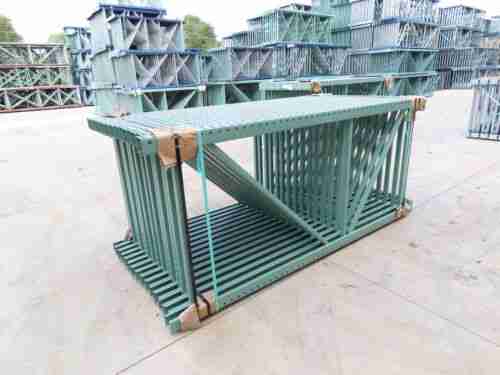
Should You Layout Racks In Rows Or Pods?
Table Of Contents
- Should You Layout Racks In Rows Or Pods?
- What Emotional Connection Do You Have with Your Warehouse Layout?
- How Does the Layout Impact Employee Morale and Productivity?
- What Ethical Implications Arise From Choosing One Layout Over Another?
- Who Are the Industry Authorities You Trust for Layout Recommendations?
- Can a Narrative About Your Layout Influence Stakeholder Buy-In?
- Conclusion
- Other Resources
- Glossary Of Terms
- Other Questions
- Checklist
What Emotional Connection Do You Have with Your Warehouse Layout?
Warehouse operations are often seen as a mechanical world of racking and sorting, yet beneath that façade lies a complex emotional landscape that speaks to the heart of every worker. Think about it: each aisle tells a story, each pallet an unspoken promise. When you step into your warehouse, do you feel the pulse of purpose? Can you see beyond the shelves and systems to the people who rely on this space for their livelihoods?
Emotionally, the connection to your warehouse layout runs deeper than product placement. It’s about the relationships forged over time—how every inch of space can either invite collaboration or foster chaos. Each time a fork truck glides along those carefully designed pathways, it’s not just about efficiency; it’s about enabling camaraderie among a team that’s been striving for a common goal. The layout shapes the daily rhythm of work, enhancing how coworkers communicate and connect, turning a sterile environment into a vibrant workplace.
Then there’s the rational aspect. A thoughtfully designed layout doesn’t just make good sense; it drives results. Good racking provides not only clear sightlines but also optimizes workflows, reducing the steps taken and the time wasted. When employees find joy in navigating their space, productivity naturally flourishes, leading to less stress and more job satisfaction. Think about the synergy that arises when everyone can find what they need without the mess, frustration, and delay.
Ethically, a well-planned warehouse layout should prioritize safety and well-being. It shows respect for your team. It conveys that you care about their health and efficiency. When workers feel safe and valued, they’re more likely to take ownership of their tasks, leading to improved morale and better performance. This is where the heart and head truly align—creating a culture of trust and accountability.
And let’s not forget the compelling narrative behind every warehouse. It’s a living, breathing entity shaped by the efforts of countless individuals. Your layout can either amplify or mute these crucial stories, reflecting the values your organization holds dear. Remember, a layout is more than logistics; it’s the backbone of your operations, connecting people and purpose.
So, as you survey your warehouse space, ask yourself: What emotional connection do you foster with this environment? The answer may just redefine how you see not only your operations but also the very spirit of the team that drives them forward.
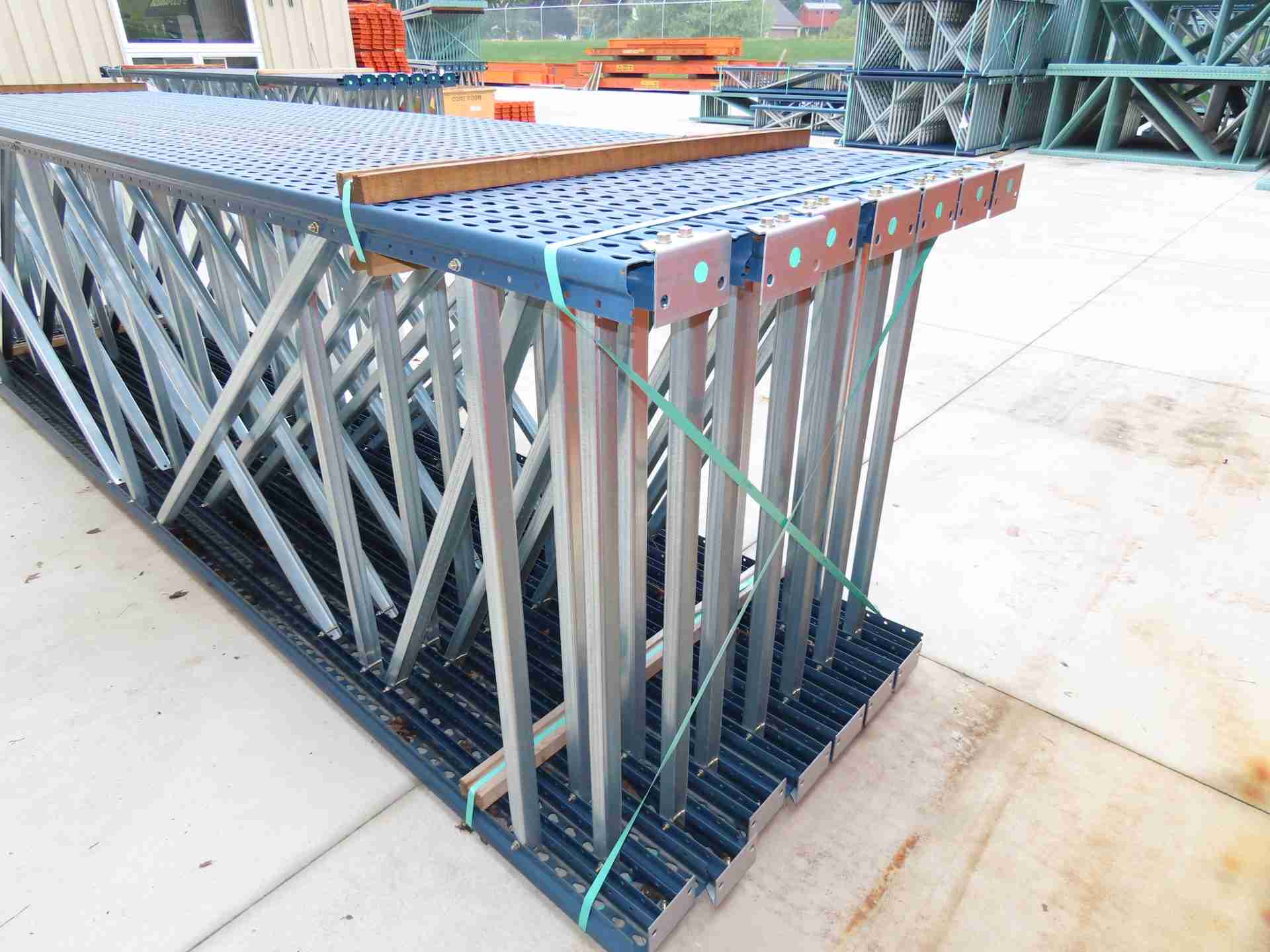
What Emotional Connection Do You Have with Your Warehouse Layout?
What Emotional Connection Do You Have with Your Warehouse Layout?
- Warehouse operations encompass both mechanical efficiency and emotional connections among workers.
- Each aisle and pallet in the warehouse tells a unique story, highlighting its importance to workers’ livelihoods.
- A well-designed layout fosters collaboration, enhancing communication and camaraderie among team members.
- Effective racking optimizes workflows, reduces wasted steps, and contributes to overall productivity and job satisfaction.
- Safety and well-being should be prioritized in warehouse design, demonstrating care for employees and boosting morale.
- The warehouse is a dynamic entity shaped by the collective efforts of individuals, reflecting the organization’s values.
- Reevaluating emotional connections to the warehouse can transform perceptions of operations and team spirit.
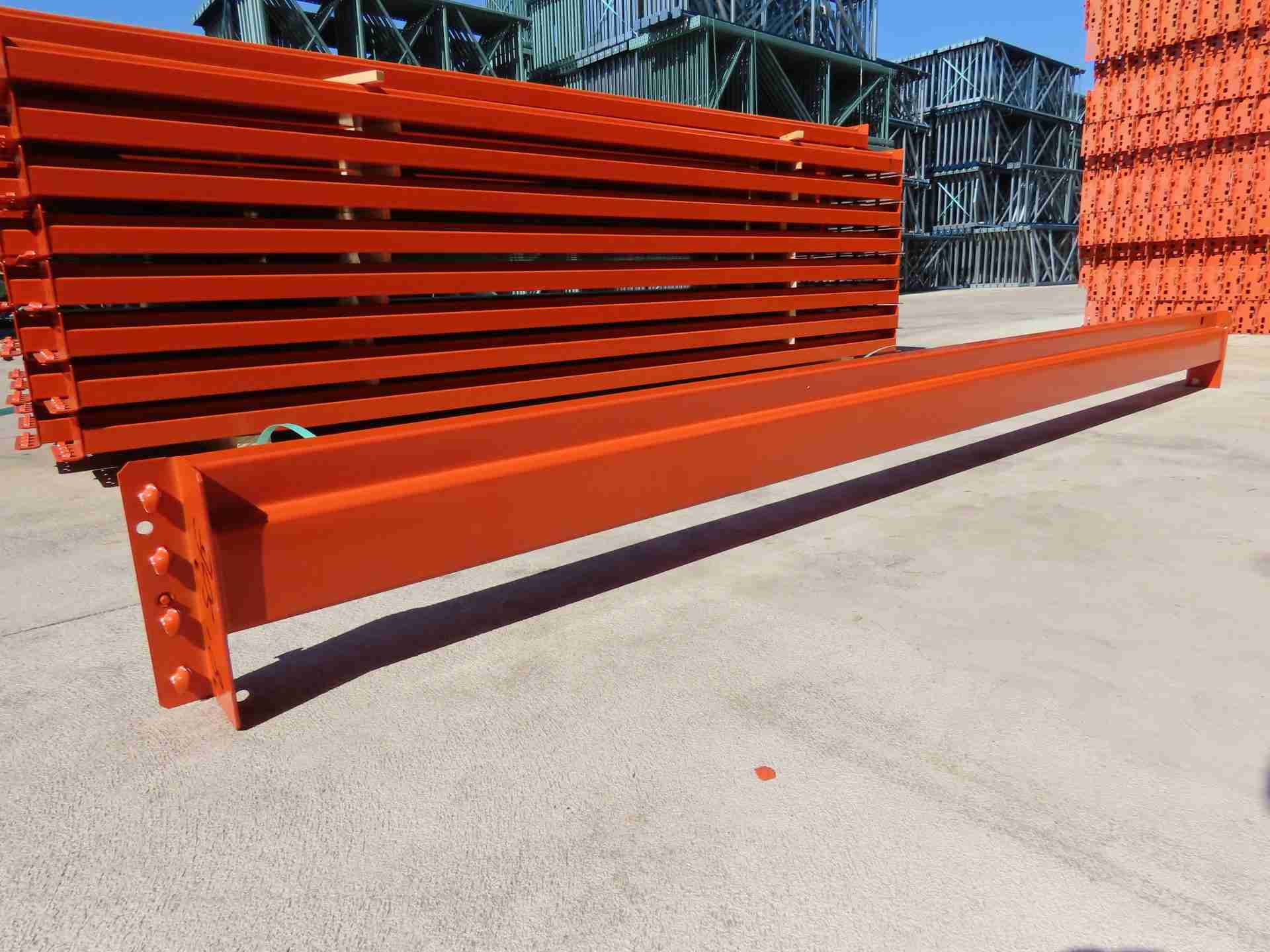
What Emotional Connection Do You Have with Your Warehouse Layout?
How Does the Layout Impact Employee Morale and Productivity?
When we talk about the layout of a workplace, we need to step back and consider its heartbeat—how it resonates with every employee who walks through the door. Imagine a space that’s not just functional but nurturing. A place where racking systems align not just with inventory but with the very essence of teamwork, communication, and creativity. An inspired layout can make all the difference, cranking positivity into every corner and giving our people the encouragement they need to thrive.
Visualize entering a well-organized office, where open spaces invite collaboration and offer solace, while private areas provide a sanctuary for focused work. This isn’t just about aesthetics; it’s about mental clarity and emotional well-being. When employees see their environment as a partner in their tasks, they feel valued. This sparks a sense of ownership—everyone knows they play a vital role, and the work feels less like a chore and more like a calling.
Let’s get real. A cluttered, chaotic workspace demoralizes like a rainy day on a long drive. Employees may feel stifled, frustrated, and undervalued. Studies show that layout contributes significantly to productivity, where an intuitive design enhances efficiency and encourages connection. When people can find their tools, collaborate seamlessly, and feel energizing vibes surrounding them, they produce at their peak—turning daily grind into meaningful strides.
Moreover, there’s an ethical layer that mustn’t be overlooked. Providing a supportive environment is about more than just business metrics. It’s a commitment to the people we entrust our vision to. A thoughtfully designed space communicates respect, signaling to your team that their comfort and satisfaction are priorities. This nurtures loyalty and instills a culture of respect—an invaluable currency in today’s work world.
Remember the times when camaraderie bubbled through lunch breaks, or laughter echoed during team sessions? These moments often stem from layout choices that encourage social interactions. However, let’s not forget the unseen struggles many face when their environment doesn’t inspire them. A space designed with care not only lifts spirits but fosters connections that go beyond the cubicle.
So, while we invest in software and policies, let’s not overlook what keeps our teams motivated—their surroundings. Let’s shape spaces where people can flourish, feel like part of something bigger, and, ultimately, deliver their best selves. After all, in this community of workers, every layout change could be a leap toward a more productive future.
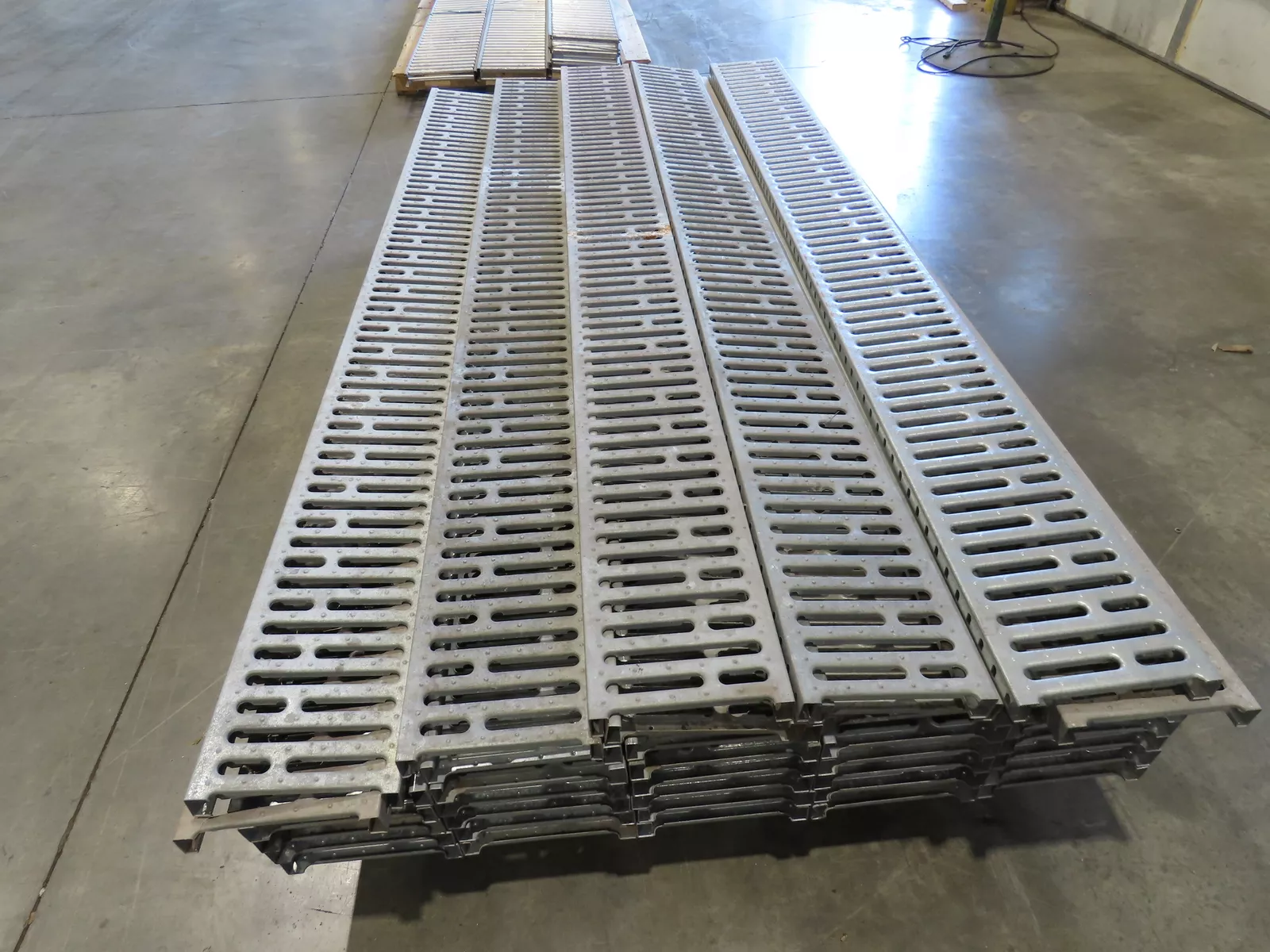
How Does the Layout Impact Employee Morale and Productivity?
How Does the Layout Impact Employee Morale and Productivity?
-
- The layout of a workplace impacts every employee’s experience, crucial for fostering teamwork, communication, and creativity.
- A well-organized office features open spaces for collaboration and private areas for focused work, enhancing mental clarity and emotional well-being.
- An inspired workspace promotes a sense of ownership among employees, making work feel meaningful rather than like a chore.
- Intuitive design in workplace layout enhances productivity by allowing easy access to tools and facilitating collaboration.
- A supportive environment communicates respect and prioritizes employee comfort, fostering loyalty and a culture of respect.
- Investing in thoughtful space design encourages social interactions and helps create a motivated workforce, essential for achieving business goals.

How Does the Layout Impact Employee Morale and Productivity?
What Ethical Implications Arise From Choosing One Layout Over Another?
When it comes to layouts in any industry, the choices we make can resonate far beyond aesthetics; they ripple through the fabric of daily life. Picture a warehouse filled to the rafters, with systems of racking meeting the needs of products and people. But what happens when you prioritize efficiency over employee safety or environmental sustainability? Suddenly, a simple decision about layout becomes a matter of ethics.
Choosing one layout over another can feel like selecting the best route on a road trip—each option comes with its own set of pros and cons. Yet, we must consider not just what works best for the bottom line, but also what aligns with our values and responsibilities. While some layouts may promise higher throughput, they might inadvertently compromise the safety of workers. Imagine the stress of an overweight shelf collapsing due to poor racking design, leaving employees to deal with physical danger instead of thriving in a safe environment. This impacts morale, productivity, and ultimately, the trust that workers place in their employers.
Thinking about layouts requires both head and heart. From a rational standpoint, optimizing space is vital to operational efficiency. But feel the gut punch of a compromised work environment. When designing a layout, are we willing to sacrifice the well-being of our employees for marginal gains? Ethical implications emerge when we realize that every decision contributes to a larger narrative—one where worker dignity and safety must be prioritized alongside financial considerations.
This carries social weight too. In an age where transparency is not just appreciated but demanded, how a business operates matters. If employees find themselves in poorly-designed spaces that reflect careless choices, what does that say about a company’s values? We live in an interconnected world, where a company’s ethical stance—or lack thereof—can provoke widespread conversations and amplify community sentiments.
So choose wisely; let integrity guide your design decisions. Investing in thoughtful layouts establishes not only trust but also long-lasting relationships with your employees. It shows you care—about their well-being, their workspaces, and the worlds they inhabit beyond those walls. The true measure of a layout isn’t just in its functionality; it’s in how it reflects our commitment to doing right by those who make it all possible. In every racking system planned, let’s ensure we’re building more than just structure; let’s build a legacy of care and responsibility.
What Ethical Implications Arise From Choosing One Layout Over Another?
What Ethical Implications Arise From Choosing One Layout Over Another?
- Layout choices impact more than just aesthetics; they influence daily life and ethical considerations.
- Prioritizing efficiency can lead to safety compromises for employees and undermine environmental sustainability.
- Choosing a layout involves weighing pros and cons, which should align with values and responsibilities.
- Layouts promising higher throughput may endanger workers, affecting morale and trust in employers.
- Designing effective layouts requires balancing operational efficiency with employee wellbeing and safety.
- Transparent and ethical business practices are increasingly demanded by employees and the community.
- Thoughtful layout decisions establish trust, build relationships, and reflect a commitment to employee care.
What Ethical Implications Arise From Choosing One Layout Over Another?
Who Are the Industry Authorities You Trust for Layout Recommendations?
When it comes to layout recommendations in any industry, the voices we choose to listen to can shape not just our projects but our very understanding of what’s possible. Who are the industry authorities trusted to lead the way? These aren’t just figures on a pedestal; they’re seasoned pros, often with grease-stained hands from working through the muck and mire of real-world challenges. They’ve spent years perfecting their craft, sacrificing weekends and sleepless nights to hone their understanding of nuances that often elude the untrained eye.
Take the makers behind sustainable racking solutions, for instance. They’re not just engineers or designers; they’re guardians of efficiency, guardians of the planet, crafting systems that optimize space while minimizing waste. The ethical commitment to sustainable practices inspires confidence, reassuring us that every inch saved in our designs contributes to a healthier world. Their stories weave together a rich tapestry of trial and triumph—each setback forging a deeper understanding of how to blend functionality with environmental stewardship.
Listening to these authorities is about more than just technical know-how; it’s about empathy and connection. They understand the frustrations of the curbside inventor, the ambitious entrepreneur in a garage, or the operations manager buried in the realm of spreadsheets. They take the time to engage, sharing insights that are practical, applicable, and sometimes, brutally honest. Their discussions resonate because they’re grounded in experience, underpinned by data and research. They don’t shy away from the gut-punch truths of setbacks and failures, urging us to see these moments not as roadblocks but as stepping stones.
Moreover, there’s a growing community around these authorities—a network of enthusiasts and professionals who come together to share knowledge and elevate one another. This camaraderie fosters an environment where questions are welcomed, and experimentation is encouraged. It’s important to lean into this space of collaboration, to find those on a similar journey who can offer support, advice, and, yes, even the occasional dose of tough love.
As you navigate your own layout challenges, remember you’re not alone. Trust in those who have weathered the storms and emerged both smarter and wiser. Their passion fuels the industry, and their recommendations can illuminate your path forward, transforming the mundane into extraordinary. Dive into their narratives; they just might be the guiding light your next project needs to flourish.
Who Are the Industry Authorities You Trust for Layout Recommendations?
Who Are the Industry Authorities You Trust for Layout Recommendations?
- Layout recommendations influence project outcomes and broaden our understanding of possibilities.
- Industry authorities are experienced professionals who have faced real-world challenges.
- Makers of sustainable racking solutions prioritize efficiency and environmental stewardship.
- These experts inspire confidence through their commitment to ethical practices and functionality.
- Their insights resonate due to empathy and connection, grounded in practical experience.
- A growing community of enthusiasts and professionals fosters collaboration and knowledge sharing.
- Trust in experienced authorities can transform challenges into opportunities for growth.
Who Are the Industry Authorities You Trust for Layout Recommendations?
Can a Narrative About Your Layout Influence Stakeholder Buy-In?
When it comes to bringing stakeholders on board, the narrative surrounding your layout isn’t just an afterthought—it’s the foundation of persuasive storytelling that resonates with your audience on multiple levels. Picture this: a community center layout is more than just a blueprint; it’s a promise of connection and collaboration. When you tell the story of that space, you’re not just detailing where the racking will go or how the windows will frame the morning light; you’re sharing a vision that encapsulates hopes and dreams.
Emotionally, consider the single parent who needs that meeting room for educational workshops or the local artist who sees their work displayed in an inviting gallery space. These are not just random individuals; they’re your neighbors, your friends, and their stories matter. Sprinkle in the facts—great layout increases community engagement by 20%—and suddenly, you have a compelling argument. Appeal to the rational mind with statistics, but don’t forget to paint the picture of a vibrant community space that can heal, inspire, and uplift.
Ethically, instilling a sense of responsibility to create accessible environments builds trust among stakeholders. Your narrative should reflect inclusivity; share stories of how the layout was designed with diverse voices in mind. Show how racking designed for various programs doesn’t just maximize efficiency but creates opportunities for all marginalized groups.
Drawing on authority, harness success stories from previous projects that echo the transformative power of a well-thought-out space. Use testimonials, expert insights, and real-life impacts as your groundwork. These aren’t just arbitrary claims; they’re documented proof that can silence even the most skeptical voices.
Finally, your narrative must cultivate a sense of social belonging. Engage your audience; let them feel they’re part of something bigger. It’s more than just buying into a project; it’s about sharing a vision that will last for generations. That’s how you create not just supporters but passionate advocates. By weaving these threads together in your layout narrative, you ignite a movement that inspires action—one that harmonizes the heart, head, and gut, compelling stakeholders to rally around your vision.
Can a Narrative About Your Layout Influence Stakeholder Buy-In?
Can a Narrative About Your Layout Influence Stakeholder Buy-In?
- The narrative of a layout is essential for persuasive storytelling that resonates with stakeholders.
- A community center layout represents a promise of connection and collaboration, going beyond mere blueprints.
- Emotional appeal through individual stories can enhance the importance of the space in the community.
- Combining statistics, such as a 20% increase in community engagement with meaningful narratives, creates compelling arguments.
- Building trust through narratives that promote inclusivity and accessibility fosters a sense of responsibility among stakeholders.
- Utilizing success stories and testimonials demonstrates the impact of well-designed spaces on communities.
- Creating a sense of social belonging engages stakeholders, transforming them into passionate advocates for the vision.
Can a Narrative About Your Layout Influence Stakeholder Buy-In?
Conclusion
Rethinking your warehouse layout isn’t just a mechanical decision; it’s an emotional journey that touches upon the heart, head, and gut. At first glance, the debate between rows and pods may seem like a simple choice about efficiency or aesthetics, but dig a little deeper, and you uncover a landscape rich with implications. You see, a well-organized warehouse is not merely a place where goods are stored; it’s a living entity, pulsating with the energy of the people who work within its walls.
Rows offer clarity and control, much like a dependable map guiding workers through the chaos of inventory. This layout fosters a sense of trust, ensuring that employees can navigate their responsibilities with confidence. For many, the structured lines of rows represent a commitment to order and reliability—qualities that resonate deeply in the fast-paced world of logistics. But rows can feel rigid, discouraging creativity and stifling collaboration.
Enter the pod system—a model that embraces community at its core. Pods not only provide a space for storage; they cultivate an environment where teamwork flourishes. When employees are encouraged to communicate and collaborate, camaraderie blossoms, transforming a sterile workspace into a vibrant community. This layout doesn’t just optimize operations; it intertwines personal interactions with productivity, crafting a spirited atmosphere where every individual feels valued.
However, layering these considerations demands introspection about ethics and responsibility. Efficient design must never come at the cost of safety or well-being. The choice between rows and pods isn’t just about maximizing throughput; it’s about reflecting the values you hold dear as an organization. Prioritizing worker safety and comfort elevates the entire operation, transforming it into a sanctuary where employees can thrive.
Consulting with industry experts can also shape this conversation, offering insights informed by experience and proven results. These authorities bring a wealth of knowledge, helping you navigate the myriad choices with confidence. Moreover, engaging in dialogue fosters a sense of belonging, where every voice counts and contributes to a unified vision.
Ultimately, the decision you make about your layout will ripple through your organization. It can inspire a culture of trust and collaboration, or it can lead to frustration and disengagement. What matters is leading with intention—building a layout that resonates with your core values, empowers your team, and, above all, drives your operation toward a cohesive and purposeful future. As you ponder this choice, let it resonate in your heart, echo in your mind, and stir your gut instincts. That’s the way you create something truly extraordinary in your warehouse.
Conclusion
Conclusion:
- Rethinking warehouse layout is an emotional journey involving heart, head, and gut.
- The choice between rows and pods goes beyond efficiency and aesthetics; it reflects deeper organizational values.
- Rows provide clarity and control, fostering trust and navigating responsibilities but can stifle creativity.
- The pod system promotes teamwork and communication, transforming the workspace into a vibrant community.
- Design choices should prioritize safety and well-being, reflecting an organization’s ethical values.
- Consulting industry experts offers valuable insights and fosters a sense of belonging among employees.
- The layout decision influences organizational culture, inspiring trust and collaboration or leading to disengagement.

Conclusion
Other Resources
Other Resources
Here is a list of other resources you can review online to learn more:
- Warehousing and Fulfillment
- Warehouse Storage Racking in Illinois
- Warehouse Storage Racks
- Warehouse Racks, Warehouse Racking in Stock – ULINE
- Cantilever Rack Configuration & Installation: A Comprehensive Guide – BMH
- Cantilever Racking Specialists – Get the Right Racks
- Selective Racking
- Selective Racking
- Logic Material Handling
- Teardrop Racks – Pallet Rack World
- Warehouse Automation
- Warehousing Education and Research Council: https://www.werc.org/
- Warehouse Racking System: Powerful Guide to Optimise, 2024
- What is Selective Pallet Racking
- Material Handling Safety
- The Ultimate Pallet Racking Guide – Speedrack West
- Chicago Pallet Racking
- Overhead Lifting
- Pallet Racks, Pallet Racking, Pallet Shelves in Stock – ULINE
- Shipping Boxes, Packaging Materials, Pallet Racking
Use This Prompt To Get More Resources With Your Favorite Online AI Tool: Please provide me with a list of online articles with their URLs in a bulleted list that I can read regarding Should You Layout Racks In Rows Or Pods?

Other Resources
Glossary Terms
Should You Layout Racks In Rows Or Pods? – Glossary Of Terms
1. Rack Layout: The configuration of storage systems within a warehouse or storage area, influencing accessibility and efficiency.
2. Rows: A linear arrangement of racks positioned parallel to one another, promoting straightforward access to items.
3. Pods: A clustered layout where groups of racks are organized together, often focusing on specific product categories or workflows.
4. Accessibility: The ease with which items can be reached and retrieved from storage, impacting efficiency and productivity.
5. Workflow: The sequence of processes involved in the handling of materials from receipt to storage and retrieval.
6. Inventory Management: The process of overseeing and controlling stock levels, ensuring adequate availability while minimizing excess.
7. Storage Density: The amount of product that can be stored in a given space, a critical factor in maximizing warehouse capacity.
8. Picking Efficiency: The speed and accuracy with which items are picked from storage, affected by layout design.
9. Traffic Flow: The movement patterns of personnel and equipment within a storage area, influencing layout decisions for safety and efficiency.
10. Open Aisles: Unobstructed pathways that facilitate movement between racks, important for safety and ease of access.
11. Space Utilization: The effective use of available space in a storage area, maximized through thoughtful rack layout choices.
12. Flexibility: The ability of a layout to adapt to changing inventory needs, such as product types or volumes.
13. Ergonomics: The study of how design affects human performance, crucial in designing layouts that minimize strain on workers.
14. SKU (Stock Keeping Unit): A unique identifier for each product in inventory, impacting layout design by dictating storage needs.
15. Load Capacity: The maximum weight a rack can safely hold, crucial for ensuring safety and structural integrity.
16. Accessibility Zones: Designated areas intended for easy access to frequently used items, typically located near workstations or shipping areas.
17. Segmentation: The practice of dividing inventory into distinct groups based on characteristics, facilitating efficient retrieval and organization.
18. Lead Time: The time it takes to process an order from receipt to fulfillment, potentially influenced by layout design.
19. Cycle Counting: An inventory auditing technique where a portion of stock is counted on a scheduled basis, affecting layout based on item movement frequency.
20. Safety Regulations: Guidelines aimed at ensuring worker safety and proper storage practices, which can dictate layout choices.
21. Visual Flow: The intuitive organization of items that allows quick recognition and retrieval based on visual cues.
22. Technology Integration: The use of automated systems and software to manage inventory and optimize layout for increased efficiency.
23. Cost Efficiency: The consideration of expenses related to layout design, including initial setup costs and ongoing operational expenses.
24. Stock Rotation: The practice of organizing products in a way that ensures older stock is used before newer items, promoting freshness and reducing waste.
25. Environmental Considerations: The assessment of how layout choices impact sustainability practices, such as energy use and material waste.
26. Binning: The organization of items into designated containers or spaces within racks, aiding in inventory management and retrieval.
27. Cross-Docking: A logistics practice of unloading goods from incoming transport and loading them directly onto outbound transport, influencing rack layout for efficiency.
28. Total Cost of Ownership (TCO): The comprehensive assessment of costs associated with a layout choice, encompassing maintenance, training, and operational efficiencies.
29. Scalability: The capacity of a layout to adapt to growth in terms of inventory and operations with minimal disruption.
30. Continuous Improvement: An ongoing effort to enhance processes or layouts based on feedback, data analysis, or changing demands in storage needs.
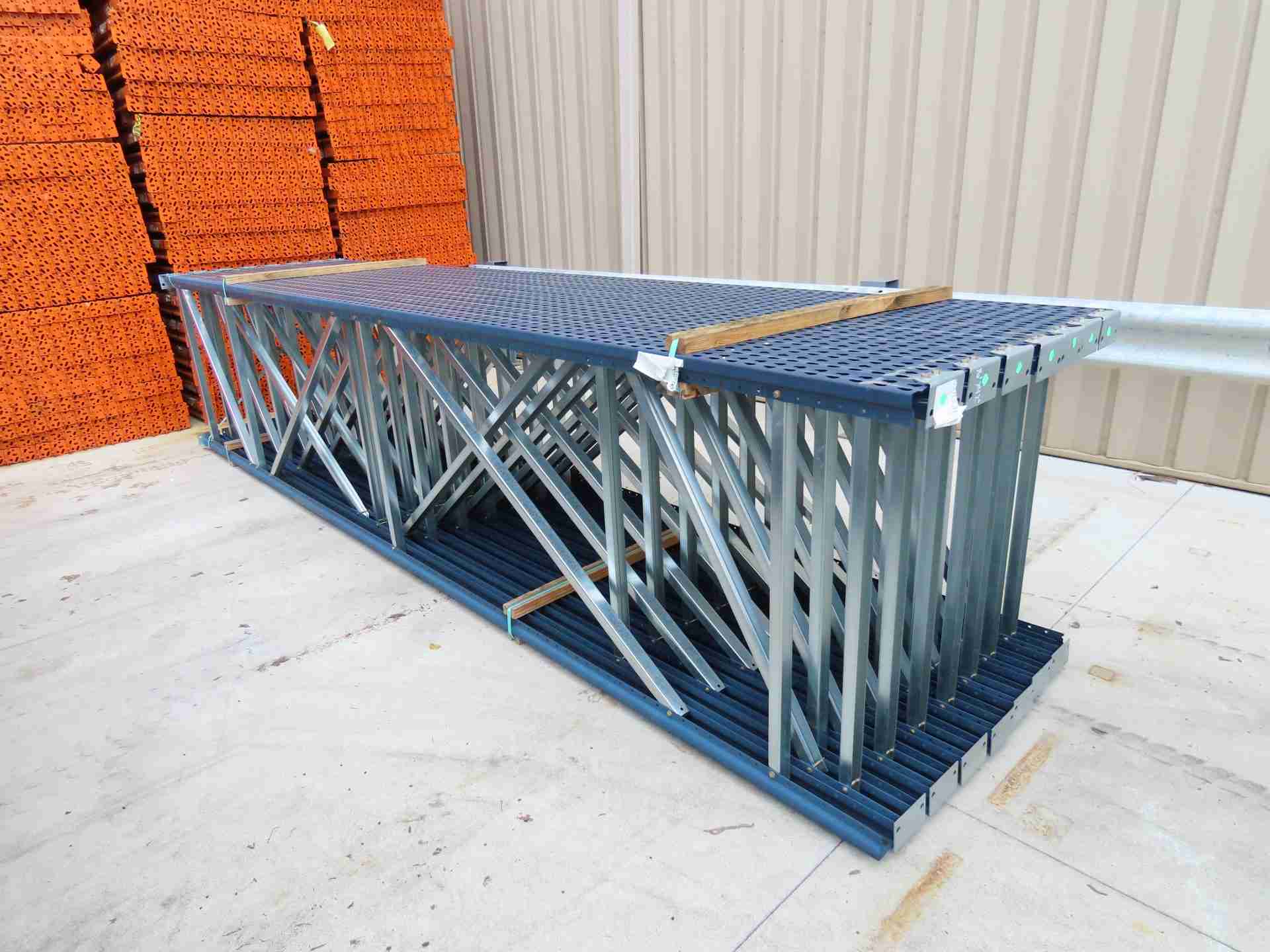
Glossary Of Terms
Other Questions
Should You Layout Racks In Rows Or Pods? – Other Questions
If you wish to explore and discover more, consider looking for answers to these questions:
- What are the pros and cons of using rows versus pods in warehouse layouts?
- How can I determine which layout is best suited for my specific warehouse operations?
- What are some real-world examples of successful row and pod layouts?
- How does warehouse layout impact inventory management and stock rotation?
- What tools or software can assist in planning a warehouse layout?
- What safety considerations should be taken into account when designing warehouse layouts?
- How can employee feedback be integrated into the layout design process?
- What are the potential long-term cost implications of choosing one layout over another?
- How does layout choice affect employee retention and satisfaction?
- What role does technology play in optimizing warehouse layout designs?
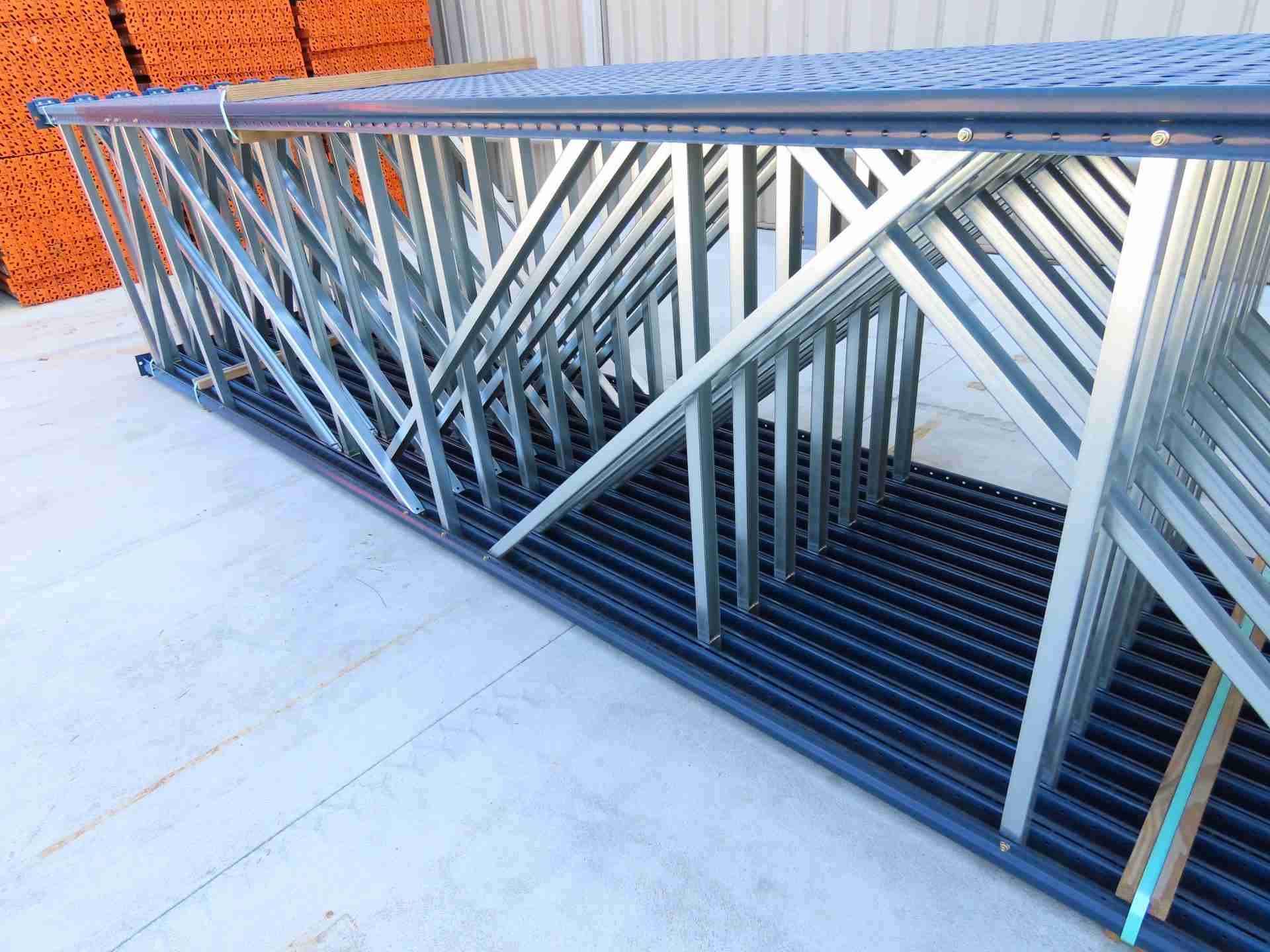
Other Questions
Checklist
Should You Layout Racks In Rows Or Pods? – A Checklist
Warehouse Layout Decision-Making Checklist
Emotional Appeals
_____ Reflect on how the layout influences team morale: Does it promote connection or create isolation?
_____ Consider personal stories: How have past layouts affected employee experiences and interactions?
Rational Appeals
_____ Assess efficiency: Does the chosen layout optimize workflows and reduce unnecessary movement?
_____ Evaluate safety measures: Are there clear pathways and design elements that prioritize employee well-being?
Ethical Appeals
_____ Prioritize employee dignity: Does the layout demonstrate respect for your team’s comfort and safety?
_____ Reflect on environmental impact: Is the layout designed with sustainability in mind?
Authority Appeals
_____ Research industry experts: Identify trusted sources for layout recommendations that have a proven track record.
_____ Gather insights from case studies: Seek testimonies or data from companies that have successfully implemented various layouts.
Narrative Appeals
_____ Craft a compelling story: Can you articulate a vision for how the layout will benefit not just operations but also the team and community?
_____ Highlight inclusivity: Does the narrative emphasize the importance of considering diverse needs when designing the layout?
Social Appeals
_____ Foster a sense of community: How does the layout encourage collaboration and team interactions?
_____ Engage stakeholders: Are you inviting feedback from team members and stakeholders in the layout decision process?
Use this checklist to evaluate your warehouse layout choices and ensure they resonate on emotional, rational, ethical, authoritative, narrative, and social levels.
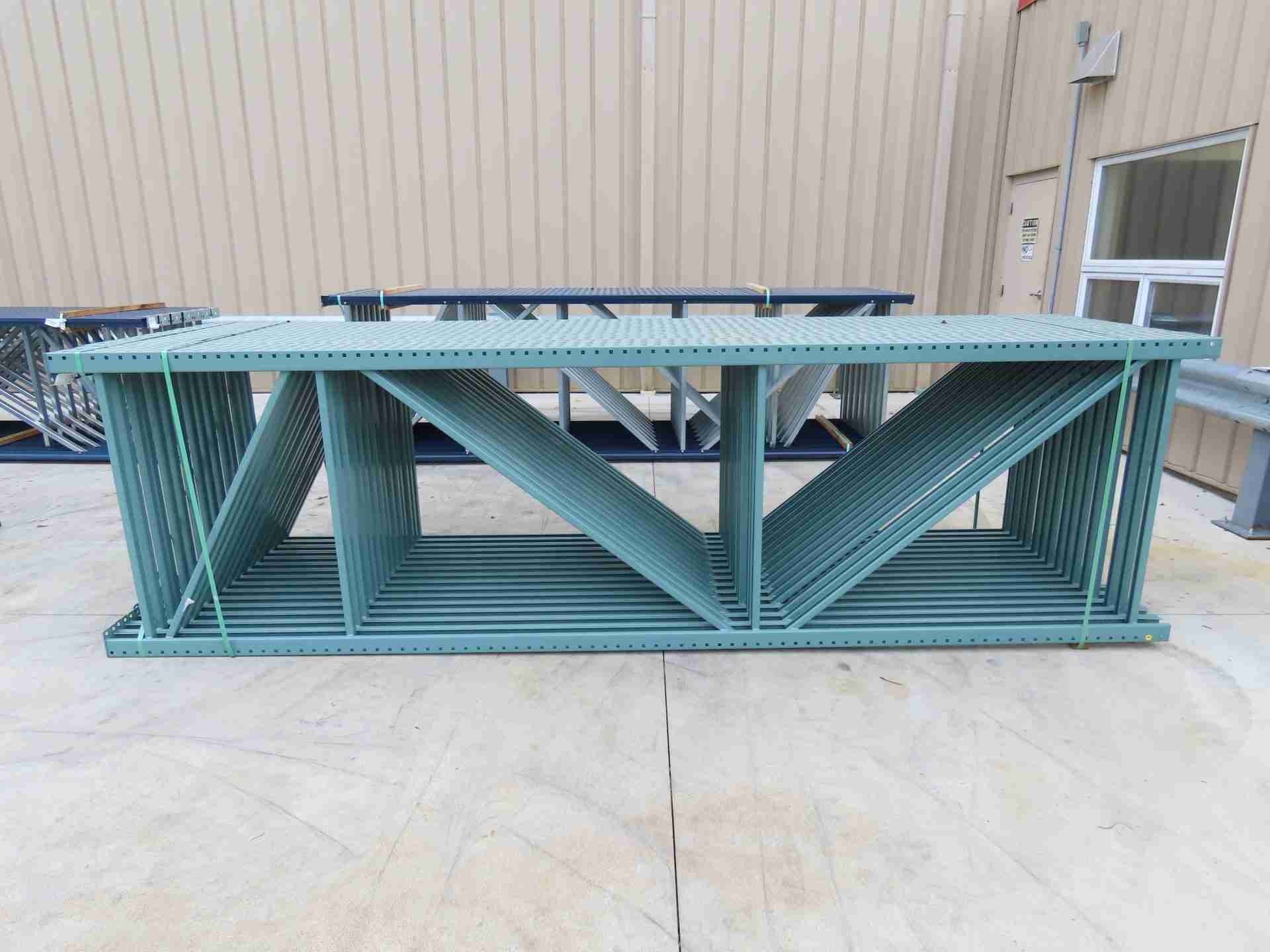
Checklist
At RackingWorld, we help guide you through selecting warehouse storage systems and racking.
Be sure to read our other related stories at RackingWorld to learn more about warehouse storage systems.
0 Comments