
Maximizing Safety, Savings, And Sustainability
By Tom Seest
At RackingWorld, we help guide you through selecting warehouse storage systems and racking.
Be sure to read our other related stories at RackingWorld to learn more about warehouse storage systems.
How to Evaluate the Condition Of Used Pallet Racks
When you step into a warehouse filled with used pallet racking, it’s easy to think you’re just looking at shelves. But these structural giants hold not just products, but the very lifeblood of businesses. Each rack has a story to tell, and understanding its condition is crucial—not just for safety, but for building a foundation of trust and reliability in your operations.
First, engage your head. Start with a keen eye. Scan the racking for visible signs of distress: bent beams, rusted connections, or missing bolts. Analyze the overall geometry. Straight lines should be the norm; if you see warping or leaning, it could spell trouble. Don’t underestimate the importance of proper maintenance records. A well-documented history speaks volumes about a rack’s integrity. It’s not just about aesthetics; it’s about safety for your team and the dollars at play.
Next, tap into that gut instinct. When you run your fingers along the beams or knock your knuckles on a post, what does it feel like? A solid thud or an unsettling echo? Trust that instinct. Beyond the surface-level inspection, consider what you can’t see: the structural integrity hidden beneath layers of paint and dust. Remember, what appears solid today may be a disaster waiting to happen tomorrow.
Now, let’s delve into the heart of the matter. Picture the stories behind those racks—stories of workers hustling to meet deadlines, families depending on the products supported by that metal framework. It’s not just a pallet rack; it’s a critical player in the narrative of daily lives. Ask yourself: is this piece of equipment worthy of support? Is it safe for my team to depend on? The ethical choice is to prioritize the safety of those who work around it and the efficiency of your operation.
Lean on the social responsibility that comes with this decision. By choosing used pallet racking that meets high standards, you’re investing not only in your operation but in the broader community—creating jobs, fostering a culture of safety, and setting a precedent for others to follow.
Make no mistake: evaluating the condition of pallet racking isn’t just a task; it’s a commitment to excellence that resonates throughout your organization. Every time you raise a pallet onto those beams, you’re not just moving products; you’re building a future grounded in reliability and ethics. So when you’re standing amid those racks, remember—each inspection is not just a checkmark on a list; it’s a vow to protect what matters most.

How to Evaluate the Condition Of Used Pallet Racks
How to Evaluate the Condition Of Used Pallet Racks
- Used pallet racking holds significant importance for businesses, affecting safety and reliability.
- Conduct visible inspections for signs of distress such as bent beams, rust, and missing bolts.
- Analyze the racking’s geometry; warping or leaning is a potential safety hazard.
- Maintain proper documentation of racking history to assess integrity and safety.
- Trust your instincts during tactile inspections; underlying issues may be hidden from view.
- Choosing quality used pallet racking supports safety, efficiency, and community investment.
- Evaluating racking conditions is a commitment to excellence and a vow to protect employees and operations.

How to Evaluate the Condition Of Used Pallet Racks
Table Of Contents
- How to Evaluate the Condition Of Used Pallet Racks
- What Risks Might You Face By Choosing Damaged Pallet Racks?
- How Will Investing In Quality Pallet Racks Impact Your Bottom Line?
- Have You Considered the Safety Implications Of Used Pallet Racks?
- What Signs Of Wear Should You Look for In Used Pallet Racks?
- How Do You Verify the Structural Integrity Of Used Pallet Racks?
- Conclusion
- Other Resources
- Glossary Of Terms
- Other Questions
- Checklist
What Risks Might You Face By Choosing Damaged Pallet Racks?
When it comes to racking systems, the stakes are high, and the risks of choosing damaged pallet racks shouldn’t be taken lightly. Imagine a warehouse full of hard-working folks, each depending on a sturdy, reliable framework that keeps their lives organized, their products safe, and their jobs secure. What happens when those racks—critical to the daily grind—are compromised? The heart sinks.
Picture this: a warehouse worker reaches for that vital box on a racking system that’s seen better days. The metal is bent, the welds are cracked—rust has taken its toll. Suddenly, as they pull, the entire structure wavers. The sound of twisting metal fills the air, followed by the shuddering chaos of falling goods. This isn’t just a rogue scenario; it’s a reality faced by those who choose damaged pallet racks. The emotional weight of witnessing an injury—be it a near miss or worse—can haunt a workplace for years, eroding trust among employees and management alike.
From a rational standpoint, the math is simple. A compromised racking system isn’t just a safety hazard; it’s a ticking time bomb for your bottom line. The costs of replacing damaged goods or, even worse, the medical bills from an injured employee will eclipse any savings garnered from opting for cheaper, damaged racks. The value of investment in robust systems far outweighs the impulse to save a few bucks upfront.
Ethically, the decision is crystal clear. In an age where corporate responsibility is paramount, putting workers at risk for the sake of frugality is a choice that can tarnish reputations and lead to long-lasting ramifications. You want to be known as a dependable employer; one who prioritizes the safety and well-being of their workforce.
Socially, there is a growing demand for workplaces that value integrity and care, and becoming an advocate for safety aligns you with that movement. Your peers and industry leaders are watching. Choosing the safe path garners respect, building a network of trust and reliability within your community.
The question isn’t just about racking; it’s about human lives, financial stability, and ethical responsibility. Choose wisely; your choice will echo through the organization long after the decision is made. Make every worker feel secure and valued; it’s not just good for business—it’s what we owe to each other.
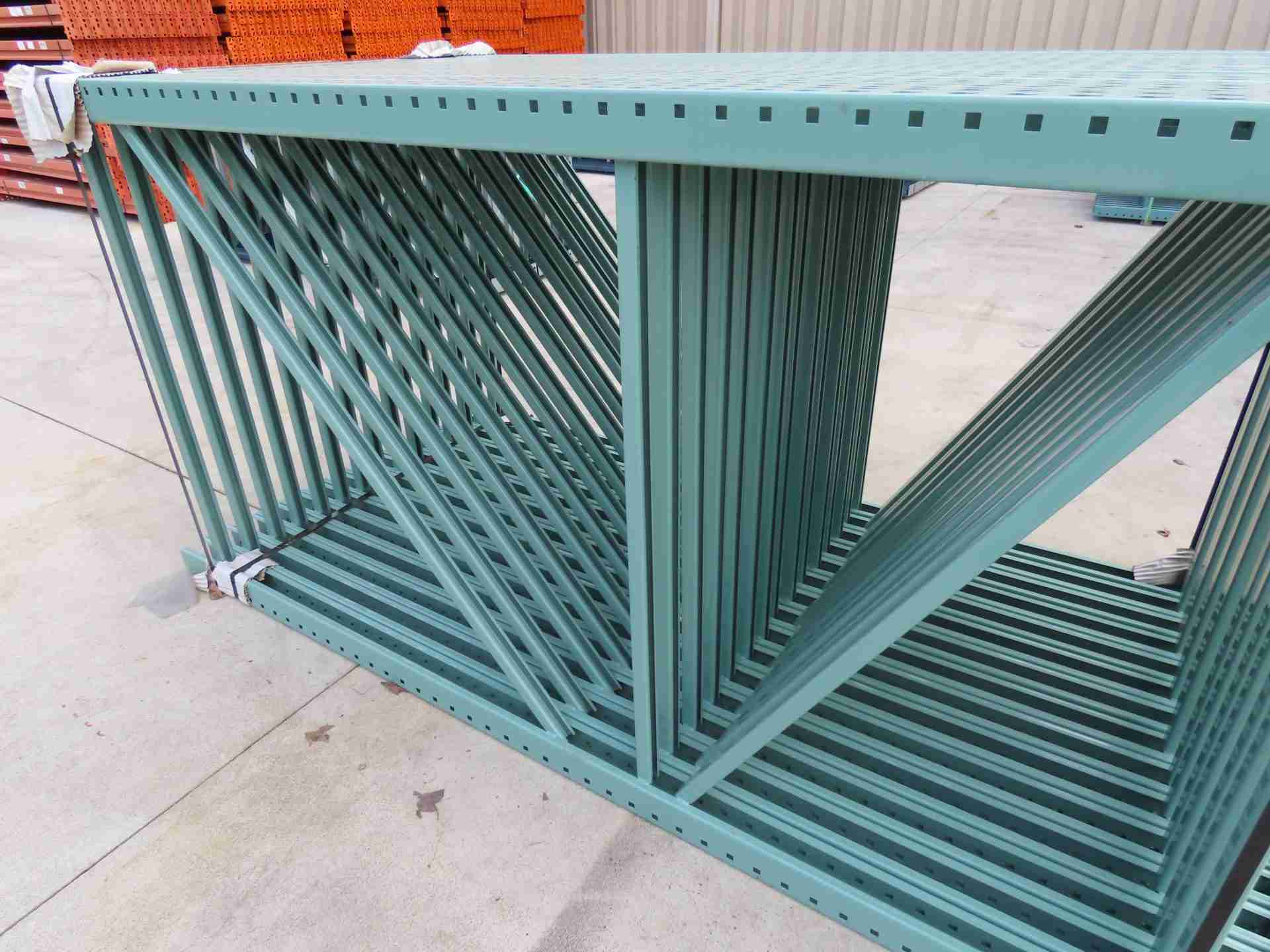
What Risks Might You Face By Choosing Damaged Pallet Racks?
What Risks Might You Face By Choosing Damaged Pallet Racks?
- Choosing damaged pallet racks poses high risks in warehouse environments.
- Compromised racking systems can lead to serious accidents, affecting employee safety.
- Witnessing injuries from damaged racks can diminish trust among staff and management.
- Financial implications of using damaged racks exceed initial savings due to potential injury costs.
- Investing in robust racking systems is essential for long-term safety and stability.
- Ethical corporate responsibility demands prioritizing worker safety over frugality.
- Creating a safe workplace cultivates respect and reliability within the community and industry.
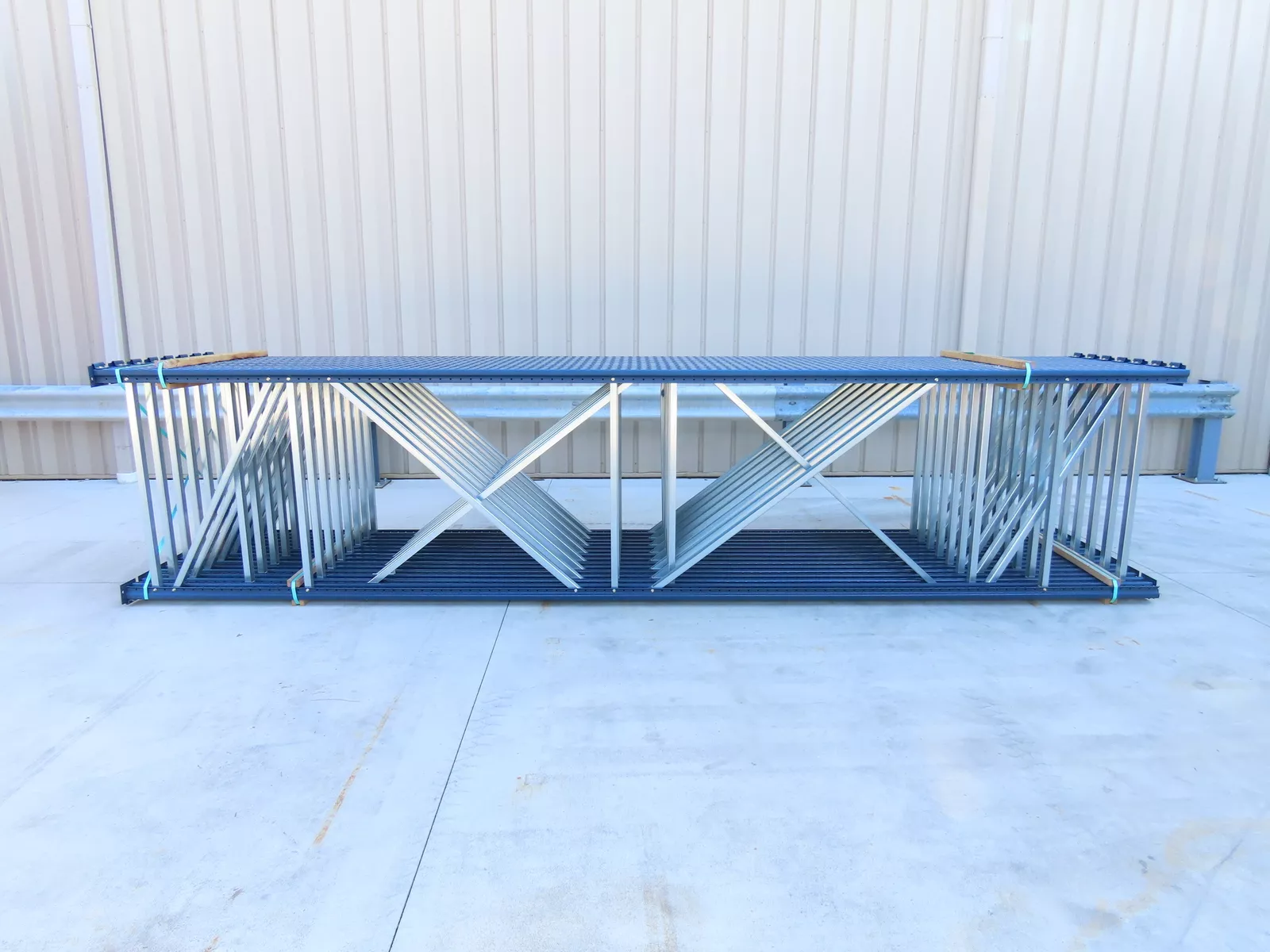
What Risks Might You Face By Choosing Damaged Pallet Racks?
How Will Investing In Quality Pallet Racks Impact Your Bottom Line?
When you invest in quality pallet racks, you’re not just shelving products; you’re cultivating a thriving ecosystem that uplifts your business and everyone involved. Think about it: your warehouse is the heartbeat of your operation, the very foundation of your promise to customers. A sturdy racking solution ensures every item is accessible and organized, enabling your team to work smarter, not harder. Now, imagine the relief that washes over your workers when they can locate what they need without sifting through chaos. This isn’t just efficiency; it’s dignity. When your team feels valued and empowered, they’ll not only stick around, but they’ll also give their best effort—turning your workplace into a well-oiled machine that drives down labor costs and enhances productivity.
Let’s talk numbers. Picture your bottom line climbing, fueled by fewer accidents and less product damage thanks to the reliable design of quality racking systems. Those racks are like a sturdy bridge over troubled waters, creating pathways that eliminate bottlenecks and streamline processes. Reinvesting in your infrastructure translates directly to an increase in revenue. It’s simple—less time searching for products equals faster delivery times, which makes customers happy and keeps your cash flow steady.
But let’s not ignore the ethical obligation we have to our employees and the environment. Choosing high-quality materials means fewer replacements and less waste. When you select strong, sustainable racks, you’re making a choice that resonates not just within your company but in your community. You’re fulfilling your role as a responsible business, one that cares about the future and the people within it.
As you ponder your next investment, think of the stories—stories of success, growth, and camaraderie. Every piece of racking holds a memory, a task accomplished, a challenge met. You’re building a legacy, not just a set of shelves. When your racking systems are reliable, your employees feel confident, your customers feel valued, and your business thrives amidst the ebb and flow of uncertainty.
So, don’t skimp on this fundamental element of your operation. When you commit to quality pallet racks, you’re not merely making a purchase. You’re investing in opportunity, efficiency, and a brighter future for everyone involved. Revel in that connection; trust it, and let it guide your choices.

How Will Investing In Quality Pallet Racks Impact Your Bottom Line?
How Will Investing In Quality Pallet Racks Impact Your Bottom Line?
- Investing in quality pallet racks cultivates a thriving business ecosystem.
- A sturdy racking solution ensures accessibility and organization in your warehouse, improving team efficiency.
- Empowered employees contribute to a positive workplace culture, reducing labor costs and boosting productivity.
- Quality racking systems lead to fewer accidents and less product damage, enhancing the bottom line.
- Streamlined processes from organized racking improve delivery times and maintain steady cash flow.
- Choosing high-quality materials reduces replacements and waste, supporting ethical and sustainable business practices.
- Investing in reliable racking systems builds a legacy of success, confidence, and community responsibility.

How Will Investing In Quality Pallet Racks Impact Your Bottom Line?
Have You Considered the Safety Implications Of Used Pallet Racks?
When you walk into a warehouse filled with towering stacks of inventory, it can be easy to overlook the silent giants supporting it all—those used racking systems. Sure, they look sturdy, and they’ve been around for a while, but have you truly considered the safety implications of those neglected metal bones? When you opt for used pallet racking, you’re not just purchasing a piece of equipment; you’re making a decision that could impact the safety of everyone who enters that space.
Imagine an employee, a parent, working hard to provide for their family. Each day, they navigate through aisles of products, trusting that the structures holding up those products are reliable. You wouldn’t blame them for feeling uneasy if they knew that the used racking they were passing by was corroded, damaged, or improperly installed. That’s where the gut comes into play; it’s a visceral fear of the worst-case scenario—a collapse that could lead to injury or worse.
Now, let’s put on our thinking caps. When you invest in used pallet racking, you must ask yourself: Is this equipment really up to standard? Checking for compliance with safety regulations is more than just a box to tick; it’s a commitment to ethical responsibility. It’s about safeguarding not just your bottom line, but the lives of your employees. An investment in high-quality, certified used racking pays dividends in trust and, ultimately, in productivity. When workers feel safe, they perform better.
Let’s weave in the story of a warehouse manager who took the plunge and carefully assessed their used racking systems. They discovered several racks with a history of wear and tear—bolts that didn’t quite fit, frames that had seen better days. After replacing the unsafe structures, they saw morale soar. Employees communicated more, and reporting accidents dropped. The narrative shook the very foundation of their working environment, transforming apprehension into confidence.
Socially, think about the culture you want to foster in your workplace. Choosing safe, reliable racking systems sends a clear message: you value your team’s safety. It builds trust. It creates a community where everyone feels heard and protected. Remember, safety isn’t just a policy; it’s a subconscious understanding that permeates everything.
So, when navigating the world of used pallet racking, tread wisely. Safety isn’t merely a checkbox; it’s a commitment. Arms wide open, your heart, mind, and gut should all resonate with the importance of prioritizing safety above everything else.

Have You Considered the Safety Implications Of Used Pallet Racks?
Have You Considered the Safety Implications Of Used Pallet Racks?
- The importance of used racking systems in warehouses goes beyond their sturdy appearance, with vital safety implications.
- Employees trust that used pallet racking is reliable; corroded or damaged equipment can erode their confidence.
- Investing in used racking requires assessing compliance with safety regulations to protect employees and enhance productivity.
- A warehouse manager’s evaluation led to the replacement of unsafe racks, resulting in improved employee morale and reduced accidents.
- Choosing safe racking systems fosters a workplace culture that prioritizes team safety and builds trust among employees.
- Safety should be viewed as a commitment rather than a checkbox when selecting used pallet racking systems.
- Prioritizing safety is essential for the well-being of employees and the overall efficiency of the workspace.

Have You Considered the Safety Implications Of Used Pallet Racks?
What Signs Of Wear Should You Look for In Used Pallet Racks?
When it comes to investing in used pallet racking, you’re not just acquiring steel and space; you’re embracing safety, efficiency, and the promise of an organized warehouse. The heart of any storage solution lies in its integrity, and spotting the early signs of wear can save your business from a world of headaches.
First, take a gut check and look at the structural integrity of the racking. Are there noticeable dents or bends in the beams? These imperfections may not seem like much at first glance, but they can compromise the strength of your setup. Think about it: Every time you load a pallet, you’re relying on that racking to hold steady. A weak point isn’t simply a flaw; it’s a ticking time bomb in an environment where safety is paramount.
Now, let’s engage your head with some critical thinking. Examine the connection points where beams join the uprights. A little rust can be expected in older racks, but extensive corrosion is a red flag that you shouldn’t overlook. It’s not just about aesthetics; rust can eat away at the metal holding your loads aloft. Investing in solid racking means ensuring it can stand strong under pressure, and any sign of significant wear could lead to catastrophic failures.
From an ethical perspective, remember that your decisions affect not only your bottom line but your employees’ safety. A well-maintained rack means everyone can do their jobs with peace of mind. Ensuring that your pallet racking is up to snuff sends a message: You care about your team, their safety, and the quality of your operations.
Then there’s the social aspect—how does your warehouse reflect your values? Lean, organized spaces speak volumes about a company’s culture. Choosing quality racking not only presents a professional image but also fosters teamwork and efficiency. After all, nothing demotivates a workforce like a looming repair bill because of neglecting the basics.
Lastly, channel that aura of authority as you navigate the used pallet racking market. Don’t be swayed by a shiny surface alone. Get to know what really counts: that commitment to safety and integrity stands the test of time. So, as you embark on this journey, keep your eyes peeled and your instincts sharpened. The right racking will not just hold up your pallets; it will uphold your operation and everyone in it.

What Signs Of Wear Should You Look for In Used Pallet Racks?
What Signs Of Wear Should You Look for In Used Pallet Racks?
- Investing in used pallet racking enhances safety, efficiency, and organization in warehouses.
- Inspect the structural integrity of racking for signs of dents or bends that may weaken it.
- Check connection points for rust; extensive corrosion can lead to serious safety risks.
- Prioritize employee safety and well-being by maintaining reliable racking systems.
- A well-organized warehouse reflects company values and promotes a positive culture.
- Quality racking fosters teamwork and efficiency, reducing potential repair costs.
- Focus on safety and integrity rather than superficial appearances in the used pallet racking market.

What Signs Of Wear Should You Look for In Used Pallet Racks?
How Do You Verify the Structural Integrity Of Used Pallet Racks?
When it comes to verifying the structural integrity of used pallet racks, the stakes can be as high as the shelves themselves. Picture this: a bustling warehouse, goods stacked high, employees moving swiftly. Suddenly, the racking collapses, a cascade of metal and merchandise tumbling down. It’s a scene straight out of a nightmare, and it all starts with a simple question: Is this racking safe?
First, let’s engage that emotional center. Each time a worker steps onto the floor, they trust that the racking supporting their livelihood is not just sturdy, but dependable. Fear doesn’t just hang in the air; it lurks in the corners of every unsteady rack. Understanding this, you owe it to your team—and to yourself—to conduct a comprehensive inspection. Look for bent beams, rusted connections, or any sign of wear that reflects negligence. The lives and well-being of your colleagues depend on that unwavering commitment to safety.
Now, engage that rational brain. Don’t settle for visual assessments alone; dig deeper. Ensure that the racking has a history of structural audits. Request documentation and validation from the previous owner. Conduct load tests to verify the capacity specified by the manufacturer. This isn’t just a good practice; it’s a necessity. You need to know the limits of your equipment, and understanding the weight it can handle isn’t just smart—it’s responsible.
The ethical dimension must also factor in. Remember, every time you save a few bucks on poorly verified racking, you’re risking lives. Your reputation—with clients, ultimately with the employees who count on you—is built on trust. When you prioritize their safety, you foster an environment of integrity that resonates throughout the organization.
But let’s not forget the narrative wrapped in each piece of used racking. Each shelf may have its own story, a history of usefulness. When you’re choosing to verify their integrity, you’re choosing to honor that narrative while ensuring a safe future. You’re not just buying racks; you’re investing in a shield for your workforce.
Lastly, consider the social responsibility resting on your shoulders. In a world increasingly aware of workplace safety, setting a high standard fosters a culture of trust within your community. By verifying the structural integrity of used pallet racks, you’re not just safeguarding your team; you’re elevating industry standards and inspiring others to follow suit. Let’s do it right—not just for us, but for everyone who steps inside that warehouse.

How Do You Verify the Structural Integrity Of Used Pallet Racks?
How Do You Verify the Structural Integrity Of Used Pallet Racks?
- Verifying the structural integrity of used pallet racks is crucial for safety in busy warehouses.
- Workers depend on stable racking; their safety and well-being hinge on proper inspections.
- Conduct comprehensive inspections for signs of wear, such as bent beams and rusted connections.
- Request documentation of previous structural audits and perform load tests to confirm racking capacity.
- Saving money on poorly verified racking risks lives and tarnishes reputations.
- Each piece of used racking has a history; verifying integrity honors that history while protecting the future.
- Setting high safety standards promotes trust and inspires others in the industry to prioritize safety.

How Do You Verify the Structural Integrity Of Used Pallet Racks?
Conclusion
Navigating the world of used pallet racks is much more than a simple purchase; it’s a deep commitment to safety, efficiency, and community. Every racking system is a sentinel in your warehouse, holding not just products but the futures of the people who rely on them. In this industry, those towering racks are not merely metal frameworks; they are lifelines that keep the wheels of commerce turning, supporting families and livelihoods. It’s essential to approach this decision with a clear mind, a sharp gut instinct, and an open heart.
Start with your head: evaluate the visible condition of the racks. Look for signs of wear, such as bent beams or rusted joints, which can lead to catastrophic failures. Remember, this inspection isn’t just a task—it’s a responsibility toward your team. A well-maintained rack reflects a culture that values safety and reliability. Then, tap into your gut feeling. If something feels off as you inspect the structure, trust that instinct. What lies beneath the surface may pose hidden risks that aren’t immediately apparent.
Now, let’s engage the heart. Think about the stories behind every worker in your warehouse. Each of them trusts that the framework around them will keep them safe while they perform their jobs with diligence. Prioritize their safety and well-being, and you reinforce a culture where everyone feels valued and empowered. Your ethical obligation doesn’t end with making a financial decision; it extends to ensuring that the workspace is a sanctuary.
The ripple effects of your choices resonate beyond your company. By investing in quality, certified used pallet racks, you are promoting social responsibility. You’re contributing to a safer workplace that benefits not just your operations but also the wider community. Each decision echoes throughout your organization and beyond, building a network of good practices that others will look up to.
As you stand amid those racks, remember: every inspection is a vow to protect what matters most. It’s not just about cost and efficiency; it’s about creating an environment where your employees can thrive without fear. By choosing wisely, you’re not only securing your bottom line but also fostering trust, integrity, and a brighter future for everyone involved. So, let’s commit to safety, excellence, and the well-being of our workforce. In doing so, we honor the very foundation of our success.

Conclusion
Conclusion:
- Navigating used pallet racks involves a commitment to safety, efficiency, and community.
- Racking systems support not just products, but the livelihoods of workers and their families.
- Begin by inspecting the condition of racks for any signs of wear, as this reflects a culture of safety.
- Trust your instincts during inspection; hidden risks may lurk beneath the surface.
- Consider the stories of the workers in your warehouse and prioritize their safety and well-being.
- Investing in quality, certified used pallet racks promotes social responsibility and a safer workplace.
- Every inspection is a commitment to protecting employees and fostering an environment where they can thrive.

Conclusion
Other Resources

Other Resources
Here is a list of other resources you can review online to learn more:
- Warehouse Racking Layout: The Ultimate Guide – Conger
- Pallet Racking systems in Illinois and Great Lakes
- NSC
- Illinois
- Teardrop Pallet Rack – Ridg-U-Rak
- BMH Equipment LLC
- Pallet Racking 101: A Comprehensive Guide & Options Explained
- Warehouse Storage Racking in Illinois
- What is Selective Racking: Understanding Benefits & Options
- Rack Manufacturers Institute
- Heavy-Duty Cantilever Storage Racks
- CA Wire
- Material Handling Safety
- International Warehouse Logistics Association
- Racking World
- Teardrop Racks – Pallet Rack World
- The Ultimate Pallet Racking Guide – Speedrack West
- New Cantilever Racks and Racking Kits
- Shipping Boxes, Packaging Materials, Pallet Racking
Use This Prompt To Get More Resources With Your Favorite Online AI Tool: Please provide me with a list of online articles with their URLs in a bulleted list that I can read regarding How to Evaluate the Condition Of Used Pallet Racks

Other Resources
Glossary Terms
How to Evaluate the Condition Of Used Pallet Racks – Glossary Of Terms
1. Pallet Rack: A storage system designed to hold pallets that contain goods, typically found in warehouses.
2. Inspection: The process of closely examining pallet racks for signs of damage, wear, or structural issues.
3. Upright: Vertical frame components of the rack that support the load and provide stability.
4. Beam: Horizontal components that connect uprights and support the pallets.
5. Load Capacity: The maximum weight that a pallet rack can safely support without sustaining damage.
6. Deflection: The bending or displacement of a beam under load, which can indicate structural integrity issues.
7. Damage: Any physical harm to a pallet rack, such as dents, bends, or cracks.
8. Rust: Corrosion typically found on metal racks due to environmental exposure, affecting structural integrity.
9. Verticality: The condition of being perfectly vertical; critical for load distribution and stability of the rack.
10. Stability: Refers to the ability of the pallet rack to remain upright under load.
11. Bracing: Supports used to reinforce pallet racks, ensuring they remain stable and resist lateral movement.
12. Load Bar: A safety device used to secure the pallets on the racks and prevent slipping.
13. Footplate: The base of a pallet rack upright that provides stability by being anchored to the floor.
14. Damage Report: A formal documentation detailing any identified issues or damages during the inspection process.
15. Compliance: Adherence to safety standards and regulations governing pallet rack usage and maintenance.
16. Maintenance: Regular activities performed to ensure the longevity and functionality of pallet racks, including cleaning and repairs.
17. Inspection Frequency: The recommended interval at which pallet racks should be examined for safety and condition.
18. Safety Standards: Established guidelines and regulations that govern the safe design, installation, and use of pallet racks.
19. Pallet Size Compatibility: Assessment of whether the dimensions of the pallets match the configuration of the rack.
20. Weight Distribution: The manner in which weight is allocated across the pallet rack to prevent tipping or collapsing.
21. Load Stop: A feature designed to prevent pallets from sliding off the rack.
22. Dunnage: Materials used to protect products and pallets from damage during storage and handling.
23. Forklift Access: The area required around the pallet racks to allow forklift operators to load and unload safely.
24. Environment: The conditions in which pallet racks are situated, such as temperature and moisture, which can affect their condition.
25. Visual Inspection: A quick examination of the pallet racks without the use of tools to spot obvious issues.
26. Detailed Inspection: A thorough examination involving tools and detailed assessment to identify hidden damages.
27. Defective Parts: Components of a pallet rack that no longer function as intended due to damage or wear.
28. Reinforcement: Additional supports added to the rack to enhance stability and load-bearing capacity.
29. Replacement: The action of replacing damaged or worn-out components of a pallet rack to maintain safety and functionality.
30. Inventory Management: The coordination and oversight of stored goods on pallet racks, ensuring optimized use of space and resources.

Glossary Of Terms
Other Questions
How to Evaluate the Condition Of Used Pallet Racks – Other Questions
If you wish to explore and discover more, consider looking for answers to these questions:
- What are the most common signs of damage in used pallet racks?
- How often should pallet racks be inspected for safety?
- What are the best practices for maintaining pallet racks?
- Are there specific regulations or standards for pallet racking installation and maintenance?
- What tools or equipment are needed to evaluate the condition of pallet racks?
- How can I find reputable suppliers of used pallet racks?
- What are the costs associated with repairing or replacing damaged pallet racks?
- How does the weight capacity of pallet racks vary by design?
- What are the environmental benefits of choosing sustainable pallet racks?
- How can improper use of pallet racks lead to accidents or injuries?
- What certifications should I look for when purchasing used pallet racks?
- How does the layout of pallet racks affect warehouse efficiency?
- What should be included in the maintenance records for pallet racks?
- How can employee training impact the safe use of pallet racks?

Other Questions
Checklist
How to Evaluate the Condition Of Used Pallet Racks – A Checklist
Checklist for Evaluating Used Pallet Racks
Emotional Appeals:
_____ Reflect on the stories behind each rack. How do these racks support your workers and their families?
_____ Visualize the impact of your decisions on your team’s morale and safety. Are they entrusting their safety to reliable equipment?
Rational Appeals:
_____ Conduct a thorough inspection for visible signs of distress: Are there bent beams, rusted connections, or missing bolts?
_____ Review maintenance records and audit logs to ensure past compliance and integrity.
_____ Perform load tests to verify that racks can handle the specified weight limits safely.
Ethical Appeals:
_____ Prioritize the safety of employees over cost savings. Is the equipment you’re considering worthy of your team’s trust?
_____ Evaluate the long-term implications of using inferior, damaged racks versus investing in quality options.
Authority Appeals:
_____ Consult with industry standards and guidelines. Are the racks compliant with safety regulations?
_____ Seek expert assessments or certifications for used racking systems. Is there a credible history of structural integrity?
Narrative Appeals:
_____ Consider the journey of your racking systems. What experiences have they supported, and what legacy do you want to build?
_____ Think about how enhancing safety and reliability transforms the narrative of your workplace culture.
Social Appeals:
_____ Promote a safety-focused culture. How do your equipment choices reflect your company values and commitment to community well-being?
_____ Engage with peers and industry leaders. Are you setting a positive example that others might follow in terms of safety and reliability?
Gut Instincts:
_____ Trust your instincts during inspections. Does the condition of the racks give you a feeling of confidence or concern?
_____ Reflect on the overall ambience of safety within the warehouse. Do you feel secure in the environment supported by these racks?
Use this checklist to guide your evaluation process, ensuring you make informed, compassionate, and responsible choices regarding your used pallet racks.

Checklist
At RackingWorld, we help guide you through selecting warehouse storage systems and racking.
Be sure to read our other related stories at RackingWorld to learn more about warehouse storage systems.
0 Comments