
Maximizing Efficiency: Overcoming Warehouse Disorganization
By Tom Seest
At RackingWorld, we help guide you through selecting warehouse storage systems and racking.
Be sure to read our other related stories at RackingWorld to learn more about warehouse storage systems.
Is Your Disorganized Warehouse Stock Keeping You From Meeting Goals?
Picture this: it’s a bustling day at your warehouse, orders are piling up, and the team is hustling to keep pace. Yet, amidst the flurry, you notice confusion reigns supreme. Products are stashed away wherever there’s a square foot of space, and search times for inventory feel like a scavenger hunt. Sound familiar? You’re not alone. For many businesses, a disorganized warehouse is more than just a nuisance—it’s a roadblock in the journey to achieving their goals.
Every inch of your warehouse should work for you, not against you. That’s where strategic solutions like pallet racking come into play. Imagine transforming your chaotic storage space into a well-oiled machine where every item has its place. With pallet racking, you not only maximize your vertical space but also create an efficient flow that permits swift access to your products. This means fewer headaches for your team and quicker turnaround times for fulfilling customer orders.
Understanding the frustration of operating in a cluttered environment fosters a connection you can leverage. Picture the relief of knowing that inventory is organized, accessible, and easy to manage. The benefits of a structured warehouse extend far beyond aesthetics. By reducing stock retrieval times, increasing picking accuracy, and minimizing potential errors, you empower your team to operate at peak performance. It’s not just about having a clean warehouse; it’s about cultivating an atmosphere of productivity and success.
What if I told you that investing in pallet racking and reorganizing your space is one of the most impactful steps you can take toward meeting—and even exceeding—your business goals? Imagine the confidence you’ll instill in your staff when they can navigate the warehouse effortlessly, boosting morale and motivation in the process.
Your goals are within reach, but they require practical action. Start today by evaluating your current layout. Identify the chaos, and take stock of potential improvements. Break free from the stagnation that disorganization brings. Dive into a systematic warehousing approach that not only reflects professionalism but also drives bottom-line results.
Don’t let a disorganized warehouse stock hold you back from the success that awaits. Make that move—embrace the potential of pallet racking, and watch your operational efficiencies flourish. Your journey to an organized and goal-meeting warehouse starts now. Take action!
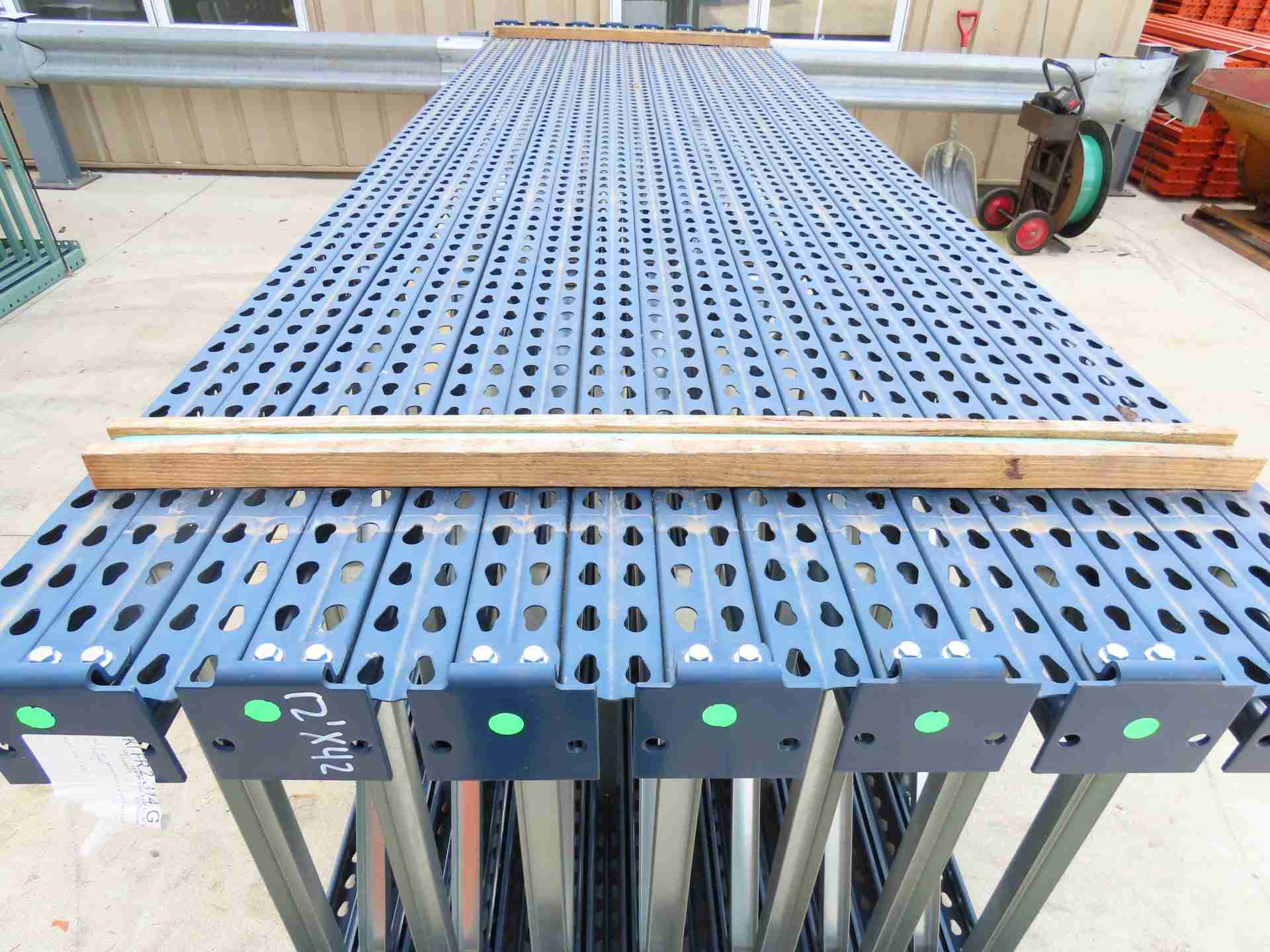
Is Your Disorganized Warehouse Stock Keeping You From Meeting Goals?
Is Your Disorganized Warehouse Stock Keeping You From Meeting Goals?
- Disorganization in warehouses can hinder business goals and efficiency.
- Pallet racking solutions help maximize vertical space and improve inventory organization.
- A well-structured warehouse allows for swift product access, reducing search times.
- Organized inventory enhances picking accuracy and minimizes errors, boosting team performance.
- Investing in pallet racking can significantly impact operational success and employee morale.
- Evaluate your current warehouse layout to identify chaos and potential improvements.
- Embrace organized warehousing to drive results and enhance productivity moving forward.

Is Your Disorganized Warehouse Stock Keeping You From Meeting Goals?
Table Of Contents
- Is Your Disorganized Warehouse Stock Keeping You From Meeting Goals?
- How Can Inventory Chaos Affect Sales?
- Are You Using Outdated Inventory Management Systems?
- Is Poor Stock Organization Leading To Increased Costs?
- What Methods Can Optimize Warehouse Space Effectively?
- How Can You Identify Slow-Moving Inventory Items?
- Are There Tools To Streamline Your Stock Management Process?
- Conclusion
- Other Resources
- Glossary Of Terms
- Other Questions
- Checklist
How Can Inventory Chaos Affect Sales?
Imagine walking into a store that should be bursting with potential purchases—except instead of neatly arranged products, you’re confronted by a maze of disorganized shelves and toppled boxes. That’s the face of inventory chaos, and it’s more common than you think. The reality is that your inventory management strategy can either be your greatest ally or a silent thief of sales.
When your stockroom resembles a jumble of mismatched items, customers are left frustrated, confused, and ultimately—uninterested. Think about it: if a shopper can’t find what they need, they won’t spend time digging through the clutter; they’ll simply walk out the door, taking their money with them. We’ve all been there—standing in a store, scanning the disarray, and deciding it’s just too much effort to search for what we want.
Effective inventory management isn’t just about having products on hand; it’s about knowing what you have, where it is, and how to present it to your customers. Consider the power of well-organized pallet racking. This system transforms your back room and sales floor into a streamlined operation. When your products are easily accessible, staff can quickly fulfill orders, and customers can effortlessly navigate through the aisles. The result? Higher satisfaction rates and increased sales.
Now, let’s connect the dots: when your inventory is chaotic, the trust of your customers diminishes. They start to question if you’re the reliable supplier they thought you were. On the flip side, an organized inventory communicates professionalism and instills confidence in your brand. Customers gravitate towards businesses that make their shopping experience seamless. If you show that you can keep your inventory in check, you send a powerful message: your customers’ time is valuable, and you respect that.
So, what action should you take? Start examining your inventory management practices today. Are there simple changes you can implement that could lead to significant improvements? Perhaps rethink your layout, invest in effective pallet racking solutions, or even schedule regular audits to ensure everything is in its rightful place.
Remember, your inventory doesn’t just represent products—it represents potential sales and lasting customer relationships. Take control of the chaos and watch your sales soar.
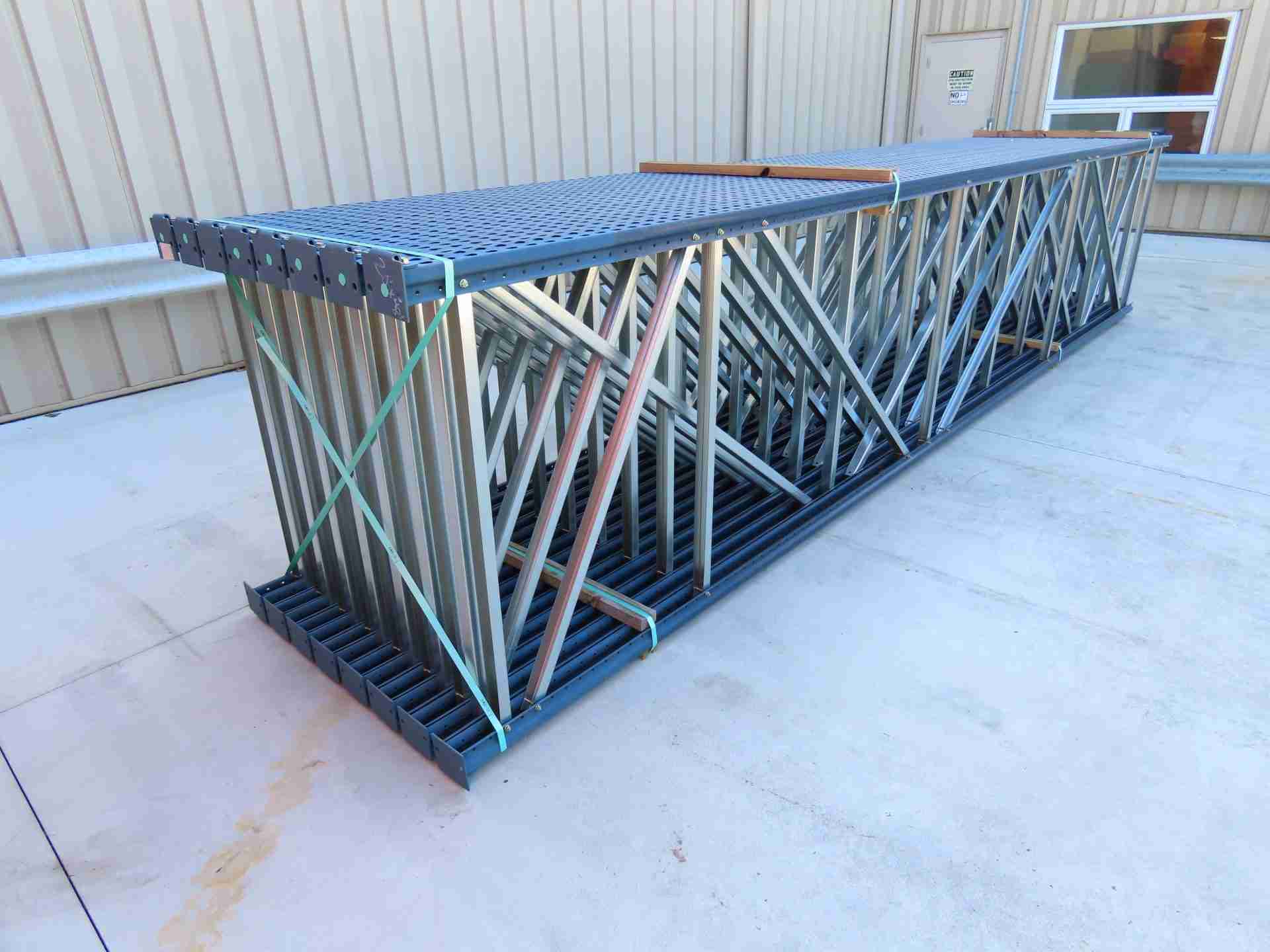
How Can Inventory Chaos Affect Sales?
How Can Inventory Chaos Affect Sales?
- Inventory chaos is common and can negatively impact sales.
- Disorganized shelves frustrate customers and lead to lost sales.
- Effective inventory management involves knowing product locations and providing accessibility.
- Well-organized pallet racking can streamline operations and enhance customer experience.
- Chaotic inventory can damage customer trust and brand reliability.
- Investing in inventory management solutions can improve layout and efficiency.
- Organized inventory reflects professionalism and enhances customer relationships.
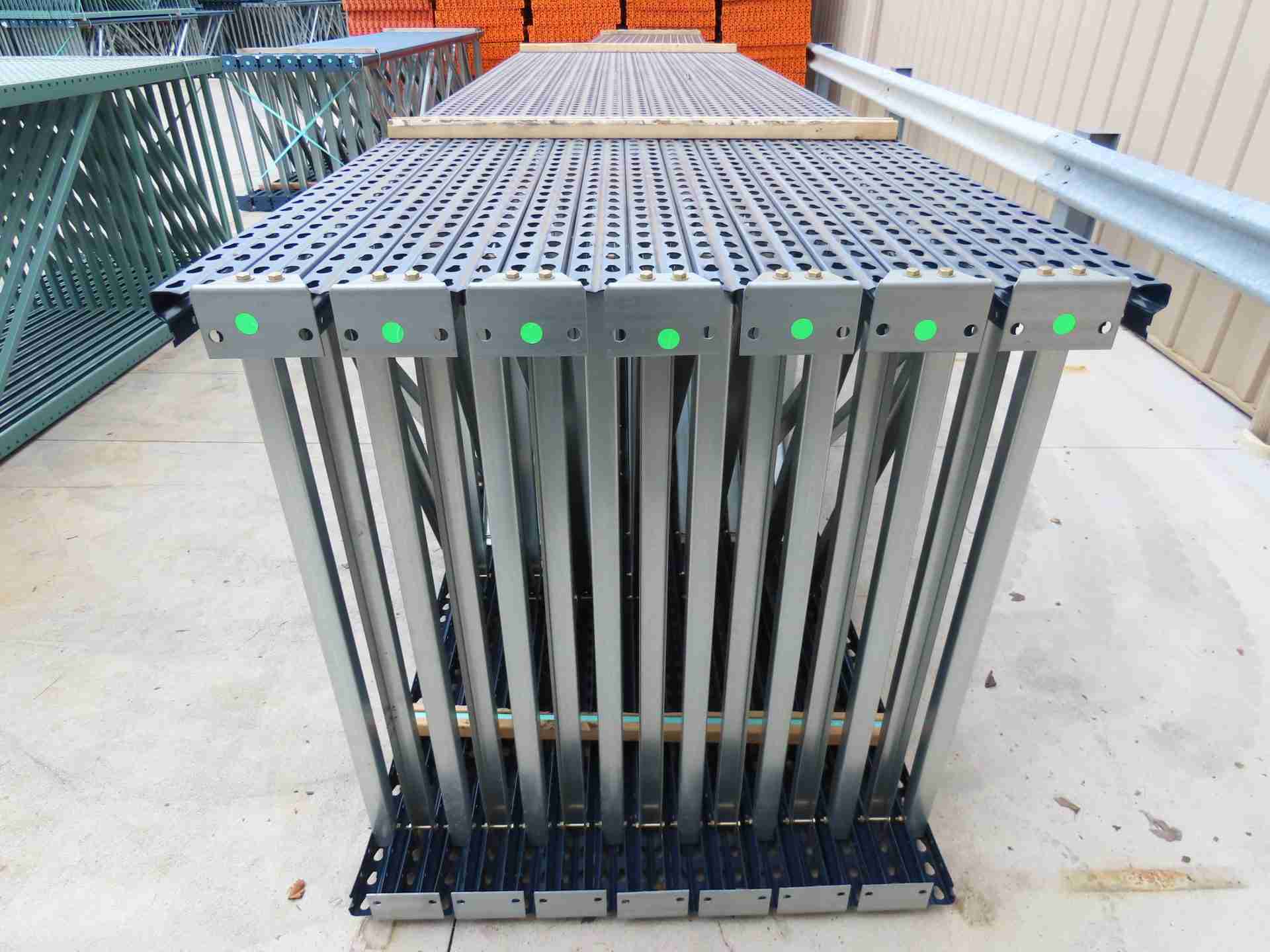
How Can Inventory Chaos Affect Sales?
Are You Using Outdated Inventory Management Systems?
In the dynamic world of business, relying on outdated inventory management systems can be like sailing a ship with a rotting hull — bound to sink sooner or later. The landscape of inventory management is evolving rapidly, driven by innovations that not only simplify but also supercharge your operations. If you’re still clinging to cumbersome spreadsheets or archaic software, it’s time for a reality check.
Picture this: your warehouse is piled high with products on pallet racking, a maze of boxes blocking your team’s efficiency and causing unnecessary delays. Without a streamlined inventory management system, you’re not just inviting chaos; you’re also jeopardizing profit margins as lost items and overstock linger longer than they should. The truth is, every hour spent fumbling through outdated processes is one less hour focused on what truly matters: growing your business and serving your customers.
Your stock represents a significant investment, and mismanaging it can lead to missed opportunities and unhappy customers. An intelligent inventory system allows you to keep your finger on the pulse of your stock levels, monitor turnover rates, and react swiftly to changes in demand. Imagine being able to predict when to restock your best-sellers while minimizing excess inventory resting on those sturdy pallet racks.
Embracing modern technology and integrating smarter systems is not merely a luxury; it’s a necessity. Opt for solutions that offer real-time data, easy tracking, and robust reporting features. Your competitors are likely already leveraging these tools to sharpen their edge and reduce costs. Why shouldn’t you do the same? Making the switch might seem daunting at first, but investing in your business’s future isn’t just about choosing shiny new tools; it’s about empowering your team and boosting your bottom line.
Connectivity is at the heart of successful inventory management today. You deserve systems that talk to each other, integrating seamlessly with your sales channels and accounting software. This not only streamlines operations but also strengthens your trustworthiness with clients.
So, take a good look at your current inventory management practices. Don’t let outdated systems hold you back from achieving the success you deserve. It’s time to break free from the chains of inefficiency, embrace innovation, and watch your business soar! Start exploring what modern inventory management can do for you today — because the ship waits for no one.
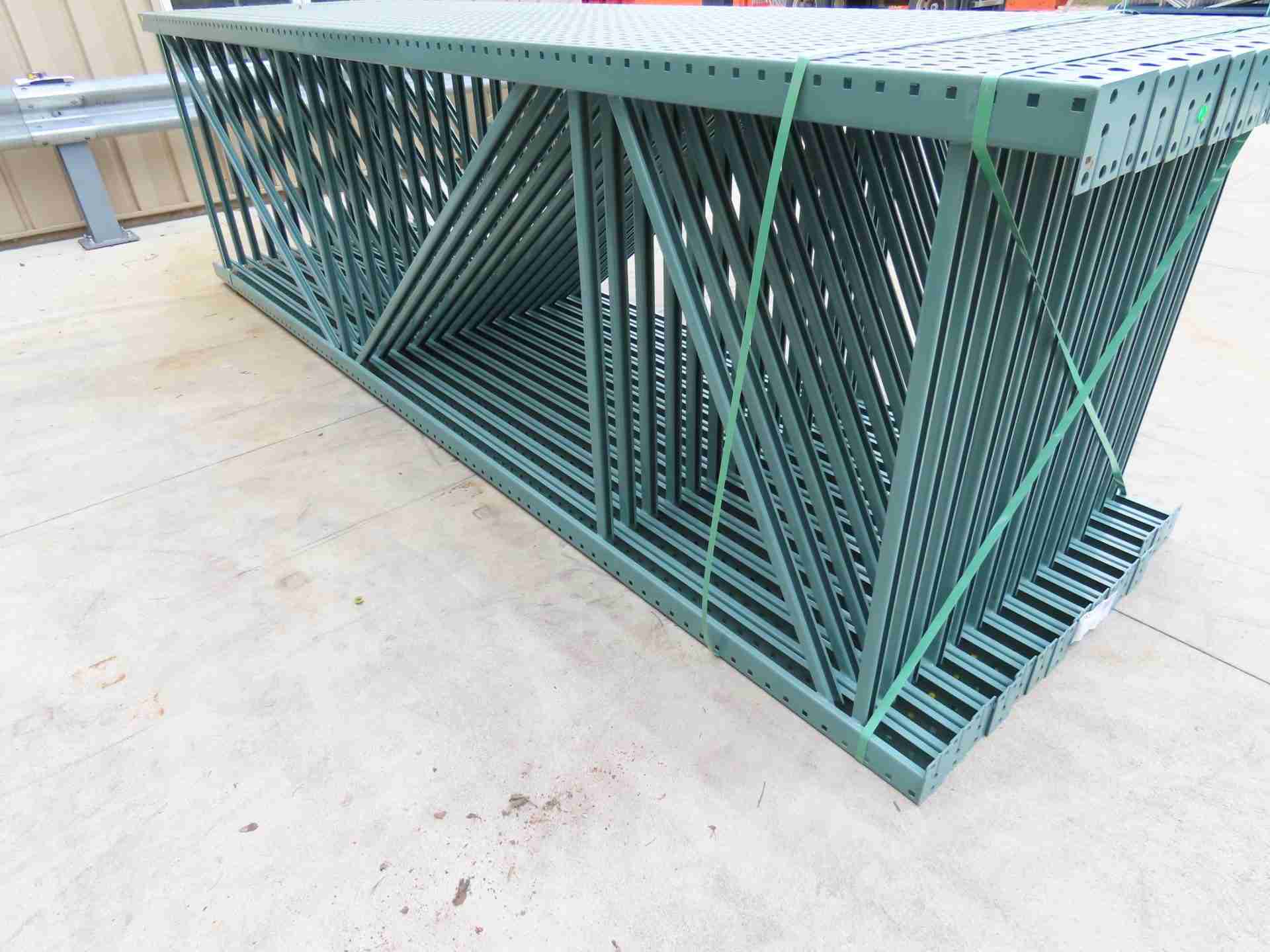
Are You Using Outdated Inventory Management Systems?
Are You Using Outdated Inventory Management Systems?
- Outdated inventory management systems can lead to operational inefficiencies and lost profits.
- A cluttered warehouse and poor inventory processes can hinder team efficiency and customer satisfaction.
- Effective inventory management helps monitor stock levels, turnover rates, and demand changes.
- Modern technology and intelligent systems are essential for thriving in today’s competitive market.
- Investing in advanced inventory solutions empowers teams and enhances overall business performance.
- Integration of systems is crucial for seamless operations and improved client trust.
- Now is the time to upgrade your inventory management practices for greater success and a better future.
Are You Using Outdated Inventory Management Systems?
Is Poor Stock Organization Leading To Increased Costs?
Is Poor Stock Organization Leading to Increased Costs?
Imagine walking into a warehouse that resembles a scene from a chaotic treasure hunt. Boxes precariously stacked, products buried under layers of inventory, and employees scrambling to find the right item all contribute to a costly inefficiency. It may seem harmless at first, but poor stock organization can eat away at your profits faster than a hungry raccoon raiding your garbage bins.
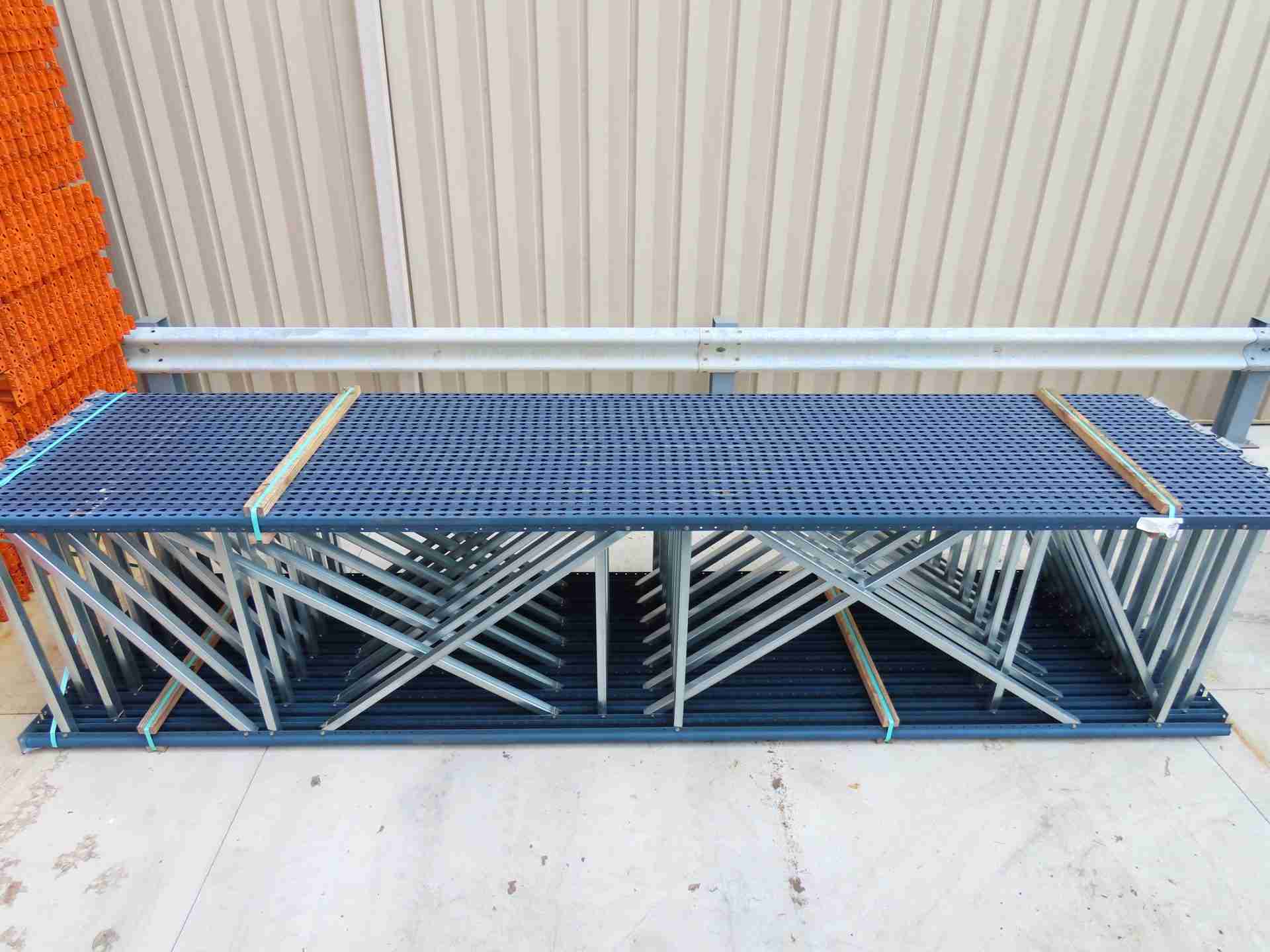
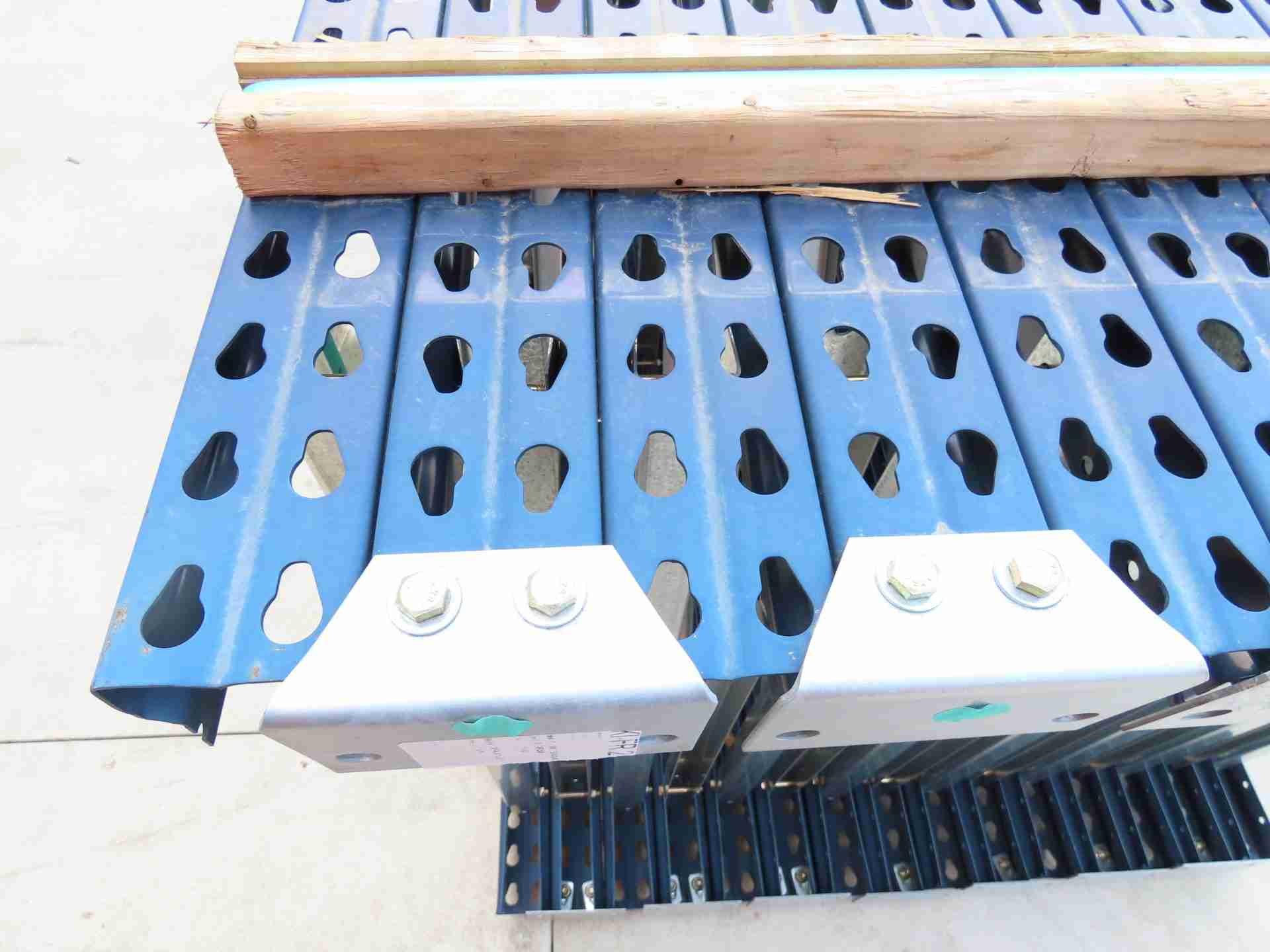
At the heart of smooth operations lies a critical component: Pallet Racking. This strategic storage solution isn’t just about keeping things off the ground; it’s about creating a seamless flow that empowers your workforce and streamlines your supply chain. When products are stacked haphazardly, not only do you risk damage, but you also waste valuable time searching for that one elusive item. Every minute spent stumbling around the warehouse is money lost, and every missed order translates to frustrated customers.
Let’s dive deeper into the implications of disorganized stock. Picture your employees, talented and capable, scrambling under pressure to fill orders. They know what to do; they just can’t find what they need. Increasing stress levels lead to mistakes—incorrect shipments, inventory discrepancies, and ultimately, dissatisfied customers. Sounds familiar? This vicious cycle can spiral out of control if left unchecked. The solution? An investment in proper stock organization through effective pallet racking systems.
Think of pallet racking as the backbone of an efficient warehouse operation. By maximizing vertical space and allowing for easier access to products, you empower your staff, reduce retrieval times, and ultimately cut down on labor costs. When everything is in its rightful place, your employees can do what they do best—serve your customers efficiently and effectively.
But it doesn’t stop there. A well-organized warehouse minimizes the risk of overstocking or stockouts, meaning you’re not tying up capital in unsold goods or losing out on sales because something isn’t available at the right moment. It’s not just about being organized; it’s about being smart with your resources.
If you’re nodding your head in agreement, it’s time to take action. Invest in a proper pallet racking system and transform chaos into order. A small tweak today can lead to significant savings tomorrow—and who wouldn’t want that? Remember, in the world of business, an ounce of prevention is worth a pound of profit!

Is Poor Stock Organization Leading To Increased Costs?
Is Poor Stock Organization Leading To Increased Costs?
- Poor stock organization can lead to inefficiencies and increased operational costs.
- Disorganized warehouses may result in damaged goods and wasted employee time.
- Employee stress from scrambling to find items can lead to mistakes and dissatisfied customers.
- Effective pallet racking systems help streamline operations and improve supply chain flow.
- Maximized vertical space and easier product access reduce retrieval times and labor costs.
- Well-organized stock minimizes risks of overstocking and stockouts, optimizing resource management.
- Investing in proper pallet racking can significantly improve warehouse efficiency and profitability.
Is Poor Stock Organization Leading To Increased Costs?
What Methods Can Optimize Warehouse Space Effectively?
In today’s competitive landscape, maximizing your warehouse space isn’t just a nice-to-have; it’s a necessity. With rising operational costs and ever-increasing customer demands, how you utilize every square foot can make the difference between thriving and merely surviving. So let’s dive into effective strategies that can transform your warehouse from cluttered chaos into a well-oiled machine.
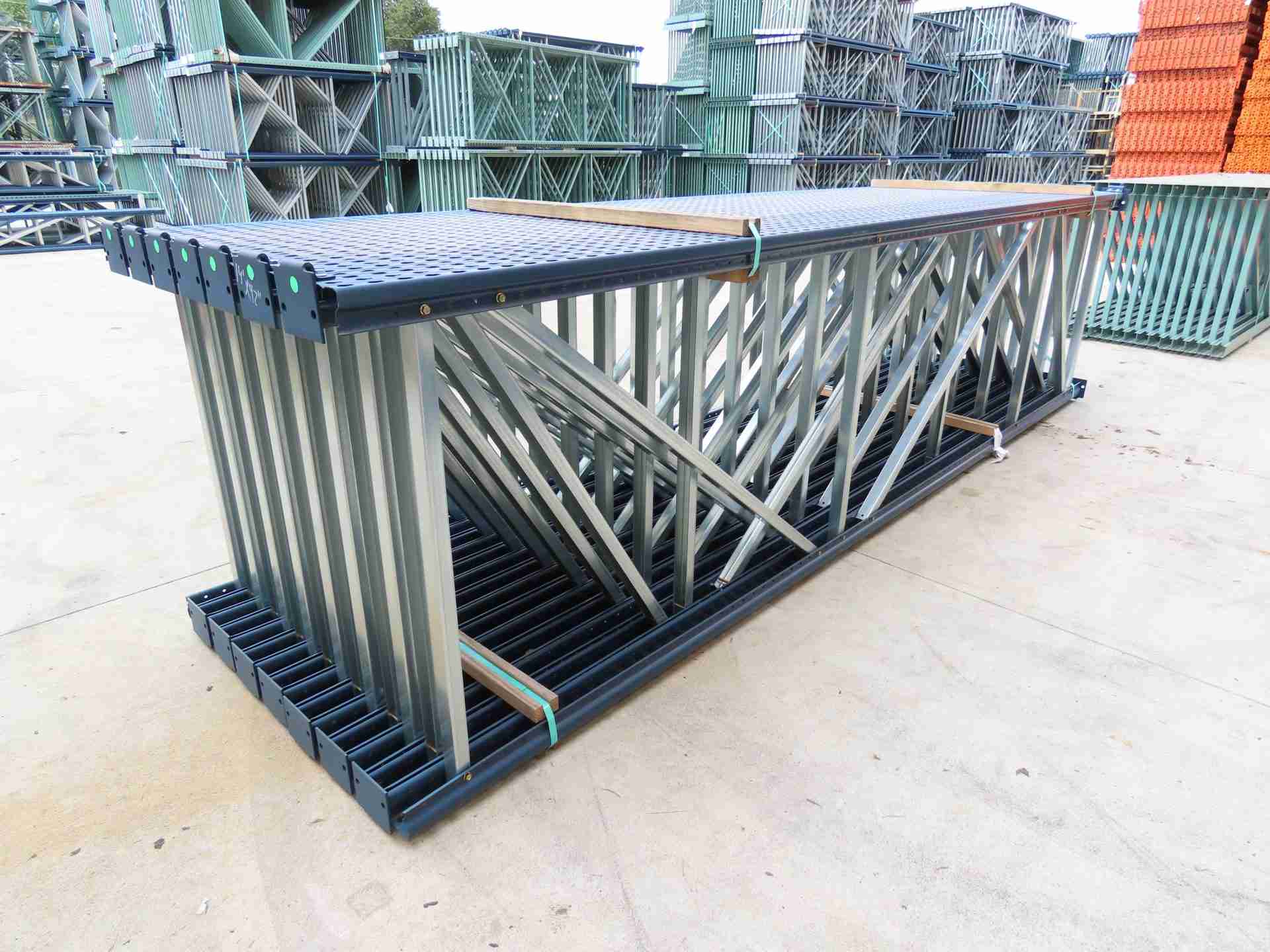
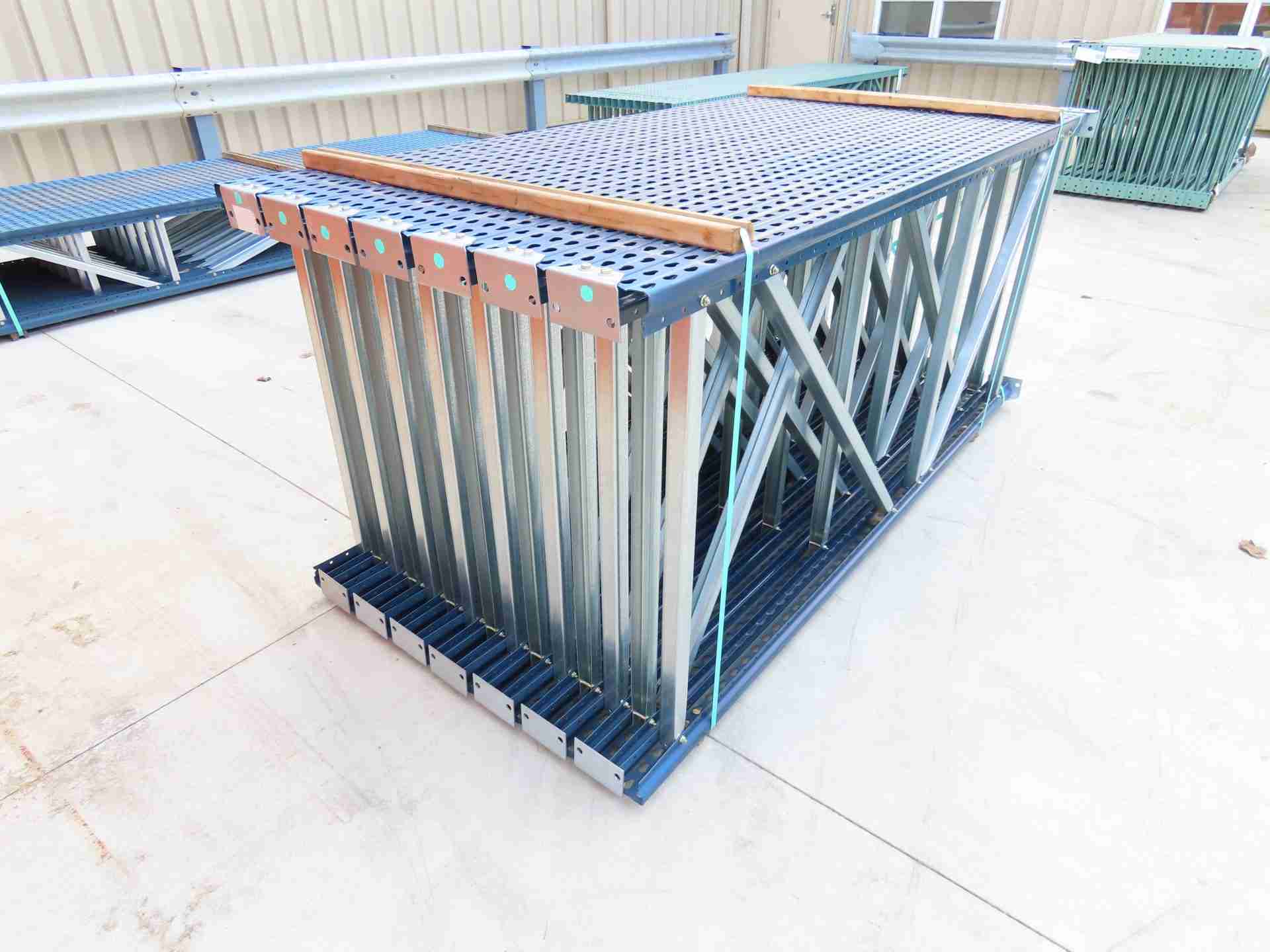
One of the most popular methods to optimize storage is pallet racking. Think of it as the backbone of any efficient warehouse. With the right pallet racking system, you can elevate your inventory to new heights—literally! This type of shelving allows you to stack multiple pallets, freeing up valuable floor space for other operations. Not only does it enhance inventory organization, but it also improves accessibility, which speeds up picking and packing processes. Imagine your warehouse running like clockwork, with employees trained to find exactly what they need in a matter of seconds!
Yet, optimizing space involves more than just installing a pallet racking system. Consider the layout of your warehouse. A well-considered design—one that promotes optimal flow and minimizes the distance your team travels to fulfill orders—can substantially impact efficiency. Lean on concepts like “ABC analysis,” which categorizes inventory based on turnover rates, to ensure your fastest-selling items are easily accessible. This method doesn’t just save time; it makes the work environment more productive and less chaotic.
Another powerful tool in your optimization arsenal is technology. Implementing warehouse management systems (WMS) can provide real-time insights into stock levels and automate reordering processes. When you know precisely what you have and what you need, your space becomes more manageable, reducing the chances of excess stock taking up crucial room. Why let disorganization reign when sophisticated systems can streamline your operations effortlessly?
Incorporate vertical storage solutions where appropriate. Utilizing the height of your warehouse not only maximizes your space but also allows you to take advantage of pallet racking and shelving units that might otherwise go unused. By leveraging the full potential of your warehouse’s dimensions, you can maintain an effective inventory while reducing ground-level clutter.
It’s time to stop viewing your warehouse as just a storage facility. See it as the engine driving your business forward. By embracing these methods—especially the transformative potential of pallet racking—you’ll not only optimize your space but also enhance efficiency, drive down costs, and ultimately elevate your bottom line. So, take action today and witness the profound difference a well-organized warehouse can make!
What Methods Can Optimize Warehouse Space Effectively?
What Methods Can Optimize Warehouse Space Effectively?
- Maximizing warehouse space is essential for thriving in today’s competitive environment.
- Pallet racking is a key method for optimizing storage, increasing inventory organization and accessibility.
- A well-designed warehouse layout promotes operational flow and reduces order fulfillment distances.
- Utilizing “ABC analysis” categorizes inventory by turnover rates for easier access to fast-selling items.
- Implementing warehouse management systems (WMS) provides real-time stock insights and automates reordering.
- Incorporating vertical storage solutions leverages unused height in warehouses, reducing ground-level clutter.
- Transforming your warehouse from a storage facility to an operational engine can drive efficiency and reduce costs.
What Methods Can Optimize Warehouse Space Effectively?
How Can You Identify Slow-Moving Inventory Items?
When it comes to effectively managing your inventory, identifying slow-moving items is crucial. After all, the health of your business hinges on how well you handle those stealthy stockpiles that don’t seem to budge. So, how do you spot these slow movers lurking in the shadows of your pallet racking? Let’s dive into the process.
First, take a good look at your inventory turnover ratio. This simple but powerful metric becomes your compass. A low turnover ratio signals that some items are simply not flying off the shelves. Ask yourself: “When was the last time I sold this?” If you can’t remember, it might be time to take action. Even better, regularly schedule reviews of your inventory reports. Your numbers will talk if you take the time to listen!
Next, categorize your inventory into A, B, and C items based on their sales velocity and profitability. Your A items are your fast movers, while C items drag their feet. By clearly marking these categories, you can focus your attention on what really matters and direct your precious resources toward boosting those lagging C items or clearing them out entirely.
Another effective strategy is to track days on hand. This tells you how many days it takes to sell an inventory item at your current sales pace. If that number reaches uncomfortable heights, you might want to rethink how you’re displaying those items on your pallet racking. Are they in an easy-to-access area? Perhaps a well-placed display or promotional signage could breathe new life into them.
Finally, engage your sales team. They are often the pulse of the business and can provide insights about customer preferences that numbers can’t reveal. Create a dialogue about what items your team feels are moving, and those they think are stagnating. Opening this line of communication fosters a sense of shared responsibility, promoting teamwork and accountability at all levels.
In understanding these elements, you’re not just managing your inventory; you’re fine-tuning the lifeblood of your business. Slow-moving inventory doesn’t have to spell doom. With proactive strategies and a keen eye, you can transform stagnation into opportunity. By making these changes today, you’re positioning yourself not just to survive, but to thrive in tomorrow’s marketplace.
How Can You Identify Slow-Moving Inventory Items?
How Can You Identify Slow-Moving Inventory Items?
- Identifying slow-moving items in your inventory is crucial for business health.
- Monitor your inventory turnover ratio to identify items that aren’t selling.
- Regularly review inventory reports to stay informed about stock levels.
- Categorize inventory into A, B, and C items based on sales velocity and profitability.
- Track days on hand to understand how long items take to sell at current sales rates.
- Engage your sales team for insights on customer preferences and item performance.
- Implement proactive strategies to transform slow-moving inventory into opportunities for growth.
How Can You Identify Slow-Moving Inventory Items?
Are There Tools To Streamline Your Stock Management Process?
In today’s fast-paced business environment, stock management isn’t just an operational task—it’s a strategic necessity that can make or break your bottom line. If you’ve ever stood in front of a warehouse filled with pallet racking, the challenge of maintaining order amidst the chaos can feel overwhelming. Picture this: inventory levels teetering on the brink, outdated tools that sap your productivity, and the nagging worry that you might run out of stock just as a big order rolls in. Could there be a way to conquer this rampant complexity?
Absolutely! The good news is that modern technology offers an array of tools designed specifically to streamline the stock management process. Think of inventory management software as your trusty sidekick—equipped with real-time tracking, automated alerts, and forecasting features that eliminate guesswork. Imagine having a digital assistant that not only organizes your pallet racking inventory but also ensures that each product has a designated spot, easy retrieval, and a seamless replenishment strategy. The days of sifting through boxes only to find you’re missing a crucial item? Those can be put in the rearview mirror!
But that’s just the beginning. Picture integrating RFID technology and barcode scanners into your operations—these tools can catapult your efficiency into the stratosphere. Imagine each pallet racking unit tagged and tracked, providing instant updates on stock levels and locations. With just a quick scan, you can manage your inventory costs and better understand your supply chain dynamics. Trust me; the ease of having real-time insights at your fingertips provides unparalleled peace of mind.
Yet the heart of effective stock management lies in your team. Any tool is only as good as the people behind it. Empower your staff with training on the new systems and foster a culture that embraces change. You’ll see not just improved accuracy and efficiency but also a boost in morale as they take ownership of an organized, proactive inventory management approach.
In a world where time is money, embracing these tools isn’t just smart—it’s essential. You’ll not only streamline your processes; you’ll elevate your business to new heights. So take that leap forward, invest in your stock management, and watch as efficiency becomes your competitive advantage. The power to transform your operations is right at your fingertips. Don’t let outdated practices keep you chained to mediocrity—take action now!
Are There Tools To Streamline Your Stock Management Process?
Are There Tools To Streamline Your Stock Management Process?
- Stock management is a strategic necessity in today’s business environment.
- Inventory management software offers tools like real-time tracking and automated alerts.
- Modern technology can streamline complex stock management processes.
- Integrating RFID technology and barcode scanners improves efficiency and inventory control.
- Real-time insights enhance understanding of stock levels and supply chain dynamics.
- Empowering staff through training fosters a proactive inventory management culture.
- Investing in stock management tools can elevate business efficiency and competitiveness.
Are There Tools To Streamline Your Stock Management Process?
Conclusion
Conclusion: Unlock Your Warehouse’s Full Potential with Arrow Industrial Sales
In the chaotic realm of warehouse management, disorganization can act as an anchoring weight, dragging down efficiency, morale, and ultimately, profits. As we’ve explored, a disordered warehouse environment often leads to missed sales opportunities, increased operational costs, and frustration among staff. However, the good news is that it doesn’t have to be this way. The solution lies in a systematic approach to organization, bolstered by innovative tools and strategic enhancements—specifically, implementing pallet racking systems.
Pallet racking is not merely about storage; it’s about transforming your entire operational flow. By maximizing vertical space and ensuring rapid access to inventory, you pave the way for higher productivity and a more satisfying customer experience. Imagine the transformation: employees no longer stumbling through a sea of boxes, but instead navigating an orderly, efficient space where every product has its place.
But the call to action doesn’t stop at mere acknowledgment of the problem. It’s about taking definitive, measurable steps towards improvement. Start by evaluating your current layout, identifying inefficiencies, and investing in modern inventory management systems that leverage data for smarter decision-making. This proactive approach not only minimizes the risk of under- or overstocking but also empowers your team to excel in their roles, enhancing overall morale and performance.
As you consider your next steps, remember that the path to operational excellence begins with prioritizing the organization of your warehouse. Don’t allow outdated systems or cluttered spaces to hinder your ambitions. The advantages of a well-organized stockroom are significant—enhanced sales, improved customer satisfaction, and reduced operational costs are just a few of the benefits waiting for you on the other side.
Time is of the essence; every moment spent in disorganization is a moment lost towards reaching your company’s full potential. Don’t let another day go by feeling weighed down by chaos. Now is the time to act! Contact Arrow Industrial Sales at (574) 349-6575 to learn how their solutions can specifically address your warehouse challenges. Discover how embracing the right systems and strategies can elevate your operations and take your business to the next level. Unlock the potential of your warehouse—transform chaos into order and observe the profound effects this has on your bottom line. Your journey to a highly efficient warehouse starts today!
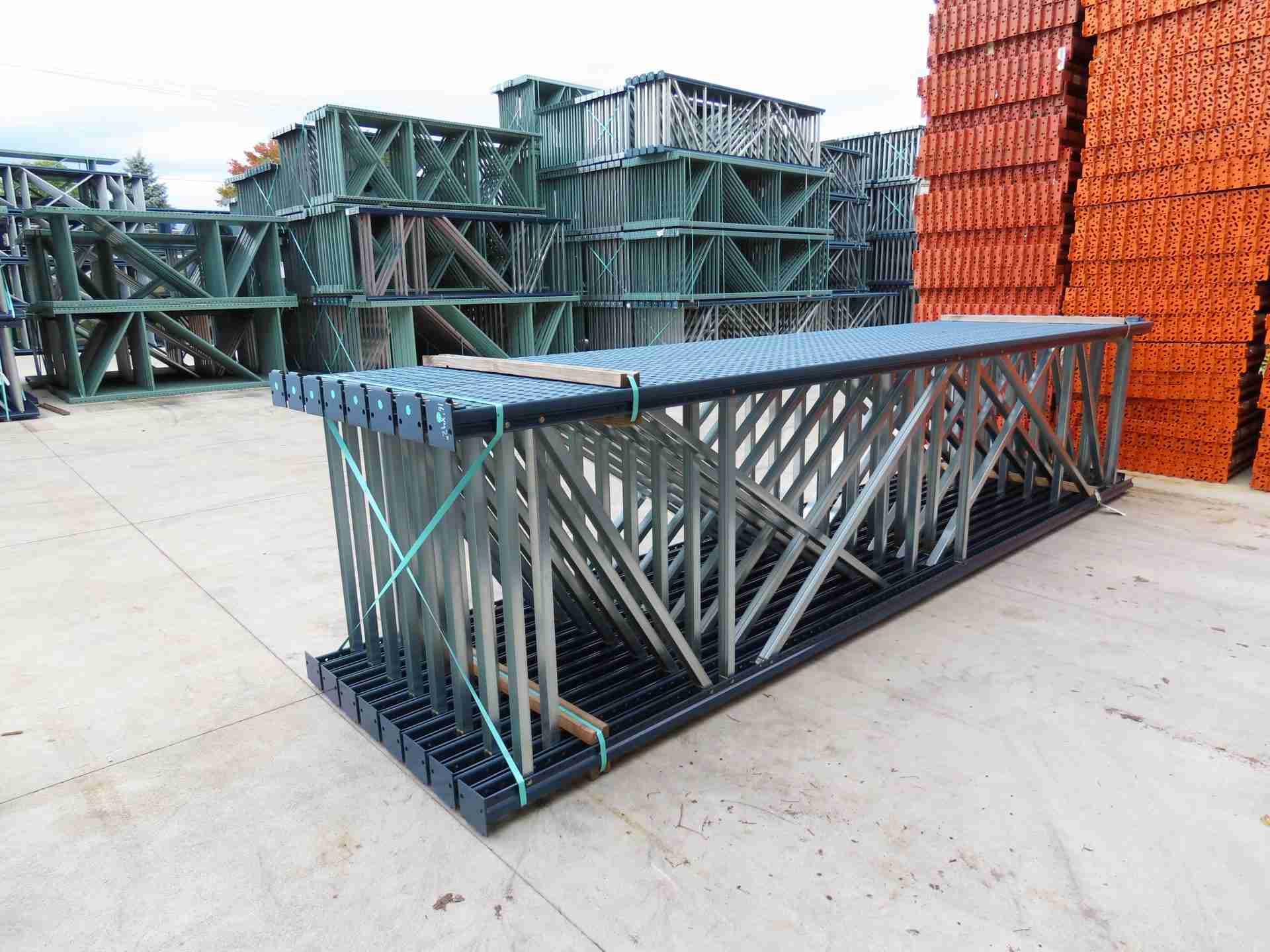
Conclusion
Conclusion:
- Disorganization in warehouse management leads to decreased efficiency, morale, and profits.
- A systematic approach to organization, particularly through pallet racking systems, can transform operational flow.
- Pallet racking maximizes vertical space and ensures quick inventory access, boosting productivity and customer satisfaction.
- Evaluating the current layout and investing in modern inventory management systems are critical for improvement.
- Organizing your warehouse enhances sales, customer satisfaction, and reduces operational costs.
- Acting now against disorganization is essential to reach your company’s full potential.
- Contact Arrow Industrial Sales for tailored solutions to your warehouse challenges to start your journey towards efficiency.
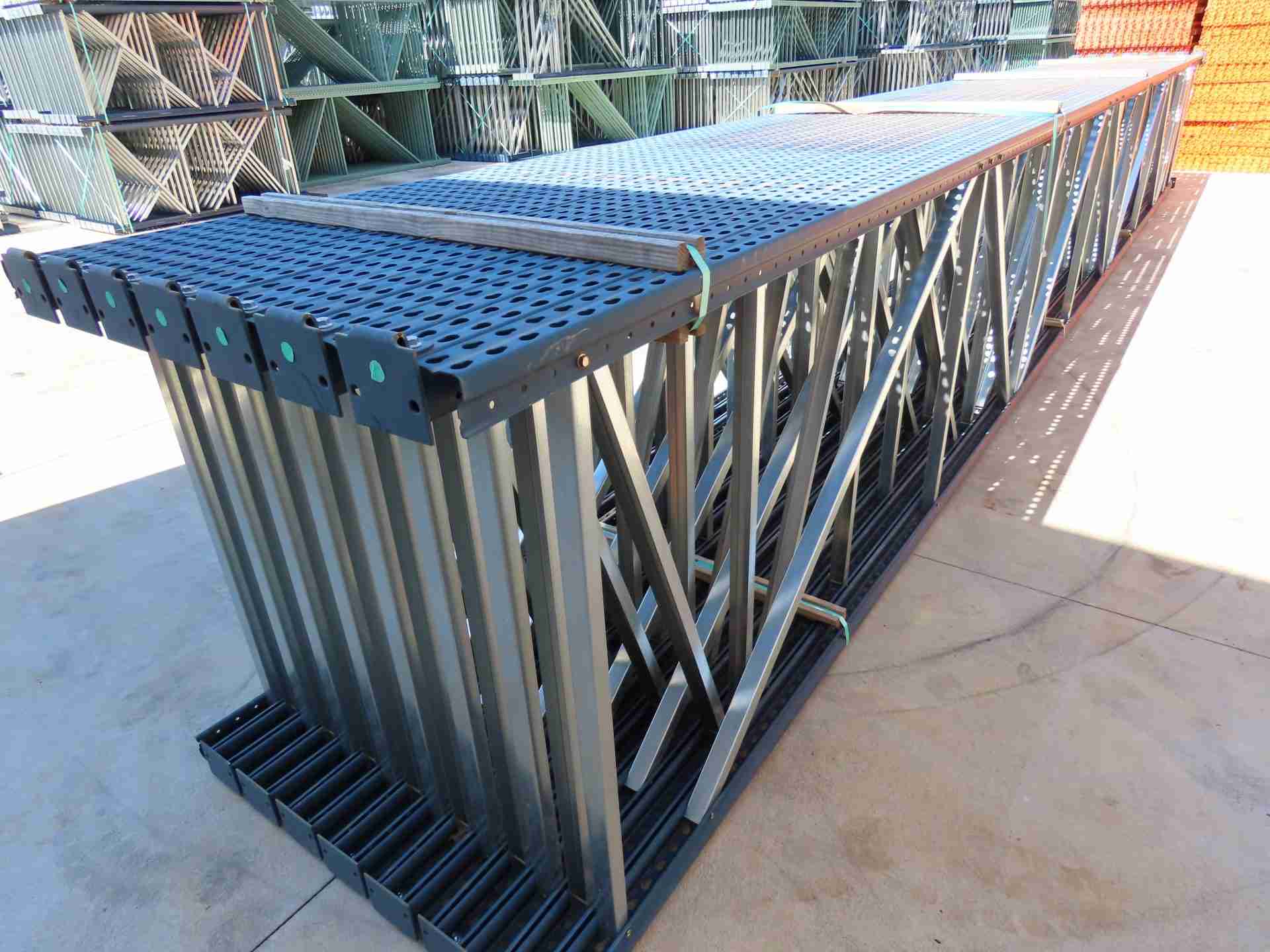
Conclusion
Other Resources
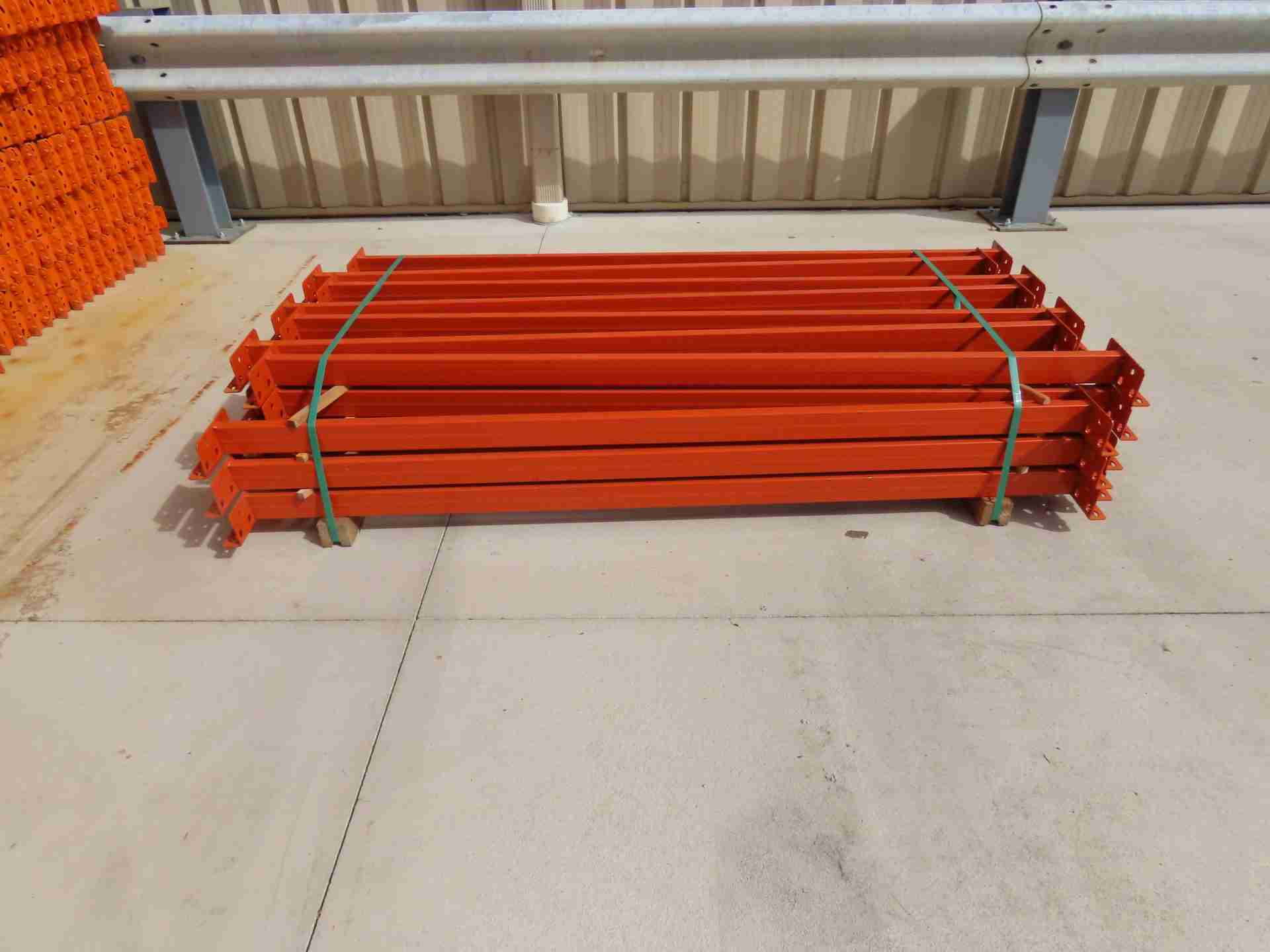
Other Resources
Here is a list of other resources you can review online to learn more:
- Cantilever Rack Configuration & Installation: A Comprehensive Guide – BMH
- American Surplus
- Iowa Illinois Warehouse Racking
- Interlake Mecalux
- BMH Equipment LLC
- Pallet Racking systems in Illinois and Great Lakes
- Teardrop Industrial Shelving Rack
- Warehouse Racking System: Powerful Guide to Optimise, 2024
- Warehouse Racking Chicago, IL
- Illinois Pallet Racking – WPRP
Use This Prompt To Get More Resources With Your Favorite Online AI Tool: Please provide me with a list of online articles with their URLs in a bulleted list that I can read regarding Is Your Disorganized Warehouse Stock Keeping You From Meeting Goals?
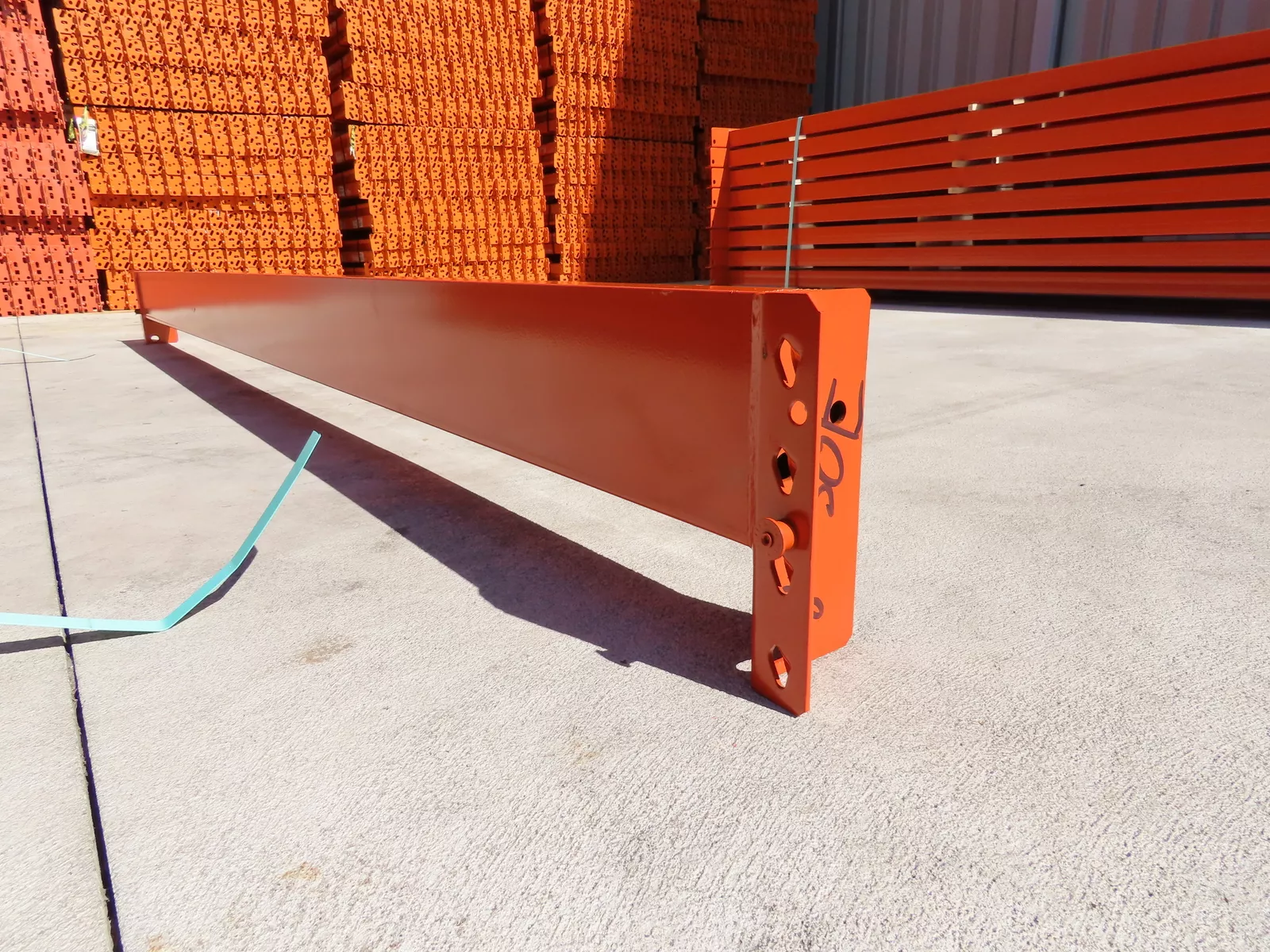
Other Resources
Glossary Terms
Is Your Disorganized Warehouse Stock Keeping You From Meeting Goals? – Glossary Of Terms
1. Inventory: The total amount of goods and materials available for sale or distribution in a warehouse.
2. Stock Keeping Unit (SKU): A unique identifier assigned to a specific product or item, used to track inventory.
3. Warehouse Management System (WMS): Software designed to support and optimize warehouse functionality and distribution center management.
4. Lead Time: The total time taken from placing an order to having it fulfilled, affecting inventory turnover and availability.
5. Cycle Count: An inventory auditing procedure where a subset of inventory is counted on a specific day.
6. FIFO (First In, First Out): An inventory management method in which the oldest items are sold or used first.
7. LIFO (Last In, First Out): An inventory management method in which the most recently acquired items are sold or used first.
8. Just-In-Time (JIT): An inventory strategy that aligns raw-material orders from suppliers directly with production schedules.
9. Cross-Docking: A logistics practice where incoming goods are directly transferred to outgoing shipments, reducing storage time.
10. Kanban: A visual system for managing work as it moves through a process, used to optimize inventory and workflow.
11. Overstock: Inventory that exceeds the optimal level required to meet demand, leading to increased holding costs.
12. Understock: A situation where inventory levels fall below the required amount to meet demand, risking stockouts.
13. Bin Location: A designated storage area within the warehouse for a specific product or SKU, helping with organization.
14. Picking: The process of selecting and gathering products from inventory to fulfill customer orders.
15. Packing: The phase in which picked items are boxed or placed in containers for shipping to customers.
16. Shipping: The process of transporting goods to customers or distribution centers, critical for inventory turnover.
17. Barcode System: A method of using barcodes to track and manage inventory efficiently, simplifying stock counting and sales.
18. RFID (Radio Frequency Identification): A technology that uses radio waves to automatically identify and track tags attached to objects, enhancing inventory accuracy.
19. Return on Investment (ROI): A performance measure used to evaluate the efficiency of an investment, like upgrading warehouse systems.
20. Space Optimization: The process of efficiently utilizing warehouse space to increase capacity and productivity.
21. Inventory Turnover: A measure of how often inventory is sold and replaced over a period, reflecting the efficiency of inventory management.
22. Supplier Management: The process of managing a company’s relationships with suppliers, crucial for maintaining adequate inventory levels.
23. Safety Stock: Extra inventory maintained to prevent stockouts caused by demand fluctuations or supply chain disruptions.
24. Demurrage: Charges incurred for holding cargo in warehouses beyond a specified time limit, highlighting the need for faster turnover.
25. Slotting: The practice of optimizing product placement in a warehouse to ease picking and increase efficiency.
26. Audit Trail: A sequence of records that trace the history of inventory items, helping in accountability and loss prevention.
27. Mock Inventory: A simulated count of inventory to practice and improve counting methods without impacting actual stock levels.
28. Order Fulfillment: The complete process from receiving an order to delivering the product to the customer, crucial for customer satisfaction.
29. Workflow Optimization: The process of improving the efficiency of various operations within the warehouse to meet goals and reduce waste.
30. Continuous Improvement: An ongoing effort to improve products, services, or processes in the warehouse, ensuring adaptations to new challenges.
Glossary Of Terms
Other Questions
Is Your Disorganized Warehouse Stock Keeping You From Meeting Goals? – Other Questions
If you wish to explore and discover more, consider looking for answers to these questions:
- What are the signs that my warehouse is disorganized?
- How can I effectively measure warehouse efficiency?
- What are the costs associated with a disorganized warehouse?
- How does warehouse disorganization impact customer satisfaction?
- What specific benefits can pallet racking provide beyond storing products?
- How often should I conduct inventory audits?
- What best practices should I follow for warehouse layout design?
- What technology solutions are available to improve inventory management?
- How can I train my team for better inventory management practices?
- What metrics should I track to manage slow-moving inventory?
- How can I promote better inventory practices among staff?
- What industries benefit most from effective stock organization?
- What impact do outdated inventory systems have on operational efficiency?
- Are there specific tools or software recommendations for inventory management?
- How can I handle seasonal fluctuations in inventory effectively?
Other Questions
Checklist
Is Your Disorganized Warehouse Stock Keeping You From Meeting Goals? – A Checklist
Warehouse Organization Checklist: Optimize Efficiency and Meet Goals
Use this checklist to identify and implement strategies for organizing your warehouse and improving inventory management. By following these steps, you can enhance productivity, reduce costs, and ultimately achieve your business goals.
Warehouse Layout & Organization
_____ Evaluate Current Layout: Assess your current warehouse layout and identify areas of chaos and confusion.
_____ Implement Pallet Racking: Consider investing in pallet racking to maximize vertical space and improve accessibility.
_____ Categorize Inventory: Organize items using an ABC categorization system based on sales velocity and profitability.
_____ Optimize Flow: Design your warehouse layout to minimize travel distance for staff while fulfilling orders.
Inventory Management Practices
_____ Review Inventory Turnover: Calculate your inventory turnover ratio to identify slow-moving items.
_____ Schedule Regular Audits: Conduct regular inventory checks to keep stock levels accurate and up-to-date.
_____ Utilize Stock Management Tools: Invest in inventory management software for real-time tracking and automated alerts.
Employee Engagement
_____ Train Staff: Provide training on new inventory management systems and processes to boost efficiency.
_____ Promote Communication: Foster a dialogue between employees and management to gain insights on inventory handling.
Technology Integration
_____ Adopt New Technologies: Consider using RFID technology and barcode scanners to streamline stock management.
_____ Assess Outdated Systems: Review and upgrade any outdated inventory management systems to modern solutions.
Customer Experience
_____ Enhance Accessibility: Ensure that fast-moving items are easily accessible on your warehouse floor.
_____ Eliminate Clutter: Maintain a clean and organized warehouse to improve customer trust and satisfaction.
Continuous Improvement
_____ Monitor Metrics: Regularly track and analyze key performance indicators related to inventory and warehouse efficiency.
_____ Adjust Strategies: Be flexible and willing to adapt strategies based on feedback and performance data.
By implementing this checklist, you can take actionable steps toward creating a more organized warehouse that meets your operational goals and enhances customer satisfaction. Start today!
Checklist
At RackingWorld, we help guide you through selecting warehouse storage systems and racking.
Be sure to read our other related stories at RackingWorld to learn more about warehouse storage systems.
0 Comments