
Maximizing Efficiency: Evaluating Your Warehouse Storage
By Tom Seest
At RackingWorld, we help guide you through selecting warehouse storage systems and racking.
Be sure to read our other related stories at RackingWorld to learn more about warehouse storage systems.
How Can You Assess The Effectiveness Of Your Warehouse Storage?
When it comes to maximizing the performance of your warehouse, one essential aspect stands out above the rest: assessing the effectiveness of your storage systems. If you’re feeling overwhelmed, don’t fret! This process can be straightforward, and it’s a vital ingredient in the recipe for operational success. Imagine walking through your warehouse and spotting areas for improvement that not only boost productivity but also save you money. Intriguing, right? Let’s dive into the heart of the matter.
First, consider observing your pallet racking systems. Is it easy to access items? Efficiency in storage isn’t just about fitting as much as possible into a confined space; it’s about optimizing the flow of goods. If your pallet racking is awkwardly designed or cluttered, you’re likely wasting time and, let’s face it, money. A quick inventory and assessment of your current racking setup can reveal how effectively you’re utilizing vertical space.
Next up is the measurement of your warehouse’s storage density. Are there areas where goods are stacked, taking up precious square footage without a plan? Higher density doesn’t always mean smarter storage. Ask yourself: Is the layout conducive to the optimum movement of your products? If you’re juggling inventory like a circus performer, it might be time to rethink your approach. A well-organized warehouse means reduced retrieval time, which translates to better customer satisfaction.
Don’t overlook the importance of key performance indicators (KPIs). Setting benchmarks is vital for assessing how well your system performs. Look at metrics like order-picking speed and inventory turnover rates. Are they aligned with your goals? If not, hold those numbers close—they are your best friends in guiding you toward what needs adjusting.
Lastly, invite input from your employees. Who better to understand the daily struggles and successes than those on the front lines? Schedule regular feedback sessions to tap into their insights for further action. An engaged team is a dynamic team, noticeably impacting overall productivity.
Taking a proactive approach to assess your warehouse storage doesn’t just of improve efficiency; it builds trust and confidence within your operation. By harnessing the power of strategic evaluation, you can transform your warehouse into a well-oiled machine, positively impacting your bottom line. So, roll up your sleeves and take that first step—your leaner, meaner warehouse awaits!

How Can You Assess The Effectiveness Of Your Warehouse Storage?
How Can You Assess The Effectiveness Of Your Warehouse Storage?
- Assess the effectiveness of warehouse storage systems to maximize performance.
- Evaluate pallet racking for accessibility and efficient use of vertical space.
- Measure storage density to ensure optimal layout and product movement.
- Monitor key performance indicators (KPIs) like order-picking speed and inventory turnover.
- Gather employee feedback for insights on daily operations and challenges.
- Adopting a proactive assessment approach enhances efficiency and builds trust.
- Transform your warehouse into a streamlined operation to positively impact the bottom line.
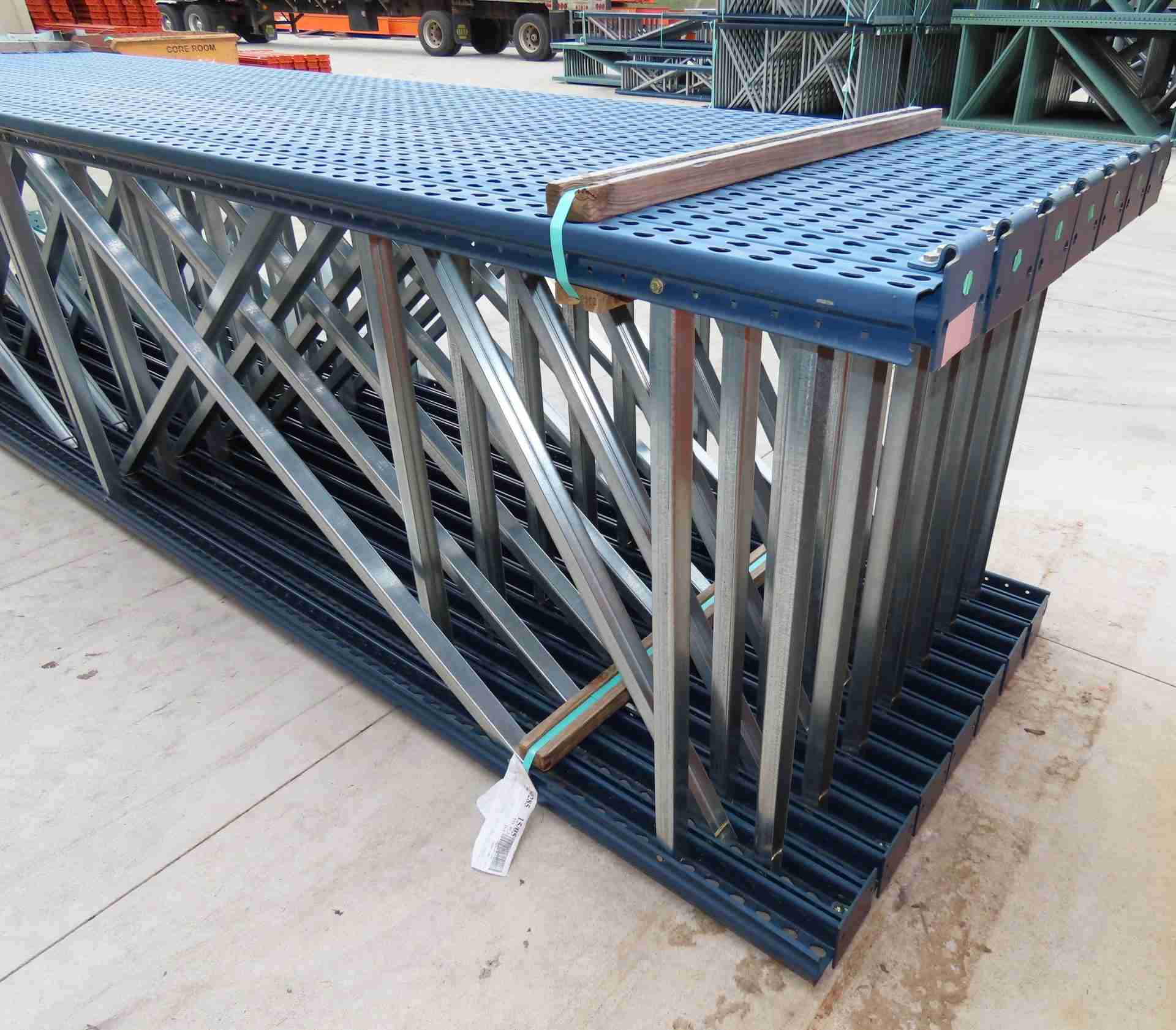
How Can You Assess The Effectiveness Of Your Warehouse Storage?
Table Of Contents
- How Can You Assess The Effectiveness Of Your Warehouse Storage?
- What Metrics Indicate Effective Warehouse Storage?
- How Do You Measure Space Utilization?
- Are Your Inventory Turnover Rates Optimal?
- How Can You Evaluate Picking Efficiency?
- What Role Does Layout Design Play In Storage Effectiveness?
- How To Assess The Accuracy Of Inventory Records?
- Conclusion
- Other Resources
- Glossary Of Terms
- Other Questions
- Checklist
What Metrics Indicate Effective Warehouse Storage?
In the world of warehousing, success isn’t just about having a neat stack of boxes or a shiny new pallet racking system. It’s about understanding the metrics that define efficiency and productivity. Imagine walking into a well-organized warehouse; your heart races with confidence, knowing that every item is just where it needs to be. That feeling translates into a competitive edge for your business. But how do we measure this effectiveness? Let’s dive into the key metrics that can illuminate your warehouse operations.
First and foremost, look at Space Utilization. This metric reveals how effectively you’re using your storage area, including your pallet racking configurations. A well-planned layout enhances access to products and minimizes wasted space. Consider conducting regular audits: Are your racks filled to optimal capacity? Are you using vertical space to its full potential? If not, it’s time to rethink your storage strategy. An underutilized warehouse is like a pot of gold sitting just out of reach; unlock that treasure by maximizing your space!
Another critical metric to assess is Order Picking Accuracy. In an age where e-commerce is king, the ability to pick and pack orders with precision can set you apart from the competition. High accuracy means fewer returns, improved customer satisfaction, and ultimately, a better bottom line. Implementing technology solutions, such as barcode scanners or Automated Storage and Retrieval Systems (AS/RS), can significantly bolster your picking accuracy—but don’t overlook the human element. Training your team on best practices can yield remarkable results.
Speaking of human resources, let’s talk about Labor Efficiency. This metric gauges the productivity of your workforce. Are your employees operating at their peak capacity? Regular training, empowering staff with the right tools, and fostering a culture of continuous improvement can enhance labor efficiency. A motivated team can turn a warehouse from just a place for storage into a well-oiled machine of profitability!
Lastly, consider your Inventory Turnover Ratio. A high turnover rate indicates that your products are selling, while a low turnover suggests overstocks and capital tied up in unsold goods. Keeping track of this number not only helps in demand forecasting but also aids in making informed decisions about product range and variety.
By focusing on these essential metrics, you can cultivate a warehouse environment that is as dynamic and responsive as your business needs. Remember, optimizing your warehouse is a journey, not a destination. So take action, and let those numbers guide you towards success!
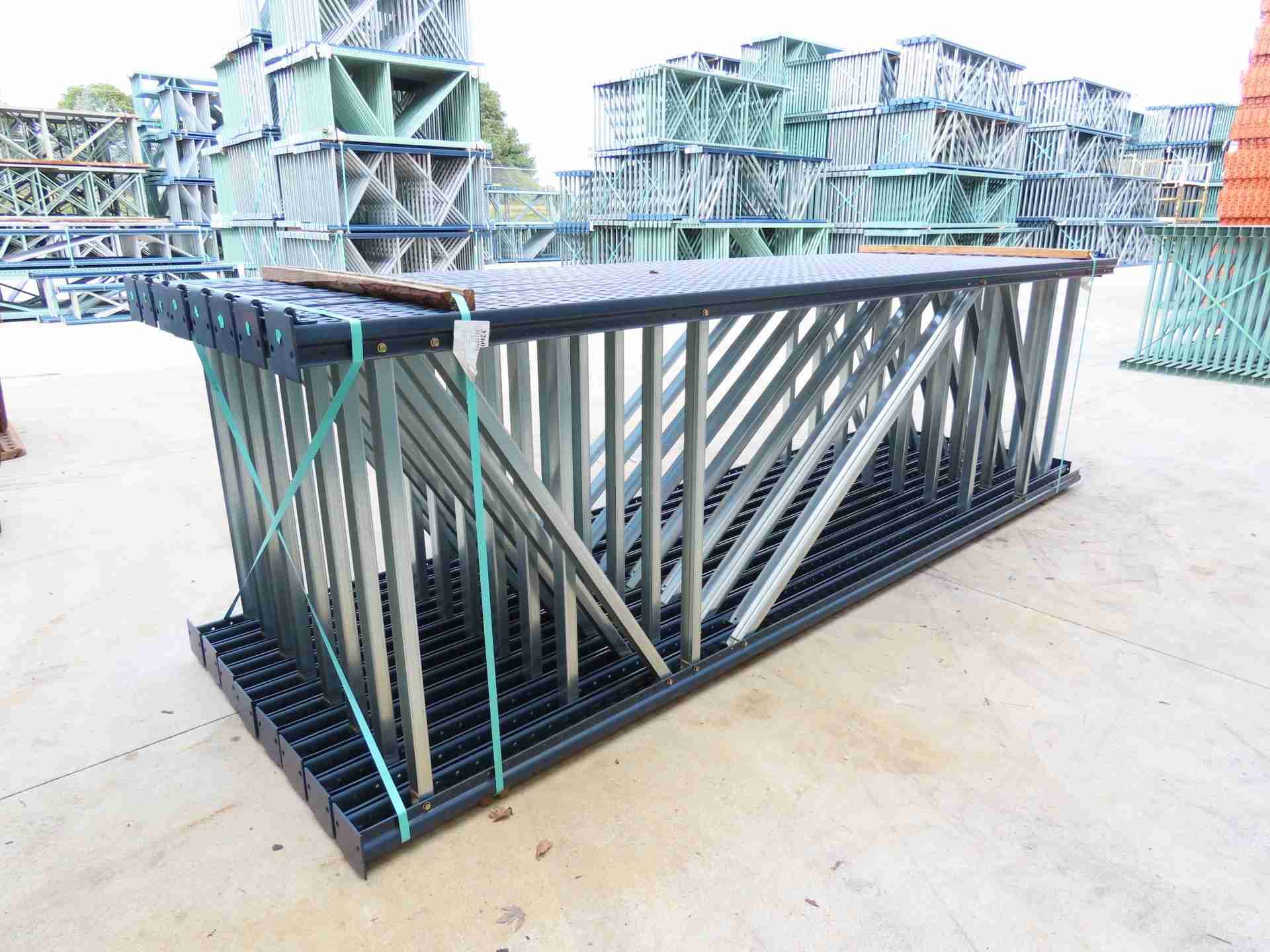
What Metrics Indicate Effective Warehouse Storage?
What Metrics Indicate Effective Warehouse Storage?
- Success in warehousing relies on understanding metrics that define efficiency and productivity.
- Space Utilization measures the effectiveness of your storage area and layout, highlighting areas for improvement.
- Regular audits can help maximize warehouse space and improve access to products.
- Order Picking Accuracy is crucial for e-commerce success, impacting customer satisfaction and reducing returns.
- Technology solutions and team training can significantly improve picking accuracy.
- Labor Efficiency assesses workforce productivity, and empowering staff can enhance performance.
- Inventory Turnover Ratio helps track product sales, informing demand forecasting and product decisions.
What Metrics Indicate Effective Warehouse Storage?
How Do You Measure Space Utilization?
When it comes to maximizing your warehouse performance, understanding space utilization isn’t just a nice-to-have; it’s an absolute necessity. In the competitive landscape of logistics and inventory management, your ability to effectively measure and leverage every square inch can dramatically elevate your operational efficiency and, ultimately, your bottom line.
So, how do you get started? Let’s break it down in a way that’s not only straightforward but also engaging. First up, let’s look at your current layout. Are your forklifts zipping around like they’re racing a clock? Or are they stalling, hemmed in by inefficient Pallet Racking setups? It’s critical to evaluate the existing structures in your warehouse, as this will give you a solid baseline to measure against.
Next, gather your data! Don’t worry; you don’t need an advanced degree in statistics. Start by calculating your total floor space and then measure how much of that space is actually used for storage. Are you utilizing every level of your Pallet Racking? Identify areas that might be underperforming. The beauty of measuring space utilization is that it helps you unearth those hidden pockets of opportunity that can lead to significant improvements.
Now, let’s dig into some key metrics. One popular way to assess your space utilization is the “space utilization ratio.” This nifty little formula compares the volume of used storage space to the total available storage space. High utilization may seem great on paper, but keep your eyes peeled; over-utilization can lead to bottlenecks and inefficiencies.
Additionally, consider implementing inventory management software that offers real-time analytics. Trust me; you’ll wonder how you ever managed without it. These tools, tailored specifically for Pallet Racking and storage solutions, can provide data-driven insights that help you make informed decisions about your layout.
Lastly, don’t shy away from asking your employees for feedback. They’re the ones on the ground, maneuvering through tight spaces and dealing with inventory directly. Creating a culture of open communication will not only improve your space utilization strategy but also inspire trust and teamwork.
In summary, measuring space utilization is about recognizing value in every nook and cranny of your warehouse. By tracking data, leveraging the right tools, and fostering a spirit of collaboration, you will not only inspire confidence in your team but also set the stage for a smarter, more efficient operation. Grab this opportunity to transform your space into a well-oiled machine!

How Do You Measure Space Utilization?
How Do You Measure Space Utilization?
- Understanding space utilization is essential for maximizing warehouse performance.
- Evaluate your current warehouse layout to identify inefficiencies.
- Calculate total floor space used for storage and identify underperforming areas.
- Use the space utilization ratio to assess storage efficiency.
- Implement inventory management software for real-time analytics and insights.
- Encourage employee feedback to enhance space utilization strategies and foster teamwork.
- Recognizing value in every aspect of the warehouse can lead to smarter, more efficient operations.
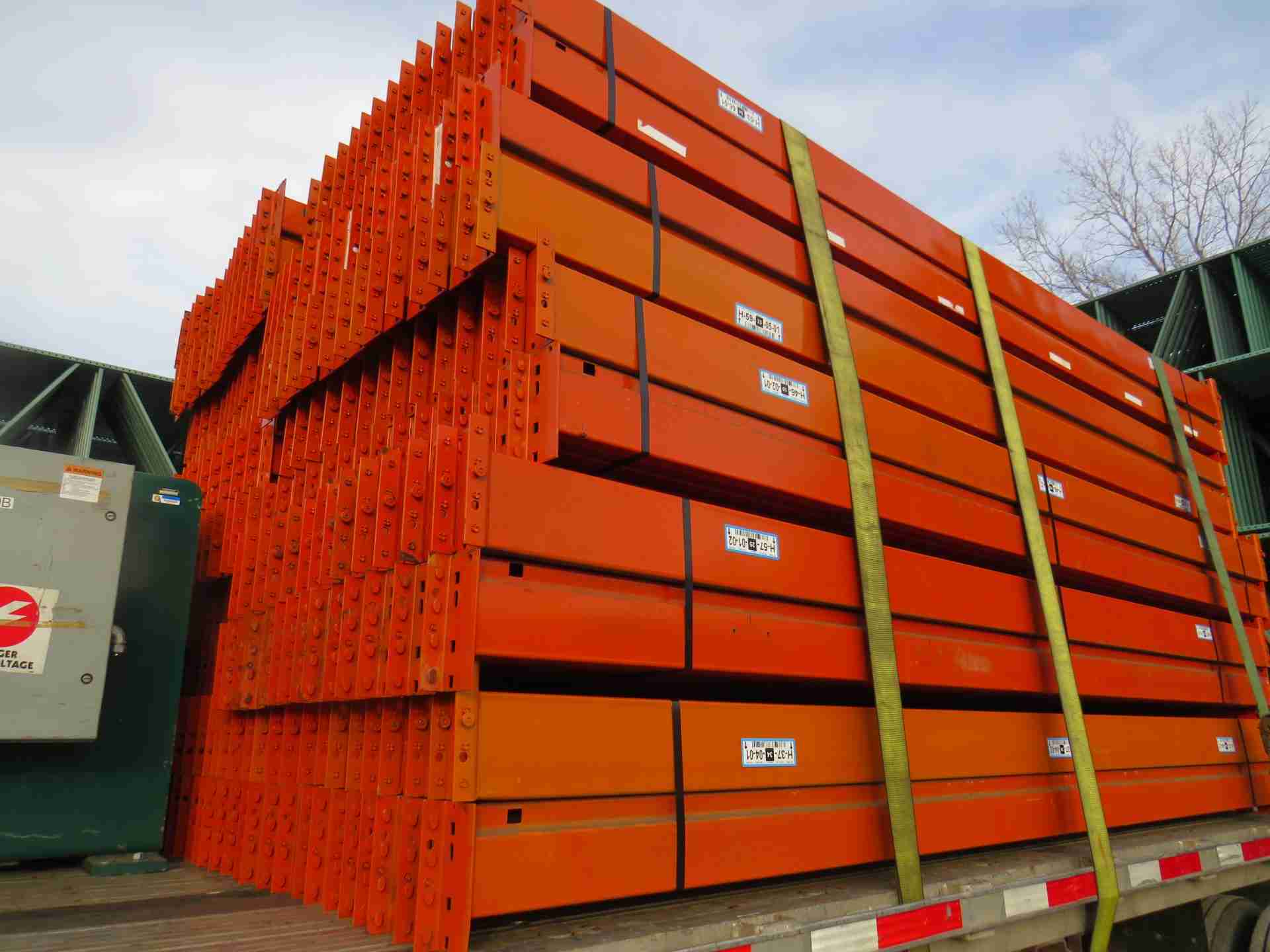
How Do You Measure Space Utilization?
Are Your Inventory Turnover Rates Optimal?
In the world of retail and warehousing, understanding your inventory turnover is as crucial as knowing the pulse of your business. Why? Because optimal inventory turnover not only affects your cash flow, but it also influences your overall profitability. Think about it: Every time you move inventory off the shelf or out of the warehouse via your pallet racking systems, you’re tapping into new revenue opportunities. It’s like a mini-lighthouse guiding your cash flow through the murky waters of excessive stock and sluggish sales.
Now, let’s be honest. Most businesses struggle with determining whether their turnover rates are truly optimal. Are you holding onto dead stock longer than you should? Are your shelves filled with items that just aren’t moving? Poor turnover can lead to a tangled web of unnecessary costs—think storage fees, spoilage, and the opportunity cost of capital tied up in unsold products.
Imagine this scenario: you’ve invested in an efficient pallet racking system designed to maximize your storage capacity, but if your stock isn’t moving, are you really reaping its rewards? Here’s where the magic happens. When you analyze your turnover rates, not only do you clarify what sells, but you uncover the hidden gems—those products that are flying off the racks and generating buzz among your customers.
But here’s the catch: simply measuring turnover isn’t enough. You’ve got to take action. If your numbers are lower than you’d like, it’s time to dig deep. Look at your suppliers, your pricing strategies, and even your marketing efforts. Turnover isn’t just a raw number; it’s a dynamic part of your business strategy that needs attention and refinement.
And trust me, once you get those numbers where you want them, the benefits are transformative. With efficient inventory turnover, your cash flow improves, allowing you to invest back into your business. Your warehouse becomes more organized, your customer satisfaction soars, and your overall operational efficiency increases.
So, don’t leave your inventory underperforming on the shelf. Take the time to evaluate your inventory turnover rates and make the necessary adjustments. It’s not just about what you sell; it’s about how well you manage your stock! Each decision you make can be the key to unlocking greater profits and a thriving business. Get proactive today; your bottom line will thank you tomorrow!
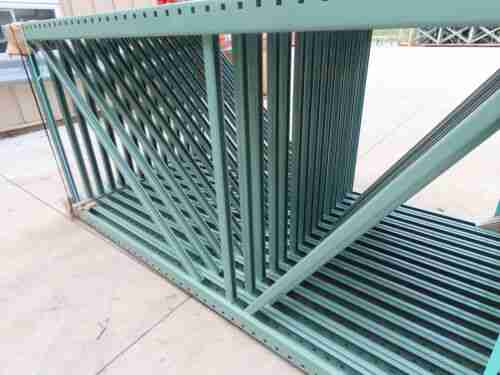
Are Your Inventory Turnover Rates Optimal?
Are Your Inventory Turnover Rates Optimal?
- Understanding inventory turnover is essential for cash flow and profitability in retail and warehousing.
- Optimal inventory turnover helps to identify new revenue opportunities by moving stock efficiently.
- Many businesses struggle to assess whether their turnover rates are optimal, leading to issues with dead stock.
- Poor turnover can result in unnecessary costs such as storage fees, spoilage, and capital tied up in unsold products.
- Analyzing turnover rates can reveal high-performing products and improve overall inventory management.
- Measuring turnover is not enough; businesses must also refine their suppliers, pricing, and marketing strategies.
- Improving inventory turnover can enhance cash flow, customer satisfaction, and operational efficiency.
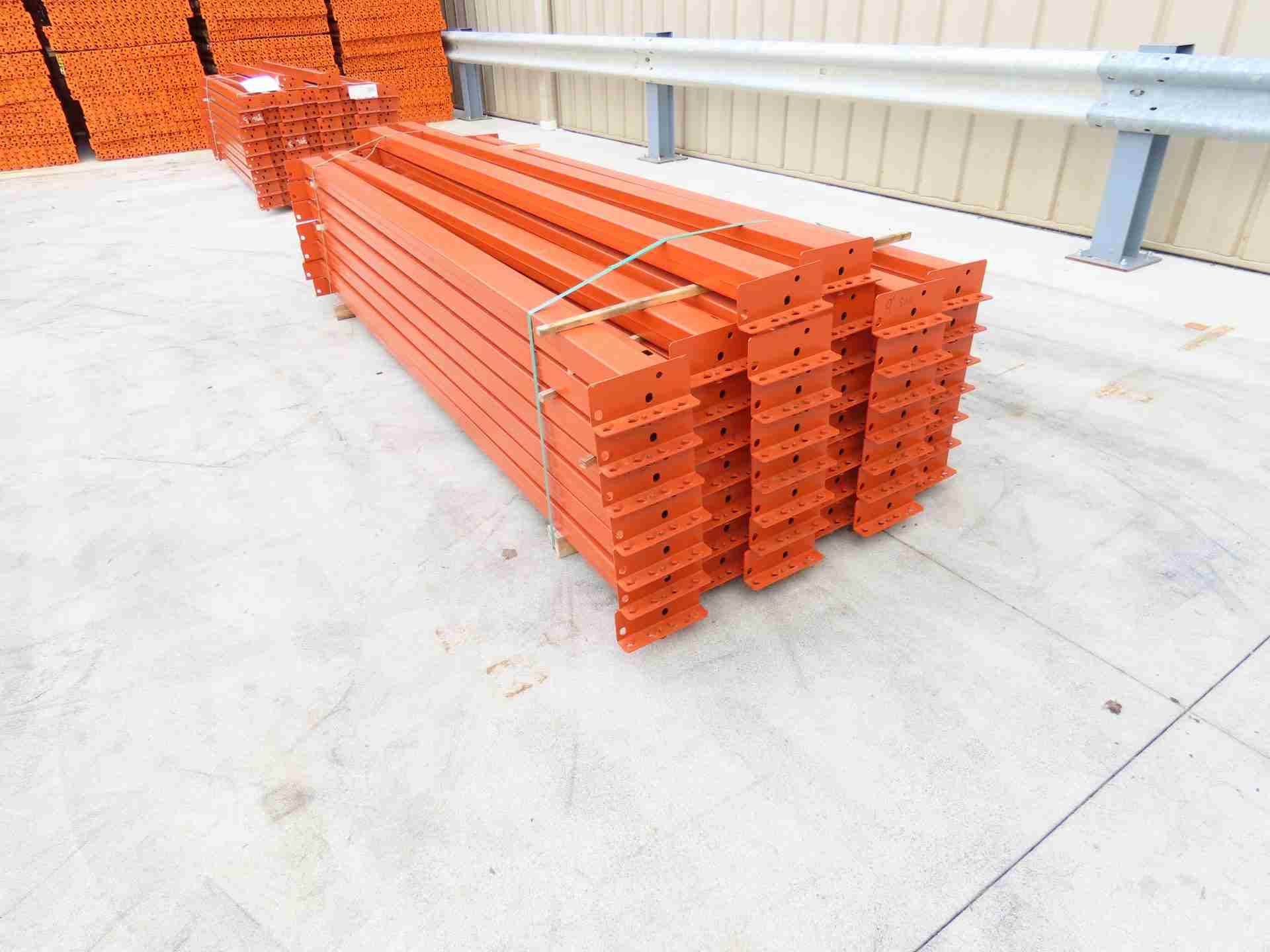
Are Your Inventory Turnover Rates Optimal?
How Can You Evaluate Picking Efficiency?
Evaluating picking efficiency in your warehouse is not just an operational necessity; it’s a vital step toward maximizing your business’s profitability and customer satisfaction. Picture your warehouse like a finely tuned machine. Each part needs to work in harmony to drive productivity and streamline costs. So how do you know if your picking process is humming smoothly or sputtering with inefficiencies?
First, start with the fundamentals: Pallet Racking. This essential system significantly impacts your picking efficiency. Are you utilizing every inch of your pallet racking setup effectively? Assess how products are stored. Are the fast-moving items easily accessible? An often-overlooked yet simple adjustment could mean the difference between a streamlined operation and a chaotic one.
Next, take a closer look at your picking methods. Are your employees moving through the aisles in the most efficient way, or are they backtracking and wasting precious minutes? One popular method is “zone picking,” where pickers are assigned specific regions to reduce the distance traveled. Teams can often reach remarkable efficiencies when they’re aligned with the optimal layout of your pallet racking systems.
Another crucial factor is your technology. Are you leveraging tools such as barcode scanners or automated systems to enhance your picking process? Understanding how tech integrates with your pallet racking system can revolutionize your efficiency. If you’re still relying on outdated methods, you may be operating at a fraction of your true potential.
Data is your friend here. Track and analyze key performance indicators such as picking accuracy, average pick time, and orders fulfilled per hour. Use this data to paint a vivid picture of your operation’s strengths and weaknesses. Seeing the numbers can be a compelling motivator for making necessary changes.
Clear communication is vital. Engage with your team and gather insights from those on the ground. They are often the best source of information regarding where inefficiencies may lie. By investing time in feedback and open dialogue, you build trust within your workforce while potentially uncovering surprising solutions.
As you delve deeper into evaluating your picking efficiency, remember, there’s no one-size-fits-all solution. Each warehouse has its unique challenges. But armed with the right strategies, insights, and a strong focus on your pallet racking system, you can create an environment that fosters streamlined operations, delighted customers, and ultimately, greater revenue.
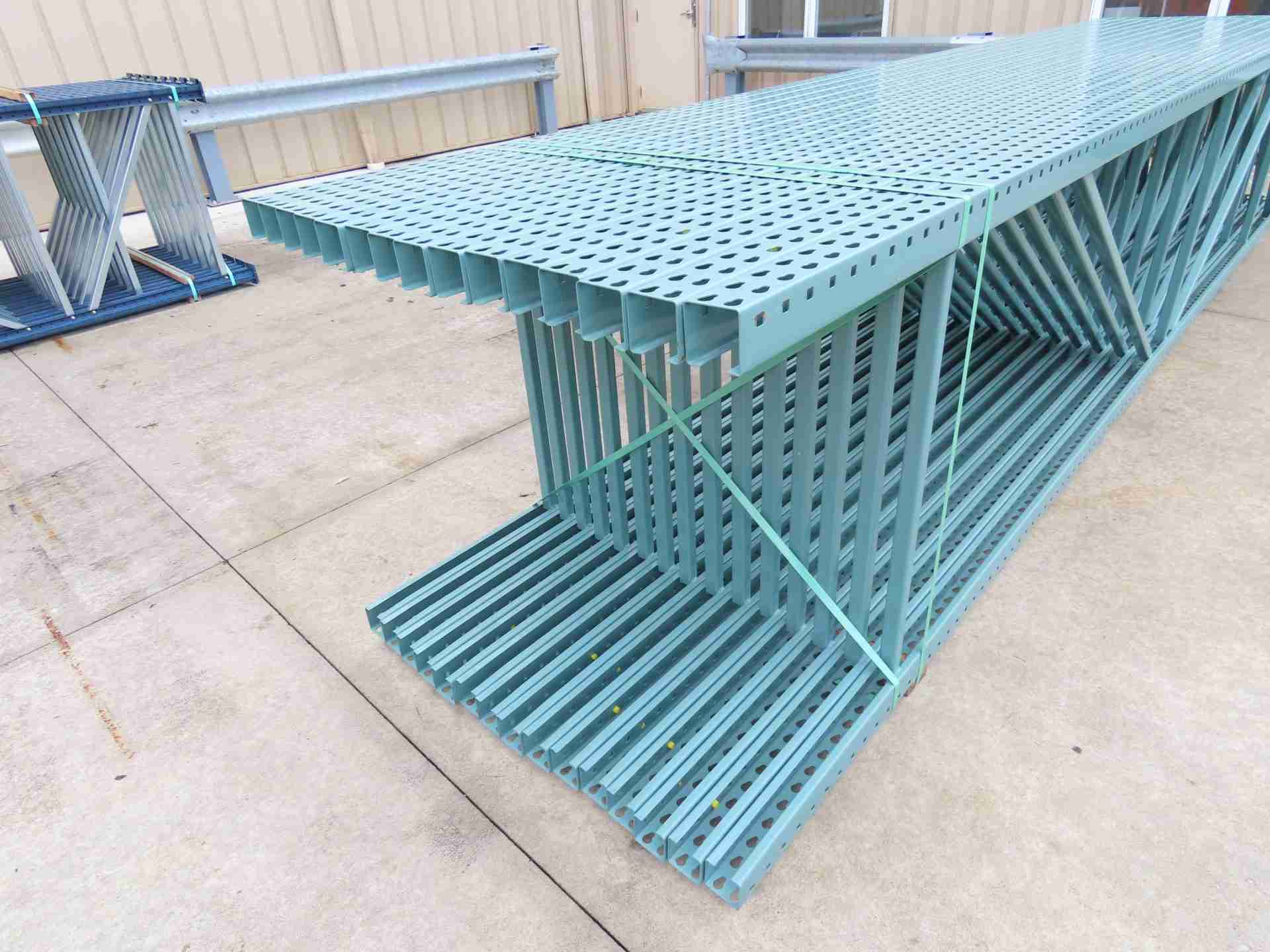
How Can You Evaluate Picking Efficiency?
How Can You Evaluate Picking Efficiency?
- Evaluating picking efficiency is crucial for maximizing profitability and customer satisfaction in warehouses.
- Effective pallet racking setup significantly impacts picking efficiency by optimizing product accessibility.
- Assess employee movement to reduce backtracking and implement efficient picking methods like zone picking.
- Leverage technology (e.g., barcode scanners, automated systems) to enhance picking processes and improve efficiency.
- Track and analyze key performance indicators, such as picking accuracy and average pick time, to identify strengths and weaknesses.
- Encourage clear communication and feedback from team members to uncover inefficiencies and foster trust.
- There is no one-size-fits-all solution; tailor strategies to address unique warehouse challenges for improved operations.
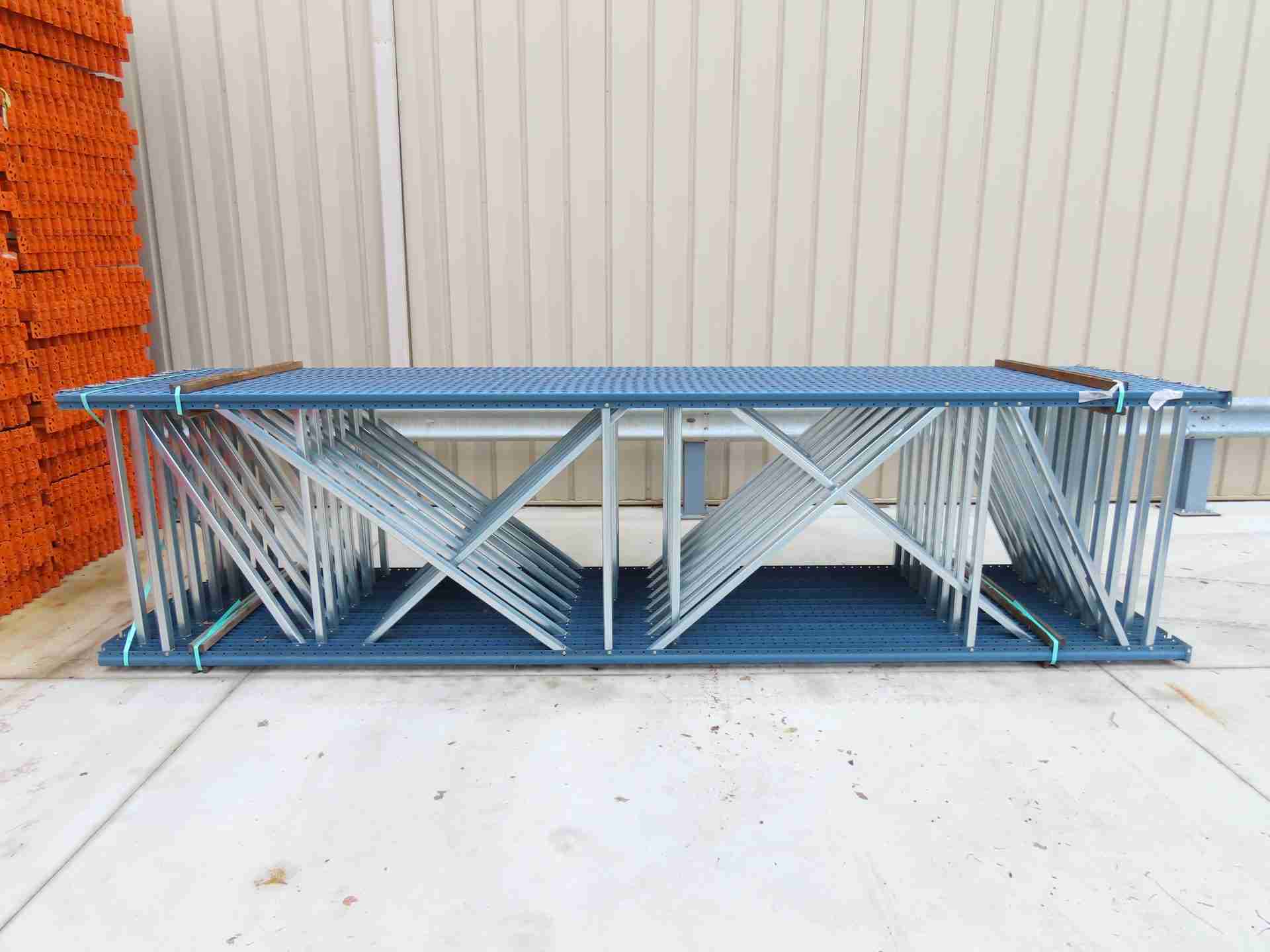
How Can You Evaluate Picking Efficiency?
What Role Does Layout Design Play In Storage Effectiveness?
When we think about storage effectiveness, layout design is the unsung hero of the warehouse world. Imagine walking into a vast expanse of neatly organized rows, each section tailored specifically for efficiency. This is where the magic happens; where a well-thought-out layout can transform a chaotic space into a model of operational excellence.
At the heart of effective layout design lies Pallet Racking. Let’s face it—without strategic racking solutions, your valuable space can quickly become a jumbled mess that hinders productivity and frustrates your team. Poorly laid out storage areas can lead to wasted time as employees search through a maze of boxes, much like a treasure hunt without a map. In contrast, a well-designed layout prioritizes easy access and allows for a seamless flow of goods. By incorporating a logical pallet racking system, you reduce unnecessary movement, minimize the risk of injury, and ultimately accelerate your operations.
But it’s not just about the physical space; it’s about creating a symphony of efficiency in your warehouse. Think about how a well-structured layout can instill confidence in your team. When workers know exactly where to find items and how to navigate their environment, they feel empowered. An efficient workflow is not just a dream; it’s a tangible reality that can boost morale and encourage productivity.
And let’s not overlook the financial implications. A thoughtfully designed layout can lead to significant cost savings by increasing storage capacity without requiring additional square footage. Imagine maximizing every inch of your warehouse while decreasing labor costs and minimizing the risk of expensive handling errors. It’s an invitation to rethink how you approach your storage needs and an opportunity to enhance your bottom line.
So, whether you’re a seasoned logistics manager or just starting to navigate the world of storage solutions, take a moment to consider the role of layout design in your operation. Embrace the power of pallet racking and layout optimization and watch as it not only transforms your physical space but revolutionizes the way you do business. With the right design strategy, your warehouse can become a powerhouse of efficiency—an investment that pays dividends in trust and productivity. Your future self will thank you!
What Role Does Layout Design Play In Storage Effectiveness?
What Role Does Layout Design Play In Storage Effectiveness?
- Layout design plays a crucial role in enhancing storage effectiveness and operational excellence in warehouses.
- Pallet racking is essential for creating organized, efficient storage spaces, preventing jumbled clutter that hinders productivity.
- A well-structured layout facilitates easy access and a seamless flow of goods, reducing unnecessary movement and minimizing injury risks.
- Efficient layouts empower employees by helping them navigate the warehouse confidently, boosting morale and productivity.
- Thoughtful warehouse design can lead to cost savings by maximizing storage capacity without needing additional space.
- The right layout design can decrease labor costs and reduce the risk of handling errors, enhancing the bottom line.
- Investing in layout optimization can transform warehouse operations into a beacon of efficiency, benefiting both operations and employees.
What Role Does Layout Design Play In Storage Effectiveness?
How To Assess The Accuracy Of Inventory Records?
How To Assess The Accuracy Of Inventory Records
Imagine walking into your warehouse, expertly organized with sturdy pallet racking systems holding your goods. You should feel a sense of control, a euphoric moment where everything is accounted for. But what if those meticulously organized racks hide a deeper truth—a potential mess lurking beneath the surface of your inventory records? Let’s face it: inaccuracies in your inventory can cost you time, money, and credibility. So, how do you cut through the fog and assess the accuracy of your inventory records?
First, start with a physical count. Grab a clipboard and head to those neatly stacked pallet racks. There’s nothing quite like the tactile experience of counting your stock to ground you in reality. As you make your way through your inventory, you’ll develop a keen eye for discrepancies between what you *think* you have and what’s actually there. Getting your hands dirty goes a long way in rebuilding trust—not just with your inventory but with your entire logistics process.
Next, implement cycle counting. No, it’s not an extreme sport, but it is a systematic approach to auditing your inventory. By breaking down your pallet racking into smaller sections and periodically counting them throughout the month, you ensure a constant pulse on your inventory accuracy. Regular counts keep you agile and adaptable—qualities that are essential in today’s fast-paced market.
Don’t stop there; leverage technology to create a seamless connection between your records and reality. Inventory management software can serve as your trusty sidekick, providing real-time data and analytics. This ensures that the number of units on the shelf matches your digital record. Trust us; embracing technology not only simplifies life but also builds confidence in your operations.
Finally, foster accountability within your team. Engage your staff in the importance of accurate inventory records; make them stakeholders in the game. After all, a robust system thrives on collective commitment. Empower your team to take ownership of the inventory by involving them in regular audits and updates.
By combining physical counts, systematic approaches, cutting-edge technology, and team engagement, you lay down the framework for an accurate inventory system. With transparency and trust at your core, you won’t just manage inventory—you’ll master it, turning your organized pallet racking into a powerhouse of profitability and efficiency.
How To Assess The Accuracy Of Inventory Records?
How To Assess The Accuracy Of Inventory Records?
- Inaccuracies in inventory can lead to significant losses in time, money, and credibility.
- Start with a physical count to identify discrepancies between actual stock and recorded amounts.
- Implement cycle counting to audit inventory continuously and maintain accuracy.
- Use inventory management software for real-time data and to align physical stock with digital records.
- Foster accountability within your team by engaging them in the importance of accurate inventory records.
- Empower staff involvement in regular audits to build ownership of the inventory process.
- Combining these strategies creates a robust framework for mastering inventory management and improving efficiency.
How To Assess The Accuracy Of Inventory Records?
Conclusion
Conclusion: Transform Your Warehouse Efficiency with Arrow Industrial Sales
In the relentless pursuit of warehouse excellence, understanding and assessing your storage effectiveness is not merely advisable; it’s imperative. RackingWorld.com and Arrow Industrial Sales are here to guide you toward that operational nirvana, offering you the tools and insights needed to elevate your warehousing game. Throughout this journey, you’ve learned that effective warehouse storage hinges on several key components: evaluating design layout, optimizing pallet racking, and measuring crucial performance metrics.
Imagine walking into your warehouse and feeling an almost palpable sense of control and efficiency. This doesn’t have to be a fleeting dream. Your path to achieving this begins with a thorough analysis of your existing storage systems. Are your pallet racks utilized to their full potential? Do your employees find easy access to fast-moving items, or are bottlenecks causing productivity lags? By taking stock of these elements, you can not only pinpoint inefficiencies but also transform your entire workspace into a dynamic, money-making entity.
But that’s just the beginning. Metrics like space utilization and inventory turnover tell the tale of your operations—it’s about seeing the bigger picture and asking the right questions. What are your picking accuracy rates? How well does your team perform under pressure? By continuously measuring these KPIs, you gain a clearer understanding of where your operations shine and where they need improvement. Engaging your team in this process brings in fresh perspectives and encourages a culture of accountability, turning every employee into a partner in your quest for efficiency.
Now, the key takeaway? It’s time to act. Don’t let your warehouse fall into the trap of complacency. Each moment wasted is a chance for your competitors to pull ahead. Call Arrow Industrial Sales at (574) 349-6575 today for expert advice tailored to your specific needs. Whether you require strategic insights, innovative storage solutions, or cutting-edge warehouse technology, our dedicated team is eager to assist you. Seize this opportunity now; the transformation of your warehouse awaits! Let’s start converting potential into performance, and open the door to unlimited possibilities that can redefine your bottom line. The clock is ticking—make the call and take the first step toward a leaner, meaner, more efficient warehouse today!
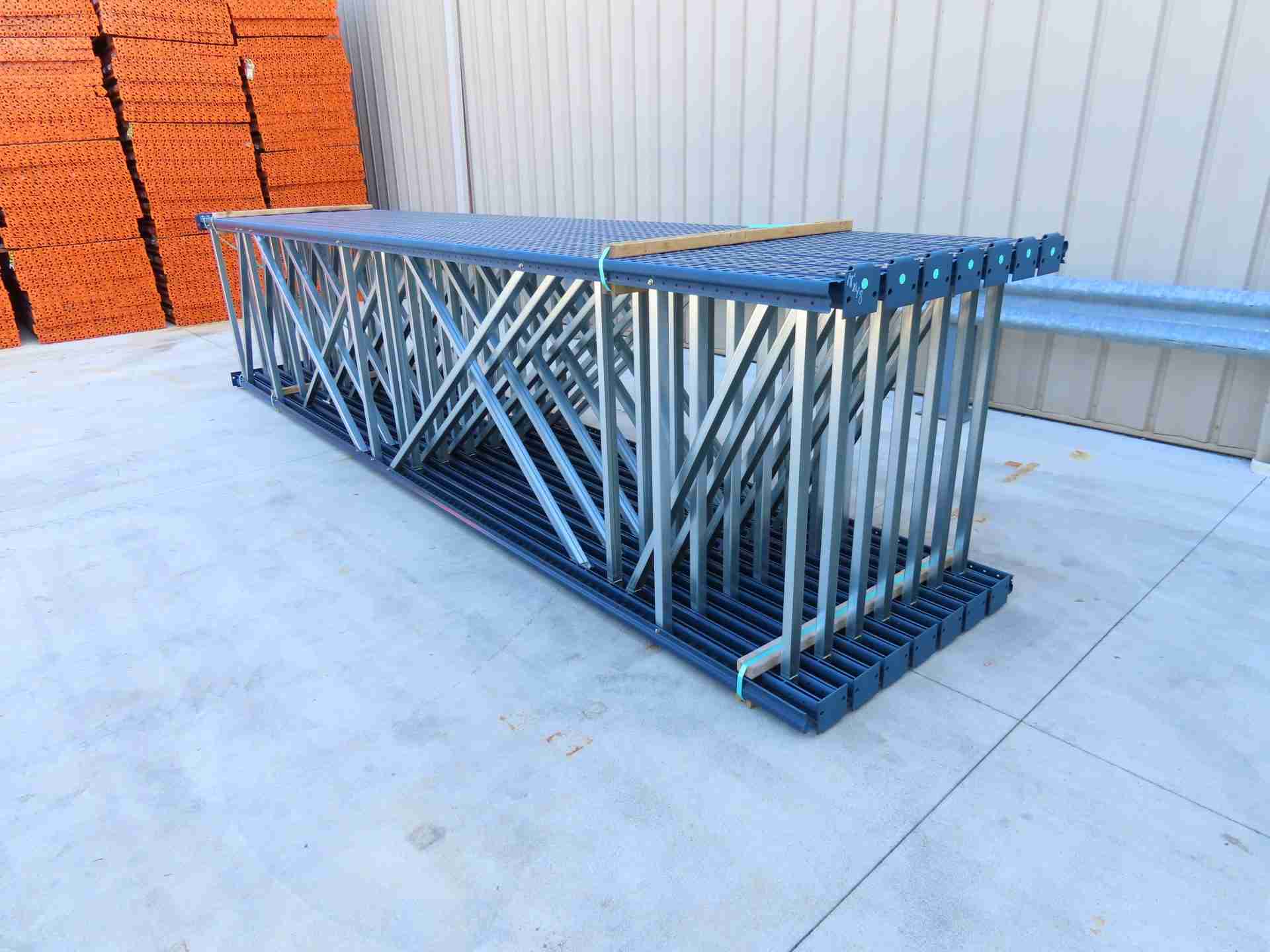
Conclusion
Conclusion:
- Understanding and assessing storage effectiveness is crucial for warehouse excellence.
- Arrow Industrial Sales and RackingWorld.com offer tools and insights to improve warehousing operations.
- Key components of effective warehouse storage include layout evaluation, pallet racking optimization, and performance metrics measurement.
- Analyzing existing storage systems can identify inefficiencies and enhance workspace dynamics.
- Metrics like space utilization and inventory turnover are essential for understanding operational performance.
- Engaging team members in the process fosters a culture of accountability and brings fresh perspectives.
- Act now to avoid complacency; contact Arrow Industrial Sales for tailored expert advice to transform your warehouse.
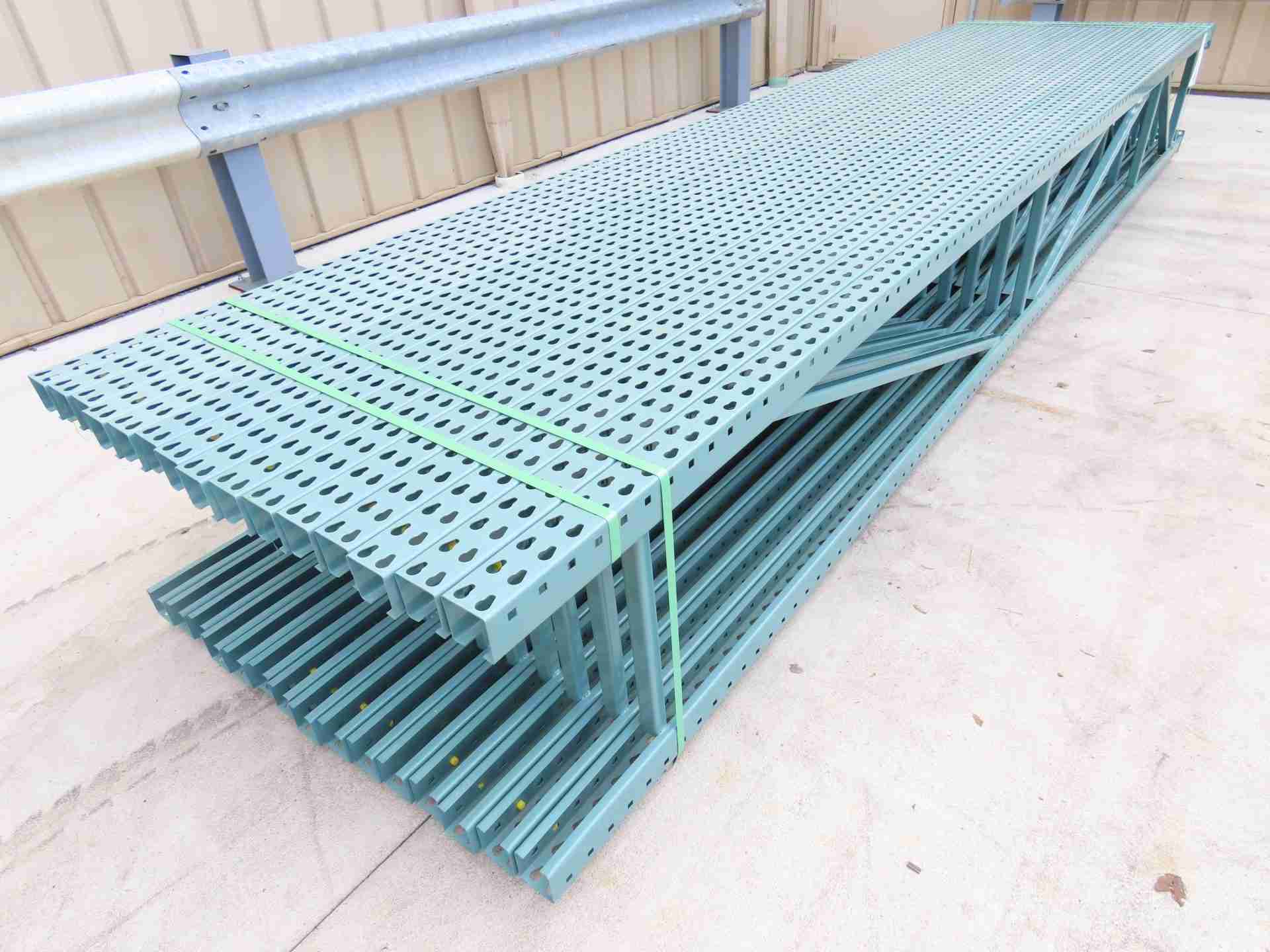
Conclusion
Other Resources
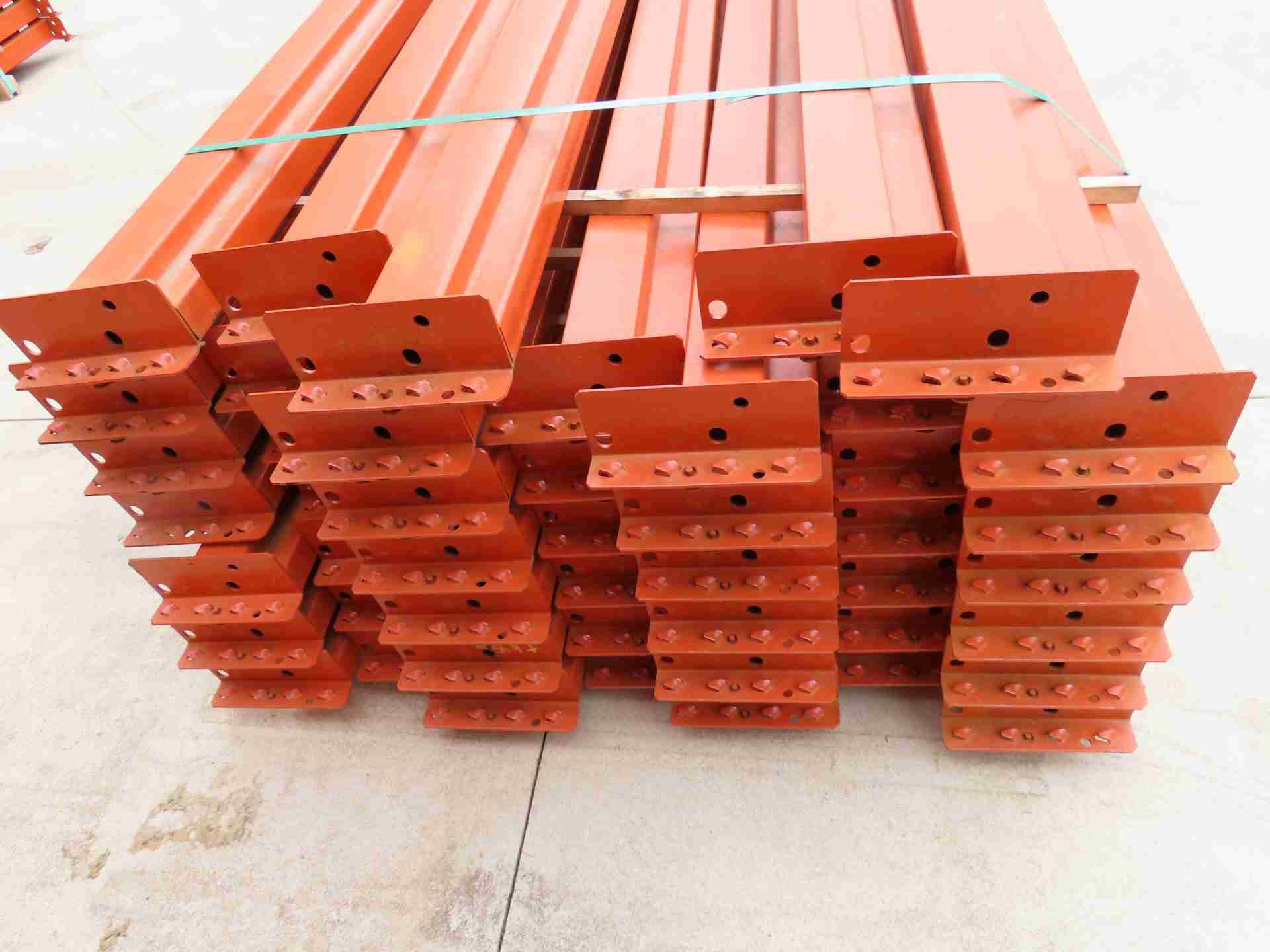
Other Resources
Here is a list of other resources you can review online to learn more:
- Racking World
- New Cantilever Racks and Racking Kits
- BMH
- Chicago Pallet Racking
- Cantilever Racks Chicago
- Interlake Mecalux
- Selective Racking
- What is Selective Racking: Understanding Benefits & Options
- RMI
- What is Cantilever Racking? – AK Material Handling Systems
Use This Prompt To Get More Resources With Your Favorite Online AI Tool: Please provide me with a list of online articles with their URLs in a bulleted list that I can read regarding How Can You Assess The Effectiveness Of Your Warehouse Storage?
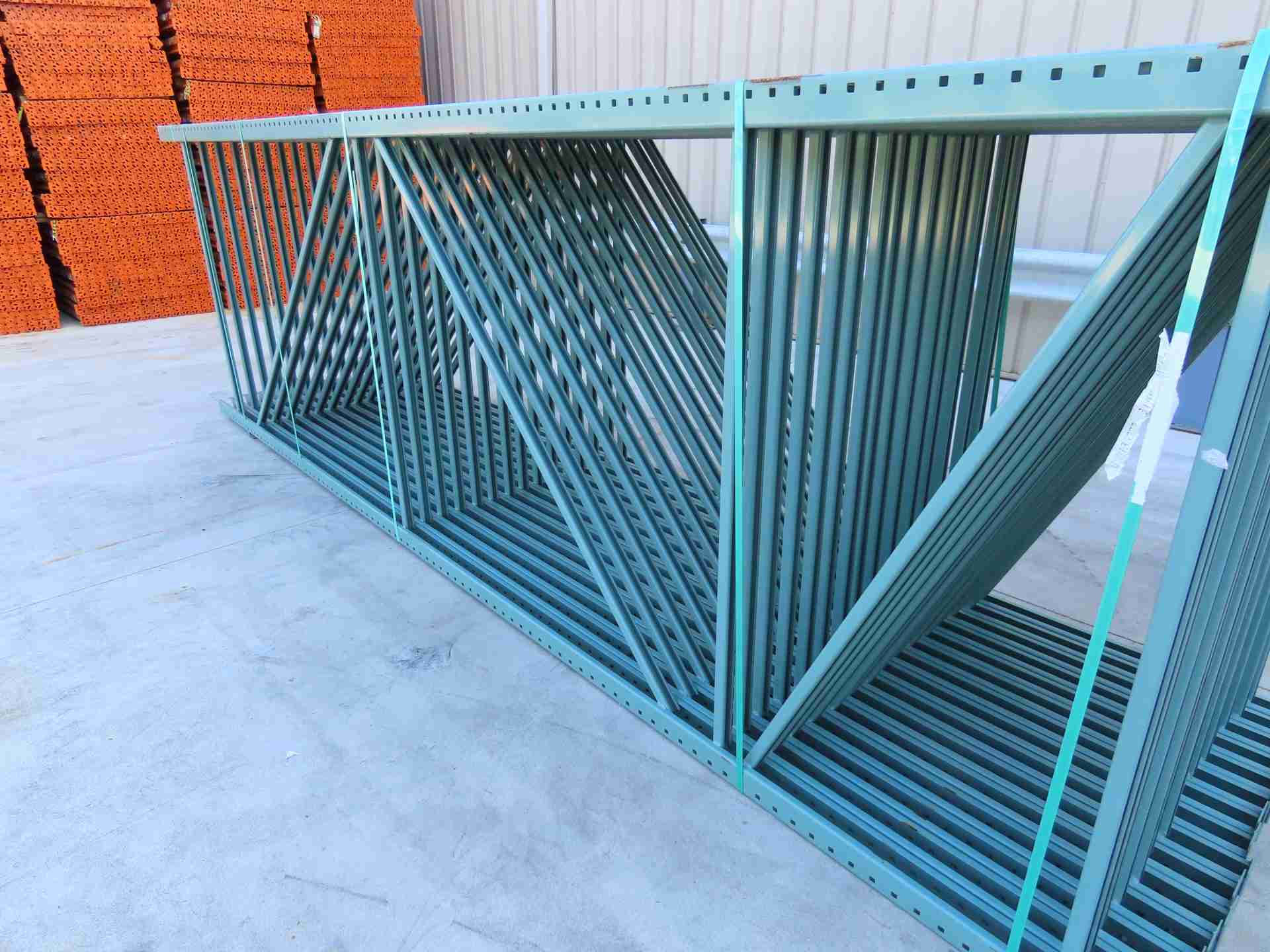
Other Resources
Glossary Terms
How Can You Assess The Effectiveness Of Your Warehouse Storage? – Glossary Of Terms
1. Warehouse Efficiency: A measure of how well resources are utilized within the warehouse to maximize output and minimize waste.
2. Space Utilization: The ratio of used storage space to total available storage space, indicating how effectively the physical space is employed.
3. Inventory Turnover: A metric that calculates how many times inventory is sold and replaced over a specific period, indicating inventory management effectiveness.
4. Pick Rate: The speed at which orders are picked from the warehouse, usually measured in lines or items picked per hour.
5. Storage Density: The amount of inventory stored per square foot or cubic foot, reflecting how efficiently space is being used.
6. Lead Time: The total time taken from the initiation of a process until its completion, crucial for assessing the responsiveness of warehouse operations.
7. Cycle Counting: A process of physically counting a portion of the inventory on a regular basis to ensure accuracy in inventory records.
8. Order Accuracy: The percentage of orders correctly fulfilled as per customer requirements, indicating the quality of order processing.
9. Throughput: The volume of goods being processed through the warehouse in a given time frame, measuring operational efficiency.
10. Labor Productivity: A measure of the output of warehouse staff relative to the input (e. g. , hours worked), reflecting workforce efficiency.
11. Warehouse Management System (WMS): Software that helps manage and optimize warehouse operations, including inventory tracking, order management, and reporting.
12. Bin Location: The specific storage locations assigned for items within the warehouse to streamline picking and storage processes.
13. SKU (Stock Keeping Unit): A unique identifier for each product that facilitates inventory tracking and management.
14. Backorder Rate: The frequency of items being on backorder, indicating potential issues in inventory management or demand forecasting.
15. Replenishment: The process of restocking inventory to maintain optimal levels and avoid stockouts.
16. Shrinkage: The loss of inventory due to theft, damage, or errors in recording, which can affect financial performance.
17. FIFO (First In, First Out): An inventory management approach where the oldest stock is sold first, useful for perishable goods.
18. LIFO (Last In, First Out): An inventory management method where the most recently received items are sold first, impacting cash flow and tax calculations.
19. Wave Picking: A picking method that organizes orders into waves or batches to maximize efficiency and reduce travel time.
20. Cross-Docking: The practice of unloading materials from incoming trucks and loading them directly onto outbound trucks, minimizing storage time.
21. Safety Stock: Extra inventory kept on hand to prevent stockouts and manage fluctuations in demand.
22. Picking Accuracy: The measure of how accurately items are picked from inventory relative to what was ordered.
23. Order Cycle Time: The total time from when an order is placed until it is fulfilled, reflecting warehouse efficiency.
24. Automation: The use of technology and systems to streamline and speed up warehouse functions, such as robotic picking and automated sorting.
25. Lean Warehousing: A methodology aimed at minimizing waste and maximizing productivity in warehouse operations.
26. Productivity Benchmarking: Comparing warehouse performance metrics against best practices or industry standards to identify areas for improvement.
27. Environmental Sustainability: Assessing the ecological impact of warehouse operations, including waste reduction and energy efficiency.
28. Vendor Managed Inventory (VMI): A strategy where suppliers manage inventory levels and replenishment, fostering collaboration and efficiency.
29. Load Optimization: The process of maximizing the efficiency of space and weight in shipping and storage configurations.
30. Continuous Improvement: An ongoing effort to enhance products, services, or processes by making incremental improvements over time, critical for warehouse effectiveness.
Glossary Of Terms
Other Questions
How Can You Assess The Effectiveness Of Your Warehouse Storage? – Other Questions
If you wish to explore and discover more, consider looking for answers to these questions:
- What are common challenges in assessing warehouse storage effectiveness?
- How can technology improve warehouse storage assessment?
- What are the best practices for conducting inventory audits?
- How can I train my team to improve warehouse efficiency?
- What tools are available for tracking key performance indicators in warehousing?
- How often should I reassess my warehouse storage systems?
- What is the impact of layout design on employee productivity?
- How can I spot underutilized areas in my warehouse?
- What are the differences between manual and automated inventory systems?
- How can I foster a culture of continuous improvement within my warehouse team?
- What specific metrics should I focus on for picking efficiency?
- How can I balance storage density with ease of access?
- What are common mistakes to avoid when re-evaluating warehouse storage?
- How do I effectively communicate changes in warehouse procedures to my team?
Other Questions
Checklist
How Can You Assess The Effectiveness Of Your Warehouse Storage? – A Checklist
Checklist for Assessing the Effectiveness of Your Warehouse Storage
Maximizing Efficiency: Evaluating Your Warehouse Storage
1. Pallet Racking Systems
_____ Evaluate accessibility of items in pallet racks.
_____ Check for clutter and awkward design in racking systems.
_____ Conduct an inventory assessment to optimize vertical space usage.
2. Storage Density Measurement
_____ Analyze the layout for optimum movement of products.
_____ Identify areas with stacked goods that hinder space efficiency.
_____ Evaluate retrieval time for improved customer satisfaction.
3. Key Performance Indicators (KPIs)
_____ Identify relevant KPIs (e. g. , order-picking speed, inventory turnover rate).
_____ Set benchmarks for system performance.
_____ Regularly review KPIs to align with operational goals.
4. Employee Feedback
_____ Schedule regular feedback sessions with warehouse staff.
_____ Ask for insights on daily challenges and suggestions for improvements.
_____ Foster an engaged team to enhance productivity.
5. Space Utilization Metrics
_____ Calculate total floor space vs. utilized storage space.
_____ Regularly audit pallet racks for optimal capacity use.
_____ Consider using inventory management software for real-time analytics.
6. Inventory Turnover Rates
_____ Monitor and analyze inventory turnover rates.
_____ Identify underperforming stock and adjust strategies accordingly.
_____ Implement actions based on turnover analysis (supplier, pricing, marketing).
7. Picking Efficiency Evaluation
_____ Assess the layout of pallet racking for product accessibility.
_____ Evaluate picking methods for efficiency (e. g. , zone picking).
_____ Track KPIs relevant to picking efficiency (e. g. , picking accuracy, average pick time).
8. Layout Design Assessment
_____ Review layout structure for easy navigation and access.
_____ Identify any bottlenecks caused by poor layout.
_____ Explore improvements to increase storage capacity and operational speed.
9. Inventory Records Accuracy
_____ Conduct regular physical counts of inventory.
_____ Implement cycle counting for ongoing accuracy checks.
_____ Use inventory management technology to ensure real-time accuracy.
10. Team Involvement and Accountability
_____ Engage staff in the importance of accurate inventory records.
_____ Encourage team members to take ownership of inventory accuracy.
_____ Involve employees in audits and updates regularly.
By following this checklist, you can effectively assess and enhance the effectiveness of your warehouse storage systems, leading to improved efficiency, cost savings, and overall operational success.
Checklist
At RackingWorld, we help guide you through selecting warehouse storage systems and racking.
Be sure to read our other related stories at RackingWorld to learn more about warehouse storage systems.
0 Comments