
Optimizing Warehouse Efficiency For Maximum Productivity
By Tom Seest
At RackingWorld, we help guide you through selecting warehouse storage systems and racking.
Be sure to read our other related stories at RackingWorld to learn more about warehouse storage systems.
Rack Layout Tips for High SKU Count Operations
When you dive into the world of high SKU count operations, it quickly becomes clear that the way you design your racking system is about so much more than just numbers and boxes; it’s about creating a lifeline for your team, your products, and ultimately, your customers. Imagine a warehouse bustling with the energy of both human endeavor and machinery working in harmony. The layout can either amplify that rhythm or throw it off balance entirely.
Start with the heart of your racking system—functionality. Racking should be intuitive, a sanctuary of organization where each SKU feels like it has its rightful place. Think of it as a well-orchestrated ballet, where every part must fit seamlessly into the whole. Consider a mixed SKU environment: stacking heavier items at lower levels makes sense, while lighter, less frequently accessed items can take the higher spots. By intuitively arranging these levels, employees can plunge directly into their work, not waste precious time searching or climbing.
From a rational perspective, the space you allocate to each SKU matters. High-density storage systems can free up square footage, allowing you to focus on maximizing every inch of your facility. But don’t stop there. Implementing adaptability in your racking design—like adjustable shelves—can position your operation as flexible and ready for whatever demands come next.
Now, let’s touch on ethics. We owe it to our teams to create a space that is not only efficient but safe. An ergonomic racking system prevents unnecessary strain, ensuring that your workforce leaves each day as healthy as they arrived. Happy workers mean lower turnover rates, which translates into improved morale and productivity.
Socially, there’s strength in unity. Encourage collaboration among your planning teams and floor staff. They know the nitty-gritty—the day-to-day challenges that slip through the cracks of spreadsheets and reports. Listening to their experiences can turn a solid rack layout into an exceptional one.
Every time a new product flows smoothly through those robust racks, it’s a testament to the design—an unspoken handshake between management and staff. So, as you lay down your plans, remember: the right racking doesn’t just organize products; it nurtures people and elevates the mission. Trust in this process, and watch as confidence blossoms across your operations, driving results that resonate through your entire organization.

Rack Layout Tips for High SKU Count Operations
Rack Layout Tips for High SKU Count Operations
- Designing a racking system is not just about numbers; it serves as a vital support for teams, products, and customers.
- Prioritize functionality; create intuitive racking that enhances organization and accessibility of SKUs.
- Employ smart stacking strategies, placing heavier items at lower levels and lighter items higher up for efficiency.
- Utilize high-density storage to maximize space and consider adaptable racking designs for future flexibility.
- Focus on ergonomics in racking systems to ensure worker safety and health, leading to enhanced morale and productivity.
- Encourage collaboration and input from planning teams and floor staff to improve racking layouts based on real-world experiences.
- A well-designed racking system not only organizes products but also supports team wellbeing and operational success.
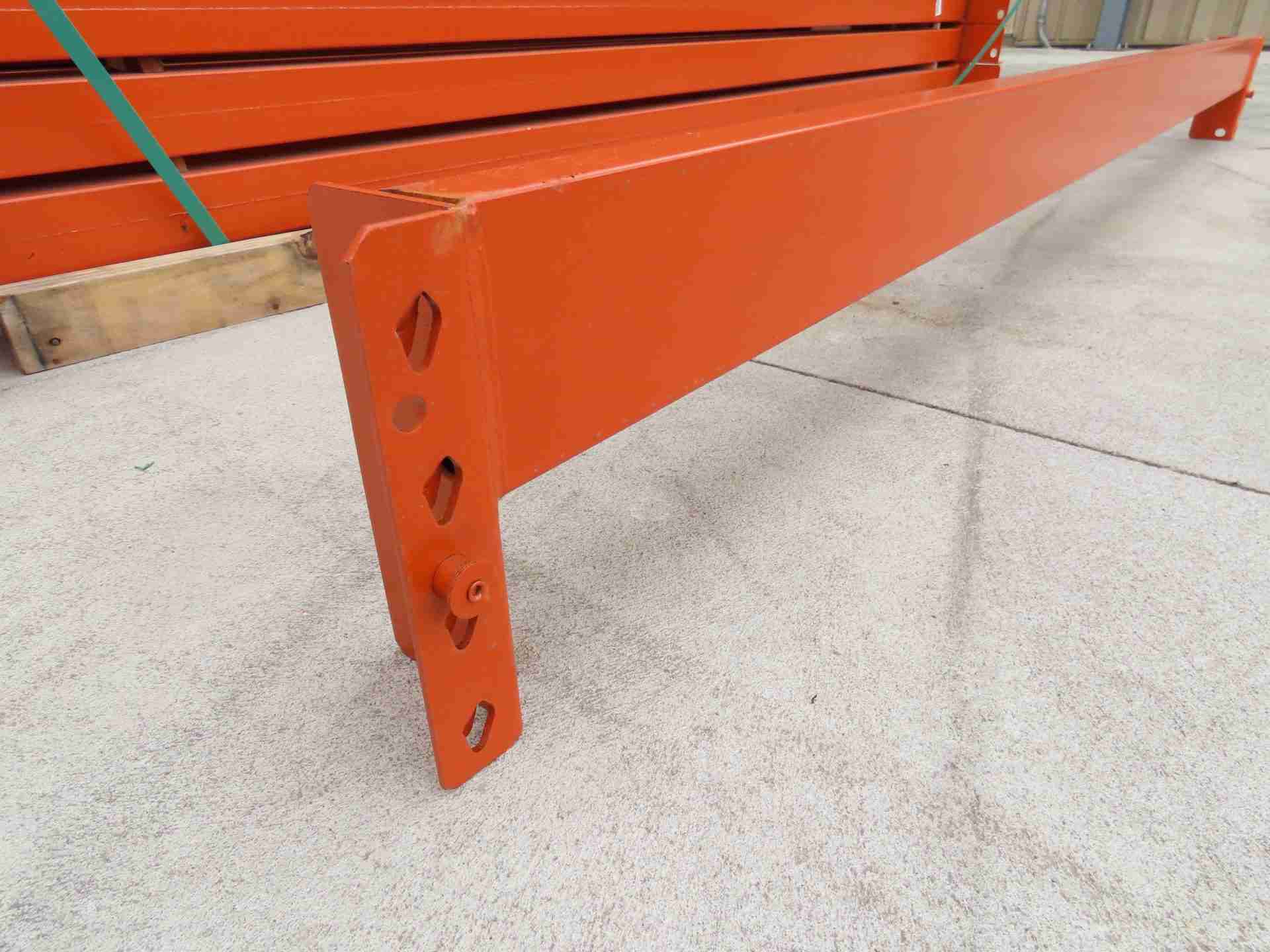
Rack Layout Tips for High SKU Count Operations
Table Of Contents
- Rack Layout Tips for High SKU Count Operations
- What Emotional Impact Does an Efficient Rack Layout Have on Your Team?
- How Can Optimizing Your Rack Layout Improve Your Bottom Line?
- How Can Authoritative Guidelines Shape Your Rack Layout Strategy?
- What Narratives Have Proven Successful In High SKU Operations?
- How Does Social Feedback Influence Your Rack Layout Decisions?
- Conclusion
- Other Resources
- Glossary Of Terms
- Other Questions
- Checklist
What Emotional Impact Does an Efficient Rack Layout Have on Your Team?
Imagine stepping into a warehouse where the Racking systems are a well-orchestrated symphony, each shelf perfectly exemplifying harmony and purpose. It’s not just about storing products; it’s about creating a space where people feel empowered to perform their best. An efficient rack layout doesn’t merely organize; it transforms how a team feels about their work. When every item has its place, and every path is clear, there’s a sense of pride that washes over your team like a tidal wave.
Let’s talk about gut feelings—those deep-seated instincts that tell us when things are right. Picture a stressed employee navigating a cluttered, chaotic workspace. It’s exhausting, frustrating, and frankly, it breeds resentment. But when the racking system promotes clarity and efficiency, suddenly, employees find joy in their tasks. Confidence rises, motivation surges, and the workplace blossoms into a place where ideas flow free, and collaboration thrives.
From a rational standpoint, it’s plain to see that efficiency brings tangible financial rewards. Less time spent searching means more time spent doing. More productivity translates to more profits, which in turn fosters long-term stability for the company. Employees then feel secure, knowing their contributions matter—not only to the bottom line but to the very culture of the workplace. That security cultivates loyalty, encouraging team members to come to work each day, ready to tackle challenges together.
Ethically, fostering an environment where employees feel valued is non-negotiable. When team members see that their needs are prioritized through proper racking and layout, it fosters a deep sense of trust. They know their employers care about their experiences and are willing to invest in them.
Narratively, every worker has a story—crafted by the culture of the workplace, shaped by their triumphs and challenges. By providing a well-structured racking system, companies help write a better chapter in their employees’ stories. They become part of a team that strives for excellence, where victories are shared, and struggles are faced shoulder to shoulder.
Ultimately, it’s about social connection. An efficient racking layout nurtures teamwork, creating bonds that run deep. When employees collaborate seamlessly, they build relationships that extend beyond the workspace, creating a community that stands united in purpose and pride. This emotional impact can reverberate far beyond the aisles of a warehouse, igniting a passion that fuels success both inside and outside of work.
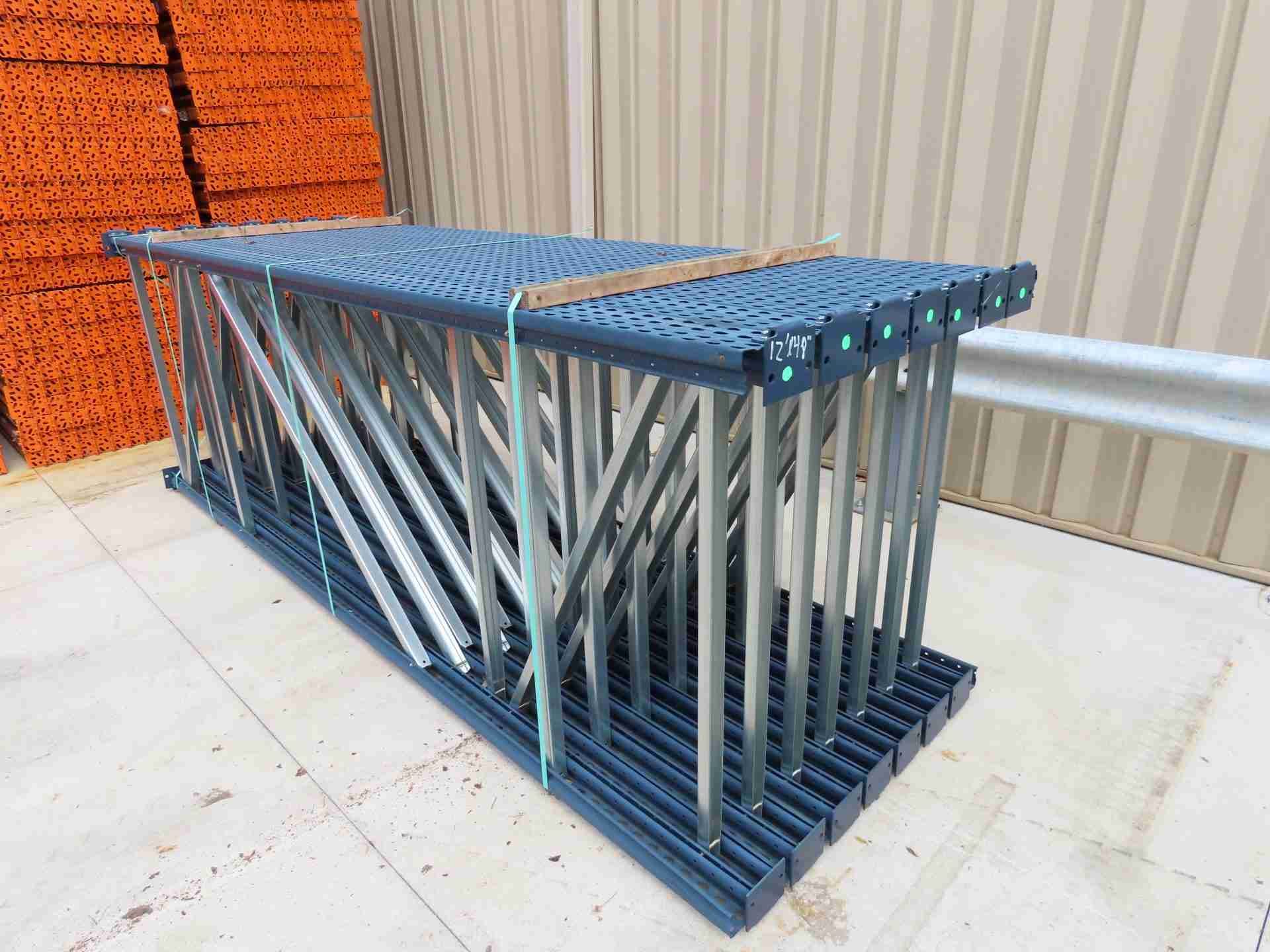
What Emotional Impact Does an Efficient Rack Layout Have on Your Team?
What Emotional Impact Does an Efficient Rack Layout Have on Your Team?
- Efficient racking systems enhance workplace harmony and purpose, empowering employees.
- Clear layouts and organization lead to pride and satisfaction among team members.
- Cluttered workspaces breed frustration, while organized systems foster joy and motivation.
- Increased efficiency translates to higher productivity and financial rewards for the company.
- A safe and secure work environment encourages employee loyalty and commitment.
- Proper racking shows employees they are valued, building trust and investment in their experience.
- Efficient layouts promote teamwork, creating strong bonds among employees and a united community.
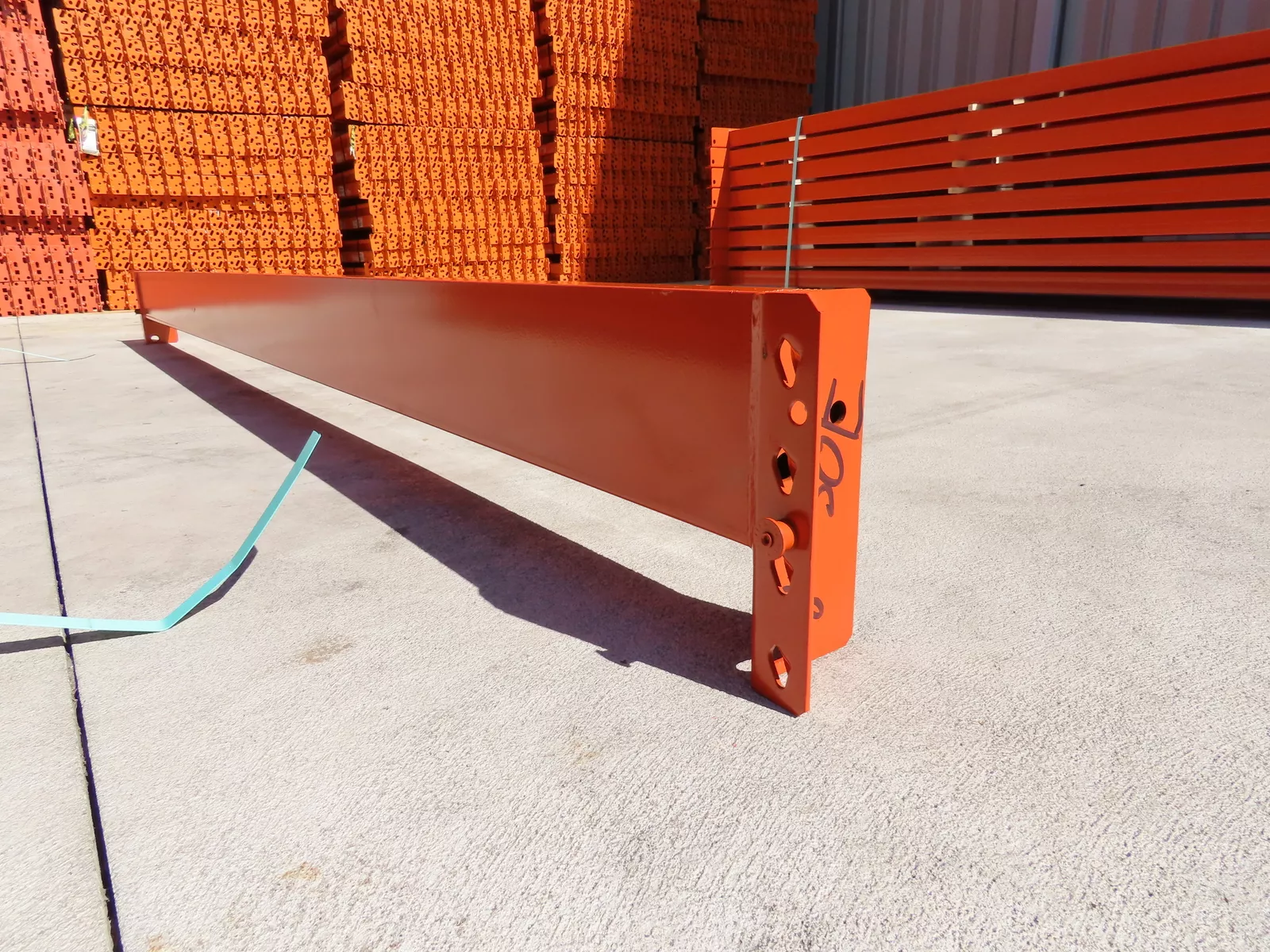
What Emotional Impact Does an Efficient Rack Layout Have on Your Team?
How Can Optimizing Your Rack Layout Improve Your Bottom Line?
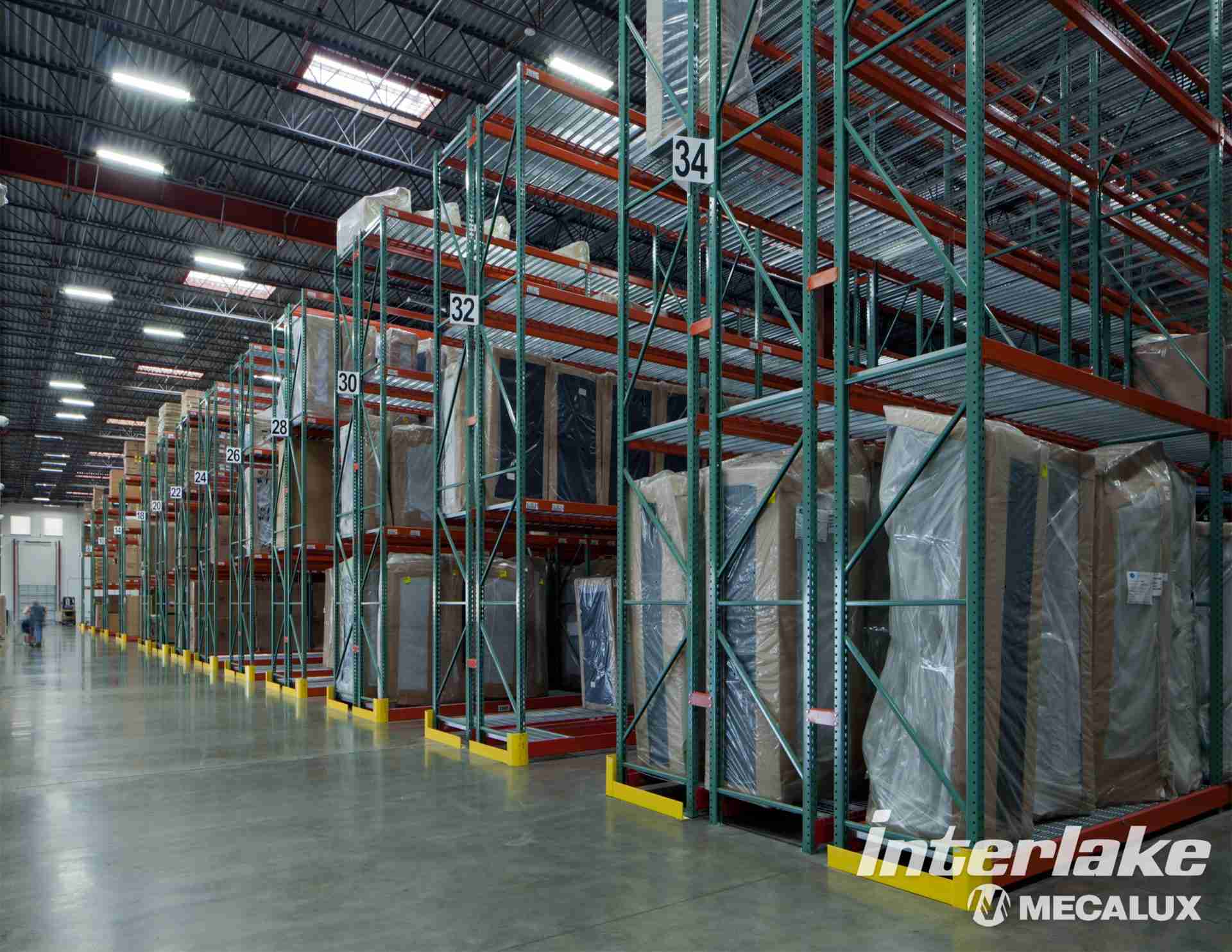
When you walk into a warehouse, you’re stepping into a heartbeat of commerce, where each racking system tells a story. Underneath the steel frames and sturdy beams lies an opportunity to dramatically impact your bottom line. Imagine a place where every item is not only stored but strategically positioned to boost efficiency and drive profits. Is your racking optimized? If not, it should be—and here’s why.
First, let’s address the emotional side of the equation. Every minute wasted looking for an item is not just a delay; it’s a lost chance, a flicker of frustration that can ripple through your team. Picture your employees: they want to work smart, feel accomplished, and take pride in their contributions. An optimized racking system sparks that pride, allowing them to flow seamlessly through their tasks—turning drudgery into satisfaction.
Now, let’s get practical. Rationally speaking, a well-structured rack layout leads to better inventory management, which can drive down costs. Think about the hard numbers: reduced travel time, fewer misplaced items, and a marked decrease in labor hours. Each of these translates to dollars saved. When you calculate the potential gains, the influence of efficient racking on your bottom line becomes hard to ignore.
Ethically, there’s something to be said about creating a workplace designed for success. Embracing optimization isn’t just about profit margins; it’s about fostering a culture of organization and respect. You’re not just improving processes; you’re investing in your team’s well-being, giving them the tools they need to thrive.
Socially, consider the pride that comes from a well-organized workspace. Your employees are not mere numbers; they are part of a community striving for excellence. A tidy, logical racking layout enhances collaboration and morale, painting a picture of professionalism that resonates with both staff and clients.
Finally, let’s hit the gut. You want your business to succeed—not just survive. You want to walk in every day and feel an electric sense of potential. Racking isn’t just about steel and shelves; it’s about who you are as a business and where you’re headed. Optimize your layout, and you’ll not only transforms your operations—you’ll set the stage for success that reverberates through every aspect of your company. Embrace the change, and watch as it changes everything.
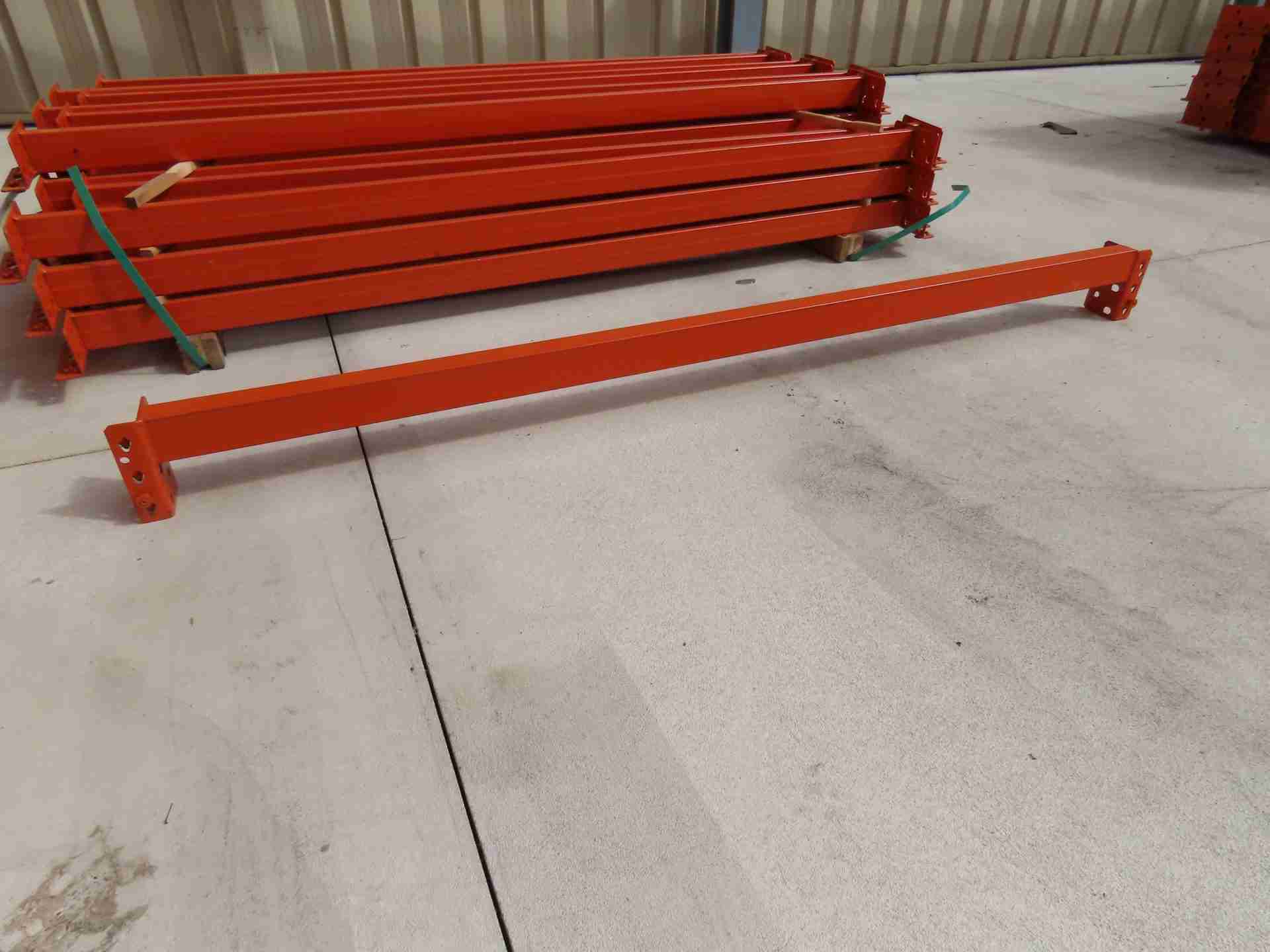
How Can Optimizing Your Rack Layout Improve Your Bottom Line?
How Can Optimizing Your Rack Layout Improve Your Bottom Line?
- Walking into a warehouse reveals insights into commerce and opportunity for financial improvement.
- An optimized racking system enhances efficiency, boosts profits, and positively impacts employee morale.
- Minimizing search time for items prevents frustration and promotes a sense of accomplishment among employees.
- A well-structured racking layout improves inventory management, reducing costs through less travel time and fewer misplaced items.
- Investing in racking optimization fosters a culture of organization and respect, benefiting both employees and processes.
- A tidy workspace enhances collaboration and morale, contributing to a professional image for both staff and clients.
- Optimizing racking is crucial for business success, influencing operations and setting the stage for future achievements.
How Can Optimizing Your Rack Layout Improve Your Bottom Line?
How Can Authoritative Guidelines Shape Your Rack Layout Strategy?
When it comes to designing your racking layout, embracing authoritative guidelines can feel like having a seasoned guide in a tangled wilderness. These guidelines aren’t just regulatory red tape; they’re a lifeline thrown into the often chaotic world of warehousing and inventory management. They’re shaped by years of collective experience, trial, and error—lessons learned on the frontline that empower you to make smarter decisions.
Picture this: You walk into a warehouse bustling with activity. The air is crisp with purpose, and you see how every inch of racking has been meticulously planned. It’s not just about maximizing space; it’s about crafting an environment where every worker knows their role and feels valued. When these guidelines are followed, they create a symphony of efficiency that resonates not just in productivity but in morale. That’s the heart of it—when we adhere to best practices, we’re not just organizing; we’re investing in our people.
Now, let’s get to the nitty-gritty—the rational side of racking layout strategies. Compliance with these authoritative guidelines often means meeting safety standards and boosting operational efficiency. Think about costs—not just in terms of money, but in time and effort saved. Imagine reducing accidents, minimizing downtime, and watching your productivity numbers climb. It’s a no-brainer. These guidelines help us wade through the sea of options, allowing us to focus on what matters. They bring clarity to chaos, helping you make informed choices rather than guessing your way through.
On an ethical front, adhering to established standards reflects a commitment to responsibility—not just to your business but to your community. Consider the ripple effect. Better rack layouts can enhance safety not just for your employees but for anyone who steps foot in your facility. You’re doing your part to foster a workplace where safety is priority number one.
And let’s not forget the stories behind those guidelines—crafted by people who’ve lived through the challenges you face. They’re not just abstract, dry words; they represent real experiences and victories. Embracing these guidelines signals a connection—to industry veterans who’ve paved the way for generations to come.
It’s about fostering a culture rooted in trust and clarity. By leveraging authoritative guidelines, you’re not just shaping your racking layout strategy; you’re laying down a foundation for lasting success. You’re sending a clear message: we care, we’re committed, and we’re ready to take action. So why hesitate? Dive in, embrace those guidelines, and watch as your racking layout transforms from a mere structure into a powerhouse of productivity and safety.
How Can Authoritative Guidelines Shape Your Rack Layout Strategy?
How Can Authoritative Guidelines Shape Your Rack Layout Strategy?
- Authoritative guidelines in racking layout function as a essential guide for effective warehouse management.
- Following these guidelines enhances worker morale and creates an efficient, organized environment.
- Compliance meets safety standards while maximizing operational efficiency and reducing costs.
- Adhering to guidelines minimizes accidents and downtime, resulting in increased productivity.
- Established standards demonstrate commitment to workplace safety and community responsibility.
- The guidelines are based on real experiences from industry veterans, reflecting their challenges and successes.
- Embracing these guidelines fosters a culture of trust and lays a foundation for long-term success.
How Can Authoritative Guidelines Shape Your Rack Layout Strategy?
What Narratives Have Proven Successful In High SKU Operations?
When it comes to high SKU operations, the narratives that resonate tend to echo the same core themes: unity, resilience, and a relentless pursuit of excellence. Picture a bustling warehouse, every square foot meticulously organized, racking stretching up like the skeleton of some grand steel creature. Each SKU, no matter how small, plays its part in an intricate ecosystem that thrives on precision and efficiency. This is where true narratives are born—narratives that move beyond mere logistics into the sphere of human connection.
Consider the countless hours spent training employees, instilling not just skills, but a sense of purpose. The story of a team overcoming obstacles strikes a chord, inviting you to imagine those early mornings and late nights where individuals come together, shoulder to shoulder, fueled by a collective goal. It’s not just about moving boxes; it’s about building a community that fights for the same values. This kind of emotional connection propels organizations forward, creating a workforce that goes above and beyond.
Then there’s the rational side of the narrative. Data-driven decisions are essential, but behind every spreadsheet lies the story of real people making choices that impact thousands. It’s this blend of the emotional and rational that builds trust. When team members see the direct correlation between their efforts in the daily grind and the company’s success, it fosters a culture of accountability. “We did this together” becomes the rallying cry that reinforces ethical practices, reminding everyone that integrity and teamwork are the cornerstones of success.
The authority of experience also plays a significant role. Leaders sharing their journeys—often complete with failures and hard-won victories—create a connection that breeds respect. Their stories are relatable; they’re not lofty ideals found in textbooks. They’re real, raw narratives that highlight what’s possible when you commit to improvement.
Lastly, consider the social aspect of high SKU operations. There’s power in community, be it through mentorship programs, team-building activities, or collaborative projects. Every shared story weaves a richer tapestry, creating a network of support that extends beyond the walls of the warehouse.
The most successful narratives in high SKU operations touch the heart, challenge the mind, and stir the gut, reminding everyone involved of their vital role in a greater mission. It’s a story worth telling—one that binds us, inspires us, and drives us toward a collective goal of excellence.
What Narratives Have Proven Successful In High SKU Operations?
What Narratives Have Proven Successful In High SKU Operations?
- High SKU operations resonate with themes of unity, resilience, and pursuit of excellence.
- An organized warehouse showcases a thriving ecosystem of precision and efficiency.
- Employee training fosters skills and a sense of purpose, building a community around shared values.
- Emotional connections enhance workforce commitment and accountability in achieving company goals.
- Data-driven decisions are informed by real people, highlighting the importance of emotional and rational narratives.
- Leaders sharing their experiences create relatable connections and respect among team members.
- The social aspect of operations, through mentorship and teamwork, strengthens community support and shared stories.

What Narratives Have Proven Successful In High SKU Operations?
How Does Social Feedback Influence Your Rack Layout Decisions?
When it comes to racking decisions in any workspace—be it a warehouse, a home garage, or a bustling kitchen—the influence of social feedback is an undeniable force. Picture this: you’re carefully organizing your shelf, perhaps uncertain about where to place those heavy boxes or specialized tools. It’s a solitary task, one that might seem basic, yet it’s often swayed by the opinions and experiences of those around you.
Imagine you’ve placed the heaviest items at eye level. They’re easily accessible, sure, but what if your coworkers suggest that heavier items belong lower down for safety? You take a moment to listen, and suddenly your gut tells you they might be right. The rationale sets in: lower racks can prevent accidents, promoting a safer environment for everyone. So, the next time you’re racking, that influence isn’t just background noise—it’s a chorus of shared wisdom echoing in your mind.
Social feedback shapes our choices not only through logic but also through ethics. When your neighbor shares their horror story of a toppled shelf, it strikes a chord deep within you. You don’t want that experience on your conscience, nor do you want anyone else to feel that burden. By incorporating feedback and best practices, you’re not just organizing a rack; you’re taking a stand for everyone’s wellbeing, creating a workspace that reflects mutual respect and care.
Moreover, let’s talk about authority and expertise. When seasoned veterans in your field suggest certain configurations, their knowledge becomes your guiding light. These voices help you navigate the chaotic waters of decision-making, lending a sense of trust. The confidence that comes from leaning on the expertise of others empowers you to make informed choices that can save time and minimize frustration down the road.
Then there’s the human element. Everyone’s got a backstory—perhaps a fruitful discussion with a colleague sparked your latest layout, or a casual chat with a friend revealed a method you hadn’t considered. These connections breathe life into your racking decisions, transforming a mechanical task into a meaningful exchange of ideas and experiences.
So, as you arrange your rack, remember that it’s not just about adequate spacing or optimal layout. It’s an opportunity to draw on the wealth of wisdom around you, fostering a sense of community and responsibility. Chose to engage, listen, and incorporate that social feedback—because in the end, effective racking reflects not just order, but trust and connection.

How Does Social Feedback Influence Your Rack Layout Decisions?
How Does Social Feedback Influence Your Rack Layout Decisions?
- Social feedback significantly influences racking decisions in various workspaces.
- Peer suggestions can guide placement for safety, such as positioning heavier items on lower racks.
- Listening to others’ experiences enhances personal organizational choices and promotes safety.
- Ethics play a role in decision-making; avoiding potential accidents reflects care for others’ wellbeing.
- Expert advice from seasoned professionals provides reliable guidance in organizing and configuring spaces.
- Personal interactions and shared stories can inspire innovative and effective racking layouts.
- Incorporating social feedback fosters community, trust, and responsibility in workspace organization.

How Does Social Feedback Influence Your Rack Layout Decisions?
Conclusion
Designing an efficient rack layout in a high SKU count warehouse is about more than just organizing space—it’s about fostering an environment where productivity thrives and employees feel empowered. When a warehouse operates like a well-oiled machine, it becomes a hub of human energy and innovation. The sheer functionality of a racking system can transform chaos into clarity, allowing team members to dive directly into their tasks without unnecessary delays. Move heavy items to lower levels for ease of access and store lighter, less frequently used products up high—such a design is both intuitive and essential for maintaining momentum.
Take a moment to think about what an efficient rack layout truly represents. At its core, it prioritizes the well-being of employees, reinforcing their roles as invaluable contributors to the company’s success. An ergonomic setup minimizes physical strain, ensuring that workers leave each day feeling as healthy—and accomplished—as they entered. As morale rises through thoughtful design, trust builds, encouraging employees to invest their best efforts in a culture that values safety and respect.
Yet the benefits extend far beyond the emotional realm. A rational perspective reveals that an optimized layout saves time, reduces errors, and ultimately drives profitability. Every moment spent searching for misplaced items is not just wasted time; it’s lost potential. The synergy between efficiency and profitability becomes apparent when you see how thoughtful rack layouts can translate into savings. Improved inventory management doesn’t just create a tidier space—it elevates the organization, laying the foundation for long-term success.
The ethical implications of layout design can’t be overlooked either. Businesses have a responsibility to create environments that prioritize their employees’ health and safety. Engaging with team members, seeking their input through social feedback, transforms the racking process into a collaborative effort. These voices—often born from experience—add depth and insight that improve both layout and workplace culture. The connection forged through shared narratives cultivates a work environment that feels like a community, rallying together toward a common goal.
So, as you embark on this journey of optimization, remember: creating an efficient rack layout is about more than just the shelves and items it holds. It’s about building an organization where every worker feels valued, safe, and ready to tackle tomorrow’s challenges, driving both personal pride and company success. You’re not just improving processes; you’re shaping lives, inspiring a mission, and establishing an enduring legacy of excellence. Embrace the journey, and watch as every element of your operation comes alive with purpose and potential.
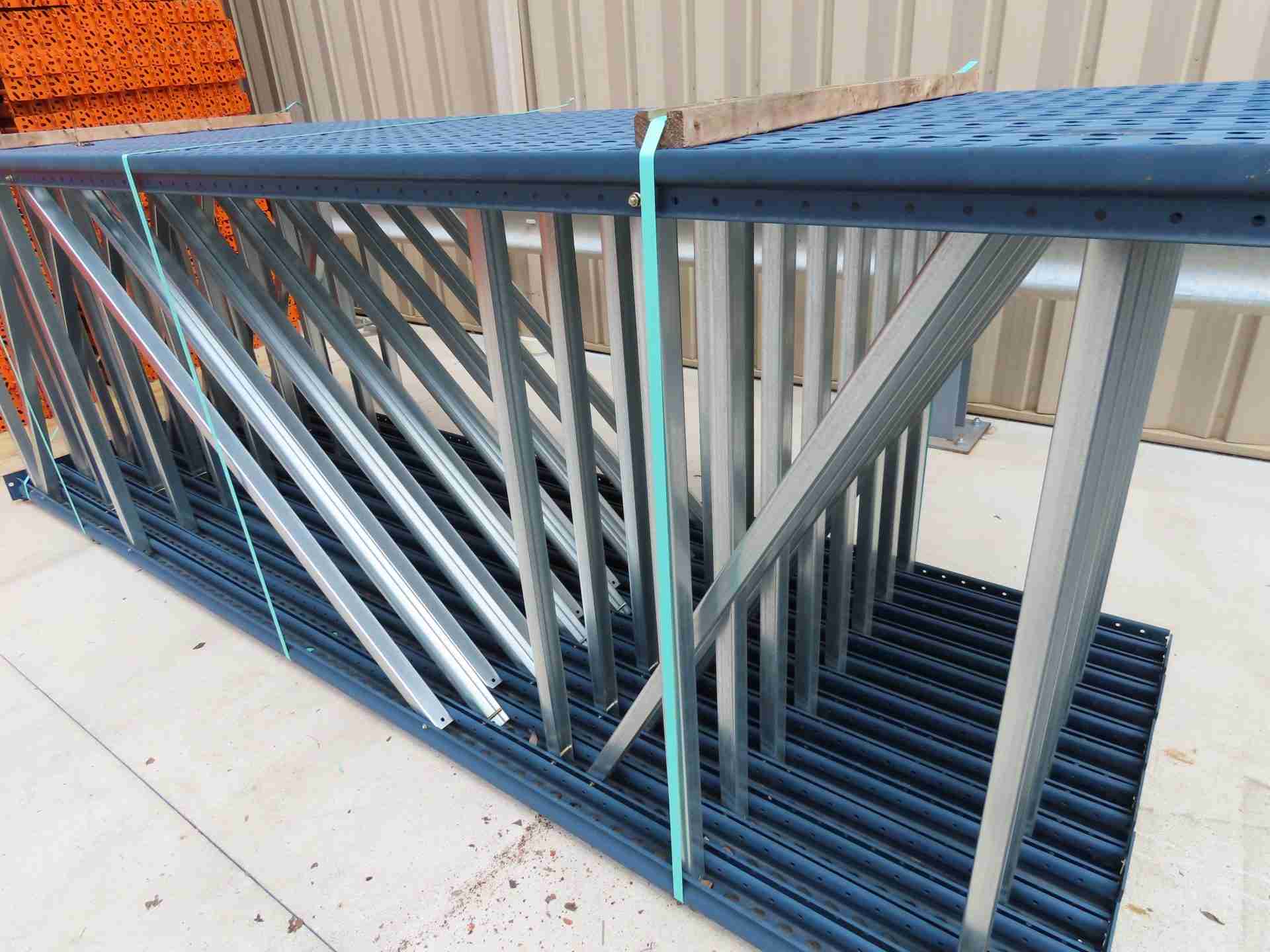
Conclusion
Conclusion:
- Efficient rack layout fosters productivity and empowers employees in high SKU count warehouses.
- Functionality of racking systems transforms chaos into clarity, allowing smooth task execution.
- Optimal design includes placing heavy items at lower levels for easy access and lighter items higher up.
- Ergonomic setups reduce physical strain, enhancing employee well-being and morale.
- Optimized layouts save time, reduce errors, and drive profitability, linking efficiency to financial success.
- Engaging employees in the design process cultivates a collaborative workplace culture focused on health and safety.
- Creating an efficient layout is about valuing employees and shaping a mission-driven organization for long-term success.
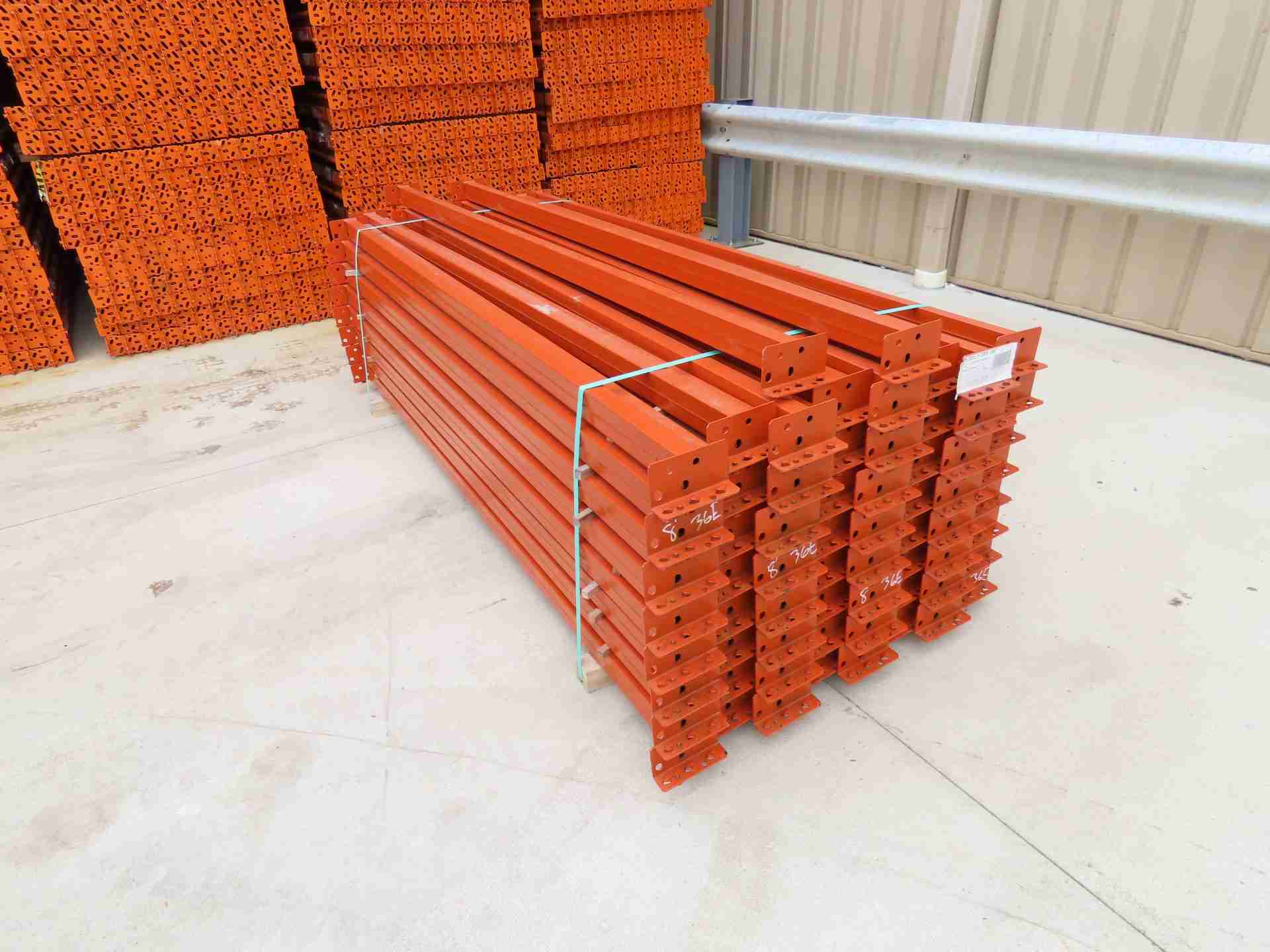
Conclusion
Other Resources
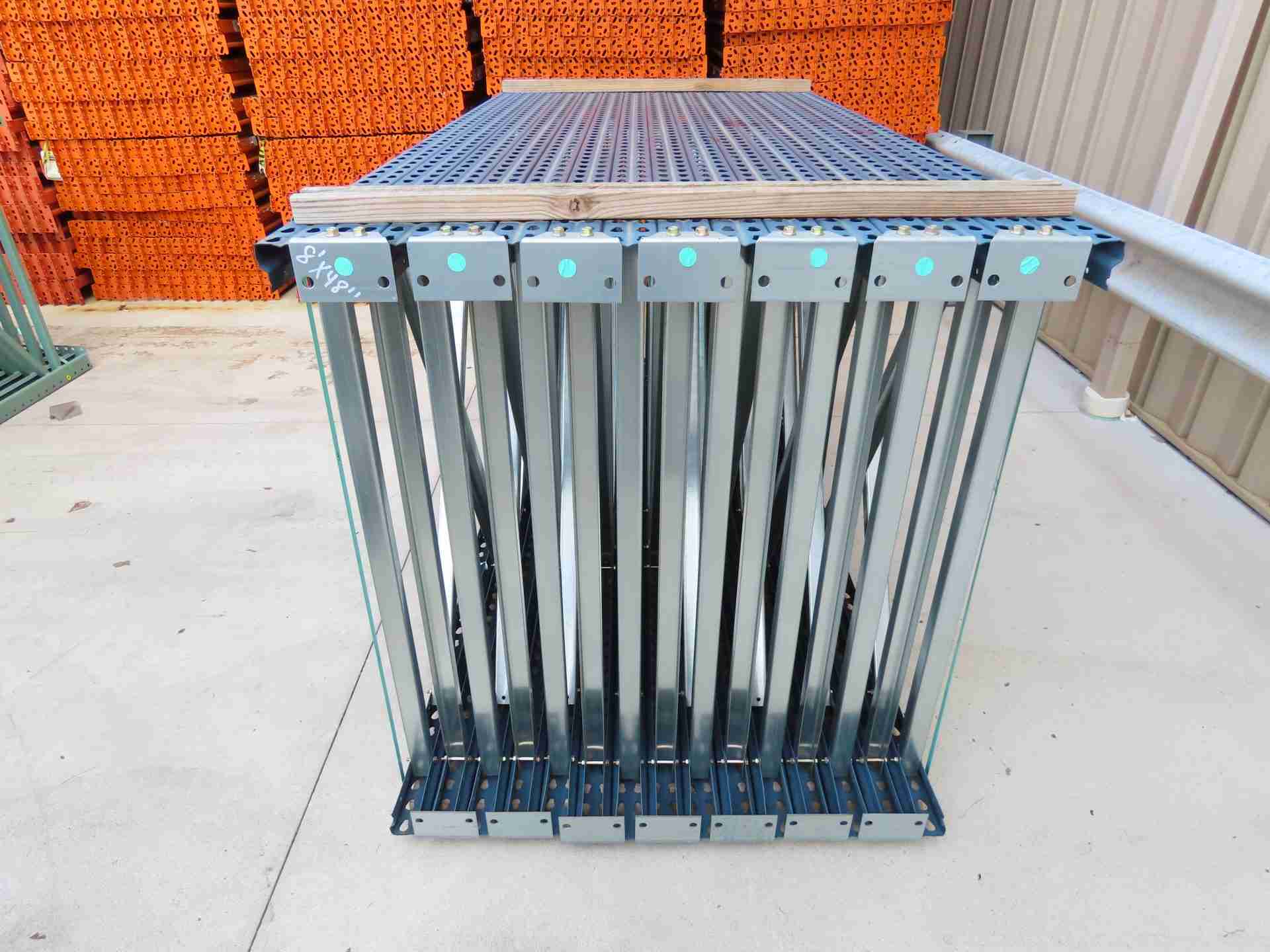
Other Resources
Here is a list of other resources you can review online to learn more:
- CA Wire
- Chicago Pallet Racking
- Cantilever Racks Chicago
- Chicago Pallet Racking
- Interlake Mecalux
- RMI
- What is Selective Racking: Understanding Benefits & Options
- Illinois
- Teardrop Industrial Shelving Rack
- Teardrop Racks – Pallet Rack World
- Pallet Rack Systems – New and Used Pallet Racking and Shelving Experts
- IIWS Inc. Rack Installation Illinois & Rack Repairs Illinois
- Cantilever Rack Guide: Ordering Cantilever Racking
- Logic Material Handling
- Teardrop Pallet Rack – Ridg-U-Rak
- New Cantilever Racks and Racking Kits
- Warehousing Education and Research Council: https://www.werc.org/
- Selective Pallet Racking Systems – Container Systems
- Interlake
- The Ultimate Pallet Racking Guide – Speedrack West
Use This Prompt To Get More Resources With Your Favorite Online AI Tool: Please provide me with a list of online articles with their URLs in a bulleted list that I can read regarding Rack Layout Tips for High SKU Count Operations

Other Resources
Glossary Terms
Rack Layout Tips for High SKU Count Operations – Glossary Of Terms
1. SKU (Stock Keeping Unit): A unique identifier for each distinct product or item in inventory.
2. Rack Layout: The strategic arrangement of storage racks in a warehouse to optimize space and efficiency.
3. High SKU Count: A situation where a warehouse or operation manages a large number of distinct products or inventory items.
4. FIFO (First In, First Out): An inventory management method where the oldest stock is sold or used first to prevent obsolescence.
5. LIFO (Last In, First Out): An inventory management technique where the most recently added stock is sold or used first.
6. Pick Zone: A designated area within a warehouse where items are stored for quick retrieval and packing for orders.
7. Bin Location: A specific storage spot within the rack layout assigned to a particular SKU.
8. Dynamic Slotting: A strategy where items are placed in varying locations based on demand fluctuations and order patterns.
9. Static Slotting: A fixed storage method where each SKU has an unchanging location regardless of pickup frequency.
10. Accessibility: The ease with which items can be retrieved from storage, affecting pick rates and efficiency.
11. Batch Picking: The practice of picking multiple SKUs for different orders in a single trip to improve picking efficiency.
12. Single Order Picking: A method where items are picked one order at a time, allowing for higher accuracy but potentially slower throughput.
13. Wave Picking: A process where orders are grouped and picked in waves, aiming to maximize efficiency in large warehouses.
14. Cross-Docking: A logistic process where incoming shipments are directly transferred to outbound shipping, minimizing storage time.
15. Overstock: Excess inventory that exceeds the optimal level for storage and sale, which can occupy valuable rack space.
16. Understock: Insufficient inventory levels that can lead to stockouts and inability to meet customer demand.
17. Inventory Turnover: A metric that expresses how many times inventory is sold and replaced over a specific period, indicating efficiency.
18. Storage Density: The volume of goods stored per unit of space, crucial for maximizing available warehouse area.
19. Throughput: The rate at which items are processed within a warehouse system, indicating operational efficiency.
20. Ergonomics: The study of designing workplaces to fit the physical needs of employees, minimizing strain and maximizing efficiency.
21. Labeling: The process of marking items and locations in a warehouse for easy identification and tracking.
22. Replenishment: The act of restocking inventory levels to maintain optimal stock on hand.
23. Order Picking: The fulfillment process of selecting items from storage to meet customer orders.
24. Load Capacity: The maximum weight or volume a rack can safely hold, critical for safety and efficiency planning.
25. Warehouse Management System (WMS): Software designed to optimize the management of warehouse operations, from inventory tracking to order fulfillment.
26. Cycle Counting: An inventory auditing procedure that counts a portion of the inventory in rotation to ensure accuracy.
27. Sorting: The process of organizing items based on specific criteria to streamline picking processes.
28. Footprint: The physical space occupied by storage systems, an important consideration for layout designs.
29. Inventory Accuracy: The degree to which inventory records reflect actual physical stock levels, affecting overall warehouse efficiency.
30. Performance Metrics: Key indicators used to evaluate the efficiency and effectiveness of warehouse operations, guiding improvements in rack layouts.
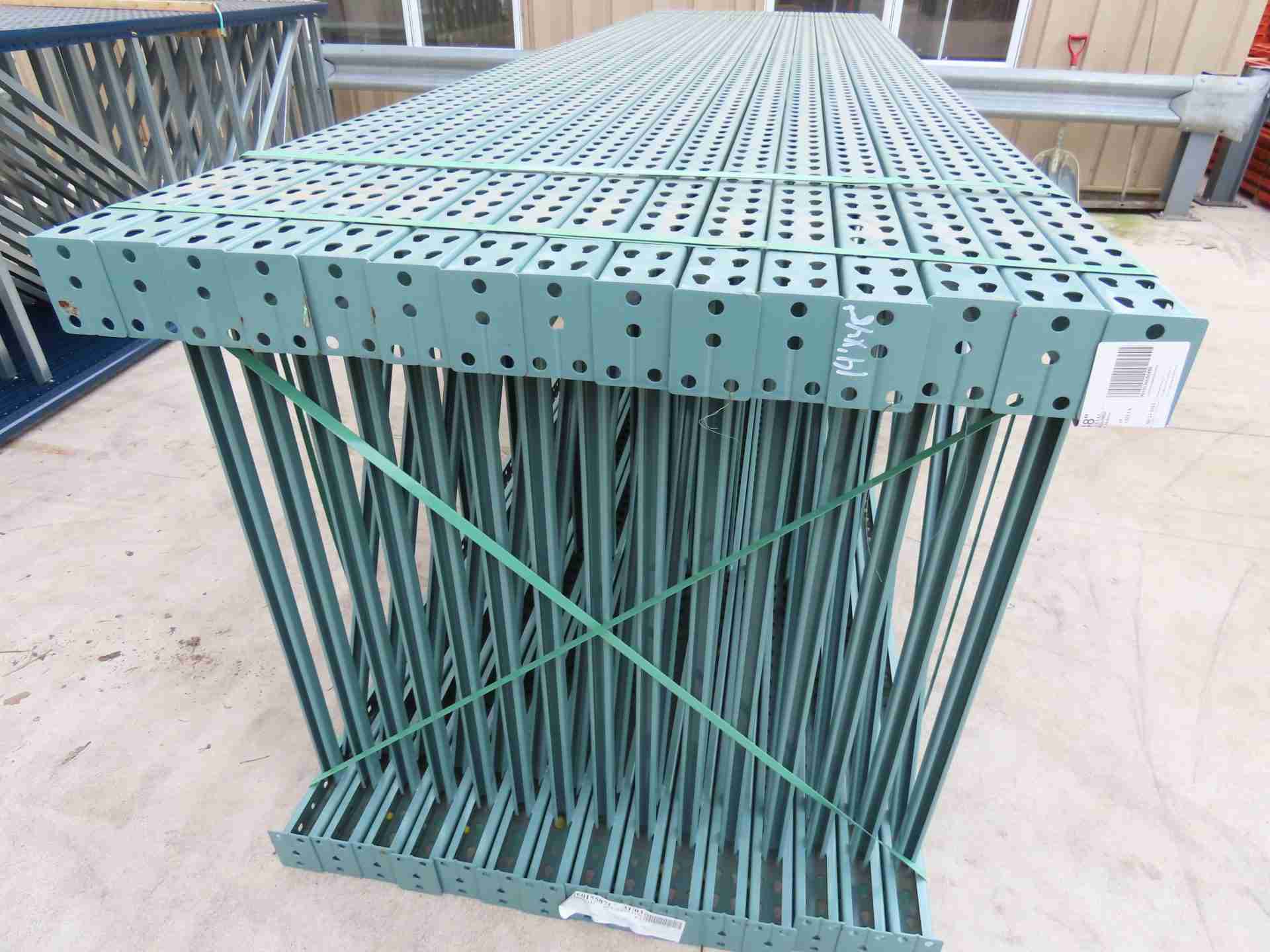
Glossary Of Terms
Other Questions
Rack Layout Tips for High SKU Count Operations – Other Questions
If you wish to explore and discover more, consider looking for answers to these questions:
- What are the best practices for designing a high SKU count rack layout?
- How can I assess the effectiveness of my current racking system?
- What tools or software can assist in planning an efficient rack layout?
- What are the safety standards that should be considered in racking design?
- How does training impact the utilization of an efficient racking system?
- What metrics should I track to measure the success of my rack layout?
- How often should I reevaluate my racking layout to adapt to changing needs?
- What role does technology play in optimizing warehouse layouts?
- How can collaboration among team members improve rack layout decisions?
- What are common pitfalls to avoid when designing a rack layout?
- How can seasonal fluctuations in inventory affect rack layout strategy?
- What are examples of companies successfully implementing these strategies?
- How can I balance efficiency and employee satisfaction in warehouse design?
Other Questions
Checklist
Rack Layout Tips for High SKU Count Operations – A Checklist
Checklist for Optimizing Rack Layout in High SKU Count Operations
Emotional Appeals
_____ Empower Your Team:
_____ Does your racking layout foster a sense of pride and ownership among employees?
_____ Are you encouraging collaboration and open communication among team members to share feedback on layout effectiveness?
_____ Create Joyful Workspaces:
_____ Is your racking system reducing clutter and chaos, allowing for a more pleasant and productive work atmosphere?
_____ How does your layout inspire confidence and satisfaction in employees’ daily tasks?
Rational Appeals
_____ Maximize Space Efficiency:
_____ Have you assessed the current density of storage and identified areas for improvement?
_____ Is your layout designed to reduce travel time between items, thus increasing overall productivity?
_____ Continuous Adaptability:
_____ Are adjustable shelves integrated into your design to accommodate changing inventory needs?
_____ Have you conducted regular evaluations of your layout against operational demands?
Ethical Appeals
_____ Promote Safety:
_____ Are you adhering to ergonomic principles in your racking design to safeguard employee health?
_____ Is your layout aligned with industry safety standards to prevent accidents?
_____ Invest in Your Workforce:
_____ Are you taking employee feedback into account in your layout decisions, showing that their needs matter?
_____ Does your layout reflect a commitment to a culture of respect and well-being?
Authority Appeals
_____ Follow Best Practices:
_____ Are you leveraging authoritative guidelines in your racking layout strategy?
_____ Have you consulted with industry veterans or experts to shape your design?
_____ Data-Driven Decisions:
_____ Are you using data and past experiences to validate design choices?
_____ Are you continuously monitoring and reporting on the effectiveness of the layout?
Narrative Appeals
_____ Build a Shared Vision:
_____ Can you craft a compelling narrative around your rack layout that includes the contributions of all team members?
_____ Are there success stories within your team that demonstrate positive outcomes from past layout changes?
_____ Encourage Team Storytelling:
_____ Do you facilitate sessions for team members to share their experiences and suggestions regarding the layout?
_____ How does the narrative of your operations support a culture of teamwork and excellence?
Social Appeals
_____ Foster Community and Collaboration:
_____ Are team-building activities and discussions encouraged to enhance camaraderie related to rack layout improvements?
_____ Do you have a system in place to gather ongoing social feedback on layout effectiveness from all levels of staff?
_____ Create a Culture of Inclusivity:
_____ Is every voice heard in the decision-making process concerning the rack layout, ensuring that all perspectives are considered?
_____ How are you encouraging team members to take pride in their contributions to the racking strategy?
Utilize this checklist to ensure that your warehouse’s rack layout not only enhances operational efficiency but also elevates team morale and fosters a positive work environment.
Checklist
At RackingWorld, we help guide you through selecting warehouse storage systems and racking.
Be sure to read our other related stories at RackingWorld to learn more about warehouse storage systems.
0 Comments