
Maximize Efficiency: Warehouse Space Optimization
By Tom Seest
At RackingWorld, we help guide you through selecting warehouse storage systems and racking.
Be sure to read our other related stories at RackingWorld to learn more about warehouse storage systems.
How Can You Optimize Your Warehouse Space Efficiently?
In the fast-paced world of logistics, optimizing your warehouse space is not just a good strategy—it’s an absolute necessity. Think about it: every square foot counts. Underutilized space is like money left on the table, and let’s be honest, no one wants to leave money on the table! But how do you transform that daunting pile of boxes and pallets into an organized, revenue-generating powerhouse? The secret often lies in effective pallet racking solutions.
Imagine walking into a warehouse where items are neatly stacked, easily accessible, and everything is in its rightful place. That feeling of control and order is achievable! Pallet racking systems are designed to maximize your vertical and horizontal space, allowing you to store more without sacrificing accessibility. Investing in a robust pallet racking system can revolutionize not just your storage capability, but also your overall workflow. Think about it: more organization equals quicker retrieval times and enhanced operational efficiency.
But don’t stop at just installing pallet racking. To optimize your space fully, ensure the layout aligns with your operational needs. For example, consider flow rack systems for high-turnover goods or selective racking for easy access. Tailor your approach based on your inventory turnover rate and the types of products you handle. This level of customization transforms your warehouse into a finely tuned machine ready for success.
And let’s not overlook the power of technology. Integrating a warehouse management system (WMS) with your pallet racking setup can create a robust operation that tracks inventory in real time. Visibility is key; when you can see what’s in your warehouse, you can make informed decisions that lead to better space utilization.
Don’t let your warehouse be an afterthought in your business strategy. By optimizing your warehouse space with effective pallet racking solutions, you create a stellar environment where products move swiftly, your team thrives, and your bottom line benefits.
So what are you waiting for? Take that leap and start your journey toward an efficiently optimized warehouse. It’s not just a change; it’s an upgrade to the way you do business. Remember, the best investment you can make is in your own operational efficiency. The future of your warehouse—and your company—depends on it.
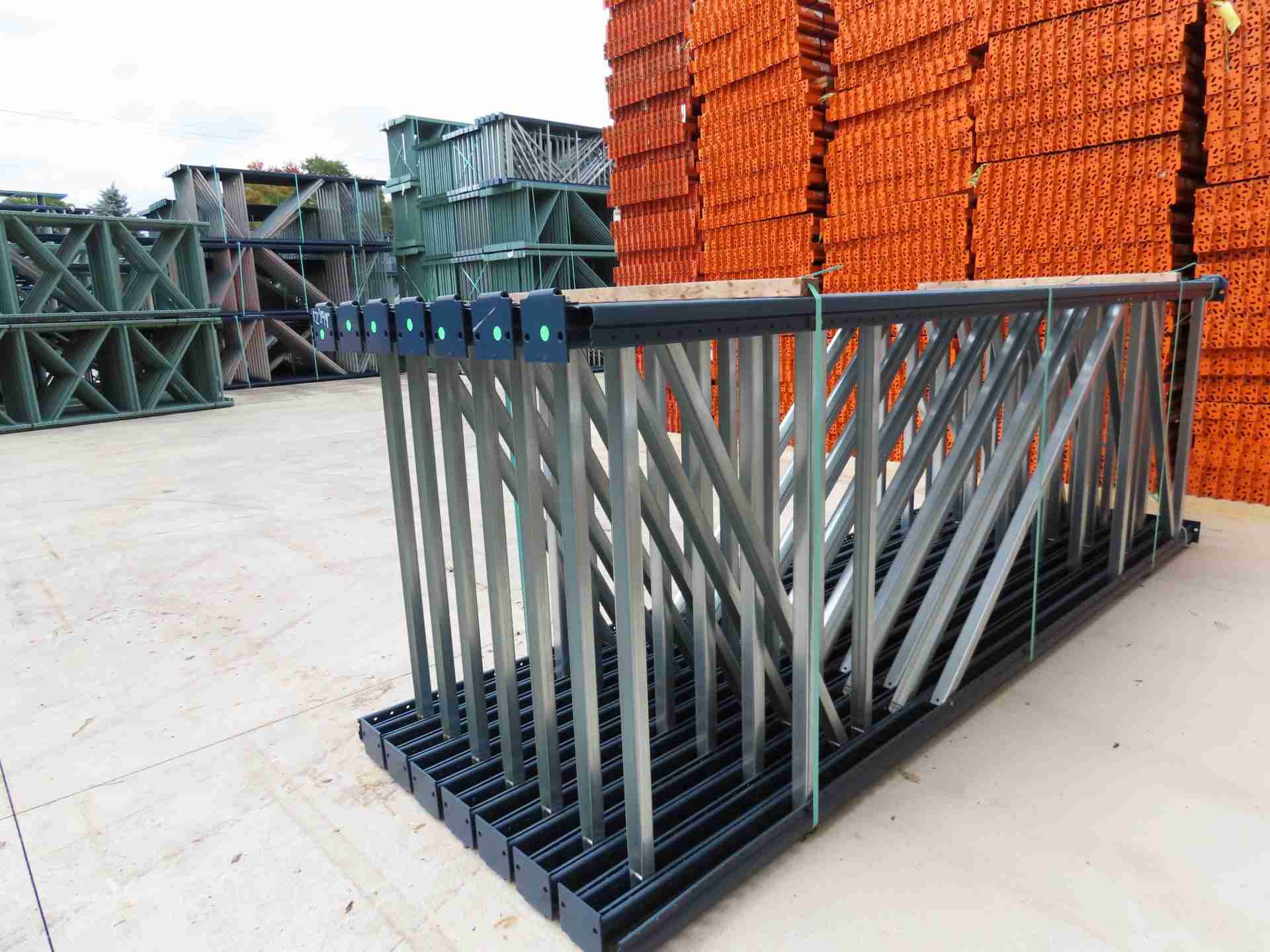
How Can You Optimize Your Warehouse Space Efficiently?
How Can You Optimize Your Warehouse Space Efficiently?
- Optimizing warehouse space is essential in logistics to maximize every square foot and eliminate underutilization.
- Pallet racking solutions can transform cluttered warehouses into organized, efficient storage spaces.
- Effective pallet racking maximizes vertical and horizontal storage without sacrificing accessibility.
- Customized layouts, such as flow rack systems for high-turnover goods, enhance operational efficiency.
- Integrating a warehouse management system (WMS) with pallet racking improves inventory tracking and visibility.
- Optimizing warehouse space contributes to quicker retrieval times and overall workflow enhancement.
- Investing in operational efficiency is critical for warehouse success and overall business improvement.
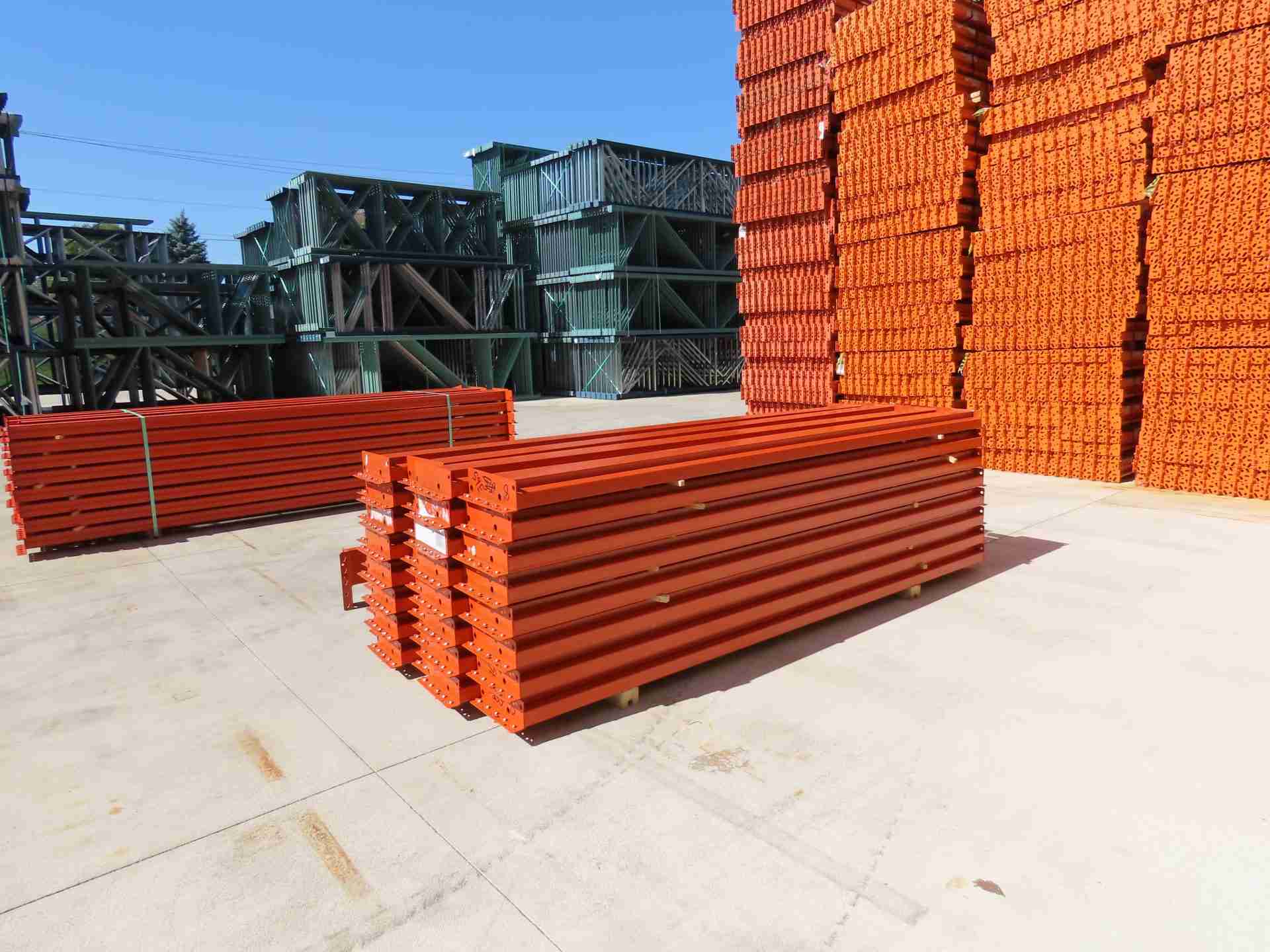
How Can You Optimize Your Warehouse Space Efficiently?
Table Of Contents
- How Can You Optimize Your Warehouse Space Efficiently?
- What Are The Benefits Of Optimizing Warehouse Space?
- How Can I Assess My Current Warehouse Layout?
- What Tools Can Help With Warehouse Space Management?
- How Do I Identify Underutilized Areas In My Warehouse?
- What Role Does Inventory Management Play In Space Optimization?
- How Can Technology Improve Warehouse Space Efficiency?
- Conclusion
- Other Resources
- Glossary Of Terms
- Other Questions
- Checklist
What Are The Benefits Of Optimizing Warehouse Space?
When was the last time you took a hard look at your warehouse space? If you’re like many business leaders, you probably think of your warehouse as merely the back end of your operations. But let me tell you—optimizing that space is an absolute game changer, and not just for simplifying your logistics.
Imagine walking into a neatly organized warehouse where every inch of space serves a purpose. Your products are readily accessible, inventory is under control, and everything flows seamlessly. This isn’t just a dream; it can be your reality through effective warehouse optimization techniques like pallet racking.
Pallet racking is far more than a storage solution; it’s a smart investment that brings clarity and efficiency to your operations. Picture rows of sturdy racks that hold your goods securely and compactly, freeing up room for more inventory or for essential equipment. With these systems in place, you minimize the chaos often seen in ill-organized warehouses, reducing the risk of errors and accidents—issues that can cost you dearly in more ways than one.
Now, let’s talk numbers. Optimizing your warehouse space can lead to significant cost savings. A well-organized facility can reduce labor costs by as much as 20%—think about that! With easy access to products, your team spends less time searching and more time fulfilling orders, which means faster turnaround times and happier customers. And let’s be honest; happy customers mean repeat business and positive word-of-mouth.
The benefits extend beyond just immediate savings. By utilizing strategies like pallet racking, your warehouse can increase its capacity without the need for costly expansions. This means more product availability and the ability to respond promptly to spikes in demand, keeping you ahead of the competition. It’s about creating a scalable solution that grows as you do.
Lastly, optimizing warehouse space instills a sense of professionalism. It signals to clients and partners that you are organized and prepared, positioning your business as a reliable player in your industry. You create an environment that fosters trust—not just with your customers, but also with your employees who are empowered to excel in a thoughtful workspace.
So, if you’re ready to transform your warehouse into a powerhouse of efficiency and productivity, don’t hesitate. Start exploring how optimizing your space with innovative solutions, including pallet racking, can reshape your operations for the better. Your future self—and your bottom line—will thank you!
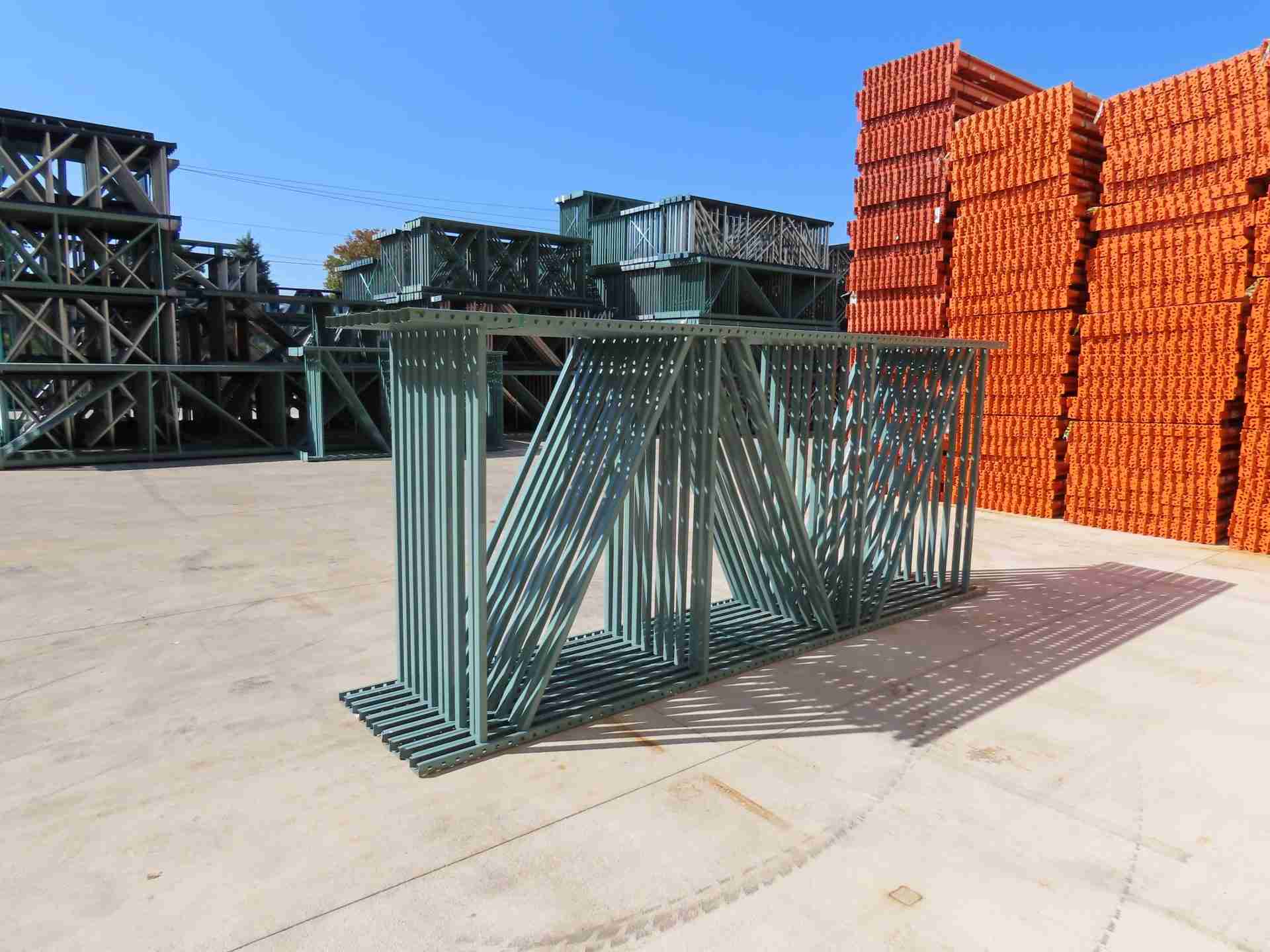
What Are The Benefits Of Optimizing Warehouse Space?
What Are The Benefits Of Optimizing Warehouse Space?
- Effective warehouse optimization enhances logistics and overall operations.
- Pallet racking provides efficient storage, maximizing space and minimizing chaos.
- A well-organized warehouse can reduce labor costs by up to 20%.
- Optimized spaces lead to faster order fulfillment and increased customer satisfaction.
- Pallet racking allows for increased capacity without costly expansions.
- Organized warehouses build professionalism and reliability in the industry.
- Investing in warehouse optimization can significantly impact your bottom line.
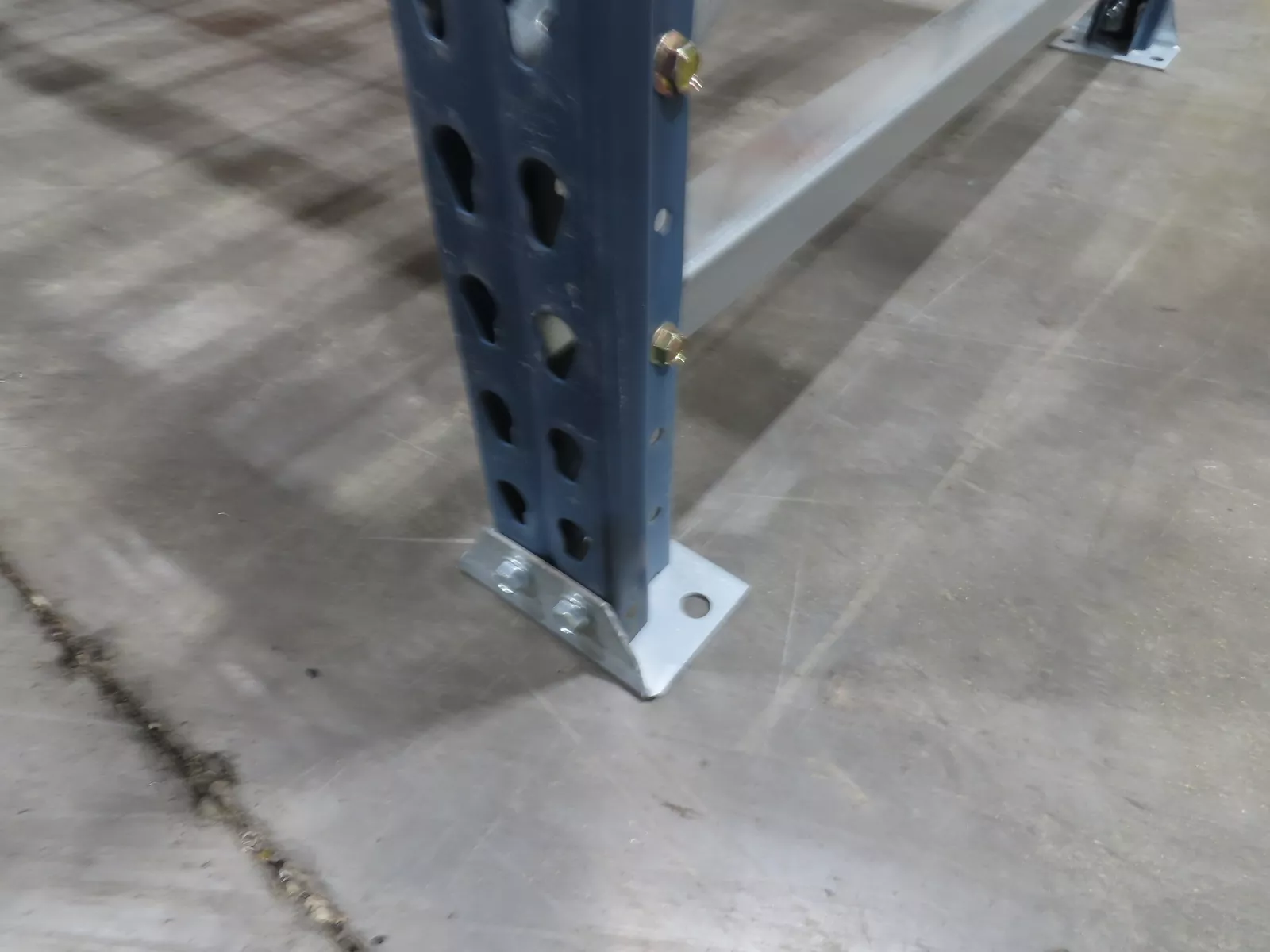
What Are The Benefits Of Optimizing Warehouse Space?
How Can I Assess My Current Warehouse Layout?
Evaluating your warehouse layout isn’t just a task; it’s an opportunity to transform your operations and boost your bottom line. Imagine walking into your facility and feeling the pulse of productivity—every item in its perfect place, every path to success clearly defined. Are you currently experiencing inefficiencies that you can’t quite pinpoint? It’s time to dig in and assess your current setup, starting with those essential components like pallet racking—a critical backbone of any functional warehouse.
Begin your assessment by taking a comprehensive look at your existing layout. Are your pallet racking systems organized in a way that maximizes space and accessibility? Ensure that your racking setup facilitates fast and efficient picking processes. If your team is constantly navigating back and forth across the warehouse, it’s time to reconsider how goods are stored. A refined arrangement can reduce travel time, leading to quicker order fulfillment and happier customers.
Next, don’t overlook the flow of materials. Walk through your warehouse and observe how items move from receiving to storage, then to shipping. Whether it’s multiple aisles or cramped quarters, consider how efficiently your layout allows for the smooth transition of goods. Think of it as the lifeblood of your operation—if it’s sluggish, so is your business. By optimizing the layout, you create a well-oiled machine where every section works in harmony, making it easier for your team to thrive.
Engage your staff in the assessment process. They’re on the front lines, so tap into their insights. Ask about pain points, areas that feel congested, or where they could use more space. Their perspectives will provide invaluable data as you refine your layout. This collaborative approach not only nurtures trust but also fosters a sense of ownership among the team, making them more invested in the outcome.
Finally, utilize inventory management software to run analytics on your current layout. Combine hard data with on-the-ground insights for a balanced view of what’s working and what isn’t. This informed approach empowers you to formulate a strategic plan—one that prioritizes efficiency and maximizes every square foot of your warehouse.
In assessing your warehouse, you’re not just identifying areas for improvement; you’re embodying a mindset of continuous enhancement. Every small change you make can lead to substantial gains in productivity, retention, and profits. Ready to take that leap? Your optimized, bustling warehouse awaits!
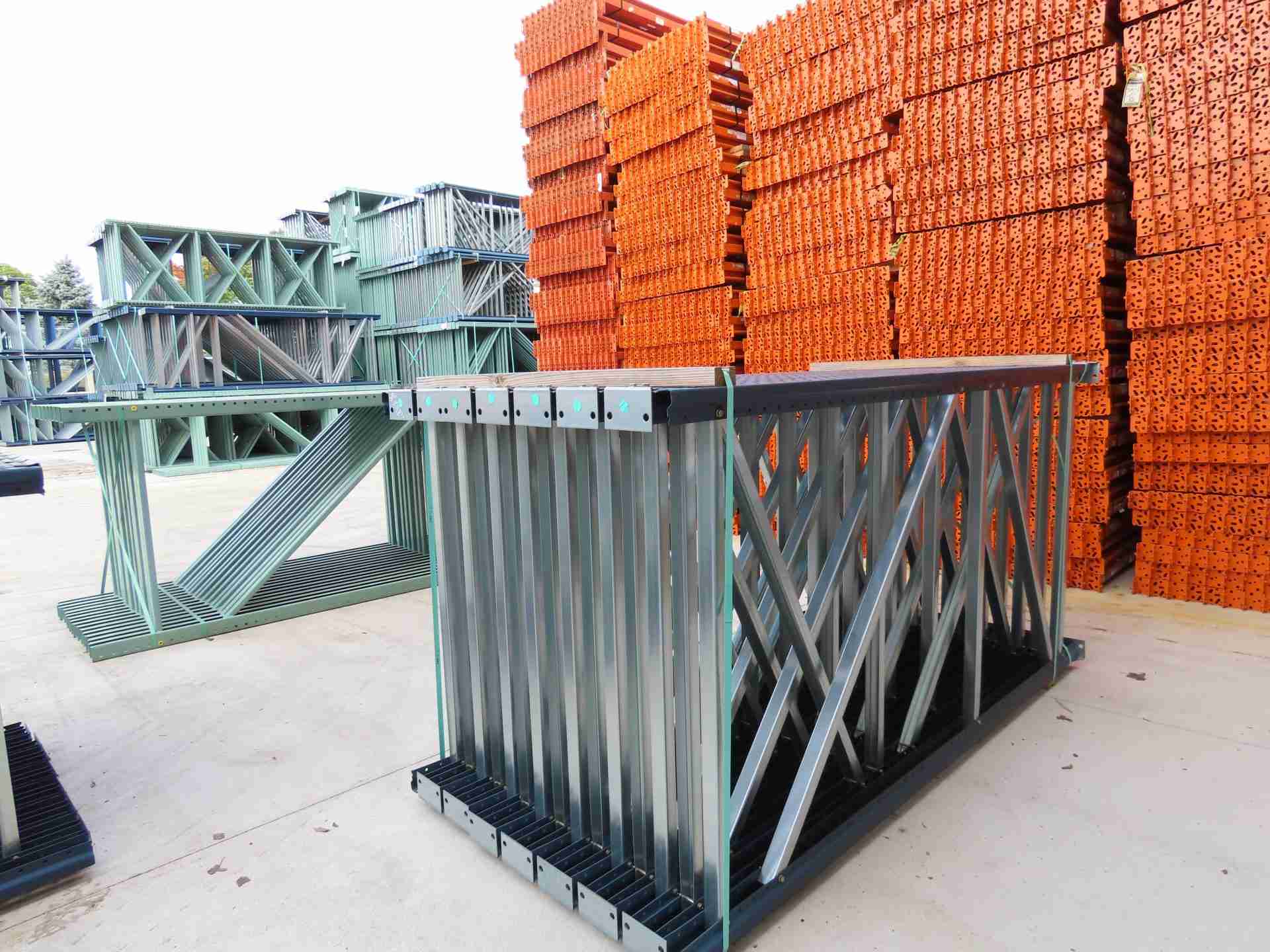
How Can I Assess My Current Warehouse Layout?
How Can I Assess My Current Warehouse Layout?
- Evaluating warehouse layout can transform operations and enhance profitability.
- Start assessment by examining the organization of pallet racking systems for space and accessibility.
- An efficient racking setup can reduce travel time and improve order fulfillment.
- Observe material flow within the warehouse to identify smooth transitions from receiving to shipping.
- Engage staff for insights on congestion and areas needing improvement to foster collaboration.
- Utilize inventory management software for data analysis to guide layout decisions.
- Embrace continuous improvement for substantial gains in productivity, retention, and profits.
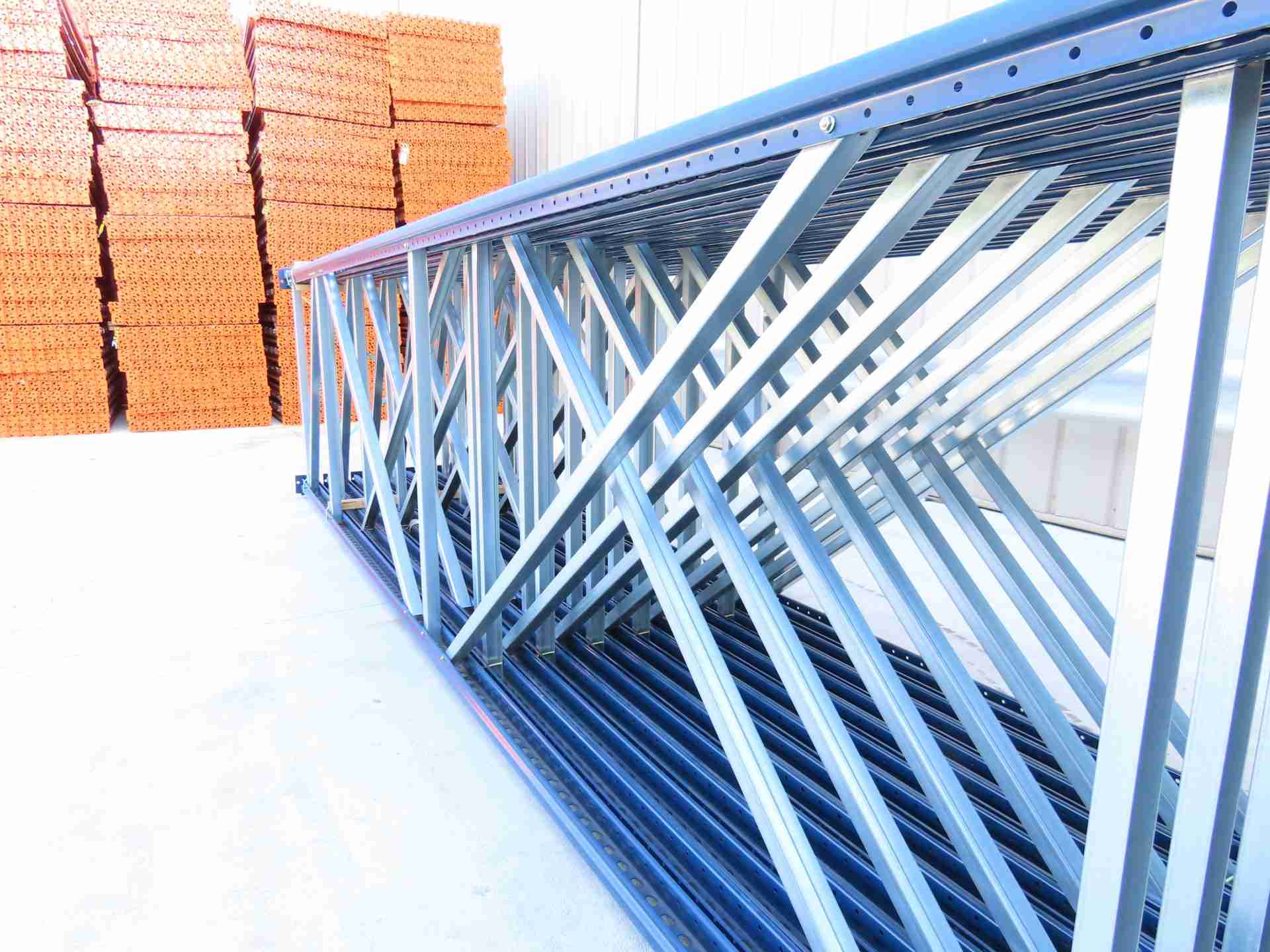
How Can I Assess My Current Warehouse Layout?
What Tools Can Help With Warehouse Space Management?
When it comes to managing your warehouse space efficiently, embracing the right tools is not just a luxury; it’s an absolute necessity. Picture this: a bustling warehouse, every square inch utilized to its maximum potential, where your team moves seamlessly through aisles, quickly fulfilling orders and keeping your customers satisfied. It’s more than a dream—it’s achievable, and it starts with the right strategic tools.
First up is Pallet Racking. This essential component revolutionizes how you organize your inventory. Imagine rows upon rows of sturdy, adjustable shelves that empower you to stack products high and reclaim precious floor space. With pallet racking, the only limit will be your imagination! You can optimize vertical space while keeping everything easily accessible, ensuring that employees can swiftly locate items without the frustration of a cluttered environment.
But that’s just the beginning. Integrating warehouse management systems (WMS) opens a world of possibilities. A robust WMS acts as the nervous system of your warehouse, providing real-time data on inventory levels, helping you track orders, and organizing shipping schedules. No more guesswork—get informed insights that drive smarter decisions. Quickly assess stock levels and turnover rates, and easily adapt to changing demands with the confidence of reliable data at your fingertips.
Next, consider Automated Storage and Retrieval Systems (ASRS). While it may sound high-tech, these systems simplify routine tasks, increasing efficiency and allowing your team to focus on higher-value activities. Automated solutions can drastically reduce labor costs and human error, turning what used to be tedious manual processes into streamlined operations. Your warehouse will start to run like a well-oiled machine, and that’s a victory worth celebrating!
Lastly, don’t underestimate the power of mobile technology. Handheld devices and tablets enable real-time communication and barcode scanning, allowing your staff to monitor inventory levels while they’re in the aisles. They cut down on errors, improve accuracy, and empower your team to manage space more effectively.
By incorporating these tools into your warehouse space management strategy, you’ll not only optimize operations but also foster a culture of efficiency and pride within your team. When your employees feel empowered and your customers are delighted by swift service, you create a trust that turns first-time buyers into loyal advocates. Start investing in these powerful tools today, and watch your warehouse transform into an operational powerhouse!
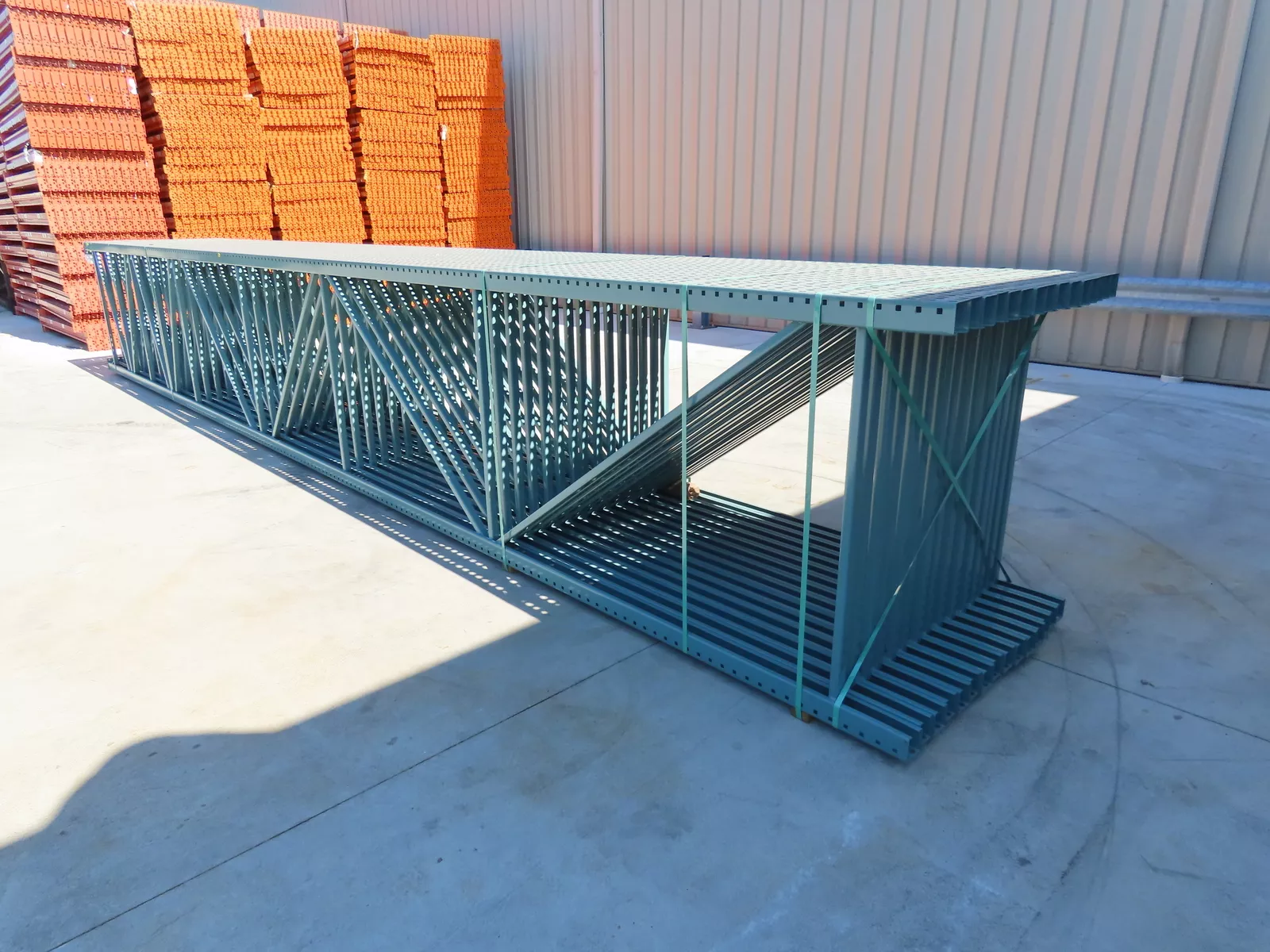
What Tools Can Help With Warehouse Space Management?
What Tools Can Help With Warehouse Space Management?
- Efficient warehouse management requires the right tools, essential for optimizing operations.
- Pallet racking helps organize inventory by utilizing vertical space, enhancing accessibility and reducing clutter.
- Warehouse Management Systems (WMS) provide real-time data on inventory, order tracking, and shipping schedules.
- WMS eliminates guesswork, allowing for informed decision-making and quick adaptation to changing demands.
- Automated Storage and Retrieval Systems (ASRS) streamline operations, reduce labor costs, and minimize human error.
- Mobile technology enables real-time communication and inventory monitoring, improving accuracy and management effectiveness.
- Incorporating these tools fosters a culture of efficiency, enhancing employee empowerment and customer satisfaction.
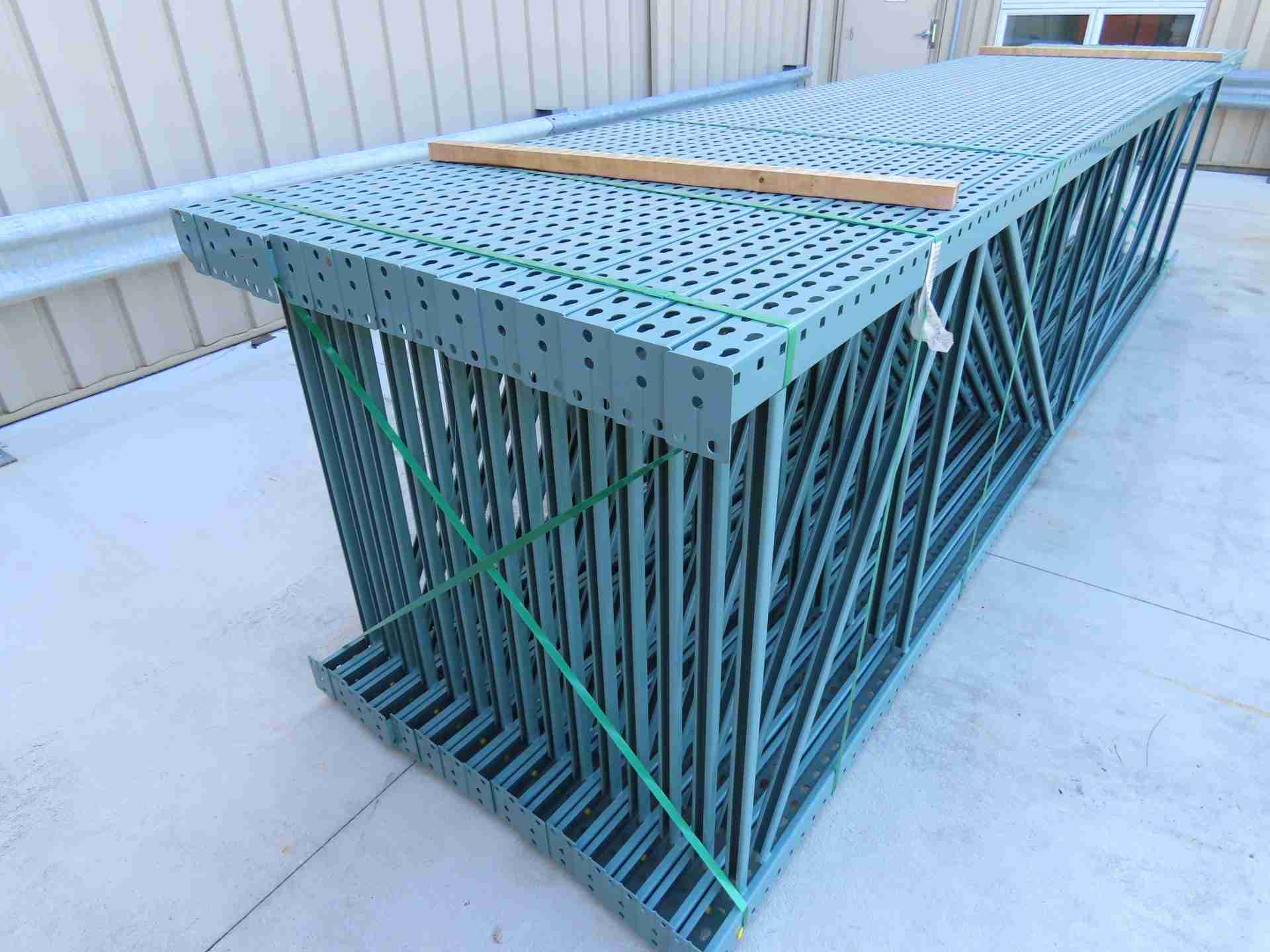
What Tools Can Help With Warehouse Space Management?
How Do I Identify Underutilized Areas In My Warehouse?
Identifying Underutilized Areas in Your Warehouse
Are you pulling your hair out trying to make sense of your warehouse space? You’re not alone. Many warehouse managers face the same dilemma: vast amounts of square footage—but how much of it is actually being utilized effectively? Fear not! Identifying those underutilized areas can turn your logistical challenges into triumphs, and it starts with a fresh perspective.
First, let’s talk about Pallet Racking. This essential element in most warehouses can be a double-edged sword. While it maximizes vertical storage, it can also create blind spots when you don’t monitor it closely. Do you have spaces between the racks that collect dust instead of products? Are there certain sections that have not seen action in weeks, months, or even longer? It’s time to conduct a thorough assessment of your pallet racking system. Take note of how each section is performing; recognize those that have become ‘no-go zones’. Ask yourself—what’s hidden in the depths of those towering shelves?
Next, engage your team to contribute to the process. They’re the boots on the ground and see everyday how space is used or wasted. Hold a brainstorming session or a workshop to discuss areas that feel congested or bottlenecked. You might be surprised to find that your employees have insights about underutilized regions that haven’t been tapped into. Consider creating a rewards program for employees who suggest actionable ideas. People love to be recognized for their efforts, and this not only leverages their knowledge but also encourages a culture of continuous improvement.
After evaluating your pallet racking and gathering feedback, it’s time to visualize the data. Create maps of your warehouse layout, highlighting operational flow and storage usage. Visual representation can often reveal startling trends and inefficiencies that the human eye might miss. By using creative tools like heat maps, you can pinpoint hotspots of activity versus areas that sit idle. These instructive visuals will show you where to remove bottlenecks or even reallocate inventory based on demand.
Identifying underutilized areas in your warehouse is not just a one-time task; it’s a continuous practice of vigilance and adaptability. Embrace the challenge, educate your team, and foster a culture of oversight. When you harness your warehouse’s full potential, you’ll not only streamline operations but also enhance productivity—and that’s a win-win for everyone involved! So roll up your sleeves and get started. Your future self will thank you!
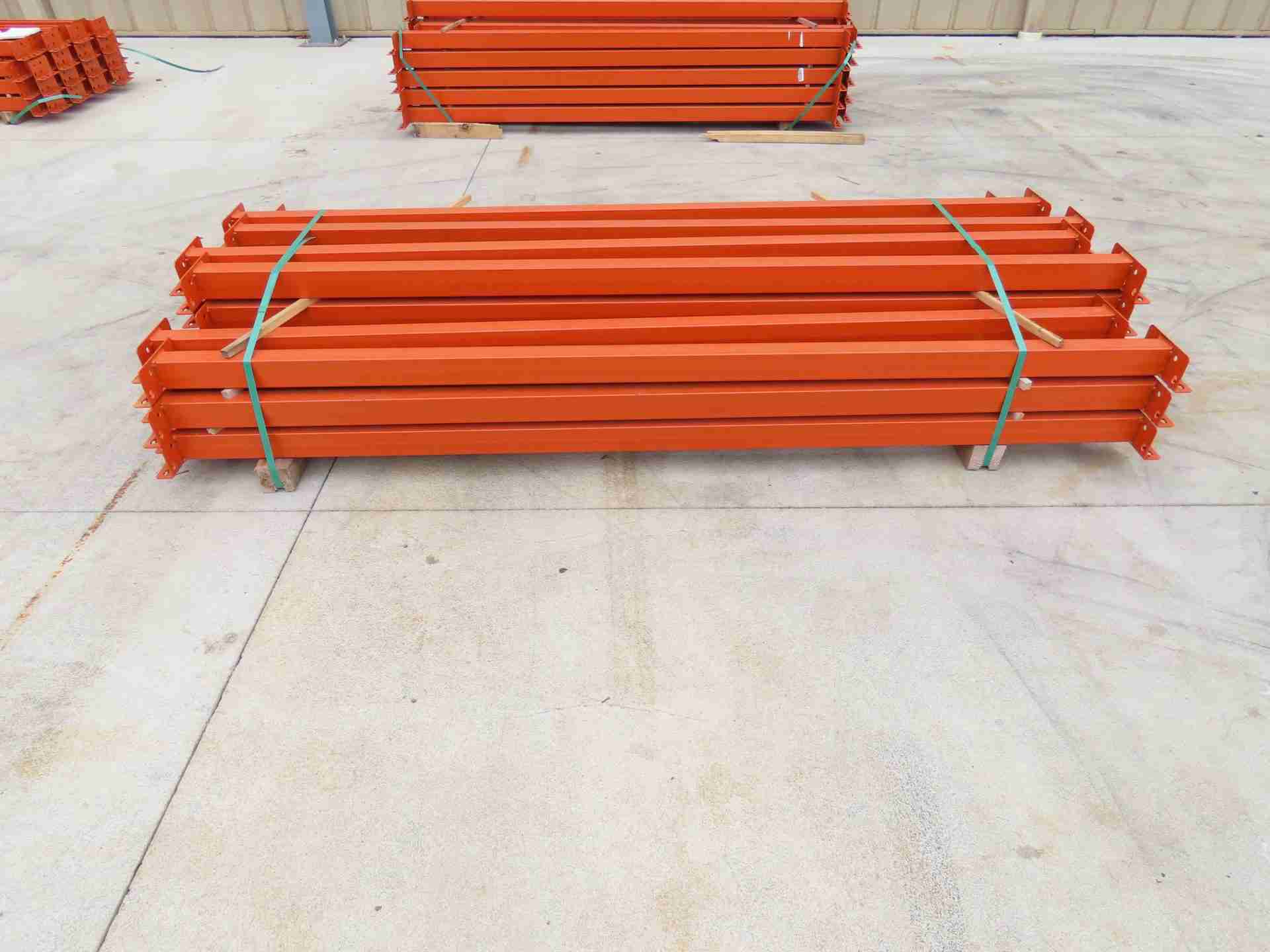
How Do I Identify Underutilized Areas In My Warehouse?
How Do I Identify Underutilized Areas In My Warehouse?
- Assess your warehouse space to identify underutilized areas and optimize logistics.
- Monitor pallet racking systems closely to avoid creating blind spots and assess performance.
- Engage your team in identifying congested or bottlenecked areas through brainstorming sessions.
- Consider implementing a rewards program to motivate employees to contribute actionable ideas.
- Visualize warehouse data with maps and heat maps to highlight operational flow and storage usage.
- Recognize that identifying underutilized areas is a continuous practice, requiring vigilance and adaptability.
- Embrace the challenge to enhance productivity and streamline warehouse operations for better efficiency.
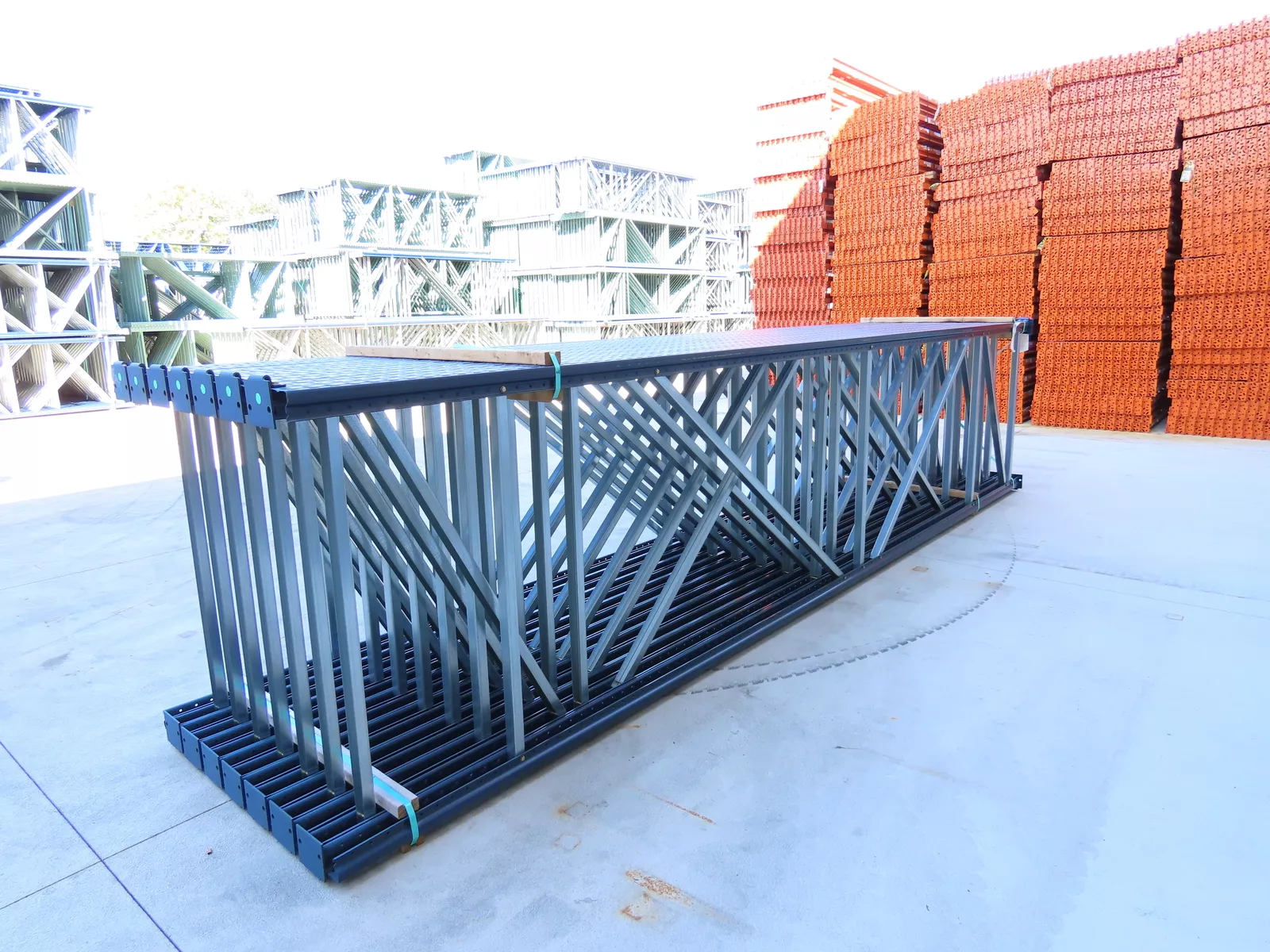
How Do I Identify Underutilized Areas In My Warehouse?
What Role Does Inventory Management Play In Space Optimization?
When it comes to maximizing your business’s efficiency, inventory management is the unsung hero. Imagine your warehouse as a puzzle with many pieces, and the way you arrange those pieces can either create a cohesive masterpiece or a chaotic mess. Space optimization is all about finding that perfect arrangement, and effective inventory management is the key to unlocking its full potential.
Let’s visualize your storage area filled with pallet racking. Each pallet holds valuable stock that fuels your operations and drives your revenues. Yet, how much more could you achieve if you could arrange those pallets not just for accessibility but for efficiency? That’s where a strategic inventory management system comes in. It transforms your storage space from a cluttered warehouse into a well-oiled machine.
Consider the flow of your operations—how products are received, stored, picked, and shipped. Each step should be seamless, diminishing downtime and maximizing productivity. Effective inventory management means knowing what you have, where it’s located, and when it’s time to restock. By keeping accurate counts and utilizing software solutions, you can ensure that every inch of your pallet racking is optimized. No more hunting for lost items or working around clumsy storage arrangements!
Moreover, utilizing real-time data and analytics will open your eyes to patterns within your storage needs. You may find that certain items move at lightning speed while others linger like the last guest at a party. With this knowledge, you can adjust your inventory levels and optimize your pallet racking layout to ensure that high-turnover stock is always front and center.
Now, let’s talk about trust. Customers want to know that their orders will be fulfilled accurately and on time. Inventory management fuels that confidence. By maintaining a well-organized, efficient space, you can reduce errors, improve fulfillment times, and enhance overall customer satisfaction. This reliability fosters loyalty, turning first-time buyers into staunch advocates for your brand.
So, if you’re ready to embrace efficiency and take your operations to the next level, start focusing on your inventory management strategy. The combination of smart practices and innovative pallet racking solutions is not just about creating an optimal space; it’s about building a thriving business that stands the test of time. Don’t settle for clutter—optimize and elevate your business today!
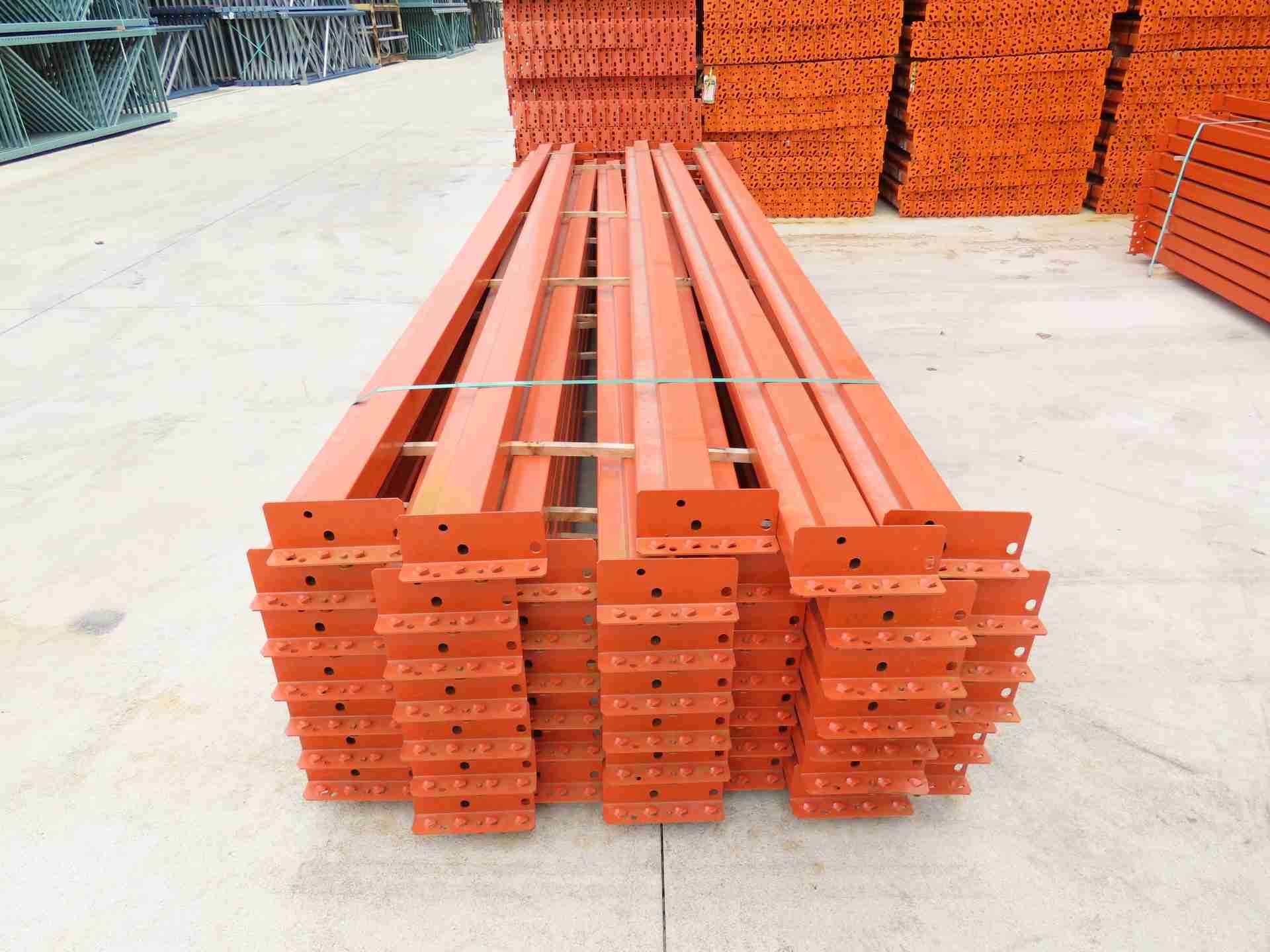
What Role Does Inventory Management Play In Space Optimization?
What Role Does Inventory Management Play In Space Optimization?
- Inventory management is crucial for maximizing business efficiency.
- Space optimization in warehouses can lead to either chaos or a well-organized system.
- Strategic inventory management transforms cluttered storage into an efficient workspace.
- Understanding the flow of operations can enhance productivity and reduce downtime.
- Real-time data and analytics help adjust inventory levels and improve layout efficiency.
- Reliable inventory management leads to accurate order fulfillment and increased customer satisfaction.
- Emphasizing inventory management strategy is key to building a successful and sustainable business.
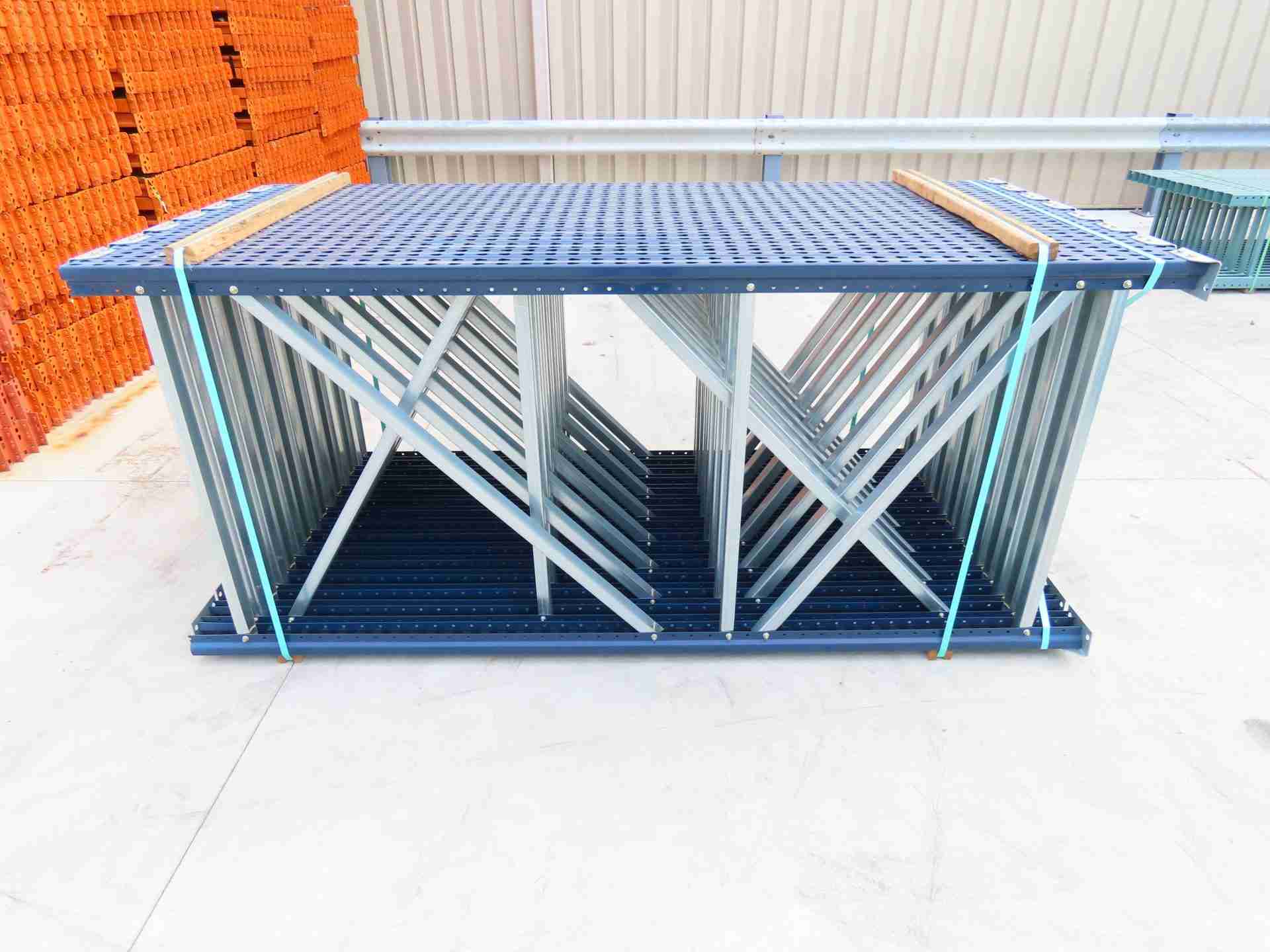
What Role Does Inventory Management Play In Space Optimization?
How Can Technology Improve Warehouse Space Efficiency?
In the fast-paced world of logistics, where every second counts and every square foot matters, harnessing technology can be your secret weapon to transform warehouse operations. Picture this: your warehouse—once a labyrinth of unproductive chaos—now streamlined into a bastion of efficiency and organization. How do you get there? Through the smart integration of technology, of course.
One of the first steps towards achieving this transformation is rethinking your pallet racking strategy. Traditional systems can be cumbersome and inefficient, but innovative racking solutions empowered by technology can unlock the true potential of your space. With adjustable and customizable pallet racking systems, every inch of vertical space can be utilized, significantly increasing storage capacity without the need for additional square footage. Imagine being able to adapt your layout on the fly, maximizing each shelf for different inventories. It’s an opportunity to create a leaner, more responsive operation—one that can pivot quickly to meet demand.
Enter automation and advanced software systems that provide real-time data on your inventory and operational flow. No more guesswork! By automating inventory tracking and systemizing order fulfillment, you can quickly pinpoint the most efficient routes for order picking, ultimately reducing labor costs and enhancing accuracy. Think about it: fewer misplaced items, quicker fulfillment times, and a distressed-free team—these aren’t just lofty goals; they can become your reality when technology becomes your ally.
Moreover, the integration of Artificial Intelligence and IoT devices empowers warehouse management systems with predictive analytics. Imagine being able to anticipate which products will need restocking and when, all while adjusting your pallet racking accordingly to accommodate these shifts. This proactive strategy not only saves you time and money but also positions your business as responsive and reliable—qualities that your customers will appreciate.
In today’s competitive landscape, trusting in technology is not merely advisable; it’s essential. With the right tools and systems in place, you’ll not only improve space efficiency in your warehouse, but you’ll fortify your reputation as a leader in your industry. Embrace these advancements, and watch as your operation evolves into an efficient powerhouse, ready to meet the demands of today’s marketplace. Let’s take that leap together and redefine what’s possible—your warehouse awaits!
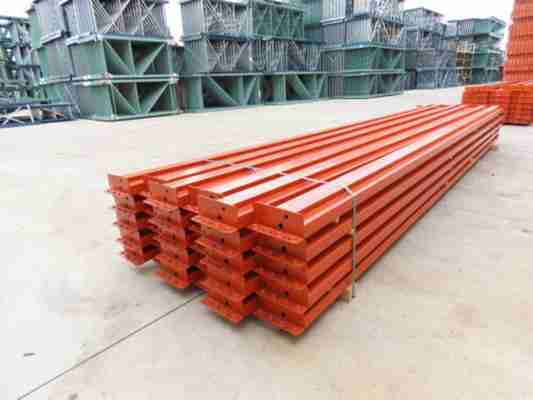
How Can Technology Improve Warehouse Space Efficiency?
How Can Technology Improve Warehouse Space Efficiency?
- Transform warehouse operations by harnessing technology to enhance efficiency and organization.
- Rethink pallet racking strategies using innovative, adjustable systems to maximize storage capacity.
- Utilize automation and advanced software for real-time inventory tracking and better operational flow.
- Reduce labor costs and enhance accuracy with streamlined order fulfillment processes.
- Incorporate AI and IoT devices for predictive analytics to anticipate restocking needs.
- Improve space efficiency and strengthen your reputation as a leader in the logistics industry.
- Embrace technological advancements to evolve your warehouse into a responsive powerhouse.
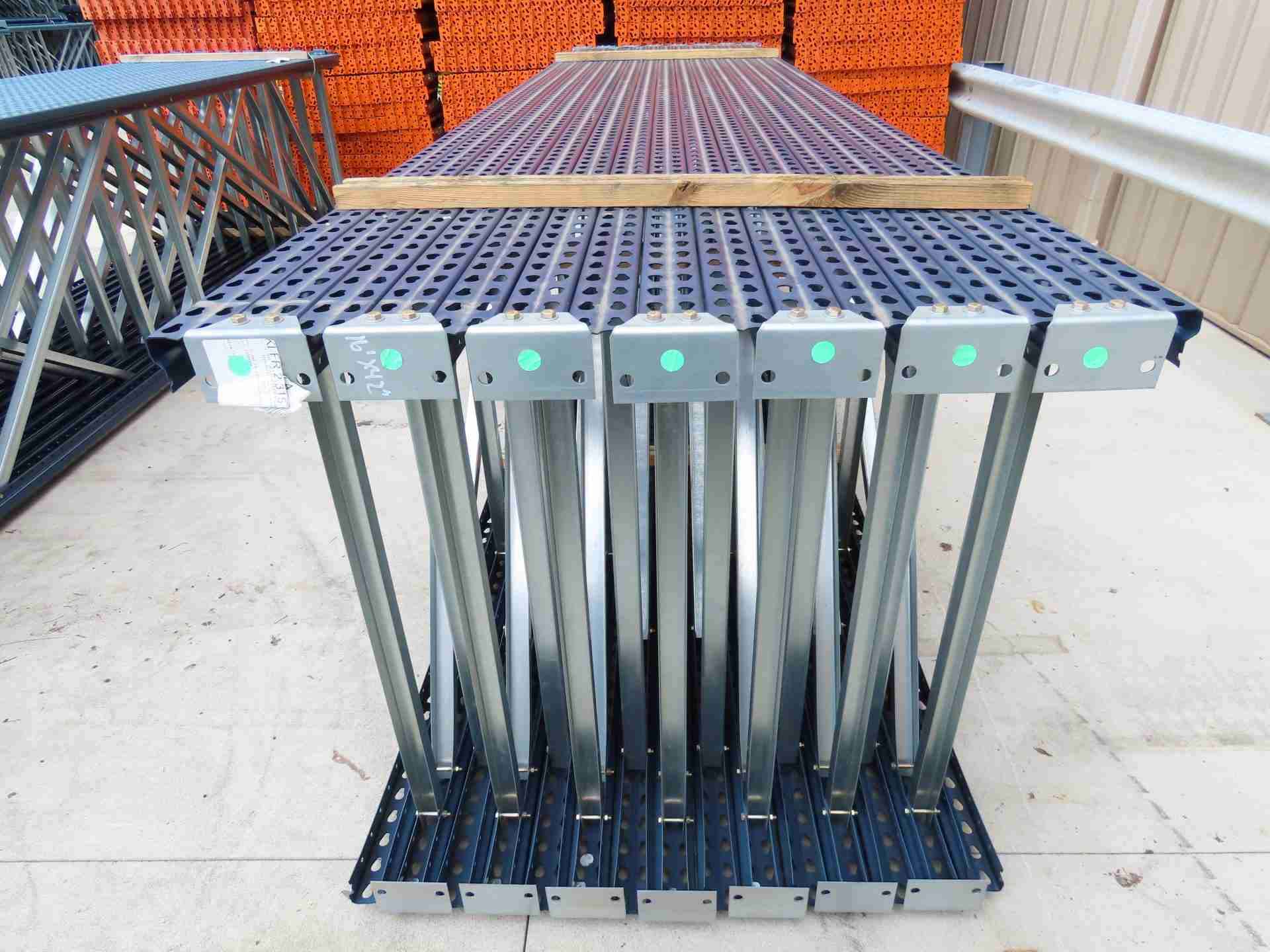
How Can Technology Improve Warehouse Space Efficiency?
Conclusion
Conclusion: Transform Your Warehouse into an Efficiency Powerhouse
In the ever-evolving landscape of logistics, the ability to optimize your warehouse space isn’t just a savvy strategy; it’s a vital necessity that can mean the difference between merely surviving and truly thriving in today’s competitive market. Each square foot of your warehouse holds untapped potential—transforming that underutilized space into a finely-tuned engine of efficiency begins with understanding the fundamentals of warehouse optimization.
Pallet racking systems serve as the backbone of any productive warehouse, enabling you to maximize both vertical and horizontal storage while maintaining easy accessibility at all times. No longer will you waste precious time sifting through clutter when you implement strategic racking solutions tailored for your inventory’s particular needs. By investing in robust pallet racking and integrating a Warehouse Management System (WMS), you gain unprecedented visibility into your operations, allowing you to make informed decisions that lead to improved space utilization. This alignment not only enhances order fulfillment time but also leads to significant cost reductions in labor—potentially saving you 20% or more.
Moreover, assessing your current warehouse layout becomes an opportunity for continuous improvement. By engaging your team in this process and utilizing modern tools like heat maps and mobile technology, you will uncover inefficiencies and underutilized areas just waiting to be optimized. Identifying these gaps will empower your workforce, foster a culture of innovation, and create an environment where everyone thrives—not just your bottom line.
The role of effective inventory management cannot be overstated. It’s the unsung hero of operational success, enabling you to track inventory motions with precision while adapting to changing demands. With regular insights into your inventory patterns, you can better position high-demand items and eliminate those prolonged ruts of stagnation in your workflow.
Now is the time to take action. As you stand on the precipice of potential, envision that bustling warehouse—efficient, organized, and ready to respond to customer demands with agility and professionalism. Don’t let your warehouse remain an afterthought in your business strategy. Call Arrow Industrial Sales at (574) 349-6575 today to discuss how our tailored pallet racking solutions and innovative warehouse management technologies can transform your operation.
Make this strategic investment in space efficiency and watch your productivity soar. The future of your warehouse—and your company—depends on it. Urgency is key; don’t let these opportunities slip away!
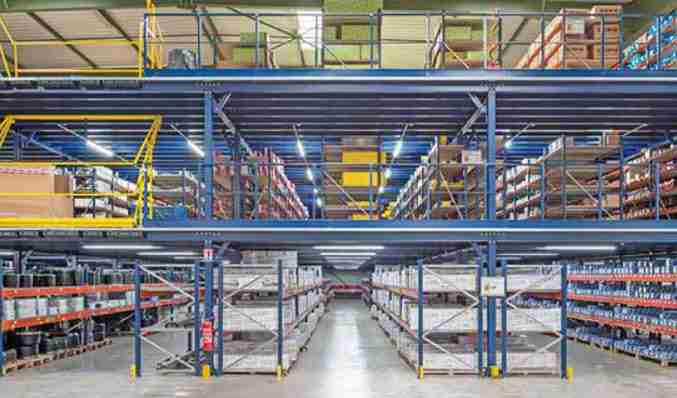
Conclusion
Conclusion:
- Optimizing warehouse space is essential for survival and success in today’s competitive logistics market.
- Pallet racking systems maximize storage and accessibility, reducing time wasted on clutter.
- Investing in pallet racking and a Warehouse Management System (WMS) enhances visibility and improves space utilization.
- Assessing warehouse layout regularly fosters continuous improvement and empowers the workforce.
- Effective inventory management is crucial for tracking and adapting to changing demands.
- Now is the time to transform your warehouse into an efficient, organized space to meet customer demands.
- Contact Arrow Industrial Sales at (574) 349-6575 to learn about tailored solutions for your warehouse needs.

Conclusion
Other Resources
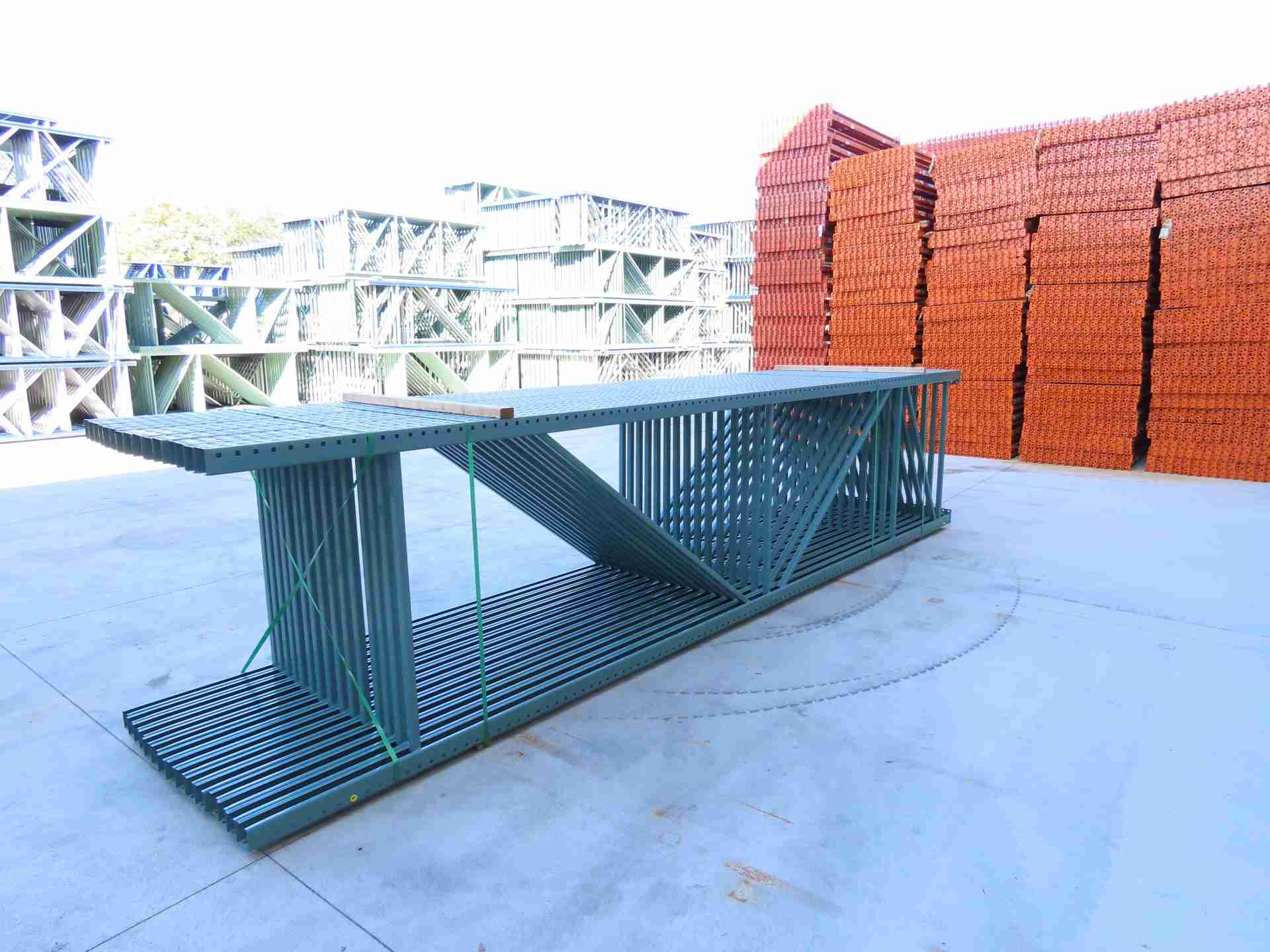
Other Resources
Here is a list of other resources you can review online to learn more:
- Warehouse Racking Chicago, IL
- Material Handling Industry
- Total Warehouse
- National Safety Council
- Pallet Rack Systems – New and Used Pallet Racking and Shelving Experts
- Warehouse Storage Racking in Illinois
- Cantilever Racking Specialists – Get the Right Racks
- Racking World
- American Society of Safety Professionals
- Heavy-Duty Cantilever Storage Racks
Use This Prompt To Get More Resources With Your Favorite Online AI Tool: Please provide me with a list of online articles with their URLs in a bulleted list that I can read regarding How Can You Optimize Your Warehouse Space Efficiently?
Other Resources
Glossary Terms
How Can You Optimize Your Warehouse Space Efficiently? – Glossary Of Terms
1. Aisle Space: The distance between storage racks, allowing for the movement of personnel and equipment, vital for efficient warehouse operations.
2. Automation: The use of technology and machinery to perform tasks with minimal human intervention, enhancing speed and accuracy in warehouse operations.
3. Batch Picking: A method where multiple orders are picked simultaneously in a single trip, reducing travel time and improving efficiency.
4. Bin Location: The specific storage position assigned to each product, facilitating easier tracking and retrieval.
5. Cross-Docking: A logistics practice where incoming goods are directly loaded onto outbound vehicles with little to no storage time, minimizing space usage.
6. Forklift: A powered industrial vehicle used to lift and transport materials, essential for moving heavy items in a warehouse efficiently.
7. Inventory Management: The process of tracking and managing stock levels, ensuring the right amount of product is available without excessive overstocking.
8. Just-In-Time (JIT): A strategy aimed at reducing inventory and storage space by obtaining goods only as needed for production or sales.
9. Lean Warehouse: A methodology focused on eliminating waste and optimizing processes to enhance efficiency and minimize space usage.
10. Mezzanine: An intermediate floor in a warehouse, designed to maximize vertical space for storage, work areas, or additional office space.
11. Order Fulfillment: The complete process of receiving, processing, and delivering customer orders, emphasizing efficiency and accuracy.
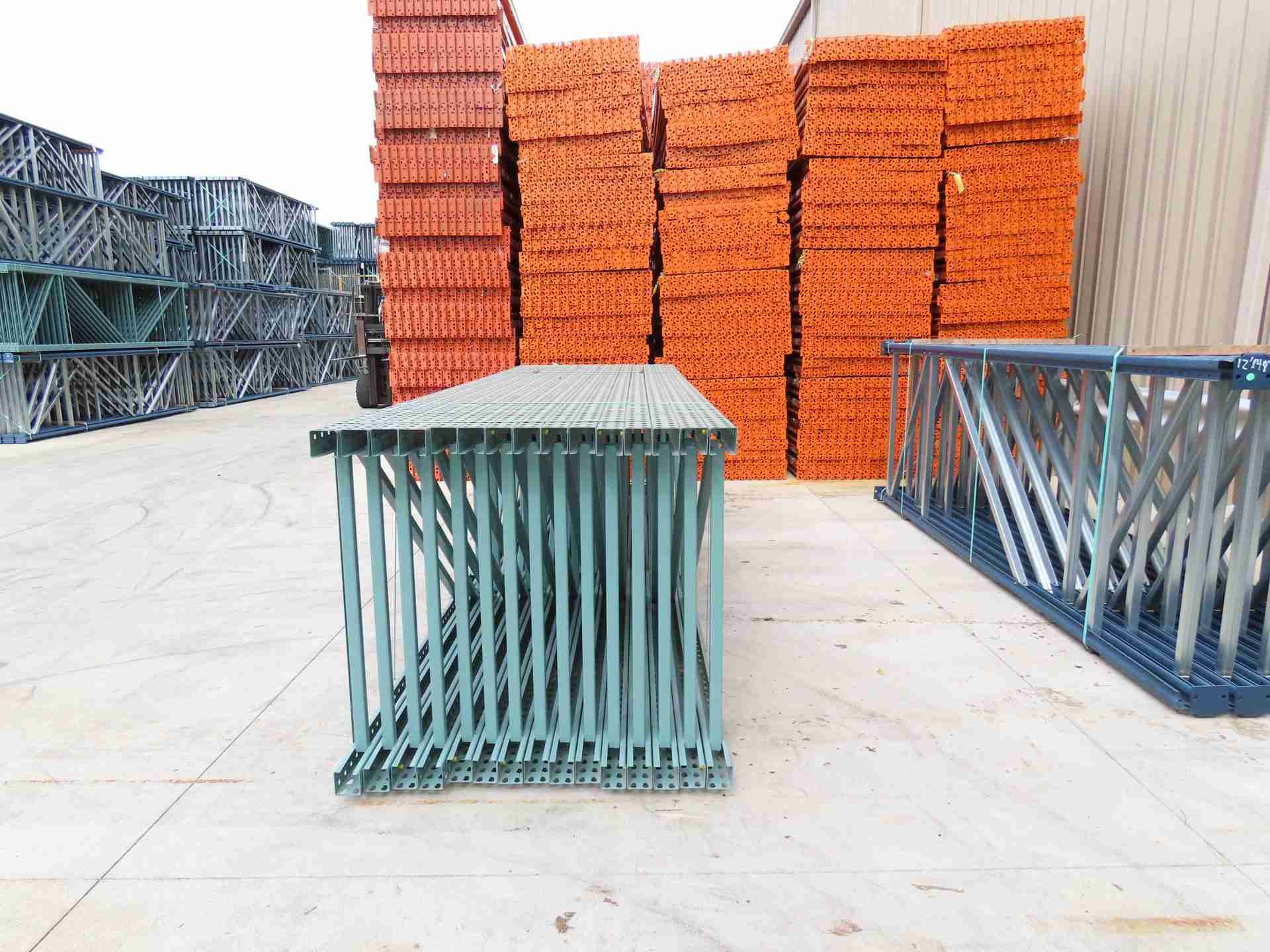
12. Pallet Racking: A storage system utilizing frames and horizontal beams for storing pallets, enabling vertical space optimization.
13. Product Slotting: The practice of placing items in specific locations based on their size, demand, and picking frequency, improving accessibility and efficiency.
14. Return on Investment (ROI): A performance measurement used to evaluate the efficiency of an investment in warehouse optimization strategies.
15. Safety Stock: An extra quantity of inventory kept on hand to prevent stockouts during unexpected demand spikes, crucial for maintaining operational efficiency.
16. Space Utilization: The measurement of how effectively the available space in a warehouse is used, impacting storage capacity and efficiency.
17. SKU (Stock Keeping Unit): A unique identifier for each product, used in inventory management to track stock and streamline order processing.
18. Vertical Storage: Utilizing height in a warehouse through racking systems or multi-tier shelving, maximizing available floor space.
19. Wave Picking: A picking process where orders are grouped based on common shipping times or routes, enhancing picking efficiency.
20. FIFO (First In, First Out): An inventory management strategy ensuring that the oldest stock is sold first, minimizing waste and optimizing space.
21. LIFO (Last In, First Out): An inventory management approach where the most recently added items are sold first, impacting space management strategies.
22. Warehouse Management System (WMS): A software tool designed to manage and optimize warehouse processes, from inventory tracking to order fulfillment.
23. Lean Inventory: A stock management strategy aimed at reducing waste and ensuring minimal inventory levels while meeting demand.
24. Cycle Counting: A regular audit method where a portion of inventory is counted on a rotating basis, improving accuracy and space management.
25. Consolidation: The process of grouping items or shipments to maximize space and minimize shipping costs, crucial for effective warehouse operations.
26. Temperature-Controlled Storage: Specialized storage areas maintaining specific temperature ranges for products sensitive to temperature changes, optimizing space for various goods.
27. Shipping Optimization: Strategies focused on reducing shipping costs and improving delivery times, often affecting warehouse layout and space use.
28. Sourcing: The process of finding the most cost-effective suppliers for materials and products, affecting inventory levels and space requirements.
29. 3PL (Third-Party Logistics): A service provider that manages logistics operations for businesses, often including warehousing and space optimization.
30. Sustainability: Practices aimed at reducing the environmental impact of warehouse operations, often involving space optimization for energy efficiency.

Glossary Of Terms
Other Questions
How Can You Optimize Your Warehouse Space Efficiently? – Other Questions
If you wish to explore and discover more, consider looking for answers to these questions:
- What are the key metrics to evaluate warehouse space optimization?
- How often should I reassess my warehouse layout for optimization?
- What are the common mistakes in warehouse space management?
- How can I train my staff to maintain an optimized warehouse?
- What are some case studies of successful warehouse optimization?
- How do I choose the right pallet racking system for my needs?
- What are the costs associated with warehouse space optimization?
- Are there specific regulations I need to consider when optimizing warehouse space?
- How can I measure the ROI of warehouse optimization efforts?
- What role does employee feedback play in warehouse optimization?
- How can I involve my team in the warehouse optimization process?
- What types of technology are most effective for warehouse space management?
- How does seasonal demand affect warehouse space optimization strategies?
- What should I do if my warehouse is running out of space despite optimization efforts?
- How can I balance speed and accuracy in warehouse operations?

Other Questions
Checklist
How Can You Optimize Your Warehouse Space Efficiently? – A Checklist
Warehouse Space Optimization Checklist
Optimize your warehouse space efficiently with this comprehensive checklist, designed to help you transform your storage area into a highly functional and productive environment.
1. Assess Your Current Layout
_____ Conduct a thorough evaluation of your current warehouse layout.
_____ Identify if your rack systems maximize space and accessibility.
_____ Observe and analyze the flow of materials within the warehouse.
_____ Engage your staff to gather insights on layout improvements.
2. Implement Effective Pallet Racking Solutions
_____ Choose the right type of pallet racking based on your inventory turnover.
_____ Consider flow rack systems for high-turnover goods.
_____ Opt for selective racking for easy access.
_____ Ensure your pallet racking system is organized for quick inventory retrieval.
3. Integrate Technology
_____ Invest in a robust Warehouse Management System (WMS) for real-time inventory tracking.
_____ Explore Automated Storage and Retrieval Systems (ASRS) to increase efficiency.
_____ Utilize mobile technology for real-time communication and inventory updates.
4. Identify Underutilized Areas
_____ Conduct an assessment to identify areas of your warehouse that aren’t being used effectively.
_____ Gather feedback from staff on congested spots and wasted spaces.
_____ Create visual representations (like heat maps) to identify activity hotspots.
5. Customize Inventory Management
_____ Maintain accurate counts and restocking schedules.
_____ Analyze inventory turnover rates and adjust layout accordingly.
_____ Keep high-turnover products easily accessible to reduce retrieval time.
6. Optimize Warehouse Operations
_____ Reconfigure your layout to minimize travel time for employees.
_____ Implement a continuous improvement strategy to assess and adjust layouts regularly.
_____ Foster a culture of ownership and pride among employees by involving them in optimizations.
7. Evaluate and Adapt
_____ Regularly review the effectiveness of your pallet racking and inventory management systems.
_____ Make necessary adjustments based on operational data and team feedback.
_____ Celebrate improvements and recognize employee contributions to foster motivation.
8. Establish a Professional Environment
_____ Aim for cleanliness and organization throughout the warehouse.
_____ Reinforce professionalism and reliability through well-maintained spaces that instill trust with customers and partners.
9. Monitor Performance
_____ Set benchmarks for operational efficiency and track progress.
_____ Use data insights to adjust strategies and enhance performance continually.
10. Make the Commitment
_____ Take actionable steps to start the optimization process today.
_____ Commit to investing in your operational efficiency for long-term success.
By following this checklist, you can ensure that your warehouse operates at peak efficiency, maximizing both space and productivity. Start optimizing today!

Checklist
At RackingWorld, we help guide you through selecting warehouse storage systems and racking.
Be sure to read our other related stories at RackingWorld to learn more about warehouse storage systems.
0 Comments