
Unveiling The Science And Story Behind Cantilever Rack Post Sizes
By Tom Seest
At RackingWorld, we help guide you through selecting warehouse storage systems and racking.
Be sure to read our other related stories at RackingWorld to learn more about warehouse storage systems.
Demystifying Cantilever Rack Post Dimensions
When you think about a cantilever rack, what often pops into mind? Is it the towering arrays that seem to stretch toward the sky, or perhaps the steadfast promise they hold of organizing your space? Understanding the post dimensions of these racking systems isn’t just about numbers; it’s about unlocking potential. The heart beats in sync with the structure around us, and choosing the right rack dimensions can mean the difference between chaos and order in your warehouse or shop.
Let’s head into the nuts and bolts of why that matters. When we’re talking about cantilever racks, we’re diving into a world where strength meets functionality. The vertical posts of these racks are more than mere support beams; they’re the backbone of your operational efficiency. The size and spacing of each post determine how much weight they’ll bear and how easily your employees can access the products they need. Get it wrong, and you could be left with a costly mess, or worse, a safety hazard. That’s a hard pill to swallow, not just from a financial standpoint but from an ethical perspective, too. Your folks deserve a safe space to work.
Now, let’s talk about real-world impact. Think about the last time you struggled to find that one essential tool buried beneath a pile of others. Frustration builds, time is wasted, and that’s not just an inconvenience; it’s an opportunity lost. By understanding and investing in proper post dimensions, you’re not only improving the flow of materials but also fostering a culture of productivity and respect for the workforce. You’re showing that you care about their time and safety, laying the groundwork for a thriving work environment.
Isn’t that what we all want—to create something that lasts? The choice of racking systems, particularly with cantilever posts, isn’t merely about making space; it’s about making a statement. You’re building a future where efficiency reigns, and every item has its place. So, arm yourself with the knowledge of post dimensions. It’s a key part of the racking puzzle, and trust me, precision here pays dividends down the line.
Let’s create systems that reflect a commitment to excellence—one rack at a time—because a well-organized space speaks volumes about the integrity of its operations. Dive in, take control, and watch your world transform.
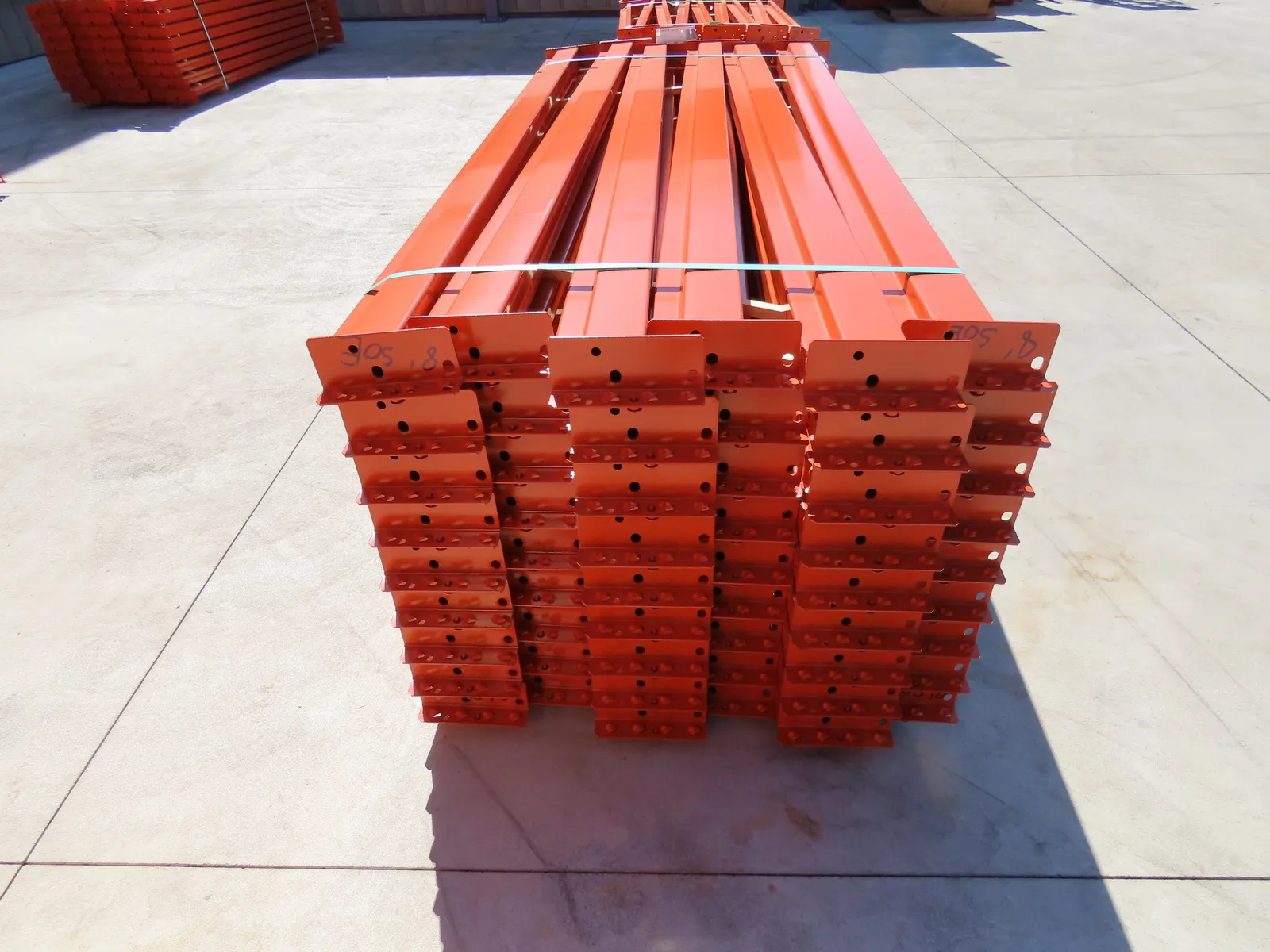
Demystifying Cantilever Rack Post Dimensions
Demystifying Cantilever Rack Post Dimensions
- Cantilever racks are essential for organizing space and maximizing operational efficiency.
- The vertical posts of cantilever racks determine weight capacity and accessibility for employees.
- Incorrect post dimensions can lead to safety hazards and costly mistakes.
- Investing in proper post dimensions improves material flow and promotes a productive workplace culture.
- Having an organized system reduces frustration and saves time, preventing lost opportunities.
- The choice of racking systems is about more than storage; it reflects commitment to efficiency and safety.
- Understanding post dimensions is crucial for creating a well-structured and effective work environment.

Demystifying Cantilever Rack Post Dimensions
Table Of Contents
- Demystifying Cantilever Rack Post Dimensions
- What Are the Emotional Impacts Of Choosing the Wrong Rack Dimensions?
- How Do Cantilever Rack Sizes Affect Your Business Efficiency?
- What Ethical Considerations Should You Factor In for Safety?
- Who Can Provide Expertise on Cantilever Rack Specifications?
- What Stories Illustrate the Consequences Of Improper Rack Sizing?
- Conclusion
- Other Resources
- Glossary Of Terms
- Other Questions
- Checklist
What Are the Emotional Impacts Of Choosing the Wrong Rack Dimensions?
When it comes to racking, the dimensions of your setup might seem like mere numbers on a blueprint. Yet, the emotional fallout from miscalculating those figures can feel like an avalanche—slow at first but explosive in its consequences. Imagine walking into a space filled with chaos: boxes stacked haphazardly, shelves buckling under pressure, and the frustration of your team manifesting in exasperated sighs. The wrong rack dimensions can transform a promising workspace into an obstacle course of emotional turmoil.
On a rational level, the emotional impact of poor planning is staggering. Think of the countless hours wasted navigating a system designed to organize yet creates disorder. Employees feel the weight of inefficiency, their morale crumbling under the strain of inapt storage solutions. It’s a grueling cycle where stress breeds anxiety; the productivity of a team can plummet, and with it, the confidence in leadership wanes. Who wants to stumble through a project when the framework you rely on is all wrong?
Ethically, consider the repercussions of these missteps on relationships. A team is like a family, and when the right tools aren’t in place, trust erodes. Racking designed to be efficient should promote harmony and collaboration, but instead, it breeds frustration, leaving employees feeling undervalued. Leadership bears a responsibility to create an environment where every team member feels equipped to contribute their best. The ramifications of ignoring proper dimensions ripple outward, affecting not just the bottom line but the very essence of teamwork.
Sharing stories of those who’ve stumbled upon this very pitfall can resonate deeply. Picture a warehouse manager whose miscalculation of rack heights led to a near-disaster. Inventory was misplaced, deadlines were missed, and the project became an uphill battle. Hearing these narratives connects us; they serve as stark reminders of the potential chaos that can arise from a single oversight.
Socially, the pressure compounds. A disorganized environment can lead to a toxic workplace culture where frustration outweighs innovation. People want to be part of a winning team, but an ill-fitted racking system can stifle creativity and collaboration. Building a space where everyone can thrive isn’t just an operational concern; it’s a moral obligation.
Ensuring your racking meets your needs isn’t just about function; it’s about safeguarding emotional well-being. And that’s a goal worth striving for.
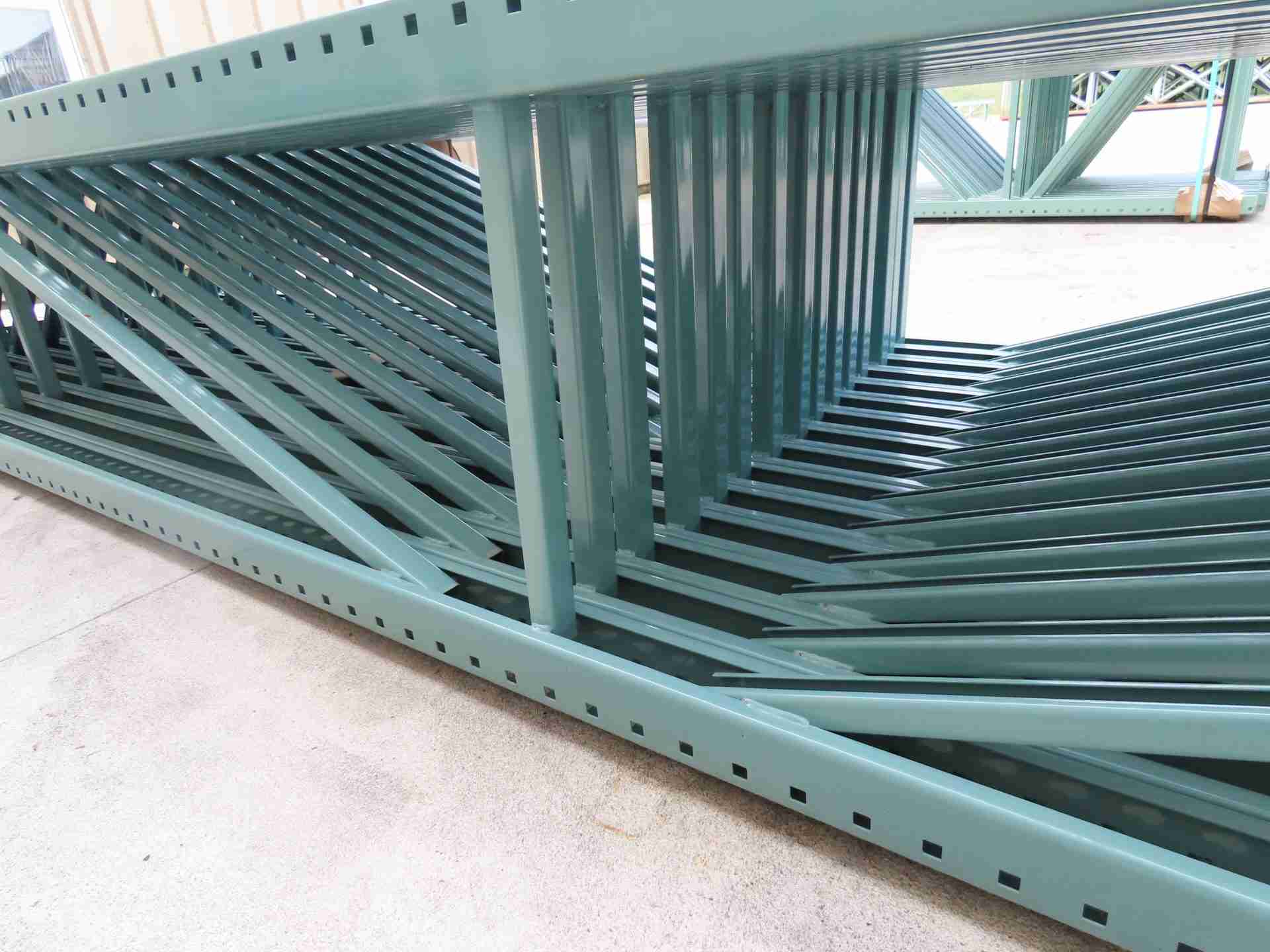
What Are the Emotional Impacts Of Choosing the Wrong Rack Dimensions?
What Are the Emotional Impacts Of Choosing the Wrong Rack Dimensions?
- Miscalculating rack dimensions can lead to emotional fallout, creating chaos in the workspace.
- Poor planning results in wasted time and decreased employee morale due to inefficient storage solutions.
- Stress from disorganization can lead to anxiety and diminished team productivity.
- Trust erodes within teams when the right tools aren’t in place, affecting collaboration.
- Stories of miscalculation highlight the potential chaos and repercussions of poor planning.
- An ill-fitted racking system can create a toxic workplace culture, stifling creativity.
- Ensuring proper racking dimensions protects emotional well-being and fosters a thriving environment.
What Are the Emotional Impacts Of Choosing the Wrong Rack Dimensions?
How Do Cantilever Rack Sizes Affect Your Business Efficiency?
When it comes down to the nitty-gritty of your warehouse layout, the size of your cantilever rack can be the unsung hero or the silent saboteur of your business efficiency. Imagine walking into a warehouse where towering rows of racking stand like proud soldiers, each beam a testament to smart planning. That sight isn’t just about aesthetics; it’s about maximizing space and optimizing workflow, turning your facility into a well-oiled machine.
Racking isn’t just metal and bolts. It’s the backbone of your operation, holding everything from lumber to furniture, appliances to automotive parts. The right sizes do more than just hold products; they streamline your processes, enhance accessibility, and minimize the chaos that can come with inefficient storage solutions. When your inventory flows smoothly, everyone benefits—employees feel empowered, customers see quicker service, and profits can soar.
But let’s get real: choosing the right cantilever rack sizes isn’t just a matter of space; it’s about making choices that reflect your values. You’re not just deciding what fits where; you’re considering the safety of your workers, the integrity of your inventory, and the trust your customers place in you. Each beam should symbolize a commitment to quality and thoughtfulness in your operations. It’s a decision that resonates beyond mere practicality; it illustrates who you are as a business.
Think about the people behind the racks. Workers maneuvering through aisles laden with everything from copper piping to industrial tools. Imagine the frustration of contorted movements to reach a product stuck in a poorly placed rack. Optimally sized cantilever racks can reduce those burdens, increase safety, and boost morale. Happy, healthy employees contribute to a productive environment, and that kind of ethos resonates in customer interactions.
Let’s face it; when your operation runs seamlessly, you build a reputation. Other businesses take note. Engaging your local community, solidifying partnerships, and fostering relationships stem from that first impression. Rack size may seem like a small detail, but the ripple effect it creates impacts your entire network. By investing in the right solutions, you’re not just talking numbers; you’re setting a standard. Show your customers—and competitors—that you mean business, make smart choices, and care about what goes on behind the scenes. That’s how you transform a simple warehouse into a beacon of efficiency.
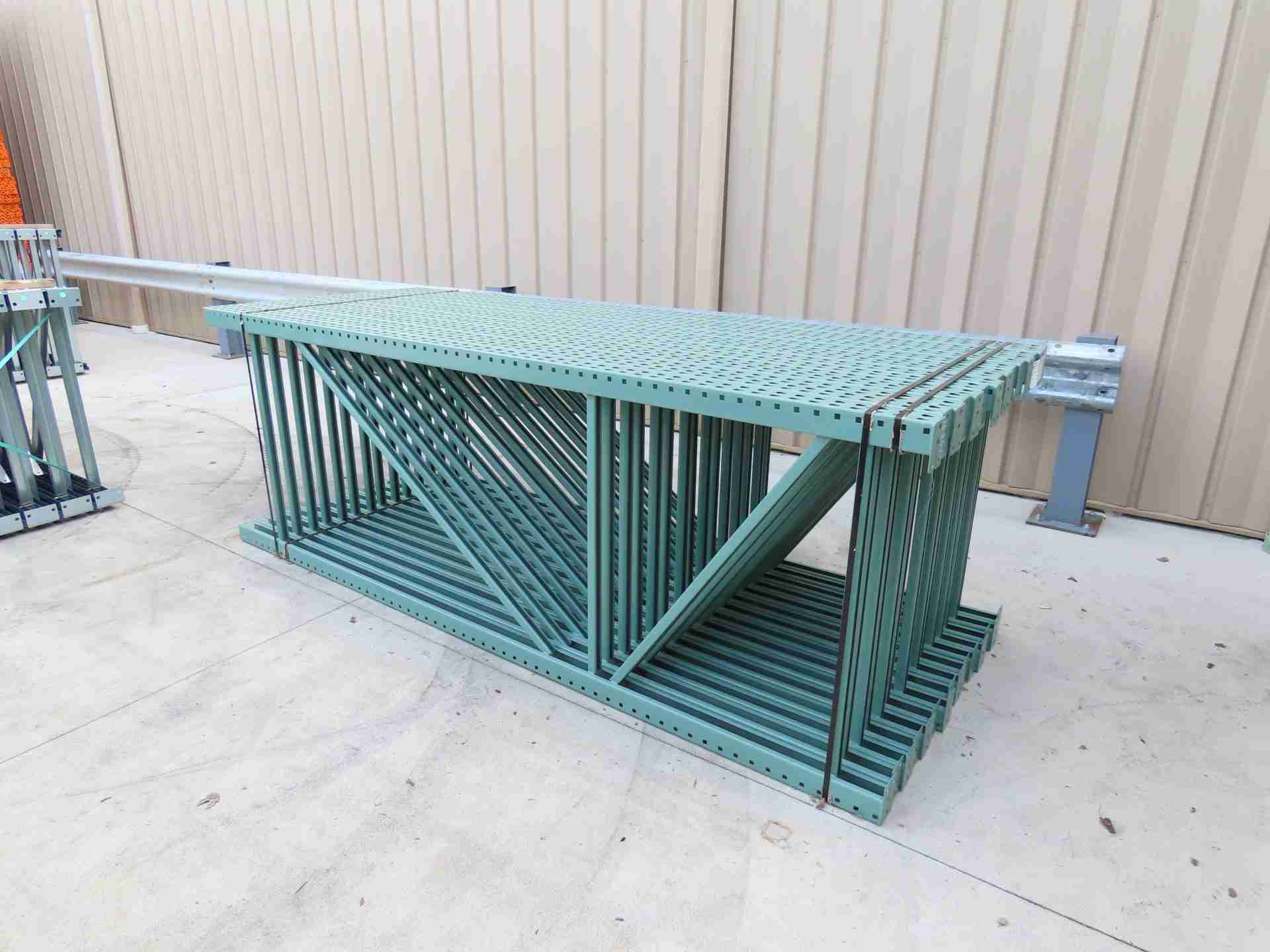
How Do Cantilever Rack Sizes Affect Your Business Efficiency?
How Do Cantilever Rack Sizes Affect Your Business Efficiency?
- The size of cantilever racks plays a crucial role in warehouse efficiency and workflow optimization.
- Racking serves as the backbone for holding various products, enhancing storage processes and accessibility.
- Efficient inventory flow benefits employees, customers, and overall profitability.
- Choosing rack sizes also reflects a company’s commitment to safety, quality, and operational integrity.
- Properly sized racks alleviate frustrations for workers, improving safety and morale.
- A well-run operation builds a positive reputation and fosters community partnerships.
- Investing in optimal storage solutions demonstrates a business’s commitment to efficiency and quality service.
How Do Cantilever Rack Sizes Affect Your Business Efficiency?
What Ethical Considerations Should You Factor In for Safety?
When you think about safety, it’s easy to focus on the shiny equipment or the latest safety protocols. But if we’re not racking our minds around the ethical considerations that underpin these practices, we risk overlooking the heart of the matter. Safety isn’t just a checklist; it’s a commitment to the people who trust us with their lives every day. The emotional weight of knowing someone’s well-being rests on your shoulders can be heavy, but it’s a weight we must bear together—because when we do, we create environments where everyone can thrive.
Let’s face it, no one wants to be the decision-maker who cuts corners when it comes to safety. Rationality screams at us that the consequences of negligence can be catastrophic—not just for the individuals involved but for the entire team. You can talk about statistics until the cows come home, but the reality is that every incident has a face, a name, and a story behind it. It’s about more than numbers; it’s about lives impacted, families disrupted, and futures altered.
When we weave ethics into our safety protocols, we tap into deeper motivations—those that resonate with the very fabric of who we are. We must foster a culture that values openness and trust, where every voice can speak up and be heard, influencing a system that works not just for the few but for everyone. This isn’t merely a box to tick; it’s an ongoing conversation, a shared responsibility, and a promise to do better.
Moreover, the authority to enforce safety isn’t derived solely from titles or roles. It’s earned through consistent actions, integrity, and a genuine interest in the well-being of others. When leaders model ethical considerations in their decision-making, they inspire a ripple effect, leading others to follow suit.
And let’s not overlook the social aspect. We are all part of a community—one that thrives when each member feels safe and supported. By advocating for ethical safety practices, we go beyond compliance and create an environment that nurtures confidence and fosters connection.
So, as you ponder your next steps in ensuring safety, remember: it’s not just about where we’ve been or where we are. It’s about where we’re going together. When every team member knows that their safety matters, they’re not merely colleagues; they become allies in an unwavering pursuit of excellence. Let’s get to work—because safety, after all, is a journey worth taking together.
What Ethical Considerations Should You Factor In for Safety?
What Ethical Considerations Should You Factor In for Safety?
- Safety is not just about equipment and protocols; it’s an ethical commitment to those we serve.
- Negligence can have catastrophic consequences, impacting individuals and teams alike.
- Each incident represents a personal story, emphasizing the importance of a human-centered approach to safety.
- Embedding ethics into safety practices enhances deep motivations and fosters a culture of openness and trust.
- Authority in safety comes from actions and integrity, not just titles; leaders set examples for others.
- Advocating for ethical practices creates a supportive community that boosts confidence and connection.
- Safety is a collaborative journey; when every member feels valued, they become allies in pursuing excellence.
What Ethical Considerations Should You Factor In for Safety?
Who Can Provide Expertise on Cantilever Rack Specifications?
When it comes to navigating the labyrinth of cantilever rack specifications, it’s crucial to seek out the right expertise. Just imagine the warehouses of hardworking Americans, filled with stacks of lumber or those precious rolled goods, all secured in their place thanks to a well-designed racking system. The last thing you want is to cut corners on something as essential as your storage solution. It’s not just a matter of convenience; it’s about protecting the safety of your employees and the integrity of your inventory.
First, look to industry experts who eat, sleep, and breathe racking solutions. Whether that’s seasoned manufacturers, engineers specializing in storage solutions, or certified installation professionals, these individuals have seen it all. They’ve weathered the storms of rough loading, shifting materials, and storage mishaps, building a reservoir of knowledge that can’t be underestimated. Their insights are invaluable, providing you with a solid foundation to make informed decisions.
But expertise doesn’t stop at technical specifications. Ethical consideration should play a crucial role in your decision-making process. Associations and organizations dedicated to the racking industry often set the standards for safety and quality. Aligning with companies or consultants who adhere to these ethical frameworks fosters trust. You can feel good knowing you’re making choices guided by integrity and a commitment to best practices, which ultimately protects your business and those who work within it.
Consider the narratives that surround these racking systems. A successful project isn’t just about dimensions and load capacities; it’s about ensuring the process is transparent. Engage with experts who are willing to share their stories, lessons learned, and even mistakes made along the way. This creates a more relatable experience and brings the technical world of cantilever racks down to earth. You’re not just hiring someone; you’re welcoming a partner into your operation who genuinely cares about your success.
Finally, tap into the social connections within the industry. Referrals and recommendations from fellow business owners are gold. If they’ve found success and satisfaction with a particular expert or company, their words carry weight. It’s comforting to know others have walked the path you are considering and emerged unscathed.
So take a deep breath, roll up your sleeves, and reach out to those with the expertise you need. Your warehouse deserves nothing less than a solid, safe, and reliable cantilever rack system!
Who Can Provide Expertise on Cantilever Rack Specifications?
Who Can Provide Expertise on Cantilever Rack Specifications?
- Seek out expertise when navigating cantilever rack specifications to ensure safety and efficiency.
- Consult experienced manufacturers, engineers, and certified installers who bring extensive knowledge of racking solutions.
- Ethical considerations are essential; align with industry associations that promote safety and quality standards.
- Transparency in the project process is crucial; engage with experts willing to share their experiences and lessons learned.
- Consider narratives and stories that make the technical aspects of cantilever racks more relatable and accessible.
- Utilize referrals and recommendations from other business owners to find trusted experts in the industry.
- Invest in a reliable cantilever rack system to protect your warehouse, employees, and inventory.
Who Can Provide Expertise on Cantilever Rack Specifications?
What Stories Illustrate the Consequences Of Improper Rack Sizing?
When it comes to racking, there’s a saying among warehouse workers: “If the racks don’t fit, nothing fits.” The heart of this phrase lies in tales of loss and regret, where the miscalculation of rack size turned bustling warehouses into sites of chaos. Imagine a family-run operation where generations of hard work piled up alongside carefully chosen inventory, only to discover that the racks couldn’t hold the weight of their dreams. It’s a scenario we could all relate to—a dream meticulously built, only to watch it tumble because of poor choices.
Take the story of a small business owner, Lisa, who invested her life savings into opening a boutique. She chose charming décor over calculating the storage capacity of her racking system. When shipments arrived, her racks buckled under the weight, breaking not just products but spirits. It’s gut-wrenching, isn’t it? This isn’t just about inventory; it’s about the blood, sweat, and tears invested in creating something beautiful. We’ve all taken risks in pursuit of our passions, and we can feel her pain.
Then there are the rational consequences. According to industry experts, improperly sized racks lead to inefficiencies that can bleed a business dry. When space is wasted and materials are damaged, costs skyrocket—impacting the entire workforce. Think of the ripple effect: lost time, diminished morale, and employees forced to reassess their own job security. It creates an ethical dilemma; should we prioritize immediate savings over long-term stability? The choice shouldn’t be between shortsightedness and knowledge.
With studies showing that companies lose thousands due to improper racking, the truth is undeniable. Authority figures in logistics and warehousing will tell you it’s not just about the right size; it’s about understanding how your decisions affect your team and community. Socially, good rack sizing fosters a culture of safety and efficiency, enhancing teamwork while reducing accidents that can make a warehouse a perilous landscape.
These stories, filled with caution and wisdom, unite us in our hustle. They beckon us to reflect—how are we sizing up our own racks? The costs are not just financial; they echo in the lives of every individual who relies on a strong foundation. Let’s channel that energy into action and ensure that we build our dreams on safe, well-sized racking. Trust in the process, because the right choice today saves heartache tomorrow.
What Stories Illustrate the Consequences Of Improper Rack Sizing?
What Stories Illustrate the Consequences Of Improper Rack Sizing?
- The phrase “If the racks don’t fit, nothing fits” highlights the importance of proper rack sizing in warehouses.
- Miscalculating rack size can lead to chaos, costing businesses their dreams and investments.
- Lisa’s story illustrates the risks of prioritizing aesthetics over functionality in racking systems.
- Improperly sized racks can result in inefficiencies and increased costs, affecting the entire workforce.
- Lost time and morale may occur due to damaged products and poor working conditions.
- Proper rack sizing contributes to safety, efficiency, and teamwork within warehouse environments.
- The choice of appropriate racking is a long-term investment that protects both financial stability and employee well-being.

What Stories Illustrate the Consequences Of Improper Rack Sizing?
Conclusion
Cantilever racks aren’t just metal structures; they symbolize our capacity to create something organized and efficient from chaos. They stand tall, not merely as storage solutions, but as testament to the human spirit’s drive for order and functionality. The crux of choosing the right cantilever rack dimensions goes beyond numbers; it’s about creating a safe and productive environment where employees can thrive. In a world where time is money, the flow of materials speaks volumes about operational health. An ill-fitted rack setup is akin to tossing a wrench into a finely tuned machine, triggering frustrations and inefficiencies that ripple throughout your workforce.
Consider the frustrations faced by every employee navigating poorly organized spaces. Imagine the waste of time as they dig through disarray, the morale sinking under the strain of chaos. Each moment lost is an opportunity squandered—a painful blow to productivity and trust. It’s a visceral experience; the emotional toll of inefficient systems seeps into conversations, dampens enthusiasm, and breeds dissatisfaction. Trust—the cornerstone of a thriving team—is chipped away when leadership fails to prioritize functionality and safety.
The ethical implications are profound. When you shortchange your team by neglecting proper rack sizing, it’s not just about your bottom line; you risk their safety and well-being. Your employees are not just cogs in a machine; they’re valuable individuals who deserve a working environment that reflects care, respect, and foresight. Their safety—and by extension, your reputation—rests on your decisions.
Engaging with experts in the field enriches this journey. These individuals offer not just specifications but are custodians of knowledge built from experience. Their insights allow leaders to make informed choices that resonate with integrity, establishing a standard of excellence that goes beyond mere compliance to embody true partnership. Satisfied employees naturally enhance customer interactions, building loyalty that resonates through your entire organization.
It’s time we fully engage with the choices surrounding our warehousing solutions. By acknowledging the physical, emotional, and ethical dimensions of cantilever rack dimensions, we lay down the groundwork for a future marked by safety, organization, and respect. So, let’s get to work—together we can transform our spaces into not just storage solutions but thriving ecosystems, where each component serves a purpose and every team member feels empowered to do their best. Because in the end, it’s about building a legacy, one rack at a time.
Conclusion
Conclusion:
- Cantilever racks symbolize the creation of order and efficiency from chaos.
- Choosing the right dimensions is crucial for creating a safe and productive workplace.
- Poorly organized spaces lead to employee frustration and decreased morale.
- The emotional toll of inefficiencies affects trust and teamwork within the organization.
- Neglecting proper rack sizing risks employee safety and organizational reputation.
- Engaging with experts leads to informed decisions and standards of excellence.
- Prioritizing safety and organization fosters a thriving work environment and enhances customer loyalty.

Conclusion
Other Resources

Other Resources
Here is a list of other resources you can review online to learn more:
- Illinois
- What is Cantilever Racking? – AK Material Handling Systems
- Material Handling Safety
- IWLA
- Pallet Racking 101: A Comprehensive Guide & Options Explained
- WERC
- Interlake
- Iowa Illinois Warehouse Racking
- Teardrop Uprights
- Warehousing Education and Research Council: https://www.werc.org/
- Chicago Pallet Racking
- Interlake Mecalux
- Selective Rack – Raymond West
- BMH
- Cantilever Rack Configuration & Installation: A Comprehensive Guide – BMH
- Storage Equipment Manufacturers’ Association
- Teardrop Racks – Pallet Rack World
- National Safety Council
- Material Handling Industry
Use This Prompt To Get More Resources With Your Favorite Online AI Tool: Please provide me with a list of online articles with their URLs in a bulleted list that I can read regarding Demystifying Cantilever Rack Post Dimensions
Other Resources
Glossary Terms
Demystifying Cantilever Rack Post Dimensions – Glossary Of Terms
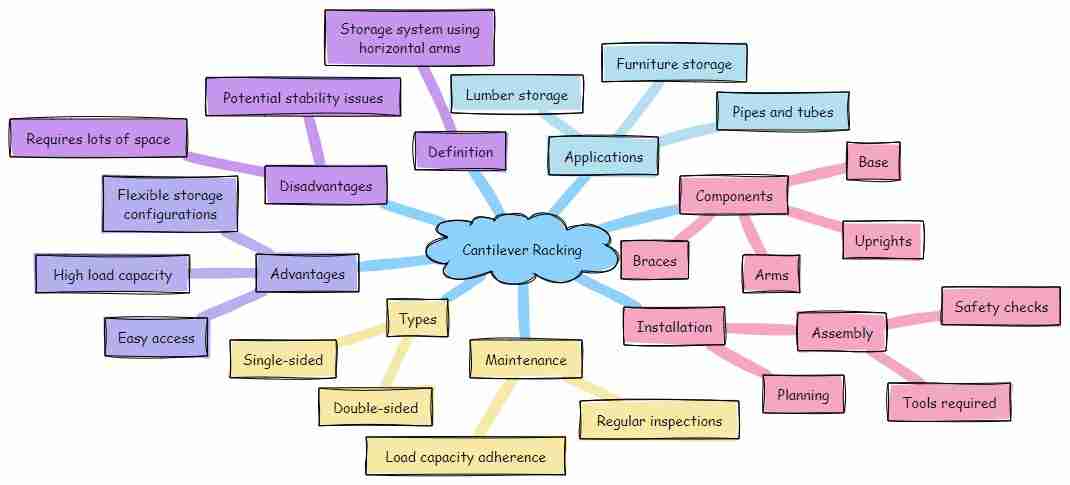
1. Cantilever Rack: A storage system featuring arms that extend outwards from a vertical column, ideal for storing long or bulky items.
2. Post: The vertical component of a cantilever rack that supports the arms and provides stability and strength to the structure.
3. Arm: The horizontal projection extending from the post, designed to hold and support stored items.
4. Base: The lower section of the cantilever rack that provides stability and support to the entire structure, often wider than the posts.
5. Column: Another term for the vertical post, emphasizing its structural role in the rack system.
6. Height: Refers to the vertical measurement of the cantilever rack, impacting how high items can be stored.
7. Length: The horizontal distance from one end of the rack to the other, influencing how much storage space is available.
8. Depth: The measurement from the front to the back of the rack, which affects how items are stored and accessed.
9. Load Capacity: The maximum weight that each arm or the entire rack can safely support, crucial for safe storage practices.
10. Arm Spacing: The distance between the arms on the rack, which can be adjusted to accommodate various item sizes.
11. Vertical Load: The weight applied directly downward on the rack, primarily affecting the posts and base.
12. Horizontal Load: Weight applied horizontally, which can affect the stability and structural integrity of the rack.
13. Shelf: An additional horizontal surface that can be installed on a cantilever rack for flat items.
14. Support Bracket: A component that reinforces the structure, often used to stabilize taller racks.
15. Footplate: A flat piece at the base of each post that enhances the stability and anchorage of the rack.
16. Material: The substance from which the rack is made, commonly steel, impacting durability and load-bearing capacity.
17. Finish: The surface treatment applied to the cantilever rack, such as powder coating or galvanizing, which enhances durability and prevents rust.
18. Adjustment: The process of changing the height or spacing of the arms to accommodate different items.
19. Installation: The procedure for setting up the cantilever rack, which requires precision to ensure safety and functionality.
20. Modular Design: A characteristic that allows racks to be customized and expanded according to storage needs.
21. Safety Factor: A measure of how much stronger a structure is than it needs to be for a specific load.
22. Load Distribution: The manner in which weight is spread across the arms and posts, affecting stability.
23. Forklift Access: The capability for forklifts to maneuver adequately around and under the cantilever racks for loading and unloading items.
24. Aisle Width: The space between racks that allows for easy navigation and operation of lifting equipment.
25. Overhang: The portion of the arm that extends beyond the post, usually designed to maximize storage space.
26. Weight Rating: The specified maximum weight that each arm can hold, critical for safe operation.
27. Vertical Orientation: The arrangement of posts standing upright, providing essential support for horizontal arms.
28. Utility: The overall effectiveness of the cantilever rack in meeting specific storage requirements and enhancing organization.
29. Assembly: The process of putting together the various components of the rack system to form a functional unit.
30. Blueprint: A detailed plan or drawing that outlines the dimensions and specifications of the cantilever rack setup.
Glossary Of Terms
Other Questions
Demystifying Cantilever Rack Post Dimensions – Other Questions
If you wish to explore and discover more, consider looking for answers to these questions:
- What are the standard post dimensions for cantilever racks?
- How do the dimensions affect load capacity and stability?
- What are the best practices for measuring and installing cantilever racks?
- Are there regulations or standards governing rack dimensions and safety?
- What factors should be considered when selecting cantilever rack dimensions?
- What are the most common mistakes made when calculating rack sizes?
- How can businesses assess their needs for cantilever rack sizes effectively?
- What are the potential legal ramifications of improper rack sizing?
- Can improper rack sizing affect insurance claims or liabilities?
- What training is available for staff on safety and proper use of cantilever racks?
- How does the geographical location affect the choice of rack dimensions?
- What innovations are being made in cantilever rack design and manufacturing?
- How can companies ensure compliance with safety standards for cantilever racks?
- Are there tools or software that can help in planning rack dimensions?
- What role do employees play in optimizing warehouse racking systems?
Other Questions
Checklist
Demystifying Cantilever Rack Post Dimensions – A Checklist
Checklist for Choosing the Right Cantilever Rack Dimensions
Emotional Appeal:
_____ Reflect on the impact of chaos vs. order in your workspace.
_____ Consider the feelings of frustration and stress caused by disorganization.
_____ Imagine how an efficient system can foster pride and collaboration among your team.
Rational Appeal:
_____ Assess the weight capacity required for your inventory.
_____ Calculate the optimal spacing and height for easy access to products.
_____ Review the potential financial costs of inefficiencies due to poor planning.
Ethical Appeal:
_____ Prioritize the safety and well-being of your employees in your racking choices.
_____ Commit to creating a work environment that values respect and collaboration.
_____ Evaluate how your decisions affect not just profits but also employee morale and trust.
Authority Appeal:
_____ Consult industry experts or certified professionals for recommendations.
_____ Reference guidelines from reputable organizations regarding standards for racking safety and quality.
_____ Seek testimonials or case studies from businesses that successfully implemented proper racking.
Narrative Appeal:
_____ Share stories of businesses that faced serious consequences due to improper rack sizing.
_____ Use relatable anecdotes to illustrate the journey from chaos to order through effective racking solutions.
_____ Highlight personal experiences that express the importance of efficiency in operations.
Social Appeal:
_____ Engage your network for referrals on trusted suppliers and installation services.
_____ Participate in industry forums or groups to exchange knowledge and insights on racking systems.
_____ Advocate for a culture that encourages teamwork and shared responsibility regarding workplace organization and safety.
Use this checklist as a guideline to ensure your choices in cantilever rack dimensions not only meet immediate needs but also contribute to a positive work environment and long-term success.
Checklist
At RackingWorld, we help guide you through selecting warehouse storage systems and racking.
Be sure to read our other related stories at RackingWorld to learn more about warehouse storage systems.
0 Comments