
Maximizing Space And Efficiency With Vertical Warehouse Storage
By Tom Seest
At RackingWorld, we help guide you through selecting warehouse storage systems and racking.
Be sure to read our other related stories at RackingWorld to learn more about warehouse storage systems.
What Are The Critical Advantages Of Vertical Warehouse Storage?
Imagine walking into a warehouse where every inch is optimized, where the air buzzes with energy and productivity, and where you can see that every item has its place. This isn’t just a dream—it’s the reality when you embrace vertical warehouse storage. Let’s delve into the critical advantages that can revolutionize your operations, making your business more efficient and profitable.
First and foremost, vertical storage maximizes your space. Traditional warehouse layouts often lead to clutter and confusion. However, with systems like pallet racking, you can take advantage of the verticality of your warehouse. Instead of spreading out horizontally, stack your inventory upwards, ensuring that you’re making the most of every square foot. This elevation means more product storage without the need for costly expansions or relocations, allowing you to fully utilize your existing footprint.
In addition to space savings, vertical warehouse storage enhances organization. Imagine a well-arranged pallet racking system that allows your team to locate and retrieve items with ease. No more searching through endless aisles or stacks of boxes. Each product has a designated spot, reducing retrieval times and minimizing human error. This structured approach leads to increased productivity and smoother operations, which ultimately translates into happier customers.
But that’s not all—vertical storage solutions also boost safety. A well-engineered pallet racking system not only keeps your products organized but also helps prevent accidents. By properly stacking and securing items, you diminish the risk of items falling or being damaged. Your workforce will feel more secure and confident in their environment, leading to higher morale and decreased turnover. Investing in safety isn’t just smart; it’s a sign that you care about your team’s well-being.
Moreover, let’s talk about cost-effectiveness. While some may think that transitioning to a vertical system requires a hefty upfront investment, consider it an investment that pays off. By optimizing your space, reducing labor costs through efficient organization, and minimizing damages, you’ll see a swift return on that initial expenditure. Over time, the savings compound, making vertical warehouse storage one smart choice for the foresighted business leader.
In the fast-evolving world of logistics, it’s time to elevate your approach. Embrace vertical warehouse storage, harness the power of pallet racking, and watch as your efficiency, safety, and profitability soar. Don’t just keep up with the competition—leave them in the dust. Act now, and reap the benefits of a solution that truly transforms your warehouse dynamics. Your future self will thank you.
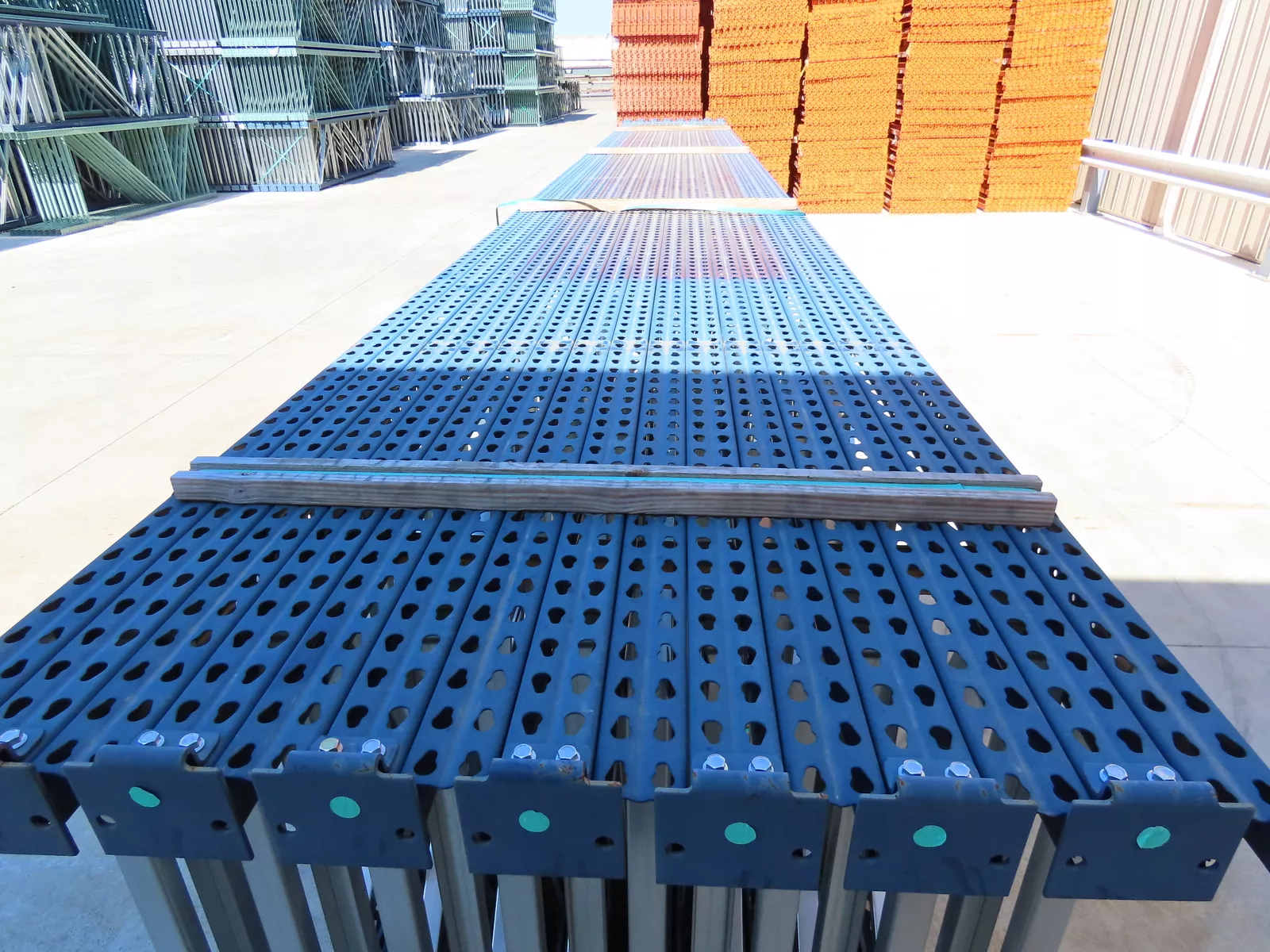
What Are The Critical Advantages Of Vertical Warehouse Storage?
What Are The Critical Advantages Of Vertical Warehouse Storage?
- Vertical warehouse storage maximizes space by utilizing height, allowing for more product storage without costly expansions.
- It enhances organization, making it easier for teams to locate and retrieve items quickly, reducing retrieval times and human error.
- Vertical storage solutions improve safety by properly stacking and securing items, minimizing the risk of accidents.
- Increased safety leads to higher workforce morale and decreased employee turnover.
- Transitioning to vertical storage may require an initial investment, but it pays off through optimized space and reduced labor costs.
- Over time, the savings from vertical warehouse storage compound, providing a strong return on investment.
- Embracing vertical storage can elevate efficiency, safety, and profitability, giving businesses a competitive edge in logistics.

What Are The Critical Advantages Of Vertical Warehouse Storage?
Table Of Contents
- What Are The Critical Advantages Of Vertical Warehouse Storage?
- What Is Vertical Warehouse Storage And How Does It Work?
- What Benefits Does Vertical Storage Provide For Space Utilization?
- How Does Vertical Storage Improve Inventory Accessibility?
- What Are The Efficiency Gains From Using Vertical Storage Solutions?
- How Does Vertical Storage Impact Labor Costs In Warehouses?
- What Technology Is Often Integrated With Vertical Storage Systems?
- Conclusion
- Other Resources
- Glossary Of Terms
- Other Questions
- Checklist
What Is Vertical Warehouse Storage And How Does It Work?
Picture this: An ordinary warehouse, bustling with activity, yet space is at a premium. Shifting products and materials around like a game of Tetris can leave even the most seasoned warehouse manager a bit overwhelmed. Enter vertical warehouse storage—a revolutionary solution that maximizes space and efficiency while minimizing the chaos. But what exactly is it, and how does it work? Let’s peel back the layers.
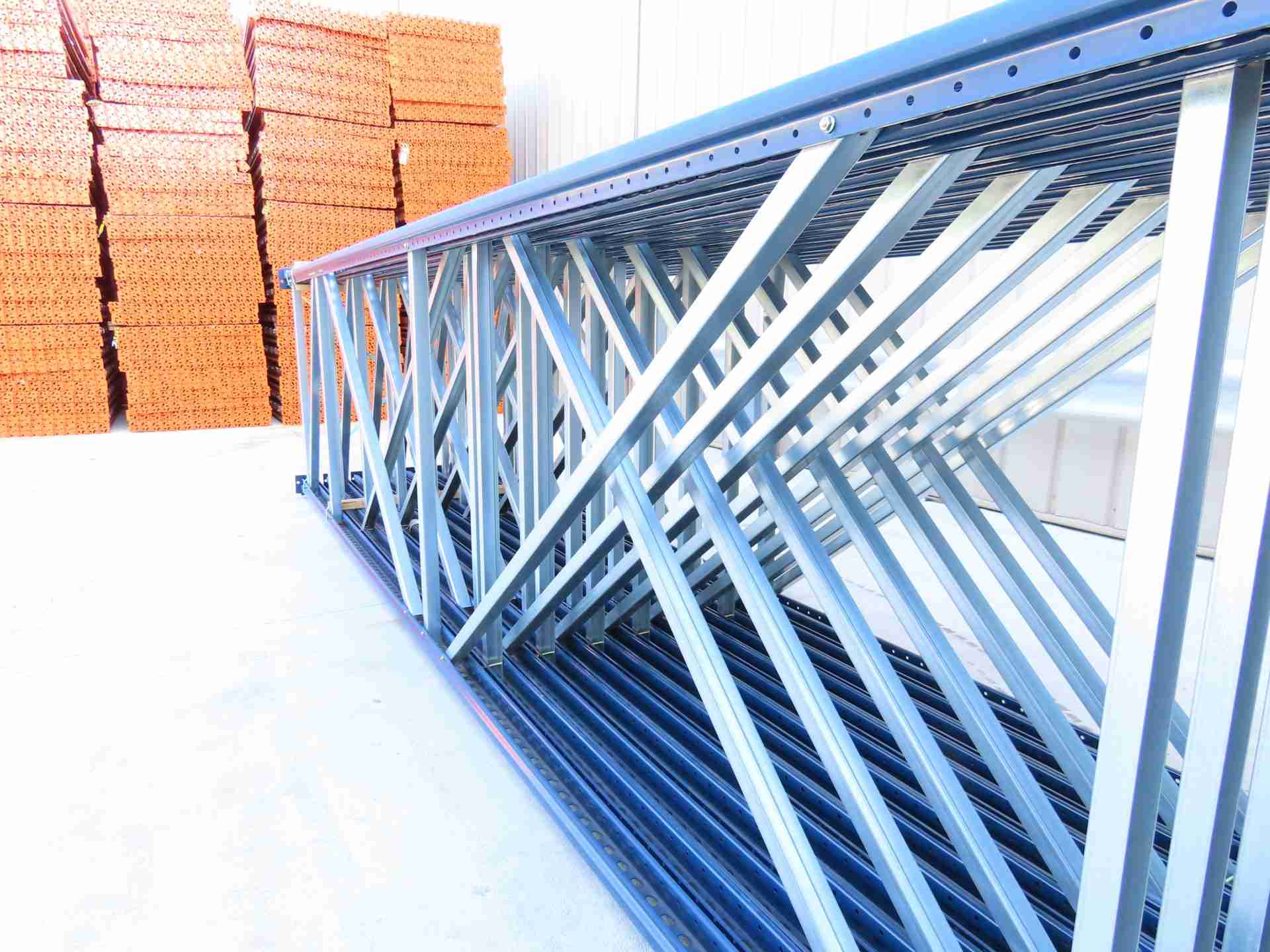
At its core, vertical warehouse storage leverages the height of your facility rather than just the floor space. Think about it: if you’re only using the horizontal space, you’re leaving valuable room untapped! Here’s where pallet racking becomes your best friend. This essential component in vertical storage allows you to pile goods high to the ceiling, transforming your warehouse into a multi-level stock room that organizes items like a pro.
Imagine optimizing your storage area and allowing for increased product visibility and accessibility. With the right pallet racking system in place, you gain quicker access to the items you need, cutting down on the time wasted sorting through clutter. Not to mention, a decluttered space encourages a more efficient workflow and even boosts employee morale. When your operations run smoothly, your team can focus on what matters—serving your customers and growing your business.
How does it work? It all begins with the design. Solid planning means integrating customized pallet racking solutions tailored to your product types and inventory requirements. Whether it’s selective racking for easy access or drive-in racking for high-density storage, one thing is clear: maximizing vertical space means you’re creating a more dynamic and reliable supply chain.
Now, you might wonder, is this approach suitable for me? Absolutely! Businesses of all sizes can benefit from vertical warehouse storage. Whether you’re a small retailer or a large distribution center, investing in this method creates adaptability and prepares you for growth. Trust that this not only streamlines operations but also improves safety and workflow efficiency—who wouldn’t want that?
If you’re looking to enhance your warehouse capabilities and give your business a competitive edge, embracing vertical warehouse storage with efficient pallet racking systems is the way forward. Don’t just dream about the transformation—take action today and watch your warehouse evolve into an organized powerhouse!
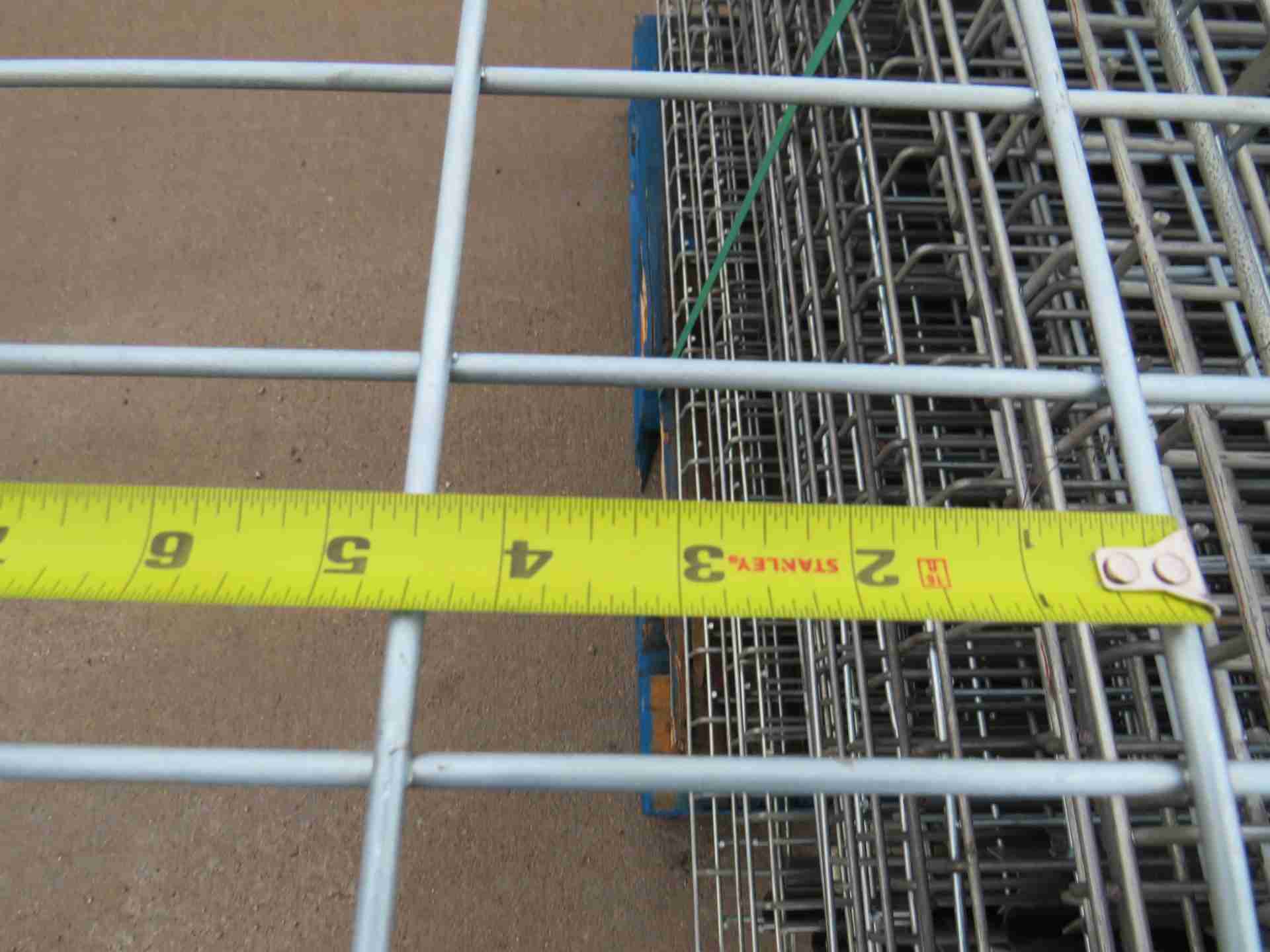
What Is Vertical Warehouse Storage And How Does It Work?
What Is Vertical Warehouse Storage And How Does It Work?
- Vertical warehouse storage maximizes space by utilizing height instead of just horizontal floor space.
- Pallet racking systems are essential for vertical storage, allowing goods to be stacked high and organized efficiently.
- Optimizing storage areas enhances product visibility and accessibility, reducing time spent searching for items.
- A decluttered space leads to improved workflow and increased employee morale, fostering better customer service.
- Custom-designed pallet racking solutions cater to specific product types and inventory needs for efficient organization.
- Vertical warehouse storage is suitable for businesses of all sizes, from small retailers to large distribution centers.
- Investing in vertical storage enhances safety, workflow efficiency, and overall adaptability for future growth.
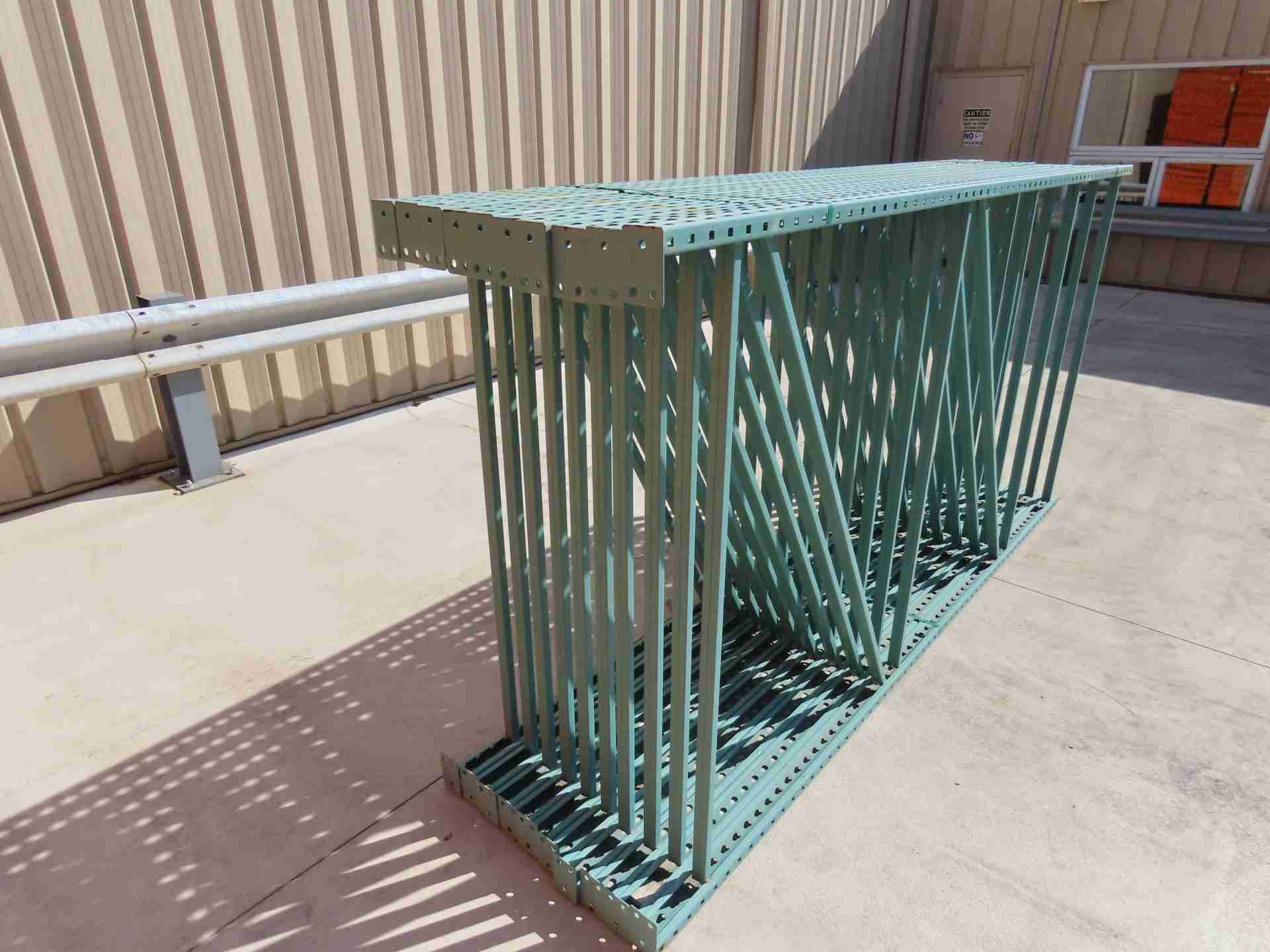
What Is Vertical Warehouse Storage And How Does It Work?
What Benefits Does Vertical Storage Provide For Space Utilization?
Imagine standing in a vast warehouse, each inch of space ripe with potential yet often wasted. Vertical storage emerges as a hero in this scenario, and its value in maximizing space utilization cannot be overstated. Let’s dive into how this innovative approach can transform your operations and lead to extraordinary efficiency.
First, let’s talk numbers. By utilizing vertical storage solutions like pallet racking, you can take advantage of the often-overlooked cubic space in your facility. Instead of spreading your inventory out on the floor, why not stack it up? This method dramatically increases your storage capacity, allowing you to keep more products on hand without needing to expand your premises. In today’s fast-paced business world, saving space means enhancing profitability, and there’s no better way to achieve that than by reaching for the sky.
But it’s not just about more room; it’s about smarter organization. Vertical storage systems enable a clear and systematic arrangement of your inventory. With pallet racking designed for easy access, items can be sorted and stacked in a way that maximizes efficiency. Imagine your team zooming through orders without the clutter of disorganization weighing them down. The result? Lower retrieval times and increased productivity that can help push your business ahead of the competition.
Let’s not forget safety—an essential component of any efficient operation. Properly designed vertical storage systems reduce the risks associated with cluttered workspaces, allowing for safer navigation through aisles. By employing pallet racking, you are also providing your employees with designated pathways that minimize accidents and enhance workflow. Keeping your staff safe isn’t just a smart move; it’s a fundamental responsibility that deepens their trust in you as a leader.
Moreover, adopting vertical storage solutions is a step toward sustainability. By utilizing vertical space, you’re reducing the overall footprint of your operation. Less floor space consumption means a lower environmental impact, which resonates with customers today who value sustainability.
Vertical storage paired with pallet racking is not merely a trend but a strategic approach that pays dividends in efficiency, safety, and sustainability. Are you ready to reimagine your space? Seize this opportunity to boost your operations, streamline your processes, and invest in the future today. Don’t let your space go to waste; stack it up and watch your business thrive!
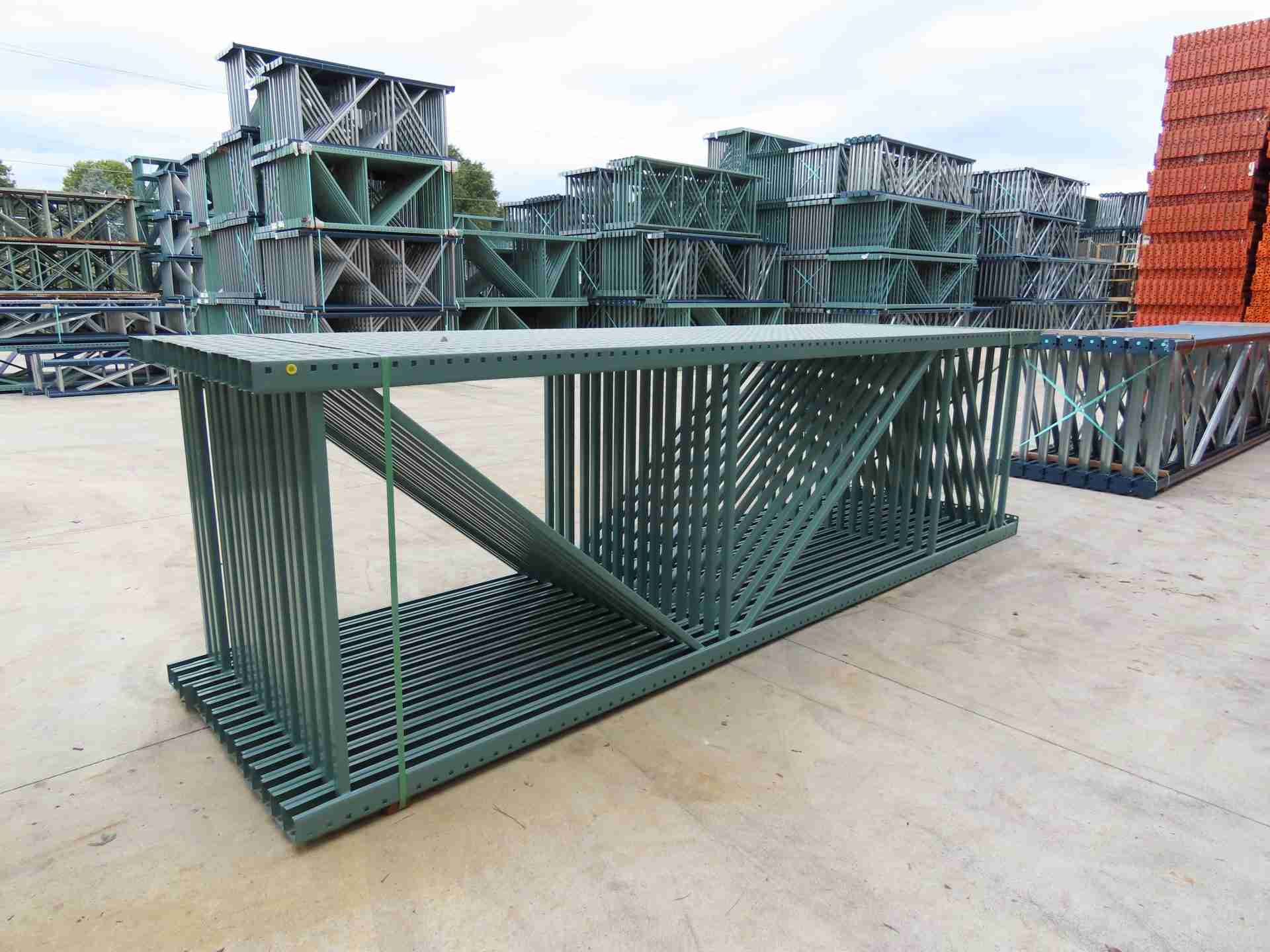
What Benefits Does Vertical Storage Provide For Space Utilization?
What Benefits Does Vertical Storage Provide For Space Utilization?
- Vertical storage efficiently maximizes space utilization in warehouses.
- Utilizing pallet racking allows businesses to take advantage of cubic space, increasing storage capacity.
- Smarter organization with vertical storage leads to lower retrieval times and increased productivity.
- Properly designed vertical systems enhance safety by reducing clutter and creating designated pathways.
- Adopting vertical storage contributes to sustainability by reducing the operational footprint.
- Vertical storage is a strategic approach that improves efficiency, safety, and environmental impact.
- Investing in vertical storage can help businesses streamline processes and boost operations.

What Benefits Does Vertical Storage Provide For Space Utilization?
How Does Vertical Storage Improve Inventory Accessibility?
Imagine walking into a warehouse where every square foot of space is optimized, every item is within reach, and chaos seems like a distant memory. That’s the beauty of vertical storage, where smart design meets exceptional functionality. At the heart of this transformation is pallet racking—an innovative solution that not only elevates your inventory but also enhances your operational efficiency.
Think beyond the Ground: With traditional horizontal storage, valuable floor space is squandered, making it challenging to locate items swiftly. Vertical storage, on the other hand, takes advantage of your building’s height, allowing you to stack pallets high and maximize every inch available. This simple yet ingenious shift creates a cleaner, more organized environment, vastly improving inventory accessibility. You may find yourself marveling at how easily your team can retrieve products that once felt like hidden treasures buried under stacks of clutter.
Speed is Key: In today’s fast-paced market, having quick access to the right inventory is crucial. Imagine the frustration of needing a specific item only to waste precious time sifting through labyrinths of misplaced pallets. With effective pallet racking, each item is strategically positioned for easy access, slashing retrieval times and streamlining your workflow. Your team can work smarter, not harder—imagine the increased productivity when employees are free from the shackles of disarray.
Less Hassle Equals Greater Trust: When your inventory is accessible, not only can you fulfill orders faster, but your accuracy rates soar. Customers notice this efficiency, and you build a reputation for reliability. They come to trust that their needs will be met on time and as promised. Who wouldn’t want to partner with a company that values organization—I mean, it’s a complete game changer!
Think Big, Start Small: Implementing vertical storage doesn’t require a complete overhaul of your operation. Start small by introducing pallet racking where it makes the most impact, and watch as the ripples of efficiency extend throughout your entire warehouse.
Embracing vertical storage and pallet racking is not just an investment in shelving; it’s a leap toward cultivating a culture of order, speed, and reliability. Take action now and experience the monumental shift in how you manage inventory—unlock the potential of your workspace and enhance your overall success!
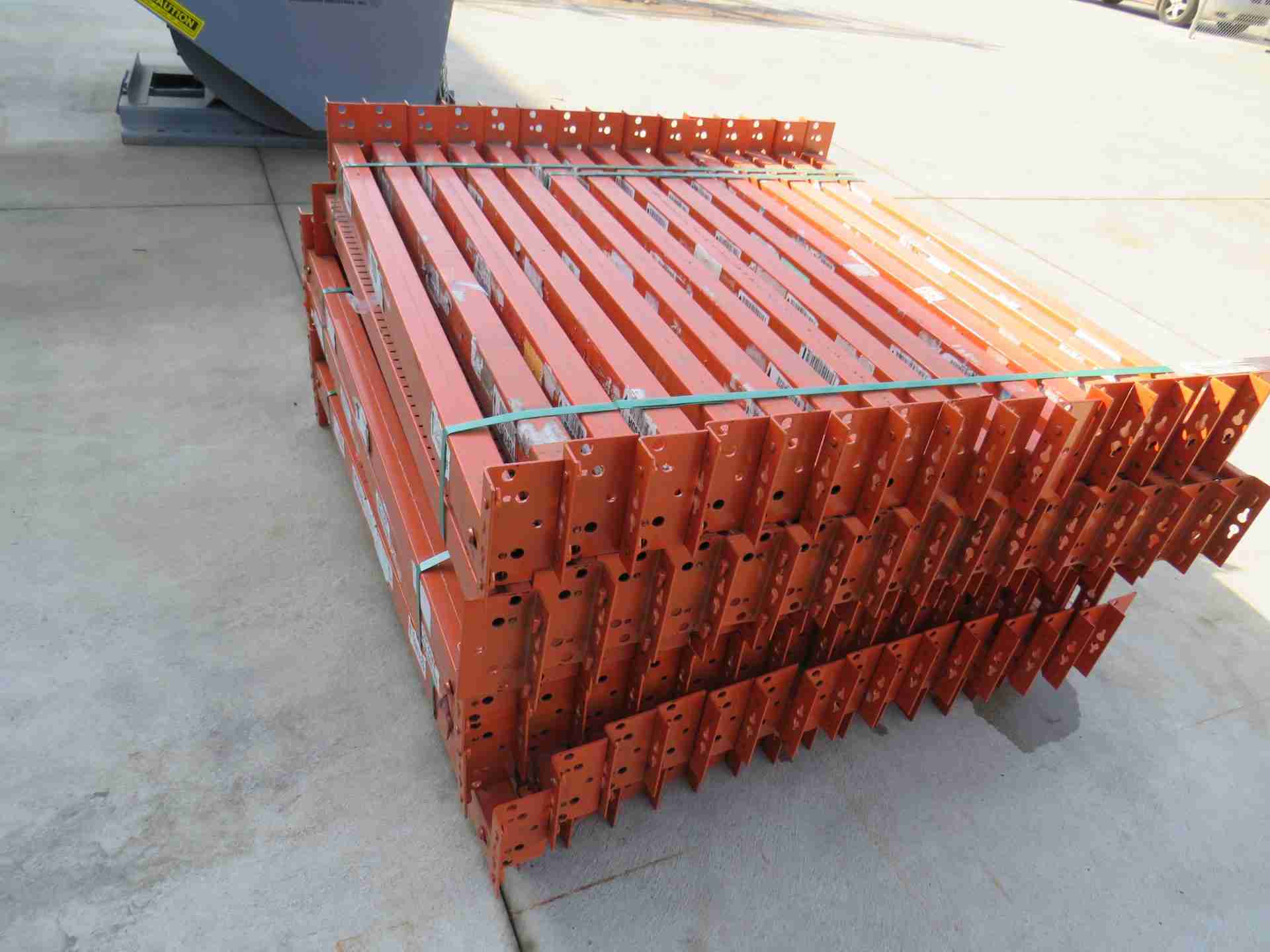
How Does Vertical Storage Improve Inventory Accessibility?
How Does Vertical Storage Improve Inventory Accessibility?
- Vertical storage optimizes space, making every item easily accessible and reducing chaos.
- Pallet racking elevates inventory, enhancing operational efficiency through smart design.
- Unlike traditional horizontal storage, vertical storage utilizes building height for effective space usage.
- Access to inventory is quickened, significantly reducing retrieval times and boosting productivity.
- Improved inventory accessibility enhances order fulfillment speed and accuracy, building customer trust.
- Implementing vertical storage can start with small changes, gradually increasing overall efficiency.
- Embracing vertical storage and pallet racking fosters a culture of order, speed, and reliability in operations.
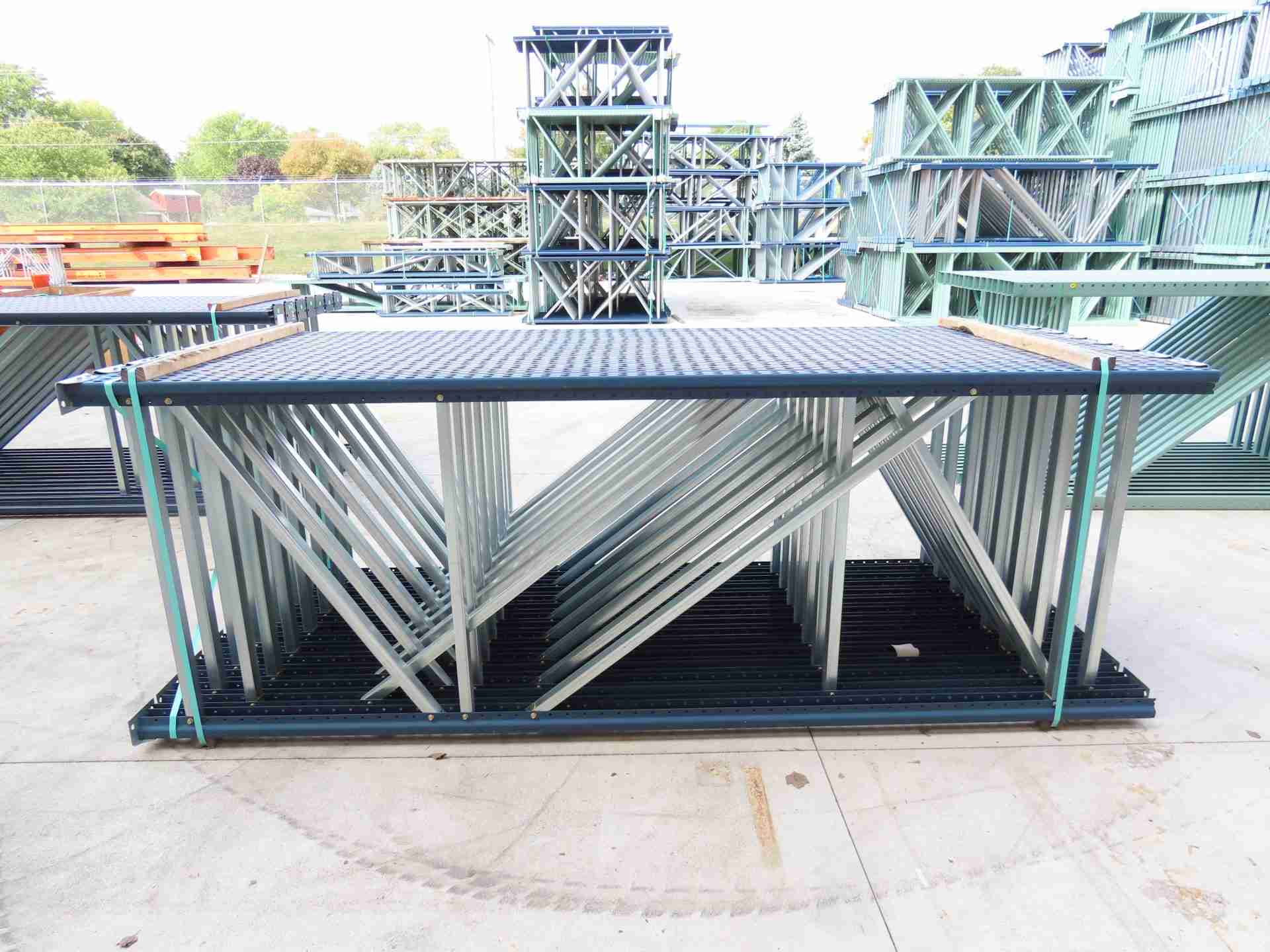
How Does Vertical Storage Improve Inventory Accessibility?
What Are The Efficiency Gains From Using Vertical Storage Solutions?
Picture this: You walk into a warehouse where every inch of space has been expertly optimized. The clutter of the past is gone, replaced by a slick, organized system that not only impresses but increases productivity. Welcome to the era of vertical storage solutions! By leveraging smart systems such as pallet racking, companies transform their warehouses from chaotic labyrinths into models of efficiency.
So, what exactly are the efficiency gains you can expect from adopting vertical storage? Let’s break it down. First off, vertical storage maximizes space utilization. By utilizing the vertical dimension of your warehouse, you can store more in less floor area. Imagine compacting your inventory into a smaller footprint, leaving room for clear walkways, safety measures, and even future expansion. You’ll be surprised how much more you can store without needing to expand your physical space!
Another gain comes in terms of accessibility. Traditional storage methods sometimes mean digging through stacks of boxes to find a single item, creating delays and frustration. With vertical storage solutions—like pallet racking—you can arrange your goods so that frequently accessed items are within arm’s reach. This not only saves time but also reduces labor costs and minimizes the risk of injury as employees navigate the aisles.
Furthermore, you’ll experience an impressive boost in inventory accuracy. Vertical solutions often involve sophisticated tracking systems, allowing you to monitor stock levels in real time. This precision ensures that you’re not over- or under-stocking your inventory, leading to increased cash flow and reduced waste. Imagine knowing exactly where every box is, every time—no more scrambling to find lost items or battling through outdated ledgers!
Ultimately, investing in vertical storage solutions isn’t just about space; it’s about creating a culture of efficiency within your team. When employees aren’t bogged down by clutter, they can focus on what really matters: serving customers, innovating, and driving your business forward.
Are you ready to embrace the future of storage? Taking the leap into vertical solutions will not only optimize your operations but elevate your brand’s professionalism. Join countless others who have experienced remarkable transformations—why not let your warehouse be the next success story? It’s time to discover the power of pallet racking and take your efficiency to new heights!
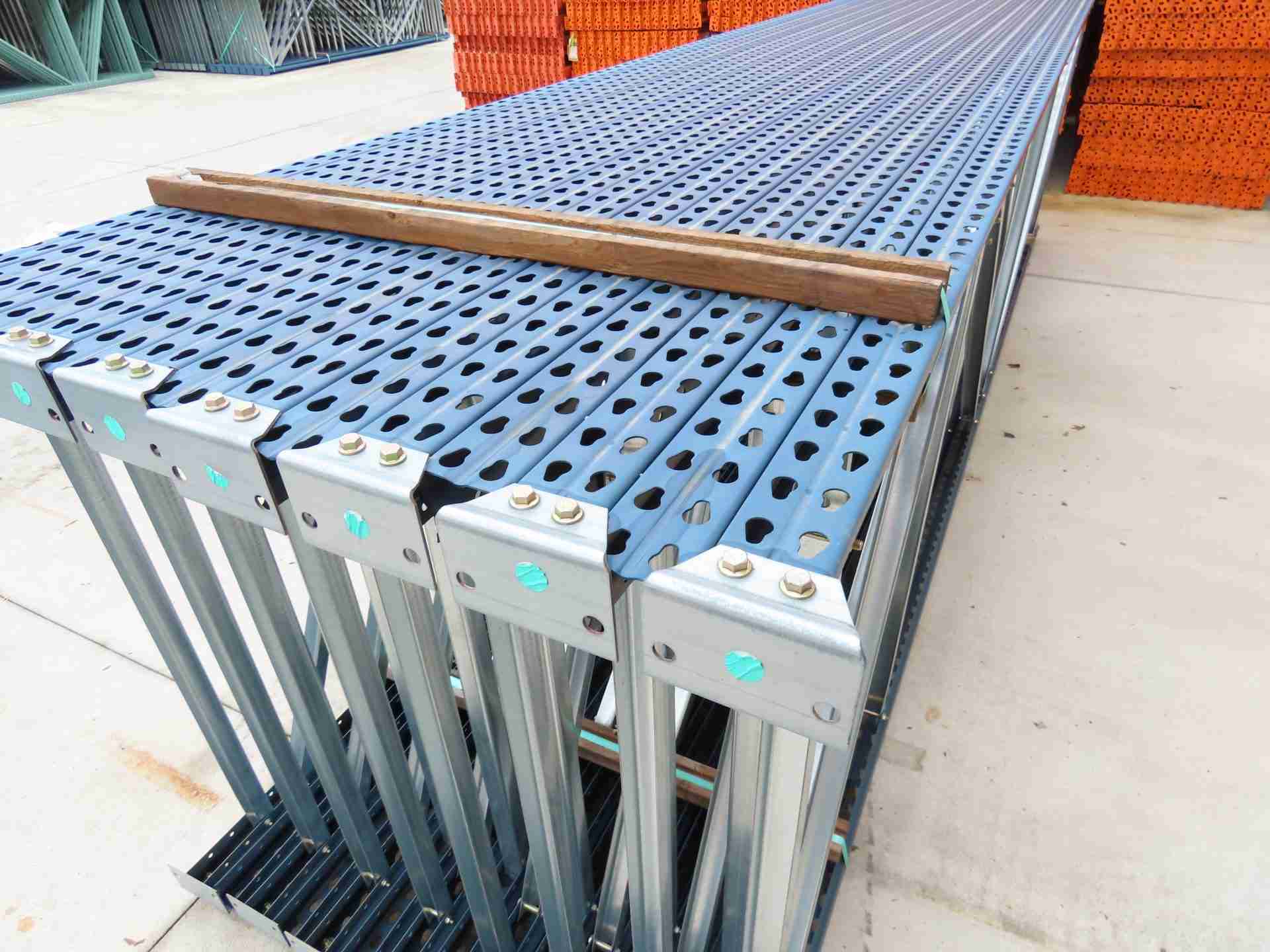
What Are The Efficiency Gains From Using Vertical Storage Solutions?
What Are The Efficiency Gains From Using Vertical Storage Solutions?
- Vertical storage solutions optimize warehouse space, replacing clutter with organized systems.
- Maximizes space utilization by using vertical dimensions, allowing for greater storage in a smaller footprint.
- Enhances accessibility, reducing time and labor costs while minimizing injury risks with well-arranged goods.
- Improves inventory accuracy through sophisticated tracking systems for real-time stock monitoring.
- Prevents over
- or under-stocking, leading to increased cash flow and reduced waste.
- Creates a culture of efficiency, enabling employees to focus on customer service and innovation.
- Investing in vertical storage transforms warehouse operations and elevates brand professionalism.

What Are The Efficiency Gains From Using Vertical Storage Solutions?
How Does Vertical Storage Impact Labor Costs In Warehouses?
In the bustling world of warehousing, every square inch counts. Imagine your warehouse as a blank canvas; how you paint that canvas determines your efficiency and ultimately your bottom line. Enter vertical storage—your ticket to unlocking a treasure trove of benefits. One of the most significant impacts vertical storage has is on labor costs, and understanding this can make all the difference in driving your warehouse’s success.
Consider pallet racking systems, designed to utilize vertical space that would otherwise go unproductive. By using the upward space in your facility, you can reduce your footprint and keep your costs low. Picture a well-organized facility where your team can navigate seamlessly, minimizing the time spent hunting for items. The difference this makes is night and day.
But it’s not just about space; it’s about optimizing your labor force. With pallet racking, employees can access products quickly and efficiently, freeing them from the drudgery of moving bulky items around the warehouse. This efficiency means your team can spend more time focusing on value-adding activities rather than getting bogged down in physical labor. Importantly, this translates to significant reductions in overtime, turnover, and training costs, all of which are notorious budget drainers.
Now, let’s talk about safety—a crucial element often overlooked. A well-implemented vertical storage strategy, combined with high-quality pallet racking, not only organizes your space but also enhances workplace safety. When items are stored correctly, the chances of accidents decrease, meaning fewer safety incidents and less time lost to injuries. In this way, vertical storage doesn’t just save you money; it invests in your people—the heart and soul of your operation.
You may be wondering, does this really work? The proof is in the numbers. Warehouses that embrace vertical storage and proper pallet racking solutions report labor cost reductions of up to 30%. Think about what that could mean for your business! Reduced costs, heightened morale, and increased productivity—these aren’t just buzzwords; they are tangible results waiting for you to seize.
The integration of vertical storage and effective pallet racking is not just about storing items higher; it’s about transforming your entire warehouse operation. Trust the process, make the investment, and watch as your labor costs diminish while your operational efficiency skyrockets. Your warehouse deserves this upgrade—make the leap today!
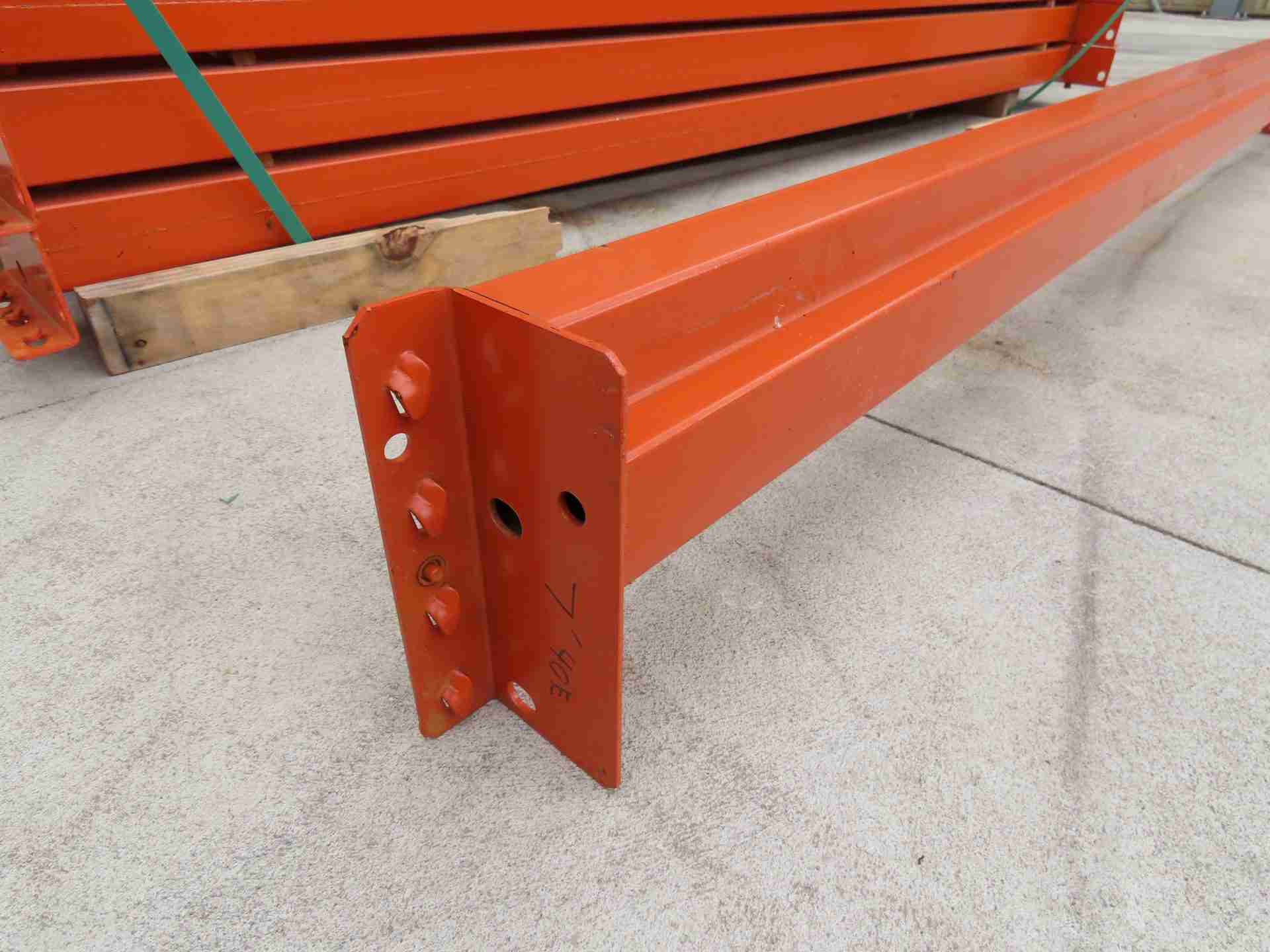
How Does Vertical Storage Impact Labor Costs In Warehouses?
How Does Vertical Storage Impact Labor Costs In Warehouses?
- Vertical storage optimizes warehouse efficiency and impacts labor costs significantly.
- Pallet racking systems utilize vertical space, reducing the warehouse footprint and costs.
- Organized facilities allow teams to navigate easily, minimizing time spent searching for items.
- Quick access to products enhances labor force optimization, allowing workers to focus on value-adding tasks.
- Implementation of vertical storage can lead to reductions in overtime, turnover, and training costs.
- Vertical storage strategies improve workplace safety by ensuring proper item storage, reducing accident rates.
- Warehouses utilizing vertical storage and pallet racking report labor cost reductions of up to 30%.
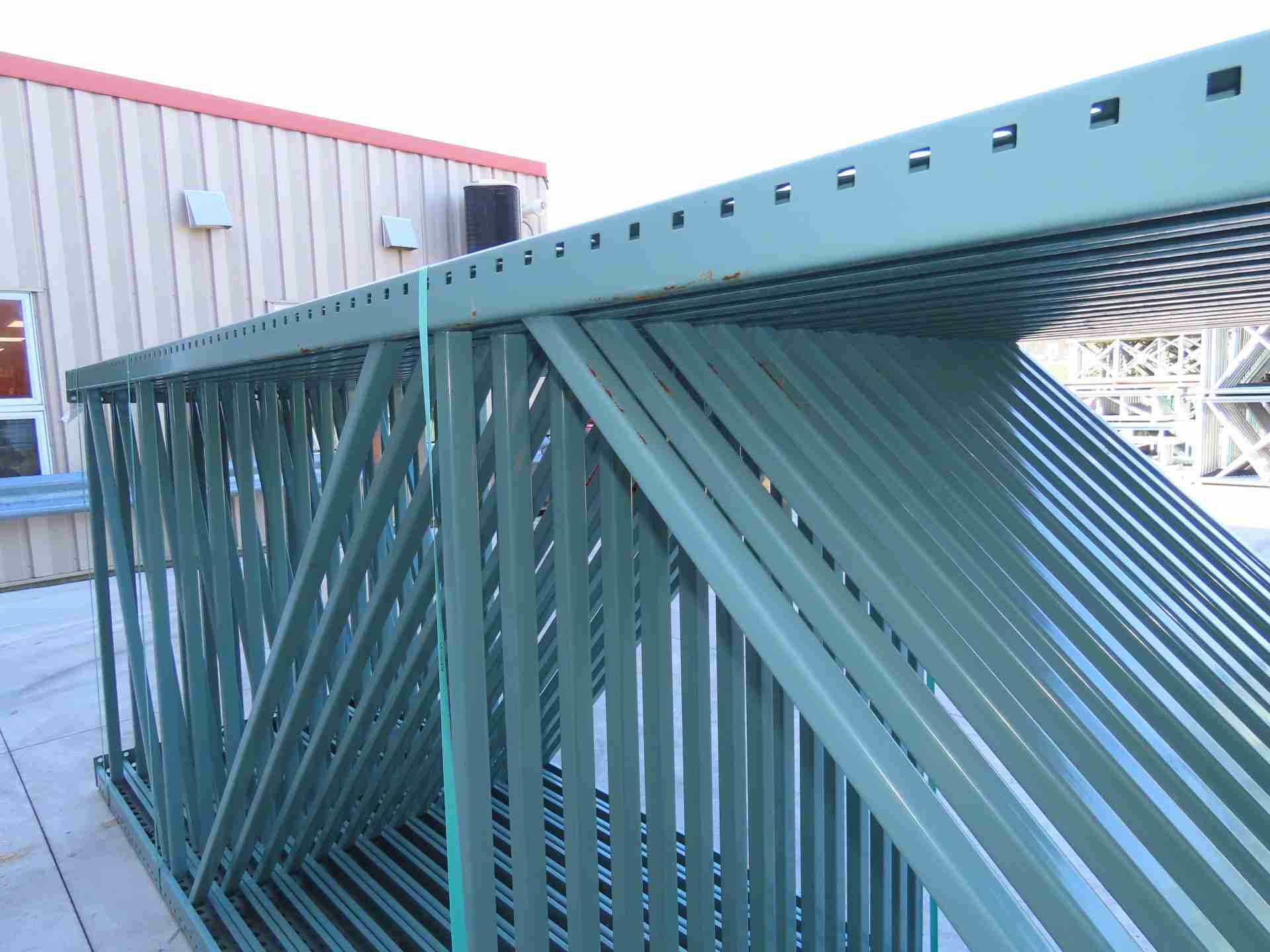
How Does Vertical Storage Impact Labor Costs In Warehouses?
What Technology Is Often Integrated With Vertical Storage Systems?
In the fast-paced world of warehousing and inventory management, vertical storage systems are revolutionizing the way businesses operate. These systems don’t just serve a purpose—they amplify efficiency and reduce clutter while making a statement that you’re ahead of the curve. But what truly amplifies the effectiveness of vertical storage? The answer lies in a suite of technological integrations designed to elevate your storage game and create a seamless experience.
One of the most effective combinations includes Pallet Racking systems. Imagine perfectly aligned pallet racks that work hand in hand with your vertical storage solution. The synergy between pallet racking and vertical systems creates a robust foundation for organizing your goods, maximizing space, and minimizing overhead. With this integration, you’re not just storing items; you’re crafting an environment where access is swift and stocking is simplified.
Moreover, sophisticated software solutions integrate seamlessly with these storage systems. Warehouse Management Systems (WMS) and Inventory Control Systems can help track your stock in real-time, allowing for precise control over what you have, where it is, and how much of it is available. Picture your team armed with mobile devices that connect directly to these systems, enabling them to quickly scan items and update inventory on the go. This level of connectivity ensures that everyone on your team is empowered with the information they need, right at their fingertips.
Think about integrating automation technologies, too. Automated vertical lifts and conveyors not only speed up the process of retrieving items but also drastically reduce the risk of injury caused by manual lifting. Safety and efficiency go hand in hand, fostering a work environment that inspires trust—both from your employees and your clientele.
Perhaps the crown jewel is the integration of artificial intelligence (AI) and machine learning. Imagine predictive analytics providing insights into inventory trends, allowing you to stay ahead of demand and make informed decisions about restocking. Such technology empowers you with unparalleled insights, enabling your business to adapt and thrive.
So, if you’re still relying solely on conventional storage methods, it’s time to elevate your strategy. The integration of vertical storage systems with advanced technology isn’t just a passing trend; it’s a necessary evolution that inspires confidence in your operations and positions your business for success. Embrace the future of storage, where every square inch of your space is maximized, and every item is precisely where it needs to be. Take action now—streamline your operations and transform your business into a powerhouse of efficiency!

What Technology Is Often Integrated With Vertical Storage Systems?
What Technology Is Often Integrated With Vertical Storage Systems?
- Vertical storage systems are transforming warehousing and inventory management by enhancing efficiency and reducing clutter.
- The synergy between pallet racking and vertical storage solutions maximizes space, streamlines access, and simplifies stocking.
- Warehouse Management Systems (WMS) and Inventory Control Systems enable real-time tracking of stock for precise inventory management.
- Mobile connectivity allows team members to scan items and update inventory on the go, ensuring access to vital information.
- Automation technologies like vertical lifts and conveyors increase efficiency while reducing the risk of injury from manual lifting.
- Integration of artificial intelligence (AI) and machine learning provides predictive analytics for better inventory trend insights.
- Embracing advanced storage technology is essential for optimizing operations and positioning businesses for future success.
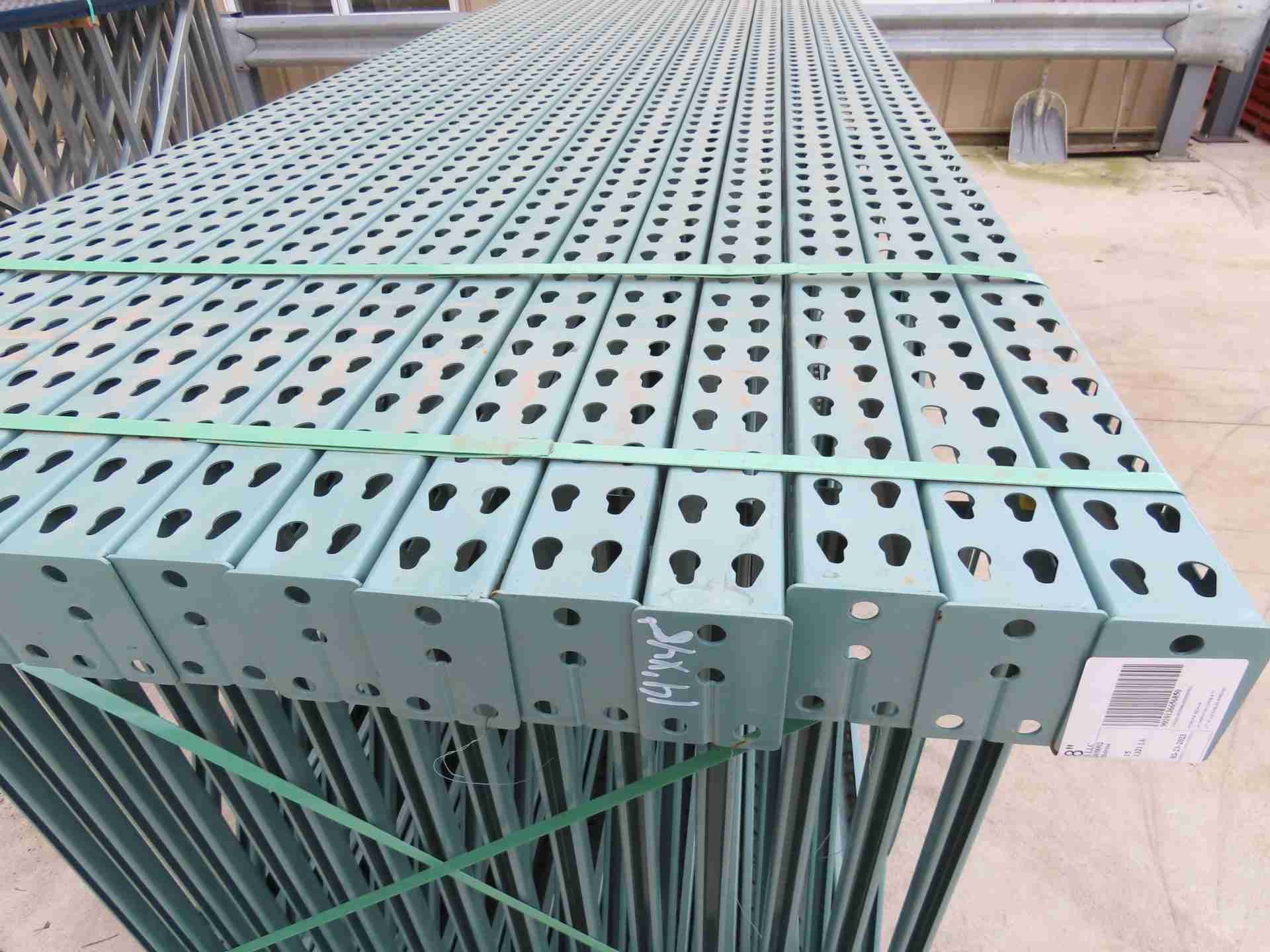
What Technology Is Often Integrated With Vertical Storage Systems?
Conclusion
In the fast-paced and ever-evolving landscape of warehousing, the call for modernization has never been more urgent. As businesses grapple with the demanding expectations of efficiency, accessibility, and safety, vertical warehouse storage emerges not merely as an option but as a necessity for those ready to dominate the market. With revolutionary solutions like pallet racking at the forefront, you can transform your storage capacity into an organized, streamlined powerhouse that drives productivity and profitability.
Vertical warehouse storage harnesses the full potential of your building’s height, allowing you to optimize every conceivable inch of space. By stacking inventory efficiently, you can store more products without the added expense of costly expansions. Indeed, businesses that embrace this methodology report space maximization and significant reductions in clutter. When every item has its designated place, you enhance organization, minimize retrieval time, and accelerate workflow—all critical components that lead to happier customers and improved bottom lines.
Furthermore, vertical storage isn’t simply about embracing height; it’s about fostering a culture of safety and efficiency within your workforce. A well-designed pallet racking system reduces the risk of accidents, ensuring that your employees can navigate the workspace with confidence. This consideration for safety translates to higher morale and lesser turnover rates, reducing costs associated with training and lost time due to injuries.
But the benefits don’t stop there. The integration of advanced technology with vertical storage systems ensures that real-time tracking and data management are streamlined. Imagine your inventory sorted with precision, powered by software solutions that enhance visibility into stock levels and streamline replenishment processes. The infusion of automation—like conveyors and lifts—further accelerates order fulfillment, radically cutting down labor costs while keeping your staff focused on productivity rather than rummaging through incessant clutter.
At Arrow Industrial Sales, we understand the urgency of modernization. It’s time to elevate your operations through vertical warehouse storage. Don’t let inefficiencies eat away at your profits or hinder your growth. Call us at (574) 349-6575 now to explore custom solutions tailored to your needs. Act quickly—your competitors won’t wait, and neither should you. Embrace the future of storage today, and watch your organization soar to new heights of success!
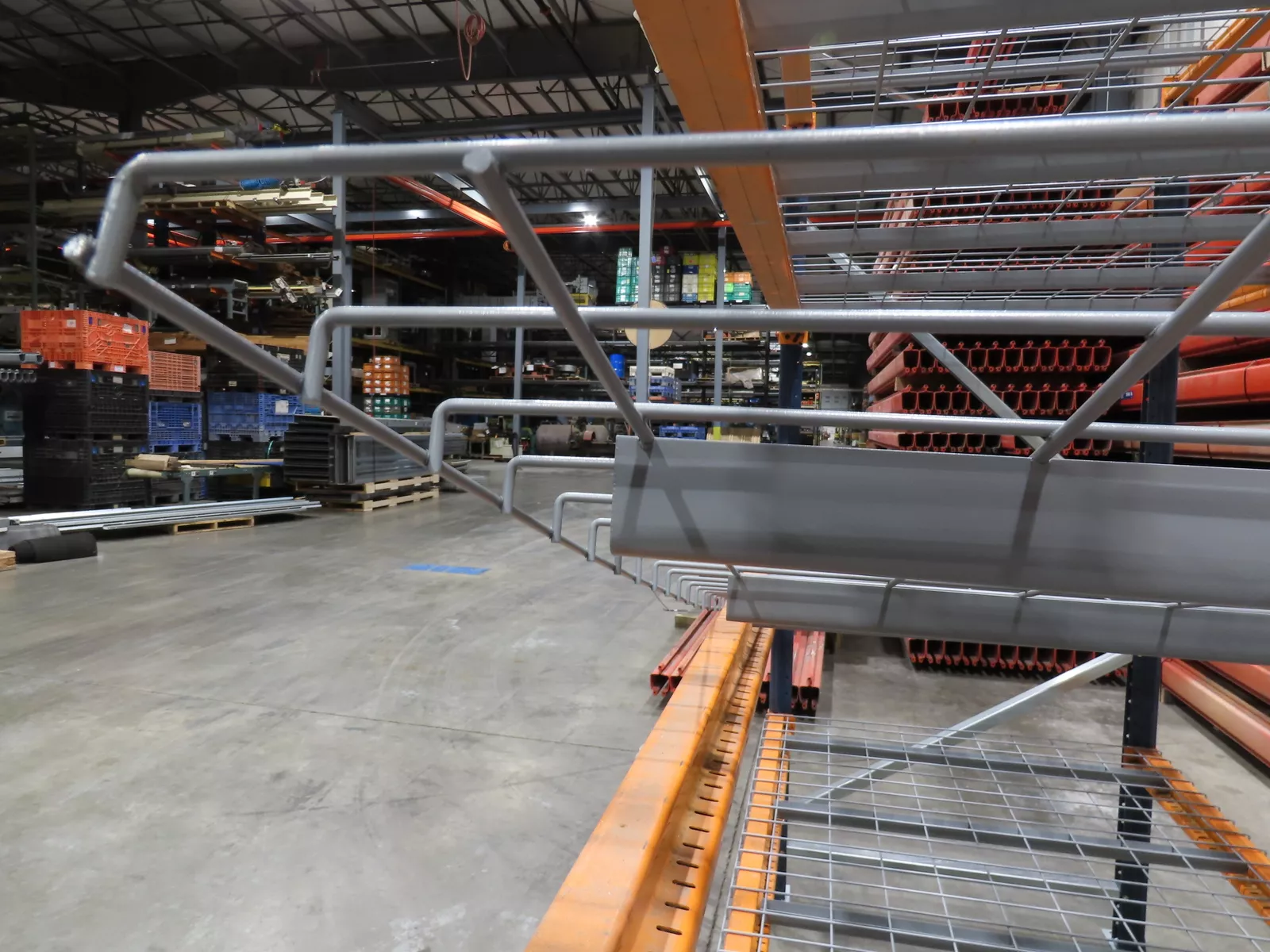
Conclusion
Conclusion:
- The urgency for modernization in warehousing is critical due to rising efficiency, accessibility, and safety demands.
- Vertical warehouse storage is essential for businesses aiming to maximize storage capacity and enhance market competitiveness.
- Pallet racking solutions enable efficient stacking of inventory, leading to space maximization and reduced clutter.
- Organized storage systems lead to quicker retrieval times and improved workflow, benefiting customer satisfaction and profitability.
- A well-designed pallet racking system promotes workplace safety, which boosts employee morale and lowers turnover rates.
- Advanced technology integration in vertical storage facilitates real-time tracking, data management, and automation for order fulfillment.
- Arrow Industrial Sales encourages businesses to modernize through vertical storage solutions for enhanced operational efficiency and growth.
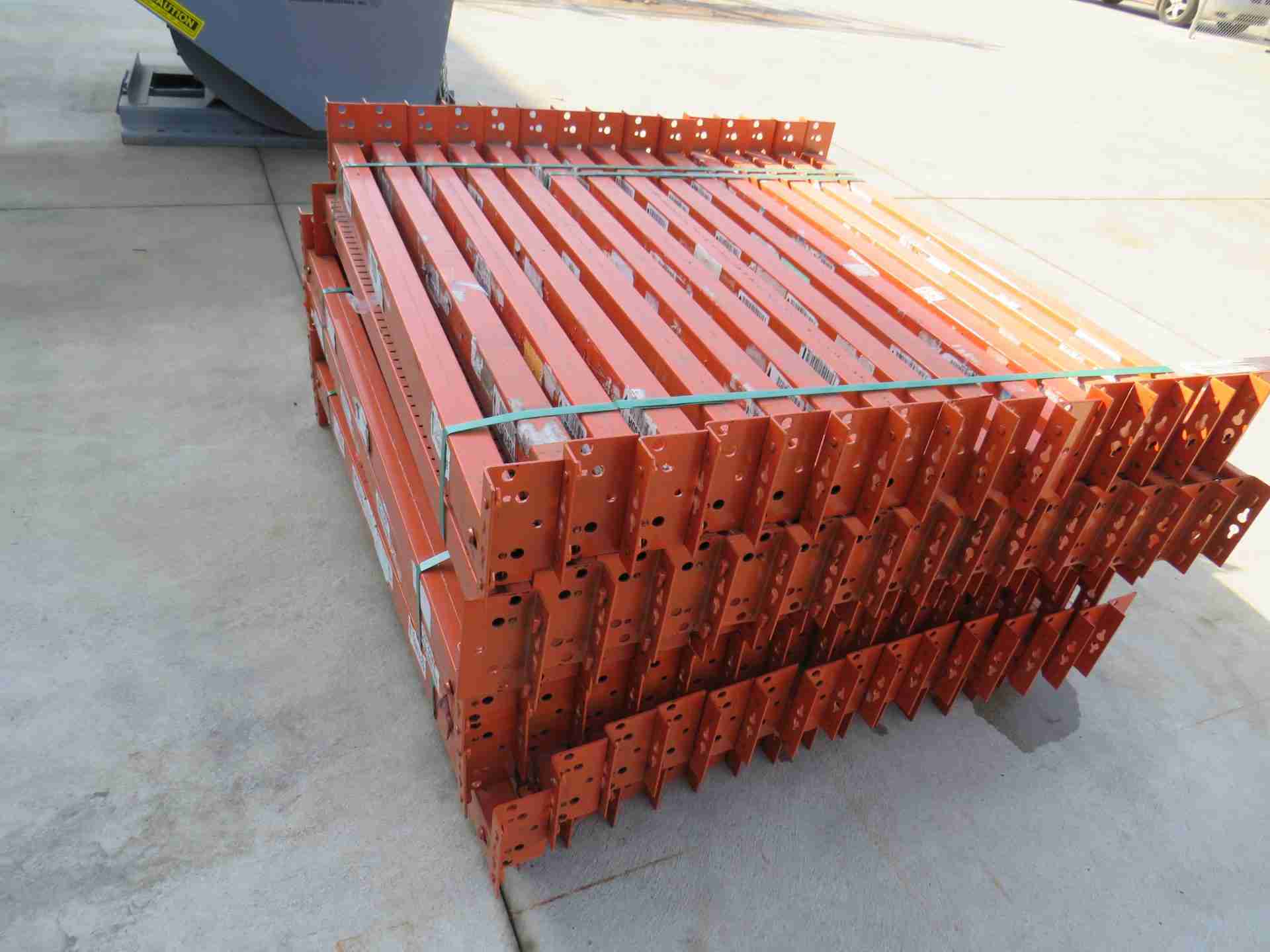
Conclusion
Other Resources

Other Resources
Here is a list of other resources you can review online to learn more:
- American Society of Safety Professionals
- Heavy-Duty Cantilever Storage Racks
- Selective Pallet Racking Systems
- Total Warehouse
- Bradford Systems
- International Warehouse Logistics Association
- Logic Material Handling
- Pallet Racking systems in Illinois, Great Lakes
- Selective Pallet Racking Systems – Container Systems
- CMMA
Use This Prompt To Get More Resources With Your Favorite Online AI Tool: Please provide me with a list of online articles with their URLs in a bulleted list that I can read regarding What Are The Critical Advantages Of Vertical Warehouse Storage?
Other Resources
Glossary Terms
What Are The Critical Advantages Of Vertical Warehouse Storage? – Glossary Of Terms
1. Vertical Storage: A warehousing strategy that maximizes storage capacity by using vertical space, allowing for taller shelving units and racking systems.
2. Space Optimization: The efficient use of available space to maximize storage capacity and improve warehouse productivity.
3. Mezzanine: An intermediate floor in a warehouse that utilizes vertical space for additional storage or operational areas.
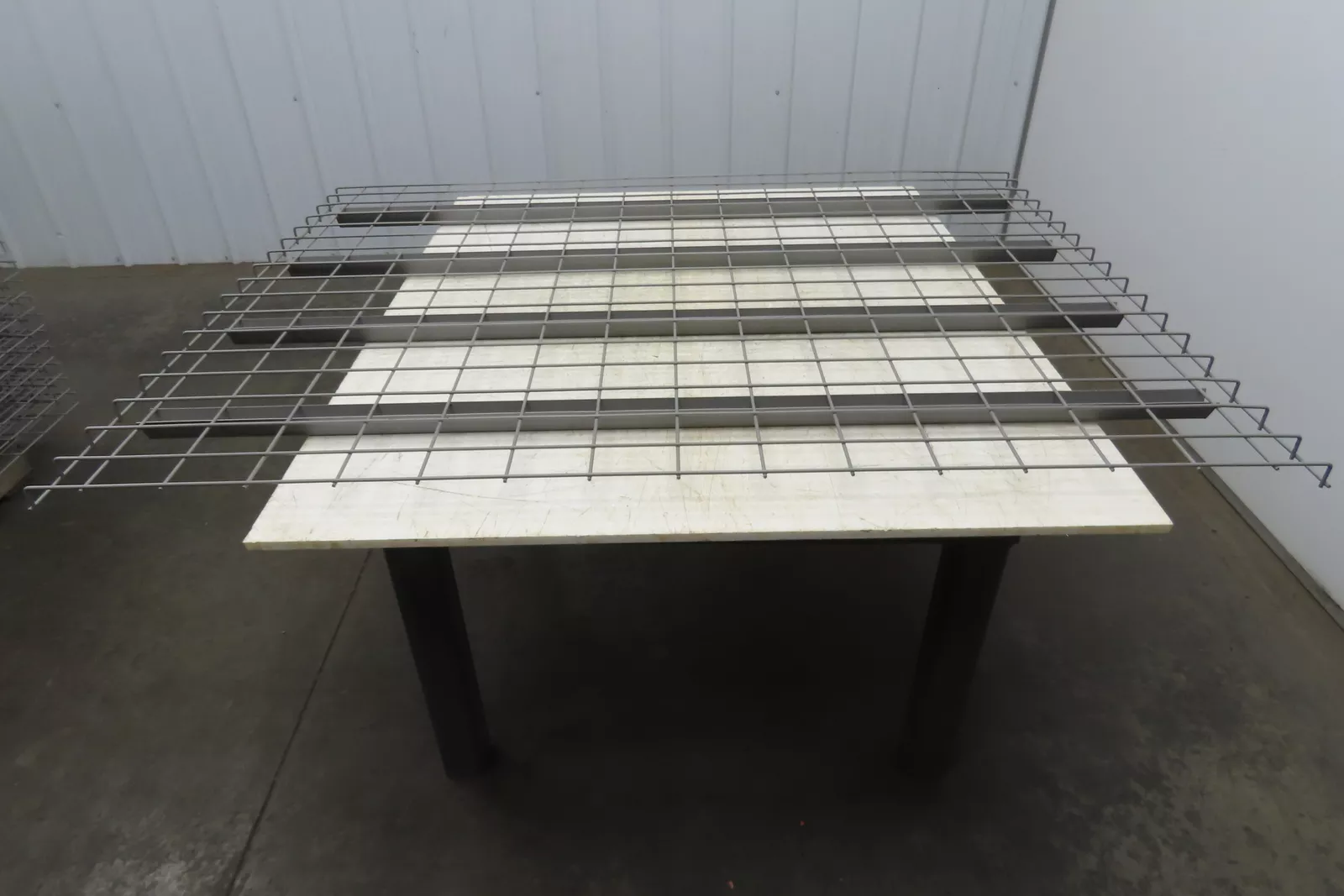
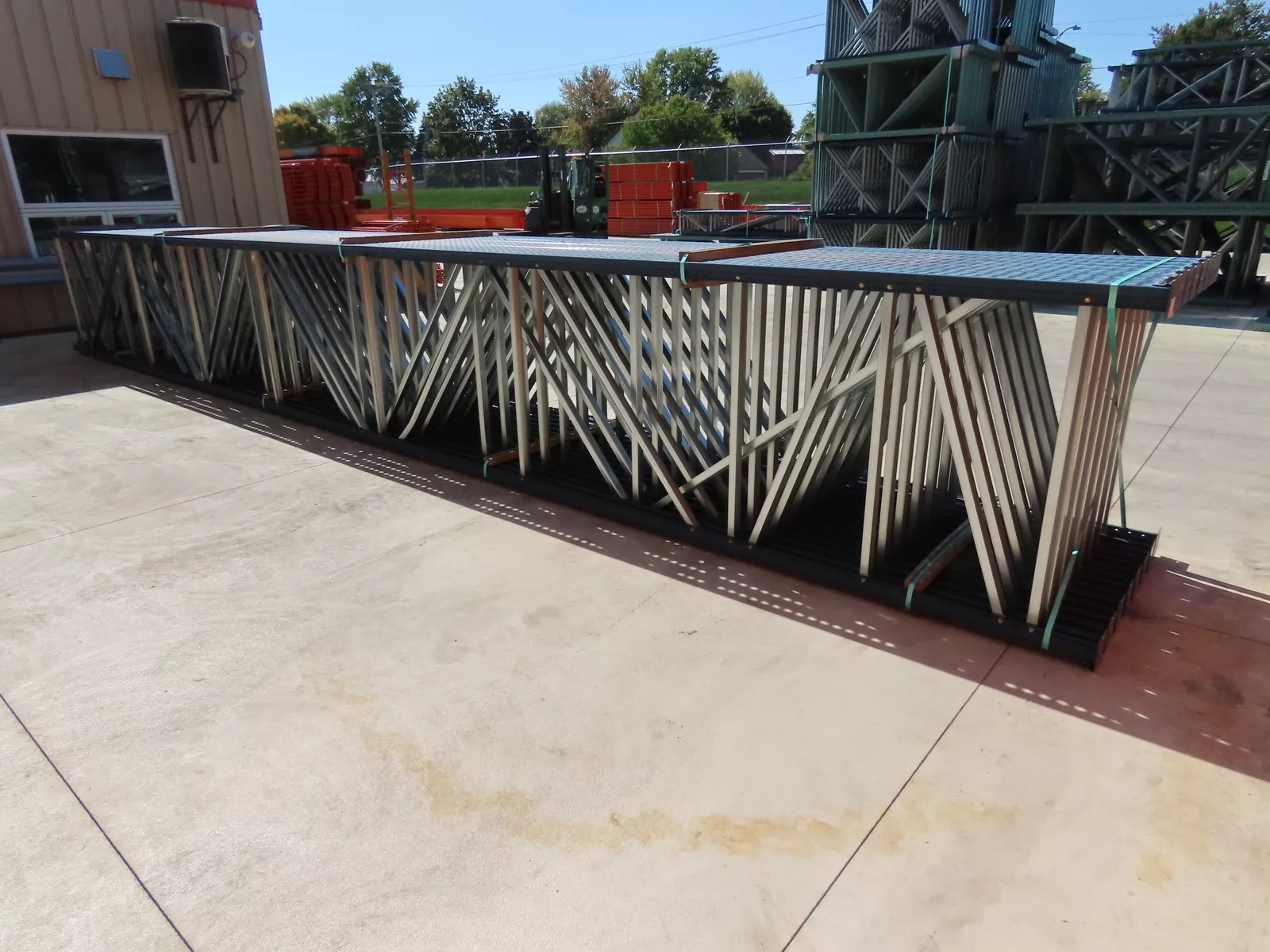
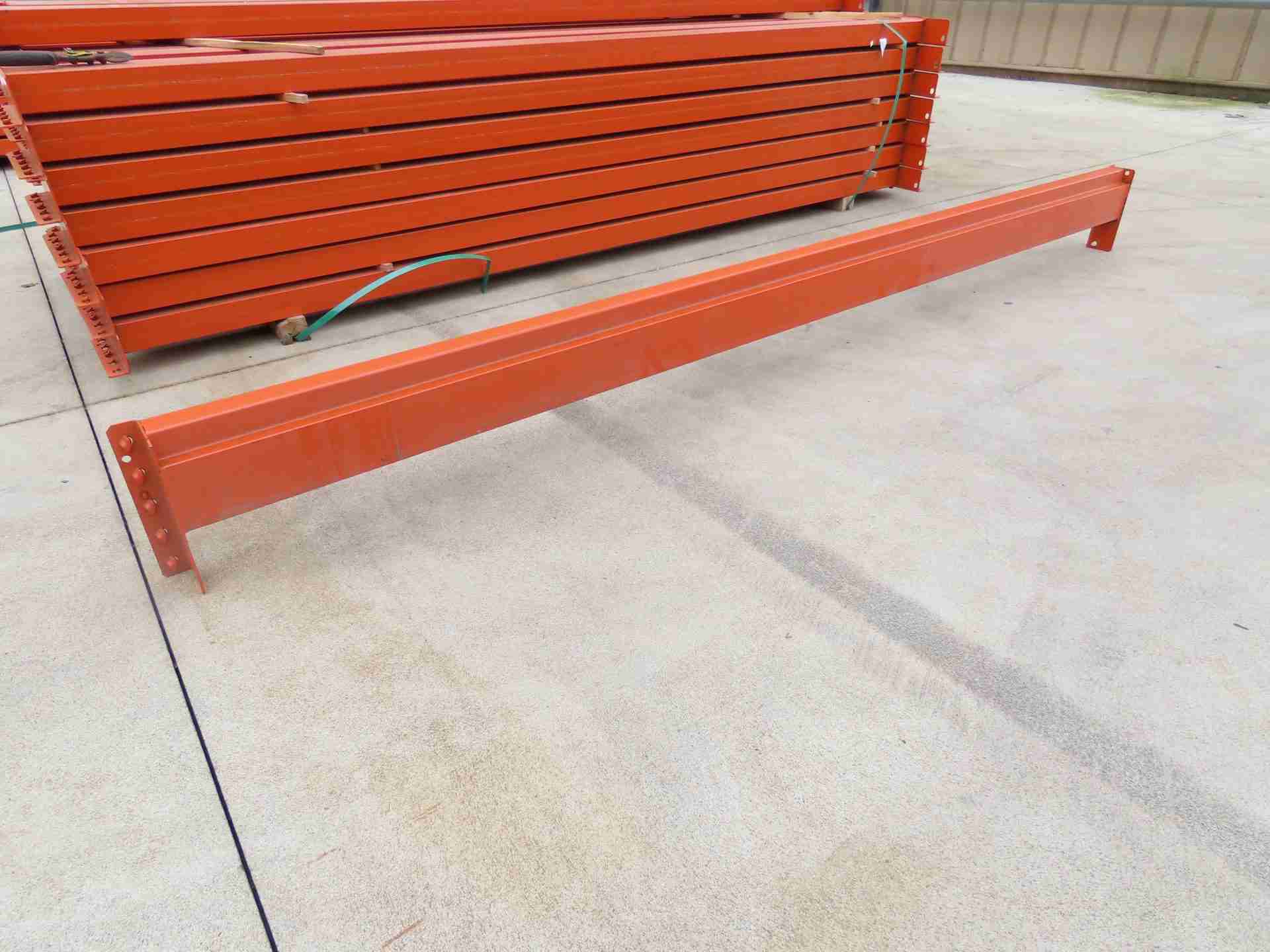
4. Racking Systems: Frameworks that support the storage of goods at various heights, commonly seen in vertical storage solutions.
5. Inventory Management: The process of overseeing and controlling the ordering, storing, and use of goods in a warehouse.
6. Efficiency: The ability to accomplish a task with minimal waste and maximum productivity, often enhanced by vertical storage solutions.
7. Warehouse Automation: The use of technology and machinery to optimize warehouse processes and improve efficiency, typically utilized in vertical storage systems.
8. Density: The amount of storage space available, often increased in vertical warehouses due to optimized use of height.
9. Cost-Effectiveness: The economic advantage gained by maximizing storage capacity and minimizing operational costs, often associated with vertical storage.
10. Accessibility: The ease of reaching stored items, which can be improved with vertical storage through organized racking and inventory systems.
11. Safety Regulations: Guidelines that ensure safe storage practices, especially relevant in vertical storage systems due to higher stacking.
12. Forklift Usage: The operation of forklifts in the warehouse environment, necessary for accessing higher shelves in vertical storage setups.
13. Load Capacity: The maximum weight that shelving or racking systems can safely hold, critical for vertical storage planning.
14. SKU (Stock Keeping Unit): A unique code assigned to each product, important for inventory management in a vertical storage system.
15. Workflow Efficiency: The smooth and optimized flow of operations within a warehouse, which can be enhanced by vertical storage designs.
16. Retrieval Time: The duration required to find and access stored items, potentially decreased in well-organized vertical storage.
17. Scalability: The ability to expand storage capacity as business needs grow, which is facilitated by vertical storage options.
18. Climate Control: The regulation of temperature and humidity within a warehouse, essential for preserving specific types of products in vertical storage.
19. Organizational Systems: Methods and structures used to categorize and manage inventory, crucial for maximizing vertical storage advantages.
20. Pressure Relief: Techniques employed to minimize strain on lower shelves when using vertical storage, important for safety and structural integrity.
21. Material Handling: The process of moving and storing goods, which can be significantly improved with vertical storage methods.
22. Storage Solutions: Various methods and products designed to optimize warehouse storage, including vertical shelving and racking.
23. Palletization: The process of stacking goods on pallets for easier storage and transport, often enhanced by vertical storage systems.
24. Labor Efficiency: The productivity of warehouse staff, which can be improved through the smart design of vertical storage mechanisms.
25. Inventory Turnover: The rate at which inventory is sold or used over a specific period, which may increase with effective vertical storage strategies.
26. Cross-Docking: A logistics practice where products are moved directly from inbound to outbound transportation, often facilitated by organized vertical storage.
27. Environmental Impact: The effects of warehouse operations on the ecosystem, which can be reduced through efficient vertical space usage.
28. Risk Management: The process of identifying and mitigating risks in warehouse operations, particularly important in high vertical storage environments.
29. Return on Investment (ROI): A performance measure used to evaluate the efficiency of an investment in vertical storage compared to its costs.
30. Lean Warehousing: A strategy focused on minimizing waste and maximizing value in warehouse operations, which can be supported by vertical storage principles.
Glossary Of Terms
Other Questions
What Are The Critical Advantages Of Vertical Warehouse Storage? – Other Questions
If you wish to explore and discover more, consider looking for answers to these questions:
- What are the different types of vertical warehouse storage systems?
- How do I choose the right vertical storage solution for my business?
- What are the installation requirements for vertical warehouse storage systems?
- How does vertical storage compare to traditional horizontal storage in terms of cost?
- What are the best practices for maintaining a vertical storage system?
- Can vertical storage systems be customized for specific inventory types?
- What industries can benefit the most from vertical warehouse storage?
- How does vertical storage contribute to sustainability in warehousing?
- What are the training requirements for staff using vertical storage systems?
- How does the layout of a warehouse affect the effectiveness of vertical storage?
- What safety protocols should be considered with vertical storage solutions?
- Are there any downsides or limitations to using vertical warehouse storage?
- What are the long-term benefits of transitioning to vertical storage?
- How do vertical storage systems integrate with existing warehouse management software?
- What is the return on investment (ROI) for implementing vertical storage solutions?
Other Questions
Checklist
What Are The Critical Advantages Of Vertical Warehouse Storage? – A Checklist
Checklist for Maximizing Space and Efficiency with Vertical Warehouse Storage
Vertical Storage Implementation Checklist
1. Assess Your Current Warehouse Layout
_____ Review existing layout for space utilization
_____ Identify areas that can be optimized vertically
_____ Analyze current inventory retrieval times
2. Choose the Right Vertical Storage System
_____ Research and select appropriate pallet racking systems
_____ Consider types of racking: selective, drive-in, or others
_____ Determine if custom solutions are necessary for unique inventory
3. Design for Function and Safety
_____ Ensure clear pathways for navigation and safety
_____ Plan for appropriate weight distribution when stacking items
_____ Implement safety measures to prevent accidents (e. g. , proper securing of items)
4. Organize Inventory Efficiently
_____ Categorize inventory based on accessibility needs
_____ Designate specific locations for high-frequency items
_____ Create a systematic labeling system for easy identification
5. Integrate Technology
_____ Implement warehouse management software (WMS)
_____ Utilize inventory tracking systems for real-time updates
_____ Consider automation tools like vertical lifts or conveyors
6. Train Your Team
_____ Provide training on new systems and processes
_____ Focus on safety protocols and the proper handling of materials
_____ Encourage feedback to refine storage and retrieval processes
7. Monitor and Measure Efficiency
_____ Track inventory retrieval times pre _____ and post-implementation
_____ Assess labor costs before and after the transition to vertical storage
_____ Evaluate employee safety records and incident reports
8. Plan for Future Growth
_____ Design the vertical storage system with scalability in mind
_____ Regularly evaluate space utilization as inventory changes
_____ Stay informed about advancements in vertical storage technology
9. Promote a Culture of Organization and Safety
_____ Encourage employees to maintain tidy workspaces
_____ Recognize and reward practices that enhance safety and efficiency
_____ Schedule regular audits of storage practices and warehouse safety
10. Assess Environmental Impact
_____ Evaluate the sustainability benefits of your vertical storage solutions
_____ Identify ways to minimize your warehouse’s overall footprint
_____ Consider eco-friendly storage options when possible
Next Steps
_____ Schedule a consultation with a warehouse storage expert
_____ Begin planning your vertical storage strategy with the above checklist
By following this checklist, you can significantly improve your warehouse’s efficiency, safety, and organization through effective vertical storage solutions. Embrace this opportunity to transform your operations!
Checklist
At RackingWorld, we help guide you through selecting warehouse storage systems and racking.
Be sure to read our other related stories at RackingWorld to learn more about warehouse storage systems.
0 Comments