
The Definitive Guide To Buying Used Racking: Avoid These Costly Missteps
By Tom Seest
At RackingWorld, we help guide you through selecting warehouse storage systems and racking.
Be sure to read our other related stories at RackingWorld to learn more about warehouse storage systems.
Top Mistakes Companies Make When Buying Used Racking
When companies set out to purchase used racking, they often underestimate the weight of their decision—literally and figuratively. Every beam, every upright, and every shelf contributes not only to the safety of their operations but also to the heart of their business. It’s easy to get lost in the allure of low prices and shiny finishes, but let’s take a step back and connect the dots between cost and consequence.
One of the most common mistakes is rushing into the deal without a proper inspection. It’s like buying a pre-owned car without taking it for a test drive. You wouldn’t gamble with the safety of your employees, right? Those beams might look sturdy at a distance, but up close, they can reveal hidden damage that could lead to catastrophic failures. Investing the time to scrutinize each component, armed with the knowledge of what to look for, will pay off countless times over in protecting both your staff and your bottom line.
Another misstep is ignoring the load capacity specifications. It’s not just numbers on a sheet; it’s a promise of safety and reliability. Skipping this step is akin to ignoring speed limits—you might get away with it for a while, but eventually, the reality of physics will catch up with you. Make no mistake; understanding your needs and matching them with the right equipment is a responsibility you owe to your team.
Then there’s the ethical component. Sourcing from unreliable vendors can compromise not only the integrity of your racking but also your reputation within your industry. Trustworthy suppliers provide more than just a product; they offer peace of mind that comes from knowing you’re working with people who prioritize safety just as much as you do. Building relationships with reputable providers fosters a community of shared values and accountability.
We’ve all heard heavy-duty horror stories; tales of those who couldn’t stand up when it mattered. By being diligent and informed, you’re not just making a purchase—you’re making an investment in the lives that depend on your operations. Every decision in the buying process builds a foundation of trust among your employees, your customers, and the community. So, let’s put aside the temptation of a quick fix and embrace the journey toward a safer, more reliable workspace. It’s about more than just racking; it’s about building a legacy.

Top Mistakes Companies Make When Buying Used Racking
Top Mistakes Companies Make When Buying Used Racking
- Companies often underestimate the significance of purchasing used racking, affecting both safety and business integrity.
- Rushing into the purchase without proper inspection can lead to safety risks, akin to buying a car without a test drive.
- Understanding load capacity specifications is crucial; neglecting this can result in dangerous consequences.
- Sourcing from unreliable vendors compromises product integrity and can harm industry reputation.
- Trustworthy suppliers provide safety assurance and foster a sense of community through shared values.
- Making informed decisions is key to protecting employees and building trust with customers and the community.
- The purchase of racking is not just a transaction; it’s an investment in safety and a legacy of responsible operations.

Top Mistakes Companies Make When Buying Used Racking
Table Of Contents
- Top Mistakes Companies Make When Buying Used Racking
- What Hidden Dangers Could a Faulty Racking System Pose to Your Team?
- How Do You Ensure Your Racking Purchase Aligns with Safety Standards?
- Are You Aware Of the Long-Term Costs Of Cheap Racking Solutions?
- Does Your Supplier Have a Solid Reputation In the Industry?
- What Do the Warranties on Used Racking Really Protect You Against?
- Conclusion
- Other Resources
- Glossary Of Terms
- Other Questions
- Checklist
What Hidden Dangers Could a Faulty Racking System Pose to Your Team?
When it comes to racking systems, most of us might think it’s just about storing materials—after all, what harm could a stack of steel beams and pallets really pose? But let’s dive a little deeper. Hidden within the skeletal frame of a racking system are risks that can bring an entire warehouse to its knees, not to mention endanger the hardworking team that keeps it running day in and day out.
Picture this: Your crew is buzzing around, forks beeping, and the hum of productivity fills the air. Then suddenly, a shelf gives way, sending tools and materials tumbling down like an avalanche. The room goes silent, hearts race, and you can feel the dread pooling in your stomach. Now, instead of a regular day at work, you’re dealing with chaos and potential injury. It’s not just about the immediate danger; it’s about the impact—a broken rib, a concussion, or worse.
Beyond the physical risks, there’s an ethical responsibility that weighs heavy on the shoulders of every manager and team member. We owe it to each other to ensure a safe workspace. A faulty racking system doesn’t just pose a threat to productivity; it jeopardizes lives. At some point, we all have a friend or a family member who relies on that paycheck—someone whose well-being hangs in the balance of our diligence.
The narrative around warehouse safety often gets buried beneath the daily grind, but the truth is, the invisible dangers of a poorly maintained racking system are everywhere. When equipment isn’t regularly inspected, it’s the equivalent of brushing aside a check engine light in your car. You might think, “It’s still running,” until it stalls in the middle of traffic. Ignoring those warnings can lead to catastrophic consequences, not just for your operations but for your team’s trust in leadership.
Just remember, every time you step into that warehouse, you’re not just a worker; you’re a member of a community that thrives on mutual care and respect. Take action, implement regular safety checks, and foster a culture where safety is as paramount as productivity. Because when it comes to racking, the hidden dangers can be many, but so too can the solutions—if we’re willing to face them together.
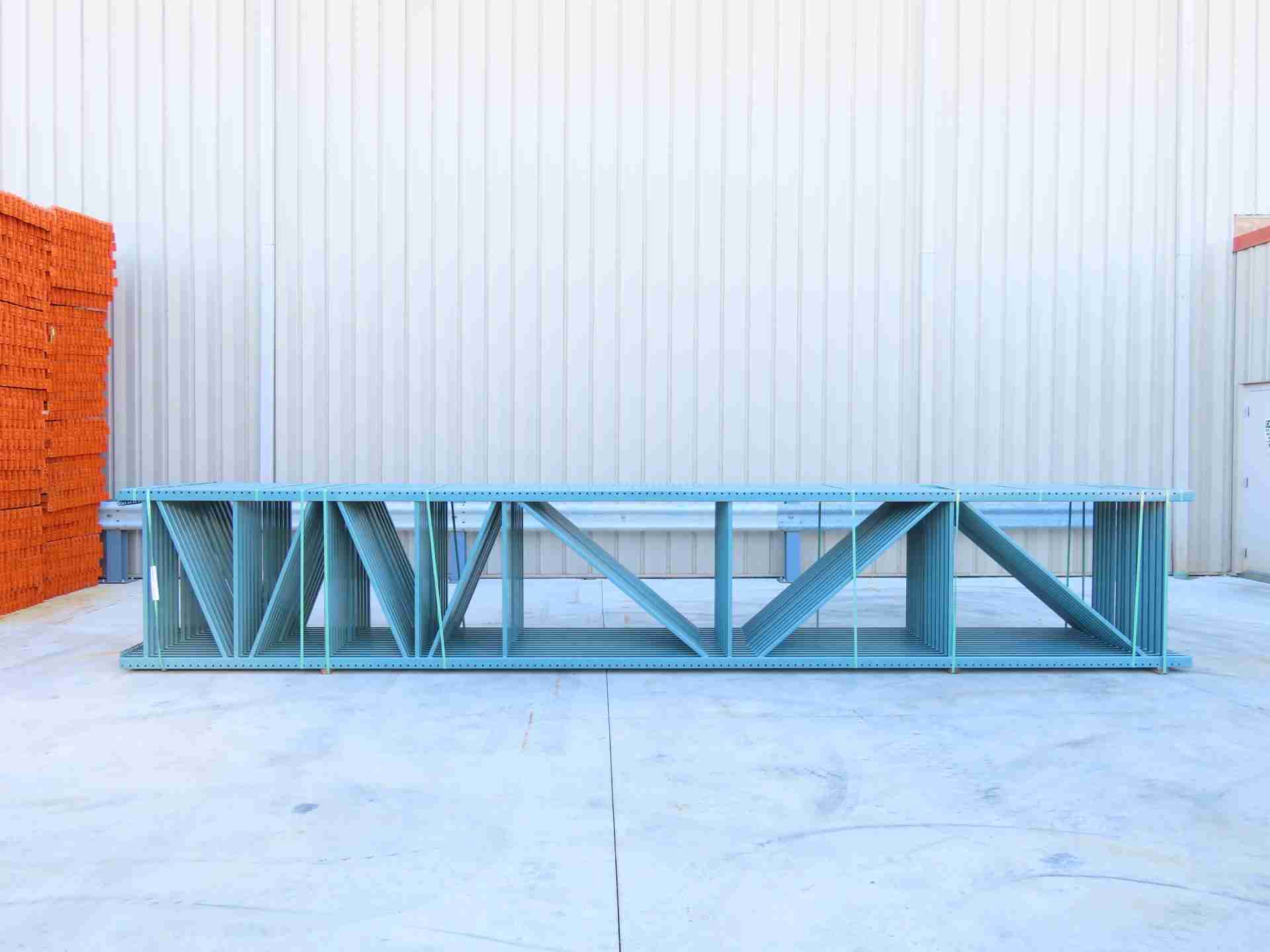
What Hidden Dangers Could a Faulty Racking System Pose to Your Team?
What Hidden Dangers Could a Faulty Racking System Pose to Your Team?
- Racking systems pose hidden risks that can compromise warehouse safety.
- A sudden failure of a racking system can lead to chaos and potential injuries.
- Physical injuries from accidents can include broken bones and concussions.
- There is an ethical responsibility for managers and team members to ensure a safe workspace.
- A faulty racking system negatively impacts productivity and jeopardizes lives.
- Regular inspections are crucial; neglecting maintenance can lead to disastrous outcomes.
- Cultivating a safety-focused culture is essential for community well-being in the workplace.

What Hidden Dangers Could a Faulty Racking System Pose to Your Team?
How Do You Ensure Your Racking Purchase Aligns with Safety Standards?
A racking purchase isn’t just about adding rows of steel to your warehouse. It’s about safety, responsibility, and the people who depend on that structure to support their livelihoods. When you’re standing in the aisle of a supplier, it’s easy to feel overwhelmed by options, but let’s strip it down to what really matters.
First and foremost, you need to educate yourself about the safety standards that govern racking systems. This isn’t just a box to check; it’s the foundation of your decision. Familiarize yourself with industry regulations such as those set by OSHA or local building codes, because your racking isn’t purely a business purchase—it’s a commitment to your team. Imagine the weight of that responsibility every time a forklift rolls down the lane. You’re not just stacking pallets; you’re stacking lives.
Next, it’s paramount to work with reputable suppliers. Look for those who have a track record not just for quality products but also for integrity in their business practices. Ask questions: What certifications do their racking systems have? Are they following best practices for installation and maintenance? It might feel tedious, but taking these steps is your way of saying, “I take care of my people.” Blindly trusting a brand is risky—your reputation is tied to every beam and upright.
Then there’s the matter of testing your racking before putting it to work. This isn’t an optional step; this is the gut check your operation deserves. If you can, request load tests or site assessments from your supplier. It’s an opportunity to put your product where your mouth is. Seeing a racking system pass rigorous tests instills confidence and ensures that you’re making an informed decision—because let’s face it, the safety of your crew is not negotiable.
Consider, too, the social aspect of your choice. When your colleagues see the lengths you’ve gone to for safety, it fosters a culture of accountability and care that reverberates throughout your workplace. You’re not just investing in racking; you’re declaring a commitment to excellence which inspires everyone around you.
It comes down to a simple, yet profound ethos: do right by yourself and your team. Trust the racking system you choose, and watch as that investment pays dividends in safety, productivity, and morale.

How Do You Ensure Your Racking Purchase Aligns with Safety Standards?
How Do You Ensure Your Racking Purchase Aligns with Safety Standards?
- A racking purchase involves more than just adding steel; it’s about safety and responsibility for team livelihoods.
- Understanding safety standards and regulations (e.g., OSHA, local codes) is essential for informed decision-making.
- Work with reputable suppliers known for quality products and integrity.
- Ask about certifications, installation best practices, and maintenance when choosing a supplier.
- Testing the racking systems through load tests or site assessments is crucial for ensuring safety.
- Fostering a culture of accountability through commitment to safety positively impacts the workplace environment.
- The chosen racking system is a long-term investment that enhances safety, productivity, and team morale.

How Do You Ensure Your Racking Purchase Aligns with Safety Standards?
Are You Aware Of the Long-Term Costs Of Cheap Racking Solutions?
When you’re running a business, the allure of cheap racking solutions can be tempting. They promise quick results and immediate savings, but let’s peel back that shiny veneer. Imagine walking into a warehouse filled with subpar shelves, where safety hangs by a thread. Every time you load that racking, you might feel a twinge of worry—what if it collapses? It’s not just about saving a few bucks; it’s about the safety of your employees and the integrity of your operation.
Remember the story of a small business owner who opted for economical racking? At first, all seemed well until a critical load caused a catastrophic failure. Not only did it mean extensive property damage, but it also turned into a spiral of lost trust among customers and employees alike. This is where the long-term costs come into play—more than just financial loss; it’s about reputational damage that can take years to rebuild. The gut punch of losing a valued worker is a risk too heavy to bear.
Now, let’s get rational. Cheap racking often results in frequent replacements or repairs, which can lead to a domino effect of delays and inefficiency. When you factor in downtime and loss of productivity, suddenly that “cheap” option becomes a heavy weight on your budget. Investing in quality racking is not just an expenditure—it’s a commitment to your business’s future. Think of it as planting a tree; the upfront work may seem daunting, but over time, it provides shade, shelter, and a bounty of resources.
Ethically, consider the message it sends when you choose quality over cuts. Prioritizing the well-being of your team and the sustainability of your operations builds a culture rooted in respect and integrity. People want to work for businesses that care about their welfare—and they thrive in environments where safety isn’t a gamble.
Ultimately, it’s about connection. We all understand the highs and lows of running a business. Making choices that protect your legacy not only fosters trust but strengthens bonds within your community, assuring them that you’re in it for the long haul. So before you snap up that bargain, pause and ask yourself: is it really worth the risk? Quality racking isn’t merely furniture for your warehouse; it’s the backbone of your operation. Choose wisely, and watch your business thrive for years to come.

Are You Aware Of the Long-Term Costs Of Cheap Racking Solutions?
Are You Aware Of the Long-Term Costs Of Cheap Racking Solutions?
- Cheap racking solutions may offer immediate savings but come with significant risks.
- Substandard shelves can jeopardize employee safety and operational integrity.
- A small business owner experienced catastrophic failure after choosing economical racking, leading to property damage and loss of trust.
- Long-term costs include not only financial loss but also reputational damage that is hard to recover from.
- Frequent replacement or repairs of cheap racking can cause delays and loss of productivity.
- Investing in quality racking demonstrates a commitment to business sustainability and employee well-being.
- Choosing quality strengthens community bonds and fosters trust in your business’s commitment to safety and integrity.

Are You Aware Of the Long-Term Costs Of Cheap Racking Solutions?
Does Your Supplier Have a Solid Reputation In the Industry?
When it comes to choosing a supplier for your business, the question of reputation isn’t just some abstract concept—it’s the backbone of your operation. Every time you place an order, you’re putting your faith in someone else’s hands. So, does your supplier have a solid reputation in the industry? Let’s break it down.
Start with your gut. When you hear their name, what do you feel? Trust? Doubt? That feeling is more than just instinct; it’s a powerful, primal gauge that should not be ignored. A good supplier will evoke confidence, blending expertise with reliability. Imagine opening your supplies, and instead of disappointment, you’re greeted with quality that matches your hard work. That’s what we all aim for—a trustworthy partner who understands the stakes.
Now, let’s engage the head. Check the numbers. Look for reviews and testimonials—what do their previous customers say? If a supplier has been racking up praises over the years, that’s a telltale sign they know their stuff. Conversely, a history riddled with complaints can tell you all you need to know. It’s not just about how many clients they’ve served; it’s about the depth of those relationships. Dive into their story; see how they overcame challenges. Their history should align with your values and goals.
Don’t forget the ethical aspect. Are they transparent about their operations? A reputable supplier will pride themselves on doing the right thing, not just the profitable thing. Corporate responsibility is not just a buzzword; it’s a commitment. Aligning your business with a supplier who shares your values creates a partnership built on mutual respect.
Finally, think about your community. What are others saying? Reach out to fellow business owners in your circle and ask for their insights. Recommendations from trusted peers can illuminate the path ahead, giving you a clearer picture of the market landscape.
So, does your supplier have a solid reputation? It’s about more than just a name; it’s about connection, reliability, and empowerment. By choosing wisely, you forge not only a business alliance but also a relationship that fuels your success and safeguards it against the inevitable bumps in the road. Trust is earned, but don’t be afraid to reach for it.

Does Your Supplier Have a Solid Reputation In the Industry?
Does Your Supplier Have a Solid Reputation In the Industry?
- Reputation is essential when choosing a supplier, as it directly impacts your business operations.
- Your instincts matter; trust your gut feeling when you hear the supplier’s name.
- A reliable supplier combines expertise with the ability to meet your quality expectations.
- Research reviews and testimonials to gauge a supplier’s credibility and customer satisfaction.
- Consider the supplier’s ethical practices and commitment to corporate responsibility.
- Seek insights from fellow business owners for their experiences and recommendations regarding suppliers.
- Selecting a reputable supplier helps build a trusted partnership that supports your business success.

Does Your Supplier Have a Solid Reputation In the Industry?
What Do the Warranties on Used Racking Really Protect You Against?
When you invest in used racking, it’s easy to focus on the price tag without giving much thought to the warranties backing those metal giants. Sure, they might look sound on the surface—brushing off dirt from years of hard work, all etched with a history that speaks volumes. But just like any good story, you need to dig deeper. The warranties on these used racking systems aren’t just pieces of paper; they’re your lifelines, designed to protect you from the unexpected and shield your bottom line from potential catastrophes.
Consider this: every warehouse has its own personality. You’ve got your high-energy distribution hubs, your meticulous inventory centers, and everything in between. Each facility is unique, which means the risks involved can vary dramatically. A warranty on racking doesn’t just cover metal braces and cross beams; it’s about securing your business’s future against untimely mishaps. Are you really prepared for a sudden rack failure that could lead to damaged goods, injured employees, and a world of liability? When you invest in racking, you invest in the safety and stability of your operation.
But don’t just take my word for it. Picture the warehouse manager, sleepless at night, thinking of all the families that depend on the smooth operation of their jobs. They know that without robust racking, everything can come crashing down—not just the product off the shelves, but the stability of their entire workforce. This is where warranties step in as silent heroes, offering a promise that even as things age, you won’t have to bear the weight of those risks alone.
And let’s not forget your reputation. In the world of warehousing and logistics, a warranty represents not just protection but accountability. It shows your commitment to safety, quality, and professional ethics. When you can confidently assure clients that you’ve got reliable, warrantied racking, it boosts trust in your brand and fosters long-term relationships.
The truth is, racking may just be metal, but those warranties are the heartbeats of what keeps your business alive and thriving. Explore every detail, understand the protection they offer, and take action to safeguard your operation’s fundamental structure. Through due diligence, you’re not just buying racking; you’re fortifying your entire business. And that makes all the difference.

What Do the Warranties on Used Racking Really Protect You Against?
What Do the Warranties on Used Racking Really Protect You Against?
- Investing in used racking requires careful consideration of the warranties, which provide crucial protection.
- Warranties are essential for safeguarding against unexpected incidents that could impact operations and finances.
- Every warehouse has unique risks, emphasizing the importance of having reliable warranties for used racking systems.
- Rack failures can lead to damaged goods, injuries, and liabilities, making warranty coverage critical.
- Warranties contribute to workforce stability and peace of mind for warehouse managers concerned about operational risks.
- A warranty signals accountability and commitment to safety, enhancing your brand’s reputation in the industry.
- Conducting thorough research on warranties is crucial for fortifying your business and ensuring long-term success.

What Do the Warranties on Used Racking Really Protect You Against?
Conclusion
The journey of purchasing used racking extends far beyond the mere exchange of cash for steel; it’s a commitment to safety, responsibility, and community. Too often, companies chase the allure of bargains while neglecting the serious implications of their choices. Every beam and upright you procure is not just a component of storage but a critical part of the infrastructure that supports your team’s safety and operational integrity.
Picture your warehouse—the hum of productivity interrupted by the sudden chaos of a racking failure. It’s a scene that could unfold if careful consideration isn’t given to what racking systems actually represent. Skipping the inspection process is akin to rolling the dice on your employees’ well-being. You wouldn’t opt for a used car without a thorough appraisal, so why should racking be treated any differently?
Then there’s the ethical obligation to source from reputable suppliers. In this business, trust is paramount. Working with quality vendors ensures not just the product’s reliability, but also cultivates a relationship based on shared values and accountability. When you invest in sturdy, well-tested racking, you’re not just potentially saving a buck; you’re laying the groundwork for a culture rooted in care and respect.
Let’s not forget the dangers hidden within a subpar racking system. Beyond the immediate risks of injury, there’s a broader concern for loyalty and trust within your team. When workers feel that management prioritizes quality and safety, it fosters a sense of community that reverberates across the workplace.
Choosing racking solutions reflects your broader business ethos. Opting for quality often comes with upfront costs but pays dividends in the long term—safety, reputation, and peace of mind. Every dollar spent on reliable racking protects not only merchandise but the livelihoods of your dedicated crew. The emotional weight of these decisions is immense. After all, every team member has family and friends rooting for their success, and your commitment to their safety can have rippling effects far beyond mere productivity.
In the end, selecting the right racking is about positioning your business for success while honoring the lives connected to your operation. Opt for thoughtful evaluation over impulsive decisions, and remember: it’s about building a legacy that truly matters. Every responsible choice strengthens not just your business but the community it serves.

Conclusion
Conclusion:
- Purchasing used racking is a commitment to safety, responsibility, and community.
- Companies often overlook the implications of their choices when pursuing bargain prices.
- Every racking component is crucial for team safety and operational integrity.
- Skipping inspection of racking systems is risky, similar to buying a used car without an appraisal.
- Ethical sourcing from reputable suppliers fosters trust and accountability in business relationships.
- Quality racking enhances workplace loyalty and trust, contributing to a strong community atmosphere.
- Selecting reliable racking supports long-term safety and reputation, impacting employees’ livelihoods.

Conclusion
Other Resources

Other Resources
Here is a list of other resources you can review online to learn more:
- Chicago Pallet Racking
- Racking World
- Used Teardrop Pallet Rack – American Surplus
- Warehouse Automation
- Cantilever Rack Guide: Ordering Cantilever Racking
- Used Pallet Rack for Sale in Illinois – American Surplus
- Warehouse Racking System: Powerful Guide to Optimise, 2024
- Chicago Pallet Racking
- What is Selective Pallet Racking
- Selective Rack – Raymond West
- Warehouse Racking Systems: Beginner’s Guide to Rack Systems
- Overhead Lifting
- WERC
- Total Warehouse
- Mustang Material Handling
- Rack Manufacturers Institute
- SEMA
- National Safety Council
- Logic Material Handling
Use This Prompt To Get More Resources With Your Favorite Online AI Tool: Please provide me with a list of online articles with their URLs in a bulleted list that I can read regarding Top Mistakes Companies Make When Buying Used Racking

Other Resources
Glossary Terms
Top Mistakes Companies Make When Buying Used Racking – Glossary Of Terms
1. Racking: Storage systems designed to hold materials or goods in warehouses or retail spaces.
2. Used Racking: Pre-owned racking systems sold at a reduced price compared to new ones.
3. Inspection: The process of examining used racking for structural integrity and safety compliance.
4. Capacity: The maximum weight or volume that a racking system can safely hold.
5. Load Capacity: Specific weight limits assigned to different types of racks, critical for safe usage.
6. Compliance: Adherence to safety standards and regulations relevant to racking installations.
7. Vendor: A supplier or retailer from whom used racking systems are purchased.
8. Manufacturer Specifications: Guidelines provided by the original manufacturer regarding the racking system’s use and maintenance.
9. Condition Report: A document outlining the condition of used racking, highlighting any damage or repairs needed.
10. Installation: The process of setting up racking systems to ensure safety and stability.
11. Height Restrictions: Regulations affecting the maximum allowable height of racking installations within a facility.
12. Footprint: The physical space occupied by the racking system, important for optimizing warehouse layout.
13. Load Configuration: The arrangement of goods on racking, affecting safety and accessibility.
14. Forklift Compatibility: The compatibility of racking with various types of forklifts used for loading and unloading.
15. Durability: The ability of a racking system to withstand wear, pressure, or damage over time.
16. Warranty: A guarantee from the seller regarding the quality and longevity of the used racking.
17. Safety Standards: Established guidelines that racking systems must meet to ensure employee and goods safety during operations.
18. Ergonomics: Design principles focused on optimizing human interaction with racking systems to improve efficiency and safety.
19. Aisle Space: The width of pathways between rows of racking, critical for safe movement and access.
20. Weight Distribution: The method of spreading load evenly across racking to prevent tipping or collapse.
21. Reconfiguration: Adjusting or changing the setup of racking systems to meet evolving storage needs.
22. Freight Costs: Expenses associated with transporting used racking from the seller to the buyer’s location.
23. Return on Investment (ROI): A financial metric used to assess the profitability of purchasing used racking.
24. Resale Value: The potential price that used racking can fetch in the market when sold again.
25. FEM Standards: European regulations guiding design and safety protocols for racking systems.
26. Secondhand Market: The marketplace for buying and selling used goods, including racking systems.
27. Space Optimization: The process of arranging racking systems to maximize storage efficiency within a facility.
28. Material Handling: Techniques and equipment used to move, store, and manage goods within a warehouse.
29. Scalability: The ability to expand or modify racking operations to accommodate business growth.
30. Technology Integration: Incorporating software and automation to enhance the management and operation of racking systems.

Glossary Of Terms
Other Questions
Top Mistakes Companies Make When Buying Used Racking – Other Questions
If you wish to explore and discover more, consider looking for answers to these questions:
- What specific safety standards should used racking comply with?
- How can I inspect used racking effectively before purchasing?
- What common signs of damage should I look for in used racking?
- What are the industry regulations that govern racking systems?
- How can I verify a supplier’s reputation before making a purchase?
- What types of warranties are commonly offered on used racking?
- What questions should I ask suppliers about their used racking?
- How do I calculate the load capacity I need for my racking system?
- What are the potential legal implications of using faulty racking?
- How often should used racking be inspected and maintained?
- What should I do if I find hidden damage after purchasing used racking?
- How can I foster a culture of safety among my warehouse staff?

Other Questions
Checklist
Top Mistakes Companies Make When Buying Used Racking – A Checklist
Checklist: Key Considerations for Purchasing Used Racking
Heart
_____ Reflect on Responsibility: Acknowledge the impact your choices have on your employees’ safety and well-being.
_____ Invest in Trust: Consider the long-term relationships built on safe and reliable racking systems for your team and community.
_____ Prioritize Safety Culture: Foster a workspace where safety is not an afterthought but a shared value among all employees.
Head
_____ Conduct Thorough Inspections: Always inspect racking components for hidden damage before purchasing.
_____ Understand Load Capacities: Familiarize yourself with load specifications to ensure racking meets your operational requirements.
_____ Research Suppliers: Check reviews and history of suppliers—look for consistent positive feedback and industry reputation.
Gut
_____ Trust Your Instincts: Pay attention to your feelings when engaging with suppliers—do they inspire confidence or doubt?
_____ Assess Warranty Coverage: Understand what warranties protect you against and how they can shield your business from unexpected costs.
_____ Consider Long-Term Costs: Weigh the immediate savings of cheap options against potential future liabilities and inefficiencies.
Ethical
_____ Source Responsibly: Choose vendors known for their ethical operations and commitment to safety in their products.
_____ Promote Accountability: Build a culture where every team member feels responsible for safety and quality.
Narrative
_____ Learn from Others’ Experiences: Reflect on case studies or stories of businesses that faced the consequences of poor racking purchases.
_____ Communicate Safety Narratives: Share experiences within your organization about the importance of quality racking for team morale and performance.
Social
_____ Engage with Peers: Discuss with fellow business owners to gather insights and recommendations on dependable suppliers and racking solutions.
_____ Build a Community of Care: Create an environment where employees feel safe and valued, reinforcing the importance of your racking system decisions.
Use this checklist as a guide to navigate the complexities of buying used racking while centering the well-being of your workforce and the health of your business.

Checklist
At RackingWorld, we help guide you through selecting warehouse storage systems and racking.
Be sure to read our other related stories at RackingWorld to learn more about warehouse storage systems.
0 Comments