
Streamlining And Maximizing Efficiency: The Ultimate Guide
By Tom Seest
At RackingWorld, we help guide you through selecting warehouse storage systems and racking.
Be sure to read our other related stories at RackingWorld to learn more about warehouse storage systems.
How to Coordinate Installations with Warehouse Operations
Coordinating installations with warehouse operations is much like orchestrating a well-rehearsed dance. Every step matters, from the racking systems that hold your inventory to the meticulous timing of those who are placing and retrieving goods. It’s about creating a smooth, efficient process that not only meets the demands of your business but also respects the hard work of those behind the scenes.
Imagine a warehouse filled with countless boxes, each representing dreams realized and livelihoods supported. The racking systems that hold these dreams need to be properly installed and managed, yet they can’t just be plopped into place. Think about the men and women on the front lines—those who depend on seamless operations to do their jobs effectively. When installations go awry, it’s not just an inconvenience; it ripples through their day, adding frustration to an already labor-intensive task.
To coordinate effectively, you need to involve each member of your team, fostering a sense of shared responsibility. Emotionally, this connection transforms your installation into a collaborative effort. Each person should understand the overall vision, how their contribution matters, and how they’re integral to the success of the operation.
Rationally, consider the logistics. Schedule installations during quieter times, and communicate clearly with your warehouse staff about what to expect. Transparency is your ally; it builds trust among team members and ensures that they feel engaged in the process. Let them know—before the installation begins—why it’s essential for everyone’s role that the new racking systems meet specific standards.
Ethically, there’s a responsibility to make sure that safety remains a priority throughout the installation process. Improperly installed racking can compromise not just inventory but the well-being of your workforce. Every safety measure you incorporate speaks volumes to your team about how much you value their work.
Finally, weave a narrative that fosters camaraderie. Share stories of successful installations that unraveled the chaos into a well-oiled machine. Highlight individuals who went the extra mile to support a smooth transition. By showcasing these stories, you create an environment where everyone feels empowered to act, not just as employees but as part of a greater mission. When warehouse and installation teams are united, the results can be nothing short of extraordinary.
How to Coordinate Installations with Warehouse Operations
How to Coordinate Installations with Warehouse Operations
- Coordinating warehouse installations is akin to a well-rehearsed dance, emphasizing the importance of each step.
- Proper installation and management of racking systems are crucial for supporting livelihoods and goals.
- Miscalculations in installations can frustrate workers and hinder effective operations.
- Involve all team members to foster shared responsibility and create a collaborative installation process.
- Schedule installations during off-peak hours and maintain clear communication to build trust among staff.
- Prioritize safety during installations to protect inventory and ensure the well-being of the workforce.
- Create a narrative of camaraderie by sharing success stories and recognizing individual contributions to foster empowerment.
How to Coordinate Installations with Warehouse Operations
Table Of Contents
- How to Coordinate Installations with Warehouse Operations
- What Emotions Drive Your Team When Installations Go Wrong?
- How Does Your Warehouse Performance Impact Customer Satisfaction?
- Are There Ethical Implications Of Poor Coordination In Installations?
- What Strategies Can Ensure Seamless Communication Between Teams?
- How Do Industry Leaders Manage Their Installation and Warehouse Flow?
- Conclusion
- Other Resources
- Glossary Of Terms
- Other Questions
- Checklist
What Emotions Drive Your Team When Installations Go Wrong?
When a project goes awry, particularly in the realm of installations, the emotions that surface can be as varied as they are profound. Imagine the feeling in the pit of your stomach when you discover that the racking system doesn’t fit as planned. There’s an immediate wave of frustration, perhaps mixed with confusion, washing over your team. You see it in their faces; some members scramble to solve the crisis, while others cast furtive glances, unsure of how to act amid the chaos.
This moment is pivotal. The gut instinct might tempt us to lay blame or retreat into silence, but true leadership invites an entirely different response. It challenges us to take a step back, breathe, and analyze the situation with a clear head. It encourages a collective rallying of minds, a fusion of diverse perspectives to dissect what went wrong and why. It’s this rational assessment that transforms a crisis into an opportunity for growth; errors become lessons. After all, no installation can proceed without the possibility of mishaps, and no team can truly bond without navigating challenges together.
Yet beneath that layer of strategy lies a deeper, ethical call to arms. It’s essential to recognize and honor the emotions of each team member. Everyone feels the weight of responsibility; the technician who meticulously prepped the racking, the project manager who scheduled everything down to the minute, all striving for success. Acknowledging their hard work and creating an environment of mutual respect isn’t just good practice; it fosters trust.
Moreover, think of the stories that arise from these challenging moments. In every blunder, there’s a tale of resilience, of perseverance. Every misfit racking system becomes part of a team’s narrative—a testament to overcoming adversity. These stories build camaraderie, knitting together bonds that go beyond mere colleagues; they forge friendships.
In a world where installations often invite high stakes and tight timelines, it’s not just technical skill that ensures success. It’s the heart behind the effort—the belief that, together, we can rise above the turbulence. So, when things go wrong, remember that it’s not just a setback; it’s a moment to strengthen your resolve, reaffirm your commitment, and emerge with a renewed sense of purpose. Embrace the chaos; let it drive you closer to one another.
What Emotions Drive Your Team When Installations Go Wrong?
What Emotions Drive Your Team When Installations Go Wrong?
Here is the bulleted summary formatted as an HTML list:
- Project setbacks, especially in installations, evoke strong emotions such as frustration and confusion.
- Leadership during crises requires stepping back, analyzing, and fostering collaboration among team members.
- Rational assessments transform crises into opportunities for growth, and mistakes become valuable lessons.
- Acknowledging the emotions and contributions of each team member fosters trust and creates a respectful environment.
- Challenging moments generate stories of resilience that build camaraderie and form lasting friendships.
- Success in high-stakes installations relies not only on technical skills but also on teamwork and emotional support.
- Setbacks can strengthen resolve and reaffirm commitment, encouraging teams to embrace challenges together.
What Emotions Drive Your Team When Installations Go Wrong?
How Does Your Warehouse Performance Impact Customer Satisfaction?
When we think about a warehouse, we often conjure images of vast shelves and endless rows of racking, but what truly matters isn’t the infrastructure—it’s the lifeblood of those products flowing out to eager customers. The truth is, every box that leaves your warehouse carries a weight far beyond its contents; it carries the hopes, needs, and expectations of customers waiting on the other side.
Picture this: a family awaits a long-anticipated delivery of their child’s birthday gift, a symbol of love and thoughtfulness. As a warehouse worker, you might not see their faces, but your hands are the ones making that moment happen. Every time you ensure products are in perfect condition and shipped promptly, you contribute to moments that matter. Conversely, delays or errors not only disrupt a schedule; they shatter trust. Those missteps don’t just reflect on the company—they ripple out into lives, creating frustration and disappointment that lingers far beyond the moment of delivery.
Now, let’s talk numbers. Efficient warehouse operations aren’t just about speed; they’re about reliability. They bolster your reputation and, in today’s competitive market, that’s essential. Customers are razor-focused on what they can expect from a business, and if your warehouse is running like a well-oiled machine, that translates directly into loyalty. They’re more likely to return, more likely to spread the word, and more likely to overlook the few competitor offers that pop up here and there. That’s savvy.
Ethically, we owe it to our customers to uphold a standard of excellence. It’s not just about fulfilling an order; it’s about respecting the time and trust put into us. Every efficient process, every smooth transition in the warehouse, serves as a gesture of appreciation for that trust—a nod to the social contract we enter when someone chooses to buy from us.
People want to feel connected to what they buy, and that connection starts in the warehouse. By prioritizing performance, you gain not just the business of customers but their hearts as well. They’ll remember who got it right and who didn’t, not just the brands but the people behind those products. So, let’s get moving with purpose—because when your warehouse thrives, so does customer satisfaction. The two are intertwined, and it’s up to us to nurture that bond.
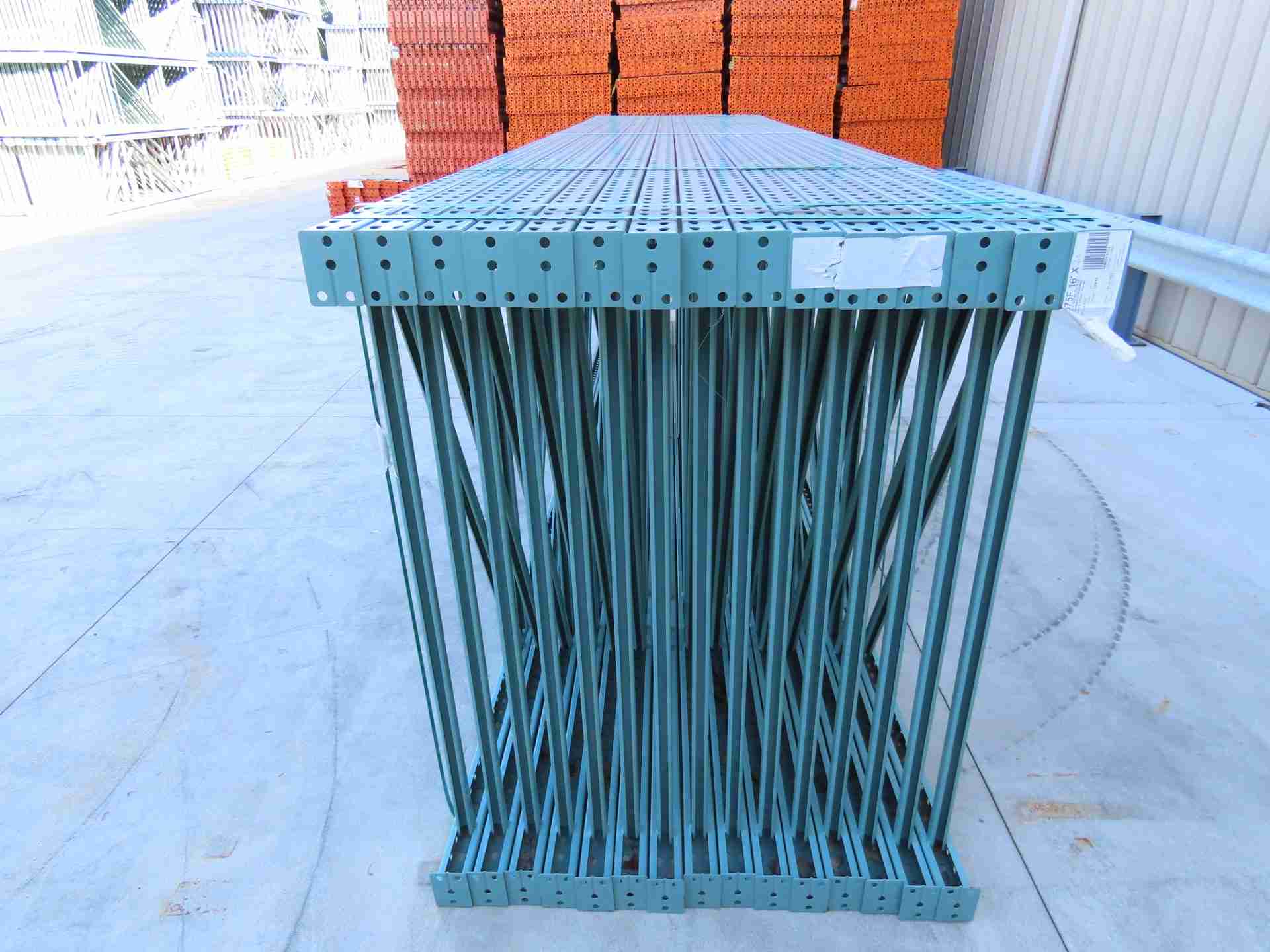
How Does Your Warehouse Performance Impact Customer Satisfaction?
How Does Your Warehouse Performance Impact Customer Satisfaction?
- A warehouse’s true value lies in the delivery of products, not just its physical infrastructure.
- Each package represents customer hopes and expectations, highlighting the emotional impact of timely deliveries.
- Warehouse efficiency contributes to customer satisfaction; errors can lead to lost trust and disappointment.
- Reliable operations enhance a company’s reputation, fostering customer loyalty in a competitive market.
- Meeting customer expectations is a moral obligation, showing respect for their time and trust.
- Strong connections between customers and products start in the warehouse, emphasizing the importance of performance.
- Effective warehouse management directly correlates with elevated customer satisfaction and loyalty.
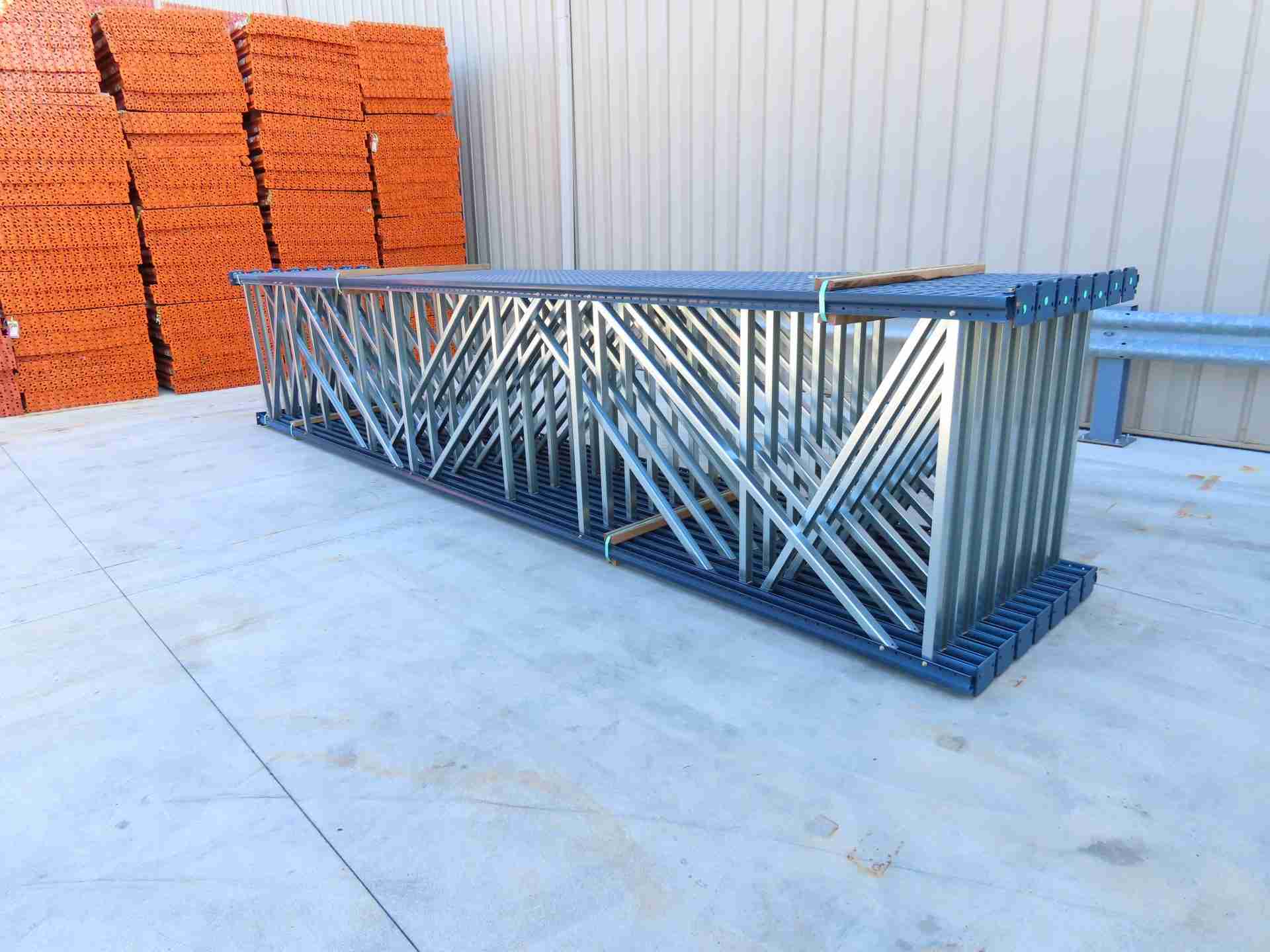
How Does Your Warehouse Performance Impact Customer Satisfaction?
Are There Ethical Implications Of Poor Coordination In Installations?
When you step back and examine the world of installations, you quickly see that poor coordination doesn’t just lead to delayed timelines or cost overruns—it strikes at the very heart of our shared values. We live in a society built on teamwork, where every task relies on individuals coming together, communicating clearly, and executing with precision. When racking systems, for instance, are poorly coordinated, it’s not just the racking that ends up in disarray. Equipment mismatches, misplaced materials, and frustrated workers become the byproducts of a lack of focus. This isn’t just a logistical failure; it’s a moral one.
Imagine a hardworking crew, each member bringing their unique skills to the table, yet everything falls apart when a simple installation detail is overlooked. Think about that feeling of disappointment when they realize that poor communication and planning have led to more work for everyone involved. It’s frustrating and disheartening, and it can lead to a loss of trust—amongst colleagues, clients, and the community at large. In an age where we value transparency and accountability, these ethical implications resonate loudly.
From a rational standpoint, the ripple effects of poor coordination can be astronomical. Delayed projects not only hit the pocketbooks of companies, but they can also trickle down and negatively impact ordinary lives. People lose hours, days, or even weeks waiting for solutions that might have been resolved with basic planning. Beyond money, we’re trading in time—a non-renewable resource. The gut-wrenching realization that our lack of attention can impact someone’s livelihood is a burden we all share.
Now, let’s talk about authority. As leaders or stakeholders in the installation industry, we have a responsibility to set the tone. We must advocate for better practices, ensuring that our teams are equipped with the tools they need—not just physically, but communicatively and emotionally. The very foundation of our trade relies on trust, and trust is built on strong relationships and effective collaboration.
Finally, let’s relate to each other: You’ve felt it, I’ve felt it. We’ve all been in a situation where a lack of coordination disrupted our lives, leaving us frustrated and questioning the integrity of the process. Together, let’s commit to fostering better teamwork. Let’s take action to ensure that each installation is not merely a task to be checked off but a collaborative effort that embodies our shared commitment to excellence and respect. When we do that, we are not only doing our jobs—we are reinforcing the ethical fabric of our community.
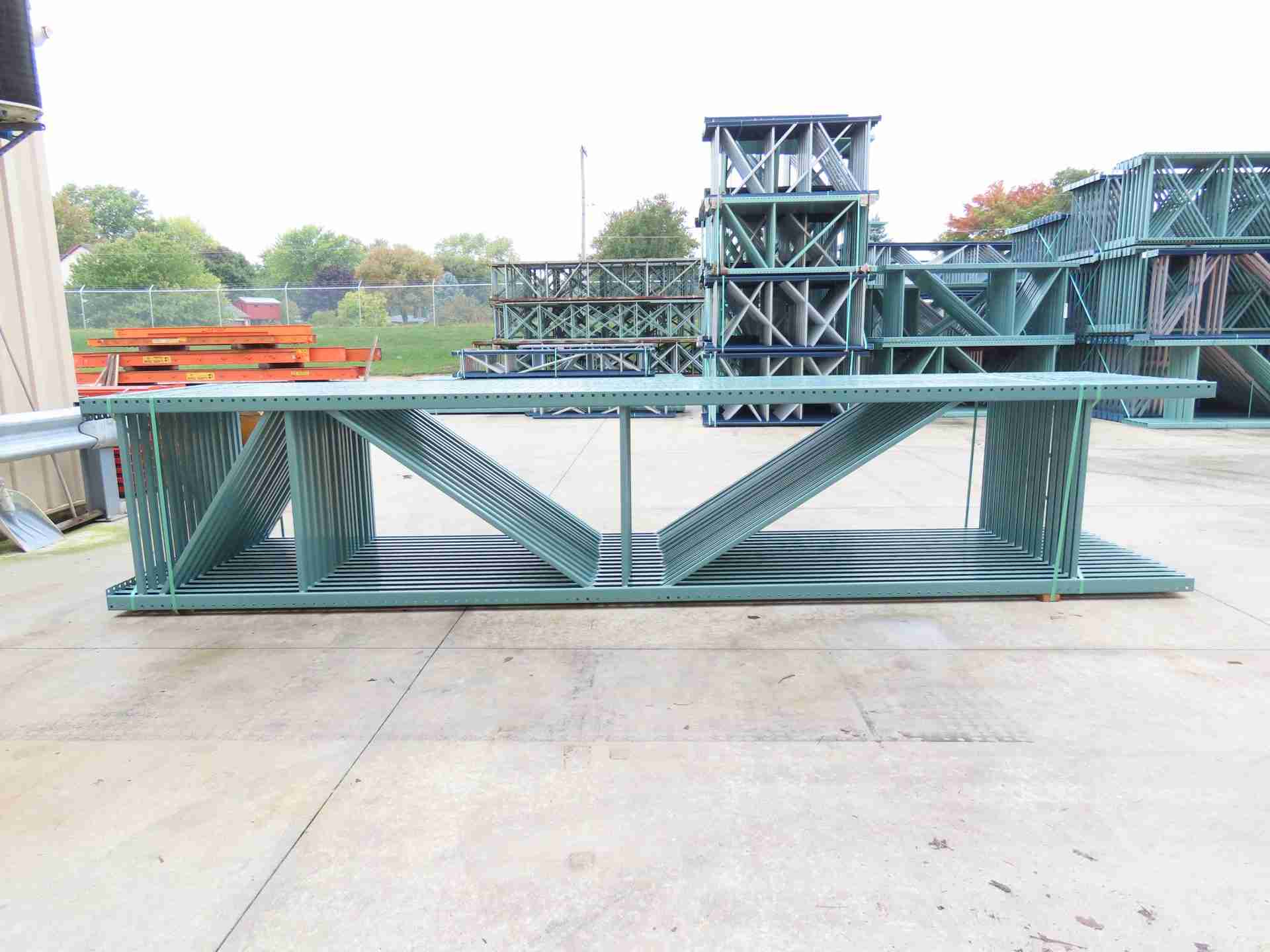
Are There Ethical Implications Of Poor Coordination In Installations?
Are There Ethical Implications Of Poor Coordination In Installations?
- Poor coordination in installations leads to delayed timelines, cost overruns, and erosion of shared values.
- Effective teamwork relies on clear communication and precise execution among individuals.
- Issues such as equipment mismatches and misplaced materials stem from a lack of focus and coordination.
- Disappointment arises when installation details are overlooked, resulting in additional work for everyone involved.
- The ripple effects of poor coordination extend beyond financial losses, affecting people’s time and livelihoods.
- Leaders in the installation industry must advocate for better practices and equip teams with necessary tools for success.
- Enhancing teamwork and collaboration reinforces the ethical fabric of the community and promotes a shared commitment to excellence.
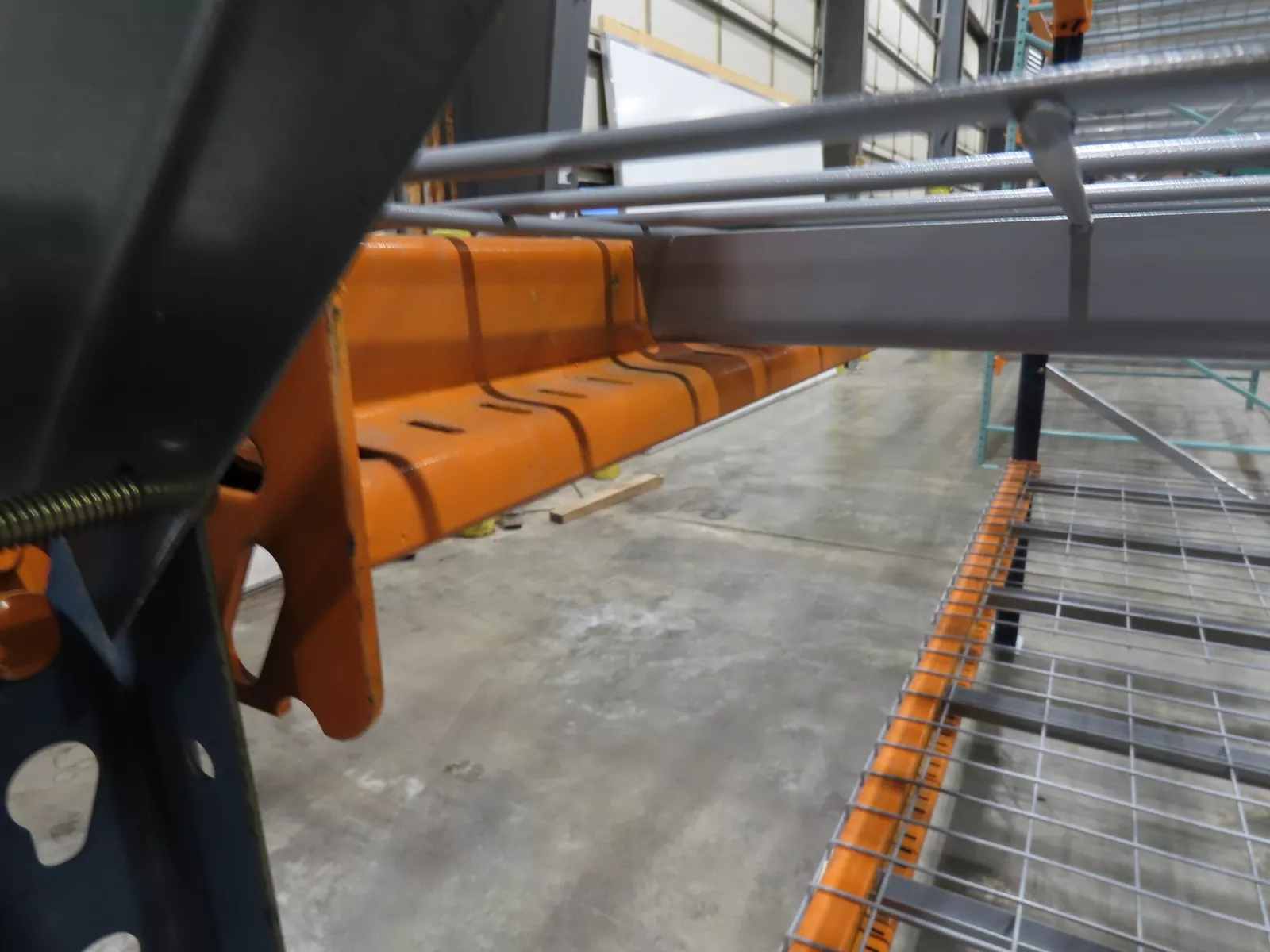
Are There Ethical Implications Of Poor Coordination In Installations?
What Strategies Can Ensure Seamless Communication Between Teams?
In the grand design of teamwork, communication can often feel like the oil that keeps the gears spinning smoothly. It’s a challenge, but one that’s entirely surmountable with a few intentional strategies. Imagine a workplace where every voice is heard, every idea is valued, and every team feels connected. Now, that’s something worth achieving.
Start by dismantling barriers. Those invisible walls that exist between departments can create silos that stifle innovation and trust. Racking your brain for solutions? Try fostering a culture where open dialogue is the norm. Schedule regular catch-ups that aren’t just about ticking boxes but creating connections. When team members from different areas share their triumphs and struggles, that camaraderie will transform your workplace into a vibrant community.
Next, there’s the power of technology. In a world where digital noise can drown out meaningful interaction, platforms designed for seamless collaboration can save the day. Make it easy for team members to exchange ideas and offer feedback with tools that promote clarity and accessibility. When everyone’s on the same page, not only does productivity soar, but it also builds a sense of belonging. That feeling, my friends, is essential. It’s about more than just getting the job done; it’s about fostering relationships.
The rhythm of communication isn’t found solely in tools or meetings; it flourishes in the way we listen. Reinforce the notion that every team member’s input is crucial. When someone shares a thought or concern, treat it like gold. Acknowledge, evaluate, and respond. This isn’t just about strategy; it’s a commitment to the people behind the work. It sends a clear message: every voice matters, and every idea counts. You want trust and confidence? It blooms when people feel respected and valued.
Lastly, embrace storytelling. Everyone has a narrative, a lesson learned, or a moment of triumph. Sharing these can bridge gaps and spark inspiration. By weaving together these personal anecdotes, you not only humanize the workplace but create bonds that withstand any storm of challenge.
Transforming communication from an obligation into an opportunity can light up your team’s spirit. It’s about connection. It’s about purpose. Racking your heart and mind for ways to engage? Start here: cultivate an environment of openness, leverage technology wisely, listen intently, and tell your stories with pride. That’s how you ignite a culture built on trust, collaboration, and unwavering success.
What Strategies Can Ensure Seamless Communication Between Teams?
What Strategies Can Ensure Seamless Communication Between Teams?
- Effective communication is crucial for seamless teamwork, acting as the oil that keeps the gears running smoothly.
- Dismantling barriers between departments can prevent silos that hinder innovation and trust.
- Foster a culture of open dialogue through regular catch-ups that focus on building connections.
- Leverage technology to facilitate idea sharing and feedback, enhancing clarity and accessibility.
- Every team member’s input should be valued; acknowledging contributions fosters trust and respect.
- Embrace storytelling to bridge gaps and spark inspiration, humanizing the workplace.
- Transform communication from an obligation into an opportunity to build a culture of trust and collaboration.
What Strategies Can Ensure Seamless Communication Between Teams?
How Do Industry Leaders Manage Their Installation and Warehouse Flow?
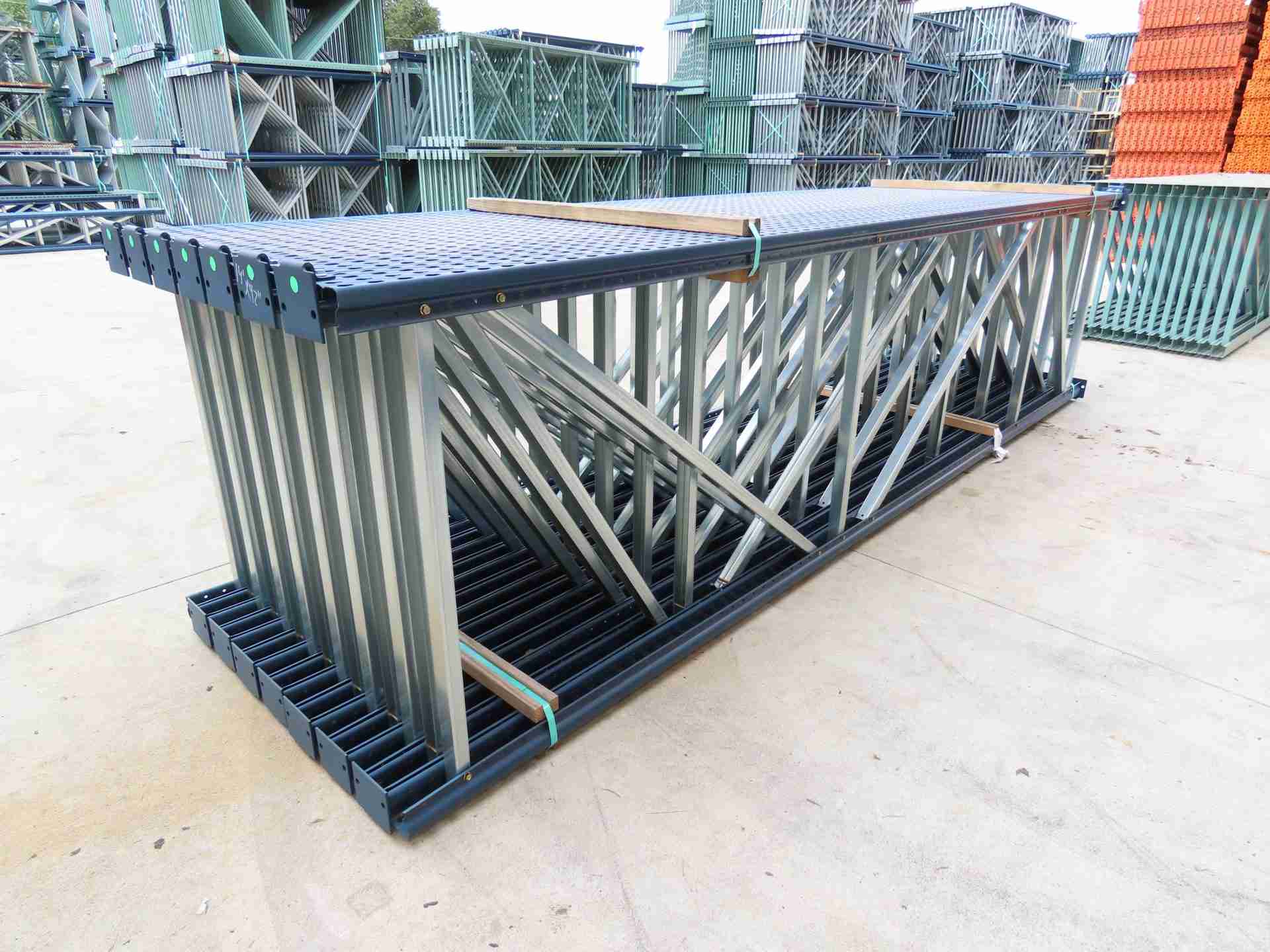
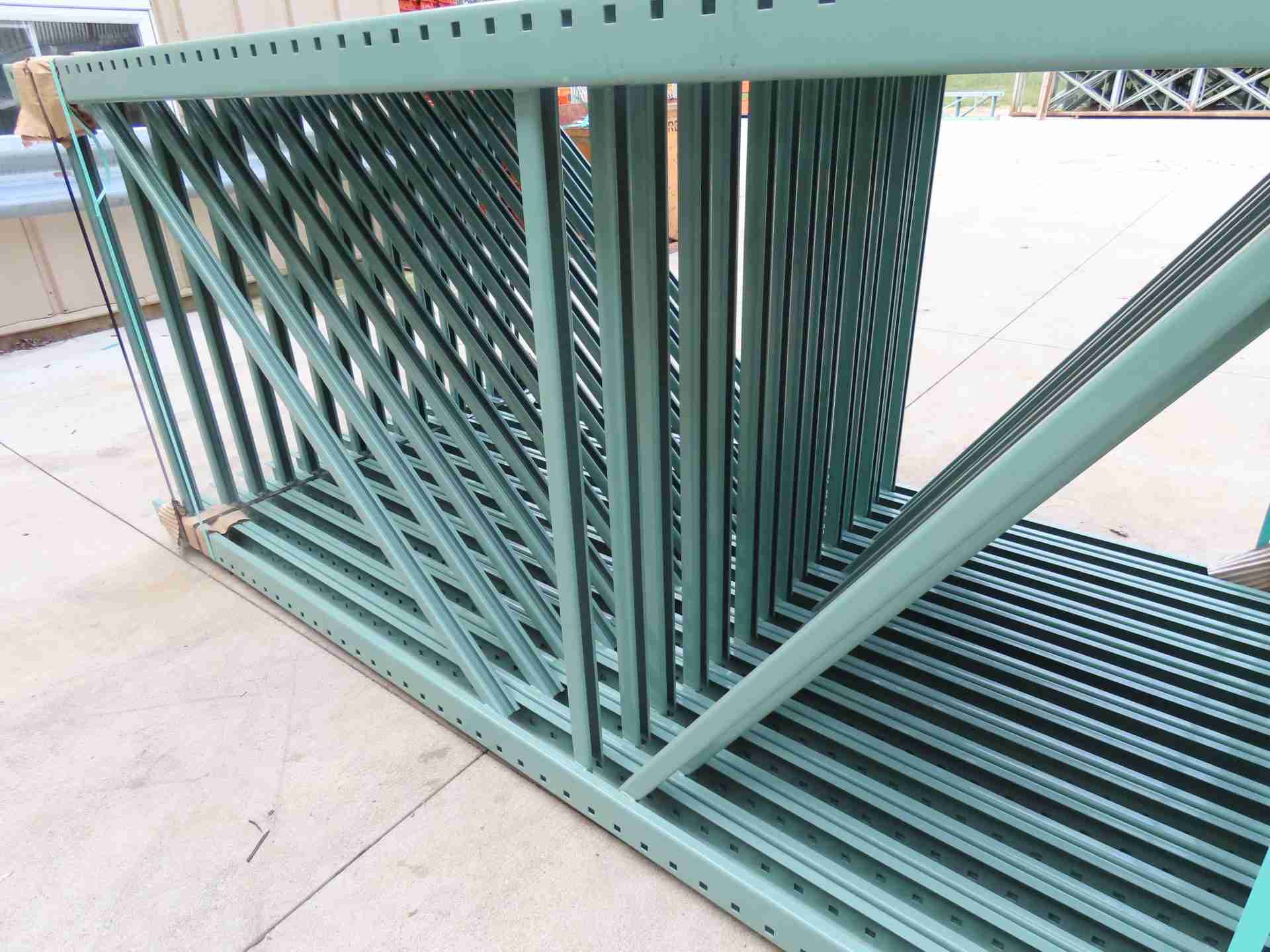
When you walk into a bustling warehouse—rows of meticulously organized racking stretching toward the sky—it’s hard not to feel a swell of admiration. These aren’t just stacks of materials; they’re the lifeblood of every operation, each item a cog in a well-oiled machine that delivers on promises made to customers. Industry leaders know this well. They understand that managing installation and warehouse flow isn’t just about logistics; it’s about creating a culture where every worker feels valued and part of a bigger mission.
From the seasoned warehouse manager with decades of experience to the eager young newcomer, everyone plays a role. Leaders recognize that it’s not enough to simply direct traffic; they must inspire their teams to take ownership of their tasks. When employees see their contributions reflected in efficient processes, it fosters a connection that transcends the ordinary grind of work. Take, for instance, a simple racking system: what appears to be a straightforward setup is, in reality, a testament to teamwork, planning, and shared values.
Behind each fork truck and pallet is a story—a driver who took pride in their craft, a team that went above and beyond to meet a deadline, and the very real stakes of everyday life that hinge on getting it right. That emotional pulse drives successful organizations. They instill a sense of purpose, creating environments where workers feel accountable not just to the company, but to each other.
Rational decision-making also plays a significant role in these dynamics. Leaders utilize data analytics to refine processes, ensuring that every square foot of space is optimized. They conduct regular training sessions that blend education with experience, allowing staff to anticipate bottlenecks before they occur. This commitment to ongoing improvement isn’t just smart—it’s ethical. It signals to employees that their development matters, building trust in the management above them and faith in the overall mission.
And while the process is complex, the outcome is often as simple as success. When a team effectively collaborates, the synergies created can lead to reduced costs, improved delivery times, and ultimately, satisfied customers. As these industry leaders continue to innovate and adapt, they create not just a functional workspace but a community grounded in shared goals and victory—one where every worker feels heard and every effort recognized. It’s a powerful narrative of unity, progress, and the relentless pursuit of excellence in installation and warehouse flow.
How Do Industry Leaders Manage Their Installation and Warehouse Flow?
How Do Industry Leaders Manage Their Installation and Warehouse Flow?
- Admiration for organized warehouses as essential to operational success.
- Industry leaders focus on creating a culture valuing every worker’s contribution.
- Leaders inspire teams to take ownership of their tasks beyond directing traffic.
- Racking systems symbolize teamwork, planning, and shared values.
- Emotional connections among workers drive organizational success and accountability.
- Data analytics and training help optimize processes and anticipate bottlenecks.
- Successful collaboration leads to reduced costs, improved delivery, and satisfied customers.
How Do Industry Leaders Manage Their Installation and Warehouse Flow?
Conclusion
Coordinating installations with warehouse operations is a blend of art and science, a meticulous dance requiring synchronization among every player involved. It’s not just about making sure that the racking systems are installed correctly; it’s about enhancing the lives of those who dedicate their time and effort within those walls. Each box that comes in and goes out represents aspirations and livelihoods, bearing the weight of expectations. When things go awry during installations, it’s more than a logistical hiccup; it’s a blow to the morale of the people on the ground, the unsung heroes who keep the system running smoothly.
To navigate the complexities of these installations, fostering a culture of teamwork and open communication is essential. Every team member must understand their role in the grand scheme. Transparency is vital—everyone should be aware of the timeline, the challenges ahead, and how each person’s contribution is integral to the overarching vision. It builds trust and camaraderie. This isn’t just a workplace; it’s a community built on shared values and mutual respect, where every individual sees their effort reflected in the success of the team.
Of course, logistics play a key role in this equation. Smart scheduling during quieter times and prioritizing safety measures ensure that installations do not become a source of stress. Each precaution and update should serve as a testament to the value placed on the workforce’s well-being. Ethically, we owe it to our teams to create environments where they feel safe, respected, and honored for their contributions.
Moreover, in every setback lies an opportunity for growth. Mistakes are part of the journey, turning into lessons that strengthen bonds among team members. The shared stories of overcoming challenges not only humanize the process but create emotional connections that endure. They transform a group of individuals into a tight-knit unit, capable of navigating adversity more effectively.
As we reflect on the broader implications, we see that efficient warehouse operations directly impact customer satisfaction. When every asset is taken seriously, from the products handled to the processes followed, we don’t just meet expectations; we exceed them. Customers remember who got it right, and a culture of excellence fosters loyalty and trust.
So, let’s remember: Every installation is not merely a task to check off but an opportunity to strengthen relationships, both within the team and with the customers we serve. Embrace the challenges as they come, communicate openly, and always strive for improvement—because in this intricate dance of installation and operation, success is a shared journey built on the heart, mind, and spirit of togetherness.
Conclusion
Conclusion:
- Coordinating warehouse installations requires synchronization among all team members.
- Installations impact the morale of the workforce, representing aspirations and livelihoods.
- Teamwork and open communication are essential for navigating installation complexities.
- Transparency regarding timelines and challenges builds trust and camaraderie among team members.
- Logistics, smart scheduling, and safety measures are crucial to minimize stress during installations.
- Setbacks provide growth opportunities, fostering emotional connections and strength within the team.
- Efficient warehouse operations enhance customer satisfaction and foster loyalty through a culture of excellence.
Conclusion
Other Resources
Other Resources
Here is a list of other resources you can review online to learn more:
- Selective Rack – Raymond West
- Used Teardrop Pallet Rack – American Surplus
- Arrow Industrial Sales
- Storage Equipment Manufacturers Association
- Total Warehouse
- Interlake
- Shipping Boxes, Packaging Materials, Pallet Racking
- Material Handling Safety
- RMI
- Overhead Lifting
- Teardrop Pallet Rack – Ridg-U-Rak
- Pallet Racking systems in Illinois and Great Lakes
- Cantilever Rack Configuration & Installation: A Comprehensive Guide – BMH
- National Safety Council
- Warehouse Racking Layout: The Ultimate Guide – Conger
- Teardrop Industrial Shelving Rack
- What is Selective Pallet Racking
- International Warehouse Logistics Association
- WERC
- Illinois Pallet Racking – WPRP
Use This Prompt To Get More Resources With Your Favorite Online AI Tool: Please provide me with a list of online articles with their URLs in a bulleted list that I can read regarding How to Coordinate Installations with Warehouse Operations
Other Resources
Glossary Terms
How to Coordinate Installations with Warehouse Operations – Glossary Of Terms
1. Installation: The process of setting up equipment or systems in a designated location.
2. Warehouse Operations: The management of activities within a warehouse, including receiving, storing, and shipping goods.
3. Logistics: The planning and execution of the movement and storage of goods from origin to consumption.
4. Inventory Management: The supervision of supply levels, storage, and stock movement to ensure efficiency.
5. Scheduling: The process of planning when installations will take place to minimize disruption in operations.
6. Communication: The exchange of information among teams to ensure alignment on installation plans and timelines.
7. Vendor Coordination: Working with third-party suppliers or contractors to ensure timely delivery and installation of equipment.
8. Project Management: The application of knowledge, skills, tools, and techniques to oversee installation projects effectively.
9. Forklift Operations: The use of forklifts in warehouse settings to move, lift, and stack goods efficiently.
10. Safety Protocols: Established guidelines to ensure safety during installation activities and warehouse operations.
11. Receiving: The process of taking possession of goods delivered to the warehouse.
12. Shipping: The act of sending goods from the warehouse to distribution centers or customers.
13. Space Utilization: Optimizing the use of available warehouse space for efficient storage and operation.
14. Dock Scheduling: Coordinating the timeline for loading and unloading goods at loading docks.
15. Equipment Testing: Evaluating installed equipment to ensure it functions properly before full operation.
16. Training: The process of educating personnel on new systems or equipment during or after installation.
17. Operational Efficiency: The effective use of resources to achieve maximum productivity within warehouse operations.
18. Change Management: The approach to transitioning individuals, teams, and organizations during installation projects.
19. Risk Assessment: Identifying and evaluating risks associated with installation and warehouse operations.
20. Resource Allocation: Distributing necessary resources, including manpower and materials, for installation efforts.
21. Workflow Optimization: Improving processes to enhance productivity and operational flow in both installations and warehouse functions.
22. Compliance: Adhering to legal, safety, and industry regulations during installations and warehouse operations.
23. Work Orders: Documents that outline tasks required for installation and allow tracking of their completion.
24. Troubleshooting: The process of diagnosing and resolving issues that arise during or after installations.
25. Stakeholder Engagement: Involving relevant parties, such as warehouse staff and management, in the installation process.
26. Transition Plan: A strategy detailing how operations will shift from the old system to the new installation.
27. Load Planning: Determining the optimal way to pack and load goods to maximize space and efficiency.
28. Lead Time: The amount of time required to complete tasks from order to installation.
29. Performance Metrics: Standards used to measure the effectiveness and efficiency of warehouse operations post-installation.
30. Feedback Loop: Continuous communication process that allows staff to provide insights on installations and ongoing operations for improvement.
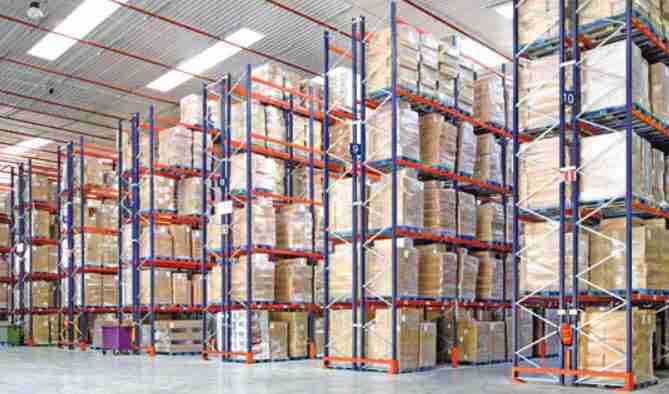
Glossary Of Terms
Other Questions
How to Coordinate Installations with Warehouse Operations – Other Questions
If you wish to explore and discover more, consider looking for answers to these questions:
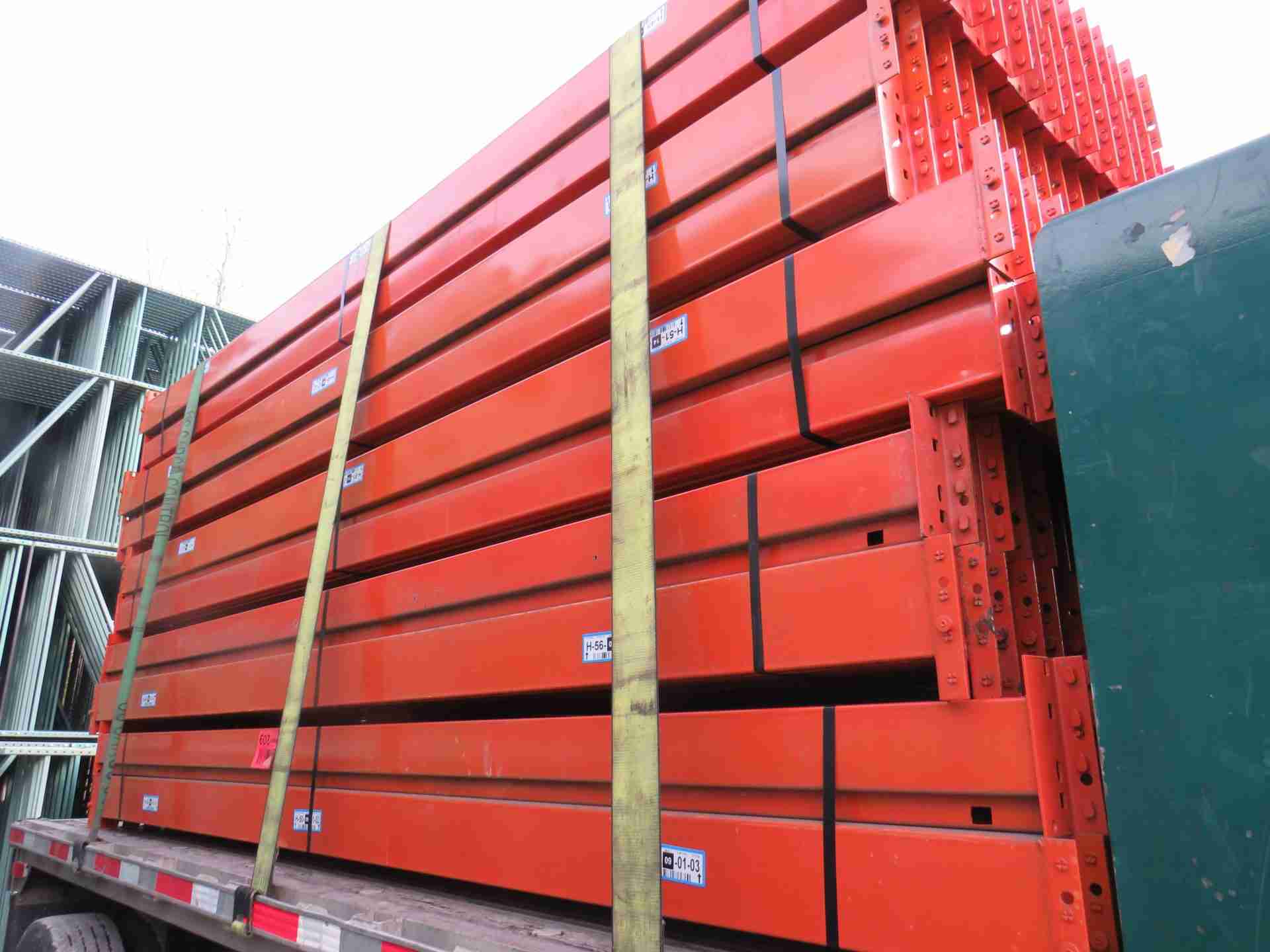
Other Questions
Checklist
How to Coordinate Installations with Warehouse Operations – A Checklist
Installation and Warehouse Operations Coordination Checklist
Emotional Appeals
_____ Reflect on the value of each team member’s contribution to the installation process.
_____ Share positive stories from past installations to inspire teamwork and camaraderie.
_____ Foster an environment where employees feel proud of their successes and challenges.
Rational Appeals
_____ Schedule installations during off-peak hours for minimal disruption.
_____ Maintain clear communication with warehouse staff about installation plans and expectations.
_____ Utilize data analytics to assess and optimize warehouse operations continually.
Ethical Appeals
_____ Prioritize safety in all installation procedures to protect team members and assets.
_____ Recognize the ethical responsibility to ensure transparency and trust within the team.
_____ Commit to continuous improvement practices that support both individual growth and team success.
Authority Appeals
_____ Provide training sessions to educate the team on best practices for installations.
_____ Encourage senior team members to mentor newcomers on effective coordination techniques.
_____ Implement industry-standard procedures for all aspects of installations.
Narrative Appeals
_____ Document and share stories of successful installations that emphasize teamwork and problem-solving.
_____ Create a whiteboard or digital platform for sharing lessons learned and experiences from past projects.
_____ Develop a shared vision narrative that connects individual roles to the overall goals of the warehouse.
Social Appeals
_____ Organize regular meetings that promote open dialogue among all team members.
_____ Implement team-building activities that strengthen relationships across departments.
_____ Encourage recognition and appreciation of team efforts by celebrating milestones and accomplishments.
Use this checklist as a guide to create a cohesive, supportive, and efficient environment in your installation and warehouse operations. Emphasize the importance of every contribution to motivate and engage your team.
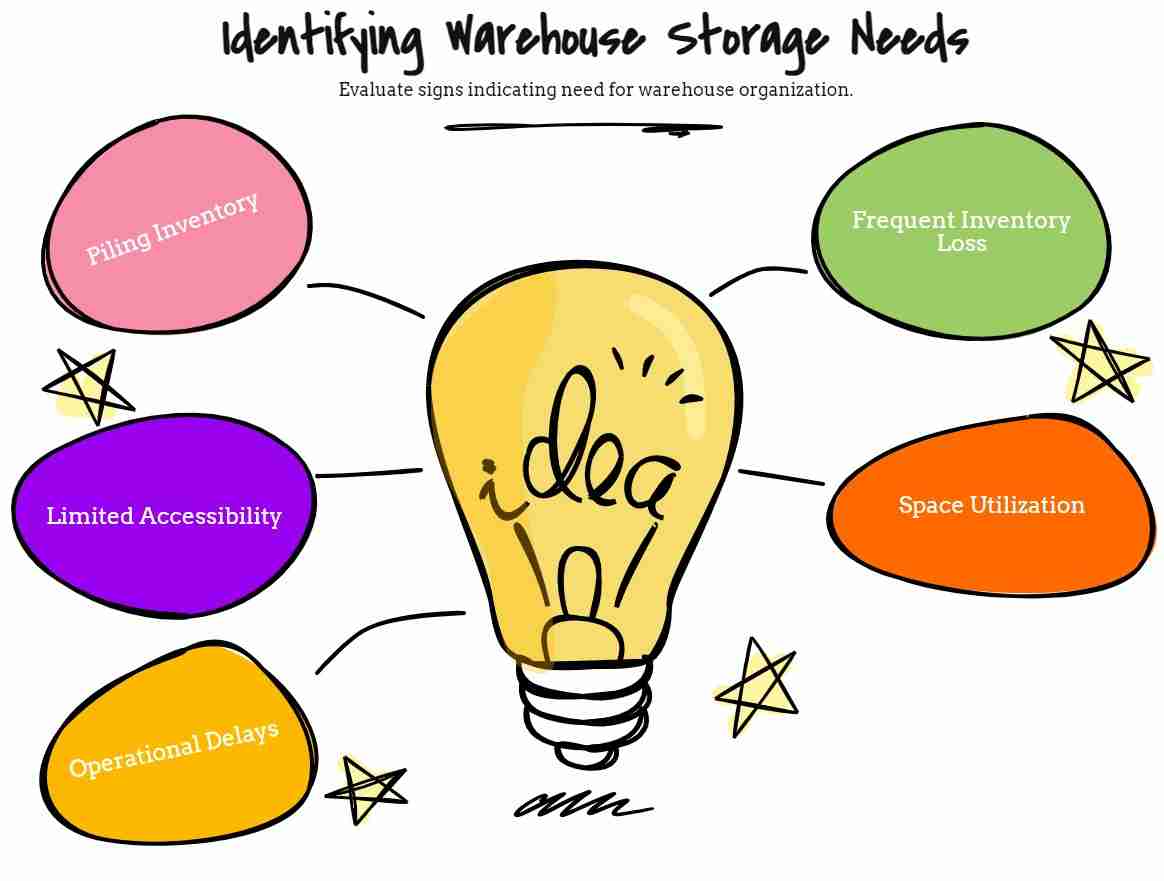
Checklist
At RackingWorld, we help guide you through selecting warehouse storage systems and racking.
Be sure to read our other related stories at RackingWorld to learn more about warehouse storage systems.
0 Comments