
Optimizing Your Warehouse Layout For Maximum Efficiency
By Tom Seest
At RackingWorld, we help guide you through selecting warehouse storage systems and racking.
Be sure to read our other related stories at RackingWorld to learn more about warehouse storage systems.
What Critical Mistakes Are You Making In Your Warehouse Layout?
When it comes to optimizing your warehouse layout, the difference between a bustling hub of productivity and a chaotic storage mishmash often boils down to a few crucial factors. Ask yourself: Are you unwittingly making critical mistakes that could be crippling your operations? One significant area to examine is your pallet racking system.
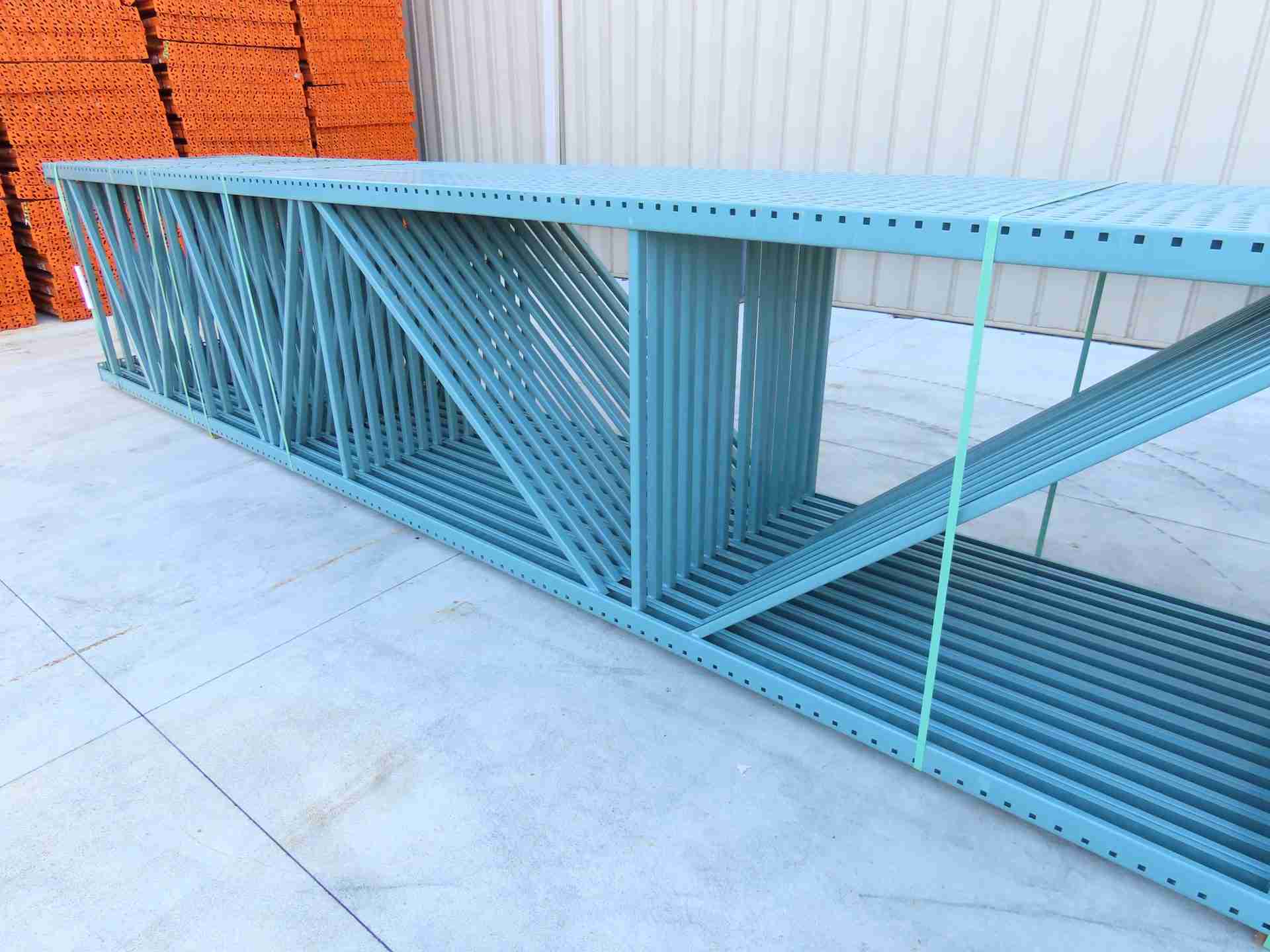
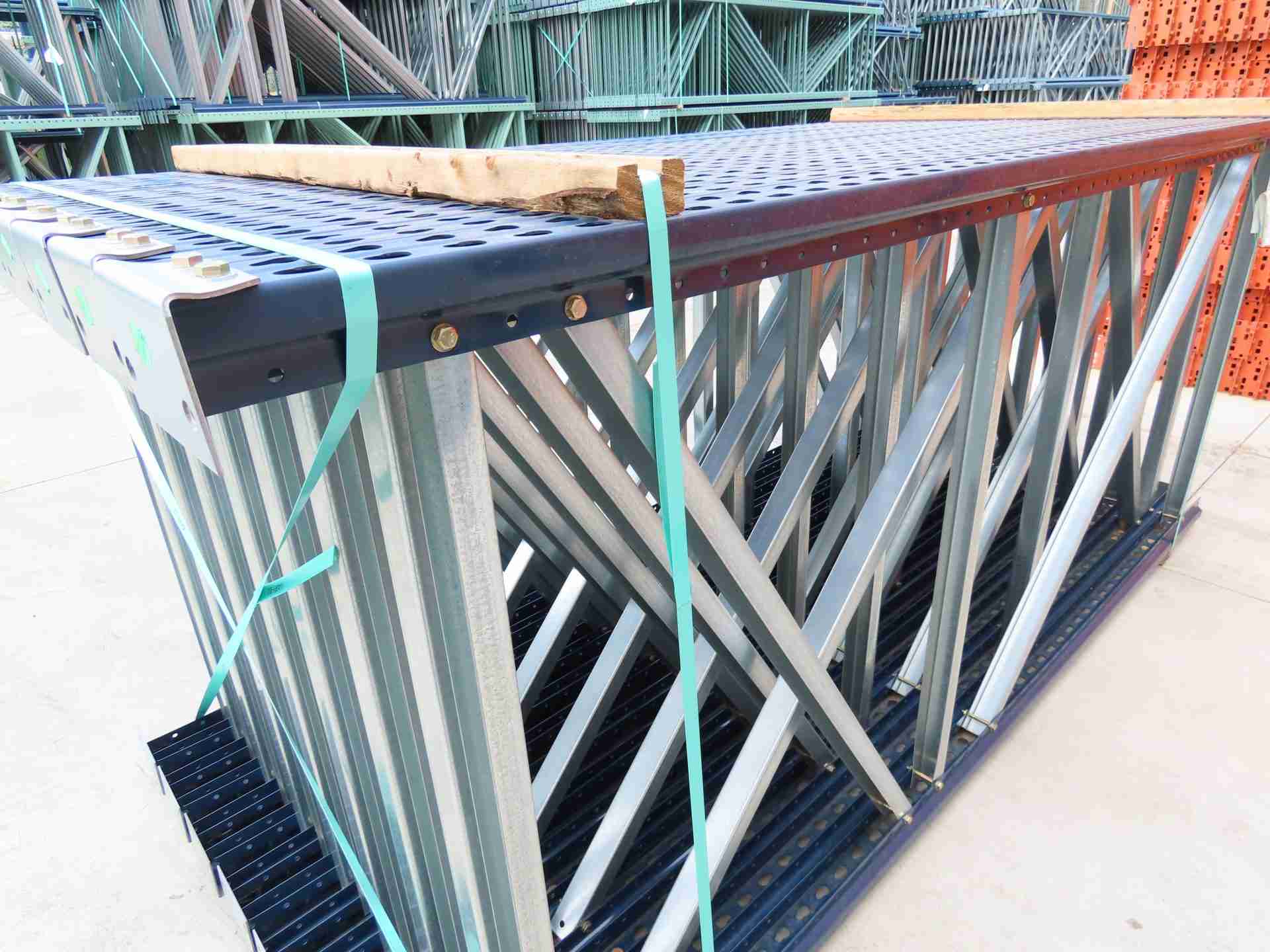
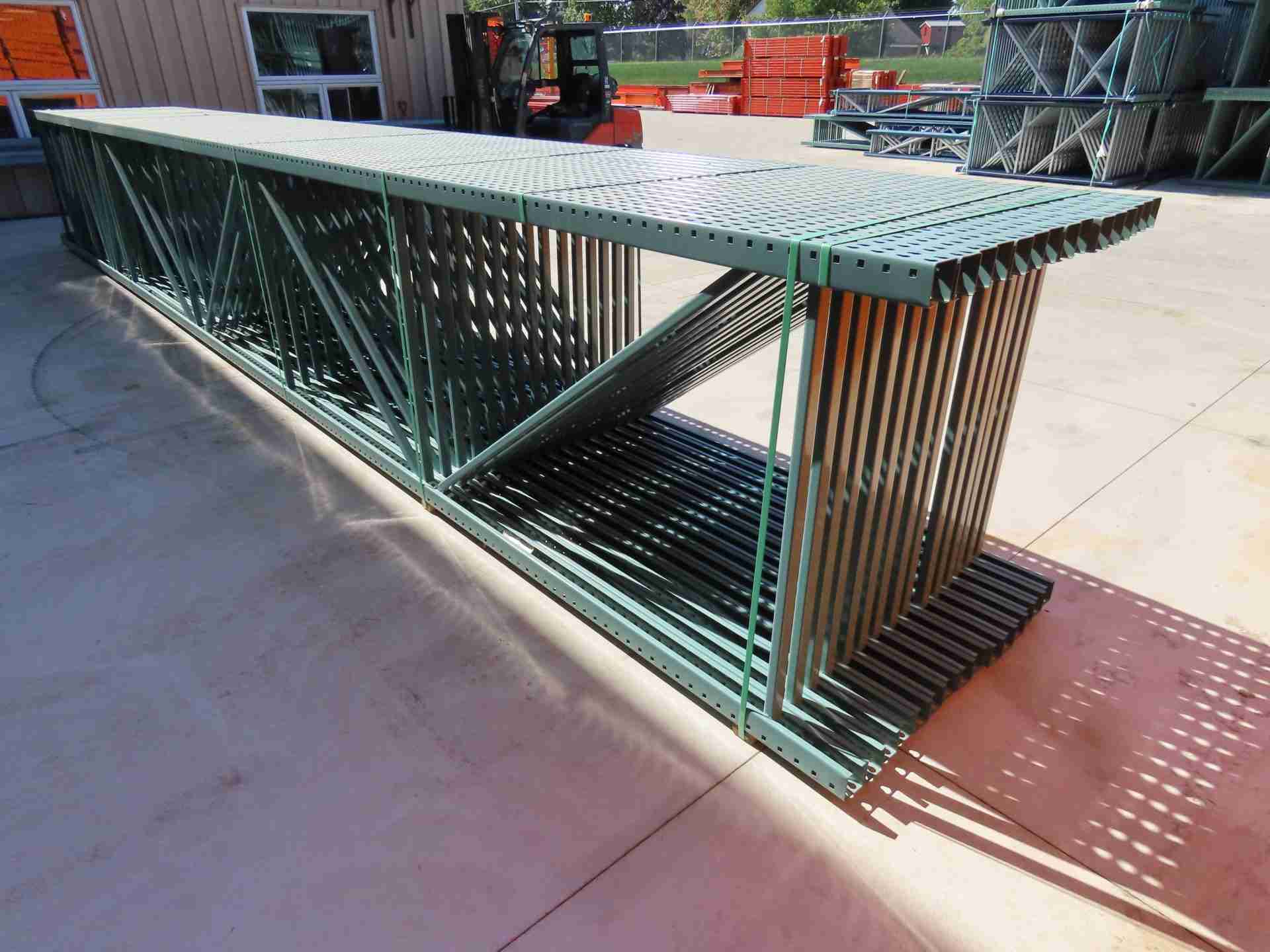
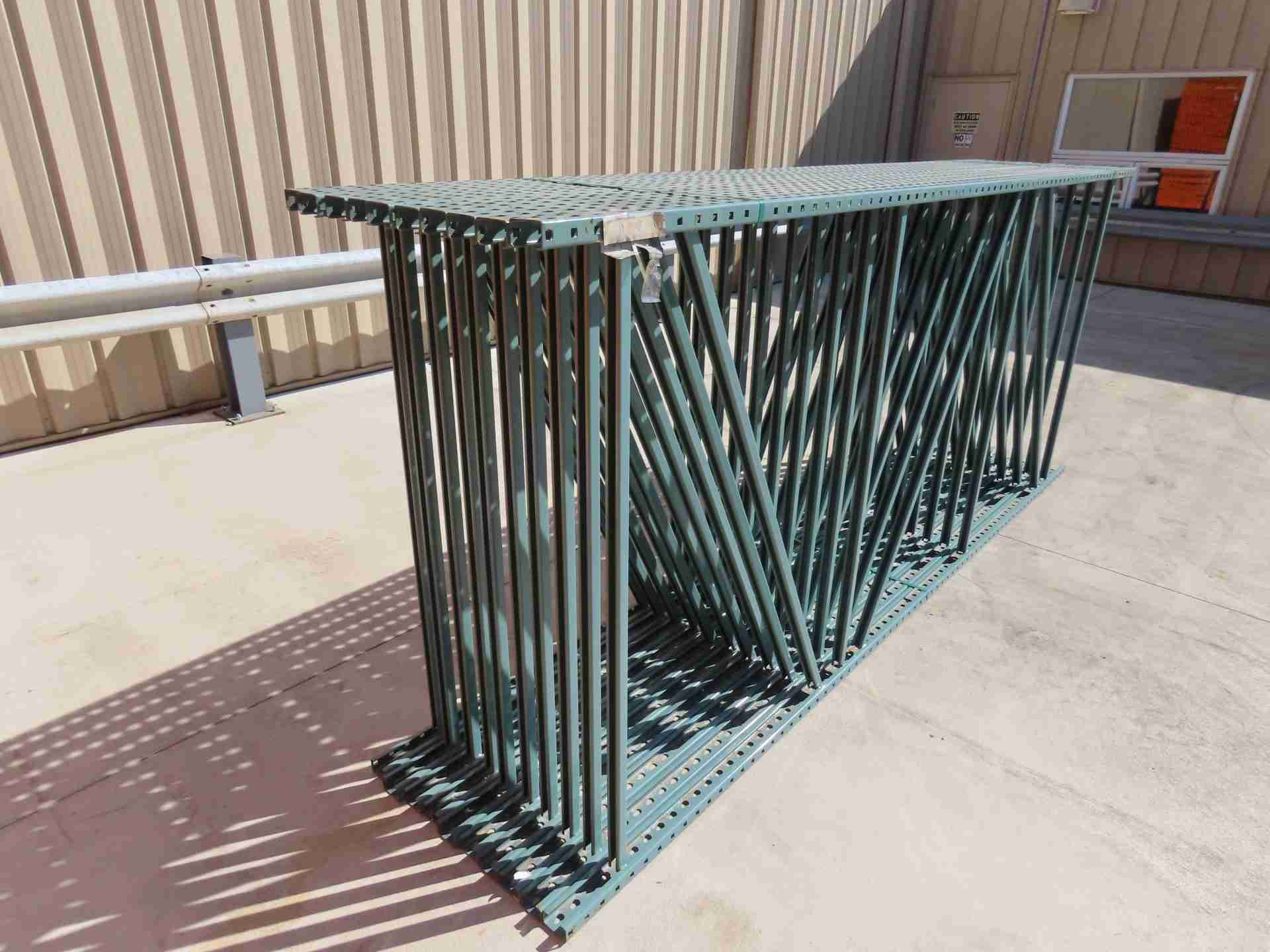
Pallet racking is much more than just a practical solution for vertical storage; it’s the backbone of your inventory management strategy. Yet, many businesses overlook its importance during their warehouse layout planning. Perhaps you’ve simply thrown together shelves in a rush, or maybe you haven’t fully considered how to maximize your vertical space. Many operators fail to align their pallet racking with the workflow and process in place. This oversight could mean wasted time, energy, and, quite frankly, money.
Consider the common pitfall of inefficient traffic patterns. If your layout resembles a labyrinth, your employees will spend more time navigating the maze than executing their tasks efficiently. Are aisles too narrow? Are they obstructed with random storage? The ideal layout streamlines traffic flow, allowing team members to swiftly move between storage, packing, and shipping areas. Imagine the satisfaction your staff will feel as they maneuver easily around the warehouse, enhancing productivity and morale.
Let’s also not overlook the crucial aspect of labeling and organization. Are your pallets clearly marked, and is your inventory system intuitive? Lack of clear labeling can lead to confusion and delays. Implementing a structured inventory management system that integrates seamlessly with your pallet racking can dramatically reduce errors and improve efficiency. A small investment in organization can yield substantial returns.
Moreover, don’t forget to regularly reassess your warehouse’s functionality. What worked six months ago may no longer be efficient as your business evolves. By scheduling routine reviews of your layout, including your pallet racking placement, you can make necessary adjustments that align with changing demands and technology advances.
If you want to transform your warehouse into a well-oiled machine, avoid these common mistakes and prioritize your layout. The road to efficiency is paved with thoughtful planning, continuous reassessment, and strategic use of space. Refresh your approach today and watch your productivity soar! Investing time in refining your warehouse layout will yield unprecedented results—don’t wait for chaos to strike before you take action!
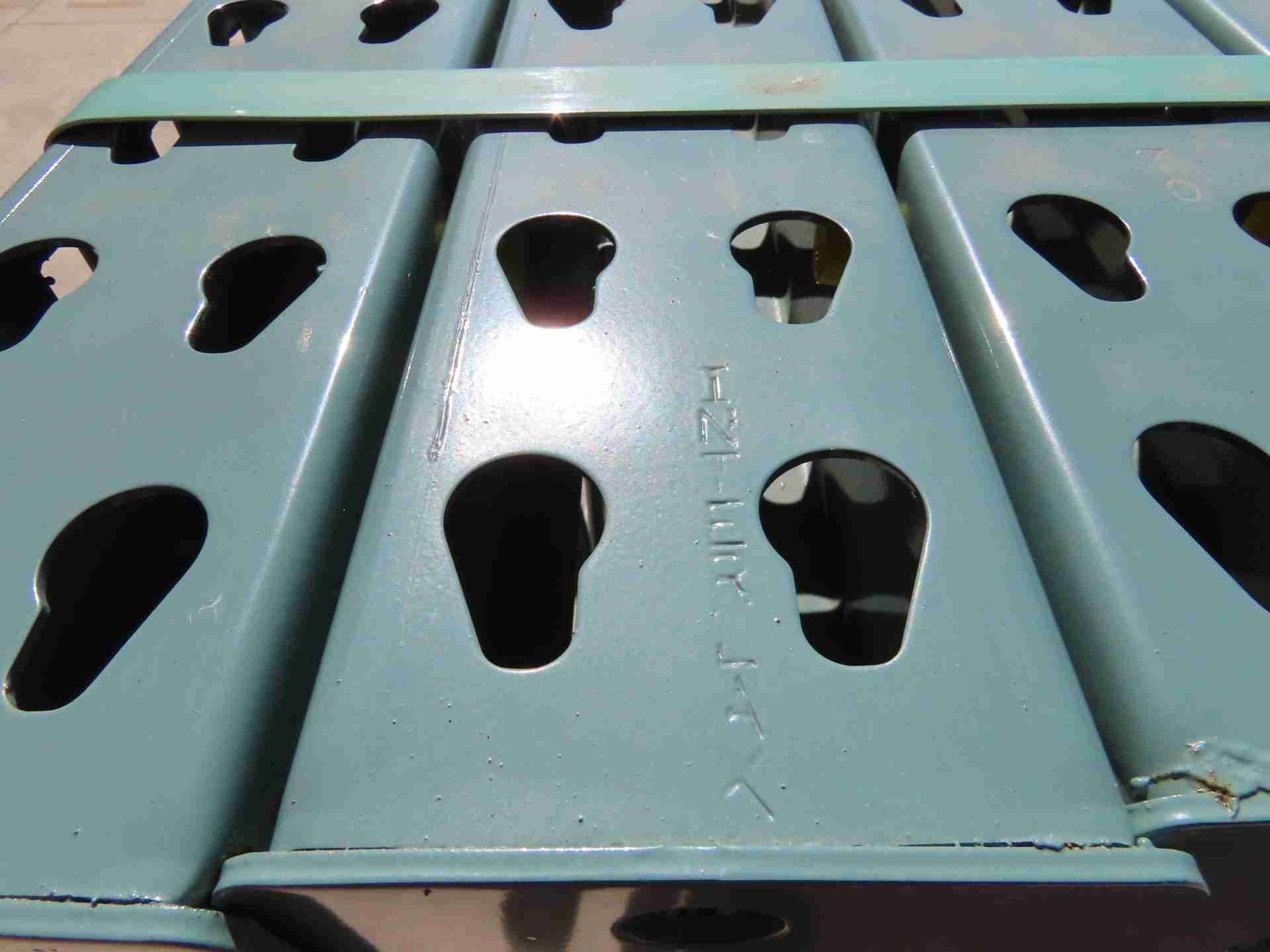
What Critical Mistakes Are You Making In Your Warehouse Layout?
What Critical Mistakes Are You Making In Your Warehouse Layout?
- Optimizing warehouse layout is key to productivity, avoiding chaotic storage.
- Pallet racking is essential for vertical storage and inventory management.
- Many businesses fail to align their pallet racking with workflows, leading to wasted resources.
- Inefficient traffic patterns can hinder employee productivity and navigation in the warehouse.
- Proper labeling and organization of pallets and inventory systems are crucial for efficiency.
- Regularly reassessing warehouse functionality ensures efficiency adapts to business changes.
- Thoughtful planning and continuous layout reassessment can significantly boost productivity.

What Critical Mistakes Are You Making In Your Warehouse Layout?
Table Of Contents
- What Critical Mistakes Are You Making In Your Warehouse Layout?
- What Common Layout Mistakes Affect Warehouse Efficiency?
- How Does Poor Organization Impact Productivity?
- Are You Maximizing Your Available Storage Space Effectively?
- What Role Does Aisle Width Play In Warehouse Operation?
- How Can Inadequate Signage Lead To Mistakes In A Warehouse?
- Are You Using The Right Shelving For Your Inventory Type?
- Conclusion
- Other Resources
- Glossary Of Terms
- Other Questions
- Checklist
What Common Layout Mistakes Affect Warehouse Efficiency?
When it comes to maximizing warehouse efficiency, the layout is your unsung hero or your worst enemy. Many businesses underestimate how a poorly designed space can stymie productivity, leading to frustration among staff and increased costs. Let’s dive into the most common layout mistakes you might be making, and why it’s crucial to address them before they become crippling roadblocks.
First off, consider your pallet racking. If your racking systems are not strategically positioned, you’re introducing unnecessary chaos into your operations. Think about it: how frustrating is it for employees to maneuver around poorly positioned racks that block pathways? The layout needs to facilitate smooth traffic flow—think of it as choreographing a dance. Every product should be easy to access without contorting one’s body like a pretzel. Simple adjustments, such as consolidating your pallet racking into logical zones, can yield significant time savings and create a more pleasant working environment.
Another blunder is neglecting vertical space. Many warehouses focus solely on the ground layout while overlooking the critical heights of their operations. Are your pallet racking systems reaching their paramount potential? Utilizing vertical storage effectively can free up valuable floor space, allowing you to increase inventory without compromising flow. Trust me, making the most out of every cubic inch not only enhances your productivity but also facilitates smoother order fulfillment.
Do you prioritize flexibility? A rigid design can quickly become a liability as your business evolves. As trends shift and your product lines grow, your warehouse layout must adapt. Consider using modular pallet racking solutions that allow for easy reconfiguration. This is more than just a good idea; it’s a safeguard against becoming obsolete. Flexibility fosters efficiency, giving your team the tools they need to respond to changing demands swiftly.
Finally, let’s talk about the overall flow of operations. A disjointed process can lead to chaos and inefficiency. Review your workflow—are employees crossing paths unnecessarily? Are materials moving in circles rather than in a streamlined direction? Ensure that your layout supports a natural flow, reducing travel time and thereby enhancing productivity.
In summation, every inch of your warehouse matters. Correcting these common layout mistakes not only boosts efficiency but also cultivates a revitalized working environment where productivity thrives. Don’t just rearrange; strategize, innovate, and take your operations to the next level. Make the changes today and watch your efficiency soar!
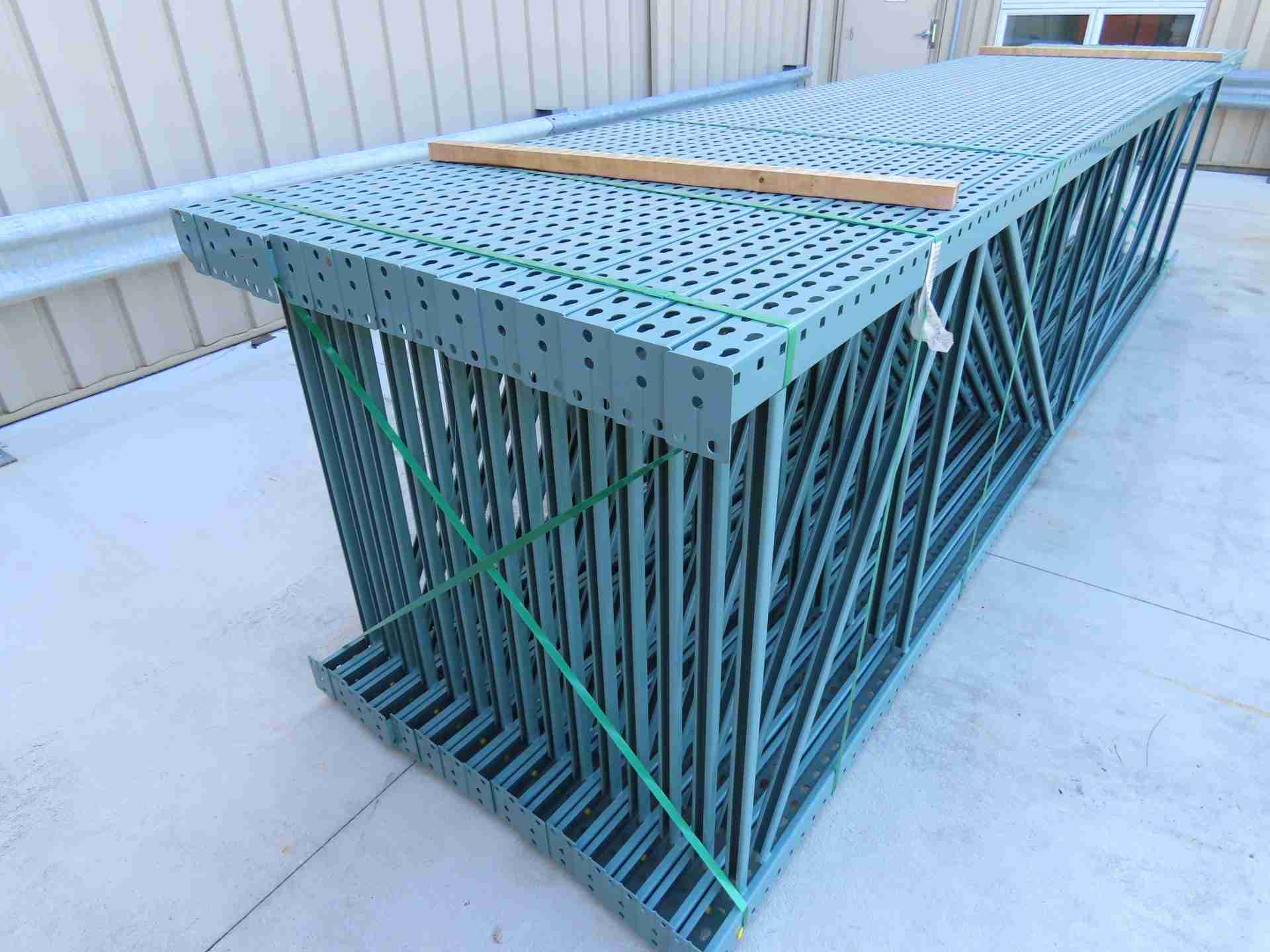
What Common Layout Mistakes Affect Warehouse Efficiency?
What Common Layout Mistakes Affect Warehouse Efficiency?
- The layout of a warehouse is critical to maximizing efficiency and can either enhance or hinder productivity.
- Pallet racking must be strategically positioned to facilitate smooth traffic flow and easy access to products.
- Neglecting vertical space limits inventory potential; utilizing vertical storage can free up valuable floor space.
- Prioritizing flexibility in warehouse design allows for adaptation as business needs and product lines evolve.
- Implementing modular pallet racking solutions enables easy reconfiguration to meet changing demands.
- A well-planned workflow minimizes unnecessary crossing of employee paths and streamlines material movement.
- Addressing common layout mistakes can significantly boost efficiency and foster a more productive working environment.
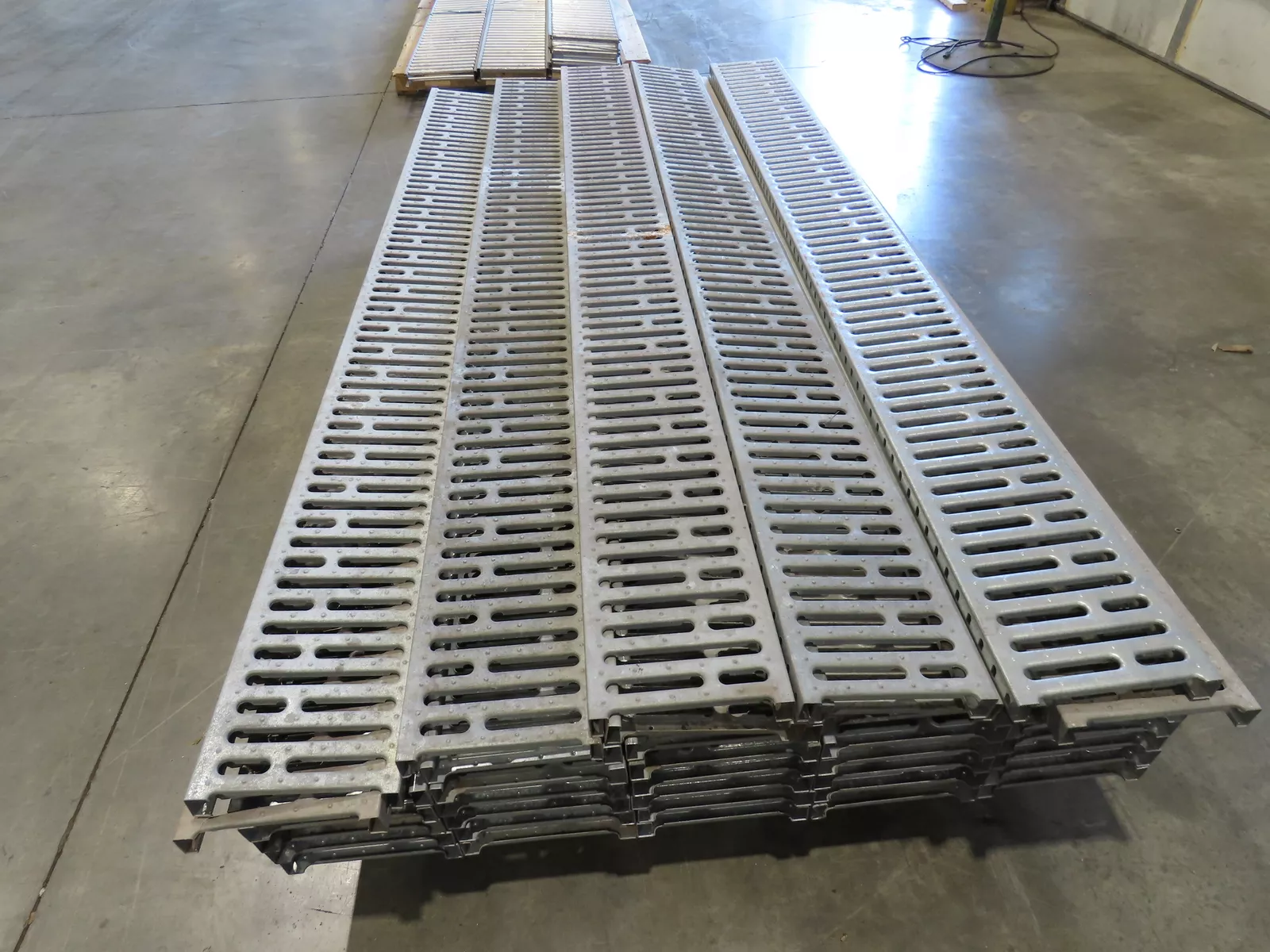
What Common Layout Mistakes Affect Warehouse Efficiency?
How Does Poor Organization Impact Productivity?
Picture this: You walk into your workspace, and chaos greets you like an unwelcome guest. Papers are strewn across desks, tools are buried under piles of clutter, and the inventory on your pallet racking is more disorganized than a toddler’s playroom. Now, ask yourself: how does this messy environment affect your productivity?
First and foremost, poor organization leads to wasted time. Time is your most valuable asset. Every minute spent hunting for misplaced items or navigating a maze of disarray pulls you away from essential tasks. Let’s say you run a warehouse, and your pallet racking is inefficiently arranged. You need a specific product, yet you find yourself meandering through an obstacle course of boxes to locate it. What if I told you that every minute you spend looking for an item is a minute you could have spent serving clients, strategizing for growth, or even brainstorming your next big idea? The clock is ticking, and unproductive hours add up faster than you think.
Moreover, an unorganized workspace fosters frustration. When you feel overwhelmed, your mental clarity suffers. Disorganization creates a ripple effect that can stifle creativity and drain motivation. Have you ever had that moment when you sit at your desk, surrounded by chaos, and struggle to focus? It’s disheartening, isn’t it? It’s easy to lose sight of your goals when you’re entangled in disorder. But here’s the silver lining: by taking the time to implement strategic organization practices—like optimizing your pallet racking and establishing clear inventory protocols—you can transform your workspace into a hub of efficiency and inspiration.
But we know that it’s not merely about tidying up; it’s about creating a structure that empowers you. By investing in proper organization, you’re investing in your success. Think about it: with materials right where you need them, your team can ramp up productivity, decrease stress levels, and maintain focus on what truly matters—your business goals.
So why wait? Take a moment to assess your current organization systems. Could those chaotic piles benefit from a strategic overhaul? Reclaim your time, ignite your passion, and embrace a well-organized workspace that supports your journey to success. It’s time to trade chaos for clarity and elevate your productivity to new heights!
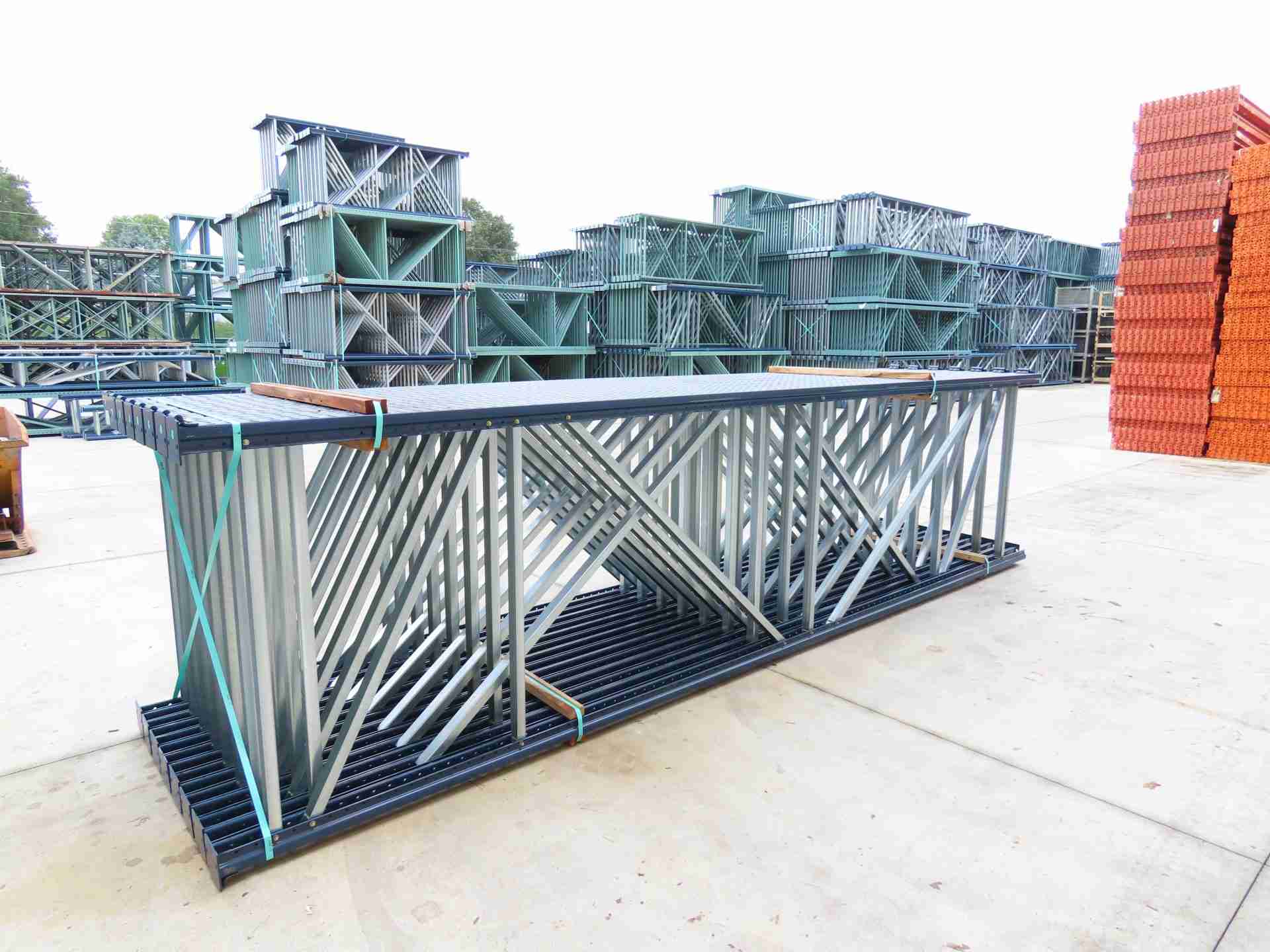
How Does Poor Organization Impact Productivity?
How Does Poor Organization Impact Productivity?
- Disorganized workspaces can negatively impact productivity.
- Poor organization leads to wasted time searching for misplaced items.
- Every minute spent looking for items detracts from essential tasks.
- An unorganized environment fosters frustration and hinders mental clarity.
- Strategic organization practices can transform productivity and inspire creativity.
- Investing in proper organization helps decrease stress and maintain focus on business goals.
- Assessing and overhauling current organization systems can reclaim time and enhance efficiency.
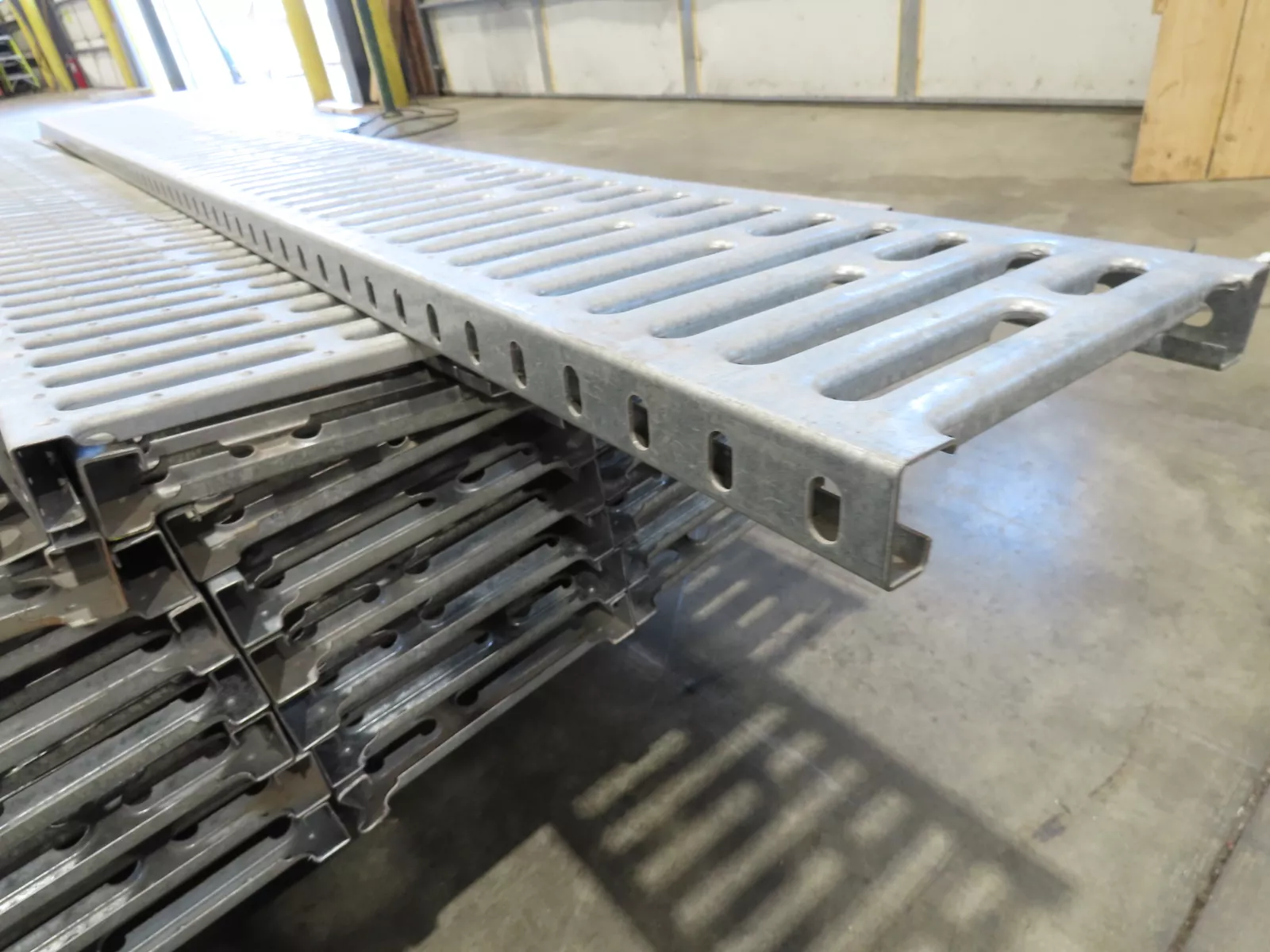
How Does Poor Organization Impact Productivity?
Are You Maximizing Your Available Storage Space Effectively?
Picture a busy warehouse bursting at the seams, where every inch of space counts and inefficiency can be the difference between profit and loss. You may think that it’s just a matter of throwing things onto shelves and hoping for the best, but let me tell you—there’s a more strategic way to approach your storage. If you want to unleash the full potential of your storage space, now’s the time to dive in.
Imagine the elegance of a well-organized warehouse where Pallet Racking systems soar toward the ceiling, maximizing vertical height while ensuring everything you need is easily accessible. Each pallet holds products like precious jewels, ready to shine when you need them most. If your storage solution is an afterthought, you’re allowing opportunity to slip through your fingers. But a well-implemented Pallet Racking system can transform chaos into order, and order into profit.
Many businesses undervalue their storage space, thinking it’s all about the square footage. Let’s clear that misconception up right now: Vertical space is your secret weapon. By implementing a Pallet Racking solution, you’re not just stacking items; you’re strategically organizing them to create a flow that increases efficiency in order fulfillment, inventory management, and ultimately, customer satisfaction. Trust me, that’s a winning proposition.
Now, I can feel some of you wondering, “Is it complicated?” The truth is—it doesn’t have to be! An effective Pallet Racking system can be designed with input from your team, taking their insights into account to build a solution that fits your specific needs. Get everyone involved; this isn’t just a storage issue; it’s about creating a culture that thrives on efficiency. The act of engaging your team can inspire a newfound respect for their workspace, contributing to both morale and productivity.
But don’t just take my word for it—put your plans into action. Evaluate your current storage layout and ask yourself one crucial question: “Is this the best we can do?” If it’s not, then the time to take action is now. Reach out to a storage expert, take stock of what’s possible, and watch as your storage space transforms from a burden into a powerful ally.
Maximum efficiency begins with a single step; now take it! Your business deserves a storage solution that works as hard as you do. Make that investment today, and witness the results tomorrow.
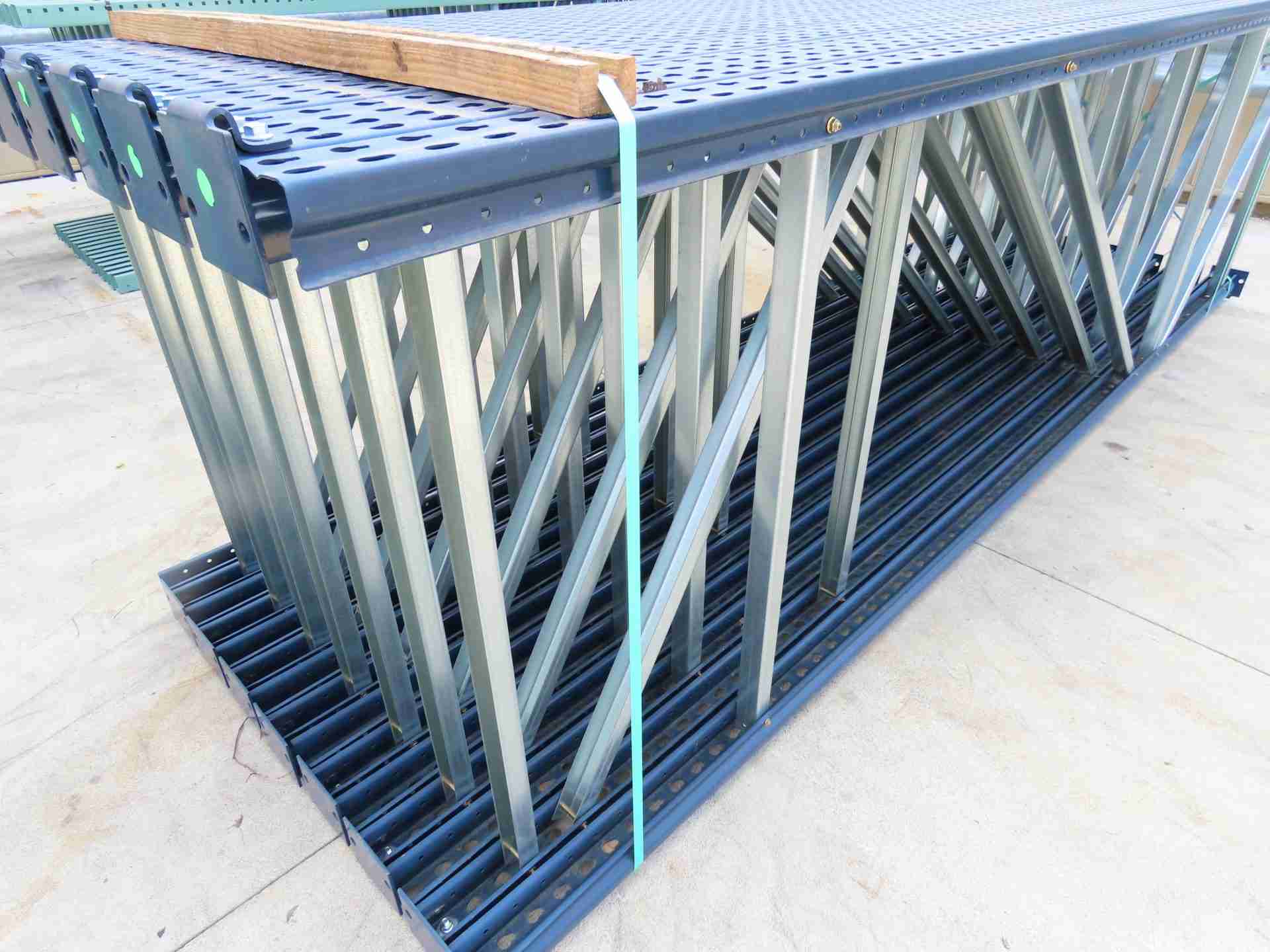
Are You Maximizing Your Available Storage Space Effectively?
Are You Maximizing Your Available Storage Space Effectively?
- A well-organized warehouse is essential for maximizing storage efficiency and profitability.
- Pallet Racking systems optimize vertical space, allowing for easier access to products.
- Strategic organization of storage space improves order fulfillment, inventory management, and customer satisfaction.
- Involving your team in the design of the Pallet Racking system fosters a culture of efficiency and respect for the workspace.
- Evaluate current storage layouts to determine if improvements are necessary.
- Consult with storage experts to explore potential solutions for your space.
- Investing in an effective storage solution can lead to significant improvements in operational efficiency and business success.

Are You Maximizing Your Available Storage Space Effectively?
What Role Does Aisle Width Play In Warehouse Operation?
When you think about your warehouse, it’s easy to get lost in the complexities of inventory management, order fulfillment, and logistics. But let’s take a moment to talk about the unsung hero of warehouse efficiency: aisle width. Believe it or not, the dimensions of those seemingly simple walkthroughs can make or break your operation.
Picture it: your well-structured pallet racking systems, filled to the brim with products, ready to move. But if your aisles aren’t wide enough, you’ve created a bottleneck, slowing things down faster than a traffic jam during rush hour. Aisle width directly impacts not only the speed of picking but also the safety of your team. Not enough room for equipment? You risk collisions, accidents, and unneeded stress. With that in mind, investing in the right aisle width becomes a crucial decision that can elevate your operation to new heights.
Now, let’s break it down. Narrow aisles may sound like a cost-saving tactic, but they can lead to chaos. Imagine your team darting around with equipment, navigating tight spaces, all while trying to keep productivity on track. It’s a recipe for disaster! By contrast, wider aisles not only accommodate larger equipment, but they also foster a safer working environment. When your team feels safe, morale improves and so does productivity.
Moreover, think about how you can optimize your pallet racking systems. Wider aisles create opportunities for better layout designs, allowing for the strategic placement of goods. When your products are readily accessible, you can speed up order fulfillment and enhance customer satisfaction. After all, who doesn’t appreciate a prompt delivery? Your customers will notice, and so will your bottom line.
Still skeptical? Consider the long-term implications. The initial investment in optimizing aisle width may feel hefty, but when balanced against the cost of inefficiency and potential accidents, it’s a no-brainer.
So, ask yourself this: is your warehouse truly maximizing its potential? Don’t settle for the status quo. The path to elevated efficiency lies in your aisle widths. With the right choices, you’re not just pushing pallets; you’re paving the way for operational excellence that resonates from the ground up! Let’s prioritize a smarter, safer, and more productive warehouse today. Your future self—and your bottom line—will thank you.
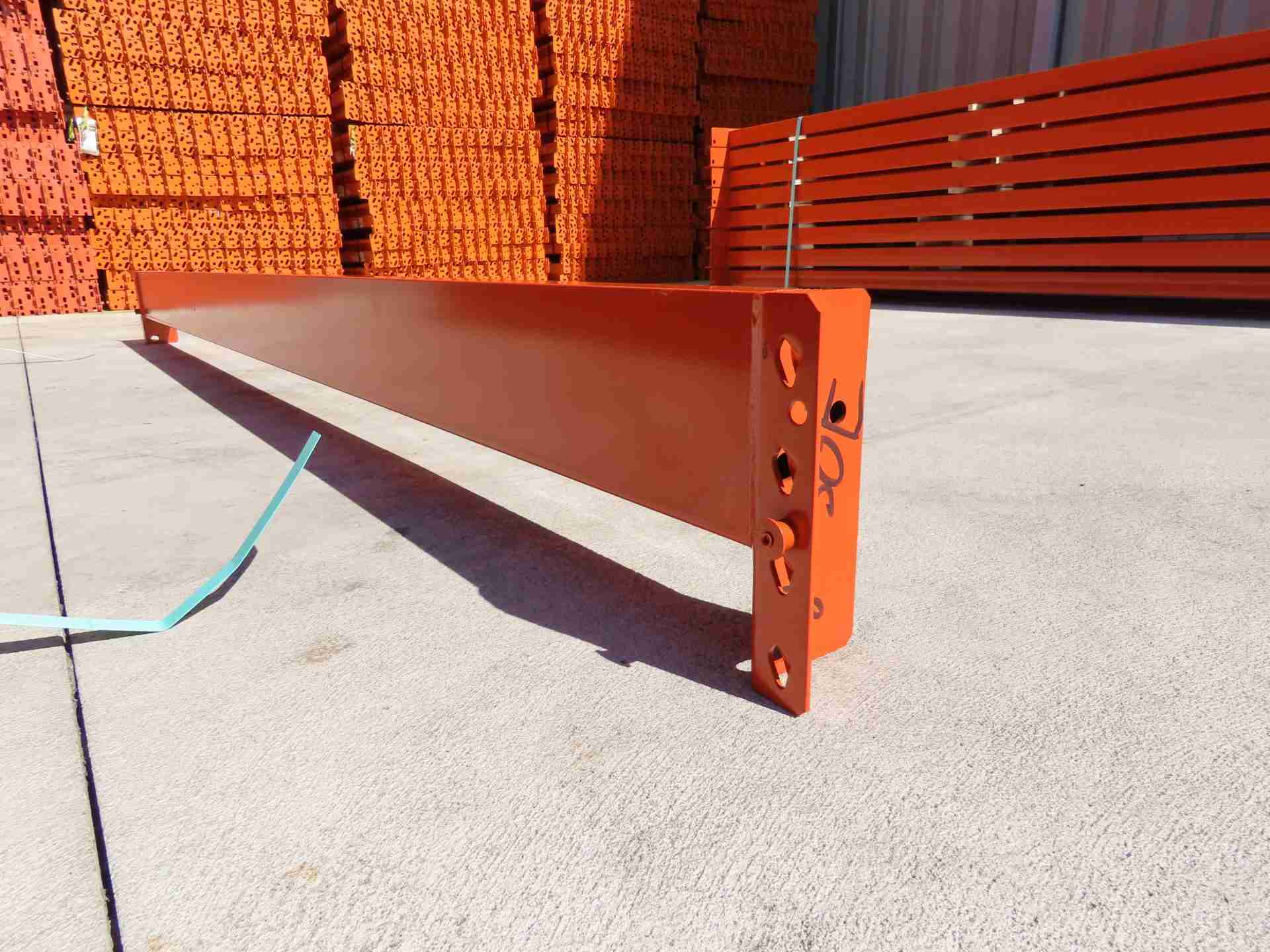
What Role Does Aisle Width Play In Warehouse Operation?
What Role Does Aisle Width Play In Warehouse Operation?
- Aisle width is crucial for warehouse efficiency, affecting inventory management, order fulfillment, and logistics.
- Narrow aisles create bottlenecks, slowing down operations and increasing safety risks for employees.
- Wider aisles accommodate larger equipment and foster a safer working environment, improving team morale and productivity.
- Optimizing aisle width allows for better layout designs and strategic placement of goods, enhancing order fulfillment.
- Improved accessibility of products leads to faster deliveries and greater customer satisfaction.
- Investing in optimal aisle width reduces long-term costs associated with inefficiency and accidents.
- Pursuing proper aisle dimensions paves the way for operational excellence and positively impacts the bottom line.
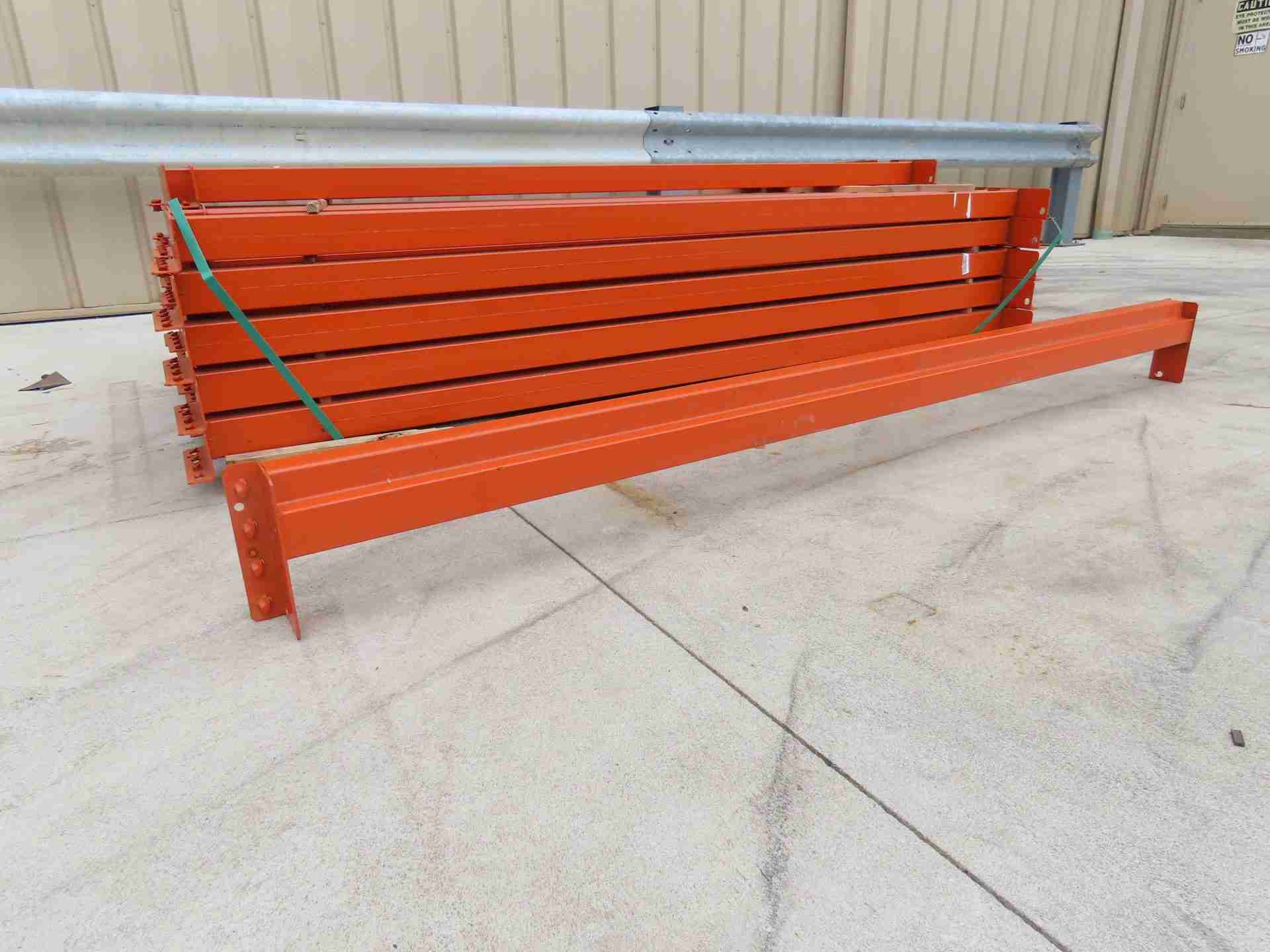
What Role Does Aisle Width Play In Warehouse Operation?
How Can Inadequate Signage Lead To Mistakes In A Warehouse?
Picture this: It’s a bustling warehouse where time is money and every second counts. Workers are zipping around, forklifts are humming, and the hum of productivity is palpable. Yet, amidst all this activity, there’s a hidden danger lurking in the shadows: inadequate signage. Yes, a simple oversight in signage can transform a well-orchestrated operation into a chaotic nightmare, costing more than just precious time.
When employees are unsure of where to find certain items or how to properly navigate through the maze of pallet racking, mistakes become almost inevitable. Imagine the confusion that arises when there are no clear labels indicating which aisle contains essential supplies. This lack of direction isn’t just a minor inconvenience; it can lead to expensive errors in inventory management and fulfillment. The question is this: can you afford to let confusion reign in your warehouse?
The repercussions of insufficient signage go beyond just misplaced items. They can significantly slow down operations, leading to missed deadlines and dissatisfied customers. Think about it—when workers waste time searching for materials or, worse, retrieving the wrong products due to unclear instructions, it not only impacts your bottom line but also erodes the trust you’ve built with your clientele. Customers rely on you to deliver, and inefficiencies like these can leave a sour taste that’s tough to swallow.
Proper signage is not merely a nicety; it’s a necessity. It functions as the backbone of operational efficiency. Clearly marked lanes, designated areas for pallet racking, and concise instructions contribute to a smoother workflow. When every item has a rightful place, and every location is clearly indicated, your team members can operate with confidence. They know where to go and what to do, increasing productivity and minimizing errors.
Consider the transformation that awaits. A well-signposted warehouse invites efficiency and order, fostering an environment where employees feel empowered, informed, and capable of performing at their best. Investing in good signage is not just about aesthetics; it’s about creating a culture of excellence and accountability within your organization.
So, take the first step today. Audit your warehouse for inadequate signage, and make the changes necessary to ensure streamlined operations. Your team—and your bottom line—will thank you for it.
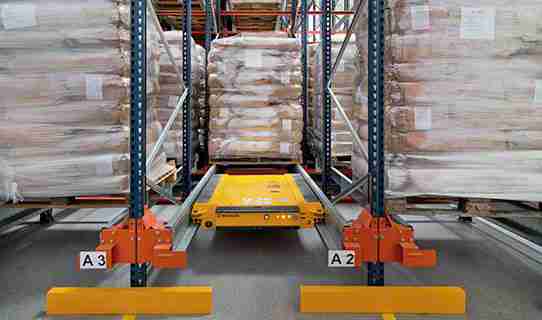
How Can Inadequate Signage Lead To Mistakes In A Warehouse?
How Can Inadequate Signage Lead To Mistakes In A Warehouse?
- A bustling warehouse environment relies on efficiency and productivity.
- Inadequate signage can lead to confusion and mistakes in inventory management.
- Missing labels can result in costly errors and slow down operations.
- Confusion from unclear instructions impacts deadlines and customer satisfaction.
- Proper signage enhances operational efficiency and minimizes errors.
- Well-marked areas create a culture of excellence and accountability.
- Regular audits of signage can improve workflow and ultimately benefit the bottom line.
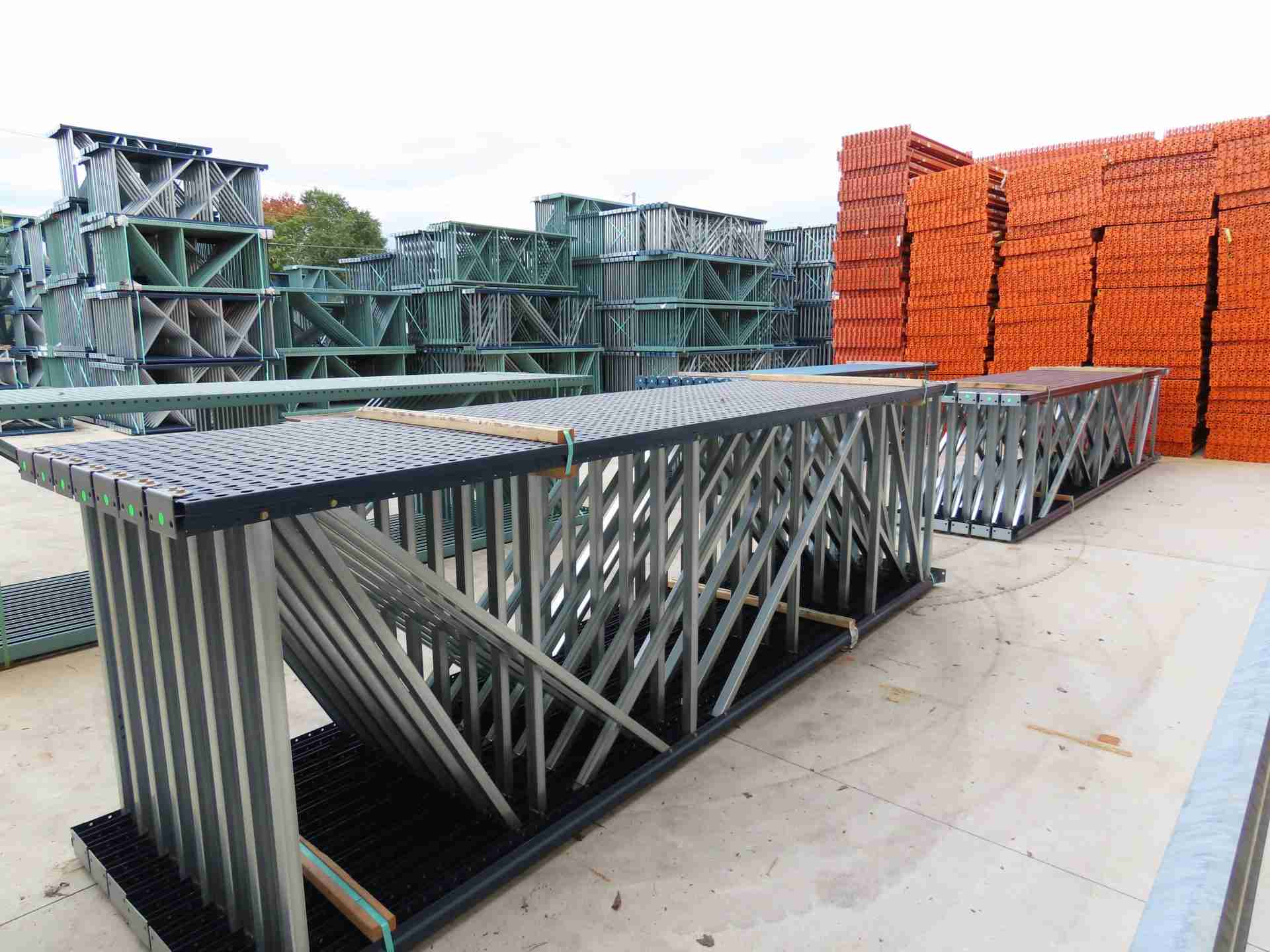
How Can Inadequate Signage Lead To Mistakes In A Warehouse?
Are You Using The Right Shelving For Your Inventory Type?
When it comes to inventory management, choosing the right shelving system isn’t just a logistical decision—it’s a strategic game-changer. If you want to maximize efficiency and profitability, you need to assess whether your current shelving aligns with your inventory type. Let’s face it: a well-organized warehouse is not just a dream; it’s a necessity for any thriving business.
Consider pallet racking, for example. This robust shelving solution is designed specifically for heavy loads and bulk items, making it the backbone of efficient warehousing. If your operation involves large pallets of goods, then utilizing pallet racking is going to revolutionize the way you store and retrieve your inventory. Imagine the time you’ll save by having everything organized, easily accessible, and clearly visible. No more digging through a pile of boxes to find that one crucial item!
Now, it’s important to understand that not every inventory type is suited for pallet racking. If your goods are smaller or require a different storage technique, adapting your shelving choices to meet those needs is essential. Think about your unique inventory—the dimensions, weight, and frequency of use. Does your inventory demand agile, multi-tiered shelving or is a more stationary system like pallet racking the better fit?
Take stock of your current setup. Are you facing consistent challenges like misplacement or inefficiencies? Too many businesses settle for a one-size-fits-all approach, and that’s where they go wrong. Every inch of your storage space should be working for you, not against you. The right shelving could mean transitioning to a retail-style shelving unit for quick access to smaller items, or even incorporating a mix of shelving solutions to create a harmonious workflow.
Investing time in evaluating your shelving can lead to more than just a more organized space; it can significantly boost your bottom line. Ask yourself: Is my shelving a faithful ally in my success, or is it just standing quietly in the background, hampering efficiency?
The right shelving choice is not just an operational consideration but a powerful opportunity to enhance your overall effectiveness. Make the change today and watch how it opens the door to increased productivity and profits. The journey to better inventory management begins with one pivotal question—are you using the right shelving? Act now, and let your inventory reflect the level of excellence your business deserves.
Are You Using The Right Shelving For Your Inventory Type?
Are You Using The Right Shelving For Your Inventory Type?
- Choosing the right shelving system is essential for effective inventory management and impacts efficiency and profitability.
- Pallet racking is ideal for heavy loads and bulk items, enhancing warehousing efficiency.
- Proper organization saves time and ensures easy access to inventory, eliminating the need to dig through disorganized items.
- Not all inventory types are suitable for pallet racking; consider dimensions, weight, and frequency of use when selecting shelving.
- Assess your current shelving setup to identify challenges like misplacement and inefficiencies.
- Transitioning to appropriate shelving solutions can significantly improve organization and boost profits.
- Invest in the right shelving to enhance overall effectiveness and productivity in your business.
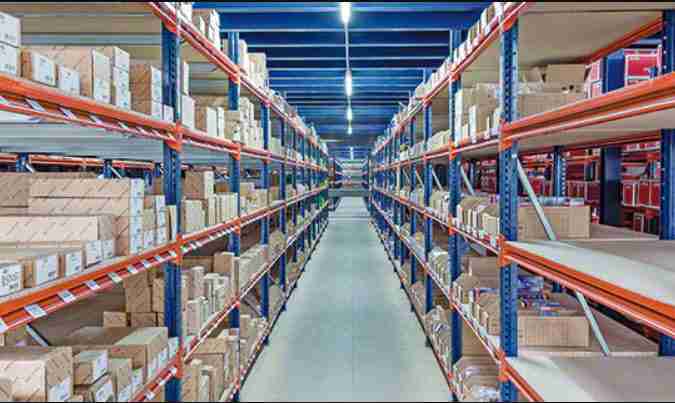
Are You Using The Right Shelving For Your Inventory Type?
Conclusion
In the fast-paced world of warehousing and logistics, the layout of your warehouse is not merely a matter of convenience; it’s a critical component that can significantly impact your bottom line. At Arrow Industrial Sales, we understand that small missteps in your warehouse layout can lead to substantial inefficiencies, increased operational costs, and frustrated employees. If your shelves are haphazardly arranged, traffic patterns are convoluted, or inventory is mismanaged, it can spell disaster for productivity.
Throughout this article, we’ve explored common pitfalls that can cripple your warehousing operations—from poor aisle widths and inadequate signage to ineffective pallet racking setups. Each mistake erodes efficiency and wastes valuable time and resources. But fear not! The key to transforming your warehouse into a model of operational excellence lies in recognizing these missteps and taking proactive steps towards rectification.
Imagine this: a well-structured workspace where the flow of operations is seamless, staff morale is high, and orders are fulfilled quickly and accurately. By addressing the issues of layout optimization—whether through maximizing vertical space with effective pallet racking, ensuring clear and accessible aisles, or employing the right shelving for your inventory—you can eliminate chaos and foster an environment primed for productivity.
Moreover, the importance of continuous reassessment of your layout cannot be overstated. As your business evolves, so too should your strategies for organization and space utilization. Regularly audit your warehouse functionality and make necessary adjustments that align with changing demands, and watch as average operations transform into an efficient powerhouse.
Don’t let the pitfalls of an improperly organized warehouse limit your potential. The steps you’ve learned—implementing strategic traffic flows, investing in robust shelving systems, and prioritizing clarity in signage—are all within your reach. But here’s the vital point: these changes need to happen NOW. Don’t wait for inefficiency to become entrenched and for chaos to take hold.
Your call to action is simple: Contact Arrow Industrial Sales at (574) 349-6575. Let us partner with you to refine your warehouse layout, improve productivity, and elevate your business to new heights of success. The time to act is now—transform your operations today and reap the rewards tomorrow!
Conclusion
Conclusion:
- Warehouse layout is crucial for operational efficiency and affects the bottom line.
- Poor layout can lead to inefficiencies, increased costs, and employee frustration.
- Common pitfalls include inadequate aisle widths, poor signage, and ineffective pallet racking.
- A well-structured warehouse leads to seamless operations, high staff morale, and quick order fulfillment.
- Continuous reassessment of warehouse layout is essential as business needs evolve.
- Implementing strategic traffic flows, robust shelving, and clear signage can enhance productivity.
- For assistance in improving warehouse layout, contact Arrow Industrial Sales at (574) 349-6575.

Conclusion
Other Resources
Other Resources
Here is a list of other resources you can review online to learn more:
- RMI
- Teardrop Racks – Pallet Rack World
- SEMA
- Intro to Warehouse Racks & Warehouse Racking Systems – ShipBob
- Pallet Racking systems in Illinois and Great Lakes
- Rack Manufacturers Institute
- Racking World
- Bradford Systems
- Teardrop Industrial Shelving Rack
- Pallet Racking systems in Illinois, Great Lakes
Use This Prompt To Get More Resources With Your Favorite Online AI Tool: Please provide me with a list of online articles with their URLs in a bulleted list that I can read regarding What Critical Mistakes Are You Making In Your Warehouse Layout?
Other Resources
Glossary Terms
What Critical Mistakes Are You Making In Your Warehouse Layout? – Glossary Of Terms
1. Aisle Width: The space between racks or shelves that allows for easy movement of personnel and equipment. Insufficient width can lead to congestion and accidents.
2. Picking Method: The approach used to retrieve goods from storage. Inefficient picking methods can increase time and reduce productivity.
3. Storage Density: The amount of product stored in a given area. High density can lead to difficulties accessing items, while low density might waste valuable space.
4. Flow Patterns: The path that goods take through a warehouse. Poor flow patterns can cause bottlenecks and delays in operations.
5. Load Size: The dimensions and weight of items being stored. Improperly sized loads can lead to instability and safety risks.
6. Vertical Space: The air space above the ground level in a warehouse. Failing to utilize vertical space can result in underutilized cubic footage.
7. Workstation Design: The layout of areas where employees perform tasks. Poorly designed workstations can lead to inefficiencies and employee fatigue.
8. Inventory Management: The process of tracking and organizing stock. Ineffective inventory management can lead to overstocking or stockouts.
9. Safety Regulations: Laws and guidelines aimed at maintaining a safe working environment. Ignoring safety regulations can result in accidents and fines.
10. Barcode Systems: Technology used to track and manage inventory through scanning. Not implementing barcode systems can cause errors in inventory tracking.
11. Cross-Docking: A logistics practice where incoming goods are directly transferred to outbound transport without storage. Ineffective cross-docking can lead to delays.
12. Shelving Options: Various types of storage systems, such as pallet racks or shelving units. Choosing inappropriate shelving can reduce accessibility.
13. Order Fulfillment: The complete process of receiving, processing, and delivering orders. Mistakes in order fulfillment can impact customer satisfaction.
14. Ergonomics: The study of how people interact with their environment. A lack of ergonomic considerations can lead to employee injuries.
15. Scaling: The ability to expand or adjust storage capacity based on demand. Poor scaling can result in wasted resources during peak times.
16. Traffic Flow: The movement of goods and personnel within the warehouse. Inefficient traffic flow can hinder operations and increase congestion.
17. Zoning: Dividing a warehouse into areas for specific functions. Lack of zoning can lead to confusion and chaotic operations.
18. Cycle Count: A method of counting inventory regularly to maintain accurate stock levels. Neglecting cycle counts can result in discrepancies.
19. Layout Design: The overall arrangement of a warehouse’s physical space. A poorly thought-out layout can lead to inefficiencies.
20. Barriers: Physical or procedural obstacles that impede movement. Unnecessary barriers can create inefficiencies and hazards.
21. Temperature Control: The management of climate conditions for specific goods. Failing to maintain suitable temperature can compromise product integrity.
22. Labeling: The practice of clearly marking storage locations and products. Inadequate labeling can lead to misplacement of items.
23. Resetting Layout: The process of revising the warehouse layout to improve efficiency. A failure to reset can result in stale productivity levels.
24. Automation: The use of technology to perform tasks without human intervention. Not utilizing automation can limit efficiency and speed.
25. Supplier Integration: Coordination with suppliers to streamline inventory management. Poor integration can lead to delays or stock issues.
26. Space Utilization: The effective use of available storage space. Poor space utilization can lead to operational inefficiencies.
27. FIFO (First In, First Out): An inventory management technique where the oldest stock is sold first. Neglecting FIFO can result in spoilage.
28. Product Placement: The strategic positioning of products within the warehouse. Ineffective product placement can lengthen picking times.
29. Lead Time: The amount of time taken from order placement to fulfillment. Longer lead times can frustrate customers and impact service levels.
30. Performance Metrics: Measurements used to assess warehouse efficiency and effectiveness. Ignoring performance metrics can prevent identification of improvement areas.

Glossary Of Terms
Other Questions
What Critical Mistakes Are You Making In Your Warehouse Layout? – Other Questions
If you wish to explore and discover more, consider looking for answers to these questions:
- What are the key factors to consider when designing a warehouse layout?
- How can I identify if my current warehouse layout is inefficient?
- What specific mistakes should I avoid when setting up my pallet racking system?
- How often should I reassess my warehouse layout for efficiency?
- What are some best practices for organizing warehouse inventory?
- How can technology improve my warehouse layout and operations?
- What role does employee feedback play in optimizing warehouse layout?
- How does warehouse layout impact safety and risk management?
- What are the benefits of investing in proper signage within a warehouse?
- Are there industry standards for aisle width in warehouses?
- What types of shelving systems work best for different inventory types?
- How can I train my employees to efficiently navigate the warehouse layout?
- What impact does warehouse layout have on customer satisfaction?
- What budget considerations should I keep in mind when redesigning my warehouse layout?
- Are there software solutions that can help optimize warehouse layout?
Other Questions
Checklist
What Critical Mistakes Are You Making In Your Warehouse Layout? – A Checklist
Checklist: Optimize Your Warehouse Layout for Maximum Efficiency
This checklist is designed to help you identify and address critical mistakes in your warehouse layout to enhance productivity and efficiency. Review each item and take action where necessary.
1. Pallet Racking Assessment
_____ Evaluate Pallet Racking Positions: Are your pallet racks strategically placed to facilitate workflow and access?
_____ Optimize Vertical Space: Are you utilizing the full height of your storage area with efficient pallet racking?
_____ Regularly Reassess Racking Systems: Are you scheduling routine reviews to ensure racking systems meet current demand?
2. Traffic Flow Optimization
_____ Streamline Aisle Width: Are your aisles wide enough to accommodate equipment and allow smooth passage?
_____ Minimize Obstructions: Are aisles clear of clutter and random storage that can hinder movement?
_____ Facilitate Smooth Traffic Patterns: Is your layout designed to reduce unnecessary crossings and backtracking?
3. Organization and Labeling
_____ Implement Clear Labeling: Are all pallets and shelving units clearly marked for quick identification?
_____ Develop an Intuitive Inventory System: Does your inventory system allow for easy access and organization?
_____ Conduct Organization Audits: Are you periodically assessing your organization processes for improvement opportunities?
4. Flexibility and Adaptation
_____ Design for Flexibility: Is your layout adaptable to changing inventory needs and operational demands?
_____ Consider Modular Racking Solutions: Have you explored modular shelving systems that allow for easy reconfiguration?
_____ Engage Your Team: Are you incorporating feedback from staff about layout effectiveness and potential improvements?
5. Signage and Communication
_____ Audit Signage Clarity: Are your signs clear and informative enough to guide employees effectively?
_____ Establish Clear Navigation Paths: Is there adequate signage for navigating through different sections of the warehouse?
_____ Promote a Culture of Communication: Are team members encouraged to report signage issues or recommend improvements?
6. Shelving Suitability
_____ Assess Shelving Types: Are you using the right type of shelving for your inventory (e. g. , pallet racking for bulk items, shelving for smaller items)?
_____ Evaluate Accessibility: Is your shelving designed for easy access to frequently used and critical inventory items?
_____ Mix Shelf Types Appropriately: Do you have a combination of shelving solutions that work harmoniously to support your inventory needs?
7. Continuous Improvement
_____ Create a Review Schedule: Do you have a routine in place for evaluating warehouse efficiency and layout?
_____ Encourage Team Feedback: Are staff members regularly asked for input on layout efficiency and effectiveness?
_____ Invest in Training: Are team members trained on best practices for maintaining an efficient layout and workflow?
Use this checklist to systematically evaluate your warehouse operations and implement necessary changes to enhance efficiency, reduce errors, and improve overall productivity. Don’t wait for chaos to strike—take action now!
Checklist
At RackingWorld, we help guide you through selecting warehouse storage systems and racking.
Be sure to read our other related stories at RackingWorld to learn more about warehouse storage systems.
0 Comments