
Maximizing Efficiency And Safety: The Smart Solution For Overflow Storage
By Tom Seest
At RackingWorld, we help guide you through selecting warehouse storage systems and racking.
Be sure to read our other related stories at RackingWorld to learn more about warehouse storage systems.
How Do Overflow Storage Warehouses Leverage Pallet Racking?
When it comes to overflow storage warehouses, pallet racking isn’t just a fancy setup—it’s the backbone that keeps everything from turning into a chaotic mess. Think about it: these places handle way more stuff than they can immediately fit. Without a smart system, it’s a nightmare trying to find what you need when you need it. Pallet racking steps in and makes that mountain of inventory manageable, organized, and accessible.
You might not think much of it at first glance—just rows of metal shelves holding boxes and pallets. But for anyone who’s spent hours digging through clutter, pallet racking is nothing short of a miracle. It saves time, spares frustration, and keeps the workday moving. It’s built tough, designed to hold heavy loads, and clever enough to use every inch of vertical space. That means warehouses can stack higher without worrying about safety or stability. There’s a certain kind of peace of mind knowing that every pallet has its place, and that place won’t collapse under pressure.
What really earns respect is how pallet racking supports the people on the ground, the ones hustling to keep deliveries on time and orders accurate. It’s not just about storage—it’s about trust. When employees know the system works and that their tools won’t fail, they work smarter and safer. That trust trickles up, helping the business run smoother and the customers stay happy. It’s a simple yet powerful link in a chain so many rely on, though not everyone sees it.
Ethically, it’s a no-brainer—using pallet racking helps prevent accidents and injuries on the job. It’s a responsible choice that values the wellbeing of workers, which should always be the priority. Beyond that, efficient storage reduces waste, too. When inventory is neat and easy to find, there’s less chance that good product gets forgotten, damaged, or tossed prematurely.
There’s a story in every aisle of a warehouse using pallet racking. Stories of handling challenges, beating deadlines, and making sense out of chaos. Stories told by the scratches on a beam, the lean on a shelf, and the steady hum of forklifts navigating narrow lanes. These racks don’t just hold pallets—they hold the promise of reliability and order in a world that’s always moving fast.
If you’ve ever felt overwhelmed trying to organize a mess, you understand why pallet racking is more than gear—it’s the quiet hero helping overflow warehouses stay ready, resourceful, and reliable.

How Do Overflow Storage Warehouses Leverage Pallet Racking?
How Do Overflow Storage Warehouses Leverage Pallet Racking?
- Pallet racking is essential in overflow storage warehouses, preventing chaos by organizing large volumes of inventory.
- It maximizes vertical space, allowing warehouses to stack higher safely and efficiently.
- Pallet racking saves time and reduces frustration by making inventory accessible and manageable.
- It supports warehouse workers by promoting trust in the system, enabling smarter and safer work.
- Using pallet racking helps prevent workplace accidents, prioritizing employee wellbeing.
- Efficient storage reduces waste by preventing products from being forgotten, damaged, or discarded prematurely.
- Pallet racking embodies reliability and order, serving as a vital but often unseen part of warehouse operations.

How Do Overflow Storage Warehouses Leverage Pallet Racking?
Table Of Contents
- How Do Overflow Storage Warehouses Leverage Pallet Racking?
- What Emotional Relief Does Pallet Racking Offer Overflow Warehouses?
- How Does Pallet Racking Maximize Space Efficiency In Overflow Storage?
- What Ethical Practices Ensure Safe Pallet Racking Use?
- Why Is Pallet Racking Vital for Warehouse Inventory Control?
- What Storytelling Examples Show Success with Pallet Racking?
- How Does Pallet Racking Improve Worker Safety and Morale?
- Conclusion
- Other Resources
- Glossary Of Terms
- Other Questions
- Checklist
What Emotional Relief Does Pallet Racking Offer Overflow Warehouses?
When you’re staring down a mountain of boxes and no clear place to put them, it’s more than just a headache—it’s a squeeze on your peace of mind. Pallet racking steps in like a trusty old workhorse, offering a kind of emotional relief you don’t realize you need until you’ve wrestled with clutter long enough. It’s about reclaiming order in a space screaming chaos, turning that jumble into something manageable, something you can feel good about.
There’s a simple, honest comfort in seeing everything stacked right where it belongs—no more tripping over pallets, no more sifting through piles like you’re hunting for buried treasure. Pallet racking doesn’t just organize your warehouse; it organizes your day. You get that clear, straightforward feeling of control, like you’ve got the upper hand on the whirlwind of storage. And that relief? It settles in deep because it frees up your headspace for what really matters: running your operation, meeting deadlines, and knowing your stuff is secure.
On a practical note, pallet racking optimizes every inch, pulling more value from every square foot of your warehouse. It’s the no-nonsense way to dodge costly expansions or relocations when what you really need is smart storage. These racks are built tough—steel-backed, ready for the long haul—so you trust your inventory isn’t just stacked, it’s safe. That’s not just storage, that’s peace of mind engineered into every beam.
But here’s where the emotional circle closes: pallet racking makes the warehouse a place you don’t dread. It’s no glorified maze; it’s a workspace that respects the muscle and grit of every person who walks its aisles. It’s about treating your team to a setup where they can find what they need without frustration, where each shift ends with a sense of accomplishment instead of exhaustion. That’s a quiet kind of dignity, one that ripples out in smiles and steady hands.
So when overflow threatens to swallow your warehouse whole, pallet racking isn’t just a tool—it’s a steadying hand. It invites you back into the mess with confidence, offering clarity, safety, and a shot of hope that you can handle whatever comes next. That’s a solid feeling, one that keeps you rolling no matter the load.

What Emotional Relief Does Pallet Racking Offer Overflow Warehouses?
What Emotional Relief Does Pallet Racking Offer Overflow Warehouses?
- Pallet racking transforms chaotic, cluttered spaces into organized, manageable areas, improving peace of mind.
- It eliminates hazards like tripping and the frustration of searching through piles, creating a safer, more efficient workspace.
- Provides a sense of control over storage, freeing mental space to focus on core business tasks.
- Optimizes warehouse space, maximizing value from every square foot and reducing the need for costly expansions.
- Constructed from durable steel, pallet racks ensure inventory safety and long-term reliability.
- Improves the warehouse environment for workers by reducing frustration and promoting accomplishment and dignity.
- Acts as a stabilizing solution during overflow, offering clarity, safety, and confidence to handle challenges ahead.

What Emotional Relief Does Pallet Racking Offer Overflow Warehouses?
How Does Pallet Racking Maximize Space Efficiency In Overflow Storage?
When the job piles up and space feels tighter than a jammed tool chest, pallet racking steps in like that reliable old buddy who never lets you down. It’s not just about stacking boxes; it’s about wrangling your overflow storage with the kind of down-to-earth smarts that turn chaos into order. You’ve seen it in action—a warehouse floor littered with pallets, a tangle of crates, and then a solid, steel system rising up, turning every inch of vertical space into pure working gold. That’s pallet racking working its quiet magic.
On a gut level, pallet racking feels right because it gives you breathing room. Imagine walking into a space where everything has a place, where forklifts glide through aisles without bumping knees or bruising pallets. It’s relief you can almost touch—a break from the usual hustle, a moment where mess stops being a monster chewing up your day. It signals control, safety, and respect for the hard work you and your crew put in.
Head-wise, the benefits are clear as day. Pallet racking squeezes out every ounce of storage potential by stacking vertically and arranging pallets logically. Fewer trips wasted hunting inventory means a smoother operation and faster turnaround. That translates directly to the bottom line—less time lost, fewer mistakes, and a lean setup that doesn’t scream for a warehouse twice the size. Smart layout design with pallet racking is like having a blueprint for success. You’re not just storing stuff; you’re building efficiency with sweat equity and brains combined.
Ethically, using pallet racking sends a message too. It’s about doing right by your people—creating a safer, more organized workspace that respects their labor and keeps injuries down. It also signals respect for resources: less waste, less clutter, and a more sustainable approach to storage. That’s the kind of practical stewardship that earns quiet nods of approval in any tight-knit crew.
Socially, pallet racking builds trust. When everyone sees the system in place—clear, orderly, and dependable—it builds a culture of reliability. It’s not flashy, but it’s the backbone that holds a team together through busy seasons and tough deadlines.
In the thick of it, pallet racking isn’t just metal and bolts—it’s the sweat, sense, and spirit of getting the job done right. It’s the kind of solution that speaks to anyone who’s ever wrestled with a jam-packed floor and won. When overflow storage starts piling up, pallet racking is the no-nonsense answer that puts everything in its place, ready for the next round.

How Does Pallet Racking Maximize Space Efficiency In Overflow Storage?
How Does Pallet Racking Maximize Space Efficiency In Overflow Storage?
- Pallet racking transforms cluttered warehouse spaces into organized, vertical storage, maximizing every inch of space.
- It creates clear aisles for forklifts, enhancing safety and providing relief from chaotic, cramped conditions.
- By stacking and arranging pallets logically, it improves operational efficiency, reducing wasted time and errors.
- Smart layout design with pallet racking optimizes storage without needing larger warehouse space, improving the bottom line.
- It fosters a safer, more respectful work environment, reducing injuries and promoting ethical labor practices.
- The system builds trust and reliability within teams, supporting productivity during busy and challenging periods.
- Pallet racking embodies practical, no-nonsense solutions that enable orderly workflow and readiness for ongoing demands.

How Does Pallet Racking Maximize Space Efficiency In Overflow Storage?
What Ethical Practices Ensure Safe Pallet Racking Use?
Pallet racking isn’t just metal on metal; it’s a backbone holding up the day-to-day hustle of warehouses and workplaces. When those racks stand tall and steady, they’re doing more than just storing goods—they’re protecting lives and livelihoods. At the heart of it all, ethical practices in pallet racking aren’t a checkbox—they’re a commitment to respect the folks who work around them every day. Cutting corners? That’s not just bad business; it’s a betrayal of trust. Every bolt tightened right, every load evenly spread, every inspection logged isn’t just about following rules—it’s about owning responsibility for safety like it’s your own skin on the line.
Using pallet racking responsibly means knowing your limits and staying within them. Overloading a rack might save a minute now, but it risks a collapse that can shut down operations—and worse, cause injuries. It’s the simple, hard-earned wisdom that comes from hands-on work, watching systems bend and, sometimes, break. Trusted companies lean on regular maintenance, training crews until using the equipment becomes second nature, and checking every seam and weld with the same care you’d give your own tools. That’s the kind of thorough attention that keeps a workplace safe and a team confident.
There’s no substitute for standing by the standards laid out by the professionals who know pallet racking inside and out. Those guidelines weren’t made to slow you down—they’re built from real-world experience where safety and efficiency meet. When managers stick to these practices without cutting slack, they foster a culture where everyone feels valued and protected. Workers aren’t just following orders—they’re trusted partners in a shared mission to keep the workplace intact.
Safe pallet racking use is about respect. Respect for the work, respect for the gear, and above all, respect for the people whose hands do the work every day. When everyone buys into that ethic, the racks stand firm, the goods stay put, and the workplace hums like it should—reliable, steady, and safe. It’s not just common sense; it’s common heart. And that’s the kind of commitment worth building on.

What Ethical Practices Ensure Safe Pallet Racking Use?
What Ethical Practices Ensure Safe Pallet Racking Use?
- Pallet racking is essential to warehouse operations, supporting both goods and worker safety.
- Ethical practices in pallet racking reflect respect for workers and a commitment to safety beyond mere compliance.
- Proper installation, load distribution, and regular inspections are critical responsibilities to prevent accidents.
- Using pallet racking within its limits avoids dangerous overloads that can cause collapses and injuries.
- Trusted companies emphasize maintenance, crew training, and detailed equipment checks to ensure safety.
- Adhering strictly to professional standards fosters a safe, efficient workplace culture and values all team members.
- Safe pallet racking use embodies respect for work, equipment, and people, creating a reliable and secure work environment.

What Ethical Practices Ensure Safe Pallet Racking Use?
Why Is Pallet Racking Vital for Warehouse Inventory Control?
You walk into a warehouse without pallet racking, and it’s like stepping into a jungle with no paths—chaos at every turn. Pallet racking is the backbone of any solid inventory system because it’s more than just metal on metal; it’s order made real, visible, and manageable. When you’ve got stacks of goods piled wherever they can fit, mistakes happen: lost products, wasted time, and headaches for everyone from the forklift driver to the shipping clerk. Pallet racking turns that mess into a system that you can trust, one shelf at a time.
There’s a kind of peace that comes from knowing where everything rests. Pallet racking isn’t just about saving floor space—it’s about controlling your product’s story. Each pallet finds a home where it makes sense, making inventory checks less like hunting for a needle in a haystack and more like reading a well-marked map. That’s good for business and good for the folks on the ground trying to get things done without losing their cool. You feel the difference when the workday runs smooth: less fumbling, fewer surprises, and a sense of pride in knowing you’ve got a system that respects both the goods and the people handling them.
On the ethical side of things, pallet racking keeps everyone safe—because when boxes aren’t stacked haphazardly, nobody’s walking a tightrope between shipments. It’s the responsible way to manage stock, showing you care about your crew as much as your bottom line. Plus, good pallet racking means fewer damaged goods, less waste, and a more sustainable operation overall. That’s the kind of common sense that saves money and earns respect.
And trust me, this isn’t just theory. Anyone who’s spent time in warehouses wired for pallet racking knows the difference. It’s the tool that turns a chaotic pile into a working machine, where every move is deliberate, every item accounted for. If you’ve ever felt the frustration of a missing box or the relief of finding exactly what you need right when you need it, you know why pallet racking matters. It’s simple, it’s smart, and it’s the quiet hero keeping warehouse inventory in line.

Why Is Pallet Racking Vital for Warehouse Inventory Control?
Why Is Pallet Racking Vital for Warehouse Inventory Control?
- Warehouses without pallet racking are chaotic and inefficient, causing lost products and wasted time.
- Pallet racking creates order, making inventory visible, manageable, and reliable.
- It saves floor space and organizes pallets logically, simplifying inventory checks.
- A well-structured system reduces frustration, errors, and improves workflow for workers.
- Pallet racking enhances safety by preventing unstable stacking and protecting employees.
- It reduces damaged goods and waste, contributing to sustainability and cost savings.
- Pallet racking transforms chaos into a deliberate, accountable inventory system essential for smooth operations.
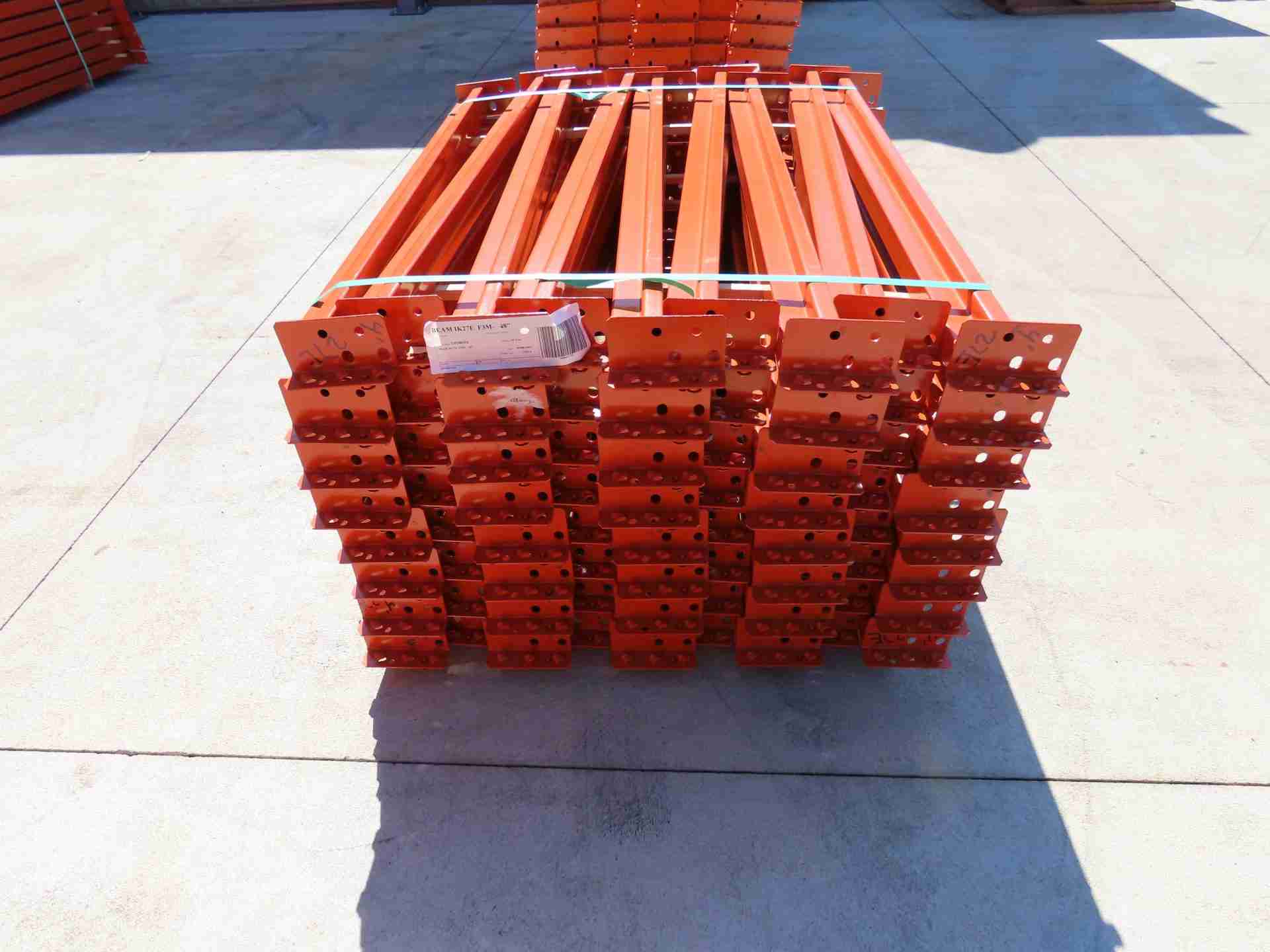
Why Is Pallet Racking Vital for Warehouse Inventory Control?
What Storytelling Examples Show Success with Pallet Racking?
You know, there’s something about seeing a warehouse transformed by solid pallet racking that just sticks with you. I once walked into a place that was drowning in chaos—boxes piled high, forklifts dodging like it was a game of bumper cars, workers strained trying to find what should have been right in front of them. Then they brought in a pallet racking system, simple but sturdy, and suddenly the whole operation felt like it found its backbone. Inventory was organized, space was used smartly, and productivity picked up without anyone having to work a minute longer. When folks talk success with pallet racking, this hands-on turnaround story hits the mark because it’s not about fancy tech; it’s about making the basics work smarter.
There’s a real-down-to-earth confidence that comes from investing in pallet racking. It’s not just metal shelves—it’s a commitment to getting logistics right, respecting the craft of order fulfillment. Companies that adopt these systems tend to see real savings—less damage, fewer lost items, and safer workplaces. That’s plain math backed up by plenty of examples where efficiency shoots up and headaches drop off. When you let your team access what they need without hunting or risking injury, the whole place hums with purpose. It’s proof that good pallet racking isn’t a luxury—it’s a practical move that boosts the bottom line while looking out for the people who keep the wheels turning.
Ethically, it shows you care about the folks on the floor. Safe, well-maintained pallet racking isn’t just about compliance; it’s about making sure no one’s putting their health on the line day in, day out. That builds trust—not just between employer and employee—but with clients who know their goods are handled responsibly. It’s a silent promise of reliability and respect every time a pallet gets loaded or unloaded.
Success stories around pallet racking aren’t flashy—they’re about steady, grounded progress. They show how common sense, solid gear, and a bit of elbow grease come together to smooth out the grind. So, if you want your warehouse to be more than a jumble of boxes and frustration, take a look at pallet racking. It’s the unshiny hero that quietly changes the game for the better.

What Storytelling Examples Show Success with Pallet Racking?
What Storytelling Examples Show Success with Pallet Racking?
- Pallet racking transforms chaotic warehouses into organized, efficient spaces without extra labor.
- Investing in pallet racking demonstrates a commitment to effective logistics and order fulfillment.
- Companies benefit from reduced damage, fewer lost items, and safer workplaces through these systems.
- Easy access to inventory improves productivity and workplace morale.
- Safe and well-maintained racking supports employee health and builds trust internally and externally.
- Success with pallet racking comes from practical, steady improvements rather than flashy technology.
- Pallet racking is a simple, effective solution that significantly enhances warehouse operations.

What Storytelling Examples Show Success with Pallet Racking?
How Does Pallet Racking Improve Worker Safety and Morale?
Pallet racking isn’t just about shoving boxes onto shelves and hoping for the best. It’s about creating a workspace where folks can do their jobs without looking over their shoulders, worried about crushed toes, toppled loads, or a chaotic mess that makes every step a gamble. When pallet racking is set up right, it keeps the clutter off the floor and the aisles clear. That means fewer trips, slips, and falls — the kinds of accidents that don’t just hurt bodies but also chip away at worker confidence and peace of mind.
Think about the weight each person carries, both physical and mental. A well-organized pallet racking system lifts that load by making materials easy to find and move. There’s something powerful in knowing exactly where your tools and stock are—no frantic digging, no wasting time—just smooth, steady work. It’s not just efficient; it respects the hard-earned skill and sweat people bring every day. That respect builds morale, and morale doesn’t come from fancy speeches; it comes from a safe place where workers feel valued and looked after.
On the ground, a sturdy pallet racking system backs up a business’s promise to care. It’s an ethical way to say: “Your safety matters.” When employees see that investments go into keeping hazards at bay, it sparks a trust that can’t be faked with slogans. It’s the kind of trust that turns a job from a daily grind into a shared mission. Teamwork thrives when safety isn’t just talk but a lived reality.
There’s a common-sense rhythm to all this. Experience shows that places prioritizing pallet racking tend to have fewer injuries and less downtime. When workers know their environment won’t betray them with falling loads or cluttered pathways, they’re less stressed and more focused. That focus translates into better work, stronger bonds, and a feeling that they’re part of something stable and reliable.
So, pallet racking isn’t just metal on metal. It’s a foundation for a safer, stronger workplace where everyone can take pride in the work without fear. It’s a quiet, steady promise that safety and morale rise together — one well-organized shelf at a time.

How Does Pallet Racking Improve Worker Safety and Morale?
How Does Pallet Racking Improve Worker Safety and Morale?
- Pallet racking creates a safer workspace by preventing accidents like trips, slips, falls, and injuries from toppled loads or cluttered aisles.
- Properly organized pallet racking reduces physical and mental strain by making materials easy to locate and handle efficiently.
- It fosters respect for workers’ skills and hard work, which helps build morale through a safe and supportive environment.
- A sturdy pallet racking system reflects a company’s ethical commitment to employee safety and care.
- Visible safety investments build genuine trust and transform individual jobs into collaborative missions.
- Workplaces prioritizing pallet racking experience fewer injuries and less downtime, leading to reduced stress and increased focus.
- Pallet racking serves as a foundation for a stable, prideful workplace where safety and morale improve together continuously.

How Does Pallet Racking Improve Worker Safety and Morale?
Conclusion
Overflow storage warehouses lean hard on pallet racking because it’s the unsung hero of keeping chaos from swallowing the whole operation. When inventory piles up beyond what the floor can hold, these steel racks are the backbone that turns clutter into order, frustration into flow, and wasted space into worked space. At first glance, it’s just rows of metal shelves, but behind that simple setup is a seasoned fighter against the daily grind’s mess and mayhem. It’s about making every inch count by stacking vertically, holding heavy loads steady, and giving every pallet a clear, safe home. That kind of reliability is more than equipment—it’s peace of mind for the folks hustling day in and day out, trusting the system to keep their working world steady.
Pallet racking doesn’t just organize stuff; it organizes the day. When you’re staring down a mountain of inventory, knowing exactly where things go and how to get to them without a wild goose chase takes a huge weight off your shoulders. It transforms a potentially overwhelming space into a manageable workspace where crews move through smoothly without bruised shins or frayed nerves. That relief runs deep: it frees up mental energy to focus on what matters—meeting deadlines and running the operation right. On a gut level, it feels right because it treats the warehouse not as a dumping ground, but as a place worthy of respect—a place where the sweat and grit of the crew is backed up by a system that actually works for them.
There’s an ethical core here, too. Pallet racking isn’t just about squeezing in more products; it’s about doing right by the people on the floor. Properly installed and maintained racks prevent accidents, reduce workplace injuries, and keep everyone safer. And sorting things out neatly means less damage, less waste, and a more sustainable operation all around. What’s fair for the crew is smart for business, and smart business doesn’t cut corners when people’s safety hangs in the balance. These ethical practices signal respect for the workers and lay the groundwork for trust that builds stronger teams and smoother days.
A warehouse without pallet racking is like a jumbled junkyard—chaotic, inefficient, and prone to mistakes. Install a well-planned pallet racking system, and suddenly inventory control feels manageable. Every item has a spot that makes sense, cutting down on lost goods, wasted time, and headaches. That’s common sense that pays off in reduced costs and improved accuracy. It’s a practical approach rooted in real results—where each organized aisle tells a story of order emerging from disorder, a testament to elbow grease matched with smart design.
The stories from real warehouses back this up—places drowning in clutter until a solid pallet racking system arrives to change the scene. Productivity climbs, accidents drop, and that sense of pride builds when crews find what they need without the usual scramble. Pallet racking isn’t flashy, but being the quiet workhorse that steadies operations is what earns respect—the kind that comes from doing the basics right and looking out for the folks who make the day happen.
At the end of the day, pallet racking is about more than metal and bolts; it’s about people. It’s a foundation for safer workspaces where confidence grows, morale stays high, and hard work is honored. It’s the no-nonsense solution turning overflow headaches into organized, efficient, and trusted operations. When the load feels heavy and space runs tight, pallet racking offers steady ground—ready to hold the weight and keep things moving without missing a beat. It’s this kind of common-sense, hard-earned stability that keeps warehouses running smooth, workers safe, and business humming along, one well-placed pallet at a time.

Conclusion
Conclusion:
- Pallet racking is essential in overflow storage warehouses for maximizing space by stacking inventory vertically and organizing pallets safely and efficiently.
- It transforms cluttered, overwhelming spaces into manageable work areas, improving workflow and reducing frustration for warehouse crews.
- Beyond organization, pallet racking supports mental ease by clearly designating storage spots, which helps meet deadlines and maintain smooth operations.
- Properly installed and maintained racks enhance workplace safety, reduce injuries, minimize damage to goods, and promote a sustainable environment.
- Implementing pallet racking cuts costs, reduces lost inventory and time wasted, and improves inventory accuracy.
- Real-world warehouse experiences show that pallet racking increases productivity, lowers accident rates, and boosts employee pride and morale.
- Pallet racking provides a stable, reliable foundation that balances the physical and human needs of warehouses, ensuring efficient, safe, and continuous operation.

Conclusion
Other Resources

Other Resources
Here is a list of other resources you can review online to learn more:
- WERC
- Warehouse Racks, Warehouse Racking in Stock – ULINE
- Teardrop Pallet Rack – Ridg-U-Rak
- Warehouse Automation
- American Surplus
- Chicago Pallet Racking
- Warehouse Racking Systems: Beginner’s Guide to Rack Systems
- Selective Racking
- Overhead Lifting
- The Ultimate Pallet Racking Guide – Speedrack West
- Teardrop Industrial Shelving Rack
- Warehousing and Fulfillment
- Pallet Racks, Pallet Racking, Pallet Shelves in Stock – ULINE
- IIWS Inc. Rack Installation Illinois & Rack Repairs Illinois
- Warehouse Storage Racks
- Storage Equipment Manufacturers’ Association
- Iowa Illinois Warehouse Racking
- The Complete Pallet Rack Guide – Simply Rack
- Interlake Mecalux
- Intro to Warehouse Racks & Warehouse Racking Systems – ShipBob
Use This Prompt To Get More Resources With Your Favorite Online AI Tool: Please provide me with a list of online articles with their URLs in a bulleted list that I can read regarding How Do Overflow Storage Warehouses Leverage Pallet Racking?

Other Resources
Glossary Terms
How Do Overflow Storage Warehouses Leverage Pallet Racking? – Glossary Of Terms
1. Overflow Storage: Additional storage space used when primary warehouse capacity is exceeded.
2. Pallet Racking: Structural frames designed to hold pallets in horizontal rows with multiple levels.
3. Warehouse: A facility for storing goods before distribution or sale.
4. Pallet: A flat platform used to stack, store, and transport goods.
5. Load Capacity: The maximum weight that a pallet rack can safely support.
6. Upright Frames: Vertical components of pallet racks that bear the weight of stored pallets.
7. Beams: Horizontal supports that connect uprights and hold pallets.
8. Selective Racking: A pallet racking system providing direct access to every pallet.
9. Drive-In Racking: A pallet rack design allowing forklifts to drive directly into storage lanes.
10. Push Back Racking: A system where pallets are stored on carts that roll on inclined rails.
11. Pallet Flow Racking: Gravity-assisted pallet racking that moves pallets from loading to picking side.
12. High-Density Storage: Maximizing storage by reducing aisle space and using specialized racking.
13. Inventory Management: The process of tracking and controlling stock levels efficiently.
14. Forklift: A machine used for lifting and moving pallets within a warehouse.
15. Warehouse Layout: The organized arrangement of storage and work areas within a warehouse.
16. Space Optimization: Techniques to utilize warehouse volume more efficiently.
17. Load Backrests: Safety features on racks to prevent pallets from falling backward.
18. Cross Bracing: Structural components that provide lateral stability to racking systems.
19. Adjustable Beams: Beam supports that can be repositioned to accommodate different pallet sizes.
20. Safety Compliance: Adherence to standards and regulations for warehouse operations and storage.
21. Storage Density: The amount of inventory that can be stored per unit of warehouse space.
22. Picking Efficiency: Speed and accuracy in retrieving items from storage.
23. Expansion Capability: The ability to increase storage capacity by adding more racking components.
24. Weight Distribution: Even allocation of load across the pallet rack to ensure stability.
25. Load Securing: Methods used to keep palletized goods stable on racks.
26. Lead Time Reduction: Minimizing the time between ordering and receiving goods by efficient storage.
27. Inventory Turnover: Measure of how frequently stock is sold and replaced in a given period.
28. Modular Design: Racking systems built from interchangeable components to suit changing needs.
29. Accessibility: Ease of reaching stored items within a warehouse.
30. Overflow Management: Strategies to handle excess inventory beyond primary storage capability.

Glossary Of Terms
Other Questions
How Do Overflow Storage Warehouses Leverage Pallet Racking? – Other Questions
If you wish to explore and discover more, consider looking for answers to these questions:
- What types of pallet racking systems are best for overflow storage (selective, drive-in, push-back, pallet flow, cantilever)?
- How do costs compare among different racking options and what is the expected ROI?
- What are typical lead times and installation timelines for pallet racking?
- How are load capacities determined and how much weight can common racking components safely hold?
- What local codes, industry standards, and regulations apply (OSHA, ANSI/RMI, fire codes)?
- How often should pallet racking be inspected and who should perform the inspections?
- What are the common signs of rack damage and when should racks be repaired or replaced?
- What worker training and certification are required for safe operation around pallet racking?
- Which layout design practices maximize space utilization and picking efficiency?
- How do narrow-aisle and very-narrow-aisle systems affect forklift requirements and throughput?
- Can pallet racking be retrofitted into an existing warehouse and what constraints should be considered?
- How does pallet racking integrate with warehouse management systems (WMS) and inventory control processes?
- What fire protection and sprinkler system considerations are required when installing high-density racking?
- What seismic, wind-load, or other regional structural considerations must be addressed?
- Which rack accessories and protections (column guards, row spacers, safety netting, rack protectors) are recommended?
- How should improperly stacked loads or damaged pallets be handled to prevent accidents?
- What maintenance routines and documentation are best practice for compliance and safety?
- How do different pallet sizes, materials, and load types influence racking choice?
- What environmental or corrosion issues (humidity, chemicals) affect racking longevity and what mitigation options exist?
- How do you calculate space savings and the payback period after installing pallet racking?
- What are the insurance implications and insurer requirements for pallet racking systems?
- What temporary overflow storage solutions exist versus investing in permanent racking?
- How should you choose a racking supplier or installer and what questions should you ask vendors?
- Are there financing, leasing, or phased-installation options available for racking projects?
- What permits, engineering approvals, or stamped drawings are typically required for installation?
- How do you plan for future growth, scalability, and modularity when selecting racks?
- What common installation mistakes or shortcuts lead to safety or performance problems?
- How does improved racking affect worker morale, retention, and day-to-day ergonomics beyond safety?
- What KPIs should warehouses track to measure racking effectiveness (space utilization, picking time, damage rates)?
- Are there measurable case studies or real-world examples showing benefits and cost savings?
- What best practices exist for labeling, signage, and location management on pallet racks?
- How is load testing performed and how do you certify a rack’s rated capacity?
- What emergency procedures should be in place for rack collapse, fire, or other incidents?

Other Questions
Checklist
How Do Overflow Storage Warehouses Leverage Pallet Racking? – A Checklist
Planning and Inventory Profile
✅______ Overflow demand profiled (seasonality, peaks, duration)
✅______ SKU mix defined (velocity, dimensions, weights, handling needs)
✅______ Pallet types standardized (size, material, 2-way or 4-way)
✅______ Load specifications documented (unit weight, center of gravity, wrap or containment)
Rack Design and Engineering
✅______ Rack type matches use case (selective, double-deep, drive-in/through, push-back, pallet flow)
✅______ Beam levels set to fit load height and forklift mast limits
✅______ Uprights, beams, and decking sized to engineered loads
✅______ Anchoring, base plates, and row spacers specified per building conditions
✅______ Load plaques installed and visible at aisle ends
✅______ Seismic, wind, and local code requirements verified by a qualified engineer
Space Optimization
✅______ Vertical space maximized while meeting sprinkler and flue space clearances
✅______ Aisle width matches equipment (right-angle stacking, turning radius)
✅______ Dedicated fast-mover zones near shipping and receiving
✅______ Slow-mover and reserve storage positioned higher and denser
✅______ Cross-dock and overflow buffer area defined to protect main aisles
Safety and Protection
✅______ End-of-aisle and column guards installed where traffic is highest
✅______ Rack backstops or netting used where fall protection is needed
✅______ Pallet flow or drive-in racking equipped with proper stops and guide rails
✅______ Rack damage tagging and “do-not-use” protocol in place
✅______ Housekeeping plan keeps aisles and egress routes clear
✅______ Lighting adequate for fork tips, labels, and rack positions
Pallet and Load Integrity
✅______ Pallet inspection criteria enforced (no broken boards or stringers)
✅______ Uniform pallet footprints for each bay type
✅______ No overhang beyond rack depth unless engineered
✅______ Securement method consistent (wrap, bands, corner boards)
✅______ Even load distribution across beams and supports
Equipment Fit and Traffic
✅______ Forklift and mast type matched to rack height and depth
✅______ Height and tilt travel limits set to reduce impacts
✅______ Speed limits and horn zones marked at intersections
✅______ One-way traffic patterns and pedestrian walkways marked
✅______ Battery charging or LPG areas separated from rack faces
Inventory Control and Flow
✅______ Location schema created (aisle-bay-level-position) and labeled
✅______ FIFO/LIFO rules aligned with rack type (flow vs. push-back or drive-in)
✅______ WMS and bin locations synchronized with physical layout
✅______ Replenishment triggers set (min/max or demand-based)
✅______ Cycle counting plan aligned to velocity classes
✅______ Exceptions process for shorts, damages, and mis-picks
Training and Culture
✅______ Operators certified on equipment and rack-specific SOPs
✅______ Safe loading and unloading sequence trained and posted
✅______ Clear limits communicated (beam capacities, bay limits, no climbing)
✅______ Near-miss and damage reporting encouraged without penalty
✅______ New-hire and seasonal refresher training scheduled
Inspections and Maintenance
✅______ Daily: quick walk for spills, obstructions, and obvious rack damage
✅______ Weekly: check guards, anchors, beam locks, and signage
✅______ Monthly: detailed rack inspection (uprights, beams, bracing, decking)
✅______ Quarterly: torque-check anchors and beam connectors
✅______ After impact: immediately unload, tag, and obtain a qualified assessment
✅______ Annual: professional rack audit and documented remediation
✅______ Spare components kept on hand (beams, clips, guards)
Peak and Overflow Readiness
✅______ Temporary overflow zones mapped with clear boundaries
✅______ Short-term rack additions or rentals pre-approved and engineered
✅______ Staging rules prevent floor-stack creep into travel lanes
✅______ Receiving surge plan (staffing, extended hours, cross-dock)
✅______ Deconsolidation and returns areas defined and protected
Performance and Well-Being
✅______ KPIs tracked (travel time, pick rate, damage rate, stockouts, incidents)
✅______ Employee feedback loop active to flag bottlenecks and hazards
✅______ Ergonomic considerations addressed (lift heights, reach, step stools)
✅______ Visual management in place (color zones, lane lines, rack ID signs)
Sustainability and Waste Reduction
✅______ Damage and write-offs tracked to root cause (rack, pallet, handling)
✅______ Packaging reuse and recycling streams set near operations
✅______ Preventive measures prioritized over reactive cleanups
Proof and Communication
✅______ Before-and-after photos and layout drawings archived
✅______ Baseline versus post-implementation metrics documented
✅______ Quick-start guide posted for seasonal staff
✅______ Success stories shared to reinforce safe, efficient practices

Checklist
At RackingWorld, we help guide you through selecting warehouse storage systems and racking.
Be sure to read our other related stories at RackingWorld to learn more about warehouse storage systems.
0 Comments