
6 Critical Steps To Ensure Warehouse Crisis Readiness
By Tom Seest
At RackingWorld, we help guide you through selecting warehouse storage systems and racking.
Be sure to read our other related stories at RackingWorld to learn more about warehouse storage systems.
Is Your Team Prepared for a Sudden Warehouse Crisis?
Imagine this: It’s a typical Thursday morning in your bustling warehouse. Orders are flying out, inventory levels are balanced, and your team seems to be hitting their stride. Then, without warning, disaster strikes. A pallet racking system collapses, sending a cascade of products tumbling down, and suddenly, chaos reigns. What do you do?
This scenario isn’t just a figment of your imagination—it’s a reality many warehouse managers have faced. Preparing for unexpected crises isn’t merely a recommendation; it’s a necessity. Your team’s ability to navigate through these sudden challenges can mean the difference between a minor inconvenience and a catastrophic setback.
The key here is prevention and preparedness. Start by evaluating your current protocols for handling crises. Do you have a comprehensive training program that includes safety drills focused on potential warehouse emergencies? Investing in your team’s knowledge and competence in using pallet racking safely can significantly reduce incidents. Not only will this ensure a safer work environment, but it will also instill confidence in your employees. When they know you’ve equipped them with the skills to manage crises, they’ll respond with assurance, turning panic into action.
Next, consider your communication strategies. In turmoil, clear and rapid communication is like a lifeline. Ensure your team knows the emergency procedures inside out. Implement visible markers around your warehouse to guide employees during crises. Using simple, strong imagery to illustrate safe operating protocols can make all the difference when seconds count.
Moreover, look to establish a “crisis response team.” Designate members of your staff who take charge when the unthinkable occurs. These individuals should undergo specialized training that extends to using your warehouse’s key features, including the pallet racking systems, to get things back into order swiftly.
Finally, don’t forget to review your insurance policies. A solid risk management strategy can save you not just money, but headaches. With comprehensive coverage, you can focus more on your team’s seamless recovery instead of getting trapped in a quagmire of financial loss.
You’re not just managing a warehouse—you’re leading a team. When they feel prepared, supported, and connected, they can rise, no matter the challenge that comes. Is your team ready to face the storms? If not, it’s time to take action!
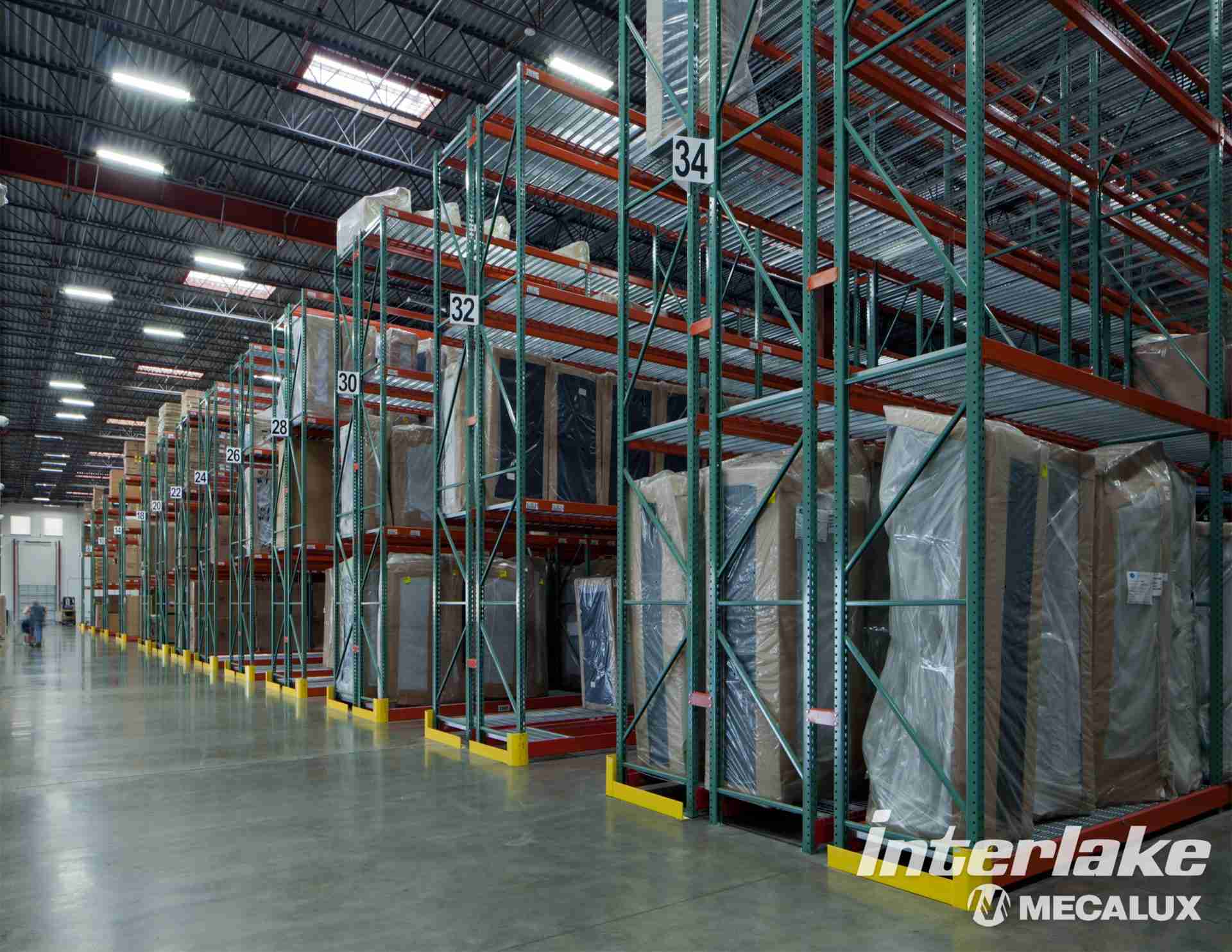
Is Your Team Prepared for a Sudden Warehouse Crisis?
Is Your Team Prepared for a Sudden Warehouse Crisis?
- Unexpected crises in warehouses can escalate quickly, emphasizing the need for preparedness.
- Evaluating current protocols and conducting safety drills can help prevent incidents.
- Investing in training for safe pallet racking usage boosts team confidence and safety.
- Effective communication strategies are crucial during emergencies; team members should know procedures by heart.
- Establishing a designated “crisis response team” helps manage emergencies efficiently.
- Reviewing and updating insurance policies is critical for a robust risk management strategy.
- Leader support fosters team resilience, empowering them to handle challenges effectively.
Is Your Team Prepared for a Sudden Warehouse Crisis?
Table Of Contents
- Is Your Team Prepared for a Sudden Warehouse Crisis?
- Is Your Team Ready For Unexpected Warehouse Disruptions?
- What Training Should Staff Receive For A Warehouse Crisis?
- How Can You Ensure Effective Communication During A Crisis?
- What Emergency Protocols Should Be In Place For Your Team?
- How Often Should Crisis Drills Be Conducted In The Warehouse?
- What Roles Should Team Members Play In A Warehouse Emergency?
- Conclusion
- Other Resources
- Glossary Of Terms
- Other Questions
- Checklist
Is Your Team Ready For Unexpected Warehouse Disruptions?
In the fast-paced world of logistics and distribution, the unexpected is always lurking around the corner. It’s not just a possibility; it’s a certainty. You could be enjoying smooth operations one moment, only to face a sudden equipment failure, a last-minute shipment that throws your schedule into chaos, or—heaven forbid—an unforeseen natural disaster. The crucial question becomes: is your team truly prepared to tackle these disruptions head-on?
Imagine your warehouse: rows upon rows of pallet racking filled with products, each meticulously organized and ready for dispatch. But what happens when the order of operations is thrown into disarray? Whether your team experiences supply chain interruptions or labor shortages, your ability to respond swiftly and effectively is what keeps the wheels of commerce turning.
Preparing your team is not just about the logistics—it’s about fostering a culture of adaptability. Engage your staff in regular training sessions that simulate real-world disruptions. Create an environment where team members feel empowered to think on their feet, communicate effectively, and execute contingency plans without hesitation. This is where true leadership shines, in the moments when plans go awry.
Now, let’s talk about resources. How well can your team navigate existing technology? Your pallet racking system might be the backbone of your storage solution, but if your team doesn’t know how to adjust quickly to changes—whether that’s reallocating space or rethinking inventory management—they’ll be lost. Equip them with the right tools and training to ensure every member understands not just how to use the equipment, but also how to adapt when things go sideways.
Engagement doesn’t stop with training; inspiring trust is essential. When your employees see you leading by example, whether it’s during challenging times or through regular updates on policies and procedures, they’ll feel more connected to the mission. Share stories of past challenges and how they were overcome. Recognizing and celebrating successes, both big and small, bolsters morale and prepares the team mentally for future hurdles.
As you reflect on the preparedness of your team, remember: it’s not about removing the threat of disruptions altogether—that’s unrealistic. Instead, it’s about cultivating a resilient, proactive workforce ready to jump into action no matter what surprises come their way. After all, in a world of uncertainty, it’s the well-prepared team that wins the day.

Is Your Team Ready For Unexpected Warehouse Disruptions?
Is Your Team Ready For Unexpected Warehouse Disruptions?
- Logistics and distribution are highly susceptible to unexpected disruptions, including equipment failures and natural disasters.
- Effective response to unexpected changes is crucial for maintaining smooth operations in warehousing and distribution.
- Fostering a culture of adaptability through regular training helps teams prepare for potential challenges.
- Empower employees to communicate effectively and execute contingency plans when unexpected situations arise.
- Equip the team with the right tools and training to navigate technology and manage inventory efficiently during disruptions.
- Inspire trust by leading by example and sharing stories of overcoming challenges to boost morale and connection to the mission.
- Focus on building a resilient and proactive workforce that is ready to tackle any surprises in an unpredictable environment.
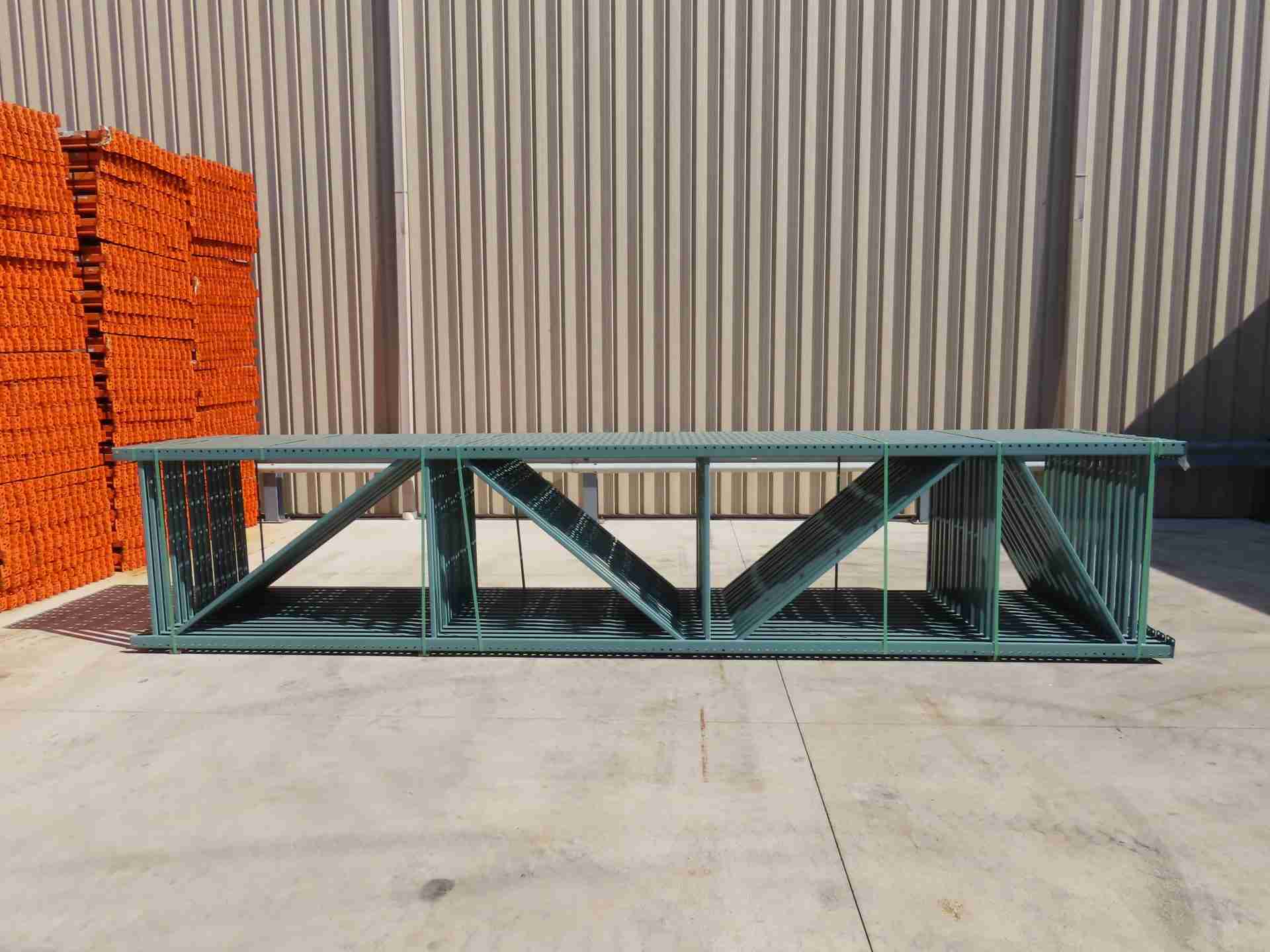
Is Your Team Ready For Unexpected Warehouse Disruptions?
What Training Should Staff Receive For A Warehouse Crisis?
When it comes to mitigating crises in a warehouse, the key lies in well-trained staff. Picture this: an unanticipated situation arises—whether it’s a health emergency, equipment malfunction, or a sudden influx of orders—and your team is expected to respond swiftly and efficiently. How do you prepare them for such critical moments? The answer is comprehensive, practical training that encompasses a multitude of scenarios, ensuring your warehouse floor becomes a well-oiled machine—even in a crisis.
First, let’s talk about safety protocol. Your team needs to be well-versed in safety measures, especially when navigating the challenges of handling heavy loads on pallet racking. Understanding how to operate around these towering structures minimizes the risk of accidents. Training should include not only the safe use of pallet racking systems but also the maneuvering of forklifts and other machinery in high-pressure situations. Employees should have hands-on experience with emergency procedures, including evacuation plans and first aid training.
Next, consider operational flexibility. The best training programs revolve around real-world scenarios where staff can practice their responses to various crises, from equipment failures to supply chain disruptions. Role-playing exercises can be invaluable here, allowing them to navigate potential catastrophes in a controlled environment, fostering team communication and collaboration that will carry over when it counts.
On top of this, equip your staff with the skills they need for effective problem-solving. Empower them to think critically and act decisively. Invite them to brainstorm ways to manage unexpected changes, such as a sudden spike in inventory or a last-minute order. A workforce that’s not only trained to react but can also anticipate challenges leads to a proactive culture that can handle any storm.
Finally, create a culture of trust and continuous improvement. Encourage your team to share experiences and lessons learned from training sessions. This ongoing dialogue fosters a sense of community and reinforces your training efforts. When employees feel they can openly discuss their concerns and triumphs, they form stronger connections—making them more likely to take decisive, informed actions during crises.
In summary, equipping your staff with robust training for warehouse crises is not just an investment in safety; it’s an investment in trust, confidence, and operational excellence. With the right training, your workforce will not only survive potential crises but thrive in the face of challenges. Elevate your warehouse operations today—because prepared teams save more than just time; they save lives and maintain productivity in turbulent times.
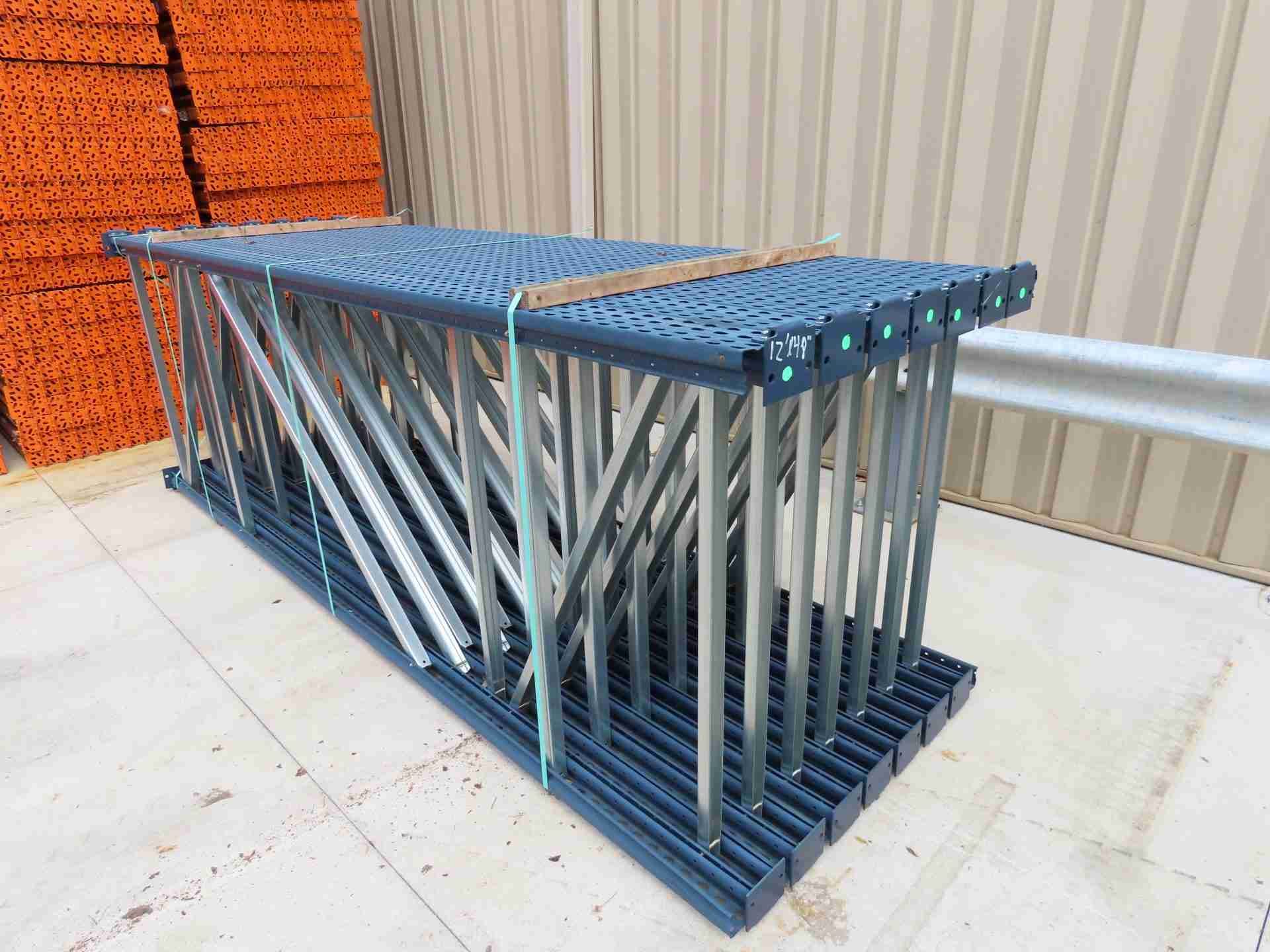
What Training Should Staff Receive For A Warehouse Crisis?
What Training Should Staff Receive For A Warehouse Crisis?
- Well-trained staff are essential for mitigating crises in warehouses.
- Comprehensive training should cover safety protocols for handling heavy loads and equipment.
- Hands-on experience with emergency procedures, including evacuation plans and first aid, is crucial.
- Training should include real-world scenarios and role-playing to build operational flexibility.
- Empower staff with critical thinking and problem-solving skills for unexpected challenges.
- Create a culture of trust and continuous improvement through shared experiences and open communication.
- Investing in robust training enhances safety, trust, confidence, and operational excellence in warehouse operations.

What Training Should Staff Receive For A Warehouse Crisis?
How Can You Ensure Effective Communication During A Crisis?
When the storm clouds gather and uncertainty looms, how you communicate can be the difference between chaos and clarity. In these moments, clear, concise, and consistent messaging becomes your strongest ally. It’s time to step up and show leadership—not just in what you say but how you say it.
Imagine your warehouse during a crisis. You have essential pallet racking filled with inventory, vital to your operations. The moment an issue arises—be it supply chain disruption or employee safety concerns—your internal and external communications must be as structured as that pallet racking, designed to hold everything in place.
First, acknowledge the issue at hand. Don’t hide behind vague platitudes or wait for the crisis to blow over. Share the facts transparently. People crave authenticity. They want to feel grounded in the reality of the situation, and you can provide that foundation. When your team or your customers know what’s happening, they’re more likely to trust your leadership.
Next, create a communication plan. This isn’t just about sending out one memo and calling it a day. Consider various channels—emails, text alerts, or even social media updates. Tailor your messages to suit each platform, but keep the core message consistent. Regular updates keep everyone in the loop and fortify your credibility. If your stakeholders feel informed, they’ll remain engaged and ready to act.
Engaging your team is equally crucial. Forge a connection by encouraging open dialogue. Host virtual town halls where questions can be asked, and concerns raised. Foster a culture where employees don’t just receive information but feel empowered to share their insights and ideas. This is like your pallet racking: it’s not just about storage; it’s about ensuring the entire system works efficiently together.
Lastly, don’t forget to communicate empathy. A crisis impacts everyone, often deeply. Acknowledge the emotional toll it takes on your staff and customers. Simple affirmations like “We’re in this together” resonate on a human level and strengthen bonds. This builds trust, which is your most valuable asset during turbulent times.
By focusing on clarity, consistency, engagement, and empathy, you can ensure effective communication that not only navigates the crisis but also fosters a resilient community. Now, let’s get your message out there and show the world how strong your support system really is—just like that robust pallet racking in your warehouse.
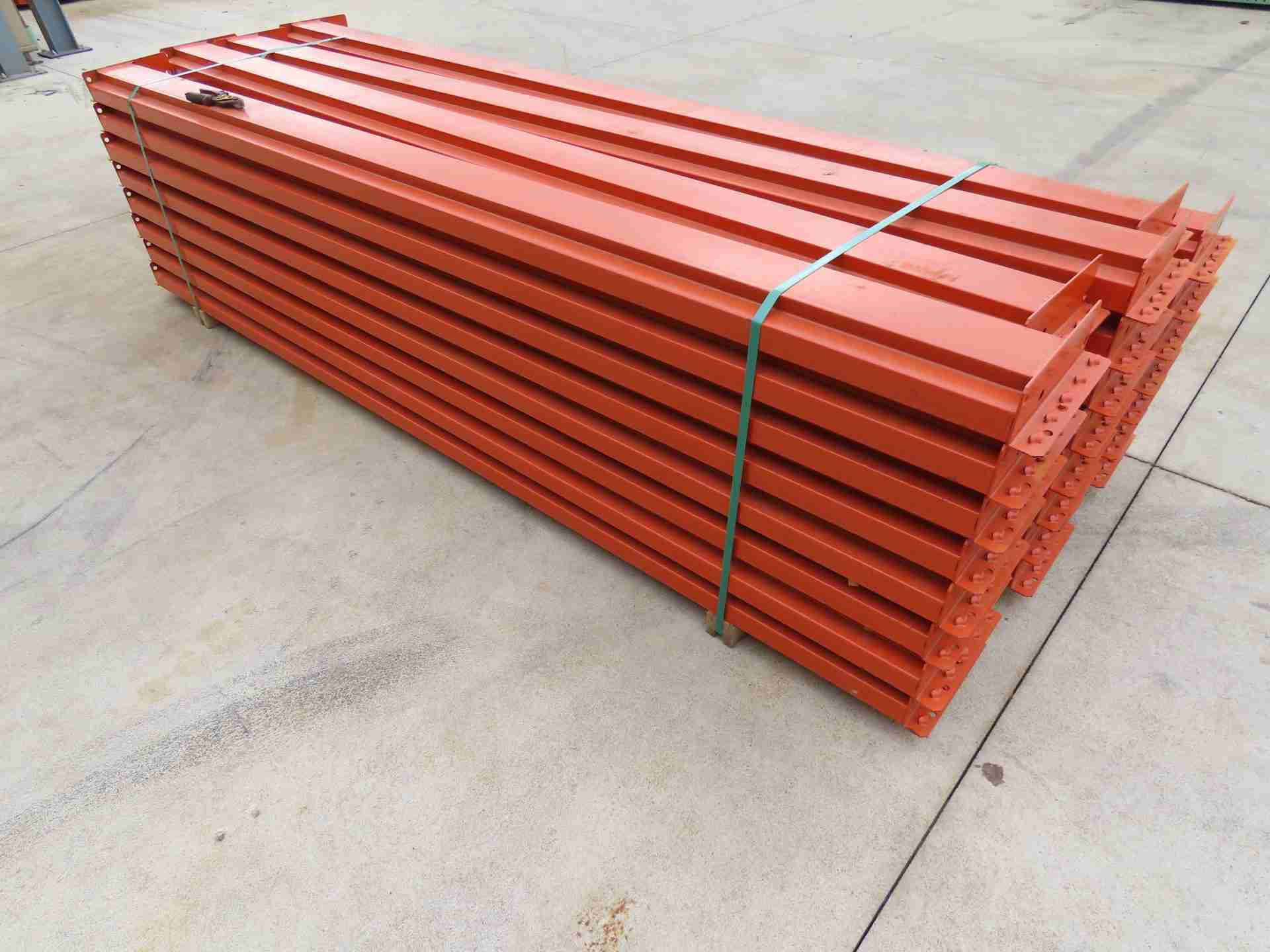
How Can You Ensure Effective Communication During A Crisis?
How Can You Ensure Effective Communication During A Crisis?
- Effective communication during a crisis can prevent chaos and promote clarity.
- Clear, concise, and consistent messaging is essential to maintain trust and authenticity.
- Acknowledge issues openly rather than hiding behind vague statements.
- Create a comprehensive communication plan that includes various channels and regular updates.
- Engage your team through open dialogue and encourage feedback to foster collaboration.
- Communicate empathy to recognize the emotional impact of the crisis on stakeholders.
- Focus on clarity, consistency, engagement, and empathy to build a resilient community.
How Can You Ensure Effective Communication During A Crisis?
What Emergency Protocols Should Be In Place For Your Team?
When it comes to your team and their safety, having robust emergency protocols isn’t just a legal requirement; it’s a moral imperative. How confident are you that your team knows exactly what to do in case of a crisis? Emergencies can strike at any time, whether it’s a fire, an earthquake, or even a sudden health incident. If you haven’t established crystal-clear protocols, you could be jeopardizing not only the safety of your employees but also the integrity of your entire operation.
Imagine a situation where a vital piece of equipment, like your Pallet Racking, has somehow been compromised. Perhaps it’s become unstable, or heaven forbid, there’s a fire in your warehouse. What then? Your team should already know the steps to secure exit routes and how to approach the situation without unnecessary risk. This isn’t simply about survival; it’s about ensuring that every member of your team feels prepared and empowered to act decisively.
Here’s where building a culture of trust and confidence comes into play. Start by being transparent with your team about the potential risks associated with the workplace. Create an open forum where employees can discuss their concerns and contribute to protocol development. No one understands the environment better than they do, and their insights can be invaluable.
Regular drills are essential. Schedule training sessions that mimic real-life emergency scenarios. This repetition will familiarize your team with the protocols and help them react more quickly should disaster strike. Remember, practice doesn’t make perfect; it makes permanent. A well-rehearsed approach ensures instinctual responses in high-pressure situations.
However, the protocols alone won’t provide the assurance your team needs without reliable support systems in place. Make sure your emergency plans are easily accessible—both physically, through posted materials, and digitally, with a dedicated section in your internal communication platform. This transparency not only builds trust but reinforces your commitment to their well-being.
Finally, don’t just set your protocols and forget them. Regularly revisit and update these procedures to reflect any changes in your workspace, including modifications to equipment and processes like your Pallet Racking systems. By keeping your protocols fresh and relevant, you’re signaling to your team that their safety is a non-negotiable priority.
The real measure of success isn’t just the protocols you establish but the peace of mind they bring to your team. Enabling them to feel safe and prepared will foster a work environment where collaboration thrives, and productivity soars. You owe it to them—and to yourself—to prioritize emergency preparedness.

What Emergency Protocols Should Be In Place For Your Team?
What Emergency Protocols Should Be In Place For Your Team?
- Robust emergency protocols are essential for team safety, serving both legal and moral obligations.
- Employees must be clear on the steps to take during a crisis, such as fires or equipment failure.
- Develop a culture of trust by transparently discussing workplace risks and involving employees in protocol development.
- Conduct regular drills to ensure team familiarity with emergency procedures, enhancing their instinctual responses.
- Emergency plans should be easily accessible both physically and digitally to reinforce trust and commitment to safety.
- Regularly update emergency protocols to reflect any changes in the workplace and equipment.
- The success of emergency protocols is measured by the peace of mind they provide to employees, fostering a safe and productive work environment.
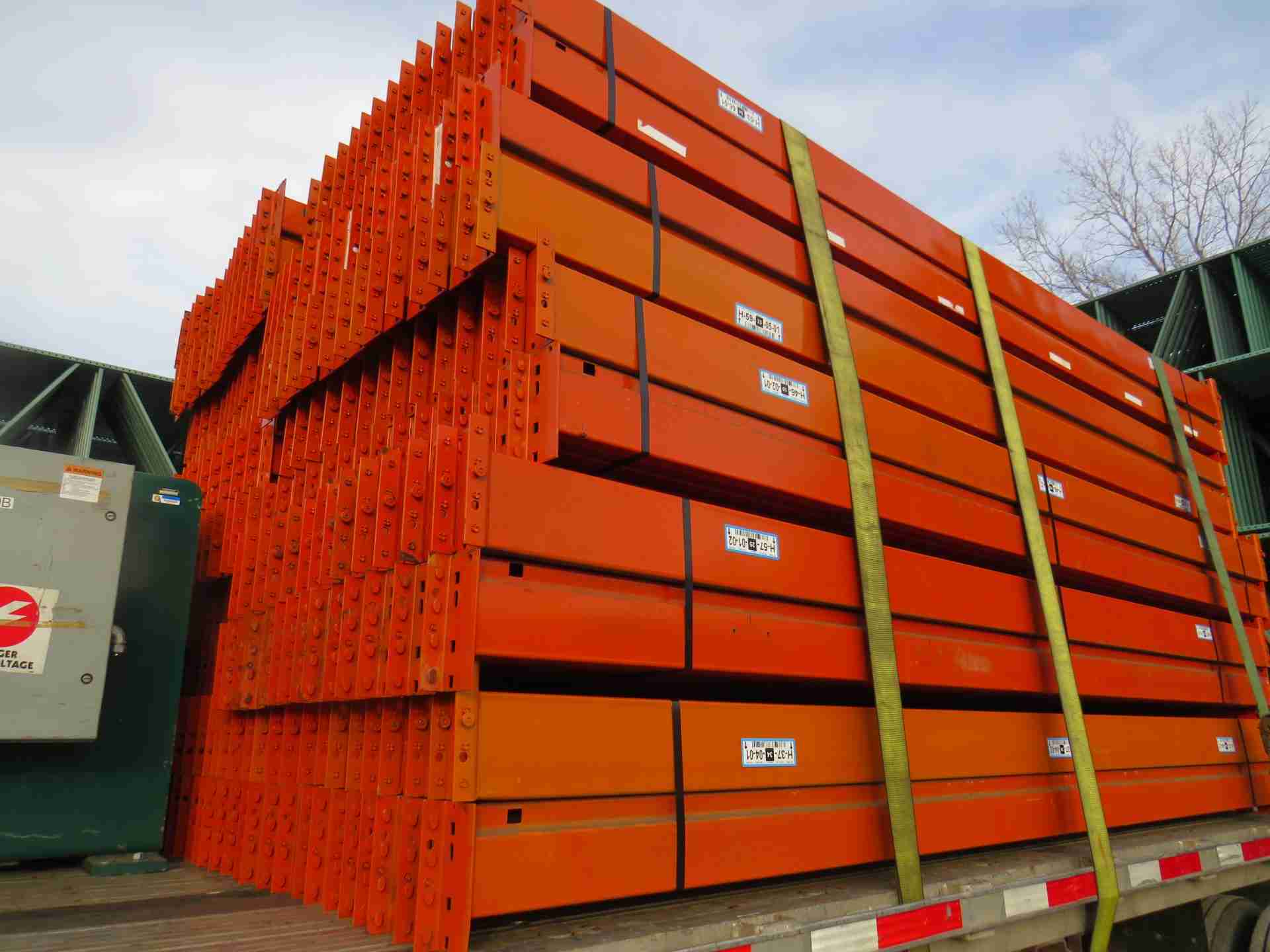
What Emergency Protocols Should Be In Place For Your Team?
How Often Should Crisis Drills Be Conducted In The Warehouse?
When it comes to ensuring the safety of your warehouse environment, regular crisis drills play a pivotal role—much like a well-oiled machine. Picture this: you’re managing a sprawling space filled with pallet racking, bustling with employees and heavy equipment. The energy is palpable, but underneath it all lies the potential for unforeseen incidents that could disrupt everything from productivity to safety.
So, how often should you conduct these crucial drills? The answer may surprise you. It isn’t just about ticking off boxes; it’s about cultivating a culture of preparedness. You should aim for at least two major crisis drills a year—think fire evacuations, chemical spills, or severe weather incidents. These aren’t one-off acts of compliance; they should be integrated into your routine operations. Regular drills instill a sense of confidence among your team, ensuring that everyone knows their roles in high-pressure situations.
But why stop there? Between those major drills, consider conducting shorter, more focused training sessions every quarter. These can focus on specific areas—perhaps a run-through on safely navigating around pallet racking or practicing how to operate emergency equipment. The key is consistency. Just like any skill, the ability to react effectively under pressure improves with practice.
Engage your team in discussions after each drill. What went well? What could be improved? This fosters an atmosphere of open communication and trust, where employees feel valued and invested in their safety and that of their colleagues. The more your team is involved, the more likely they are to remember the protocols during an actual crisis.
Additionally, don’t forget to adapt your drills to match the evolving landscape of your warehouse. Are your pallet racking systems changing? Have you added new machinery or altered workflows? Stay nimble and adjust your training exercises accordingly. Your crisis response strategy is only as strong as its latest iteration.
Ultimately, investing time in regular crisis drills signals a commitment—not just to compliance, but to your people. When your team knows that you prioritize safety and readiness, they will mirror that dedication, fostering a proactive environment where confidence thrives. So, take the step today! Make crisis drills a non-negotiable part of your warehouse culture, and watch your team transform into a united force, prepared for anything.
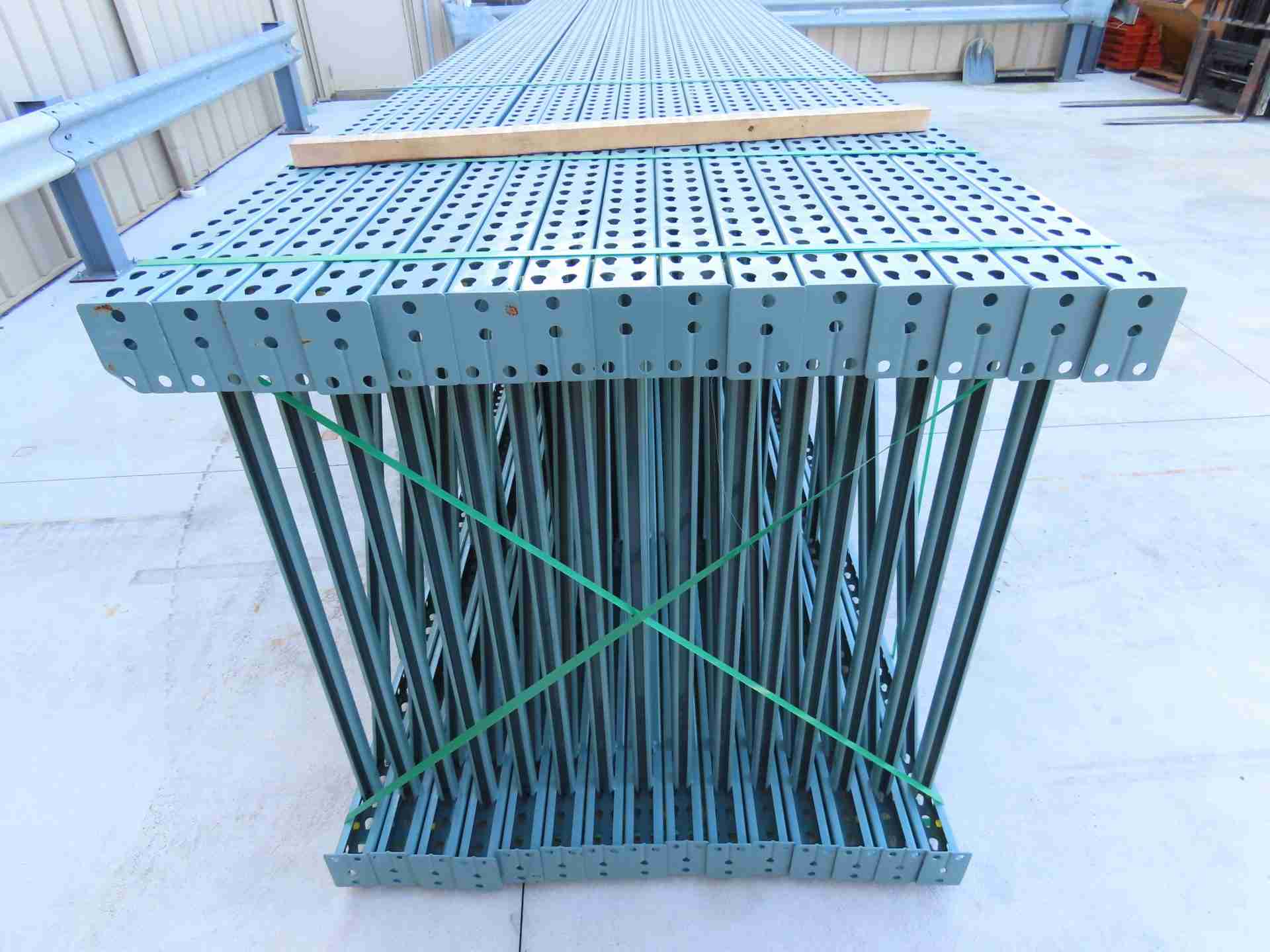
How Often Should Crisis Drills Be Conducted In The Warehouse?
How Often Should Crisis Drills Be Conducted In The Warehouse?
- Regular crisis drills are essential for ensuring warehouse safety and operational continuity.
- Conduct at least two major crisis drills annually, including fire evacuations, chemical spills, and severe weather incidents.
- Integrate drills into routine operations rather than treating them as mere compliance tasks.
- Implement shorter, focused training sessions every quarter to enhance specific safety skills.
- Encourage post-drill discussions to improve protocols and foster a culture of open communication.
- Adapt drills to address changing warehouse conditions, such as new equipment or altered workflows.
- Prioritizing safety through regular drills cultivates a proactive team atmosphere committed to preparedness.

How Often Should Crisis Drills Be Conducted In The Warehouse?
What Roles Should Team Members Play In A Warehouse Emergency?
When the unthinkable happens in a warehouse environment—think unexpected fires, hazardous spills, or even equipment failures—a well-orchestrated response can mean the difference between chaos and calm. We often think of emergencies as daunting scenarios, but with the right roles clearly defined for each team member, you can transform tension into teamwork and anxiety into action.
Start with your Emergency Response Team (ERT). These individuals are the frontline heroes, the ones who leap into action and execute your emergency response plan. They should undergo regular training to keep their skills sharp, ready to tackle anything from minor incidents to major catastrophes. This team, when properly organized and confident, can handle a situation that might otherwise spiral out of control.
Next comes your Warehouse Manager—the strategic leader in this symphony of safety. This person will ensure that everyone knows their assigned roles and that the emergency procedures are not just written on paper but embedded in the culture. They are responsible for identifying high-risk areas in the warehouse, such as around the pallet racking systems, and ensuring proper safety measures are in place. Equipment failure can happen, but by maintaining vigilant checks on your pallet racking, you ensure a safer environment for all.
Then, consider the role of the Safety Officer. While the ERT reacts, the Safety Officer watches over the entire operation, ready to make split-second decisions about evacuation and resource allocation. Their job is to remain calm under pressure and ensure that the appropriate protocols are followed—an anchor when everything feels tossed by the winds of panic.
Every team member plays a distinct—but equally crucial—role. Train all staff not only to know what to do in an emergency but also how to support their colleagues. Effective communication can save lives. Regular drills should encourage participation from every employee, ensuring they can confidently move from their workstation to safety.
Finally, your Emergency Contact List should be easily accessible and up-to-date. This list is your lifeline. Everyone should know who to reach out to when crises arise.
Engagement and preparedness are key. By embracing clearly defined roles and fostering a culture of safety, you set the stage for a cohesive and confident response, turning potential disaster into a moment of teamwork, resilience, and shared victory. In the chaos of an emergency, trust in your teammates—and trust in the plan—are your most reliable tools.
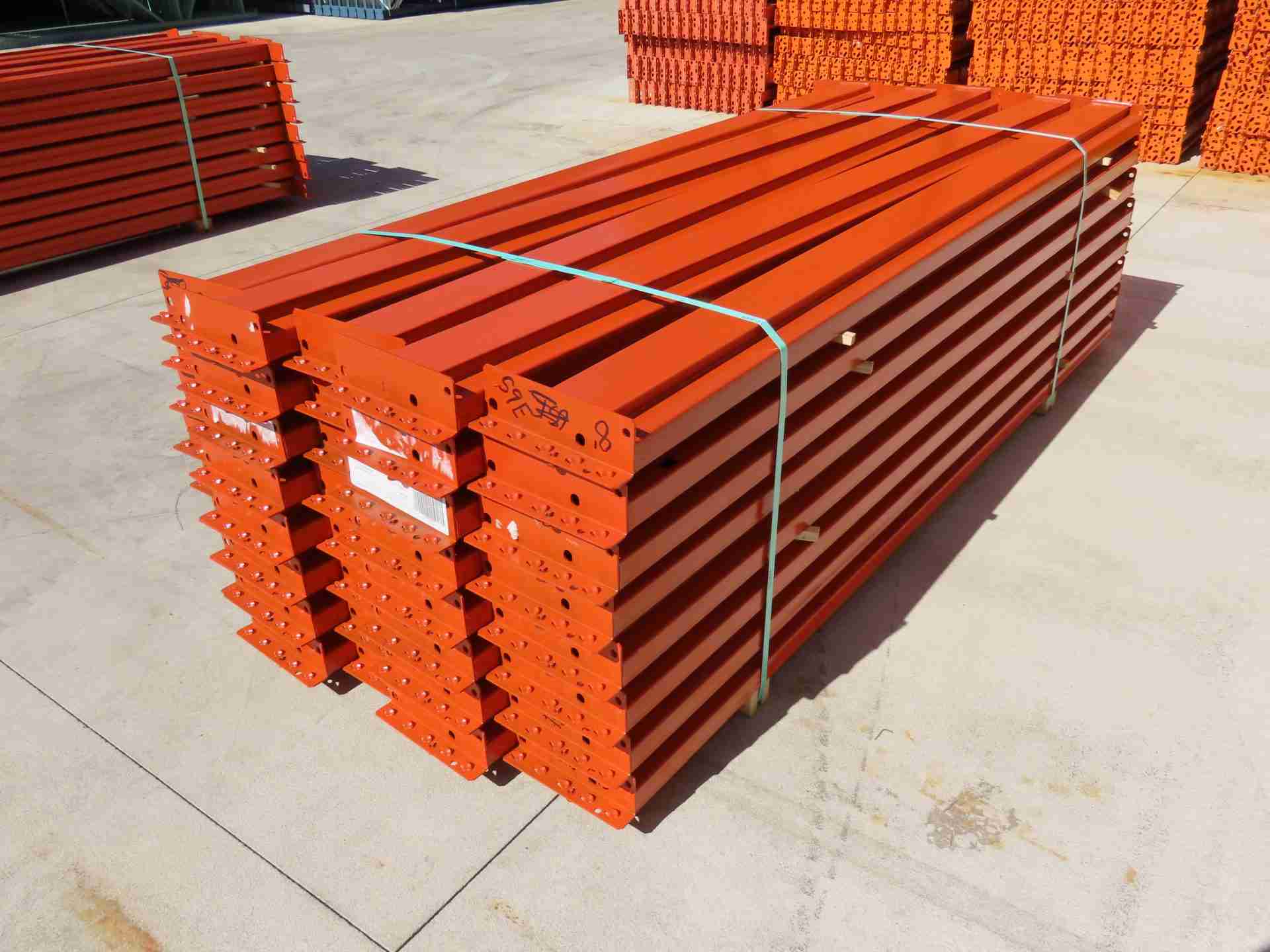
What Roles Should Team Members Play In A Warehouse Emergency?
What Roles Should Team Members Play In A Warehouse Emergency?
- Unexpected emergencies in warehouses, like fires or equipment failures, require well-coordinated responses to maintain calm.
- The Emergency Response Team (ERT) consists of trained individuals ready to enact the emergency response plan, minimizing chaos.
- Warehouse Managers play a strategic role, ensuring team members understand their responsibilities and prioritizing safety culture.
- Safety Officers oversee operations during emergencies, making critical decisions about evacuations and protocol adherence.
- All staff should be trained to respond to emergencies and support one another, fostering effective communication and teamwork.
- Maintain an up-to-date Emergency Contact List for quick access to essential personnel during crises.
- Engaging all team members with clearly defined roles enhances preparedness and transforms potential disasters into opportunities for teamwork.

What Roles Should Team Members Play In A Warehouse Emergency?
Conclusion
Conclusion: The Path to Warehouse Crisis Preparedness
In today’s fast-paced logistics industry, the specter of unexpected crises looms large, reminding us that chaos can erupt at any moment. Are you and your team equipped to tackle these challenges head-on? The difference between a successful response and a catastrophic failure hinges on thorough preparedness and proactive planning. The urgency to act is now—don’t wait until a crisis disrupts your operations.
At Arrow Industrial Sales, we understand that your warehouse isn’t just a collection of shelves and products; it’s the backbone of your business. That’s why we emphasize the importance of equipping your workforce with comprehensive training tailored to real-world scenarios. This isn’t merely an investment in safety—it’s a direct investment in your team’s confidence and your business’s continuity.
Start with clear and concise communication protocols, ensuring that every employee knows their role in the face of danger. The implementation of a designated emergency response team, along with regular crisis drills, fosters a culture of teamwork and quick response that is vital during an emergency. These practices empower every member of your staff to feel secure in their ability to act decisively, turning panic into action.
In establishing your crisis management plan, consider the significance of having robust emergency protocols in place. The stakes are high—your team’s safety and the continuity of operations depend on clarity and preparedness. Conducting drills twice a year, complemented by quarterly refreshers, keeps your team’s skills sharp and your safety culture alive.
But it doesn’t stop there. Evaluate your existing solutions. Is your pallet racking system up to date, and are your employees trained adequately to handle potential issues? Investing in advanced equipment alongside training will give you the edge you need in managing disruptions effectively.
The time for action is now! Don’t find yourself in a position where your team is unprepared. Contact Arrow Industrial Sales at (574) 349-6575 to learn more about our tailored solutions to enhance your warehouse readiness. With each thoughtful step you take towards equipping your workforce, you not only safeguard your operations but also cultivate an environment of resilience and confidence amidst uncertainty.
Seize this moment to bolster your warehouse crisis preparedness. Your winding path towards operational excellence begins today—act swiftly, act decisively, and assure your team is ready for whatever challenges lie ahead!
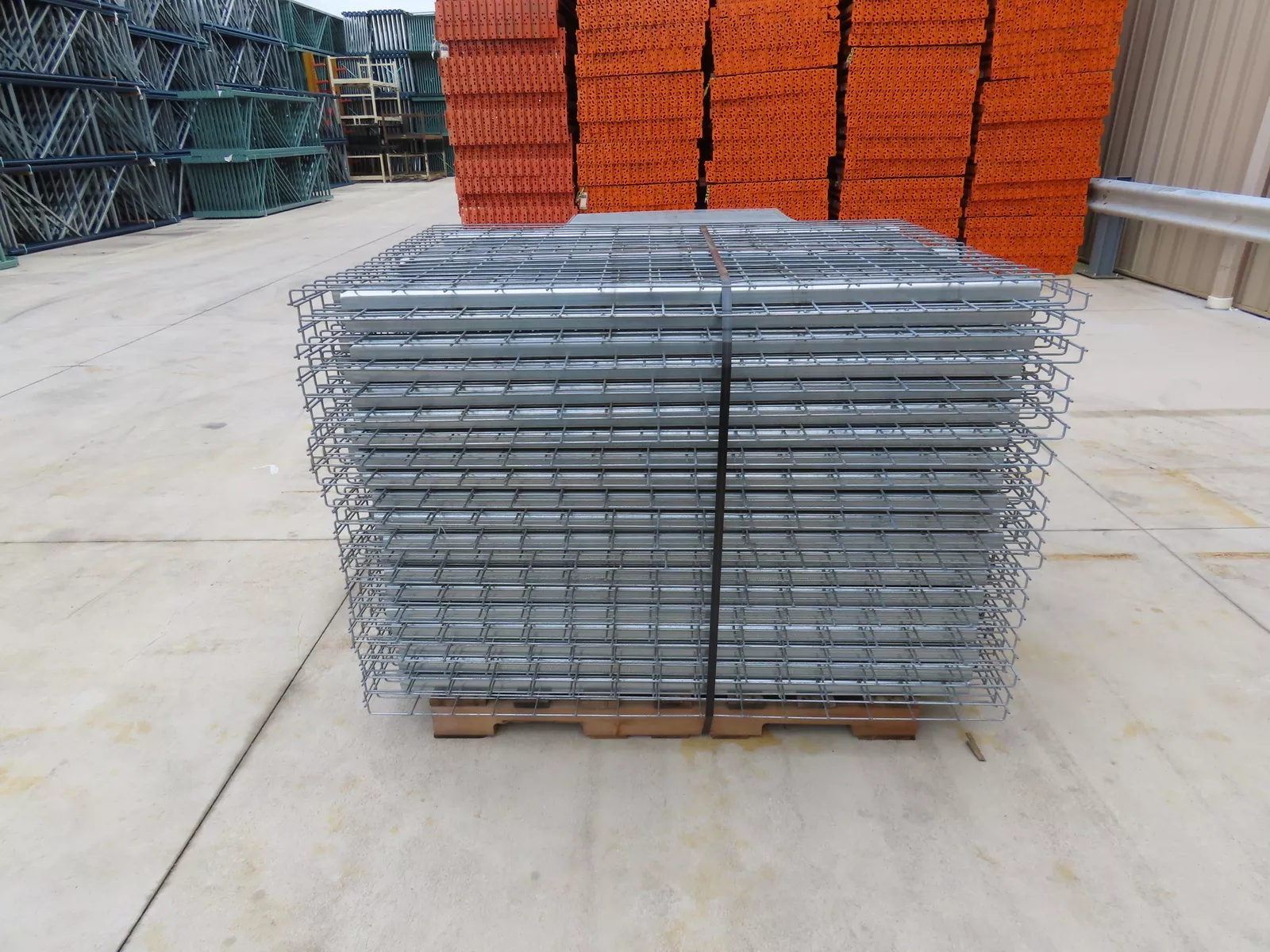
Conclusion
Conclusion:
- The logistics industry faces unexpected crises, making preparedness crucial for success.
- Comprehensive training for your workforce is essential for confidence and continuity.
- Implement clear communication protocols so every employee knows their role in emergencies.
- Create a designated emergency response team and conduct regular crisis drills.
- Establish robust emergency protocols and conduct drills twice a year with quarterly refreshers.
- Ensure your equipment, such as pallet racking systems, is up to date and staff are trained to handle issues.
- Contact Arrow Industrial Sales to learn about tailored solutions for warehouse readiness.
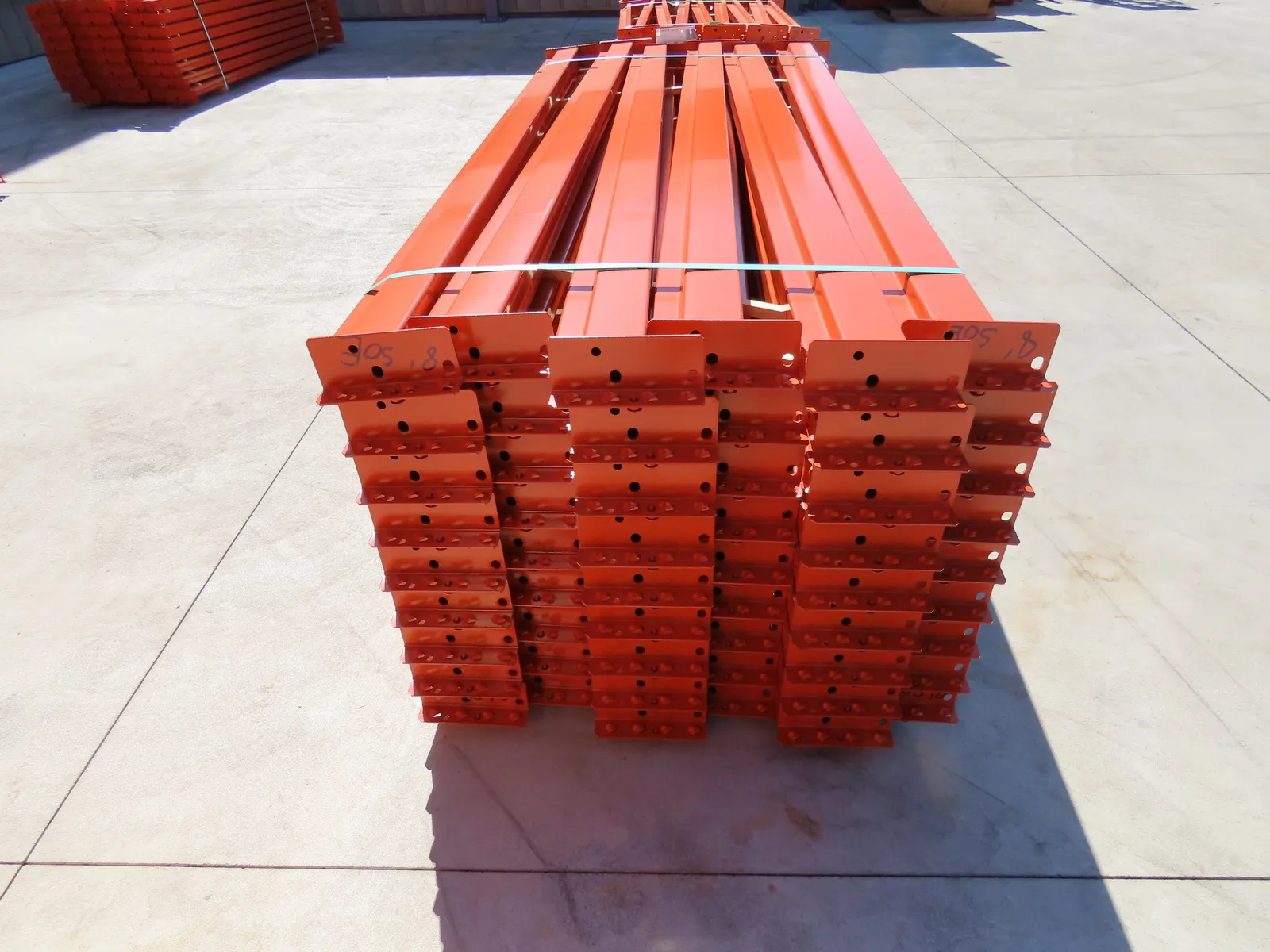
Conclusion
Other Resources
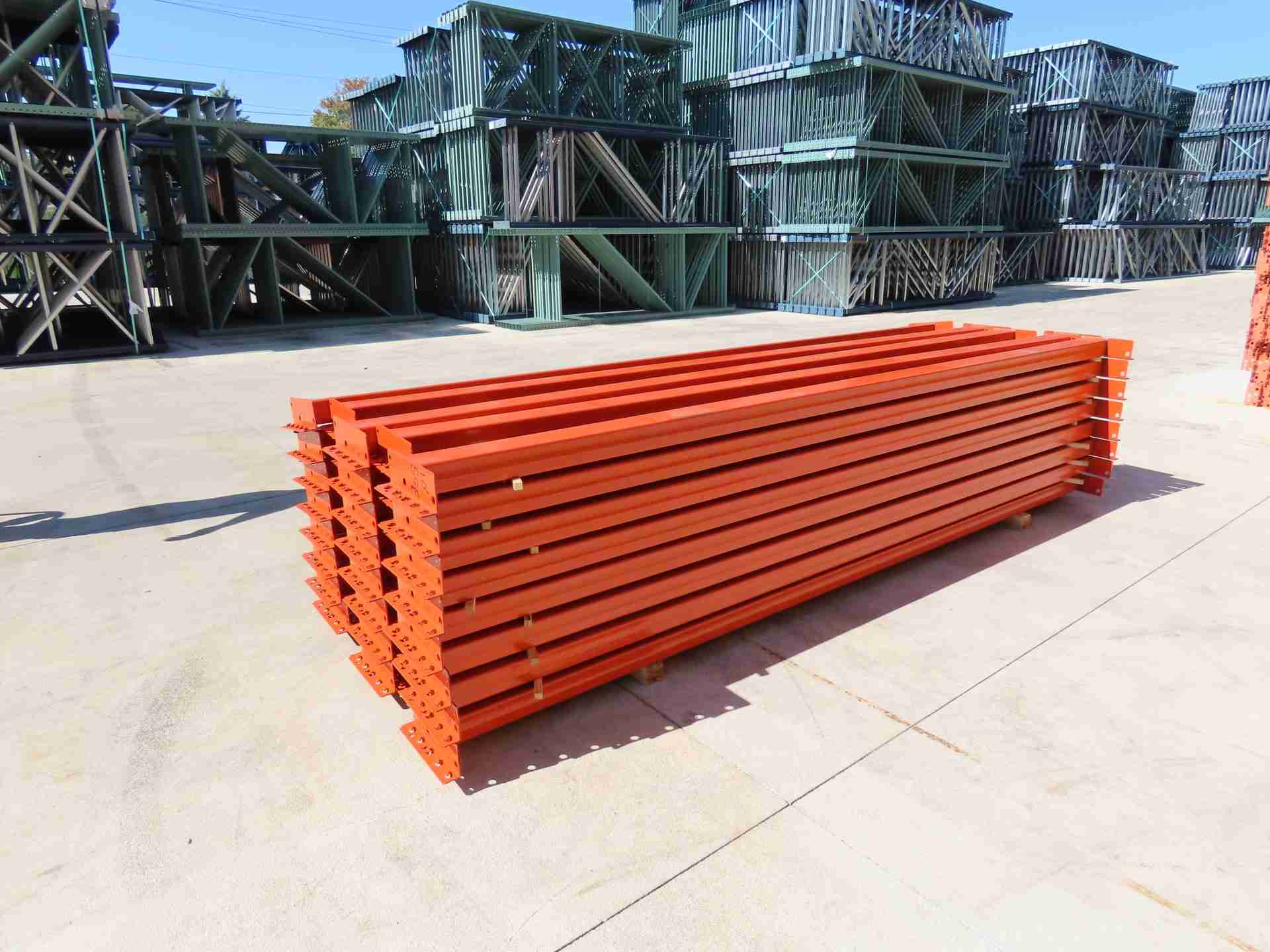
Other Resources
Here is a list of other resources you can review online to learn more:
- Rack Manufacturers Institute
- Interlake Mecalux
- Illinois Pallet Racking – WPRP
- Selective Rack – Raymond West
- ASSP
- NSC
- Cantilever Racking Specialists – Get the Right Racks
- Teardrop Industrial Shelving Rack
- Selective Pallet Racking Systems – Container Systems
- Cantilever Racks Chicago
Use This Prompt To Get More Resources With Your Favorite Online AI Tool: Please provide me with a list of online articles with their URLs in a bulleted list that I can read regarding Is Your Team Prepared for a Sudden Warehouse Crisis?

Other Resources
Glossary Terms
Is Your Team Prepared for a Sudden Warehouse Crisis? – Glossary Of Terms
1. Crisis Management: The process of preparing for and responding to unexpected and disruptive events in a structured manner.
2. Supply Chain: The entire system of production, processing, and distribution of goods from suppliers to customers.
3. Inventory Management: The supervision of non-capitalized assets, or inventory, to ensure optimal stock levels are maintained.
4. Emergency Preparedness: Planning and training to ensure that a team can effectively respond to emergencies.
5. Risk Assessment: The identification and evaluation of potential risks that could negatively impact a warehouse operation.
6. Contingency Plan: A predefined strategy that outlines procedures to follow in the event of an unexpected crisis.
7. Business Continuity: The capacity of an organization to maintain essential functions during and after a crisis.
8. Logistics: The detailed coordination of complex operations involving people, facilities, and supplies.
9. Response Team: A designated group tasked with managing and responding to crises as they occur.
10. Training Drills: Simulated exercises for employees to practice emergency procedures and ensure readiness.
11. Communication Plan: A strategy for providing timely and accurate information to all stakeholders during a crisis.
12. Resource Allocation: The process of distributing available resources effectively during a crisis situation.
13. Safety Protocols: Guidelines established to ensure the safety and well-being of employees during emergencies.
14. PPE (Personal Protective Equipment): Specialized clothing and equipment worn to protect workers from potential hazards.
15. Evacuation Plan: A plan detailing how to safely remove personnel from the warehouse in case of emergency.
16. Breach of Protocol: A violation of established procedures that can exacerbate a crisis situation.
17. Crisis Communication: The method of informing and managing internal and external communication during a crisis.
18. Redundancy: Backup systems or processes that can be activated if primary ones fail during a crisis.
19. Incident Report: Documentation detailing an unexpected event, its impact, and the response executed.
20. Operational Disruption: A situation where normal warehouse operations are interrupted, often necessitating a crisis response.
21. Emergency Equipment: Tools and materials that are specifically designated for responding to emergencies, such as fire extinguishers.
22. Safety Audits: Periodic inspections performed to ensure compliance with safety regulations and protocols.
23. Recovery Phase: The period following a crisis during which normal operations are restored and improved.
24. Warehouse Security: Measures and protocols in place to protect goods and personnel from theft or harm.
25. Regulatory Compliance: The adherence to laws and guidelines that govern warehouse operations and safety protocols.
26. Stakeholder Engagement: Involving individuals or groups with an interest in the warehouse operations during crisis planning.
27. Threat Analysis: The process of identifying and evaluating potential threats that could lead to a crisis.
28. Emergency Contact List: A compiled list of individuals who should be contacted during a crisis, such as emergency services.
29. Incident Command System: A standardized approach to incident management that enables effective communication and coordination during crises.
30. Post-Crisis Evaluation: An assessment conducted after a crisis to analyze response effectiveness, identify lessons learned, and improve future preparedness.

Glossary Of Terms
Other Questions
Is Your Team Prepared for a Sudden Warehouse Crisis? – Other Questions
If you wish to explore and discover more, consider looking for answers to these questions:
- What are some common warehouse crises that teams face?
- How can I create a crisis response team effectively?
- What should be included in a comprehensive training program for warehouse staff?
- How can technology aid in warehouse crisis management?
- What are the key components of a communication plan during a crisis?
- How can I conduct an effective post-crisis review?
- What resources are available for warehouse safety training?
- How can I assess the current preparedness of my team?
- What role does leadership play in crisis preparedness?
- How should we handle communication with customers during a crisis?
- What specific protocols should be in place for different types of emergencies?
- How do I keep my emergency protocols updated and relevant?
- What steps can be taken to enhance employee engagement in safety measures?
- How can we measure the effectiveness of our crisis drills?
- What are the best practices for documenting emergencies and responses?
Other Questions
Checklist
Is Your Team Prepared for a Sudden Warehouse Crisis? – A Checklist
Checklist: 6 Critical Steps to Ensure Warehouse Crisis Readiness
1. Evaluate Current Crisis Protocols
_____ Assess existing emergency protocols in your warehouse.
_____ Identify gaps in training and procedures.
2. Implement Comprehensive Training Programs
_____ Design a training program that includes:
_____ Safety drills for potential emergencies.
_____ Safe operation procedures for pallet racking systems.
_____ First aid and evacuation procedures.
3. Develop Clear Communication Strategies
_____ Create a robust communication plan for crises.
_____ Use visible markers and simple imagery in the warehouse for guidance.
_____ Conduct regular communication updates with staff.
4. Establish a Crisis Response Team
_____ Designate and train specific team members to lead during crises.
_____ Ensure this team is familiar with key features of the warehouse (e. g. , pallet racking systems).
5. Review and Update Risk Management & Insurance Policies
_____ Conduct a comprehensive review of current insurance policies.
_____ Adjust coverage as necessary to protect against potential losses.
6. Conduct Regular Crisis Drills
_____ Schedule a minimum of two major crisis drills per year.
_____ Hold quarterly focused training on specific scenarios or challenges.
_____ Obtain feedback after drills to improve future responses.
7. Define Roles for Each Team Member in Emergencies
_____ Clearly outline the roles of:
_____ Emergency Response Team (ERT) members.
_____ Warehouse Manager.
_____ Safety Officer.
_____ Ensure all team members know their responsibilities in a crisis.
8. Create a Culture of Adaptability and Trust
_____ Encourage staff feedback and contribute to protocol development.
_____ Hold regular team discussions to share experiences and improve safety measures.
9. Keep Emergency Protocols Easily Accessible
_____ Ensure protocols are posted physically in visible areas.
_____ Maintain a digital version accessible to all employees.
10. Foster Continuous Improvement
_____ Regularly revisit and update emergency procedures based on changes in the warehouse setup or operations.
_____ Promote open dialogue regarding safety concerns and suggestions for improvement.
By following these steps, your warehouse team will be better prepared to handle unexpected crises, ensuring a safer and more efficient work environment.

Checklist
At RackingWorld, we help guide you through selecting warehouse storage systems and racking.
Be sure to read our other related stories at RackingWorld to learn more about warehouse storage systems.
0 Comments