
Ensuring Safety And Compliance: Expert Guide To Rack Anchoring
By Tom Seest
At RackingWorld, we help guide you through selecting warehouse storage systems and racking.
Be sure to read our other related stories at RackingWorld to learn more about warehouse storage systems.
How to Anchor Racks to Meet Code Compliance
When it comes to racking systems, it’s not just about lumber and screws; it’s about safety and compassion for those who work and thrive in those environments. Every time you step into a warehouse or a storeroom, you’re walking into a complex tapestry of human endeavor—men and women striving to feed their families, build their dreams, and contribute to society. And at the heart of that effort is the often-overlooked but critically important step of anchoring racks to meet code compliance.
Let’s face it, the thought of stacks of goods teetering like a game of Jenga isn’t just a nightmare; it’s an impending disaster. When racks aren’t anchored properly, you’re not just playing with fire—you’re risking lives. It’s essential to understand that each bolt you secure and each brace you install is a silent promise to your co-workers: “I’ve got your back.” Empathy should drive every decision, ensuring that those racks are as sturdy as the values we hold dear.
The rationale behind code compliance isn’t just about avoiding fines or legal repercussions; it’s about doing the right thing. Think of it as a roadmap for safety—a guideline designed by those who’ve forged the path before you. These codes exist because someone, somewhere, learned the hard way that shortcuts don’t cut it. Every specification is a lesson learned from lives impacted, so when you comply, you’re not just ticking boxes; you’re honoring a legacy of responsibility and diligence.
There’s also an ethical dimension at play. By anchoring those racks properly, you’re not only protecting the investment of materials and machinery, but you’re safeguarding human life. This isn’t just a technical task; it’s an act of humanity. Imagine walking into a space where you know every rack is secured. You breathe easier, and you work better. That’s what community is built on: trust.
Engage with the tools and knowledge at your disposal. Learn the appropriate codes, seek advice from experts, and collaborate with others. This isn’t just about individual responsibility but collective accountability. Together, we can create safe and productive work environments where people aren’t just getting by, but thriving. When you anchor those racks, you’re building a solid foundation—one that holds up not just the materials but the dreams and aspirations of everyone who works beneath them.
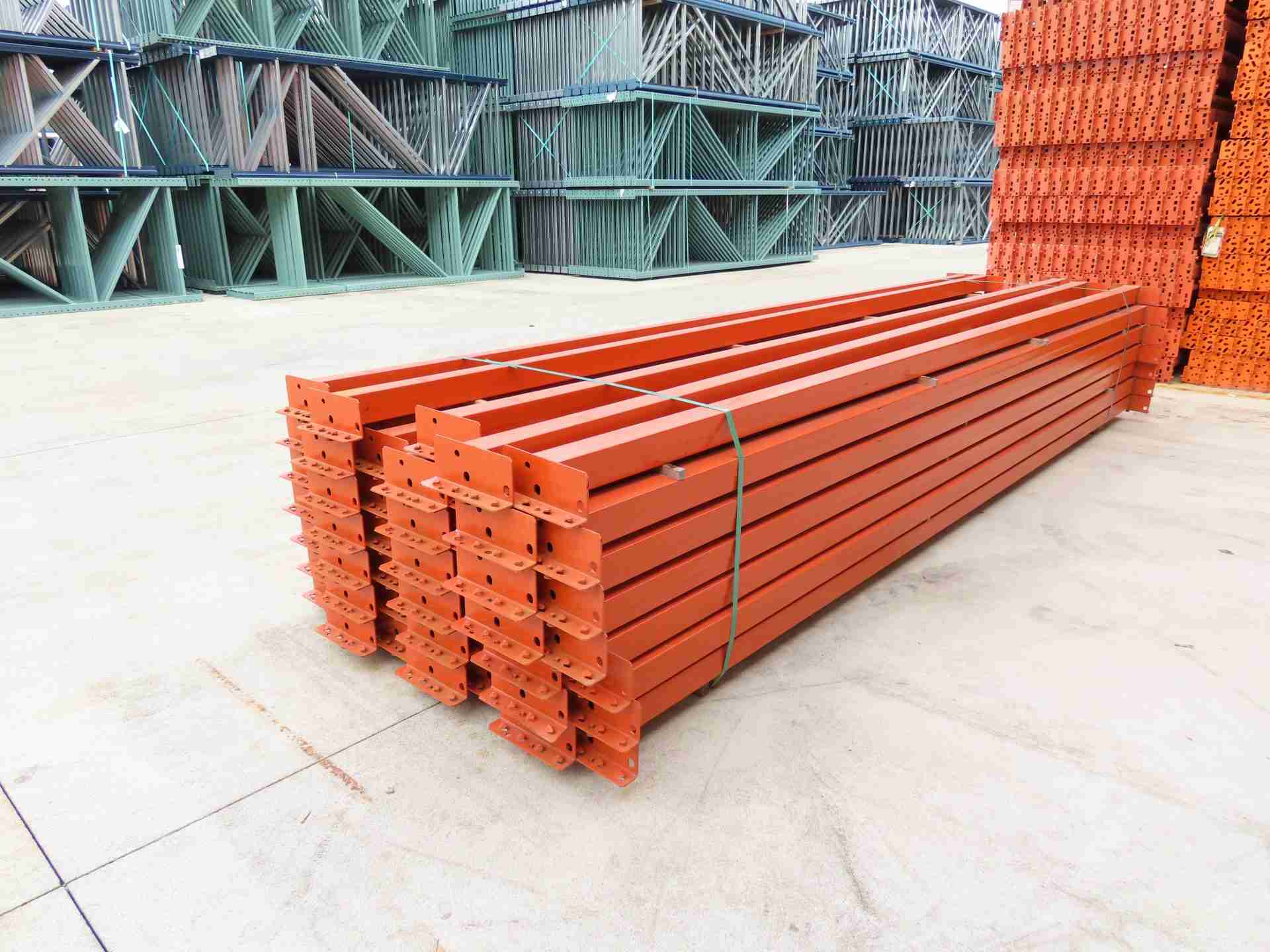
How to Anchor Racks to Meet Code Compliance
How to Anchor Racks to Meet Code Compliance
- Racking systems are not only about materials; they also involve safety and empathy for workers.
- Warehouses represent a collective effort by individuals striving to support their families and contribute to society.
- Properly anchoring racks is crucial for code compliance and prevents hazardous situations that endanger lives.
- Complying with safety codes is a way to honor the lessons learned from past mistakes and ensure responsibility.
- Safeguarding human life by properly anchoring racks is an ethical obligation and an act of humanity.
- Creating safe environments requires engagement with safety codes, expert collaboration, and shared accountability.
- When racks are securely anchored, it fosters trust and allows individuals to work and thrive in their environments.
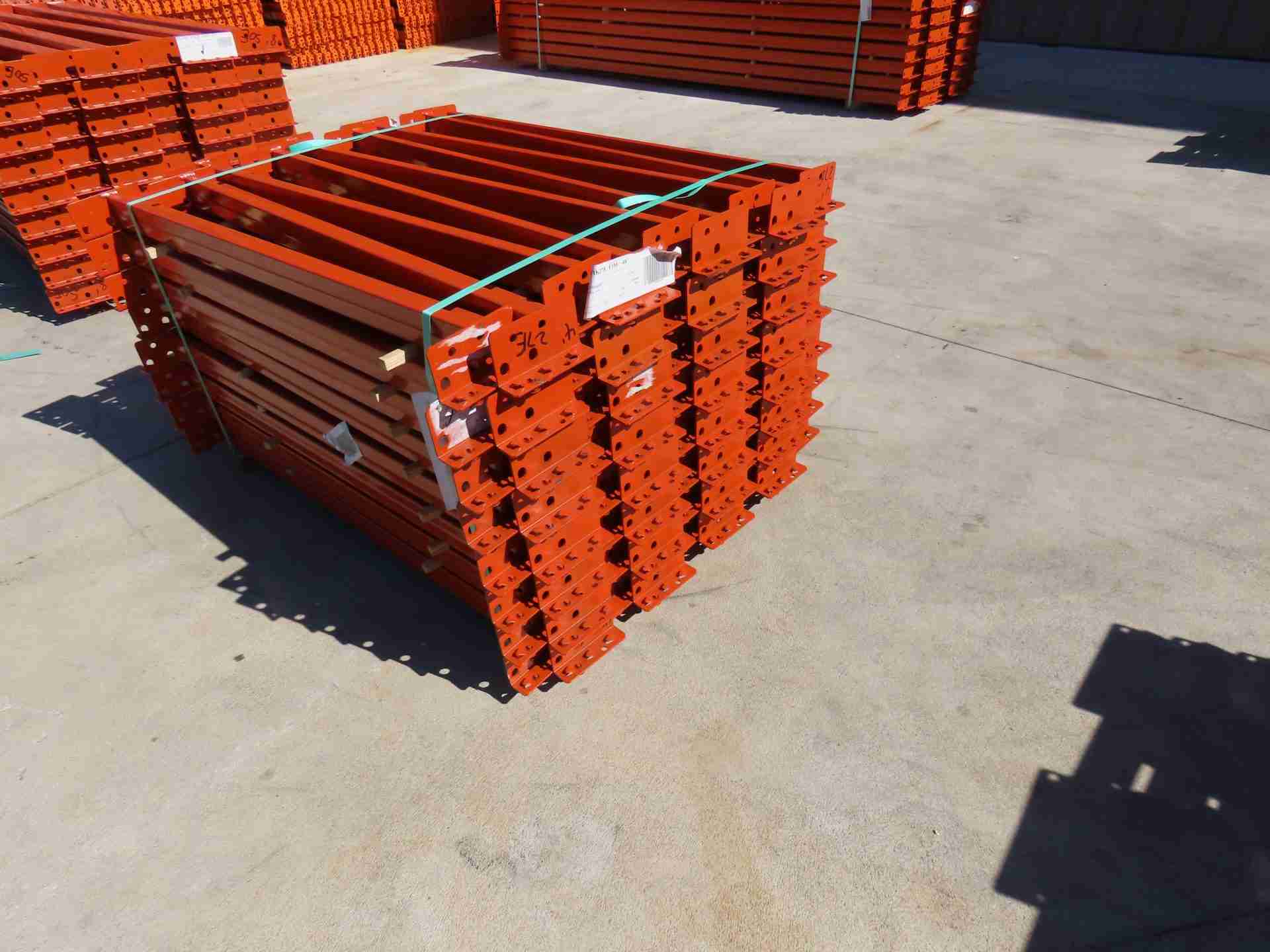
How to Anchor Racks to Meet Code Compliance
Table Of Contents
- How to Anchor Racks to Meet Code Compliance
- What Are the Emotional Risks Of Non-Compliance with Rack Anchoring?
- How Can Proper Anchoring Prevent Costly Structural Failures?
- What Ethical Responsibilities Do We Have to Ensure Safety Standards?
- Who Are the Authorities Setting These Rack Compliance Codes, and Why?
- What Societal Impacts Arise From Ignoring Rack Anchoring Standards?
- Conclusion
- Other Resources
- Glossary Of Terms
- Other Questions
- Checklist
What Are the Emotional Risks Of Non-Compliance with Rack Anchoring?
In the high-stakes world of warehouse management, racking systems represent the backbone of efficiency. However, when we talk about non-compliance with rack anchoring, we dive into a sea of emotional risks that extend far beyond structural integrity. Picture for a moment the stress that grips a worker navigating a chaotic, disorganized space—safety issues loom large, yet so do questions of responsibility and accountability.
Let’s start with the human element. Imagine a dedicated employee, the kind of person who brings their best to work every day. They trust that the loading dock is a safe environment. Now, envision the emotional upheaval they experience if the racking system—crucial for storing inventory—fails due to non-compliance with anchoring protocols. The very essence of their job, their sense of purpose, crumbles. This isn’t just about steel and bolts; it’s about peace of mind, about coming to work and feeling safe, valued, and respected.
Next, let’s think rationally. Non-compliance can lead to catastrophic accidents, resulting in injuries that affect not just the individual but ripple out to families and communities. The financial implications are staggering, with medical costs, legal fees, and potential downtime all piling up. When you consider the ethical obligation to protect your workforce, ignoring rack anchoring protocols isn’t just reckless—it’s a moral failure. The numbers don’t lie; safety compliance isn’t merely a box to tick; it’s a culture that can make or break an organization.
Socially, we long for the bonds created by teamwork and collaboration. Non-compliance can fracture these connections, breeding distrust and fear among colleagues. When team morale dips, productivity follows suit, and that shared mission morphs into a breeding ground for anxiety. People begin to question their own safety and the commitment of leadership, and a toxic workplace culture can emerge.
Now, think about the narrative we can create together. By adhering to proper rack anchoring protocols, we strengthen our community. Employees become advocates for safety, sharing stories of their successful rack management practices. They inspire peers to engage in a shared mission, raising awareness and taking pride in their environment. This camaraderie nurtures a culture of accountability and trust, empowering teams to stand strong against the lurking threats of non-compliance.
The emotional risks of ignoring rack anchoring extend far beyond the metal framework that holds our inventory. They touch lives, build or shatter trusts, and weave the very fabric of our collective workplace experience. So, let’s anchor our commitment to compliance—not just for the sake of racking, but for the heartbeat of our workforce.
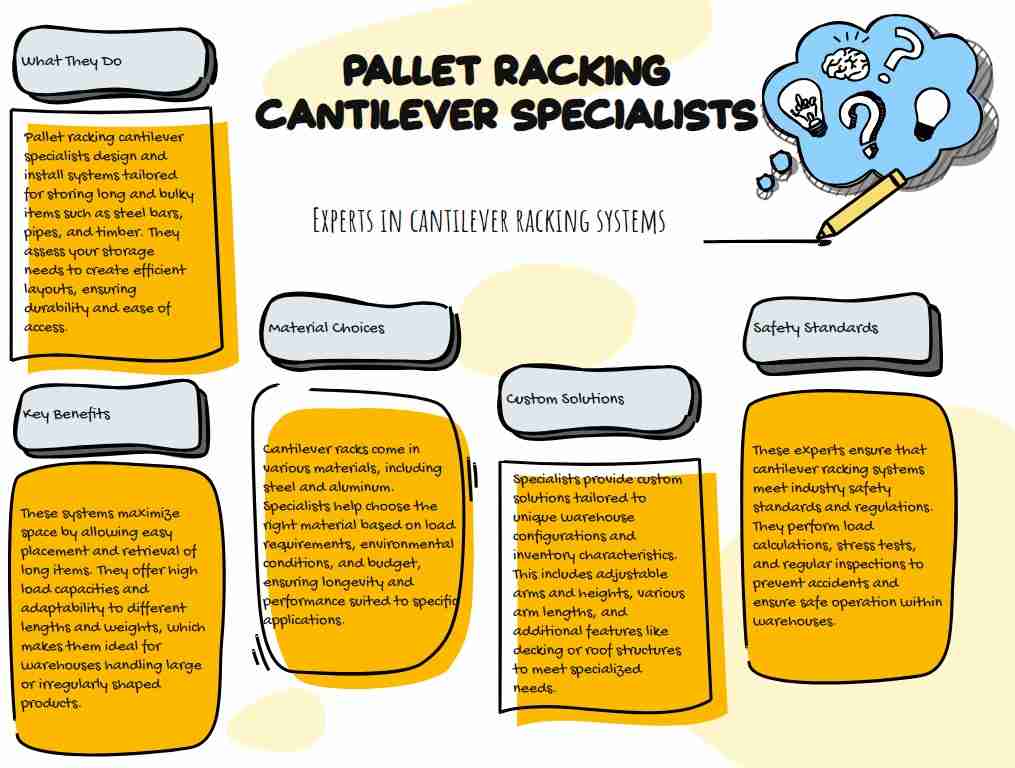
What Are the Emotional Risks Of Non-Compliance with Rack Anchoring?
What Are the Emotional Risks Of Non-Compliance with Rack Anchoring?
- Racking systems are crucial for warehouse efficiency and safety.
- Non-compliance with rack anchoring creates emotional risks, impacting workers’ sense of safety and purpose.
- Failure of racking systems due to non-compliance can lead to catastrophic accidents, affecting employees and their families.
- Ignoring safety protocols poses financial risks, including medical costs and legal fees.
- Non-compliance can damage workplace culture, leading to distrust, fear, and decreased productivity.
- Adhering to rack anchoring protocols fosters a strong community and promotes a culture of accountability and trust.
- The emotional implications of compliance extend beyond safety, influencing workplace relationships and experiences.
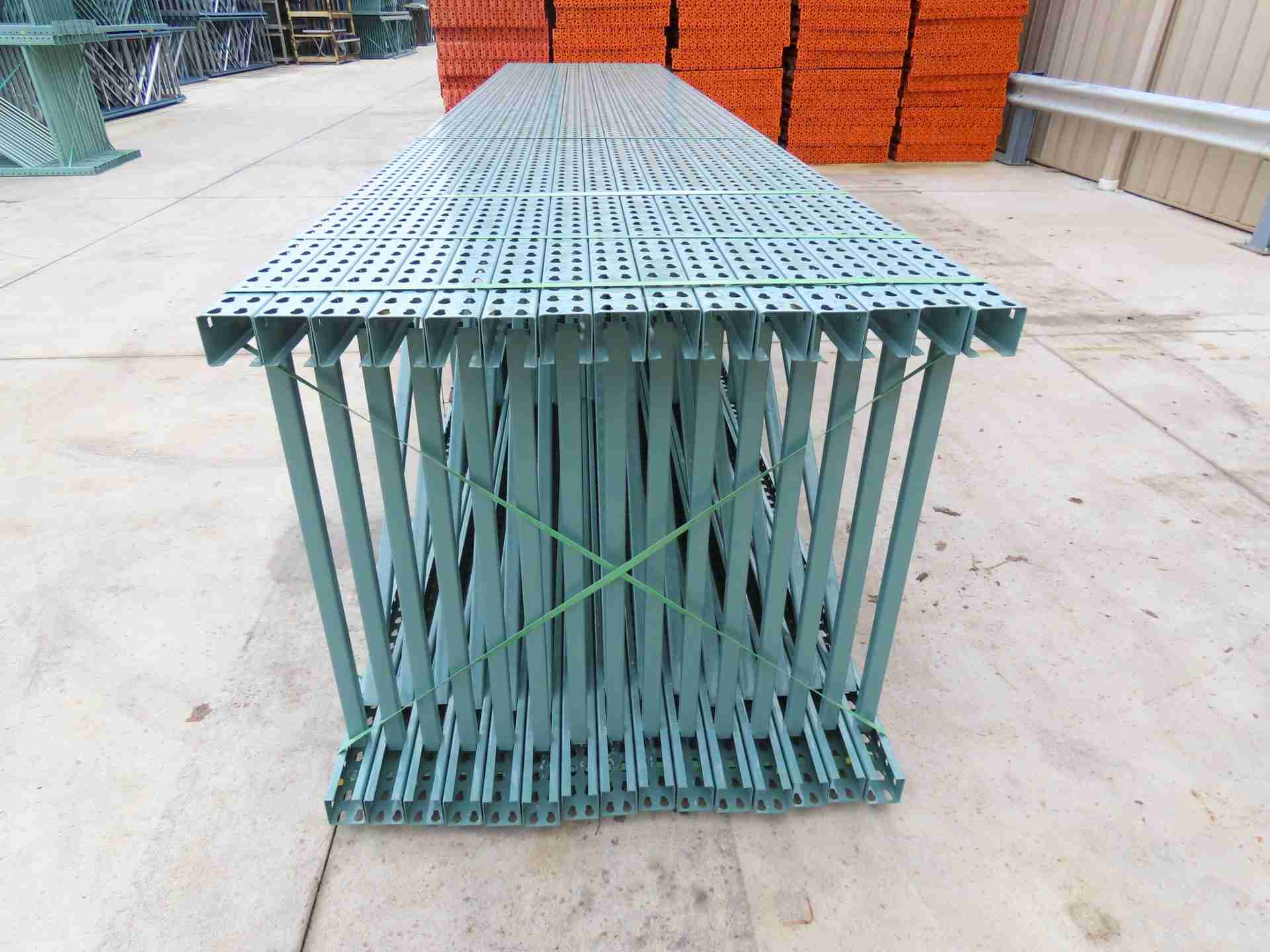
What Are the Emotional Risks Of Non-Compliance with Rack Anchoring?
How Can Proper Anchoring Prevent Costly Structural Failures?
In the world of construction, where dreams rise from blueprints and foundations, proper anchoring isn’t just a technical necessity; it’s the guardian of our aspirations. Imagine a family moving into their new home, filled with the laughter of children and the comfort of safety. Now, what if that home, constructed with haste and without proper anchoring, is at risk of catastrophic racking? It’s a chilling thought. Racking, the lateral movement of walls or structures, can compromise integrity, leading to costly structural failures that shatter those dreams. But with robust anchoring, we hold those dreams steadfast against the forces of nature.
When we anchor structures correctly, we aren’t just following guidelines laid down by experts; we’re investing in the very fabric of our communities. It’s an ethical commitment. The civil engineer or construction manager on site is not merely a builder; they’re a steward of safety, ensuring that homes, schools, and workplaces remain havens for those within. They understand the stakes involved and feel a profound sense of responsibility. It’s not just business; it’s personal. Each decision they make echoes in the lives of families who trust the safety of their homes to their expertise.
Rationally, it’s worth noting that proper anchoring can prevent costly repairs down the line. Think of the financial burden that follows a structural failure—a burden that no homeowner is prepared for. Engaging in thoughtful anchoring practices is an investment in durability that pays dividends in peace of mind. When a storm hits, or when the earth shifts unexpectedly, you want to know that your home can withstand those pressures. You want to feel the ground beneath you is solid, not just in the physical sense, but in the emotional stability it brings to your life.
While we often talk about innovation and architecture, it’s crucial to remember the human element—the connection we feel to the spaces we inhabit. Each anchor connects us to our community, forming a bond that speaks to our shared experiences and collective hopes. The homes we live in, the schools we learn in, and the places we work all thrive on secure anchoring that fosters safety and trust. So, let’s not overlook the invisible threads that hold our world together. Let’s champion proper anchoring, ensuring that our dreams don’t just stand tall but stand strong, giving us all room to grow and flourish.
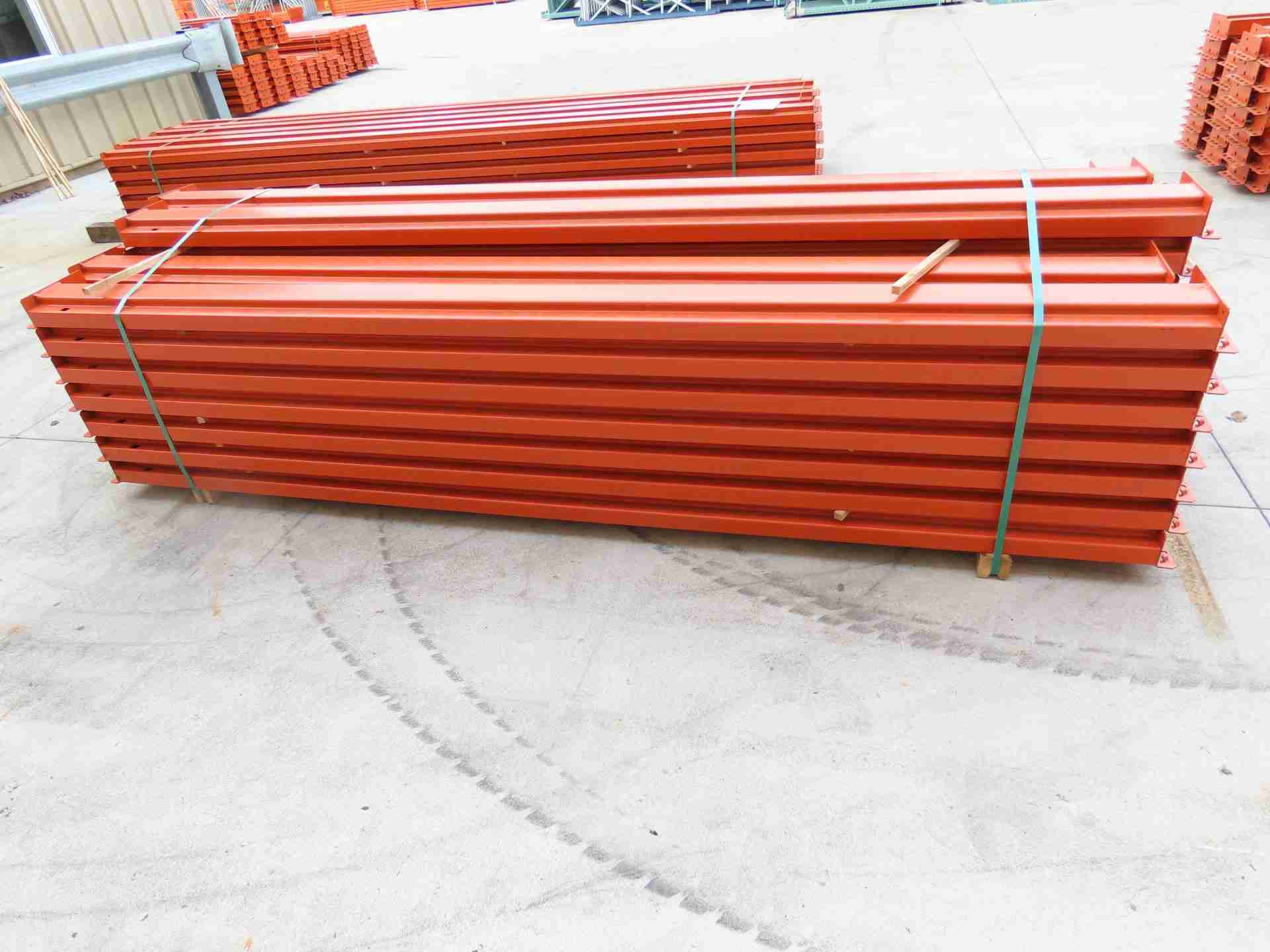
How Can Proper Anchoring Prevent Costly Structural Failures?
How Can Proper Anchoring Prevent Costly Structural Failures?
- Proper anchoring in construction is essential for safeguarding dreams and ensuring safety.
- Hastily constructed homes without proper anchoring may face catastrophic racking, compromising structural integrity.
- Robust anchoring protects communities and serves as an ethical commitment to safety.
- Civil engineers and construction managers act as stewards of safety, impacting the lives of families relying on their expertise.
- Investing in proper anchoring prevents costly structural failures and provides peace of mind to homeowners.
- Anchoring fosters a sense of emotional stability and connection to the communities we inhabit.
- Championing proper anchoring ensures our dreams stand strong, allowing us to grow and flourish.
How Can Proper Anchoring Prevent Costly Structural Failures?
What Ethical Responsibilities Do We Have to Ensure Safety Standards?
When we think about the safety standards that keep our workplaces secure, it’s easy to get lost in the jargon and technicalities. But let’s bring it back to what truly matters: the people. Each piece of equipment, every shelf racking we see, exists for a purpose—to support not just our workload, but our lives. Imagine a father who leaves home every day, trusting that the safety protocols in place will bring him back to his children every night. That trust is the bedrock of a functional society.
Ethically, we bear the responsibility to be vigilant stewards of safety. This isn’t just about compliance or ticking off boxes; it’s about the lives intertwined with each decision we make. Consider the weight of a decision made in a boardroom when it comes to cutting costs on safety gear. That minor expense could mean the world to a worker who counts on that gear for protection. It’s a moral imperative we all share.
Rationally, the statistics are clear—workplaces committed to safety standards see lower accident rates, happier employees, and ultimately, improved productivity. It simply makes sense. Investing in safety is not merely a financial burden; it’s a strategic necessity. When leaders choose to prioritize safety, they foster environments where innovation thrives. Employees who feel secure are more likely to take risks in their work—creative risks that can lead to groundbreaking ideas.
Now, think about social responsibility. In many ways, we are a reflection of our communities. By upholding stringent safety standards, we send a message that we care about each other. We show our coworkers, neighbors, and families that safety is not an afterthought; it’s a commitment. This shared commitment builds trust—trust in our workplaces and trust in ourselves.
Finally, let’s not forget the power of a narrative. Every safety standard we uphold tells a story: a story of respect for each individual working alongside us. Each time we advocate for better safety practices, we’re not just changing policies; we’re changing lives.
So, let’s dream bigger than compliance. Let’s embrace our ethical responsibilities and be the champions of safety that our friends, families, and communities deserve. After all, building a safer world starts with us—right here, right now.
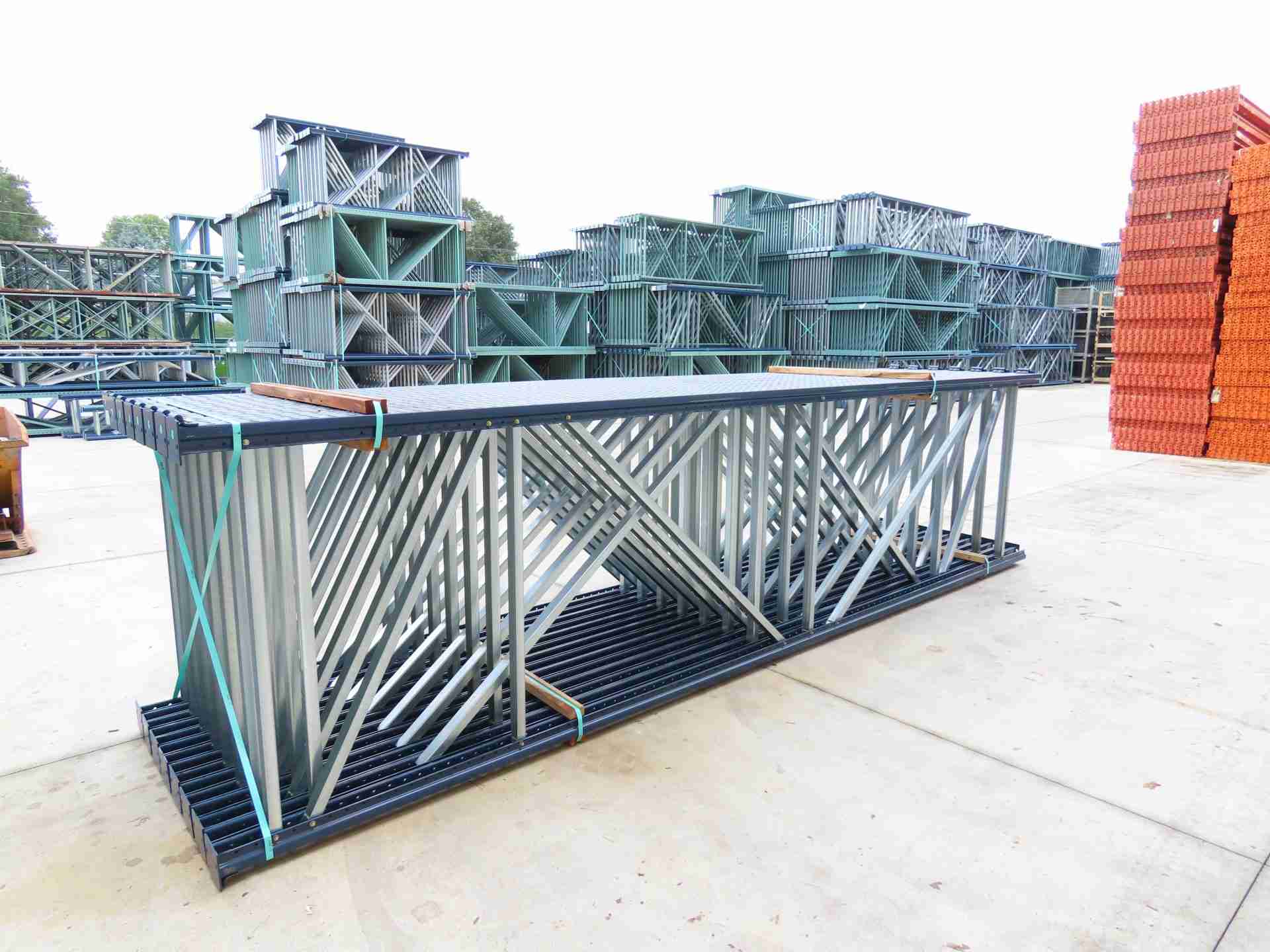
What Ethical Responsibilities Do We Have to Ensure Safety Standards?
What Ethical Responsibilities Do We Have to Ensure Safety Standards?
- Workplace safety standards focus on protecting people and their well-being, not just compliance.
- Trust in safety protocols is essential for workers’ peace of mind, allowing them to return home to their families.
- Ethical responsibility requires vigilance in safety, with decisions impacting workers’ lives beyond finances.
- Investing in safety leads to lower accident rates, happier employees, and increased productivity.
- Prioritizing safety fosters innovation, as secure employees are more likely to take creative risks.
- Upholding strict safety standards reflects a commitment to community and builds mutual trust among coworkers.
- Advocating for safety practices changes lives and promotes a culture of respect and care in the workplace.
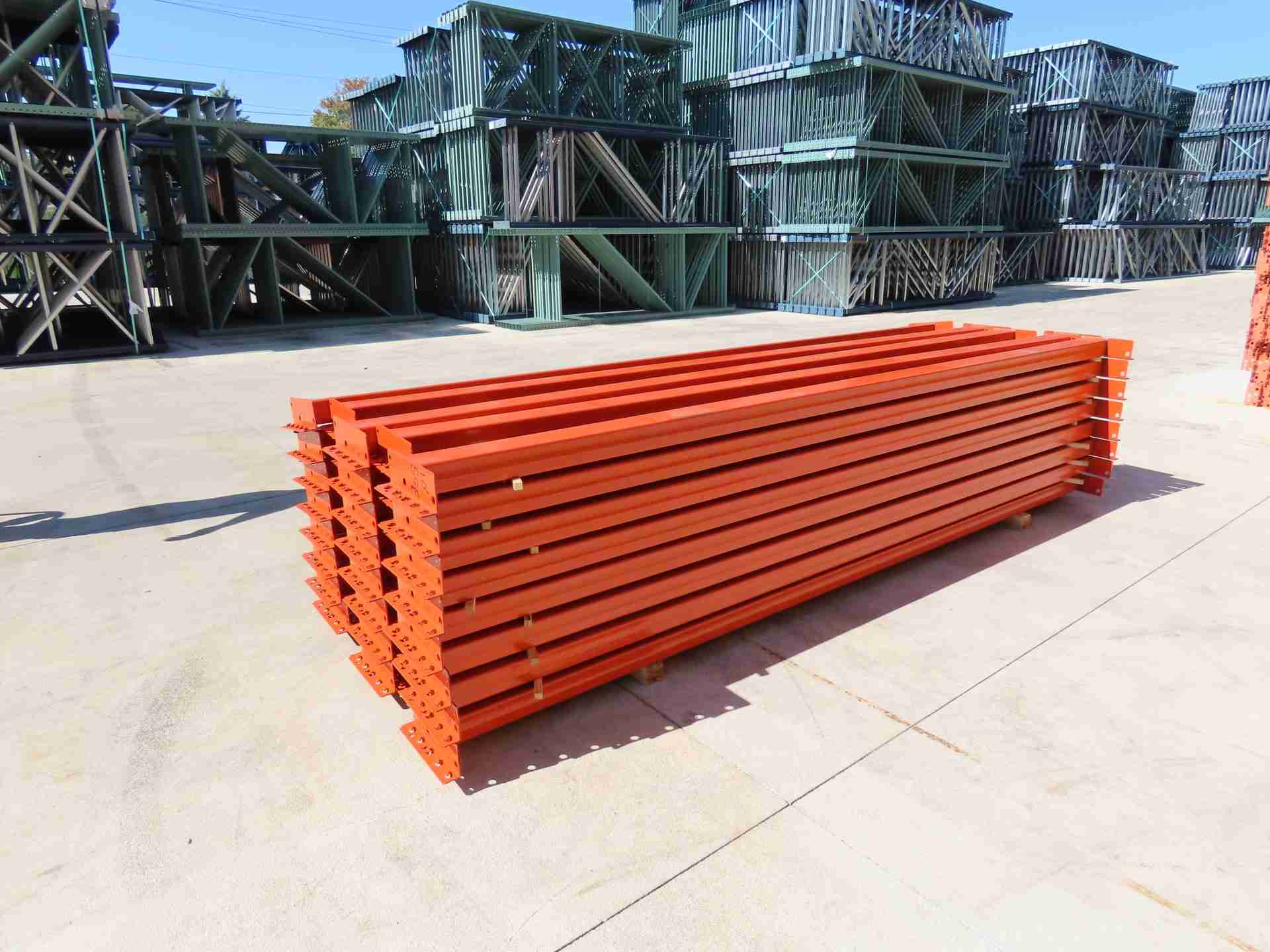
What Ethical Responsibilities Do We Have to Ensure Safety Standards?
Who Are the Authorities Setting These Rack Compliance Codes, and Why?
When we talk about the authorities establishing Racking compliance codes, we often think of faceless bureaucrats in distant offices. But behind those codes lies a tapestry woven from the experiences of countless workers, engineers, and safety experts. These individuals are passionate about ensuring that the equipment we rely on daily is not just functional, but exemplary. They’re motivated not by lofty titles but by the shared goal of safeguarding lives and fostering workplaces where everyone can thrive.
At the heart of this initiative is a genuine concern for safety and efficiency. Picture a warehouse bustling with activity—forklifts zipping between rows of racking, workers deftly navigating the aisles. Now imagine a failure in that system. A collapsed rack isn’t just a statistic. It’s a potentially life-altering disaster for someone’s mother, father, or friend. The folks behind these compliance codes understand this reality. They’ve seen the consequences of neglect and know that every guideline they write could mean the difference between life and death—or, at the very least, a solid day’s work and chaos.
These authorities arise from the very fabric of our society. Many are engineers who spent years on the ground, staring up at that racking system while sweating over how to make it safer, stronger, and smarter. They’ve gathered data, analyzed trends, and tapped into their own real-world experiences to shape the codes we now navigate. It’s not mere bureaucratic red tape—it’s a response to urgent, tangible needs.
Now let’s consider ethics. When these codes are created, there’s a moral responsibility involved—an obligation to protect workers, to ensure that those who ignore these guidelines aren’t just gambling with profits but are risking human lives. So, when you see these codes, know that they come stamped with the authority of experience, driven by a community that values each human life equally.
Socially, these standards create a unified front for industry. By setting these compliance codes, authorities foster trust among companies, ensuring that everyone plays by the same rules. They’re designed not only to protect but to empower, encouraging organizations to adopt better practices that lead to healthier work environments.
It’s about people—real people, families, and communities. The next time you think of Racking compliance codes, remember that they aren’t just rules; they are the culmination of a shared humanity striving for safety and excellence. So let’s not just comply—let’s embrace the spirit behind these codes and do our part in ensuring a safer workplace for everyone.
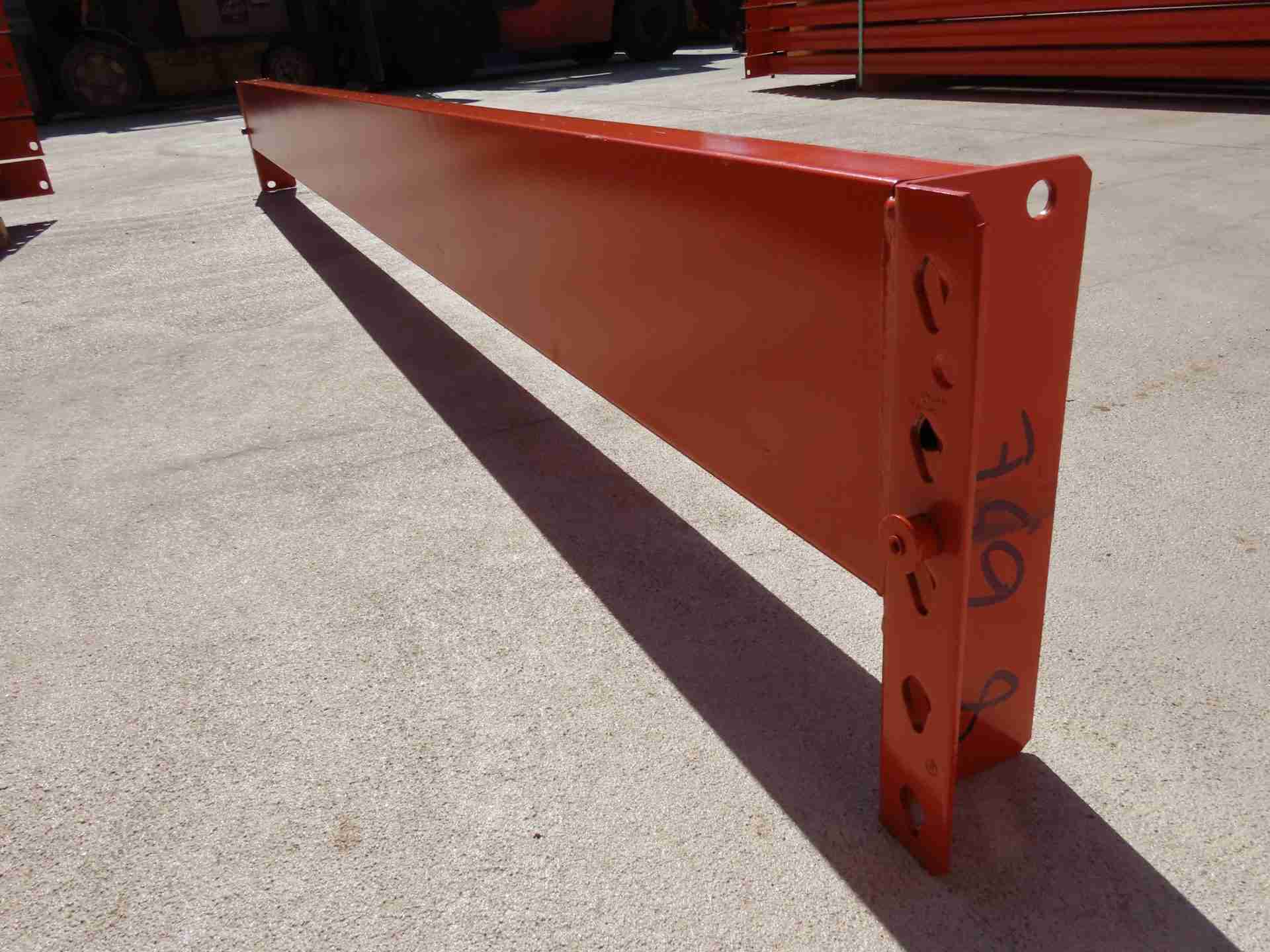
Who Are the Authorities Setting These Rack Compliance Codes, and Why?
Who Are the Authorities Setting These Rack Compliance Codes, and Why?
- Racking compliance codes are shaped by the experiences of workers, engineers, and safety experts dedicated to ensuring safe equipment.
- These individuals are motivated by a shared goal of safeguarding lives and fostering thriving workplaces.
- A failure in racking systems can lead to life-altering disasters, emphasizing the importance of these guidelines.
- Many code creators are engineers with hands-on experience, reflecting real-world needs rather than just bureaucratic procedures.
- There is a moral responsibility involved in creating these codes to protect workers and prevent risks to lives.
- Compliance codes foster trust among companies, encouraging everyone to adhere to the same safety standards.
- These codes represent a collective effort for safety and excellence, urging us to embrace their spirit for better workplaces.
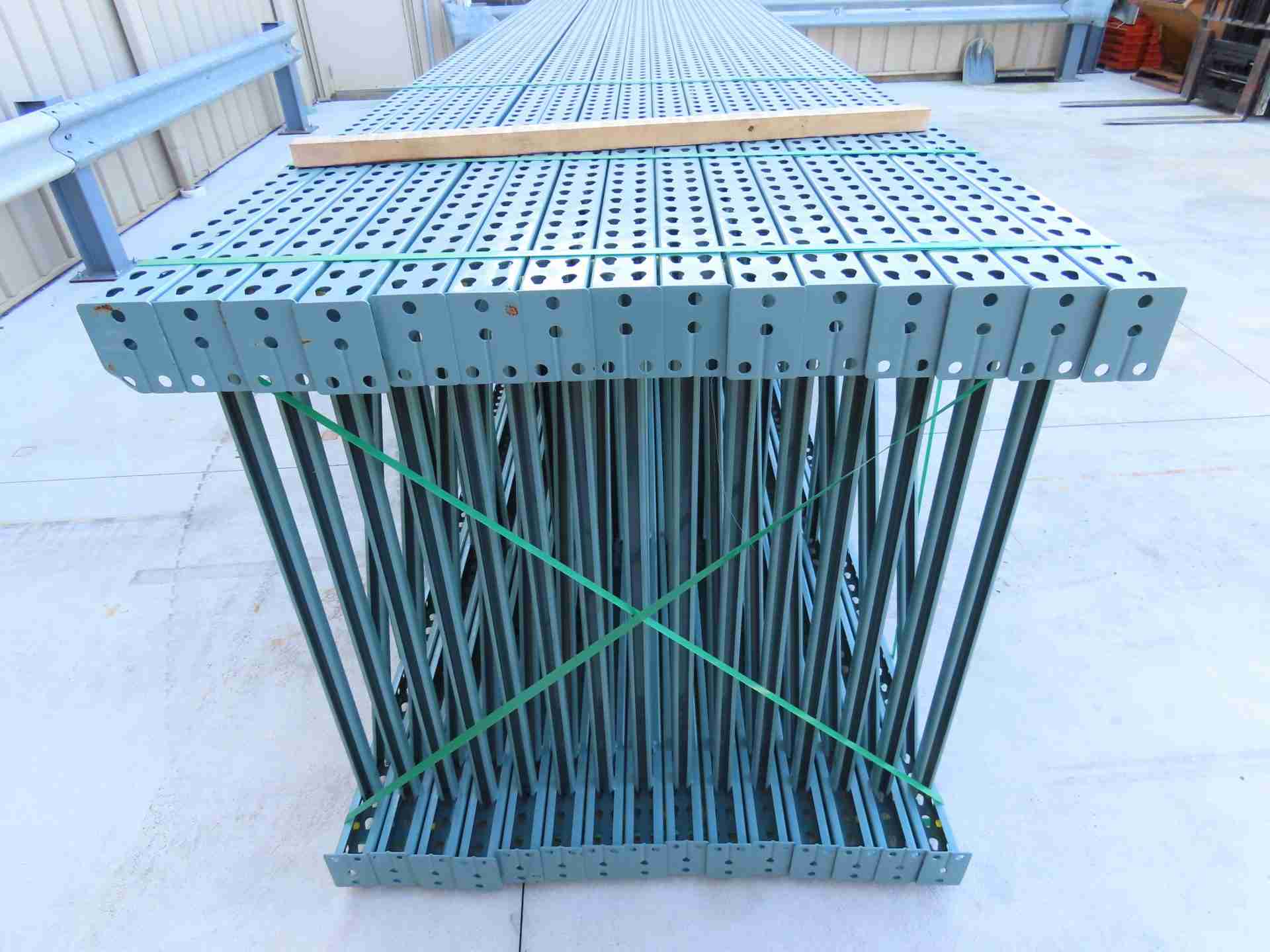
Who Are the Authorities Setting These Rack Compliance Codes, and Why?
What Societal Impacts Arise From Ignoring Rack Anchoring Standards?
Ignoring rack anchoring standards is a lot like neglecting the foundation of a house. You might not see the cracks at first, but eventually, they grow wider, threatening the very structure we depend on. When businesses choose to sidestep these vital protocols, they aren’t just risking their assets—they’re endangering lives. Imagine a warehouse filled to the brim, merchandise stacked high, all teetering precariously because someone decided saving a few bucks on proper anchoring was worth it. It’s not just an inconvenience; it’s a catastrophe waiting to unfold.
The emotional toll of warehouse accidents can ripple through entire communities. Employees don’t just lose their jobs when accidents happen; they lose their livelihoods and, often, their sense of security. Families affected by such tragedies find themselves grappling with heartbreak, financial strain, and uncertainty. When standards are ignored, the story can quickly shift from one of growth and opportunity to one of despair and loss.
On a rational level, the argument for adhering to rack anchoring standards is simple. These regulations are designed by experts who understand what happens when equipment behaves unpredictably. They provide a framework meant to safeguard both property and people. Ignoring these standards is like playing with fire—exciting at first, but ultimately, it leads to ruin. Businesses that invest in safety aren’t just fulfilling a checklist—they are choosing to protect their employees, their customers, and their very reputation.
Ethically, it’s a choice every business leader must wrestle with. Is profit worth more than the well-being of those who contribute to that bottom line? When businesses fail to prioritize safe practices, they send a message that people are expendable. It’s a lesson in leadership that’s hard to swallow: true strength lies in safeguarding those you lead, not just the assets you accumulate.
So, let’s talk about authority. When industry leaders embrace rack anchoring standards, they become champions of safety and innovation. Their commitment sets an example that resonates throughout their sectors, galvanizing others to follow suit. It’s not just about compliance; it’s about creating a culture that values responsibility.
In a society where every action matters, let’s make this one count. Invest the time and effort in proper racking—because behind every piece of equipment lies the potential for a story, and every story is worth telling. Trust builds trust, and when we anchor our priorities in safety, we create work environments that thrive, not just survive.
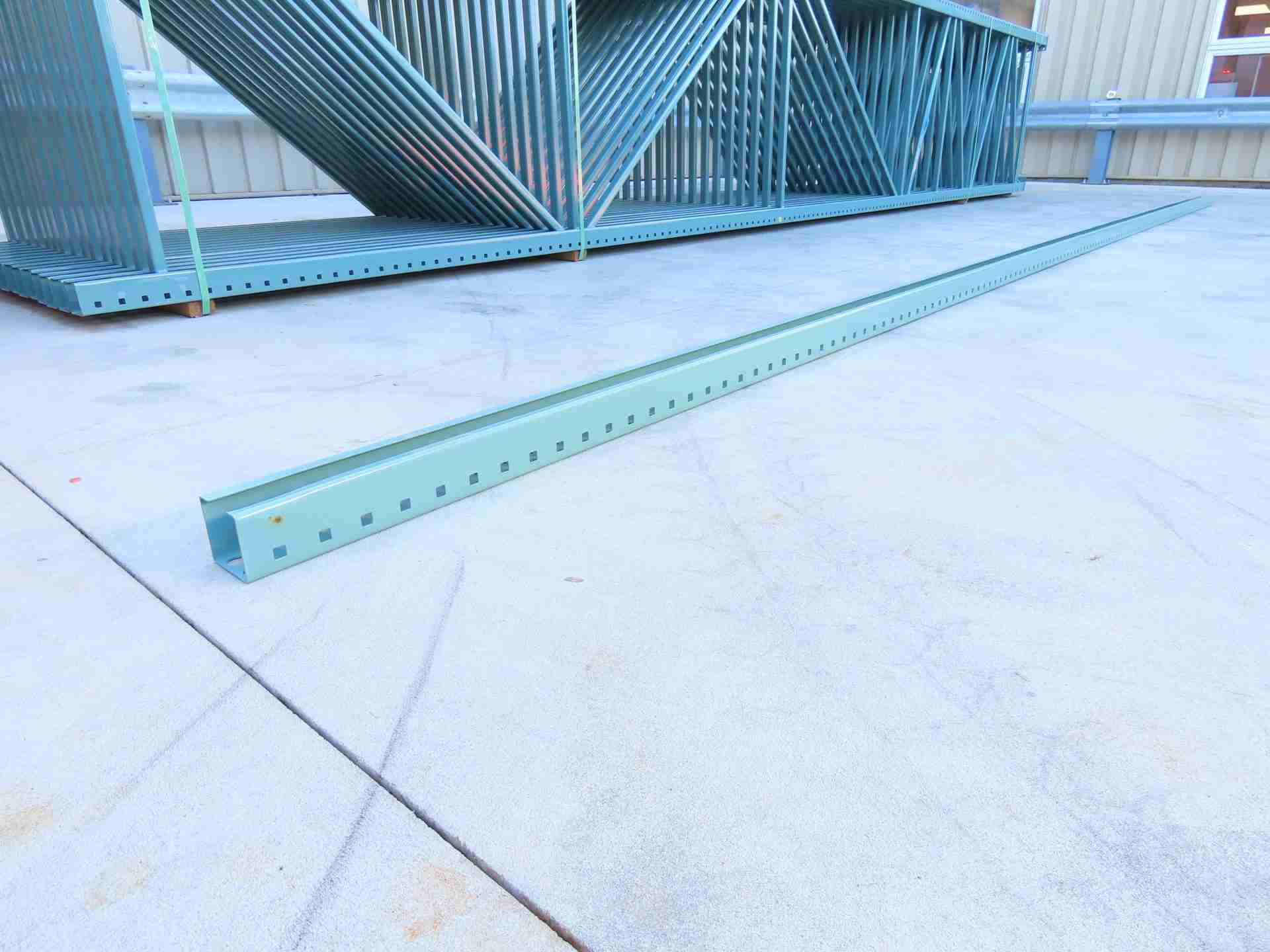
What Societal Impacts Arise From Ignoring Rack Anchoring Standards?
What Societal Impacts Arise From Ignoring Rack Anchoring Standards?
- Ignoring rack anchoring standards can lead to significant structural weaknesses, akin to neglecting a home’s foundation.
- Sidestepping these protocols endangers not only assets but also lives, as improperly anchored merchandise poses serious risks.
- Warehouse accidents have a wide-ranging emotional impact on employees and their families, leading to job loss and financial distress.
- Adhering to rack anchoring standards is crucial as they are designed by experts to protect both property and human lives.
- Ethically, businesses must prioritize safety over profit to demonstrate that employees are valued, not expendable.
- Industry leaders who embrace safety standards can inspire a culture of responsibility and innovation in their sectors.
- Investing in safety creates thriving work environments and fosters trust, illustrating the importance of prioritizing safety in business operations.

What Societal Impacts Arise From Ignoring Rack Anchoring Standards?
Conclusion
The journey toward safety and compliance in rack anchoring is about much more than just regulations; it’s a heartfelt commitment to the people who depend on those structures daily. What we’re discussing here is not merely a technical necessity but a moral obligation. Each time we step into a warehouse, we’re entering a space filled with dreams, aspirations, and individuals striving to provide for their families. The act of anchoring racks isn’t just about securing equipment; it’s about extending a silent vow to our colleagues: “I’ve got your back.”
Think about the emotional weight of non-compliance. Imagine the unease felt by dedicated employees as they maneuver through an environment where safety protocols are ignored. The unanchored racks symbolize risk, breeding anxiety and mistrust. Those bolts and braces hold lives in the balance—a reality we cannot overlook. The story here isn’t just one of injuries and costs; it’s about the collective peace of mind that a safe workplace fosters. When employees are secure, they become advocates for safety, enriching the workplace culture and inspiring others to prioritize compliance.
Rationally, ignoring these essential standards comes with severe repercussions. The financial fallout from potential injuries far outweighs the costs of proper anchoring. Beyond financial concerns, it speaks to an ethical framework that values human life above profit margins. Choosing safety means investing in a culture where everyone can flourish. This isn’t just about meeting standards; it’s about building a legacy of responsibility—an unspoken commitment to safety as a shared value.
Authority figures who establish these codes bring years of hard-earned experience, shaping them not with abstract ideas but real-world lessons. These leaders have witnessed accidents and the chaos that ensues, fueling their drive to craft guidelines that protect lives. Their expertise reflects a communal ethos where the safety of each individual is paramount, creating a ripple effect throughout the industry.
In our shared journey, it’s vital to recognize the societal impacts of compliance versus non-compliance. A commitment to safety cultivates trust, teamwork, and collaboration. When we anchor those racks and adhere to the codes, we’re laying the groundwork not only for safe workplaces but harmonious communities. So here’s the call to action: don’t just comply—embrace the spirit of these safety measures. Together, let’s build not just structures, but a future where every individual feels valued, secure, and ready to rise.
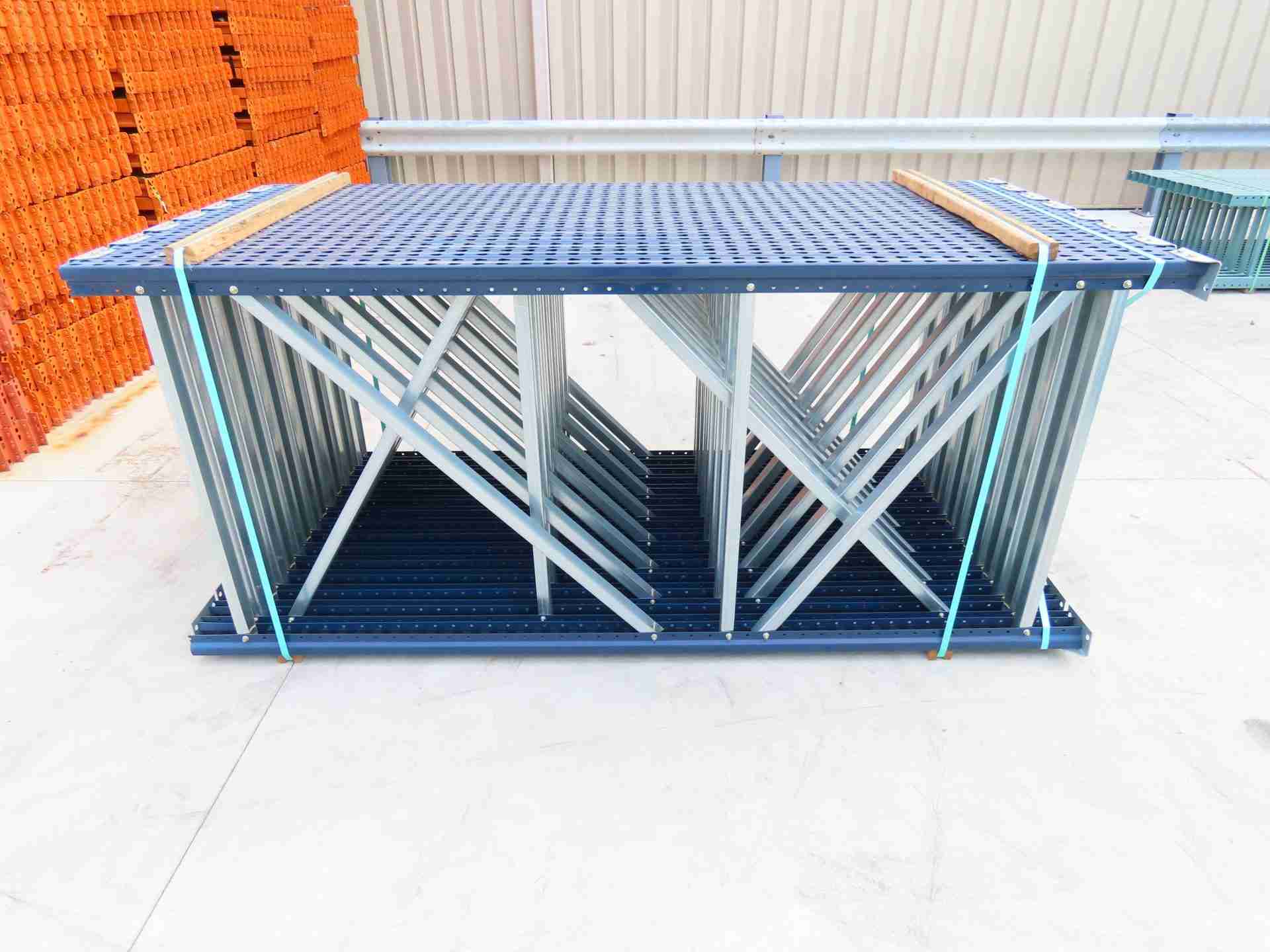
Conclusion
Conclusion:
- The journey toward safety and compliance in rack anchoring is a commitment to people’s well-being.
- Rack anchoring symbolizes a moral obligation and support for colleagues in the workplace.
- Non-compliance breeds anxiety and mistrust among dedicated employees.
- Prioritizing safety fosters a culture of advocacy and enhances workplace morale.
- Ignoring safety standards has severe financial and ethical repercussions.
- Authority figures in safety codes utilize real-world lessons to craft protective guidelines.
- Committing to safety cultivates trust and harmony, worthy of a shared community vision.
Conclusion
Other Resources
Other Resources
Here is a list of other resources you can review online to learn more:
- Rack Manufacturers Institute
- Warehouse Racking Chicago, IL
- Warehouse Storage Racking in Illinois
- Interlake Mecalux
- Warehouse Automation
- Material Handling Safety
- Selective Pallet Racking Systems
- Warehouse Racking System: Powerful Guide to Optimise, 2024
- Used Pallet Rack for Sale in Illinois – American Surplus
- Selective Racking
- American Society of Safety Professionals
- Rack Manufacturers Institute
- BMH
- Chicago Pallet Racking
- Shipping Boxes, Packaging Materials, Pallet Racking
- Warehouse Racks, Warehouse Racking in Stock – ULINE
- Mustang Material Handling
- Used Teardrop Pallet Rack – American Surplus
- IIWS Inc. Rack Installation Illinois & Rack Repairs Illinois
- Warehouse Racking Systems: Beginner’s Guide to Rack Systems
Use This Prompt To Get More Resources With Your Favorite Online AI Tool: Please provide me with a list of online articles with their URLs in a bulleted list that I can read regarding How to Anchor Racks to Meet Code Compliance
Other Resources
Glossary Terms
How to Anchor Racks to Meet Code Compliance – Glossary Of Terms
1. Anchor
A device used to secure object or structure to a surface, ensuring stability and compliance.
2. Racks
Frameworks or structures designed to support and store items, often used in warehouses and commercial settings.
3. Code Compliance
Adherence to established guidelines and regulations governing construction and safety standards.
4. Load Bearing
The ability of a structure to support weight without compromising its integrity or safety.
5. Fasteners
Components, such as screws or bolts, that join materials together and secure racks in place.
6. Wall Anchor
A fastening device used to attach racks to wall surfaces, enhancing stability.
7. Bolt
A type of fastener that typically includes a threaded shaft for secure attachment.
8. Bracket
A support element used to secure shelves or racks to walls or other structures.
9. Safety Factors
A design consideration that provides a margin of safety beyond the expected load or usage.
10. Material Specifications
Details about the types of materials used for anchors and racks, ensuring they meet performance requirements.
11. Installation Guidelines
Instructions detailing the proper procedures and methods for anchoring racks to ensure compliance.
12. Dynamic Load
The load that includes forces caused by movement or impacts, requiring special consideration in design.
13. Static Load
The weight that is applied to a structure while remaining stationary, essential for structural calculations.
14. Seismic Design
Engineering practices that ensure structures withstand seismic forces, especially important in earthquake-prone areas.
15. Structural Integrity
The overall strength and durability of a structure, ensuring it can withstand intended loads.
16. Pull-Out Strength
The maximum force that an anchor can withstand before being pulled out of the material it’s attached to.
17. Zoning Regulations
Local laws that dictate how and where structures can be built and anchored, promoting safety.
18. Anchor Points
Specific locations where anchors are installed for safe and effective stabilization of racks.
19. Load Distribution
The method of spreading weight evenly across a support system to minimize stress on individual components.
20. Inspection Criteria
Standards and procedures for evaluating the installation and condition of anchors and racks.
21. Testing Standards
Protocols used to assess the strength and safety of anchoring systems according to regulatory requirements.
22. Safety Codes
Established rules that ensure safe construction practices, including proper anchoring methods.
23. Material Compatibility
The consideration of how different materials react with each other and their effectiveness in anchoring.
24. Manufacturers’ Recommendations
Guidelines provided by rack and anchor manufacturers to ensure safe and compliant installation.
25. Permits
Official approvals required before construction or modification projects can proceed to ensure adherence to codes.
26. Retrofit
The process of enhancing existing structures with additional components, including new anchors for compliance.
27. Installation Checklist
A detailed list used to verify that all aspects of the anchoring process have been completed correctly.
28. Horizontal Load
Forces applied parallel to the ground, affecting anchoring requirements and stability.
29. Vertical Load
Forces applied in a downward direction, critical in determining rack strength and anchoring needs.
30. Compliance Documentation
Records and papers confirming that installations meet all relevant code regulations and standards.
Glossary Of Terms
Other Questions
How to Anchor Racks to Meet Code Compliance – Other Questions
If you wish to explore and discover more, consider looking for answers to these questions:
- What specific codes need to be followed for rack anchoring?
- What are the penalties for failing to comply with rack anchoring standards?
- What are the best practices for ensuring proper rack anchoring?
- How do you assess whether your current racking system is compliant?
- What common mistakes do companies make in rack anchoring?
- How often should racks be inspected for safety compliance?
- What tools and materials are needed for proper rack anchoring?
- Can training programs improve compliance and safety in racking systems?
- What role do employees play in maintaining rack safety?
- How can companies effectively communicate the importance of safety standards to their employees?
- What resources are available for businesses seeking to enhance their safety protocols?
- Are there industry-specific standards for rack anchoring?
- How do cultural attitudes toward safety influence compliance with rack anchoring standards?
- What advancements are being made in rack anchoring technology?
- How can high-profile accidents impact industry compliance behaviors?
- What support do organizations provide for employees who voice safety concerns?
Other Questions
Checklist
How to Anchor Racks to Meet Code Compliance – A Checklist
Safety and Compliance Checklist: Anchoring Racks Effectively
Emotional Appeals:
1. Reflect on the human impact: Consider the safety and peace of mind of your coworkers when anchoring racks.
2. Foster trust: Visualize how proper anchoring builds a safer, more secure workplace for everyone.
3. Acknowledge empathy: Remember that every secured rack is a promise to protect your team.
Rational Appeals:
4. Understand the guidelines: Familiarize yourself with local codes and safety regulations regarding rack anchoring.
5. Evaluate risks: Assess potential dangers of non-compliance, including injuries and financial repercussions.
6. Calculate costs: Recognize that investing in proper anchoring can prevent costly repairs and accidents down the line.
Ethical Appeals:
7. Commit to safety: Embrace your responsibility to prevent accidents by ensuring compliance with anchoring standards.
8. Reflect on moral implications: Assess how cutting corners on safety affects the lives of workers and their families.
9. Value community: Recognize that maintaining safe practices reflects a commitment to your workforce and society.
Authority Appeals:
10. Seek expert guidance: Consult with safety experts to understand best practices in rack anchoring.
11. Know your sources: Identify the authorities and codes behind your compliance guidelines—trust their expertise.
12. Lead by example: Position yourself as a champion for safety within your organization, inspiring others to follow.
Narrative Appeals:
13. Share experiences: Engage with colleagues about real-life stories of safety practices and their outcomes.
14. Create a culture of safety: Participate in initiatives aimed at promoting safety awareness and compliance.
15. Build community connections: Foster a sense of belonging through shared commitments to safety and well-being.
Social Appeals:
16. Collaborate with peers: Work with your team to establish a collective approach to rack anchoring and safety.
17. Promote accountability: Encourage a culture where everyone takes responsibility for safety compliance.
18. Celebrate success: Acknowledge and reward efforts made towards achieving safety goals within your workplace.
Using this checklist will not only help meet compliance standards but also enhance the overall safety and well-being of your workplace.
Checklist
At RackingWorld, we help guide you through selecting warehouse storage systems and racking.
Be sure to read our other related stories at RackingWorld to learn more about warehouse storage systems.
0 Comments