
Evaluating The Integrity Of Secondhand Pallet Racks
By Tom Seest
At RackingWorld, we help guide you through selecting warehouse storage systems and racking.
Be sure to read our other related stories at RackingWorld to learn more about warehouse storage systems.
How to Spot Quality In Used Pallet Racks
When you’re on the hunt for quality used pallet racking, it’s essential to keep your eyes peeled and your instincts sharp. Think about it: these racks are not just metal frameworks; they’re the backbone of your operation. They hold the weight of your stock, your productivity, and ultimately, your bottom line. So, let’s dive into spotting the true gems among the overflow of yard sales and warehouse clearances.
First, let’s talk about appearance. A used pallet rack should show signs of wear but not excessive rust, dents, or twisted beams. Think of it this way: just as you wouldn’t buy a car with a crumbled hood or a cracked windshield, you shouldn’t invest in racking that’s been through the wringer. Inspect every inch; a well-maintained rack should gleam, not rust. An emotional investment in your equipment makes all the difference, as you envision your team safely navigating the aisles, retrieving what they need without fear of collapse.
Next, challenge yourself to think logically. If you’re considering a rack that looks ancient and questionable, weigh that against the risks. There’s a fine line between saving a buck and spending in vain when you have to replace the whole system shortly after. Quality racking might cost a little more upfront, but it’s an ethical choice for your workforce’s safety and your peace of mind. Ask questions! A reputable seller or manufacturer should have clear answers, proving their authority in the marketplace.
Now imagine the stories these racks could tell. Each dent and scratch carries the legacy of diligent workers who, like you, cared about their craft. This subtle narrative connects you to the past while you invest in your future. It’s about building a legacy of efficiency and trust with every pallet stacked high.
Finally, consider the social aspect. Invest in used pallet racks from suppliers who prioritize safety, quality, and customer service. Look for testimonials or ask for a recommendation. Your network can guide you to purchase from companies that treat their customers like family and stand by their products. Quality isn’t just a number; it’s a relationship.
When hunting for your next set of racking, trust your heart, head, and gut. Your commitment to quality reflects your integrity and ambition. You’re not just buying equipment; you’re forging a better, safer future for everyone involved.

How to Spot Quality In Used Pallet Racks
How to Spot Quality In Used Pallet Racks
- Quality used pallet racking is critical for operational success and productivity.
- Inspect the appearance of used racks; look for minimal wear without excessive rust or damage.
- Consider the risks of purchasing poor-quality racks versus investing in durable ones for long-term use.
- Ask questions and seek reputable sellers to ensure knowledgeable support and safety.
- Each used rack has a history that connects you to the past while investing in the future.
- Prioritize suppliers who emphasize safety, quality, and good customer service, seeking recommendations if necessary.
- Your commitment to quality and integrity shapes a safer future for your business and team.

How to Spot Quality In Used Pallet Racks
Table Of Contents
- How to Spot Quality In Used Pallet Racks
- What Signs Indicate the Structural Integrity Of a Pallet Rack?
- How Can You Evaluate the Safety Features Of Used Pallet Racks?
- What Are the Key Specifications to Assess When Choosing Pallet Racks?
- How Does the Age Of a Pallet Rack Affect Its Reliability and Value?
- How Can Proper Inspection Help Prevent Accidents In Your Warehouse?
- Conclusion
- Other Resources
- Glossary Of Terms
- Other Questions
- Checklist
What Signs Indicate the Structural Integrity Of a Pallet Rack?
What Signs Indicate the Structural Integrity of a Pallet Rack?
When it comes to racking systems, what stands between chaos and order—a carefully stacked array of goods? The structural integrity of pallet racks isn’t just a technical consideration; it’s the bedrock upon which safety and efficiency are built within any warehouse or storage facility. Examine the signs that can tell you whether your racking is holding strong or teetering on the brink.
First, let’s talk about your gut instinct. You know that feeling when something just seems off? Trust it, especially in the world of racking. If your racks are leaning or if you start to notice any visible damage, that’s a signal to step back and assess the situation. A chip in a beam or a bent upright can speak volumes; it’s the kind of thing that begs for immediate attention. Remember, a single compromised rack can affect the entire gallery of goods housed within it, and that’s not a risk anyone should be willing to take.
Next, engage your head. Inspect for signs of stress or fatigue in the metal. Look out for popped welds, cracks, or rust—each of these indicators can whisper dangers that require a thorough evaluation. Structurally sound racks improve your operational efficiency by ensuring that heavy loads remain stable during both storage and retrieval. The last thing any warehouse manager wants is for an overloaded rack to give way during peak operation. It’s more than just an inconvenience; it’s a safety hazard that can lead to costly injuries and downtime.
Then there’s the ethical and social responsibility of maintaining safe workspaces. Every employee should feel secure doing their job, knowing the environment around them is reliable. When racks are in sound condition, it reflects a company’s commitment to excellence, care, and respect for its workforce. Make it a point to instill a culture of safety where team members are encouraged to report concerns without fear of reprisal, reinforcing trust and engagement.
Finally, don’t underestimate the power of authority—schedule regular inspections and seek expert evaluations when necessary. Having a structural engineer or a qualified professional assess your pallet racks can save you from potentially catastrophic failures. Inspire confidence in your decisions by relying on the expertise of those who know what to look for.
Your pallet racks carry more than just product; they uphold livelihoods, morale, and the very essence of trust within your operation. By remaining vigilant and proactive about their integrity, you not only protect physical assets, but also nurture a culture of safety and accountability. So take a good, hard look—your racks deserve it, and so do your people.

What Signs Indicate the Structural Integrity Of a Pallet Rack?
What Signs Indicate the Structural Integrity Of a Pallet Rack?
- The structural integrity of pallet racks is crucial for safety and efficiency in storage facilities.
- Trust your instincts; visible damage like leaning, chips, or bent uprights signal the need for immediate assessment.
- Inspect for signs of metal stress such as popped welds, cracks, or rust to ensure stability during storage and retrieval.
- Maintaining sound racks is part of ethical responsibility, ensuring a safe work environment for all employees.
- Promote a safety culture where team members feel comfortable reporting concerns without fear of reprisal.
- Schedule regular inspections and consult experts like structural engineers to prevent catastrophic failures.
- Proactivity in rack maintenance fosters trust and accountability while protecting physical assets and employee welfare.

What Signs Indicate the Structural Integrity Of a Pallet Rack?
How Can You Evaluate the Safety Features Of Used Pallet Racks?
When you’re standing in a warehouse surrounded by towering pallets, it’s easy to overlook the very structures that keep everything safe and sound. Evaluating the safety features of used pallet racks isn’t just about steel and bolts—it’s about the lives and livelihoods of the people who work around them. Your heart beats steadily in this industrial landscape because every decision, including choosing the right racking, carries weight—sometimes quite literally.
Start with the basics: inspect the racking system. Look for dents, buckles, or rust; these imperfections can speak volumes about the rack’s history, including how many close calls it may have endured. Picture a heavy load teetering on an unstable base—an image that sends chills down your spine. Ensure the racks are not just compliant with industry standards but have been properly maintained. It’s about more than pure economics; it’s about stewardship in a space designed to protect both product and people.
Dig deeper and ask the right questions. Engage your suppliers; their expertise can be invaluable. A reputable dealer stands by their product and will be open to discussing repairs, retrofits, or needed adjustments. Their confidence should inspire yours, as a good relationship can often yield surprising insights. Remember, trust is a two-way street; when you invest in safe racking, you invest in an ethical workplace. Everyone deserves to work without fear, and quality racking plays a pivotal role in that.
Imagine a scenario where you choose a rack that looks good but hides critical flaws. What could the consequences be? It’s a sobering thought. Reflect on the narratives unfolding daily across countless warehouses—the worker retreating for a break, the supervisor focusing on productivity. Their safety hinges on your decisions.
Now, consider the community aspect: a well-implemented safety measure fosters an environment of trust and camaraderie. When employees know their space is secure, morale increases, and productivity thrives. Each piece of equipment resonates with a sense of responsibility—your choice impacts many lives.
Ultimately, evaluating used pallet racks is a blend of heart, head, and gut. You owe it to yourself and your team to ensure that safety is paramount. After all, safe racking isn’t simply a compliance issue—it’s a commitment to excellence and an investment in the future of your workforce. When you prioritize safety, you’re not just stacking pallets; you’re building a foundation for success.

How Can You Evaluate the Safety Features Of Used Pallet Racks?
How Can You Evaluate the Safety Features Of Used Pallet Racks?
- Evaluate used pallet racks for safety, considering their impact on the lives of workers.
- Inspect racking systems for signs of damage, such as dents, buckles, or rust.
- Ensure racks comply with industry standards and have been properly maintained.
- Engage suppliers for expertise on repairs, retrofits, and adjustments to enhance safety.
- Choose racks carefully to avoid hidden flaws that could lead to serious consequences.
- Implementing safety measures fosters trust and camaraderie among employees, boosting morale and productivity.
- Prioritizing safety in racking is a commitment to excellence and a foundation for workforce success.

How Can You Evaluate the Safety Features Of Used Pallet Racks?
What Are the Key Specifications to Assess When Choosing Pallet Racks?
When it comes to choosing pallet racks, the right set of specifications becomes your roadmap to an efficient, safe, and productive warehouse. This isn’t just about metal and beams; it’s about livelihoods and creating a workspace where reliability reigns supreme. The first specification to consider is the load capacity. Each rack is built to handle a specific weight, and overlooking this critical detail can lead to catastrophic failures. Picture a heavy pallet collapsing—it’s not just an expensive loss; it could injure workers or stall operations for days. Understanding how much weight your racks can support is not only wise, it’s a fundamental duty of care.
Next, let’s talk about the dimensions. The width, depth, and height of your racks should be tailored to your specific inventory. Not all pallets are created equally, and a miscalculation here can waste precious floor space and even diminish employee productivity. You want your racking system to foster efficiency, allowing easy access to products without causing frustration or stress.
Durability is another key specification—it’s the backbone of your racking system. Racks made from high-quality materials can withstand the wear and tear of daily operations, letting you focus on what’s important: your business’s growth. Imagine each rack as a trusted ally in your daily endeavors, standing strong amidst the chaotic rhythm of loading and unloading. That’s not just metal; that’s the essence of reliability.
Also, consider the design of your racks. Look for versatile options like adjustable shelving and modular systems that offer flexibility as your business evolves. After all, a warehouse isn’t a static environment; it’s alive, changing as your needs shift. Embracing adaptability in design can save you from costly renovations or replacements down the line.
Finally, don’t overlook safety features. Beams that lock in place or racks designed to minimize tipping can protect your workforce. When you invest in safety, you send a clear message: you value your team. This fosters a culture of trust and respect, elevating morale and loyalty.
Choosing pallet racks is not just a matter of specifications; it’s a choice steeped in responsibility, practicality, and ethics. With each decision, you are investing in the foundation of your business. Make that choice wisely. Trust in a sturdy, well-designed racking system—your warehouse’s productivity, efficiency, and safety depend on it.

What Are the Key Specifications to Assess When Choosing Pallet Racks?
What Are the Key Specifications to Assess When Choosing Pallet Racks?
Here’s a bulleted summary of the provided text formatted as an HTML list:
- Choosing pallet racks involves understanding specifications for an efficient and safe warehouse.
- Load capacity is critical; misjudging it can cause failures, injuries, and operational delays.
- Dimensions of racks should match specific inventory to optimize floor space and employee productivity.
- Durability of racks ensures they withstand daily wear, supporting business growth.
- Design flexibility, such as adjustable shelving, is essential for adapting to changing business needs.
- Safety features like locking beams enhance protection for workers and promote a positive workplace culture.
- Investing in quality pallet racks is a responsible decision that affects productivity, efficiency, and safety.

What Are the Key Specifications to Assess When Choosing Pallet Racks?
How Does the Age Of a Pallet Rack Affect Its Reliability and Value?
When it comes to the world of racking systems, age isn’t just a number; it’s a story waiting to unfold. Picture an old barn filled with worn tools that have seen seasons of hard work—each dent and scratch tells a tale of reliability and endurance. In the same way, an aged pallet rack carries the legacy of countless loads handled, countless miles driven through busy warehouses, and countless hours of ensuring that goods remain safe and accessible. But how does that age affect its reliability and value?
Emotionally, we naturally lean toward the tried-and-true. An older rack can invoke a sense of nostalgia, a reminder of hard-fought progress in your business. It recalls the days when you first started and built something from scratch, instilling warmth and pride. But there’s more. With age comes wisdom. An older racking system has often withstood the test of time and industry standards. You’ve seen the scars—each one a testament to stability, the unyielding support it has provided through fluctuating demands. The emotional connection to that sturdiness is invaluable.
Putting on the rational hat, let’s talk numbers. An older rack might show signs of wear, but if it has been maintained properly, it can still retain significant value. Imagine a vintage car that’s been cared for—its age adds character and even a premium to its worth. Similarly, if the integrity of a pallet rack remains intact, its age can actually be a marker of reliability rather than a red flag. Regular inspections and maintenance can extend its life, and with that, enhance your investment.
Ethical considerations also come into play. Sustainably managing resources is crucial in today’s world. By choosing to keep older racks instead of endlessly upgrading, you’re minimizing waste. It’s a nod to conservation, to valuing what you have rather than pouring money recklessly into replacements.
Narratively, think of those hardworking pallets. They depend on that rack for support, just as your operation relies on a trustworthy system. The community you serve deserves the assurance that products arrive safely, and an aging rack that’s been well cared for plays a significant role in that promise.
Ultimately, the age of your pallet rack should be less of a worry and more of an opportunity to connect with your warehouse’s history, its current reliability, and its future potential. So stand proud of those racks and make informed choices—you’ll be strengthening not just your business, but your legacy.

How Does the Age Of a Pallet Rack Affect Its Reliability and Value?
How Does the Age Of a Pallet Rack Affect Its Reliability and Value?
- The age of racking systems tells a story of reliability and endurance, similar to the wear of tools in an old barn.
- Emotionally, older racks evoke nostalgia and pride, reflecting the business’s journey and accomplishments.
- With age often comes wisdom; older racks that meet industry standards can showcase stability through time.
- Properly maintained older racks can retain significant value, akin to a vintage car with character.
- Sustainability is a key consideration; keeping older racks minimizes waste and avoids unnecessary replacements.
- Well-maintained aging racks play a vital role in ensuring product safety and trust within the community served.
- The age of pallet racks is an opportunity to connect with the warehouse’s history and future potential.
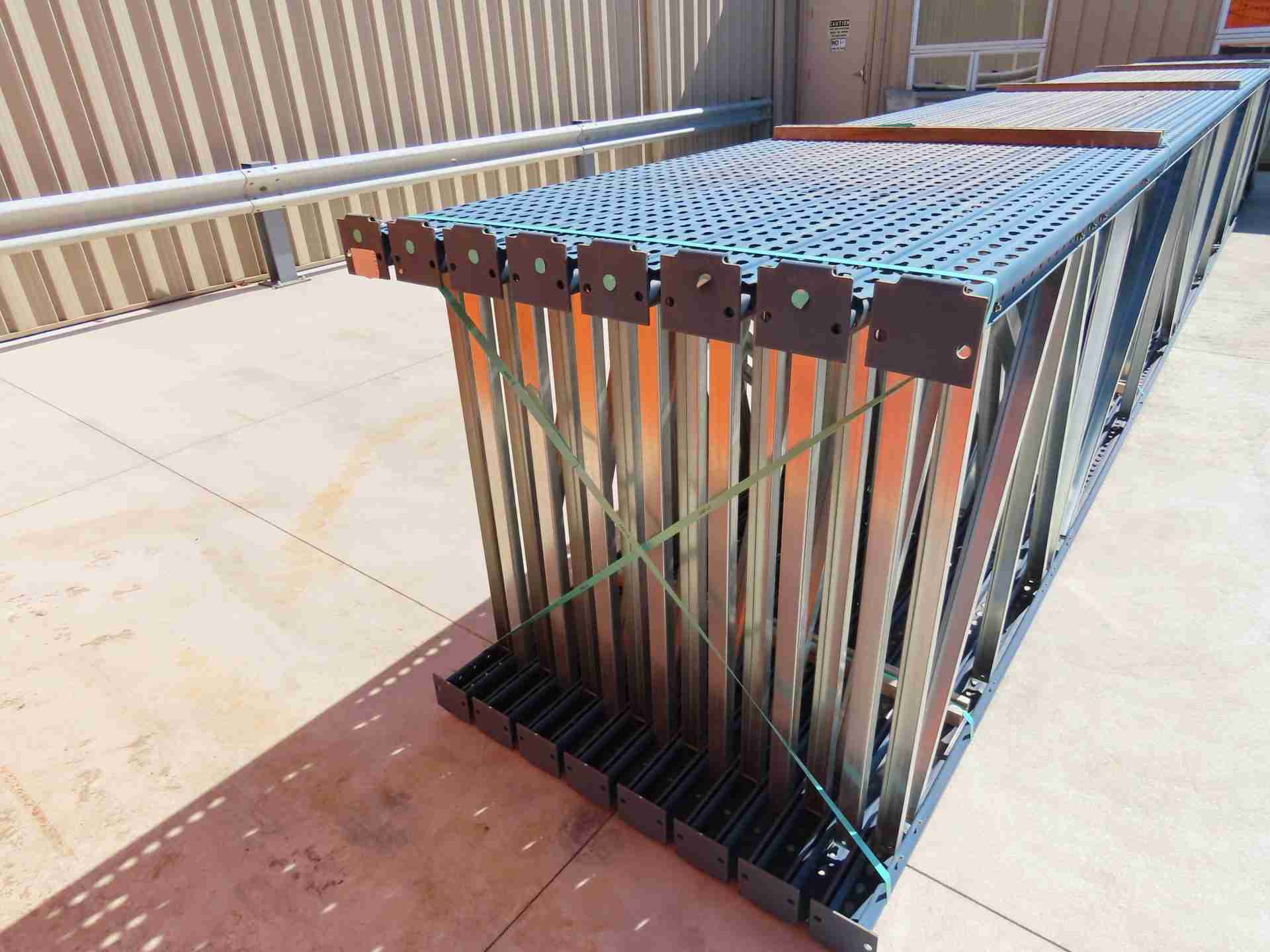
How Does the Age Of a Pallet Rack Affect Its Reliability and Value?
How Can Proper Inspection Help Prevent Accidents In Your Warehouse?
In the bustling heart of a warehouse, where steel racks rise like sentinels and the rhythm of work hums like an industrious symphony, the importance of a proper inspection cannot be overstated. Think about it: every product on those racking systems tells a story—of journeys begun and futures planned. But how can we safeguard those narratives and protect the people who weave them?
Take a moment to visualize your team, the hardworking folks who move with purpose among the aisles. They’re not just employees; they’re family. Each one of them brings a unique story, a blend of dreams, responsibilities, and aspirations to the table. When you foster a culture of safety through regular inspections, you’re doing more than ticking boxes; you’re valuing their lives. An unsteady pallet can become a catastrophe in a split second, but with diligent checks, you’re averting a potential crisis and shielding your loved ones from harm.
Rationally, proper inspections detect the unseen dangers that lurk within the bustling chaos of inventory and movement. A simple crack in a racking system can lead to disaster—a domino effect that could not only injure workers but also halt operations, costing time and money. The reality is stark: preventing accidents isn’t just about compliance and regulations; it’s about sustainability. It makes economic sense to invest in safety as much as it does to invest in equipment or personnel.
From an ethical standpoint, our duty goes beyond productivity; it extends to the welfare of every individual in our care. By implementing thorough inspection processes, we’re committing to a workplace where safety is paramount, demonstrating a profound respect for human life that resonates deeply within the community.
Imagine the ripple effect when an employee leaves work unscathed at the end of the day. Their relief, their gratitude—it’s infectious. It spreads to families, friends, and neighbors, fostering a collective consciousness that resonates throughout the community. This is the power of prioritizing inspections: it builds a culture of trust and safety, not just in the workplace but beyond.
When you make inspection a cornerstone of your operation, you’re not just avoiding accidents; you’re crafting a legacy of responsibility, respect, and resilience. That’s the kind of place where people want to work—a place where they feel valued, safe, and empowered. Invest in inspections, invest in your people, and watch your operation thrive, not just as a business but as a community of thriving, connected individuals.

How Can Proper Inspection Help Prevent Accidents In Your Warehouse?
How Can Proper Inspection Help Prevent Accidents In Your Warehouse?
- Proper inspections in warehouses are crucial for safety and operational integrity.
- Each employee contributes unique stories and aspirations, highlighting the need for a safety-focused culture.
- Regular inspections prevent accidents, protecting workers and ensuring smooth operations.
- Investing in safety is as important as investing in equipment and personnel for sustainable operations.
- Thorough inspection processes demonstrate a commitment to employee welfare and respect for human life.
- Prioritizing safety creates a positive community ripple effect that extends beyond the workplace.
- By making inspections a fundamental practice, a legacy of responsibility and resilience is established.

How Can Proper Inspection Help Prevent Accidents In Your Warehouse?
Conclusion
Choosing the right used pallet racks is a decision that extends far beyond merely acquiring metal and beams; it’s about nurturing a safe, productive environment for your team. Think of those racks as the unsung heroes of your operation, standing silently so that livelihoods and ambitions can flourish. Each dent, scratch, and surface wear tells a story, revealing the resilience they’ve displayed under pressure. But as you assess these vital structures, don’t overlook the power of informed intuition and careful scrutiny.
Begin by trusting your instincts. That gut feeling can often serve as your first line of defense against potential hazards. If a rack shows visible signs of fatigue—like bends, chips, or rust—it’s likely waving a red flag. You wouldn’t keep riding a rusty old bike, so why accept anything less than sturdy for your operational backbone? A thorough inspection caters not only to safety but also reflects your ethical commitment to your team’s well-being. Every time you ensure safe racking, you show respect for those who put their time and talent into your business.
Rationally, consider the figures. Investing in quality racks upfront may cost a bit extra but can save you from costly accidents and replacements down the road. It’s a wise, strategic choice rooted in responsibility. Sturdy racks safeguard lives and prevent downtimes that can ripple through your operation. You’re not merely focusing on the present; you’re laying the groundwork for future success, ensuring every pallet stacked high is held by trust.
Cultivate relationships with reputable suppliers. When you engage with knowledgeable sellers, you build a network that values quality as much as you do. This engagement nurtures a sense of community and acknowledges that each purchase is a shared commitment to safety and effectiveness. Testimonials and recommendations serve as your guideposts, steering you toward trustworthy choices that ensure both employee morale and operational efficiency thrive.
Ultimately, investing in used pallet racks isn’t just about the metal; it’s about the lives they support. When you prioritize safety, reliability, and ethical choices in your workspace, you’re not simply stacking pallets; you’re weaving the very fabric of your company’s future. So, as you make that crucial decision, trust your heart, head, and gut. You have the power to forge a better, safer environment for all, echoing the values of care, responsibility, and legacy in every corner of your operation.

Conclusion
Conclusion:
- Choosing used pallet racks is essential for maintaining a safe and productive environment.
- Inspect racks for visible signs of fatigue, such as bends, chips, or rust, which indicate potential hazards.
- Investing in quality pallet racks can prevent future accidents and costly replacements.
- Prioritizing safety reflects your ethical commitment to your team’s well-being.
- Build relationships with reputable suppliers to ensure quality and safety in your operations.
- Value testimonials and recommendations to guide your purchasing decisions for used racks.
- Investing in pallet racks is a commitment to the lives and future of your operation.

Conclusion
Other Resources

Other Resources
Here is a list of other resources you can review online to learn more:
- BMH Equipment LLC
- Teardrop Industrial Shelving Rack
- The Ultimate Pallet Racking Guide – Speedrack West
- MHI
- What is Cantilever Racking? – AK Material Handling Systems
- Wolter
- Cantilever Rack Guide: Ordering Cantilever Racking
- CA Wire
- Cantilever Racking Specialists – Get the Right Racks
- RMI
- Interlake
- Pallet Racking 101: A Comprehensive Guide & Options Explained
- BMH
- American Society of Safety Professionals
- Warehouse Racks, Warehouse Racking in Stock – ULINE
- Teardrop Pallet Rack – Ridg-U-Rak
- Overhead Lifting
- Rack Manufacturers Institute
- What is Selective Pallet Racking
Use This Prompt To Get More Resources With Your Favorite Online AI Tool: Please provide me with a list of online articles with their URLs in a bulleted list that I can read regarding How to Spot Quality In Used Pallet Racks

Other Resources
Glossary Terms
How to Spot Quality In Used Pallet Racks – Glossary Of Terms
1. Pallet Rack: A structured storage system designed to hold products that are placed on pallets.
2. Quality Inspection: The process of examining materials, components, or finished products to ensure they meet specified standards.
3. Load Capacity: The maximum weight that a pallet rack can safely hold, determined by design and material specifications.
4. Upright Frame: The vertical component of a pallet rack that supports horizontal beams and holds weight.
5. Beam: The horizontal support structure that provides a platform for placing pallets.
6. Deflection: The degree to which a beam or frame bends under load; excessive deflection may indicate structural weakness.
7. Rust: Oxidation of metal surfaces, which can weaken structural integrity and indicate poor maintenance.
8. Weld Integrity: The strength and reliability of welded joints, critical in ensuring the stability of the rack.
9. Reconditioning: The process of restoring used equipment to a safe, functional, and aesthetically pleasing condition.
10. Cross Bracing: Diagonal supports that enhance stability and strength, preventing lateral movement.
11. Safety Pins: Devices used to secure beams in place, ensuring they do not disengage from the upright frames.
12. Corrosion: Deterioration of materials, particularly steel, due to chemical reactions with moisture and air.
13. Tilt Test: A method for assessing stability by applying lateral force and observing the rack’s response.
14. Footplate: Base component of the upright frame that anchors the rack to the floor.
15. Uniform Load Distribution: Evenly spreading weight across the beam to prevent overloading any single point.
16. Adjustable Shelving: Features allowing beams to be repositioned at different heights to accommodate varying pallet sizes.
17. Dimensional Compatibility: Ensuring that pallet sizes match the specifications of the racket being used.
18. Visual Inspection: A physical examination of the rack for signs of damage, wear, or structural issues.
19. Forklift Access: The space and design considerations allowing forklifts to move and retrieve pallets safely.
20. Safety Standards: Regulations and guidelines that define the minimum safety requirements for pallet racks.
21. Bend Test: A method to assess the durability of a beam by applying weight and checking for bending or deformation.
22. Structural Integrity: The overall strength and stability of the rack system, ensuring it can support intended loads.
23. Load Signs: Labels or stickers indicating the maximum load capacity for each level of the rack.
24. Footprint: The physical space occupied by the pallet rack, an important consideration for warehouse layout.
25. End-of-Row Protection: Safety devices, like barriers, that prevent damage to upright frames at the aisle ends.
26. Rack Collapse: A potential hazard where racks fail under excessive load or instability, leading to loss of product and safety risks.
27. Inspection Frequency: How often pallet racks should be examined for safety and performance, recommended to be regular.
28. Pre-owned: Refers to used equipment previously owned, necessitating thorough evaluation for quality assurance.
29. Manufacturer Specifications: Guidelines provided by the maker of the rack, detailing design limits and maintenance procedures.
30. Compliance Certification: Verification that a pallet rack meets industry standards and regulatory requirements for safety and performance.

Glossary Of Terms
Other Questions
How to Spot Quality In Used Pallet Racks – Other Questions
If you wish to explore and discover more, consider looking for answers to these questions:
- What are the common causes of pallet rack failures?
- How often should pallet racks be inspected?
- What are the regulations regarding pallet rack safety?
- How do different types of pallet racks compare in terms of durability?
- What maintenance practices can extend the lifespan of pallet racks?
- How can I identify a trustworthy supplier for used pallet racks?
- What safety certifications should used pallet racks have?
- How can I calculate the load capacity needed for my warehouse?
- What are the signs of overloading in pallet racks?
- How does warehouse layout affect the effectiveness of pallet racks?
- What are the most common materials used in pallet rack construction?
- What should I look for in a warranty or guarantee on used pallet racks?
- How can used pallet racks be retrofitted for enhanced safety?
- What are the cost implications of maintaining older pallet racks?
- In what situations should I consider replacing my pallet racks rather than repairing them?

Other Questions
Checklist
How to Spot Quality In Used Pallet Racks – A Checklist
Checklist for Evaluating Used Pallet Racks
Heart (Emotional Appeals)
_____ Visual Inspection: Look for signs of wear like rust, dents, or twists; trust your instincts about the racks’ condition.
_____ Team Safety: Envision your team safely maneuvering around well-maintained racks; prioritize their security.
_____ Emotional Connection: Consider the stories behind the racks; think of the dedication and effort of past workers.
Head (Rational Appeals)
_____ Load Capacity: Verify the weight limit; ensure racks can support the loads you intend to store.
_____ Condition Assessment: Check for visible damage such as cracks, popped welds, or rust; assess structural integrity logically.
_____ Compliance with Standards: Ensure racks meet industry safety codes; inspect maintenance records if available.
Gut (Intuitive Appeals)
_____ Trust Your Instincts: If something feels off about the racks, don’t hesitate; take a step back for a thorough evaluation.
_____ Embrace History: Recognize that older racks can offer reliability if well-maintained; view their age as experience.
_____ Proactive Culture: Instill an environment where team members feel empowered to report safety concerns without fear.
Ethical Considerations
_____ Sustainable Choices: Opt for used racks to reduce waste; feel good about making environmentally-conscious decisions.
_____ Employee Well-being: Understand that investing in quality reflects your commitment to a safe working environment.
Authority (Expert Appeal)
_____ Consult Experts: Seek guidance from reputable dealers or structural engineers; trust their evaluations based on expertise.
_____ Regular Inspections: Schedule consistent safety audits; reinforce the importance of adherence to safety protocols.
Narrative (Storytelling Appeal)
_____ Legacy of Resilience: Reflect on how each rack has contributed to productivity; prioritize those with a strong record of reliability.
_____ Community Impact: Consider how well-chosen racks support not just productivity but also enhance team morale and community well-being.
Social Considerations
_____ Supplier Reputation: Select suppliers known for high-quality products and customer support; ask for testimonials from other businesses.
_____ Team Involvement: Encourage team engagement in the selection process; foster camaraderie and ownership.
By following this checklist, you’re not just evaluating racks; you’re creating a safer, more efficient working environment that values every team member.

Checklist
At RackingWorld, we help guide you through selecting warehouse storage systems and racking.
Be sure to read our other related stories at RackingWorld to learn more about warehouse storage systems.
0 Comments