
Meeting Regulations: Warehouse Compliance Essentials
By Tom Seest
At RackingWorld, we help guide you through selecting warehouse storage systems and racking.
Be sure to read our other related stories at RackingWorld to learn more about warehouse storage systems.
What Must You Know About Compliance In Warehouse Management?
Navigating the complexities of warehouse management can feel like walking a tightrope—one misstep, and you can find yourself in a world of regulatory trouble. Compliance isn’t just a box to check; it’s the backbone of a successful operation. If you want to keep your business thriving, understanding the ins and outs of compliance is paramount. Let’s delve into why compliance isn’t merely a requirement, but a springboard for better business practices and profits.
First things first: safety regulations. Your warehouse is filled with potential hazards, from heavy pallet racking systems to complex machinery. Staying compliant with Occupational Safety and Health Administration (OSHA) guidelines not only protects your employees but also shields you from costly fines and litigation down the line. Regular safety audits are more than a tedious chore; they are your opportunity to showcase your commitment to a safe workplace. Think of it as cultivating a reputation that attracts top talent—who wouldn’t want to work in a place where safety is a priority?
But it’s not just about safety; let’s talk about inventory management. Keeping a line of sight on your compliance with industry standards regarding inventory can dramatically enhance efficiency. After all, an optimized inventory process not only streamlines your operations but also leads to reduced costs and improved customer satisfaction. When goods are stored on compliant pallet racking systems, it not only maximizes your space but also adheres to industry best practices, protecting both your employees and your bottom line.
Furthermore, let’s address the elephant in the room: data compliance. In today’s digital age, keeping accurate records and adhering to data protection regulations is non-negotiable. Customers expect transparency, and failing to comply could jeopardize the trust you’ve worked hard to build. Make data integrity part of your everyday operations, embracing technology that helps track compliance with ease.
So, what steps can you take today? Start by conducting a thorough review of your current compliance practices. Reach out to experts if necessary. A fresh set of eyes might reveal areas for improvement that will not only keep you compliant but also position your warehouse as an industry leader.
Ultimately, compliance in warehouse management isn’t just about avoiding pitfalls. It’s about establishing a system that fosters trust, enhances productivity, and propels your business into a prosperous future. Embrace compliance as a cornerstone of your strategy—and watch your operations thrive!

What Must You Know About Compliance In Warehouse Management?
What Must You Know About Compliance In Warehouse Management?
- Compliance is crucial for successful warehouse management and should be viewed as a springboard for better practices.
- Safety regulations, particularly OSHA guidelines, are essential for protecting employees and avoiding costly penalties.
- Regular safety audits highlight a commitment to workplace safety, enhancing the company’s reputation.
- Effective inventory management in compliance with industry standards improves operational efficiency and customer satisfaction.
- Data compliance is vital in the digital age; maintaining accurate records builds customer trust and ensures transparency.
- Conducting a thorough review of current compliance practices can reveal opportunities for improvement and industry leadership.
- Embracing compliance fosters trust, enhances productivity, and positions the business for future growth and prosperity.
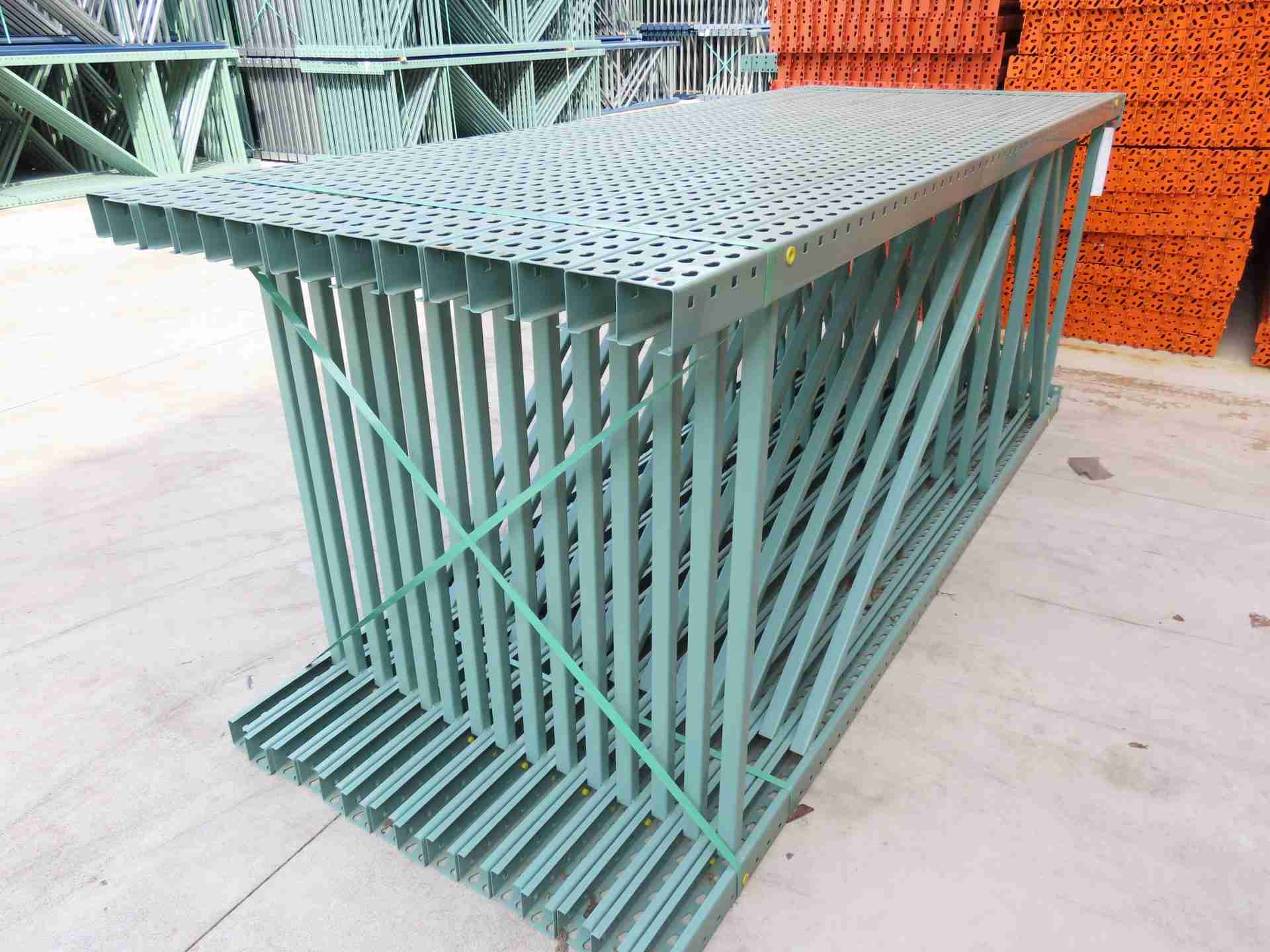
What Must You Know About Compliance In Warehouse Management?
Table Of Contents
- What Must You Know About Compliance In Warehouse Management?
- What Is Warehouse Compliance And Why Is It Important?
- What Are The Key Regulations For Warehouse Compliance?
- How Can I Prepare My Warehouse For Compliance Audits?
- What Role Does Training Play In Warehouse Compliance?
- How Can Technology Aid Compliance In Warehouse Management?
- What Common Compliance Issues Do Warehouses Face?
- Conclusion
- Other Resources
- Glossary Of Terms
- Other Questions
- Checklist
What Is Warehouse Compliance And Why Is It Important?
Imagine walking into a warehouse that not only meets legal standards but operates at peak efficiency, ensuring every pallet racking system is utilized to its fullest potential. That’s the power of warehouse compliance. It’s not just about ticking boxes on a regulatory checklist; it’s about fostering an environment where safety, productivity, and profitability intersect harmoniously.
Warehouse compliance involves adhering to local, state, and federal regulations that govern everything from the safety of your employees to the proper storage and handling of goods. But why is this essential? For starters, compliance ensures that your operation safeguards the well-being of your team. A single slip-up—like overlooking building codes or safety regulations—can lead to serious accidents that not only jeopardize your workforce but can also result in costly downtime and damage to your reputation.
But let’s face it—nobody wants to think of warehouses as mere regulatory mechanisms. At its core, compliance is built upon a commitment to excellence. When you invest in adhering to best practices, you’re also investing in the longevity of your business. Picture a facility where every pallet racking system is inspected, updated, and optimized for storage efficiency. This doesn’t just lead to fewer risks; it creates an opportunity for better inventory management, streamlined operations, and ultimately, enhanced customer satisfaction.
Moreover, compliance isn’t a one-time event; it’s a continuous journey of improvement. Embracing this mindset means that your business can adapt to the ever-changinlegal landscape, thus positioning you as an industry leader rather than a follower. A strong compliance strategy encourages a culture of accountability, where employees feel empowered to voice concerns and suggest improvements—this alone can accelerate operational excellence.
As business owners, we often find ourselves juggling countless priorities, but integrating compliance into your daily operations shouldn’t feel like an uphill battle. It’s about weaving it into the very fabric of your warehouse culture. The trust built through compliance can transform relationships, not just with your workforce, but also with your partners and clients. When they know you prioritize safety and efficiency, you become the go-to source they can rely on.
In essence, warehouse compliance is your competitive edge. It’s not just about following the rules; it’s about positioning your warehouse as a beacon of innovation and reliability. So, take action. Start evaluating your systems today and watch how compliance can elevate your operations to new heights.

What Is Warehouse Compliance And Why Is It Important?
What Is Warehouse Compliance And Why Is It Important?
- Warehouse compliance ensures legal standards are met while maximizing operational efficiency.
- Involves adhering to regulations affecting employee safety and goods handling.
- Prevents costly accidents and reputational damage through strict adherence to safety protocols.
- Investing in best practices enhances inventory management and customer satisfaction.
- Compliance is a continuous improvement journey that positions businesses as industry leaders.
- Encourages a culture of accountability and empowers employees to suggest improvements.
- Compliance builds trust, transforming relationships with workforce, partners, and clients.
What Is Warehouse Compliance And Why Is It Important?
What Are The Key Regulations For Warehouse Compliance?
In the bustling world of warehouse management, compliance isn’t just a box to check—it’s the lifeblood of your operation. When you think about the vast expanse filled with towering pallet racking systems and busy staff, it’s clear that safety and efficiency must reign supreme. But what exactly does it take to keep your warehouse both compliant and operationally sound?
First, let’s dive into the heart of the matter: understanding the regulations that govern your space. OSHA (Occupational Safety and Health Administration) sets the standard for safety protocols, covering everything from equipment operation to employee safety training. If your warehouse features extensive pallet racking, it’s critical to adhere to guidelines regarding load limits and proper installation. An improperly stacked pallet can lead to catastrophic failures and expensive liabilities, not to mention injuries that could have devastating effects on employee morale and retention.
Then, consider the fire safety regulations in your state. Warehouses are often lined with inventory that could pose a fire hazard if not stored correctly. An adequately structured pallet racking system must account for fire safety code compliance, which can often dictate the spacing between racks and the installation of sprinkler systems. This isn’t just about passing inspections; it’s about creating an environment where your employees feel safe and valued.
Environmental regulations are another vital area not to overlook. Many warehouses are now required to manage waste and ensure that hazardous materials are appropriately handled and stored. This won’t just help you avoid hefty fines, but it will also inspire trust with both clients and employees, reinforcing your brand’s commitment to sustainability.
Finally, it’s essential to maintain meticulous records. Whether it’s documenting maintenance schedules for your pallet racking or tracking employee training sessions, having these records on file can protect you during audits and instill confidence within your team. The more proactive you are in record-keeping and adherence to compliance protocols, the smoother your operations will flow.
By prioritizing these regulations, you’re not just protecting your warehouse; you’re also safeguarding your reputation. Think about it: when clients and employees alike see firsthand your dedication to compliance and safety, they perceive a commitment that goes beyond profit—a commitment to excellence. Embrace these regulations, and watch your warehouse transform from a simple storage facility into a trusted hub of productivity and safety. So, take action today; your future depends on it!
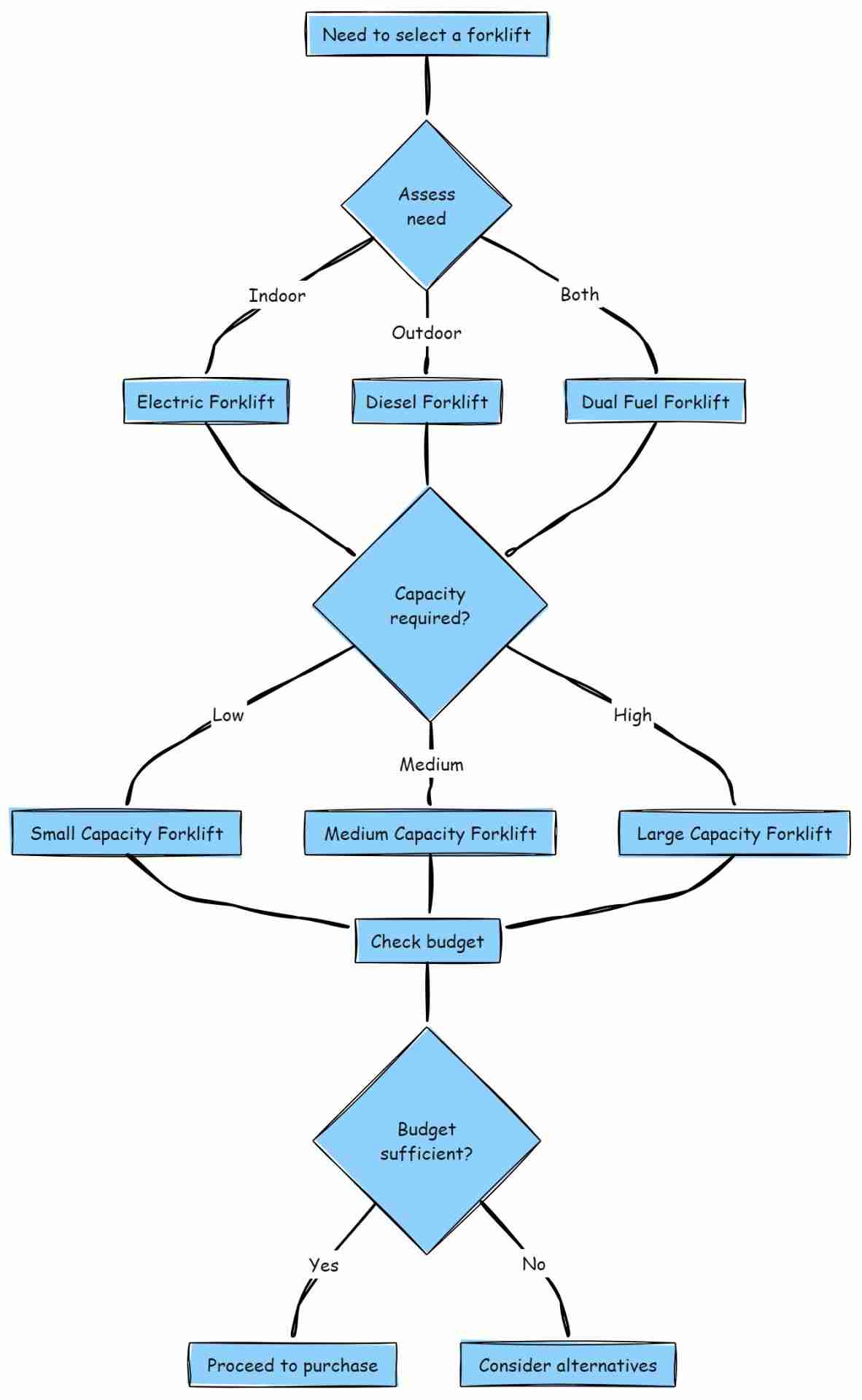
What Are The Key Regulations For Warehouse Compliance?
What Are The Key Regulations For Warehouse Compliance?
- Compliance is essential for warehouse management, going beyond mere regulatory requirements.
- Understanding OSHA regulations is crucial for ensuring safety protocols, including equipment operation and employee training.
- Proper pallet racking installation and adherence to load limits are vital to prevent accidents and liabilities.
- Fire safety regulations must be followed to protect against potential hazards posed by stored inventory.
- Environmental regulations necessitate responsible waste management and safe handling of hazardous materials.
- Maintaining detailed records of maintenance and training supports compliance and boosts team confidence.
- Prioritizing regulations enhances both the reputation and operational efficiency of your warehouse.
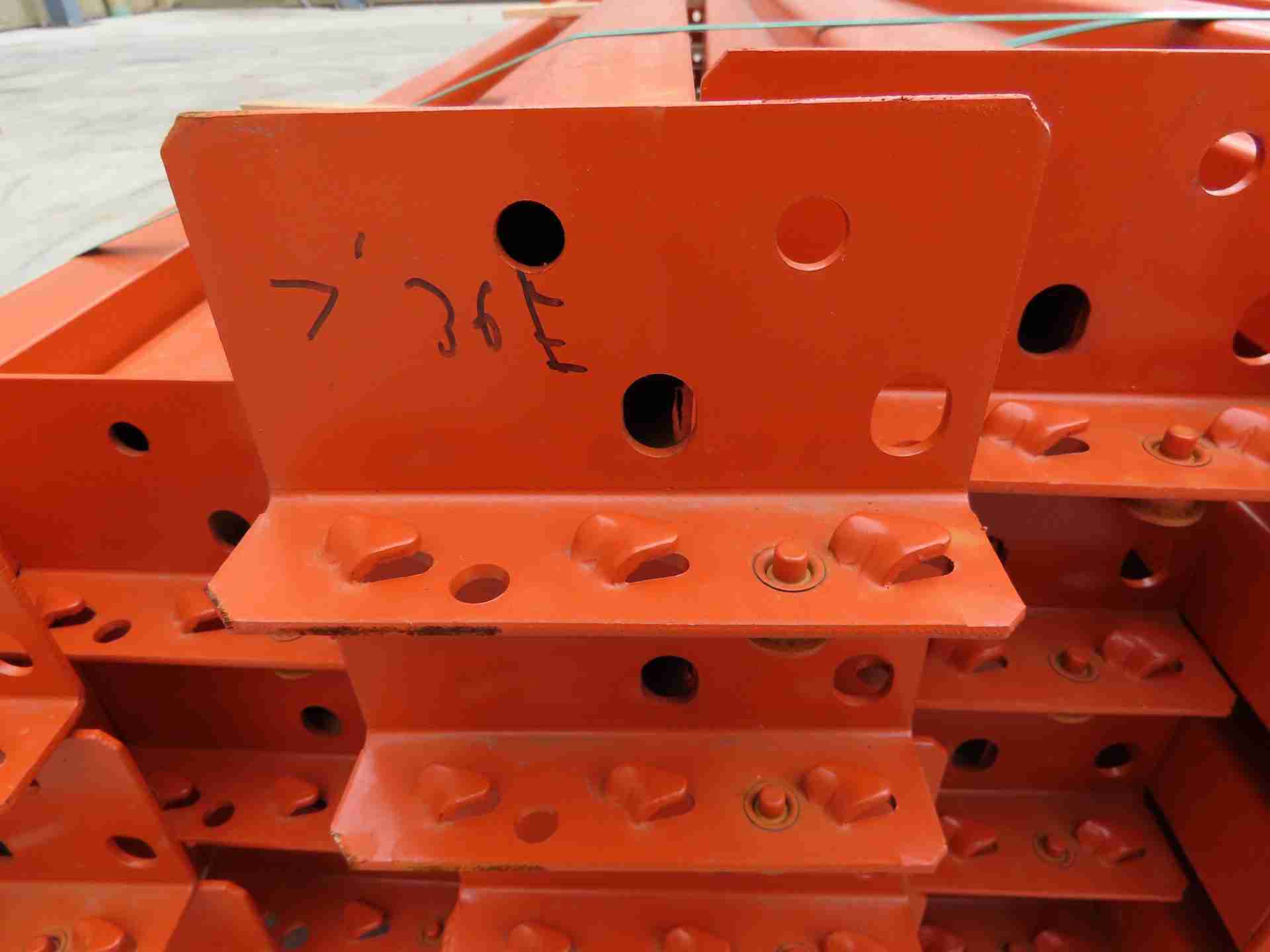
What Are The Key Regulations For Warehouse Compliance?
How Can I Prepare My Warehouse For Compliance Audits?
Preparing Your Warehouse for Compliance Audits: A Proactive Approach
When it comes to compliance audits, the stakes are high. A single oversight could not only result in fines but might also tarnish your reputation and disrupt your operations. Yet, with the right preparation, you can turn these daunting audits into an opportunity to showcase your warehouse’s efficiency and reliability. Let’s dive into some actionable steps that will have you feeling ready and confident before the auditors come knocking.
First, let’s talk organization. An organized warehouse is your best ally in compliance. Begin with an in-depth review of your current operations. Are your aisles clear? Is your pallet racking system optimally arranged? Properly installed and maintained pallet racking can make all the difference. Not only does it maximize storage space, but it ensures easy access to items, helping your staff move quickly during inspections.
Next, make it a habit to conduct regular inventory audits. This is not just about understanding your stock levels but about ensuring that every item is correctly labeled and stored. Think of your inventory as a living document; keeping it up-to-date will save you headaches during compliance checks. Consider implementing a barcode or RFID system if you haven’t already. This can drastically reduce human error and streamline inventory management.
Training your staff is another key component. A well-trained team is your first line of defense. Regular workshops or training sessions on compliance standards can foster a culture of awareness and accountability in your workplace. Encourage your employees to take ownership of compliance responsibilities; when everyone feels invested, it creates a sense of community and trust.
Moreover, keep all documentation up-to-date and easily accessible. Create a centralized digital file system that stores essential compliance documents. This proactive step not only saves time during audits but also ensures that nothing falls through the cracks. Remember, transparency is a key ingredient in building trust with auditors.
Finally, consider bringing in a third-party expert for a pre-audit assessment. Fresh eyes can identify potential pitfalls that you may have overlooked. This investment in a thorough examination will pay off by boosting your confidence and lessening anxiety as the real audit approaches.
Preparing your warehouse for compliance audits doesn’t have to be a stressful ordeal. By focusing on organization, staff training, and proactive measures, you can turn what once felt like a burden into a badge of honor. After all, when you’re ready, you’re not just compliant—you’re a cut above the rest.

How Can I Prepare My Warehouse For Compliance Audits?
How Can I Prepare My Warehouse For Compliance Audits?
- Compliance audits are critical; oversight can lead to fines and reputational damage.
- An organized warehouse aids in compliance; review operations for clear aisles and optimal pallet racking.
- Regular inventory audits ensure accurate labeling and storage; consider using barcode or RFID systems.
- Train staff on compliance standards to create a culture of accountability and ownership.
- Maintain updated and accessible documentation with a centralized digital filing system for efficiency during audits.
- Engage a third-party expert for a pre-audit assessment to identify potential issues.
- Effective preparation transforms audits from a burden into an opportunity to demonstrate excellence.

How Can I Prepare My Warehouse For Compliance Audits?
What Role Does Training Play In Warehouse Compliance?
In the fast-paced world of warehousing, the stakes are high. From safety regulations to operational efficiencies, every detail counts. While you might think that compliance is solely about ticking boxes on a checklist, the heart of successful compliance lies in comprehensive training. It’s the knowledge and skills of your employees that transforms dusty guidelines into dynamic, actionable practices.
Let’s think about pallet racking for a moment. It’s a crucial element of warehouse operations, allowing you to optimize your space and keep your inventory organized. But without proper training on how to use and maintain pallet racking systems, you risk accidents that could lead to costly injuries and significant liabilities. Employees must understand the weight limits, proper stacking techniques, and how to inspect racking for damage. This isn’t just about safety; it’s about trusting your team to handle the equipment that keeps your operations running smoothly.
Imagine a team that understands the ins and outs of compliance because they’ve received the right training. This is not just any team; this is a team that radiates confidence. They know what to do in the event of an emergency, they’re aware of the legal ramifications of their actions, and they take pride in maintaining a compliant warehouse. When your teams are equipped with knowledge, they become your greatest asset. They not only comply with regulations but also drive your business forward.
Now, consider the impact of a committed training program on your entire organization. Beyond just compliance, well-trained employees will embrace a culture of safety and quality, leading to higher productivity and employee retention. When people feel competent at their jobs and understand the organization’s compliance mandates, they perform at higher levels. It’s not just about preventing negative consequences; it’s about actively fostering a positive work environment.
Let’s inspire action. Invest in training not as a cost but as a cornerstone of your compliance strategy. Picture the peace of mind that comes from knowing your employees are not just compliant but empowered with the skills and knowledge to excel. This confidence translates into fewer accidents, reduced liability, and increased operational efficiency.
In the world of warehouse compliance, the right training makes all the difference. Dive into this vital element of your operations, and watch your compliance soar. It’s time to turn your warehouse into a beacon of safety and reliability, one knowledgeable employee at a time.

What Role Does Training Play In Warehouse Compliance?
What Role Does Training Play In Warehouse Compliance?
- Successful compliance in warehousing depends on comprehensive training rather than just checklist completion.
- Proper training in pallet racking systems is essential to prevent accidents and ensure safety.
- Employees need to understand weight limits, stacking techniques, and inspection procedures for racking equipment.
- A well-trained team radiates confidence and knows how to respond to emergencies and legal issues.
- Consistent training fosters a culture of safety and quality, enhancing productivity and employee retention.
- Investing in training should be viewed as a cornerstone of compliance strategy, not just a cost.
- The right training in warehouse compliance leads to fewer accidents, reduced liability, and increased operational efficiency.

What Role Does Training Play In Warehouse Compliance?
How Can Technology Aid Compliance In Warehouse Management?
In today’s fast-paced world, compliance in warehouse management isn’t just a necessity—it’s a cornerstone of success. This is where technology takes the stage, shining like a beacon of opportunity. Imagine a bustling warehouse filled with stacks of goods neatly arranged in sophisticated pallet racking systems. Now, envisage a seamless flow that not only maximizes efficiency but also strictly adheres to industry regulations. Sounds dreamy, right?
With the right technological tools, achieving this vision isn’t just possible; it’s within reach. Utilizing advanced warehouse management systems (WMS) can transform your operational landscape. These systems offer real-time inventory tracking, ensuring you always know what’s in stock, what’s being dispatched, and what’s on its way. Enhanced visibility fosters accountability and promotes adherence to compliance standards—no more guesswork, no more risks.
Let’s talk about analytics. Imagine if you could access powerful insights at your fingertips, revealing trends, patterns, and areas for improvement. Technology empowers you to analyze data effectively, so you can make informed decisions that keep your warehouse compliant and efficient. You know what this means? Lower operational risks, better inventory turnover, and a robust reputation among your clientele.
Consider the implementation of automated solutions like barcode scanning and RFID technology. These tools dramatically reduce human error by ensuring accurate tracking of every item that moves in and out of your warehouse. When you make compliance a priority, you’re not just protecting your business; you’re enhancing your credibility in the eyes of partners and customers alike.
Moreover, safety should never take a back seat. With technology, you can monitor compliance with safety regulations effortlessly. Integrated systems alert you to potential hazards, ensuring your pallet racking meets the required standards and your team operates in a safe environment. A safe warehouse is a compliant warehouse, and it leads to increased morale among employees—happy workers are productive workers.
In this age of innovation, the choice is clear: embracing technology is not just about keeping pace but staying ahead. It’s about investing in solutions that make compliance easier, safer, and more effective. Take this step, and watch how it transforms your warehouse into a well-oiled machine that operates with precision and confidence. Ready to maximize your compliance and revolutionize your warehouse? The future awaits!
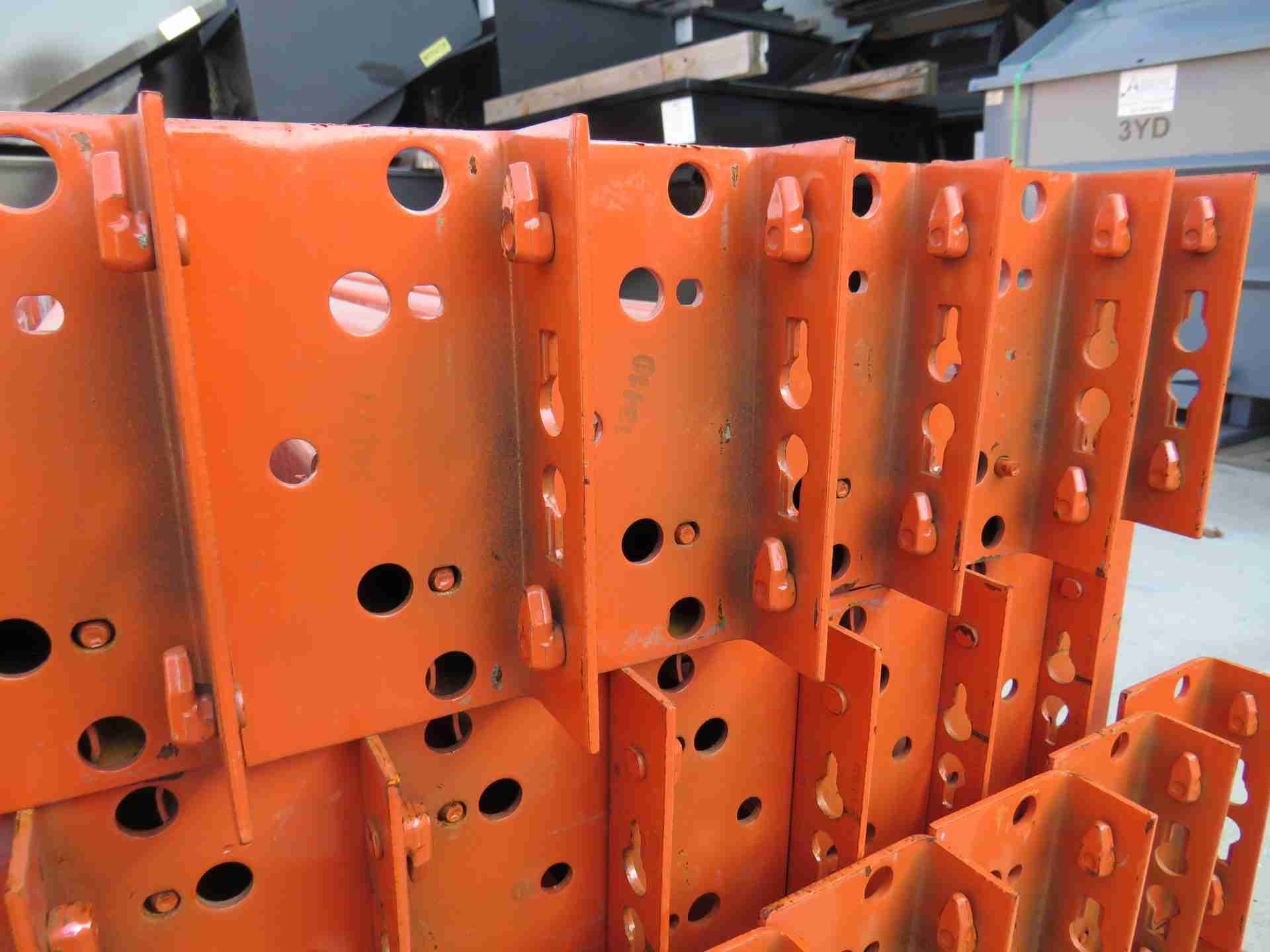
How Can Technology Aid Compliance In Warehouse Management?
How Can Technology Aid Compliance In Warehouse Management?
- Compliance in warehouse management is essential for success in today’s fast-paced world.
- Technology, including advanced warehouse management systems (WMS), can significantly enhance operational efficiency and compliance.
- WMS enables real-time inventory tracking, ensuring awareness of stock levels and dispatches.
- Data analytics provides insights for informed decisions, lowering operational risks and improving inventory turnover.
- Automated solutions such as barcode scanning and RFID technology reduce human error and enhance tracking accuracy.
- Monitoring safety regulations through technology ensures a safe working environment and boosts employee morale.
- Embracing technology is crucial for staying ahead and transforming warehouses into efficient, compliant operations.

How Can Technology Aid Compliance In Warehouse Management?
What Common Compliance Issues Do Warehouses Face?
In the bustling world of warehousing, compliance issues can feel like that shadow lurking just out of sight—distant, yet capable of causing a major disruption if ignored. Understanding these pitfalls is crucial for not only maintaining operational integrity but also enhancing your bottom line. Let’s dive into some common compliance headaches that warehouses face, so you can keep your facility running smoothly and efficiently.
First on the list is pallet racking safety. Your pallet racking system is one of the most critical components of your warehouse. Not only does it organize and maximize storage space, but it also poses significant safety risks if not properly maintained. Overloading racks, using faulty equipment, or neglecting regular inspections can lead to catastrophic failures—and who can afford the consequences? Ensure that your warehouse complies with OSHA regulations regarding pallet racking by regularly reviewing load capacity labels and training staff on safe practices.
Another common issue is inventory management. In many warehouses, the absence of clear guidelines can lead to inventory discrepancies, mislabeling, and confusion. Compliance with standards such as FIFO (First In, First Out) is paramount. Not only does it keep operations efficient, but it also reduces waste and ensures that products reach customers in optimal condition. Are your employees trained to follow these practices? Taking time to educate your team can dramatically improve compliance and reduce errors.
Next, let’s consider hazardous materials. Many warehouses store environmental or chemical substances that come with strict handling and storage regulations. Non-compliance here isn’t just a minor oversight—it can lead to legal repercussions and threaten employee safety. Establishing clear handling procedures and regularly training your staff can cultivate a culture of safety and responsibility, enhancing trust both internally and externally.
Finally, think about record-keeping. Many warehouses struggle to maintain accurate logs of their practices, from safety inspections to inventory counts. However, having impeccable records is your best defense against compliance audits. Implementing a robust tracking system can save you time and worry, ensuring that you are always prepared.
In short, awareness and proactive management of these common compliance issues will not only protect your business but will also earn you the trust of your employees and customers. Remember, your warehouse is far more than just a space to store goods—it’s the heartbeat of your operations. Take action today; your future selves will thank you!

What Common Compliance Issues Do Warehouses Face?
What Common Compliance Issues Do Warehouses Face?
- Compliance issues in warehousing can disrupt operations and affect profitability.
- Pallet racking safety is crucial; improper maintenance can lead to catastrophic failures.
- Regularly review load capacity labels and train staff on safe pallet racking practices to comply with OSHA regulations.
- Inventory management is vital; lack of guidelines can cause discrepancies and mislabeling.
- Educating staff on practices like FIFO (First In, First Out) can enhance compliance and operational efficiency.
- Handling hazardous materials requires strict adherence to regulations to prevent legal repercussions and ensure safety.
- Maintaining accurate records of safety inspections and inventory counts is essential for compliance audits.
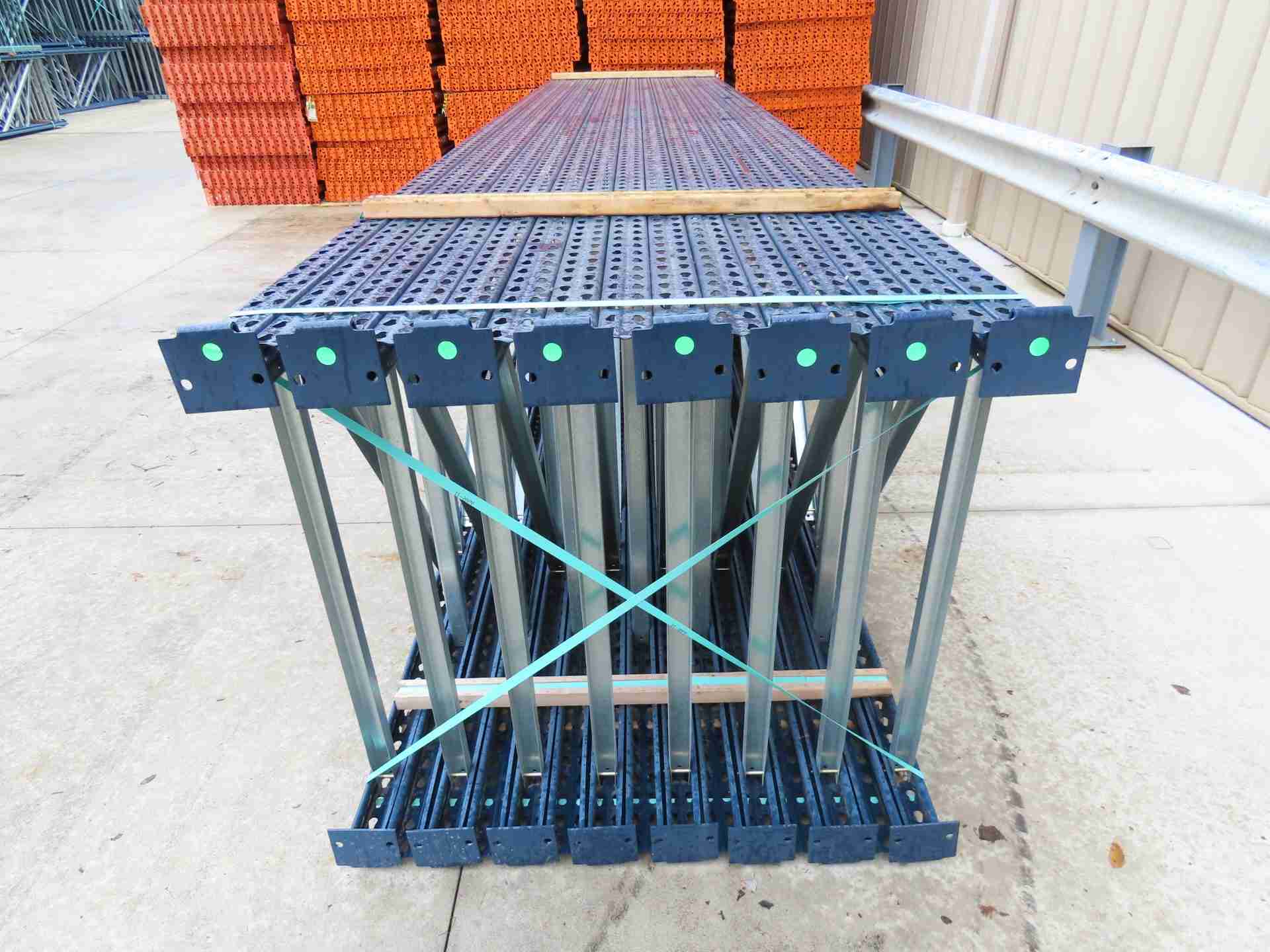
What Common Compliance Issues Do Warehouses Face?
Conclusion
Conclusion: Elevate Your Warehouse Compliance to Drive Success
In the intricate world of warehouse management, compliance is not merely a regulatory obligation—it’s a powerful catalyst for operational excellence, enhanced efficiency, and a thriving bottom line. As you’ve explored in this article, navigating the maze of compliance can seem daunting, but the stakes couldn’t be higher. Non-compliance can lead to serious legal repercussions, hefty fines, and, worst of all, jeopardize the safety of your workforce and the integrity of your operations. However, when approached with a strategic mindset, compliance becomes a cornerstone that elevates your warehouse from just a storage facility to a beacon of productivity and safety.
The key lies in understanding that compliance encompasses a broad spectrum: from mastering OSHA standards to managing inventory with precision, to ensuring that safety practices are seamlessly incorporated into your warehouse culture. Each facet of compliance serves as a fundamental building block—strong safety protocols protect your employees, optimized inventory processes enhance efficiency and customer satisfaction, while rigorous data integrity fosters trust in today’s digital landscape.
But it’s not just about following the rules; it’s about using compliance as a launchpad for continuous improvement. By actively engaging your teams in training and employing technology such as warehouse management systems, you empower your workforce and establish a culture of accountability and innovative thinking. Imagine a well-trained staff that not only meets compliance standards but also takes pride in their roles, leading to decreased accidents, increased operational efficiency, and ultimately, a more profitable business model.
To streamline your path to compliance and unlock the full potential of your warehouse, we invite you to reach out to Arrow Industrial Sales at (574) 349-6575. Our experts are ready to assist you in identifying areas for improvement and provide tailored solutions that ensure your operations not only meet compliance requirements but thrive in them. Don’t delay—regulatory landscapes are constantly evolving and the urgency to adapt is critical.
Remember: compliance isn’t just a checklist—it’s a strategic advantage. Allow it to be a catalyst for growth, trust, and operational success. Take action today, and transform your warehouse into a model of safety, efficiency, and compliance excellence. Your future self will thank you!
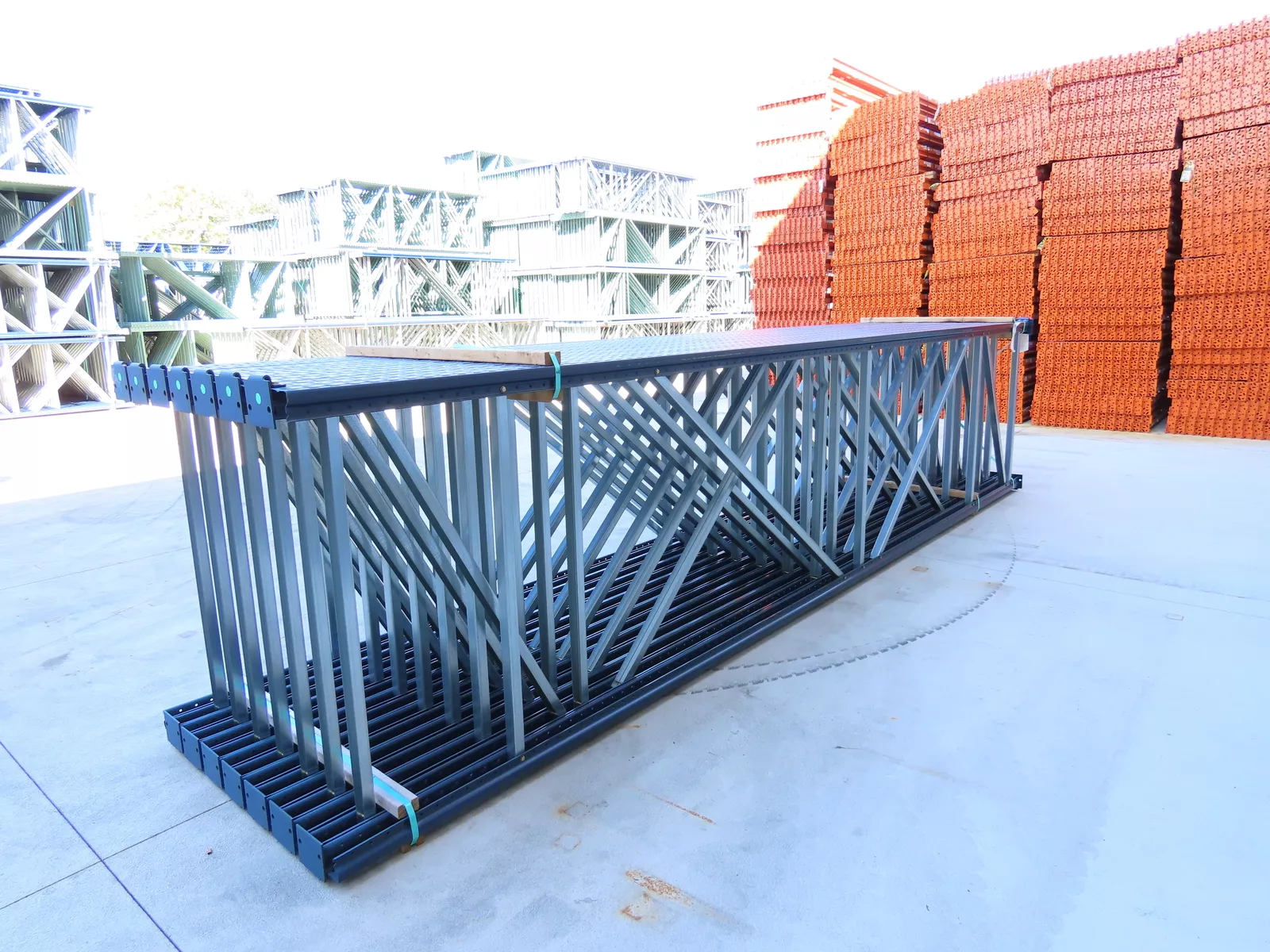
Conclusion
Conclusion:
- Compliance in warehouse management is crucial for operational excellence and profitability.
- Non-compliance can result in legal issues, fines, and compromised employee safety.
- Understanding compliance includes mastering OSHA standards and integrating safety practices into warehouse culture.
- Strong safety protocols and optimized inventory processes enhance efficiency and customer satisfaction.
- Engaging teams in training and using technology fosters a culture of accountability and innovation.
- Customized compliance strategies can unlock your warehouse’s full potential and drive success.
- Contact Arrow Industrial Sales for tailored compliance solutions that promote safety and operational excellence.

Conclusion
Other Resources

Other Resources
Here is a list of other resources you can review online to learn more:
- Used Teardrop Pallet Rack – American Surplus
- ASSP
- IIWS Inc. Rack Installation Illinois & Rack Repairs Illinois
- What is Selective Racking: Understanding Benefits & Options
- Warehouse Racking Chicago, IL
- Iowa Illinois Warehouse Racking
- Illinois Pallet Racking – WPRP
- Teardrop Racks – Pallet Rack World
- Warehouse Racking Layout: The Ultimate Guide – Conger
- Storage Equipment Manufacturers’ Association
Use This Prompt To Get More Resources With Your Favorite Online AI Tool: Please provide me with a list of online articles with their URLs in a bulleted list that I can read regarding What Must You Know About Compliance In Warehouse Management?
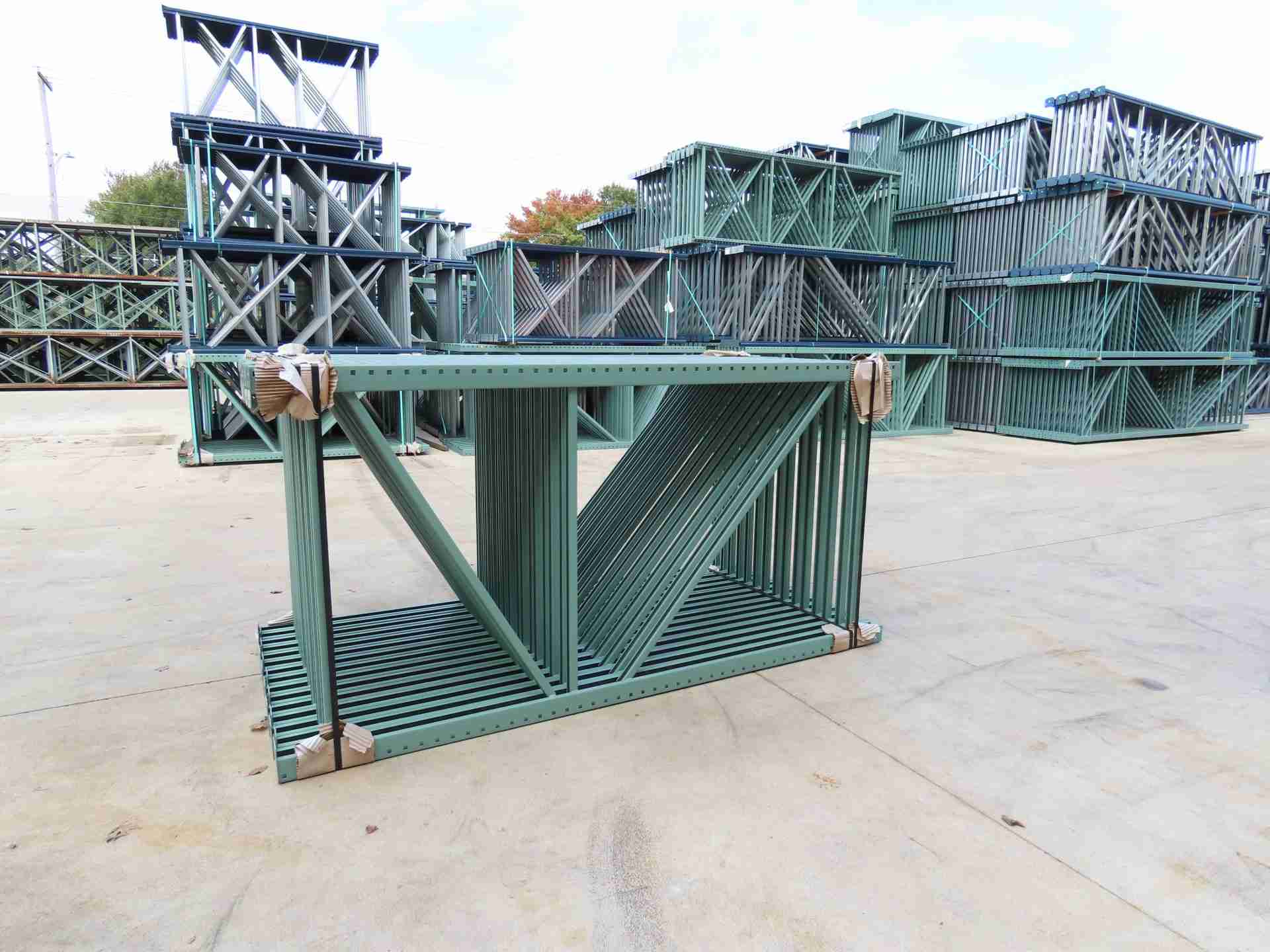
Other Resources
Glossary Terms
What Must You Know About Compliance In Warehouse Management? – Glossary Of Terms
1. Compliance: Adherence to laws, regulations, standards, and policies governing warehouse operations.
2. Regulations: Official rules or laws governing warehouse practices, often set by governmental bodies.
3. Safety Standards: Guidelines that are established to ensure the health and safety of personnel within the warehouse environment.
4. OSHA: Occupational Safety and Health Administration; a U. S. agency that enforces workplace safety and health regulations.
5. Inventory Management: The process of ordering, storing, tracking, and controlling inventory levels to ensure compliance with regulations.
6. Quality Control: Actions taken to ensure that the products stored in the warehouse meet specified quality standards.
7. Hazardous Materials: Substances that pose a risk to health, safety, or property and require strict compliance in handling and storage.
8. Labeling Requirements: Legal specifications for labeling products, especially those that are hazardous or regulated.
9. Audits: Systematic reviews conducted to evaluate compliance with regulations and internal policies.
10. Data Protection: Measures and policies implemented to ensure the confidentiality and security of sensitive information, such as customer data.
11. Environmental Compliance: Adherence to environmental laws and regulations that impact warehouse operations, including waste disposal and emissions.
12. Employee Training: Programs designed to educate staff on compliance-related topics, including safety, operational procedures, and regulations.
13. Inventory Accuracy: Ensuring that the quantities and conditions of products recorded match the physical stock, crucial for compliance reporting.
14. Chain of Custody: Documentation that tracks the handling of products; important for compliance, especially with regulated materials.
15. Standard Operating Procedures (SOPs): Established guidelines for conducting various warehouse processes, ensuring consistent compliance.
16. Forklift Safety: Regulations and practices aimed at ensuring the safe operation of forklifts within the warehouse.
17. PPE: Personal Protective Equipment; gear worn to minimize exposure to hazards, required for compliance in many environments.
18. Risk Assessment: The process of identifying and evaluating risks associated with warehouse operations to enhance safety and compliance.
19. Return Merchandise Authorization (RMA): A process for handling the return of goods; compliance is often necessary with specific return regulations.
20. Freight Forwarding: The practice of organizing the shipment of goods; must comply with various transportation laws and regulations.
21. Shipping Regulations: Rules governing how products are packaged, labeled, and transported, particularly for international shipments.
22. Import/Export Compliance: Adhering to laws and regulations governing the shipment of goods across international borders.
23. Health and Safety Policy: A written statement outlining the organization’s commitment to maintaining a safe workplace.
24. Incident Reporting: A formal process for documenting safety incidents or compliance breaches to enhance accountability and prevent recurrence.
25. Material Handling: The movement, protection, and storage of materials within a warehouse; requires compliance with safety standards.
26. Warehouse Management System (WMS): Software that helps manage warehouse operations; must comply with data management and security regulations.
27. Stock Rotation: Ensuring that older stock is sold before newer stock to maintain product freshness; compliance is essential, particularly with perishable goods.
28. Sustainability Practices: Methods that promote environmental responsibility within warehouse operations; compliance may be required by law.
29. Third-Party Logistics (3PL): Outsourced logistics services; must ensure that their operations comply with applicable regulations.
30. Incident Response Plan: A strategy outlining how to deal with compliance breaches or safety incidents, ensuring swift and efficient action.
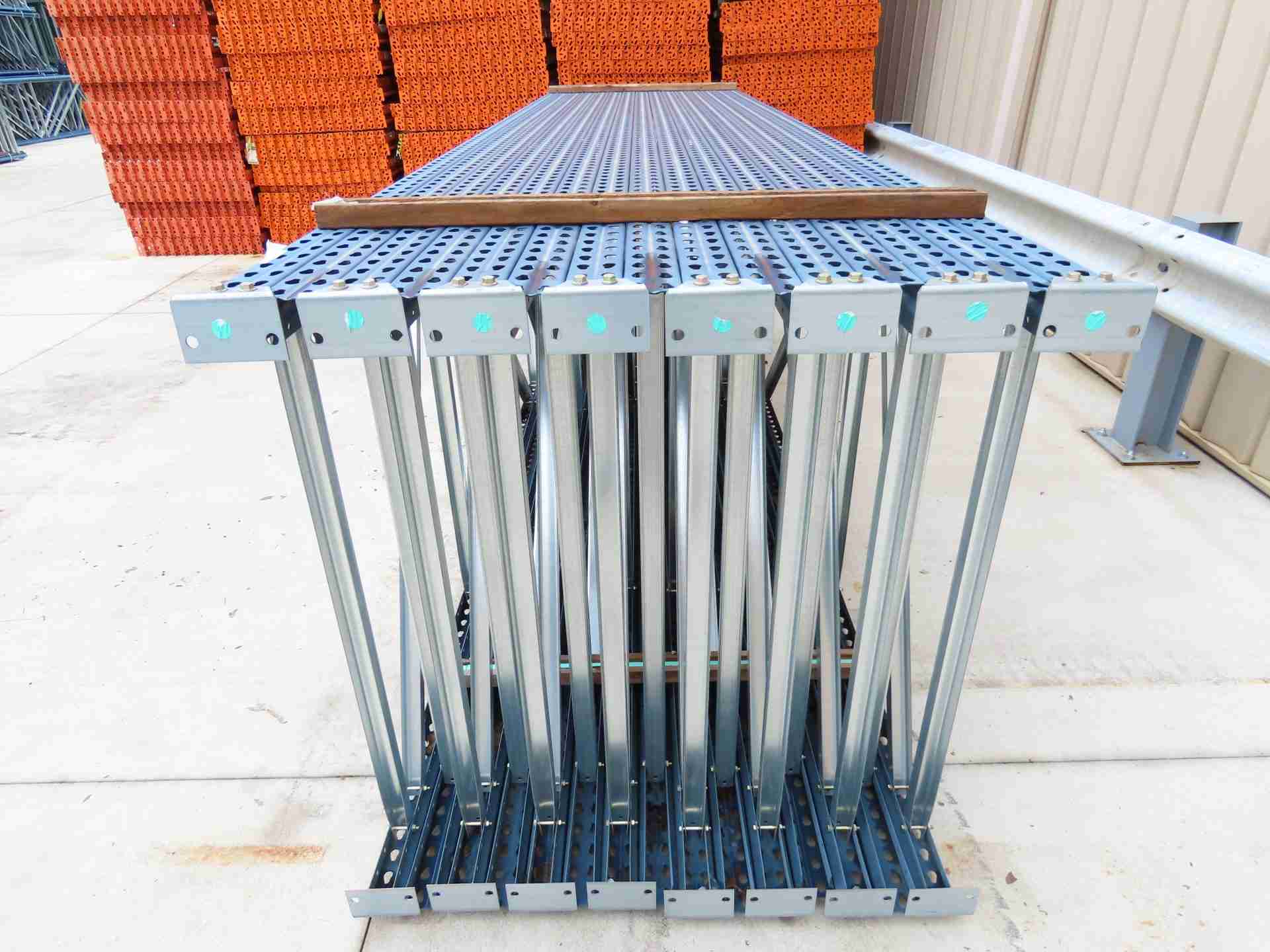
Glossary Of Terms
Other Questions
What Must You Know About Compliance In Warehouse Management? – Other Questions
If you wish to explore and discover more, consider looking for answers to these questions:
- What are the specific legal standards for warehouse compliance?
- How often should I conduct safety audits and inventory reviews?
- What are the consequences of non-compliance in warehouse management?
- What technology solutions are available for improving compliance?
- How can I effectively train my staff on compliance practices?
- What role does leadership play in fostering a culture of compliance?
- How can I identify and mitigate common compliance risks in my warehouse?
- What documentation is necessary for compliance audits?
- How do different industries vary in their compliance requirements?
- What are the best practices for maintaining data integrity and compliance?
- How can I create a positive work environment while ensuring compliance?
- Are there consultants or experts who specialize in warehouse compliance?
- What kind of inspections should be regularly scheduled to ensure compliance?
- How can I involve employees in the compliance process?
- What steps can I take to prepare for an unexpected compliance audit?
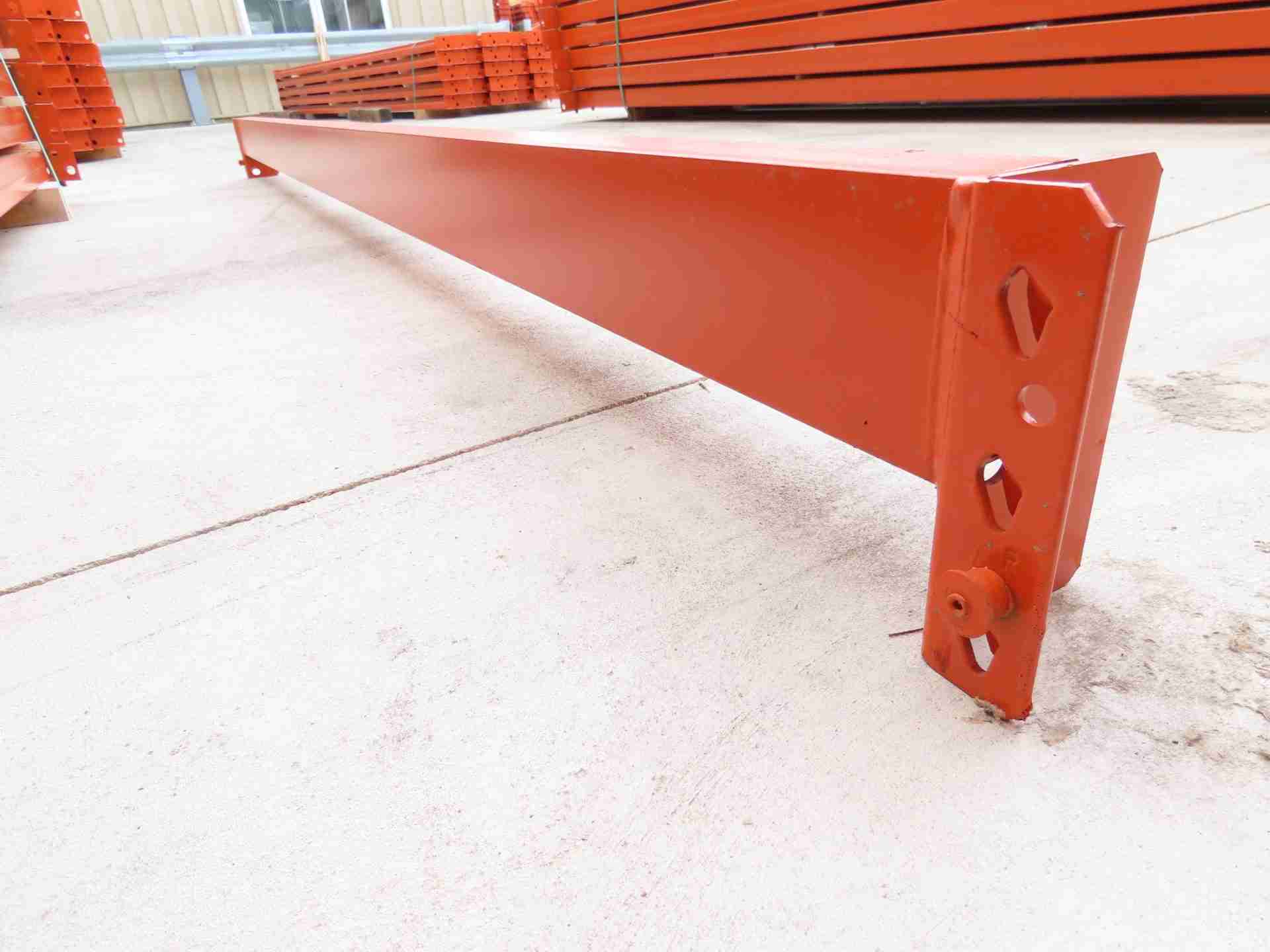
Other Questions
Checklist
What Must You Know About Compliance In Warehouse Management? – A Checklist
Compliance in Warehouse Management: Essential Checklist
Safety Regulations
_____ Conduct regular safety audits to ensure OSHA compliance.
_____ Review and update safety protocols regularly.
_____ Train staff on emergency procedures and safety measures.
_____ Ensure proper installation and maintenance of pallet racking systems.
_____ Clearly label load limits on pallet racking.
Inventory Management
_____ Develop and implement inventory management guidelines, such as FIFO.
_____ Conduct regular inventory audits to maintain accuracy.
_____ Utilize barcode scanning or RFID technology for accurate tracking.
_____ Ensure consistent labeling and storage of goods.
Data Compliance
_____ Establish a data integrity protocol for accurate record-keeping.
_____ Regularly review data protection measures to comply with regulations.
_____ Train staff on data compliance and privacy issues.
Regulatory Adherence
_____ Document processes for managing hazardous materials in accordance with regulations.
_____ Stay updated on local, state, and federal regulations affecting warehouse operations.
_____ Ensure compliance with fire safety codes, including spacing and sprinkler system regulations.
Record Keeping
_____ Maintain thorough records of safety inspections, employee training, and compliance audits.
_____ Create a centralized digital system for easy access to all compliance documentation.
_____ Regularly review and update documentation to ensure accuracy.
Staff Training
_____ Implement regular training sessions focused on compliance standards and safety practices.
_____ Encourage employee feedback and participation in compliance initiatives.
_____ Cultivate a culture of accountability where employees feel empowered to report concerns.
Technology Utilization
_____ Invest in a Warehouse Management System (WMS) for real-time inventory tracking.
_____ Use analytics tools to identify trends and areas for improvement in compliance efforts.
_____ Monitor compliance with safety regulations using integrated systems.
Pre-Audit Preparation
_____ Conduct a thorough review of current operations to ensure organization and compliance readiness.
_____ Schedule regular pre-audit assessments with third-party experts if necessary.
_____ Create a checklist of all compliance requirements to systematically address before audits.
Continuous Improvement
_____ Regularly assess and update compliance processes to adapt to changes in regulations.
_____ Foster a culture of learning and improvement within the warehouse environment.
_____ Celebrate compliance achievements and encourage ongoing commitment from the entire team.
By using this checklist, you can proactively ensure compliance in your warehouse management operations, enhancing safety and efficiency while minimizing risks. Take action today—the future of your warehouse operations depends on it!
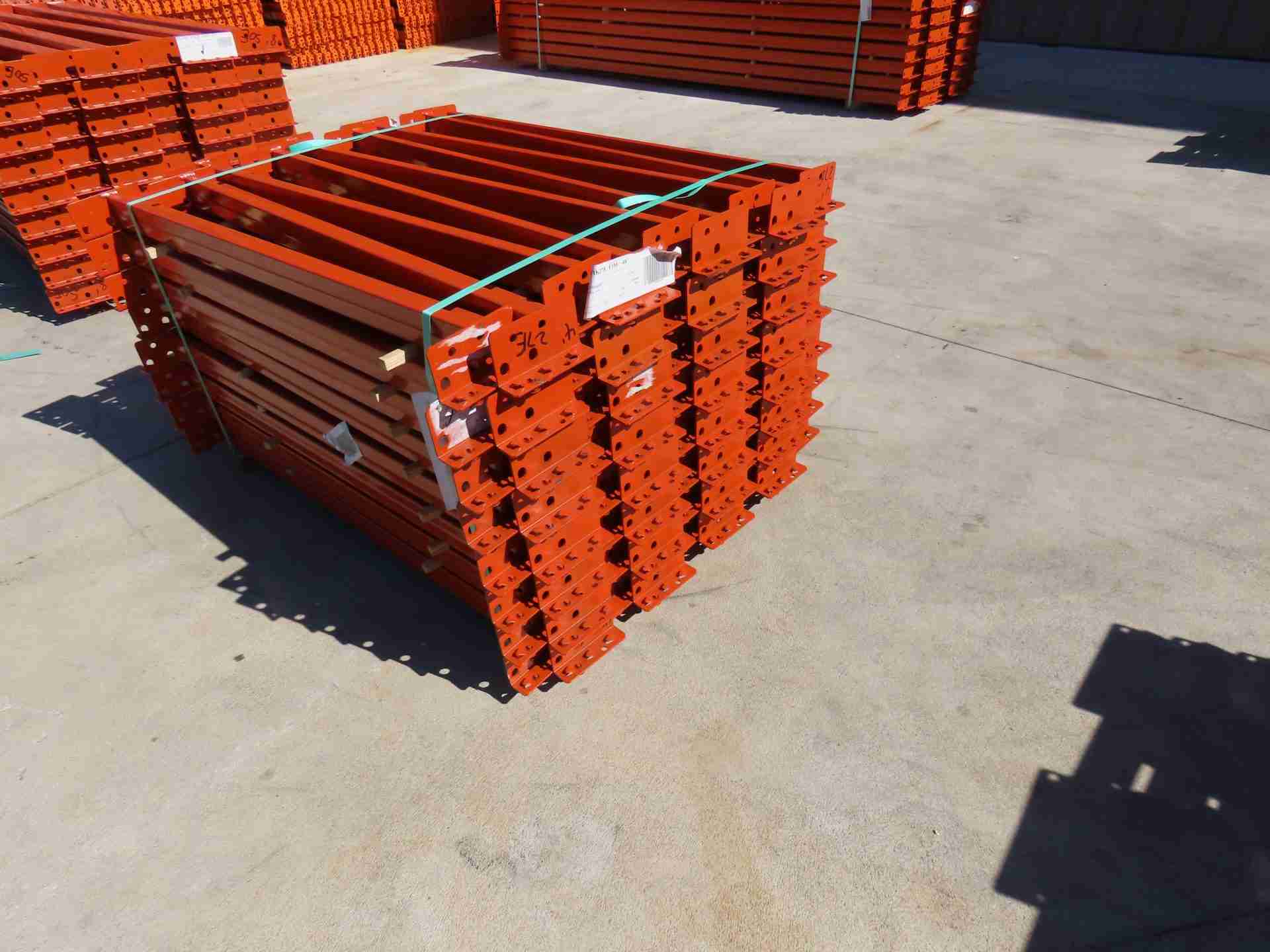
Checklist
At RackingWorld, we help guide you through selecting warehouse storage systems and racking.
Be sure to read our other related stories at RackingWorld to learn more about warehouse storage systems.
0 Comments