
Unlocking Warehouse Potential With Collaborative Techniques
By Tom Seest
At RackingWorld, we help guide you through selecting warehouse storage systems and racking.
Be sure to read our other related stories at RackingWorld to learn more about warehouse storage systems.
How Can Collaborative Techniques Boost Warehouse Efficiency?
Picture this: a bustling warehouse, the heart of your operation, pulsing with life and efficiency. Every member of the team is in sync, each movement a well-rehearsed dance, from the moment products glide off the pallet racking to their final destination. What if I told you that fostering collaboration among your warehouse staff could elevate this harmony to new heights? Let’s explore how collaborative techniques can transform your warehouse operations and fortify your bottom line.
First, consider the backbone of your warehouse – the pallet racking. This essential system organizes goods, maximizes space, and enables swift access to inventory. Yet, without a cohesive team strategy, even the best racking design falls flat. By encouraging open communication and collaboration among your staff, you can ensure that everyone knows how to navigate the racking system efficiently. Regular team meetings can help identify hurdles, share tips, and develop best practices that empower your crew to make quicker decisions. Imagine your staff proactively sharing insights about product placement and retrieval, ensuring that your high-demand items are always within easy reach.
But collaboration goes beyond just operational awareness. It creates a sense of ownership and accountability among employees. When team members feel involved in problem-solving, they’re not just clocking in and out; they’re invested in the success of the warehouse as a whole. This ownership manifests in increased morale, fewer mistakes, and greater productivity – a potent recipe for efficiency.
Moreover, collaborative techniques foster a culture of innovation. Encourage your employees to voice their ideas on improving processes. After all, who knows the intricacies of your daily operations better than those who work within it? By implementing their suggestions, you reward their initiative and, at the same time, streamline operations.
Let’s not forget technology. In today’s fast-paced environment, leveraging collaborative software tools can significantly enhance communication and project management. Incorporating tools that keep everyone in the loop allows your staff to share updates in real-time, facilitating quicker adaptations to changing demands.
In summary, by prioritizing collaborative techniques within your warehouse operations, you can unlock unprecedented efficiency. From optimizing pallet racking to establishing a culture of teamwork and innovation, the results will be palpable. So, take a step back, assess your current practices, and inspire your team to work together like never before. The future of your warehouse depends on it!
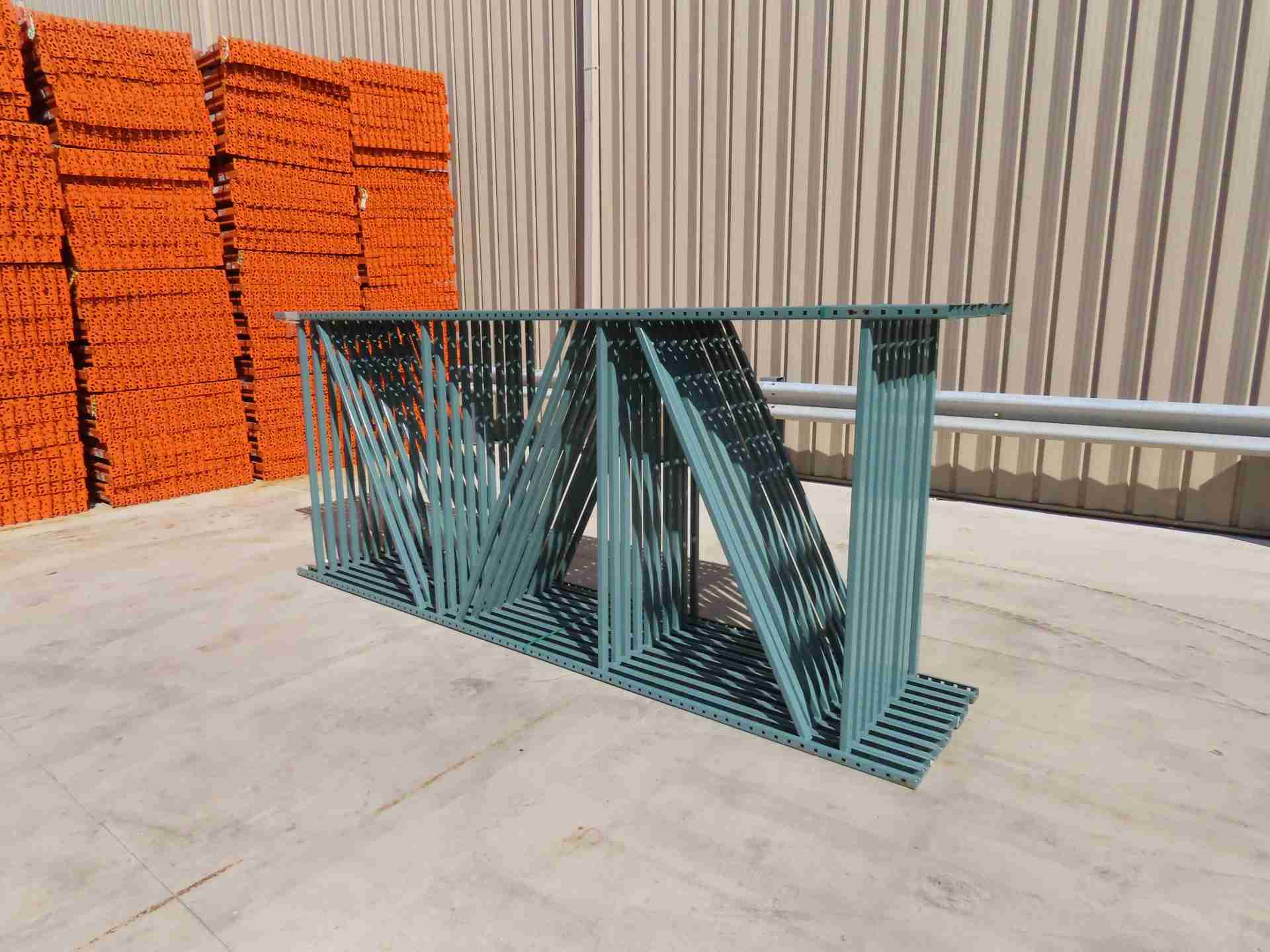
How Can Collaborative Techniques Boost Warehouse Efficiency?
How Can Collaborative Techniques Boost Warehouse Efficiency?
- A bustling warehouse thrives on team synchronization and efficiency.
- Collaborative techniques can elevate warehouse operations and improve profitability.
- Pallet racking systems need cohesive team strategies for optimal organization and inventory access.
- Regular team meetings foster communication and empower staff to share insights on improving operations.
- Collaboration fosters ownership and accountability, leading to increased morale and productivity.
- Encouraging employee input can lead to innovative improvements in warehouse processes.
- Leveraging technology and collaborative software tools enhances communication and project management, facilitating quick adaptations.

How Can Collaborative Techniques Boost Warehouse Efficiency?
Table Of Contents
- How Can Collaborative Techniques Boost Warehouse Efficiency?
- What Are Collaborative Techniques In Warehouse Management?
- How Can Teamwork Improve Warehouse Operations And Efficiency?
- What Role Does Technology Play In Collaborative Techniques?
- How Can Communication Enhance Warehouse Productivity?
- What Are The Benefits Of Cross-Training Warehouse Staff?
- How Can Shared Goals Improve Warehouse Team Performance?
- Conclusion
- Other Resources
- Glossary Of Terms
- Other Questions
- Checklist
What Are Collaborative Techniques In Warehouse Management?
Imagine walking into a warehouse where every element, from pallet racking to picking processes, operates in seamless harmony. It might sound like a dream, but this is the power of collaborative techniques in warehouse management. In an era where efficiency and speed are paramount, integrating these techniques not only enhances productivity but also elevates the entire operation, bringing team members together in pursuit of a common goal.
At the heart of collaborative techniques is communication. When warehouse staff, inventory managers, and logistics teams can openly share insights and data, decisions become smarter and faster. Picture this: a quick morning huddle where everyone discusses inventory levels, delivery schedules, and potential bottlenecks. This simple act transforms the warehouse from a series of isolated functions into a cohesive unit working toward a shared vision.
One of the standout practices in this collaborative approach is the use of advanced inventory management systems that allow real-time tracking of all items. Think of how this technology enhances pallet racking systems, enabling you to know instantly which pallets are loaded, which are ready for dispatch, and which need replenishing. This level of organization not only boosts efficiency but instills a sense of camaraderie among teams—because the success of one impacts everyone involved.
Furthermore, involving team members in decision-making fosters a sense of ownership. When workers on the ground can contribute ideas about layout changes or new modular pallet racking strategies, they feel valued and more connected to the process. This engagement not only sparks innovation but also enhances morale and productivity—after all, a happy employee is a productive employee.
Let’s also talk about technology—a game changer in warehouse management. Utilizing collaborative tools like cloud-based inventory systems empowers teams to access information from anywhere. Imagine a warehouse where managers and staff can view reports, track shipments, and check on pallet racking status—all in real time. This transparency builds trust among employees and leads to a more efficient operation, resulting in satisfied customers.
Ultimately, embracing collaborative techniques in warehouse management isn’t just a strategy; it’s a commitment to excellence. By fostering communication, leveraging technology, and inviting team input, you create a vibrant culture that inspires confidence, sparks creativity, and drives results. So, are you ready to transform your warehouse into a collaborative powerhouse? The journey begins with just a single step.

What Are Collaborative Techniques In Warehouse Management?
What Are Collaborative Techniques In Warehouse Management?
- Collaborative techniques in warehouse management enhance productivity and unify team efforts towards a common goal.
- Effective communication among staff, managers, and logistics teams enables smarter and faster decision-making.
- Regular morning huddles help in discussing critical factors like inventory levels and delivery schedules, transforming isolated functions into a cohesive unit.
- Advanced inventory management systems facilitate real-time tracking, increasing efficiency and fostering teamwork.
- Involvement in decision-making promotes ownership among team members, boosting morale and productivity.
- Cloud-based collaborative tools allow for real-time access to information, enhancing transparency and trust among employees.
- Embracing collaborative techniques fosters a culture of excellence, confidence, and creativity within the warehouse environment.
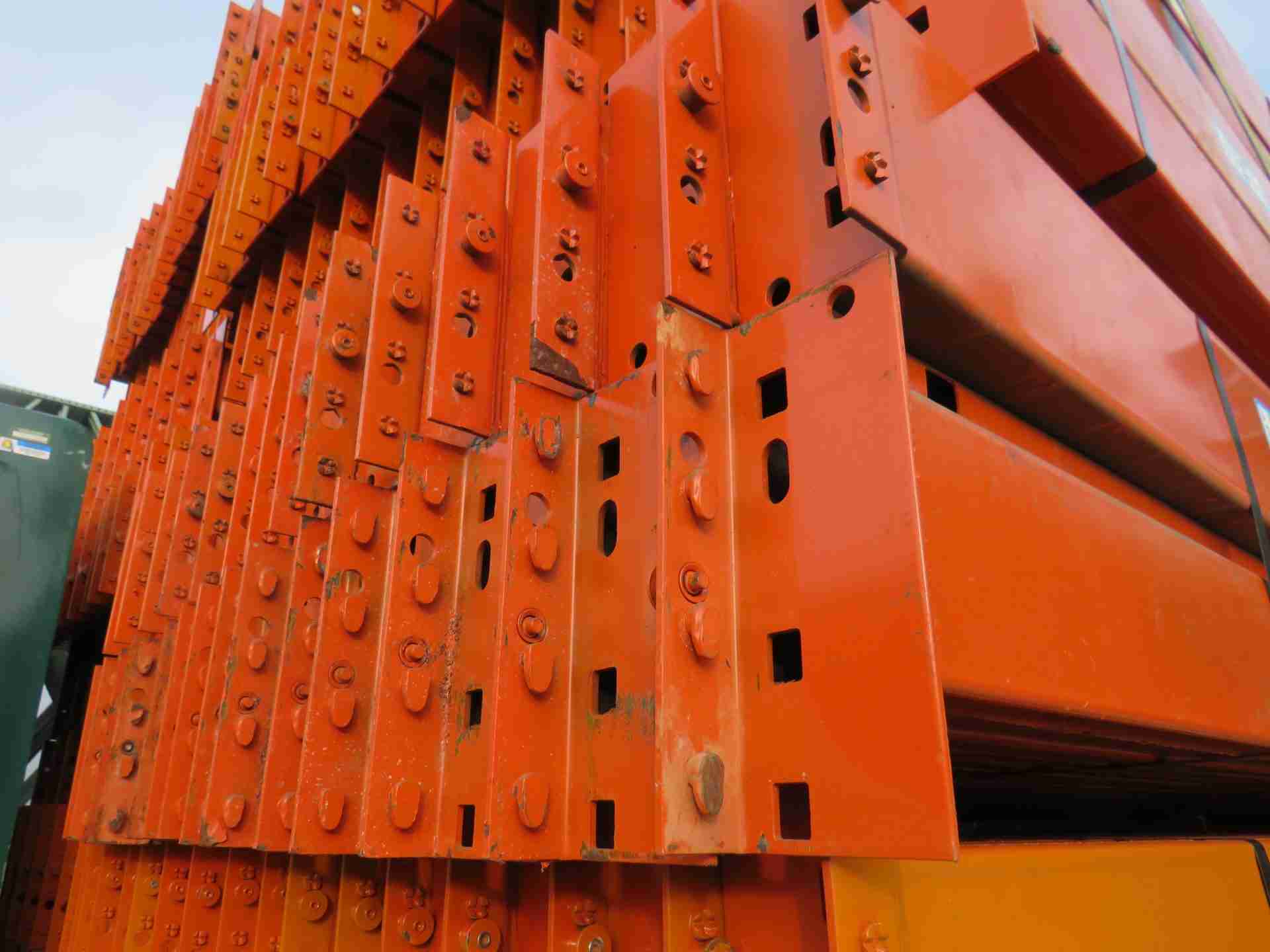
What Are Collaborative Techniques In Warehouse Management?
How Can Teamwork Improve Warehouse Operations And Efficiency?
How Can Teamwork Improve Warehouse Operations and Efficiency?
Imagine walking into a bustling warehouse, where every product is in its rightful place, systems are running smoothly, and your team operates like a well-oiled machine. This is the ideal scenario, but what’s the secret sauce that transforms an organized space into a powerhouse of productivity? It’s simple—teamwork!
In warehouse operations, teamwork goes beyond mere collaboration; it’s about fostering a culture where every individual feels valued and part of a larger mission. When employees engage as a unit, their combined efforts maximize efficiency, reduce errors, and streamline processes. Think about it: a well-communicated strategy around Pallet Racking ensures that not only are your goods accessible, but your team knows exactly where to find and replace them.
By encouraging teamwork, you’re inviting a sense of ownership and responsibility that significantly impacts the workplace. When team members communicate openly and effectively, issues are resolved faster, delays are minimized, and fewer mistakes are made. This leads to enhanced morale and higher job satisfaction, creating a positive feedback loop that fuels even greater achievements.
Let’s illustrate this point. Picture your warehouse filled with neatly organized Pallet Racking systems. Team collaboration empowers workers to swiftly adapt to changing demands—whether it’s reallocating space or shifting inventory. When each member takes pride in their role and collaborates with others, they effortlessly navigate challenges and optimize workflows. This isn’t just theory; it’s a proven strategy that industry leaders utilize for success.
Moreover, harnessing the power of teamwork extends beyond daily operations. It fosters innovation and adaptability. When your team trusts one another, they’re more inclined to propose new ideas for improving processes or adapting to new technologies. This proactive mindset opens doors to improvements you may never have considered, propelling your operations forward.
So, what should you do next? Start investing in team-building activities that strengthen connections among your employees. Host regular meetings to discuss issues and celebrate successes. Encourage feedback and suggestions. And never underestimate the power of recognition—acknowledging hard work fosters a sense of belonging that enhances performance.
A solid team isn’t just an asset; it’s a competitive advantage. By nurturing teamwork within your warehouse, you create a culture of efficiency that will resonate through every aspect of your operations, transforming potential chaos into streamlined productivity. Trust us—your bottom line will thank you!
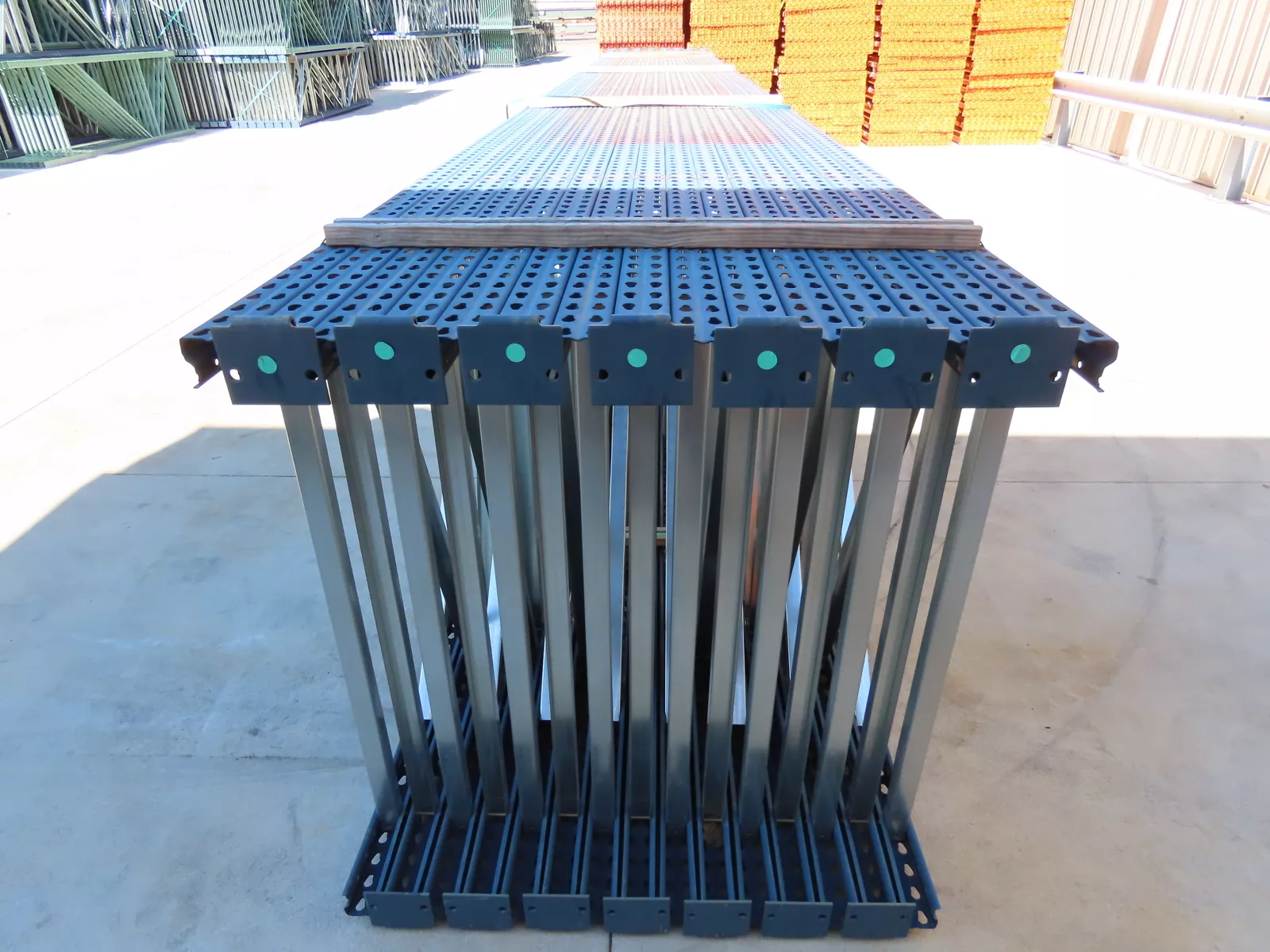
How Can Teamwork Improve Warehouse Operations And Efficiency?
How Can Teamwork Improve Warehouse Operations And Efficiency?
- Teamwork transforms organized warehouses into productive spaces by fostering a culture where individuals feel valued and part of a larger mission.
- Effective collaboration maximizes efficiency, reduces errors, and streamlines processes, making it easier to manage inventory and Pallet Racking systems.
- Encouraging open communication among team members leads to quicker issue resolution, less delay, and higher job satisfaction.
- Team collaboration allows for swift adaptation to changing demands such as reallocating space or shifting inventory, optimizing workflows.
- Trust among team members fosters innovation, encouraging them to propose new ideas for process improvements and technology adaptation.
- Investing in team-building activities and hosting regular meetings fosters connections, celebrates successes, and encourages feedback.
- Nurtured teamwork creates a culture of efficiency and becomes a competitive advantage, ultimately benefiting the warehouse’s bottom line.
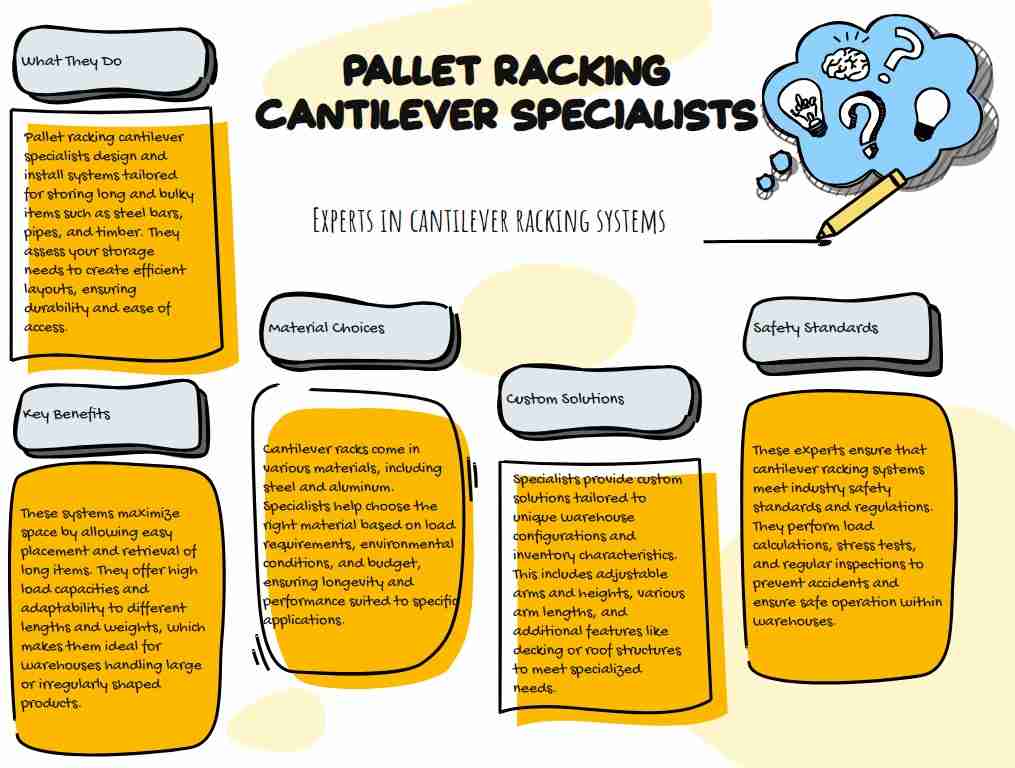
How Can Teamwork Improve Warehouse Operations And Efficiency?
What Role Does Technology Play In Collaborative Techniques?
In today’s fast-paced world, the synergy of technology and collaboration is nothing short of revolutionary. Just imagine a team working seamlessly together, wherever they are, as if they were sitting right across from each other; that’s the power of technology at work! From video conferencing to cloud-based project management, the digital landscape provides revolutionary tools that enhance collaboration and productivity beyond traditional boundaries.
Take, for instance, the logistics industry, where effective communication and a solid framework are essential. Picture a warehouse outfitted with sophisticated pallet racking systems, where every item is meticulously organized for quicker access and efficient workflow. In such an environment, using technology allows teams to monitor inventory levels in real-time, streamline operations, and minimize errors. This not only boosts productivity but also fosters a collaborative environment where everyone is on the same page, literally and figuratively.
Consider collaboration software that integrates with your existing tools. This isn’t just about sending emails back and forth. Strong platforms let team members share ideas, provide feedback, and work together on projects in real time. These tools break down silos, allowing for a free flow of information akin to the smooth accessibility of goods in a well-structured pallet racking setup. When everyone can see and access the same information simultaneously, decision-making becomes quicker, more informed, and decidedly more effective.
Moreover, technology facilitates remote collaboration like never before. Teams spread across geographic locations can use apps to collaborate on projects, share updates, and even brainstorm creatively. Imagine your team all contributing to a shared document that reveals insights and strategies dynamically—much like a well-coordinated team maneuvering through a large warehouse filled with pallet racks, ensuring that every product finds its correct place efficiently.
Embracing this technology doesn’t just streamline operations; it fosters a culture of trust and collaboration among team members. By leveraging the right tools, organizations can inspire confidence, reduce miscommunication, and elevate team morale. Everyone feels empowered, engaged, and motivated to contribute, knowing that their input is valued.
In short, technology is not just a tool; it’s the heartbeat of innovative collaboration today. Embrace these advancements, and watch your team transform into a powerhouse of efficient, collaborative creativity—ready to tackle any challenge head-on!
What Role Does Technology Play In Collaborative Techniques?
What Role Does Technology Play In Collaborative Techniques?
- The integration of technology and collaboration in the modern workplace is transformative.
- Digital tools like video conferencing and cloud-based project management enhance teamwork across distances.
- In logistics, effective communication and technology improve inventory management and operational efficiency.
- Collaboration software enables real-time idea sharing, breaking down silos and enhancing decision-making.
- Remote collaboration tools allow geographically dispersed teams to work together effectively.
- Technology fosters a culture of trust, reduces miscommunication, and boosts team morale.
- Ultimately, technology drives innovative collaboration, empowering teams to tackle challenges creatively.
What Role Does Technology Play In Collaborative Techniques?
How Can Communication Enhance Warehouse Productivity?
Imagine walking into a bustling warehouse where every worker, from the warehouse manager to the forklift operator, seems to dance in a well-choreographed performance. What do they all have in common? Excellent communication. It’s not just a buzzword; it’s a game changer that amplifies warehouse productivity to heights many companies only dream about.
When you think of a warehouse full of inventory—pallet racking reaching toward the ceiling, stacks of boxes awaiting shipment—the last thing you want is confusion. Miscommunications can lead to misplaced items, delays in fulfilling orders, and decreased morale among staff members. What if, instead, every employee was aligned, each voice contributing to a symphony of efficiency? By fostering an environment where open dialogue flourishes, you lay the groundwork for smooth operations.
Consider the role of technology in communication: real-time messaging apps, inventory management systems, and shared platforms that allow for instant updates. These tools can transform the way teams work together. Need to report a shortfall in stock? A quick message to your colleagues can help find a solution while keeping everyone informed. When everyone is on the same page, you can tackle challenges head-on, streamlining the retrieval of products from pallet racking and ensuring that nothing falls through the cracks.
Yet, it goes beyond just tools. Think warm, face-to-face interactions during team huddles, where successes are celebrated, challenges are addressed candidly, and everyone feels heard. Engaging your workforce in open discussions builds trust and fosters collaboration. When people feel valued, their commitment towards maintaining efficiency skyrockets. Imagine the pride of a worker who has just knocked down a bottleneck issue related to inventory lookups simply because they felt empowered to speak up!
As you harness the power of effective communication, visualize the transformation within your warehouse. Productivity will soar, and profitability will follow suit, all while creating a workplace that values each individual’s input. Isn’t it time to make communication your secret weapon in enhancing warehouse productivity? Embrace this change, and watch as your operation thrives, with your team navigating the aisles—past the neatly organized pallet racking—with unparalleled synergy.
The next step is yours: start the conversation today and unlock the hidden potential within your warehouse!
How Can Communication Enhance Warehouse Productivity?
How Can Communication Enhance Warehouse Productivity?
- Effective communication is crucial for enhancing warehouse productivity.
- Miscommunication can lead to misplaced items, order delays, and low staff morale.
- Fostering open dialogue among employees creates smoother operations.
- Utilizing technology like real-time messaging apps and inventory systems enhances team collaboration.
- Face-to-face interactions in team huddles build trust and encourage collaboration.
- Empowered employees who feel valued contribute to overcoming operational challenges.
- Prioritizing communication can lead to increased productivity, profitability, and a positive workplace culture.
How Can Communication Enhance Warehouse Productivity?
What Are The Benefits Of Cross-Training Warehouse Staff?
In the fast-paced world of warehousing, the name of the game is efficiency. Companies that excel aren’t just those with optimal pallet racking systems or the latest picking technology—they’re the ones that invest in their people. Imagine a workforce capable of seamlessly shifting from inventory management to order fulfillment. That’s the magic of cross-training warehouse staff!
First off, let’s talk flexibility. When your team is skilled at multiple tasks, you can quickly adjust to the ebb and flow of business demands. Picture a busy Friday morning. Orders are pouring in, and your warehouse is abuzz with activity. A few employees call in sick—or worse, the usual bottleneck at the pallet racking area threatens to slow things down. Instead of panicking, your cross-trained staff can jump in and help out wherever they’re needed. This agility not only keeps operations running smoothly but also significantly boosts morale. Every employee feels valued, knowing that their versatility contributes to the team’s success.
Moreover, cross-training nurtures a deeper understanding of the entire warehousing process. Employees who know how different roles interconnect can make better decisions on the fly. They become problem-solvers, equipped to handle challenges with ease. This holistic perspective leads to fewer errors and faster cycle times, directly impacting your bottom line.
By fostering a culture of continuous learning, you also enhance employee engagement and retention. In an industry notorious for high turnover, employees who are challenged to grow and develop new skills tend to stay longer. They don’t just clock in and out; they take ownership of their roles. This commitment boosts productivity and helps you cultivate a more experienced workforce, which is invaluable in the long run.
Let’s not overlook the cost-saving benefits, either. With a well-rounded team, you can minimize the reliance on temporary staff during peak seasons. Fewer temp hires mean lower training costs and fewer integration headaches. The stability of having a reliable core staff trained in all areas enhances your operation’s resilience.
So, whether you’re managing pallet racking, overseeing inventory, or fulfilling orders, consider implementing a cross-training initiative in your warehouse. It’s not just an operational strategy—it’s a powerful way to invest in your people, enhance flexibility, and ultimately drive your business to new heights. Your employees, your customers, and your bottom line will thank you!
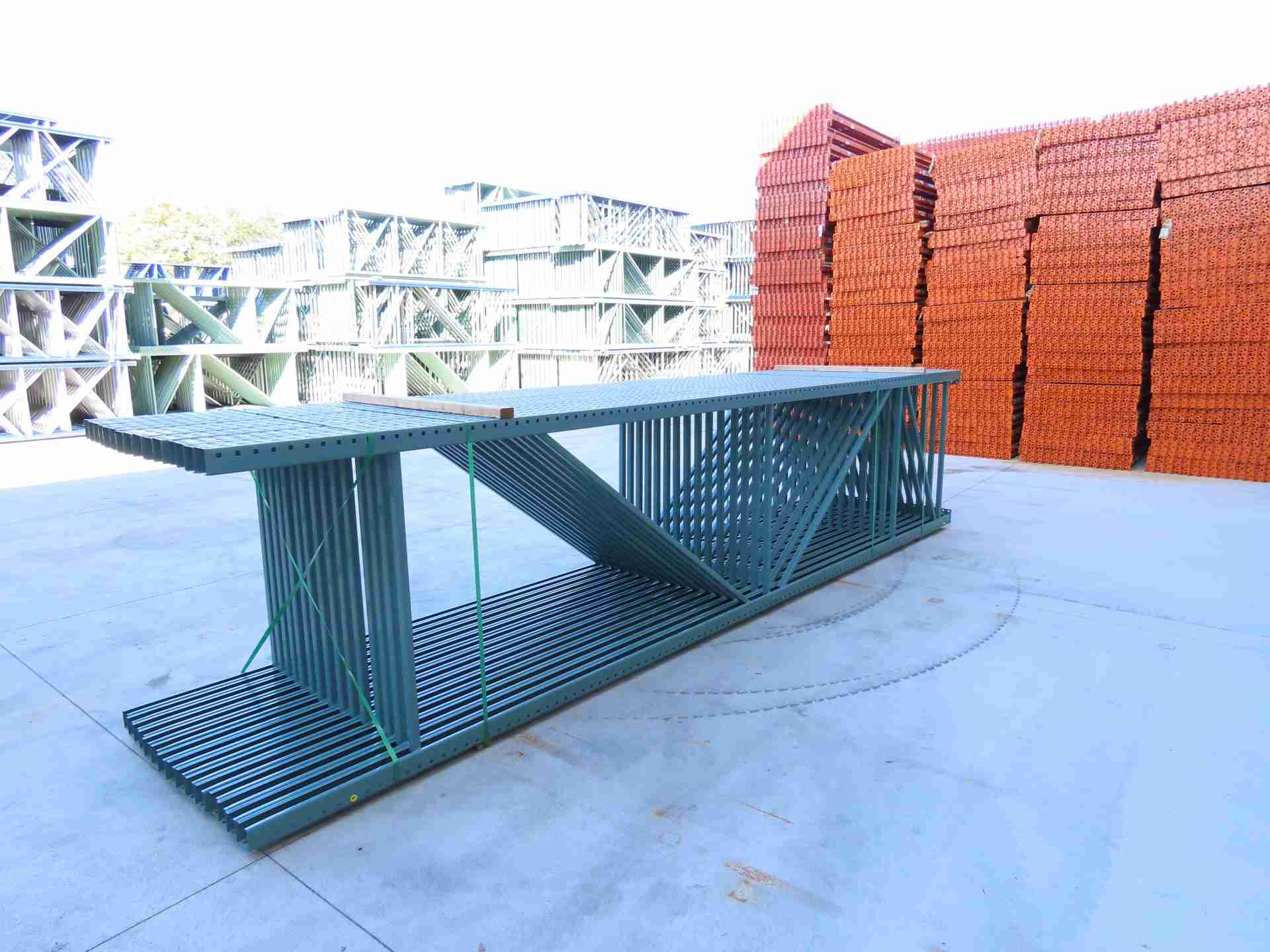
What Are The Benefits Of Cross-Training Warehouse Staff?
What Are The Benefits Of Cross-Training Warehouse Staff?
- Efficiency is key in warehousing; investing in employee development is crucial.
- Cross-training allows workforce flexibility, enabling staff to cover multiple roles as needed.
- It helps maintain smooth operations during peak times or staff shortages, boosting team morale.
- Employees with cross-training develop a holistic understanding of warehousing processes, leading to better decision-making.
- Continuous learning fosters employee engagement and retention, combating high turnover rates in the industry.
- Cross-trained teams reduce the need for temporary staff, saving on training costs and enhancing operational stability.
- Implementing cross-training initiatives is an effective strategy to invest in personnel and improve business outcomes.
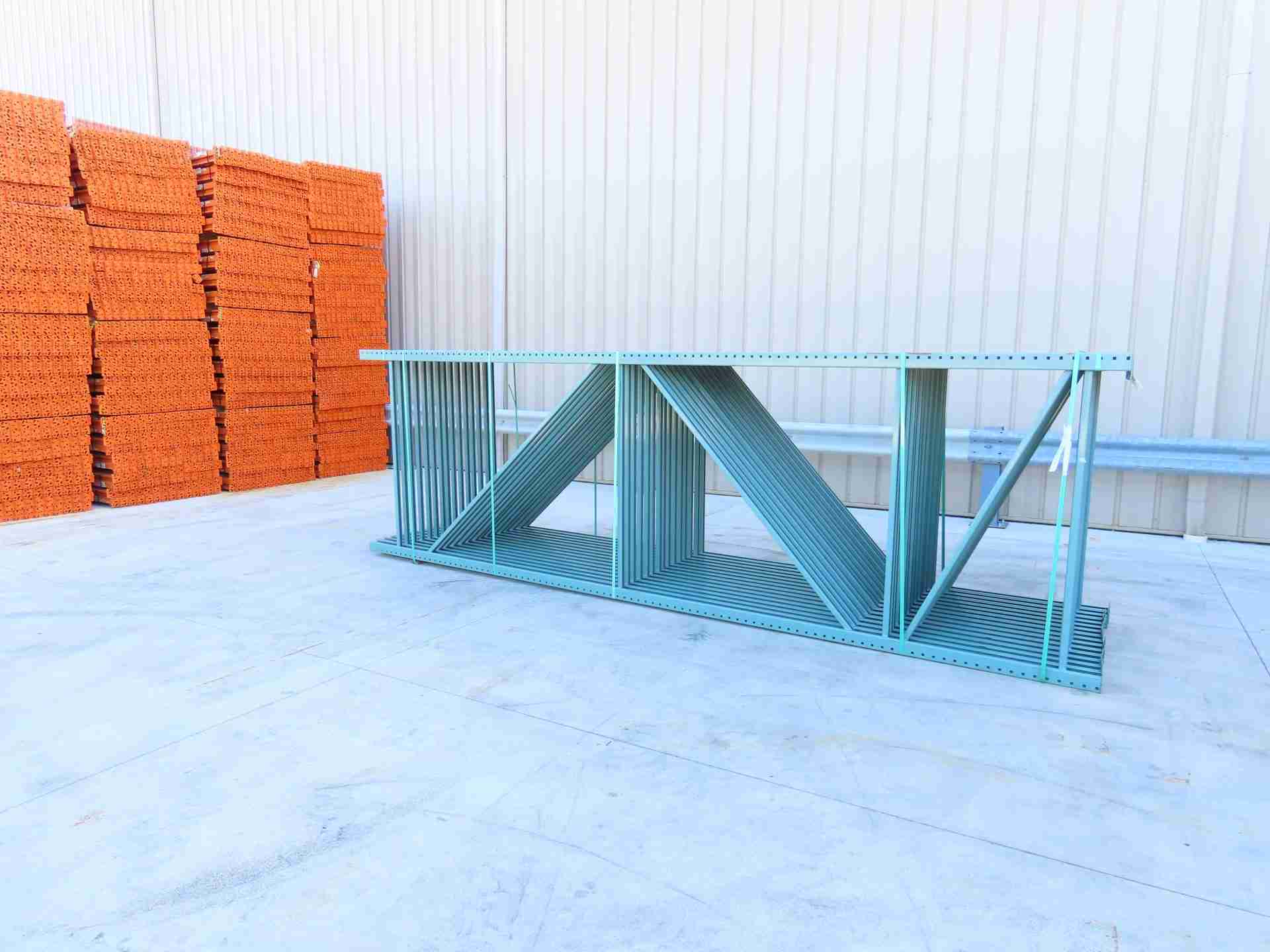
What Are The Benefits Of Cross-Training Warehouse Staff?
How Can Shared Goals Improve Warehouse Team Performance?
Imagine walking into your warehouse and feeling the electric buzz of camaraderie and purpose in the air. The pallets of goods neatly organized in rows beneath robust pallet racking systems don’t just represent inventory; they showcase a well-oiled machine working in harmony towards a common goal. It’s not merely about getting the job done; it’s about cultivating an environment where each team member understands their role in the bigger picture.
When your warehouse team operates with shared goals, it’s akin to a synchronized orchestra. Every individual plays their part, and when they do it well, the result is a symphony that resonates efficiency, productivity, and morale. Setting clear, measurable objectives instills a sense of ownership and accountability. When team members are invested in a common purpose, magic happens—problems are addressed swiftly, creativity flourishes, and productivity surges.
Let’s consider the logistics behind those heavy-duty pallet racking systems. They are designed not just for space efficiency but as a crucial element of your warehouse’s organization. By aligning shared goals with the optimal utilization of your racking systems, your team can streamline processes and reduce downtime. When everyone understands how their actions affect overall workflow, it empowers them to take initiative, strategize, and collaborate.
Yet, it doesn’t stop there. Communication is the glue that binds shared goals together. Regular meetings can serve as platforms for discussing progress, sharing challenges, and celebrating wins. When team members see the direct impact of their contributions, they’re more likely to stay engaged and invested in their roles. This sense of connectivity fosters trust—an invaluable asset in any warehouse environment.
Incorporating team-building activities that focus on achieving shared objectives can amplify this effect. Whether it’s through friendly competitions or collective problem-solving exercises, the resulting bonds enhance cooperation on the floor. Remember, a united team isn’t just about increasing production; it’s about elevating each other, learning from mistakes, and celebrating milestones together.
Ultimately, your warehouse is more than just a storage facility; it’s a vibrant ecosystem where shared goals pave the way for unparalleled performance. When you empower your team to work toward a common vision, you not only optimize operations but also cultivate an atmosphere of mutual respect and collaboration—and that’s a game-changer. So, are you ready to inspire your warehouse team and unlock their full potential? The journey begins with setting those shared goals and watching your warehouse thrive!
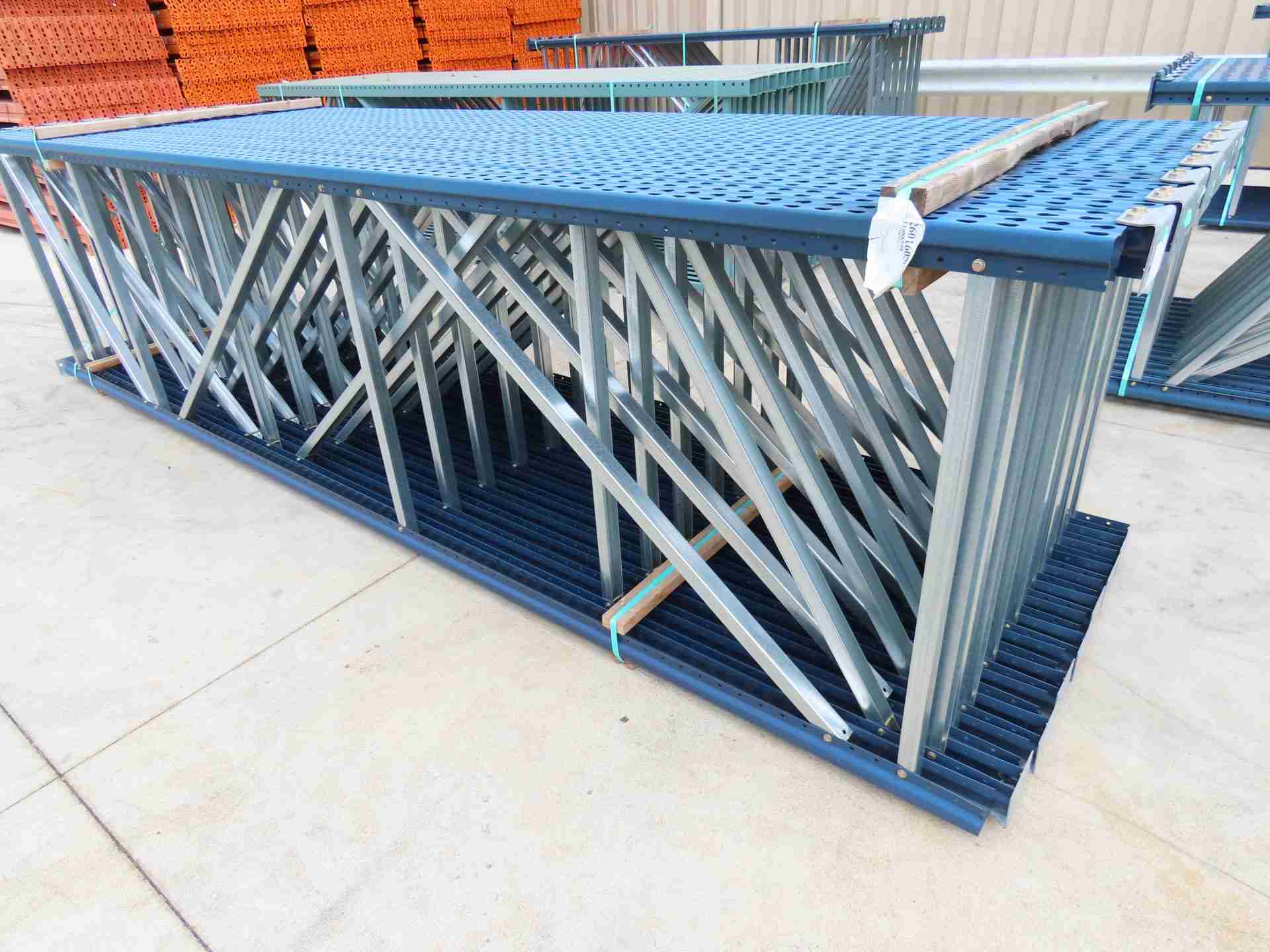
How Can Shared Goals Improve Warehouse Team Performance?
How Can Shared Goals Improve Warehouse Team Performance?
- Warehouse environment embodies camaraderie and purpose among team members.
- Shared goals create a synchronized operation, enhancing efficiency and morale.
- Clear objectives promote ownership, accountability, and problem-solving.
- Pallet racking systems optimize space and streamline processes.
- Effective communication fosters trust and engagement within the team.
- Team-building activities strengthen bonds and cooperation among team members.
- Empowering teams with a common vision transforms the warehouse into a thriving ecosystem.
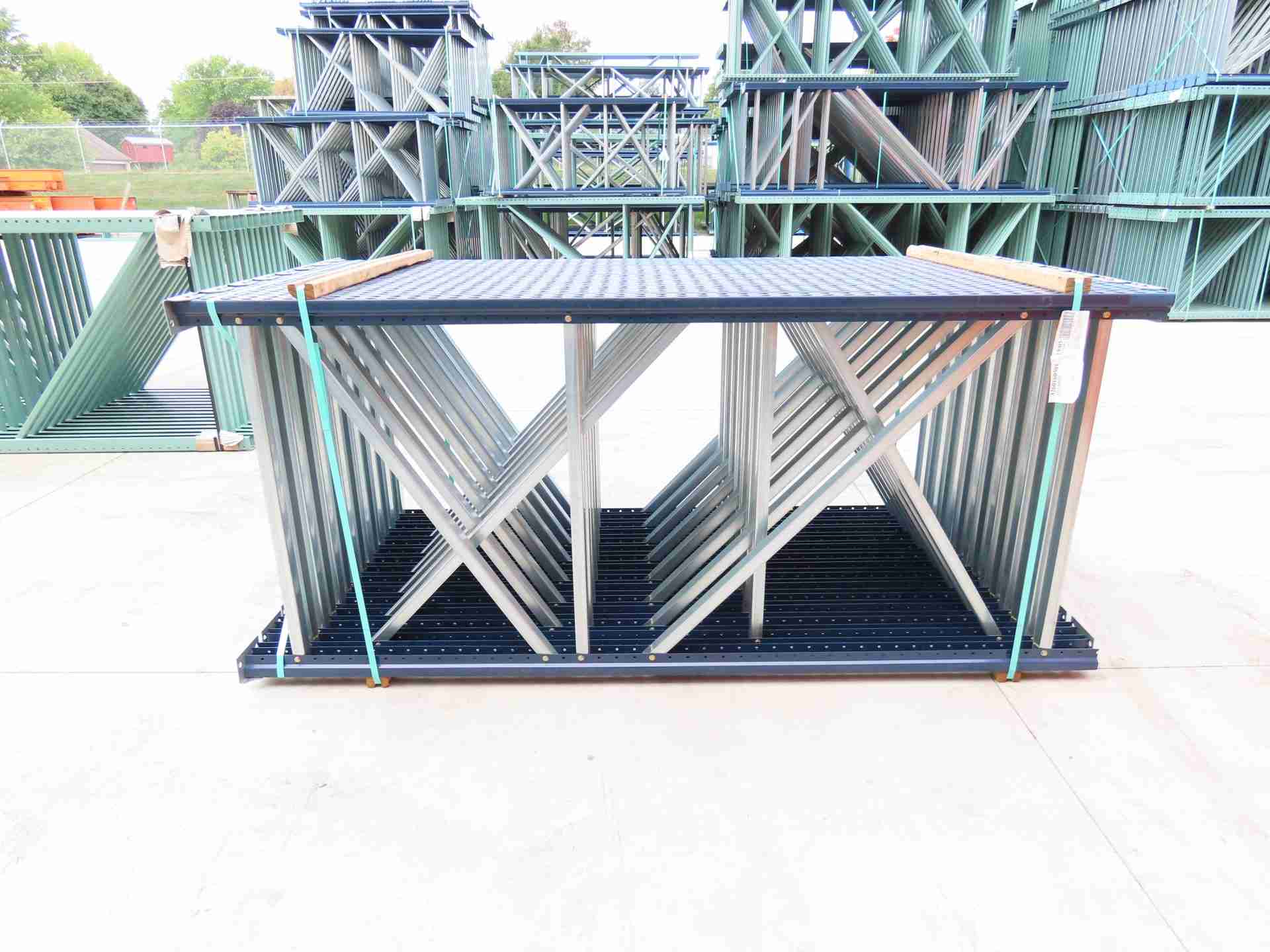
How Can Shared Goals Improve Warehouse Team Performance?
Conclusion
In conclusion, the efficiency of your warehouse operations hinges on one pivotal element: collaboration. At Arrow Industrial Sales, we believe that fostering a culture of teamwork and communication can unlock untapped potential within your warehouse environment. Picture this: a workforce that operates not just as individuals, but as a cohesive unit, each member empowered to contribute ideas and insights. This is not just wishful thinking; it’s a reality that collaborative techniques can bring to fruition.
Communicating openly and engaging your staff in regular discussions leads to quicker problem-solving and nimble decision-making. Think of the transformative impact of regular morning huddles, where every voice contributes to a strategic roadmap for the day’s operations, effectively eliminating bottlenecks before they arise. With advanced technologies enhancing these communications, your team can seamlessly track inventory and share updates, turning your warehouse into a powerhouse of efficiency.
Moreover, the benefits extend beyond just operational improvements—collaboration breeds a sense of ownership among team members. When individuals feel valued and integral to the success of the warehouse, morale spikes, and productivity levels soar. Imagine a scenario where employees suggest enhancements to pallet racking and inventory flow because they feel part of the process rather than on the sidelines.
As you assess your current practices, take a moment to visualize the thriving workplace powered by collective goals and shared accountability—where each lift of a pallet or swift retrieval of an item reflects the successful synergy of your workforce. The potential is right at your fingertips, waiting to be unleashed.
To seize this moment and transform your warehouse into an efficient, collaborative powerhouse, don’t hesitate to take action. Call Arrow Industrial Sales at (574) 349-6575 today, and let’s discuss how you can integrate these collaborative techniques into your operations. Remember, every moment counts, and the improvements you make now will set the stage for your warehouse’s future success. Don’t miss out on the opportunity to elevate your business—time is of the essence! Your team deserves the chance to thrive, and your bottom line will thank you.

Conclusion
Conclusion:
- Warehouse efficiency relies heavily on collaboration and teamwork.
- Cultivating a collaborative culture unlocks potential within the workforce.
- Open communication and regular discussions enhance problem-solving and decision-making.
- Morning huddles can create a strategic roadmap for daily operations while preventing bottlenecks.
- Advanced technologies facilitate communication, enabling seamless inventory tracking and updates.
- Collaboration instills a sense of ownership and boosts employee morale and productivity.
- Contact Arrow Industrial Sales at (574) 349-6575 to implement these collaborative techniques and ensure future warehouse success.
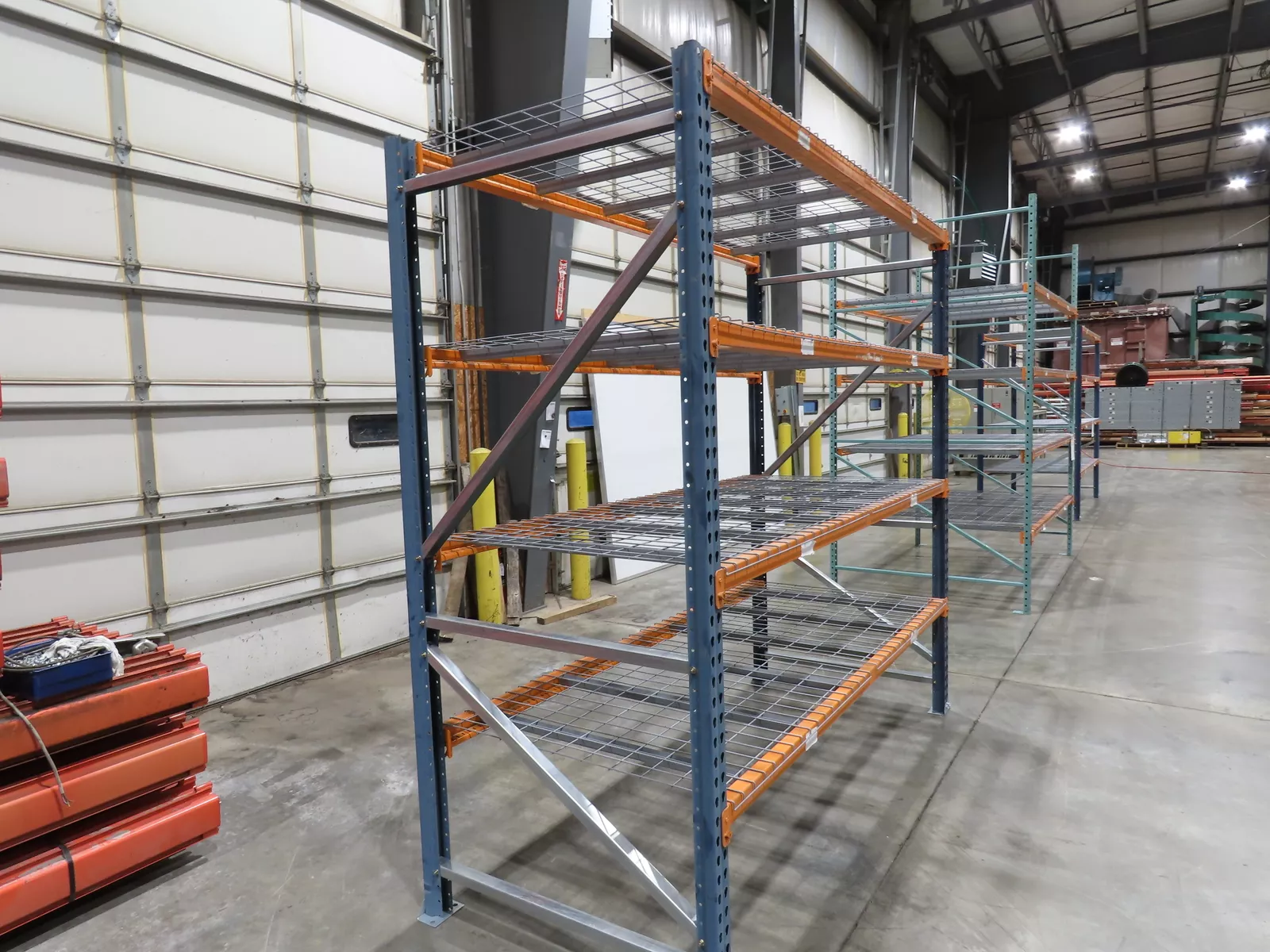
Conclusion
Other Resources
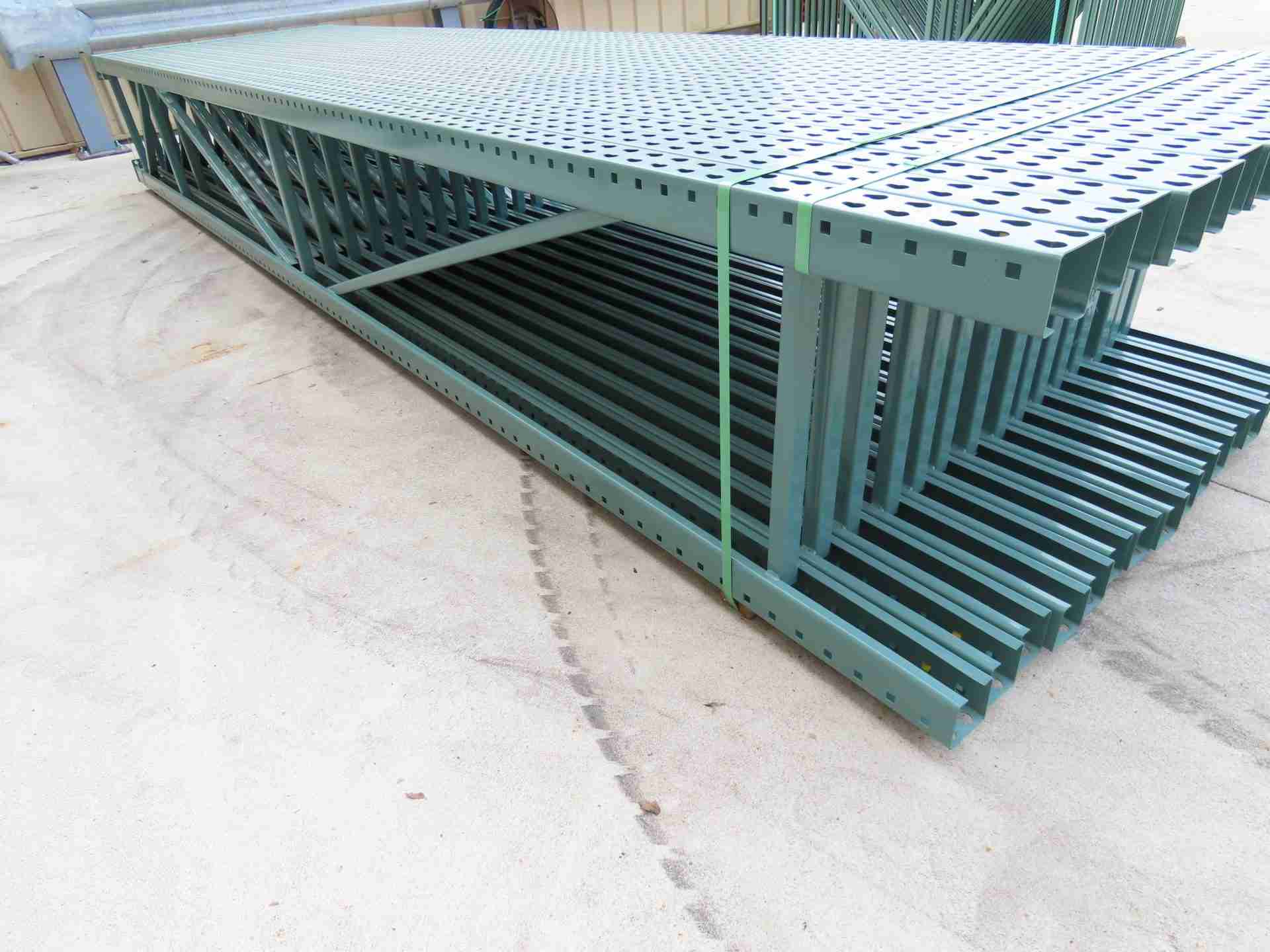
Other Resources
Here is a list of other resources you can review online to learn more:
- Pallet Racks, Pallet Racking, Pallet Shelves in Stock – ULINE
- What is Cantilever Racking? – AK Material Handling Systems
- Total Warehouse
- WERC
- Teardrop Pallet Rack – Ridg-U-Rak
- Cantilever Rack Configuration & Installation: A Comprehensive Guide – BMH
- Material Handling Safety
- IWLA
- CMMA
- CA Wire
Use This Prompt To Get More Resources With Your Favorite Online AI Tool: Please provide me with a list of online articles with their URLs in a bulleted list that I can read regarding How Can Collaborative Techniques Boost Warehouse Efficiency?
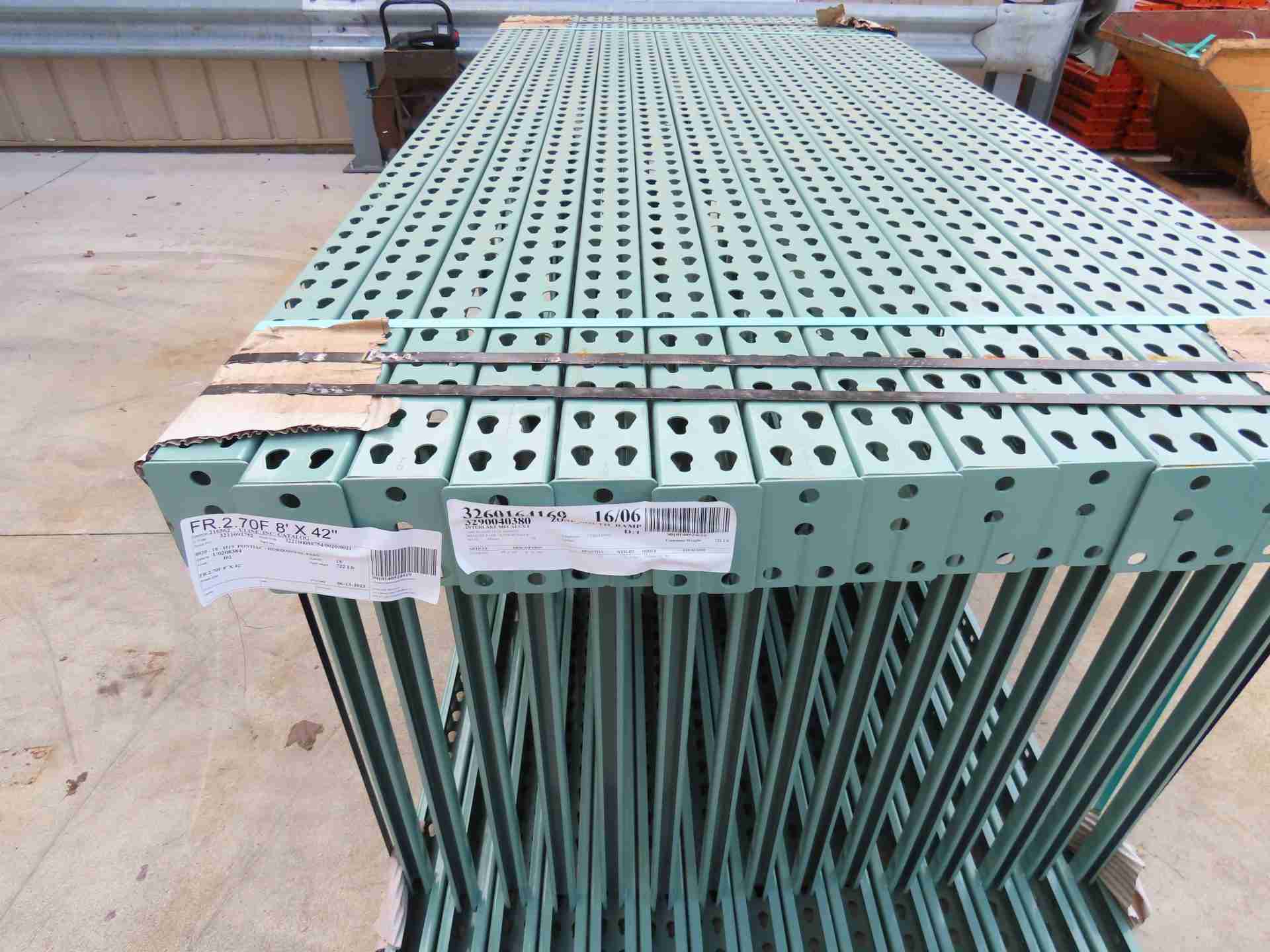
Other Resources
Glossary Terms
How Can Collaborative Techniques Boost Warehouse Efficiency? – Glossary Of Terms
1. Collaboration: The process of individuals or teams working together towards a common goal, enhancing problem-solving and productivity.
2. Lean Management: A systematic approach to minimizing waste without sacrificing productivity, focusing on value-creating activities in a warehouse.
3. Continuous Improvement: An ongoing effort to enhance products, services, or processes, driven by collaborative feedback and innovative thinking.
4. Cross-Training: Training employees in multiple roles, allowing flexibility in workforce deployment and enhancing team collaboration.
5. Communication Tools: Technologies and platforms (like instant messaging, video calls, or project management software) that facilitate information sharing among team members.
6. Process Mapping: A visual representation of the workflow processes within a warehouse, helping teams identify areas for improvement.
7. Team Dynamics: The behavioral relationships and interactions among team members, influencing collaboration effectiveness and morale.
8. Shared Goals: Common objectives established for teams, promoting unity and increasing motivation among warehouse staff.
9. Conflict Resolution: Strategies and techniques used to resolve disagreements and conflicts within a workforce, fostering a harmonious working environment.
10. Productivity Metrics: Performance indicators used to measure the efficiency of warehouse operations and employee effectiveness.
11. Collaboration Platforms: Digital tools and software that facilitate teamwork, such as shared document repositories or project management apps.
12. Workflow Automation: The use of technology to automate repetitive tasks, reducing human error and increasing operational efficiency.
13. Real-Time Data Sharing: The instantaneous exchange of information among team members, enabling faster decision-making and response times.
14. Task Delegation: The process of assigning specific responsibilities to team members based on their skills, enhancing efficiency through targeted efforts.
15. Inventory Management Systems: Software solutions that streamline tracking and managing stock levels, contributing to improved collaboration in inventory handling.
16. Employee Empowerment: The act of giving employees the autonomy and responsibility to make decisions, encouraging active participation in collaborative efforts.
17. Feedback Loops: Mechanisms for receiving and incorporating ongoing feedback from employees, helping to refine processes and strategies.
18. Interdepartmental Cooperation: Collaborative efforts between different departments such as shipping, receiving, and inventory management to enhance overall warehouse efficiency.
19. Agile Methodology: A flexible, collaborative approach to project management that emphasizes iterative progress and responsiveness to change.
20. Training Workshops: Organized sessions aimed at improving specific skills and teamwork techniques, fostering better collaborative practices.
21. Problem-Solving Sessions: Scheduled meetings where team members collectively address challenges, fostering a collaborative environment.
22. Performance Reviews: Assessments conducted to evaluate employee contributions and collaboration effectiveness, informing future training and development.
23. Safety Protocols: Established procedures to ensure a safe working environment, which can improve collaboration by reducing risks and fostering trust.
24. Culture of Collaboration: An organizational climate that promotes teamwork, open communication, and mutual respect among employees.
25. Shared Resources: Tools, technologies, or spaces that are accessed collectively by teams to enhance collaboration and efficiency.
26. Supply Chain Integration: Seamless collaboration with supply chain partners that enhances efficiency by improving information flow and logistics management.
27. Visual Management: Tools and techniques used to visually represent data and performance metrics to improve transparency and team awareness.
28. Stakeholder Engagement: Involvement of all relevant parties (employees, management, suppliers) in the collaborative process to align interests and enhance outcomes.
29. Critical Path Analysis: A project management technique used to identify key tasks and timelines, helping teams coordinate more effectively towards shared goals.
30. Change Management: A structured approach to transitioning individuals and teams through change, enabling more effective collaboration during periods of transformation.
Feel free to use or adapt any of these terms and descriptions in your materials on boosting warehouse efficiency through collaboration
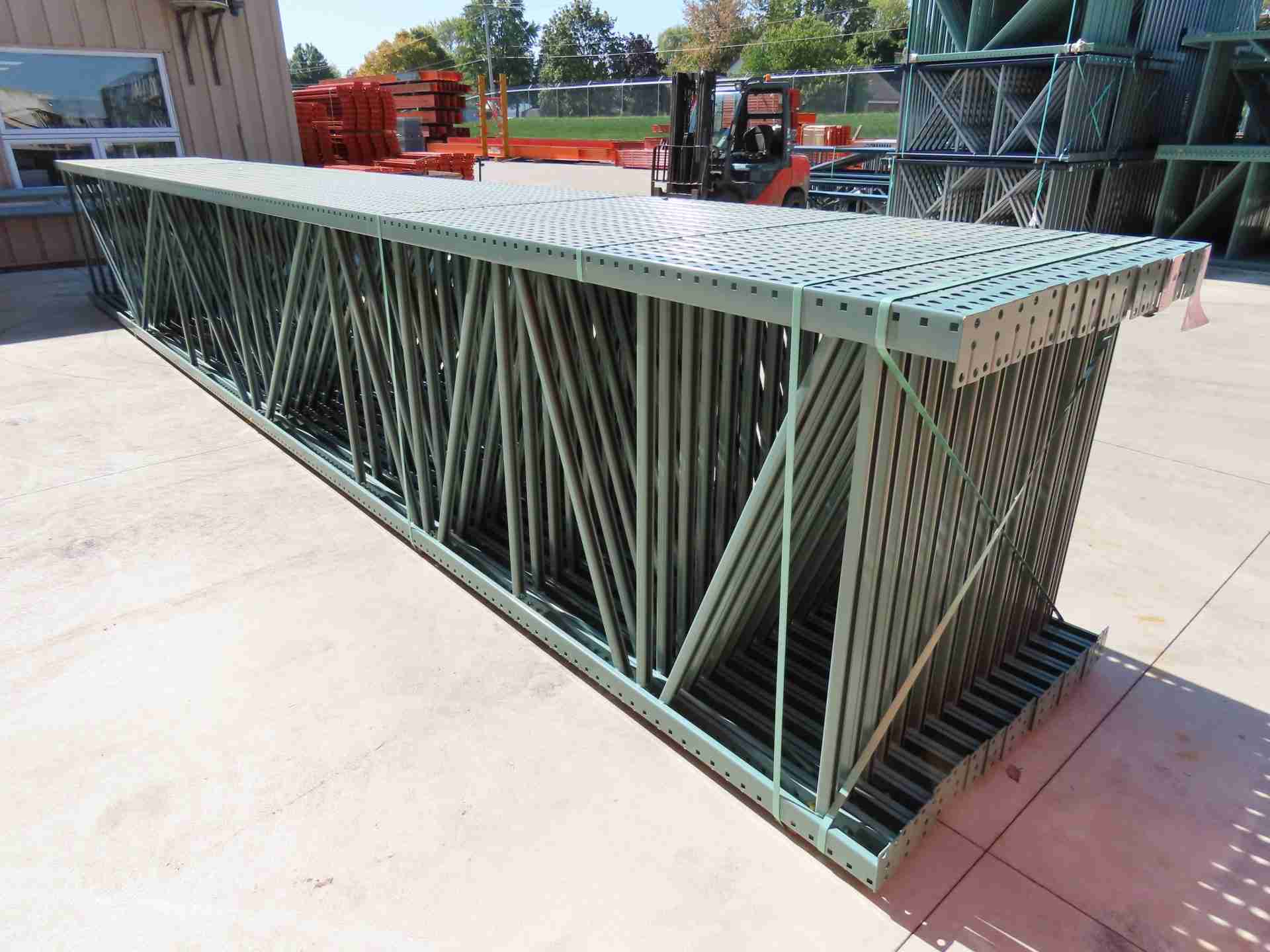
Glossary Of Terms
Other Questions
How Can Collaborative Techniques Boost Warehouse Efficiency? – Other Questions
If you wish to explore and discover more, consider looking for answers to these questions:
- What specific collaborative techniques are easily implementable in a warehouse setting?
- How can I measure the efficiency boost resulting from collaborative techniques?
- What role do leadership and management play in fostering collaboration among warehouse staff?
- What types of technology and tools are best for promoting collaboration in a warehouse?
- How can we create an open communication environment for our warehouse team?
- What are the best practices for conducting effective team meetings in a warehouse?
- How does cross-training of staff contribute to collaborative techniques?
- What challenges might arise when implementing collaborative techniques in a warehouse, and how can they be overcome?
- Can you share examples or case studies of successful implementation of collaboration in warehouses?
- How do different roles within a warehouse impact collaborative efforts?
- What training programs are available for enhancing teamwork in warehouse operations?
- How can I encourage innovation from team members in a collaborative workspace?
- What are the long-term benefits of fostering collaboration among warehouse staff?
- How can I gauge employee morale and engagement levels after implementing collaborative techniques?

Other Questions
Checklist
How Can Collaborative Techniques Boost Warehouse Efficiency? – A Checklist
Checklist for Boosting Warehouse Efficiency with Collaborative Techniques
Communication
_____ Establish regular team meetings to discuss progress, inventory levels, and challenges.
_____ Implement a real-time messaging app for quick problem-solving and updates.
_____ Encourage open dialogue among team members to share insights and suggestions.
Teamwork
_____ Foster a culture of teamwork where every member feels valued and part of a larger mission.
_____ Organize team-building activities to strengthen connections and collaboration.
_____ Recognize and celebrate team successes to boost morale.
Technology
_____ Integrate cloud-based inventory management systems for real-time tracking and updates.
_____ Utilize collaborative software that allows for information sharing and project management.
_____ Provide training on new technology to ensure all team members are comfortable and proficient.
Cross-Training
_____ Implement a cross-training program to enhance employee flexibility and adaptability.
_____ Encourage team members to learn different roles to improve understanding of the entire workflow.
_____ Monitor and adjust training initiatives based on employee feedback and performance.
Shared Goals
_____ Set clear, measurable objectives for the team to work towards.
_____ Align shared goals with operational strategies to streamline processes.
_____ Facilitate regular discussions on progress toward goals to maintain engagement.
Continuous Improvement
_____ Invite employee suggestions for process enhancements regularly.
_____ Identify and address bottlenecks in operations collaboratively.
_____ Embrace a culture of innovation where team members feel empowered to propose new ideas.
Performance Monitoring
_____ Establish performance metrics to evaluate team efficiency regularly.
_____ Provide constructive feedback based on performance to guide improvements.
_____ Celebrate milestone achievements as a team to foster a sense of accomplishment.
Employee Engagement
_____ Encourage participation from all employees in decision-making processes.
_____ Create opportunities for employees to bond and build trust.
_____ Focus on fostering a supportive environment where every input is valued.
Final Steps
_____ Assess current collaborative practices and identify areas for improvement.
_____ Monitor the implementation of collaborative techniques and make adjustments as necessary.
_____ Commit to continuous learning and adaptation in warehouse operations.
By following this checklist, you can enhance collaborative techniques in your warehouse, driving efficiency and productivity while fostering a supportive team environment.
Checklist
At RackingWorld, we help guide you through selecting warehouse storage systems and racking.
Be sure to read our other related stories at RackingWorld to learn more about warehouse storage systems.
0 Comments