
Mastering Mindful Consumption And Decluttering For A Fulfilled Life
By Tom Seest
At RackingWorld, we help guide you through selecting warehouse storage systems and racking.
Be sure to read our other related stories at RackingWorld to learn more about warehouse storage systems.
How to Avoid the “Storage Creep” Trap
When we think about our lives, we often forget to consider the weight of our possessions. You know that feeling when you open a closet, and an avalanche of stuff spills out? That’s the dreaded “storage creep” creeping right in. It starts small—an extra box here, a forgotten knick-knack there. Suddenly, you’re juggling a mountain of clutter that makes it hard to breathe, let alone think. It’s like racking up debt without realizing it until the bills come due.
Let’s face it; we live in a society that often equates worth with belongings. Each shiny purchase whispers promises of happiness and success, but those same things become the chains that bind us. You might think, “Just one more thing!” But that one becomes two, then three, and before you know it, you’re wading through a sea of unused items that don’t just take up space; they consume your time and energy. You deserve better.
Imagine reclaiming your home, your sanctuary. Picture a space where everything has a purpose, where every item sparks joy—or at least serves a function. By adopting a conscious approach to what we bring into our lives, we not only clear our physical space but also create mental clarity. It’s about being ethical—not just to yourself but to the planet. Each item we choose to keep should resonate with our values, not just be remnants of impulse purchases.
The journey to avoid the storage creep isn’t merely a task; it’s a narrative worth living. Picture sharing your home with friends, filled with laughter and memories rather than boxes piled high with forgotten dreams. This isn’t just about decluttering; it’s about building a life aligned with who you truly are. The authority on your possessions is you, and it’s time to wield that power.
You hold the key to your space and your peace of mind. Start today by assessing what’s truly valuable to you. Ask yourself, “Does this bring me joy or serve a purpose?” Learn to let go, and in doing so, you’ll find a renewed sense of freedom. Let’s work together to foster a culture that celebrates experiences over excessive ‘stuff.’ Join the movement; your future self will thank you.

How to Avoid the “Storage Creep” Trap
How to Avoid the “Storage Creep” Trap
- Our possessions can weigh us down, leading to “storage creep” and clutter.
- Society often ties self-worth to material belongings, creating false promises of happiness.
- Accumulating items can lead to a sea of unused possessions, consuming time and energy.
- Reclaiming your home means ensuring each item has purpose and sparks joy.
- Being mindful about possessions fosters mental clarity and aligns with personal values.
- Avoiding storage creep is not just about decluttering but living in alignment with who you are.
- Assess your possessions regularly to find joy and purpose, prioritizing experiences over material items.

How to Avoid the “Storage Creep” Trap
Table Of Contents
- How to Avoid the “Storage Creep” Trap
- What Feelings Arise When You Think About Clutter In Your Space?
- How Does Excess Storage Affect Your Peace Of Mind and Productivity?
- What Steps Can You Take to Create a More Organized Environment?
- What Practical Methods Can You Use to Maintain a Minimalist Lifestyle?
- How Often Do You Reassess the Items You Keep In Storage?
- Conclusion
- Other Resources
- Glossary Of Terms
- Other Questions
- Checklist
What Feelings Arise When You Think About Clutter In Your Space?
When you look around your space and see clutter, what feelings begin to bubble to the surface? For many, it’s not just a visual overload; it’s an emotional avalanche. Racking your brain, you might feel frustration creeping in, gnawing at your peace of mind. That chaotic jumble of forgotten items represents more than mere disorganization—it’s a mental block, standing firm against your ability to think clearly or relax fully.
Clutter can create a profound disconnect between chaos and clarity. It’s a reminder of responsibilities left unchecked, dreams postponed, and perhaps a daunting sense of failure. You may rationally know that the items scattered about your life hold no real power over you, yet they still keep your goals just out of reach, like a dream dangling just beyond your grasp.
Tugging at your gut, that clump of items can invoke guilt. Guilt for spending money on things you don’t use. Guilt for not being the person you envisioned, a vision swallowed up by this overwhelming mess. It’s as if those abandoned boxes and unworn clothes are silently calling out, “You could be doing better!” And ethically, there’s a tug-of-war within—a battle between who you are and who you aspire to be, often hindered by those very possessions.
But beneath this stormy sea of emotions lies an opportunity—a chance to reclaim your space, your clarity, and your sense of self. Imagine standing amidst an organized environment, where every item serves a purpose and reflects your values rather than your procrastination. It becomes not just about decluttering your room but also about decluttering your mind and spirit.
Think back to moments when you’ve witnessed a friend transform their space; maybe it was a family member who tackled their chaos. The change was contagious, wasn’t it? That social impact is real—when one person takes action, others feel compelled to follow suit. It creates a ripple effect of inspiration, an imprint on the community that resonates deeply.
So, as you stand in that cluttered space, you’re not just facing a physical challenge. You’re staring down the necks of your emotions, your aspirations, and your friendships. Take a deep breath. You have the power to transition clutter into clarity, discomfort into relief, and in that transformation, inspire not only yourself but those around you. It’s time to act, and the journey begins with just one small step.
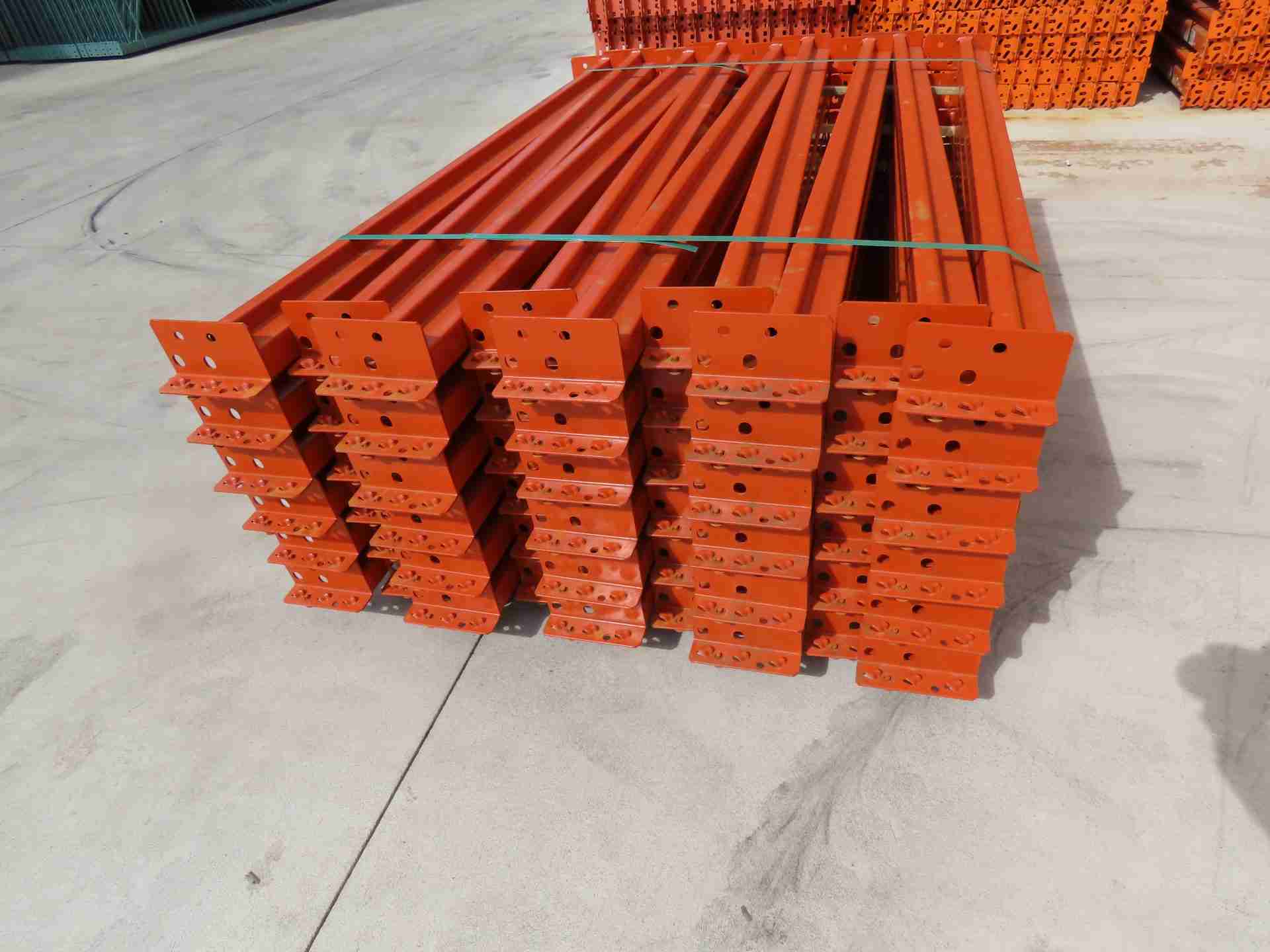
What Feelings Arise When You Think About Clutter In Your Space?
What Feelings Arise When You Think About Clutter In Your Space?
- Clutter can evoke strong emotions, leading to frustration and mental blocks.
- It symbolizes unchecked responsibilities, postponed dreams, and feelings of failure.
- Items in clutter can invoke guilt over wasted money and unfulfilled aspirations.
- There is a conflict between one’s current self and the ideal self, often hindered by possessions.
- Decluttering offers an opportunity to reclaim space, clarity, and self-identity.
- Transformations in personal spaces can inspire change in others, creating a ripple effect.
- The journey to clarity begins with taking one small step toward organization.

What Feelings Arise When You Think About Clutter In Your Space?
How Does Excess Storage Affect Your Peace Of Mind and Productivity?
Imagine walking into a room cluttered with boxes and half-packed bags, a disarray that seems to mirror the chaos in your mind. Each item carries a story, a memory, a moment frozen in time. Yet, that very nostalgia can act as a double-edged sword. Excess storage, often an innocent byproduct of our relentless pursuit of more—more stuff, more memories—begins to weigh heavily on our peace of mind. It stifles creativity, creates a mental fog, and drains us of the clarity we crave in our lives.
When your surroundings are filled with items awaiting attention, it’s not just clutter; it’s a barrier to your productivity. Racking up possessions demands time, attention, and emotional energy. What if those precious hours were instead directed toward personal growth, pursuing passions, or cultivating relationships? Rationally, you understand the burden of excess. Every time you walk by that overflowing storage, it whispers to you—reminding you of unresolved tasks and unmade decisions. It’s an insidious drag on progress and joy.
Ethically, consider the weight of consumerism: we’re taught to want, to gather, and to hoard. This relentless cycle can distort our values, shifting focus from meaningful experiences to empty acquisitions. What if, instead, we prioritized intentional living? Allowing ourselves the grace to let go creates an opportunity not just for physical space but for mental and emotional renewal.
Think about the moments in which you’ve felt freedom, clarity, and joy. They often come when we embrace simplicity, when order reigns over chaos. Picture a home, not just a space, but a sanctuary where everything has its place, and every object serves a purpose. The social implications are profound; when we choose to share and declutter, we foster connections, inspire others, and cultivate a community that values quality over quantity.
Tackling excess storage is not just about cleaning a space—it’s a declaration of intent. It’s about taking a stand for your peace of mind and productivity. It invites a transformative journey, urging us to shed the weight of what no longer serves us. Let’s strive for a life that resonates with purpose, clarity, and the courage to create a different narrative—one that elevates us rather than confines us.

How Does Excess Storage Affect Your Peace Of Mind and Productivity?
How Does Excess Storage Affect Your Peace Of Mind and Productivity?
- Clutter in our surroundings often mirrors the chaos in our minds, filled with memories and stories.
- Excess storage, a result of the pursuit of more, can hinder peace of mind, creativity, and clarity.
- Surroundings filled with unattended items act as barriers to productivity and drain emotional energy.
- Consumerism teaches us to accumulate, shifting focus from meaningful experiences to material possessions.
- Prioritizing intentional living and letting go can lead to both physical and emotional renewal.
- Embracing simplicity fosters freedom and joy, transforming a home into a sanctuary of purpose.
- Tackling excess storage is a declaration for peace of mind and productivity, inspiring a transformative journey.

How Does Excess Storage Affect Your Peace Of Mind and Productivity?
What Steps Can You Take to Create a More Organized Environment?
Creating a more organized environment is about more than just tidiness; it’s about cultivating a space where you can breathe, think, and thrive. The first step? Racking your brain to identify what truly matters in your life. Picture your home or workspace: is it filled with items that spark joy or burden your soul? Emotional ties to objects can weigh us down, but by assessing their value, both sentimental and practical, we can make room for what truly enriches our lives.
Next, tackle the chaos with a rational approach. Consider the age-old advice, “A place for everything and everything in its place.” This isn’t just a catchy phrase—it’s a guiding principle that, when applied, transforms your surroundings. Create zones in your environment for specific activities: a workspace that promotes productivity, a relaxation corner for unwinding, and a gathering space that nurtures relationships. A well-organized space reflects a well-organized mind, inspiring clarity amid the noise of modern life.
Ethically, ask yourself if the clutter around you serves any purpose. Are you hanging onto items out of guilt or obligation? Sometimes, letting go is an act of kindness—both to yourself and to those who may benefit from your unneeded possessions. Think about the statistics around waste and excess. Choosing to declutter is not merely personal; it’s a step toward sustainability and conscious living.
Engage with your environment socially. Invite friends or family members to join you in this journey of organization. It’s amazing how a shared experience can turn what feels like a chore into a bonding event. Racking together, laughing over memories tied to every item, and ultimately deciding together what stays and what goes can forge deeper connections and a sense of community.
Finally, let’s weave in a narrative that embodies action. Picture standing in a room transformed by your efforts. The air feels lighter. Movement feels easier. Each item serves a purpose; each space has a function. This isn’t just about organization; it’s about reclaiming your life. You’re not merely clearing out a drawer; you’re paving the way for new experiences, ideas, and relationships. So roll up your sleeves, take a deep breath, and step into the organized environment that awaits you. The journey begins with that first decisive step forward.

What Steps Can You Take to Create a More Organized Environment?
What Steps Can You Take to Create a More Organized Environment?
- Creating an organized environment fosters a space for breathing, thinking, and thriving.
- The first step is to identify what truly matters and assess the emotional and practical value of your possessions.
- Implement the principle of “a place for everything and everything in its place” for effective organization.
- Create designated zones for different activities—work, relaxation, and social gatherings—to promote clarity and purpose.
- Consider the ethical implications of clutter; sometimes letting go is an act of kindness for yourself and others.
- Engage socially in the decluttering process by involving friends or family, turning organization into a bonding experience.
- Remember that organizing goes beyond tidiness; it’s about reclaiming your life and making space for new experiences.

What Steps Can You Take to Create a More Organized Environment?
What Practical Methods Can You Use to Maintain a Minimalist Lifestyle?
In a world that bombards us with endless choices, the path to maintaining a minimalist lifestyle can feel like navigating a maze. But here’s the beauty of it: simplicity isn’t just about an empty closet or a barren home. It’s about freeing yourself from the weight of excess and discovering clarity, purpose, and connection—both to yourself and to others.
First, let’s tackle the mental clutter. Racking your brain over every item you own can lead to decision fatigue. Instead, start small. Pick one area—maybe your kitchen, your closet, or that overflowing drawer—and dedicate a weekend to it. Ask yourself the hard questions: Does this serve a purpose? Does it add value to my life? If it’s just taking up space, let it go. There’s an exhilarating freedom in releasing possessions that don’t serve you. It’s liberating to realize that your worth isn’t tied to what you own.
Now, let’s hit at the heart of minimalism, the emotional connection. Picture how your life would shift if you prioritized experiences over things. Value moments spent with loved ones or time spent in nature. Minimalism allows you to invest in what truly matters, forging deeper connections that fill your soul rather than your garage. How often do we trade these precious moments for the pursuit of the next shiny object? Let that sink in.
Rationally speaking, think about your financial footprint. By minimizing your purchases, you pave the way for more significant savings. With fewer expenses, you’ll experience less stress and more freedom. This not only benefits you but has a ripple effect on the environment. Embracing less combats the consumerism culture that thrives on waste. It’s a step toward ethical living and a way to advocate for a community that prioritizes sustainability and consciousness over consumption.
Socially, surround yourself with like-minded individuals. Join groups or communities focused on minimalism. Sharing stories, challenges, and triumphs with others on the same journey fosters camaraderie and accountability. There’s power in community; it creates a sense of belonging and understanding that you’re not alone on this path.
So take the plunge—embrace this challenge and carve out the life that resonates with who you truly are. After all, minimalism is not about deprivation; it’s about abundance in the places that matter most. The effort you put in will yield a life rich with purpose, connection, and intentionality.

What Practical Methods Can You Use to Maintain a Minimalist Lifestyle?
What Practical Methods Can You Use to Maintain a Minimalist Lifestyle?
- Minimalism is not just about having an empty space, but about finding clarity and purpose.
- Start by addressing mental clutter; focus on one area at a time to reduce decision fatigue.
- Ask critical questions about possessions to determine if they add value to your life.
- Shift focus from material possessions to meaningful experiences, prioritizing connections over things.
- Minimizing purchases can lead to financial savings and reduced stress, benefiting both you and the environment.
- Engage with like-minded individuals in communities to share experiences and foster accountability.
- Embrace minimalism as a path to a life filled with purpose, connection, and intentional living.

What Practical Methods Can You Use to Maintain a Minimalist Lifestyle?
How Often Do You Reassess the Items You Keep In Storage?
How often do you reassess the items you keep in storage? It’s a question that carries weight, much like that dusty clutter stashed in racking, waiting for a moment to be revisited. For many of us, those boxes represent memories, dreams, and a life lived—though, they can also signify missed opportunities or forgotten burdens. So, let’s pull back the curtain on this emotional puzzle.
Think about it: when was the last time you opened one of those boxes? Was it filled with nostalgia, or did it leave you feeling a bit hollow? Every item tucked away has a story—some hit close to the heart, while others feel like relics of a past self you’re not sure you recognize anymore. Do we really need to hang onto every memento? The time to reflect is now. Rummaging through old possessions allows us to sift through the tangible remnants of our lives, discerning what sparks joy and what simply takes up space.
Rationally speaking, reassessing your storage isn’t just about emotional clarity; it’s about practicality. The overflow of stuff costs time and money—think storage unit fees, the maintenance of climate-controlled environments, or even the cost of renting racking. Every hour spent sifting through old belongings is an investment in your present. You could be using that time to chase new aspirations, build relationships, or simply enjoy what truly matters.
Ethically, it’s also about revitalizing those stories and passing values onto future generations. Are those items worthy of being inherited, or would they just weigh down those we love? Choosing what to keep and what to let go ensures that each piece retains significance. You become the curators of your legacy, creating a narrative filled with purpose rather than clutter.
Socially, engaging with friends and family about your storage reassessment can cultivate deeper bonds. Sharing memories tied to specific items can spark conversations, laughter, and sometimes even tears. You’re not alone in this journey; everyone wrestles with the emotional tug-of-war of storage.
So, next time you pass by that racking piled high, consider this your invitation: to reclaim your space, examine what’s worth keeping, and perhaps, discover the forgotten gems that still resonate with who you are today. There’s power in reassessment—transforming those dusty boxes into vibrant, living memories rooted in your present reality.

How Often Do You Reassess the Items You Keep In Storage?
How Often Do You Reassess the Items You Keep In Storage?
- Reassessing storage items evokes strong emotions, revealing memories and burdens.
- Reflecting on past possessions can foster nostalgia or feelings of hollowness.
- Taking the time to review belongings helps discern what brings joy versus what is simply clutter.
- Reassessing storage has practical benefits, saving time and money while reducing belongings.
- Ethically, it allows for curating a meaningful legacy and passing on values to future generations.
- Engaging family and friends in storage reassessment can strengthen bonds through shared memories.
- This process is an opportunity to reclaim space and uncover items that resonate with your current self.

How Often Do You Reassess the Items You Keep In Storage?
Conclusion
When you think about the belongings that surround you, what emotional response does it evoke? Our homes should be sanctuaries, yet they often become cluttered prisons that hold us back. This “storage creep,” subtly accumulating bits and bobs until it’s overwhelming, sneaks up on us like a debt we didn’t see coming. We convince ourselves that acquiring more will lead to happiness, but in reality, each item can morph into a chain that constrains our peace of mind and stifles our productivity.
Imagine stepping into your space and feeling energized instead of bogged down by the past. What would it look like if every item served a purpose or sparked joy? This is not merely a decluttering task; it’s a pursuit of clarity and intentional living. The emotional clutter isn’t just visual; it’s a mental barrier that can invoke feelings of frustration, guilt, and even shame. But there’s hope—a chance to break free from the clutter cycle and redefine what’s essential in our lives.
Start small by assessing what truly matters. Rather than succumbing to guilt over what to keep, ask yourself, “Does this enrich my life?” The brave act of letting go creates physical space and emotional relief, leading to a renewed sense of empowerment. This isn’t just a personal journey; it’s an ethical commitment to sustainable living. As we prioritize experiences over excessive possessions, we challenge a consumer-driven narrative that has us believing our worth lies in our stuff.
Consider the social impact of your transformation. As you embark on this journey, invite friends or family to join in. A shared experience can stir connection and foster community, turning a daunting task into an opportunity for bonding, laughter, and shared memories. Your transformation has the potential to inspire others to reflect on their belongings, igniting a ripple effect of mindfulness that extends beyond your cluttered corners.
Ultimately, this isn’t just about minimizing stuff; it’s about maximizing life. It’s time to reclaim your space, your mind, and your relationships. By embracing a minimalist approach, you pave the way for new possibilities, allowing clarity and purpose to permeate your surroundings. So, take that first step. Reassess, reclaim, and reimagine the life waiting just beyond the clutter. In this pursuit, acknowledge your power and the profound difference it makes—not just in your life, but in the lives of those around you. The journey toward mindful consumption and decluttering is one worth taking, and your future self will undoubtedly thank you for it.

Conclusion
Conclusion:
- Our homes should be sanctuaries, but they often turn into cluttered prisons due to “storage creep.”.
- Acquiring more belongings can create emotional chains that hinder peace of mind and productivity.
- Pursuing clarity and intentional living transforms decluttering into a powerful emotional and mental release.
- Letting go of possessions can lead to empowerment and a commitment to sustainable living.
- Sharing the decluttering journey with friends or family can foster connection and community.
- This process isn’t just about minimalism; it’s about maximizing life and new possibilities.
- A mindful approach to consumption creates a ripple effect that inspires others to reflect on their belongings.

Conclusion
Other Resources

Other Resources
Here is a list of other resources you can review online to learn more:
- Warehouse Storage Racks
- Rack Manufacturers Institute
- CA Wire
- Teardrop Industrial Shelving Rack
- Wolter
- Illinois Pallet Racking – WPRP
- Teardrop Uprights
- Chicago Pallet Racking
- Warehouse Racking Layout: The Ultimate Guide – Conger
- ASSP
- IWLA
- Bradford Systems
- Teardrop Pallet Rack – Ridg-U-Rak
- Used Teardrop Pallet Rack – American Surplus
- Overhead Lifting
- Cantilever Racks Chicago
- Pallet Racks, Pallet Racking, Pallet Shelves in Stock – ULINE
- Rack Manufacturers Institute
- Used Pallet Rack for Sale in Illinois – American Surplus
Use This Prompt To Get More Resources With Your Favorite Online AI Tool: Please provide me with a list of online articles with their URLs in a bulleted list that I can read regarding How to Avoid the “Storage Creep” Trap

Other Resources
Glossary Terms
How to Avoid the “Storage Creep” Trap – Glossary Of Terms
1. Storage Creep: The gradual accumulation of unnecessary items in storage spaces, leading to clutter and inefficiency.
2. Clutter: A collection of items that are disorganized or unneeded, making a space feel chaotic and smaller.
3. Decluttering: The process of removing unnecessary items from a space to create a more organized environment.
4. Minimalism: A lifestyle focused on reducing material possessions to enhance living quality and reduce clutter.
5. Inventory: A detailed list of items in storage, helping to track what is stored and what may be unnecessary.
6. Categorization: The practice of organizing items into categories to facilitate better management and retrieval.
7. Downsizing: Reducing the number of possessions, often associated with moving to a smaller space or simplifying life.
8. Storage Solutions: Methods and tools designed to optimize storage space, including shelves, bins, and containers.
9. Space Optimization: Maximizing the use of available space to store items efficiently and accessibly.
10. Organizational Systems: Strategies or frameworks to maintain order and structure in storage spaces.
11. Sentimental Items: Objects kept for emotional attachment rather than practical use, which can contribute to storage creep.
12. Storage Units: Off-site facilities rented for storing excess belongings, often leading to additional clutter.
13. Frequency of Use: The regularity with which an item is used; rarely used items should be reevaluated for storage needs.
14. Repurposing: Transforming or adapting items for different uses to reduce clutter and enhance functionality.
15. Disposal: The act of getting rid of items deemed unnecessary, whether through donation, recycling, or trash.
16. Digital Storage: The storage of information or files in electronic formats, helping to reduce physical clutter.
17. Routine Maintenance: Regularly scheduled evaluations of stored items to prevent accumulation and ensure organization.
18. Visual Inventory: A method of keeping track of items through photographs or visual displays to minimize unnecessary storage.
19. Sustainable Practices: Eco-friendly approaches to managing possessions and reducing waste in storage tactics.
20. Prioritization: The process of deciding which items are essential and should be kept versus those that can be discarded.
21. Accessibility: The ease with which stored items can be reached; well-organized storage increases accessibility.
22. Temporary Storage: Short-term solutions for holding items, often used during transitions or renovations.
23. Hoarding: The excessive accumulation of items, often leading to overwhelming clutter and disorganization.
24. Simplicity: A philosophy that encourages living with fewer possessions to alleviate stress and promote clarity.
25. Item Rotation: Swapping out seasonal or infrequently used items to keep space manageable and organized.
26. Storage Audit: A thorough examination of all stored items to identify redundancies and assess necessity.
27. Labeling: The practice of tagging storage containers to improve organization and retrieval of items.
28. Space Sacrifice: The willingness to let go of certain items to enhance organizational space and reduce clutter.
29. Intentionality: The principle of being deliberate about what items to keep, ensuring they serve a purpose.
30. Mindful Consumption: A conscious approach to acquiring new items, encouraging thoughtful purchases to prevent clutter.

Glossary Of Terms
Other Questions
How to Avoid the “Storage Creep” Trap – Other Questions
If you wish to explore and discover more, consider looking for answers to these questions:
- What are the signs that storage creep is becoming a problem?
- How can I assess the value of my possessions effectively?
- What are some emotional strategies for letting go of items?
- How can I create a system for maintaining an organized space?
- What practical tips can help prevent future clutter accumulation?
- How does minimalism impact my mental health?
- What are the benefits of sharing the decluttering process with others?
- How often should I revisit my storage items?
- What are some sustainable practices for decluttering?
- How do societal values influence our purchasing habits?
- Can decluttering improve my productivity?
- How?
- What are the environmental impacts of excessive consumerism?
- How can I involve my family in the decluttering process?
- What are some inspiring stories of successful decluttering?

Other Questions
Checklist
How to Avoid the “Storage Creep” Trap – A Checklist
Checklist for Mastering Mindful Consumption and Decluttering
Emotional Appeals
_____ Reflect on your feelings when looking at clutter. What emotions arise?
_____ Identify items that spark joy versus those that burden you.
Rational Appeals
_____ Assess how clutter impacts your productivity and peace of mind.
_____ Create defined zones in your space for activities that enhance your life.
Ethical Appeals
_____ Consider the environmental impact of your possessions. Are you contributing to unnecessary waste?
_____ Evaluate if your clutter aligns with your values and the person you aspire to be.
Authority Appeals
_____ Empower yourself by declaring control over your possessions.
_____ Recognize that you are the authority on what stays and what goes in your life.
Narrative Appeals
_____ Picture your ideal living space. Write down how it feels to inhabit that space.
_____ Share your decluttering journey with friends or family. Document the transformation for future reflection.
Social Appeals
_____ Engage with friends and family to tackle clutter together. Make it a fun bonding experience.
_____ Join a community focused on minimalism or mindful consumption for support and inspiration.
Action Steps
_____ Commit to a mini decluttering project (e. g. , a drawer, a closet) each week.
_____ Schedule regular reassessments of your storage items to maintain clarity and purpose.
Reflection
_____ After decluttering, take a moment to celebrate your progress. How does the space feel now?
_____ Write down three benefits you’ve gained from reducing clutter, both emotionally and practically.

Checklist
At RackingWorld, we help guide you through selecting warehouse storage systems and racking.
Be sure to read our other related stories at RackingWorld to learn more about warehouse storage systems.
0 Comments