
Unlocking Efficiency In Your Warehouse Organization
By Tom Seest
At RackingWorld, we help guide you through selecting warehouse storage systems and racking.
Be sure to read our other related stories at RackingWorld to learn more about warehouse storage systems.
Is Your Warehouse Organization Causing Chaos Instead Of Calm?
Is Your Warehouse Organization Causing Chaos Instead of Calm?
Picture this: you walk into your warehouse, and instead of the orderly symphony of productivity you envisioned, chaos greets you like an unwelcome guest at a party. Pallet racking towers might line the walls, but they are crammed haphazardly with inventory, making it feel more like an obstacle course than a well-oiled machine. The reality is, a disorganized warehouse doesn’t just rob you of efficiency; it robs you of peace of mind.
We’ve all been there. A misplaced item here, an unclear pathway there, and before you know it, your team is under duress, fumbling around like they’re searching for a needle in a haystack. The effects ripple through the entire organization, from shipping delays to frustrated employees, and ultimately — unhappy customers. But it doesn’t have to be this way!
Imagine instead a space where every item has its place. Your pallet racking systems are not just structures; they are the very backbone of your operation. When organized properly, they provide easy access to inventory, optimize space, and create an atmosphere of efficiency and calm. What if you could instill a sense of confidence in your team, knowing that they can retrieve what they need quickly and without fuss?
Trust in your warehouse organization doesn’t just come from having the right tools; it comes from implementing a systematic approach that works. Start by auditing your current setup. Are your pallet racks serving your inventory flow, or are they a source of frustration? By taking the time to reevaluate and plan your layout, you can transform chaos into a streamlined process that saves you money and time.
Don’t wait for chaos to escalate. Take action today and create an environment where your employees thrive. A well-organized warehouse doesn’t just improve your bottom line; it fosters a culture of accountability and teamwork. Remember, calm doesn’t just happen — it’s created through intentional organization. So grab the reins and orchestrate the change your space needs. Your team and your customers will thank you!
Is Your Warehouse Organization Causing Chaos Instead Of Calm?
Is Your Warehouse Organization Causing Chaos Instead Of Calm?
- Disorganized warehouses create chaos, hindering productivity and causing employee stress.
- Misplaced items and unclear pathways lead to shipping delays and unhappy customers.
- A well-organized warehouse fosters efficiency, providing easy access to inventory.
- Pallet racking systems should serve as the backbone of the operation, enhancing organization.
- Implementing a systematic approach begins with auditing the current warehouse setup.
- Reevaluating and planning your layout can transform chaos into a streamlined process.
- A well-organized environment promotes accountability, teamwork, and improved profitability.
Is Your Warehouse Organization Causing Chaos Instead Of Calm?
Table Of Contents
- Is Your Warehouse Organization Causing Chaos Instead Of Calm?
- Are Your Inventory Systems Up To Date?
- How Can You Reduce Clutter In Your Warehouse?
- Is Your Staff Trained For Proper Organization?
- Are You Using Technology To Streamline Processes?
- What Are The Common Mistakes In Warehouse Organization?
- How Can You Improve Picking Accuracy?
- Conclusion
- Other Resources
- Glossary Of Terms
- Other Questions
- Checklist
Are Your Inventory Systems Up To Date?
##
In today’s fast-paced business environment, your inventory system is not just a backend function; it’s the lifeline that can dictate your success. If you’re still operating with outdated inventory practices, it’s time for a reality check: your business is likely paying the price, and you might not even realize it.
Consider this: the time you spend rummaging through a disorganized warehouse for that missing item could instead be spent strategizing customer engagement, nurturing relationships, and boosting profits. Enter pallet racking. Yes, those racks that hold your products are not merely shelves—they are the backbone of a well-oiled inventory management system. With effective pallet racking solutions, you can optimize your warehouse space, improve accessibility, and dramatically reduce the time your staff spends searching for items.
But that’s just the tip of the iceberg. Properly implemented inventory systems provide you with real-time data that can forecast demand, track stock levels, and identify trends. Imagine making decisions based on facts rather than gut feelings! This transformation can empower you to unlock cash flow and minimize waste, resulting in seamless operations and satisfied customers.
Now, let’s address a common misconception: upgrading your inventory system doesn’t have to be a daunting, disruptive task. In fact, it can be an exciting opportunity to innovate and infuse new energy into your operations. With the right partner, implementing an upgraded inventory system can be as straightforward as setting up a new pallet racking layout. You don’t need to be a tech guru or a logistics expert to see the benefits.
Imagine walking into your warehouse and seeing everything in its place—products readily identifiable, easily accessible. Think about the ripple effect of organized inventory on productivity: happier employees who can focus on serving clients instead of sorting through chaos. This kind of efficiency doesn’t just foster trust; it propels confidence among your customers, knowing that they can rely on your business to deliver on time, every time.
So ask yourself: Are your inventory systems up to date? If you can’t confidently say ‘yes,’ it’s time to take action. Don’t leave your success to chance; invest in modern systems that will not only elevate your operational efficiency but also position your business for sustainable growth. The future of your business deserves to be organized, efficient, and ultimately, profitable. Don’t wait for change—be the change!
Are Your Inventory Systems Up To Date?
Are Your Inventory Systems Up To Date?
- Inventory systems are essential in today’s business environment and can dictate success.
- Outdated inventory practices can cost your business without you even realizing it.
- Pallet racking optimizes warehouse space, improves accessibility, and reduces search time for items.
- Proper inventory systems provide real-time data for demand forecasting, stock level tracking, and trend identification.
- Upgrading inventory systems can be an exciting opportunity for innovation rather than a daunting task.
- Organized inventory enhances productivity, leading to happier employees and increased customer trust.
- Investing in modern systems is crucial for operational efficiency and sustainable business growth.
Are Your Inventory Systems Up To Date?
How Can You Reduce Clutter In Your Warehouse?
Streamline Your Space: The Path to Decluttered Efficiency
Imagine walking through your warehouse and feeling an invigorating sense of space and order. Clutter can feel suffocating, dragging down not just the aesthetics but also the efficiency of your operations. If you’ve found yourself overwhelmed by disarray, it’s time to take action. With a few strategic steps, you can transform your cluttered warehouse into a well-organized powerhouse that not only boosts productivity but enhances morale.
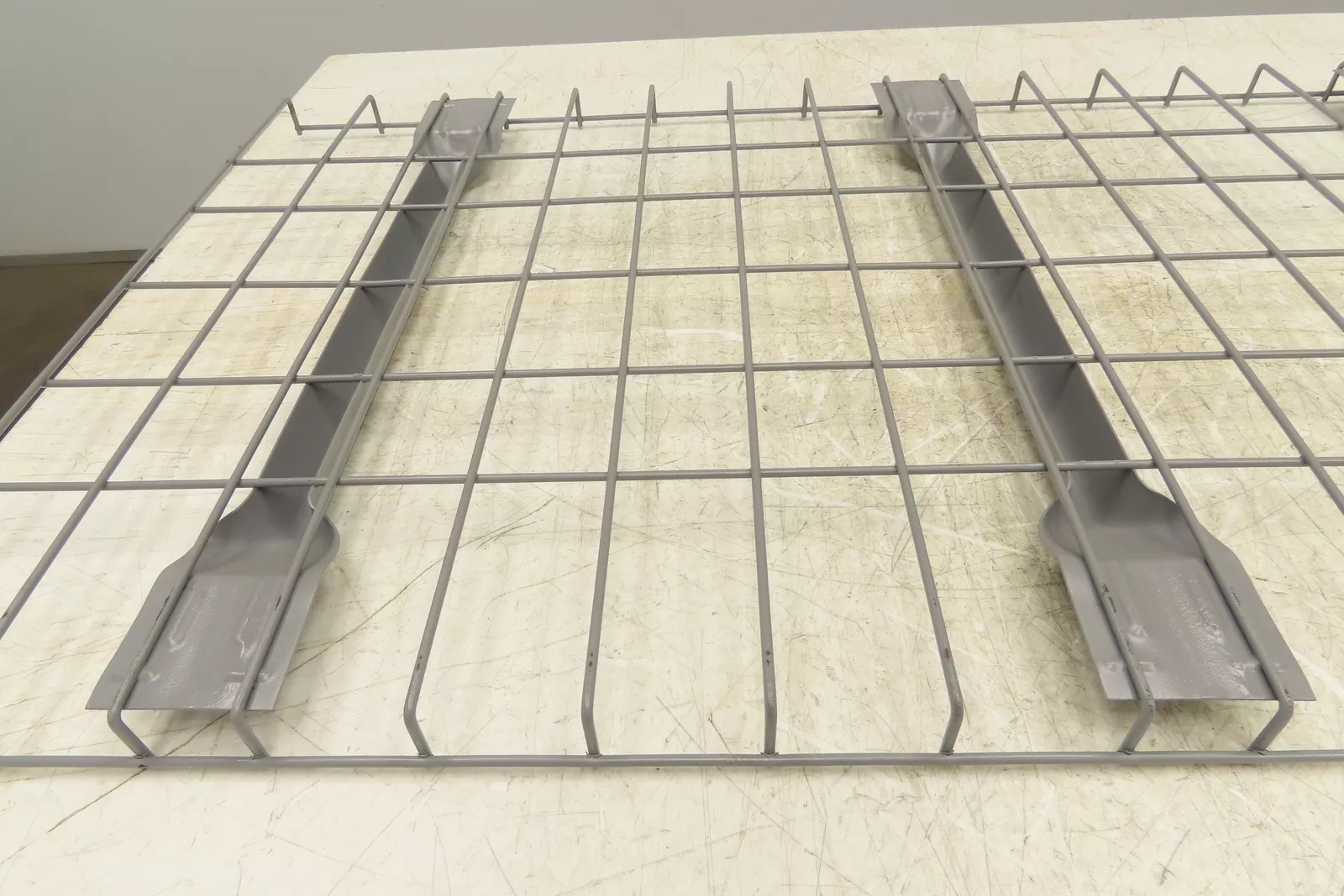
One essential tool in your decluttering arsenal is pallet racking. Think of it as the strong backbone of your warehouse’s layout. By implementing pallet racking systems, you can maximize vertical space, freeing up valuable floor area for movement and operations. This allows your staff to navigate efficiently while providing easy access to materials. Your inventory management can become seamless, eliminating the frantic searches that eat away at time and focus.
But pallet racking is just the beginning. Take a moment to audit your inventory. Are there items that have been gathering dust for too long? Implement a “FIFO” (First In, First Out) system to ensure older stock is prioritized. This not only keeps your inventory fresh but also minimizes waste and enhances cash flow. By identifying slow-moving items, you can take proactive measures—promotions, discounts, or even clearance sales—to make space for the products that truly drive your business.
Next, establish designated zones within your warehouse. Allocate specific areas for receiving, processing, and shipping. This not only streamlines your workflow but also creates a clear visual for your team, drastically reducing the chances of misplaced items or duplicated efforts. By visually organizing your warehouse, everyone can see what needs to be done at a glance, fostering a culture of accountability and teamwork.
Regular maintenance is key. Create a habit of conducting weekly or monthly “clutter buster” sessions with your team. These can be fun, engaging ways to boost morale while reinforcing the importance of a tidy workspace. Celebrate your achievements—perhaps with a simple lunch or incentive—for reaching new levels of organization.
Reducing clutter in your warehouse is not just about aesthetics; it’s about reclaiming productivity and fostering a thriving work environment. Embrace tools like pallet racking, implement clear systems, and rely on your team. Together, you’ll cultivate a culture that values organization, ultimately driving your success. So why wait? Start today, and watch your warehouse flourish!
How Can You Reduce Clutter In Your Warehouse?
How Can You Reduce Clutter In Your Warehouse?
- Decluttering enhances the aesthetics and efficiency of warehouse operations.
- Pallet racking maximizes vertical space, improving movement and access to materials.
- Implement a “FIFO” (First In, First Out) system to prioritize older stock and minimize waste.
- Identify slow-moving items and consider promotions or clearance sales to make space for better-selling products.
- Establish designated zones for receiving, processing, and shipping to streamline workflow and reduce errors.
- Conduct regular “clutter buster” sessions with your team to maintain organization and boost morale.
- Embrace tools and teamwork to cultivate a culture of organization that drives success.
How Can You Reduce Clutter In Your Warehouse?
Is Your Staff Trained For Proper Organization?
When you think about workplace organization, what comes to mind? Is it a neatly arranged office, crisp files labeled and easy to find, or perhaps it’s the efficient use of your space – specifically, the smart implementation of systems like pallet racking? If your team isn’t fully equipped with the knowledge and skills to optimize these organizational tools, you might be leaving money on the table.
Let’s paint a picture. Imagine walking into a warehouse or storage area where every box is perfectly stacked, every item is accounted for, and every inch of space is utilized to its maximum potential. That calm, orderly space doesn’t just happen; it requires attentive training and consistent reinforcement of best practices. Yet, how often do we overlook the essential need for staff training in organization?
Think about it: your team is the lifeblood of your operation. If they lack understanding and the skills needed to leverage tools like pallet racking effectively, you not only compromise safety but also productivity. Mistakes become more frequent, frustration levels soar, and before you know it, you’re spiraling into a cycle of inefficiency that costs you time and money.
Training isn’t just a one-time event; it’s an ongoing commitment. By investing in structured training programs tailored to your specific environment, you empower your team to take ownership of their workspace. Consider regular workshops or refresher sessions that not only cover the fundamentals of organizational principles but also delve into advanced strategies for utilizing equipment like pallet racking more effectively. This is how you cultivate a culture of accountability and pride in their organizational capabilities.
Beyond just improving processes, effective training builds camaraderie among staff. When everyone understands their role and how to maintain an orderly environment, it fosters an atmosphere of teamwork and mutual respect. Your team will feel more confident in their roles because they’ll know they have the skills to contribute to a well-functioning operation.
Are you ready to step up your training game? Start by assessing your current training programs. Are they truly equipping your staff with the tools they need to foster a well-organized workplace? Investing in your team’s ability to manage space efficiently through proper training is one of the smartest business moves you can make. Let’s ensure your organization isn’t just functional but thriving. The choice is yours—and the opportunity is now.
Is Your Staff Trained For Proper Organization?
Is Your Staff Trained For Proper Organization?
- Workplace organization involves more than just neatness; it includes effective systems like pallet racking.
- Optimal organization requires thorough training and reinforcement of best practices for staff.
- Lack of training can lead to compromised safety, productivity, and increased errors.
- Ongoing training programs, including workshops and refreshers, empower employees to manage their workspace effectively.
- Effective training fosters teamwork, mutual respect, and confidence among staff.
- Regular assessment of training programs is essential to ensure staff is adequately equipped for organizational success.
- Investing in staff training is a key strategy for maintaining a well-organized and thriving business.
Is Your Staff Trained For Proper Organization?
Are You Using Technology To Streamline Processes?
In today’s fast-paced world, businesses must evolve to avoid getting left behind. If you’re not leveraging technology to streamline your operations, you’re likely missing out on significant opportunities for growth and efficiency. One pivotal area where technology can work wonders is in your warehouse management, particularly when it comes to optimizing your pallet racking systems.
Imagine walking into your warehouse, where every item is precisely organized, and the flow of products feels like a well-oiled machine. The simplicity and ease with which your team can access inventory can directly impact your efficiency and profitability. However, achieving this level of organization isn’t merely a dream. With the right technological tools, this reality is within reach.
Investing in a state-of-the-art inventory management system that integrates seamlessly with your pallet racking setup can revolutionize your operations. Picture automated tracking of stock levels, real-time updates on product locations, and predictive analytics to forecast your inventory needs. This is not just about having the latest gadgets; it’s about transforming how your business operates.
Consider the trust factor. In a world inundated with choices, your clients and customers expect excellence. When you use technology to streamline processes, you’re not just making your life easier—you’re ensuring that your customers receive the best service possible. Efficiency translates to faster order fulfillment, reduced errors, and ultimately, happier customers. By showcasing your commitment to embracing innovation, you inspire confidence in your stakeholders.
Imagine inspiring your staff rather than overwhelming them. A solid, technology-driven approach to your pallet racking allows your team to focus on what truly matters: delivering superior service and driving results. They won’t waste precious time on redundant tasks; instead, they’ll become more engaged and productive, leading to enhanced morale and lower turnover rates.
So, let’s ask the crucial question: are you ready to embrace change? The world of business waits for no one, and neither should you. Take that bold step towards technology adoption today. Streamlining your processes isn’t a luxury—it’s a necessity. It’s time to turn your warehouse into a beacon of efficiency, where every movement is calculated, every product is accounted for, and every employee is empowered. Start the transformation today and unlock a new level of success for your business.
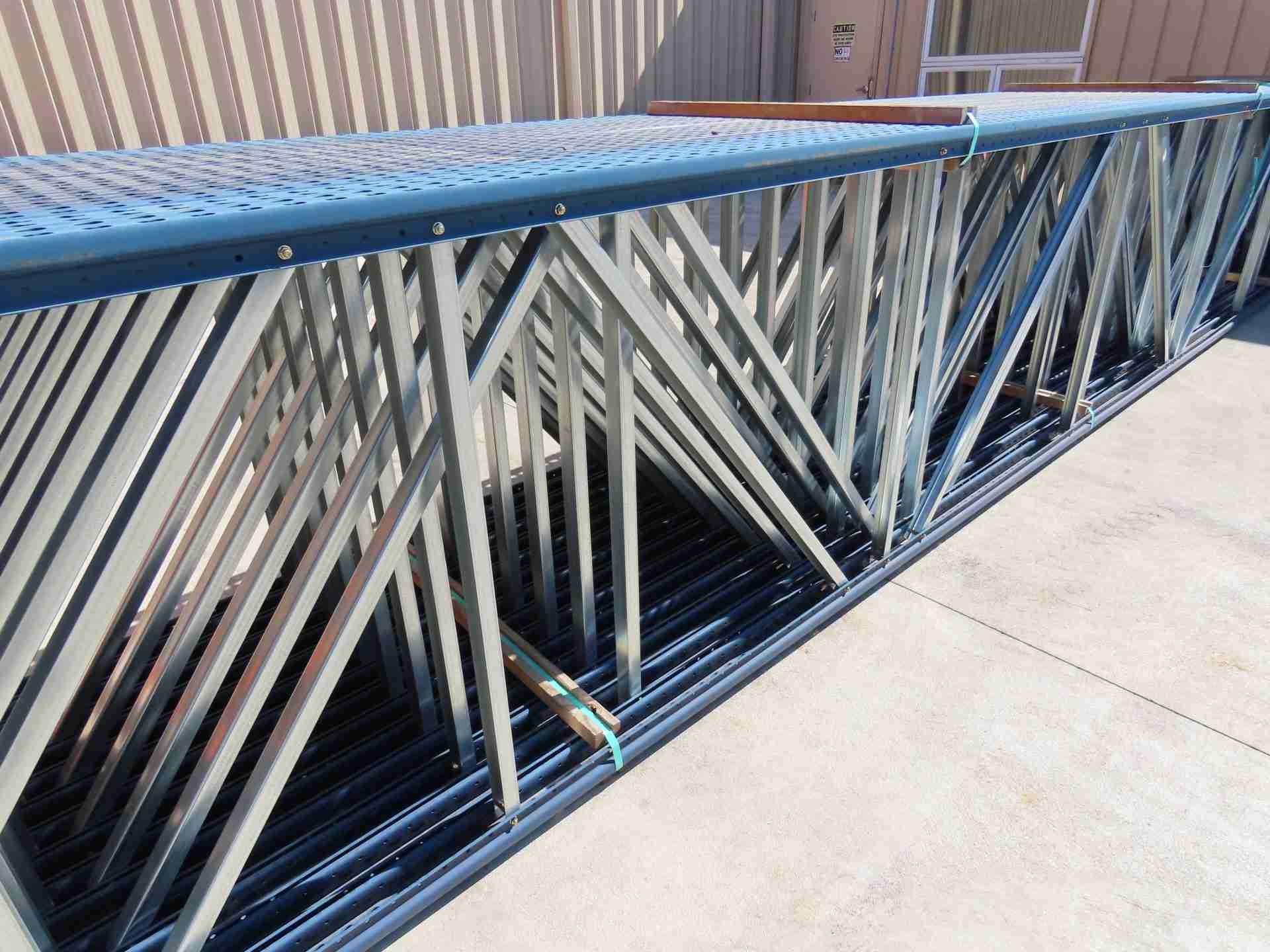
Are You Using Technology To Streamline Processes?
Are You Using Technology To Streamline Processes?
- Businesses must evolve and leverage technology to avoid missed growth opportunities.
- Effective warehouse management is crucial, particularly through optimizing pallet racking systems.
- Technology can enable precise inventory organization, enhancing efficiency and profitability.
- Investing in advanced inventory management systems can automate tracking and provide real-time updates.
- Streamlining processes leads to faster order fulfillment, reduced errors, and improved customer satisfaction.
- A technology-driven approach empowers staff, leading to higher engagement and morale.
- Embracing change and adopting technology in operations is essential for business success in a fast-paced environment.

Are You Using Technology To Streamline Processes?
What Are The Common Mistakes In Warehouse Organization?
When it comes to warehouse organization, even the most seasoned professionals can find themselves stepping on rakes. Mistakes in warehouse layout and management can lead to inefficiencies that diminish productivity and eat into your bottom line. Let’s dive into some of the most common slip-ups, so you can steer your operation clear of trouble.
First and foremost, inefficient pallet racking is often the unspoken villain in the warehouse drama. It’s tempting to set up your pallet racking based on immediate convenience rather than long-term strategy. Failing to consider the flow of goods can result in a veritable maze, causing workers to burn valuable time navigating unnecessarily cluttered aisles. A sound warehouse design begins with a layout that maximizes accessibility and minimizes travel time. Always remember: if your team is spending more time looking for items than picking them, you’re throwing money down the drain.
Another pitfall is neglecting to regularly audit your inventory. Just like that garage we all promise to clean every year, your warehouse can become a storage graveyard if it’s not monitored. Outdated stock, misplaced items, and inventory discrepancies can wreak havoc on order fulfillment. Imagine the frustration of your workers trying to locate a product only to find it’s not where it should be. Implementing a periodic inventory review ensures everything remains in its rightful place and keeps the racking optimized—leading to smoother operations.
Now, let’s address the elephant in the room: employee engagement. A disorganized warehouse not only frustrates your operations but also demotivates your team. There’s nothing more dispiriting than being handed a chaotic environment in which to work. Invest time in training your workforce on best practices for organization and respecting the pallet racking system. A well-trained team feels valued and empowered, and they’ll take ownership of the environment they work in—leading to greater efficiency and job satisfaction.
Lastly, don’t underestimate the power of technology. Relying on manual processes can be a surefire way to overlook critical organization matters. Embracing warehouse management software can streamline tasks and provide data insights that keep your operations efficient. With the right tools at your disposal, you can avoid the common mistakes that stifle growth and profit.
In summary, by steering clear of these pitfalls—starting with optimized pallet racking, regular inventory audits, engaged employees, and leveraging technology—you’ll not only enhance your warehouse organization but also set yourself up for long-term success. Don’t just manage your warehouse; elevate it!
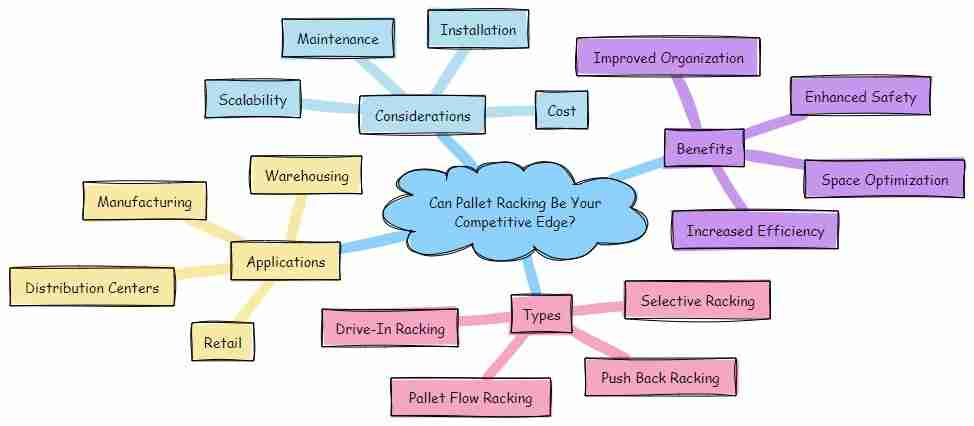
What Are The Common Mistakes In Warehouse Organization?
What Are The Common Mistakes In Warehouse Organization?
- Common warehouse organization mistakes can lead to inefficiencies that negatively impact productivity and profits.
- Inefficient pallet racking can create cluttered aisles, wasting valuable time for workers.
- Effective warehouse design should maximize accessibility and minimize travel time for staff.
- Regular inventory audits are essential to prevent outdated stock and inventory discrepancies.
- A disorganized warehouse can demotivate employees; proper training and organization are key to engagement.
- Embracing technology and warehouse management software can help streamline operations and improve data insights.
- By avoiding common pitfalls, you can enhance warehouse organization and set the stage for long-term success.
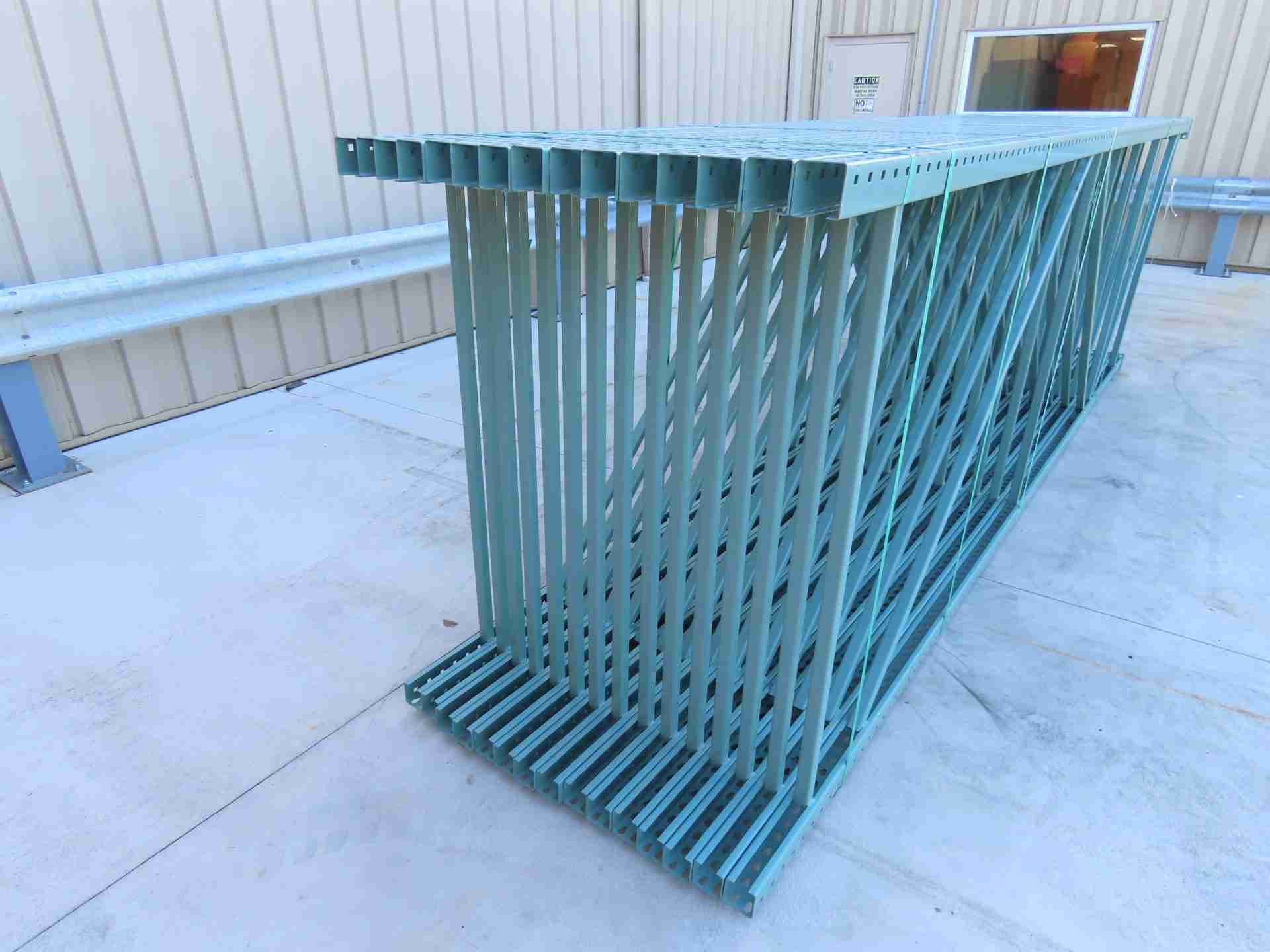
What Are The Common Mistakes In Warehouse Organization?
How Can You Improve Picking Accuracy?
Picture this: your warehouse is a bustling hive of activity, with everyone moving briskly, products flying off the shelves, and pallets packed meticulously in your pallet racking system. Now, imagine if amidst all this energy, you were able to enhance the precision of every item picked – the difference it would make in efficiency and customer satisfaction could be monumental. So how can you achieve this? Let’s peel back the layers.
First and foremost, it all begins with organization. An intuitive layout is key. Your pallet racking should not only maximize space but also streamline access to product zones. Think about it: if your pickers can retrieve items smoothly without backtracking or hunting around, you boost both morale and productivity. Consider employing a clear signage system that designates specific areas for each product, enabling your workforce to pick with confidence and speed.
Next, training is your secret weapon. Investing in your team’s skillset isn’t just a necessity; it’s a game-changer. Empowering your employees with the know-how on picking best practices creates a culture of precision. Not only do they feel valued, but their confidence translates into improved picking accuracy. Regular workshops or refreshers can keep them in tip-top shape, always moving toward that greater goal of flawless order fulfillment.
Don’t underestimate the role of technology either. In today’s digital age, tools such as Warehouse Management Systems (WMS) can revolutionize your operation. These systems can optimize picking paths, reducing walking time and enabling staff to focus on accuracy instead of navigation. Combine this with mobile devices that offer real-time data, and your pickers will feel like they’re using a high-tech, seamless strategy to elevate their performance.
Finally, let’s not disregard the impact of constant feedback and measurable metrics. Creating an environment where you regularly track picking validation and accuracy means you can identify areas for improvement on the fly. A simple dashboard displaying performance results can inspire healthy competition while fostering a sense of accountability that builds trust.
In short, ensuring optimal picking accuracy isn’t just about the tools and strategies; it’s about creating a well-oiled machine where people feel connected and empowered to excel. When you marry organization, training, technology, and feedback, you’re not just optimizing a process – you’re transforming the heart of your operation. Get ready to see those accuracy numbers soar!
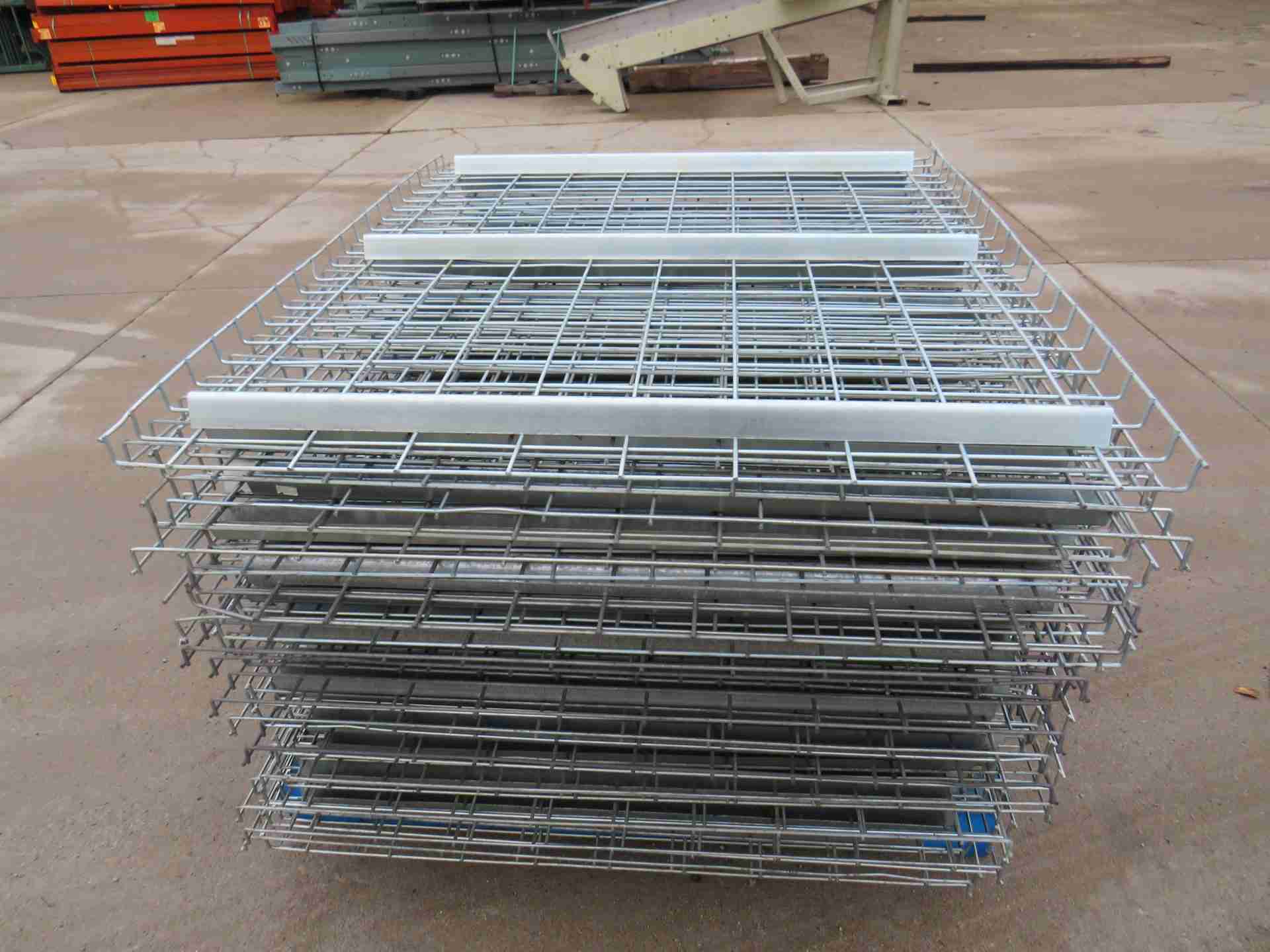
How Can You Improve Picking Accuracy?
How Can You Improve Picking Accuracy?
- Organize the warehouse with an intuitive layout to maximize space and streamline access to product zones.
- Implement a clear signage system to designate specific areas for each product, enhancing picker confidence and speed.
- Invest in training to empower employees with best practices for picking, leading to improved accuracy and morale.
- Utilize technology, such as Warehouse Management Systems (WMS), to optimize picking paths and reduce navigation time.
- Incorporate mobile devices for real-time data access, enhancing the picking process with seamless strategies.
- Establish a feedback mechanism and track picking accuracy to identify improvement areas and foster accountability.
- Create an environment where organization, training, technology, and feedback converge to enhance picking precision and overall operational efficiency.
How Can You Improve Picking Accuracy?
Conclusion
Conclusion: Take Control of Your Warehouse Efficiency Today!
At RackingWorld.com, we understand that a disorganized warehouse can spell disaster for your operations and bottom line. You’ve experienced the chaos: misplaced items, frustrated employees, and unfulfilled orders wreak havoc on productivity and customer satisfaction. But it doesn’t have to be this way! By embracing a systematic approach and strategic solutions from Arrow Industrial Sales, you can unlock the streamlined efficiency you’ve always envisioned.
Imagine transforming your chaotic space into a well-organized powerhouse with the help of effective pallet racking systems and updated inventory management technology. Each item will have its designated place, making retrieval effortless and vastly improving your operations. Regular audits of your setup can help ensure that your racking systems not only serve your current operational flow but that they also enhance it.
Implementing a culture of continuous improvement within your team is paramount; proper training ensures that your staff is equipped with the necessary skills to manage your warehouse efficiently. By emphasizing best practices, staff members won’t just understand their roles—they’ll own them, fostering an environment of accountability and pride. As your team thrives, they will drive results, translating clarity and organization into improved morale and productivity.
Moreover, technology is a vital player in your quest for efficiency. By integrating advanced inventory systems, you can capitalize on real-time data, optimizing accessibility while enhancing accuracy in picking processes. These technological advancements not only reduce errors but solidify your reputation for reliability among your clients.
But there’s one thing we can’t stress enough: time waits for no one! The chaos will only escalate if you continue down the current path. Every day you hesitate could cost you valuable time, money, and ultimately, customer trust. Don’t allow disorganization to restrict your potential for growth and profit any longer.
Call Arrow Industrial Sales at (574) 349-6575 today and take that crucial first step towards reclaiming control of your operations. A well-organized warehouse is just a phone call away! Your team, your customers, and your bottom line deserve nothing less than a smooth, efficient operation. Transform chaos into calm—act now!

Conclusion
Conclusion:
- Disorganized warehouses lead to chaos, impacting productivity and customer satisfaction.
- Implementing strategic solutions from Arrow Industrial Sales can enhance operational efficiency.
- Effective pallet racking systems and updated inventory management technology can organize spaces.
- Regular audits of racking systems help maintain and improve operational flow.
- Creating a culture of continuous improvement and proper training empowers staff for better management.
- Integrating advanced inventory systems optimizes accessibility and accuracy in operations.
- Taking immediate action is crucial to prevent further chaos and protect customer trust; contact Arrow Industrial Sales to improve warehouse organization.

Conclusion
Other Resources

Other Resources
Here is a list of other resources you can review online to learn more:
- Teardrop Industrial Shelving Rack
- Storage Equipment Manufacturers Association
- Shipping Boxes, Packaging Materials, Pallet Racking
- IIWS Inc. Rack Installation Illinois & Rack Repairs Illinois
- Intro to Warehouse Racks & Warehouse Racking Systems – ShipBob
- The Ultimate Pallet Racking Guide – Speedrack West
- Illinois Pallet Racking – WPRP
- Wolter
- Teardrop Uprights
- Chicago Pallet Racking
Use This Prompt To Get More Resources With Your Favorite Online AI Tool: Please provide me with a list of online articles with their URLs in a bulleted list that I can read regarding Is Your Warehouse Organization Causing Chaos Instead Of Calm?
Other Resources
Glossary Terms
Is Your Warehouse Organization Causing Chaos Instead Of Calm? – Glossary Of Terms
1. Warehouse Management System (WMS): A software application that helps manage and optimize warehouse operations, including inventory tracking, order fulfillment, and logistics.
2. Inventory Control: The process of overseeing the amount of stocked goods and ensuring that sufficient quantities are available to meet demand without overstocking.
3. SKU (Stock Keeping Unit): A unique identifier for each distinct product with specific attributes, used to track inventory and sales.
4. Picking: The process of selecting and gathering products from storage for order fulfillment.
5. Packing: The act of preparing and securing products for shipping, ensuring they are protected and correctly labeled.
6. Cycle Counting: A periodic audit of inventory to ensure accuracy between physical stock and inventory records, often conducted on a rolling basis.
7. First In, First Out (FIFO): An inventory management method where the oldest stock is sold or used before newer stock to minimize obsolescence.
8. Last In, First Out (LIFO): An inventory management approach that sells or uses the most recently stocked items first, often used in specific scenarios like perishable goods.
9. Lean Warehousing: A strategy aimed at minimizing waste and maximizing value by focusing on efficient processes and organization.
10. Reorder Point: The inventory level at which a new order should be placed to replenish stock before it runs out.
11. Flow Rack: A storage system designed to facilitate the efficient movement of goods, allowing items to naturally flow toward the picking area.
12. Barcode Scanning: The use of barcodes and scanners to track inventory movement and streamline the picking and packing processes.
13. Cross-Docking: A practice where incoming goods are directly transferred to outgoing vehicles with minimal storage time, improving efficiency.
14. Safety Stock: Extra inventory held to prevent stockouts during unexpected demand surges or supply chain delays.
15. ABC Classification: An inventory categorization technique that divides stock into three categories (A, B, and C) based on value and turnover rates to prioritize management efforts.
16. Pallet Racking: A storage system that uses raised shelves to hold goods on pallets, optimizing vertical space in a warehouse.
17. Load Planning: The method of strategizing the arrangement of items within shipping containers or trucks to maximize space and minimize movement during transport.
18. Order Fulfillment: The complete process of receiving, processing, and delivering orders to customers, critical for maintaining customer satisfaction.
19. Warehouse Layout: The physical arrangement of storage spaces, equipment, and work areas in a warehouse that affects workflow and efficiency.
20. Touchpoints: Points of interaction within the warehouse processes that can affect efficiency, such as receiving goods, picking, and shipping.
21. Standard Operating Procedures (SOPs): Established guidelines and procedures that dictate how tasks should be carried out in the warehouse to ensure consistency and efficiency.
22. Material Handling: The movement, protection, and storage of materials throughout the manufacturing and warehousing process.
23. Kanban: A scheduling system for lean and just-in-time manufacturing that controls the logistical chain from a production point of view, aiming to improve efficiency.
24. Warehouse Efficiency: A measure of how effectively a warehouse operates, often evaluated in terms of order processing speed, labor costs, and space utilization.
25. Returns Management: The process of handling returned goods, including assessing, restocking, and processing refunds or exchanges.
26. Value Stream Mapping: A visual tool used to analyze and improve the flow of materials and information through the warehouse process.
27. Decluttering: The act of removing unnecessary items from the warehouse, leading to improved organization and efficiency.
28. Workstation Design: The arrangement of tools and equipment in specific areas that enables workers to complete tasks efficiently and ergonomically.
29. Inventory Turnover Ratio: A financial ratio that measures how often inventory is sold and replaced over a specific period, indicating inventory efficiency.
30. Augmented Reality (AR): A technology that overlays digital information onto the physical environment, which can be used in the warehouse for training, navigation, and real-time data visualization.
Glossary Of Terms
Other Questions
Is Your Warehouse Organization Causing Chaos Instead Of Calm? – Other Questions
If you wish to explore and discover more, consider looking for answers to these questions:
- What are the key benefits of a well-organized warehouse?
- How do I assess the current layout of my warehouse?
- What are effective strategies for training warehouse staff?
- What technology options are available for warehouse management?
- How often should I audit my warehouse inventory?
- What are the signs of a disorganized warehouse?
- What does a successful pallet racking system look like?
- Can a cluttered warehouse affect my company’s reputation?
- What are the costs associated with poor warehouse organization?
- How can I get senior management on board with changes in warehouse organization?
- What are the best practices for implementing a FIFO inventory system?
- How can I measure the success of my warehouse organization efforts?
Other Questions
Checklist
Is Your Warehouse Organization Causing Chaos Instead Of Calm? – A Checklist
Checklist: Unlocking Efficiency in Your Warehouse Organization
Use this checklist to evaluate and enhance the organization of your warehouse, ensuring a calm and efficient environment for your team and customers.
1. Warehouse Layout Audit
_____ Assess the current layout of pallet racking and storage.
_____ Determine if the layout optimizes workflow and accessibility.
_____ Create clear pathways to prevent unnecessary obstacles.
2. Inventory System Assessment
_____ Review the current inventory management system for effectiveness.
_____ Ensure real-time data tracking of stock levels and product locations.
_____ Upgrade to a modern inventory system if outdated.
3. Clutter Reduction Strategies
_____ Implement a comprehensive inventory audit to identify slow-moving items.
_____ Adopt a “First In, First Out” (FIFO) approach to inventory management.
_____ Establish designated zones for receiving, processing, and shipping.
4. Staff Training and Engagement
_____ Evaluate current training programs for sufficiency related to warehouse organization.
_____ Conduct regular workshops on best practices for using pallet racking and organization.
_____ Foster a culture of accountability where team members take ownership of their areas.
5. Technology Integration
_____ Explore warehouse management systems (WMS) for optimizing operations.
_____ Utilize mobile devices for real-time inventory tracking and task management.
_____ Automate routine tasks to minimize manual errors and improve efficiency.
6. Common Mistake Prevention
_____ Regularly review pallet racking effectiveness and layout for long-term strategy.
_____ Schedule periodic inventory audits to maintain accurate stock levels.
_____ Ensure employee engagement by fostering a motivating and organized workspace.
7. Picking Accuracy Improvement Techniques
_____ Design an intuitive layout that enhances access to frequently picked items.
_____ Implement clear signage for product zones to improve retrieval efficiency.
_____ Provide ongoing training and feedback loops to enhance picking skills and accuracy.
8. Regular Maintenance and Continuous Improvement
_____ Schedule monthly or weekly clutter-busting sessions with the team.
_____ Celebrate organizational achievements to encourage morale and teamwork.
_____ Set measurable goals for improvements in efficiency and accuracy.
Take Action!
Start implementing these strategies today to transform your warehouse from chaos to calm and unlock new levels of efficiency and productivity. Your team and customers will thank you!
Checklist
At RackingWorld, we help guide you through selecting warehouse storage systems and racking.
Be sure to read our other related stories at RackingWorld to learn more about warehouse storage systems.
0 Comments