
Maximizing Efficiency And Safety: The Cantilever Racking Advantage In Metal Shops
By Tom Seest
At RackingWorld, we help guide you through selecting warehouse storage systems and racking.
Be sure to read our other related stories at RackingWorld to learn more about warehouse storage systems.
How Do Metal Fabrication Shops Leverage Cantilever Racking?
In a metal fabrication shop, space is as precious as the steel itself. When the work pile grows and those long, awkward steel beams start to stack up, it’s easy to feel like you’re running out of options. That’s where cantilever racking steps in – not just as another piece of hardware, but as the unsung hero keeping the chaos from swallowing the whole operation.
Think about the difference between pallet racking and cantilever racking. Pallet racking works great for palletized goods, sure, but try loading in 20-foot sections of angle iron or steel tubing on a standard rack, and you’re setting yourself up for a headache. Cantilever racks, with those arms reaching out like a strong, steady hand, cradle oddly shaped, heavy items that don’t fit neatly on pallets. That means faster access, fewer muscle strains, and less downtime — real-world benefits that hit hard when the deadlines are closing in and the crew’s already stretched thin.
There’s a kind of pride in running a shop where your storage solution works as hard as your guys do. Cantilever systems don’t just store metal; they protect it from damage, preserve quality, and keep the shop floor safer by cutting down clutter. Nothing builds trust with the team quite like a workspace that’s orderly and predictable, especially when those materials cost a pretty penny and every minute counts.
Ethically, investing in the right storage shows respect for the workers entrusted with these heavy materials and the customers depending on timely delivery. It’s not just about storage — it’s about stewardship. Properly leveraging cantilever racking means you can manage inventory transparently, reducing waste and mismatches, so the entire operation feels more honest, reliable, and professional.
Many metal fabrication shops find that switching from pallet racking for their long, bulky stock to cantilever racks changes the game. It’s not flashy, but it’s practical – maybe even a little satisfying – to have a system tailor-made for your needs. This ground-up problem-solving approach resonates with anyone who knows the value of rolling up sleeves and getting the job done right. It’s not just about where you put the steel; it’s about how making that simple change can steady the whole heartbeat of the shop.

How Do Metal Fabrication Shops Leverage Cantilever Racking?
How Do Metal Fabrication Shops Leverage Cantilever Racking?
- Metal fabrication shops face challenges managing space for long, awkward steel beams and require effective storage solutions.
- Cantilever racking is superior to pallet racking for storing long, bulky items like angle iron and steel tubing, offering easier access and reducing strain and downtime.
- Cantilever racks protect materials from damage, preserve quality, and improve shop floor safety by reducing clutter.
- Using cantilever racking builds trust within the team by maintaining an orderly, predictable workspace critical for expensive materials and tight schedules.
- Investing in proper storage reflects ethical stewardship towards workers and customers, enhancing inventory management, reducing waste, and ensuring reliability.
- Switching to cantilever racking is a practical, effective solution embraced by many shops for handling long, bulky stock.
- This tailored storage approach supports efficient operations and embodies a hands-on, problem-solving work ethic that stabilizes the shop’s workflow.

How Do Metal Fabrication Shops Leverage Cantilever Racking?
Table Of Contents
- How Do Metal Fabrication Shops Leverage Cantilever Racking?
- What Challenges Do Metal Shops Face In Storage Management?
- How Can Cantilever Racking Optimize Workspace Efficiency?
- What Materials Work Best with Cantilever Racks In Fabrication?
- How Does Cantilever Racking Improve Metal Handling Safety?
- Can Cantilever Racks Reduce Time Spent on Loading and Unloading?
- What Weight Limits Should Fabricators Consider for Cantilever Racks?
- Conclusion
- Other Resources
- Glossary Of Terms
- Other Questions
- Checklist
What Challenges Do Metal Shops Face In Storage Management?
Running a metal shop comes with a mountain of challenges, but when it comes to storage management, you’re truly tested on every level. The piles of heavy steel, the sheets and rods that don’t just sit still—they demand respect. Store ’em wrong, and you’re not just wasting space, you’re risking accidents, lost time, and mounting frustration. Every shop knows the sting of a botched job because a crucial piece got buried under a heap nobody bothered to organize properly.
One big headache is how to make the most of limited floor space without turning the shop into a tangled mess. Pallet racking seems like the obvious answer—stack things high and tidy—but it’s not just about slapping up some racks. If you don’t have the right system in place, you end up with awkwardly shaped metal strewn everywhere or trapped behind something you can’t reach without a forklift dance. That kind of clutter wastes time and chips away at the day’s productivity. And let’s face it, every minute counts when bills need paying and deadlines are looming.
There’s also the ethical side to all this. Shop owners and managers have a moral duty to keep their crews safe. Stacks of unorganized metal aren’t just eyesores; they’re hazards. One wrong move could send a steel beam crashing down, risking serious injury. Knowing this presses on the conscience—no one wants to go home worrying they didn’t do enough to keep their team safe.
But it’s not just safety and space; it’s about pride in your work. Walk into a shop where the storage is chaos, and it tells a story: corners cut, shortcuts taken, a lack of care. Metal shops aren’t just factories; they’re craftsmen’s dens where precision and respect for materials should be evident. Having a clean, well-planned storage system speaks volumes about the values of the people behind the workbench.
The reality is, finding a balance in storage management calls for practical wisdom and hands-on experience. You’ve got to know what’s coming through the door and have a plan to handle it without losing track or running out of room. Pallet racking solutions, when done right, can transform the chaos into order. They give you back the floor space, protect your stock, and give your team confidence that tomorrow’s job won’t start with a salvage mission. It’s more than just storage—it’s the backbone of a shop that values hard work, safety, and doing things the right way.

What Challenges Do Metal Shops Face In Storage Management?
What Challenges Do Metal Shops Face In Storage Management?
- Metal shop storage management is challenging due to heavy, awkward steel materials that require careful organization to avoid wasted space and accidents.
- Limited floor space demands efficient solutions; pallet racking can help but must be properly implemented to prevent clutter and improve accessibility.
- Disorganized metal storage poses serious safety risks, and shop owners have a moral responsibility to protect their teams from potential injuries.
- Storage conditions reflect the shop’s values—chaos suggests carelessness, while orderly storage demonstrates pride and respect for craftsmanship.
- Effective storage management requires practical knowledge of inventory and planning to maintain order without running out of space.
- Properly designed pallet racking systems reclaim floor space, safeguard materials, and boost productivity by streamlining workflow.
- Storage is fundamental to a metal shop’s success, representing a commitment to hard work, safety, and doing tasks correctly.

What Challenges Do Metal Shops Face In Storage Management?
How Can Cantilever Racking Optimize Workspace Efficiency?
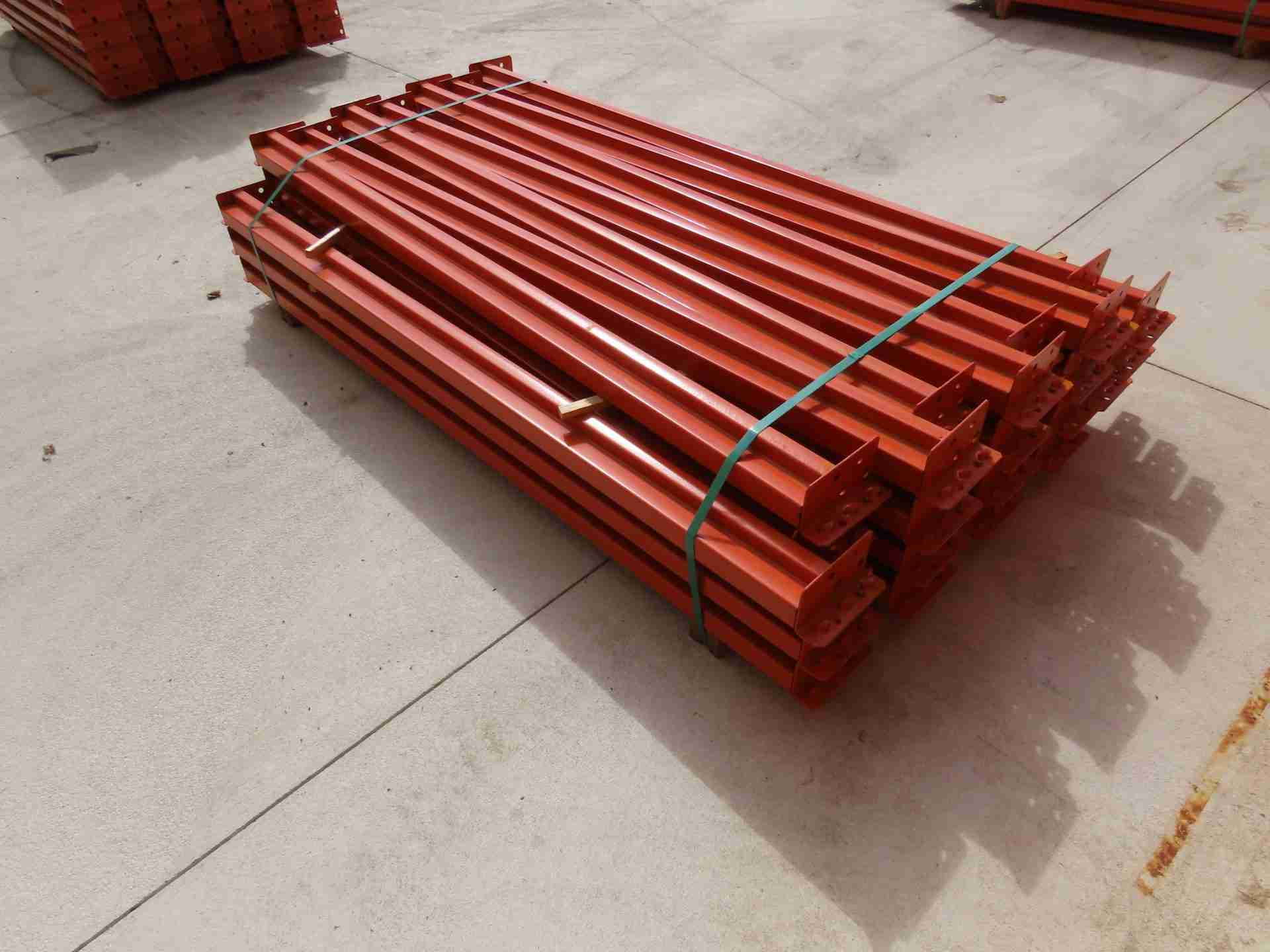
Look, anyone who’s spent more than a minute in a busy shop or warehouse knows space is king. When you’re juggling long, bulky items like pipes, lumber, or tubing, standard pallet racking just doesn’t cut it. That’s where cantilever racking steps in, cutting through the clutter and giving you room to breathe and move. It’s not just about stacking stuff high—it’s about working smarter, not harder, and saving your backbone from unnecessary strain.
Cantilever racking’s open-arm design means you get easy access to your goods, without the hassle of awkward lifting or wrestling with pallets that don’t fit right. This isn’t fancy tech; it’s built tough for real wear and tear, with a simple practicality that makes workdays smoother and less frustrating. The time your crew saves passing around bulky items adds up, turning those wasted minutes into a machine you trust to keep things moving.
You’ve got to respect the ethics behind workspace efficiency too. Keeping aisles clear and materials organized isn’t just about speed—it’s about safety and respect for the folks on the floor. Cantilever racking creates a cleaner, safer environment where everyone knows where to find what they need, reducing accidents and making the workplace a better place to clock in every day. That reliability builds trust across the board—between workers, managers, and everyone counting on the job getting done right.
From a hard-nosed business standpoint, investing in the right storage solution like this pays dividends. It’s not just saving space; it’s money saved on downtime, injury claims, and wasted effort. When you line your warehouse or shop with cantilever racking, you’re telling your team you care about doing things the right way and backing it up with tools that work as hard as they do.
Think about it like this: every piece of stock you handle tells your operation’s story. When you’ve got the right racking in place, that story flows smooth and steady—no chaos, no scrambling. It’s practical, proven, and it just makes sense, grounded in the real-world grime and grind of honest work. Pallet racking has its place, but when it comes to those long, awkward loads, cantilever racking is the plainspoken hero making your workspace more efficient, more respectful, and more ready for the next job on the list.
How Can Cantilever Racking Optimize Workspace Efficiency?
How Can Cantilever Racking Optimize Workspace Efficiency?
- Cantilever racking is ideal for storing long, bulky items like pipes, lumber, and tubing, unlike standard pallet racking.
- Its open-arm design allows easy access to goods, reducing awkward lifting and handling issues.
- Built for durability and practicality, it improves workflow and reduces physical strain on workers.
- Maintains clear aisles and organization, enhancing safety and respect on the work floor.
- Creates a cleaner, safer environment that minimizes accidents and boosts workplace trust.
- Investing in cantilever racking saves money by reducing downtime, injury claims, and wasted effort.
- Supports smooth, efficient operations and demonstrates a commitment to proper work processes and tools.

How Can Cantilever Racking Optimize Workspace Efficiency?
What Materials Work Best with Cantilever Racks In Fabrication?
When you’re knee-deep in fabrication work, the last thing you want is a cantilever rack that bends, breaks, or boots your stock into the dirt. Figuring out what materials work best with these racks isn’t just about ticking boxes on a spec sheet—it’s about something real: getting the job done without headaches, wasted time, or lost pieces. Pallet racking and cantilever racks may look like distant cousins in the storage world, but when it comes to holding heavy, unwieldy items—pipe, lumber, or metal bars—the right material makes all the difference.
Steel stands out as the heavyweight champ here. Not just any steel, but the kind that’s engineered for strength and durability, so it can handle the constant loading and unloading without buckling. It feels good knowing your rack isn’t going to snap under pressure, and that reliability gives you the breathing room to focus on the work itself. The difference is clear when you compare it to racks made of cheap metal or flimsy alloys that bend like wet noodles; those might save a quick buck but cost you big in the long run, and who wants that kind of drama?
Wood might be tempting—especially if you’ve got limited budget or a quick job—but it quickly shows its true colors under the weight and stress of an active fab shop. Splinters, warping, and breakage aren’t just frustrations; they’re safety hazards. Sticking with proven materials like powder-coated steel arms or galvanized finishes doesn’t just shield from rust but says you respect the craft and the team’s well-being. That’s the kind of ethical choice that earns trust across the shop floor.
Here’s the kicker—cantilever racks built with materials optimized for their task build confidence. When your equipment works faithfully, your rhythm stays steady. It’s about knowing that your racks will hold up when the pressure’s on, day in and day out. And that’s where real authority comes in—not flashy marketing, but the quiet, tested strength of good materials chosen with common sense.
So when you’re setting up your storage, think beyond just the obvious. The best materials for cantilever racks aren’t flashy; they’re practical, tough, and built to last. That’s common sense you can count on, because at the end of the day, it’s about having gear that earns its keep and keeps your operation running smooth. Pallet racking and cantilever setups aren’t just storage—they’re the backbone of a shop that cares about every piece and every hand that touches them.

What Materials Work Best with Cantilever Racks In Fabrication?
What Materials Work Best with Cantilever Racks In Fabrication?
- Cantilever racks must be made of materials that prevent bending, breaking, and damage to stock, ensuring efficient and headache-free work.
- Steel, specifically engineered for strength and durability, is the best material for handling heavy loads like pipe, lumber, and metal bars.
- Cheaper metals and alloys may save money initially but risk long-term costs due to bending and failure under pressure.
- Wood is not recommended for heavy fabrication use due to risks of splinters, warping, breakage, and safety hazards.
- Powder-coated steel arms and galvanized finishes protect against rust and demonstrate respect for craftsmanship and worker safety.
- Using optimized materials builds confidence and reliability, allowing consistent workflow without equipment failure.
- Practical, tough, and long-lasting materials make cantilever racks essential for an efficient, trustworthy fabrication shop environment.

What Materials Work Best with Cantilever Racks In Fabrication?
How Does Cantilever Racking Improve Metal Handling Safety?
When it comes to handling metal at a busy warehouse or shop, safety isn’t just a line on the checklist—it’s what keeps everyone heading home without a trip to the emergency room. Cantilever racking steps up as a real game-changer in this rough-and-tumble world, offering a smarter way to store and move those long, heavy metal pieces that don’t play nice on standard pallet racking.
The head knows this: metal bars, pipes, or sheets aren’t like tidy boxes that stack neatly. They’re unwieldy and can shift suddenly, turning a routine move into a hazard. Cantilever racks tackle this problem by giving each load a solid, open-armed cradle without the middle uprights that get in the way. It means no more balancing acts or wrestling awkward shapes onto pallets only to hope they don’t slide off later. That practical design reduces the chances of a dropped load or a worker losing their grip. It’s a physical solution that makes the task safer every single time.
The heart gets it too. When you’ve seen a coworker brace themselves to catch falling steel or watched someone strain trying to lift awkward metal off a standard rack, it hits home. Cantilever racking isn’t just about storage; it’s about respecting the hard work and sweat that go into every job. It shows that the folks running the place care enough to invest in gear that protects the crew. That morale boost isn’t fluff—it makes a real difference when everyone knows the company values their well-being over just cramming in more stuff on pallet racking.
Ethically, using cantilever racking is the right call. When you set up a workspace that reduces accidents, you’re doing your part to create a safer environment that honors the dignity and effort of every worker. It’s not just about insurance or liability—it’s about fairness and responsibility. The best businesses know that a safe worker is a trusted partner, not a number on a balance sheet.
Socially and within the industry, adopting cantilever racking signals that a company lives up to its promises. It earns respect from peers, customers, and employees alike. There’s a quiet pride in running a tight ship where safety and efficiency go hand in hand. It’s a tradition many hands-on professionals carry forward with grit and common sense.
So when you pick cantilever over pallet racking for metal handling, you’re not just changing racks—you’re boosting confidence, cutting risks, and lining up behind simple but solid solutions that work. That’s how safety goes from being a line on a poster to the way things get done every day.

How Does Cantilever Racking Improve Metal Handling Safety?
How Does Cantilever Racking Improve Metal Handling Safety?
- Cantilever racking improves safety by securely storing long, heavy metal pieces that are difficult to handle with standard pallet racks.
- Its open-armed design eliminates middle uprights, preventing loads from shifting or falling during movement.
- This design reduces the risk of dropped loads and worker injuries by providing easier, more stable handling.
- Cantilever racking shows respect for workers’ effort and boosts morale by prioritizing their well-being over maximizing storage space.
- Ethically, it creates a safer work environment that values fairness, responsibility, and worker dignity.
- Adoption signals a company’s commitment to safety and efficiency, earning respect from peers, customers, and employees.
- Choosing cantilever racks transforms safety from a formality into an everyday practice, enhancing confidence and reducing risks.

How Does Cantilever Racking Improve Metal Handling Safety?
Can Cantilever Racks Reduce Time Spent on Loading and Unloading?
You know that feeling when you’re up to your elbows in work, juggling heavy loads, and the clock’s ticking faster than you can move? That’s where cantilever racks slide right into the picture like a handy coworker who actually makes your day easier. Unlike traditional pallet racking setups, cantilever racks are built for the kind of materials that don’t fit neatly on a pallet—pipes, lumber, steel bars, and the like. This means no more wrestling with awkward stacks or wasting precious minutes trying to cram things where they don’t belong.
Picture the loading dock on a busy Monday morning. The forklifts are buzzing, orders pile up, and the last thing you need is a system that slows you down. Cantilever racks give you immediate, side access to your goods, which means no more circling around pallets or rearranging like a game of warehouse Tetris. The simplicity of loading and unloading here isn’t just a convenience—it’s a real time saver, cutting down the back-and-forth that throws off your whole flow.
There’s something almost satisfying about seeing a well-organized rack, where every beam and bracket is doing its job without fuss. It’s a quiet kind of efficiency, the sort that earns respect from anyone who’s spent years in the trenches handling heavy gear. When your setup works with you instead of against you, you notice it in your day-to-day: fewer injuries, less frustration, and more room to focus on the job that actually pays the bills.
Ethically speaking, it’s about more than speed; it’s about making a safer workspace for everyone. Cantilever racks reduce the risk of things toppling over or workers straining themselves. That’s not just good practice—it’s the right thing to do when people’s wellbeing is on the line. It sends a message that your operation values its crew as much as its profits.
Companies that have swapped out their pallet racking for cantilever systems often tell the same story: smoother operations, faster turnaround times, and a workplace vibe that feels a bit less like chaos and a bit more like teamwork. You want your equipment to pull its weight and, more importantly, help you pull yours with less hassle.
Putting it plain and simple, cantilever racks don’t just make sense—they make life easier for anyone who’s got to load and unload heavy, out-of-the-box stuff every day. They’re the kind of straightforward, practical upgrade that pays off in minutes saved, backs spared, and a smoother shift overall. If cutting time on loading and unloading matters to you, this isn’t just an option—it’s the tool you didn’t know you’ve been waiting for.

Can Cantilever Racks Reduce Time Spent on Loading and Unloading?
Can Cantilever Racks Reduce Time Spent on Loading and Unloading?
- Cantilever racks are designed for materials that don’t fit neatly on pallets, such as pipes, lumber, and steel bars, eliminating awkward stacking and wasted time.
- They provide immediate side access, speeding up loading and unloading by reducing unnecessary movement and rearranging in busy environments.
- A well-organized cantilever rack system improves daily operations by decreasing injuries, frustration, and creating more workspace efficiency.
- Cantilever racks enhance workplace safety by minimizing the risk of materials toppling and reducing physical strain on workers.
- Switching to cantilever systems leads to smoother operations, faster turnaround times, and a more cooperative workplace atmosphere.
- They represent a practical and effective upgrade that saves time, protects workers, and streamlines heavy load handling.
- For those needing efficient loading and unloading of bulky items, cantilever racks are an indispensable tool that significantly improves workflow.

Can Cantilever Racks Reduce Time Spent on Loading and Unloading?
What Weight Limits Should Fabricators Consider for Cantilever Racks?
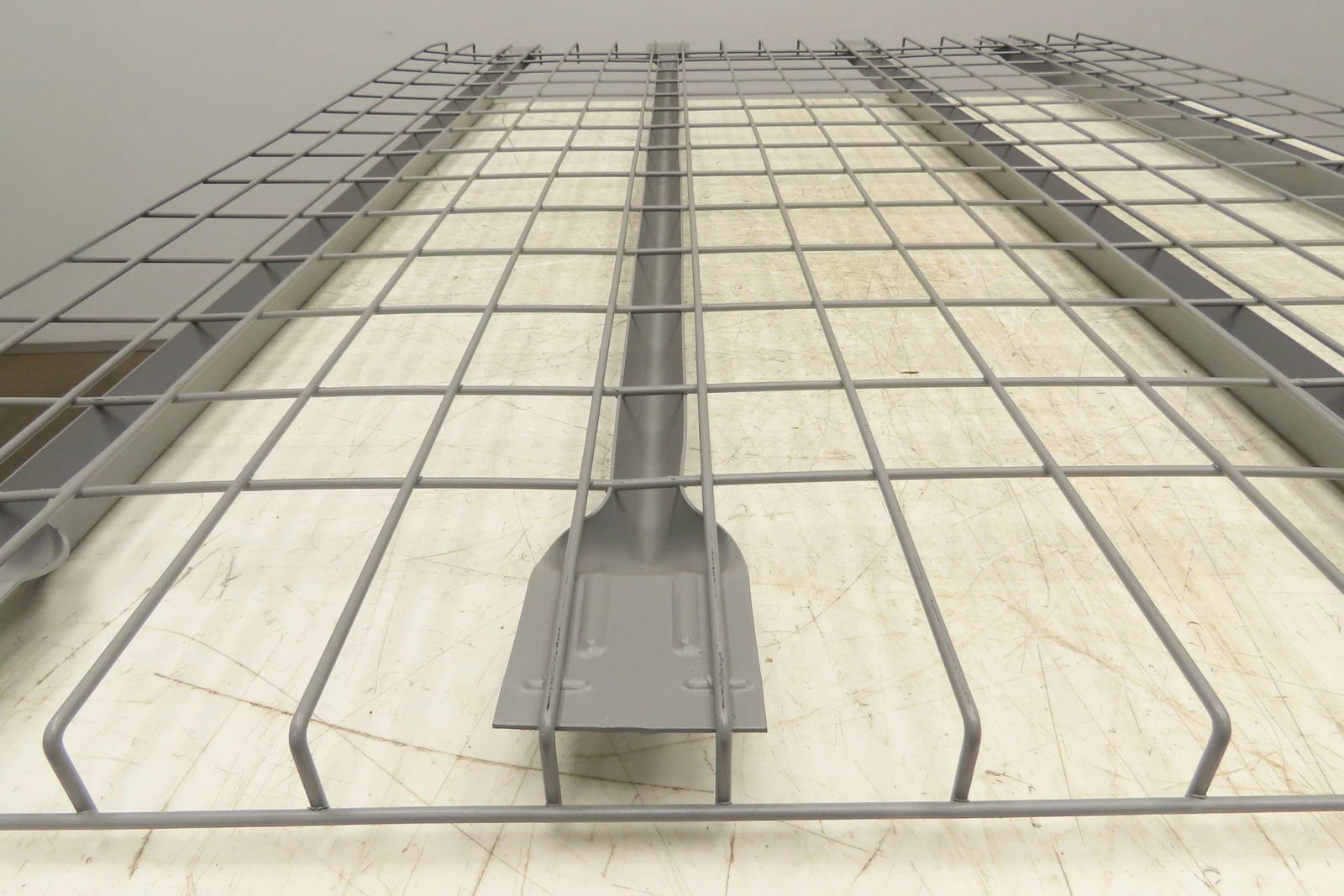
When it comes to cantilever racks, weight limits aren’t just numbers on a spec sheet—they’re the backbone of safety, efficiency, and trust on the job. Fabricators need to think beyond the basics because every pound that goes on those arms tells a story about what’s at stake: the tools, the materials, and most importantly, the people who rely on them day in and day out.
Picture this: a rigged-up cantilever rack in a warehouse packed tight with lumber or steel pipes. It’s doing its job holding heavy loads, but if the weight limits aren’t nailed down just right, it’s not just about bent arms or cracked welds. It’s about the moment something gives and work grinds to a halt—or worse, someone gets hurt. The weight capacity has to be calibrated carefully, factoring in not just the static loads but the dynamic ones too—things like forklift bumps and uneven stacking. This isn’t guesswork; it’s hands-on experience married to cold, hard calculations.
Fabricators have to juggle the known with the unknown—typical load weights versus the occasional outlier load that pushes the envelope. Safety margins aren’t a luxury; they’re the invisible net below the tightrope walker that keeps everything from coming apart at the seams. And yes, that means knowing your materials, your welds, and your assembly inside and out, because cantilever racks don’t fail silently. They show signs—bends, twists, or cracks—that if ignored, can lead to costly downtime and lost trust.
Trust here isn’t built overnight. It’s earned through protocols, testing, and a grounded respect for what those racks carry and protect. Pallet racking might get all the spotlight for sheer volume storage, but cantilever racks demand a different kind of attention—precision, vigilance, and a commitment to staying within weight limits that aren’t just suggested, but engineered.
For fabricators, keeping these weight limits front and center means striking a balance: the sturdy, no-nonsense gear that can take a licking every day without fail, paired with the humility to admit when a job needs a tougher setup. The job is about more than metal and math; it’s about creating a backbone for workplaces where people’s livelihoods hang in the balance. Weight limits aren’t just technical specs—they’re a promise to keep work running safely and smartly, every single day.

What Weight Limits Should Fabricators Consider for Cantilever Racks?
What Weight Limits Should Fabricators Consider for Cantilever Racks?
- Weight limits on cantilever racks are critical for safety, efficiency, and trust in the workplace.
- Accurate calibration of weight capacity must consider both static and dynamic loads, including forklift impacts and uneven stacking.
- Fabricators must balance typical loads with occasional outliers, maintaining safety margins as essential protection.
- Understanding materials, welds, and assembly is vital since cantilever racks show visible signs before failure.
- Trust is built through strict protocols, testing, and respect for the loads these racks support.
- Cantilever racks require precision and vigilance distinct from other storage systems like pallet racking.
- Maintaining and respecting weight limits ensures continuous, safe operation and protects people’s livelihoods.
What Weight Limits Should Fabricators Consider for Cantilever Racks?
Conclusion
In metal fabrication shops, space and safety are priceless commodities, and cantilever racking stands as the practical champion in keeping the chaos at bay. Unlike pallet racks that work fine for boxed goods, cantilever racks are built tough for those long, odd-shaped steel beams and pipes that don’t play nice with conventional storage. They’re not just racks—they’re hands that hold your materials steady, easy to reach, and built to cut down those stubborn muscle strains and lost minutes when deadlines are breathing down your neck.
Running a metal shop feels like juggling chainsaws: you need every inch of floor space without turning your workshop into a dangerous mess. When metal piles up the wrong way, it’s more than a nuisance—it’s a real hazard that puts your crew at risk and your productivity in the ditch. Cantilever racking answers that call with a straightforward, no-nonsense solution to organize bulky stock safely and efficiently. It respects the daily grind and the folks who do it, showing ethical backbone by keeping things neat, reducing accidents, and preserving expensive materials from damage.
This isn’t a fancy gadget—it’s a rugged, tested system that genuinely lightens the load. Since metal bars and pipes can’t just be stacked like bricks, these racks cradle their weight without middle uprights getting in the way, cutting out the awkward lifting and risky balancing acts. That smooth flow translates into a safer shop floor and a crew that knows their tools and stocks won’t betray them. Investing in quality steel racks with powder coatings isn’t about flash; it’s about trust—toward the materials, the workers, and the customers counting on timely deliveries.
Time saved loading and unloading isn’t just a convenience; it’s the difference between getting the job done and watching your day spiral into wrangling forklifts and scrambling for lost parts. Cantilever systems offer easy side access that respects busy schedules and backs tired from hauling heavy loads the hard way. This kind of reliability builds quiet authority in a shop—the kind earned through grit and good sense, not marketing hype.
But this all comes down to weight limits. Cantilever racks aren’t magic; they’re engineered promises you can’t ignore. Knowing the load inside and out, respecting the welds and material strength, and being honest about when you need something tougher is what keeps the whole operation from grinding to a halt—or worse, falling apart and hurting someone. That’s where real integrity lies: in balancing strength with humility and setting up your shop to carry its weight every single day.
When you lay it all out, cantilever racking isn’t just storage—it’s the backbone of a metal shop that feels respect for the work, the workers, and the craft. It’s a practical upgrade that protects your team, speeds up your flow, and tells the story of a place built on common sense and a steady hand. In the messy business of metal fabrication, that’s the kind of solid foundation every shop deserves.

Conclusion
Conclusion:
- Cantilever racking is ideal for metal fabrication shops, providing sturdy storage for long, irregular steel beams and pipes that don’t fit conventional pallet racks.
- These racks optimize limited floor space while enhancing safety by preventing hazardous clutter and protecting workers and materials.
- The design eliminates middle uprights, making it easier to lift and balance heavy metal pieces, reducing strain and risk of injury.
- Powder-coated steel construction offers durability and reliability, supporting efficient workflow and timely deliveries.
- Easy side access streamlines loading and unloading, saving time and reducing effort during busy operations.
- Adhering to weight limits and respecting material strength ensures operational integrity and prevents equipment failure.
- Cantilever racking serves as a foundational solution that supports the work, workers, and workflow within metal fabrication environments.

Conclusion
Other Resources

Other Resources
Here is a list of other resources you can review online to learn more:
- Teardrop Uprights
- Overhead Lifting
- Mustang Material Handling
- Selective Pallet Racking Systems
- National Safety Council
- Used Teardrop Pallet Rack – American Surplus
- Warehousing Education and Research Council: https://www.werc.org/
- Shipping Boxes, Packaging Materials, Pallet Racking
- IIWS Inc. Rack Installation Illinois & Rack Repairs Illinois
- RMI
- Iowa Illinois Warehouse Racking
- Warehouse Racking Systems: Beginner’s Guide to Rack Systems
- Cantilever Rack Configuration & Installation: A Comprehensive Guide – BMH
- MHI
- Bradford Systems
- Warehousing and Fulfillment
- Interlake Mecalux
- Cantilever Racking Specialists – Get the Right Racks
- Rack Manufacturers Institute
- Warehouse Storage Racks
Use This Prompt To Get More Resources With Your Favorite Online AI Tool: Please provide me with a list of online articles with their URLs in a bulleted list that I can read regarding How Do Metal Fabrication Shops Leverage Cantilever Racking?

Other Resources
Glossary Terms
How Do Metal Fabrication Shops Leverage Cantilever Racking? – Glossary Of Terms
1. Cantilever Racking: A storage system designed with arms extending from a vertical column, ideal for storing long, bulky items like metal bars and pipes.
2. Metal Fabrication: The process of cutting, shaping, and assembling metal parts for manufacturing.
3. Inventory Management: The supervision and control of stock levels within a fabrication shop.
4. Vertical Storage: Using upwards space to store materials, maximizing floor area.
5. Space Optimization: Efficient use of available storage area to increase capacity.
6. Load Capacity: The maximum weight that cantilever racks can safely hold.
7. Modular Design: A construction approach where components can be reconfigured or expanded.
8. Accessibility: Ease of reaching stored materials in racks.
9. Material Handling: Movement, protection, storage, and control of materials throughout a manufacturing process.
10. Custom Racking: Tailored cantilever rack systems made to fit specific metal fabrication needs.
11. Structural Steel: Steel components used to build cantilever rack frames.
12. Storage Efficiency: Maximizing usable storage space.
13. Safety Standards: Regulations ensuring secure storage and handling of materials.
14. Load Distribution: How weight is spread across rack arms and columns.
15. Warehouse Layout: The arrangement of storage and operational spaces in a fabrication shop.
16. Heavy-Duty Racking: Cantilever racks built to withstand substantial loads typical in metal shops.
17. Adjustable Arms: Rack arms that can be repositioned to accommodate different material sizes.
18. Corrosion Resistance: The ability of racking materials to withstand rust and degradation.
19. Forklift Compatibility: Design feature allowing forklifts to easily access stored materials.
20. Long Materials Storage: The practice of storing elongated metal products safely and efficiently.
21. Structural Integrity: The strength and durability of the racking system under load.
22. Custom Load Bearing: Specific weight requirements addressed through rack design.
23. Fabrication Workflow: The sequence of operations in metal fabrication, influenced by storage organization.
24. Productivity Enhancement: Improvements in efficiency gained by organized storage systems.
25. Durable Components: High-quality materials used to build reliable racks.
26. Material Sorting: Organizing metals by type, size, or shape within racks.
27. Space Saving: Strategies to reduce storage footprint.
28. Operational Efficiency: Optimizing processes including storage and retrieval.
29. Load Safety: Preventing accidents by managing how materials are stored.
30. Inventory Accessibility: Quick and easy retrieval of stock from cantilever racks.

Glossary Of Terms
Other Questions
How Do Metal Fabrication Shops Leverage Cantilever Racking? – Other Questions
If you wish to explore and discover more, consider looking for answers to these questions:
- How much does a cantilever racking system cost to buy and install for a typical metal fabrication shop?
- What is the expected return on investment (ROI) and payback period after switching to cantilever racking?
- How do I calculate the exact weight capacity needed for my specific inventory and dynamic loading conditions?
- Are there industry standards or certifications to verify a cantilever rack’s load rating and safety?
- What are the anchoring and seismic requirements for cantilever racks in different regions?
- How do cantilever racks handle very long or unusually shaped items beyond standard lengths?
- What are the recommended aisle widths and forklift clearances when using cantilever racking?
- Can cantilever racks be retrofitted into an existing shop layout, and what’s involved?
- What maintenance and inspection schedules should be followed to keep cantilever racks safe?
- What are common signs of wear or failure to watch for on cantilever racks?
- What protective accessories (end caps, bumpers, arm pads, guards) are recommended to prevent damage?
- How do different finishes (powder coat vs. galvanization) perform in humid or corrosive shop environments?
- Are there cantilever solutions tailored for outdoor storage or covered yard use?
- How do installation and assembly differ between welded and bolted cantilever systems?
- What training should be provided to forklift operators and shop staff for safe loading/unloading?
- How should loads be secured or restrained on cantilever arms to prevent shifting during handling?
- What are best practices for inventory organization and labeling on cantilever racks?
- How do cantilever racks compare to other long-load storage options like drive-in or push-back systems?
- What are the space-saving trade-offs when choosing cantilever vs. high-density pallet racking?
- Can cantilever racks be integrated with automated retrieval systems or inventory software?
- How modular and expandable are cantilever systems if shop needs grow or change?
- What lead times should be expected for custom cantilever configurations?
- Are used cantilever racks a safe and cost-effective option, and what should buyers inspect?
- What warranty and supplier support options are typical for cantilever racking?
- How do weight distribution and stacking patterns affect arm spacing and rack design?
- What safety signage, markings, or floorplans should accompany cantilever installations?
- How are cantilever racks engineered to withstand forklift impacts and daily shop abuse?
- What are recommended procedures after a rack collision or damage event?
- How do storage needs for sheet metal differ from round bars or tubing on cantilever arms?
- What padding or separators work best to prevent metal-to-metal contact and surface damage?
- How should shops plan for seasonal or temporary surges in long-load inventory?
- What are the insurance and liability implications of changing racking systems?
- How long do well-maintained cantilever racks typically last, and what are end‑of‑life options?
- When is it necessary to involve a structural engineer to design or certify a cantilever system?
- What are the typical installation costs and on-site requirements (floor condition, leveling, crane access)?

Other Questions
Checklist
How Do Metal Fabrication Shops Leverage Cantilever Racking? – A Checklist
Before You Decide
✅______ Confirm primary stock includes long or bulky items (tube, pipe, bar, angles, sheet packs) that are poorly served by pallet racks
✅______ Profile inventory by length, OD/shape, bundle size, average and maximum piece weight, and pick frequency
✅______ Define goals: faster access, reduced damage, safer handling, floor space recovery, and clearer aisles
Design and Specification
✅______ Choose configuration: single- or double-sided based on flow and wall space
✅______ Set column height, base length, arm length, and arm pitch to suit the longest pieces and required clearances
✅______ Verify per-arm, per-level, and per-bay capacities exceed maximum load with a safety margin
✅______ Specify stops/end lips, removable pins, or retainer chains to prevent roll-off
✅______ Decide on decking (if needed) for mixed small profiles without creating snag points
✅______ Select finish for the environment: powder coat for indoor; galvanized or coated for corrosive/outdoor zones
✅______ Plan bracing and tie-ins per the manufacturer for bay spacing and stability
✅______ Include rack protection (column/base guards) at impact zones
Facility and Code Fit
✅______ Verify slab capacity, thickness, and condition for anchors and point loads
✅______ Check seismic and wind requirements and local building permits
✅______ Confirm fire and sprinkler clearances and egress; maintain required flue spaces
✅______ Ensure lighting allows clear sightlines to arms and labels
Material Handling and Aisles
✅______ Match equipment to rack: forklift, reach, or side-loader capacity and lift height
✅______ Set aisle width for equipment turning radius and side access to loads
✅______ Provide staging zones for safe loading and unloading away from main aisles
Weight and Loading Controls
✅______ Document maximum load per arm, level, and bay; include dynamic factors (fork impacts and uneven bundles)
✅______ Define allowable load overhang and center-of-gravity limits
✅______ Standardize bundle strapping and dunnage for consistent bearing on arms
✅______ Place the heaviest and most frequently picked items at ergonomic heights; keep the heaviest loads low
Installation
✅______ Install per manufacturer drawings; set plumb, level, and square
✅______ Use specified anchors and torque values; verify anchor embedment
✅______ Post conspicuous load signage at each bay
✅______ Complete commissioning checks before first use
Safety and Compliance
✅______ Align with RMI/ANSI MH16.3 and applicable local codes
✅______ Create standard operating procedures (SOPs) for loading and unloading sequence and arm selection
✅______ Prohibit climbing on racks; enforce a clear-aisle policy
✅______ Assign damage reporting and out-of-service tagging procedures
Labeling and Inventory Control
✅______ Label bays, columns, arm levels, and storage zones
✅______ Mark stock-keeping units (SKUs), lengths, grades, and heat numbers where applicable
✅______ Implement first in, first out (FIFO) or job-based allocation to reduce searching and mismatches
✅______ Track utilization and locations in an inventory system or simple bin maps
Training
✅______ Train operators on cantilever-specific forklift techniques and clearances
✅______ Train on load assessment, securement, and placement on correct arm lengths
✅______ Review hazard spots: arm tips, pinch points, and impact zones
✅______ Refresh training upon changes to equipment, layout, or material types
Daily Use
✅______ Keep arms and bases free of loose offcuts and debris
✅______ Maintain clear sightlines to arm tips and labels
✅______ Verify straps and bundles are intact before moving
✅______ Correct misstacked or overhanging loads immediately
Inspection and Maintenance
✅______ Daily pre-use walk: look for bent arms, loose anchors, cracked welds, chipped coatings, and floor damage
✅______ Weekly check: plumb/level, label legibility, presence of stop pins, and guard condition
✅______ Monthly fastener torque verification and anchor inspection
✅______ Annual qualified inspection; repair or replace damaged components with original equipment manufacturer (OEM) parts only
✅______ Touch up coatings to prevent corrosion; rotate arms if wear patterns develop
Change Management
✅______ Recalculate capacities when stock dimensions or weights change
✅______ Review layout before adding bays or changing aisle widths
✅______ Reassess slab and anchorage if relocating or expanding
Performance and Continuous Improvement
✅______ Track key performance indicators (KPIs): pick time per order, damage rate, near-miss/incident rate, and space utilization
✅______ Gather operator feedback and adjust arm spacing or slotting
✅______ Standardize high-velocity stock-keeping units (SKUs) at optimal heights and closest aisles
Culture and Stewardship
✅______ Reinforce housekeeping and safe pace over shortcuts
✅______ Budget for preventive maintenance and timely repairs
✅______ Communicate that storage decisions prioritize people, product integrity, and deadlines

Checklist
At RackingWorld, we help guide you through selecting warehouse storage systems and racking.
Be sure to read our other related stories at RackingWorld to learn more about warehouse storage systems.
0 Comments